


Welcome to iGrow News, Your Source for the World of Indoor Vertical Farming

Farm in a Box
Local agricultural technology may change the way we eat
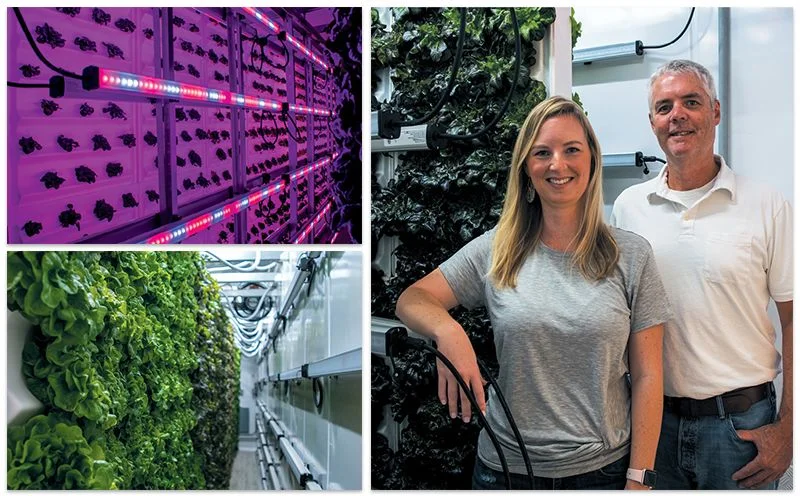
(Clockwise from top left) A lighting system nurtures infant greens; Tiger Corner Farms general manager Stefanie Swackhamer and her dad, AmplifiedAg CEO Don Taylor; green oak lettuce, nearly ready to harvest.
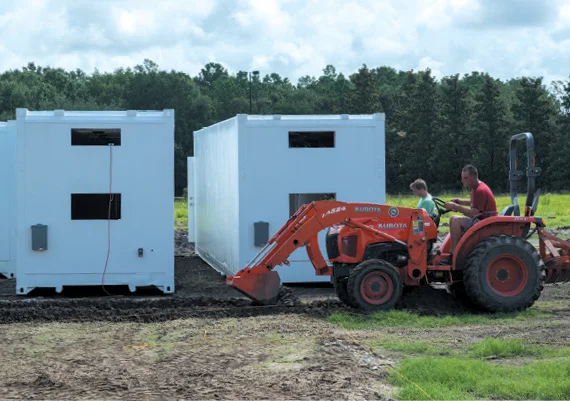
For conscientious eaters, the holy trinity of organic, local, and in-season can be difficult to come by. Leafy greens, in particular, are tricky to grow in the Lowcountry, and thus tough for the likes of schools and grocers to obtain. Local start-up Tiger Corner Farms has a solution: aeroponic farms built inside shipping containers, where humidity, light, nutrients, and carbon dioxide levels can all be controlled, yielding a year-round supply.
Controlled environmental agriculture is booming nationwide, but Tiger Corner has an edge: it’s part of a parent company called AmplifiedAg founded by former Benefitfocus CTO Don Taylor. AmplifiedAg’s two other divisions are Boxcar Central, an automation software platform that lets users dial in exact specifications for any plant, and Vertical Roots, whose growers operate farms in Summerville, off Clements Ferry Road, and outside Daniel Island eatery Dockery’s (which serves the greens).
“We have a continuous feedback loop that allows us to quickly make adjustments to our product to best serve the farmers,” says Tiger Corner general manager Stefanie Swackhamer about Vertical Roots, which sells to GrowFood Carolina and retailers like Whole Foods, Harris Teeter, and Earth Fare. They also supply greens to Dorchester District Two schools, and “This school year, we’re implementing a farm at Ashley Ridge High School to allow students to get involved in the growing process,” says Swackhamer.
Head Count
How many farms—and leafy green plants—is Tiger Corner Farms producing? Take a look at the numbers:
A full, turnkey farm—including 4 pods and a “clean room”—takes about 4 weeks to build and costs $550,000.
Each pod yields 3,800 to 7,000 plants (depending on variety) per month.
Tiger Corner has built 18 pods since 2016, making its very first sale to The Citadel.
Resources:
Photographs by (4) Melissa Sommer

Life Support System Greenhouses To Be Launched To Space
At 19:31 CET on 19 November 2018, the German Aerospace Center (Deutsches Zentrum für Luft- und Raumfahrt; DLR) Eu:CROPIS mission was launched into space from Vandenberg Air Force Base in California.
A Falcon 9 from the US aerospace company SpaceX will carry two biological life support systems comprising greenhouses, dwarf tomato seeds, single-celled algae and synthetic urine on a satellite up to a near-Earth orbit at an altitude of 600 kilometres. The aim is for the seeds to germinate in space and continue to grow due to the successful conversion of urine into a fertiliser solution. The mission is intended to show how biological life support systems can be used to supply food on long-term missions. The Eu:CROPIS satellite, which is approximately one cubic metre in size and weighs 230 kilograms with its biological payload, was designed and built by DLR and the Friedrich Alexander University (FAU) in Erlangen–Nuremberg.
"With the Eu:CROPIS mission, DLR is making a significant contribution towards future long-term missions, showing whether and how a closed biological life support system can function and produce food far away from Earth. In the process, DLR has once again demonstrated its systems expertise in the design and construction of satellites," says Hansjörg Dittus, DLR Executive Board Member for Space Research and Technology. The satellite will separate from the Falcon 9 carrier rocket 35 minutes after the launch in its orbit. The DLR German Space Operations Center (GSOC) in Oberpfaffenhohen, which will control the satellite, expects first radio contact about one and a half hours after the launch.
A closed life support system
Eu:CROPIS stands for 'Euglena and Combined Regenerative Organic-food Production in Space'. "This mission seeks to show that urine can be converted into nutrients even under lunar and Martian gravity conditions," says Jens Hauslage of the DLR Institute of Aerospace Medicine in Cologne. Inside the satellite are two greenhouses, each maintained as a pressurised closed loop system. The core elements of these systems are a biofilter and green algae (Euglena gracilis). The biofilter consists of a 400-millilitre chamber filled with lava stones. Bacteria have settled on and within these porous stones, which convert the urine flowing over them into nitrate in a water cycle.
"The nutrient solution obtained is used to cultivate the tomatoes. This is, so to speak, an indicator that our experiment is proceeding successfully in space," says Hauslage. The single-celled Euglena gracilis, also known as green algae, which will be carried into space as a 500-millilitre 'green solution', also play a key role in the system. Firstly, they can produce oxygen, which will prove particularly important at the start of the experiment, when the tomatoes are not yet generating oxygen via photosynthesis. Secondly, the Euglena can detoxify the system and protect it against excessive levels of ammonia, which can occur if the biofilter is not functioning properly. "We use the properties of communities of organisms to apply purely organic methods for transforming waste into substances that we need to grow crop plants, in this case tomatoes. As such, we are preparing the vital groundwork for supplying astronauts with food on future long-term missions," explains Hauslage. He and Michael Lebert (FAU in Erlangen) are the scientific instigators behind the project, and are now leading the Eu:CROPIS mission.
The processes at play inside the greenhouses are recorded by cameras and transmitted to the GSOC and the Microgravity User Support Center (MUSC). LED light provides a day-and-night rhythm, while a pressure tank ensures atmospheric pressure of one bar, which corresponds with that of Earth's. Also on board the Eu:CROPIS satellite are two RAMIS (Radiation Measurement in Space) devices, developed by the Institute of Aerospace Medicine. These will measure radiation levels both inside and outside the satellite during the mission. DLR is also sending the on-board computer SCORE (SCalable On-BoaRd Computing Experiment), developed by the Institute of Space Systems, to test the principle of a COBC (Compact On-Board Computer) in space for the first time. The computer will process the images taken by the on-board cameras. NASA will also be running a PowerCell experiment relating to the production of useful substances in space using bacteria.
Gravitational conditions as on the Moon or Mars
During the mission, the satellite will rotate around its longitudinal axis. Depending on the rotation rate, this generates a specific level of altered gravity. During the first part of the experimental phase, gravitational conditions like those on the Moon will be created (0.16 times Earth's gravitational pull), with 20 rotations per minute. This will last for around 23 weeks. The first greenhouse will be put into operation during this phase. In the second research phase, the satellite will simulate gravity on Mars (0.38 times that of Earth) by rotating 32 times per minute. Experiments will now take place in the second life support system.
Systems expertise in satellite construction
The satellite was built at the DLR Institute of Space Systems in Bremen. The DLR Institute of Composite Structures and Adaptive Systems in Braunschweig developed the frame structure and the pressure tank. Power is supplied via four solar panels, each with a surface area of one square metre. DLR scientists were able to draw on their experience of developing standard components for satellites in the run-up to the mission. Depending on the payload, they are able to design and construct satellites of different sizes quickly and flexibly. "In its efforts towards this mission, DLR has shown that it can develop satellites efficiently and cost-effectively. This component-oriented design is a unique feature of DLR, enabling us to support lots of different research missions," says Hartmut Müller, Project Manager for the satellite’s construction at the DLR Institute of Space Systems.
Benefits for Earth
Fresh vegetables that thrive in space thanks to converted organic waste products are not only a prerequisite for long-term space travel, but the research findings from such projects can also be useful on Earth. If urine or manure can be recycled into fresh water and nutrients usable by plants, this could improve living conditions in overcrowded areas or in places that have an extreme shortage of drinking water, while providing relief for soil and groundwater – another of DLR’s areas of research.
Source: DLR

Publication date : 11/16/2018

Resilience Is Fertile - 39th annual EcoFarm Conference Coming Up In January
The Ecological Farming Association (EcoFarm) will present the 39th Annual EcoFarm Conference, January 23 - 26, 2019 at the Asilomar Conference Grounds in Pacific Grove, California.
Building upon its farmer-to-farmer education model, EcoFarm Conference is a prime networking and educational hub - the convergence of all sectors invested in growing a healthy food system and world.
“As the oldest and largest organic farming conference in the West, EcoFarm Conference is an essential organism in the body of agriculture that feeds the heart and soul of many farmers - an important tool for relationship building, coming up with strategies, gaining new skills, and unifying our goals.” - Farmer, Sonoma, CA
EcoFarm - supported in part by Patagonia and Earl’s Organic Produce, will be 3-4 days of 70+ workshops and events where conference-goers learn from leading experts on topics addressing both technical and big picture issues facing the organic industry and agriculture at large.
A powerhouse panel of women leaders Malaika Bishop, Denisa Livingston, and Karen Washington will launch EcoFarm’s opening keynote session about how we can empower each other to heal and transform our food and farming system - perhaps beyond what we could even imagine.
Other noteworthy speakers include soil scientist Dr. Kris Nichols who is amongst a vanguard of scientists who have more recently revealed the myriad biological life forms underfoot. She will take the stage together with Dr. John Reganold, Regents Professor of Soil Science and Agroecology from Washington State University about What 40 Years of Science tell us about Organic Agriculture.
The Successful Organic Farmers keynote is an annual tradition when attendees can learn from three leading farms whose founders will share their stories and what they’ve learned along the way.
The closing keynote will be presented by Nikki Silvestri, CEO of Soil and Shadow, who will explore the complexities that exist in different approaches to farming, with the goal of finding common ground.
Pre-Conference intensives will be offered on Tuesday, January 22 and Wednesday, January 23 including Women in Regenerative Agriculture Field Day at Paicines Ranch, a PSA-Approved Food Safety Workshop for Produce Growers in both English and Spanish, and Advancing Equity in Ecological Farming.
An all-day Bus Tour, Organic Farming in the Pajaro Valley will take attendees to Dirty Girl Produce, Blossom’s Biodynamic Farm, Monkey Flower Ranch, and High Ground Organics with an organic lunch prepared by acclaimed chef Jim Denevan of Outstanding in the Field.
Attracting over 1,700 participants, EcoFarm Conference offers a diverse schedule including an exhibitor marketplace, artisanal tastings, seed swaps, live entertainment, an annual awards banquet, and opportunities for farmers and ranchers to discuss their challenges one-on-one with industry experts.
Attendees can choose single or multi-day passes including locally-sourced meals and on-site lodging at the Asilomar Conference Grounds.
The non-profit organization is fundraising to provide scholarships for new and beginning farmers who seek to attend EcoFarm at a reduced cost.
“EcoFarm was everything I hoped it would be! Farmers, distributors and retailers, all coming together to share their knowledge and passion for the organic farming movement and the industry it’s created. Many of the seminars I sat in on were, of course, educational, but also inspiring and encouraging!” - Quality Control Specialist, San Francisco, CA
To learn more about EcoFarm Conference and to register,
Visit www.eco-farm.org/conference
#
The Ecological Farming Association nurtures healthy and just farms, food systems, communities and environment by bringing people together for education, alliance building, and celebration. Over the past 38 years, EcoFarm and its education programs have reached more than 83,000 participants

A Recent Study In Senior Living Communities Learned What Residents Miss The Most From Their Own homes.
Number One Is Their Music, Number Two Is Gardening.
Sustainable Sales offers Vertical Gardening Systems that are perfect for senior facilities.
For an older adult who feels as though they’ve lost their purpose, gardening delivers a sense of meaning and accomplishment. It gives them a piece of home and familiarity. It makes them proud to see that something they created is being used.
Gardening improves relaxation in people with dementia, provides an opportunity for physical activity and reduces social isolation.
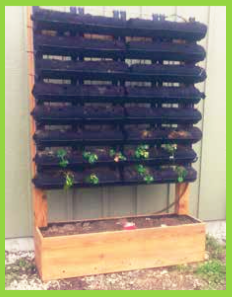
Vertical Gardening Systems:
Can be indoor or outdoor
Can be used with The Garden Soxx®, which are biodegradable nylon, lled with compost. Soxx can come planted with ower, vegetable, fruit or herb seeds.
Has an in-line drip irrigation system to water the plants
Offers a solar cell option to power the unit so it is not dependable on electricity
Are ADA compliant
For more information, contact
Barb Wehmer
(217) 653-2513
barb3wehmer@gmail.com
Vertical Gardening Systems

Workshop Iberia 2018 Light, The Right Element - Grow Your Life
The horticultural and agricultural industry is undergoing a transformation in the way plants are grown. Behind these changes, there are innovations in the field of LED lighting that use new technologies to boost plant growth, maximize production and minimize energy consumption.
These LED lighting solutions are making it possible to have crops almost anywhere, from big cities to people's homes. Wherever we look, from vertical crops and hydroponic greenhouses to the cultivation of algae, green facades and small farming systems - LED solutions are increasingly present.
At the seminar of Osram Opto Semiconductors, "LEDs for horticulture - growing green", researchers from the CSIC ("Higher Council of Scientific Research"), Osram partners and specific experts of Osram Opto Semiconductors will present from a didactic and practical perspective the benefits and latest advances in LED technology in the field of horticulture.
We will also provide a vision of the market, as well as the opportunity to talk with our partners and exhibitors about real applications.
Do not miss the opportunity to benefit from the knowledge and experience of our experts. Interacting with them and with our partners, you can give added value and gain inspiration for your existing and future projects.
Come visit us, "and let's grow green together!"
Sign up for free!
The horticultural and agricultural industry is undergoing a transformation in the way plants are grown. Behind these changes, there are innovations in the field of LED lighting that use new technologies to boost plant growth, maximize production and minimize energy consumption.
These LED lighting solutions are making it possible to have crops almost anywhere, from big cities to people's homes. Wherever we look, from vertical crops and hydroponic greenhouses to the cultivation of algae, green facades and small farming systems - LED solutions are increasingly present.
At the seminar of Osram Opto Semiconductors, "LEDs for horticulture - growing green", researchers from the CSIC ("Higher Council of Scientific Research"), Osram partners and specific experts of Osram Opto Semiconductors will present from a didactic and practical perspective the benefits and latest advances in LED technology in the field of horticulture.
We will also provide a vision of the market, as well as the opportunity to talk with our partners and exhibitors about real applications.
Do not miss the opportunity to benefit from the knowledge and experience of our experts. Interacting with them and with our partners, you can give added value and gain inspiration for your existing and future projects.
Come visit us, "and let's grow green together!"
Sign up for free!
Partners that participate:

"Smart Lighting Makes Growing Easier And More Cost Effective"
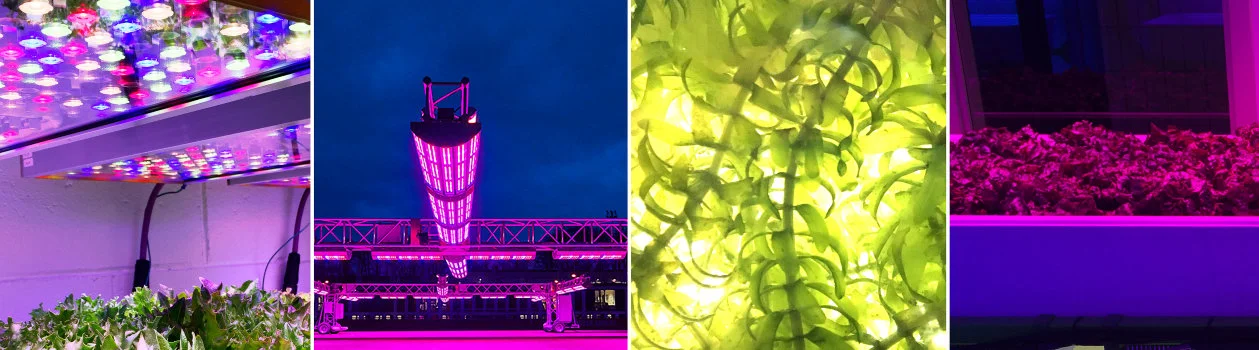
After being in the LED market for years, ITC is now expanding in to horticulture with the Amplify and Amplify Plus product lines. Remarkable is how their smart LED lighting solution can be steered on the actual weather conditions at individual locations.
"Our research resulted in grow light products, specifically intended to reduce energy usage, increase yield, and enhance plant strength", the team with ITC explains while showing their new Amplify product line. "It offers multiple, scientifically proven spectrums and lamp configurations to provide a solution for greenhouse or controlled environment growers."
The LEDs used in the Amplify product line are optimized for light distribution and plant level light intensity. The spectrum options are focused on the light needs of different cultivars at different points of development. "These are key to consistent and even growth patterns, that produce better yields and quicker turns. While the finned heatsink design of the lamp dissipates the minimal heat and the whale tail feature provides an additional protective shield for water and dirt intrusion."
Extra attention is paid to the design of the fixtures. "The simple hang and plug single and double lamp options are great for narrower spaces or long runs. Both are available in 80 or 150 degree light spreads. The 5-Lamp fixture gives consistent light placement across larger areas while reducing the number of electrical drops needed. This feature reduces install labor and can comply with existing infrastructure of greenhouses."
Smart lamps
And then there's the smart technology. "Many experts continue to explore the complexities that climate change and environmental factors are having on our food growing capabilities. These factors are making the consistency within food production environments a necessity.
Nebula Controls modules
Nebula Controls, a technology company, is providing artificial intelligent wireless controls for ITC Horticulture’s Amplify Plus smart LED lighting. This partnership is enabling the ability to program and reprogram the cloud based lighting control operation from mobile devices for enhanced growth and energy savings.
"Based on weather conditions at individual locations or programmed zones the Nebula Control smart control system is able to maximize efficiencies and reduce energy usage with minimal human dependency", the team explains. "Both ITC Horticulture’s Amplify Plus smart LED lighting and Nebula Controls are working to elevate supplement and controlled environmental horticulture lighting to a new level by using a new state-of-the-art smart lighting control system that contribute to consistent high performing food production environments. This way we are working to make growing easier and more cost effective for today and tomorrow."
For more information:
Nebula Controls
519-749-3373
contact@nebulacontrols.ca
Publication date : 11/16/2018

EPA Case Study: Estimating The Environmental Effects of Green Roofs
Aramis Velazquez | November 2018
Photo: EPA
EPA Staff of Environmental Protection Agency writes:
Green roofs can contribute to environmental and livability goals—to mitigate the urban heat island effect, maintain clean air and water, and lower energy costs in buildings—while greening the urban landscape. As this methodology demonstrates, city planners, environmental regulators, and other practitioners can estimate the environmental and public health benefits of green roofs using free, credible, accessible tools. Because of the multiple benefits green roofs provide, they are gaining traction from a diverse set of stakeholders and businesses.
Interested parties nationwide can apply these methods and point to other evidence-based studies to estimate the value of green roofs and other green design practices in their areas. Using this methodology to quantitatively demonstrate the benefits of green roofs provides tangible data to decision-makers who have the power to implement green roofs as a strategy for achieving local environmental and public health goals.
The EPA-published case study, Estimating the Environmental Effects of Green Roofs, demonstrates the environmental and health benefits of green roofs for Kansas City, Missouri. The case study lays out a replicable analytical framework using free quantitative tools created by EPA and others that state and local decision-makers and practitioners can use to assess the multiple benefits of green roofs.
Aside from quantifying the benefits of green roofs, cities are pursuing ways to encourage green roof adoption, including voluntary incentives and regulatory mandates. Many cities have enacted policies that encourage green roof development through rebate programs, tax incentives, or fast-track permitting programs.
23 Cities that have implemented these policies—including Washington, D.C.; Toronto, Ontario; Philadelphia, Pennsylvania; Seattle, Washington; and Chicago, Illinois—also reported the largest square footage of green roof installations in 2016.
Find more information about Green Roofs in the EPA website.
Check out this video of the 909 Walnut Green Roof Project (from our Greenroofs.com Projects Database) in Kansas City, MO by Stott & Associates Architects, Jeffrey L. Bruce & Company, Soprema, Turf & Soil Diagnostics, and many more:

Mums To Marijuana: Pequannock, New Jersey, Family Farm Applies For License To Grow Medical Pot
Jai Agnish, North Jersey Record
2018
(Photo: Jai Agnish/Northjersey.com)
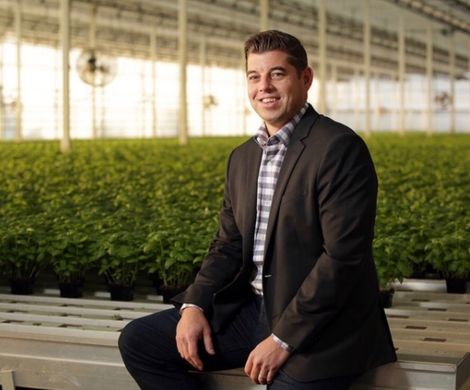
Ken VandeVrede, of Gro-Rite Garden Center & Florist and CEO of Hillview Med in Pequannock discusses applying for license to farm medical marijuana. Jai Agnish, Staff Writer, @jaiagnish
Fifty years ago the VanderVrede family delivered tomatoes from the farm in Pequannock to customers in Paterson. If the state allows, the family may soon replace the tomatoes with medical marijuana.
Gro-Rite Garden Center & Florist has applied for one of six available state licenses to grow medical marijuana on its 150 acres of farmland in Pequannock and Belvidere under the name Hillview Med.
"It's very competitive," said Ken VandeVrede, the CEO of Hillview Med in Pequannock.
The farming family is among 147 statewide applicants, 49 in North Jersey, including Evergreen Cultivation in West Milford, who want to cultivate, process, and sell medical marijuana. Two licenses will be awarded in North Jersey, two in Central Jersey and two in South Jersey. There are currently six active state licences in circulation.
The family sees the connection to Paterson as a natural one, VanderVrede said, after all that is where his grandfather started off delivering his tomatoes in the early days of the business after immigrating from Holland.
The New Jersey Board of Health is expected to announce which applicants will receive a license on Nov. 1.
"It would be absolutely amazing," VanderVrede said of landing one of the coveted licenses. "For us to get in on the ground floor of the medical cannabis market in New Jersey would be amazing."






Why medical marijuana?
The Hillview Med proposal results from Gov. Phil Murphy’s early-summer move to double the state’s marijuana providers to meet growing demand. With more than 28,000 registered patients by early July, the state program is on track to double its numbers in 2018, state records show.
"We consider this as the next evolving space in the agriculture space," VandeVrede said.
Hillview Med is also trying to be ready if recreational marijuana is legalized in the state, VanderVrede said. A bill to create a legal marijuana marketplace in New Jersey is nearly complete.
Based on what's happened in other states, medical marijuana growers will likely be grandfathered in and have a foot in the door to grow legal recreational marijuana, VandeVrede said.
The distinction between medicinal versus recreational use marijuana is determined at the consumer end, VanderVrede explained. It's just taxed differently.
"We feel we have a very, very strong application," VandeVrede said.
The move from growing mums to marijuana could be made in seven months, he said.
Gro-Rite ships hundreds of thousands of plants and flowers on a weekly basis to supermarkets including ShopRite, Whole foods, and others in a number of states including Virginia and Pennsylvania.
Among the products are hydroponic basil, which is grown in state-of-the-art greenhouses. The company has 750,000 square feet of greenhouse space on the two farms and is permitted to build 2.2 million square feet more. That's the equivalent of 13 football fields with the potential for 38 more, he said.
"We can expand quickly," VandeVrede said.
The other plus, the CEO said, is the farm can get an affordable product to market.
Hillview Med can produce a pound of marijuana for under $400, VanderVrete said on Thursday. He said applicants who plan to open a warehouse and use electricity will find it difficult to get below $1,000 a pound.
"The lowest cost producers are the ones with high-tech greenhouses," he said.
These are computer- and sensor-based systems to control temperature, humidity, and water metrics. Also, the use of a sealed, closed-loop temperature system avoids having to vent out stinky marijuana odors during production.
"I don't have many neighbors but I wouldn't even want to go there," VandeVrede said.
In addition to sustainably cultivated agriculture products, Gro-Rite's food and herb lines are certified organic. This approach would carry over to marijuana even though VanderVrede said certified organic cannabis is not a thing yet.
"We know how to grow food at the highest level that there is, so for us to move into the cannabis space, this is automatic production that we do already," he said.
It's a vertical integration license meaning Hillview Med would grow the plant, extract it into oils, edibles, pills, vapes, and distribute products to dispensaries.
Ken VandeVrede, of Gro-Rite Garden Center & Florist, and CEO of Hillview Med in Pequannock. (Photo: Courtesy of Ken VandeVrede)
Why the Paterson market?
Hillview Med chose Paterson for several reasons, one being the family's history of delivering produce to the "Silk City" going back 50 years. More recently Gro-Rite has provided fresh produce to food banks there and has forged relationships with community groups. He said the company would hire Paterson residents to work in the dispensary.
"We've done a lot of exciting stuff in Paterson," he said.
Another reason is the diversity of the city's population. Having a marijuana dispensary in an urban city helps fulfill the licensing goal to promote inclusivity with minorities, VandeVrede said.
Hillview Med/Gro-Rite Garden Center & Florist in Pequannock applied for a license to grow and distribute medical marijuana. (Photo: Jai Agnish/Northjersey.com)
Gro-Rite's expansion into the cannabis market would be a remarkable change for the family, said VandeVrede during a recent tour of the farm. He reminisced about when he worked on the Pequannock farm as a child. His father was in charge then and he expanded to farm into Belvidere.
VandeVrede, a non-active private pilot, said it would be fun to one day fly a helicopter from nearby Lincoln Park Airport to the grass strip at the Belvidere farm. Such a costly flight may not be so out of reach if his company secures one of the lucrative medical marijuana farming licenses.
Staff writer David M. Zimmer contributed to this article.
Follow Jai Agnish on Twitter: @JaiAgnish. Email: agnish@northjersey.com.

US (NM): Cannabis Provider Unveils 8.7 Million sq.ft. Facility
Ultra Health acquired 200 acres of farmland in Otero County, New Mexico to support the state’s growing medical cannabis program. At over 8.7 million square feet, the campus will be the largest cannabis cultivation facility in North America.
The new cultivation site also anticipates the legalization of cannabis for social use and large-scale hemp production in New Mexico. The facility will have the capacity to accommodate other New Mexico licensed producers and adjust to market and regulatory demands.
Ultra Health Tularosa will employ 100 local residents and house the nation’s most diverse cannabis cultivation operation. The new site will include 20 acres of indoor cultivation in 20 air-supported, wind-assisted style greenhouses, 80 acres of outdoor cannabis fields, 100 acres of outdoor hemp fields, and 120,000 square feet of production buildings.
"Two-hundred acres represents the largest cannabis grow in North America that I know of," said Hunter Wilson, Community Builder at Growers Network, a private community for cannabis professionals. "The next largest clocks in at 55 acres, not even close. From the looks of it, Ultra Health isn’t putting all their eggs in one basket. They're future-proofing their site for a diverse consumer base in New Mexico, and potentially the U.S."
The campus will blend modern agribusiness and green technologies including solar, wind and rainwater harvesting. In addition, the sustainable site will be supplemented with secured water rights of 1,000 acre-feet of water, or the equivalent of 325.9 million gallons of water per year. Addressing water requirements is a requisite to any long-term successful cultivation effort.
“Ultra Health Tularosa was conceived to solve a challenge and to seize an opportunity,” said Duke Rodriguez, CEO, and President of Ultra Health. “This new facility will ensure the commitment of continuing to produce and deliver the highest quality, most affordable and convenient cannabis in the State. The opportunity exists to have a ready solution to address the increasing need as we move forward to the social use of cannabis by adults and the commercial production of hemp.”
Residents and officials in Otero County highly anticipate and are supportive of the opening of Ultra Health Tularosa.
“Your company has thoughtfully considered the issues that we would be concerned about–security, water supply, the impact on neighboring properties,” The Board of County Commissions of Otero County wrote to Ultra Health in a signed letter. “Ultra Health appears to us to be a responsible, concerned corporate citizen. Your company will bring much-needed jobs and economic development to our county and we offer our support to your project.”
For more information:
Ultra Health
ultrahealth.com
2018

The Cutting-Edge Technology That Will Change Farming
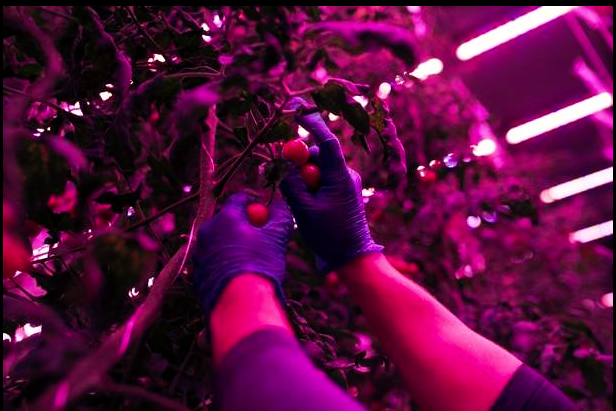
Thousands of young collard greens are growing vigorously under a glow of pink-purple lamps in a scene that seems to have come from a sci-fi movie, or at least a NASA experiment.
WASHINGTON POST
NOVEMBER 6, 2018
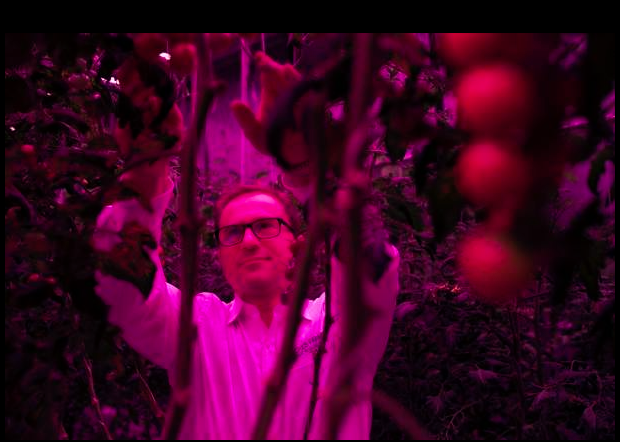
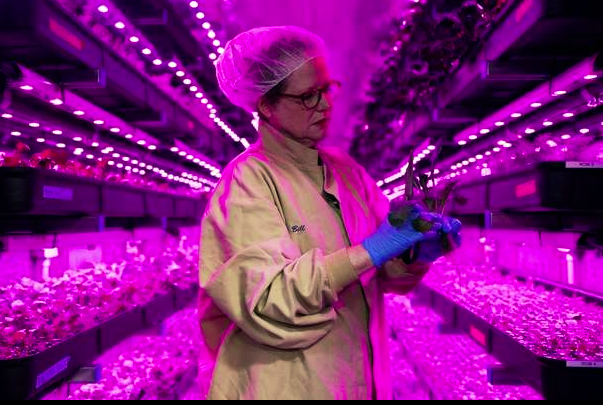
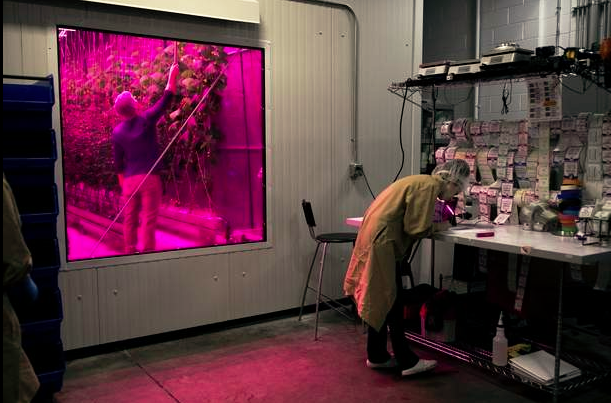
Mike Zelkind, chief executive of 80 Acres Farms, grows produce with artificial-light made possible with new LED technology.
Mike Zelkind stands at one end of what was once a shipping container and opens the door to the future.
Thousands of young collard greens are growing vigorously under a glow of pink-purple lamps in a scene that seems to have come from a sci-fi movie, or at least a NASA experiment. But Zelkind is at the helm of an earthbound enterprise. He is chief executive of 80 Acres Farms, with a plant factory in an uptown Cincinnati neighborhood where warehouses sit cheek by jowl with detached houses.
Since plants emerged on Earth, they have relied on the light of the sun to feed and grow through the process of photosynthesis.
But Zelkind is part of a radical shift in agriculture - decades in the making - in which plants can be grown commercially without a single sunbeam. A number of technological advances have made this possible, but none more so than innovations in LED lighting.
“What is sunlight from a plant’s perspective?” Zelkind asks. “It’s a bunch of photons.”
Diode lights, which work by passing a current between semiconductors, have come a long way since they showed up in calculator displays in the 1970s. Compared with other forms of electrical illumination, light-emitting diodes use less energy, give off little heat and can be manipulated to optimize plant growth.
In agricultural applications, LED lights are used in ways that seem to border on alchemy, changing how plants grow, when they flower, how they taste and even their levels of vitamins and antioxidants. The lights can also prolong their shelf life.
“People haven’t begun to think about the real impact of what we are doing,” says Zelkind, who is using light recipes to grow, for example, two types of basil from the same plant: sweeter ones for the grocery store and more piquant versions for chefs.
For Zelkind, a former food company executive, his indoor farm and its leading-edge lighting change not just the way plants are grown but also the entire convoluted system of food production, pricing and distribution in the United States.
High-tech plant factories are sprouting across the United States and around the world. Entrepreneurs are drawn to the idea of disrupting the status quo, confronting climate change and playing with a suite of high-tech systems, not least the LED lights. Indoor farming, in sum, is cool.
It has its critics, however, who see it as an agricultural sideshow unlikely to fulfill promises of feeding a growing urbanized population.
Zelkind agrees that some of the expectations are unrealistic, but he offers an energetic pitch: He says his stacked shelves of crops are fresh, raised without pesticides and consumed locally within a day or two of harvest. They require a fraction of the land, water and fertilizers of greens raised in conventional agriculture. He doesn’t need varieties bred for disease resistance over flavor or plants genetically modified to handle the stresses of the field. And his harvest isn’t shipped across the country in refrigerated trucks from farms vulnerable to the effects of climate change.
“We think climate change is making it much more difficult for a lot of farms around the country, around the world,” he says, speaking from his office overlooking a demonstration kitchen for visiting chefs and others.
In addition to shaping the plants, LEDs allow speedy, year-round crop cycles. This permits Zelkind and his team of growers and technicians to produce 200,000 pounds of leafy greens, vine crops, herbs and microgreens annually in a 12,000-square-foot warehouse, an amount that would require 80 acres of farmland (hence the company’s name).
Zelkind says he can grow spinach, for example, in a quarter of the time it takes in a field and half the time in a greenhouse. Growing year-round, no matter the weather outside, he can produce 15 or more crops a year. “Then multiply that by the number of levels and you can see the productivity,” he said.
Zelkind and his business partner, 80 Acres President Tisha Livingston, acquired the abandoned warehouse, added two shipping containers and converted the interior into several growing zones with sophisticated environmental systems that constantly monitor and regulate temperature, humidity, air flow, carbon dioxide levels and crop health. Grown hydroponically, the plant roots are bathed in nutrient-rich water. The moisture and unused nutrients exhaled by the plants are recycled.
But it is the LED lighting that has changed the game. Conventional greenhouses have relied on high-pressure sodium lamps to supplement sunlight, but HPS lights can be ill-suited to solar-free farms because they consume far more power to produce the same light levels. They also throw off too much heat to place near young greens or another favored factory farm crop, microgreens. Greenhouses, still the bulk of enclosed environment agriculture, are moving to a combination of HPS and LED lighting for supplemental lighting, though analysts see a time when they are lit by LEDs alone.
In the past three years, Zelkind says, LED lighting costs have halved, and their efficacy, or light energy, has more than doubled.
Production in the Cincinnati location began in December 2016. In September, the company broke ground on the first phase of a major expansion 30 miles away in Hamilton, Ohio, that will eventually have three fully automated indoor farms totaling 150,000 square feet and a fourth for 30,000 square feet of vine crops in a converted factory. (The company also has indoor growing operations in Alabama, North Carolina and Arkansas, which acted as proving grounds for the technology.)
“We feel the time is right for us to make the leap because the lighting efficiency is there,” Livingston says.
The visible spectrum is measured in minuscule wavelengths, shifting at one end from violet-blue light through green to red at the other. For decades, scientists have known that photosynthesis is optimized within the red band, but plants also need blue lightwaves to prevent stretching and enhance leaf color.
A barely visible range beyond red, known as far red, promotes larger leaves, branching and flowering. With advances in LED technology, light recipes - determining the number of hours illuminated, the intensity of photons directed at plants and the mix of colors - can be finely tuned to each crop and even to each stage in a crop’s life.
Given the evolving nature of the technology and its enormous commercial potential, light manufacturers and universities, often in collaboration, are actively involved in research and development.
“We have a completely new era of research,” says Leo Marcelis, a horticulture professor at Wageningen University in the Netherlands. Tweaking light recipes has allowed researchers to manipulate crops in a way never seen before. In the lab, chrysanthemums have been forced into bloom without the traditional practice of curtailing their daily exposure to daylight. This will allow growers to produce bigger plants in flower.
“It’s to do with playing around with the blue light at the right moment of the day,” Marcelis says. “Its internal clock is affected differently, so it doesn’t completely recognize it’s still day. There are so many amazing responses of the plant to the light.”
Lettuce, for example, likes as much as 18 hours of light per day, but basil prefers brighter light for 15 hours, says Celine Nicole, a researcher for Signify, formerly Philips Lighting. “Every plant has its own preference,” says Nicole, who conducts research at the company’s high-tech campus in Eindhoven, Netherlands. She has already tested 600 types of lettuce.
Although the permutations are still under study, the sun suddenly seems so analog. “The spectrum from sunlight isn’t necessarily the best or most desirable for plants,” says Erik Runkle, a plant scientist at Michigan State University. “I think we can produce a better plant” with LED lights, he says. “The question becomes: Can you do it in a way that is cost-effective considering the cost of plants indoors?”
The answer seems to be yes. LED light shipments to growers worldwide are expected to grow at an annual average rate of 32 percent until 2027, according to a market report by analysts with Navigant Research in Boulder, Colorado. Shipments of LED lights will overtake those of legacy lights starting next year, says Krystal Maxwell, who wrote the report with Courtney Marshall.
Most of the growth will be as supplemental lighting in greenhouses, but vertical farms are seen as an alternative production system that will develop alongside greenhouses, not displace them, Marcelis says.
Runkle estimates there are 40 or more vertical farms in the United States, and new ones are opening every year with the help of deep-pocketed investors. In some of the biggest deals, AeroFarms, headquartered in Newark, last year raised a reported $40 million. Plenty, a grower based in South San Francisco, raised $200 million in 2017 for a global network of vertical farms. (One of the backers is a venture capital firm created by Amazon founder Jeff Bezos, who also owns The Washington Post.)
Zelkind declined to reveal his capital costs, but for start-up entrepreneurs, LED-driven vertical farms can be one of the most lucrative forms of agriculture. “Based on manufacturers and growers I have talked to, that’s where the money is,” Marshall says.
Critics argue that a lot of the hype around indoor farming is unwarranted, saying it won’t fulfill promises of feeding an increasingly urbanized planet and reverse the environmental harm of industrialized agriculture, not least because most staples, such as corn, wheat and rice, cannot be grown viably indoors.
Also, to build enough indoor farms for millions, or billions, of people would be absurdly expensive.
Runkle says vertical farming “shouldn’t be considered as a way to solve most of our world’s food problems.” But it is a viable way of producing consistently high-quality, and high-value, greens and other plants year-round.
Zelkind says what he’s doing may be novel, but it’s just one component of how we feed ourselves in this century. “We shouldn’t overblow what we do. Eventually it’s going to become more important, but vertical farming alone isn’t the cure-all.”
He adds, however, that “there’s no reason today to ship leafy greens from California to Ohio.”
Livingston likens LED-raised food to the advent of smartphones. “Five years from now everyone is going to be living with indoor farming and wonder how we did without it,” she says.

Chicago Marijuana Company Cresco Labs Raises $100 Million To Fuel Growth
2018
Chicago-based medical marijuana company Cresco Labs has raised $100 million in private funding to fuel continued expansion nationally and in Illinois.
Cresco Labs, which operates three cultivation centers in the state, just finished an expansion of its Joliet facility to more than double the amount of cannabis it can grow and process. The company has additional acreage available and is planning further expansions.
After years of regulatory roadblocks and lower-than-expected demand in Illinois’ medical cannabis pilot program, growers around the state are expanding to accommodate a patient count that is only expected to increase. A state report out earlier this week found that use of medical pot has risen 83 percent this year in Illinois, which has more than 46,000 qualified patients. Additionally, Gov. Bruce Rauner signed a bill into law in late August that allows people prescribed opioids to use medical marijuana.
With this infusion of capital, Cresco also plans to increase its national footprint, CEO and co-founder Charlie Bachtell. The company has licenses to operate in Pennsylvania and Ohio and has acquired dispensary and cultivation operations in Arizona, Nevada and California.
Cresco employs about 300 people, more than half of whom are in Illinois. Bachtell said the company plans to hire more workers at its River North corporate headquarters.
“The needs that are placed on a company like Cresco are pretty significant, so we need to make sure we’ve got the resources in place to continue to be able to scale the company,” he said.
The private round of funding came from U.S. and international investors. The company also intends to complete a reverse takeover of a public Canadian company, following a similar move by fellow Chicago-based cannabis company Green Thumb Industries, or GTI.
GTI raised $67 million through its listing on a Canadian stock exchange in June. The company raised an additional $61.6 million in a financing deal that closed earlier this month, and it also is working to scale up its operations in Illinois. The company’s debut on the Canadian Securities Exchange helped cement investors’ interest in the industry.
Twitter @AllyMarotti
Copyright © 2018, Chicago Tribune
Medical Marijuana
iGrowGroupE, LLC
It is the goal of the iGrow and the Chromatic Clouds entities to normalize the integration of cannabis and indoor vertical and urban farming into the global economy
iGrowGroupE, LLC
It is the goal of the iGrow and the Chromatic Clouds entities to normalize the integration of cannabis and indoor vertical and urban farming into the global economy by focusing on our customers and providing them with education in business development, compliance with rules and regulations, standardization of policies and procedures, and the widest selection of cannabis/vertical farming goods and services available.
It is our aim to provide our consumers with the most comprehensive selection of products and services at the most competitive prices in an effortless and streamlined online experience.
1. As freelance entrepreneurs rapidly enter this field, they lack fundamental business expertise that is vital to sustain a profitable business. In other words, the art of knowing the “business behind doing business” is lacking.
Chromatic Clouds/iGrow solves this problem by offering a forum where freelance entrepreneurs can have easy access to the “nuts and bolts” of building and sustaining a business; simply put, the “business behind doing business.” For example, Chromatic Clouds/iGrow offers business advice on the embryonic, early development stages of a business, its gradual development, acquiring entrepreneurial and leadership skills, raising capital, and exit strategies.
2. Cannabis regulations differ between states while remaining illegal under federal laws. Failure to stay abreast of the rules and regulations can be detrimental to a cannabis business as it may suffer increased fines, and worse yet, loss of a license.
Chromatic Clouds, through its network of in-house and Preferred Providers, will advise clients on the changing laws, rules, and regulations governing the cannabis industry in every state where cannabis is legal.
3. The market has not yet defined a convenient, affordable, and comprehensive system with which to network with and advertise to existent and potential players in the industry and sell to them using auction software.
The iGrow Market solves this problem and is a one-stop-shop for all things cannabis/vertical farming. Our ecosystem will host an interactive community of freelancers, businesses and consumers in a variety of practice areas that service cannabis/vertical farming clients, including entrepreneurship, legal, compliance, sales and marketing.
The iGrow platform offers goods and services in cannabis/vertical farming industry-related categories such as health and wellness, bath and beauty, CBD products, hemp products, vaping, grow products, aquaponic, hydroponic and aeroponic equipment, container farms, LED lights, and nutrients.
We want to be viewed as the eBay, Shopify and Upwork of the cannabis/indoor farming industries. We will incorporate auction software into our marketplace and allow users to set up their own store, buy, sell and bid on products and services. Our user-friendly site allows businesses and consumers to sell B2B, B2C, and C2C. Producers, wholesalers, retailers, and manufactures will be given the ability to liquidate and reduce inventory in this auction setting. Our hope is to commoditize the cannabis/vertical farming industries.
4. We will also have a section of the platform that instantaneously connects extraction facilities (labs) with manufacturers (buyers) for hemp cbd. We will bring together both Labs and Buyers in a system that standardizes compliance and ensures accurate testing for hemp cbd products. Buyers will be electronically vetted for proof of funds, which will be displayed on a central depository for labs to view.
An escrow system will be put in place. Labs will provide information obtained through their seed to sale system to a central depository giving the Buyer the ability to see the cannabinoid profile, THC levels, and source for individual batches. All information including Certificates of Analysis will be on the site and displayed as soon as the Lab registers as one of our Preferred Providers. In addition to sales, Buyers will be able to bid on CBD in live auctions.
5. We are setting up a cannabis and indoor vertical and urban farming funding entity.
6. Our in-house team will be setting up vertical grow facilities for clients.
7. We are also in the process of entering into strategic partnerships with companies, some of which are publicly traded.
Please visit our site igrow.news
Please look at our demo site, pitch deck and demo marketplace for Chromatic Clouds. We are in the process of redoing all of this.
Please see the iGrow article in the Washington Times
https://m.washingtontimes.com/news/2018/oct/10/igrow-news-informing-the-world-on-vertical-and-urb/

Schneider Electric Goes Big By Going Local In The Microgrid Market
November 16, 2018 By Elisa Wood
Advanced microgrids were still something of a bet four years ago when Schneider Electric and partners rolled out the Oncor microgrid in Texas, an early demonstration project.
Tiptoeing into microgrids then, the energy management and automation giant now is in full stride, made clear this week at its Innovation Summit North America in Atlanta, Georgia.
Schneider Electric’s Innovation Summit North America in Atlanta, Georgia. Courtesy of Schneider
Top company brass have their eyes on the microgrid market. Chairman and CEO Jean-Pascal Tricoire featured some of the company’s advanced microgrids as he highlighted various Schneider success stories during his opening remarks.
“You’ve got powerful catalyzers of change here in the electrical system, which are pushing the grid to be richer at the level of the edge, closer to the consumption,” Tricoire said, to an audience of 1,200 companies, buyers, analysts and others tracking Schneider’s business, which netter $28.5 billion in revenue last year.
Tricoire described microgrids at the Marine Corps Air Station (MCAS) Miramar in San Diego, California and in Montgomery County, Maryland, two large and sophisticated projects.
But they soon became old news when two days later Schneider unveiled another microgrid project, the latest in a string of announcements. The new microgrid is for Bowery Farming, a New York company that offers indoor agriculture.
Cultivating local partners
The Bowery Farming microgrid emerged out of Schneider’s strategy of partnering with smaller microgrid developers and local electrical contracting companies to reach into local markets.
“We can’t call on every small building to make an offer,” said Mark Feasel, vice president, electric utility segment & smart grid, in an interview with Microgrid Knowledge.
But local contractors are in neighborhood buildings all the time — they see where opportunity lies.
So Schneider has launched a program called EcoXpert, which makes available training tools and demos to help smaller companies upskill their work force, create new jobs and tackle more complex projects.
By gaining a better understanding of the digital overlays and cloud products being integrated into microgrids, the partners gain a competitive edge, Feasel said.
“The electrical contractor has to transform along with this market. In a world where the consumer is no longer passive, their requirements are changing,” he said.
Schneider selects the best of the EcoXpert participants as partners for microgrid development.
The division of labor can take various forms in the partnerships. For example, Schneider doesn’t necessarily handle the microgrid engineering, procurement and construction; it may relinquish the role to the local partner and instead sell products, software and services. In the case of Bowery Farming, New Jersey-based Scale Microgrid Solutions will build, own and operate the microgrid.
Natural pairing of urban farms and microgrids
The indoor farming movement melds philosophically with microgrids. Often in urban areas, indoor farms are typically close to those they serve – just as microgrids are. So the indoor farms use fewer resources than agribusinesses in delivering product, creating efficiencies, again as microgrids do.
Indoor farms also use less water and crop treatment because they are in contained environments. However, they demand substantial energy for lights, water pumping and other operations.
Bowery Farming will improve its environmental profile by using energy from a microgrid that will rely on solar, energy storage and natural gas. Schneider will provide the lithium-ion battery energy storage system, the microgrid controller and a cloud-connected energy management software platform.
Indoor farming melds philosophically with microgrids. Photo by ESstock/Shutterstock.com
The microgrid will generate energy at a price lower than grid power due to the spark spread, Feasel said.
The indoor farm also gains reliability since the microgrid can island from the central grid during a power outage and rely on its on-site generators. The digital platform orchestrates when to stop and start, when to charge and discharge, forecasting, weather monitoring, and load balancing in real time. The solar can operate when the microgrid is in island mode.
At a future date the Bowery Farming microgrid may also gain revenue through demand response and ancillary services. However, the microgrid can achieve cost savings even without those potential revenue streams, Feasel said.
Speed to market and standardization
Indoor urban farms tend to occupy buildings that were once used for other purposes. Not long ago, installing a microgrid in that kind of setting would have meant extensive study and engineering. That too has changed for many projects. Microgrids are becoming more standardized and modular, taking a few months — not years — to build, Feasel said.
“Microgrids are becoming more accessible to a larger population. It’s due to standardization and a commercial, off-the-shelf approach,” he said.
“Microgrids are becoming more accessible to a larger population,” says Mark Feasel of Schneider Electric
The Bowery Farming microgrid, for example, is scheduled to begin operation in the first quarter of 2019.
To simplify microgrids “for folks who don’t wake up everyday thinking about electricity,” Schneider developed what it calls the Energy Control Center, which orchestrates all of the resources within the microgrid.
The owner can configure how many and what kind of distributed energy resources it wants to employ in the microgrid, based on pre-defined use cases. For Bowery Farming, the microgrid’s distributed energy are all managed within a simplified panel board. The system is monitored within the cloud by Schneider’s EcoStruxure Microgrid Advisor, a software platform that the company uses for both its small microgrids, like Bowery Farming. and its large ones like the Montgomery County.
“Bowery will have the same kind of visualization — a small microgrid for a relatively small price — that someday a big airport might have,” Feasel said.
Microgrids for the rest of us?
Expect to hear about more new microgrids soon; Schneider says it’s got them coming.
Still, the microgrid market is not moving as quickly as it might, Feasel said.
For one thing, “there is still too much management by catastrophe,” Feasel said. Companies and communities often don’t consider microgrids until they’ve experienced the cost and pain of power outages brought on by severe storms. For corporations and other large energy users, the microgrid industry encourages pro-active project development by quantifying what power outages will cost them. But it’s harder to do the calculations for smaller operations and neighborhoods. So developers lack data to make an economic case for microgrids to a broad swath of society.
Credit-worthiness creates another roadblock. Some customers want microgrids but cannot secure financing. Feasel sees a possible role for electric utilities in helping those customers — but so far state regulators have been slow to allow utility microgrid development.
So even as more and more microgrids come on line, “there is still a real question of how do we make this transition work for everybody,” Feasel said.
Track news about Schneider Electric and its microgrid play.
Subscribe to the free Microgrid Knowledge newsletter.

What Do Investors Need To Know About The Future of LED Grow Light Technology?
NOVEMBER 16, 2018 PATRICK FLYNN
Editor’s Note: Patrick Flynn created Urbanvine.co in 2016 to help urban dwellers learn how to start urban farming without any previous experience. As the site grew, he discovered that “urban farming” was actually a general term that can include a wide variety of concepts, including grow lights and hydroponics, topics which the site now covers in depth.
The horticultural lighting market is growing, and growing rapidly. According to a September press release from Report Linker, a market research firm specializing in agribusiness, the horticultural lighting market is estimated grow from a $2.43 billion market this year to $6.21 billion in 2023.
One of the key factors driving current market sector growth is increased development of LED grow light technology. LEDs (light emitting diodes) were first developed in the 1950s as a smaller and longer-lasting source of light compared to the traditional incandescent light bulb invented by Thomas Edison in 1879.
LEDs last longer, give off less heat, and are more efficient converting energy to light compared to other types of lights, all features that can result in higher yields and profits for indoor growers.
But until recently, LEDs were only used to grow plants indoors experimentally, largely because the cost was still too high for commercial businesses. Many commercial growers still use HID (High Intensity Discharge) lights such as High Pressure Sodium, Metal Halide, and Ceramic Metal Halide; all lights that have a high power output but are less durable than LED lights, generate far more heat, and have less customizable light spectra.
Today, LEDs are fast becoming the dominant horticultural lighting solution. This is due primarily to the one-million fold decrease in fabrication cost of semiconductor chips used to make LED lights since 1954.
For investors more familiar with field-based agriculture, it can certainly be a minefield to know where LED lighting technology for horticulture is going in the future. Although it is no longer the “early days” of LED technology development, current trends are still shaping the future of LED technology.
So what does the intelligent agtech investor need to know about the current state and future of LED grow light technology?
I interviewed Jeff Mastin, director of R&D at Total Grow LED Lighting, to discuss what the future of LED grow light technology for agriculture looks like, and how investors can use current trends to their advantage in the future.
What is your background – how did you get involved in grow light technology at Total Grow?
The company behind TotalGrow is called Venntis Technologies. Venntis has, and still does, specialize in integrating touch-sensing semiconductor technologies into applications.
Most people don’t realize LEDs are semiconductors; you can also use them for touch-sensing technologies, so there’s a strong bridge to agricultural LED technology.
Some of the biggest technical challenges in utilizing LEDs effectively for agriculture include LED glaring, shadowing and color separation.
We have used our expertise in touch-sensing LEDs to expand into horticultural LEDs, and we have developed technology that addresses the above challenges better, giving better control over the spectrum that the LED makes and the directional output of the light in a way that a standard LED by itself can’t do.
My personal background is in biology. When TotalGrow started exploring the horticultural world, that’s where being a biologist was a natural fit to take a lead on the science and the research side of the development process for the product; that was about 7 years ago now.
If you were going to distill your technical focus into trends that you’re seeing in the horticultural lighting space, what are the main trends to keep an eye on?
The horticultural lighting industry is really becoming revolutionized because of LEDs. Less than 10 years ago, LEDs in the horticultural world were mainly a research tool and a novelty.
In the past, they were not efficient enough and they were definitely not affordable enough yet to really consider them an economical general commercial light source.
But that is very quickly changing. The efficiencies are going up and prices down and they are really right now hitting the tipping point where for a lot of applications, but definitely not all applications, the LED world is starting to take over horticulture and indoor agriculture.
How do you view the translation of those trends into actionable points? For investors or technology developers in the agriculture technology space, how do they make sure that the LED light technology they are investing in isn’t going to be obsolete in a year or two?
With LEDs, the key question is still cost-efficiency, and there’s only so far the technology can improve.
Why? There are physical limitations. You can’t make a 100% efficient product that turns every bit of electricity into photons of light. At this point, the efficiency level of the top of line LEDs are up over 50%.
Can we ever get up to 70 or 80%? Probably not any time soon with an end-product, not one that’s going to be affordable and economical generally speaking.
So to answer your question, it’s not a category where you’re going to say, “well this is obsolete, I can get something three times better now.” The performance improvements will be more marginal in the future.
Ten years from now the cost will be cheaper. But that again doesn’t make current LED technologies obsolete. In terms of that fear, I don’t think people have to worry about current LED light technologies becoming obsolete.
In a large commercial vertical farming set up, what is the ballpark cost of horticultural LEDs currently?
To give just an order of magnitude sort of number, you’re probably going to be someplace in the $30 per square foot number for lights for a large facility. It can be half that or it can be double that.
That’s just talking within the realm of common vertical farming plants like greens and herbs, or other plants similar in size and lighting needs.
If you start talking about tomatoes or medicinal plants, then the ability to use higher light levels and have the plants make good use of it skyrockets. You can go four times higher with some of those other plants, and for good reason.
What type of horticultural lighting applications are LEDs still not the best solution for now and in the foreseeable future?
There are at least 3 areas where LEDs still may not make sense now and in the near future.
First, if the LED lights are not used often enough. The more hours per year the lights are used, the more quickly they return on their investment from power savings and reduced maintenance. Some applications only need a few weeks of lighting per year, which makes a cheaper solution appropriate.
Second, in some greenhouse applications, LED’s may not be the best choice for some time to come. Cheaper lights like high-pressure sodium have more of a role in greenhouses where hours of use are less and higher hang heights are possible. (Many greenhouses will still benefit strongly from LEDs, but the economics and other considerations make it important to consider both options in greenhouses.)
Lastly, some plants are not the best in vertical farming styles of growing where LEDs have their most drastic advantages. At least at this point it is not common to attempt to grow larger fruiting plants like tomatoes or cucumbers totally indoors, though when attempted that is still more practical with LEDs than legacy lights.
Thanks Jeff!
To learn more about Total Grow, visit www.totalgrowlight.com

CAN (ON): How Cannabis Is Transforming The Tomato Capital of Canada
Located around Canada’s southernmost point, the Leamington and Kingsville area has one of the warmest climates in Canada.
The town of 30,000 people has seen 21 of its approximately 120 greenhouse growers convert entirely to cannabis production or be acquired by a larger firm, according to James Cox, Leamington’s manager of economic development.
Meanwhile, an additional 35 greenhouses are planning to add capacity to existing facilities to produce marijuana alongside crops like tomatoes, peppers and cucumbers.
Additionally, the area’s growers have the technical expertise to handle a highly-regulated agricultural sector like cannabis, according to Mike Dixon, environmental science professor and director of the Controlled Environment Systems Research Facility at the University of Guelph.
“This is not gum boots and garden hoses in a plastic greenhouse,” Dixon said.
“[Leamington has] serious technology in terms of computer automated, environmentally controlled, hydroponic systems, disinfection protocol – a long laundry list of horticultural practices for cucumbers, tomatoes and peppers. It’s a logical home for a new commodity that promises significantly larger margins than food or even ornamental [plants].”
That was something Aphria’s Cacciavillani saw in 2012, after Canada changed the regulatory framework around medical cannabis and paved the way for the plant to be grown commercially. At the time, Cacciavillani Farms was already the “oddball” of Leamington’s growers, Cacciavillani says, bucking the trend of growing fruits and vegetables for more vertically-integrated holiday plants, such as poinsettias and Easter lilies. He fully converted the greenhouses to grow cannabis in 2016.

The Transforming Power of Vertical Farming - Scaling Businesses
NOVEMBER 22, 2018 AT 13:00
NATIONAL EXHIBITION AND CONVENTION CENTER SHANGHAI, CHINA
The AVF will return to Asia for its 4th Vertical Farming conference. Horti China is Asia’s most important agriculture and horticulture trade exhibition, with over 40,000 attendees expected. Taking place during Shanghai’s China Green Week, Horti China divides its showcases between pre- and post-harvest, Horti Fresh and Horti Tech.
The AVF welcomes you to join them at the Exhibition held on 21-23 November 2018 in Shanghai. The exhibition connects China with the worldwide horticulture business of fresh vegetables, fruits, flowers and plants.
As official partners of the event, AVF will be hosting a Vertical Farming forum on the afternoon of the 22nd; their headline of the half day conference is:
“The Transformative Power of Vertical Farming – Scaling Businesses!”
They expect to welcome over 100 experts and stakeholders in the industry to exchange ideas and propose solutions for the future of the vertical farming industry.
This will lead into the second Design Thinking Workshop, on the morning of the 23rd, in which the AVF continues to develop the 5-year Roadmap for Vertical Farming. This event’s topics will include:
Business Models
Finance & Investment
Government Institutions
This is the AVF’s first collaboration with Horti China (VNU/Richland) and they plan to use this international platform to bring greater awareness of vertical farming and plant factory development.
All AVF members will receive a 10% discount on exhibition space. If you would like to partner on this event, contact the AVF about their sponsorship scheme.
Date and Time: November 21-23, 2018
Location: National Exhibition and Convention Centre 168 Yingagang E Rd, Qingpu Shanghai, China
Pre-Registration for Exhibition and workshop:
Exhibition: www.hortichina.cn – DTW: jf@vertical-farming.net
EMAIL US AT INFO@VERTICAL-FARMING.NET
Source:: https://vertical-farming.net/events-page/transforming-power-vertical-farming-scaling-businesses/

AEssenseGrows Introduces ‘The Perfect Grow Light’ For Cannabis
AErix Line Brings Broad Spectrum and High Photon Efficacy
that Help Plants Grow Superior Buds
SUNNYVALE, Calif., Nov. 12, 2018 -- AEssenseGrows, an AgTech company specializing in automated precision aeroponic platforms for consistent high-yield plant production, today introduced a unique new line of grow lights optimized for premium value plants like cannabis. The AErix LBR003 grow light delivers the specifications required to improve the quality of buds grown indoors along with all of the automation features large cultivation facilities desire.
AErix lights offer a balanced broad spectrum coupled with high photon efficacy, making them ideal for premium leafy plants. The lights will be showcased Wednesday through Friday at MJBizCon in Las Vegas at the AEssenseGrows booth, #2473.
“Science has come a long way in pinpointing the role lighting plays in plant growth, and our new AErix line is built around these findings,” said Phil Gibson, AEssenseGrows’ vice president of marketing. “The best quality buds grow under balanced broad-spectrum light--light that contains sufficient amounts of blue, green, yellow, and red—and that’s what AErix lights deliver. That’s why we call them the perfect grow light.”
AErix lights (dimensions: 40”x50”) provide intense output with wide wavelength coverage and full light spectrum with an average PPFD of 1,000 µmol/s/m2 when placed 6 to 12 inches above the plant canopy—optimal for cannabis. With a maximum power usage of 700W, the lights are less than 3 inches thick including the power supply with no fan required. All AErix lights include an IP65 water repellant rating covering everything you want in a high humidity-intensive grow room.
The AErix lights drew praise from Joel Cuello, professor of Agricultural and Biosystems Engineering at the University of Arizona and a global expert in indoor farming.
“The AErix LBR003 indoor grow light spans the wavelength range of the photosynthetically active radiation with a spectral output distribution that remarkably conforms with the significant portions of the average plant's photosynthetic response curve to light,” Cuello said. “Its excellent spectral quality distribution combined with its high photon flux output makes it a superior indoor grow light.”
The new networked lights include many automation features and are optimized for the AEssenseGrows AEtrium-4 Bloom System. Fully controlled by the Guardian Grow Manager central control system software, the AErix lights include 0-100% dimming through an integrated AES link for complete scheduling and intensity automation. When connected, the lights automatically daisy chain to the network and can be sequenced in massive grow rooms to soft-start, one row at a time, without complex relays or programming.
Also included is a wide range 100-277V universal input power connection so the light is ideal for all power grids and geographies. The AErix lights will deliver as much as 16-24 pounds of dry trimmed bud per light per year, at below $150 per pound at scale. The complete AEssenseGrows system will be on display this week at MJBizCon Las Vegas.
The lights are automated to enable scheduling at various intensity levels. They are built for longevity and require little to no maintenance. The AErix light is verified by the Electrical Testing Laboratories (ETL) safety certification, exceeding or surpassing all Standards for Safety published by UL and other standards bodies.
For more information about the AErix lights, including a data sheet and user manual, visit the AEssenseGrows website or contact Gibson at pgibson@aessensegrows.com or 669.261.3086.
Ackrell Capital listed AEssenseGrows as one of the firm's Top 100 Private Cannabis Companies for 2018.
AEssenseGrows (pronounced "essence grows"), founded in 2014, is a precision AgTech company based in Sunnyvale, CA. AEssenseGrows provides accelerated plant growth SmartFarm platforms and software automation delivering pure, zero pesticide, year-round, enriched growth to fresh produce and medicinal plant producers globally. With AEssenseGrows, you can precisely control your production operations at your fingertips from anywhere in the world.
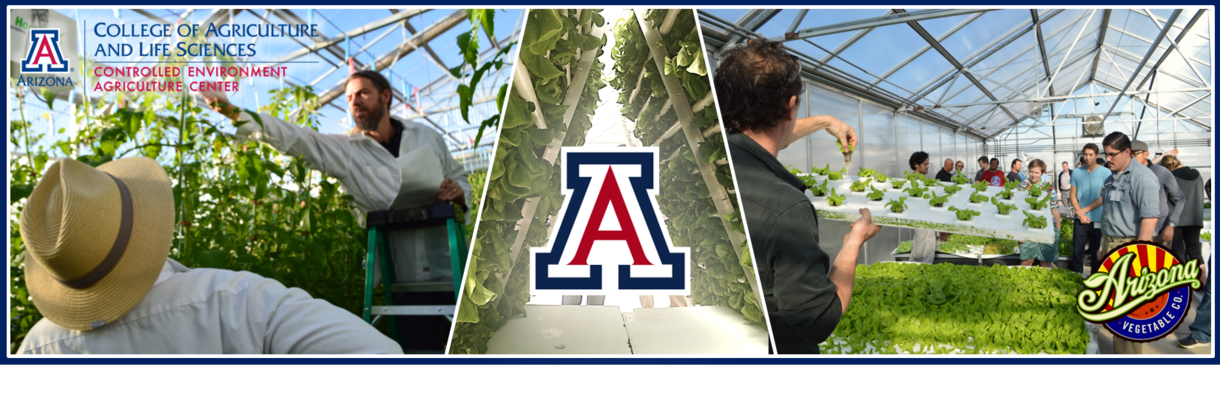
Hydroponic Intensive Workshops At The Controlled Environment Agriculture Center
For more information:
Registration at CEAC.ARIZONA.EDU/INTENSIVE
Email: danaem@email.arizona.edu
Call Danae, Program Coordinator, (520)626-9566

How-To: Microgreen Growing
Are you interested in growing microgreens indoor year round, or for the winter months? Today’s blog will help you make the right decisions while growing healthy and nutritional microgreens. Microgreens are most commonly harvested from leafy greens such as kale, arugula, radish greens and herbs. The taste of microgreens depends on the original vegetable. Microgreens have a very strong and concentrated taste of the original vegetable. This means that cilantro microgreens will still taste of cilantro, but with a stronger taste and condensed format.
Here are your instructions:
Get a 10 x 20 tray or container. 10 x 20 trays are the best, but my personal favorite are those clear plastic salad containers with a lid. It’s a little harder to harvest, and you may not get ideal air flow, but the lids are nice for keeping the seeds moist while in the germination stage.
Get a growing medium such as bio strate, burlap or soil. Pre-moisten your growing medium by soaking in a 5 gallon bucket or a big bowl. Keep the medium soaking for a couple of hours.
Place the growing medium in the tray and make sure to flatten the medium with your hands.
Sprinkle seeds over the top of the medium. Don’t worry about spacing. You’ll be harvesting so soon that a nice little carpet is what you’re going for. For best results use a spice shaker to spread the seeds evenly.
Spray your seeds with a spray bottle or water lightly and then spray the inside of your humidity dome. Cover your tray with the humidity dome and place in a dark location. Covering the tray helps keeps in the moisture, and the darkness helps the seeds to germinate.
Remove cover after seeds sprout, which should take a few days. Remove the cover and place in front of a sunny window sill.
Carefully water your microgreens. The best option is to bottom water, which is setting your tray with drainage holes in a sink of water and letting the microgreens soak it up. If you top water, be careful not to flatten the tiny greens.
Cut your microgreens with a sharp knife, most are delicious after they develop their second set of leaves, and are about 2 inches tall.
Eat your microgreens! You can eat them on sandwiches, in stir fry, on pizza, in green smoothies, in salads, or as a garnish or other ingredient.
These are simple and easy instructions for growing microgreens year-round. Microgreens can be a refreshing addition to your food in winter months when fresh produce isn’t always as available as it might be in the summer. If you have any questions don’t hesitate to reach out.
Category: microgreens

CO2 GRO Inc. Announces Two Positive Pepper Trials Using CO2 Foliar Spray Technology
The Trials Show 50% More Value versus Plants not CO2 Gassed and 20% More Value Than CO2 Gassed Plants
TORONTO, ON – November 12, 2018 – Toronto based CO2 GRO Inc. (“GROW”) (TSX-V: GROW and BLONF:OTCQB) is pleased to announce positive value results from two pepper grow trials using its dissolving CO2 Foliar Spray technology. The first pepper trial was performed at a commercial Michigan aeroponics facility using dissolved CO2 Foliar Spray technology versus no CO2 gassing on a limited number of pepper plants. The second trial at St. Cloud State University was overseen by Dr. Matt Julius. He used dissolved CO2 foliar spray versus both a pepper plant control group that received CO2 gassing at 800 PPM (typical greenhouse level) and a no CO2 gassing pepper plant control group.
Michigan Aeroponics Facility Commercial Pepper Trial
This commercial pepper trial was conducted by David Marshall of Morningstar Grower Services. David also oversaw GROW’s first commercial flower trials previously announced on October 24, 2018.
This trial replicated the St. Cloud State pepper trial design other than dissolved CO2 foliar spray was manual. Additionally, leaf foliar spraying frequency was every 30 minutes to match the aeroponics company’s water and dissolved nutrient application frequency on exposed pepper plant roots.
Results were consistent with St. Cloud State University’s scientific pepper data with increased pepper yields and accelerated fruit ripening.
St. Cloud State University Scientific Pepper Trials
These pepper trials were automated and started from seeds. Controlled growth chambers used foliar spray at twenty-minute intervals with CO2 infused water dissolved at 1000 PPM. CO2 foliar sprayed plants showed a 10% fruit yield increase over CO2 gassed plants and 30% fruit yield increase over plants that were not gassed. Additionally,10% to 20% faster fruit ripening was shown versus the two control plant groups.
Also, the CO2 foliar spray which displayed distinctly superior results, used 50% less CO2 gas versus CO2 gassing at 800 PPM.
John Archibald, CEO of GROW stated "Until legal cannabis, the top two greenhouse crops in Canada were tomatoes at 38% and peppers at 33% of a 2015 estimated $1.3B vegetable greenhouse market. (Source: Agriculture and Agri-Food Canada). Our pepper results show the value superiority of our dissolved CO2 Foliar Spray technology over CO2 gassing and dramatic value superiority over no CO2 gassing of plants. We can add plant yield and speed to maturity value to any greenhouse or indoor grow facility that does not use CO2 gas, that does use CO2 gas or to the 95% of the world’s plant food grown outdoors, where it has been impossible to add CO2. until now.”
About CO2 GRO Inc.
GROW's mission is to accelerate all indoor and outdoor value plant growth naturally, safely, and economically using its patented advanced CO2 foliar technologies. GROW’s global target plant markets are retail food at $8 trillion per year (Plunkett Mar 2017) and retail non-food at an estimated $1.2 trillion per year with retail tobacco at $760 Billion (BA Tobacco estimate), floriculture at $100B by 2022 (MarketResearch.Biz estimate) and legal retail cannabis at $50 billion per year by 2022 (Bay St Analyst estimates).
GROW's CO2 technologies are commercially proven, scalable and easily adopted into existing irrigation systems. GROW's proven crop yield enhancements and revenue model are compelling for growers and Agri-industrial partners.
GROW's sole focus is working with its plant grower and Agri-industrial partners in proving and adopting its CO2 technologies for specific growers’ plant yield needs.
The CO2 technologies work by transferring CO2 gas into water and foliar spraying across the entire plant leaf surface area, which is a semi permeable membrane. The dissolved concentrated CO2 then penetrates a leaf's surface area naturally like nicotine naturally dissolves through human skin from a nicotine patch.
Foliar spraying of natural water, dissolved nutrients and chemicals on plant leaves has been used for over 60 years by millions of indoor and outdoor plant growers. To date, outdoor growers have not had any way to enhance plant CO2 gas uptake for faster growth.
Indoor use of CO2 gassing has enhanced plant yields for over 60 years. However, about 60% of the CO2 gas is typically lost through ventilation. Current greenhouse CO2 gassing levels of up to 1500 PPM are also not ideal for worker health and safety. GROW's safer infused CO2 foliar spray can be used by indoor and outdoor plant growers with minimal CO2 gas lost and much greater plant bioavailability resulting in higher yields.
Forward-Looking Statements This news release may contain forward-looking statements that are based on CO2GRO's expectations, estimates and projections regarding its business and the economic environment in which it operates. These statements are not guarantees of future performance and involve risks and uncertainties that are difficult to control or predict. Therefore, actual outcomes and results may differ materially from those expressed in these forward-looking statements and readers should not place undue reliance on such statements. Statements speak only as of the date on which they are made, and the Company undertakes no obligation to update them publicly to reflect new information or the occurrence of future events or circumstances, unless otherwise required to do so by law.
Neither the TSX Venture Exchange nor its Regulation Services Provider (as that term is defined in the policies of the TSX Venture Exchange) accepts responsibility for the adequacy or accuracy of this release.
For more information, please visit www.co2gro.ca or contact Sam Kanes, VP Business Development at 416-315-7477.