


Welcome to iGrow News, Your Source for the World of Indoor Vertical Farming

We Visited The Small Town In Colombia That Will Supply The World With Weed
Colombia’s climate and farming industry perfectly position it to dominate the global cannabis market.
ROB HOFFMAN 2018
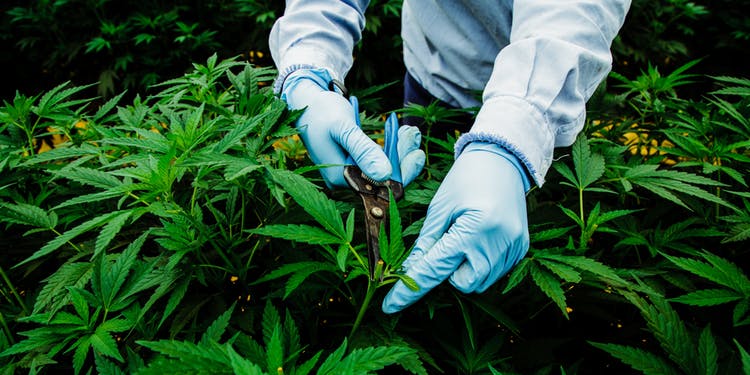
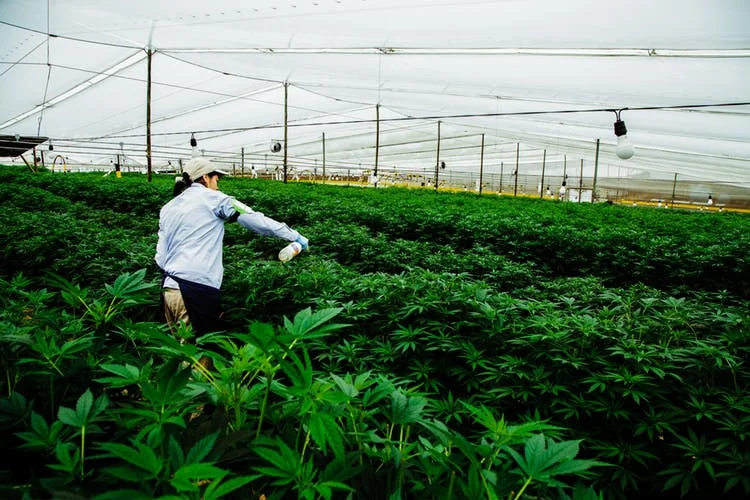
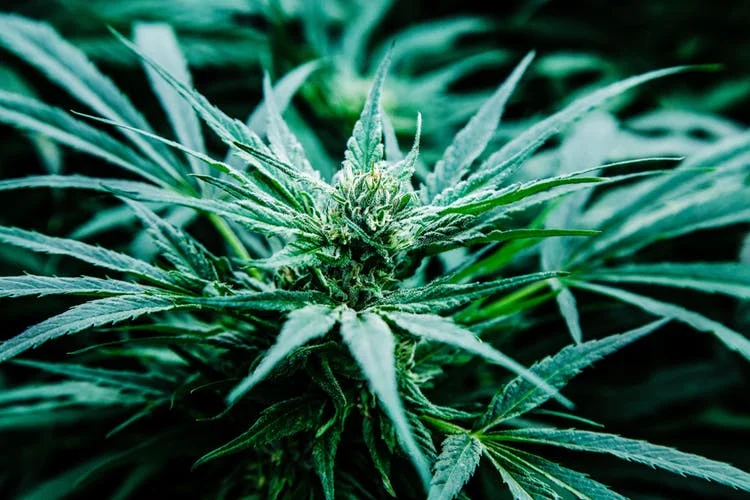
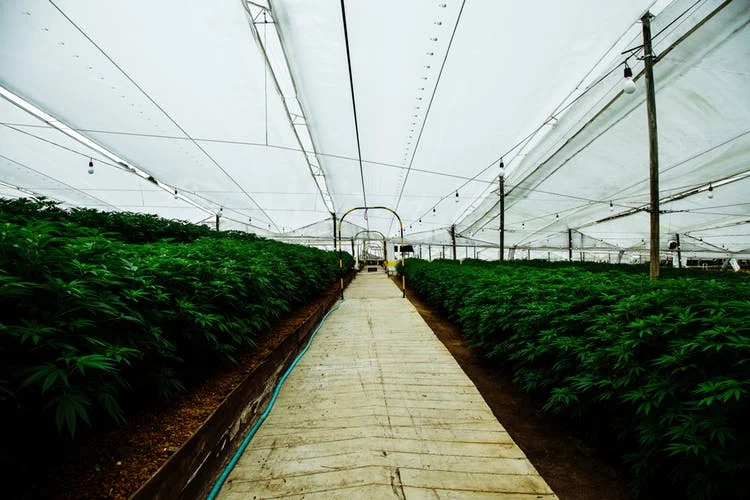
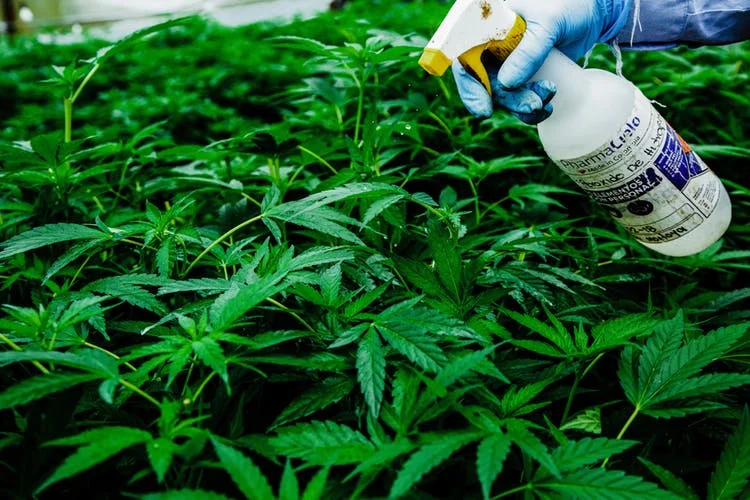
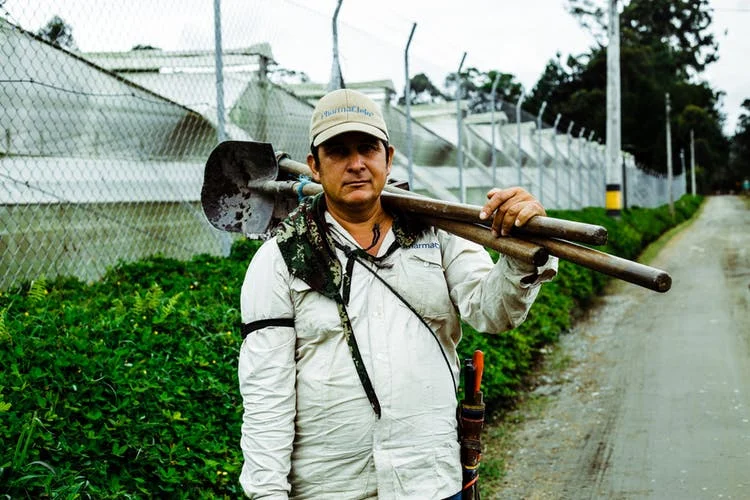
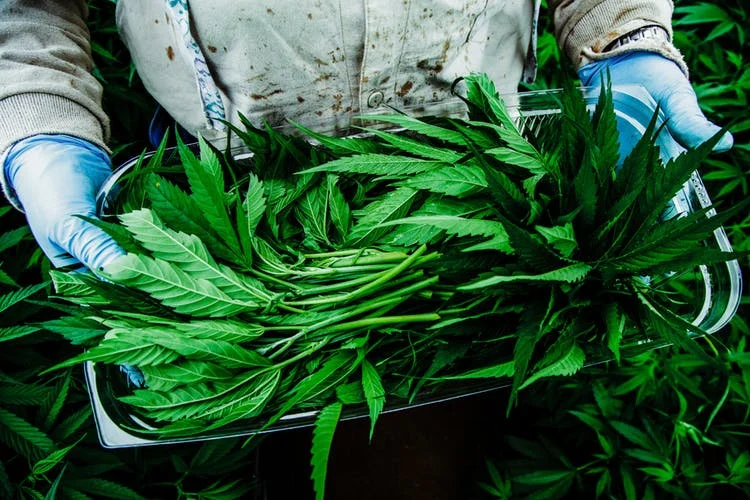
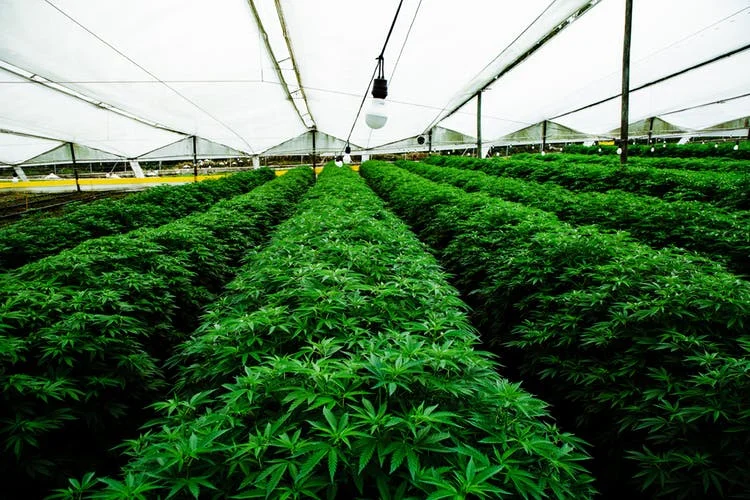
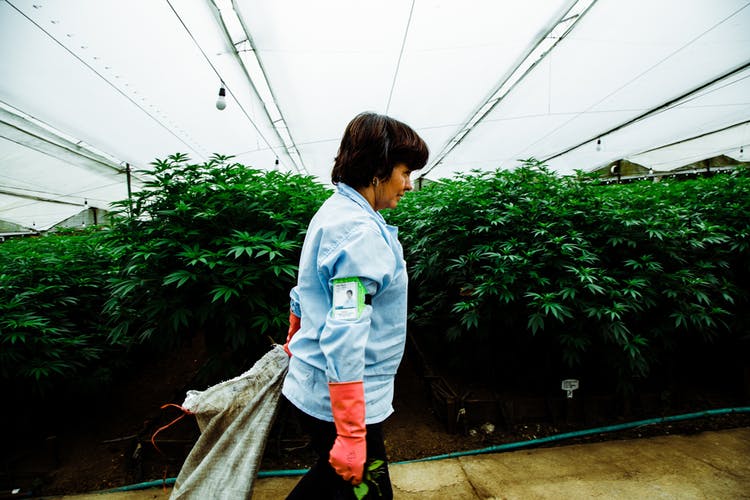
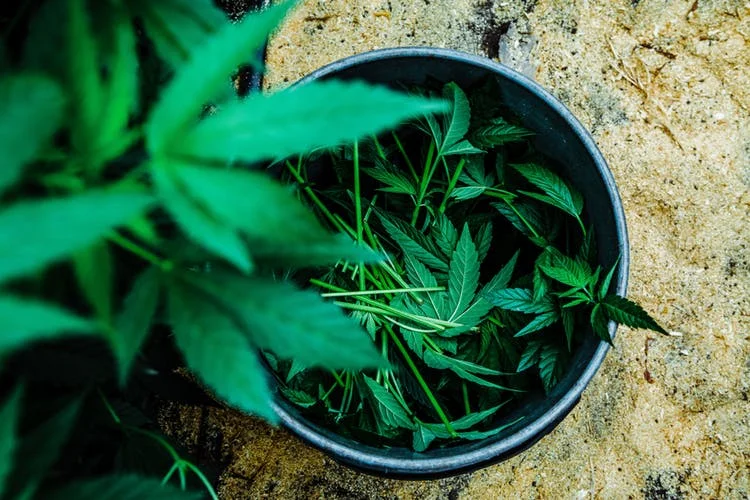
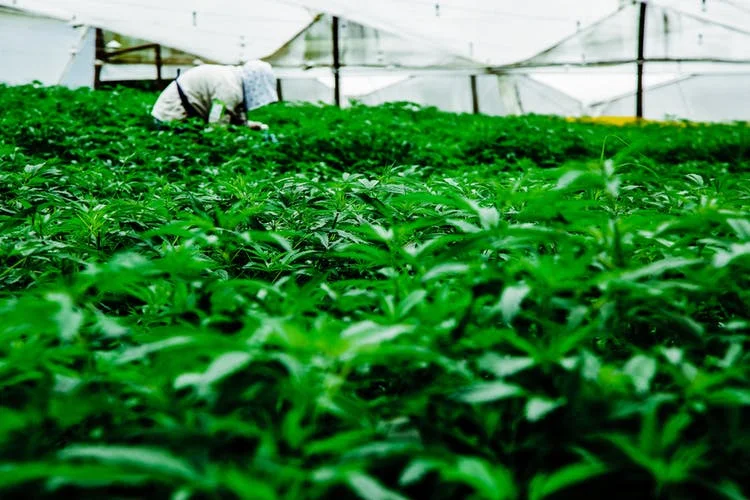
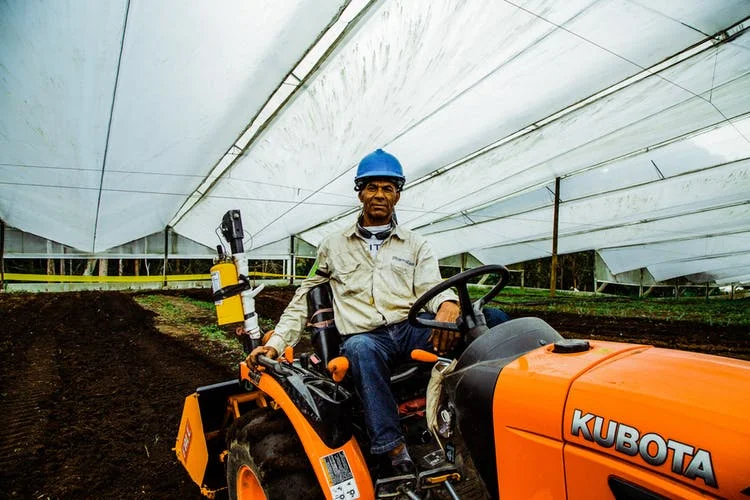
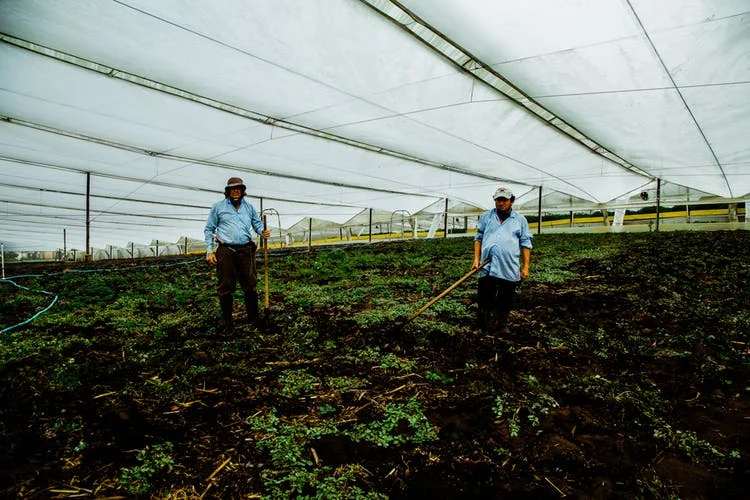
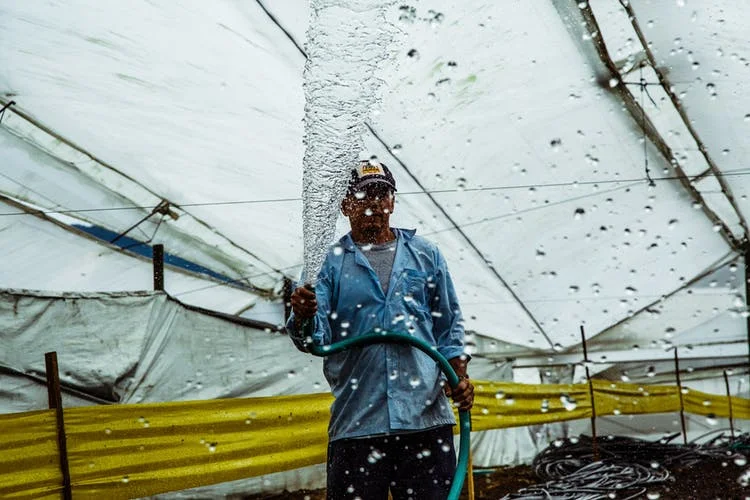
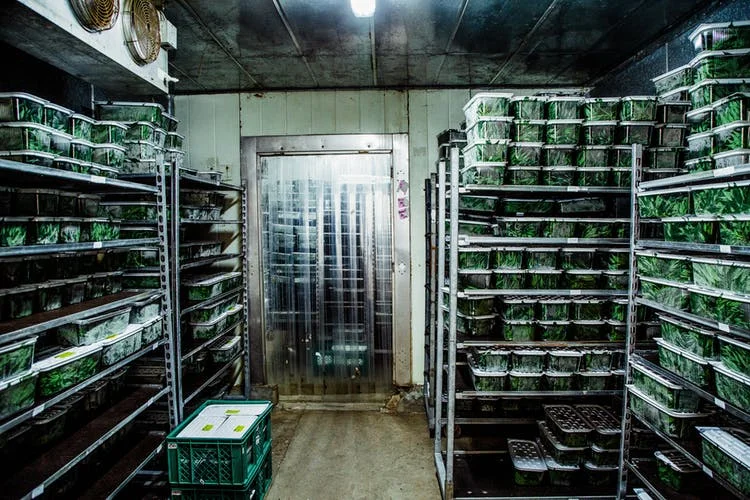
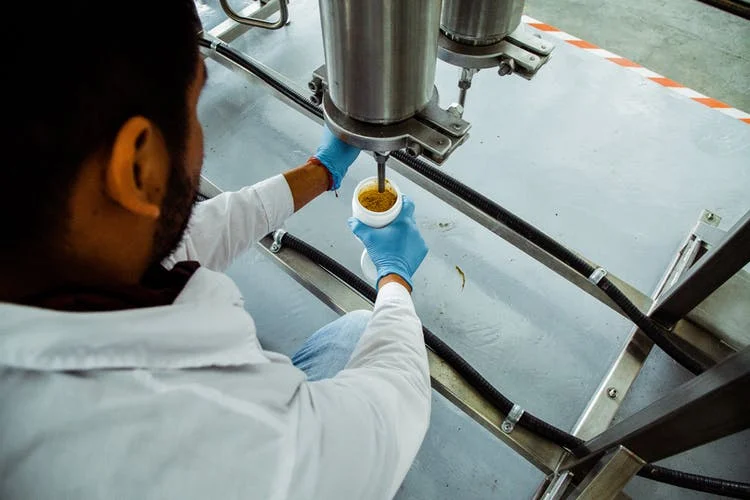
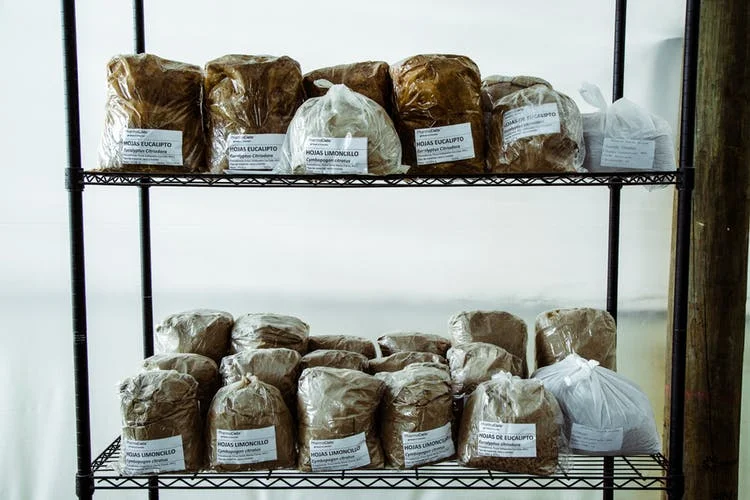

Photo by Naotomo Umewaka/HERB
It was the rainy season in Colombia, and as we left the buzzing city center of Medellín for the hills of Rionegro, the smoke from thousands of motorcycles and transport trucks yielded to a low hanging mountain fog. Outside the car window was a collage of green, brown and blue “fincas”—Colombian cottage-style homes—scattered over the Andes mountain range. But the elaborate displays of carnations, orchids, and chrysanthemums that decorated these fincas soon disappeared, too. In their place: nearly 3 million square feet of cannabis plants, organized in neat rows beneath white greenhouses that stretch to the horizon.
A few minutes later, guards checked our papers, made us sign some legal documents, and then opened the gates to PharmaCielo’s growing facility—the largest legally operating cannabis farm in Latin America and home to the first legal cannabis plants in the country.
The joint Canadian-Colombian company, PharmaCielo, was the first company to obtain licenses to legally cultivate medical cannabis in Colombia after it was legalized in 2016. Their facility in Rionegro, Antioquia is the beginning of what could become a multibillion-dollar industry. To put this into perspective, legal cannabis could be worth more than the country’s flower, coffee, coal and banana exports—all four of which are among Colombia’s top export products—combined.
Colombia’s climate and geography give it an advantage over just about every other medical cannabis producing country in the world. As one of 13 countries located directly on the equatorial line, the sun rises and sets at virtually the same time every day, 365 days a year. This creates a natural 12-hour-daylight and 12-hour-darkness cycle that’s necessary for the cannabis plant when it enters its flowering stage.
In North America, it can cost cultivators tens of thousands of dollars to replicate these conditions with artificial heat and lighting. According to some sources, a gram of CBD extract can be produced for as low as $0.35 in Colombia, whereas in Colorado—where indoor cannabis production is commonly used—it would cost roughly $1.75.
This is how Colombia could soon produce an estimated one-fifth of the world’s total medical cannabis. And PharmaCielo is positioned to be at the forefront of this boom.
In their Rionegro facility, they’ve got a living catalog of cannabis varieties—rows upon rows of over 35 different strains, each with thick stalks of budding flower emanating unique aromas. They’ve all been deemed market-worthy and will soon be processed into medical product. On the other end of the greenhouse, a backlog of over 100 additional varieties germinate, waiting to be assessed for their quality and medical potential. The company intends to be in full production by the end of 2018.
The International Narcotics Control Board (INBC), the United Nations-affiliated regulatory body for drugs, recently awarded Colombia with a 40.5 tons of cannabis-per-year quota—the highest medical cannabis quota in the world. This represents about 44 percent of the global medical cannabis quota. Even still, as Federico Cock-Correa, the Director of PharmaCielo Colombia, tells Herb, that won’t be enough. “We have to ask to adjust the quota,” he said. “Because we are going to produce a lot more than 40 tons.”
The environmental impact of producing this much cannabis in places like Colorado or Canada would be massive, already reflected in legal cannabis states’ lengthy utilities bills. In Denver, Colorado, the first state in the U.S. to legalize recreational cannabis, nearly four percent of the city’s electricity is now used to cultivate cannabis. Some cannabis companies have reported spending as much as $13,000 per month on electricity.
One energy and climate change scientist from California, Evan Mills, reports that indoor cannabis production has an estimated environmental footprint that is “equivalent to that of 2 million average U.S. homes,” with the average kilogram of final product having an impact comparable to “3 million average U.S. cars when aggregated across all national production.” Lawrence Berkeley National Laboratory estimates that these energy costs amount to $6 billion a year and 15 million tons of greenhouse gas emissions.
Some experts believe the impact is so significant in places like Colorado and California it has the potential to jeopardize targets set by state governments for reducing greenhouse gas emissions in response to climate change. In an interview with The Californian, Mills says: “In this warming world, indoor farming is an environmentally unaffordable luxury.”
This is one of the main reasons why PharmaCielo, after considering dozens of potential countries in which to build their primary growing operation, came back to Colombia.
Colombian cannabis farms are a far cry from the assembly-line atmosphere of North American indoor grows, where retina-burning yellow light emanates from high-intensity lamps. Under this type of lighting, special protective glasses are necessary just to safely look at the plants. Wind, temperature, and humidity are all artificially produced or controlled by various machines.
By contrast, PharmaCielo’s plants are entirely sun-grown. Their airy greenhouses are flanked by collected-rainwater lakes and reservoirs of cool stream water that runs down from the mountains. Rather than pots, plants grow from shared soil-beds that line the greenhouse floor.
PharmaCielo has spent the past two years preparing their soil by growing crops like alfalfa, onions, and peanuts that can be turned back into the soil to create natural fertilizers and insect repellants. This framework for sustainable farming in many ways was set up by the preexisting flower industry in Colombia, another reason cannabis is so well positioned to thrive in the country.
The flower industry provides a workforce of qualified farmers willing and ready to transition to cannabis. It employs roughly 180,000 people in Colombia, 15,000 to 20,000 of which are in the Rionegro region, says PharmaCielo Representative David Gordon. “They’re transferable skill sets,” says Gordon. “We have this massive, incredible staffing resource and if we go to northern climates, you don’t have that skill set—it doesn’t exist.”
This ready-made workforce is a crucial part of PharmaCielo’s ability to oversee nearly 130 hectares—roughly 14 million square feet—of combined cultivation facilities, the equivalent of roughly 243 football fields of space. And yet, this is but a small fraction of the land that the company intends to cultivate. According to Gordon, contractable growers in the country have already offered the company 1000 hectares for cultivation.
While legal recreational cannabis gets a lot of attention from the public, many within the industry, including PharmaCielo, are currently focused on the international medical cannabis market, which is developing much faster. By 2025, Grand View Research, a market research company based in the United States, predicts this market will be worth roughly $55.8 billion. Others within the industry project that it could soon reach as high as $200 billion.
For now, PharmaCielo is focused on Colombia’s market. But according to Gordon, with Colombia’s climate and growing conditions, the country could one day meet the entire world’s demand for medical cannabis extracts.
Other major international cannabis producers and businesses have begun to catch on to this opportunity as well. Recently, Canopy Growth, ICC Labs, Aphria, Khiron Life Sciences and other cannabis production giants have all announced their intentions to expand into Colombia. But before international sales have even begun, it looks like they may already be behind. In PharmaCielo’s facility in Rionegro, nearly 250,000 cannabis plants—some for CBD and others for THC—are already underway.
Domestically, the cannabis industry could be worth more than the country’s flower, coffee, coal and banana exports—all four of which are among Colombia’s top export products—combined. Globally, Colombia could soon produce an estimated one-fifth of the world’s total medical cannabis. PharmaCielo will be at the forefront of this boom.
Domestically, the cannabis industry could be worth more than the country’s flower, coffee, coal and banana exports—all four of which are among Colombia’s top export products—combined. Globally, Colombia could soon produce an estimated one-fifth of the world’s total medical cannabis.
PharmaCielo doesn’t rely on public supplies for irrigation needs at any of their growing sites. Every cultivation location is equipped with natural water reservoirs that are amply supplied consistently throughout the year with rainwater.
PharmaCielo is Colombia’s first fully licensed, fully operational cultivator and processor of cannabis oil extracts
PharmaCielo makes extracts from different plants into proprietary natural fertilizer and pest control products, which are exported around the world.
Recently, the International Narcotics Control Board (INBC), the United Nations-affiliated regulatory body for drugs, awarded Colombia with a 40.5 tons of cannabis-per-year quota—the highest medical cannabis quota in the world. This is about 44 percent of the global medical cannabis quota issued by the INBC. But as Federico Cock-Correa, the Director of PharmaCielo Colombia, tells Herb “We have to ask to adjust the quota. Because we are going to produce a lot more than 40 tons.”
2018

Whole Foods Supplier Embraces Robotic Farming
By PYMNTS
2018
To supply retailers such as Whole Foods and U.S. Foods with greens, 80 Acres Farms is constructing a “fully automated indoor farm.” The project’s reported cost is in the range of $10 million to $15 million, CNBC reported.
“With the … facility, we will achieve the next-generation of indoor vertical farming,” 80 Acres Farms’ CEO and co-founder, Mike Zelkind said. “This project will deliver our proof of concept that indoor farming can be fully automated, commercially scalable, higher-yielding, and profitable.”
The first phase of construction will bring grow centers that can make products such as kale, culinary herbs and microgreens. Then, three more phases could follow. In all, the facility could grow to over 150,000 square feet — or roughly 3.5 acres.
Another vertical farming company, Smallhold, works sort of like a nursery to expedite the growing process. The company grows the produce — mushrooms, at the moment — three-quarters of the way. Then it delivers the almost-grown produce to their customers, who finish growing the fungi in their vertical growing units. The company also helps customers create the right growing conditions with WiFi enabled units that allow Smallhold to monitor and control them remotely. As a result, customers simply have to pick and serve the produce.
Smallhold’s farms also reduce the environmental impact of growing produce. Their farming units reportedly create 40 times the output per square foot compared to a traditional farm, and use 96 percent less water, according to the company.
Smallhold is not the only urban farming concept in the U.S. Boston-based agricultural tech company Freight Farms grows produce inside of shipping containers. One freight farm can grow approximately two acres worth of produce, according to the company, and that can either be sold direct to consumers (D2C) or through partnerships with local distributors, restaurants and grocery stores.
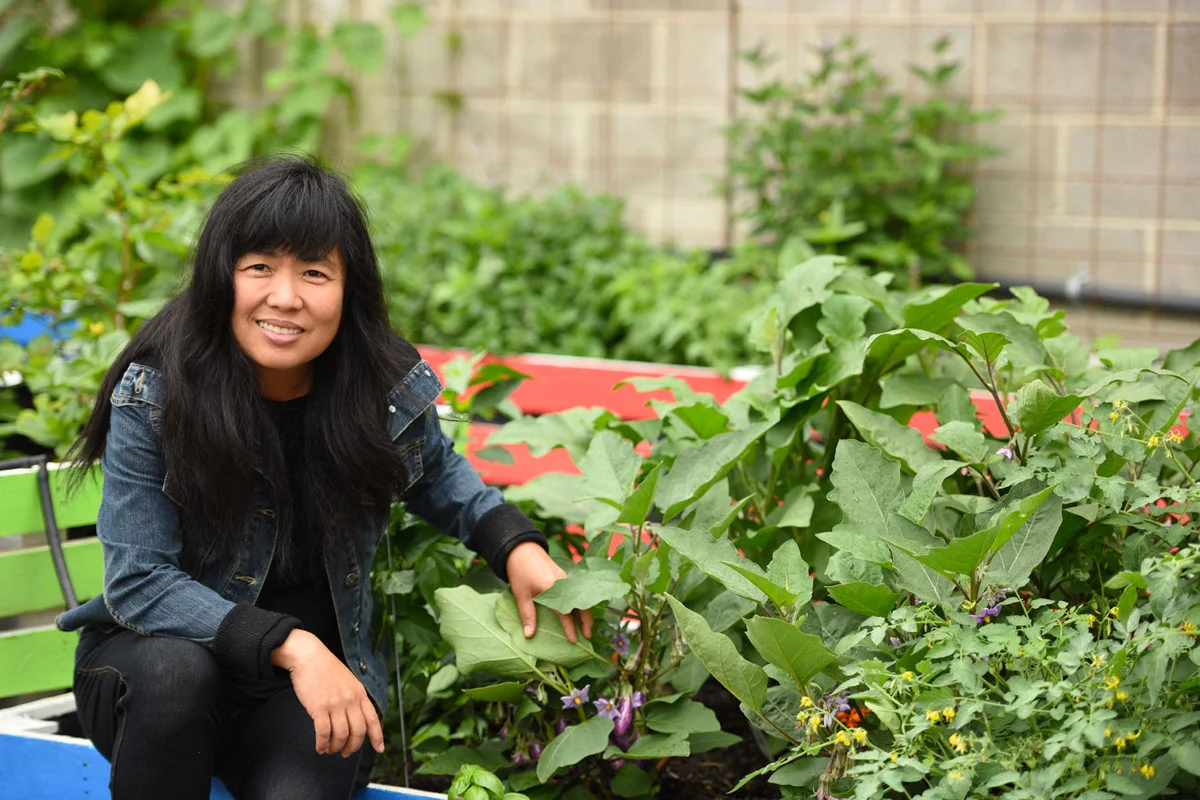
The Artist Creating Urban Farms To Feed Philadelphia
With fresh fruit and vegetables hard to come by in some of the city’s soup kitchens, Meei Ling Ng plants gardens to provide hyper-local produce to the homeless.
2018
Not many churches can boast their own Garden of Eden, but South Philadelphia’s historic Union Baptist Church (UBC) can. When Loretta Lewis and other veteran congregants of UBC opened a soup kitchen 20 years ago, they made a solemn pledge: “We just vowed that we’re not going feed people anything that we wouldn’t eat or feed our families,” she says. “The people who come are used to eating substandard food, but here they have never had substandard food.”
The soup kitchen volunteers have always prepared for the weekly Friday luncheon by shopping for and cooking food in an industrial kitchen in the church’s basement, adjacent to a dining room with cloth-covered tables, where people from nearby shelters are welcome to enjoy a free, nutritious meal.
And for the past year, sourcing fresh vegetables—often a big challenge for the church—has been easy. The soup kitchen’s pantry is now supplemented by hyper-local produce, harvested the same day from a new garden in a previously underused plot next door to the church.
Meei Ling Ng, an artist and urban grower who lives nearby, began a collaboration with the church a year and a half ago to develop what they’ve jointly called the UBC Garden of Eden. “I want to promote ‘grow food where you live,’” Ng says. “That’s always my project title, everywhere. And ‘provide fresh, healthy food to the needy, to the homeless.’ It benefits the rest of the community, too, through educating how to grow.”
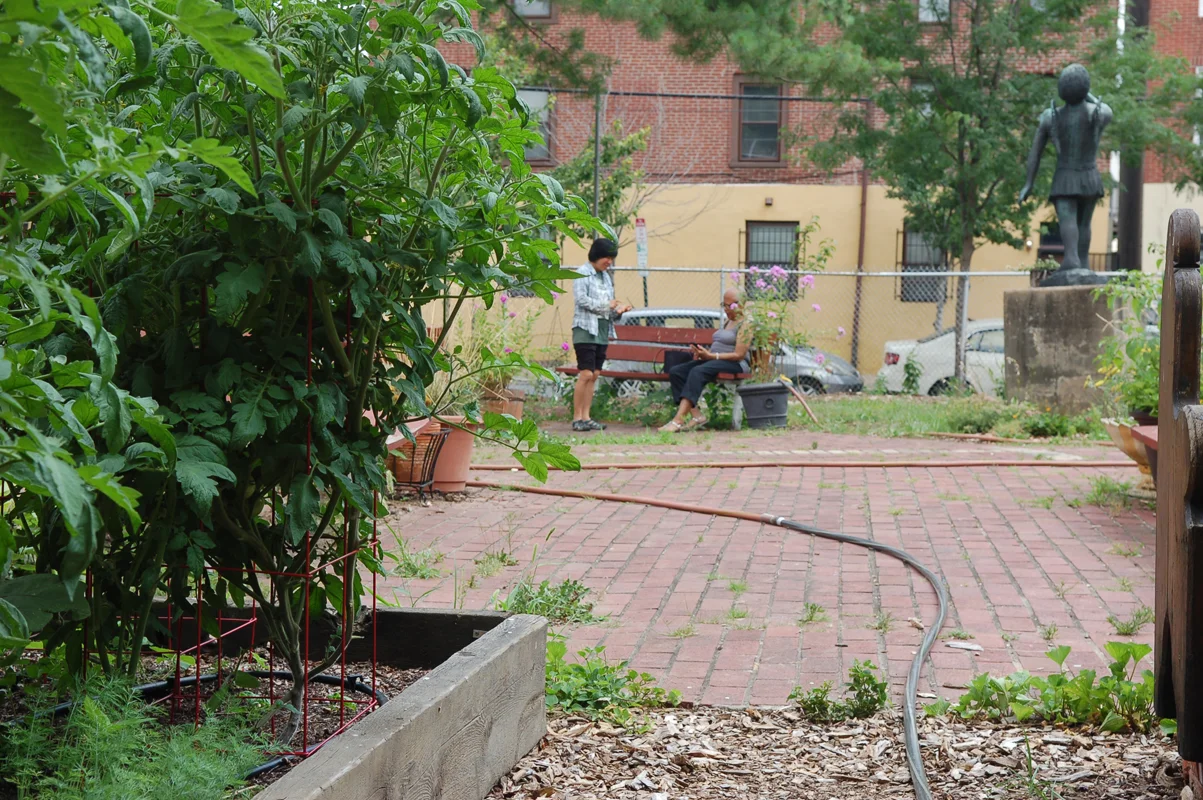
Meei Ling Ng visiting with Loretta Lewis at the UBC Garden of Eden. (Photo courtesy Karen Chernick)
In essence, Ng and UBC have cooperated on of a farm-to-table soup kitchen that supports the church’s need for (often costly) produce, while simultaneously involving the community by inviting them to help tend the garden two days a week. “We were pretty much supporting the soup kitchen on our own,” says Lewis, “but with Meei Ling, even early in the [garden’s first] year, we had salad.”
Ng planted an unusual variety of crops that include black heirloom tomatoes, rainbow chard, summer squash, purple cauliflower, Asian pears, and almonds, all cultivated in raised beds and in an orchard along the church’s perimeter. In a way, she has replicated the model of her childhood home on a five-acre orchid farm in Singapore, where her family self-sustained all of its produce needs.
“We had rows and rows of vegetables and fruit trees everywhere,” Ng recalls. “I grew up in that kind of environment. Everything we picked we ate fresh.” Having lived in Philadelphia for more than two decades, Ng is undeterred by her current home’s urban density in finding places to grow food.
As a working artist, Ng considers the UBC Garden of Eden to be an extension of her multimedia installation sculptures, many of which are food- and farm-themed. Some of her past works in Philadelphia include a musical garden at SpArc Services and the Deep Roots series of installations at two of the city’s urban farms.
The UBC Garden of Eden is the second of her spontaneously developed hunger-relief urban farms; the first such project was at Sunday Breakfast Rescue Mission, Philadelphia’s largest homeless emergency shelter. There, a string of raised beds along the edge of the mission’s parking lot have provided the high-volume kitchen with fresh vegetables (such as tomatoes, salad greens, and fresh herbs) since 2015, as well as farming instruction for those overcoming homelessness.
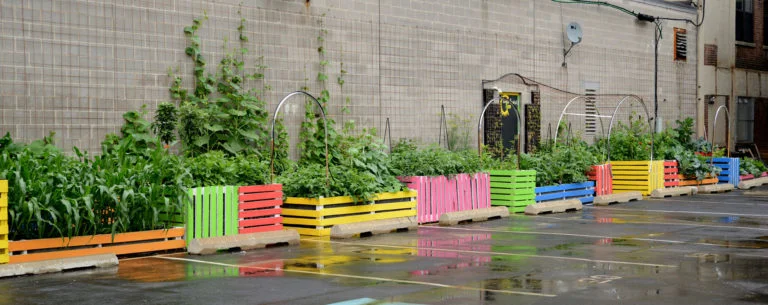
The Sunday Breakfast Mission garden. Photo © Sang Cun
“Fresh produce is extremely hard to come by,” says Rosalyn Forbes, the director of development at Sunday Breakfast Rescue Mission. “We rely heavily on donated nonperishable food items, which means that much of the fruits and vegetables we serve are canned. The Sunday Breakfast Farm provides fresh produce that can then be served in our kitchen.”
Salads are composed of freshly harvested greens; the herb garden is thoughtfully situated outside the kitchen door so that it is easy to reach while cooking. “It has elevated the quality of the food being served at the Mission,” Forbes continues. “Too often, those experiencing homelessness also suffer from health problems related to a poor diet.”
Solving the Problem of Scale
Sourcing fresh produce—and staying within budget—is a challenge for many soup kitchens. Individual donations of perishable items are rare, so some organizations choose to work with hunger-relief nonprofits that have the logistical capability to glean fruit and vegetable gifts directly from local farmers. The Philadelphia Orchard Project, which contributed fig, almond, and Asian pear trees to the UBC Garden of Eden this year, has a fruit gleaning program. Philabundance, another local nonprofit, is known by Philadelphia-area farmers as a way to keep excess or less cosmetically attractive produce from going to waste.
Distribution of this donated produce requires complex transportation, however, and so soup kitchens must often meet certain volume criteria in order to receive deliveries. Philabundance, for example, requires that its soup-kitchen member agencies serve at least 500 monthly meals in order to qualify. For smaller-scale operations that don’t reach that number, such as UBC’s soup kitchen (which has fed around 70-80 people per week in previous years and feeds between 20-30 each week now), this usually means they have to purchase produce themselves or rely on non-perishable items.
“Produce is hard to come by [for] smaller operations, and [direct] donations of produce [by farmers] could have a major impact,” says Scott Smith, director of food acquisition at Philabundance.
By growing the produce themselves, Ng and the UBC soup kitchen volunteers are slowly sidestepping the need to seek produce donations or purchase fruits and vegetables for the program. Phil Forsyth, executive director of Philadelphia Orchard Project, praised this solution, saying, “Of course, another approach is for soup kitchens to plant their own gardens and orchards to supply themselves with the most fresh, local produce possible.”
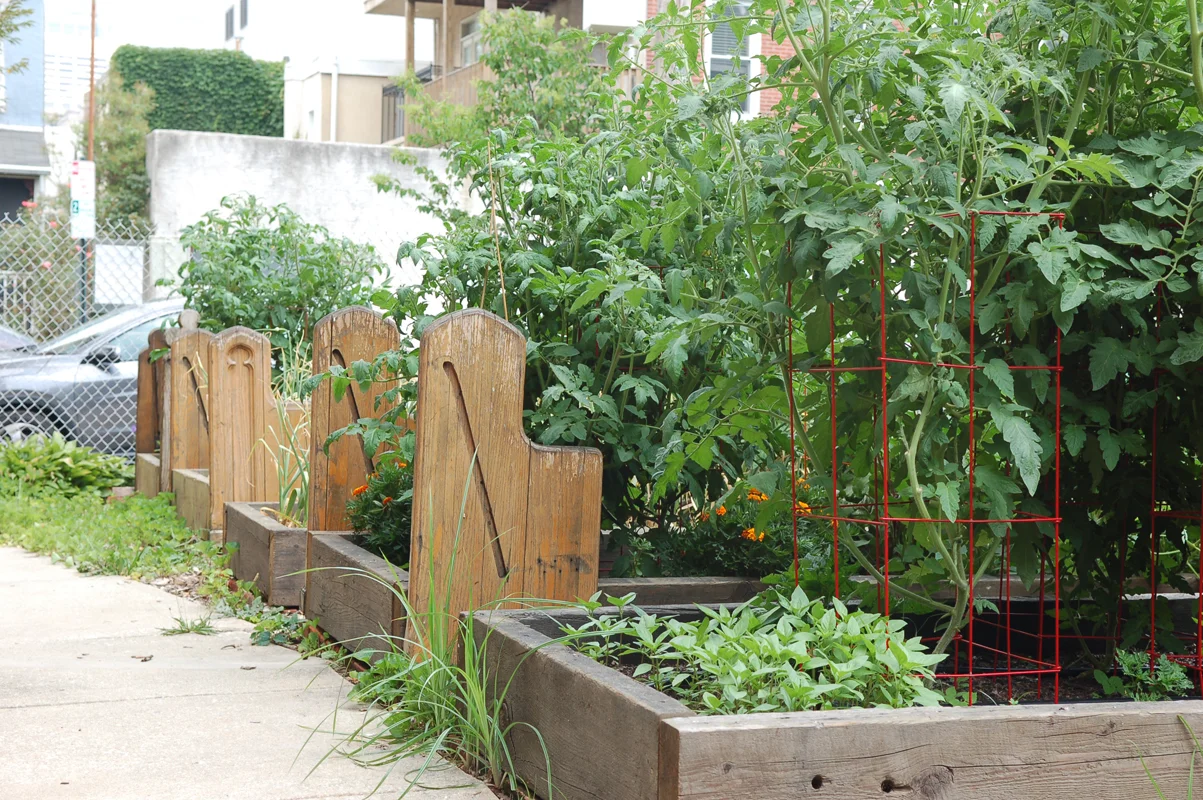
Planter beds in the UBC Garden of Eden. (Photo courtesy Karen Chernick)
Even for larger organizations such as Sunday Breakfast Rescue Mission, which serves over 400 meals daily and qualifies for delivery from organizations such as Philabundance, the parking-lot farm developed by Ng serves an important function. “There never seems to be enough donated fresh produce to keep up with the demand,” notes Forbes, “which is why we decided to think outside the box and grow it ourselves.”
As an added benefit, Ng’s farms engage their surrounding urban communities and teach city dwellers that even figs can grow on a city block. An herb garden can flourish in a parking lot, and heirloom tomatoes can thrive in a raised bed built out of salvage materials from the demolition of a nearby growhouse.
The care Ng takes in nurturing the crops at UBC Garden of Eden matches the motivation that the church’s soup kitchen volunteers have for serving food they would feed their own families. The symbiosis has been apparent since Ng’s first harvest last summer. “I was so happy and delighted to see a green area of the plate,” Ng says. “I want to share that experience of fresh produce with people. It tastes different, because it’s so fresh.”
Top photo: Meei Ling Ng in the Sunday Breakfast Rescue Mission Farm. (Photo © Sang Cun)

How To Improve Plant Growth With Micro-organisms
For indoor growers, beneficial micro-organisms are one of the keys to unlocking a garden’s full potential.
Eric Hopper | 2018
Presented by Sponsor: BluePlanet Labs
Takeaway: The advantages of beneficial micro-organisms in the garden are multifaceted, and experts believe their use will continue to expand throughout the horticulture industry. For indoor growers, beneficial micro-organisms are one of the keys to unlocking a garden’s full potential. The most common types of beneficial micro-organisms used by indoor growers can be broken down into three categories: beneficial bacteria, trichoderma and mycorrhizae.
Soil is so much more than just dirt. It is packed full of biological activity, and many growers consider it to be a living thing. In the last 10 years, researchers have started to understand just how important the biological activity in soil really is. Long-term use of chemical fertilizers, pesticides and herbicides has caused significant damage to the network of micro-organisms naturally found in soil.
We are starting to understand that without a healthy, living soil, sustainable horticulture is impossible, and as we continue to learn more about the intricate roles micro-organisms play in the soil, we see more methods, techniques and products aimed at maintaining the soil’s biological activity.
The reason indoor growers are getting so revved up about soil micro-organisms is because they help produce healthier growth and more abundant yields. To enjoy the benefits of beneficial microbes immediately, indoor growers can purchase soils or grow mediums inoculated with beneficial micro-organisms.
If the soil has not been inoculated, or if growers want to supercharge the biological activity of their soils, they can add beneficial micro-organisms either to the soil or to their feeding program. The types of beneficial micro-organisms commonly used by indoor growers can be broken down into three categories: beneficial bacteria, trichoderma and mycorrhizae.
Beneficial Bacteria in the Garden
There are many different types of beneficial bacteria indoor growers can use in the garden, the most common being soil-borne beneficial bacteria. There are many different strains of bacteria that live underground and provide benefits to plants. Depending on their strain, these bacteria help break down organic matter, add to soil composition, facilitate nutrient uptake and help protect plants and their roots from pathogens.
Adding beneficial bacteria to the soil or grow medium gives bacteria a chance to colonize and multiply quickly. A large population of colonizing beneficial bacteria equates to a faster breakdown of organic matter. This breakdown converts the organic matter into soluble compounds, which become readily available to plants. A healthy population of beneficial bacteria increases a plant’s ability to feed, which accelerates growth.
Aside from being inoculated into a medium, there are other ways beneficial bacteria are being put to use in an indoor garden. Many organic pesticides and fungicides contain strains of beneficial bacteria. Certain bacteria feed on pathogenic fungi, such as powdery mildew, and can be used as an effective treatment against such pathogens. Bacillus subtilis are a great example of beneficial bacteria used to treat powdery mildew. These bacteria are administered via foliar spray and are only effective where they make direct contact with the powdery mildew.
Beneficial bacteria have also made their mark as pesticides, especially for indoor plants. The bacterial species Saccharopolyspora spinosa is used as an effective, general-purpose insecticide due to its ability to affect the way an insect digests its food and the way it molts. Basically, the bacteria break the insect’s life cycle so it cannot continue to reproduce. Another bacterium commonly used as an insecticide is bacillus thuringiensis. Commonly referred to as BT, this beneficial bacterium is effective at controlling soft-bodied insect populations. In general, bacteria-based insecticides are much less toxic than their chemical counterparts.
(Special organic services for large scale agricultural grows are available from AquaClean)
Trichoderma in Horticulture
In an indoor garden, trichoderma are most commonly used as a preventative defense against pathogenic fungi. Trichoderma are specialized fungi that feed on other fungi, but it is actually the enzymes released by the trichoderma that give these microscopic, defensive all-stars their power.
Trichoderma release chitinase enzymes that break down chitin—the primary material that makes up the cell walls of pathogenic fungi. The chitinase enzymes released by trichoderma microbes eat away at the pathogenic fungi and, in turn, protect roots from being attacked.
Trichoderma have gained a reputation among indoor growers as being soil pathogen preventers. In fact, when a large population of pathogenic fungi exists in the soil, trichoderma increase chitinase production and feed almost exclusively on the pathogens.
Trichoderma also release another enzyme beneficial to indoor growers: cellulase. Cellulase are beneficial to the garden in two ways. First, cellulase aid in the breakdown of organic material in the soil, turning it into readily available nutrients for the plant. Second, cellulase can penetrate root cells. How can penetrating the cell walls of roots be beneficial?
It turns out that when the cellulase penetrate the root cells, they automatically trigger the plant’s natural defense system. The plant’s metabolism is stimulated, but no real harm is caused to the plant. In this regard, trichoderma has a synergistic relationship with plants. Trichoderma feed on sugars secreted by roots, while the plants develop a heightened resistance against pests and pathogens.
Mycorrhizae in Horticulture
The beneficial micro-organisms most commonly supplemented by indoor growers are mycorrhizae. Mycorrhizae are naturally occurring fungi that form symbiotic relationships with more than 90% of the world’s plant species, so their presence in the soil is imperative. Many soil companies are now incorporating mycorrhizae into their soils. You may even find that your favorite soil or medium is now being sold with added mycorrhizae, and even some lawn-care products now contain mycorrhizae.
There are a couple ways to supplement mycorrhizae in an indoor garden. Powder and liquid concentrates of mycorrhizae are available, which allow you to inoculate any type of medium or hydroponic system. The symbiotic relationship between mycorrhizae and roots may be the most important relationship in organic horticulture.
Essentially, mycorrhizal fungi become an extension of the root system and further their reach into the depths of the soil. This extension broadens the plant’s access to vital nutrients. As mentioned before, mycorrhizae have synergistic relationships with plant roots. The extending web of mycorrhizal fungi assimilate nutrients for the plant and the plant’s roots secrete sugars or carbon for the fungi to feed on.
Like with trichoderma, it is the enzymes produced by mycorrhizal fungi that make these microbes such an asset to plants. The enzymes released by mycorrhizae dissolve otherwise hard-to-capture nutrients such as organic nitrogen, phosphorus and iron. Although many mycorrhizal formulations contain both types of mycorrhizae and are sold as general mycorrhizal supplements, there are actually two types of mycorrhizal fungi commonly used by growers: endomycorrhiza and ectomycorrhiza.
Endomycorrhiza are mycorrhizal fungi whose hyphae (long, branching filamentous structures of the fungus) penetrate the plant cells. Instead of penetrating the interior of the cell, the hyphae manipulate the cell membrane, turning it inside out, which increases the contact surface area between the hyphae and the cytoplasm. This helps facilitate the transfer of nutrients between them while requiring less energy than would otherwise be needed by the plant to do so. This specialized relationship increases the efficiency of nutrient uptake.
Ectomycorrhiza are a group of fungi that have a structure surrounding the root tip. Ectomycorrhiza essentially surround the outer layer of the root mass. In nature, vast networks of ectomycorrhiza extend between plants, even if they are of different varieties, and allow plants to transfer nutrients to one another. The ectomycorrhiza act as a super highway for the transfer of nutrients.
When sourcing mycorrhizal products, you’ll notice that formulations contain both types of mycorrhizae. These two types can also be purchased individually. A closer look at the product label reveals the percentage of each type of mycorrhizae it contains. The label of any mycorrhizal product should also have an expiration date.
Although supplements in powdered form generally have a longer shelf life, micro-organisms are living creatures and their effectiveness dwindles as they age and die out. Liquid formulations tend to have a shorter shelf life, so you should plan on using these formulas more quickly.
As scientists learn more about the complex world of micro-organisms and how they affect horticulture, we get closer to creating the ultimate indoor growing environment. Organic growers are paying close attention to the development of beneficial micro-organism products.
Beneficial micro-organisms in the soil or grow medium boost nutrient uptake, aid in the breakdown of organic matter and increase a plant’s natural defense mechanisms. Whether they are used to treat powdery mildew or combat a pathogenic insect, certain micro-organisms get the job done without the environmental impact associated with harsh chemical treatments.
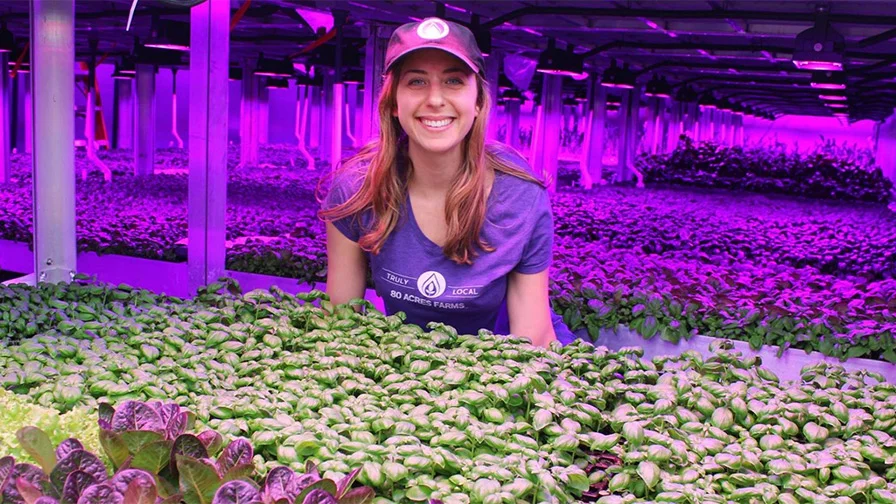
Nation’s First Fully Automated Vertical Farm Breaks Ground In Ohio
Posted by Laura Drotleff| September 25, 2018
Cincinnati-based 80 Acres Farms announced that it plans to build a large, fully automated indoor farm in Hamilton, OH, which will produce specialty greens to supply local independent retailers including Jungle Jim’s International Market and Dorothy Lane Markets, and national chain locations for Whole Foods and U.S. Foods.
The facility would be the first of its kind in the nation, according to 80 Acres. A groundbreaking was held for one of two facilities on Monday, Sept. 24. An MSNBC article stated the project would cost between $10 million and $15 million initially, and create 40 jobs would be created, which would average in the $40,000 to $50,000 range including benefits. The city discounted land in Hamilton Enterprise park for the project and is providing an Enterprise Zone property tax abatement of 75% for 10 years, MSNBC reported.
80 Acres Farms personnel will manage the facilities, which will feature robotics, artificial intelligence, data analytics, and around-the-clock monitoring sensors and control systems to optimize every aspect of growing produce indoors. The Cincinnati firm will work with its current technology partners, Signify, an LED horticultural lighting company, and Priva, which provides environmental controls and process management software, according to Tisha Livingston, President and Co-founder of 80 Acres.
The initial phase, which is to be completed later this year, will feature grow centers to produce microgreens, culinary herbs, leafy greens, and kale. Three additional phases are planned. When completed, the indoor farm is to encompass more than 150,000 square feet, which equates to nearly 3.5 acres.
The full-phase expansion of controlled environmental agriculture will enable 80 Acres Farms to provide more product to serve existing customers and new ones with fresh-picked, year-round produce. 80 Acres Farms now serves Cincinnati-area customers from its facility in Spring Grove, where it grows microgreens, culinary herbs, leafy lettuce, kale, and vine crops such as cherry tomatoes, cucumbers, and peppers.
“We already have demonstrated that we can provide to our customers the freshest, best-tasting and nutritious locally grown produce, while using renewable energy, very little water, and no pesticides,” said Mike Zelkind, CEO and co-founder of 80 Acres Farms in a September 21 release. “With the Hamilton facility, we will achieve the next-generation of indoor vertical farming. This project will deliver our proof of concept that indoor farming can be fully automated, commercially scalable, higher-yielding, and profitable. It will serve as a prototype for our ambitious plans to co-locate similar facilities with commercial customers in other parts of the country.”
Zelkind said 80 Acres Farms will work with partners such as JDL Warm Construction and Open Architecture Inc., both of downtown Cincinnati. Site Solutions Consulting of Loveland will do excavation site preparation work.
80 Acres Farms is headquartered in the Spring Grove community of Cincinnati, where the company was founded in 2015 by Zelkind and Livingston, both veteran food industry executives. It now employs more than 60 people in Cincinnati and other company research and development, engineering, and production facilities in three other states. In its mission to locally grow the best tasting, most nutritious fruits and vegetables, the company partners in research with many agrotechnology and academic research institutions.

Weed In Space Is Going To Be A Thing Now
Jonathan Shieber@jshieber / 2018
Scientists interested in cannabis as a subject for pharmaceutical studies may find an unlikely new home for their research into the plant, its byproducts and biochemistry aboard the International Space Station.
Yes, weed is going to space thanks to the work of a small Lexington, Ky.-based startup called Space Tango.
The company makes a “clean room” laboratory in a microwave-sized box. Because space is tight on the International Space Station, companies that want to conduct experiments in microgravity have to do more with less. And Space Tango gives them a small environment in which to perform tests and monitor the results.
Using Space Tango’s “CubeLab” modules, which slot into the larger TangoLab containers, companies like Anheuser-Busch can send barley up to the space station to observe how the crop could be cultivated in environments approaching zero gravity.
Now, Space Tango is taking its own steps to develop experiments on how the zero gravity environment could affect cannabis cultivation.
Alongside two Kentucky hemp and cannabis cultivation and retail companies, Atalo Holdings, which provides hemp genetics, and Anavii Market, an online retailer of hemp-derived cannabidiol (CBD) therapeutics, Space Tango has set up its own subsidiary to research how microgravity can be used to better cultivate particular strands of hemp for medical compounds.
“For all entrepreneurial companies in this new space area everyone is trying to hone in [sic] on what is the actual business,” said co-founder and chairman Kris Kimel of Space Tango, in an interview. “We’re trying to figure out here what’s the business now… For us, the model is looking at low earth orbit to actually develop and design applications for life on earth.”
Kimel said the company now has two micro-laboratories installed on the International Space Station and has payloads launching to the space station for corporate and university customers about six times a year.
In its early stages, the company is mainly operating on existing income. “We’re able to meet our operating expenses off of revenue,” says Kimel. “Which is great for a company that is not just three years old.”
As it looks to create these kinds of joint ventures with other companies, Kimel said that additional revenue could come from a profit-sharing agreement rather than just straight contracts for services. The new subsidiaries enhance what the company sees as its broader mission, Kimel said.
“Each time a new type of physics platform has been successfully harnessed such as electromagnetism, it has led to the exponential growth of new knowledge, benefits to humankind and capital formation,” said Kimel, in a statement. “Using microgravity, we envision a future where many of the next breakthroughs in healthcare, plant biology and technology may well occur off the planet Earth.”
Industrialized hemp production and research and development into the crop was enabled four years ago with the passage of the 2014 U.S. Farm Bill. It was the first time in 70 years that new rules were enacted to promote research into applications for the hemp plant as fiber, food or medicine.
By taking the plants to space, Space Tango hopes to study whether the growth of certain strains can be better controlled in the absence of gravitational stresses on the plant’s development.
“When plants are ‘stressed,’ they pull from a genetic reservoir to produce compounds that allow them to adapt and survive,” said Dr. Joe Chappell, a member of the Space Tango Science Advisory Team who specializes in drug development and design. “Understanding how plants react in an environment where the traditional stress of gravity is removed can provide new insights into how adaptations come about and how researchers might take advantage of such changes for the discovery of new characteristics, traits, biomedical applications and efficacy.”
Founded by former NASA engineer Twyman Clements and Kimel, who was serving as the president of the nonprofit Kentucky Science and Technology Corp., Space Tango was spun up to be the for-profit arm that would commercialize experiments in space as a service for large businesses that wanted to take advantage of the unique properties of manufacturing in microgravity.
There have been few commercially viable products that have come from microgravity research or production, in part because it’s expensive to bring products from space to earth.
That’s why Space Tango has focused on drug discovery and pharmaceuticals and why the company is spinning up its independent subsidiary that will focus exclusively on cannabis. Pharmaceutical compounds are lightweight and can be profitable in production without enormous volumes.
“That’s why biomedicine is attractive,” Kimel said. “You’re dealing with products that are incredibly high value and incredibly low weight.”

CAM Led Lighting, A Division of CAM Mfg., A California Company, Announces It’s Agreement To Market And Distribute The Wand.
Latest Product News for InDoor Growers, Farmers and Commercial Horticulture Operators
Los Angeles, CA, October 16, 2018:
CAM Led Lighting, a Division of CAM Mfg., located in Murrieta, CA is proud to announce their partnership with BioRadiance Grow Science, a cutting- edge Science & Technology Company based in the UK. BioRadiance offers cost-effective straight forward solutions to urgent, destructive, very costly and sometimes life-threatening sickness problems caused by harmful pathogens.
The “Wand” delivering BRe3, is a Patented Light Energy Science that prevents Pathogen infection and cures infected plants, vegetables, cannabis & seeds & extends the lives of flowers, cut vegetables/plants by organically destroying fungi and bacteria. The non-visible WaveLength light is safe for use from Seed 2 Sale, has no residues or toxins to leave behind and is safe for all humans, animals and plants. Growers can maximize crop potential and eliminate the use of pesticides and chemicals allowing them to grow clean and healtheir produce/plants and cannabis.
The Wand is a LED Emitter Light Bar, approximately 48” L x 1- 1/ 2” W, installs along side current grow lights, or can be used as a stand-alone LED Grow Light + Pathogen Control. The Light source uses the non-visible spectrum of light and delivers natural occuring wavelengths, covering up to a 6’ x 4’ area at a distance of 24” away from the plant(s), or as close as 6” away from the plant(s) covering a smaller footprint of 4’ x 2’ for quicker results. The Bar has an IP65 rating and can be also be installed in outside grows under cover with structural support for attachment.
Several Certified Lab Tests have been conducted in commercial grow rooms and results are available upon request. Please email Director of Marketing, Judi Randall, @ info@camledlighting.com, for more information on Test Results.
“We are excited and thrilled to be offering such an amazing product to the Indoor Grower’s Industry, particularly here in California where regulations on Pesticides are on the forefront and may detour good quality growers from entering into the market. We believe this product and it’s science is the answer to grow/production issues relating to the quality, control and the safety of plants, vegetables, fruit, flowers, insects and related products to the Public.” States, Judi Randall.
Judi can be contacted @ their CA company headquarters, 1-951-837-4776 or by email info@camledlighting.com for additional information, pricing or ordering.
## END ##

Cover Crop Powers First Transatlantic Flight Using Sustainable Biojet
A United Airlines plane powered by biojet fuel made a landmark non-stop voyage from San Francisco to Zurich.
SEPTEMBER 24, 2018 LAUREN MANNING
On Monday, a United Airlines plane powered by biojet fuel made a landmark non-stop voyage from San Francisco to Zurich. Agrisoma Biosciences, a Canadian agtech company that develops Carinata seeds to produce aviation biojet fuel, partnered with United Airlines and French oil and proteins sector company Avril Group to accomplish the second international commercial flight using the company’s seed oil.
As with any startup, proof of concept is a key milestone.
“We are creating a new industry,” Hank Krakowski, Agrisoma’s Director of Sustainable Aviation, told AgFunderNews. “The question was whether the fuel is ready, and it is. Until we got through the approval process, we couldn’t talk to people about investing in contracts with us to create the feedstock for the biojet fuel.” Krakowski has deep ties to the aviation industry after working as a commercial pilot for United Airlines for 30 years. After hanging up his wings, he served as chief operating officer of the Federal Aviation Administration’s Air Traffic Organization for a few years before transitioning into aerospace investment banking. It was through this endeavor that biojet fuel and a sustainable future for aviation captured his focus.
Earlier this year, Agrisoma and Australia’s Qantas Airways partnered on a transpacific flight from Los Angeles to Melbourne that used biojet fuel produced from Carinata, which is a member of the mustard seed family.
“Qantas came to us over a year ago curious about whether we could be the source for their biofuel needs in Australia,” Krakowski explains. “Something happened that surprised us in a wonderful way: when the flight ended, over the next few months Australian farmers called us and Qantas to see how they could work with us.”
Since launching in 2001, Agrisoma has captured over $27 million in venture capital from Canadian investors, with its most recent Series C in March 2018 raising roughly $12 million. Its four investors – fund manager DesJardins Capital, impact investors Cycle Capital, Quebec-focused funders LuneRouge, and multi-stage investor BDC – all hail from Canada and seek out sustainable technologies. Krakowski hints at more financing activity for Agrisoma in the near future, but could not share more details at this time.
A Seed Company at Heart
While many might assume that Agrisoma brands itself as a biofuel company, it’s better categorized as a seed company. Agrisoma’s proprietary Carinata seed, currently being cultivated by growers in both the Americas and Australia, is a non-food, mustard-like oilseed that produces a grain that is roughly 50% oil and 50% protein. Carinata biojet fuel is made by harvesting tons of Carinata crop, crushing the grain to recover the oil, and refining that oil into jet fuel by the same process used for petroleum-derived jet fuel.
Agrisoma sells its Carinata seeds to farmers or agricultural cooperatives who then grow the seed as a cover crop and sell it back to Agrisoma. It has developed 20,000 lines of germplasm so that it can select the precise variation for different geographical locations and holds numerous patents for the germplasms.
“We have to go into different locations, do trials, sort out the right seed varieties and germplasms for that area, and then we put a two-to-five-year scale-up plan in place where we increase the acreage every year. We have to get farmers to plant and grow the seed and to harvest it correctly,” he explains. The company currently reports 50,000 acres of commercial crop growing across the Americas and Europe with the hope of doubling this acreage every year. It’s started the trial process for Carinata cultivation in Australia, New Zealand, and France.
While biojet fuel is a relatively new product in the jet fuel market, Agrisoma has found a way to slip into the existing supply chain: the company sells directly to existing refineries with biofuel production capabilities, aiming to avoid adding additional layers of complexity to the process and the existing supply chain, says Krakowski.
The biojet fuel typically replaces 10% to 30% of the petroleum jet fuel needed for a flight, making for a cleaner fuel blend that reduces greenhouse gas emissions, according to Agrisoma. Carinata is the first oilseed to be certified as sustainable by the Roundtable on Sustainable Biomaterials, an independent global standard, and certification program for sustainable biomaterials.
Competing with Conventional Jet Fuel
When it comes to industry acceptance, Agrisoma is banking on recent agreements from United Nations International Civil Aviation Organization (ICAO) encouraging airlines to achieve carbon neutral status by 2021 with the goal of claiming a 50% reduction of CO2 emissions by 2050. Carinata and the way in which the company goes about cultivating the crop offers certain environmental benefits that play directly into the ICAO’s aims.
“When you grow it, it sequesters carbon out of the atmosphere like any plant and puts it into the ground. Then, you harvest the plant, and you have a biomass that you leave behind on the ground that does a number of things: it prevents carbon from escaping and provides nutrients for the next crop growing.”
Farmers have been largely receptive to cultivating Carinata, which is used as a cover crop. This means that it doesn’t compete with traditional food growing cycles. And while other cover crops commonly don’t have a dollar value, Carinata cultivation offers farmers an additional stream of income during the off-season.
As an added bonus, Agrisoma sells the spent meal that’s leftover after the seed-crushing process for livestock feed. Because Carinata is a non-GMO seed, the meal sells at a premium to dairies producing organic products.
With some estimates suggesting that airline travel will double from current demand levels by 2040, Krakowski thinks that airlines will have no choice but to seek out sustainable fuel sources that allow them to keep pace with demand while satisfying the ICAO agreement. In fact, Agrisoma is in active discussions with a handful of oil companies about using its oil as a feedstock for biofuel production, says Krakowski.
The Sky’s the Limit
With a few successful flights under its belt, the company is focusing on increasing its acres of production and scaling up in the Americas and France, as well as Australia, New Zealand and perhaps Asia. Most startups keep a close eye on the competition, but for Agrisoma and Krakowski there is plenty of room in the biojet fuel space for additional players.
“If you look at the numbers the industry needs to meet a doubling of air commerce against biofuel availability, they will need every drop they can get from anybody who can produce biofuel regardless of where it comes from.”

Second Greenhouse Heated by Cryptocurrency Mining
UnitedCorp's technology uses the heat from cryptocurrency mining to support greenhouse agricultural operations
Miami-based United American Corp announces the completion of its second BlockchainDome and the full commissioning of 1,500 additional miners for a total of 2,500 miners (3.8 megawatts) now in service in two BlockchainDomes. Pre-installation of 1.5 megawatts of electrical service for adjacent greenhouses heated by the BlockchainDomes is now also complete.
The latest BlockchainDome incorporates a number of improvements in construction and deployment from the first dome which includes mass pre-fabrication of a number of dome components and in-house CNC manufacturing of the mining rig docking stations. Construction logistics have also been refined to include pre-installation of foundations and utilities for future domes resulting in overall lower construction costs and shorter construction timelines.
"We have taken everything we have learned from the construction of the first BlockchainDome and used this knowledge to make the implementation of this subsequent BlockchainDomes faster, cheaper and of better quality," stated UnitedCorp CEO Benoit Laliberte. "Along with the generation of heat from the BlockchainDomes for agricultural purposes, our goal remains to be the low cost and environmentally sustainable standard for the industry."

UnitedCorp's technology uses the heat from cryptocurrency mining to support greenhouse agricultural operations through the BlockchainDome Heat Station system which keeps greenhouses at 20oC year-round. This represents a simple design solution compared to various alternatives whereby the cost of generating this heat from a single source is shared between multiple use cases.
Commercial greenhouses in cooler climates like in the Province of Quebec typically require a significant amount of thermal energy to supplement daytime solar energy, particularly during the period of September to May, and many older greenhouses utilize inefficient heating systems for this purpose. The dry heat produced by the BlockchainDome Heat Station is also used in the summer to reduce greenhouse mold and fungus caused by condensation thereby reducing or eliminating the need for chemicals to treat this problem and creating a more organic growth environment.
UnitedCorp believes this "Heat Campus" approach for heat generation and utilization is the future for agriculture and any other industry that can make use of low-cost heat with the ultimate goal being to get as close zero waste as possible. This is not only good economically but allows businesses to "green" their operations by significantly reducing the amount of electricity the combined operations require from the grid.
For more information:
UnitedCorp
5201 Blue Lagoon Drive, 8th floor,
Miami FL 33126
www.unitedcorp.com

Young Fijian Makes Good Use Of Govt Scheme
A Fijian who studied in India has made the most of Government’s Young Entrepreneurship Scheme and embarked on a journey to combine engineering and agriculture.
September 22
18:56 2018
by SWASHNA CHAND , SUVA

Entrepreneur, Rinesh Sharma.
A Fijian who studied in India has made the most of Government’s Young Entrepreneurship Scheme and embarked on a journey to combine engineering and agriculture.
Rinesh Sharma, 25, is an entrepreneur living in Lautoka who has started up something unique.
“While studying in India, I came across a software engineer who had an indoor hydroponics farm in Goa,” he said.
“After reading his success story, I made up my mind to do the same back home.”
Hydroponics is a method of growing plants without soil by using mineral nutrient solutions in a water solvent.
“Engineering combined with agriculture allows me to grow plants in its special conditions and parameters, maximising faster yields,” he said.
“I grow include strawberries, mint, coriander, coral lettuce and butter crunch lettuce. The idea of hydroponics came to me in my third year of engineering.
“Since then, I have researched every day about executing this project on a commercial scale in Fiji.”
Mr Sharma said he came back to Fiji in May and started an automated hydroponics system, in which he grew green leafy vegetables in his backyard.
“This was a challenging process because it was almost impossible to find hydroponic system supplies in Fiji, but regardless I made a small prototype where I can harvest 372 plants per month,” he said.
“Doing farming is the best thing I have done and perception really does matter because we have a lot of people who left farms and moved to the urban life and this has created a huge gap to fill in the field of agriculture.”
Mr Sharma said for him it was a mission to feed the world and he was going to start with his country.
“Upon my arrival in Fiji, I had applied for the YES entrepreneurship scheme run by the Ministry of Trade, Tourism and Industry with the intention to begin an automated hydroponics farm in Fiji on a commercial scale and got a grant of $20,000,” he said.
He is thankful to the Government for providing him with the assistance.
“The assistance is motivating and encouraging for us the younger generation to do step forward and do something,” he said.
“I keep challenging myself with growing the most impossible edible items such as blueberries, raspberries and apples as well.
“It is important that people of Fiji are able to afford proper nutritional meals every day and that to at low cost.
“So, as a hydroponics farmer, I am able to control any device in my farm through a single touch on my phone via internet and I am also able to receive any data changes that may occur, such as change in PH, moisture, temperature.
“It was a privilege to be given a scholarship by the Indian High Commission where I got to learn so much.
“I came back to Fiji with the intention of working with the Government and their expertise to change and shape farming methods in Fiji.”
Edited by Epineri Vula
Feedback: swashna.chand@fijisun.com.fj
Hydroponic Seed Starting 101: A Primer For Beginners
Starting your seeds hydroponically has many benefits, but many people are unsure how to go about it. Shannon McKee gives us a primer on the basics of starting your own seeds to expand on what you’re currently growing.
Shannon McKee | July 10, 2017

Takeaway: Starting your seeds hydroponically has many benefits, but many people are unsure how to go about it. Shannon McKee gives us a primer on the basics of starting your own seeds to expand on what you’re currently growing.
Many people skip starting their own seeds because of the time and effort to get them started, but there are some great reasons to start your own seeds hydroponically. It’s so much easier to just go to the store to pick up some seedlings to pop into your system and get growing, right? Well, store-bought seedlings do have some downsides that can be avoided if you start your own.
The first is that you’re limited to what you can grow in your system. You have to choose from the options available at the store. However, if you start your own seeds, you can grow anything. This means you can grow your favorite heirlooms or even rare plants that aren’t found at many nurseries.
Adding seeds to your hydroponic system means that they won’t go through any trauma or root damage from being transplanted into your system. This process may also introduce diseases or bugs into your hydroponic system from the store.
Also, you get the satisfaction of growing a plant from a tiny seed rather than just picking up a seedling. Plus, a packet of seeds can grow a number of plants for just a few bucks, whereas the cost of only one seedling can be the same amount.
Seeds are also more cost-effective than buying one or two seedlings in the long run, as you can save some for the following year. The germination rate can decrease over time, but often, you can still get quite a few to sprout over the years until you have to buy your next seed packet.
What You Need to Start Seeds in a Hydroponic System
The first time you start your own seeds for your hydroponic system may be a bit more expensive at the beginning because you need to buy more materials than in future years. Seeds need water, light, oxygen, and heat to grow. You really don’t need anything too special to grow your own seeds.
You can use a grow tray with a dome for your own miniature greenhouse to create an ideal environment. If you’ll be growing your seeds in an area that is cooler, you may want to invest in a heating mat that goes underneath the grow tray to keep it warm as this is a necessary condition for sprouting to occur. Light is good to have as well as this will help your seeds sprout.
Inside of your grow tray, it can be beneficial to use a pot that works for your seeds and their future as seedlings in your hydroponic set-up. You’ll want to use starter cubes, such as those made of stonewool (rockwool). The key here is to use something that can withstand being immersed in water without dissolving, as it could clog up your system after transplanting.
Step by Step Instructions for Sprouting Seeds in a Hydroponic System
The first thing that you’ll want to do is to soak your starter cubes in clean water for about an hour. After they’ve been given a chance to soak, put a few seeds into the cube’s hole. You’ll want to add several just in case you have some seeds that don’t germinate. Once they sprout, you can thin out the weaker plants to allow the strongest to grow.
Prepare your grow tray with about an inch of clean water or nutrient solution that is at half strength. Arrange the light source and heating mat as needed. You can keep the lid on to keep the heat and moisture in the tray.
Put these planted cubes into the grow tray and add water or the half strength nutrient solution as the level goes down in the grow tray.
After about four days, you’ll start to see some sprouts emerging.
Some people prefer to use a Ziploc bag, rather than a grow tray, when trying to get the seeds to germinate as it functions like a greenhouse. Seal the bag with a little bit of air and put it in a dark place for about four days to get the seeds sprouted. Then, you can put the starter cubes with sprouted seeds into the grow tray.
Step by Step Instructions on Transplanting
Keep your tiny seedlings growing strong with your hydroponic nutrient solution. Once they’ve gotten bigger, you don’t have to make the nutrient solution half strength.
You’ll start to see the seedlings’ roots coming out of the bottom of the cube, and this is the sign you’ve been waiting for, as it means you can start transplanting. This can take about two to four weeks depending on what plants you’re growing.
Clear up a spot in your hydroponic system’s growing media for the seedling – cube and all. Gently transfer the starter cube into your growing media, and cover it gently.
Give the root system a chance to naturally seek out the water and nutrients in your system by top watering it for a few days to give it a chance to grow the root system.
Voila! You grew your own seedlings into a strong plant for your hydroponic system. Depending on the type of plant, you’ll be able to get your first harvest about four to eight weeks from the time you transplanted your seedlings.
Cut out the dependency of only being able to grow the types of plants that are available as seedlings at your favorite gardening store. Take a little extra time to nurture your seeds so that they become strong seedlings ready to transplant into your system. You’ll be able to take pride in your efforts with how healthy your plants are and your overall system’s health.
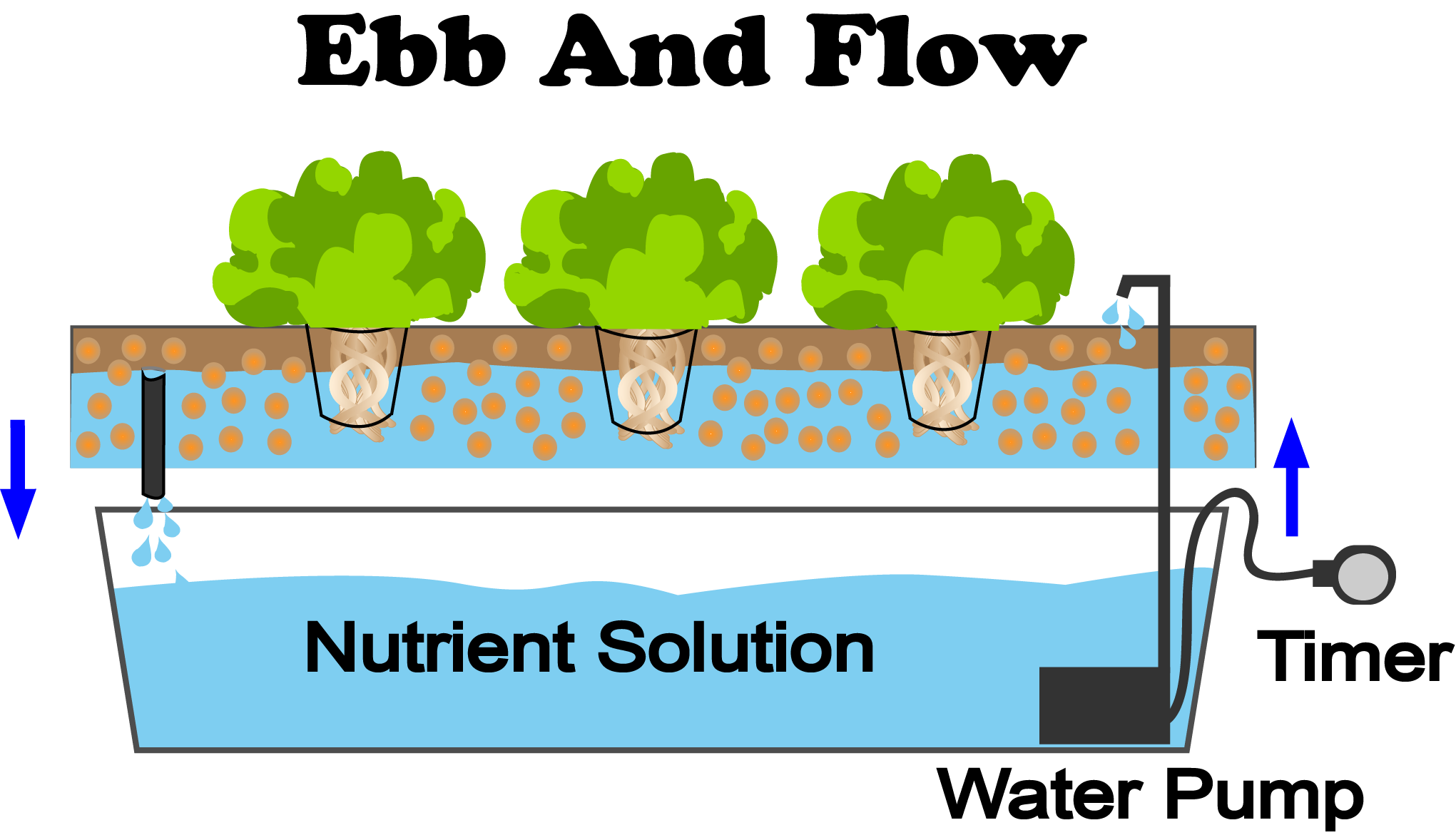
What Are The Best Plants To Grow With An Ebb and Flow (flood and drain) Hydroponic System?
Hybrid seeds will give you significantly higher yields and multiple disease-resistant properties.
Written by Lynette Morgan
Q:
I have an ebb and flow (flood and drain) hydroponic system. I have tried growing many types of plants, but the best performers in the system were lettuce, cucumbers and tomatoes. As I only have a 320 square foot greenhouse and wish to share the produce with my family, I want to grow the most productive plants. Can you suggest the best seeds for me to purchase for lettuce, cucumbers and tomatoes? I live in northern Florida. Thank you!
A:
The best varieties for a small, hydroponic greenhouse in your climate would be hybrid types of tomato and cucumber plants, and heat-tolerant cultivars of lettuce. Hybrid seeds will give you significantly higher yields and multiple disease-resistant properties. They perform well under hydroponic growing conditions where they receive the ideal levels of advanced nutrition. Lettuce is essentially a cool-season crop and can struggle in warm growing conditions, so selecting more heat-tolerant or bolt-resistant types is recommended to help prevent problems such as upward stretching, or the development of tip burn under high temperatures. The following would be my seed recommendations for a hydroponic system in Florida:
Tomatoes
Beefsteak: Trust F1 and Geronimo F1. These are both grown commercially in greenhouses and are ideal for hydroponics. The fruit is large, so fruit trusses may need some support due to their weight. These varieties also have multiple disease-resistant properties. Hybrid tomato plants need plenty of potassium when the fruit is developing, so I recommend using a high-quality fruiting or bloom nutrient formulation at this stage.
Cherry: Flavorita F1 or Sakura F1. Both are red cherry tomatoes with a good, sweet flavor and multiple disease-resistant properties. They are less prone to splitting or cracking than other cherry types.
Cucumbers
There is quite a wide range of cucumber types that can be grown hydroponically. Here are some of my top recommendations:
Long, seedless Dutch type: Tyria F1. Fruit are 14 inches long, great-tasting, thin-skinned and non-bitter. They also have some resistance to powdery mildew, which is a huge advantage when it comes to cucumbers.
American slicer type: Corinto F1. Fruit are 7-8 inches long, have good disease resistance and are highly productive in hydroponics.
Mini cocktail type: Iznik F1. Harvested when just 2-3 inches long, and also called snack cucumbers, these cucumber seeds are a good variety for hydroponics as they produce a lot of thin-skinned fruits.
Lettuce
It pays to try growing a wide range of lettuce types, depending on your personal preferences, of course. However, the following types are proven performers in hydroponic systems:
Green butter lettuce: Pelleted Rex seeds are the best in terms of handling and germination. This lettuce is ideal for Florida’s climate. It is slow to bolt and very reliable. It also tolerates downy mildew.
Green frilled type: Muir. It is a medium-sized, light green, open and slow-growing variety. Muir is fairly heat tolerant and has a good flavor.
Salanova: For a mix of different lettuces and a surefire way to impress friends and family, the latest hydroponic lettuce trend is the Salanova lettuce types that produce compact heads of leaves that are all totally uniform in size and shape. I recommend the Salanova Home Garden Mix pelleted seed that will produce a range of colored Salanova types. This seed is a little more expensive than other lettuce types since it is a reasonably new development, but it is well worth the investment, particularly with the deep red types.
All of these seed varieties are available online from Johnny seeds (johnnyseeds.com) in different-sized packs. Good luck with your hydroponic greenhouse this season!
Have a question? Ask us here.
View all questions from Lynette Morgan.

As A “Wikipedia” For All Your Indoor Vertical And Urban Farming News, We Would Be Amiss If We Didn’t Begin To Cover Cannabis In Our Reporting
The team here at iGrow have recognized the growing interest society has for cannabis
The cannabis revolution is here to stay. The cannabis industry is expanding rapidly gaining worldwide interest. With growing scientific validation, cannabis is being integrated into the mainstream around the globe as sales for consumer wellness products have continued to grow steadily. Hemp and CBD oil are making headlines. From Pharmaceutical Companies and Big Tobacco to beer, soda and alcohol, Fortune 500 companies are focused on cannabis as it is becoming a billion-dollar industry in the United States.
The team here at iGrow News have recognized the growing interest society has for cannabis. We also acknowledge that much of the early advances in indoor and urban farming were made because of the technology introduced to us by indoor cannabis growers. As a “Wikipedia” for all your indoor vertical and urban farming news, we would be amiss if we didn’t begin to cover cannabis in our reporting,
Many of you probably already noticed the addition of a “New Ag Tech” category. We have linked this new tab to the “Cannabis Canopy by Chromatic Clouds” LinkedIn group. Please check out our new addition and join the group. Also, I would love to hear your thoughts on our plan to include the world of cannabis in our coverage to you. Please reach out to me with any thoughts and suggestions.
The mission of Cannabis Canopy is to provide a “canopy” of sorts for cannabis business enthusiasts to have a dedicated forum to explore the cannabis universe. We are proud to announce our new partnership with Lyle A. Bogorad, the Owner of Cannabis Canopy by Chromatic Clouds and Founder of Chromatic Clouds. Lyle is an attorney from NY with a J.D. and LL.M. in intellectual property. He has recently left the legal arena to enter the cannabis industry. We look forward to his contribution to iGrow News and welcome him to the Family.
iGrow News
iGrow News
iGrow News Is an online digital platform which allows individuals, companies, universities, and researchers of the urban indoor farming industry to connect, ask questions and network with other industry individuals in their field, in order to gain knowledge as well as spread knowledge.
To research topics that may be of interest, scan the industry activity and to get the latest in industry news, check out what your fellow urban farmers are doing by keeping up with the activity on iGrow News.
We have a product that allows you to connect worldwide and facilitate business like never before in the history of urban farming.
American Association of Urban & Indoor Farmers
Who Are We?
The Urban & Indoor farming movement is expanding by the minute. For this movement to live up to its potential, it needs the tools to grow and thrive. That’s where we come in.
For our community to thrive and reach our fullest potential together as professionals and consumers in a unique movement, we need to work together. We need to connect, build relationships, and create a better business environment that benefits everyone.
Connect with us on iGrow News, Join our mailing list, so that you will be notified when The American Association of Urban & Indoor Farmers will be accepting applications for membership.
We realized early on at iGrow News that we wouldn’t just be a platform for the produce industry; Just as professionals in the produce business, consumers of produce also need a reliable and informative resource in order to keep informed of the latest innovations.
We are currently developing the consumer portion of our site.
Soon you will be able to create a profile and interact with not only like-minded produce consumers but also professionals in the industry.
iGrow News is developing iGrow Funding to assist the indoor farming community with their financing requirements.

Infarm Expands Its ‘In-Store Farming’ To Paris
Steve O'Hear@sohear / November 8, 2018
Infarm, the Berlin-based startup that has developed vertical farming tech for grocery stores, restaurants and local distribution centres to bring fresh and artisan produce much closer to the consumer, is expanding to Paris.
Once again, the company is partnering with Metro in a move that will see Infarm’s “in-store farming” platform installed in the retailer’s flagship store in the French capital city later this month. The 80 metre square “vertical farm” will produce approximately 4 tonnes of premium quality herbs, leafy greens, and microgreens annually, and means that Metro will become completely self-sufficient in its herb production with its own in-store farm.
Founded in 2013 by Osnat Michaeli, and brothers Erez and Guy Galonska, Infarm has developed an “indoor vertical farming” system capable of growing anything from herbs, lettuce and other vegetables, and even fruit. It then places these modular farms in a variety of customer-facing city locations, such as grocery stores, restaurants, shopping malls, and schools, thus enabling the end-customer to actually pick the produce themselves.
The distributed system is designed to be infinitely scalable — you simply add more modules, space permitting — whilst the whole thing is cloud-based, meaning the farms can be monitored and controlled from Infarm’s central control centre. It’s data-driven: a combination of IoT, Big Data and cloud analytics akin to “Farming-as-a-Service”.
The idea isn’t just to produce fresher and better tasting produce and re-introduce forgotten or rare varieties, but to disrupt the supply chain as a whole, which remains inefficient and produces a lot of waste.
“Many before have tried to solve the deficiencies in the current supply chain, we wanted to redesign the entire chain from start to finish; Instead of building large-scale farms outside of the city, optimising on a specific yield and then distributing the produce, we decided it would be more effective to distribute the farms themselves and farm directly where people live and eat,” explains Erez Galonska, co-founder and CEO of Infarm, in a statement.
Meanwhile, the move into France follows $25 million in Series A funding raised by Infarm at the start of the year and is part of an expansion plan that has already seen one hundred farms powered by the Infarm platform launch. Other recent installations include Edeka locations in Düsseldorf, Frankfurt, Stuttgart, and Hannover. Further expansion into Zurich, Amsterdam, and London is said to be planned over the coming months.
“One thousand in-store farms are being rolled out in Germany alone,” adds Infarm’s Osnat Michaeli. “We are expanding to other European markets each and every day, partnering with leading supermarket chains and planning our North America expansion program for 2019. Recognising the requirements of our customers we have recently launched a new product; DC farm – a ‘Seed to Package’ production facility tailored to the needs of retail chains’ distribution centres. We’ve just installed our very first ‘DC farm’ in EDEKA’s distribution center”.

Disappearing Farmland: Little Protection Exists For Midwest Farmland
America has lost millions of acres of farmland over three decades to urban and rural development.
By Midwest Center for Investigative Reporting
9/25/2018

Christopher Walljasper
America has lost millions of acres of farmland over three decades to urban and rural development.
Despite conservation efforts by state and local governments and increased financial incentives for farmers, urban development and the expansion of rural residential real estate over the last 25 years has eliminated farmland across the country at levels not seen since the early 1970s.
Since 1992, nearly 31 million acres of farmland have been developed for residential use around urban centers and rural communities, according American Farmland Trust’s latest report, “Farms Under Threat.”
And as residential development mingles with agricultural production on the outskirts of major metropolitan areas, the tension between the two increases. Recent clashes include lawsuits in North Carolina over odor and disease from Smithfield hog operations and new research on pesticide drift affecting schools and adjacent homes.
MIDWEST LAGGING ON PRESERVATION
In Kane County, Ill., leaders saw the threat and made a commitment to keep half the county’s land dedicated to agricultural use and open spaces.
But that’s a rarity in the Midwest and in Illinois, a state that has lost more than 735,000 acres since 1997.
While nearly 100 counties and municipalities across the country have implemented some form of farmland protection policies, less than a dozen of them are in the Midwest.
In Kane County, the solution was to offer farmers the opportunity to sell the development rights of their land to the county, using something called a conservation easement. Easements ensure the land stay in agricultural production, in perpetuity.
“We were trying to create some balance in terms of what gets developed and where,” said Janice Hill, Farmland Protection Manager for Kane County. While the county was facing development around both suburbs and rural communities, the county didn’t distinguish between the two. “It’s just the pattern of development, because large lot estate zoning is, in some ways, the worst development for ag soils.”
SOME CONSERVATION EFFORTS WORKING
From 1976 to 2016, more than 23,500 parcels of land have been acquired through conservation easement programs at the municipality, county or state level, totaling more than 3.6 million acres of farmland protected nationwide.
Most of these programs are on the east coast, with only Michigan, Ohio and Wisconsin offering state-level easement programs in the Midwest.
Most programs are funded through taxes, bonds or appropriation spending, though Kane County primarily funds its easement program through gaming revenues. More than $5.7 billion has been paid to farmers through easement programs at the state and local levels in the last 40 years, according to the Farmland Information Center.
Map: State easement spending. The darker states have spent more at the municipal, county and state levels to protect farmland through easements. Click on the states to see specific figures.
One of the biggest concerns about conservation easement plans is that they are permanent. But Hill said that’s also the appeal for farmers concerned about the legacy of their land.
Read More: Database: Disappearing Farmland
“At any point in time you have to think about policies that are going to work over a 50-year period or a 100-year period, not just what the market is interested in,” said Hill. “If the land becomes a forever farm, as some of our families say, that really gives a lot of peace of mind, especially the families that have their land for generations and pass it down through generations. They truly feel a calling to keep their land in agriculture.”
But there are barriers to conservation easements. Hill said one reason more counties in the Midwest haven’t started programs is that it takes a significant financial investment to start a program. While Kane County easements are primarily funded through gaming revenue, planners are looking at other funding sources, including fees from urban development within the county.
Another reason the Midwest has so few county protection plans is that the threat is still too intangible. Much of the Midwest is still flush with agricultural land.
PREFERENTIAL TAXATION
A more widely adopted method of incentivizing landowners to keep land in agriculture has been preferential taxation, where taxes are paid based on the land’s value in farming, instead of its market value.
“You might have an acre of land that, in a developed use, would be worth $10,000, but only pays its property tax on $800,” said Lori Lynch, professor of agricultural and resource economics at the University of Maryland.
She said tax incentives have gone a long way to slow down farmland development in the Northeast. Unlike conservation easements, preferential taxation doesn’t lock the land into farming forever. When land is no longer used for agriculture, a conversion tax is paid.
“The county or the state has been getting a lower tax revenue from this land for quite some time,” Lynch said. “This is a way for the county and state to recoup some of that benefit that the landowner received.”
More than easements or preferential taxation, the 2008 recession significantly slowed the development of farmland. But Hill said farmers still wanted to protect the legacy of their land.
“Even when the development pressures slowed down due to the recession, we still had a strong interest in the program. So to me that says that it's not just about the context of the surrounding land pressure for development,” Hill said. “It's also about true conservation principles and protecting the family farm.”
WHO BENEFITS FROM FARMLAND PROTECTION?
Clearly, farmers and ranchers benefit from easements and tax breaks for agricultural land use. But Paul Gottlieb, associate professor of agricultural, food and resource economics at Rutgers University, points out that it’s not the farmers leading the charge for farmland protection.
“Urban and suburban residents in relatively affluent areas have been driving this movement,” Gottlieb said. “Not only driving it but putting up money to pay for the purchase of farmland and for the purchase of development rights.”
Gottlieb said for urban and suburban residents, farmland and open spaces are an amenity. Beyond crop production, farmland provides protection against congestion, traffic, cultural grounding and access to local food. But those benefits to a community aren’t factored into the price of land, which may be why taxation and conservation efforts exist, according to Lynch.
“Those desires are not represented in the market,” she said. “To some extent, that's why the government did come in and set up some of these programs.”
NEW APPROACHES TO THE SUBURBAN/RURAL DEBATE
Kane County continues to evolve its strategy around farmland protection. Realizing that permanently committing land to agriculture may not be realistic for every parcel, planners have created a temporary, or “term” easement, where a landowner with smaller acreage could promise agricultural productivity for 10 to 15 years.
Hill said these short-term plans are ideal for fruit and vegetable producers who operate on smaller farms than traditional row crop farmers. This dovetails with Kane County’s efforts to combat obesity and health problems through a strategy to bring fresh fruit and vegetables to area schools and hospitals.
“I think that also allowing for these term easements to support vegetable farms of any size and other farms that support food for human consumption, that really brings it home for the consumer when they understand that their food could be in the path of development,” Hill said.
Hill said the county has even opened up some of its public land for animal grazing, realizing that preserves and parks may have better use than simply large swaths of grass. She said municipalities should be asking themselves, “Is our land suited for something better than sod? Should we think about leasing it to a small farmer?”
The private market is also looking at blending agriculture into the suburban landscape. In northern Kane County, Serosun Farms is a new housing development that is integrating agriculture into the community, much like parks or a golf course might be woven through a traditionally developed subdivision.
John DeWald is the developer heading up the project, which is more than 400 acres. He said 70 percent of Serosun will remain in agricultural use, including public barns, farmers markets and community farm plots. The area will also include orchards, test plots and conservation woodlands and wetlands.
Communities that mix agriculture and residential development in this way have been around since the 90s but began taking off when the recession pushed developers toward more intentional development. DeWald said researchers have identified more than 100 of what are being dubbed “agrihoods.”
“There are different kinds of farm and food elements to these developments,” DeWald said. “Some of them are more occasional gardens. There’s a participation element to them. It’s a gathering place. Others are large enough and functional enough that they can serve the community to some extent. The intent here at Serosun over the long haul is to build up a much bigger farming and food operation that serves well beyond the borders of the community.”
Serosun is focusing more on integrating fruit and vegetable farming, not large-scale commodity crops or confined animal feed operations.
“It’s something that’s fantastic for people who want their kids or grandkids exposed to farming but still live in a modern suburban home,” Hill said.
DeWald said even though Serosun is residential development of farmland, he is working with Kane County to meet conservation goals as he builds out the residential aspects of the community. But he warns that all “agrihoods” may not be dedicated to responsible development of agricultural land.
“The concern is that developers will use this as a way to get concessions to redevelop agricultural land. They put an acre garden in there and ‘Whoo! We’re an agrihood!’ ” DeWald said. He said while there’s no specific ratio of farmland to development needed to call a development an “agrihood,” it’s a matter of intention. “One of the focuses is preserving agricultural land.”
A LACK OF URGENCY, A LOT AT STAKE
Whether the issue of land development is a far-off concern or knocking on the door, Gottlieb said he appreciates AFT’s focus on the issue.
“I'm all about prudence in acting early to forestall problems associated with the depletion of natural resources,” Gottlieb said.
But without a sense of urgency, it can be hard for the issue to get the attention of lawmakers, or even advocates of the agriculture industry.
“We’ve had so many variables and challenges and threats in agriculture. You’ve got subsidies, you’ve got pests, diseases, markets, international trade. The list goes on and on. It’s a litany of challenges,” said Ann Sorenson, director of research for American Farmland Trust. But she said it all starts with the land. “You're not going to have farming, you're not going to have ranching unless you have the land base.”
This story is the second in a two-part series about farmland loss. To read more about the problem of farmland loss, read Small-Towns Trade Farmland for Residential Development.
Written by Christopher Walljasper for the Midwest Center for Investigative Reporting. The Midwest Center for Investigative Reporting is a nonprofit, online newsroom offering investigative and enterprise coverage of agribusiness, Big Ag and related issues through data analysis, visualizations, in-depth reports and interactive web tools. Visit us online at www.investigatemidwest.org
Read more about Farmland

Indoor Neon-Lit Mushroom Farms Are New York's Hottest New Food Trend
Pink oyster mushrooms grown in a ‘mini farm’ unit. Photograph: Hannah Shufro
Written by: Laura Pitcher
Diners at the Bunker, a Vietnamese restaurant in Brooklyn, may not realise that the mushrooms in their bánh mì were grown in a blue-tinted, spaceship-looking “mini farm” underneath their seats. But it’s just one of a growing number of plug-in fungi farms mushrooming in New York City.
Smallhold, the company that created the idea, grows around 100 pounds of various mushroom types a week, then distributes them three-quarters grown to climate-controlled, do-it-yourself mini “farms” around the city. The mushrooms finish growing within the automated units, while a remote technician adjusts humidity, airflow and temperature, offering chefs on-the-spot, fresh and self-replenishing batches of a food item that has a short shelf-life.
The units could also work for perishables such as lettuce and herbs but the company is currently focused on catching the rising fashion for exotic mushrooms. “Mushrooms are amazing. Mushrooms are the future,” co-founder Andrew Carter gushed to the Guardian. “When you usually find them, they tend to be really gross looking on the shelves because they’ve been sitting in trucks. This way, we can give them [the customers] a brand-new experience with mushrooms.”
They currently sell nine mushroom varieties, including oyster, lion’s mane, shiitake and pioppino.
Smallhold ‘farm’ unit at a Whole Foods store containing mushrooms. Photograph: Hannah Shufro
Smallhold has been distributing their farms through partner restaurants and markets, including Manhattan’s Mission Chinese restaurant, Kimchee Market in Greenpoint and a Whole Foods store in Bridgewater, New Jersey.
Smallhold farms also happen to look very pretty, with weird mushroom formations glowing under nightclub-style lighting. Danny Bowien, the chef and owner of Mission Chinese Food, told Vogue in an interview that many of his customers think the units in his restaurant are art. The launch of the first unit in the Whole Foods store saw a similar reaction. Confused shoppers crowded four-deep around the mushrooms.
Blue oyster mushrooms. Photograph: Andrew Carter
But Carter and his co-founder and college friend Adam DeMartino insist it’s more than just an aesthetic trend. They argue the cultivation process is more sustainable than traditional mushroom farms, using about 96% less water, creating 40 times the output per square foot and less food waste.
The organic material the mushrooms grow in is also sustainable, made from recycled materials such as sawdust, coffee grounds and wheat berries.
Setting up a mini-farm is not cheap, prices start at $3,500, and there are cheaper generic indoor grow units available. Home Depot currently sells a small cardboard miniature organic mushroom farm for $39.99 per box.
The pair acknowledge they may soon face competition, but for now they appear to be something of a status symbol. As one local blogger put it, it’s like they’ve created the “vegan version of the lobster tank”.
This article contains affiliate links, which means we may earn a small commission if a reader clicks through and makes a purchase. All our journalism is independent and is in no way influenced by any advertiser or commercial initiative.
The links are powered by Skimlinks. By clicking on an affiliate link, you accept that Skimlinks cookies will be set. More information.

Seeds&Chips
“We believe that technological innovation can create a better, safer, and more resilient food system to fight hunger for everyone”
ITALY

Marco Gualtieri is an Italian businessman who has used his entrepreneurial skills to put together a coalition of private-sector partners and others focused on innovation in the global food chain.
Gualtieri’s innovative company, Seeds&Chips, concerns itself with a wide variety of issues surrounding the challenges of sustainable food system. Seeds&Chips in fact works with people who are dedicated to transforming the food chain towards a more meaningful future in the belief that the key to sustainability lies in connecting the dots, creating partnerships and fostering collaborations that bring new ideas to life.
“But we can’t do it alone. Collaboration is at the heart of our mission,” Gualtieri says.
Through their Global Food Innovation Summit and other activities, participants look at new ways to improve their roles in food production, processing, distribution, communication and consumption.
In fact, Seeds&Chips has built one of the largest food and ag tech ecosystems in the world, and through this network they engage innovators, investors, companies, institutions and policy makers from every point of the global food chain, and provide a platform for them to connect and work together for a more sustainable future.
They are applying their expertise in agriculture, food distribution, technology, economics, socio-economic development, and other areas to address issues as varied as the promotion of local food crops for better nutrition, improving financing, training and markets for smallholder farmers, reducing the environmental footprint of irrigation, food transportation and packaging, and reducing food loss and waste along the entire supply chain.

Urban Crop Solutions Offers A Glowing And Growing Global Future For Indoor Farming
A start-up that engineers and builds fully automated indoor vertical farms inside shipping containers and buildings.
by S. Virani
25 September 2018

“Imagine yourself standing inside a climate-controlled, high-ceiling warehouse. In front of you stands a tower with 8 irrigated levels, on each of which lettuces, herbs, micro greens, and baby greens grow under LED lights. Robotics move trays with young plants from outside this grow room into the right position in the grow tower, while on the other end fully grown crops are taken out, ready to be harvested. Can you see it? You are standing in Urban Crop Solutions' Plant Factory — the state-of-the-art in indoor vertical farming technology. A highly engineered manufacturing plant producing not goods, but crops.” — Urban Crop Solutions.
Meet Urban Crop Solutions: A start-up that engineers and builds fully automated indoor vertical farms inside shipping containers and buildings. They also provide clients that have bought a system with carefully selected and tested seeds, substrates, nutrients and comprehensive software grow recipes. The result: year-round production of fresh and healthy crops.
The start-up’s goal is to create an optimum environment for plants to grow, with the right combination of climate, lighting and nutrients throughout their growth cycle.
From left, Frederic Bulcaen, co-founder and chairman at Urban Crop Solutions, with Brecht Stubbe, global sales director and Maarten Vandecruys, co-founder and CEO with at European FoodNexus Award Ceremony
Headquartered in Belgium, with regional offices in Miami (USA) and Osaka (Japan) as well as a network of sales agents in various territories, Urban Crop Solutions will take part in the World Agri-Tech Innovation Summit to be held from October 16-17 in London, selected as one of the 13 start-ups to present their innovative solutions.
Produce Business UK sat down with Brecht Stubbe, global sales director of Urban Crop Solutions, to understand the technology that the start-up has developed, as well the growth of the vertical farming market in general, challenges that farmers face now and will face in the future, and Urban Crop Solutions’ formulas to combat food shortage in the future.
How did the Urban Crop Solution concept come about?
By 2050, more than 70 per cent of all people will live in cities. The population will grow from 2.5 billion to over 9.8 billion, leading to a need to produce 70 per cent more food. In 2012, 80 per cent of the land suitable for agriculture was already in use. Due to these facts, it was safe to say that something needed to change.
That is when our co-founder (Maarten Vandecruys) started thinking: “What if we could use technology to grow any plant, year-round and independent of local climate? What if we could do this using 95 per cent less fresh water? What if we could do this using zero pesticides and herbicides?” Together with Frédéric Bulcaen, the other co-founder who acted as a business angel, they set out to explore this further.
With the above goals in mind, modular solutions were developed at Urban Crop Solutions: A fully controlled and automated resolution that can be placed anywhere and which can grow any plant. Imagine a closed box or warehouse with crisp white walls in which plants are grown using LED lights, as well as without soil.
In lieu of the Agri-Innovation Summit, where you will present alongside a dozen or so other start-ups, what is it about your technology that stands out and set up apart? Essentially what is your unique selling point?
Urban Crop Solutions has a total turnkey solution, as well the latest technology in terms of indoor farming systems. A big difference with other competitors is the fact that we have plant scientists that develop recipes for more than 180 crop varieties. We also offer all the consumables — seeds, substrates, nutrients — to help you grow your crops.
Finally, we have experience all over the globe, from Belgium to Japan to Miami.
So when we look at our unique selling propositions, these would be the consistent high quality of produce combined with our biological know-how of how to grow them, as well as the use of automation to bring down labour costs.
Let’s talk about your clientele and the sorts of industries that you have worked with? Furthermore, would you say there has been a growth in demand for this over the years?
A first category of clients are the entrepreneurs, people who see the opportunity this technology offers and plan to start from scratch. For example, those who want to build a produce brand growing vertically and indoors.
Another category are R&D institutions and corporate departments as well as crop science companies that use our technology to conduct relevant research while being able to manage all variables precisely to their needs.
A third important category is the existing vertical farmers who are looking for a high-quality, third-party solution provider to help them scale.
We would also include the category of existing traditional farmers that are looking to capture the new market this technology offers by complementing their existing production methods. For example, open-field and greenhouse farming.
Do you see other start-ups competing in this space?
Not really. There are a lot of vertical farmers focused on growing and integrating technology themselves. However, they are not any qualitative total solution providers like Urban Crop Solutions, that have the ability to design and build a tailored, fully automated efficient solution the world over.
We just did a piece about the new Emirates Airlines vertical farm. It provides an example of how other industries can apply and utilize the vertical farm. What are your thoughts on that?
This is a good example of disruptive new business opportunities and vertical integration into supply chains. Zooming out, the broader definition of this case can be defined as food catering companies (a subcategory of food processing companies) integrating produce farming into their business. The technology allows them to capture an additional margin by adding the value themselves as opposed to buying the produce from a third party and enables them to perform just-in-time production with reductions in waste and certainty of ability to deliver.
You have various solutions on your website: The Farmflex Container, The Farmpro Container? The Plant Factory. What are the main differences between all of them?
We have two different product categories:
Off-the-shelve product
This includes our FarmPro & FarmFlex container. These are mainly used as a first stepping stone/proof of concept for companies that would like to grow commercially or conduct research on a larger scale in the future.
FarmPro container: The Urban Crop Solutions FarmPro is a 40-foot, fully automated freight container with a state-of-the-art leafy green growing system. This system gives a four-layer growing solution. Its design is primarily focused on growing lettuce and individual herbs.
FarmFlex container: This system has a state-of-the-art leafy green growing rack setup. It gives a fully automated, four-layer growing solution with maximum flexibility as to what you can grow. For this reason, educational and research institutions have the highest demand for this product, as it allows growth of almost anything: lettuce, herbs, micro greens, baby greens and more.
Then we have custom-made large-scale solutions:
PlantFactory: Our Urban Crop Solutions PlantFactory allows you to grow in any available space, whether it is a basement or a warehouse. This way, you can produce leafy greens year-round on an industrial scale or set up complex large-scale R&D infrastructure.
In an Urban Crop Solutions PlantFactory, everything is designed and engineered according to the available space, as well as to the customers’ needs. For example, the cultivation area, our innovative LED growing technology, ingenious irrigation systems and climate control.
In terms of industries, what industries do you work with, and what would you say are the industries most relevant for now in 2018?
Agricultural food production and crop science research are the most relevant industries for 2018 based on the demand they produce for us.
As a B2B publication focused on produce, we are interested in how vertical farming truly can affect the industry as a whole. What are some predictions you might have about the effect of vertical farming on produce? Are there particular fruits or vegetables that will thrive in this environment and produce higher yields?
There exists a distinction between what we can grow from a technical standpoint (almost everything – even strawberries, cucumbers, tomatoes, peppers, etc.) Then, however, there is the commercial standpoint. The latter is more limited because obviously one needs a positive cash flow. The capital-investment cost and substantial operational costs (e.g. electricity) require that one selects a crop that has a short grow cycle, high density and harvests the full biomass created.
As a result, the current commercially viable food production crops are the leafy greens such as lettuce, herbs, baby greens and micro greens.
Just how good, just how efficient are these farms?
The farms can be tailored to include carefully selected and tested seeds, substrates, nutrients and a comprehensive software tool automatically providing the plants with the right combination of climate, lighting and nutrients throughout their growth cycle. Our solution leads to higher yields, higher nutritional value, food safety and security, higher water efficiency. This can actually be up to 95 per cent less than open-field farming.
On your home page, you make the following claim: “Urban Crop Solutions envisions to become the global independent reference of the fast-emerging vertical farming industry." How would you say this is possible?
At this time, vertical farmers are trying to juggle two widely different business plans: on the one hand, they spend capital developing and integrating an engineered solution and the biological corresponding know-how. On the other hand, they then apply this research to construct a vertical farm, operate it as farmers, and earn back the investment not only of the infrastructure, but also of the R&D that precedes it, as well as continues afterwards. In our opinion, this is a poor business plan because they have to earn back their R&D and their operational infrastructure investment with the sale of crops.
If we look at the more mature greenhouse industry, we get a sense of where the sector of vertical farming will eventually evolve. A greenhouse tomato grower that wants to set up a new production facility will not develop his own technology, but instead turn to the 15 best greenhouse project developers, ask for quotes, and select the one he feels most confident about. In that setup, we see technology companies focusing on providing systems, and growers focusing on farming. We start seeing a change in the mindset of vertical farmers along those lines today as well.
Let’s talk briefly about the upcoming World Agri-Tech Innovation Summit. What will you be presenting there?
We will begin with a company introduction, present our unique selling points, newest technology, projects and achievements.
While creating all these solutions, there indeed have to be challenges that need solutions. What would you then say are some of the actual challenges that farmers face today?
Traditional farmers are combating unreliable climate conditions, increased labor costs, crop diseases, crop pests, soil degradation and much more. Our solutions provide reliable alternatives to all of these concerns.
Existing vertical farmers from their end are struggling with the high labor costs associated with running non-automated vertical farms — requiring scissor lifts or stairs to harvest the higher levels of crop cultivation areas — as well as inconsistent quality in their production due to poor control of the different variables. Our fully automated and well-engineered system reduces labour costs and deviations from the ideal settings, respectively.
The vertical farm model is certainly a rising trend amongst start-ups. How did this movement come about?
Well, it’s like I said from the beginning. By 2050, more than 70 per cent of all people will live in cities. Added to that, in 2017 almost 300 million USD has been invested in vertical farming, creating more and more momentum.
To put things into perspective globally, which regions would you say have the biggest influence on the vertical farm boom?
In North America and South East Asia, we see the most vertical farms. In South East Asia, there is a lack of land to farm on and a variety of food safety issues. In North America, there are a lot of business opportunities with vertical farming technology due to the willingness of consumers to pay a premium for locally produced healthy crops.

Step Inside The Hydroponic Farm Supplying Greens To Legacy Hall
Sprouting up: Margot Masinter holds a flat of microgreens grown inside a recycled shipping container. Billy Surface
With Doodle Farms, Margot Masinter is ready to give North Texas something homegrown to graze on. First stop: Legacy Hall.
BY STACY GIRARD
PUBLISHED IN D MAGAZINE JULY 2018
Growing up, Margot Masinter had little interest in dresses or dance classes. Instead, when she wasn’t dodging hockey pucks shot at her by her two older brothers, you could find her outside, digging in the dirt. It’s how she earned her family nickname, Doodlebug.
It was while in high school, during her first summer job working on a farm in Asheville, North Carolina, when she considered her interest might be more than just a recreational pastime. Proof came while attending Middlebury College, pursuing a degree in environmental studies. Her passion and education were further shaped through courses in farming and food policy, and part-time jobs: growing crops at Dallas’ Eat the Yard, establishing new colonies for the Texas Honeybee Guild, and working at an apple orchard in Vermont.
Trading acres for square feet, Masinter purchased a refurbished and recycled shipping container from Dallas-based Growtainer.
In Masinter’s case, some things never change. The 23-year-old natural beauty still prefers planting to primping and faithfully answers to her pet name—a name that opportunely serves as the DBA for her urban farming start-up, Doodle Farms, which supplies local restaurants with sustainably grown produce.
“We need more small-scale farmers,” she says. She expressed her convictions to her father, Mark Masinter, a successful real estate investor and developer and a partner in the 250-acre Legacy West development. The conversation yielded the idea of an on-site hydroponic farm that would service the Legacy Hall food stalls and area restaurants.
Trading acres for square feet, Masinter purchased a refurbished and recycled shipping container from Dallas-based Growtainer to house her chemical-free greens and herbs. The 53-by-10-by-9 metal box is docked on the Hall’s second floor, overlooking the outdoor Box Garden and music stage. Outfitted with LED lights, grow racks, fertilizing tanks, an irrigation system, and an AC unit with fans that control airflow and regulate temperature, the Growtainer provides a perfectly controlled growing environment.
Before she’d harvested her first crop, Masinter had already secured business with Legacy Hall’s Whisk & Eggs, Bravazo Rotisserie, and Détour, as well as other local restaurants—Sixty Vines, Haywire, The Ranch at Las Colinas, Whiskey Cake, Shinsei, Town Hearth, and Imōto, Tracy and Kent Rathbun’s new Pan-Asian concept. And her dad is such a believer in his daughter and the container-to-table concept that he became her partner in the company. “I loved the idea and wanted to be a part of it,” he says.
Masinter’s fast-cycle microgreens and other highly perishable crops—able to be harvested every eight to 28 days—are densely planted and require very little fertilizer. Masinter admits it is not the most sustainable way to farm—“You still have to use electricity,” she says—but growing in an urban environment requires compromises. “I’ll learn a lot this year and make any changes I need to,” Masinter says. “If anything, it will be a good experiment.”
Her next sustainable urban farm, a procession of raised beds, is already planned on a Henderson Avenue plot across from Gemma. This time, she’ll be back on terra firma and doing what she loves most—digging in the dirt.