


Welcome to iGrow News, Your Source for the World of Indoor Vertical Farming

In Terms Of Revenue Global Smart Agriculture Industry And Attractive Regional Analysis
The global smart agriculture Industry is segmented based on solutions, application, and region.
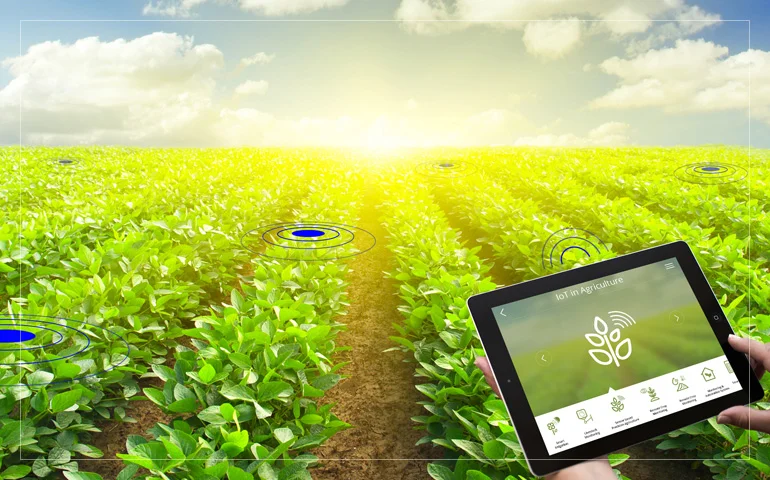
The smart agriculture Industry plays an important role in meeting the accelerating food demand of the growing global population. The smart agriculture devices help in continuous field monitoring, precision crop analysis by engages different sensors, high-quality cameras, microcontrollers, web-based platforms, and smart devices to gather data from the field. It also helps in analyzing the collected data by transferring the data to the operator or the farmer for making an accurate decision. These benefits of smart agriculture are boosting the Industry for smart agriculture to grow over the period from 2017 to 2025.
The global smart agriculture Industry is segmented based on solutions, application, and region. Based on solutions, the Industry for smart agriculture is segmented as network management, agriculture asset management, supervisory control, and data acquisition, logistics and supply chain management, smart water management and others. The others segment includes mobility solution, connectivity solutions, and quality assurance solutions.
On the basis of application, the smart agriculture Industry has been segmented as precision agriculture, livestock management, fish farming, smart greenhouse, and others. The others segment include indoor farming, horticulture, dairy management
Regionally, the Industry for smart agriculture is categorized as North America, Europe, Asia Pacific, Middle East and Africa and Latin America.
North America contributed the largest Industry share of the overall revenue generated in 2016 in the smart agriculture Industry. Smart water management is the fastest growing segment in the solution segment in the North American smart agriculture Industry. In the application segment, precision agriculture held the largest Industry share and livestock monitoring is anticipated to be the fastest growing segment. The U.S. contributed largest Industry share in North America. This is attributed to the fact that the companies in the U.S. are conducting extensive research and development with joint ventures or partnerships in order to enhance the agriculture technology to minimize the human involvement on the field and produce ample food to meet the global food requirement. In addition, other factor boosting the U.S. Industry is the individual farmers and farming corporate houses deployed the smart agriculture tools and equipment heavily in 2016. Mexico is the fastest growing region in the North American Industry for smart agriculture due to rapid deployment of tools and equipment and increased fish farming business.
The smart agriculture Industry in Europe held the second largest Industry in 2016. The European smart agriculture Industry stands third in terms of growth rate globally. The growth of smart agriculture Industry in Europe is attributed to the fact that the U.K. is investing huge amounts in research and developments in order to develop robust technologies to ease the farmers in agriculture procedure. Due to this Industry for smart agriculture contributed the largest Industry share in 2016 in the European smart agriculture Industry. The growth rate of smart agriculture Industry in Italy is significant, due to the increasing demand for livestock monitoring. Germany smart agriculture Industry is estimated to be the second fastest growing region, due to the growing demand for smart greenhouse. The growth rate of smart agriculture Industry in Germany is considerable over the period from 2017 to 2025.
Asia Pacific is the most attractive region in the global smart agriculture Industry, growing at an influential rate over the period from 2017 to 2025. The Industry for smart agriculture in Asia Pacific is attributed to the fact that the countries such as China, Japan, and Australia are procuring the smart agriculture tools and equipment rapidly in order to minimize the human effort in agriculture, save the agriculture assets such as plants and animals, and the increased need for livestock monitoring. China held the largest Industry in 2016 while Japan is the fastest growing region in the smart agriculture Industry in Asia Pacific.
Middle East and Africa smart agriculture Industry is expected to grow at a fair rate from 2017 to 2025. Owing to the fact that fish farming is the most demanding segment in the region. South Africa held the largest Industry share in the smart agriculture Industry in the Middle East and Africa due to increased precision agriculture in the region.. Egypt is estimated to be the fastest growing region in the Middle East and Africa smart agriculture Industry, growing at a significant rate.
Latin America is the second fastest growing region in the global smart agriculture Industry. The growth rate of smart agriculture Industry in Latin America is significant in comparison to North America, Europe and Middle East and Africa. Latin American smart agriculture growth rate is attributed to the increasing need for smart water management in order to save agriculture water in varied weather conditions and also to grow crops with less usage of harmful chemicals and fertilizers. Brazil held the largest Industry in the Latin American smart agriculture Industry in 2016 and it is estimated to be the fastest growing region over the period from 2017 to 2025. This is due to the rapid growth of smart greenhouse.

Israeli Companies Promoting Urban Agriculture Techs
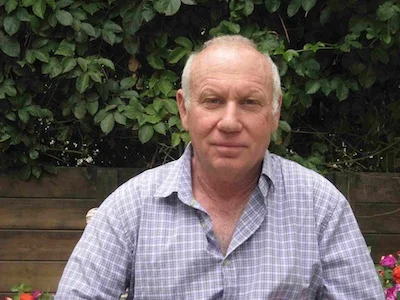
Dubi Raz, agronomy director of Israeli drip irrigation giant Netafim Global.
Source: Xinhua| 2018-10-13 03:09:37|Editor: yan
by Nick Kolyohin
JERUSALEM, Oct. 12 (Xinhua) -- Israeli companies and experts are part of a global effort to promote and develop urban agriculture technologies. They believe urban farming is the way to secure food supply around the world.
"There are three main technological ways to do urban agriculture, and we are involved in all of them by working with most of startups and companies in these field around the world," Dubi Raz, agronomy director of Israeli drip irrigation giant Netafim Global, said in an interview with Xinhua.
The technology which makes urban agriculture possible is the ability to grow crops without the need for land and sun. It is a revolutionary technology which makes it possible to produce food anywhere in the universe.
Instead of the sunlight, there is a special artificial light which is designed and adjusted to crop individually. This modification ensures perfect growing conditions.
The second revolutionary part of urban farming is the use of water or special substrate instead of soil to grow vegetables and fruits. These technologies make it possible to grow crops on walls or vertical layers.
Although the technology exists, it is still an expensive practice in most cases.
"Because it is costly to grow crops inside the city. It doesn't make sense to produce sample wheat, tomatoes or any other plants, which consume lots of expensive energy to provide the artificial conditions," Raz said.
"That's why most of the urban agriculture is applied to leafy vegetables with really short growing cycle," Raz explained.
However, not everyone takes economic factors as top priority.
Tagit Klimor is a founding partner of Knafo Klimor Architects and a senior lecturer at the Faculty of Architecture and Town Planning at the Israeli Technion Institution.
Knafo Klimor Architects designed a huge vertical productive wall at Expo 2015 exhibition in Italy, showing the world the possibility of growing wheat, rice and corn in building walls.
"In a sustainable economy, we need to put into consideration the damage to the nature, pollution, energy consumption and so on," said Klimor.
"In urban agriculture, we are giving exact amount of water and ingredients the crops need ... for example, all the water are coming from the growing facility usage," Klimor added.
For health issues, urban agriculture products are more fresh with more nutrition ingredients.
However, Israeli government wants to encourage local farmers to grow crops in the countryside instead of cities.
"There are only a handful of urban agriculture places in Israel, and they are pretty lame," Avigail Heller, head of Urban Agriculture Community Branch at the Israeli Ministry of Agriculture and Rural Development, told Xinhua.
Heller said that the Israeli government is not encouraging the urban farming. Taxes on urban farmers are higher than traditional agriculture farmers.
"Israel is a small country where the farm fields are a half-hour drive from the cities. So there is no initiative to grow crops in cities where the land is much more expensive," said Zvi Alon, director general of Israel Plants Board.
"Our mission is to continue to lead and improve our techniques of making more crops by using less water and soil. It is the real solution to the food shortage crisis," concluded Alon.

From Seed to Plant: How to Grow Your Four Legal Cannabis Plants
The president of Nextleaf Labs says the process isn't too difficult and Canadians have plenty of good reasons to give home growing a try.
Updated: October 11, 2018
Adults in most provinces will be allowed to grow up to four cannabis plants per residence for personal use after legalization on Oct. 17.
Grow expert Tom Ulanowski, president of Nextleaf Labs in Coquitlam, says the process isn’t too difficult and Canadians have plenty of good reasons to give it a try.
“It’s a lot cheaper than buying from a store or LP (federally licensed producer), especially if your grow is low-tech or if you choose to grow outdoors,” said Ulanowski, a chemist and former quality-assurance manager at Canna Farms.
“You have total control and know exactly what your inputs are. And gardening can be fun and therapeutic, as well.”
Once a grower has their gear and has legally acquired seeds or seedlings (the B.C. Liquor Distribution Branch will sell seeds in B.C.), here’s how Ulanowski recommends they put them to good use.
SEED GERMINATION
Fold a piece of paper towel twice into a pocket, place four seeds inside and dampen it with water. Seal the pocket inside a ziploc bag and put it in a warm place. After about a week, the seeds will open and plant tissue will show.
PLANT AND TRANSPLANT
Carefully take the four seeds and put them in peat pellets or small pots with damp peat-perlite mix or coco coir, about 2.5 to five centimetres deep. Set an 18-hours on light cycle, with the six hours off at night. Stalks will emerge in a week or two, and nutrients and water can be added. Vegetative growth will continue for a month or two, at which point the plants should be transplanted to larger pots. Trim away larger leaves.
FLIP AND FLOWER
Once the plants reach between 30 and 60 centimetres tall, give them a 12-hour light cycle. They’ll start flowering and reach maturity within eight to 10 weeks, depending on seed variety. Trim leaves two or three times during flowering. Once the plants mature and their trichomes (hairlike glands) turn cloudy, it’s time to harvest their buds
HARVEST, DRY AND TRIM
Cut off the larger branches and hang them upside down in a dark environment with about 50 per cent relative humidity and 20 C for a week or two. The drying process is done when smaller stems snap, not bend. Trim off leaves and remove dried buds. Put them into a mason jar with a special humidity-control pack. Keep the jar in a dark, cool place like a cupboard, opening the lid to “burp” the buds every few days. After a week or two they’re ready to consume.
Ulanowski said it’s crucial home-growers keep safety and cleanliness in mind. They should abide by dried cannabis possession limits in their province (1,000 grams at home in B.C.) and make sure their landlord or strata council allows home grows.

Tom Ulanowski, president of Nextleaf Labs in Coquitlam SUBMITTED: NEXTLEAF / PNG
“Stay away from pesticides, if possible, and instead rely on sanitation, environmental controls, and beneficial insects to control pests and disease,” he said. “Be discrete for obvious reasons. For example, B.C. laws require you to hide your plant — it can’t be in public view.”
For more details about growing, Ulanowski recommends The Cannabis Grow Bible: The Definitive Guide to Growing Marijuana for Recreational and Medicinal Use.
Accelerating Technology And Investment In Southeast Asia’s Agri-Food Supply Chain
Accelerating Technology And Investment In Southeast Asia’s Agri-Food Supply Chain
www.agrifoodinnovation.com
Singapore’s first Rethink Agri-Food Innovation Week will investigate the growing role of technology in building an efficient, resilient and sustainable agri-food supply chain that can deliver fresh, nutritious food to today’s fast-changing consumer market.
Secured your place at the Rethink Agri-Food Innovation Week in #Singapore?
Want to know more about the agri-food supply chain in Asia? Join the Rethink Agri-Food Innovation Week in #Singapore and save $500 on a delegate pass.
Your discount code is:
IG500
https://bit.ly/2m9NoI9 @RAFISingapore
Wednesday November 28 morning focuses on 'Indoor Farming'. Sessions include:
A Vision for the Future of Cities Feeding Cities
Finding the Right Business/Commercial Models for Urban Farming
Plant Science: Optimising Traits to Indoor Systems
Robotics and Automation in Indoor Agriculture
Technology Presentation: Light Recipes
PLUS:
Technology Showcase presentations from dynamic early stage agri-tech companies seeking investment and collaboration for their solutions targeted to indoor farming and aquaculture.
Breakfast Briefing by CSIRO focusing on Australia's AgriFood 4.0 Future.
International agribusinesses, indoor growers, food brands and ingredients manufacturers will join equipment manufacturers, entrepreneurs and investors to share innovation and experiences from around the globe, with a specific focus on:
The power of drones in precision farming of oil palm and rice
Empowering smallholder farmers through data and digitization
Targeting protein innovation to healthy, sustainable aquaculture
Achieving supply chain traceability with big data and blockchain
Advances in plant science, robotics, and lighting for indoor agriculture
Building commercial-scale vertical farming operations
Delivering targeted nutrition through food ingredient innovation
Harnessing the power of biotech in food: Gene editing and clean meat
As the regional agri-food innovation ecosystem grows, the summit will explore the latest models for technology investment, incubation, and commercialization, and showcase the most exciting start-ups from around the world. Extensive networking opportunities throughout the event include a full program of 1-1 meetings.
Produced by Rethink Events, organizers of the World Agri-Tech, Future Food-Tech and Indoor AgTech Innovation Summits.
Choose from a two or three day delegate pass depending on your interest across the full agri-food supply chain.
Tuesday November 27: Crops, Farming and Supply Chain Technology
Wednesday November 28: Indoor Farming and Sustainable Aquaculture
Thursday November 29: Nutrition, Health, Protein and the Future of Food
Maximise your networking potential among this important gathering of international and regional agri-food leaders. Use the 1-1 meetings tool to connect in advance and schedule meetings around the agenda sessions you don't want to miss.
iGrow.News
People In Produce
Ranging from a biosystems engineer to a children's nutrition expert to a specialty crop container grower, meet seven people pushing the produce industry forward.
November 6, 2018
The produce industry relies on exceptional people to advance the processes of growing food, improving it and getting it to consumers' plates. In this month’s cover story, meet seven of the leading People in Produce.
Would you like to see someone recognized in a future issue? Drop us a line at pwilliams@gie.net
Dr. Amy Bowen
Director of consumer insights, Vineland Research and Innovation Centre
Bowen researches consumer sensory perceptions of produce.

Photo courtesy of Vineland
Research and Innovation Centre
Human perception of flavor involves the integration of taste and smell, and forms part of a discipline called sensory science. Researcher Dr. Amy Bowen has dedicated her career to advancing this field.
To further this work, Bowen joined the Vineland Research and Innovation Centre in 2009. As director of Vineland’s consumer insights team, she harnesses sensory evaluation best practices to meet consumer expectations of fruits and vegetables grown in controlled environments. In practice, Bowen’s research focuses on understanding the intrinsic (appearance, aroma and taste) and extrinsic (price and packaging) drivers that impact consumer preference for horticultural products.
“Doing this type of work with fresh products is unique,” says Bowen, a Ph.D. in biological sciences with a specialization in plant science, oenology and viticulture. “It’s creating value for people growing in greenhouse environments.”
Bowen’s current activities at the Vineland facility in Canada’s Niagara region include deep-dive studies into tomatoes and edible flowers.
Edible flowers are surging in popularity as a garnish or to give dishes a signature flavor. Bowen’s team partnered with an Ontario-based grower of fresh herbs to gain insights into the booming market, splitting consumers into groups based on their preferences.
Results showed that edible flowers such as nasturtiums and candy pop mint are favored by fans of bold flavor, while impatiens and dianthus are approved for their smooth texture. The findings would help outline a business plan for Vineland’s herb-distributing partner, should it expand into the edible flowers market, Bowen says.
Meanwhile, Vineland scientists are busy developing two hybrid varieties of greenhouse tomatoes, creating two new flavor profiles that should be ready for distribution by 2020. Bowen’s group studied 56 varieties of tomato, digging into attributes including sweetness, bitterness, firmness and smokiness. A selection of fruits was passed onto a consumer panel, allowing researchers to compile a list of aroma-producing chemical compounds that the test group associated with liking or disliking a particular tomato.
Texture and consistency became additional important characteristics in how test consumers shaped their opinion, Bowen says.
“It’s a bit like Goldilocks,” she says. “People don’t want a tomato that’s too soft or too hard. They want it to be just right.”
Once texture is determined, tomatoes with the right consistency can be crossed with preferred chemical compounds to breed the “perfect” tomato, or at least its closest approximation. For Bowen, the pleasure is in researching a diversity of products derived directly from the greenhouse.
“I love the reactions we get from consumers, and the whole value chain in producing something people are excited to consume,” Bowen says. — Douglas J. Guth
Douglas is a Cleveland Heights, Ohio-based freelance writer and journalist. His work has been published by Midwest Energy News, Crain’s Cleveland Business and Fresh Water Cleveland.
Mollie Van Lieu
Senior director of nutrition policy, United Fresh Produce Association
Van Lieu promotes policies that are focused on increasing fruits and vegetable consumption.

Photo courtesy of United
Fresh Produce Association
Mollie Van Lieu has spent much of her career advancing school food policies, a commitment that continues today in her role as senior director of nutrition policy at the United Fresh Produce Association.
Van Lieu joined United Fresh last September, bolstering a Washington, D.C.-based policy team meeting national regulatory challenges in bringing healthy foods to kids. Among other duties, Van Lieu champions policies to ensure fruits, vegetables and other nutritious goodies are integrated into school meals daily. The United States Department of Agriculture’s Fresh Fruit and Vegetable Program, for example, introduces students at 7,600 schools nationwide to a variety of produce they otherwise may not have the opportunity to sample.
“Fruits and vegetables are served in the classroom, and the teacher eats with the children, too,” Van Lieu says. “There’s an educational component to the program.”
Van Lieu has worked closely on kid-centric nutritional issues for over a decade, including a stint on the staff of Rep. Todd Platts (R-Pa.), where she helped foster sponsorship of the House’s 2010 Child Nutrition Reauthorization program.
From 2011 to 2014, Van Lieu campaigned for healthy eating as a strategist for the National PTA, working with United Fresh to boost various nutritional programs. Her advocacy for youth food programming continued in 2014, when Pew Charitable Trusts named her a senior associate of government relations.
After years of cultivating relationships with stakeholders on Capitol Hill, Van Lieu is pushing improved health standards for efforts like the Supplemental Nutrition Assistance Program (SNAP), also known as food stamps, which offers food assistance to millions of low-income citizens nationwide. She’s also advocating for a farm bill currently being considered by Congress.
“Having been on the Hill when changes were made to school meals, I see it as making sure these policies are implemented successfully,” Van Lieu says. “Policy is only as successful as folks working on it on the ground, and the industry stepping up to provide [nutritious] products.”
United Fresh represents growers and suppliers as well, introducing them to school service directors as a means of bringing new products into cafeterias. While most decisionmakers Van Lieu meets understand the benefits of produce, many don’t realize how heavily unconsumed fruits and vegetables still remain.
“We’re trying to find a tipping point in policy to include produce consumption,” Van Lieu says. “We need to make sure there are opportunities for people who are struggling.” — Douglas J. Guth
Ricardo Hernandez
Chief scientific officer and co-founder, Grafted Growers
The North Carolina State University professor will use his research expertise to grow grafted tomato and watermelon seedlings for wholesale, and possibly retail.
Dr. Ricardo Hernandez performs research and teaches as assistant professor of horticultural science at North Carolina State University, and previously studied and conducted research at the University of Arizona. His research background points to plant grafting as a crucial tool contributing to agricultural production. Beginning this fall, Hernandez will be working within a high-tech toolbox to explore the commercial creation of specially grafted produce.

Photo courtesy of
Ricardo Hernandez
Grafting is a horticultural technique used to join parts from two or more plants so that they appear to flourish as a single plant. As chief scientific officer and co-founder of Grafted Growers, a vertical farm in Raleigh, North Carolina, Hernandez will harness years of horticultural experience to grow grafted tomato and watermelon seedlings in a precisely controlled environment.
Unlike working in a greenhouse where unpredictable natural light is a critical growth regulator, the vertical farm allows Hernandez to experiment with temperature, air velocity and various artificial light wavelengths, producing hardy plants that carry potentially higher drought tolerance and disease resistance than his nearest competitors.
“In a greenhouse, you’re depending on the outside weather, and you’re only getting high-quality plants during certain times of the year,” Hernandez says. “We have the same environmental conditions the entire year, so the quality of plants is always going to be consistent.”
Hernandez founded Grafted Growers alongside business partner John Jackson with help from a United States Department of Agriculture (USDA) innovation grant. The pair is currently building out a 6,000-square-foot facility set to open later this fall.
Once up and running, the operation will sell to greenhouses and field growers. Hernandez also expects Grafted Growers to have a retail presence, both on site and through the company website, graftedgrowers.com
“Our end goal is to produce plants faster, and ensure they grow well and have good morphological characteristics,” Hernandez says. “This isn’t a smoking gun, as there’s still a need for field and greenhouse production. But using a controlled environment is one more tool we have to keep producing food.”
Additionally, Hernandez hopes to educate a new generation of farmers and scientists on what he deems an innovative means of plant production.
“Right now we have a need for talent in agriculture,” Hernandez says. “We’re not just showing acres of grain, but how plants can be grown through technology.” — Douglas J. Guth
Heather Szymura
Grower/owner, Twisted Infusions
By catering to a niche market, Twisted Infusions grower/owner Heather Szymura has built a thriving hydroponics business in Arizona.

Photo courtesy of
Heather Szymura
Heather Szymura, the grower and owner of Twisted Infusions in Glendale, Arizona, started growing produce professionally two years ago in a Freight Farms-brand container farm after a career in corporate America. Although she had been a gardener for more than a decade, it was her first experience with controlled environment agriculture (CEA).
“I started with kale and lettuce because that’s just what everyone starts out with,” she says. “It was really beautiful and it came out really well. And I took it to some chefs because I didn’t want to go to farmer’s markets — I have two kids and don’t want to give up my Saturdays. But the lettuce and kale wasn’t enough for them, so I started to grow some things that they couldn’t get good quality. And it led me down the path of research and finding things that don’t necessarily grow well outside in Arizona.”
Fast forward to today, and Szymura co-owns Twisted Infusions with her husband, Brian. In the vertical hydroponic system, Szymura primarily produces unique products such as oyster leaf, salad burnet and some greens for the same local restaurants she met when she was still exclusively growing greens.
“I try to look for things that people have never heard of,” Szymura says.
The key to Twisted Fusion’s business model is that Szymura understands her clientele — a group of 10 to 15 different restaurants in the Scottsdale and Phoenix areas. When looking for new clients, Szymura prefers to work with chef-owned establishments when possible, as well as taking custom orders from restaurants or other customers. Not only does it allow her to grow the type of plants that interest her the most, but it also makes business sense. Most households aren't shopping for unique garnishes; chefs are.
“The alternative is going to farmers markets or going to distributors,” Szymura says. “If I go to a distributor, I won’t be making enough money to make farming worth my time. It’s a commodity market and I’m not selling stuff that’s high commodity because nobody else has it.” — Chris Manning
Dr. Joel Cuello
Professor of biosystems engineering at the University of Arizona
Cuello designs controlled-environment technologies in an effort to feed a growing population.
The idea that originally drove Dr. Joel Cuello to pursue a career in controlled environment agriculture (CEA) keeps him going to this day — the concept that as the global population grows, so does the need to produce safe, nutritious and high-quality food.

Photo courtesy of
Joel Cuello
“The motivation behind my research is to be able to help meet the increased food demand by the planet and do so in a sustainable way — in a way that would not deplete the essential resources, which are vital for food production,” he says. “To me, that’s the grandest challenge [of] this century.”
The professor of biosystems engineering at the University of Arizona grew up in the Philippines. He acquired his bachelors degree from the University of the Philippines at Los Baños before moving to the United States and attending The Pennsylvania State University, where he earned two masters degrees and his Ph.D. in agricultural & biological engineering. Cuello then took his talents to NASA, where he worked on developing a hybrid lighting system for possible crop production on the moon, Mars or asteroids.
Since 1995, Cuello has worked at the University of Arizona, where he has designed new technologies, such as the Vertical Green Box Solution. Cuello’s prototype of a modular vertical farm consists of containers, which he says could make use of electric or natural light, or be constructed of solid walls and roofs or transparent ones. Because it is different than a warehouse or skyscraper farm, Cuello dubs it “Vertical Farming 3.0” (formerly “2.0”). “I’m championing that because it’s a competitive alternative to the warehouse, and it’s efficient; and it could be potentially lower-cost in terms of construction and operation,” he says. None have been built yet, though, so he is looking for partners.
Another one of Cuello’s inventions is the patented Accordion Photobioreactor. The zigzag-shaped device produces microalgae, which can then be used in pharmaceuticals, nutraceuticals and biomass. The invention comes in three types, he says — one that supports photoautotrophic (photosynthetic) production and recirculates liquid; another that enables photoautotrophic production and doesn’t recirculate; and a third that carries out heterotrophic production, meaning it doesn’t use light.
Cuello also has other projects in the works. He serves as a member of the Governing Board and will help with the technology at Cobre Valley Indoor Farm, a nonprofit community-based organization in Claypool, Arizona, that is opening up a vertical farm in an abandoned school. He has also started growing carrots through a process called cellular agriculture, which is comparable to when meat is grown in a lab.
During his global travels, Cuello says he has found public demand for controlled environment agriculture, and he believes that more companies will use renewable energy sources. He is committed to sustainability, introducing his own “Cuello’s Law.” “It’s an industry aspiration, or goal, that productivity per unit resource used will double every four to five years,” he says. — Patrick Williams
Kim Hookway
President, Buckeye Fresh
After a career in the manufacturing industry, Kim Hookway partnered with a former colleague to open a local vertical farm that now sells its product to major grocery chains in Ohio.

Photo: Chris Manning
When Kim Hookway, president of Medina, Ohio-based vertical farm Buckeye Fresh, sold the brand’s produce by going into different Northeast Ohio grocery stores — first Buehler’s Fresh Foods, then Giant Eagle and Heinen’s — she had to connect directly with each store’s produce managers. It took some work, but Hookway did what was necessary to help get the business going.
“Before we even went into business, we checked with Buehler’s to see if they would be interested in locally grown produce,” she says. “At the beginning, it was also talking to produce managers and getting them on board.”
Hookway’s background is not in horticulture; she spent 20 years at a manufacturing company alongside Buckeye Fresh principal investor Tim Remington before founding Buckeye Fresh in 2014. As the company’s president, she has utilized the skills she developed in her previous role to help Buckeye Fresh find success.
According to Remington, Hookway’s ability to accurately approximate order sizes has been essential to making the business successful. When Buckeye Fresh sells its greens and basil to its customers, it must do so based on estimates instead of fixed order amounts. In her previous job, Hookway managed multiple components of cushioning components for shoes and varying order sizes from different customers. Just like growing, it required understanding and organizing several factors all operating on different schedules. With growing, it took some trial and error, but Hookway can accurately estimate and book the farm’s towers for specific crops based on past order trends.
“Without her doing the scheduling, we couldn’t manage the harvesting and growing,” Remington says. “And this is more difficult [than what she used to do].”
As Buckeye Fresh continues to expand, its basil and greens are sold in stores as far south as Columbus (115 miles) and as far east as Pennsylvania (a minimum of 276 miles). Late in 2018, it will also debut greens with Giant Eagle’s Market District — the grocery chain’s branding for local suppliers — that will be sold in roughly 200 locations. Hookway says the business is already turning a profit. “It’s about understanding the business,” Hookway says.
And its success started with her. — Chris Manning
Ray Solotki
Executiv
Photo: Ray Solotkie director at Inuvik Community Greenhouse
The Vancouver Island native aspires to improve food access in the Arctic.
Located north of the Arctic Circle in Canada’s Northwest Territories, the Inuvik Community Greenhouse — a converted ice hockey arena — is one of the most remote greenhouses in the world. “Even though we’re in the Northwest Territories, the only road out goes into the Yukon, and we can’t even get to our capital city by road,” says Ray Solotki, executive director. Solotki originally came to this icy abode — where temperatures regularly dip to -20° F in the winter — to feed herself. Three years ago, she committed to helping feed the rest of the community.

Photo: Ray Solotki
Solotki is from Vancouver Island, British Columbia, (“the south,” according to her), but moved north near Inuvik in 2015, when she took a job at a hotel. She chose to live in Inuvik because of the greenhouse. “I knew I could grow my own food for at least part of the year and have some local food production of my own,” she says. Solotki became the first executive director at the greenhouse, which had previously been managed by a volunteer board of directors and summer employees since it first opened in 1998.
The nonprofit Community Garden Society of Inuvik runs the greenhouse; the government of the Northwest Territories funds the gardening society and others in seven surrounding communities: Aklavik, Fort McPherson, Paulatuk, Sachs Harbour, Tsiigehtchic, Tuktoyaktuk and Ulukhaktok.
Solotki’s job, which includes financing, human resources and public relations duties, was created to provide food access to all eight communities, which have limited access to fresh food due to the climate. This includes indigenous people, who make up roughly 64 percent of Inuvik’s population and approximately 50 percent of the population of the Northwest Territories, according to the 2016 Canadian Census.
Local indigenous populations have land to hunt and trap, but a lot of them don’t eat many vegetables, Solotki says, noting how the produce that is flown up from the south loses its freshness. “But when [vegetables are] fresh, you can barely get them from the greenhouse to the house because they’re eaten so quickly,” she says. “No one has ever put a pea on a plate in the Arctic because they were gobbled up in the greenhouse because it’s so exciting to have such fresh, local produce.”
Currently, the 16,000-square-foot, passive solar greenhouse is only open from April until September, and with high daylight and heat in the summer, its soil-grown lettuce and leafy greens can bolt if not harvested quickly. The greenhouse hires experienced growers from out of town every summer, but Solotki wants to change that. She aims to work with Modular Farms of Ontario to build a year-round facility, which will cost $350,000, and work with a partner in the community to find a location to install it and hook it up to that partner’s electricity. (Electricity costs are high at 79 cents per kilowatt-hour.) This approach would allow locals the opportunity to grow their own produce year-round.
In the same vein, Solotki hopes to grow a wider variety of crops to accommodate local diets and preferences. “We want to see some heavier items, so beans, peas, tomatoes.” She would also like to grow tomatoes, onions and carrots — ingredients in the popular Canadian dish, caribou stew. Adds Solotki: “These are the staples of an Arctic diet.” — Patrick Williams

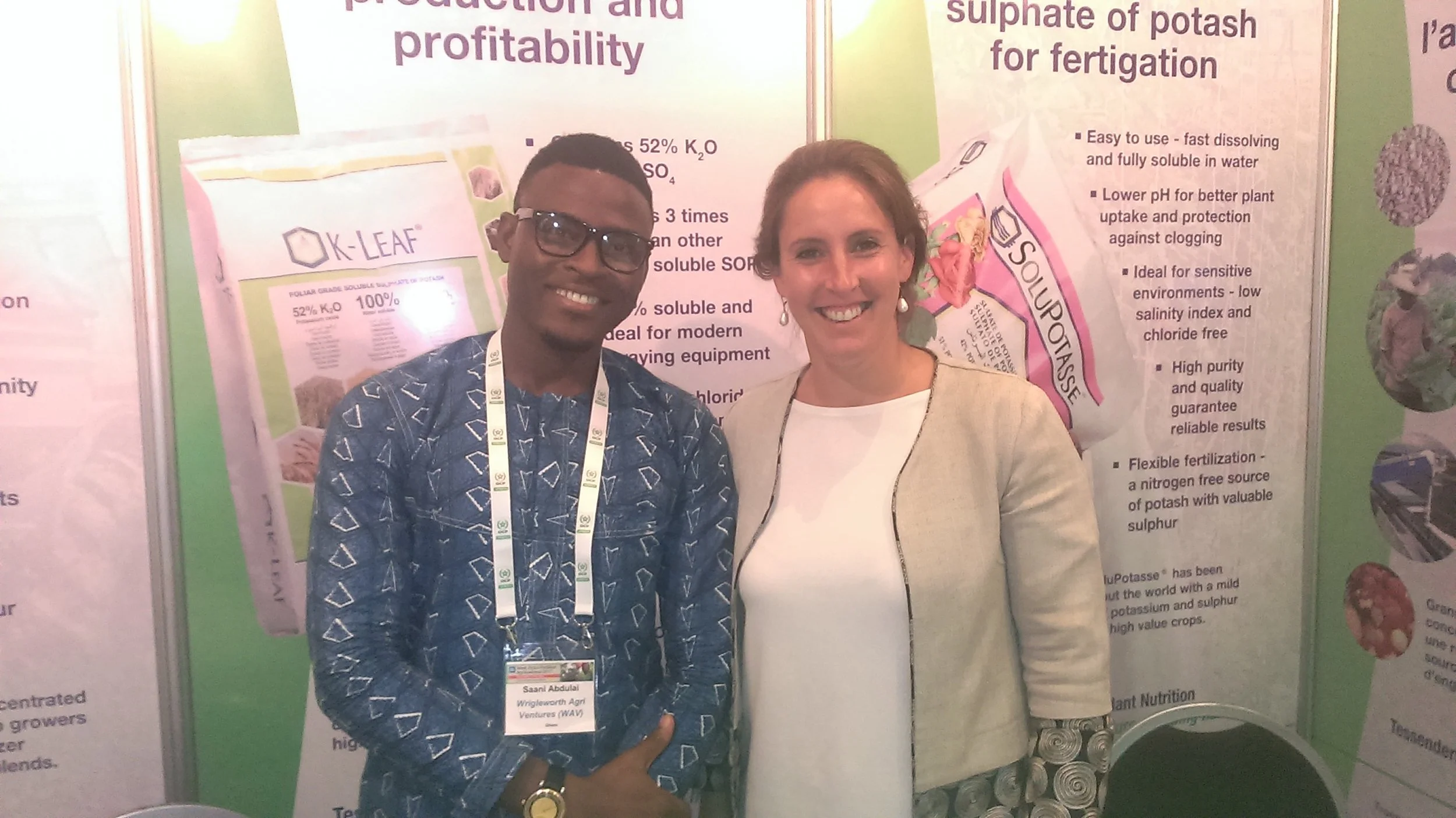
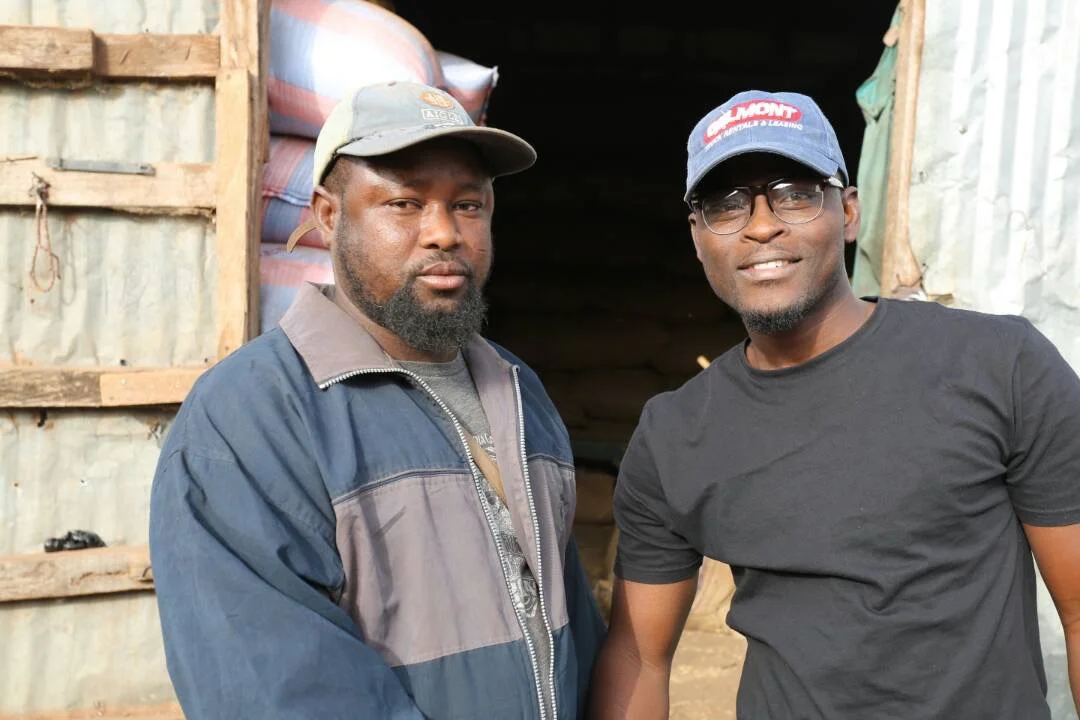
An Interview With Saani Abdulai: Growing An Agripreneur In Ghana
"To help improve the farming activities of local farmers in Africa, and gradually making food insecurity a thing of the past". "That is my ambition"














What do you enjoy most about your job?
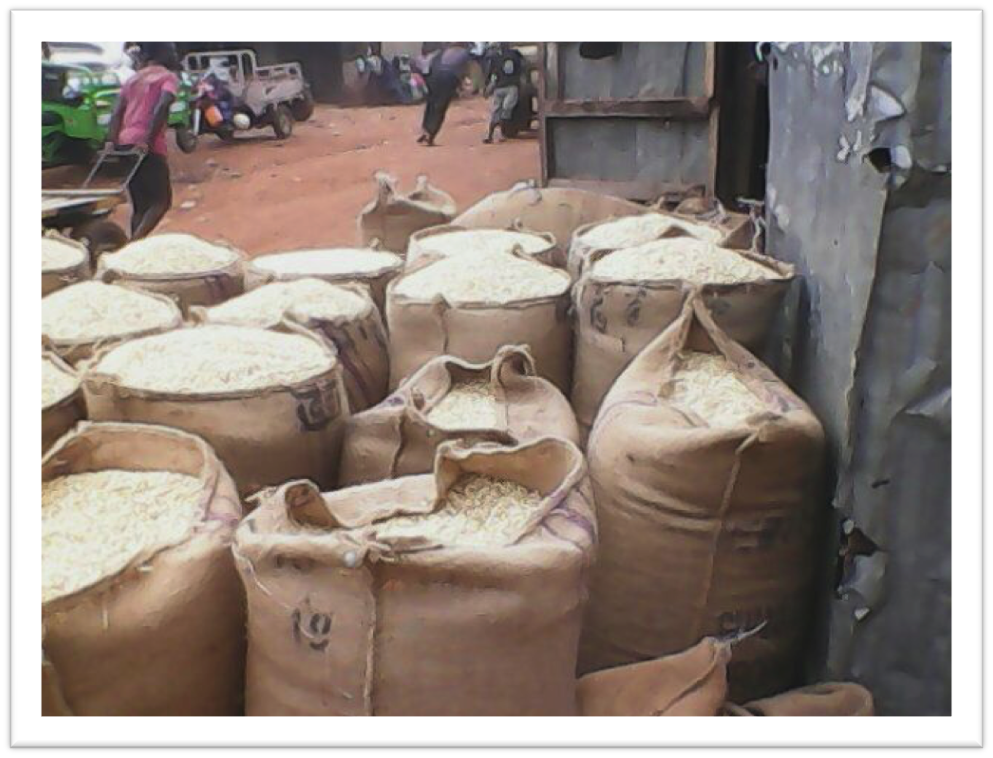
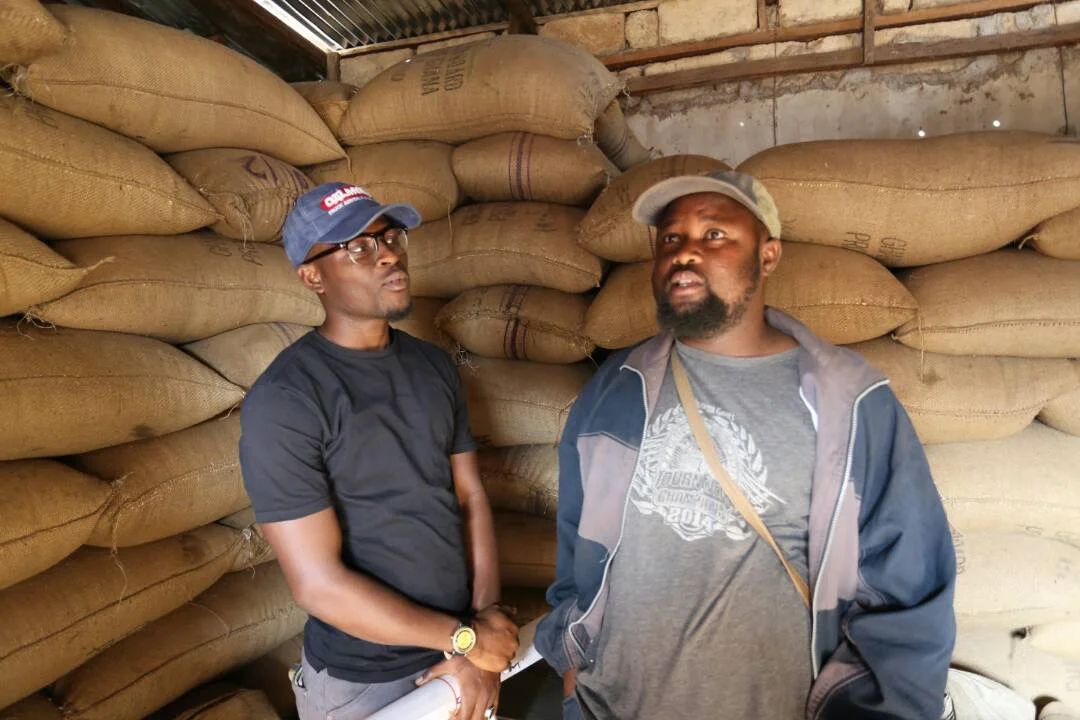
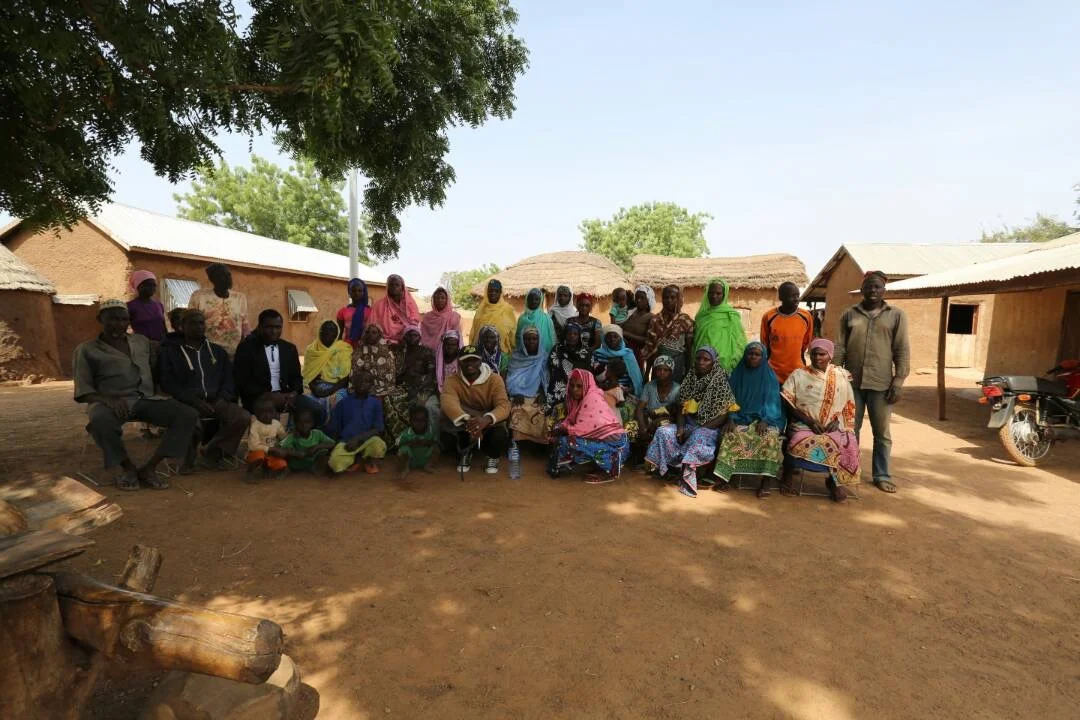
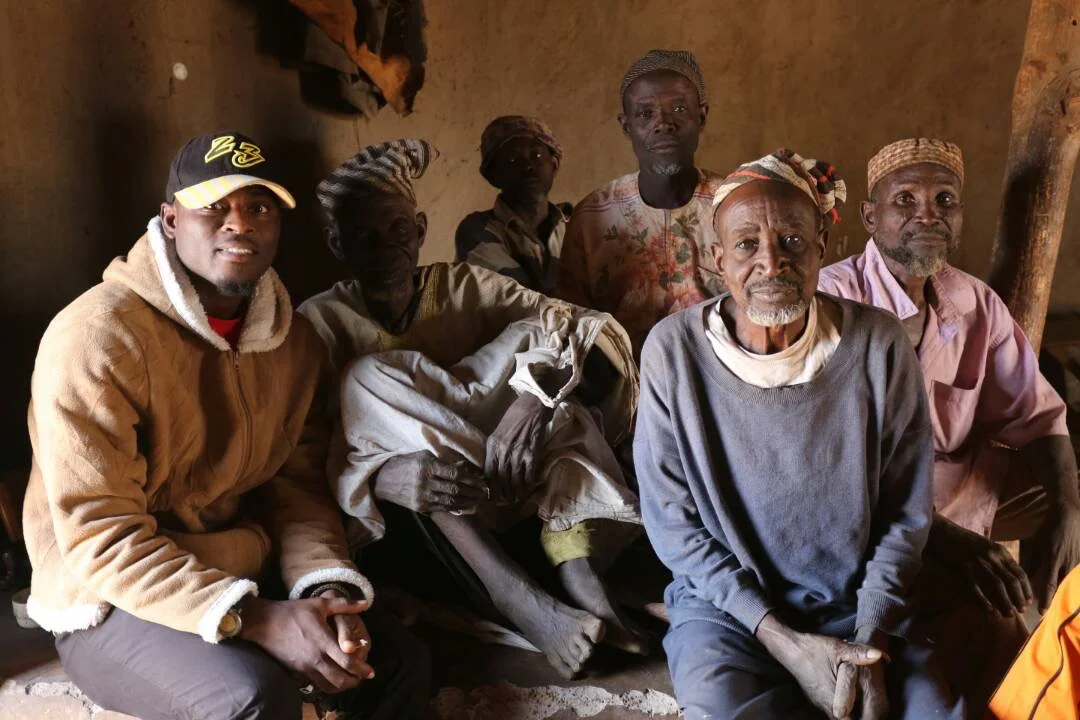
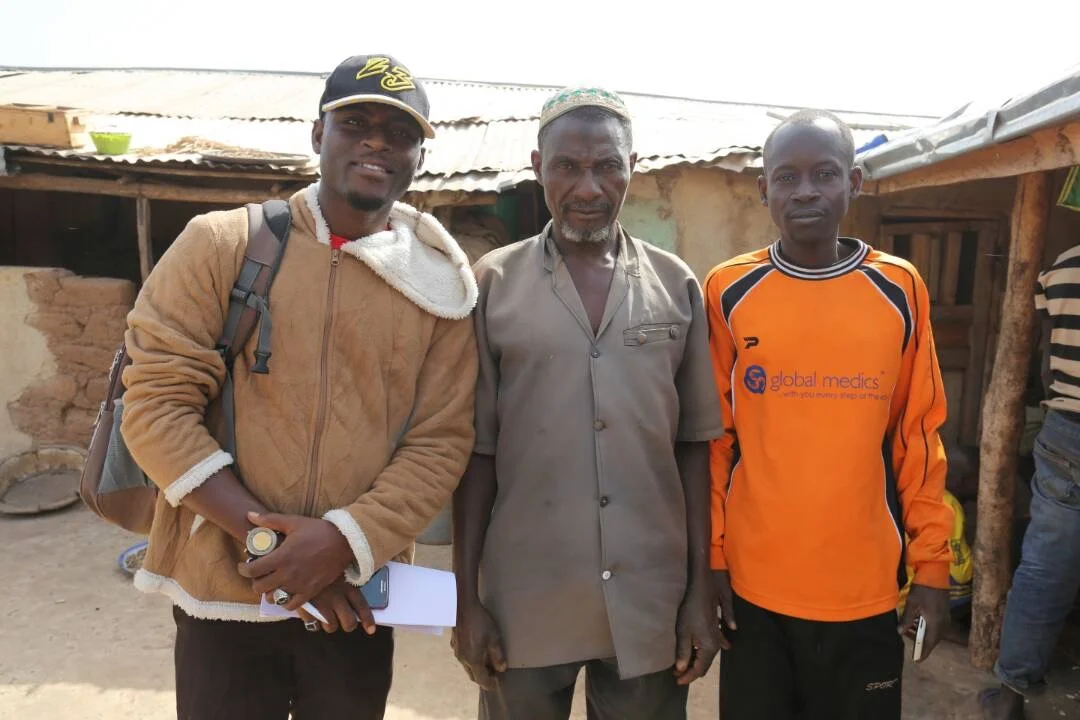
Being closer to the local farmers is the enjoyable part because through negotiation, I help farmers get fair prices for their produce. I am the bridge between local farmers and outside markets because I understand the needs of both. This collaboration with farmers has enabled me to understand their challenges they face such as poor market access and competitive prices for their produce. It is a win-win situation.
What attracted you to agriculture?
I became attracted to agriculture when I was a child. I used to follow my dad to the farm, helping him weed using the cutlass and the hoe, while guiding our cattle grazing. It was a natural feeling for me to go into agriculture and I enjoy the farmland.
Fertilizer use is fairly low in Ghana, how do you see your business helping farmers to understand the benefits and use of fertilizer?
Yes, fertilizer use is low in Ghana because our farmers who are the main source of farm products have little knowledge about the appropriate application of the fertilizer. Besides, many do not know about soil types and when or what type of fertilizers to use for what crops.
The local farmer also needs to travel to the town from his local community or village to access fertilizers in urban areas. So easy access to fertilizer and equipping farmers with the requisite knowledge on the applications are the main challenges confronting our farmers. As a result many are not motivated to use fertilizer on their farms.
I am looking at venturing into an agro dealership and thereby helping farmers access fertilizers and other inputs easily and affordably. In addition, I am exploring conducting training seminars/workshops in partnership with developmental organizations and private sector companies in the fertilizer industry to equip the farmer with the necessary information on the use of the fertilizer.
Once farmers see the benefits of using fertilizers in increased yields, I believe they will be motivated to use them. Increased yields are also a benefit for me as a trader because I will have more to sell and without doubt better quality too.
What challenges have you faced in running your agribusiness?
Many. My main challenges are getting in touch with the right networks that will help me expand my business through bigger markets. Finance is a setback. Easy credit is not available for me to be able to meet my customer’s orders and to expand the business. I still need to build a name as young business person to access credit from banks, for instance. Besides, I also have a challenge of assets, I need to build my own warehouse and secure my own truck to move my goods to market.
I think the biggest challenge for now is to find investors to help me set up the fertilizer side of my business.
Something has worked well to keep you in business, tell us about it?
Oh really, the big opportunity I had ever since I started this business is when I registered to attend the West African Fertilizer and Agribusiness conference organized by AFAP in 2017. After the conference I had better knowledge about agribusiness and fertilizers. It was an eye opener to me and an encouragement to pursue by dream of building a branded agribusiness that will create job opportunities for the youth and local farmers at the local community level. The conference ignited zeal in me to fight more for the local farmers to raise their production now and for the future.
I would love to dedicate this eye opening experience I had to Sandra Pires from AFAP who encouraged me to attend this conference where I met agribusiness and fertilizer industry players. I say thank you to Sandra for this opportunity.
What motivates you?
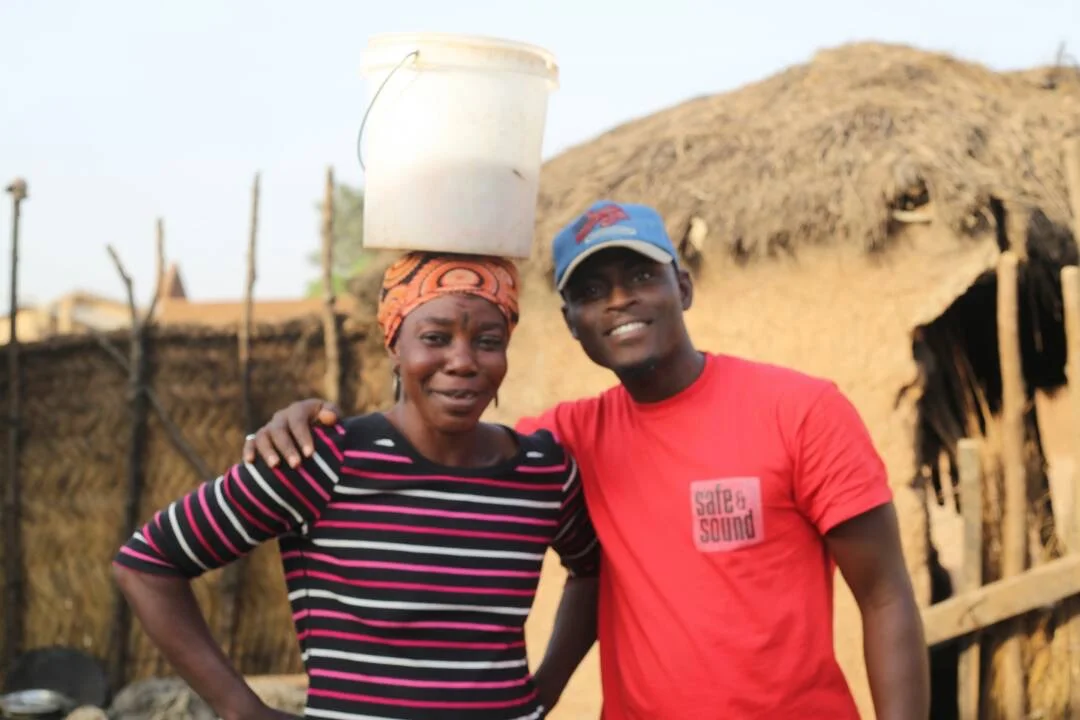
Nothing motivates me in my work more than seeing a local farmer wipe sweat from their brow while doing what they are good at: farming. Sealing a deal and delivering the right commodities to my customers motives me too because I know I am able to get more business from satisfied customers.
Getting more youths into agribusiness is also a source of motivation because I believe the young hold the food future for our continent.
Where do you see yourself in five years?
I see myself running a reputable branded agribusiness company that is into mainstream supply of farm produce to organizations in the country and beyond its borders. I can see myself being a major distributor of quality fertilizers in the country.
What advice would you give to youths seeking a career in agribusiness?
Keep working on your dreams in the agribusiness. First play by the rules and register your business and keep working on it daily. The registration of my business happened sometime after I thought of trading farm produce. I was born and raised by a local farmer and knew from scratch the essence of farming which provides food and income. Without farming there is no food.
State Grant Program Offers Money, And Legitimacy, For Urban Agriculture
By Taryn Phaneuf | 10/09/2018
MinnPost file photo by Ibrahim Hirsi
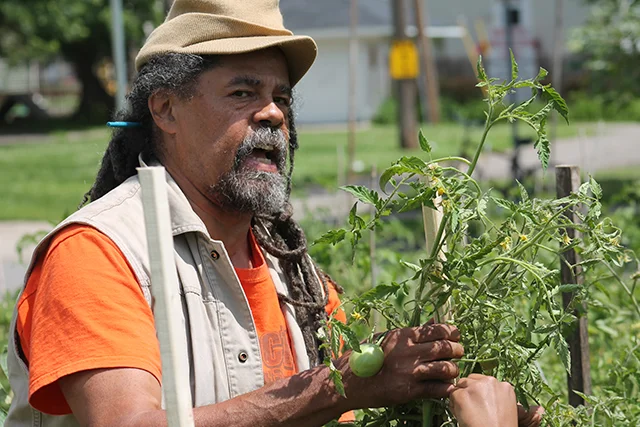
Michael Chaney, a long-time advocate from north Minneapolis who founded Project Sweetie Pie, a grant recipient, said he approached lawmakers with the idea about four years ago.
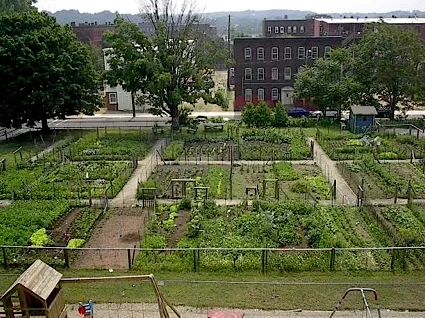
Urban farming in Minnesota reached a milestone this summer, when the state announced the first round of grants for agriculture education and development projects in cities.
It’s the first time the state has allocated money specifically for urban agriculture, and it took several tries to get the legislation passed. Michael Chaney, a long-time advocate from north Minneapolis who founded Project Sweetie Pie, a grant recipient, said he approached lawmakers with the idea about four years ago. At the time, he saw plenty of interest in urban agriculture — but not the kind of financial support that exists for rural farmers. “I was disenchanted and discouraged,” Chaney said.
Advocates said state investment is crucial because it lends credibility to what Chaney calls the “changing face of agriculture.” Such state funding, even a small amount, can usher in a shift toward seeing urban areas as potential farms and their residents as fellow food producers.
That shift can also bring education and economic opportunities that are often more associated with rural areas. “Agriculture has been deemed corporate ag with rural roots and conventional farming techniques,” Chaney said. “What we’re proposing with urban farming is a whole reconfiguring. … What’s the role of urban communities in growing food?”
Rep. Karen Clark, DFL-Minneapolis, authored the bill, which called for $10 million annually to fund urban ag projects in cities throughout the state. The legislation prioritizes poor communities of color and Native American communities. Clark kept the idea alive at the state level for years, and finally made headway when legislators commissioned a study of urban agriculture that defined its scope and the purpose and identified policy recommendations.
The study cost $250,000, the same amount the Legislature eventually earmarked for urban ag grants for each year in the current budget. It’s far less than program advocates wanted, but it maintained the original intent, said Erin Connell, who administers the grants for the Minnesota Department of Agriculture. Eligible groups include for-profit businesses, local governments, tribal communities, nonprofits, or schools in cities of more than 10,000 people. Cities with between 5,000 and 10,000 people are also eligible if 10 percent of residents live at or below 200 percent of the poverty line, or where 10 percent of residents are people of color or Native American.
“It’s exciting for me so see the acceptance of urban ag as a new standard for ag production,” said Connell, who grew up in the Twin Cities metro area and didn’t discover her interest in ag until she started studying food systems at the University of Minnesota.
Urban agriculture’s impact
Growing food in the city is partly about improving residents’ diets and food security, but it also extends to building wealth, culture, and independence. “Community members were very vocal about wanting to bring the benefits of ag into various urban areas,” Connell said.
Jolene Jones, president and interim CEO of the Little Earth Residents Association, said the community received a grant for nearly $45,000, which they’ll use to teach more children to help in their gardens by creating a storybook that shows them how indigenous people farm in the city.
This fall, they’re learning to construct a hoop house that will extend their growing season, and learn how to grow the four medicines – sage, cedar, sweetgrass, and tobacco. “To actually be able to grow them, it will be awesome for them,” Jones said. “Culture is very sustainable. … the way to put culture in agriculture is to teach children the traditional value of their plants.”
A local food system – which includes everything from growing food to processing it to buying and consuming it – also creates jobs, income, and infrastructure. That’s the mindset used to justify public spending on agriculture development in Greater Minnesota, like one that helps farmers modernize their livestock operations by, say, expanding their facilities to hold more animals. That has visible impact, Peterson said, by providing more work for veterinarians and feed companies.
That’s exactly the kind of ripple effect local food advocates imagine in places like north Minneapolis. Project Sweetie Pie, for example, will put its grant toward establishing a greenhouse that will belong to a broad coalition of groups, who will use it to operate year-round, Chaney said. It’s another step forward in their vision to grow their local food economy.
The fight for funding
Urban agriculture joins a suite of initiatives funded through the Agricultural Growth, Research, and Innovation program (known as AGRI), which supports the state’s agricultural and renewable energy industries through various grants and loans.
AGRI was an important win for Minnesota agriculture when it was established in 2009. At the time, the state subsidized ethanol production. “When those payments were going to end, we got concerned we were going to lose investment into agriculture,” said Thom Peterson, who lobbies the state government with the Minnesota Farmers Union.
Advocates convinced the state to establish AGRI, and the program will allocate a little more than $13 million a year for fiscal years 2018 and 2019, according to the most recent report.
The Farmers Union backed the bill to add grants for urban ag to the AGRI program, Peterson said. And he sees its addition as a chance to expand public support for state ag funding as a whole. “There’s agriculture all over the state, including in the metro areas,” he said.
He credits Clark, who is leaving the Legislature at the end of her term, with pushing the matter forward for years, until Rep. Rod Hamilton, a Republican from Southwest Minnesota who heads the House Agriculture Finance Committee, got on board. “Urban ag is going to need a new champion at the legislature now that Karen Clark is gone,” Peterson said.
Connell repeated the concern, saying the top question facing the urban ag grant program is whether funding will continue past 2019. She said communities that benefit from urban farming, especially from the grants handed out these two years, will need to show up when 2020-2021 budget talks begin.
“Getting the funding this first time is very difficult,” Connell said. “I also feel like after you get that first round of funding, some people who may have been very passionate may get less interested. They might get comfortable in a sense. Every two years, we’re going to get a new budget. Every two years you’re going to have to fight to continue that funding until it’s been there long enough that it’s assumed it goes in the budget.”

Skyscraper Farms, Solution To World's Rising Food Demand, Set To Go Global
In a suburb of Kyoto in Japan, surrounded by technology companies and startups, Spread Co is preparing to open the world’s largest automated leaf-vegetable factory.
At vertical farms sealed room protects the vegetables from pests, diseases and dirt
The problem has always been reproducing the effect of natural rain, soil and sunshine at a cost that makes the crop competitive with traditional agriculture
Bloomberg Last Updated at October 31, 2018
In a suburb of Kyoto in Japan, surrounded by technology companies and startups, Spread Co is preparing to open the world’s largest automated leaf-vegetable factory. It’s the company’s second vertical farm and could mark a turning point for vertical farming — bringing the cost low enough to compete with traditional farms on a large scale.
For decades, vertical farms that grow produce indoors without soil in stacked racks have been touted as a solution to rising food demand in the world’s expanding cities. The problem has always been reproducing the effect of natural rain, soil and sunshine at a cost that makes the crop competitive with traditional agriculture.
Spread is among a handful of commercial firms that claim to have cracked the problem with a mix of robotics, technology and scale. Its new facility in Japan will grow 30,000 heads of lettuce a day on racks under custom-designed LED lights. A sealed room protects the vegetables from pests, diseases and dirt. Temperature and humidity are optimised to speed growth of the greens, which are fed, tended and harvested by robots. “Our system can produce a stable amount of vegetables of a good quality for sale at a fixed price throughout the year, without using pesticides and with no influence from weather,” Spread President Shinji Inada, 58, said in an interview at the company’s existing facility.
Inada won the Edison Award in 2016 for his vertical-farming system. He expects the new factory to more than double the company’s output, generating 1 billion yen in sales a year from growing almost 11 million lettuces.
About 60 per cent of indoor-farm operators in Japan are unprofitable because of the cost of electricity to run their facilities. Most others only turn a profit because of government subsidies or by charging a premium to consumers for vegetables that are chemical-free. Spread sells lettuces for 198 yen a head to consumers, about 20 to 30 percent more than the normal price for conventionally grown varieties, according to Inada.
First Published: Wed, October 31 2018

ASABE Announces The Publication Of A New Lighting Standard For Horticulture
November 1, 2018
ST JOSEPH, MICHIGAN— The American Society of Agricultural and Biological Engineers (ASABE) has published the second in a three-part series of standards relating to LED radiation measurements for plant growth and development.
ANSI/ASABE S642, Recommended Methods for Measurement and Testing of LED Products for Plant Growth and Development, describes the methods used for measurement and testing of LED packages, arrays, and modules; LED lamps; and any other LED optical radiation devices.
This standard was preceded by the first document in the series, S640, Quantities and Units of Electromagnetic Radiation for Plants (Photosynthetic Organisms), which presented definitions and descriptions of metrics for plant growth and development. The final standard in the series will focus on performance criteria for LED systems used in horticulture.
ASABE members with standards access and those with site-license privileges can access the full-text of the standard by electronic download within the next few weeks. Location for the download is on the ASABE online Technical Library at: elibrary.asabe.org. Others can obtain a copy for a fee directly from the library or by contacting ASABE headquarters at OrderStandard@asabe.org.
ASABE is recognized worldwide as a standards developing organization for food, agricultural, and biological systems, with more than 260 standards currently in publication. Conformance to ASABE standards is voluntary, except where required by state, provincial, or other governmental requirements, and the documents are developed by consensus in accordance with procedures approved by the American National Standards Institute.
For information on this or any other ASABE standard, contact Scott Cedarquist at 269-932-7031, cedarq@asabe.org.
A current listing of all ASABE standards projects can be found on the ASABE web site at www.asabe.org/projects.
ASABE is an international scientific and educational organization dedicated to the advancement of engineering applicable to agricultural, food, and biological systems.
Further information on the Society can be obtained by contacting ASABE at (269) 429-0300, emailing hq@asabe.org or visiting www.asabe.org/.
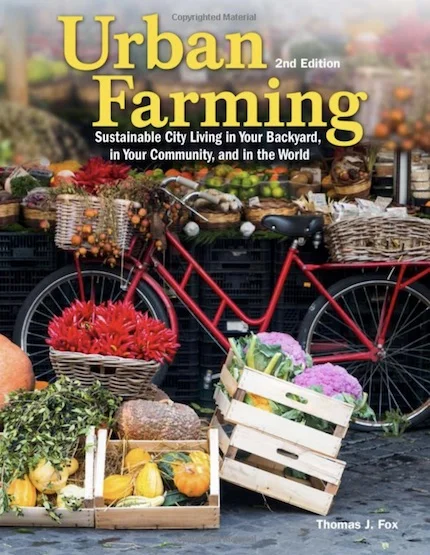
Urban Farming 2nd Edition
From Introduction: “As Michael Levenston from City Farmer in Vancouver, Canada, notes, urban agriculture has gone from back page news to front page news.”
Linked by Michael Levenston
By Thomas Fox
CompanionHouse Books
2 edition (November 14, 2018)
Thomas Fox is a graduate of Fordham University and Fordham University School of Law.
Excerpt:
Comprehensive Guide to the Urban Farm Movement It doesn’t take a farm to have the heart of a farmer. Thanks to the burgeoning sustainable-living movement, you don’t have to own acreage to fulfill your dream of raising your own food. Urban Farming 2nd Edition walks every city and suburban dweller down the path of self-sustainability. It offers practical advice and inspiration for gardening and farming from a high-rise apartment, participating in a community garden, vertical farming, and converting terraces and other small city spaces into fruitful, vegetableful real estate.
This comprehensive guide to urban food growing will answer every up-and-coming urban farmer’s questions about how, what, where and why?a new green book for the dedicated citizen seeking to reduce his carbon footprint and grocery bill. Winner of the Benjamin Franklin Award in Home & Garden from the Independent Book Publishers Association (IBPA). Inside Urban Farming 2nd Edition Portraits of successful urban farmers DIY projects for container gardening Instructions for creating a garden calendar Recommendations for the most foolproof multi-zone plants Plans for companion gardening Time-saving advice about planting, seed starting, and harvesting City-hall survival tips for navigating your town’s ordinances Zone map and extensive resource guide
Read the complete article here.

Fostering Global Collaborations For Better Agriculture Food And Nutrition Supplies
Dr. Srinubabu Gedela, the CEO of Omics International, firmly believes that food and nutrition conferences are essential for a healthy future, and the form the bedrock of sustainable development
Conference Series Food and Nutrition Conferences 2019
Conference Series
Creating a world where science and innovation are universally viewed essential for a safe, nutritious, and sustainable food supply for everyone
SINGAPORE, AND LONDON (PRWEB) OCTOBER 30, 2018
Agriculture, food and nutrition form an indispensable part of any country’s economy. Therefore, focusing on the latest trends in the field is crucial for global strategic development. The Food, Nutrition and Agricultural conferences of the ConferenceSeries serve as a platform to bring together all the researchers working in the field, in order to develop novel ideas aimed at creating a future having sustainable agriculture and ushering in a new food world.
Dr. Srinubabu Gedela, the CEO of Omics International, firmly believes that food and nutrition conferences are essential for a healthy future, and the form the bedrock of sustainable development.
The 2019, Food and Nutrition Conferences are primarily focused on important topics such as, Food quality, Food regulatory affairs, Food processing, Food security, Nutrition & Dietetics, Plant biotechnology, Agronomy, Agriculture and Crop science, Food safety, Plant genomics research, Plant proteomics and Plant science.
The Global Food Industry Market is growing at unimaginable speed, with the US & Europe being the prominent investors. The demand for food is expected to increase by 59% to 98% by the year 2050. The Nutraceutical market is piloting by USD 336.1 billion by 2023 from USD 230.9 billion in 2018 at a CAGR of 7.8%, from 2018 to 2023. When it comes to food logistics, North America rules the food market, and Western Europe dominates with 27%. In Asia, Japan occupies 11% of the Asia pacific (6%) and other countries (3% from the Central & South America, 3% from the Eastern Europe and 1% from Africa/Mideast) comprise 7% of the global food market.
Our Food Conferences comprehend topics such as, Food technology which is getting transformed with newer innovations such as: Vertical Farms, 3D Printed food, Hydroculture, Genoponics, DNA Diets, Robotic Hamburger Machines, Technofoodology, and Artificial Intelligence. The rise of food delivery apps and home-based assistants such as: Alexa, Google Home, and Sonos, etc., has ushered in a new era in food. Food and Nutrition summits provide a means to keep abreast with these latest breakthroughs.
Each of our Food and Nutrition Conference pages draw the attention of around of 22000+ unique visitors which embraces research icons, business experts, and renowned thinkers who endeavour to stitch a transforming experience with ample research ideas. Over 80% of our online visitors and participants are from developed countries like USA, Canada, UK, China, South Korea, Germany, Italy, France, Japan, Australia & UAE etc. Backed up by 5000+ employees and 50,000+ editorial board members of its accompanying journals, Conference Series aspires to circulate the latest explorative trends associated with food and nutrition through its annual Global Scientific Events which take place across the Americas, Europe, Middle East, and Asia-Pacific.

Organic Food Consumption Lowers Cancer Risks
The conclusion of a recent population-based cohort study of 68,946 French adults brings promising, though perhaps predictable, news.
(Beyond Pesticides, October 30, 2018)
The conclusion of a recent population-based cohort study of 68,946 French adults brings promising, though perhaps predictable, news. Greater consumption of organic food — as opposed to food produced conventionally, with use of pesticides and synthetic fertilizers — is associated with a reduction in overall cancer risk, and reduced risk of specific cancers, namely, postmenopausal breast cancer and lymphomas. The NutriNet-Santé Prospective Cohort Study was published on October 22 in the journal JAMA Internal Medicine. It is important to remember that correlation is not causation; but the findings were strong enough that researchers concluded that more research is not only warranted, but also, could “identify which specific factors are responsible for potential protective effects of organic food consumption on cancer risk.”
The project tracked subjects — who were 78% female and 44.2 years old, on average — for 4.5 years. Those subjects reported the frequency of their consumption of 16 organic food products as “never, occasionally, or most of the time.” Those included: fruits, vegetables, soy-based products, dairy products, meat and fish, eggs, grains, legumes, breads, cereals, flour, vegetable oils, condiments, ready-to-eat meals, cookies, chocolate, sugar, marmalade, dietary supplements, and some beverages (coffee, teas, and wine). An organic food score was then computed and assigned to each subject.
Annual follow-ups screened for first-incident cancer diagnoses in the study’s subjects. Results showed that a higher “organic” score was positively correlated with overall decreased cancer risk, and lower risk of developing those specific cancers previously mentioned; no association was detected for other types of cancer. The study controlled for multiple confounding factors, including sociodemographics, lifestyle, and dietary patterns.
The researchers note that environmental risks for cancer include pesticide exposure, whether direct (for pesticide applicators and handlers, e.g.) or through the other primary vector, which is diet. They go on to say, “Epidemiological research investigating the link between organic food consumption and cancer risk is scarce, and, to the best of our knowledge, the present study is the first to evaluate frequency of organic food consumption associated with cancer risk using detailed information on exposure. . . . Among the environmental risk factors for cancer, there are concerns about exposure to different classes of pesticides. . . . The role of pesticides for the risk of cancer could not be doubted given the growing body of evidence linking cancer development to pesticide exposure. While dose responses of such molecules or possible cocktail effects are not well known, an increase in toxic effects has been suggested even at low concentrations of pesticide mixtures.”
The Los Angeles Times reports, “At least three [pesticides] — glyphosate,malathion and diazinon — probably cause cancer, and others may be carcinogenic as well, according to the International Agency for Research on Cancer.” Foods grown or produced organically are far less likely to harbor such pesticide residues (than is conventionally grown produce) because the National Organic Standards forbid use of virtually all synthetic pesticides, except the few that meet the standards of the Organic Foods Production Act. Unsurprisingly, people who consume a relatively “organic” diet have lower levels of pesticide residues in their urine. One of the key points made by the study authors is this: “If the findings are confirmed [by future research], promoting organic food consumption in the general population could be a promising preventive strategy against cancer.”
The health advantages of organic agricultural production for workers and consumers — compared with conventional agriculture, which uses toxic pesticides and synthetic, petrochemical inputs — are legion. There is a strong case that a switch to a generally organic diet confers not only some protection from development of any number of pesticide-induced diseases and other harmful impacts via, e.g., endocrine disruption and subsequent dysregulation and dysfunction, but also, other significant health benefits because it reduces the body burden of toxic chemicals.
One ready example is the evidence for pesticides’ impacts on sperm quality. The ongoing global drop in fertility is strongly associated with pesticide exposures. A 2015 study demonstrated that eating produce containing pesticide residues adversely affects men’s fertility, leading to fewer and poorer quality sperm — adding to a growing body of research showing impaired reproductive function. The results of that study also underscore the importance of an organic diet in reducing pesticide exposures. Interestingly, a fairly old Danish study (1994), published in The Lancet, showed “unexpectedly high sperm density in members of an association of organic farmers, who manufacture their products without use of pesticides or chemical fertilisers. This is of interest in the light of evidence that indicates a world-wide decrease trend of sperm density in the general population.”
The benefits of organic are perhaps most dramatic for children, whose pesticide exposures come largely through diet (unless they live on or near conventionally managed farms), although they may also be exposed via school or recreational properties. Children are particularly vulnerable to pesticide impacts because their brains, organs, and reproductive systems are still developing. One study showed near-immediate benefit when kids’ diets were switched to organic — their urine showed lowered-to-undetectable pesticide levels within hours of the switch. The American Academy of Pediatrics issued a report that said, “In terms of health advantages, organic diets have been convincingly demonstrated to expose consumers to fewer pesticides associated with human disease. Organic farming has been demonstrated to have less environmental impact than conventional approaches.”
Beyond Pesticides advocates choosing organic because of the health and environmental benefits to consumers, workers, and rural families. The Eating with a Conscience database, based on legal tolerances (or allowable residues on food commodities), provides a look at the toxic chemicals allowed in the production of the food we eat and the environmental and public health effects resulting from their use. See more on the benefits of organic agriculture, and an overview of organics.
All unattributed positions and opinions in this piece are those of Beyond Pesticides.
Sources: https://jamanetwork.com/journals/jamainternalmedicine/fullarticle/2707948and http://www.latimes.com/science/sciencenow/la-sci-sn-organic-food-cancer-20181022-story.html
Canopy Growth Completes First Legal MMJ Export From Canada to US
Canopy Growth has completed a legal transfer of cannabis products to a research partner in the United States. To the company's knowledge, this transfer is the first export of legal cannabis products from Canada to the United States pursuant to an import permit issued by the federal United States Drug Enforcement Administration (DEA). The shipment was completed for the sole purpose of supporting medical research and development.
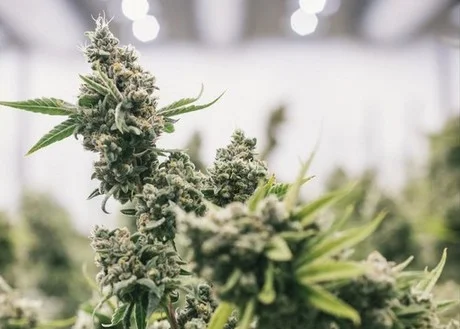
Currently, sources of federally regulated cannabis in the United States are limited in scope and genetic diversity. Canopy Growth believes that it can add value to the market and enable the development of rigorous testing standards for products, while advancing the understanding of the risks and benefits of medical cannabis. The advancement of this research stands to serve Americans, Canadians and those around the world who may benefit from legal, approved cannabis based medical treatments.
While this export is a major achievement for the company, in keeping with its philosophy around the globe, Canopy Growth strongly supports legal production at the domestic level over ongoing exports. With this in mind, the company is excited at the potential of bringing its commitment to legal, GMP/GPP produced cannabis operations to the United States but only through federally legal means.
"The United States presents a unique market opportunity and as the most established cannabis business in the world we, in turn, offer a unique ability to advance standardization, IP development, and clinical research that can improve the understanding and legal application of cannabis and cannabinoids," said Mark Zekulin, President and Co-CEO, Canopy Growth. "By engaging in the market through federally legal means and with the right partners, we can create a US-based centre of expertise while also supporting our rapidly expanding global business."
For more information:
Canopy Growth
1 Hershey Dr.
Smiths Falls, Ontario
K7A 0A8
1 855 558 9333 x 122
invest@canopygrowth.com
www.canopygrowth.com
Publication date : 10/11/2018

Leafy Greens are Grown by Machines at New, Automated Silicon Valley Farm
Called Iron Ox, the farm aims to produce leafy greens — romaine, butterhead, and kale, alongside various herbs
Luke Dormehl POSTED ON 10.13.18 - 1:00PM
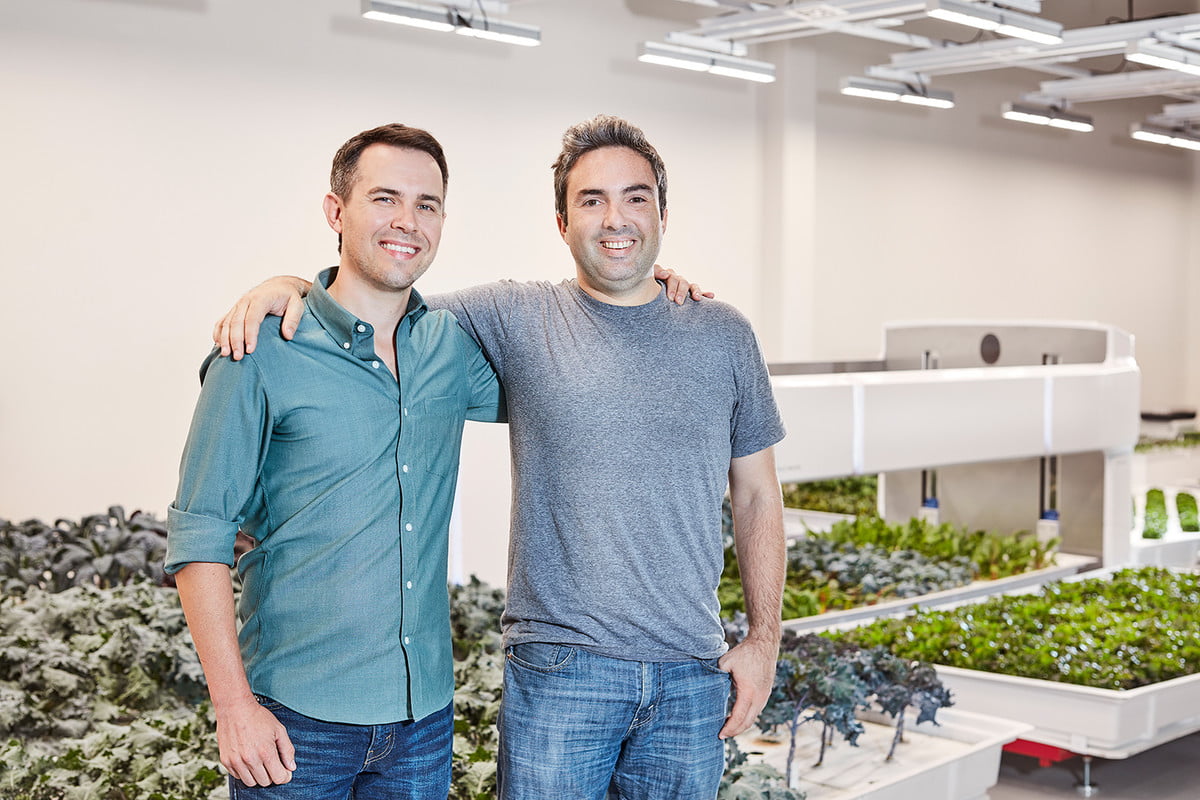
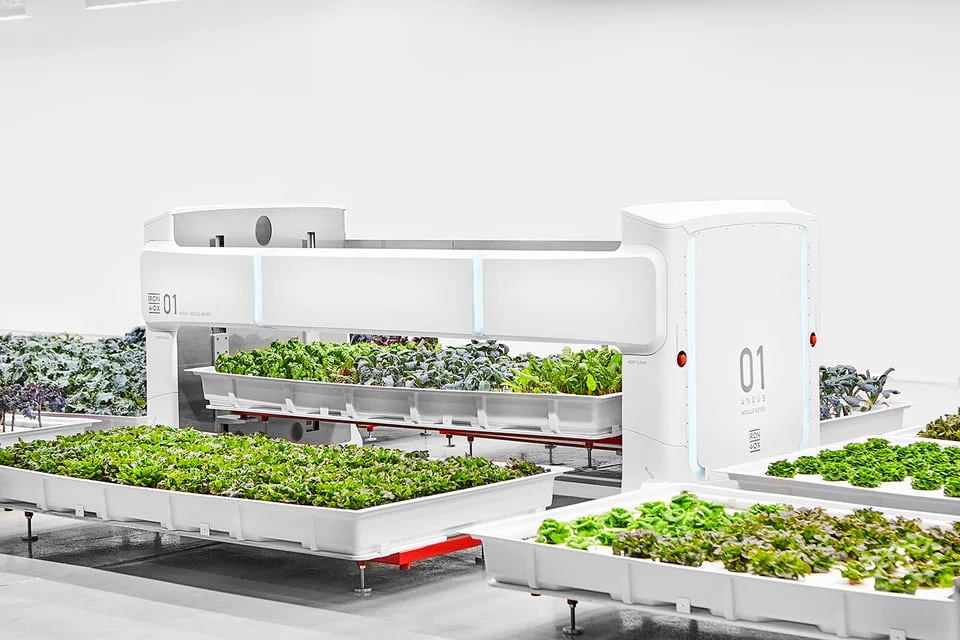
Did you hear the one about the Google software engineer who packed it all in to start a farm? No, it’s not the setup for a joke. Nor is it the premise for some quirky Sundance comedy, probably telling the story of a stressed-out programmer who rediscovers their happiness by moving to the country. It’s a real, honest-to-goodness farm, which just opened in San Carlos, around 20 miles outside San Francisco. Called Iron Ox, the farm aims to produce leafy greens — romaine, butterhead, and kale, alongside various herbs — at a rate of roughly 26,000 heads per year. Oh yes, and it’s staffed almost exclusively by robots.
“This is a fundamentally different way of approaching farming,” CEO and co-founder Brandon Alexander, 33, told Digital Trends. “Traditionally, the farming process means that you seed, you wait a few months, you come back, you harvest, and you distribute. That hasn’t changed a whole lot in hundreds, if not thousands, of years.” Until now, at least.

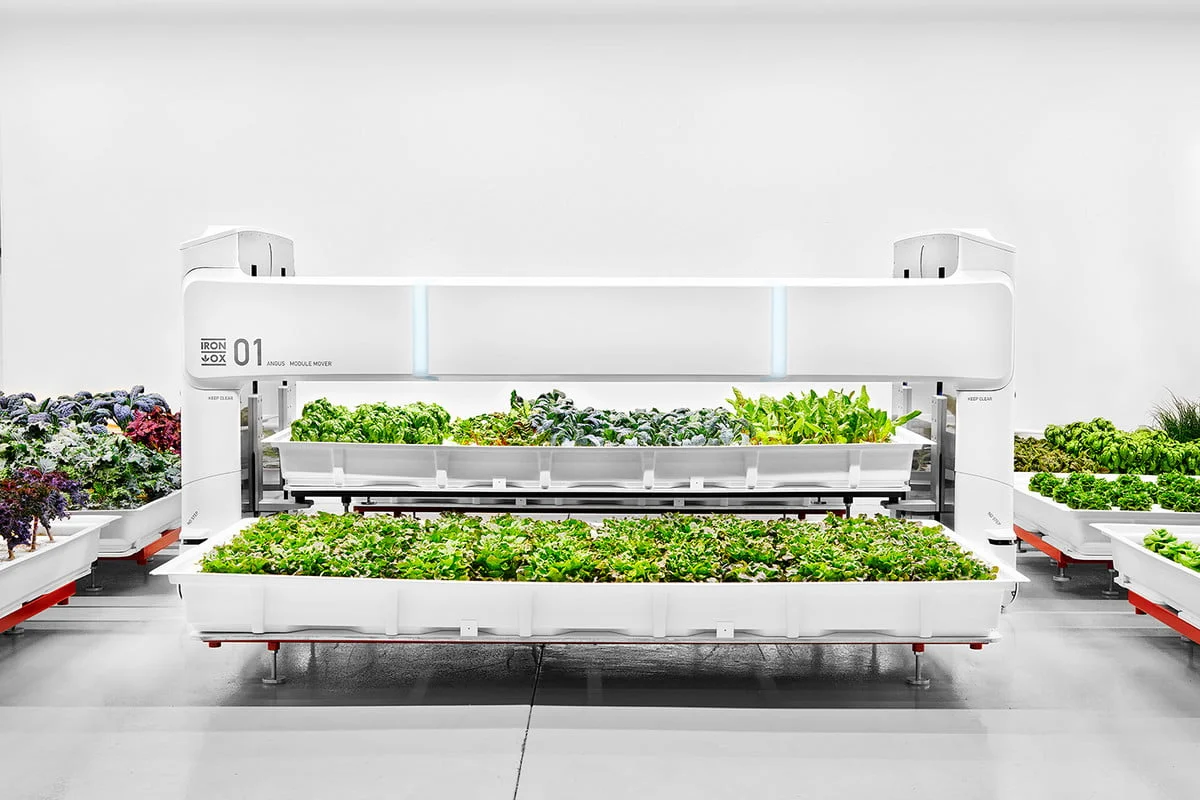
Iron Ox’s indoor farm measures around 8,000-square-feet. That makes it paltry compared to the thousands of acres occupied by many traditional farms, but, through the use of some smart technology, it promises a production output that’s more in line with an outdoor farm five times its size. To achieve this, it has a few tricks up its sleeve. For starters, Iron Ox is a hydroponics farm, a method of growing plants without soil, using mineral nutrient solutions in a water solvent. Unlike a regular farm, hydroponic farms grow their produce in vertical and horizontal stacks; every element minutely controlled through the use of glowing LED lights and jets of water to affect the crops’ size, texture, and other characteristics.
In place of a farmer, Iron Ox employs a giant, 1,000 pound robot called Angus. It’s Angus’ job to move the heavy 800 pound, water-filled tubs of fresh produce without spilling them. A robot arm is used to tend the crops, making this the agricultural equivalent of Elon Musk’s automated Tesla factory in Fremont, CA.
“We’ve taken a robotics-first approach to the growing,” Alexander continued, in what can only be described as an understatement. “Everything is designed with that in mind.”
DISRUPTING THE FAMILY BUSINESS
When he was a kid, Alexander was shipped off each summer to his grandfather’s family farm in the Texas and Oklahoma area. Looking back at it today, it’s a cherished memory. At the time, not so much.
Iron Ox
“I’ll be honest: I hated it,” he said. “All my friends were going on vacation and I was the one who was stuck on a farm.” When his buddies were sleeping in, he was getting up at the crack of dawn. When they were on the beach, he was on a tractor. Years later, when he and his co-founder and CTO Jonathan Binney, 34, were busy planning out Iron Ox, he called his grandfather. Now 83 and still running a farm, Alexander told him about his plans for roboticizing the work that his family had done by hand for generations.
But this isn’t a story about a guy who decided to take revenge for summers of hard labor by disrupting the industry. Far from it. Alexander has a deep respect for farming, evident from the reverent way that he speaks about a profession that has looked after his family for years.
“[My grandad is] technophobic; he doesn’t know how to use an iPhone [or about machine learning or computer vision],” Alexander said. “But when I explained what I was doing, he said, ‘This is inevitable.’ That kind of surprised me, but it shouldn’t. When he was a kid, and his dad was farming, they managed 40 acres. Now him and his crew are managing 6,000 acres. He’s seen the progression.”
JUST-IN-TIME FARMING
Farming isn’t an industry that’s at the forefront of many people’s minds in Silicon Valley. It probably should be, though, because the emphasis on farm-to-table produce is only growing. When Alexander and Binney speak to chefs, they regularly hear stories about customers wanting to know exactly where a particular bit of produce has been sourced from, or how old it is.
That typically gets an unsatisfactory answer in the U.S., where the average distance travelled by fresh fruit and vegetables is around 2,000 miles. “There are relatively few places that have the right conditions for growing,” Alexander explained. “Everyone else gets week-old produce.”
Iron Ox
Iron Ox aims to change that by building farms within easy reach of cities. Using its autonomous technology, customers can get fresh greens grown in their neighborhood. Better yet, they can get it year round, since an indoor farm isn’t subject to the same seasonal conditions as traditional farms are.
“We call this just-in-time farming,” Alexander said. He is using terminology that is usually applied to manufacturing, pioneered by automaker Toyota in Japan during the 1960s and 70s. What makes just-in-time manufacturing special is that it focuses on making items to meet demand, rather than creating surplus in advance of need. It means less waste with overproduction, less waiting, and less excess inventory. That works well for cars, computers, or smartphones. The Iron Ox team hope it will work great for crops, too.
“In a traditional greenhouse, you’re committed to growing a thousand or tens of thousands of a particular varietal,” Alexander said. “Our systems gives us the ability to fine-tune the nutrients for each crop. We’re only committed to growing a hundred of something at a time. That’s important. Previously you would committed to, for example, kale. ‘Kale’s going great,’ you say. ‘Let’s go all-in on kale.’ But trends change. If we suddenly notice a big demand for purple bok choy or Italian basil, our system can adapt to that consumer demand very quickly.”
Overseeing the farm, like a green-fingered HAL 9000 from 2001: A Space Odyssey, is what Alexander calls “The Brain.” This is a cloud-based, A.I. which constantly monitors information relating to nitrogen levels, temperature, and the location of robots. Over time, it will expand this to take into account data pertaining to food orders, or more general information about food-based trends.
Weighing up all this data, it can then make decisions about exactly what should be growing — and in what quantities — in each of the modular tanks.
THE ROAD FROM HERE
Right now, Iron Ox is starting to take chef’s orders for the two dozen-plus varieties of leafy greens that it is growing from the start. It aims to be in full production by the end of the year. This is still the beginning of the journey, but it’s one that Alexander and his co-founder are happy to be on.
“We had some pretty good, cushy jobs at Google and whatnot,” Alexander said. “We wanted to make sure that, when we took the next step, it was something we were passionate about. It’s not about staying passionate for one year; it’s about whether or not this was something we could put decades of our life into? That’s a different metric, for sure.”
How does he feel about the impact of automation on jobs in the farming community as a whole?
“I think farming is a fairly unique space in this regard,” he said. “Agriculture is one of the few industries right now where they can’t get enough help. That was something that surprised Jon and myself when we first started. When we quit our jobs, we spent four months roadtripping California, talking to farmers. We talked to dozens of outdoor and indoor farmers. One of the questions we asked was ‘what’s your biggest pain point?’ 100 percent of them said that it was labor scarcity. They could not get enough help for their farms.”
Added to this is the fact that, in the United States, the average age of a farmer is 58. “It’s a bell curve distribution, and it keeps shifting over to older and older,” he said.
Those jobs are not being replaced in equal numbers by the younger generation. “There simply aren’t enough people wanting to do this,” he continued. “And I don’t blame them. It’s hard, back-breaking work. It’s just where it’s going.”
Iron Ox isn’t the only startup applying the latest technology to farming. Other companies and researchers are building self-driving tractors for farms, using CRISPR gene editing to improve the efficacy of crops, and building robots that are capable of picking a variety of fresh produce without damaging it. But Iron Ox’s business model nevertheless represents an enormous step potential forward in U.S. agriculture and the way that it works.
In 1820, more than half of the United States population lived and worked on farms. Today, this is fewer than 2 percent of the population, with the overwhelming majority having moved to the city. Thanks to companies such Iron Ox, people may no longer have to choose between farm and city. If people won’t leave the city for farms, then the farms will just have to come to them.

US (MA): AmeriCann Releases Designs For 345,000 sq.ft. MJ Facility
The dedicated cultivation facilities are designed to utilize AmeriCann’s proprietary greenhouse system called Cannopy.
AmeriCann has released designs for Building 2 which includes 345,000 square feet of cannabis manufacturing and cultivation infrastructure at its 52-acre Massachusetts Medical Cannabis Center (MMCC) in Freetown, MA.
The configuration of Building 2 includes over 100,000 square feet of dedicated cannabis extraction, processing and product manufacturing space and approx. 245,000 sq. ft. of cultivation infrastructure. The dedicated cultivation facilities are designed to utilize AmeriCann’s proprietary greenhouse system called Cannopy.

The design of Building 2 of the MMCC, which is 345,000 square feet, will include three distinct units:
Unit A: 184,720 square foot cannabis cultivation facility
Unit B: 40,178 square foot extraction and product manufacturing facility; and
Unit C: 118,580 square foot cannabis cultivation facility cannabis
AmeriCann will own and operate Unit B which is designed to provide extraction and product manufacturing support to the entire MMCC project, as well as to other licensed cannabis farmers throughout Massachusetts. In addition to large-scale extraction of cannabis plant material, AmeriCann plans to produce branded consumer packaged goods including cannabis beverages, vaporizer products, edible products, non-edible products and concentrates at the state-of-the-art facility.
The company has already commenced construction on the first phase of the 1 million square foot multi-phase MMCC project with a 30,000 square foot cultivation facility.
AmeriCann plans to replicate the brands, technology and innovations developed at its MMCC project to new markets as a multi-state licensed operator.
For more information:
AmeriCann
3200 Brighton Blvd. Unit 114
Denver, CO 80216
(303) 862-9000
info@americann.co
www.americann.co
Publication date : 10/11/2018

US (HI): Researchers Help Waimānalo Families Use Aquaponics, Improve Health
Three researchers at the University of Hawaii at Mānoa have won a national fellowship and will receive $350,000 funding over three years to assist Waimānalo families with backyard aquaponics to sustainably produce healthy food.
The project will connect the modern technology of aquaponics with Native Hawaiian food practices. Aquaponics taps into the power of the natural symbiotic relationship between fish and plants, and combines the raising of plants in water with raising fish in tanks to create a sustainable, contained food production system.

From left, Ilima Ho-Lastimosa, Ted Radovich and Jane Chung-Do
The fellowship was awarded by the Robert Wood Johnson Foundation, a nonprofit organization that works to promote health equity in the U.S.
The research team is comprised of Jane Chung-Do, an associate professor with the UH Mānoa Office of Public Health Studies in the Myron B. Thompson School of Social Work; Ilima Ho-Lastimosa, community coordinator at the Waimānalo Learning Center and an education specialist in the Department of Tropical Plant and Soil Science (TPSS) in the College of Tropical Agriculture and Human Resources; and Ted Radovich, a TPSS associate specialist.
They will expand their work with families in Waimānalo to develop an aquaponics program to grow fresh fruits and vegetables and raise fish that families can use to prepare meals and Hawaiian medicines. This builds on the decade-long work that Ho-Lastimosa has been promoting in her community of Waimānalo.
The researchers will recruit Native Hawaiian families in Waimānalo to participate in aquaponics lessons and will guide the families in building and maintaining backyard systems. The researchers will follow up to see whether the systems are successful in helping the participants increase their intake of and access to fresh fruits, vegetables and fish, as well as promote healthy eating habits. In addition, impacts on participants’ mental wellness, cultural identity, family strength and community connectedness will be measured.
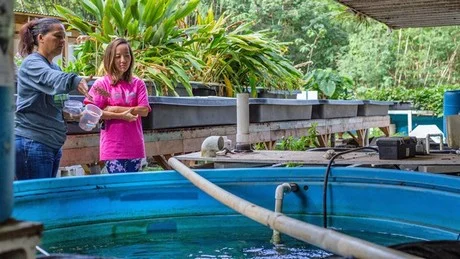
Ilima Ho-Lastimosa feeds fish in an aquaponics set-up, while Jane Chung-Do looks on.
“Our goal is to restore Native Hawaiian practices related to food and community,” said Chung-Do. “The study embraces the perspective that health is holistic and interconnected with our culture, families, communities and the ʻāina.”
As a public health scientist, Chung-Do has worked to enhance the wellness of children and families in Hawaii, especially in rural and minority communities.
Radovich was born and raised in Waimānalo and holds a PhD in horticulture. His expertise is in sustainable and organic farming systems.
Ho-Lastimosa grew up on the Waimānalo Homestead and holds masters degrees in social work and acupuncture; she is also a master gardener. The community leader and cultural practitioner in Waimānalo founded God’s Country Waimānalo, a group that initiated a food sovereignty and sustainability movement in the community.
Source: University of Hawai'i (Theresa Kreif)
Publication date : 10/11/2018

Green Life Farms Hires Elayne Dudley as Sales Director
Green Life Farms, a hydroponic farm currently under construction in Boynton Beach, FL, hired Elayne Dudley as its Sales Director, marking a major milestone as the project continues working toward commercial operations in April 2019.
Hydroponic farm under construction taps experienced sales veteran for new role
Boynton Beach, FL (November 1, 2018) – Green Life Farms, a hydroponic farm currently under construction in Boynton Beach, FL, hired Elayne Dudley as its Sales Director, marking a major milestone as the project continues working toward commercial operations in April 2019. Dudley will spearhead bringing Green Life Farms’ fresh and local leafy baby greens to supermarkets, restaurants, and other distributors throughout South Florida.
“Elayne comes to us with deep knowledge of the produce industry and vast experience in sales and marketing,” said Mike Ferree, Vice President, Green Life Farms. “She will be an important asset as we continue to grow and prepare for commercial operations to begin early next year.”
Dudley has more than 20 years of experience in marketing and sales, helping to grow business at several companies, including CVS Health, Loyalty Builders and Inside Sales Group. She brings expertise in strategic customer relationship building and business development in both business-to-business and business-to-consumer settings. Dudley is passionate about providing both outstanding customer service to Green Life Farms’ supermarket and restaurant accounts, and providing consumers with the freshest, cleanest, tastiest baby leafy greens on the market.
For people who expect more out of the food that goes into their bodies, by demanding less of what goes into producing it, Green Life Farms produce will set a new standard. The produce will be grown locally, using farming practices that keep produce free from harmful additives, so customers are free to enjoy it all without worry or waste.
Green Life Farms, a hydroponic farm currently under construction in Boynton Beach, FL, hired Elayne Dudley as its Sales Director, marking a major milestone as the project continues working towardcommercial operations in April 2019. Dudley will spearhead bringing Green Life Farms’ fresh and local leafy baby greens to supermarkets, restaurants, and other distributors throughout South Florida.
About Green Life Farms
Green Life Farms is constructing a 100,000 square-foot state-of-the-art hydroponic greenhouse in Boynton Beach, Florida, with additional expansion planned in Florida and beyond. Commercial operation is expected to begin in April 2019. Green Life Farms will provide consumers year-round with premium-quality, fresh, local, flavorful and clean baby leafy greens that are good for their bodies, families, communities and planet.
# # #

Growponics Wins EU Seal of Excellence For Developing Organic Fertilizer
Growponics’ R&D project for nitrogen fixation has been granted the Seal of Excellence and has passed Phase 1 of the EIC SME Instrument, with a grant of €50,000. The SME Instrument is a part of the EU program Horizon 2020, aimed at small and medium sized enterprises (SMEs) with ground-breaking ideas and innovations.
Growponics’ R&D project for nitrogen fixation has been granted the Seal of Excellence and has passed Phase 1 of the EIC SME Instrument, with a grant of €50,000. The SME Instrument is a part of the EU program Horizon 2020, aimed at small and medium sized enterprises (SMEs) with ground-breaking ideas and innovations.
Our project is focused on developing a process for the production of a sustainable organic hydroponic fertilizer, utilizing nitrogen fixed by cyanobacteria. Nitrogen is one of the key elements required for the growth of any living organism, used for the production of proteins. The majority of organisms cannot use nitrogen from the air. The few organisms who can perform this task, transform nitrogen from air into organic compounds (like ammonia and nitrates), that can be metabolized by the organisms who need it but cannot make these by themselves. Most plants cannot fix nitrogen, and this is why they rely on obtaining it through nutrients found in ground and water. Hydroponically grown plants rely on supplemented fixed nitrogen – fertilizers.
What kind of nitrogen fertilizers are available now?
Current synthetic fertilizers use nitrogen produced in the Haber process. This process requires a large amount of energy, and also emits undesired greenhouse gases. Organic fertilizers that are currently available are expensive, or their nitrogen is of low availability to plants, or they are high in sodium – all are disadvantages which prevent commercial use.
What is our project all about?
We are developing a method for production of nitrogen in-situ by cyanobacteria, from air and water, using the sun as a source of energy. The entire process is efficient and ecologically sustainable, and will allow hydroponic growers to provide their crops with the necessary nitrogen in an environmentally friendly way.
The grant of €50,000 awarded in Phase I will allow us to complete our feasibility study and prepare a business plan ready for scale up. We intend to proceed to Phase II (scale-up and commercial readiness) and Phase III (business acceleration). Hopefully, in ~3 years time we can be in the market with a commercial solution, to be used by our partner greenhouses and proceeding to other projects internationally.
To read more about our project on the EIC SME website click here.
In the photo: cyanobacteria (the blue strings) as caught under microscope in our R&D lab.

CO2 GRO - Video Interview With Sam Kanes, VP Business Development
Sam Discusses the Recent Michigan Flower Trial Results and the Potential in High Value Plant Markets
Dear Shareholders, Stakeholders and Interested Parties
CO2 GRO Inc. is Pleased to Present an Investor Intel Interview Conducted with Sam Kanes, VP Business Development. Sam Discusses the Recent Michigan Flower Trial Results and the Potential in High Value Plant Markets

Click & Grow Raises USD 11M And Gets Strategic Investors Ingka Group and SEB Alliance On Board
Palo Alto, November 1, 2018
Click & Grow, the leading producer of smart indoor gardens, closed its latest financing round led by Estonian-based United Angels VC alongside two strategic investors: Ingka Group, the world’s largest home furnishing retailer operating 367 IKEA stores, and SEB Alliance, the corporate venture arm of French Groupe SEB. This is the most significant round Click & Grow has raised so far. The aim of the round was to expand and accelerate Click & Grow’s worldwide presence and further popularize hyper-local gardening. Y Combinator and Yunqi VC also participated in the round.
Click & Grow’s breakthrough technology enables plants to be grown hyper-locally with zero effort, giving everyone a chance to grow fresh, GMO and pesticide-free greens at home or in any other space. Founded in 2009, Click and Grow has achieved a global presence and is now selling its third-generation smart gardens. The company’s largest market is in the US, followed by the EU and Singapore.
“Being one of the pioneers of hyperlocal gardening, we have been the drivers behind smart indoor gardens earning their rightful place among kitchen tools. Now we are working towards our next milestone to see how hyper-local farming can have a lasting impact on the sustainability of our food chain and reduce food waste. We couldn’t think of having better partners onboard to help us along the way than Ingka Group, with their commitment to a people and planet-positive future, and Groupe SEB, the world’s leader in small household equipment,” said Mattias Lepp, Founder, and CEO of Click & Grow.
The company’s strategy tackles one of the world’s major current issues, availability and affordability of the global food supply. According to the Food and Agriculture Organization of the United Nations (FAO), approximately one-third of all food produced in the world is lost or wasted, including about 45% of all fruits and vegetables. Hyper-local farming allows us to cut the supply chain to a minimum.
“This investment is part of Ingka Group’s broader commitment to support innovative companies contributing to a more sustainable and healthy food and we believe Click & Grow’s novel approach has great potential. We see this as another step forward in our journey to serve IKEA customers and our co-workers healthier and more nutritious food, and it opens up new opportunities for IKEA Retail markets to become more self-sufficient by growing fresh local produce,” explained Krister Mattsson, Head of Investments, Ingka Group
To accelerate the expansion of Click and Grow's global foothold and to strengthen the position in Europe, this July Groupe SEB (active in 150 countries with brands such as Krups, Rowenta and Tefal) became a co-branding and distributor partner of Click & Grow in the French and DACH markets.
“We see indoor gardening becoming a promising trend for home/office. We are convinced by the leading edge of Click and Grow products and technology in this domain. We strongly believe in our capacity to help the company in its future development on the base of co-branding with EMSA and leveraging our worldwide presence” said François-Xavier Meyer, Vice President SEB Alliance, Groupe SEB
About Click & Grow
Click & Grow was founded by Mattias Lepp in 2009 and has shipped its products to more than 450,000 customers around the world. Click & Grow is headquartered in Tallinn, Estonia. For more information, visit clickandgrow.com.
About the Ingka Group
Ingka Group (Ingka Holding B.V. and its controlled entities) is one of 11 different groups of companies that own and operate IKEA sales channels under franchise agreements with Inter IKEA Systems B.V. Ingka Group has three business areas: IKEA Retail, Ingka Investments and Ingka Centres. It is the world’s largest home furnishing retailer operating 367 IKEA stores in 30 markets. These IKEA stores had 838 million visits during FY18 and 2.35 billion visits to www.IKEA.com. Ingka Group operates business under the IKEA vision to create a better everyday life for many people by offering a wide range of well-designed, functional home furnishing products at prices so low that as many people as possible will be able to afford them.
About SEB Alliance
SEB Alliance is the corporate venture capital arm of Groupe SEB, the world leader in small domestic equipment. SEB Alliance prioritizes minority stake investments in innovative companies with high technological content operating in areas such as smart systems/connectivity & robotics, new forms of energy, aging population, preserving health, beauty and wellbeing, ecology and sustainable development. www.seballiance.com
About United Angels VC
United Angels VC is an early stage VC fund based in Estonia. It invests throughout the software stack and related areas. The fund and its partner’s portfolio include some of the fastest growing companies originating from Northern-Europe, such as Taxify, Monese, and Veriff. The fund’s food tech portfolio includes Click & Grow, Epic Foods, eAgronom, and FoodDocs. www.unitedangels.vc