

News About Farming in Shipping Containers & Limited Indoor Spaces
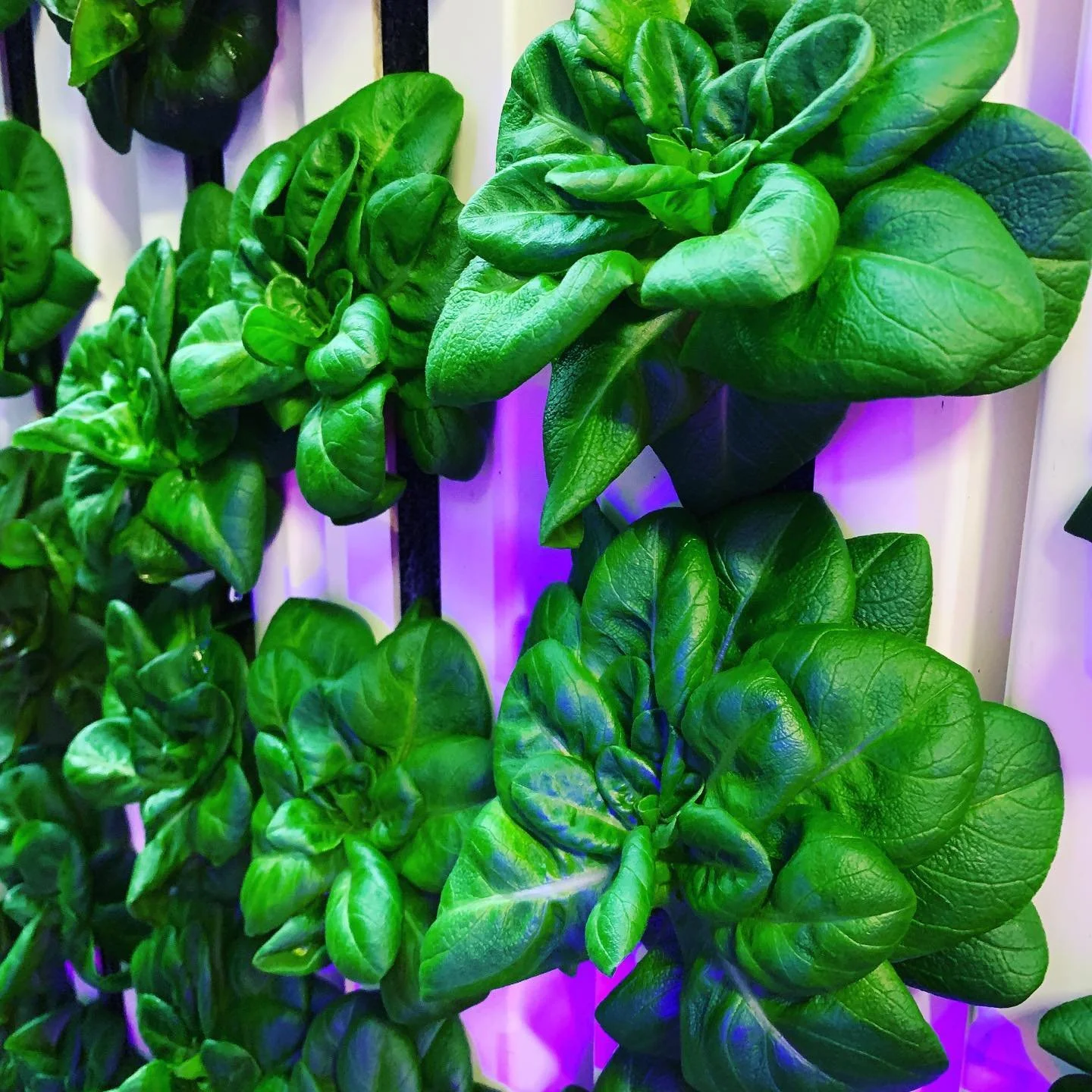
Nimble Farms Debuts New Brand Across Tops Supermarkets
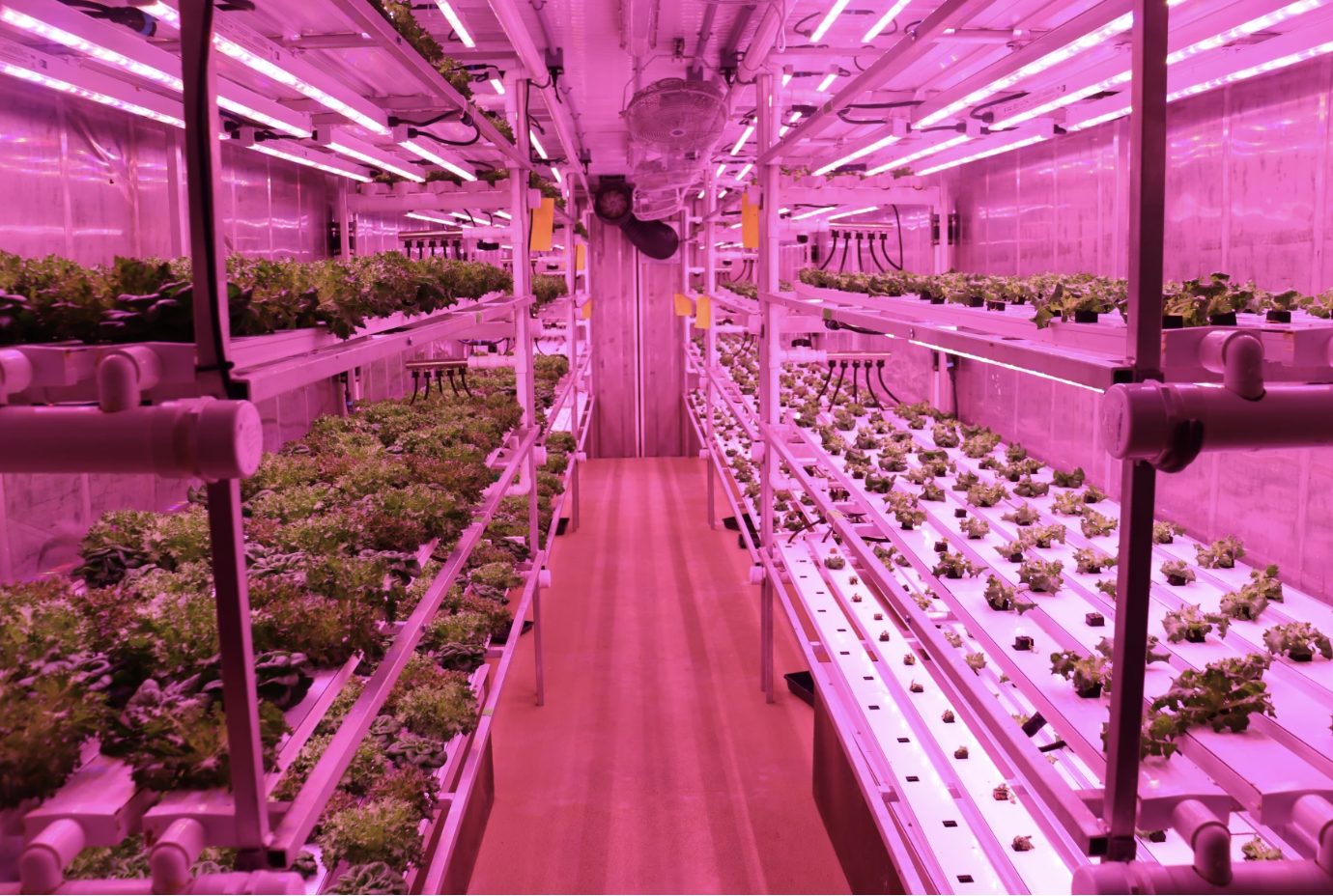
At the heart of Nimble Farms’ operations are modular, climate-controlled grow units housed in converted shipping containers. Designed to maximize productivity per square foot, each unit is equipped with energy-efficient LED lights, recirculating water and nutrient systems, and precise environmental controls.
This setup optimizes inputs such as fertilizer, water, and energy, enabling year-round production of a wide variety of high-quality, pesticide-free, non-GMO crops, including living lettuces, herbs, microgreens, and mushrooms. Emphasizing its commitment to sustainability, all Nimble Farms sites are powered 100% by renewable energy sourced from local solar, wind, and hydroelectric power.
Old Shipping Containers Turning Into Farms
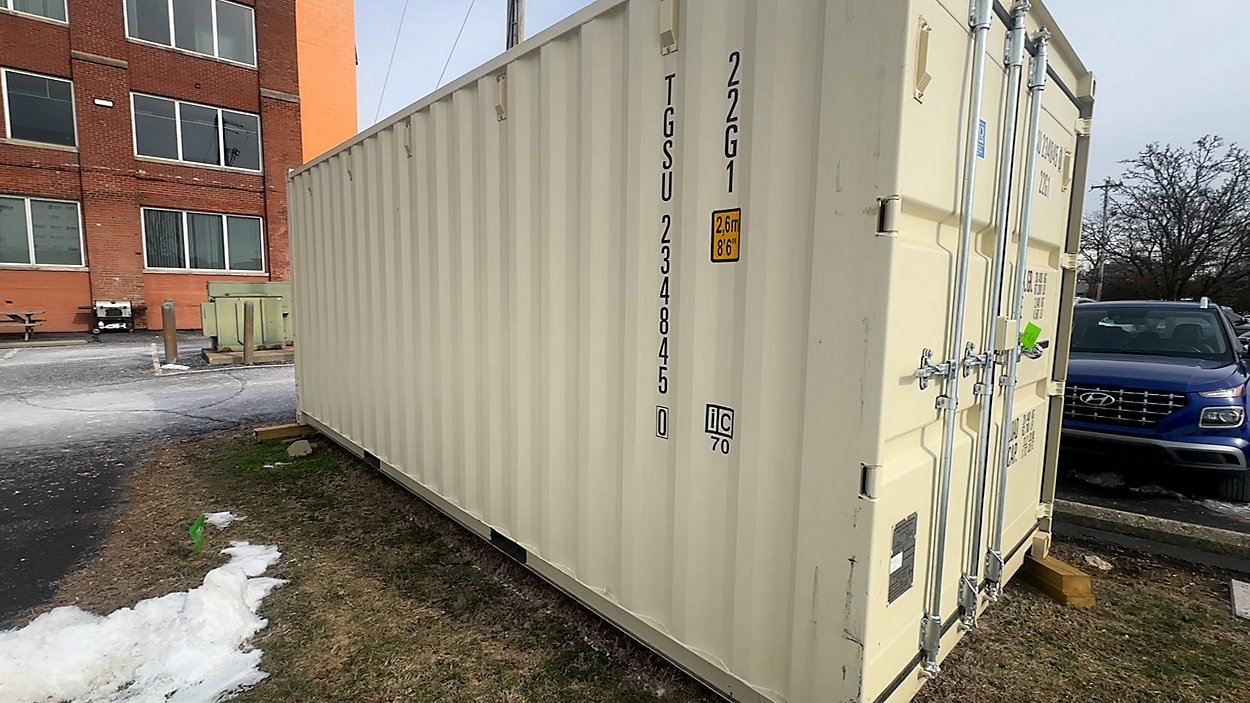
Old shipping containers are now being used to fight against hunger in underserved communities.
Renee Camplese is bringing out vegetables that she says are better for you than organic.
“We have no need to use pesticides, so nothing is ever sprayed on our produce, ever,” said Camplese.
She said their greens hold more nutrition because of where it came from. The greens are from an indoor farm, 80 Acres Farm, in the
Cincinnati area.
“We started growing ten years ago in containers, old shipping containers that have been refurbished with lights and all of the piping and things that we needed to grow indoors, so it’s a hydroponic system. Then we have moved on from containers to large-scale production farms,” said Camplese.

Crater High School Uses Freight Farm to Challenge Traditional Farming Practices
CENTRAL POINT Ore. - Crater High School utilizes a cutting-edge agricultural project that grows food in ways that challenge traditional farming practices and inspire students to think about sustainability in new ways.
The Freight Farm uses a vertical hydroponic method to cultivate crops like lettuce, basil and cilantro — all without soil.
The plants are nourished by nutrient-rich water, with no more than five gallons of water used per week.
The idea for the Freight Farm originated when agricultural science teachers Kristin Kostman and Jim Miller attended a national conference, where they discovered the concept.
“Our students are involved in every step, planting the seeds, monitoring growth, and harvesting the crops,” Kostman said. “It’s a hands-on, immersive experience that teaches them the possibilities of sustainable, urban farming.”

Growing a Business Through Vertical, Sustainable Farming
80 Acres Farms began its journey inside a shipping container, as its team experimented with different farming technologies to develop efficient vertical systems. The company’s methodical approach to growth, testing and refining led to a pivotal moment when it launched its first 70,000-square-foot farm in Hamilton, Ohio.
The innovative facility is longer than a football field and includes 10 growing levels stacked on top of each other. The farm’s initial success was followed by further expansion, including the more recent Kentucky facility, which has been in operation since late 2022.
“Our goal from the start was to develop systems that could handle the stresses of population growth, farmland loss and climate change,” says Noah Zelkind, vice president of business intelligence and strategic finance for 80 Acres Farms. “We’ve learned from every farm we built, and now we’re focused on scaling up to bring fresh, healthy food to more people. It’s not just about growing food but about fitting into the community and using what’s already there.”

USA - TEXAS: FeedLot Funds Freight Farm Shipping Container Farm
Though there is still much planning and work to be done, Harper informed the council that the container will be attractive, use relatively little water and will likely be staffed part-time with volunteer opportunities available.
Among the many benefits touted by Harper and the council is the possibility for the setup to be a good educational experience for local school students. Using a shipping container and advanced hydroponic system, Community Mission Link hopes to grow about four acres worth of produce in a much smaller amount of space. This is the first use of Freight Farms by a nonprofit in the area that he knows of.
Building Sustainable Gardens, One Tower at a Time
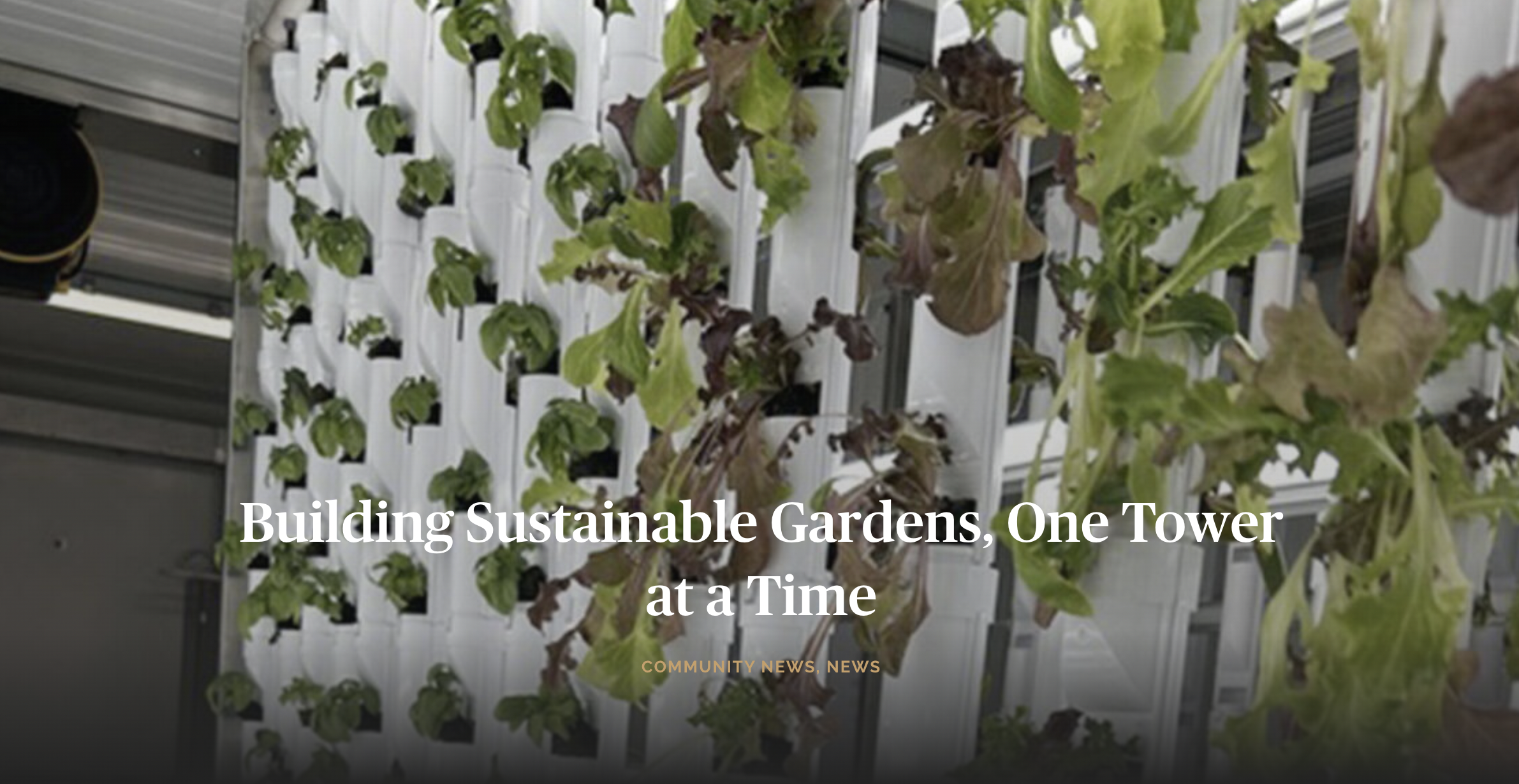
In addition to its ongoing work with schools, City Greens this year established a partnership with Gro iQ, a company that offers, in part, high-quality sensors that can accurately test hydroponic growth elements such as light, heat and carbon dioxide.
“The sensors that they have are significantly more comprehensive than what we’re already using,” says Levy. “We’re trying to figure out how to be as precise and accurate as possible with our growth cycles, and they’re helping us do that.”
Locally, City Greens has also donated a hydroponic container to the Beverly Hills Fire Department station on Rexford Drive, which uses some of the plants produced therein for their cooking.
Having a container at the fire station is “a way for people to see the difference between locally grown hydroponic food versus non-hydroponic local food,” says Levy.
Local organizations and groups supporting City Greens include the city of Beverly Hills, Beverly Hills Education Foundation, We Benefit Children, Beverly Hills Rotary Club and the Jewish Community Foundation of Los Angeles.

Why 2025 Is the Perfect Year to Start Your Hydroponic Farming Business
Hydroponic container farming is poised to be a transformative force in 2025, offering innovative solutions to contemporary challenges in food safety, local sourcing, supply chain resilience, health, and environmental sustainability. Here's why 2025 is an ideal time to embark on a hydroponic farming venture:
Enhanced Food Safety
Foodborne illnesses remain a significant concern, with consumers increasingly vigilant about the origins and safety of their food. Hydroponic systems, operating in controlled environments, substantially reduce the risk of contamination from pathogens like E. coli and salmonella. Additionally, the absence of soil eliminates the need for pesticides, addressing consumer concerns about chemical residues.

USA - MAINE: Farming Outside - And Inside - The Box
At the Good Table F oundation’s property in Castine, a nondescript tan shipping container sits alongside the driveway. But inside the container is one of the area’s most dynamic, high-tech hydroponic farms.
An all-volunteer organization, Good Table Foundation grows fresh greens for distribution through food pantries.
Founder Greg Nitzkowski had seen similar hydroponic container models in California. He and his wife Barbara were inspired to bring the concept to Castine, where they retired after being long-time summer residents in the area. They incorporated the organization as a 501(c)(3) nonprofit in 2023 and began operations in 2024.
The operation supplies fresh greens to Loaves and Fishes Food Pantry in Ellsworth and Caring Community Cupboard in Old Town. They operate the farm 365 days a year, and all of the produce they grow is donated. Volunteers from GTF harvest, process, and deliver the produce in a single day, delivering more than 200 4.5- ounce bags of greens each week. The mix can include kale, lettuces, arugula, and more, all packaged in compostable, labeled bags just as they might be in a traditional retail setting.

USA - OHIO: Urban Farming Initiative and Walnut Hills Redevelopment Foundation Partner to Grow Neighborhood Gardens
The Urban Farming Initiative (UFI) and the Walnut Hills Redevelopment Foundation are thrilled to announce a new partnership aimed at revitalizing and coordinating urban gardens in the Walnut Hills neighborhood. Through this collaboration, UFI will work closely with garden coordinators, volunteers, and community leaders to enhance the gardens' output, while also providing support for local events and programs.
As part of this initiative, Ben Booker, UFI's Executive Director, will lead the project. A University of Cincinnati graduate with an urban agriculture certificate, Booker brings extensive expertise in urban agriculture and community development.

KENTUCKY: From Classroom to Cafeteria: Ag Program at Lexington School Grows Lettuce for Community
Students at Carter G. Woodson Academy in Lexington show off their lettuce crop. Courtesy of Future Farmers of America Association Agriculture students at the Carter G. Woodson Academy in Lexington have an uncommon opportunity: to grow food that’s served in the school cafeteria and eaten by classmates.
The food — lettuce, mainly — comes from the school’s hydroponic container, part of a program run since 2019 by agriculture teacher Jacob Ball.
It gives students involved in the agricultural program at the academy — an all-male school for students grades six through 12 that offers a rigorous curriculum through the lens of Black history — the opportunity to learn alternatives ways of farming outside of a traditional field.

Growing Healthier Communities With Connecticut Foodshare
Hydroponic food is growing at the Red Deer Food Bank thanks to a $75,000 grant from The Church of Jesus Christ of Latter-day Saints.
The donation allowed the food bank to purchase a hydroponic sea can, which is now growing fresh produce for the food bank’s hamper program.
“This is a big leap forward for the Red Deer Food Bank, as we can now offer a consistent supply of fresh produce to our clients,” said Mitch Thomson, food bank executive director, in a statement.
“We receive limited amounts of fresh produce from our grocery partners. Outside of harvest time, it has been extremely difficult for us to provide enough fresh produce to our clients. The development of our hydroponic food production initiatives and greenhouse allow us to be more self sufficient in providing healthy food options for our clientele.”
The food bank purchased the hydroponic business from Mike and Lisa Slimmon of Green Euphoria.

CANADA: Red Deer Food Bank and Church of Jesus Christ of Latter-Day Saints Partner on Hydroponic Project
Hydroponic food is growing at the Red Deer Food Bank thanks to a $75,000 grant from The Church of Jesus Christ of Latter-day Saints.
The donation allowed the food bank to purchase a hydroponic sea can, which is now growing fresh produce for the food bank’s hamper program.
“This is a big leap forward for the Red Deer Food Bank, as we can now offer a consistent supply of fresh produce to our clients,” said Mitch Thomson, food bank executive director, in a statement.
“We receive limited amounts of fresh produce from our grocery partners. Outside of harvest time, it has been extremely difficult for us to provide enough fresh produce to our clients. The development of our hydroponic food production initiatives and greenhouse allow us to be more self sufficient in providing healthy food options for our clientele.”

USA - IOWA: Tapestry Farms Receives $300k Grant From The QC Community Foundation
The Quad Cities Community Foundation is awarding Tapestry Farms a $300,000 Transformation Grant to expand their services over the next three years.
QC Community Foundation Vice President of Grantmaking and Community Initiatives Kelly Thompson says the organization is celebrating ten years of offering Transformation Grants. Unlike other grant opportunities at the foundation, this process is decided by a board committee that looks for areas of community need instead of blanket competitive applications.
"[W]e found was this intersection of welcoming refugees, helping them become long-term residents of the Quad Cities, as well as community health and nutrition," Thompson said in a phone interview with WVIK. "And Tapestry Farms welcomes refugees in part by engaging in urban farming. So they're making our Quad Cities community better, not only through helping people, but in making the land around us more sustainable, contributing to people's health and wellness by growing vegetables, all of those things."

New Mexico State University - Are Container Farms Sustainable Growing Alternatives?
Near the entrance of a 40-foot container farm installed at New Mexico State University’s Grants campus, dozens of 4-day-old kale plants lined a horizontal nursery bed, sprouting at various lengths in shades of electric green from miniature patches of densely packed soil.
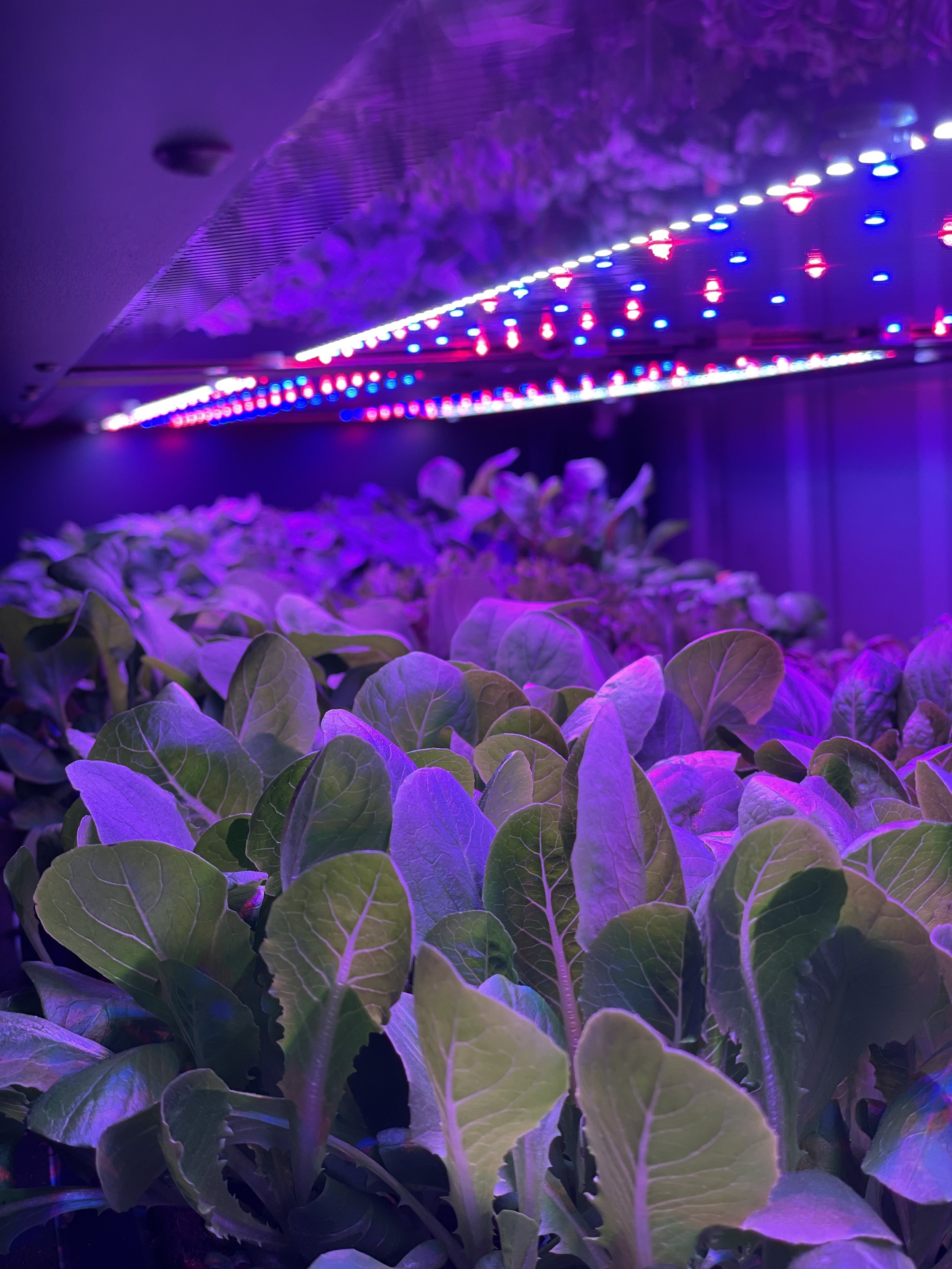
Further inside, instructor Gabriel Garcia flipped a switch. Instantly, red and blue LED lights engulfed the space, illuminating the intricate vertical farming system in a shocking pink glow.
“The lights mimic the sun,” Garcia explained on a July afternoon. “This is where we’ll move the kale when their root structures develop, and they’ll stay here until they reach maturity.”
Hydroponics Provide Year-Round Growing For Alaska Farmers
Nestled between two train cars-turned-restaurants on the other side of town, Henry Krull walks inside his shipping container farm. He points to a wall that's growing hundreds of bunches of butter lettuce.
Krull is the owner of fresh365, another Kenai Peninsula based hydroponic farm. Just like Edgy Veggie, the farm operates entirely indoors.
“The advantage of growing indoors, in a container like we have, is that we can control the environment," Krull said. "We can grow no matter what’s going on outside. It can be 30 below outside, but it’s always 70 degrees or so inside.”
fresh365 also sees an uptick in direct-to-consumer sales in the winter. Otherwise, most of their sales go to other businesses, like local restaurants.
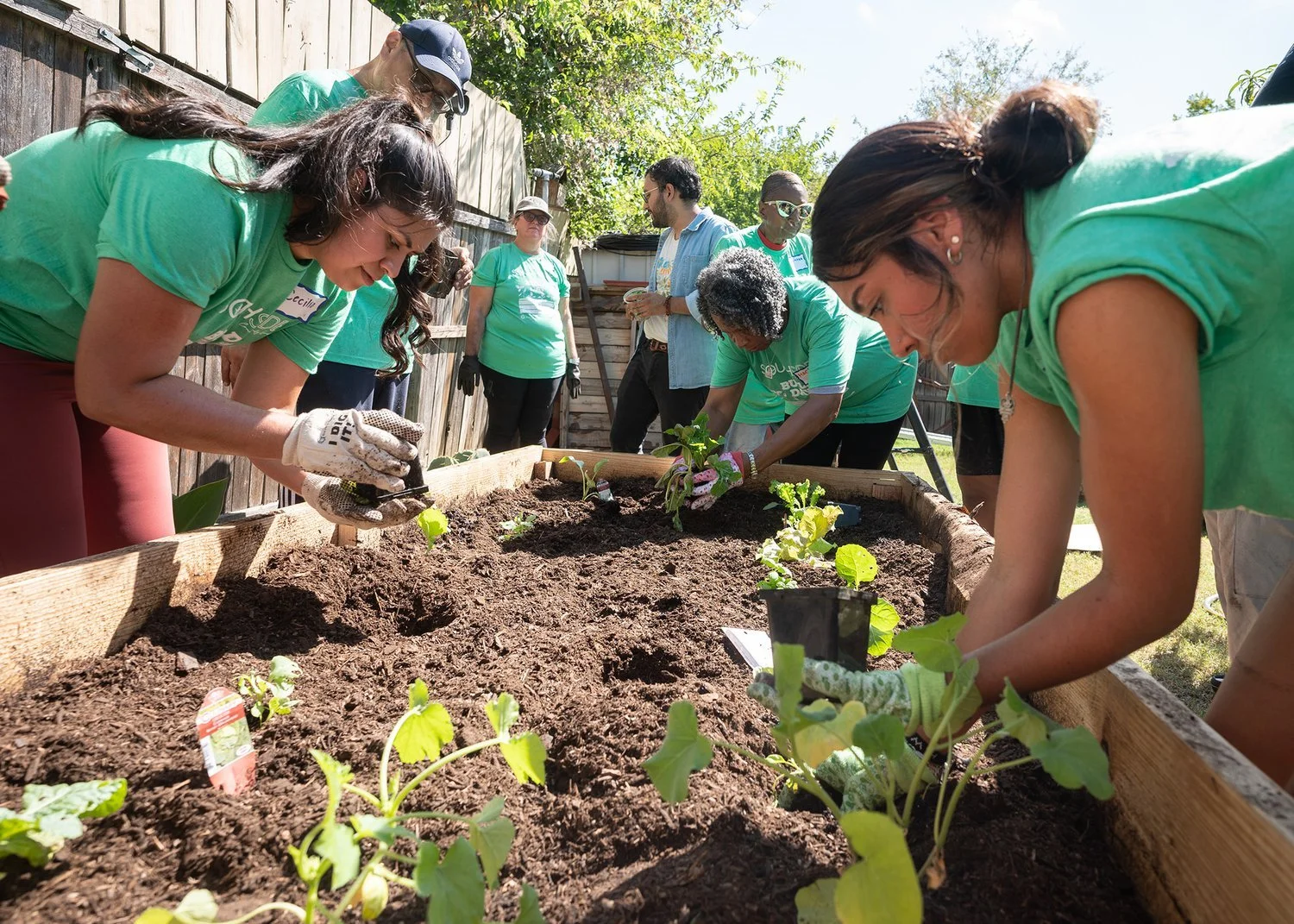
Lettuce sprouts, like these seen at Edgy Veggie in Soldotna, are placed in a specially designed watering system and grown without soil.
Texas Health's 'Growing Good Food' Initiative Funds 10 Local Organizations
The organizations benefiting from this year’s grants represent a tapestry of North Texas neighborhoods, each working on a different piece of the puzzle to make food more accessible, nutritious, and affordable for all. From urban farms to food pantries, the "Growing Good Food" awards are planting the seeds of lasting change.
One of the standout winners is Tabor Farms, based in Fort Worth. With a mission to address food inequities, Tabor Farms will use its funding to repair its vital wellhouse, which pumps water from 650 feet underground, ensuring that the urban farm can continue irrigating its crops.
USA - FLORIDA: Entrepreneurs Return To Their Roots For New Events Venue Venture
As managing partner of the Club at Renaissance in Fort Myers, Rodney Poole had been a customer of Rosy Tomorrows Heritage Farm in North Fort Myers. So when he saw the farm listed for sale, he knew it was a strong possibility for the new business venture he and his wife, Stacey, wanted to undertake.
Rodney and his partners sold the Club at Renaissance, a low-density gated development, in 2022. He and Stacey had been looking to purchase an event venue, but the couple hadn’t found the right fit yet. The farm checked a lot of boxes both in terms of uniqueness and functionality, since it already had a restaurant on-site.
Rodney looked at the property the day after he first saw the listing, bringing along chef Wesley Robbins (who’s also Stacey’s brother). “And I think from that day, we knew we were going to own it,” says Rodney.
How Shipping Containers Are Being Reimagined and Repurposed
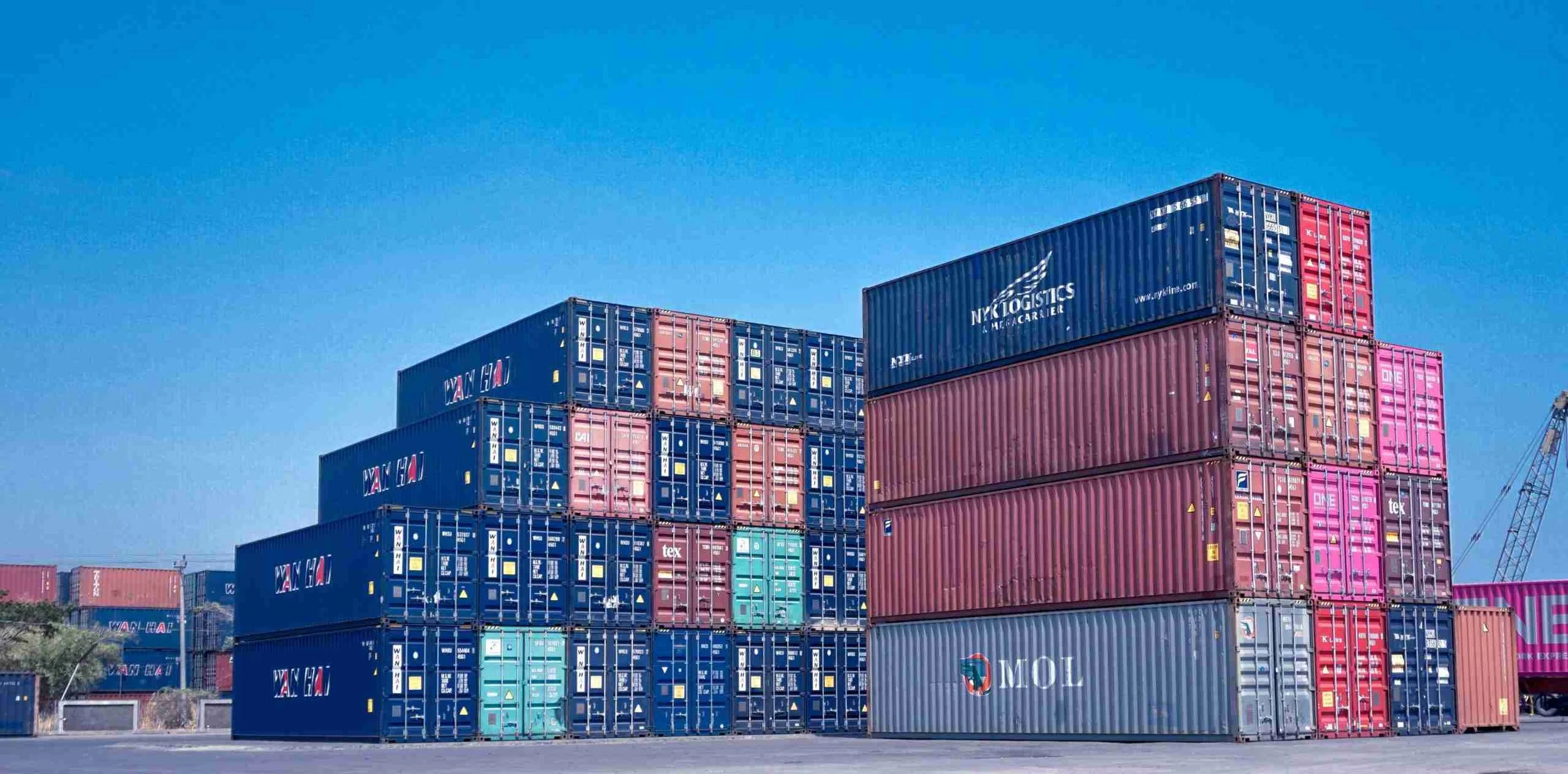
Shipping containers may be rugged steel boxes typically used for transporting goods across the globe. But they’ve been finding new life in innovative and unexpected ways over the last couple of decades.
Beyond ports and freight yards, they’re being repurposed into functional spaces that challenge traditional architecture and design norms. From homes to shops, here’s how containers are being reimagined.
Beyond homes and shops, the adaptability of these structures has inspired a range of creative uses. Artists and architects are turning them into art studios, community centres and even urban farms.