

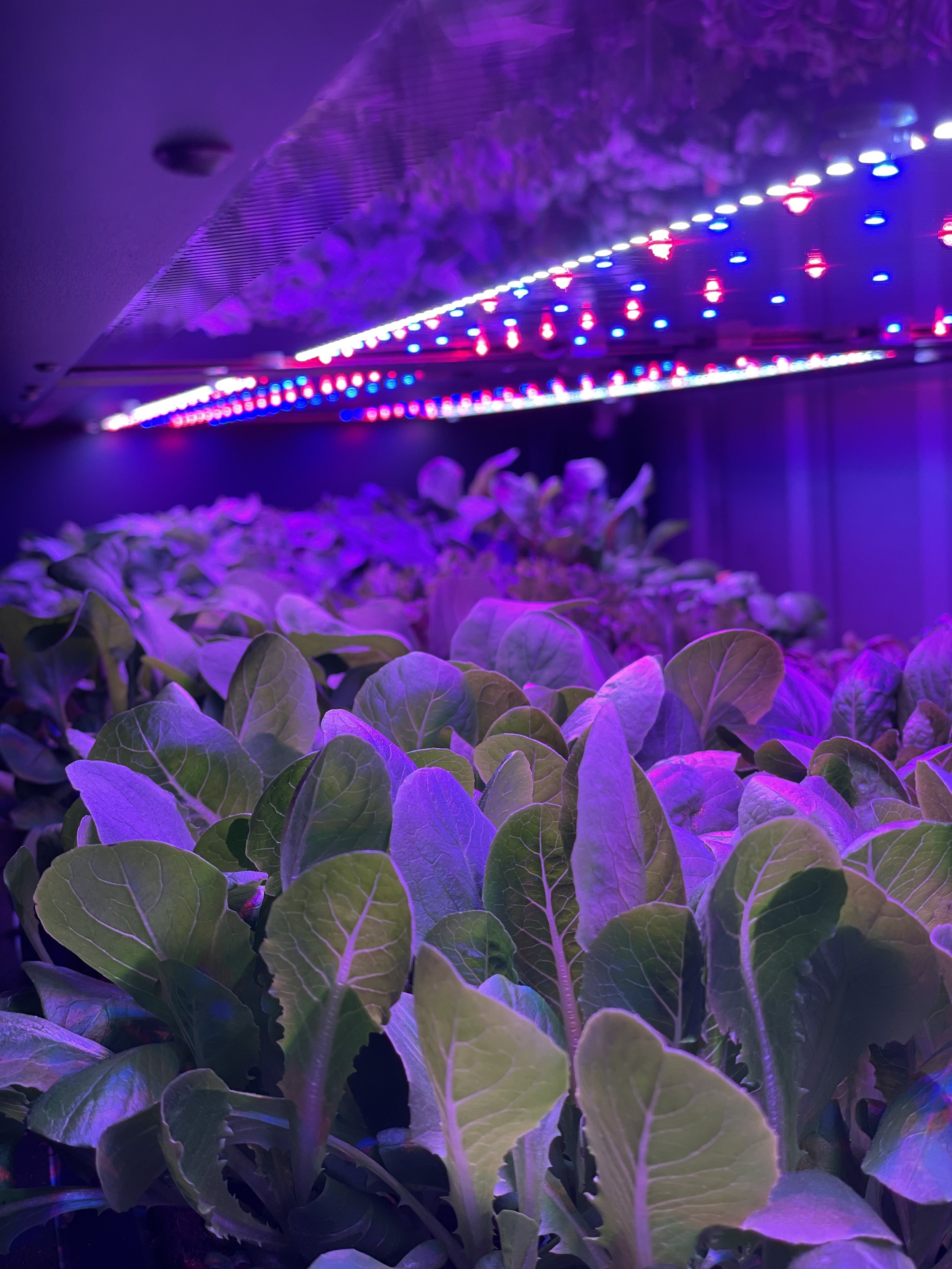
News About Farming in Shipping Containers & Limited Indoor Spaces
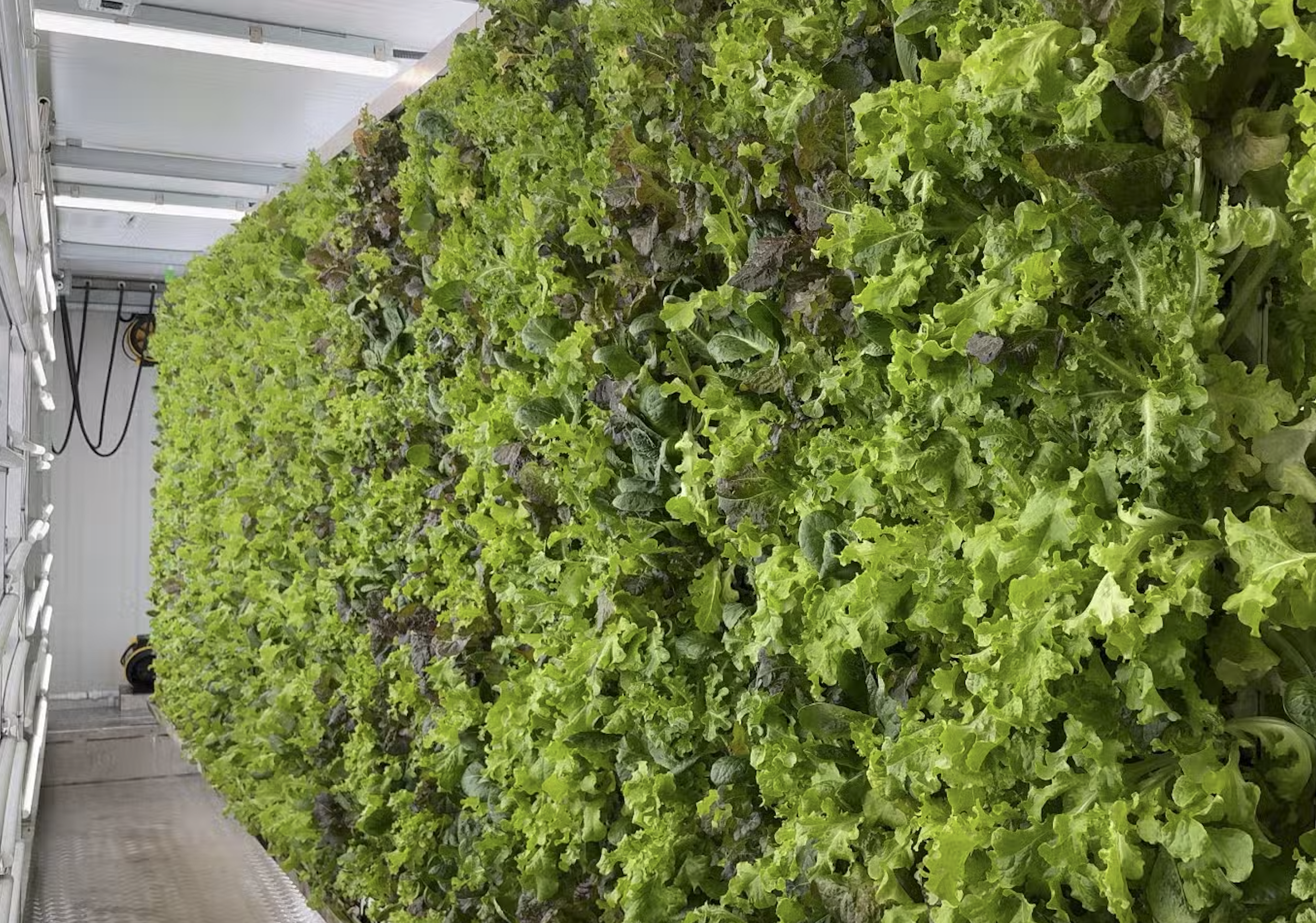
What Is a Hydroponic Classroom Container Farm? A Practical Guide for Educators
A hydroponic classroom container farm is a 40-foot shipping container retrofitted with lighting, irrigation systems, nutrient dosing equipment, and environmental sensors to create a fully controlled indoor growing space.
Unlike traditional school gardens, these systems operate year-round and allow students to manage every variable affecting plant growth.
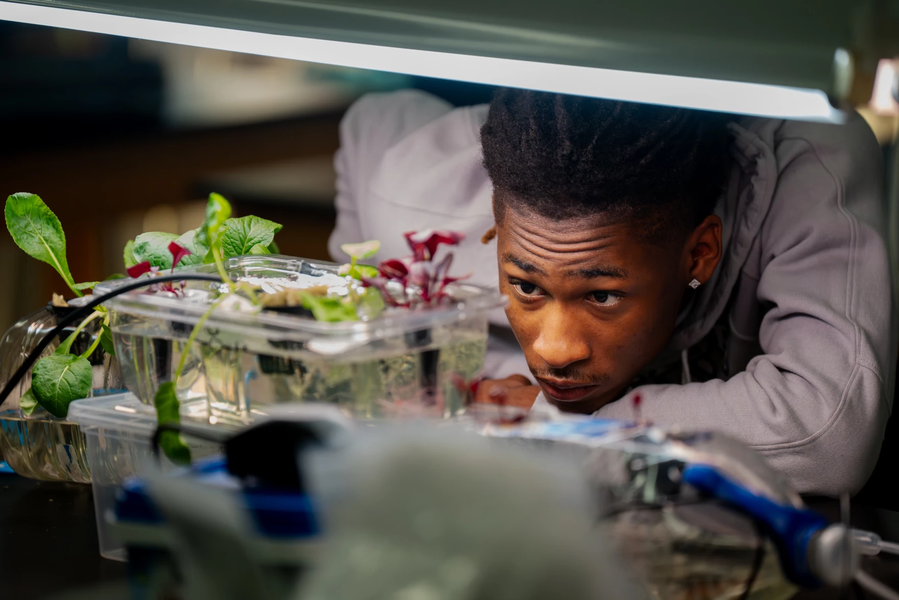
USA - MISSOURI: A Student Farming Program is Expanding in Urban Schools. Here's What City Kids Get Out of FFA
University City High School is in the center of the sprawl in and around St. Louis — about as insulated as it could be from the wide swaths of farmland outside the city.
Tucked in the back of the school, between the gymnasium and the swimming facility, is a shipping container that contains the school’s new hydroponic farm.
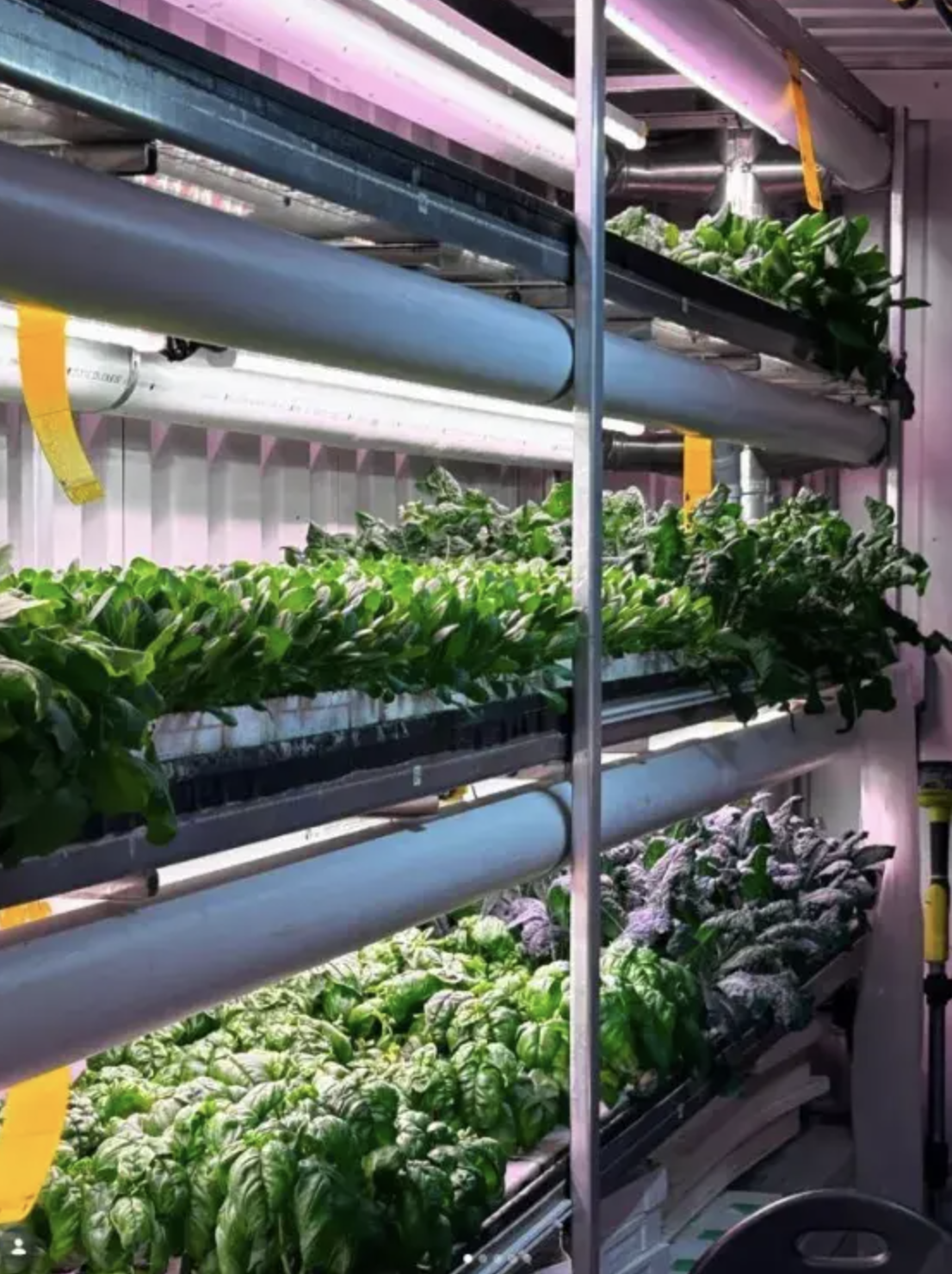
BRITISH COLUMBIA: Huu-ay-aht Looks to Grow Fresh Produce in Anacla Through Vertical System
Living in a small, remote community can make it hard to get fresh fruit and vegetables in a pinch. Add to that road closures due to wildfires or storms, making access to grocery stores tough for residents of Anacla and Bamfield.
It also makes bringing in fresh produce equally difficult for the local grocer.
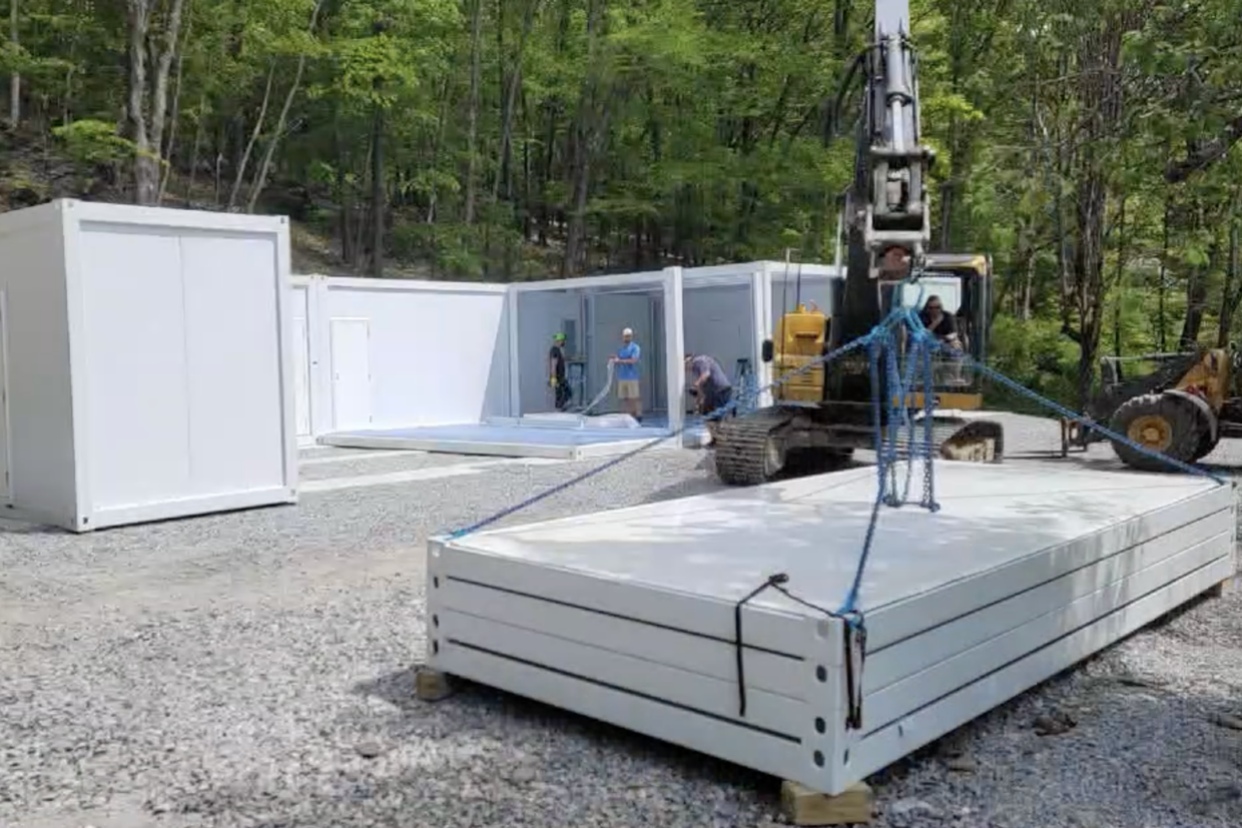
Box4Grow's Greg Payne:“We Design Modular Grow Rooms That Can Be Up and Running in Under 12 Weeks”
Based in New York, the company began with container retrofits and has since expanded into scalable panel rooms and full facility fitouts. To date, it has delivered more than 200 grow systems across North America.
"We design modular grow rooms that can be delivered and up and running in under 12 weeks," says Greg Payne, Founder of Box4Grow. "Whether it's a standalone grow room or a multi-room facility, we help you get growing faster and for less cost."
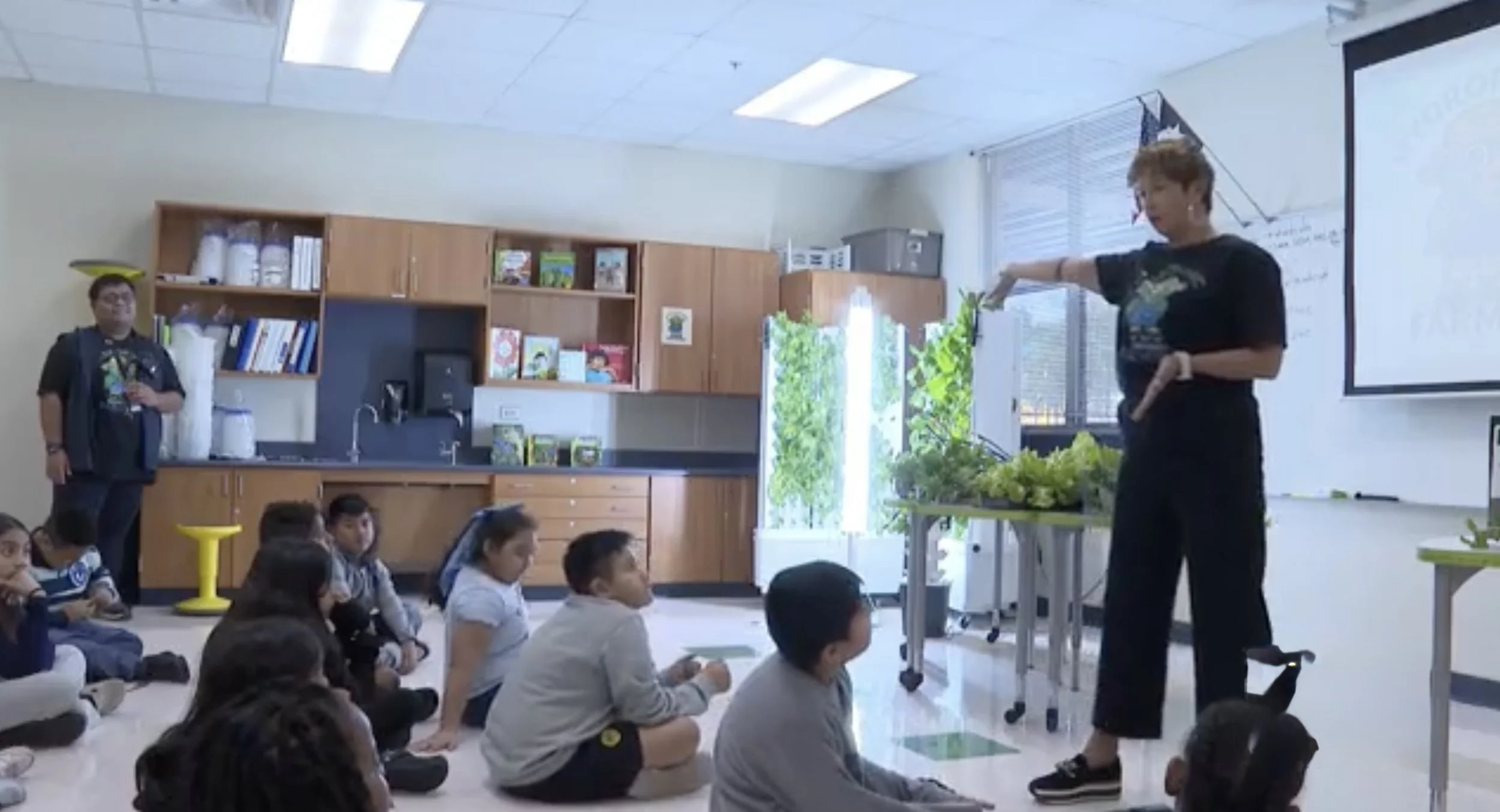
VIDEO - TEXAS: Students Use High-Tech Farm to Feed Classmates in Manor ISD
Inside Oak Meadows Elementary, school leaders have launched a program to hydroponically grow fresh lettuce and basil as part of the school district’s Farm to School initiative.
To grow vegetables hydroponically, plants grow in nutrient-rich water instead of soil.
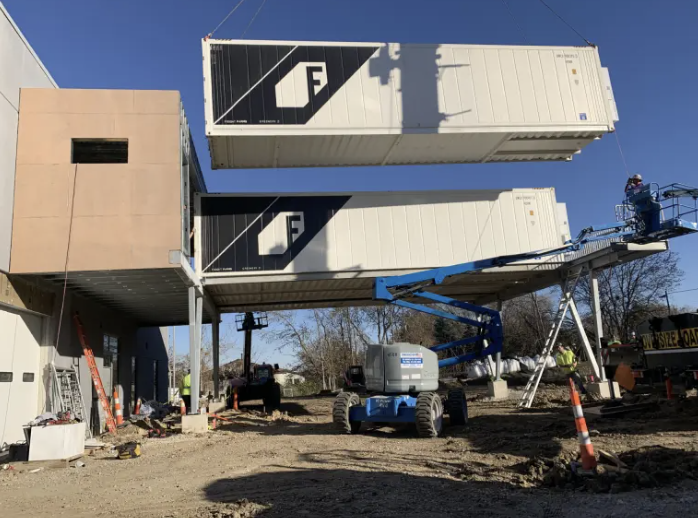
VIDEO: Rooftop Gardens Program Offers At-Risk Youth a Path to a Brighter Future
Inside the freight farms are grow walls and nursery stations that used to grow only romaine lettuce, but have now expanded to radishes, carrots, and even strawberries. Each shipping container is equivalent to around three acres of farm land.
The freight farms give cohort participants a job as they help with the maintenance and harvest of produce each week. They get paid $15 per hour for up to 20 hours per week for each hour spent helping at the farm and in the classroom.
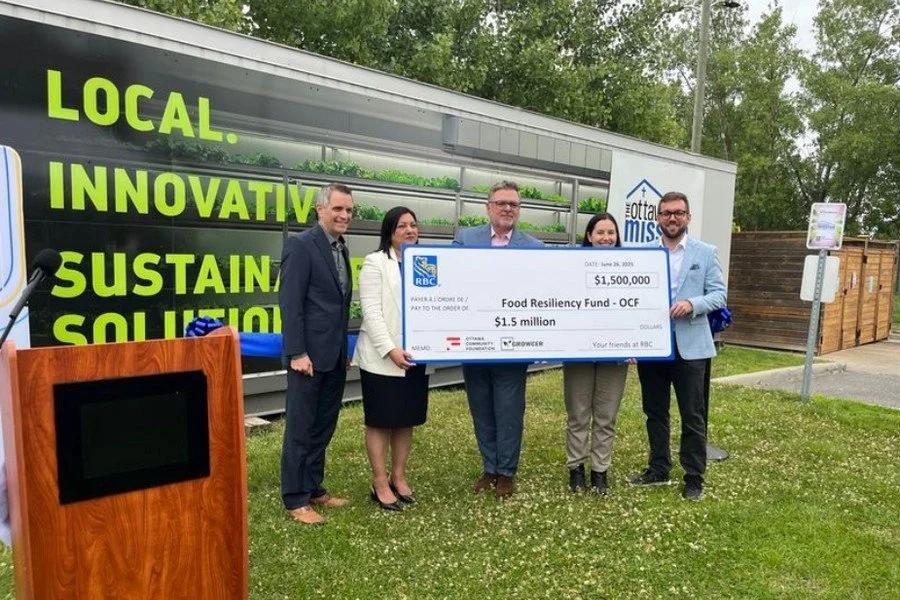
“We Believe Canada’s Food Producers Can Lead The World in Sustainable, High-Output Agriculture”
Through partnerships with Growcer, food banks, and community farms, the Royal Bank of Canada (RBC) is positioning vertical farming and controlled environment agriculture (CEA) as a strategic solution to climate, skills, and food access challenges.
When The Ottawa Mission, the city's oldest homeless shelter, recently installed two modular vertical farms, it became more than a food relief effort. The project, a partnership between the shelter, agtech firm Growcer, and the Royal Bank of Canada, represented a collaboration that merges philanthropy with infrastructure building.