


Key Points
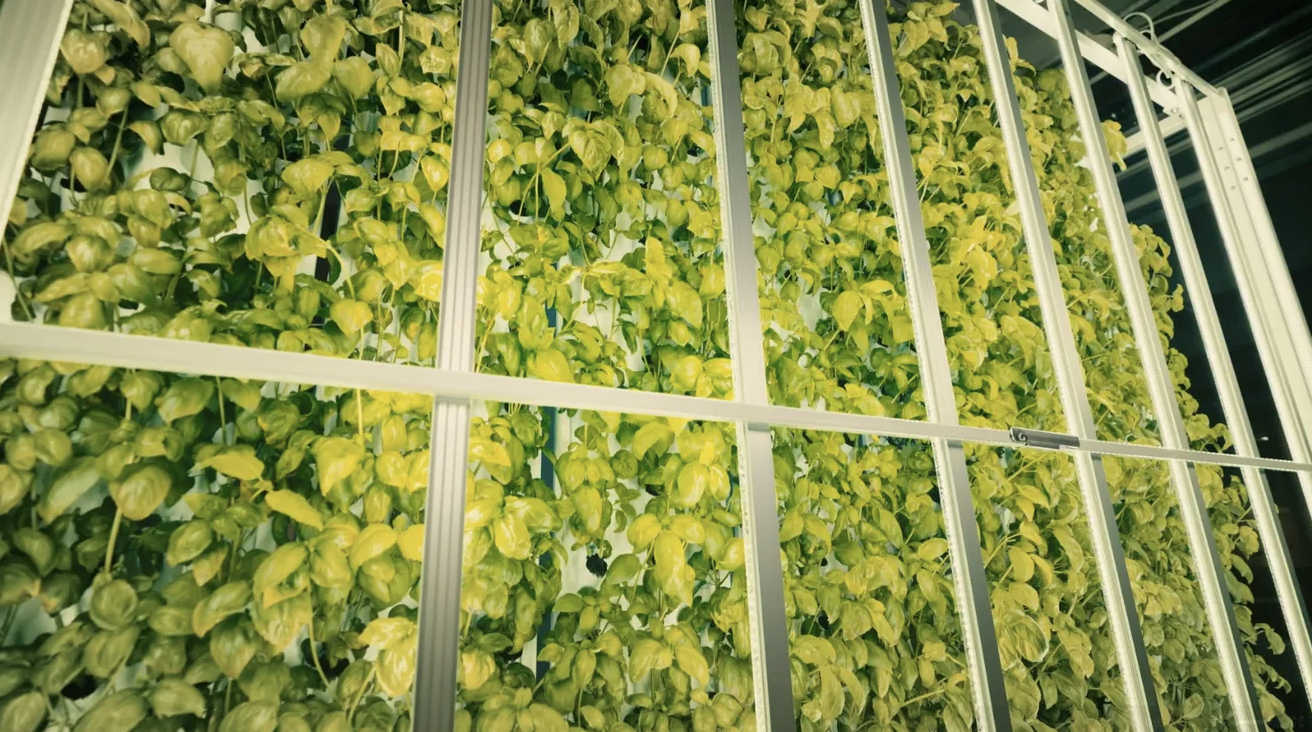
An indoor hydroponic farm is being established in the Rockwell Automation headquarters in Milwaukee.
The project is a collaboration between Rockwell Automation, Fork Farms, and Feeding America Eastern Wisconsin.
Clock Tower Farms will produce about 200,000 pounds of fresh lettuce annually for food pantries.
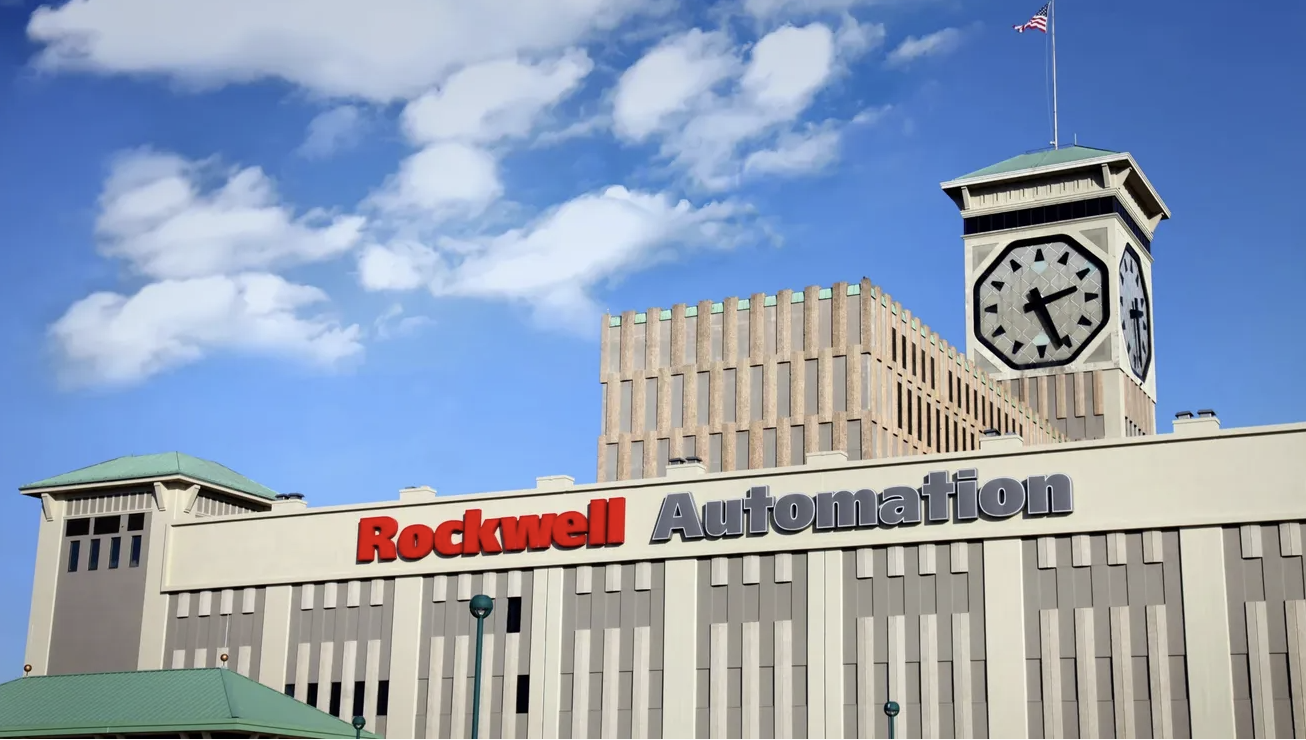
The Allen-Bradley Clock Tower building at 1201 S. Second St. is a landmark of the Milwaukee, easily identified by its giant, four-sided clock.
It's the headquarters of Rockwell Automation, a global leader in industrial automation and parent company of Allen-Bradley.
It is also about to gain another claim to fame: The salad bowl of eastern Wisconsin.
Clock Tower Farms, an indoor hydroponic farm in Rockwell's headquarters, should be running at full capacity by the end of 2026. The collaborative effort by Rockwell, Green Bay-based Fork Farms and Milwaukee-based Feeding America Eastern Wisconsin (FAEW) will produce about 200,000 pounds of fresh lettuce each year for distribution to FAEW's 600 community partners (food pantries, food banks, meal sites, etc.) across its 35-county service area.
“Clock Tower Farms demonstrates how industrial automation can solve real-world challenges at scale and meaningfully impact our communities,” said Patricia Contreras, vice president, Community Impact at Rockwell Automation, in a media release. “Working with Feeding America Eastern Wisconsin and Fork Farms allows us to combine our strengths to address hunger and ensure more families have access to fresh, healthy produce year-round.”
More: Stock the Shelves returns to help fight food insecurity in eastern Wisconsin
Liz Wollenberg, FAEW's chief impact officer, put it another way: Clock Tower Farms will yield enough greens to provide 38,500 people a side salad every week, year-round.
She said the indoor farm will fill a crucial need for pantries and meal sites at a time when an increasing number of families visit pantries and generally struggle to afford a basic household survival budget. Wollenberg said FAEW's partners on average reported a 15% to 30% increase in users this year as food prices rise and fewer families qualify for federal food benefits.
"Fresh produce is one of the most difficult products for pantries to source," Wollenberg said, adding that pantries and food banks need access to more produce to ensure they continue to provide families "food that is good for them, that they want to feed their families."
Fresh lettuce, in a food pantry, in the middle of a Wisconsin winter? Now it will be possible
Katelyn Piper, Sheboygan County Food Bank's director of programs and community partnerships, called the project a "game-changing" collaboration for the food bank's 30 community partners and the 13,000 people they support each month. She said families have been visiting the food bank's pantry, Sheboygan County Food Pantry, more frequently of late and households that used to visit have started to return.
And yet the food bank's recent survey found while every Sheboygan County pantry offers fresh produce, only 44% can do so year-round.
"That's where Clock Tower Farms helps. Even though pantries have the ability to supply this year-round, they need the product," Piper said. "This is just the perfect alignment with our healthy food policy and the need to offer nutritious options to pantry guests."
Piper and the staff are eager to get the first deliveries from Clock Tower Farms onto families dining room tables. She expects about 250 heads of lettuce, enough to give one to nearly every one of the 260 households that rely on Sheboygan County Food Pantry.
"I just love that Feeding America (Eastern Wisconsin) made this a priority," she said. "When someone gets that head of lettuce from our drive-thru pantry, I wish I could share with them how many hearts came together to get that lettuce to their household."
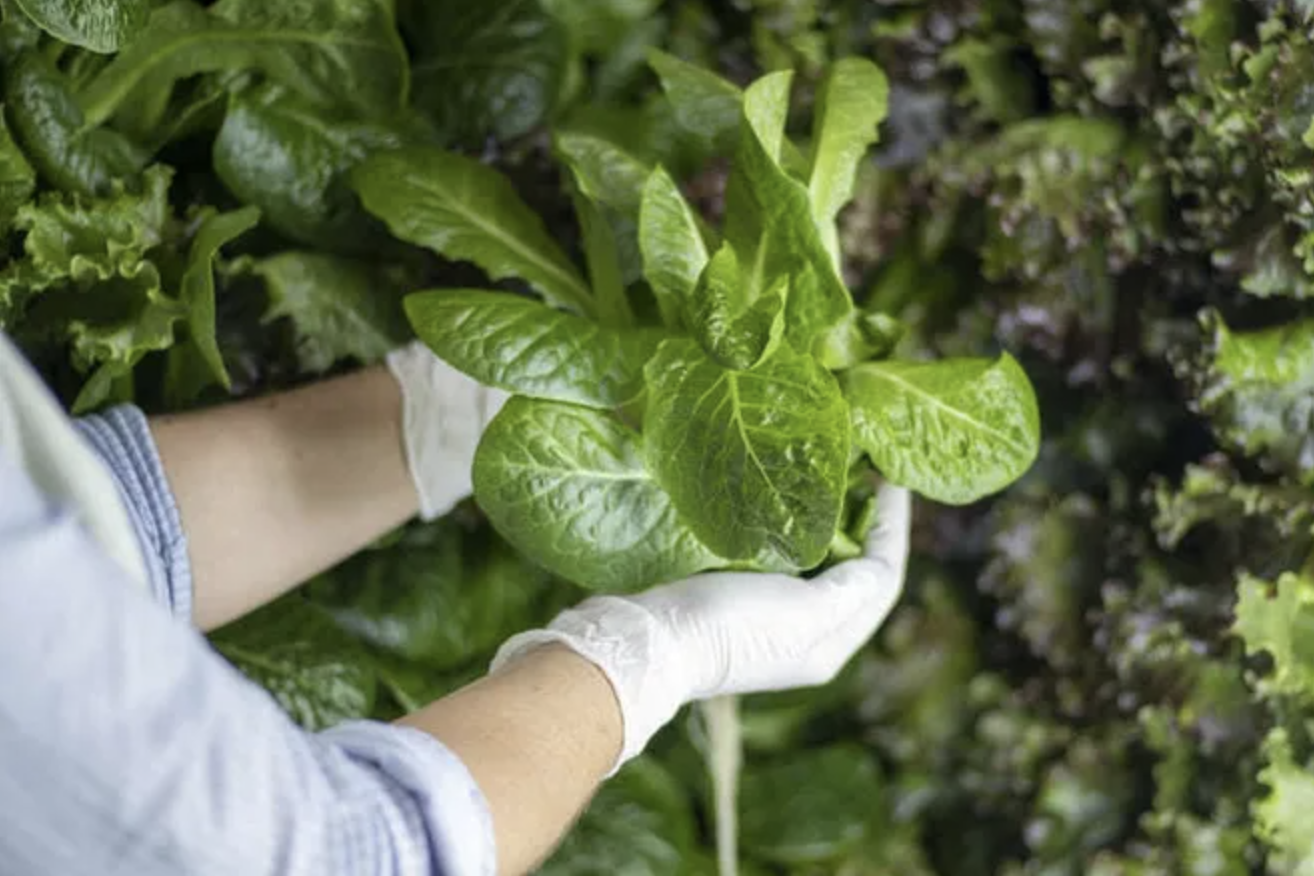
Clock Tower Farms will do more than boost the availability of fresh produce at pantries. Because the harvest will be loaded and delivered in a matter of days, those leafy greens will stay fresh for weeks rather than day or two.
"They will have so much more time to actually use the product," Wollenberg said.
How will this partnership between Rockwell Automation, Ford Farms and Feeding America Eastern Wisconsin work?
Rockwell and Fork Farms have spent more than three years working out the logistics and details to make Clock Tower Farms work.
The project turned less than 8,000 square feet of unused space in Rockwell's headquarters where 72 Fork Farms Flex Acre hydroponic systems have been installed. Fork Farms estimates a farmer would need 5.5 acres (217,800 square feet) to grow the same amount of leafy greens Clock Tower Farms will produce in a space about the size of a Family Dollar store.
The systems use optimized light and nutrient-infused, recirculated water to grow crops. Rockwell's PlanPAx system will monitor and adjust conditions in the compact growing systems. The result is a system that lowers costs, maximizes yields and simplifies operations.
Wollenberg said Rockwell has donated the space and the growing systems and will not impact its other produce procurement programs that support local growers.
Not only will Clock Tower Farms maximize production in a small space, it also will make fresh produce delivery more sustainable. Fork Farms estimates its setup will use 5.9 million gallons less than a traditional farm. And as Milwaukee is a lot closer than major lettuce-growing regions in Arizona and California, it will cut shipping-related emissions.
Wollenberg said Feeding America got involved in the partnership about 18 months ago when Fork Farms and Rockwell called the nonprofit.
She recalled feeling "relief and hope" when Fork Farms and Rockwell called FAEW about partnering to distribute the produce grown at Clock Tower Farms to pantries across eastern Wisconsin.
"We knew we wanted to do our own farm years and years ago after the supply chain disruptions during COVID," Wollenberg said. "This was not something we could have done on our own. Now our food pantries that work so hard for the people in their communities will get access to this at no cost. It's such an incredible asset to our communities."

How to donate to Stock the Shelves
Since 1995, newsrooms in northeastern Wisconsin have raised money annually to help food pantries in the region. Today, the Milwaukee Journal Sentinel, Appleton Post-Crescent and Green Bay Press-Gazette, alongside the rest of the USA TODAY NETWORK-Wisconsin, continue that tradition with the annual Stock the Shelves campaign, in partnership with Feeding America Eastern Wisconsin and our generous donors.
This year's goal is to collect enough money during October to provide 650,000 meals to our neighbors in time for the holidays.
To donate online, visit FeedingAmericaWI.org/StockTheShelves.
To donate by mail, checks made payable to Feeding America Eastern Wisconsin, ATTN: Stock the Shelves, should be sent to 1700 W. Fond du Lac Avenue, Milwaukee, WI 53205.
Enclose with your contribution the donor’s address with city, state, and ZIP code for internal processing, a notation of whether the donation should remain anonymous, and/or whether the donation is in the memory of someone special. Also list the donor’s name as it should appear in a thank-you advertisement to be published in the Thanksgiving editions of USA TODAY NETWORK-Wisconsin’s daily newspapers.
For a map of food pantries, meal programs, and shelters supported by Feeding America Eastern Wisconsin, visit FeedingAmericaWI.org/Find-A-Pantry.
Contact business reporter Jeff Bollier at (920) 431-8387 or jbollier@usatodayco.com. Follow him on X at @JeffBollier.