

Welcome to iGrow News, Your Source for the World of Indoor Vertical Farming

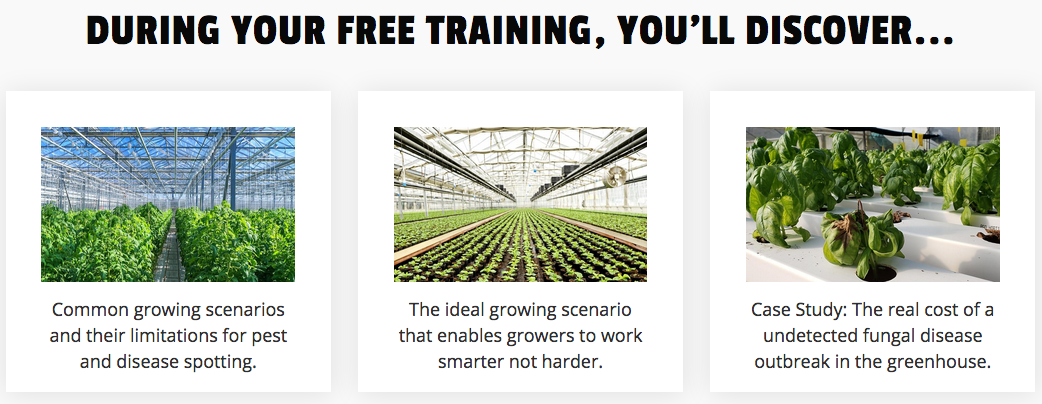
WEBINAR - Uncovering Warning Signs of Fungal Disease In Your Growing Environment - Thursday, August 27th - 4 PM EST
MEET YOUR HOSTS
Kayla Waldorff - Business Development Manager
Growing up in a farming family, it was no surprise Kayla studied agriculture and went on to work as a grower in a hydroponic lettuce farm. As a Business Development Manager, she helps growers of all sizes optimize their greenhouses and crops.
Daniel Than - Field Trial Specialist
After spending more than 10 years in biotech studying the interaction between plants and microbes, Daniel spent three years succesfully managing a farm growing crops for the NZ market before joining Autogrow.



ZOOM - Soil Contaminents and Soil Testing Workshop with Dr Sara Perl Egendorf - Friday, August 28 - 1 PM EST

Sara Perl Egendorf
Doctoral Student, Groffman Lab, Environmental Sciences Initiative
Sara Perl Egendorf is a Ph.D. student in Earth and Environmental Sciences at the CUNY Graduate Center and Brooklyn College studying urban soil. Her research is focused on human interactions with urban soil contaminants and nutrients on multiple scales, particularly the potential for urban soil to promote environmental justice and sustainability. She conducted the pilot study for the NYC Mayor’s Office of Environmental Remediation’s Clean Soil Bank for her Masers Thesis at Brooklyn College, and is currently working on research with the NYS Department of Health and Cornell University on sources of lead contamination that are deposited on vegetables in community gardens.
Friday, August 28th - 1:00 - 2:00 PM EST
ZOOM: https://us02web.zoom.us/j/8507742346 (Meeting ID: 850 774 2346)



FDA And CDC Use Technological Advancements To Investigate Cyclospora Illnesses Linked To Bagged Salads
This update is not just on the number of cases, but also on the scientific progress we’ve made in using a new method developed and validated by the FDA to sample for Cyclospora in agricultural water for the first time in a field investigation
The U.S. Food and Drug Administration (FDA) has provided an update on the status of the investigation of Cyclospora cayetanensis illnesses tied to the consumption of bagged salads. This update is not just on the number of cases, but also on the scientific progress we’ve made in using a new method developed and validated by the FDA to sample for Cyclospora in agricultural water for the first time in a field investigation.
This method was used in our current investigation and may be instrumental in our efforts to better understand the dispersion of the parasite in the environment, which could help prevent future outbreaks. The collective work by public health officials to get these new findings demonstrates a commitment to innovation and science in the service of public health and the importance of strong federal and state coordination on food safety work.
Even as our agencies continue to respond to the COVID-19 public health crisis, teams of experts from the FDA and the Centers for Disease Control and Prevention (CDC) have continued to respond to a threat of a different kind – a nationwide outbreak of Cyclospora illnesses. Cyclospora cayetanensis is a parasite that is so small it can only be seen with a microscope. It causes an intestinal illness called cyclosporiasis from the consumption of contaminated food, mainly fresh produce, or contaminated water.
Ongoing Investigation Update
FDA’s Coordinated Outbreak Response and Evaluation Network (CORE) and CDC today updated the case numbers and the status of the investigation, which advances what we know about Cyclospora, based on the three key parts of every food outbreak investigation:
Epidemiology linked the illnesses to bagged salad produced by Fresh Express. The number of reported cases of Cyclospora typically rises during May through August. Although CDC conducts surveillance for cyclosporiasis year-round, during the spring and summer months CDC conducts enhanced surveillance for cases of domestically acquired illness. In this outbreak, CDC has reported 690 cases across 13 states, with 37 hospitalizations and no deaths. Onsets of illness range from May 11, 2020 to July 20, 2020. Salads made by Fresh Express and containing iceberg lettuce, red cabbage, and carrots were identified as the food vehicle responsible for the outbreaks.
Traceback of cases with the strongest sources of information (shopper card info, etc.) revealed that bagged salad codes most likely to have resulted in illness contained iceberg lettuce from California and red cabbage from Florida. The FDA evaluated and investigated each of the ingredients in the bagged salads, identifying red cabbage from Florida and iceberg lettuce from California as those most likely in the bagged salads consumed by people who became ill. Traceback investigations are time-consuming work but are critical. In this instance, in the wake of traceback and collaboration with the retailers to recall product, FDA identified a noticeable decline in illnesses that matched the time period in which cabbage sourcing shifted from Florida to another area, providing a possible clue in the investigation.
Environmental sampling detected the presence of Cyclospora in the surface water of a canal near a farm suspected of being a source of the red cabbage. Two samples collected to the north and south of where the farm accessed canal water for seepage irrigation were found to be positive for Cyclospora cayetanensis. The farm that supplied red cabbage was no longer in production at the conclusion of the growing season, so it was not possible to sample product. Additionally, the farms growing iceberg lettuce in California were investigated and all of the samples collected in California were negative for Cyclospora.
Given the emerging nature of genetic typing methodologies for this parasite, the FDA has been unable to determine if the Cyclospora detected in the canal is a genetic match to the clinical cases, therefore, there is currently not enough evidence to conclusively determine the cause of this outbreak.
Advancements Aiding the Investigation
The FDA has pioneered ways to detect the parasite that have been employed in this outbreak investigation, developing and validating new methods to test for Cyclospora in produce and agricultural water. The first of these new methods was used in 2018 to confirm the presence of the parasite in a salad mix product tied to an outbreak that sickened hundreds of people.
In July 2019, the FDA made its second major advance in Cyclospora detection, completing studies that resulted in a novel, validated method to test agricultural water for the presence of the parasite. These new methods were developed by the Foodborne Parasitology Research Program that the FDA established in 2014 in our Center for Food Safety and Applied Nutrition, in part to break the cycle of recurring Cyclospora outbreaks.
Strong federal and state coordination on matters of public health are critical. In identifying clinical cases of Cyclospora, assisting in providing traceback records and completing investigations in processing facilities and growing fields, our state partners’ work has proven essential to this investigation. We continue to work to strengthen these vital public health partnerships and federal agencies continue to work together to advance additional tools needed to assist with these investigations. For example, CDC is piloting the use of a genotyping tool to help identify cases of parasitic illness that might be linked to a common source.
For the full report, check the FDA website.
Publication date: Mon 17 Aug 2020

VIDEO: Will Tech Make It Easier For Us To Grow Veg?
Vertical farming, where plants are grown in stacked layers, enables a greater number of crops to be grown in the same space
To View The Video, Please Click Here
Vertical farming, where plants are grown in stacked layers, enables a greater number of crops to be grown in the same space.
Yields can be increased further by optimizing the amount of light and nutrients each plant receives.
The technique is now moving from commercial applications to consumer products, but what are they like to use and why do people want them?
BBC Click’s Lara Lewington reports.

Chinese Startup Gets In On Ground Floor Of High-Rise Farms
Looking ahead, the costs associated with conventional farming will match those of vertical farming around 2025, according to Zhan Zhuo, Sananbio's general manager. If this forecast is accurate, opportunities for vertical farms to spread quickly would explode, Zhan said
Sananbio Develops Techniques And
Hardware To Drive Indoor Agriculture
Sananbio has successfully grown more than 300 types of plants without the help of the sun. (Photo courtesy of Sananbio)
XIAO YAN, 36kr
August 17, 2020
BEIJING -- A Chinese company expects the future of high-rise farming to arrive in 2025. That's when the costs of conventional farming are expected to match those of vertical farming, when growing food inside urban towers will be able to address population and environmental issues in a more economical way, and when the indoor agriculture market is expected to be worth $9.9 billion.
Sananbio is the vertical farm leader in China, and the market estimate is from Grand View Research of the U.S.
The sector is still getting off the ground, but overseas startups have succeeded in raising large amounts of money.
Sananbio was created in 2015 by the Institute of Plant Research at the Chinese Academy of Sciences and the Fujian Sanan Group. It inherited the Institute of Plant Research's plant technology and Fujian Sanan's capabilities in optoelectronics, a field concerned with the use of electronics and light. With these tools, it conducts research into biotechnology, photobiology, indoor agriculture, and other areas.
It currently holds 416 patents, nearly 60% of which have been filed with the Patent Cooperation Treaty, an international organization that helps patent holders gain international protection for their inventions.
Sananbio has set up research facilities in Fujian and Anhui provinces and operates large indoor farms in Beijing, Shanghai, and other major cities.
In the U.S. state of Nevada, it is developing cultivated varieties for the North American market. In Singapore, it is developing indoor farming technologies for desert and island countries.
In 2015, Sananbio worked with another research institute to build a 10,000 sq. meter indoor farm that grows leafy vegetables with artificial light, the first such facility in the world.
Its latest triumph is Uplift, a system for unmanned agricultural factories that can create construction plans for factories based on internal layouts so that sowing, dividing roots, and daily management can be automated. The system also can reduce the use of pesticides.
The company has successfully grown more than 300 types of leafy vegetables, fruits, herbs, edible flowers, and medicinal herbs.
Sananbio's business model is to provide hardware and vertical farming solutions to farmers who want to innovate and companies looking to enter agriculture. It also provides ongoing technical support. Its research facilities in Fujian, Anhui, and the U.S. already supply technology, and globally the company either owns or services 120,000 sq. meters worth of indoor farms. More than 50 indoor agricultural facilities in the U.S., Canada, Japan, South Korea, Singapore, the United Arab Emirates, the U.K., Saudi Arabia, and Germany use Sananbio facilities.
Looking ahead, the costs associated with conventional farming will match those of vertical farming around 2025, according to Zhan Zhuo, Sananbio's general manager. If this forecast is accurate, opportunities for vertical farms to spread quickly would explode, Zhan said.
The company says it is also making progress in other areas, such as plant-based bioreactors, planters for home use, and exhibition indoor farms for educational purposes.
36Kr, a Chinese tech news portal founded in Beijing in 2010, has more than 150 million readers worldwide. Nikkei announced a partnership with 36Kr on May 22, 2019.
For the Japanese version of this story, click here.
For the Chinese version, click here.

Farm Tech Society, Indoor Ag-Con Partner to Present "Future of Farming | Educating The Next Generation to Make CEA Scalable" | August 19, 2020 - 2 PM EST
New Session Joins Indoor Ag-Conversations Webinar Series, August 19, 2020, From 2:00-3:00 pm EST
New Session Joins Indoor Ag-Conversations Webinar Series,
August 19, 2020, From 2:00 - 3:00 pm EST
(AUGUST 10, 2020) -- As the Controlled Environment Agriculture (CEA) industry grows, companies are facing greater shortages in qualified talent. How can innovation in training and education accelerate the industry to the benefit of all? Hosted by the Farm Tech Society and Indoor Ag-Con, LLC, "The Future of Farming: Educating the Next Generation To Make CEA Scalable," will bring together a panel of top educators to explore viable answers to this pressing challenge.
The latest topic to join the Indoor Ag-Conversations free webinar series, the program will be held on Wednesday, August 19, 2020, from 2:00 - 3:00 pm EST.
Moderated by Farm Tech Society Chairman Ian Kanski, Director, Center for Advanced Agriculture & Sustainability, Harrisburg University of Science & Technology, the panel will include Dr. Laura Vickers, Senior Lecturer in Plant Biology, Harpers Adams University; Sonny Ramaswamy, president, Northwest Commission on Colleges & Universities; and Dr. Marito Garcia, Fellow, Darden School of Business, Center for Global Initiatives (DCGI), University of Virginia.
"We're excited to partner with the Farm Tech Society to foster discussion around this vitally important topic," says Brian Sullivan, co-owner, Indoor Ag-Con, LLC. "The COVID crisis has certainly brought attention and increased awareness to the myriad benefits CEA can offer -- from local food/supply chain solutions to year-round production. Attracting and educating a younger generation are critical to helping CEA reach its full potential."
"Strengthening and securing the future of the CEA industry are key to the Farm Tech Society mission. The new Indoor Ag-Conversations webinar series offers a wonderful platform to exchange ideas and spark new ones. We're looking forward to a great discussion," adds Farm Tech Society Board Chairman and program moderator Ian Kanski. "
During the 60-minute program, the panel will discuss a range of topics, including:
Upskilling and retraining from challenged industry sectors
Skills gaps, labor challenges, and automation
Micro-credentialing and industry certifications
Portability of skills learned in CEA operations
Public-private partnerships for training and education
The program is free and attendees can register at www.indoor.ag/webinar
The Indoor Ag-Conversations panelists will bring a wealth of educational industry experiences and insights to the discussion.
Ian Kanski is a social entrepreneur with a career dedicated to human development and sustainable technology. He is the Director of the Center for Advanced Agriculture and Sustainability at Harrisburg University of Science and Technology, Board Chair for FarmTech Society in Brussels, Belgium and co-founder of INTAG. Ian is also Co-Founder of the STEM Education consultancy B Theory Inc and is the former Chief Product Officer of Zoetic Global.
Dr. Laura Vickers gained her Ph.D. in 2012 from the University of Birmingham before working as a postdoc at Harper Adams University (HAU). She took up her role as Lecturer at HAU in 2014 and was also awarded a NERC Knowledge Exchange Fellowship in Horticulture, where she worked with the Horticulture Innovation Partnership in producing an R&D strategy for the Ornamental industry. She is now a Senior Lecturer at HAU and a leading member of the Urban Farming Group.
Sonny Ramaswamy assumed the presidency of the Northwest Commission on Colleges and Universities in 2018 after six years of service as President Obama's appointee as the Director of the National Institute of Food and Agriculture (NIFA) in Washington, DC. Prior to this position in the federal government, he worked for 30 years at several Land-Grant Universities, rising through the ranks from assistant professor to dean.
Dr. Marito Garcia is a Fellow at the Darden School of Business, University of Virginia, Charlottesville, VA, USA. He is a Board Director at Learning Equality, a non-profit education technology company based in San Diego, CA. He is co-founder of Italpinas Development Corporation, a green-building development company in Asia, based in Manila, Philippines; and Orenko Ltd (Cambridge, UK), an energy development company. He also served as senior staff at the World Bank, Washington, DC in various capacities.
Indoor Ag-Con LLC created the new Indoor Ag-Conversations series to share content originally planned for its May 2020 in-person annual conference that was postponed due to the Covid-19 pandemic. To learn more about this session, as well as other upcoming programs on the schedule, visit www.indoor.ag/webinar
ABOUT INDOOR AG-CON LLC
Founded in 2013, Indoor Ag-Con, LLC produces the premier event for the indoor | vertical farming industry touching all sectors of the business — produce, legal cannabis, hemp, alternate protein and non-food crops. In December 2018, three event industry professionals – Nancy Hallberg, Kris Sieradzki and Brian Sullivan – purchased Indoor Ag-Con LLC, setting the stage for further expansion of the events globally. For more information, visit: https://indoor.ag
ABOUT FARM TECH SOCIETY
The Farm Tech Society (FTS) is an international non-profit industry association that unites and supports the Controlled Environment Agriculture (CEA) industry, seeking to strengthen the sector through the development and implementation of resilient and future proof methods and technologies for indoor growing For more information, visit https://www.farmtechsociety.org
Indoor Ag-Con, 950 Scales Road, Building #200, Suwanee, GA 30024, United States

Join Farm Expert Derek As He Live Streams From Inside The Freight Farms Greenery - August 19, 2020 - 12 Noon EST
Take a deep dive into the basics of controlled environment agriculture, hydroponics, and vertical farming...all from the comfort of your own home - August 19, 2020 - 12 Noon EST
Come Check Out The Greenery™
Take a deep dive into the basics of controlled environment agriculture, hydroponics, and vertical farming...all from the comfort of your own home!
Joining is simple – register for free below.
RSVP
When
Wednesday, August 19th, 2020
12:00 - 12:45 PM EST
Where
Zoom Video
Click here to reserve your spot!
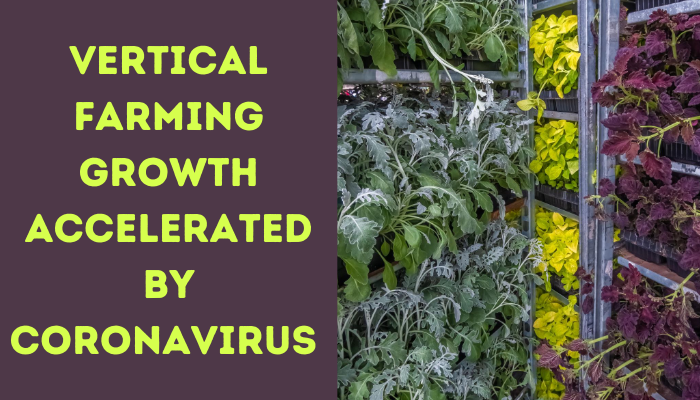
Vertical Farming Growth Accelerated by Coronavirus
Vertical farms utilize indoor growing facilities that leverage artificial light, reduce dependency on synthetic chemistry and other crop inputs, optimize water use, and allow food growth in challenging environments with limited arable land
August 14, 2020
The coronavirus pandemic has disrupted the traditional U.S. food and agriculture supply chain, providing a potential growth opportunity for vertical farms.
One recent deal made in the space involves Singapore-based Temasek Holdings Pte and Bayer AG forming a new company called Unfold, which will develop seeds for vertical farms.
Unfold raised $30 million in an initial funding round and entered into an agreement for certain rights to germplasm—the genetic material from which plants grow—from Bayer's vegetable portfolio, according to the two firms. By utilizing the germplasm from vegetable crops, Unfold will focus on developing new seed varieties coupled with agronomic advice tailored for the unique indoor environment of vertical farms.
The venture will focus on innovation in vegetable varieties with the goal of lifting the vertical farming space to the next level of quality, efficiency, and sustainability.
"The investment in Unfold is a great example of a transformative, creative approach to developing agricultural products that meets the needs of consumers, farmers, and the planet by increasing access to fresh fruits and vegetables, supporting sustainably grown, hyperlocal production, and addressing food security challenges faced by growing urban populations,” said Jürgen Eckhardt, MD, head of Leaps by Bayer, which was built to drive fundamental breakthroughs in the fields of health and agriculture through new technologies.
Vertical farms utilize indoor growing facilities that leverage artificial light, reduce dependency on synthetic chemistry and other crop inputs, optimize water use, and allow food growth in challenging environments with limited arable land. They also help crops grow quicker, enabling the reliable growth of fresh, local produce anywhere and at anytime by utilizing less space and fewer natural resources while reducing the need for food logistics and transportation.
In July, vertical farming company Kalera announced it will open a state-of-the-art growing facility in Houston, TX, during spring 2021. The Houston facility will be the largest vertical farming facility in the state.
The new facility was introduced just two months after Kalera revealed it will be opening a new facility in Atlanta in early 2021—an announcement that took place less than two months after it opened its second Orlando, Florida farm. The Houston facility will be even larger than the Atlanta one, which is slated to be the highest production vertical farm in the Southeast.
“In light of the global pandemic and seemingly endless food safety recalls, today, more than ever, consumers are demanding food that is local and that they can trust, said Daniel Malechuk, CEO of Kalera. “Houston presents Kalera with a wonderful market for our produce, as it allows us to not only supply one of the largest cities in America, but also service cities throughout the region including Dallas-Fort Worth, Austin, San Antonio, and New Orleans." Kalera’s lettuce from the Houston farm will be available at retailers and foodservice distributors.
Meanwhile, Greenswell Growers will invest $17 million to open a hydroponic greenhouse in Goochland, VA, reported Richmond Times-Dispatch (Aug. 11). The facility will reportedly produce 28 times more product per acre than a traditional growing operation, and the company expects to yield about 3.7 million-lbs. of leafy greens, which it will distribute throughout the Mid-Atlantic region.
“Greenswell Growers is proud to bring our large-scale indoor growing facility to Goochland where we will provide delicious, safe, and sustainably grown leafy greens that are good for our community," said founder Chuck Metzgar.
In Scotland, indoor agritech specialist ISG completed a deal with vertical farming operator Vertegrow to build the first commercial vertical farm in the country. This is the first move into vertical farming for Vertegrow, diversifying alongside existing agricultural operations, currently growing crops including barley and rye in open fields.
The towers, which are expected to be operational in early 2021, will grow a variety of crops that are intended to service the local food supply chain. Vertegrow will work with a range of local customers including retailers, caterers, restaurateurs, and other local services, to deliver produce all year round.
The four-tower system will be built in Aberdeenshire in Scotland later this year.
To listen to The Food Institute's webinar featuring AeroFarms, a leader in indoor vertical farming, click here.
About the Author
Victoria Campisi
The Food Institute
Victoria writes for the biweekly Food Institute Report, the daily Today in Food updates, and the Foodie Insider daily newsletter for consumers. She graduated from Montclair State University with a B.A. in Journalism and has a background in Nutrition and Food Science. Victoria can be reached through her email at victoria.campisi@foodinstitute.com.

Kuwait JV Opens Large-Scale Indoor Vertical Farm
&Ever Middle East, a joint venture between Kuwait’s NOX Management and German company &ever, in partnership with German engineering companies SAP and Viessmann, has opened the first commercial indoor vertical farm in the Middle East
August 16, 2020
&Ever Middle East, a joint venture between Kuwait’s NOX Management and German company &ever, in partnership with German engineering companies SAP and Viessmann, has opened the first commercial indoor vertical farm in the Middle East.
Kuwait, a country that previously relied on European and overseas imports for most of their leafy greens and herbs, can now locally grow up to 250 varieties of greens and herbs using dryponics technology.
The facility, with approximately 3,000 sq m growing (or farming) space, has a daily output capacity of up to 550 kg of salad, and herbs. The products are available in all leading retailers and co-operatives under the brand name &ever Kuwait.
The farm produces high-quality and sustainable crops indoors, which increase the nutritional quality and decrease environmental impact. The cutting-edge vertical farming method uses 90 percent less water compared to traditional farming, 60 percent less fertilizer, and zero pesticides. Using a sustainable “farm to fork” model, the technology is able to preserve the plants’ nutritional value until the produce reaches the customer, said the statement.
“Previously, Kuwait’s restaurants imported all of our greens and herbs, mainly from Europe,” said Faisal AlMeshal, Director of Strategy and Business Development, NOX Management. “Our JV with &ever and the partnership with SAP and Viessmann on this indoor farm is enabling the local farming supply chain to save on costs and logistics, to minimize waste, and to make a better choice for the planet. Our customers have enhanced experiences with tastier and fresher produce.”
This knowledge exchange complements Germany and Kuwait’s trade ties. Bilateral trade is €1.3 billion, and Germany’s private sector invests €14.6 billion in Kuwait, according to Germany’s Federal Foreign Office.
Germany and Kuwait are strong partners not only in politics but also in business, said Stefan Möbs, German Ambassador to Kuwait, who recently participated in a virtual media roundtable about the farm’s success hosted by the German Business Council Kuwait.
“I welcome the innovative business idea of German company &ever specifically here in Kuwait. Both countries are seeking new ways in difficult times. Even better to work together!”
Climatized rooms
The farm has partnered with Viessmann Refrigeration Solutions to develop highly efficient climatized rooms which are used in its indoor vertical farm. The technology is 40% more energy-efficient than other indoor vertical farming systems when it comes to energy use for climatization, said the statement.
&ever built its operating system, &ever Cloud, using the SAP Business Technology Platform -- SAP HANA in-memory platform and SAP Cloud Platform. Farmers can monitor, analyze, and adjust hundreds of data points on plant health, airflow, light, carbon dioxide levels, humidity, and temperature in real-time.
“Technology is the foundation for transforming customer experiences in restaurants and agricultural production in Kuwait, and for fostering diversified economic growth and sustainable agriculture worldwide,” said Andy Froemmel, Managing Director, SAP Kuwait. “Digitally transforming Kuwait’s agricultural sector supports New Kuwait 2035 goals, and helps to foster the local innovation economy and job creation.”
&ever is ready for global roll-out
Building on the global deployment capabilities of its key partners, &ever will scale its operations quickly and globally. “Our vision is to bring better tasting greens with high nutritional value to more and more people,” says Mark Korzilius, Founder of &ever. “We have an interesting pipeline of opportunities around the globe,” adds Dr Henner Schwarz, CEO of &ever. “We hope to be able to travel internationally again soon to get our next farms live as quickly as possible.”
The German Business Council Kuwait is a non-profit organization and business platform, founded in 2005, in order to promote and cultivate relations between German-speaking individuals and companies with their counterparts from the host country and the region. - TradeArabia News Service

Is The Future of Wheat Farming Inside And Up?
Researchers see big potential in indoor vertical wheat farms. Scientists say wheat yields could be exponentially larger in indoor, vertical venues
August 15, 2020
Researchers see big potential in indoor vertical wheat farms.
Scientists say wheat yields could be exponentially larger in indoor, vertical venues.
Future wheat farmers might ditch their rolling fields for indoor facilities filled with bright lights, multi-storied structures, and automated airflow. In recent years, indoor vertical farms have been commonly used to grow vegetables such as lettuce, kale, and microgreens. But little research has looked at how they might be used to grow staple crops until now.
A new study by scientists at the University of Florida compares the yields of growing wheat in a field with those of the crop grown in an indoor vertical farming. This method consists of growing food on sky-high stacked layers in shipping containers, tunnels, and warehouses using LED bulbs and hydroponic systems. The study, which was published in Proceedings of the National Academy of Sciences, shows that farmers can grow exponentially more wheat using indoor vertical farming than through the same amount of ground space in a field.
Using a crop simulation tool, researchers found that a 10-floor vertical farm, covering one hectare of ground space and operating under optimal conditions, was able to generate about 600 more times the yield than the average amount produced on one hectare of farmland. When they plugged in conditions for a 100-floor farm, the yield produced was 6,000 times more.
A section of a vertical wheat farm growing 10 layers of the crop from seeds to harvest. Credit: Gregory Kiss, Senthold Asseng, and Paul P.G. Gauthier
Scientists say that this method could be particularly useful for feeding the world’s growing population, which is expected to reach 10 billion by 2050. According to the FAO, wheat is the most widely grown crop in the world, representing 20 percent of people’s daily protein and food calories. And in recent years, experts say global production has not satisfied demand, triggering price instability and unrest.
Senthold Asseng, the lead author of the study and a professor of crop systems modeling, says indoor vertical farming will also deter farmers from clearing forests for agriculture. He adds that hydroponic methods use 90 percent less water and that housing crops indoors also eliminates the need for using herbicides or pesticides linked to environmental issues and human health risks.
“There is opportunity to grow huge crops and at the same time address the issue of environmental degradation,” Asseng says. “We need to nurture our environment because it’s the only environment we have.”
Despite the potential of growing wheat indoors, Asseng says there are barriers that will likely prevent many wheat farmers from choosing to use the method. These include the energy costs associated with powering an indoor facility.
But Asseng says the environmental benefit of indoor vertical farming could attract governments that are already subsidizing conventional agriculture to put some funding towards growing staple foods indoors.
“Many countries spend a lot of money on agriculture subsidies to keep agriculture production going. It might not always be the right way to consider the economics if it comes down to survival and stability,” he says. “Here is a new way of doing agriculture that will be really good for the environment.”
Lead photo: by Martin Mecnarowski on Shutterstock

Disease-Causing Bacteria Can Grow on Hydroponic Microgreen Mats
Salmonella enterica and Listeria monocytogenes are two bacteria that can make you sick when eating contaminated produce. It turns out, some microgreen grow mats might be a breeding ground for these bacteria
Posted on July 2, 2020, by Gina Misra
Salmonella enterica and Listeria monocytogenes are two bacteria that can make you sick when eating contaminated produce. It turns out, some microgreen grow mats might be a breeding ground for these bacteria.
You may be like a lot of people and associate foodborne illness with eating improperly cooked meat. Did you know that raw vegetables can also carry foodborne illness? Bacteria and viruses get on produce in a variety of ways: by food handlers, contaminated water, or soil fertilized with untreated manure. Romaine lettuce grown in Arizona made the news in 2018 because of widespread E. coli contamination. Sprouts, another popular health food, have been involved in 74 outbreaks of (mostly) Salmonella since 1973. Turns out these nasty pathogens are not just reserved for chicken and beef! There is no cooking step to kill the bacteria or virus on produce before it goes into your salad. Sometimes washing doesn’t even help, so prevention is key.
Microgreens are a hot new leafy green on the market. A microgreen is the first 2 to 3-inch (5 to 7-cm) tall shoot from a germinating vegetable seed. They are grown indoors in trays or hydroponics systems in soil, soil-substitutes, or without any rooting medium at all. Scientists understand a lot about how bacteria get to leafy greens from soil, but little about contamination in indoor farms. Are indoor farms safer if they don’t use dirt? We wanted to find out.
This is what a typical microgreen hydroponic system looks like. Source: Wikimedia Commons, by Kchittock0511 / CC BY-SA
Microgreen growers do use soil. However, they also use materials such as coco coir (made from coconut husks), Biostrate(TM) mats, plastic, perlite, rice hulls, and hemp in soil-free indoor systems. Our hypothesis was that if soil can transfer bacteria to lettuce, other growing materials can too.
E.coli and Salmonella survived better in hydroponic nutrient solution compared to soil, so we wondered if there would also be differences among soil-free materials. Within the last few years, there have been close to 10 microgreen recalls over diarrhea-causing Salmonella and Listeria monocytogenes found during routine testing. So, we decided to compare the survival of these two pathogens among popular soil-free growing materials to see if the bacteria lived longer on any of them.
An example of a Biostrate mat. Source: The author | Creative Commons Share Alike 4.0
We watered multiple samples of coco coir, Biostrate(TM) mats, hemp mats, and peat-based potting mix and contaminated them with Salmonella and Listeria monocytogenes. To imitate microgreen growing conditions, we left them on the lab bench for 10 days. We took samples from the mats on the first day, and then at 24 hours, 3 days, 6 days, and 10 days to measure the growth of bacteria. Each sample was spread onto Petri dishes containing a gel called agar, enriched with nutrients preferred by each species. The idea behind this classic microbiology technique is that if any cells from the samples were viable, they would multiply on the Petri dishes and form colonies. The colonies are easy to see with the naked eye, and each represents one cell from the original sample.
We found out that Biostrate(TM) mats and hemp mats supported the growth of these two pathogens, while coco coir and peat potting mix did not. In fact, on Biostrate(TM) and hemp, Salmonella and Listeria levels increased after 24 hours and then maintained their original levels for 10 days. On peat and coco coir, Listeria began to die off after the third day and was undetectable on coco coir by the 10th day. Salmonella survived better on all the materials, but on the 10th day, there were 10 times fewer colonies on peat and coco coir compared to the two mats.
Both pathogens showed poorer survival on peat and coco coir compared to no media at all. That means there may be some feature of the peat and coco coir that suppresses the growth of these bacteria. Understanding if that is true, and if so, what exactly that feature is will require more experiments.
It is necessary to point out that because this experiment did not involve microgreens, we still don’t know if microgreens grown in Biostrate(TM) and hemp actually do take up greater amounts of bacteria. These tests are underway! However, this preliminary information may be useful to indoor growers. Until we know more, microgreen growers may want to avoid using fibrous mats, perform additional sanitation steps, or do more testing to keep their customers safe.
Posted in Agriculture, Biology, By Science Writers, By Scientists, Food Science, Microbiology, Science NewsTagged agriculture, Biostrate, coco coir, contamination, food safety, food science, growing media, hemp, hydroponics, indoor farming, leafy greens, Listeria, Microgreens, peat, Salmonella
Study Information
Study published on: May 12, 2020
Study author(s): Gina Misra and Kristen E. Gibson
The study was done at: University of Arkansas
The study was funded by: National Institute of Food and Agriculture, U.S. Department of Agriculture (USDA NIFA) and University of Arkansas
Raw data availability: Available from the author upon request by email.
Featured image credit: Jenny Nichols WallpaperFlare.com

Vertical Farms Could Grow All The Wheat We Need
The global population eats a lot of wheat. It’s the most widely grown crop in the world, and it accounts for approximately 20% of the calories and proteins in the average human diet
05-08-2020 | Gizmodo
For years, vertical farming has captured headlines, including on this very website. A new study published in the Proceedings of the National Academy of Sciences on Monday shows the practice could revolutionize the world’s ability to grow wheat.
The global population eats a lot of wheat. It’s the most widely grown crop in the world, and it accounts for approximately 20% of the calories and proteins in the average human diet. As the global population grows, we’ll need more of it to sustain humanity. With arable land a premium, the new study looks at if vertical farming—a method of growing crops in vertically stacked layers—could help.
To find out, the authors created two growth simulation models of a 10-layer vertical farm set up with optimal artificial light, temperatures, and carbon dioxide levels. They found that the simulation could yield up to a whopping 1,940 metric tons of wheat per hectare of ground per year. For context, the current average wheat yield is just 3.2 metric tons per hectare of land.
It makes sense that the authors would be looking into this now. Globally, one in nine people already face hunger, and the problem could become more acute as the population increases. The world could have to produce more than 60% more wheat to account for population growth. That won’t be easy; rising temperatures and other changes in growing seasons driven by the climate crisis are lowering crop yields around the world.
The new study offers an insight into how to address some of these problems. But right now, scientists are only offering simulations. Actually bringing these massive wheat crop yields to fruition would come with massive challenges.
For one, vertical farming is wildly expensive. It requires massive amounts of energy to work, especially because unlike traditional farming, it requires artificial lighting systems. The authors say their simulated systems would provide a light intensity for the crops 30 to 50% greater than directly overhead sunlight. Watering systems and technology to ensure optimal temperature and air quality conditions in these indoor environments would also be costly—not to mention energy-intensive. Depending on how the systems are powered, that could be a problem for the climate. Previous research shows that powering these systems could require vastly more energy than our current high-emissions food system.
“No one has ever attempted to grow food crops under artificial lighting that’s as strong as sunlight, much less strong, for the simple reason that it would require too much energy,” Stan Cox, a scientist and plant breeder at the Land Institute in Salina, Kansas, said in an email.
The new study’s authors note that recent innovations in solar energy are lowering the costs of electricity and lighting is becoming more efficient, but note crops grown this way are still not likely to be economically competitive with current market prices of agriculture. Cox found that to be an understatement.
“A decade ago, given the amount of light wheat plants require to produce one pound of grain, I calculated that growing the entire U.S. wheat crop indoors would consume eight times the country’s entire annual electricity output,” he said. “That was before recent advances in lighting efficiency. So, hey, maybe it would now use up only four to five times our total electricity supply! For one crop!”
Innovations in automation, the authors note, could further lower the costs of vertical farming. That may be true, but in our current economic system, that could be a problem for farmworkers, who are already seeing their pay get cut. For these reasons and more, vertical farming has been a controversial topic in agricultural and environmental circles.
The new study’s authors note that there are also many unanswered questions about growing wheat in indoor facilities. It’s not clear, for instance, what the nutritional value and quality of indoor-farmed wheat would be, or what diseases could arise in such facilities.
Though their projected crop yields are exciting, even if vertical farming does work, it can’t be the only solution to our agricultural issues. Other systemic changes, including reducing food waste, moving away from meat-centric agricultural systems, diversifying crops, and improving soil health, should also play a role.
“Under specific circumstances, and if the energy cost and profitability issues can be resolved, indoor vertical wheat farming might be attractive,” the authors conclude. “Nonetheless, the outcomes described here may contribute only a relatively small fraction (yet to be determined) of the global grain production needed to achieve global food security in the near future.”
By Dharna Noor
Source: Gizmodo
Photo by Science in HD on Unsplash

Whole Foods Embarks on Expansion in Multiple Markets
Along with this multi-tiered launch comes several initiatives targeting the fresh produce department
Thursday, Aug. 13th, 2020
by Chandler James
UNITED STATES - Some major R-E-S-P-E-C-T is in order as organic and natural retail behemoth Whole Foods Market is rolling out multiple new stores in competitive markets across the country. This news comes to light following the grocer’s dark store concept implemented in strategic locations, leaving us to wonder what else Whole Foods has up its sleeve. Along with this multi-tiered launch comes several initiatives targeting the fresh produce department.
On Friday, July 17, Whole Foods opened its 14th location in New York City, according to a press release. The 60,245 square-foot store in Manhattan is part of a 5.4 million-square-foot Hudson Yards development. This location brings added value to the market, namely because of an expanded produce department with selections from more than 15 local growers, including mint and chives from Square Roots, salad kits from Gotham Greens, and grown-in-store mushrooms from Smallhold.
Whole Foods Market is rolling out multiple new stores in competitive markets across the country
A new location also opened up in Castle Rock, Colorado, on Monday, June 29, in a 43,000 square-foot facility. This store also places an emphasis on fresh produce, offering fruits and vegetables including selections from 10 local growers. Entering the same market as one of Whole Foods’ recent dark store openings, we at ANUK are curious to see how the expansion plays out.
As if these influential openings aren’t enough, the retailer also unveiled a new 47,000 square-foot store in Harbor East, Maryland; a 46,000 square-foot store in Washington, DC, partnering with greenhouse growers like Gotham Greens and Bowery Farms; a 35,000 square-foot store in East Austin, Texas, offering fresh produce selections from 75 local growers; and a 44,000 square-foot store in Huntington Beach, California, with fresh produce selections from 50 local growers.
With Whole Foods Market on such an aggressive growth trajectory, keep checking in with us at AndNowUKnow.
Tags: Retail Whole Foods Retailer Grocer Organic Natural Fresh New Store New Stores Facilities Expansion Expands Growth Markets Footprint Dark Store Dark Stores

Coronavirus May Lead To More Indoor-Grown Produce Coming To Your Local Supermarkets
Supermarket chain Albertsons and San Francisco-based indoor vertical farm startup Plenty said this week that Plenty will supply its indoor-grown baby kale and other produce eventually to more than 430 stores across California beyond select Albertsons-owned Safeway and other stores in the Bay Area that currently, stock Plenty produce
Aug 13, 2020
Andria Cheng Senior Contributor Retail
I cover retail, from fashion to grocery, and its dance with technology
The coronavirus pandemic has disrupted traditional U.S. food and agriculture supply chain and proven to lend a potential growth opportunity for plant-based meat companies like Beyond Meat and Impossible Foods. It also may translate to your seeing more produce from indoor vertical farms in the so-called AgTech space.
Supermarket chain Albertsons and San Francisco-based indoor vertical farm startup Plenty said this week that Plenty will supply its indoor-grown baby kale and other produce eventually to more than 430 stores across California beyond select Albertsons-owned Safeway and other stores in the Bay Area that currently, stock Plenty produce.
The startup, which is backed by investors including Softbank, Amazon AMZN 0.0% CEO Jeff Bezos and Google GOOGL +0.6%’s former CEO Eric Schmidt, has raised more than $400 million as of Jan. 1, according to PitchBook. That puts it in the unicorn club of startups with valuation exceeding $1 billion.
When fresh produce demand soared at the start of the pandemic, the companies said Plenty was able to boost production to supply more produce to relieve store shortages.
“When COVID hit, that severely shocked the food chain and distribution centers were closed,” Matt Barnard, Plenty CEO, said on financial network CNBC Wednesday. “There were instances when Plenty was the only thing on the shelf. We were able to prove the extreme reliability of our farms and short food chain with our local farms.”
Like its rivals including AeroFarms and Bowery Farming, these indoor farms make part of the growing crop of AgTech companies that often have some sort of environmental sustainability pitch and tout the use of data science and other technology to increase crop yield and make different parts of agriculture more efficient and traceable. Plenty, for instance, said its vertical indoor farm uses less than 1% of land and 5% of water compared to traditional farming.
In another sign of growing interest in the space, Oracle ORCL -0.3% Co-founder Larry Ellison and physician Dr. David Agus in July formed Sensei Holdings that also includes an indoor-farm AgTech unit.
Investors also look to be taking a growing interest in the space, especially against the uncertain impact of the pandemic and how it may upend the global food supply chain.
AgTech venture capital investment totaled $2.2 billion in the first two quarters of this year, after a record 2019 when $2.7 billion in total was raised, according to a study by Pitchbook and VC firm Finistere Ventures, which also invests in Plenty. This is in sharp contrast to Pitchbook data showing VC funding in the battered-retail sector having slumped by more than half this year.
In the so-called food-tech category, $4.8 billion already has been raised the first six months of this year, compared to $7 billion in total last year, the research shows. Most of the funding for both the food and agriculture tech spaces this year came in the second quarter when Covid-19 escalated to become a global crisis.
As consumers increased online orders, that translated to delivery companies Deliveroo, DoorDash and Instacart rounding out the top four startups, along with plant-based meat company Impossible Foods, in getting most VC funding in the first half of this year, according to the study. A case in point, for publicly-traded Uber UBER -1.2%, Uber Eats-led delivery business has beat its mainstay ride-sharing bookings.
After the pandemic idled or shut meat plants and caused spikes in prices, Beyond Meat, which went public last year, said in May it would introduce “heavier discounting against animal protein.” Company CEO Ethan Brown said then meat supply disruptions gave Beyond “an opportunity for consumers to be aware of a different model.”
The pandemic continues to sow its disruptive effect across different sectors of the economy.
Related on Forbes: As coronavirus batters retailers, mall owner Simon Property sees an opportunity in bankrupt chains
Related on Forbes: Uber’s biggest business is officially no longer ride sharing
Lead photo: With coronavirus having disrupted food supply chain, that may provide more growth opportunities for ... [+] LIGHTROCKET VIA GETTY IMAGES

Swegreen Vertical Farm Goes In-Store in Gothenburg, Sweden
Swegreen's first automated farming unit takes place at ICA Focus in Gothenburg
Swegreen's first automated farming unit takes place at ICA Focus in Gothenburg
Swegreen inks contract with ICA Focus in Gothenburg, to become the exclusive producer of hyper-locally grown vegetables via an automated cultivation system inside the store itself. The agreement is based on Swegreen's subscription-based Farming-as-a-Service, which gives food retailers and restaurants the opportunity to offer their customers fresh crops all year round – harvested directly on-site or in-store.
From left: Andreas Dahlin, CEO at Swegreen. Elsa Adlersson, ICA Focus' responsible for the In-Store greenhouse. Marcus Petersson, chairman at Swegreen.
The contract between Swegreen and ICA Focus concludes that the Gothenburg-based store will be the first in Sweden to offer its customers hyper-locally produced greens grown from seed to fully-grown size inside a store itself. The cultivation facility, which is provided by the Swedish startup company Swegreen, is based on so-called hydroponic cultivation technology that is both resource-efficient and climate-smart. The technical solution also includes the company's special lighting and nutrient recipe, air conditioning system for control of heat, humidity, and CO2 content plus a complete digital monitoring – as well as a data-driven intelligent system for optimization of all cultivation processes.
Through Swegreen's subscription-based business model, Farming-as-a-Service (FaaS), the cooperation between the parties is based on a long-term commitment where Swegreen ensures efficient production at agreed volumes and quality.
- Our FaaS model means that every store and restaurant owner can offer hyper-local, fresh and high-quality crops that are fantastically nutritious and tasty – at very competitive prices, says Swegreen's CEO, Andreas Dahlin.
- We are very proud and happy to start this collaboration with ICA Focus. It is a store that has the will to be at the forefront, and we think there are going to be many who desire to follow their footsteps.
ICA Focus is located in the Gårda district in central Gothenburg, just a stone’s throw away from the famous amusement park, Liseberg, and the Swedish Exhibition and WTC. A flagship store that always has a large assortment of environmental-friendly products.
- Our customers have demanded more locally produced and sustainable greens in our assortment – and it will not be more local and greener than this! Says Daniel Åkerhage, Store Manager at ICA Focus.
- Now we look forward to our first on-site harvest, which we expect to take place later this month.
At full capacity, it is possible to deliver and harvest around 300 units of fresh salad heads and herbs per day in the cultivation facility in the ICA Focus store.
With hydroponic cultivation technology, where the crops grow without soil with lighting from special LED lamps, it is possible to grow vegetables in an urban environment – and thus produce food very close to the consumer. It also removes unnecessary, expensive, and climate-damaging transportations. In addition, the crops do not need to be sprayed by pesticides or herbicides – they are ready to be eaten directly off the growing system. Up to 95% of the irrigation water is reused via the recycling system. Nutrients are also recycled, while the plants receive carbon dioxide through a filtered air intake from the store itself.
Swegreen has developed the cultivation module to be able to create integrated plant environments together with partners in the food and restaurant sector. Therefore, Swegreen has developed a cloud-based control- and monitoring system to make production easy to manage. Through data collection of current factors in the cultivation environment, the system can continuously refine and further optimize the cultivation processes by the use of artificial intelligence.
For more information contact:
Andreas Dahlin, CEO of Swegreen, +46 70-924 00 32, andreas.dahlin@swegreen.se
Daniel Åkerhage, store manager ICA Focus, +46 76-117 16 20, daniel@icafocus.se
Swegreen is a Swedish FoodTech company that combines advanced technology, data science, and agricultural knowledge to be able to efficiently produce high-quality and climate-smart crops in an urban environment. The company offers a subscription-based cultivation service called Farming-as-a-Service (FaaS). It gives food retailers and restaurants the opportunity to offer their customers hyper-locally produced, fresh, nutritious, and tasty greens all year round. www.swegreen.com
ICA Focus is a unique grocery store that has been a rendezvous place for food-loving Gothenburgers for over 25 years. With an assortment of over 35,000 items, you have about twice as much to choose from as in an ordinary ICA store. ICA Focus also has its own bakery, charcuterie and restaurant. The store also has one of Gothenburg's best fish delicate retailers, Fisk i Focus. ICA Focus is located in Focushuset, Gårda, in central Gothenburg.

Temasek Backs US $30m Firm For Vertical Farming Innovation to Boost Singapore's Food Supply
Called Unfold, it is a tie-up between Singapore state investment firm Temasek and a unit of German pharmaceutical and life sciences giant Bayer
Temasek Is Partnering With A Unit of Bayer To Form A US $30 Million
Company To Develop Breakthroughs In Vertical Farming.
August 12, 2020
SINGAPORE - A new US $30 million (S$41.2 million) company has been formed to develop breakthroughs in vertical farming, a move that will help to further reinforce Singapore's food supply.
Called Unfold, it is a tie-up between Singapore state investment firm Temasek and a unit of German pharmaceutical and life sciences giant Bayer.
The Straits Times understands that they will have an equal share of the company, which is incorporated in the United States.
Its primary focus is on improving the quality and variety of food as well as boosting the efficiency of its production, including that of popular vegetables such as lettuce and spinach.
In doing so, it will ensure the safe and reliable supply of food, something that is vital for countries with little arable land and in times of crisis like the Covid-19 pandemic, said Bayer on Wednesday (Aug 12), when announcing the union between its investment unit Leaps by Bayer and Temasek.
Temasek's head of agribusiness, Mr. John Vaske, noted that food security is a priority for Singapore, pointing to the country's "30 by 30" goal, which is to produce 30 percent of its nutritional needs locally by 2030.
He also told The Straits Times that Singapore has been formative in developing vertical farming. "So, we have insights and knowledge of the industry that Unfold can benefit from through the set-up of its commercial, research, and development operations here."
These operations will also be established in California, where Unfold will be headquartered in the city of Davis.
The focus on the genetic potential of vertical farming also sets the company apart from most vertical farming start-ups, which invariably concentrate on developing more efficient infrastructures, Bayer said.
The aim of the venture is to improve the quality and variety of food as well as boost the efficiency of its production. PHOTO: BAYER STOCK PHOTOS
Unfold has already entered into an agreement for specified rights to germplasm, or seed genetics, from Bayer's vegetable portfolio, a move that will enable it to develop new varieties of seeds. It also plans to come up with agronomic advice that is tailored for growing crops in the unique indoor environment of vertical farms.
These farms, also known as indoor farms, leverage on artificial light to grow crops, are less dependent on man-made chemicals, and optimize the use of water.
The company's chief executive officer is Dr. John Purcell, who was previously Bayer Crop Science's head of vegetable seeds research and development, said Bayer in its statement.
Dr. Purcell said that Unfold's investment in germplasm and crop growth models is timely as the two fields are "largely underserved"."
Some technology companies do not have access to germplasm resources. The power of Unfold is that we will combine the expertise and 100 percent focus on the genetics for vertical farming, with access to the best in class germplasm of the Bayer vegetable seed business," he added.
www.bayer.com
www.leaps.bayer.com
www.temasek.com.sg
unfold.ag
Lead Photo: PHOTO: BAYER STOCK PHOTO


A Brief Insight Into Thailand’s Vertical Farming Sector
"There’s quite a big difference between Thailand and other Asian countries in terms of the advancements in vertical farming technology and business”, Siriwat Sakhonwasee says
by Dr. Siriwat Sakhonwasee
"There’s quite a big difference between Thailand and other Asian countries in terms of the advancements in vertical farming technology and business”, Siriwat Sakhonwasee says. After obtaining his Ph.D. on plant biology from the University of California Davis in 2009, Sakhonwasee is now a lecturer and researcher in the faculty of agricultural production at Maejo University, Chiang Mai, Thailand.
Sakhonwasee's university lab research on seed production of petunia under LED lights
Increase of interest
“When I started doing research on vertical farming about 10 years ago, people in Thailand thought that I was pursuing a useless hobby. However, in other Asian countries such as Japan, Korea and Taiwan, vertical farming was already a serious business concept. Today, vertical farming is becoming a new trend where a number of companies are interested to place their bet on. The concept of vertical farming in Thailand receives a lot of influence from Japanese technology. This is why most people use the word “Plant factory”, a jargon, originated from Japan to describe vertical farming.” Last month, Thailand’s Board of Investment (BOI) announced that it officially will support investments on Plant Factories by reducing the tax burden on businesses involved with this technology. Sakhonwasee continues: “I see this as a good sign for vertical farming in Thailand as the same thing happened in Japan a decade ago.
More demandIn terms of Thailand, now there are many more research projects regarding vertical farming than five years ago. “I sometimes have to review research proposals for funding agencies and I can easily tell that nowadays research projects, involving vertical farming concepts, are more frequently submitted”, Sakhonwasee notes. This means that researchers in Thailand will have more chances to explore the science behind the concept of vertical farming. He continues: “Hopefully, this will lead to the development of innovative techniques that are suitable for the country. From a global perspective, people are integrating much more sophisticated technology into vertical farming, such as IoT and AI. The concept is not just growing a plant on the shelves using artificial light anymore. It is about collecting the data and constantly improving the vertical farming system.”
Dr. Siriwat Sakhonwasee
“One thing I see as a clear improvement is the business model of vertical farming. More diverse business models are applied such as a decentralized model by Infarm, harvest on demand by Farmers Cut.” For Thailand, 3 prominent vertical farming startup companies also use a different business model to sell their produce, namely, Wangree Fresh which uses a subscription model to sell their vegetables, NoBitter which is using online channels to engage with its customers and LED Farm which uses a retail hypermarket channel to sell its produce through.
Current industry struggles“I think that making people understand the value of a vertical farming product, is a common problem for vertical farming worldwide. Recently, Irvin Fain founder of Bowery used the word “post-organic” to explain the value of their fresh produce. This is such a good way to describe produce from vertical farming that is pesticide-free and very clean so customers do not need to wash before eat.” Sakhonwasee adds: “My colleague recently spoke with Mr. Chingchai Konthansakul founder of LED Farm of Thailand. He has an interesting way of thinking regarding vertical farming produce. He explained that he will never compare vegetables from his vertical farm with traditional farming fresh produce. Instead, he shows off his fresh produce as a novel product. This helped LED Farm to design a proper marketing strategy for consumers who were always skeptical about the safety of fresh produce.”
Mr. Chingchai Konthansakul, founder of LED Farm
Future vision
“In Thailand, I believe that vertical farming will never completely replace traditional farming, in terms of feeding the population. We are blessed with great natural resources that are suitable for almost every aspect of agriculture. But, vertical farming might play a big role in the production of premium produce for high-end consumers. However, to achieve this concept a certification process must be established, like organic produce. I think we will see more diversity in the application of vertical farming systems such as speed breeding and production of medicinal substances from herbs or genetically modified plants.
In other Asian countries, vertical farming will probably play a more prominent role in terms of food production. For example, a small country like Singapore just set a 30 by 30 goal last year. This was done to support the local food production to meet 30% in demand of the Singaporean population by the year 2030. In this case, the cultivation area is a big issue and vertical farming is expected to play a significant role in Singaporean food production. Other examples are countries in the Middle East where the majority of land is desert and not arable. Again, vertical farming can overcome this limitation and could provide food security for these countries.”
For more information:
Dr. Siriwat Sakhonwasee, assistant professor
tongscpl@yahoo.com
Publication date: Wed 12 Aug 2020
Author: Rebekka Boekhout
© HortiDaily.com
Infarm, The New Generation of Farm
Labeled as the new generation of farm, German startup Infarm farms everywhere—in supermarkets, restaurants, bars and warehouses—lowering the carbon print by cutting out millions of miles between the farm and the final consumer
Labeled as the new generation of farmers, German startup Infarm farms everywhere—in supermarkets, restaurants, bars and warehouses (Credit: Infarm)
by Melanie Epp
August 11, 2020
Infarm was founded in 2013 by Osnat Michaeli and brothers Erez and Guy Galonska. They built the world’s largest in-store farm in Metro’s flagship store in Paris.
(This article was first published in our sister publication AgriExpo)
Labeled as the new generation of farm, German startup Infarm farms everywhere—in supermarkets, restaurants, bars, and warehouses—lowering the carbon print by cutting out millions of miles between the farm and the final consumer.
It all started when two people from Israel came to Berlin and couldn’t find their typical herbs—and couldn’t understand why, when they tried, the herbs wouldn’t grow in Berlin. They picked up the idea of vertical farming and a hydroponic method of farming to create their farming system which resembles a giant glass-door fridge. They understood, then, that people would no longer need to import herbs from distant countries because they could be grown on-site, explained Key Account Manager at Infarm Jakob Peter
“We can grow herbs throughout the year at the same price. We’re focusing on cities for our pilot projects, but we’ll go into rural areas and plan on producing 1000 farms in the next years.”
The startup always looks for places in need before deciding where they should implement their idea in order to fill in the gaps. They’ve already put their farm in restaurants, including Good Bank Restaurant in Berlin, with several other projects underway. They’re currently operating more than 50 farms across Berlin in supermarket aisles, restaurants kitchens, and distribution warehouses.
The company has deployed operational farms in Copenhagen, London, and Seattle. One thousand in-store farms are being rolled out in Germany alone. Infarm is expanding to other European markets every day, partnering with leading supermarket chains, and planning its North America expansion program. For co-founder Osnat Michaeli,
“Recognizing the requirements of our customers, we have recently launched a new product: the DC farm, a ‘Seed to Package’ production facility tailored to the needs of retail chains’ distribution centers.”
Courtesy of Infarm
How the Farm Functions
The farms are connected to the internet and information is exchanged via the cloud. So they can “communicate with all the farms” no matter where they are. This hyper-connected solution is all about urban precision farming.
It’s 2m² with several levels and can produce 1,200 herbs per month (per farm), or 800 heads of lettuce at 800 grams each. It’s a modular system and can have both herbs and lettuce. It can be placed in offices, dead space, storage facilities and idle buildings.
The farm allows exact monitoring of light, climate, pH value of water, etc. and can be tailored depending on the type of produce. The company ensures transportability and availability of herbs and lettuce via the information stored in the cloud, attributing the system the title “harvest on demand”. Infarm generates transparency for end-users and can initiate discussion between family members when they see the farm. But the product has to be good for this concept to work.
“A fancy vertical farm with the best LED lighting system would be useless if the end result equalled bad produce.”
Its hydroponic system uses 90% less water than conventional farming and only needs water replacement twice a month for hygiene purposes. No pesticides are needed and the product can be taken directly from the farm, so it’s convenient. Herbs are always delivered with the roots and must be placed in water to remain fresh and good for two days. The door of the farm is always locked and only trained InFarm employees can open the door for hygiene reasons.
“We offer a service. We don’t sell a farm. We own the farm and you pay a monthly rent. We harvest for you. Our technicians come when there are issues with the farm.”
As each member thinks like a farmer, having a background in farming, they define themselves as a farming business. They even produced all the technical products involved in the farming system themselves.
Courtesy of Infarm
Retailers willingly welcome the concept as it provides a larger variety for clients, and an added bonus is that retailers can set their own prices.
After introducing the concept of in-store farming to the world from Metro Cash & Carry in Berlin, Infarm and Metro partnered again. In 2018, they inaugurated the world’s largest in-store farm in Metro’s flagship store Paris. The 80 m2 vertical farm produces approximately 4 tonnes of premium quality herbs, leafy greens, and microgreens annually. Metro will become completely self-sufficient in its herb production with its own in-store farm.
This urban farming solution of in-store farming impacts the environment in a positive way: It reduces CO2 simply by cutting down the supply chain, avoiding major transportations from various countries. The startup is currently in contact with universities to do research on how much CO2 they’re reducing compared to the typical supply chain.
Basil at Metro

Fifth Generation Grower Follows In His Father's Footsteps
Worldwide LocalSalads is a new vertical farming company, currently raising funds to build their first fully commercial warehouse farm
Matthew, son of Grahame Dunling
Worldwide LocalSalads is a new vertical farming company, currently raising funds to build their first fully commercial warehouse farm. The company was started by Matthew Dunling, who is the 5th generation grower of his family and son of Grahame Dunling. He has a passion to follow in his father’s footsteps and is powered by the knowledge that he has been taught by a pioneer in the industry.
Building his own view
Matthew has been working quietly behind the scenes as he builds what he calls a game-changing view on how vertical farming should be operating. "For the past few years I have been watching how vertical farms are being set up and operated and I still believe that so far from a truly commercial perspective they are a long way from being what experienced growers would call a commercial farm." Matthew’s view stems from his family's long involvement in commercial horticulture and growing up surrounded by commercial glasshouses in Yorkshire in the 1990s.
"I think when we are talking about sustainability, we have to realize that there are three elements to sustainability – social, environmental, and economical. Each of these has to have a positive impact and be profitable to allow the business to survive on its own and not on needing a constant stream of investment to allow it to survive."
Project and business model
What is looking like an exceptional project and business model with huge scale for growth and expansion is an exciting venture for someone who has so much family history in the industry.
"This farm will consist of a minimum of 2000 square meters, containing a fully automated system where we can produce quality produce which will bring the flavour back to salads. We have the most advanced technology allowing us to track, trace, and control every element in our warehouses from any location in the world. We can do this by using our custom computer system which has all the control parameters integrated on-board to realize the required conditions from climate, CO2, irrigation to lights, and nutrition.
"This feedback will be presented in data and graphical overviews allowing us to make decisions according to the required circumstances, and then via dashboards, the required settings can be made. So, a unit in the UAE can be controlled from the UK and every measurement unit changed remotely. Our track and trace system will also allow me to see daily sowings, harvest, and sales from anywhere in the world, therefore allowing us to anticipate and measure every detail from seed to harvest. With all this data we can guarantee the perfect crop for every punnet.
"The exciting part of this technology is that it is constantly learning and adapting based on crop requirements and growing results in combination with our domain knowledge and AI. Our product line to start with will be a combination of baby leaf salads and triple head lettuce, we will then introduce other crops which we have run successful trials on. We can produce the same quality and quantity daily and this ensures a 365-day supply chain allowing the consumer to have confidence in our brand."
Partnering with other companies
Matthew has partnered LocalSalads with some of the largest horticultural leaders from commercial growing on large scale projects around the world. "We have joined together some of the best companies in the world of horticulture, each with decades of experience, to create a bespoke commercial grow system that is unique to the industry. The ability to fully understand the ins and outs of growing and supplying an exceptional standard of crop to supermarkets while reducing our impact on the environment is the most important factor to me."
Worldwide LocalSalads are currently seeking investment to establish a commercial warehouse and to begin their expansion phase.
For more information:
Worldwide LocalSalads
Matthew Dunling, CEO
matthew@localsalads.com
Publication date: Fri 14 Aug 2020
Hydroponics – The Pros And Cons of Growing In Soilless Medium
Hydroponics is the practice of growing food with no soil involved. Hydroponic operations may bring food to places where it would be difficult to obtain. It may also assist in the flaws of our current food system
Posted by: Alejandro Gutierrez
Hydroponics is the practice of growing food with no soil involved. Hydroponic operations may bring food to places where it would be difficult to obtain. It may also assist in the flaws of our current food system.
In 2018, the CDC and the FDA issued two safety alerts for Romaine Lettuce in seven months. Consumers across the United States were urged to avoid Romaine lettuce because of E. coli infection concerns. It took weeks for the FDA to announce that the agency found the source of the contamination. The advisory prompted many food stores, including Whole Foods to remove all Romaine lettuce from their shelves.
Image by Gerd Altmann from Pixabay;
Situations like these are scary for consumers. And not surprisingly, they’re also angry. People are frustrated about how little they know about the source of fresh produce they buy at grocery stores. Urban farming ventures are taking advantage of concerns about the safety of fresh food. Food miles also become relevant. Consumers desire to avoid fresh food that may have been grown with unfavorable conditions. In some cases, pesticide drift from near farms also poses a threat.
Hydroponics offers an answer and a solution to all these concerns. And it presents an opportunity for healthy and eco-conscious people to gain control over the source of their fresh food.
Photo by Harits Mustya Pratama on Unsplash
Let’s look at the pros and cons of hydroponics. We’ll look at the advantages and disadvantages that apply to urban farming companies catering to local consumers. Followed by those to home gardeners who are involved in hydroponics on a vastly smaller scale.
The Pros and Cons of Hydroponics for Urban Farms
Advantages
In many cities, urban farms bring business to abandoned buildings and decaying neighborhoods. Their presence benefits the area and encourages the restoration of unused and abandoned buildings.
Urban farms create jobs in areas with limited or non-existent job opportunities.
Hydroponic growing offers training opportunities for young people in the community, providing skills they can be used in later life.
Community growing brings fresh food to “food deserts,” eliminating the excuse that area residents had for not eating healthier foods.
Growing hydroponically within the city gives people access to locally grown food that doesn’t have to travel so far.
Food grown on urban farms is picked at the peak of freshness, so it’s higher in nutrition.
Urban farms lower the carbon footprint of food production. Because they use so water efficiently, hydroponic systems are far eco-friendlier. And the food doesn’t have to travel as far. The use of LED lights increases the energy-efficiency of hydroponic systems.
Government officials have instant access to information about hydroponic produce and its path from the controlled environment to the consumer.
Consumers have the assurance that there won’t be any problems with bacterial contamination. They can trust the source of the produce they buy.
Access to high-quality fresh, locally grown produce means that they don’t have to buy more than they can use. This ensures they’re not wasting food or throwing money away.
Hydroponics eliminates the need to use chemical pesticides and insecticides
Photo by Nolan Issac on Unsplash
Photo by Fitleaf
Empty/Abandoned warehouse has the potential for Hydroponic Growing
Disadvantages
Urban agriculture doesn’t solve the problems of gang violence and crime in low-income neighborhoods but it’s a great start.
Businesses that want to establish urban farms in big cities have to go through lengthy applications. From the business license to the zoning permit, it may be a tedious process.
An urban agriculture venture isn’t likely to bring lots of jobs to the community in the short run. It is not until it establishes itself that results come in the long-run.
It will take time for the company to create the conditions for growing conditions. Assembling a hydroponic system that can handle large scale food production will also require some effort.
The company will need to consider transportation and parking needs for the employees. There may be concerns regarding parking for workers; having an impact on the parking situation for people who live in the neighborhood. However, a good solution with be biking
There may be a high cost of installing a backup power system (like generators). This is necessary because the damage of potential power failures would inflict significant losses.
Pros and Cons of Hydroponics for Home Growers
Positive Benefits of Hydroponic Gardening at Home
Hydroponics brings plants into the home, and the presence of plants improves air quality and overall health.
Hydroponics encourages people to take an interest in the origin of their food. It also gives them insight on what it takes to bring it to their tables.
Individuals who have hydroponics systems in their homes have access to better quality, fresher, and more nutritious food.
When you have a hydroponic system at home, you’re able to pick fresh produce just before using it. There is then less chance that fresh vegetables will sit in your refrigerator because you forget about them.
Because you can pick fresh food when you need it, you’ll cut the cost of your weekly grocery bills. The money you save from buying fewer groceries can go towards clearing debts or in savings.
You’ll get a tremendous and invaluable sense of satisfaction from being able to be more self-sufficient.
Since you’re buying the seeds for your hydroponics system, you can be certain of their origin.
You can plant and harvest fruits and vegetables grown at your own standard. You are free of paying the premium that is standard for food products that bear the “certified organic” label. This label usually carries the charge to the consumer.
Negatives of Hydroponic Gardening at Home
The cost of purchasing equipment. Regardless of whether you buy kits like the Tower Garden, or buy the components to build your own. While building a system isn’t cheap, the process is educational and fun.
Unless you buy a kit that provides instructions, you’ll have a harder time assembling your system and getting it started.
If you buy a kit, you’ll eventually need to purchase replacement parts, additional accessories, and supplemental nutrients. You should factor these things into the total cost of buying and operating a hydroponics system at home.
No matter how energy-efficient your system manufacturer claims it is, there will be an extra load on your electrical system. A hydroponic system will increase your utility bill throughout the year. With this issue, eco-friendly alternatives arise, such as solar panels which should be implemented if possible.
Unless you buy a system that is fully automated, you’ll have to constantly monitor nutrient and water levels. You may also have to turn the lights on or off. Don’t expect to have a productive hydroponic garden unless you’re willing to put the effort in. Checking your plants every day is a must. Observing them will ensure that their growing conditions are acceptable.
Failing to add water when the reservoir needs it, may burn your motor out, and you may weaken or kill the plants. That would be a significant financial setback.
A power failure will alter the growing conditions in your hydroponic unit. An extended power failure will deprive your plants of light, water, and oxygen. That’s a recipe for their death.
Hydroponics is no different from traditional gardening in that you get what you put into it. Some of the most significant advantages include being able to grow what you want and when you want to grow it, not being tied to traditional gardening seasons, and not having to do as much maintenance as you would if you tried to grow your food in the ground. A well-maintained hydroponic garden will give you access to healthy and nutritious food at any time. You’ll never have to rush to the grocery store for something because you don’t have it on hand.
Photo by Fitleaf