


Welcome to iGrow News, Your Source for the World of Indoor Vertical Farming

The Future Of Food, What Role Will You Play?
Urban agriculture is the process in which food production takes place within the city itself. Instead of relying on rural farmers to grow, harvest and transport food to city centers, all of this is done close to the consumer
July 20, 2020
COVID19 has highlighted the vulnerabilities of our food system, ones that will continue to evolve as climate change progresses. As we look for solutions, several factors should shape our decision making.
Global food systems are responsible for one-third of the world’s greenhouse gas emissions.
Cities consume 78 percent of the world’s energy and produce more than 60 percent of greenhouse gas emissions (UN)
By 2050, it is estimated that nearly 70% of the world’s population will live in urban areas (UN).
Today, the average age of North American farmers is around 60 years old, with many nearing retirement.
What would you say if there was a solution that would address these challenges while also supporting the economy, helping us reach climate goals, and improving community health and well-being?
Urban agriculture is the process in which food production takes place within the city itself. Instead of relying on rural farmers to grow, harvest, and transport food to city centers, all of this is done close to the consumer. Urban agriculture can take various forms including backyard, balcony, and community gardens, rooftop farms and greenhouses, and more recently, the growing trend of indoor vertical agriculture using hydroponics.
During World War I and II, the “Victory Garden” campaign encouraged citizens to grow food in open urban spaces to support the country’s war efforts. By 1945, 20 million victory gardens produced 40% of America’s fresh vegetables. Once the wars finished, we saw the move away from growing food locally and towards a more industrialized food system where a few large farms produce most of our food at economies of scale. This way of producing food is largely responsible for disconnecting humans from their food and for environmental degradation.
Today, during COVID19, we are seeing a resurgence of “victory gardens” as a response to the unpredictability of the pandemic on our food supply. Communities are also starting to understand the importance of being more self-sufficient and supporting the local economy.
So how do we take this renewed interest in local food to the next level and encourage more urban farms and gardens in urban areas? In addition to policy support, we need the tools to equip the next generation of farmers. An organization that is supporting the transition is Green Roofs for Healthy Cities (GRHC), the industry association for professionals in the green infrastructure industry. Green infrastructure refers to using nature and natural systems to tackle urban challenges such as stormwater, the urban heat island effect, and air quality.
GRHC is creating the tools to help professionals maximize the return on investment for green infrastructure projects while demonstrating how to design for optimal ecosystem services and community benefits. Green infrastructure needs to be part of the green recovery as it is uniquely positioned to help city regions adapt to climate change and create jobs. Urban agriculture is a more productive form of green infrastructure that can take any project to the next level and support local food production, reduce food insecurity and reduce a city’s carbon footprint.
The Introduction to Rooftop Urban Agriculture training course is a first for the green building industry as it integrates green infrastructure and urban agriculture concepts. The course examines the history and benefits of urban agriculture and highlights various types of rooftop farms, design requirements, and business models. The course features rooftop farm case studies on Brooklyn Grange, Lufa Farms, Ryerson Urban Farm and more.
With the success of the online course, GRHC is now hosting an Urban and Rooftop Agriculture Virtual Symposium on Thursday, July 23. The event brings together professionals from diverse backgrounds involved in mainstreaming urban agriculture.
Top Leaf Farms is a regenerative farmer-led design team creating built environment food system solutions that are productive, beautiful and resilient in the face of climate change. Benjamin Fahrer the Principle will share project case studies and farm design tips!
Universities are the ideal space for urban agriculture research and education. Ryerson Urban Farm Operations Coordinator, Jayne Miles, will dive into the logistics of running the quarter-acre rooftop farm and what is coming next!
Alex Speigel is a Partner at Windmill Development Group who is sharing two case studies on integrating a meaningful strategy of urban agriculture in mixed-use developments
Have you heard of Agritecture? They are a global consulting company that specializes in building integrated agriculture projects. Yara Nagi, Agritecture’s Operations Director, has been involved in more than 60 urban farm projects where she develops the feasibility studies for economic models.
To learn more and to register for the Urban and Rooftop Agriculture Symposium visit https://greenroofs.org/virtualevents/agriculture
The potential of urban agriculture to transform our cities has yet to be fully recognized by decision-makers. Food can be used as a lever to solve numerous urban challenges and we need to rapidly start implementing these strategies. The green recovery from COVID19 will not happen without drastic changes to our food system, what role will you play?
Tagged: urban agriculture, virtual events, green infrastructure, food production, food systems, rooftop farm, rooftop garden, urban farm, Top Leaf Farms, Agritecture, Agritecture Consulting, Windmill Developments, Ryerson Urban Farm, Ryerson Urban Farm Living Lab, Jayne Miles, Alex Speigel, Benjamin Fahrer, green recovery, ecosystem services, Green Roofs for Healthy Cities

FREE WEBINAR: CEO Panelists To Discuss "How To Get Indoor Farm Up and Running" on July 22, 2020 @ 2 PM EST
Whether just starting out or looking for fresh new ideas to bolster a current operation, the CEO panelists joining the July 22, 2020, Indoor Ag-Conversations free webinar series from Indoor Ag-Con will offer participants a wealth of business-building ideas to get a farm going and growing
Leaders From Kalera, Vertical Harvest, Artesian Farms, & Danforth Plant Science Center Join Indoor Ag-Conversations Webinar Series
LAS VEGAS (July 13, 2020) –Whether just starting out or looking for fresh new ideas to bolster a current operation, the CEO panelists joining the July 22, 2020, Indoor Ag-Conversations free webinar series from Indoor Ag-Con will offer participants a wealth of business-building ideas to get a farm going and growing. Moderated by Claire Kinlaw, Director of Innovation Commercialization, The Donald Danforth Plant Science Center, "How To Get An Indoor Farm Up & Running" webinar panelists include Daniel Malechuk, CEO, Kalera; Nona Yehia, CEO & Co-Founder, Vertical Harvest; and Milan Kluko, CEO, Artesian Farms LLC.
During the 60-minute session, the panel will cover a number of topics and issues like:
Crops: types, traits, sourcing
Customers: profiles, targets, buying interests
Selling: direct to consumer, distributors, grocery chains
Technology: what’s best suited for geography, crop, scales of production
Founding Team Skills: technical, agronomic, sales/marketing, biology/genetics
CapEx – How and where to access funds to get established
Indoor Ag-Conversation webinars are free to industry members. To register for the upcoming July 22, 2020 session, visit www.indoor.ag/webinar. Indoor Ag-Conversations presenters include:
Claire Kinlaw, Director of Innovation Commercialization, Danforth Plant Science Center --Claire combines science research and business knowledge along with experience with startup companies to support commercialization of innovative technologies in agriculture. She began work at the Danforth Center in February of 2019. She promotes the commercial impact of the Center’s intellectual property through such activities as patent filing, license agreements, and oversite for an innovation incubation program (IN2, funded by the Wells Fargo Foundation). IN2 accelerates early-stage agriculture technologies into the market through the execution of validating research for companies in collaboration with the Danforth Center.
Daniel Malechuk, CEO, Kalera -- A food industry veteran, Daniel Malechuk has spent his career managing and growing several of the world’s leading food, grocery, and produce companies. As a leader in the industry, Daniel has worked in both sales and supply chain optimization and has built sustainability programs for companies such as Shamrock Foods, Kalera HyCube, Keysource Foods, and ALDI. While at Shamrock Foods, Malechuk led the retail division and drove explosive revenue and profitability growth and expansion across the Southwest. Daniel also served as Vice President at Keysource Foods, where he led company strategy and sales operations and negotiated contracts with some of the world’s largest food companies, including ConAgra, Carnival Corporation, PF Chang’s, ALDI, and Sysco.
Nona Yehia, Co-Founder & CEO, Vertical Harvest -- Nona Yehia is uniquely positioned in the vertical farming sphere. She is at once a practicing Architect and the Co-Founder and CEO of the 1st vertical hydroponic greenhouse in the United States. Vertical Harvest of Jackson Hole is a cutting-edge commercial-scale greenhouse that not only grows food for communities, in communities~ but futures for those who need it most.
Following her passion for local food and experiences growing up with a brother with developmental disabilities, Nona conceived of a three-story hydroponic greenhouse that employs people with developmental disabilities while producing local food for the community year-round. In 2016 Vertical Harvest opened its doors.
Milan Kluko, CEO & Co-Founder, Artesian Farms LLC & Berrien Processing Solutions (BPS) -- Milan Kluko has been in the environmental engineering, alternative energy, agriculture, and solid waste industry as an engineering consultant, developer, vendor, and technology supplier for 38 years. For nearly four decades he has worked on developing recycling and solid waste reduction programs, sustainable agriculture, renewable energy, and low impact development projects worldwide. From 2001-2015 Mr. Kluko worked on worldwide projects as a sustainability consultant for the Coca Cola Company. During the past several decades his focus has been primarily on “project-based” assignments gaining significant expertise with a wide variety of environmental, agriculture, alternative energy, and recycling systems starting in 1982.
Indoor Ag-Con LLC created the new Indoor Ag-Conversations series to share content originally planned for its May 2020 in-person annual conference that was postponed due to the Covid-19 pandemic. More details on the upcoming and future sessions, as well as recordings of previous webinars, are available at www.indoor.ag/webinar.
ABOUT INDOOR AG-CON LLC
Founded in 2013, Indoor Ag-Con touches all sectors of the business, covering produce, legal cannabis, hemp, alternate protein, and non-food crops. In December 2018, three event industry professionals – Nancy Hallberg, Kris Sieradzki, and Brian Sullivan – purchased Indoor Ag-Con LLC, setting the stage for further expansion of the events globally. For more information, visit: www.indoor.ag

3 Key Senior Living Benefits of Vertical Farming
Babylon Micro-Farms in Charlottesville, Virginia is delivering vertical farming to corporate cafeterias, universities — and senior living communities

June 28, 2020
Senior living communities face unprecedented challenges touching on all areas of community life, from move-ins and occupancy to resident activities to food quality and sourcing. The COVID-19 pandemic is forcing operators to re-imagine their offering and strategies, to find creative solutions to everyday challenges.
Vertical farming is one of those solutions.
Babylon Micro-Farms in Charlottesville, Virginia is delivering vertical farming to corporate cafeterias, universities — and senior living communities. The company’s three-by-five, eight-foot-tall vertical farms are self-contained and managed remotely through an app, making them an ideal avenue for senior living operators to both gain fresh produce and deliver health, wellness, and activity to residents.
The farms produce leafy greens, herbs, and edible flowers, and deliver as much yield in their 15-square feet as a horizontal 2,000-square-foot farm, says Chief Executive Officer Alexander Olesen, who notes that Babylon is the leading indoor farming provider to senior living and health care settings.
“This is a multi-faceted tool for providing high-quality food to residents,” Olesen says.
Here are three major benefits that onsite vertical farming can have for senior living communities, including benefits during a health crisis.
Strong return on investment
Before even looking at the benefits of vertical farming in terms of the health of a given resident, Olesen points to the farm as a marketing differentiator in the industry, one that can help operators drive move-ins and maintain occupancy.
“What we’ve seen is that in senior living environments, there is an increasing pressure to source locally,” Olesen says. Being able to tell prospective residents and their families that their produce is grown on-site reveals the operator as forward-thinking around sustainability and food transparency.
There are other ways that vertical farming offers a return on investment (ROI), he says. One is a bit more obvious.
“By bringing food production closer to the point of consumption, we’re able to decrease the time from farm to fork,” he says, which, as he notes, reduces food waste and offers the highest quality, fresh produce at competitive prices.
The other is more subtle: Operators are positioning the farm as a sort of art installation in a relatively public place, such as a dining room or a lobby.
“We are seeing communities that are filling beds because they are able to better engage with prospective residents and their children,” he says.
Better food quality
The wellness movement in senior living was booming before COVID-19 — but the need for operators to pay deep attention to what their residents eat increased dramatically with the pandemic.
With onsite vertical farming, residents and operators know the source of their food. Residents gain more enjoyment from dining. They are healthier. And the produce is not tied to any given season.
“This is produce that is ready to harvest throughout the year,” Olesen says.
The flexibility provided by the farms means that operators can also rotate their crops — and hence change their menus — with greater ease.
Enjoyable resident activities
Onsite vertical farming is not just a benefit to residents in terms of health and dining enjoyment. Operators are using the farming itself as a resident activity, Olesen says. Because of the cloud-based advanced technology and user app that drives the farming, there is an ease-of-use for both residents and the operator. This is farming with no green thumb nor horticultural expertise required, he says.
“Being able to host a harvest with the residents really adds value on top of the produce that they are getting out of the farms,” Olesen says. He is seeing residents enjoying the interaction with farming in a non-labor-intensive way. They are able to grow their own food, name their plants, and have a year-round gardening experience without mud, bugs, or pesticides.
“We’ve developed so many service options that are tailored for senior living and health care settings,” Olesen says. “This is a viable alternative in a post-COVID environment.”
To learn more about how Babylon Micro-Farms can bring sustainable farming and fresh food to your community, visit BabylonMicroFarms.com.
Companies featured in this article:
Jack Silverstein

When not covering senior news, Jack Silverstein is a sports historian and staff writer for SB Nation's Windy City Gridiron, making regular guest spots on WGN and 670-AM, The Score. His work has appeared in Chicago Tribune, RedEye Chicago, ChicagoNow, Chicago Daily Law Bulletin, Chicago Magazine, and others.

Home Hydroponics Guide Released From Cornell University
For people looking for a new project, building a home hydroponic system can be a great way to add some fresh, tasty and aesthetically pleasing greens to the home
For people looking for a new project, building a home hydroponic system can be a great way to add some fresh, tasty, and aesthetically-pleasing greens to the home. Searching around for information can be frustrating, so this guide packs all the information into one spot, with detailed steps for building and operating one's own deep water culture and nutrient film techniques including plant spacing, reservoir size, and system components. The guide includes sections on seeding starting, managing nutrient solutions, lighting, and plant diseases/disorders.
Each section has detailed information on all the major concepts of each topic (including examples with calculations), and finishes with a “quick guide” that recaps the main points. Wondering how much a hydroponic system will cost to build and maintain? Sample calculations are provided for lighting, fertilizer, and entire system costs. There is also an accompanying excel sheet to help with cumbersome calculations.
The guide and excel sheet can be found here under featured resources or the growing tab.
For more details and information contact Ryan Ronzoni at rjr293@cornell.edu
Publication date: Tue 30 Jun 2020

Vertical Farming Comes To Kuwait
The farm is the result of a joint venture between &ever and Kuwait’s Nox Management, which focuses on the food and beverage sector in the GCC and is part of the IFA group
15th July 2020
&ever Opens The First Large-Scale Indoor Vertical Farm in The Middle
East, Producing 550kg of Leafy Green Varieties Daily
Indoor vertical farming startup &ever, previously Farmers Cut GmbH, has announced the opening its first commercial indoor vertical farm in Kuwait.
The facility, which has approximately 3,000m2 of growing space, has a daily output capacity of up to 550kg of salad, herbs, and cresses.
The farm is the result of a joint venture between &ever and Kuwait’s Nox Management, which focuses on the food and beverage sector in the GCC and is part of the IFA group.
Kuwait, a country that has relied on European and overseas imports for most of its greens and herbs, can now locally grow up to 250 varieties of greens and herbs using &ever’s Dryponics technology.
&ever produces high-quality and sustainable crops indoors which the group said increases the nutritional quality of the produce and decreases environmental impact.
The vertical farming method uses 90 percent less water compared to traditional farming, 60 percent less fertilizer, and zero pesticides, the group outlined.
The Dryponics system essentially keeps the plants alive, with the roots intact, until the final moment before consumption. By keeping the root of the plants dry, it allows the consumer to harvest the greens only seconds before consumption since the root stays with the plant from farm to table.
"Normally, green leaves lose most of their nutritional value after being washed in chlorine, chilled, packed, stored in warehouses, and then sent on the road for transportation – many times across thousands of kilometers," the group stated. "Even traditional organic labeled foods can contain pesticides.
"What sets &ever apart from its competitors is its revolutionary farm design. It aims at being the most energy-efficient indoor vertical farm and hence the most environmentally friendly. Key levers are the use of insulated climatized rooms, a high degree of automation, and an AI-based continuous improvement cycle.
Building on the global deployment capabilities of its key partners, &ever said that it would scale its operations quickly and globally.
“Our vision is to bring better tasting greens with high nutritional value to more and more people”, says Mark Korzilius, founder of &ever.
“We have an interesting pipeline of opportunities around the globe,” added Dr. Henner Schwarz, chief executive of &ever. “We hope to be able to travel internationally again soon to get our next farms live as quickly as possible.”

SWITZERLAND: Vertical Farming Exclusively For Migros Basel - First Products Available In MParc Dreispitz
After several months of construction, the Vertical Farm on the Wolf site is ready for production. Here, Growcer produces regional foods in a weather-independent, environmentally friendly and water-saving manner exclusively for Migros Basel, delivering them quickly to the branch thanks to the shortest transport routes
After several months of construction, the Vertical Farm on the Wolf site is ready for production. Here, Growcer produces regional foods in a weather-independent, environmentally friendly, and water-saving manner exclusively for Migros Basel, delivering them quickly to the branch thanks to the shortest transport routes. The first six Vertical Farm products will be available from 16 June at the MParc Dreispitz.
Create a cultivated area of more than 1.500m2 on an area of less than 400m2?
This is possible thanks to vertical farming. Last autumn, Growcer, and the Migros Basel cooperative launched a collaboration with the aim of building Switzerland's first "Robotic Vertical Farm" on the Wolf site in Basel. The motivation was not only to build the farm of the future but above all to establish a regional, sustainable, and environmentally friendly concept that would bravely face the challenges of the coming decades.
View into the vertical farming plant in Basel / Picture: Growcer AG
After only six months, the three halls have now been completed and the first products are ready for harvesting. From 16 June, the "Vertical Leaves" product range, consisting of pak choi, wasabi rocket, spring cabbage, chard, and red and green lettuce, will be available exclusively at the MParc Dreispitz. These are primarily products that have not yet been available regionally in this form from Migros Basel and thus complement the range of existing regional producers. The fresh leafy vegetables can be used in the cold kitchen as a salad or salad ingredient, but also in the hot kitchen for wok dishes or as the icing on the cake for other hot dishes. At a later date, it is planned to produce other products all year round and to supply other branches.
Weather-independent and resource-efficient
The plants are grown on the farm from seed to harvest and packaging. Light, temperature, humidity and nutrients are carefully measured and adapted to the requirements of the respective variety. In harmony with modern technology and always up-to-date information, the growers' staff can thus respond to the needs of each individual plant. This special care can almost completely prevent crop failures.
According to recent studies, urban vertical farming uses 90% less water and requires practically no harmful pesticides. In addition, scarce space can be used more efficiently and the proximity to conurbations keeps transport routes, and thus the resulting environmental pollution low. This innovative and future-oriented form of cultivation meets the customers' desire for more regionality, sustainability, and resource efficiency. Those interested in learning more about the products, the cultivation, or the advantages of vertical farming in Basel will soon be able to form their own opinion as farm tours with tastings will soon be offered on the Wolf-site.

For more information:
Growcer AGSt. Jakobs-Strasse 200/Halle 4
4052 Basel
https://growcer.com/
Publication date: Mon 22 Jun 2020

"Very Little Has Really Been Established in Urban Agriculture, But We Are Innovating And That is Exciting"
Urban agricultural technology players brought together by UKUAT
Bringing together key players in the UK Urban Agriculture industry. That is the goal of UK Urban AgriTech (UKUAT). The organization helps growers, suppliers, researchers help each other out. UKUAT brings them together and is a platform for information and knowledge. In February of 2020, the collective formalized the organization, and a temporary board of 5 directors was appointed during the online AGM elections in March of this year.
With Mark Horler, the chairman, at its core, UKUAT started as an informal discussion forum between practitioners and researchers in the field, who progressively fielded increasing interest and sought ways to pool their efforts and collaborate. Katia Zacharaki, communications director, tells us about the organisation and what they do for the Urban AgriTech sector in the UK.

Small room at VFarm
Memberships
UKUAT is a membership organization welcoming organizations, institutions, and individuals with an interest in the application of Agritech in urban environments. Growers of all scales and mandates, technology and energy suppliers, universities, consultants and individuals actively involved or even thinking about setting up a vertical farm, rooftop greenhouse project, community growing project, etc. or developing policy, technology, and services supporting the expansion of the urban agriculture industry, have somewhere to go in the UK to feed from its membership’s collective expertise, experience and drive.
So anyone who has an interest in urban agritech is welcome to join. The most important advantage of membership is connecting with others, but there are also the issues of decision and policy making for the future of urban and peri-urban agricultural activities. “Urban agricultural technology is a very new topic. Very little has really been established yet, but we are innovating and that is exciting.”
Lettus Grow system
Interacting with policymakers, alongside other international organizations like GlobalGAP, is key. Internally to the organization, the members are organized into four groups where they can provide input and ideas - education & outreach, policy & advocacy, research & expertise, and publicity & promotion, in which they can exchange information relevant to their company or interest.
“The organization can work as a database pool, where members can access expertise and knowledge sharing can take place. For example, members can refer within the organization to identify potential partners for commercial or research projects and funding bids.”
Brexit
Katia thinks that the Brexit will cause some uncertain times for the UK, but also that indoor farming and CEA can help provide sustainability and resilience by increasing the self-sufficiency of the country. “We can turn it into an opportunity.” For now, however, mostly microgreens and lettuce are grown in these circumstances, so not products that people can eat all the time. Research and innovation are required to expand the amount of edible products that can be grown indoors and in urban settings.
Intelligent Growth Solutions integrated growth trays
Collaboration
UKUAT is currently working closely with Farm Tech Society and GlobalGAP on inserting urban agritech into their certification scheme.
Collaboration between urban farms, however, is harder to arrange. Urban farms tend to have high initial investment requirements, and that causes a lot of them to be very secretive about what they do exactly so they don’t get copied. “Some competition is good to stay in business, of course, but we think collaboration is better. We'd like to see UK cities contribute more to a fresh produce food system that is heavily import-dependent. We try to highlight this, which will hopefully cause more collaboration. Not everyone has to invent the wheel.”
The five directors are Mark Holder, the chairman, Johnny Stormonth-Darling the secretary and website wizard, Paul Myers the Treasurer, Oscar Rodriguez the Director of Policy and Katia Zacharaki is the Director of Communications. Paul is also the managing director of Farm Urban, Oscar owns consultancy Architecture & Food, and Katia is a senior research engineer at Digital Farming.
For more information:
UK Urban AgriTech
communications@ukuat.org
www.ukuat.org
Publication date: Wed 17 Jun 2020
Author: Marlies Guiljam
© HortiDaily.com
TURKEY: "We Are Ready To Expand Domestically and Get Into Foreign Markets"
The Istanbul-based Plant Factory is constructing its first big facility, named ‘PF001’. The facility will be starting its test production by the end of August 2020.
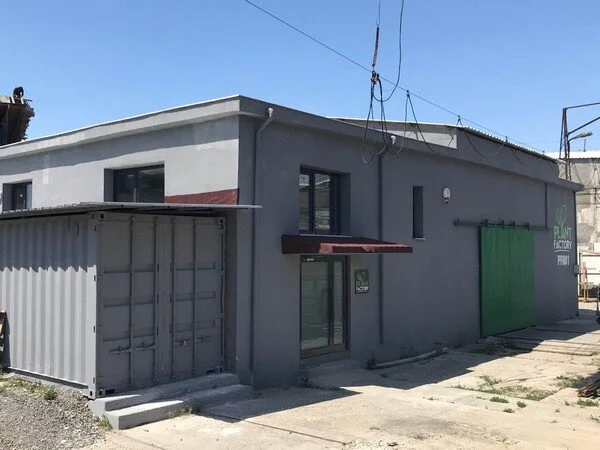
The team of Plant Factory has implemented the following elements in its new facility: controllable dynamic lightning, modifiable shelf space, and smart air conditioning and dosing systems, which are used for production and will also be used for research and development. “After five years of field research, we are ready to expand domestically and penetrate foreign markets with our technical infrastructure and plant knowledge.”
The automated dosing system
“As we will be starting our first production 3 months later due to COVID-19, we aim to produce 5000 crops per harvest”, says Halil Beşkardeşler, CEO of Plant Factory. In the upcoming months, the facility will be focusing on the production of different types of lettuce, basil, and arugula followed by other leafy greens analysis, testing, and production. PF001 will generate part of its energy from installed photovoltaic panels on the roof. “In this way, we aim to benefit from renewable energy sources and lower the unit product costs.”
Plant Factory's UV and filter system
The company recently launched an animated video, intending to spread more awareness on vertical farming in Turkey. Beşkardeşler adds: “With our video, we have started to inform our end consumer and the investors that are interested in investing in urban agriculture”.
For more information:
Plant Factory
Halil Beşkardeşler, CEO
halil@plantfactory.company
www.plantfactory.company

Source: HortiDaily
Publication date: Fri 10 Jul 2020
Author: Rebekka Boekhout
© HortiDaily.com

Bay Area Brothers Hope to Feed The World With Their Robotic Indoor Farming Technology
Their entrepreneurial “garage” is a two-story-tall indoor vertical farm in San Jose, California, where we met up with CEO Samuel (a Santa Clara University graduate) and Chief Technology Officer John (Westmont College, Technical University of Munich)
June 28, 2020


By Linda Zavoral
Mercury News
(San Jose)SAN JOSE, Calif. – You’ll forgive the Bertram brothers if their Silicon Valley elevator pitch is as fast-paced as a doubles match. After all, they moved from Melbourne, Australia, to the United States to play collegiate tennis, then developed a love for engineering and robotics – and a lofty goal to meet the world’s nutritional needs.
Less than a decade after arriving in California, they co-founded OnePointOne, an agricultural technology company, and Willo, their direct-to-consumer health and lifestyle brand.
Their entrepreneurial “garage” is a two-story-tall indoor vertical farm in San Jose, California, where we met up with CEO Samuel (a Santa Clara University graduate) and Chief Technology Officer John (Westmont College, Technical University of Munich). After checking out the technology, gawking at the hundreds of red mizuna plants carefully nurtured by growers, engineers, and robots, and nibbling on just-harvested, state-of-the-art basil, it was time to ask some questions.
Q: How did you two hit upon this idea for a vertical farming start-up?
Sam: There are 1.1 billion people that began this millennium malnourished. Think about that number for a moment. Galvanized by its magnitude, John and I named our vertical farming company OnePointOne, or OPO, as a constant reminder of what we are aiming to solve. Compounding the problem: Poor nutrition kills more people in the USA than anything else, including cigarettes. Plants have always been and will continue to be, the solution to the problem of malnourishment and diet-related disease. Our technology – through production and plant research – intends to solve these problems.
Willo is the first revolutionary step in this direction. It is the direct-to-consumer brand of our company. By allowing you to configure and control what you grow in your Willo Farm Plot, we can work together to personalize your nutrition, and use plant-based food as the primary tool for preventative medicine that it has always been.
Q: How does Willo’s OnePointOne technology differ from other indoor farming methods?
John: Willo’s high-performance indoor farming technology is different from any other indoor or outdoor farm. We use LED lights to supplant the sun, we use a nutrient-rich mist to replace the soil, and a clean-room environment to keep the plants safe, comfortable, and away from the dangers of the outdoors. We are the only organization in the world to grow plants out of tall vertical towers using aeroponics (which is a form of hydroponics using a nutrient-rich mist). And we use fleet robotics to perform many of the functions inside of our farm – everything from plant seeding, plant movement, and plant inspection.
Q: An early client of yours is chef David Kinch’s new Mentone restaurant in Aptos.
He calls basil the “spirit animal” for that Cal-Mediterranean concept. So you’ve got a three-Michelin-starred chef who wants high-quality basil year-round. No pressure there! How did you develop a basil that meets his standards?
Sam: Chef Kinch offered us a challenge to replicate the quality of a specific basil variety grown in Pra, Italy. Through many months of varying the size, shape, taste, and texture of the basil, we arrived at precisely the product he was looking for. Now we are the sole supplier of Ligurian Genovese basil to his restaurant.
Funnily enough, now that we have the “recipe” to grow Mentone’s basil, the pressure is off. Since we control the plant’s experience so closely, the replicability and consistency of the product is guaranteed.
Q: Are there nutritional studies that have compared vegetables and herbs grown this way with those grown conventionally outdoors in soil?
Sam: Yes, and we are in the process of compiling an extensive study on Willo’s produce in comparison to outdoor-grown produce. What I can say is that organic farms use pesticides and often contain heavy metals. Willo’s produce never will.
To be clear, conventionally and “organically” grown produce is still far better for you than almost any other food, and the farmers/workers that grow it for you are modern-day superstars. The problem is one of sustainability. Massive consumption of water, large-scale contamination of water, soil degradation, and pesticide poisoning are all very serious problems that Willo’s farming technique eliminates.
Q: How do you mitigate the effects of the agricultural job losses this technology creates?
John: In every facility that Willo builds, there will be a host of new employment opportunities for a wide variety of skill sets – growers, engineers, scientists, and operators. These facilities are set to create jobs in each location we build, not eliminate them. Indoor farming is the last thing farmers and their laborers have to worry about. Without our technology, there is already a shortage of workers and an average age of 57. Willo ensures that in the midst of these statistics, consumers will continue to receive access to fresh produce.
Q: You’re now starting to grow produce for the public. How does this membership work and what will customers receive?
Sam: You get to subscribe directly to Willo’s Farm and claim a Farm Plot of your own. You’ll first receive a home-delivered Welcome Box filled with our first generation of crops; 5 oz. kale, 5 oz. mizuna, 5 oz. protein crunch, 5 oz. microgreens and a 5 oz. salad mix of the combination of products. Within seven days you’ll be given the opportunity to configure your farm with the crops you enjoy most or to continue with the Welcome Box farm configuration. Depending on your subscription, Willo delivers these five 5 oz. packages weekly or bi-monthly directly to your door.
Willo is currently developing an app to connect you directly to your Farm Plot. There, you’ll be able to watch your plants grow through time-lapse imagery, add new crops to your Farm Plot, trade Farm Plots with your neighbors, and donate Farm Plots to Willo’s charitable partners among many other things.

Indoor Agtech :: Innovation Summit :: iGrow News Partner Discount
By sharing best practice from around the globe, and facilitating new connections and collaborations, the summit offers an invaluable platform to develop new business and accelerate projects across the Indoor AgTech ecosystem
Hear From And Connect With International Thought Leaders Including:
Strapline:
Connecting Technology & Business to Create Healthy, Resilient Food Systems
Mission Statement
The Indoor AgTech Innovation Summit is going virtual! This year’s summit will be live online on July 23, 2020, providing an essential opportunity for the industry to meet, network, and exchange ideas at this critical time for our industry.
The world’s leading farm operators, food retailers, and investors will present live, before hosting virtual discussion groups on the emerging trends and technologies that will shape your business as we emerge from the current crisis into a redesigned food system:
Key Themes:
Finding Growth in Crisis: Responding to a Rapidly Changing Food Landscape
Scaling Up: Co-locating Food Production and Distribution Centers
Enhancing Nutritional Value: Towards a Perfect Plant Recipe
Optimizing Seeds for Indoor Agriculture: Breeding a Competitive Advantage
Analytics and the Cloud: Digital Integration to Optimize Indoor Agriculture
Robotics: Developing a Contactless Food System
Energy Consumption: Driving Efficiency and Economic Viability
Financing Growth: Can Capital Keep Pace with Industry Demand?
Consumer Awareness: How to Build a “Holistic” Indoor Brand
All participants can schedule video 1-1 meetings with potential partners and clients throughout the summit, and for an extended period before and after the sessions.
By sharing best practice from around the globe, and facilitating new connections and collaborations, the summit offers an invaluable platform to develop new business and accelerate projects across the Indoor AgTech ecosystem.
We Are Proud To Be A Marketing Partner For Indoor AgTech
Save 10% With Our Discount Code UAN10
Summit website: https://indooragtechnyc.com/
Registration:
One summit pass Indoor AgTech: $195.00
Start-Up pass: $95.00 / Please contact alexander@rethinkevents.com to enquire about the criteria to qualify for special rates.
https://indooragtechnyc.com/register/
Thursday, July 23rd, 2020
10:00 a.m. to 4:00 p.m.
© 2020 Rethink Events Ltd
THANKS TO OUR PARTNERS
Platinum Partner:
Silver Partner:
Marketing and Media Partners:
Food Production Will Be Part of
Daily Urban Life Again!
iGrow.News, partner of indoor agtech innovation summit, wishes you an unforgettable event.

"There’s No Such Thing As One Perfect Spectrum For A Crop”
Just over two years ago the US company Fluence, specialised in horticulture lighting solutions, was acquired by the German Osram group and their ambitions have been clear
Fluence expands top light series
“There's no such thing as one perfect spectrum for a crop. It’s just too complicated: the ideal spectrum is a combination of different factors and is also cultivar dependent, but much more comes into play: the natural light at the cultivation site, the target light level, electricity costs and the produce sales price for example”, says Timo Bongartz with Fluence. That’s why the light supplying company is happy to expand their VYPR Top Light series with several new PhysioSpec spectra. With additional reflectors and mounting hardware, they want to offer greenhouse growers a broad toolbox to select their perfect light solution from.
Diversifying the business
Just over two years ago the US company Fluence, specialized in horticulture lighting solutions, was acquired by the German Osram group and their ambitions have been clear. “Fluence has been an important player in the indoor market ever since we were founded in 2012. With the acquisition, further growth came within reach and the strategy has been to diversify the business. The greenhouse growers are a key part of that”, says Timo Bongartz, general manager for Europe, Middle East, and Africa. “We’ve always seen that our LED products can be of help for growers of high wire crops, yet there are specific challenges that they deal with. Offering them our solutions and adjusting our portfolio, has been top of our mind.”
With the expanded PhysioSpec Spectra the moment is there. In addition to the two existing spectra, the VYPR top light series now also can be equipped with additional PhysioSpec BROAD spectra as well as several red and blue DUAL spectra. Over the past years, extensive research was put into place to select these spectra. “Together with our research partners worldwide in the Netherlands for tomato, in Belgium for cucumber, in the US and Netherlands for cannabis, In Canada for bell pepper and in Germany for leafy greens and herbs”, Timo says. “Of course also the growers trialed the different spectra in their greenhouses. The combination of normal and applied science is what we selected the spectra on.”
So what’s behind this choice? When talking about LEDs, it’s often about efficacy. “With our red and blue spectrum we can reach 3.8 µmol/joule and a PPF per fixture that goes up to 2330 µmol/s. That’s something we’re proud of since it’s one of the highest in the industry and these numbers are often important to growers. Yet there’s more to it: other than the light efficiency, also the plant efficiency plays an important role in the functioning of the light within the growing company as a whole”, Timo explains. He adds how Fluence does not want to step away from their broad-spectrum strategy that has helped many growers so far. “But we’re broadening our solution sets for growers at any location worldwide and for all different kinds of crops with the launch of these new PhysioSpec spectra.“
With expanded PhysioSpec™ spectra, the VYPR top light series offers higher efficacies (up to 3.8 µmol/J) and higher photosynthetic photon flux (up to 2330 µmol/s) per fixture over comparable lighting technologies. (Photo courtesy of Fluence by OSRAM)
Broad-spectrum lighting
“Finding the right lighting strategy includes more than finding the right spectrum or finding the right amount of lighting in terms of PPFD levels”, he continues. “A broad-spectrum light could be the best spectrum when looking at the plants’ efficiency and overall yield but does not have the best energy efficiency. It is a case by case analysis to select the right spectrum together with the grower.”
In order to realize the best company results, a grower would have to think of the best ROI. “And for example calculate their energy prices through. Red light is the most efficient to produce, whereas producing a broad spectrum is less energy efficient. The additional yield and the price you make for that yield would have to justify the additional energy costs”, Timo shows.
He adds how for example Italian growers also would need different lights than growers in Sweden since they would use a higher amount of supplemental light. “In the end finding the right spectrum is defined by different factors. If a cucumber grower in the Netherlands can change from traditional ambarella to high-wire cultivation and to winter production by adding supplemental lighting and that would improve revenue and profitability it is also important to consider the working conditions of the employees in regard to the color of light. That’s why we always speak with growers and find the lighting solution that suits their business, not a spectrum that suits only the crop. It’s not a one size fits all.”
The new VYPR spectra - the DUAL spectra developed with a focus on energy efficiency and the BROAD spectra within the full PAR region of 400 to 700 nm - will give the team a broader toolbox to select from. “Especially in the LED industry, there is so much yet to learn. We learn how plants are performing on different spectra and see the influence on plant architecture, the time flowering to harvest, and fruit quality for example. That’s all valuable information for a grower and something he will base his business model on. Therefore we accompany all growers with our team of horticulture specialists to adjust and constantly optimize the cultivation under LED considering all growing factors.”
"Fluence’s extended PhysioSpec™ spectra enable growers to optimize lighting strategies for any crop in any growth stage or geographic location", the team explains. (Photo courtesy of Fluence by OSRAM)
Reflectors, mounting solutions, and power supply
it’s not the only addition to the Fluence toolbox. Together with the new spectra also new reflectors and mounting solutions are launched and the VYPR series is updated with a patented thermal management technology as well as a more efficient and smaller power supply.
“The reflectors can be used under the LED light fixtures and will give growers the possibility to distribute the light from a 120 to a 150-degree beam angle, which offers new possibilities in lighting designs and more ways to distribute the light uniformly. Since HPS often has a beam angle of 150 degrees, we needed these reflectors also to realize nice overall and spectral uniformity for growers that want to opt for a HPS-LED hybrid installation.”
With the additional mounting options the installation of the lights is more flexible ”Growers can put the lights under the trellis, perpendicular or next to it.” He explains how it is important to integrate your lighting solution already in the planning phase of the greenhouse, yet how this is often not possible - especially when working in an existing facility. “Working in a low greenhouse means the distance to the crop is limited and if you can gain an additional 20 centimeters just because of how you mount the LED lights that can already mean a huge difference in uniformity. It does not matter if it's the spectrum, beam angle, or mounting brackets, it is all about finding the best fit for the individual needs of the grower.”

For more information:
Fluence Bioengineering
4129 Commercial Center Drive
Suite 450
Austin, TX 78744
512-212-4544
info@fluencebioengineering.com
www.fluence.science
Publication date: 2 Jun 2020
Author: Arlette Sijmonsma
© HortiDaily.com

Urban Farming Partners Singapore Awarded Funding to Build Dutch Technology Indoor Farm in Singapore
With Singapore’s ambition to produce enough food locally to meet 30% of the country's nutritional needs by 2030, the Republic's strategies towards achieving long-term food security is more urgent than ever
Urban Farming Partners Singapore (UFPSG), a unique partnership between Singapore and the Netherlands, has been awarded funding support by the Singapore Food Agency (SFA) under the Agriculture Productivity Fund (APF), enabling the urban farming initiative to take the next step towards strengthening Singapore’s food supply chain and paving the way to food security.
With Singapore’s ambition to produce enough food locally to meet 30% of the country's nutritional needs by 2030, the Republic's strategies towards achieving long-term food security is more urgent than ever. As a total solution provider for urban farms, integrating proven patented technologies and expert-backed worldwide operations, UFPSG’s vision is to contribute considerably to food security in Singapore, as well as Asia.
“We started our journey in 2017 when we presented our grand vision for food sustainability and food security in and around cities globally at the World City Summit in Singapore,” said Wouter Vos, director and founder of the UrbanFarmingPartners Holding in the Netherlands and he has since taken steps to actualize this vision together with Henk van Eijk, his fellow director. This year, UFPSG will initiate construction of a $3m state-of-the-art indoor farm in Singapore, which will be partially funded by SFA. It will be located inside the premises of HSL Waterfront@Penjuru at 42D Penjuru Road in Singapore, where all types of lettuce, baby leaves, herbs as well as other crops like spring onion and fennel will be produced in a fully-controlled indoor growing environment. This indoor urban farm is a first in Singapore that utilises Dutch technology.
“’Local for Local’ and ‘The Circular Economy’ are no longer just buzzwords. The COVID-19 pandemic makes it even more apparent that we need to restructure our critical systems globally more than ever. It is time to make a notable difference with our way of life with food,” said Grace Lim, UFPSG’s Director and project representative in Singapore. This farm can potentially produce 33 Tonnes of healthy and fresh, ready-to-eat produce for the Singapore market. Circular processes like the harvest of rainwater and solar power are examples of sustainable proven technologies that will be included in the overall design of the urban farm.
Artist’s impressions of the urban farm at HSL Waterfront @Penjuru
“We are glad to see strategic collaborations between our local agri-food industry and their overseas counterparts, as this results in the transfer of innovative and productive technology to Singapore,” said Mr Melvin Chow, Senior Director of SFA’s Food Supply Resilience Division. “Harnessing technology to grow more within our constraints will need to be the new norm for our agri-food industry as we strive towards ’30 by 30’. We will continue to support farms that are keen to develop technological capabilities.”
For more information:
Urban Farming Partners Singapore Pte. Ltd.
Grace Lim, Director, Urban Farming Partners Singapore Pte. Ltd.
gracelim@urbanfarmingpartners.com
+65 97887996
Publication date: Tue 9 Jun 2020

Podcast + Story: The Power of Urban Farming
Can cities grow a lot more of their own food? Should they? The creators of the Gastropod podcast investigate.
BY CYNTHIA GRABER AND NICOLA TWILLEY
CRAIG F. WALKER/GLOBE STAFF
In March, as the United States began to lock down, shoppers met an unfamiliar and disturbing sight: empty shelves where bags of flour, jugs of milk, and packages of chicken breasts used to be. These shortages, combined with the “Groundhog Day”-like experience of being home day in, day out, for months on end, inspired a wave of gardening novices to try growing vegetables at home — and we at Gastropod, the podcast that looks at food through the lens of science and history, wanted to join in. To our dismay, we discovered that some of the plants we’d hoped to grow had long since sold out, like bags of flour before them, in what has been hailed as the great COVID-19 Victory Garden comeback.
This sudden, shared urge to grow food in the middle of America’s cities intrigued us — enough to make an episode on urban agriculture, featured above. As the creators of a food podcast, we’re well aware of the harms caused by the intensive, industrial system of agriculture that feeds America, from the food miles racked up by the average spinach leaf to the underpaid farmworkers who harvest it. Could the solution to these problems lie in diversifying where food is grown? Advocates claim that urban agriculture, which has been expanding in many ways in recent years, yields healthier diets, environmental benefits, and a host of more intangible outcomes, from beautification to food sovereignty. We couldn’t help but wonder: Might this spontaneous efflorescence of COVID Victory Gardens be part of a genuine shift, as America’s city-dwellers begin to feed themselves?
And, more importantly, is urban agriculture really the panacea our food system needs?
History provides some clues. The World War II Victory Gardens to which today’s COVID gardens have been compared were far from the first American urban garden movement. In the 1890s, faced with hunger and rioting following a stock market panic, Detroit’s mayor Hazen S. Pingree offered vacant lots to the city’s poor to grow food — a popular scheme that became known as the Potato Patch Plan. A few decades later, the Liberty Gardens effort of World War I urged newly urbanized Americans to grow vegetables to support the war.
But neither of these initiatives compared to Victory Gardens, the largest and most popular home gardening effort in the country’s history. Encouraged to pick up shovels and hoes by ubiquitous advertising campaigns, horticultural classes at city halls, and the patriotic urge to save commercial canned food for the troops, more than two-thirds of Americans planted seeds in windowsill pots, backyard patches, city parks, corporate factory campuses, and alongside railways.
The results were impressive: an estimated 43 percent of all the produce that Americans consumed in 1943 came from Victory Gardens. Not self-sufficiency, certainly, but enough to make a huge difference in the country’s food supply. Yet, as soon as the war ended, “whoosh!” said Anastasia Day, a historian of the movement. “They disappeared almost overnight.” Out of the hundreds of thousands of Victory Gardens that sprang up during the war years, only two remain, the oldest of which still occupies seven acres on Boston’s Fenway.
This makes more sense, Day told us, if you look at how those gardening efforts were framed. Contemporary discussions about urban farms position them as an alternative foodway, one that offers a stronger connection to nature, the possibility of regional self-sufficiency, and eco-friendly, organic produce. By contrast, Day told us that Victory Gardens were promoted as temporary replacement food factories for the war effort, in language that mimicked the country’s obsession with science and industry. And so, once the immediate need passed, home gardeners were happy to hand off the business of growing food to companies that could farm more efficiently. Many Victory Gardeners traded their urban veggie patches for the post-war era’s suburban lawns and white picket fences.
JAMEL MOSELY: Leah Penniman, farm manager, and co-director at Soul Fire Farm in Grafton, N.Y.
Urban gardening and farming largely fell out of favor over the next decades, and as it did, Americans missed out on its many benefits, said Leah Penniman, farm manager and co-director at Soul Fire Farm in Grafton, N.Y., and author of “Farming While Black.” Those benefits include, but extend well beyond, the joy of biting into a sun-warmed tomato. “It’s also the opportunity to get exercise, to be outside and feel connected to the earth, to have a meaningful activity, to engage with your loved ones,” she said.
Penniman told us that many African Americans who moved to northern cities during the Great Migration did try to grow food, and some succeeded, despite a lack of access to land and credit, as well as other obstacles created by systemic racism. Plenty of others, however, shied away from gardening. “For many people, there’s this visceral reaction to land, because land got mixed up with the oppression that took place on the land,” she said. “But to have a garden on your own terms, to grow food for your community that you find delicious — this is the process of healing from that trauma.”
According to Raychel Santo, a Johns Hopkins researcher and co-author of a recent analysis of urban agriculture, the evidence for such socio-cultural benefits from urban agriculture is overwhelming. Based on the more than 200 studies she reviewed, these benefits included getting to know neighbors, meeting people from different backgrounds, and being involved in something productive. “But they’re hard to quantify in numbers,” Santo told us.
The result is that, while anyone who has volunteered at a community garden or coaxed baby seedlings out of the ground understands the power of growing food, urban gardens are often seen as fuzzy, feel-good projects, rather than being taken seriously as an alternative mode of food production. Still, at least one health benefit can be quantified: Santo told us that studies have shown that city-dwellers who participate in some form of urban farming eat more vegetables. History offers support for this finding: During World War II, Americans consumed more produce then they have eaten before or since — at least in part because of the success of Victory Gardens. Given that only one in 10 Americans currently eats enough vegetables to meet federal regulations — and thus reduce their risk for many leading causes of illness and death, including heart disease and type 2 diabetes — the potential health benefits of expanding urban agriculture are significant.
Good for you, but good for the planet?
The environmental benefits of growing food in cities seem like they should be easier to pin down. Certainly, Santo said, like most urban green spaces, farms and vegetable gardens boost biodiversity, improve rainwater drainage, filter air pollution, and reduce the urban heat island effect. They also offer another tangible good, albeit one that can be challenging to implement: the opportunity to turn food scraps into compost and thus close the loop on some of the city’s waste.
Logic dictates that eating locally grown produce would also reduce emissions from food miles — but evidence for that has thus far been spotty. One widely cited analysis, published in 2008 by researchers at Carnegie Mellon, found that transportation accounted for only 11 percent of food’s carbon footprint. The authors used this finding to conclude that eating less meat and dairy was substantially more climate-friendly than eating local — but their analysis failed to take into account the greenhouse gas emissions associated with refrigerated warehouses and food spoilage. “There’s a lot of debate in this area,” Santo said. “I would say the literature is not very clear.”
Neil Mattson, professor of horticulture at Cornell University, is halfway through a three-year project that aims to tease out these nuances, at least when it comes to growing leafy greens in northern U.S. cities year-round versus shipping them from California. Lettuce is usually a seasonal harvest in community gardens, but, in recent years, there’s been increasing interest — and investment — in more high-tech urban farms. Some of these facilities are greenhouses, but others, often called “vertical farms,” resemble automated food factories, with rows of baby greens growing under glowing LEDs and in perfectly calibrated climactic conditions inside skyscrapers and tunnels from London to Tokyo.
SALWAN GEORGESA worker harvests basil inside a Gotham Greens facility in New York City.
This is where the promise of urban farming meets its most significant challenge: replicating the sun. When it comes to more traditional greenhouses, Mattson’s research shows that the energy needed to provide optimal heat and humidity levels is similar to the transportation energy of trucking lettuce across the country, making their carbon footprint at least comparable. (He is still working on a full life-cycle analysis that includes everything from the embodied cost of the glass and steel used in greenhouse construction to the emissions from transport refrigeration units.)
But those fully controlled vertical farms so beloved by techies, architects, and VC-funded entrepreneurs? Mattson has found providing sufficient electric light for photosynthesis and controlling the humidity sucks up twice the energy of growing lettuce in California and shipping it across the country. Until we get significantly more energy from renewable resources or invent dramatically more efficient lighting, even the most advanced vertical farms aren’t necessarily more sustainable than California’s Imperial Valley.
That said, both vertical farms and heated greenhouses do use significantly less water than California farms — 10 times less water, according to Mattson — and, as the West becomes more arid, water will likely become a limiting factor. In the future, Mattson says, climate-controlled urban farms of all sorts may well look like increasingly attractive options. They might be priced out of real estate in downtown Boston or New York, but traveling just an hour or two out of the city can connect growers to much cheaper places for indoor agriculture.
Mattson pointed out that our current food system is extremely centralized, meaning that the majority of produce is grown in a relatively small area. If drought, floods, or an E. coli outbreak hit, supermarket shelves are left empty across the nation. “Producing some proportion of our food in cities could make for a more robust system,” he said.
Self-sufficiency
Critics argue that we only get about 10 percent of our calories from vegetables and fruits, and so cities can neither feed themselves nor transform the country’s farming systems. Even the most passionate urban agriculture advocates, such as Keep Growing Detroit’s Tepfirah Rushdan, don’t imagine that cities will grow and process all their own grains. But could cities at least grow the vegetables they need? Here the data look promising. Rushdan told us that Keep Growing Detroit’s goal is food sovereignty, meaning that more than half the produce consumed in the city is grown there. Though that’s not yet reality — the organization says the results of their last produce weigh-in shows the city growing around 5 to 10 percent of what’s eaten — a Michigan State University study demonstrates that the city could theoretically supply nearly two-thirds of the demand. Similarly, researchers in New England have mapped out how the region could produce up to half of its vegetables in urban and suburban plots by 2060.
ERIN CLARK FOR THE BOSTON GLOBE
Kevin Washington, 14, waters plants at the Michigan Urban Farming Initiative in Detroit. The farm has taken over three acres of vacant lots and turned them into a green oasis of fruit trees, vegetables, and a sensory garden. Solely run by volunteers, the farm gives back all of the produce to the community for free.
Elsewhere, researchers have calculated that empty land in Cleveland could provide half the city’s fresh vegetables, and if commercial rooftops and a small amount of residential land were added, up to 100 percent — plus 94 percent of the city’s eggs and chickens. This spring, a study showed that Sheffield, England, has sufficient vacant land to grow enough fruits and vegetables to feed all its residents. Of course, urban farming will look different in different cities: In Boston, it might include city farms along the lines of the Fowler Clark Epstein Farm in Mattapan, as well as high-tech greenhouses on the outskirts of the city, such as Little Leaf Farms a half-hour away. There’ll be rooftop beehives, like those on top of the Lenox Hotel, and community plots in the South End. New York City’s expensive real estate might push much urban farming to the periphery; Detroit, where 17 percent of the city is considered vacant, is perfectly situated to expand internally.
Finally, though we agree with critics that putting your hands in the dirt won’t solve all the problems of the industrial agricultural system, we believe it could help, by connecting people to their food. “We do have to do both,” Rushdan told us. “We have to make time to focus on local production, and then we have to make time to address the larger systematic issues.”
The urban gardeners we spoke with hope that COVID-19 gardens won’t just be a temporary fad, but will, as Penniman put it, trigger “an awakening as to the type of structural changes that we need to make to have an equitable, just, and sustainable food system.”
After all, as Anastasia Day pointed out, World War II’s Victory Gardens may have vanished practically overnight, but the children who grew up tending them turned into adults who celebrated the first Earth Day in 1970.
Cynthia Graber and Nicola Twilley are journalists who host the Gastropod podcast, which explores the science and history of food.

US: Vacant For Five Years, A Former Target in Calumet City Gets New Life As An Indoor Vertical Farm Growing Greens For The Chicago Area
The 135,000-square-foot building in the River Oaks shopping center will house stacks of trays growing kale, arugula and other leafy greens under artificial lights. A retail shop on-site will sell the produce to the community and invite people in to learn about how indoor farming works
CHICAGO TRIBUNE | JUL 15, 2020
Jake Counne, founder of Wilder Fields, is seen July 14, 2020, inside an empty Target he plans to convert to an indoor farm, in Calumet City. (Brian Cassella / Chicago Tribune)
A former Target that’s been sitting vacant in Calumet City for five years will be reborn as an indoor vertical farm producing locally grown greens for the Chicago area.
The 135,000-square-foot building in the River Oaks shopping center will house stacks of trays growing kale, arugula and other leafy greens under artificial lights. A retail shop on-site will sell the produce to the community and invite people in to learn about how indoor farming works.
Once at full capacity, Wilder Fields will employ 80 people and produce 25 million heads of lettuce a year that will be available in grocery stores across the region, said founder Jake Counne. Wilder Fields is the new name of the company, which previously was called Backyard Fresh Farms.
The property was exactly what Counne envisioned when he set out to repurpose existing buildings as indoor farms to supply fresh produce to cities far from the growing fields of California and Arizona.

An empty Target that Jake Counne, founder of Wilder Fields, plans to convert to an indoor farm in Calumet City. (Brian Cassella / Chicago Tribune)
As retail giants close stores, a trend that’s been exacerbated by the COVID-19 pandemic, Counne hopes to put the buildings they leave behind to sustainable use.
“We think this is very repeatable,” said Counne, who was a real estate investor before he became an agricultural entrepreneur. “There is a huge amount of vacant anchor retail space.”
Calumet City, which borders Chicago’s southern edge, acquired the building from Target and will lease it to Wilder Fields for 12 months, Counne said. After that, he plans to purchase the property from the city.
Counne expects to break ground by the end of this year and have the first phase of the redevelopment completed by early next year. After operating at a smaller scale to work out the kinks, Counne plans to finish developing the site by 2023. A group of investors is funding the first phase of the project. He declined to say how much funding he has received.
Produce grown locally indoors has gained popularity with consumers in recent years for environmental and quality reasons. It uses less land and water than traditional agriculture and travels far shorter distances, so the product is fresher and lasts longer when it gets into consumers’ hands. Growing year-round in controlled environments also cuts down on waste and contamination and avoids the challenges of unpredictable weather.
The Chicago area is home to several greenhouses that sell greens commercially, including Gotham Greens in Chicago’s Pullman neighborhood and BrightFarms in Rochelle, both of which have recently expanded. But vertical farms, which use artificial light rather than sunlight, have struggled to succeed at a large scale.
Counne believes he can make it profitable with lower-cost automation, which he has been testing at a small pilot facility at The Plant, a food business incubator in Chicago’s Back of the Yards neighborhood.
He’s developed robotics to reduce the amount of time workers spend climbing ladders to tend to plants. For example, an automated lift collects trays of ready plants and brings them to an assembly line of workers for harvest. He’s also developed a system of cameras and artificial intelligence software that prompts the environment to automatically adjust to optimize growing conditions.
Jake Counne, founder of Wilder Fields, on July 14, 2020. (Brian Cassella / Chicago Tribune)
Wilder Fields’ pricing will be in line with greenhouse-grown lettuces, which typically retail at $2.99 to $3.99 for a clamshell.
Though its first products will be standards like spring mix, spinach and basil, the plan is to also sell more unique varieties that people may not have tasted before. Among those Counne tested during his pilot were spicy wasabi arugula, tart red sorrel and horseradish-tinged red mizuna.
Counne is proud that his first farm is bringing fresh vegetables and jobs to an area that needs both. Parts of Calumet City are in a food desert.
Counne will be hiring for a variety of positions, from harvesters to software engineers to executives. He plans to implement a training program that will allow people to move from entry-level roles to positions managing the computer algorithms.
Alexia Elejalde-Ruiz
Alexia Elejalde-Ruiz covers the food industry for the Chicago Tribune's business section. Prior beats include workplace issues, the retail sector and lifestyle features, plus stints at RedEye, the Daily Herald and the City News Service. Alexia grew up in Washington, D.C., and has her degree in international relations from Brown University.

WEBINAR: July 23, 2020 - 1 PM EDT - Stakeholder Needs Relevant To Indoor Propagation
There are economic and knowledge-based challenges that must be addressed for indoor farms to be viable in the United States despite their potential benefits
Date: July 23, 2020
Time: 1 p.m. - 2 p.m. EDT
Presented by: Celina Gómez
Click Here to Register
There are economic and knowledge-based challenges that must be addressed for indoor farms to be viable in the United States despite their potential benefits.
A mixed-methods approach was used to identify the needs of specialty crop growers and stakeholders interested in or currently using indoor environments to grow seedlings, cuttings, and tissue-cultured plants. An online survey evaluated specialty crop growers’ experience with indoor plant propagation and assessed their needs related to improving propagation processes.
A focus group with 19 participants was then conducted to further understand the needs for indoor plant propagation by stakeholders. Our findings suggest that industry stakeholders are largely motivated to adopt indoor propagation environments to reduce crop losses (“shrinkage”), increase productivity per unit of land area, ensure faster germination or rooting, improve plant quality, and profit from anticipated economic benefits.
Research and education priority areas identified by stakeholders included economic costs and benefits (including capital investment and energy costs), improved crop quality, production time, uniformity, reduced shrinkage, and strategies to improve light management indoors.
As suggested by the results of this project, a strategic plan encompassing stakeholder needs must be implemented to maximize the benefits and enable adoption of indoor plant propagation environments. A discussion about ongoing efforts to identify stakeholder perceptions with indoor plant propagation environments will be presented.
Special Thanks To Our Industry Partners
Join Today
If you have any questions or would like to know more about GLASE, please contact its executive director Erico Mattos at em796@cornell.edu

Living Greens Farm Hires New CEO
George Pastrana brings 30 years of successfully managing iconic consumer brands
George Pastrana Brings 30 Years of Successfully
Managing Iconic Consumer Brands
Source: Living Greens Farm
July 15, 2020
Living Greens Farm CEO George Pastrana

New president, CEO, and board member George Pastrana joins Living Greens Farm, one of the largest indoor aeroponic farms in the U.S.
FARIBAULT, Minn., July 15, 2020 (GLOBE NEWSWIRE) -- via NetworkWire – Living Greens Farm (LGF), one of the largest vertical, indoor aeroponic farms in the United States, which provides year-round fresh salad greens, exclusive bagged salad kits, microgreens, and herbs, announces the arrival of George Pastrana as its new president, chief executive officer, and board member.
Pastrana is a commercial leader with a successful record of managing iconic consumer brands for innovation and profitable growth at leading, growth-oriented, market-driven companies. His marketing and operational experience includes Fortune 100 multinational companies as well as smaller entrepreneurial organizations, where he was successful in growing sales, profit, and market share.
Pastrana will reside in Minneapolis and will bring nearly 30 years of commercial and innovation leadership at consumer-packaged goods companies to contribute to LGF’s success in the coming years. He will be leading a talented, experienced team of leaders to establish LGF as a premier brand in the fast-growing bagged and clam-shelled salads and salad kits industry. He also has plans for LGF’s national rapid expansion.
“I am excited about the opportunity to lead LGF’s passionate coworkers as we embark on scaling up our proven, breakthrough aeroponic farming system and to provide our healthy, nutritious, and flavorful greens and herbs to customers with discerning eating habits nationwide,” says Pastrana. “LGF’s patented aeroponic farming systems are a cost-effective way to deliver flavorful, better-than-organic farm fresh greens and herbs. We have a proven model, and we are ready for national expansion with a talented team of leaders.”
Prior to joining LGF, Pastrana was president and COO of Dogfish Head Brewery in Milton, Delaware. He holds a biomedical engineering degree from Rensselaer Polytechnic Institute and an MBA from Cornell University's Samuel Curtis Johnson Graduate School of Management, and he completed the advanced management program at INSEAD Business School.
ABOUT LIVING GREENS FARM
Living Greens Farm (LGF) operates one of the largest indoor aeroponic farms in the United States. Aeroponics and specifically LGF’s proprietary grow systems, have been described as the next generation of ag-tech and a solution to the world’s food challenges.
Headquartered in Minnesota, Living Greens Farm is Earth-friendly using 95 percent less water and 98 percent less land compared to traditional farming and can grow safely, consistently, and locally year-round. All products are considered better than organic because they’re grown in a controlled environment without the use of pesticides, herbicides or other harsh chemicals and are non-GMO. Living Greens Farm has a full product line that includes bagged and clamshell salad greens, premium microgreens, and delicious herbs available to customers throughout the Midwest.
For more information, please visit http://www.livinggreensfarm.com.
5 Benefits of Microgreens That Will Boost Your Health
Microgreens are the powerhouse of nutritious foods. These functional foods are the seedlings of vegetables or herbs and are known to boost health function and prevent disease
Microgreens are the powerhouse of nutritious foods. These functional foods are the seedlings of vegetables or herbs and are known to boost health function and prevent disease. Known as being tiny vegetables, microgreens are great additions to any dish as they provide texture, various flavors, and are packed with nutrients. In this article, we’re going to cover five benefits of microgreens that are beneficial to your health.
Nutrient Rich
Studies have shown that microgreens tend to have nine times the amount of nutrients than their mature counterparts. In this study that was published in the Journal of Agricultural and Food Chemistry, it states that “microgreens contain considerably higher concentrations of vitamins and carotenoids than their mature plant counterparts.” By being rich in nutrients with great taste, it’s no wonder these tiny vegetables are growing in popularity.
Prevents Diseases
Not only are they rich in nutrients, studies have shown that microgreens are also filled with antioxidants. Antioxidants can help prevent diseases by removing free radicals from the body. Free radicals are unstable waste molecules that accumulate from factors such as pollution or natural bodily processes. But, as these unstable molecules build, they can develop diseases such as cancer. Intaking foods high in antioxidants can help increase your chances of preventing diseases since they help remove unstable molecules from the body.
Free From Pesticides
Since microgreens are easy to grow indoors, growers will always know what’s going on with their food. This means that microgreens won’t have to be sprayed with pesticides and that they’ll be eaten fresh. These tiny plants can grow in 1-2 weeks and are easy to harvest. Now, we can take comfort in knowing that our homegrown microgreens are free from pesticides and any other harmful chemicals that other crops fall victim to.
Sustainable Source
Since microgreens are easy to grow indoors, city dense populations could take advantage of growing these healthy-packed foods at home. With a turnaround time of a few weeks to full growth, people will always have access to fresh, nutrient-dense foods. To create an ongoing source of microgreens, you could rotate a few crops at the same time, so you’ll always have something fresh to eat per week. This could be a life-changing method for low-income families to get healthy vegetables at a low cost on a consistent basis.
Reduce Risk for Heart Disease
One of the benefits of microgreens is that they have the potential to lower blood pressure, which is one of the major risk factors for heart disease. Since these special vegetables are rich with fiber and vitamin K, eating them on a daily basis can lower your risk to develop heart disease.
The benefits of microgreens are endless. We at the Nick Greens Grow Team understand the nutritional and life-saving benefits behind these magical plants. The time to start learning how to grow your own microgreens is now.
Subscribe to our YouTube channel so you can start learning about how easy it is to grow from home!
#microgreens #nutrition #eathealthy #healthyplate #healthfirst #healthconscious #healthyfood #microgreengoodness #microgreensbenefits #urbanfarming #locallygrown #healthyliving #benefitsofmicrogreens
USA: FLORIDA - City of Orlando Approves Lease For 18-acre 4Roots Farm Campus In The Packing District
Orlando's Packing District is a massive, rapidly developing new residential area with one big planned perk: an 18-acre farm, which was approved by the City of Orlando on Monday
Posted By Dave Plotkin
July 8, 2020
If you're the type of person who appreciates some good news, how about a little urban-farm update to brighten your day?
Orlando's Packing District is a massive, rapidly developing new residential area with one big planned perk: an 18-acre farm, which was approved by the City of Orlando on Monday.
The new lease is a germination, if you will, allowing 4Roots Farm Campus, a "unique urban farm unlike anything seen in the country," to finally begin sprouting a new discovery center, convention and event barn, teaching and demo kitchen, a farm-to-table restaurant, community greens for farmers markets, live concerts, art expos and flexible classrooms, as well as wetlands improvements to maintain the land. Led by John Rivers, the CEO of 4 Rivers Restaurant Group, the campus will focus on creating a sustainable regional food system they say will tackle food waste, farmland erosion, farming declines and local hunger. The foundation is leveraging partnerships to create agricultural education programs to inspire young farmers and create health and nutritional awareness.
The video announcement for the project looks amazing:
In March, 4Roots and 4 Rivers combined to launch their Feed the Need Florida initiative, which has served more than a million meals across Florida, creating more than 320 jobs. That project has already expanded from Tuesdays at St. Luke's United Methodist Church to add Fridays at the Plaza Live parking lot.
We first reported about the farm campus in November 2019, when the 4R Foundation announced plans for the 40-acre farm. Site work on the farm is expected to begin in the fall.
The $700 million, 202-acre Packing District itself — centered at North Orange Blossom Trail and Princeton Street, just west of College Park — was created when the city annexed the property in 1996. Since then, Dr. Phillips Charities has committed $1 million to the development of the farm campus alone."
When we donated land for the park to the City, the original intent for the southern portion was to include a site for educational farming, agriculture, and more," says Ken Robinson, president, and CEO of Dr. Phillips Charities. "The vision we have seen from John and his team truly shows the passion, commitment, and shared values in creating a campus that aligns with our focus on building health, wellness, and community throughout the district."
The district will someday be home to a YMCA Family Center, a 100-acre park, nature trails, and the 4Roots Farm. The Southern Box Food Hall restaurant and brewery will be housed in a 1930s-era building that once housed the Dr. Phillips orange-crate factory.
You can find out more at the 4Roots Farm Campus or follow the developments on Facebook and Instagram.

Why Locate In Appalachia?
Kentucky native Jonathan Webb is turning his dream of a high-tech farming hub in Appalachia into reality with AppHarvest
Kentucky native Jonathan Webb is turning his dream of a high-tech farming hub in Appalachia into reality with AppHarvest.
The company is building some of the largest indoor farms in the world, combining conventional agricultural techniques with today’s technology to grow non- GMO, chemical-free produce. The company’s first greenhouse will span 60 acres and open in the second half of 2020 in Morehead, Ky.
Like many Kentuckians, Jonathan grew up knowing of the devastating job losses in the region. His grandmother was raised in Whitley County, where a coal mining accident killed his great-grandfather. Jonathan strives to work alongside the hard-working men and women of Eastern Kentucky and build a resilient economy for the future.
Before founding AppHarvest, Jonathan worked with the U.S. Department of Defense on what was then the largest solar project in the Southeastern United States. The project aimed to help achieve a White House goal of ensuring the military receives 20% of their electricity from renewable sources by 2025.
- Kentucky native and University of Kentucky graduate
- Before starting AppHarvest, Jonathan helped build some of the largest solar projects in the Southeast, seeking to help the military generate 20% of their electricity from renewable sources.
- While working on renewable energy farms, Jonathan discovered the high-tech controlled environment agriculture farms of the Netherlands and returned home to Kentucky in 2017 with the dream of building AppHarvest and creating America’s AgTech capital in Eastern Kentucky.
- Named Emerging Entrepreneur by the Kentucky Entrepreneur Hall of Fame in 2019
- Selected to be a member by worldwide entrepreneurship network Endeavor.
The organization seeks out the best high-impact entrepreneurs around the world, and, to date, has screened more than 60,000 individuals and selected around 2,000.
Talking points for agreement
- 17 organizations signed an agreement committing to create America’s AgTech capital in Eastern Kentucky
- Calls for opening a Dutch representative office in Kentucky, creation of a series of research programs at universities, construction of a center of excellence, and the building of additional controlled environment agriculture farms like AppHarvest’s, which is under construction in Morehead.
- Dutch are widely recognized as the world’s leaders in AgTech. Even with a landmass just roughly the size of Eastern Kentucky, the Netherlands has become the world’s second-largest agricultural exporter. How? They utilize controlled environment agriculture facilities to grow up to 30 times more fruits and vegetables on an indoor acre compared to a traditionally farmed outdoor acre. And they do it using 90% less water.
- Why Kentucky? Our central geographic location, which has attracted the likes of Amazon and UPS, allows fresh fruits and vegetables to reach nearly 70% of Americans in a day's drive. That means fresher food and far less food waste as grocers benefit from the extended shelf life. Eastern Kentucky is also home to a strong workforce that long powered the country and exhibits the faith and grit needed to build a more resilient economy.
Vertical Agriculture - Fresh Greens From The Wall Straight to The Plate
There is no doubt that one of the biggest challenges of the next years will be feeding the massive growing population all over the world
There is no doubt that one of the biggest challenges of the next years will be feeding the massive growing population all over the world.
By JERUSALEM POST STAFF JULY 12, 2020
(photo credit: Courtesy)
There is no doubt that one of the biggest challenges of the next years will be feeding the massive growing population all over the world. In 50 years, the world’s population is expected to grow by another 2 billion people and due to urbanization one of the problems would be a lack of arable lands.
In recent days where the world pandemic is impacting global food systems, disrupting regional agricultural value chains, and posing risks to household food security there is a heightened awareness of food safety for producers, businesses, governments, and consumers. With border closures and quarantines, supply chain and trade disruptions could restrict people’s access to sufficient and nutritious sources of food.
Vertical agriculture is one of the hottest trends which aim to solve these problems. "Vertical Field" an Israeli company, developed vertical urban farms and active living walls, functioning as growing solutions for smart cities. Vertical Field was established by Mr. Bar-Ness in 2006, motivated by his green thumb and ambition to bring sustainable nature-based solutions into the urban lifestyle. "We understood people’s need to surround themselves with a green, healthy environment" explains Guy Elitzur, the company's CEO.
Vertical Field has developed soil-based solutions, for green cities but mainly for vertical urban food supply. One of the main solutions that the company is focusing on is a vertical, soil-based system for urban farming in any indoor or outdoor space. Vertical Field geophonic growing method has a unique platform comprised of a container with its own sensors, irrigation, and lighting systems and in-house monitoring software which automatically manages all growth phases allowing for less human handling and a more sterile environment in order to grow fresh, healthy and free of pesticides produce all year long.