


Welcome to iGrow News, Your Source for the World of Indoor Vertical Farming

Wastewater Test Could Provide Early Warning Of COVID-19
The wastewater-based epidemiology (WBE) approach could provide an effective and rapid way to predict the potential spread of novel coronavirus pneumonia (COVID-19) by picking up on biomarkers in faeces and urine from disease carriers that enter the sewer system
Researchers at Cranfield University are working on a new test to detect SARS-CoV-2 in the wastewater of communities infected with the virus.
The wastewater-based epidemiology (WBE) approach could provide an effective and rapid way to predict the potential spread of novel coronavirus pneumonia (COVID-19) by picking up on biomarkers in faeces and urine from disease carriers that enter the sewer system.
Rapid testing kits using paper-based devices could be used on-site at wastewater treatment plants to trace sources and determine whether there are potential COVID-19 carriers in local areas.
Dr Zhugen Yang, Lecturer in Sensor Technology at Cranfield Water Science Institute, said: “In the case of asymptomatic infections in the community or when people are not sure whether they are infected or not, real-time community sewage detection through paper analytical devices could determine whether there are COVID-19 carriers in an area to enable rapid screening, quarantine and prevention.
“If COVID-19 can be monitored in a community at an early stage through WBE, effective intervention can be taken as early as possible to restrict the movements of that local population, working to minimise the pathogen spread and threat to public health.”
Recent studies have shown that live SARS-CoV-2 can be isolated from the faeces and urine of infected people and the virus can typically survive for up to several days in an appropriate environment after exiting the human body.
The paper device is folded and unfolded in steps to filter the nucleic acids of pathogens from wastewater samples, then a biochemical reaction with preloaded reagents detects whether the nucleic acid of SARS-CoV-2 infection is present. Results are visible to the naked eye: a green circle indicating positive and a blue circle negative.
“We have already developed a paper device for testing genetic material in wastewater for proof-of-concept, and this provides clear potential to test for infection with adaption,” added Dr Yang. “This device is cheap (costing less than £1) and will be easy to use for non-experts after further improvement.
“We foresee that the device will be able to offer a complete and immediate picture of population health once this sensor can be deployed in the near future.”
WBE is already recognised as an effective way to trace illicit drugs and obtain information on health, disease, and pathogens. Dr Yang has developed a similar paper-based device to successfully conduct tests for rapid veterinary diagnosis in India and for malaria in blood among rural populations in Uganda.
Paper analytical devices are easy to stack, store and transport because they are thin and lightweight, and can also be incinerated after use, reducing the risk of further contamination.
An overview of the approach – Can a Paper-Based Device Trace COVID-19 Sources with Wastewater-Based Epidemiology? – co-authored with Hua Zhang and Kang Mao of the Institute of Geochemistry, Chinese Academy of Sciences, Guiyang, China, has recently been published in the Environmental Science & Technology journal.
Further development of the test is being sponsored by the Natural Environment Research Council (NERC) and Royal Academy of Engineering.
About Cranfield University
Cranfield University is a specialist postgraduate university that is a global leader for education and transformational research in technology and management.
Source: Cranfield University
Vertical Farms: The Height of Sustainability In A Post-COVID World
Vertical farms are innovative soil-based indoor farms that bring production of food to the location where it is consumed: supermarkets, local distribution sites, and restaurants
Among the many indelible images of the COVID-19 crisis have been the photos of mountains of surplus produce rotting in fields while millions of Americans go hungry. Urban areas are especially hard hit as supply chains are disrupted due to coronavirus fallout.
Vertical farms are innovative soil-based indoor farms that bring production of food to the location where it is consumed: supermarkets, local distribution sites, and restaurants.
Vertical Field, an Israeli start-up, has a container up and running at a Poughkeepsie, New York, restaurant and arriving soon at Evergreen supermarket in Monsey, N.Y. Its global clientele for its next-gen vertical farming systems includes Facebook, Intel, Apple, Isrotel, Microsoft, and many more.
Benefits include:
Consistent Supply
Reduced Inventory Waste
Less Human Handling
More Sterile Environment
Modular, expandable, and moveable farm
Bug-free and pesticide-free – healthy, fresh, and clean produce
Uses 90% less water
For more information:
Vertical Field
www.verticalfield.com
The Farm Of The Future Is Here, and It's Vertical
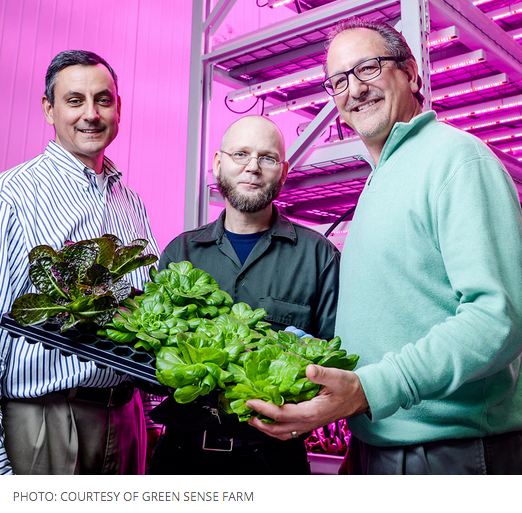
Green Sense Farms, in Portage, Indiana—the largest commercial indoor vertical farm in the US.
At first glance it looks like a scene out of Breaking Bad—a huge warehouse space with a few people wandering around in hazmat suits and blue gloves under glowing pink lights. But look closer and you’ll discover that it’s actually Green Sense Farms, in Portage, Indiana—the largest commercial indoor vertical farm in the US.
To grow produce indoors, Green Sense Farms collaborated with the lightbulb maker Philips to create sunlight-mimicking low-energy LEDs that can be programmed for hue, angle and time-of-day saturation to support around-the-clock growing of leafy lettuce, kale, arugula and more. Because of these lights, Green Sense farmers can harvest up to 26 times a year. And thanks to the vertical growing techniques, along with the basics of hydroponics—which provides direct nutrients, is soil free and water conserving––the savvy farm is using 0.1 percent of the water, land and fertilizer that the same crops would use outdoors.
The crops themselves grow in a medium made from coconut husks, instead of soil. The farmers germinate non-GMO seeds in the coconut material and when they’re done, it’s recycled. Whatever’s left is composted. This combination of vertical farming and LED-lights is paving the way for farmers to grow indoors in urban environments, which is what we’ll need if our population increases and arable land becomes even scarcer. But with just 30,000 square feet in Indiana, Green Source Farms can put out 3,000 cases of produce a week.
Right now Green Sense Farms is supplying only restaurants, commercial and retail, but one can imagine a future where we could go online, watch our lettuce grow and then double-click our way to salad heaven.
By Larissa Zimberoff | Food & Wine | January 7, 2020
Lead Photograph: Green Sense Farms



Kalera Leads The Way In Agritechnology At The Largest Hydroponic Vertical Farm In The Southeastern U.S.
Kalera has turned farming on its head – literally. Based in Orlando, its team of science- and technology-driven horticulturists leverage cleanroom technology, artificial intelligence, the internet-of-things, and data analytics to cultivate sustainably grown, fresh produce in vertical hydroponic farms
April 15th, 2020
UPDATE: 05/07/20
Kalera has re-opened operations at the HyCube facility at the Marriott World Center.
Kalera has turned farming on its head – literally. Based in Orlando, its team of science- and technology-driven horticulturists leverage cleanroom technology, artificial intelligence, the internet-of-things and data analytics to cultivate sustainably grown, fresh produce in vertical hydroponic farms.
Kalera’s co-founders came to Orlando in 2007 with the lofty goal of growing enough produce locally to feed the entire city. In 2018, they opened Kalera’s first hydroponic vertical farm, the HyCube at Orlando World Center Marriott.* The HyCube epitomizes farm-to-table dining, producing 200,000 heads of lettuce each year just a 20 feet away from the hotel kitchen, where guests enjoy lettuce and microgreens cultivated from the hydroponic vertical farm. It’s also eye-catching; through larger-than-life glass walls, visitors can see bright green lettuce peeking over the side of vertical towers stacked floor-to-ceiling. The entire structure is illuminated in a pink glow from red and blue lighting optimized to provide maximum plant yield and quality while minimizing energy costs.
Two successful years since the opening of HyCube, Kalera has now expanded its vision to feed even more residents across the entire city, state and beyond. In February 2020, the company took one step closer to achieving this vision with the opening of another farm in Orlando just northwest of Orlando International Airport – the largest indoor farm in the Southeastern U.S. The farm is expected to produce approximately 6 million heads of lettuce per year, exceeding the amount of lettuce produced annually in the HyCube farm by 30 times. To support these growing operations, Kalera CEO Daniel Malechuk is proud to make hiring local talent a top priority and has already hired graduates from the University of Florida, the University of Central Florida and Florida State University.
Similar to its original location at the Orlando World Center Marriott, this new farm employs proprietary high tech innovation to not only run the farm, but also to ensure ideal conditions for plant growth.
“We’re growing more plants with less space and less water, and with no pesticides or fertilizers,” explained Malechuk. “It’s using things like big data and artificial intelligence to measure temperature, humidity, air flow and light exposure, and analyzing it in a database to see how it affects plant growth and yield.”
Kalera’s indoor farms are unique in shielding both plants and horticulturists from extreme elements that could interrupt production or compromise lettuce crops. Relying on data analytics, the Kalera facility automates various processes to create an ideal, controlled environment for plant growth. From air circulation to carbon dioxide levels, its machines are constantly monitoring feedback from technology embedded in its crops to determine whether adjustments are needed. Kalera’s systems are so accurate that its team can often predict the results of a harvest. As Malechuk explained, they have perfected Mother Nature indoors.
While the controlled indoor environment is certainly impressive, Kalera’s proprietary air purification system truly sets it apart. Taking a page from nanoelectronics manufacturing, Kalera relies on cleanroom technology to eliminate the need for harmful pesticides and safeguard plants against bacteria, such as E. coli, which has caused nationwide recalls of romaine lettuce.
“What we’re witnessing right now in our lifetime, and what I’m so excited to be part of, is the total revolution of agriculture,” said Malechuk. “I don’t know if it’s been coined yet, but I think we’re at the ‘AgTech Age.’”
Much like the smartphone has revolutionized our way of life and become an indispensable tool we often take for granted, Malechuk clearly envisions a society in which vertical hydroponic farms like Kalera’s are the norm – especially in densely populated cities where hyperlocal sustainable farming practices would have a greater impact.
Until that day, Kalera continues with its plan to expand across the continent and around the globe at the forefront of a new “AgTech Age.”
*Kalera’s Orlando facility remains operational despite the COVID-19 pandemic. The company has donated its leafy greens to multiple charities in the area and has provided free cases of produce to many neighborhoods across the city. Its produce can also be found across all Orlando Publix locations.
Currently, Kalera has paused operations at the HyCube facility until the Marriott World Center reopens for guests and is using this time as an opportunity for cleaning and renovations to the facility.

Signify And RIAT Pioneer Growing Tomatoes And Cucumbers In A Vertical Farm Without Daylight
RIAT’s indoor farm is located in the center of the Ivanovo region, enabling the company to distribute its tomatoes, cucumbers, and 19 types of green crops to its own RIAT stores within an hour after harvesting. RIAT has a special technique to fold the long stems, allowing it to grow the 3.5m high plants indoors
Eindhoven, the Netherlands – Signify (Euronext: LIGHT), the world leader in lighting, and RIAT, an innovative farming enterprise located in Russia, have together pioneered the growing of tomatoes and cucumbers in a vertical farm without daylight. During the research phase in 2019, RIAT achieved a yield comparable to advanced traditional greenhouses using Philips GreenPower LED grow lights.
“We already had facilities of sufficient height at our disposal, therefore there was no need to invest in building a glass construction. But as the building had no windows, we needed a high-quality lighting system to fulfill the intensive lighting requirements of tomatoes and cucumbers,” says Vladimir Bukharev, director at RIAT. “In 2019, Signify provided it’s Philips GreenPower LED grow lighting, helping us to achieve a yield performance comparable to traditional greenhouse operations.”
RIAT’s indoor farm is located in the center of the Ivanovo region, enabling the company to distribute its tomatoes, cucumbers, and 19 types of green crops to its own RIAT stores within an hour after harvesting. RIAT has a special technique to fold the long stems, allowing it to grow the 3.5m high plants indoors.
“With a harvest of 2.7 to 3.2 kg of cucumbers per m2 every week, and 1.7 kg per m2 of tomatoes, we started making a profit as of the second year of operation,” Bukharev added. “In addition to that, the quality of the product is very high, there’s hardly any waste and we sell 99% of what is being grown.”
“To mimic nature as much as possible, RIAT has chosen a combination of different kinds of Philips GreenPower LED toplighting and interlighting, bringing light both from the top and right in the canopy where the light is needed the most for photosynthesis. While using different kinds of lights, the light recipe can be adjusted based on the crop that is grown,” said Sergey Khokhrin, business Development Manager CEE/Russia & CIS at Signify.
Signify, in collaboration with several research partners, discovered that the red spectrum in light stimulates growth of plant cells and tissues, while the blue spectrum influences the processes of cytodifferentiation (racemes initiation, bines and root formation, flowering). The combination of red and blue with the addition of white and other colors in Philips LED grow lights creates lighting conditions that are as close to natural daylight as possible. Additionally, RIAT is using bumblebees for pollination, as in traditional greenhouses. The bees don’t experience difficulties due to the absence of natural light.

When choosing a lighting supplier, RIAT tested LED modules from different manufacturers from around the globe. “By using Philips LED lighting modules, we managed to achieve maximum stability and a light output of 18 g/mol. This is why we chose Signify. The area equipped with LED lamps is currently 3,800 m2. Soon, we are going to launch a new area of 700 m2 to grow lettuce which will also be equipped with Philips LED lighting,” Bukharev added.
--- END ---
For further information, please contact:
Global Marcom Manager Horticulture at Signify
Daniela Damoiseaux
Tel: +31 6 31 65 29 69
E-mail: daniela.damoiseaux@signify.com
Signify Corporate Communications and Government Affairs in Russia and CIS
Natalia Neverskaya
Tel.: +7 (495) 937-93-30; fax +7 (495) 937-93-59
E-mail: natalia.neverskaya@signify.com
About Signify
Signify (Euronext: LIGHT) is the world leader in lighting for professionals and consumers and lighting for the Internet of Things. Our Philips products, Interact connected lighting systems and data-enabled services, deliver business value, and transform life in homes, buildings, and public spaces. With 2019 sales of EUR 6.2 billion, we have approximately 38,000 employees and are present in over 70 countries. We unlock the extraordinary potential of light for brighter lives and a better world. We have been named Industry Leader in the Dow Jones Sustainability Index for three years in a row. News from Signify is located at the Newsroom, Twitter, LinkedIn, and Instagram. Information for investors can be found on the Investor Relations page.
About RIAT
RIAT is a holding in the Ivanovo region, Russia, which owns the world's first indoor production of tomatoes and cucumbers, as well as 10 supermarkets in Ivanovo and 2 in the Ivanovo region (in the cities of Ples and Kineshma).

Coronavirus Driven CO2 Shortage Threatens US Food and Water Supply, Officials Say
An emerging shortage of carbon dioxide gas (CO2) caused by the coronavirus pandemic may affect food supply chains and drinking water, a Washington state emergency planning document has revealed
An emerging shortage of carbon dioxide gas (CO2) caused by the coronavirus pandemic may affect food supply chains and drinking water, a Washington state emergency planning document has revealed.
The document, a Covid-19 situation report produced by the State Emergency Operations Center (SEOC), contains a warning from the state’s office of drinking water (ODW) about difficulties in obtaining CO2, which is essential for the process of water treatment.
The document says that the ODW is “still responding to [that day’s] notification of a national shortage of CO2”.
It continues: “Several [water plants] had received initial notification from their vendors that their supply would be restricted to 33% of normal.”
It further warns: “So far utilities have been able to make the case that they are considered essential to critical infrastructure and have been returned to full supply. However, we want to ask if CISA [the US Cybersecurity and Infrastructure Security Agency] can assess this through their contacts, if this is sustainable given the national shortage.”
Asked to clarify the nature of this problem, ODW director Mike Means said in an email that his agency had first learned of potential problems when Seattle public utilities were “contacted by their vendor Airgas who supplied a copy of a Force Majeure notice”, warning them that their CO2 order would be reduced due to pandemic-related shortages.
Force majeure is a contractual defense that allows parties to escape liability for contracts in the case of events – such as a pandemic – that could not be reasonably foreseen.
In this case, Means wrote, “Airgas informed in their notice that they would only be able to do 80% of their normal service but subsequent discussions said to expect more like 33%”.
At this point, he added, “we reached out to understand if this was a WA specific problem or national. We quickly understood it to be a national issue.”
ODW had then contacted federal agencies such as CISA, the Federal Emergency Management Agency (Fema) and industry bodies such as the Association of State Drinking Water Authorities (ASDWA).
The main reason for national shortages, according to the CEO of the Compressed Gas Association (CGA), Rich Gottwald, is a ramping down of ethanol production.
“Back in the summertime, the [Trump] administration exempted some gasoline manufacturers from using ethanol. Then we had Russia and Saudi Arabia flooding the market with cheap gasoline. All of that led to an oversupply of ethanol,” Gottwald said.
“As ethanol manufacturers were ramping down because there wasn’t a market for their product, along comes Covid-19, which meant people weren’t driving anywhere”, he added.
This led to plant closures, including among the 50 specialized plants that collect CO2 for the food and beverage market.
Gottwald’s association, along with a number of associations representing food and beverage industries, which together use 77% of food-grade CO2, issued a joint warning to the federal government about the shortage.
In an open letter to the vice-president, Mike Pence, the coalition warns: “Preliminary data show that production of CO2 has decreased by approximately 20%, and experts predict that CO2 production may be reduced by 50% by mid-April.”
It continues: “A shortage in CO2 would impact the US availability of fresh food, preserved food and beverages, including beer production.”
In an email, a Fema spokesperson said: “There is nationwide reduction in CO2 production capacity based on a shutdown of some ethanol plants that produce CO2 as a by-product, but impacts to water sectors would be local”.
“The ethanol plants are not closed because of Federal government orders related to COVID-19, but rather by market forces”.
CISA and ASDWA did not immediately respond to a request for comment.
By Jason Wilson | The Guardian | April 20, 2020
Lead Photograph: Andy Rain/EPA

May 6th, 2020 16:00 CEST Webinar Series 'Eat This' by World Horti Center
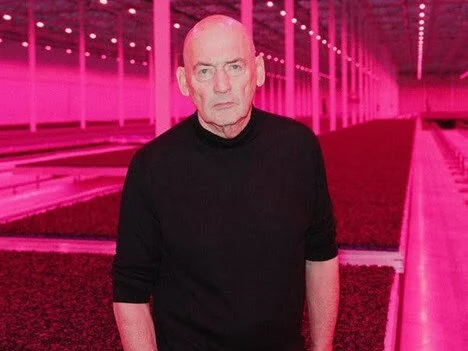
World Horti Center and NethWork collaborate in giving a follow up to the exhibition ‘Countryside – The Future’ initiated by the Dutch architect Rem Koolhaas, that was opened on February 20 in the Guggenheim Museum in New York
World Horti Center and NethWork collaborate in giving a follow up to the exhibition ‘Countryside – The Future’ initiated by the Dutch architect Rem Koolhaas, that was opened on February 20 in the Guggenheim Museum in New York. The exhibition among others features the current and future developments in food production, especially what is happening in greenhouses.
Webinar sessions
The exhibition is currently closed, due to the COVID-19 pandemic, but the production of cherry tomatoes in a closed, high tech production unit, situated in front of the museum on Fifth Avenue, continues. Right in the center of the world and the epicenter of the pandemic. The unit, therefore, is a great metaphor and catalyst in the discussion on the consumption of healthy food, produced in a sustainable and affordable way. Therefore, World Horti Center (WHC) took the initiative to facilitate, in cooperation with foundation NethWork, a new series of online events.
Thought leaders
During weekly webinar sessions, thought leaders in the field of food will share their vision on (the future of) healthy food. The kick-off takes place on Wednesday 6 May, 16.00 hrs CEST and features architect Rem Koolhaas, initiator of the exhibition ‘Countryside – The Future’. He will be assisted by Clemens Driessen, a philosopher at Wageningen UR. Both gentlemen will share their vision on current developments and the future of horticulture in the Netherlands and beyond. You can register for the first webinar here.
Eat This
This webinar series, named ‘Eat This’ is a close collaboration between NethWork and World Horti Center. Both organizations want to connect the horticultural sector with the world beyond horticulture. Renee Snijders and Ed Smit of NethWork will present these weekly webinar sessions. After the inaugural session with Rem Koolhaas, 9 webinars will follow. Additional details on guests and themes will follow soon.
For more information:
World Horti Center Europa 1
2672 ZX Naaldwijk
Netherlands
+31 (0)174 385 600
info@worldhorticenter.nl
www.worldhorticenter.nl
NethWork
www.nethwork.info
Publication date: Wed 29 Apr 202

Majid Al Futtaim Launches Dubai’s ‘First’ In-Store Hydroponic Farm
The farm spans 24 square metres and can accommodate up to 16 varieties of leafy greens and herbs
The farm spans 24 square metres and can accommodate up to 16 varieties of leafy greens and herbs
Malls operator Majid Al Futtaim has opened what it claims is Dubai’s “first” in-store hydroponic farm at its Carrefour market Al Wasl store.
The farm spans 24 square metres and can accommodate up to 16 varieties of leafy greens, including lettuce, arugula, and kale, and herbs such as basil, dill, and sorrel.
The new opening marks the company’s third in-store hydroponics farm, following two others in Carrefour locations at Yas Mall and My City Centre Masdar.
The farms are part of an agreement signed by Majid Al Futtaim with the UAE’s Ministry of Climate Change and Environment to promote sustainable locally-grown produce, a statement said.
Hydroponics enables fresh produce to grow in a controlled environment, providing a steady supply of food throughout the year.
The farm also uses 90 percent less water and less space than traditional farms to deliver approximately 10kg of fresh herbs and microgreens per day, equivalent to the yield of about 1 acre of farmland.
Alain Bejjani, CEO at Majid Al Futtaim Holding, said: “The increased supply of locally-grown produce is key to ensuring long-term food security in the UAE. With the introduction of our latest in-store hydroponics farm, we are expanding our own sustainable farming capabilities. At the same time, we are working closely with local farmers to stock their produce in our stores.”
Also read: Carrefour launches mobile grocery bus in Dubai
The farm also contributes to Majid Al Futtaim’s commitment to offset the company’s water and carbon footprint by 2040.The conglomerate has been stepping up its sustainability agenda, and late last year announced that it will eliminate single-use plastic from its operations by 2025.As part of the decision, Carrefour stores will remove 800 million plastic grocery bags from circulation annually, it stated.
Read: UAE Carrefour stores to soon remove plastic bags as part of Majid Al Futtaim eco-plan


Food Security Puts CubicFarms In Spotlight To Localize Food Production
CubicFarms is a leading platform provider of automated controlled-environment growing systems that produce commercial-scale quantities of fresh produce and nutritious livestock feed
cubicfarms 2018 May 1, 2020
Top Ag-Tech Investor Ospraie Invests C$5 Million In
A Private Placement
Vancouver, BC – (AccessWire – May 1, 2020) – CubicFarm® Systems Corp. (TSXV:CUB) (“CubicFarms” or the “Company”) is pleased to announce the strategic investment of Ospraie Ag Science as the Company executes its vision of providing technology to feed a changing world.
CubicFarms is a leading platform provider of automated controlled-environment growing systems that produce commercial-scale quantities of fresh produce and nutritious livestock feed. The systems work continuously all year, providing consistent and predictable produce and feed without the typical investment in labour, land, water, and fertilizer. Its reduced growing footprint allows growers to set up a CubicFarms system in and around large population centres, and supply their local markets while shortening distribution chains and the amount of time that food spends in transit.
In addition to providing localized production, CubicFarms systems have been shown to be far more efficient than traditional farming methods, which enhances growers’ profitability.
“Over the past month, we’ve seen a sharp increase in inquiries from interested parties worldwide for our technology, to enhance food production and improve food security and self-sufficiency. The Covid-19 pandemic exposed fragility in supply chains, such as labour shortages, disruptions in the packing and transportation sectors, and increasing uncertainty in the domestic and international markets.
CubicFarms’ automated growing systems have emerged as a key solution to overcoming these challenges by allowing growers to localize food production and provide their markets with fresh produce and nutritious livestock feed reliably and consistently,” said CubicFarms CEO Dave Dinesen.
“Two months ago, we announced our largest system sale of 100 fresh produce machines and our ever-increasing sales pipeline underscores the demand for our technology.”
Private placement with strategic investor Ospraie Ag Science
The non-brokered private placement with Ospraie Ag Science (“Ospraie”) involves the issuance of 21,739,130 common shares of CubicFarms at a price of C$0.23 per share for gross proceeds of up to C$5.0 million (the “Offering”). Without giving effect to the issuance of common shares, if any, pursuant to the exercise of pre-emptive rights held by another strategic investor of the Company, Ospraie will hold an 18.7% interest in the Company upon completion of the Offering.
“We are thrilled to welcome Ospraie as a strategic partner as CubicFarms embarks on its exciting next chapter. The investment by Ospraie, one of the top technology investors in the agricultural space, is a testament to the CubicFarms vision, team and technology,” said Jeff Booth, CubicFarms Chairman.
“Ospraie’s deep industry and commercial expertise, in addition to its extensive network, are expected to add significant value to CubicFarms and unlock new potential synergies with other companies in the Ospraie portfolio,” Mr. Booth added.
Dwight Anderson, Chief Investment Officer at Ospraie Ag Science, commented, “CubicFarms’ fresh produce systems are on the leading edge of commercial-scale controlled-environment-agriculture technology and we are excited to support Dave and the entire CubicFarms team as they continue to execute their vision of providing innovative solutions for both the food and feed markets.
“The agricultural value chain is rapidly evolving and technology infrastructure to overcome the pains of traditional farming is sorely needed. CubicFarms is one part of the multivariable solution required to address this need for safe, reliable, environmentally-friendly and affordable food. We look forward to working with the Company and its existing partners to realize CubicFarms’ tremendous potential.”
The net proceeds from the Offering are expected to be used for research and development to expand machine capabilities and crop varieties, and working capital.
The Offering is scheduled to close on or about May 15, 2020 and is subject to certain conditions, including, but not limited to, the execution of definitive documentation and receipt of all necessary approvals, including the approval of the TSX Venture Exchange. All securities issued pursuant to the Offering will be subject to a hold period under applicable securities laws, which will expire four months plus one day from the closing date of the Offering.
Photo: A grower using CubicFarms’ proprietary app to control frequency and volume of irrigation and nutrients, and monitor the machine’s speed to optimize yield and quality of each crop.
Photo: The fully automated feed machine, shown in a three-section configuration, performs all functions including seeding, watering, lighting, harvesting, and re-seeding, all with the push of a button.
This press release does not constitute an offer to sell or the solicitation of an offer to buy, nor shall there be any sale of these securities, in any jurisdiction in which such offer, solicitation or sale would be unlawful prior to registration or qualification under the securities laws of such jurisdiction. The securities have not been and will not be registered under the United States Securities Act of 1933, as amended (the “U.S. Securities Act”), or any state securities laws, and may not be offered or sold within the United States unless an exemption from such registration is available.
Neither the TSX Venture Exchange nor its Regulation Services Provider (as that term is defined in the policies of the TSX Venture Exchange) accepts responsibility for the adequacy or accuracy of this release.
About CubicFarm® Systems Corp.
CubicFarm Systems Corp. (“CubicFarms”) is a technology company that is developing and deploying technology to feed a changing world. Its proprietary technologies enable growers around the world to produce high-quality, predictable crop yields. CubicFarms has two distinct technologies that address two distinct markets. The first technology is its patented CubicFarm™ System, which contains patented technology for growing leafy greens and other crops. Using its unique, undulating-path growing system, the Company addresses the main challenges within the indoor farming industry by significantly reducing the need for physical labor and energy, and maximizing yield per cubic foot. CubicFarms leverages its patented technology by operating its own R&D facility in Pitt Meadows, British Columbia, selling the System to growers, licensing its technology and providing vertical farming expertise to its customers.
The second technology is CubicFarms’ HydroGreen System for growing nutritious livestock feed. This system utilizes a unique process to sprout grains, such as barley and wheat, in a controlled environment with minimal use of land, labor, and water. The HydroGreen System is fully automated and performs all growing functions including seeding, watering, lighting, harvesting, and re-seeding – all with the push of a button – to deliver nutritious livestock feed without the typical investment in fertilizer, chemicals, fuel, field equipment, and transportation. The HydroGreen System not only provides superior nutritious feed to benefit the animal but also enables significant environmental benefits to the farm.
About Ospraie Ag Science
Ospraie Ag Science LLC (“Ospraie”) an investment vehicle that supports productivity-enhancing companies in the agriculture technology space with a focus on sustainable solutions that improve the quality of life for farmers and society. Utilizing its extensive network and 25 years of experience investing in agriculture markets, Ospraie identifies solutions that help farmers “Do More With Less” and that increase profitability, reduce environmental impact and improve their quality-adjusted yield.
Information contact
Kimberly Lim
kimberly@cubicfarms.com
Phone: +1-236-858-6491
www.cubicfarms.com
Cautionary statement on forward-looking information
Certain statements in this release constitute “forward-looking statements” or “forward-looking information” within the meaning of applicable securities laws, including, without limitation, statements with respect to the closing of the Offering and the use of proceeds thereof. Such statements involve known and unknown risks, uncertainties, and other factors which may cause the actual results, performance, or achievements of CubicFarm Systems Corp., or industry results, to be materially different from any future results, performance, or achievements expressed or implied by such forward-looking statements or information including the Company obtaining the approval of the Offering from the TSX Venture Exchange. Such statements can be identified by the use of words such as “may”, “would”, “could”, “will”, “intend”, “expect”, “believe”, “plan”, “anticipate”, “estimate”, “scheduled”, “forecast”, “predict”, and other similar terminology, or state that certain actions, events, or results “may”, “could”, “would”, “might”, or “will” be taken, occur, or be achieved.
These statements reflect the Company’s current expectations regarding future events, performance, and results and speak only as of the date of this news release. Consequently, there can be no assurances that such statements will prove to be accurate and actual results and future events could differ materially from those anticipated in such statements. Except as required by securities disclosure laws and regulations applicable to the Company, the Company undertakes no obligation to update these forward-looking statements if the Company’s expectations regarding future events, performance, or results change.

DOJ Assigns Team To Prevent Decertification of Organic Containers
The lawsuit does not exempt any container systems, and the ban would include everything from microgreens grown in a tray using soil to tomatoes grown in a planting bed with plastic lining to berries grown in a pot to leafy greens grown in a circulating water system
The U.S. Department of Justice has assigned the team and selected a primary attorney at the Federal Programs Brach of the Civil Division in Washington, DC to lead the defense of the U.S. Department of Agriculture, the National Organic Program and the long-standing policy that allows for the organic certification of farms that incorporate container production methods.
The lawsuit does not exempt any container systems, and the ban would include everything from microgreens grown in a tray using soil to tomatoes grown in a planting bed with plastic lining to berries grown in a pot to leafy greens grown in a circulating water system.
Attorneys from the U.S. Department of Justice with support from the U.S. Department of Agriculture will take the lead in defending your right to choose the most appropriate and sustainable organic production method on your farm. The CSO expects that they will do a wonderful job to show how the USDA followed all the correct procedures in establishing the policy supporting container and hydroponic production systems. However, neither Departments are subject matter experts, and they will depend on growers like you working through the CSO to support their efforts to build a fact-based record to increase the chances of winning the lawsuit.
Your membership in the CSO will allow us to fully engage with expert attorneys to strengthen our efforts in the courts in California and with officials in Washington, DC to preserve your organic certification. If you are not yet a member, please consider joining today.

Turning Your Home Into Your Main Food Producer
The coronavirus has led countless Americans to rethink how they cook, eat and source food, both to expand their supply and connect to community
The coronavirus has led countless Americans to rethink how they cook, eat and source food, both to expand their supply and connect to community.
Gardening has long been a hobby for Jason McCune, which at least partly explains why the coronavirus pandemic has turned him into a thyme farmer.
It started in early March when coronavirus prompted a run on hand sanitizer and Mr. McCune, 39, happened across a YouTube video on the disinfectant qualities of thyme. He also learned, via a YouTube video sent to him by a friend, that the essential oil of thyme, an antiseptic, might help fight respiratory illnesses.
“I thought, if I grow a lot of thyme and drink thyme tea, it certainly won’t hurt,” said Mr. McCune, an engineer at a compost heat-recovery company who lives in Richmond, Vt. He and his wife, Ellen, an early-childhood educator, run a preschool out of their home, but with the school now closed indefinitely, they’ve moved out the children’s dining and play tables and converted the dining room into a thyme greenhouse with a 4-foot by 10-foot bed of seeds.
“I’ll dry the thyme, share it with friends and we’ll make an apocalypse tea blend,” he said.
As isolation orders across the country stretch into their second month and grocery stores race to restock shelves, Mr. McCune has joined countless Americans who are making changes to how they cook, eat and source food to expand their food supply and connect to community.
“Stores weren’t anticipating the sort of stocking issues they were going to have,” said Joseph Glauber, a senior research fellow at the International Food Policy Research Institute (IFPRI), partly because of hoarding, but also because so many people normally rely on restaurants to feed themselves.
“Fifty percent of what U.S. households spend on food happens away from their home,” Mr. Glauber said. “So all of a sudden, when they can’t eat away from home, they’re having to go to the grocery store and buy a lot more food.”
The research institute has reported that Covid-19 does not pose a threat to the global food supply, but shoppers have been stocking up nevertheless — sales of consumer packaged goods rose more than $8.5 billion during the two-week period ending March 21, according to the Nielsen Corporation, the global market research company.
Whatever the method, many Americans are looking for ways to expand and enrich what they normally eat. Google searches for the term “home farming” jumped 50 percent in March; “how to raise chickens” spiked 75 percent.
“I feel like I no longer know the availability of things from week to week,” said Kate Bertash, who lives in a two-bedroom apartment in the Los Angeles neighborhood of Venice Beach. An avid pickler, she now makes sure her regular C.S.A. box — a package of farm-sourced vegetables delivered each week — includes items that can be salted or preserved, and her “rot closet,” a dedicated kitchen cabinet for fermenting vegetables, is full. “Pickling and fermenting is really cool because you can be more flexible with what’s available,” she said.
Phyllis Davis, president of Virginia-based Portable Farms Aquaponics Systems, said its web traffic has doubled since the coronavirus outbreak. The company offers clients at-home farming kits, with online instructional courses on assembling its portable system and understanding aquaponics, a process of growing food using fish excretions as fertilizer. “Food security and sustainability are a very hot topic right now,” Ms. Davis said.
David Siegel, a dietitian who lives with his wife and 5-year-old son in a railroad-style apartment in Brooklyn, has begun hosting online chats about aquaponics. Mr. Siegel, 40, got a home fish tank a year ago, both to have something beautiful to look at and to fertilize herbs and vegetables. He initially tried tropical fish because of their bright colors, but found them too hard to care for. Now he has goldfish in a 20-gallon tank in the apartment’s central room, pumping nutrient-rich water into a multitiered system above with lettuce, basil, parsley and arugula.
Mr. Siegel said he doesn’t grow nearly enough food to feed his family, but as he has cut back on trips to the store, his fresh vegetables have made meals much tastier. “We say, tongue in cheek, that this is a pandemic hobby,” he said. “But right now we’re stocking up on frozen goods and canned and dry goods, and we’re able to supplement, especially with the herbs. It’s adding some much-needed freshness to our diet.”
For some, the pandemic has added a new immediacy to old hobbies. Stephanie Gravalese, a freelance writer in Delmar, N.Y., is quarantining with her partner, Max Clement, who is immuno-compromised and not leaving the house. Mr. Clement, 32, has always dabbled in baking. Now he’s making sourdough loaves every day to share with friends who have lost their jobs. The couple is also producing homemade vinegar, pastas, ricotta and liquors, much of which they trade for other goods. The couple’s front porch has become a contact-free swap zone, where they put out their creations for local bakers and farmers, who in turn leave them fresh meat, raspberry bars and lemon bread.
“Baking, and creating anything we can share is creating community for us right now,” Ms. Gravalese, 36, said. “It’s also turned the kitchen into a very special place for us. Right now, the center of our lives is in the kitchen.”
A version of this article appears in print on April 12, 2020, Section RE, Page 6 of the New York edition with the headline: Your New Main Food Producer? Your Home, Naturally.
By Debra Kamin | The New York Times | April 7, 2020

In The Unterwiehre In Freiburg, Lettuce Grows Almost Under Laboratory Conditions
David Rösch grows lettuce. However, not in the soil, but in plastic. Plants like that of his P 3 project could in the future contribute to the food supply of the growing world population
April 24, 2020
David Rösch grows lettuce. However, not in the soil, but in plastic. Plants like that of his P 3 project could in the future contribute to the food supply of the growing world population.
Salad grows in Oltmannsstrasse. Surrounded by solar companies, insurance companies, and moving companies, 800 salads flourish there, as if they were rooted in juicy South Baden fields. They are not in the ground at all, but in thin plates made of Styrodur plastic, the roots ultimately hang in the air - and yet the lettuce thrives wonderfully in the lower part of the body. How does it work? David Rösch knows that, who sees his initiative primarily as an educational project.
Hydroponics plants could be a solution for feeding the growing world population
David Rösch is not a gardener, but still has a lot to do with nature. He studied forestry and the environment at the University of Freiburg. In the meantime, he was dealing with refugees - and decided to make this his profession. In 2018 he founded his own company: P 3, a workshop in which refugees are trained as carpenters or prepared for an apprenticeship. On the one hand, P 3 produces furniture on request, from stools to fitted kitchens, and on the other hand attachments for cargo bikes as mobile sales and information stands. Then managing director Rösch came up with the idea of the salads a year ago. More specifically: for a hydroponic system (derived from the Greek words for "water" and "wages of work").
The 31-year-old has long thought about how to feed a growing world population - especially in urban areas such as around Oltmannsstraße, where arable land is as common as fresh vegetables in school canteens. Hydroponics systems enable vegetables to be grown without soil: the plants only grow with the help of water and nutrients. The latter comes from fish feces, for example, which is widely used in fish farming and is called aquaponics in technical jargon. The feces that are filtered out are converted to nitrate with the help of microbes and used as fertilizer, which is mixed with the useful water of the animals and allows the tomatoes and cucumbers to thrive in the adjacent bed. The water separated from the plants then flows back into the basin - this is how the material cycle goes. P 3 boss David Rösch wanted that too.
The regional energy service provider Badenova supported the project with 110,000 euros, P 3 then designed a prototype, on the styrofoam walls of which lettuce grew, which the staff consumed at a large salad party in autumn. But the breakthrough was not yet: And so we continued to tinker. The employees and trainees converted two old containers into a greenhouse. There they put their further developed system, consisting of two elements.
The origin of the fertilizer takes getting used to
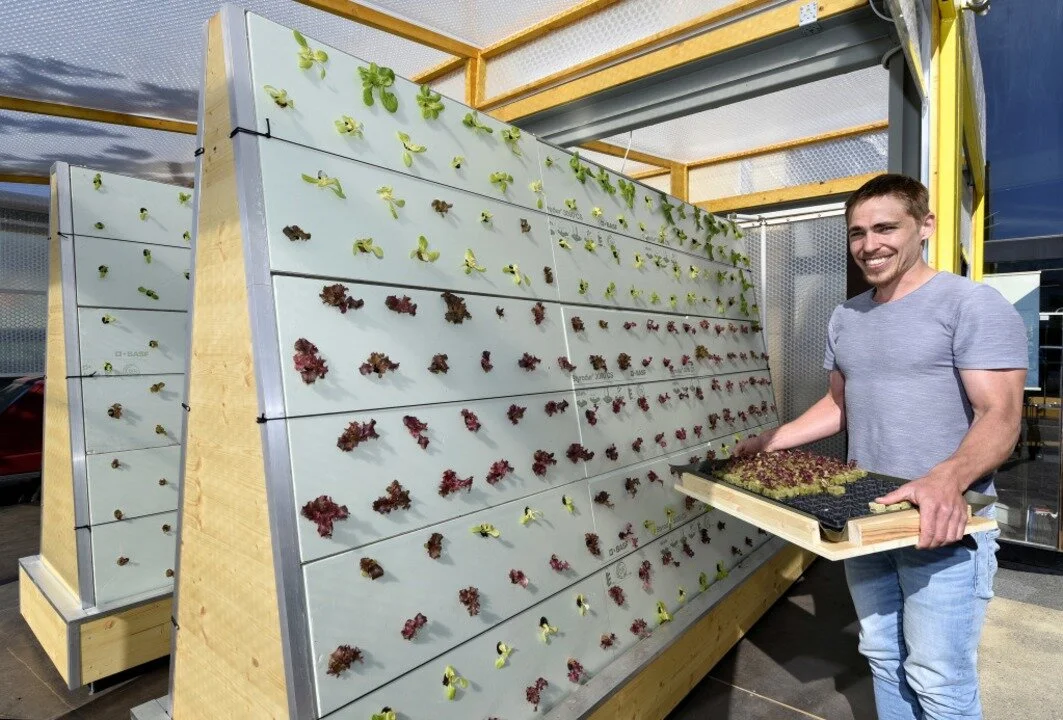
The outer structure is reminiscent of narrow wooden tents, and inside there is a pool with water that sprinkles the walls every two minutes. Better said: the free-floating roots of the salads (now: lettuce and Lollo Rosso), whose seedlings are in the holes in the sloping walls. In fact, it's aeroponics because the roots are in the air.
Fish tanks are currently not feasible, says David Rösch. So where do the nutrients come from? P 3 is currently getting the fertilizer from a company in Switzerland that processes human urine. This also follows the principle of the material cycle. So far, the social acceptance of hydroponics systems has generally been rather low. The tenor of the people is rather: "It's feed from the laboratory, grown-up, we want real vegetables from the field!" When asked how long it would take for consumers to accept this alternative cultivation, Rösch replied: "Boah, long!" And urine fertilizer as a source of nutrients doesn't make it better at first.
Systems are suitable for locations in an urban environment
The advantages of the system are obvious: it can stand on flat roofs in the middle of the city. In comparison to the usual arable cultivation, the duration of growth is constant and the space requirement is reduced to a fifth. Because of the cycle, 90 percent less water would be used - "This is relevant in many countries around the world," says Rösch: "And the taste of the salad is perfect." It takes a while before you can try this on the new harvest: it takes around ten weeks from seedling to ready-to-eat lettuce.
"People have to get to know this cultivation better."David RöschDavid Rösch now wants to do a lot of educational work, such as collaborations with schools. The idea of a gardener community is in the room: "People have to get to know this cultivation better." Tomatoes, cucumbers, and herbs are also expected to soon grow in the hydroponics plant. Perhaps the company would sell some of the products in its workshop, but marketing would not be in the foreground. There are many other ideas that keep Rösch busy, not just those with their own fish tank, which could easily be connected. Initially, however, there will probably be an internal salad party - if Corona allows it.
Lead Photo: David Rösch with his steep slope salad breeding, which he sees primarily as an educational project. Photo: Thomas Kunz

Farmshelf Unveils Its First Consumer-Facing Vertical Farming Unit
Farmshelf, the vertical farming company best known for outfitting restaurants with its high-tech indoor farms, today unveiled its first-ever consumer-facing product, according to a company press release
Farmshelf, the vertical farming company best known for outfitting restaurants with its high-tech indoor farms, today unveiled its first-ever consumer-facing product, according to a company press release.
Dubbed Farmshelf Home, the new product is similar to the company’s commercial model championed by high-profile chefs like José Andrés. It’s roughly the size of a bookcase and uses a combination of sensors, cameras, software, and custom LEDs to automatically deliver the correct levels of water, light, and nutrients to each plant growing in the farm.
For the average consumer, that means once the farm arrives, it’s a matter of plugging it into a wall, connecting it to wifi, setting seeds in pods, then remotely monitoring the hydroponic system from a corresponding smartphone app.
Farmshelf Home is available to pre-order through the company’s website. Though it ain’t cheap: the company lists the “exclusive pre-order price” at $4,950, while the standard retail price will be set at $6,450. There is a $100 deposit (applied to the price and also refundable) as well as a monthly $35 fee that covers seed pods, nutrients, and access to the Farmshelf software for monitoring plants. At the moment, those interested only need to hand over the deposit to sign up for a pre-order. According to the fine print, there is no firm delivery date yet.
Three months ago, I would have called the high price point a deterrent for most people. Certainly, the average American family won’t be purchasing a Farmshelf anytime soon.
But those in higher income brackets may. A global pandemic has revealed just how out of whack our food supply chain is and what happens when people panic shop in droves and grocery stores can’t keep up, factors that might justify the price point for some folks. The Spoon’s Publisher Michael Wolf pointed out recently that “As the coronavirus has forced all of us to think more about our food supply, some consumers have gone beyond just buying a little extra food to store away. Now they are thinking about how we could ensure access to food independent of breakdowns in the system.”
Now we have to see whether consumers will pay thousands of dollars to ensure that independence. More at-home vertical farming companies were coming to market even before the pandemic, with large appliance makers like Samsung, LG, and Miele announcing high-tech gardens meant for your kitchen or living room. They range in price from the hundreds to the thousands, though not quite as high as Farmshelf.
Currently, Farmshelf is in a number of restaurants and hotels, including NYC chain Tender Greens, Marriott Marquis Times Square, and the Condé Nast offices. Angel network she1K syndicated an early-stage investment in the company at the end of last year.
Tags: AG TECH BUSINESS OF FOOD FEATURED FOODTECH MODERN FARMER SMART GARDEN
Top 26 Vertical Farming Companies
Carnegie Mellon University is among a number of organizations that have developed integrated systems for vertical farming. CMU’s version is called ACESys, short for Automation, Culture, Environment, and Systems Model for Vertical Farming
MAY 3, 2019
BY MAI TAO
The phrase “vertical farming” probably doesn’t need to be explained even though it’s quite new. But anyway, vertical farming refers to the practice of producing fruits and vegetables vertically, in stacked layers, perhaps on many floors inside a building, using artificial lights instead of the sun, and a whole range of relatively new technologies.
The two main reasons why it’s a much-discussed topic now is because:
There are a number of startup companies emerging in the sector and attracting tens of millions of dollars in investment; and
More people live in cities than do in rural areas, a global trend which seems irreversible, and this means that the demand for fresh produce will increase in urban areas, and bringing the production closer to the consumer would make sense.
The third thing we could have added is that there is a range of new technologies available now that make vertical farming in urban areas cost-effective and possibly profitable. But we already mentioned that.
Some of these technologies have been available for some time, decades even, but they were probably too expensive in the past to make vertical farming a viable business proposition.
The key technologies in vertical farming include:
perception technologies – cameras and other sensors which can monitor for color and other factors, such as disease;
artificial intelligence – which can process the data from the sensors and formulate solutions;
automated and even autonomous mechatronics – robots and other automated machines that pick the produce when it is ready for market, or apply cures to ailments during their growing.
The above list is a very simple breakdown of the fundamental technologies that will be required to, basically, reduce to a minimum or even eliminate the need for human involvement.
If vertical farms are run like traditional greenhouses, there would be too much human input required and it probably would not be profitable.
It’s the new automation technologies that will make it work.
Carnegie Mellon University is among a number of organizations that have developed integrated systems for vertical farming. CMU’s version is called ACESys, short for Automation, Culture, Environment, and Systems Model for Vertical Farming.
An academic paper probably worth checking out is called Advances in greenhouse automation and controlled environment agriculture: A transition to plant factories and urban agriculture.
In their introduction to the paper, the authors note: “Greenhouse cultivation has evolved from simple covered rows of open-fields crops to highly sophisticated controlled environment agriculture facilities that projected the image of plant factories for urban farming.
“The advances and improvements in CEA have promoted scientific solutions for the efficient production of plants in populated cities and multi-story buildings.”
So the interest in the field is strong and most people seem to think it’s a viable business proposition.
And to underline the positivity about the sector, Research and Markets forecasts the vertical farming market will grow to a value of $3 billion by 2024, from virtually nothing now.
However, not everyone is convinced, and some people have dismissed the whole idea as a scam. They say it won’t work, will be too expensive, and not be able to yield enough to provide adequate returns on investment.
But in some sectors, such as marijuana production, indoor farming is providing a strong foundation for healthy profits, although we are not encouraging that sort of thing – this article is more about produce such as lettuce and other healthy vegetables and fruit, usually found in greengrocers.
Anyway, whatever we or anyone else thinks of the prospects, there are a large number of companies which have entered the field and we thought it would a good idea to make a list of them.
It’s a very new business sector, so this list is not ordered on any scientific basis – just 20 companies that are notable and active.
We’re not going to include Samsung for now even though it’s been on this website recently for demonstrating a home vertical farming product. The reason is that vertical farms are currently not central to Samsung’s business by any stretch of the imagination, although the company may have a contribution to make to the sector going forward.
1. AeroFarms
This company has won many plaudits for its operation and uses its own patented “aeroponic technology… to take indoor vertical farming to a new level of precision and productivity with minimal environmental impact and virtually zero risk”.
The company has raised at least $138 million in funding since launch in 2004, according to CrunchBase. Some of its backers are quite impressive, as this article in Ag Funder News reports.
The term “aeroponic” farming refers to the process of growing plants in an air or mist environment without the use of soil or an earth-like material, which is known as “geoponics”.
Aeroponic systems enable the production of plants using 95 percent less water, which is what AeroFarms says it does.
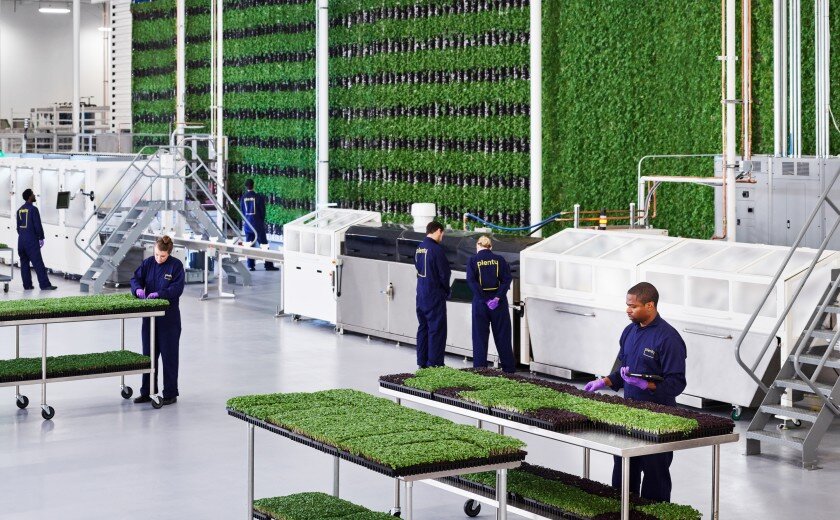
2. Plenty
Although Plenty doesn’t make seem to mention aeroponics on its website, it’s difficult to see how it can reduce the water consumption of its vertical farms by 95 percent, as it claims to do, without the air-and-mist system as described above.
Like the other big vertical farming companies on this list, Plenty is another one that retails its produce, which include kale and other greens, as well as some exotic herbs.
Plenty is probably the biggest company in terms of the amount of money it has raised in funding – approximately $226 million, according to CrunchBase.
3. Green Spirit Farms
Green Spirit Farms started raising money as early as 2013, but has not disclosed the amounts. Area Development reported that the company was investing $27 million in a vertical farm system in Pennsylvania, which would suggest it’s well-financed.
However, given that it doesn’t seem to have a website of its own, it’s difficult to say what its current and future activities are with full confidence. Owler estimates its annual revenues to be $1.2 million.
4. Bowery Farming
You’d think any farming startup of any kind would steer clear of everything that’s genetically modified, but the fact that Bowery makes a point of saying it uses “zero pesticides and non-GMO” seeds might suggest that some vertical farming companies don’t have the same ideas.
Having raised more than $140 million in investment since inception in 2015, Bowery has carefully developed a distribution network in the US. Its leafy greens are available to buy in Whole Foods Market and Foragers. It also supplies a number of restaurants and sells online.
It doesn’t look like Bowery supplies its platform to other companies, even though some might be interested in its claims, such as 95 percent less water usage than traditional agriculture; 100 times more productive on the same amount of land, and from harvest to shelf “within a few days”.
5. BrightFarms
Another of the big-money startups, BrightFarms has so far raised more than $112 million since its establishment in 2010, according to CrunchBase.
But unlike some of the other big companies, it isn’t into aeroponics as much. It seems more interested in hydroponics, which refers to growing plants with water, or, to be more accurate, mineral nutrient solutions in a water solvent.
Neither aquaponics nor hydroponics use soil. How each one compares in terms of quality, efficiency, and profitability will probably only become clear a few years from now when we see how well these companies have done. Chances are they’ll all probably use a mix of systems.
BrightFarms has a long list of impressive-sounding partners, including Giant, Walmart, and Metro Market, among others.
6. Gotham Greens
This company is one of many who have started up in the New York area. Strange to say it about such a new sector, but the market for vertical farming produce may be saturated – in that city at least.
Gotham Greens has so far raised at least $45 million since its launch in 2011. It has four production-scale facilities, in New York City and in Chicago, and plans for more in several other states.
And, like BrightFarms, it’s more of a proponent for the hydroponic method, although it may well eventually mix it all up and try different approaches in different facilities.
7. Iron Ox
This company appears to use robotics perhaps more than the others, in the picking process at least and claims to operate fully autonomous indoor farming. It too is a proponent of hydroponics and is a retail-oriented company.
Its products are similar to the others’ – leafy greens such as lettuce and kale or things like that. It’s one of the newer startups on the list so a lot might change.
Iron Ox has only recently started supplying its products to local markets in California. The company has so far raised over $6 million in funding, according to CrunchBase.
8. InFarm
Most of the above companies are US-based, but there are also numerous vertical farming startups in Europe and Asia. InFarm is based in Berlin, Germany, and has so far raised approximately $35 million in investment.
The company appears to be going into the exotic herbs market, including Thai basil, Peruvian mint and such like. But it’s also growing fairly common herbs such as dill, basil, sage and so on.
It doesn’t say on its website whether it uses hydroponic or aeroponic systems, but it does claim to use 95 percent less water, which would suggest it uses at least one of those. However, it says it uses 75 percent less fertilizer, which might suggest it mixes earth-based processes into its technology. Most likely, it uses a hydropic system.
9. AgriCool
French vertical farm startup uses an aeroponic system to grow fruit and vegetables. It appears to like strawberries more than other produce. Not a bad idea since strawberries are hugely popular in France, which has a massive traditional agriculture industry.
AgriCool says its aim is to be within 20 km of its customers and offers a program called “Cooltivator”, through which customers can learn how to use its technology and possibly become producers and distributors themselves.
So far, AgriCool has more than $41 million in funding since its launch in 2015, according to VentureBeat. The company also uses shipping containers as “Cooltainers” in which its aeroponic farms can be set up.
10. CropOne
While we couldn’t immediately find how much funding CropOne has raised, we did find that it has signed a $40 million joint venture agreement with Emirates Airlines to build what is described as “the world’s largest vertical farming facility” in Dubai, UAE.
It follows, perhaps, that it will eventually supply a lot of its produce to Emirates Airlines for its flight passengers.
CropOne, founded in 2011, claims to use just 1 percent of the amount of the water required by traditional agriculture, using a hydroponic system. It’s also big on big data, with “millions of data points collected each day” about its plants, which are mainly edible leafy greens.
11. Illumitex
Halfway through this list, and we feel the need to chill out, and what better way to relax than write about Illumitex, which supplies LED lights – light-emitting diodes – which are popular among cannabis growers.
Of course, all sort of other companies uses LED lights, but Illumitex’s biggest customers are probably in the dope sector.
LED lights are claimed to use 90 percent less energy than incandescent lighting and 60 percent less than fluorescent lighting. This energy efficiency – and, therefore, lower cost – is a critical factor in the likelihood of making profits in vertical farming being quite high.
Lights supplied by Illumitex, founded in 2005, are installed in some of the world’s largest vertical farms.
Osram, a massive manufacturer of lighting equipment, also produces lights specifically for vertical farming applications and is certainly worth a mention in this article.
12. PodPonics
Not much information is immediately available about this company, but according to the Angel investment website, it raised almost $5 million in 2014, which is a long ago in startup terms.
The company constructed a vertical farming facility in and is said to be doing something similar in the Middle East. However, without being able to find the company’s website, we can’t really say much more.
13. Surna
Getting even closer to the “demon weed”, this company specializes in providing water-efficient solutions for indoor cannabis cultivation and counts more than 800 grow facilities as clients and partners.
The company appears to use hydroponic systems in the main, but given its long client list, it probably installs a variety of technologies, depending on the customers’ requirements.
Surna is based in Boulder, Colorado, one of the first states to decriminalize cannabis, now at the center of a flourishing industry. However, the company says it can grow anything anywhere, including “potatoes on Mars”.
14. Freight Farms
Rather like AgriCool, Freight Farms manufactures a product called the “Greenery”. As its name suggests anyway, Freight Farms provides shipping containers modified as hydroponic indoor farms – the Greenery.
In fact, Freight Farms claims to be the world’s leading manufacturer of container farming technology and provides ready-made or “turnkey” container farms. Or plug-and-play maybe.
As you might expect, these farms can be managed through smartphones. The company has a whole range of tech solutions built around its central product.
Freight Farms has so far raised almost $15 million in funding since its founding in 2010, according to Owler.
15. Voeks Inc
Voeks Inc, a US company, appears to have no connection with a similarly named company, called Voeks, in the Netherlands, Europe – that one seems to be for former employees of Shell.
Voeks Inc provides a range of services including for vertical farms, mostly in the areas of heating and irrigation systems, as well as nutrient delivery.
Its client list includes some big names, such as Monsanto, Syngenta, and Bayer, which is in the process of taking over Monsanto.
16. SananBio
SananBio provides vertical farming solutions that mainly involve the hardware, such as the lights and the platforms.
Backed by significant scientific research and development units, the company is one of the leading suppliers of vertical farm systems in Asia and is expanding in the US.
It emphasizes hydroponic equipment on its website, but it’s likely that it customizes its solutions depending on its clients’ requirements.
Interestingly, Sanan claims to be the largest LED chip manufacturer in the world, and we’ve already mentioned how crucial LED lights are to indoor farming.
17. HelioSpectra
Talking about LED lights, which basically replace sunlight, HelioSpectra is one of the leading suppliers in the indoor farming market, with a big client base from the cannabis growing sector.
But HelioSpectra isn’t all into growing cannabis, however. The company’s lights are also used to grow a variety of lettuce types, tomatoes, and peppers, among other fresh produce.
18. Agrilution
Back to a complete vertical farming systems supplier, but with a couple of slight differences. Not only because Agrilution is European – German, to be more precise – but also because it supplies what it describes as a “personal vertical farming ecosystem”.
In other words, its “PlantCube” product can be installed into the average home, taking up a similar amount of space as a dining table or large fish tank.
Perhaps similar to the product being tested by Samsung, Agrilution’s PlantCube uses a hydroponic process.
19. Altius Farms
Specializing in aeroponic systems, Altius provides what it calls “tower gardens” among its products. Just imagine a multi-level plant pot and you’ll get the idea.
The company integrates its farms into a variety of urban spaces, from schools to urban youth centers and veterans’ homes, sometimes on rooftops, sometimes at ground level.
Altius looks more like a social venture than a private enterprise, and we couldn’t immediately find whether it has raised any equity finance.
20. Badia Farms
Vertical farms are the culmination of emerging technology in a relatively new market, so there’s bound to be many companies claiming to be the “first” or “biggest”, and of course “revolutionary”.
Badia Farms claims to be building the Middle East’s Gulf states’ first indoor vertical farm, in readiness to supply “micro-greens and herbs” to top restaurants in places such as Dubai.
The company’s multi-story greenhouse will use the hydroponic method for growing and already boasts a prestigious client base.
21. Intelligent Growth Solutions
Another vertical farming specialist, also with an eye on the Middle East, Intelligent Growth Solutions is actually a Scottish company.
Interestingly, IGS claims to be increasing LED efficiency by a further 50 percent, which would give it a big advantage since lighting is probably the single biggest cost in indoor farming systems.
The company also emphasizes automation in its solutions, saying that its towers and the overall system uses robotics and is reducing labor costs by up to 80 percent.
22. FarmOne
FarmOne’s main facility is installed in the basement of a posh restaurant in Manhattan, the two-Michelin-starred Atera. The company has used this as a platform to launch across the US and now partners with numerous fine restaurants in many states.
FarmOne uses the hydroponic method and provides smartphone apps for managing the facility, which can either be a ready-made, off-the-shelf solution or tailor-made for the individual customer.
The company has raised at least $5 million since 2017.
23. Sky Greens
This company is headquartered in Singapore, which about the size of Manhattan and yet has a huge influence in the South-east Asian economy. The city-state may have one of the busiest seaports in the world, but its residents would probably prefer to buy locally-grown leafy greens and herbs if available.
Sky Greens uses a patented system that integrates a range of hydraulics to build very tall structures – 9 meters with 38 tiers of growing troughs – which can use hydroponic or soil-based processes.
24. Spread
This Japanese company was one of the first vertical farming startups covered by Robotics and Automation News when we started three years ago, and the company’s latest projects include what is described as “the world’s largest plant factory”.
It has big-time partners as well, including telecommunications giant NTT, with which it jointly developed an internet of things platform for its facilities, which inevitably use artificial intelligence as well.
The company actually started in 2007, which makes one of the older vertical farming companies. The financing at the time amounted to just $1 million, which is small in comparison to newer startups.
25. Sasaki
More of a property developer than a vertical farming company. However, this company does at least attempt to negate the effect of taking over arable farming land by constructing buildings that provide indoor farming opportunities.
Among its projects is one called “Sunqiao Urban Agricultural District”, covering an area of approximately 100 hectares, located between Shanghai’s main airport and the city center. The development is said to designed to integrate vertical farming systems that could provide products such as spinach, kale, bok choi, watercress, and so on.
26. Urban Crop Solutions
This Belgian startup, specializing in “leafy greens”, offers ready-made solutions for indoor farming, and compares its process to “traditional” methods, in which the growth process takes 70 days, and “greenhouse”, which takes 40-50 days.
The company’s “urban” solution grows crops in just 21 days.
It also provides custom solutions to meet clients’ requirements.
The company hasn’t disclosed how much investment it has received, but ther’re certainly has been enough for it to market and sell its solutions, and its first solutions were sold in Belgium, the US, Canada, and Sweden. It also made its first sale in China last year.
The company contacted Robotics and Automation News directly and described itself as follows:
“Urban Crop Solutions develops tailor-made indoor vertical farming solutions for its clients. These systems are turnkey, robotized, and able to be integrated into existing production facilities or food processing units.”
High on life
We’re not the only ones enthusiastic about vertical farming. The US Department of Agriculture is offering grants to research initiatives in the sector.
We’ve tried to concentrate on companies that provide complete solutions in this list, rather than individual components, such as lighting or watering systems, and so on, although some of them are included.
However, it’s difficult to say how the above companies will evolve over the next year or two. Some of them may find that it’s more feasible for them to scale down and provide components rather than complete systems.
Hopefully, they won’t disappear completely because it seems like a good idea to have indoor farms in urban areas so that healthy leafy greens are within reach for city dwellers who are currently on a diet of greasy fast food.
Perhaps the availability of fresh produce will provide a platform for new types of healthier fast-food joints.
And speaking of joints, dude…
Late edits: It’s been brought to our attention by the people at Future Crops that their vertical farm is “probably one of the largest 10 in the world in terms of growing and producing surface” – their words.
The Dutch company appears to use a combination of hydroponic and aeroponic systems to grow popular herbs such as dill, parsley, oregano, and others.
It has also been brought to our attention by AEssenceGrows, a vertical farming company operating in Silicon Valley, that it has been providing both fresh produce and cannabis growers with an “automated precision approach to aeroponics indoor growing”.
The company says: “Our system uses sensors and advanced software to make aeroponics, with all its inherent benefits, an attractive and viable option.”
Another late addition is Kalera, which last year opened the first hydroponic HyCube growing center on the premises of the Orlando World Center Marriott.
Kalera is now scaling operations to include a new growing facility in Orlando, which will have the capacity to produce upwards of 5 million heads of lettuce per year.

Major US Meat Producer Warns Food Supply Chain Is Breaking
Tyson Foods, one of America’s largest meat producers, has warned “the food supply chain is breaking” amid the coronavirus crisis
Tyson Foods says ‘there will be limited supply of products’ until it can open plants forced to close amid coronavirus pandemic. Tyson Foods, one of America’s largest meat producers, has warned “the food supply chain is breaking” amid the coronavirus crisis.
In a full-page ad on Sunday with the New York Times, the Washington Post and the Arkansas Democrat-Gazette, the Arkansas-based company cautioned “there will be limited supply of [their] products” until they can reopen closed facilities.
“As pork, beef and chicken plants are being forced to close, even for short periods of time, millions of pounds of meat will disappear from the supply chain,” John Tyson, Tyson’s board chairman, wrote.
The advertisement came as several Tyson plants have shuttered amid the coronavirus pandemic. Tyson has closed or reduced production at several facilities throughout the US, including a pork-processing plant in Iowa, where several workers tested positive for the virus.
Tyson plants in Texas and Indiana had also closed. Other companies, including Smithfield Foods pork plant in South Dakota, and JBS beef plant in Wisconsin, have also announced temporary shutdowns.
Tyson also warned “farmers across the nation simply will not have anywhere to sell their livestock to be processed,” further sounding the alarm on the threat to the nation’s food supply chain.
The Department of Agriculture (USDA) had previously vowed to work with the FDA and the CDC, “ensuring the safety of the US food supply and protecting agricultural health”.
The USDA had been criticized for the millions of pounds of food rotting while the country’s food banks became increasingly depleted due to high demand amid the economic dive. Experts have warned it could be a matter of weeks before consumers feel the effect of shutdowns with meat shortages at grocery stores.
USDA waited more than a month to “make its first significant move to buy up surplus fruits and vegetables,” Politico reported. The agriculture secretary, Sonny Perdue, drew fire for the lag in response to the pandemic compared with other federal agencies.
“USDA is committed to maximizing our services and flexibilities to ensure children and others who need food can get it during this coronavirus epidemic,” Perdue said in a statement.
Earlier this month, Donald Trump had said that he expected the secretary “to use all of the funds and authorities at his disposal to make sure that our food supply is stable and safe.”
The USDA did not respond to the Guardian’s requests for comment. Meanwhile, concerns about food supply echo worries about the health of workers.
According to the United Food and Commercial Workers International Unions, a meatpacking and food processing union, at least 10 meatpacking workers and three food processing workers have died from the coronavirus and at least 5,000 meatpacking workers and 1,500 food processing workers have been directly affected by the virus.
Tyson, among others, had faced growing criticism for subpar standards in protecting workers, including a lack of adequate gear. The company had faced backlash for slow response to worker safety, including only requiring employees to wear company-supplied masks since mid-April.
Tyson shot back at accusations of an inadequate coronavirus response, committing to “waiving the waiting period to qualify for short-term disability so workers can immediately be paid if they get sick”.
The company also agreed in the letter to pay nearly $60m in bonuses to more than 115,000 workers and truck drivers.
Tyson Foods referred the Guardian to its letter in response to request for comment, but in an emailed statement to Time, said it “places team member safety as our top priority”, launching safety measures including temperature checks, requiring masks and ramped-up facility cleaning.
“Despite our aggressive efforts, in some locations, this was not enough and we decided to close several of our facilities,” the statement said.
By Kenya Evelyn | The Guardian | April 27, 2020


Cities Are Turning To Vertical Farms To Keep Their Supply Chains Upright
According to Axios, demand is blossoming for vertical farm startups. Companies like Bowery Farming have seen 2x the business, and they’re racing to open up new facilities near big cities
April 23, 2020
If the last few weeks are any indication, an algorithm may soon be growing your green beans.
As urban grocery stores struggle to stock enough produce for their customers, they’re finding a seedling of hope in vertical farms — big, indoor facilities that cultivate plants using precision-controlled temperatures, lighting, and water supplies.
According to Axios, demand is blossoming for vertical farm startups. Companies like Bowery Farming have seen 2x the business, and they’re racing to open up new facilities near big cities.
The problem isn’t a cabbage shortage
There’s a disconnect here: Vertical farms are spreading their roots right as old-school farmers, facing lowered demand, are letting billions of dollars of produce rot on their land.
The produce is there — urban groceries just aren’t getting it. So what’s going on?
It’s a tale of rotten supply chains. The trucking industry is overwhelmed. Farmers typically split their crops between restaurants and grocery stores. With the restaurant side of the supply chain shut down, it’s difficult — and expensive — to pivot all the way into the other.
Vertical farms promise an answer: Crops grown in big cities, right near the stores that need them most.
But maybe you should hold your seed funding a little longer
Many believe that vertical farming is the future — especially in a health crisis. The few employees needed to maintain vertical farms mean fewer concerns about spreading disease.
But the industry needs stronger financial roots if it’s ever going to be ready for harvest. The upfront costs of vertical farms are immense.
You need to pay for LED lights, ventilation, temperature controls, and the 24/7 power costs are immense. Many vertical farms are opening, but very few are actually profitable.
Have You Thought About Growing Your Own Produce?
Have you thought about finally growing your own produce? Especially in times of uncertainty, I needed to know that I have access to healthy, nutritious, and flavorful produce all year long. My answer to this burning question came in the form of a Tower Garden. Have you heard of them yet?
By WALTRAUD UNGER
April 23, 2020
Zucchini and Zucchiniflowers growing on Waltraud's Tower Garden
Credits: Waltraud Unger
1 YOU CAN GROW YEAR-ROUND
Tower Gardens are a state-of-the-art vertical aeroponic growing system, allowing you to grow vegetables, herbs, and flowers in less time than it takes to grow in soil. Because they don’t require any soil you can grow plants anywhere. With the addition of sun-spectrum LED grow lights, it’s easy to have your garden indoors close to your kitchen or outside on the patio. Depending on the configuration you will be able to have up to 36 different plants at your fingertips. There is nothing better than picking fresh, beyond organic herbs right when you need them.
Health and transformation coach, Waltraud Unger, holding Swiss Chard harvested from her Tower Garden
Credits: Waltraud Unger
2. IT SAVES YOU MONEY QUICKLY
Have you ever gone produce shopping with the intention to prepare it within a few days and then had a change of plans? Days and weeks go by and you finally find a bag of wilted greens or rotten cauliflower hiding in the back of your refrigerator. Well, you are not alone! It’s not only costly to toss expensive produce, but it’s also aggravating to find a spoiled bag of herbs or produce when you finally want to use it
When I decided to buy my first Tower Garden, I saved enough money from buying expensive organic produce that my Tower Garden had paid for itself within six months. Now I not only get to eat fresh produce right off my tower, but I also save money.
Once the Tower Garden was paid for, I only needed to replace nutrients, seeds, and rock wool once or twice a year. The total yearly cost is less than my former monthly produce bill! I call the Tower Garden my “Giving Tree” as it keeps on giving me produce for next to nothing.
3. YOU CONTROL HOW YOUR PRODUCE IS GROWN AND HANDLED
I found that the plants in my Tower Garden are much healthier and stronger than the same plants in my organic garden beds. They also seem to be much less affected by bugs and diseases than their dirt growing siblings. There is hardly any need for pest or disease control. If I occasionally find some bugs on my plants, I can easily take them out of the towers and treat them organically without affecting the other plants. It gives me peace of mind that my family and I are the only ones handling the produce in my Tower Garden. I have full knowledge of who planted the seeds, cared for the plants, and harvested our food. I know exactly what came in contact with my food and what did not. I feel the same reassurance and comfort I did when growing up with my grandma’s vegetable garden right outside our kitchen door; this time just a little updated.
4. THE PRODUCE HAS MORE FLAVOR AND GROWS FASTER
I enjoy experimenting and often plant the same seeds in my Tower Garden as I do in my organic soil beds. The consensus from friends and family has been that the produce from my towers has more flavor than from my garden beds. It’s sad to admit, but true. All the hours and pain working the soil, pulling the weeds, and watering my crop doesn’t yield better produce.
The University of Mississippi did a scientific comparison of Tower Garden farming to conventional growing and found a much higher yield and more flavor in produce harvested from Tower Gardens. Check out this link to the research results. I can definitely agree with their findings.
5. IT USES LESS WATER THAN CONVENTIONAL OR ORGANIC FARMING
The Tower Garden is a closed system without soil. It uses aeroponic technology to deliver water and nutrients directly to the roots of the plants. There is hardly any evaporation or wasted water. Some tests at NASA show that you can save up to 98% of water with these towers. With water being such a precious resource, this is a wonderful ecological benefit as well as significant cost savings. Plus, it aligns with my sense of sustainable living!
If you are like me you will enjoy all the other cool and nerdy benefits of Tower Gardens. Check out these research-based benefits of growing your produce with a Tower Garden in this blog post.
6. KIDS EAT MORE PRODUCE IF THEY GROW IT THEMSELVES
Kids are naturally inquisitive and want to participate in whatever others are doing. Tower Gardens bring the farm to the child. They get to witness firsthand the life cycle of plants from planting seeds to growing healthy plants and harvesting food.
My children love to watch the seedlings grow and pick greens and herbs for their lunch sandwiches. They take on roles such as refilling the tank to care for the tower and harvest the plants we grow. In return, they can’t wait to eat their greens.
Waltraud Unger grew up learning from her mother and grandmother how to grow delicious organic food and embraced Tower Gardens a few years back when she struggled with growing her own organic produce on a shady suburban plot. Now she enjoys fresh and delicious produce all year long as she grows indoors as well as outdoors with her Tower Gardens.
Join her Inner Circle Tower Garden community to receive more information on tower Gardens, a planting guide, FAQs, and periodic informative updates and gardening inspiration.

Food Safety And E. coli in Aquaponic And Hydroponic Systems
This document is The Aquaponics Association’s response to a recent publication on E. coli in Aquaponic and Hydroponic systems
This document is The Aquaponics Association’s response to a recent publication on E. coli in Aquaponic and Hydroponic systems.
PDF Version: Food Safety and E. Coli in Aquaponic and Hydroponic Systems
April 27, 2020
By Tawnya Sawyer; Nick Savidov, Ph.D.; George Pate; and Marc Laberge
Overview of the Study
On April 6, 2020, Purdue Agriculture News published a story about a study related to the contamination risk of Shiga toxin-producing E. coli (STEC) in Aquaponic and Hydroponic production. The full study was published in MDPI Journal Horticulturae in January 2020.
Researchers conducted the study from December 2017 through February 2018. The Study consisted of side-by-side aquaponic and hydroponic systems in a controlled environment lab growing lettuce, basil, and tomatoes with tilapia. The purpose of the study was to identify the food safety risks associated with soilless systems. The study indicates that both the aquaponic and hydroponic systems contained Shiga toxin-producing E. coli (STEC) at the time of sampling. It did not find the presence of Listeria spp., or Salmonella spp.
The authors contend that the aquaponic system and specifically the fish feces were likely the sources of E. coli. However, we believe that there is no evidence to prove that this was the actual source of contamination since the authors admit traceback was not performed, and there were several other possible introductions.
The pathogen was present in the water and on the root system of the plants. The researchers did not detect it in the edible portion of the plants. However, if the water is positive for a contaminant, and it accidentally splashes onto the edible portion of the crop throughout its life, or during harvest, this could still result in a food safety concern.
History of E. coli in Soil-less growing systems
Until now, researchers have only discovered environmental E. coli in soilless growing systems. It is essential to note that there are hundreds of types of non-fecal coliform bacteria in the air, water, soil, as well as the fecal coliform bacteria represented mostly by E.coli in the waste of all mammals, humans, and some birds. A vast majority of these coliforms are perfectly harmless.
The E. coli found in this Study — Shiga toxin-producing O157:H7 — historically has been associated with warm-blooded mammals, more specifically bovine fed corn in feedlots (Lim JY et al. 2007), as well as swine and turkeys. Further research must be performed to prove that cold-blooded, non-mammal aquatic species such as tilapia can harbor this strain of pathogenic E. coli. A wide group of studies, university professors, and industry professionals currently refute the possibility that tilapia can harbor this strain. The lack of evidence detailing the ability of aquatic animals to harbor E. coli makes the fish contaminated with this specific strain of bacteria very rare and suspect.
Many foodborne illnesses from fresh produce such as romaine lettuces, green onions, herbs, and sprouts, are traced back to the soil; the irrigation water used in these crops (Solomon et al. 2002); the seed stock; or poor sanitation in handling facilities.
There are a wide variety of community and commercial aquaponic and hydroponic growing facilities that routinely perform pathogen testing and have not identified this pathogen present. If it was present, traceback procedures would be followed to identify and remove the source, as well as any necessary food safety precautions and recalls performed.
Our Position
The Aquaponic Association and its members agree that food safety and proper handling practices are critical to commercializing our industry and the safety of our customers. One thing that the study points out is that a contaminant can occur in a soilless system, which creates a potential food safety concern. We agree on this; however, we have numerous concerns with the procedures and statements made in the publication.
We have reached out to the professional investigator on this study Hye-Ji Kim to get answers to essential questions that the study publication does not adequately address. There are significant gaps and questions with the study.
Concerns About the Study Findings and Publication
Lack of Traceability
The study group is unsure how the pathogen was introduced into the two systems. They admit that no traceback was performed to identify the source of contamination. They speculate both in the study and in their email response that this pathogen was:
1) Accidentally introduced
2) That it is from the fish feces in the aquaponics system that splashed into the hydroponic system through the open top of the fish tank during feeding,
3) that it was from contaminated fish stock (which were provided by the Purdue Animal Sciences Research and Education Center)
4) That it was human contamination from visitors or operator handling issues.
A traceback was not conducted as it was not within the scope of the study (Kim personal communications). We disagree; the discovery of O157:H7 strain in the university greenhouse with the suspicion of fish being contaminated should have resulted in immediate action in order to track down the source of contamination and prevent infection of the university students and staff. Outside of a University setting, traceback would have been mandatory in a commercial facility. It is questionable that the University did not perform these procedures because it was “out of the scope of the study”.
Questioning Fish Feces as the Source of Contamination
Blaming fish feces as the contaminating source seems incredibly misleading when so many other options exist, and no traceback proved that as the source. The contents of the fish intestines were tested for the presence of E. coli, and none was found (Kim personal communications). It seems that if the fish does not have STEC E. coli inside its gut, then it is more likely the fish feces being positive would be related to the contaminated water that the feces was floating in.
In wild fish species, levels of E. coli appear to follow trends similar to ambient water and sediment concentrations; as concentrations in their environments rise, so do concentrations within the fish (Guillen et al., 2010).
Furthermore, it seems very suspect that a two-month-old system in a controlled environment lab could have been so quickly contaminated. It is well-known that E.coli cannot survive in a biologically-active environment, such as an anaerobic digester or aquaponic system (T.Gao et al., 2011). E. coli are outcompeted by other microorganisms, which adapted to survive in the environment outside animal guts much better than E. coli. Thus, E. coli O157:H7, which is specially adapted to live in cattle guts, will inevitably be replaced by other microorganisms.
As for the hydroponic system showing positive results, this also seems suspect if the nutrients were synthetic, as there would be very little chance for the E. coli to survive without a biological host or continuous contamination source being present. An accidental exposure in the hydroponic system would have become diluted over time, or the pathogen died off to the point that they would have been undetectable. The fact is the organic matter in hydroponics is virtually absent and, therefore, provides a poor environment for E. coli growth and propagation (Dankwa, 2019). Therefore. one would need a continuous source, not an accidental one (like splashing), in order to maintain the E. coli population in hydroponics.
Since both systems were contaminated, we suggest that there is a more likely common pathogen source that the researchers did not correctly identify and remove. The source of contamination could be from source water, filtering system, repurposed equipment, airborne in the greenhouse or HVAC system, human vector, lab equipment, the seed stock, nutrients, or other inputs.
The Purdue Animal Research and Education Center, where the researchers sourced the fish, is an operation that also has swine, cattle, and poultry production. Research suggests that pathogenic E. coli can travel 180 m through airborne exposure (Berry et al., 2015). Airborne exposure poses a more significant risk to controlled environments as pathogens can persist in the HVAC system (Riggio et al., 2019). STEC has the potential to live in dust particles for up to 42 weeks, which can act as a possible vector of contamination if there is a continuous source. Therefore, even a slight possibility of the pathogenic Shiga-producing O157:H7 strain of E. coli transfer from the Animal Research and Education Center resulting in the uncontrolled cross-contamination of other research labs and facilities certified below Biosafety level 2 not designed to work with the pathogenic bacteria would raise a serious concern about the existing safety practices (Boston University).
Lack of 3rd Party or Peer University Test Verification
It has also been recognized that there is a high frequency of false-positive signals in a real-time PCR-based “Plus/Minus” assay (Nowrouzian FL, et al., 2009). Hence the possibility that the PCR verification method may have resulted in inaccurate results. The pathogen was not verified by a 3rd party lab to be actual STEC E.coli O157:H7. Only positive or negative results were obtained for this study.
We recommend several other universities and third-party labs to run samples and validate the results. However, no samples have been provided, which may be impossible to obtain based on the study being conducted in early 2018. Without this verification, there are questions about the possibility of false-positives due to the presence of environmental E.coli, fecal coliforms, or a wide variety of other bacteria commonly found in nutrient-rich environments (Konstantinidis et al., 2011).
Impact of Sterilization
The study conclusion suggests that sterilization efforts are critical. “Our results indicated that contamination with bacterial pathogens could likely be reduced in aquaponic and hydroponic systems if the entire systems were thoroughly sanitized before each use and pathogen-free fish were used for the operation.” This statement is inaccurate and could be detrimental to proper food safety practices. As the microflora of the system develops, it creates an environment that can suppress phytopathogens (Bartelme et al., 2018) and other zoonotic pathogens as a result of antibiotic compounds released by beneficial bacteria (Compant et al., 2005). In Recirculating Aquaculture Systems (RAS), some microbial communities take over 15 years to develop (Bartelme et al., 2017), resulting in greater stability over time.
Many papers support this hypothesis with regards to probiotics in wastewater treatment, aquaculture, and hydroponics. Microbial community analysis also depicts a greater microbial diversity in aquaponics over decoupled or aquaculture systems (Eck et al., 2019), indicating a more significant potential for suppression of pathogens in coupled aquaponic systems over RAS or decoupled aquaponic system. No pathogens were discovered in a mature coupled aquaponics system during 18 years of continuous research in Canada since 2002 (Savidov, personal communications).
These findings support the argument that more biologically mature systems are less likely to develop pathogens and that periodic sanitation should not be done outside of initial start-up unless a zoonotic pathogen (Henderson 2008), is detected. If a pathogen is found, producers should follow proper sanitation and recall procedures.
Conclusion
Overall, this and other research into food safety are ongoing, and new information becomes available continuously to help shape the best practices for proper greenhouse management. As the Aquaponic Association, we hope to provide the most accurate and reliable resources for this purpose. At the same time, we hope to reduce the possibility of studies like this creating unnecessary fear, or unsubstantiated claims that could harm the growth of the aquaponic (and hydroponic) industry. When a document like this is published, it will be quoted by the media, and referenced in other studies as if it is an absolute. Other research must be performed to validate or negate this study’s outcomes.
Our findings conclude that while there is a low chance of the persistence of a pathogen in properly designed aquaponic and hydroponic systems, there is still a potential concern. No agricultural system is immune to this. Compared to soil production, soil-less crops grown in a controlled environment are far less likely to become infected pathogens from mammals, birds, and other creatures which are difficult to prevent in field crop production. Human contamination or poor handling practices are of significant concern (Pattillo et al., 2015). The best way to avoid risk is to adhere to food safety guidelines set forth by the USDA, GlobalGAPs, the Aquaponic Association, and other accredited organizations.
contact: info@aquaponicsassociation.org
References
Bartelme, R.P., McLellan, S.L., Newton, R.J., 2017. Freshwater Recirculating Aquaculture System Operations Drive Biofilter Bacterial Community Shifts around a Stable Nitrifying Consortium of Ammonia-Oxidizing Archaea and Comammox Nitrospira. Front. Microbiol. 8. https://doi.org/10.3389/fmicb.2017.00101
Bartelme, R.P., Oyserman, B.O., Blom, J.E., Sepulveda-Villet, O.J., Newton, R.J., 2018. Stripping Away the Soil: Plant Growth Promoting Microbiology Opportunities in Aquaponics. Front. Microbiol. 9, 8. https://doi.org/10.3389/fmicb.2018.00008
Berry, E.D., Wells, J.E., Bono, J.L., Woodbury, B.L., Kalchayanand, N., Norman, K.N., Suslow, T.V., López-Velasco, G., Millner, P.D., 2015. Effect of Proximity to a Cattle Feedlot on Escherichia coli O157:H7 Contamination of Leafy Greens and Evaluation of the Potential for Airborne Transmission. Appl. Environ. Microbiol. 81, 1101–1110. https://doi.org/10.1128/AEM.02998-14
Compant, S., Duffy, B., Nowak, J., Clément, C., Barka, E.A., 2005. Use of Plant Growth-Promoting Bacteria for Biocontrol of Plant Diseases: Principles, Mechanisms of Action, and Future Prospects. Appl. Environ. Microbiol. 71, 4951–4959. https://doi.org/10.1128/AEM.71.9.4951-4959.2005
Dankwa, A.S., 2019. Safety Assessment of Hydroponic Closed System 127. https://digitalcommons.library.umaine.edu/cgi/viewcontent.cgi?article=4052&context=etd
Eck, M., Sare, A., Massart, S., Schmautz, Z., Junge, R., Smits, T., Jijakli, M., 2019. Exploring Bacterial Communities in Aquaponic Systems. Water 11, 260. https://doi.org/10.3390/w11020260
Guillen, Wrast, Environmental Institute of Houston, 2010, Fishes as Sources of E. coli Bacteria in Warm Water Streams, https://www.uhcl.edu/environmental-institute/research/publications/documents/10-015guillenetalfishreport.pdf
Henderson, H., 2008. Direct and indirect zoonotic transmission of Shiga toxin-producing Escherichia coli. J. Am. Vet. Med. Assoc. 232, 848–859. https://doi.org/10.2460/javma.232.6.848
Konstantinidis, Chengwei Luo, 2011. Georgia Tech Institute, Environmental E. coli: New way to classify E. coli bacteria and test for fecal contamination, https://www.sciencedaily.com/releases/2011/04/110411152527.htm
Lim JY et al., Escherichia coli O157:H7 colonization at the rectoanal junction of long-duration culture-positive cattle. Appl Environ Microbiol. 2007;73:1380–1382 https://www.ncbi.nlm.nih.gov/pmc/articles/PMC1828644/
Boston University Agent Sheet E.coli EHEC or STEC) (https://www.bu.edu/researchsupport/safety/rohp/agent-information-sheets/e-coli-0157h7-agent-information-sheet/).
Nowrouzian FL1, Adlerberth I, Wold AE., 2009 High frequency of false-positive signals in a real-time PCR-based “Plus/Minus” assay. https://www.ncbi.nlm.nih.gov/pubmed/19161539
Riggio, G., Jones, S., Gibson, K., 2019. Risk of Human Pathogen Internalization in Leafy Vegetables During Lab-Scale Hydroponic Cultivation. Horticulturae 5, 25. https://doi.org/10.3390/horticulturae5010025
Solomon et al., Effect of Irrigation Method on Transmission to and Persistence
of Escherichia coli O157:H7 on Lettuce Journal of Food Protection, Vol. 65, No. 4, 2002, Pages 673–676 https://www.ncbi.nlm.nih.gov/pubmed/11952218
Gao*, T. Haine, A. Chen, Y. Tong, and X. Li, 2011, 7 logs of toxic strain of E. coli were removed by mesophilic AD process while ~ 5 logs increase of the strain were seen in water control with the same condition for 7 days
Pattillo*, Shaw, Currey, Xie, Rosentrater, 2015, Aquaponics Food Safety and Human Health, https://southcenters.osu.edu/sites/southc/files/site-library/site-documents/abc/aquaponics_workshop/AquaponicsFoodSafetyandHumanHealthAllenPatillo.pdf

Why Growing Your Own Vegetables Is Like Printing Your Own Money
Amid the coronavirus pandemic, we're beginning to question how effective our reliance on supermarkets is...
PLANT BASED NEWS APR 21, 2020
It was fashion designer and gardening expert Ron Finley who coined the phrase 'growing your own food is like printing your own money' back in a 2013 TedTalk.
These words resonate stronger now than ever before.
As the coronavirus (Covid-19) pandemic continues to spread, we're beginning to question how effective our reliance on supermarkets is.
Permaculture
But urban farmer and permaculture expert Jack Hodgson is spearheading the movement to reconnect with nature, teaching people everything they need to know about growing their own vegetables.
Despite never trying an avocado until he was 24-years-old, Jack, curator of PBN Grow, now runs a market garden in Essex, England, with three simple principles: no-dig, permaculture, and bio-dynamic farming.He is also the latest to feature on the Plant Based News Podcast, hosted by PBN Co-Founder Robbie Lockie.
The pair discuss the UK's problem with food waste, how to tackle pests when growing your own vegetables, and how Brexit will affect the farming industry.
2020 Food Revolution conference
If you're interested in the power of food, why not sign-up for the free 2020 Food Revolution conference?
The nine-day virtual event, which runs from April 25- May 3, features 25 of the world's most trusted food and nutrition experts, including Dr. Greger and Dr. Barnard. The summit will present the most up-to-date research and information about food, nutrition, disease prevention, immune health, and environmental stewardship.
You can sign-up for the free online event here
Lead Photo: (Photos: Jack's Patch)
Plant Based News is a multi-award winning vegan news media & plant-based health education platform.

Artemis Celebrates 5th Birthday "In Agriculture, There’s A Digital Gap That Translates Into Direct Financial Impact"
Last year we launched our new enterprise platform", Allison recalls. "When we started Artemis (FKA Agrilyst), we primarily worked with small farms. In 2019, we began working with much larger, multi-site operators who have traditional enterprise needs
This week the team with Artemis is celebrating their 5th birthday! "I could not be more proud of our team for leading us through this incredible journey. While this year certainly feels very different than in the past, it’s more clear than ever that agriculture is going digital and I’m thrilled Artemis is at the forefront of this revolution", CEO Allison Kopf shares.
Launched enterprise platform
"Last year we launched our new enterprise platform", Allison recalls. "When we started Artemis (FKA Agrilyst), we primarily worked with small farms. In 2019, we began working with much larger, multi-site operators who have traditional enterprise needs. We successfully went through a major refactor to our platform adding additional integration capabilities, enterprise-level security, multi-language support, and lots of additional functionality including our new advanced reporting. We also focused on our account management process to ensure customer success for the long-term."
Allison Kopf at the Indoor Ag-Con in Las Vegas in 2016
Fast growth
"All of the product and process improvements we made early in the year translated into fast growth, culminating in our best quarter (Q1) despite the global uncertainty. We have been doubling revenue quarterly and I’m so proud of our team for creating and supporting our explosive growth."
Expanded presence in Canada
With the expansion of their product capabilities, the company also focused on expanding into new markets. "Canada has always been a priority for us and we were excited to broaden our Canadian presence this year and begin expanding in target geographies. We started working with incredible customers like Jamco Growers (part of the Red Hat Co-operative) and Sweetgrass in Alberta. We look forward to continuing our growth in the area."
We’re still early
"When you’re deep in the operational weeds, it’s easy to look at KPIs as a way to show internal progress from day to day. What feels like exponential growth in the short-term horizon of a year or two often only reflects a small change in the industry as a whole. Agriculture is one of the least digitized industries and there’s so much room for innovation. It’s important to watch for the signs of the shifts while also managing for the long-term", Allison shares.
"Some things are still difficult. At the end of the day, farming is hard and margins are slim. However, some things are becoming easier. It’s clear there’s a digital gap. It’s clear how that gap translates into direct financial impact for farm operators — knowledge transfer is particularly important right now (what happens when someone has critical information and is sick or leaves the operation), compliance-based infractions, and audits are expensive, and profit-based optimization is critical."
"I’m incredibly optimistic about the future of digital agriculture and am excited that we’re beginning to transition from early adoption into broad usage."
For more information:
Artemis
artemisag.com
Publication date: Fri 24 Apr 2020