


Welcome to iGrow News, Your Source for the World of Indoor Vertical Farming

Global Food Exports Are Paralyzed by Problems at Ports
The port backups that have paralyzed food shipments around the world for weeks aren’t getting much better. In fact, in some places, they’re getting worse

April 14, 2020
The port backups that have paralyzed food shipments around the world for weeks aren’t getting much better. In fact, in some places, they’re getting worse.
In the Philippines, officials at a port that’s a key entry point for rice said last week the terminal was at risk of shutting as thousands of shipping containers pile up because lockdown measures are making them harder to clear. Meanwhile, curfews in Guatemala and Honduras, known for their specialty coffees, are limiting operating hours at ports and slowing shipments. And in parts of Africa, which is heavily dependent on food imports, there aren’t enough workers showing up to help unload cargoes.
The port choke-points are just the latest example of how the virus is snarling food production and distribution across the globe. Trucking bottlenecks, sick plant workers, export bans and panic buying have all contributed to why shoppers are seeing empty grocery store shelves, even amid ample supplies.
Food moves from farm to table through a complicated web of interactions. So problems for even just a few ports can ripple through to create troubling slowdowns. For example, wheat grown in Europe can be shipped off to India, where it’s processed into naan bread for eventual export into the American market. Disruptions along the way are causing heavy delays.
And there’s the threat that things could get much worse if port problems spread. Just a handful of countries, for instance, export the bulk of the world’s rice and wheat, staple sources of calories. Soybeans from South America help keep the planet’s livestock fed, and the vast majority of cocoa supplies are shipped out of a small section of West Africa.
Even countries like the U.S., a key food exporter, depend on imports for things like wine, spices, cheese, and out-of-season produce — that’s how you can make avocado toast year-round.
U.S. frozen-foods company Saffron Road relies on Indian shipments for naan and other products. A three-week lockdown on the nation’s 1.3 billion people has brought transportation of goods within its borders to a near halt, and the government sparked confusion when it told all major ports that the virus was a valid reason to halt some operations.
Saffron Road may be forced to look for other suppliers if disruptions continue much longer, said Chief Executive Officer Adnan Durrani. Durrani said that his Indian products are well-stocked, though, and he won’t seek alternative suppliers for those goods.
“It’s uncharted territory,” Durrani said.
Still, in some parts of the world earlier port disruptions have already improved.
China is past the worst of its problems. At the height of the nation’s outbreak, thousands of containers of frozen pork, chicken and beef were piling up at major ports after transport disruptions and labor shortages slowed operations. The logjam also created a dearth of containers elsewhere in the world, which was then compounded by the fact that vessels weren’t making trips out from the Asian nation with manufactured goods. Those issues have since cleared up as the country went back to work.
In Brazil, the world’s top exporter of soybeans, beef, coffee and sugar, shipments are now running at a normal pace amid a joint effort between the government and companies to keep shipping flowing.
A.P. Moller-Maersk A/S, the world’s largest handler of refrigerated containers, is bringing 1,800 empty units to the South American nation to counter a shortfall for Brazil’s meat shipments. Containers are scarce in Brazil after being used for refrigerated stockpiles amid congestion in China’s key ports during the Asian nation’s lockdown, Maersk said.
Brazil also managed to export record volumes of soybeans in March after the government intervened to stop a strike threatened by port workers who were worried about their safety.
“Brazil’s export volumes are so big that any minor issue must be solved very quickly. Otherwise, it may lead to logistic bottlenecks in all the world,” said Sergio Mendes, head of the nation’s grain export group known as Anec.
But with the disease spreading, container issues are popping up in other regions. The sturdy boxes, often made of steel and usually measuring somewhere between 20 feet (about 6 meters) to 50 feet in length, are constantly sent back and forth across the planet with goods. That flow has been heavily disrupted as the virus slows manufacturing and cripples demand for some products. The Port of Los Angeles, for example, saw a 31% drop in volume in March compared with a year ago as retailers scale backorders.
Food exporters are being forced to wait longer for incoming shipments to be able to empty and refill vessels with their goods. That’s the case in Europe, where operations are running more or less normally, but the container squeeze is causing delays, according to Philippe Binard, general delegate of Freshfel Europe, a produce association.
It’s also a problem in Canada after some shipping routes were canceled by carriers because of lower demand for manufactured goods.
“The outbound capacity is really starting to diminish,” said Mark Hemmes, president of the Edmonton, Alberta-based Quorum Corp., a company hired by the federal government to monitor Canada’s grain transportation system.
Across the globe in Nigeria, the problem is too many containers, which are piling up and clogging the ports. Workers who would normally be clearing the congestion are facing difficulties coming in as the nation’s lockdown shut public transportation. Banks near the ports are closing, making it harder to process receipts and clearing documents.
With food stuck in containers floating at the docks, it’s exacerbating shortages and driving up prices.
“The ports are jam-packed,” Tony Nwabunike, president of the Association of Nigerian Licensed Customs Agents, the union that represents workers who clear the ports. “The main reason is that there is no movement now. Even those of us that have been given orders to go to the ports as essential service providers, we are not accessing the ports because transportation remains skeletal,” and not all workers have the necessary paperwork to show they are essential employees, he said.
“Police are on the road, so people are scared. There is harassment everywhere.”
Even as some of these issues start to ease, there’s also concern over the possibility of port workers getting sick. Employees in close proximity will have to be quarantined if they are exposed, and there’s the threat of contagion. Hubs like Singapore and Shanghai have halted crew transfers to prevent the spread of the virus.
In Australia, two workers at Port Botany, one of the country’s biggest container ports, tested positive for COVID-19, it was confirmed this week. A further 17 workers went into self-isolation for 14 days.
The threat of sick workers is top of mind for Paul Aucoin, executive director of the Port of South Louisiana, the largest tonnage port district in the U.S. The virus has already forced some security personnel to self-isolate, and vessel crews are no longer allowed onshore in an effort to stem the spread, he said.
“I fear we’re going to lose some workers, and when you lose workers it gets harder to keep the same pace,” Aucoin said. “We are going to see a slowdown.”
Lead photo: Bloomberg
RELATED VIDEOS
GLOBAL SUPPLY CHAIN MANAGEMENTSC SECURITY & RISK MGMTGLOBAL TRADE & ECONOMICSCORONAVIRUSLOGISTICSFOOD & BEVERAGEGLOBAL GATEWAYSGLOBAL LOGISTICSOCEAN TRANSPORTATIONTRANSPORTATION & DISTRIBUTION

Vertical Farm Accelerates Rollout For Covid-19 Crisis
Bristol vertical farm technology developer LettUs Grow is building two LED-based vertical farms to feed vulnerable communities in ten days
April 09, 2020, // By Nick Flaherty
Bristol vertical farm technology developer LettUs Grow is building two LED-based vertical farms to feed vulnerable communities in ten days
Indoor farming technology provider LettUs Grow is building two vertical farm modules in the UK to help feed vulnerable communities during the COVID-19 outbreak.
The company, based in Bristol, UK, has won a number of awards for its ethical practices and is teaming up with the food redistribution charity FareShare South West to ensure the produce gets to those who need it most.
LettUs Grow expects the first of the LED-based aeroponic vertical farm modules to be ready to start producing fresh produce from mid-April, with the first harvests ready to be delivered to FareShare just ten days after the farm’s commissioning. A second, larger module will be following in June.
The farm’s operations are automated and run with only one person on-site at any given time to allow the social distancing of key workers and minimizing strain on an already stretched farm labor force. The food is also produced in a high care environment with few people coming into contact with it. Once up and running, the farms will be able to provide a consistent, predictable and climate-resilient food supply to the local community all year round. A vertical farm is energy-intensive, and the company has a deal with supplier Octopus Energy to use energy from purely renewable wind and solar sources.
The coronavirus outbreak has shone a spotlight on the fragility of the UK’s just-in-time food supply chain. The UK only produces 50 percent of the food it consumes, which leaves it vulnerable to shocks in the global supply chain. The closures and lockdowns enforced due to the pandemic have also created logistical bottlenecks that ripple across these lengthy chains
“When we founded LettUs Grow, we wanted to enable anyone, anywhere in the world, to grow fresh produce near its point of consumption. That mission has hardly ever felt as urgent as it does today. We knew we had to get involved and help in any way we could," said Jack
Farmer, co-founder and Chief Scientific Officer of LettUs Grow. "Because our farm modules can be deployed anywhere with an electricity and water supply, they are uniquely positioned to increase regions’ food supply chain resilience by diversifying local food production.”

UNITED KINGDOM: Liverpool's Underground Urban Farm Producing Greens Boxes For Residents
Since launching its Greens for Good project last year, Farm Urban has been busy delivering boxes and towers to businesses and schools across the city
By Lisa Rand Community Reporter
11 APR 2020
The farm, underneath the Baltic Triangle, produces leafy greens hydroponically in vertical towers


Greens for Good is a project by Farm Urban, based in a tunnel under UTC Life Sciences in the Baltic Triangle
A Liverpool urban farm based in a Victorian tunnel underneath the Baltic Triangle is to provide boxes of leafy greens to Liverpool's isolating residents during the lockdown.
Modern mansion with swimming pool around the corner from Lark Lane
Since launching its Greens for Good project last year, Farm Urban has been busy delivering boxes and towers to businesses and schools across the city.
The social enterprise is based beneath the UTC Life Sciences building on Upper Parliament Street, where it produces leafy greens in vertical towers grown hydroponically under controlled conditions.
Yet, with many of their customers closed during the current crisis, Farm Urban has now "pivoted" its activities to work to keeping Liverpool's residents in good supply of healthy fresh produce during lockdown - and the team have adopted a military-style approach of splitting their team in two for the duration of the pandemic to ensure crop production continues even if team members become unwell.
Managing director of Farm Urban, Dr. Paul Myers told the ECHO: "Before all this, we were mainly focusing on our boxes of greens going into offices, and for every box that we sold into the office that would go towards greens in school kitchens."We also worked with businesses installing large scale systems. and that's now ground to a halt.
Read Entire Article

Signify Installs Poland’s First FULL LED Lighting In A Pink Tomato Greenhouse
Signify provides growers horticulture LEDs, which allow them to increase growth predictability, quality, and yield, and which allows growers to grow fruit and vegetables in their greenhouses all year round
April 8, 2020
Warsaw, Poland – Signify (formerly Philips Lighting), (Euronext: LIGHT), the world leader in lighting, has installed LED lamps in a Tomimaru Muchoo pink tomato greenhouse for the first time in Poland. This innovative full LED system was implemented on a 2ha plantation belonging to Łukasz Budyta Greenhouse Complex, which was fitted with Philips GreenPower LED toplighting modules and Philips GreenPower LED interlighting modules. Electrical installation design works on the project were carried out by Philips Horti LED Partner – company Lek/Habo.
Modern greenhouse lighting
Signify provides growers horticulture LEDs, which allow them to increase growth predictability, quality, and yield, and which allows growers to grow fruit and vegetables in their greenhouses all year round. As LEDs are more energy-efficient than high-pressure sodium (HPS) lamps, it also helps growers to reduce electricity consumption.
“When designing the greenhouse lighting, we wanted to minimize the installed grid power while maintaining levels of light that are appropriate for the plant’s need. LED lighting is the most energy-efficient, and at the same time – which is equally important to us – the most environmentally friendly solution,” said Łukasz Budyta, owner of Łukasz Budyta Greenhouse Complex.
Compared to 1000W HPS lights, Philips GreenPower LED lighting produces the same amount of light while consuming 50% less energy and producing little radiation heat. This allows growers to independently control the temperature and amount of light deployed, and thus more effectively control climate conditions in their greenhouse. The use of LED modules can shorten production cycles, increase yields and allow better use of growing space. Modern lighting ensures economical and at the same time eco-friendly greenhouse cultivation.
“Philips GreenPower LED lighting is an innovative approach to year-round cultivation of vegetables and fruit in greenhouses. We are constantly following the trends and trying to meet the requirements of our business partners, and our technology for grow light with LEDs in greenhouses is perfectly in line with the eco-friendly approach of modern farms,” said Maciej Król, Horti LED C&EE Business Development Expert, Signify.
Pink tomatoes all year round
Łukasz Budyta Greenhouse Complex focuses on growing pink tomatoes. As the first farm in Poland, it uses LED lighting in a greenhouse in Piotrowice near Karczew.
The greenhouse is illuminated with a full LED system, providing a light intensity of 140 µmol/s/m2 from toplighting modules and 60 µmol/s/m2 from interlighting modules, which allows intensive and energy-efficient winter cultivation.
The setup of their lighting installation is the result of successful trials carried out in 2015-2017 at the micro-greenhouses of the Warsaw University of Life Sciences (SGGW). In their own full-size production facility located in Piotrowice, Łukasz Budyta Greenhouse Complex wanted to repeat the results achieved in the test installation.
Łukasz Budyta Greenhouse Complex is located near Warsaw, providing easy, direct access to the vast market of the Polish capital and the rest of the country. The first pink tomatoes grown using Signify’s Philips LED fixtures are now available in stores in Warsaw
--- END ---
For further information, please contact:
Global Marcom Manager Horticulture at Signify
Daniela Damoiseaux
Tel: +31 6 31 65 29 69
E-mail: daniela.damoiseaux@signify.com
Signify Press Officer in Poland
Dorota Sławińska
Tel: +48 605 342 517
E-mail: dorota.slawinska@signify.com
About Signify
Signify (Euronext: LIGHT) is the world leader in lighting for professionals and consumers and lighting for the Internet of Things. Our Philips products, Interact connected lighting systems and data-enabled services, deliver business value and transform life in homes, buildings and public spaces. With 2019 sales of EUR 6.2 billion, we have approximately 32,000 employees and are present in over 70 countries. We unlock the extraordinary potential of light for brighter lives and a better world. We have been named Industry Leader in the Dow Jones Sustainability Index for three years in a row. News from Signify is located at the Newsroom, Twitter, LinkedIn, and Instagram. Information for investors can be found on the Investor Relations page.

You Are Invited To Join A GLASE Webinar: Lighting Approaches To Maximize Profits
Supplemental lighting is often necessary for year-round greenhouse production of ornamentals and vegetables
Date: April 16, 2020
Time: 2 p.m. - 3 p.m. EST
Presented by: Marc van Iersel
Register here
Supplemental lighting is often necessary for year-round greenhouse production of ornamentals and vegetables. However, the cost of providing supplemental light is high. It is therefore important that supplemental light is provided in a way that provides the greatest benefits for the crop, at the lowest possible price. To do so, it is important to understand the cost of providing supplemental light as well as how plants use that light. Accurate weather predictions can help minimize the risk of providing more excess light than is required by a specific crop. Learn how to account for these factors to help grow high-quality, profitable crops.
Special thanks to our Industry partners
Join today
If you have any questions or would like to know more about GLASE, please contact its executive director Erico Mattos at em796@cornell.edu
What Are The Hygiene Benefits From The Way We Grow?
Due to the surge in COVID-19 cases around the world, proper hygiene practices such as hand washing have become a more regular part of the daily routine
Due to the surge in Covid-19 cases around the world, proper hygiene practices such as hand washing have become a more regular part of daily routine. However, the importance of maintaining high hygiene standards has always been critical when it comes to food safety. Given the sheer number of restaurants in the UAE, local government regulations prescribe exact procedures and requirements for establishments that handle and serve food. For example, Madar Farms has been a certified member of Dubai Municipality’s FoodSafe initiative since 2018. While we can be confident in the hygiene protocols governing where our food was served, do we really know under what conditions our food was grown and packed?
We’ve all experienced some sort of food contamination at one point in our lives – but did you know that food contamination kills almost half a million people every year? [1] Unsafe food containing harmful bacteria, viruses, parasites, or chemical substances causes over 200 types of disease – ranging from diarrhea to cancers. In 2019 Romaine Lettuce grown in California was recalled twice due to E.Coli contamination, which can cause pneumonia, urinary tract infections, or even kidney failure. The outbreak was found to originate in field agriculture due to contaminated water sources. Madar Farms eliminates this risk by only using municipal drinking water as our indoor farms’ water source, which passes through a 3-stage purification process consisting of a UV-light, a sediment filter, and a carbon filter.
Hazard Analysis and Critical Control Points (HACCP) is a widely recognized food safety certification. Rather than rely on intensive inspections of the final product, HACCP’s approach is to ensure that standard operating procedures are designed to avoid food safety hazards in the first place. Our operations are HACCP certified, but we hold ourselves to a higher standard.
Our hygiene protocols are founded on three principles: education of staff, mitigation of potential risks, and strict adherence to standardized processes. Every single grower in our team holds Basic Food Hygiene certifications, and farm managers are Level 3 Food Safety certified. Potential contamination risks are minimized through structural and procedural practices.
Upon entering our farms, our staff remove their street clothes and put on food handler workwear (white cotton lab coats and trousers). Shoes are changed, hands are washed, and then all workers pass over a shoe disinfection mat. Inside the farm, daily and weekly cleaning routines ensure all critical surfaces are properly cleaned and disinfected with plant-safe sanitizers.
We use steel structures to prevent pest intrusion. In our farms, we use hydrogen peroxide (H2O2) to sanitize all surfaces and growing environments. We chose this because the only byproducts of this formula are simply water and oxygen – things that people and plants love. Even our water and air are treated by UV filters, running 24/7 to ensure that even in the unlikely event that a contaminant enters the farm, it will be neutralized immediately before spreading. Most importantly, access is restricted to only those essential to growing, with a strict visitor policy that restricts physical entrance to the farm (we still have windows that allow you to see our growers at work because we value transparency).
We go above and beyond regulatory requirements by submitting random samples of our produce to screen for all recognized pathogens to third party laboratories that are accredited by Emirates International Accreditation Center (ISO/IEC 17025:2005). Although this extra step is not required by local law or even industry best practice, we choose to do this to ensure our customers are eating the safest food possible coming from our farms.
As we excitedly look forward to building our new facility, we are working to ensure that the highest standards of food safety and hygiene are incorporated into the facility design and layout. We are employing lessons learned in our R&D facility to further minimize the risk of either a plant-based infection or harvested produce contamination. We have benchmarked the industry’s recognized food hygiene leaders and are in consultation with two international food safety consultancies to ensure that this commercial-scale facility delivers not only locally grown, nutritious food, but that food that is safe for you and your families, for decades to come.
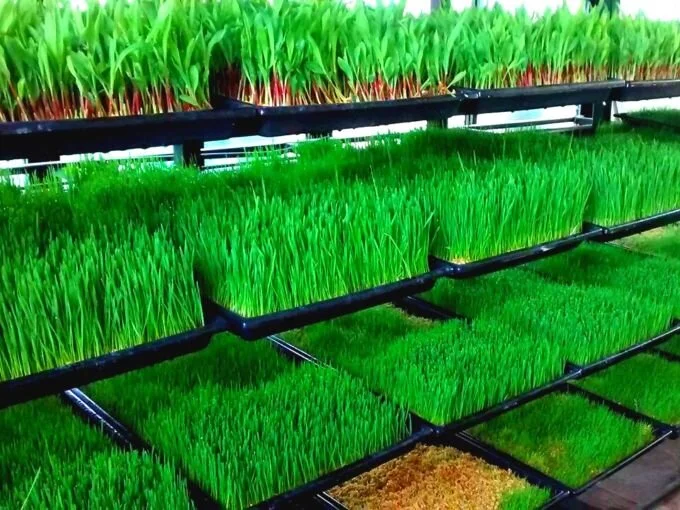
Soilless Farming: The Need of The Hour For The Environment
With soilless farming, the lack of gardening space or the lack of knowledge of farming will not be an issue at all. Hydroponic farming is just what the world needs today to counter the rising fuel prices, increases the cost of living and global warming

12 Apr'20
The volume of water that goes into irrigating conventional vegetable farms and fruit orchards is staggering
One of the biggest advantages of growing your own food is that you know what it containsHydroponic farming is especially important in times of crisis
When was the last time you thought how the bunch of kale now lying on the prepping counter came to the marketplace? Have you ever wondered how bell peppers are grown or transported from the farmers to the market?
The truth is – veggies and fruits have always been accessible to us. We don’t have to worry about how the farmer grows his vegetables, or who hauls them from the farm to the supermarket.
Why Should Hydroponics Be The Future Of Farming?
However, we are standing at a crucial point in time where we have to question how much fossil fuel goes into transporting the food we eat. How much carbon and water footprints are you contributing by consuming your protein smoothie? You might be trying to eat healthy and organic, but is your food also eco-friendly?
Water footprint: (and not carbon.) The volume of water that goes into irrigating conventional vegetable farms and fruit orchards is staggering. Many farmers still prefer chemical fertilizers and growth stimulants that flow into the water bodies nearby. It is a vicious cycle that you can stop right now!
Turn Your Terrace Or Balcony Into An Organic Farm
With soilless farming, the lack of gardening space or the lack of knowledge of farming will not be an issue at all. Hydroponic farming is just what the world needs today to counter the rising fuel prices, increases the cost of living and global warming.
When you can produce the food you are going to need, you can confidently say that you do not contribute to the additional consumption of fossil fuel that goes into transporting the food.
Today, some farms have adopted the soilless form of agriculture standardized by the People Adaptation to the Adverse Environment Initiative. Since hydroponic farming requires less space and fewer resources, farms can produce more without compromising the quality of the plants.
The water-based system can be completely automated, so the farmers don’t need to be present 24×7 to ensure the high-quality of their produce and to optimize the productivity.
Find The Missing Link Between Nutrition And Health
It is a sustainable form of farming since the limited use of resources does not compromise the quality of the plants. Hydroponically produced fruits and vegetables are not just safe for consumption, the surrounding environment is also safe for the residents (home farming) and the farmers (commercial farming).
One of the biggest advantages of growing your own food is that you know what it contains. When buying (lets mention something that we grow or can grow) lettuce or spinach from the market, you do not know if the farmer actually used the best grade of organic compost.ADVERTISEMENTHowever, at home, you can rear the plants with care and you know exactly what nutrients you have included in the substrate. Moreover, you will always be sure that there is 0% pesticide or herbicide in the food you serve to your loved ones.
Know Precisely What You Are Eating And Serving
Whether you choose to try hydroponic farming or shift to sourcing your food from a commercial hydroponic farm nearby, you will always be able to monitor and trace their growing process.
If you use a standard hydroponic agriculture DIY kit, or the farm uses a standardized method to grow their soilless plants inside an indoor controlled environment, you can always be sure about the quality of the food you eat and serve.
It is a form of “precision farming” where nothing in excess goes into the substrate. In fact, soilless farming demands purification of the water used for the farming process. The perfectly pH-balanced (5.5) water contains most of the nutrients necessary for a plant’s growth.
Hydroponic farming utilizes 95% less water than traditional farming. Now, isn’t that an additional reason to try soilless farming?
Save Fuel, Save The Environment
If you are thinking about setting up your own soilless farm, then your produce can go directly from the growth system to the tables. If you choose a nearby hydroponic farm, you will still contribute to saving the environment by limiting the water and carbon footprints involved in transporting the produce.
Sustainable agriculture focuses mainly on strategies that reduce dependence on non-renewable or environmentally harmful inputs. These include eco-agriculture, permaculture, organic, ecological, low-input, biodynamic, ecological, community-based, and comprehensive strategies. Soilless agriculture is, in form and in essence, an environmentally friendly- agriculture, sensitive to the environment and based on a community approach.
Apart from ensuring that you serve a healthy and completely organic meal to your family, you can enjoy a guilt-free meal that has contributed to zero or negligible carbon emission in terms of transport.
Why Is Hydroponic Farming Most Necessary Today, In Times Of Crises?
Due to the high supply of pure water at pH 5.5 and the close monitoring of the closed growth environment, the plants grow faster than in the typical agricultural farms. Their growth cycle is much shorter and you can expect a higher frequency of harvesting than traditional farming.
Hydroponic farming is especially important in times of crisis such as these. With the scare of COVID-19 infection and mass lockdowns, your home soilless growth system set up can continue to provide healthy and nutrient-rich food to you and your loved ones.
Note: The views and opinions expressed are solely those of the author and does not necessarily reflect the views held by Inc42, its creators or employees. Inc42 is not responsible for the accuracy of any of the information supplied by guest bloggers.
AeroFarms To Build World’s Largest Indoor Vertical Farm In Abu Dhabi
The Newark-based sustainable indoor agriculture company said it will construct a 90,000-square-foot facility dedicated to the R&D and commercialization of local crops as part of a $100 million AgTech investment by the Abu Dhabi Investment Office
By Emily Bader
Newark | Apr 9, 2020
AeroFarms
Inside one of AeroFarm's indoor vertical farms.
AeroFarms will build the largest-ever indoor vertical farm in Abu Dhabi, it announced on Thursday.
The Newark-based sustainable indoor agriculture company said it will construct a 90,000-square-foot facility dedicated to the R&D and commercialization of local crops as part of a $100 million AgTech investment by the Abu Dhabi Investment Office. AeroFarms indoor vertical farming technology, it said, uses 95% less water and no pesticides.
The facility is expected to employ approximately 60 workers focused on horticulture, engineering, and data science, and will include the following centers of excellence:
Advanced organoleptic research and precision phenotyping laboratory;
Advanced seed breeding center;
Phytochemical analysis laboratory;
Machine vision and machine learning laboratory;
Robotics, automation and drones laboratory.
Since 2004, AeroFarms has grown about 800 varieties of crops and is anticipating expanding its production capabilities into other verticals such as pharmaceuticals, cosmeceuticals, and nutraceuticals.
“Our mission is to grow the best plants possible for the betterment of humanity, and this new cutting-edge R&D facility leverages our agriculture expertise and science-driven roots. We will be conducting leading research in plant science, vertical farming, and automation, accelerating innovation cycles and commercializing a diverse range of products. We will be partnering with major international companies, local universities, and AgTech startups to help solve some of the most pressing agriculture needs of our time, and AeroFarms is proud to play a pivotal role to help establish the Emirate of Abu Dhabi as a global hub for AgTech innovation,” David Rosenberg, co-founder, and CEO of AeroFarms, said.
Last year, the Abu Dhabi Investment office announced a $275 million AgTech invective program. As part of its initial funding round, ADIO will invest $100 million into four companies, including AeroFarms, to build facilities focused on solving regional and global challenges in Abu Dhabi.
“We are delighted to welcome AeroFarms to Abu Dhabi. AgTech is a priority sector for the Abu Dhabi Government, and our long-term goal is to support the development of innovation that will contribute to solving challenges of regional and global importance. We are excited to partner with AeroFarms and enable them to pioneer solutions for agriculture in desert and arid climates. AeroFarms will add significant scale to Abu Dhabi’s growing AgTech ecosystem,” Dr. Tariq Bin Hendi, director-general of ADIO, said.

Coronavirus Is Teaching Us That Our Supply Chain Is Flawed
America’s supermarkets are the tip of an enormous iceberg that represents a complicated logistics network. On a good day, this system works
The world is unpredictable–the past few months have made this abundantly clear. Since January 2020, the global community has had to grapple with the unprecedented COVID-19 pandemic. The virus’s trajectory has been closely followed by drastic and disruptive measures around the world. Words like “social distancing”, “shelter in place”, and “quarantine” are new additions to our common lexicon and everyday reality. Businesses are shuttered, schools are closed, and the global economy is wobbling dangerously.
For many, a trip to the grocery stores represents one of the last ties to normalcy–and a needed break from the cabin fever of lockdown. But even in this essential industry, long-hidden cracks are beginning to show. Panic buying has brought on the near extinction of many familiar products (toilet paper, cleaning supplies, hand sanitizer) and the endangerment of several kitchen staples (chicken, baking goods, and, increasingly, fresh produce).
As the pandemic exacerbates the issues in our global food system, we wanted to understand why the system is failing, and how we can build a more resilient one in the future.
Complete Story Here

YesHealth Group Partners With Nordic Harvest ApS To Open The Largest Vertical Farm In Europe
After months of detailed planning, Taiwan based vertical farming company YesHealth Group has commenced construction of its first international vertical farming project in Copenhagen, Denmark
Taoyuan, Taiwan, 13.4.2020
After months of detailed planning, Taiwan based vertical farming company YesHealth Group has commenced construction of its first international vertical farming project in Copenhagen, Denmark.
In March, construction of the vertical farm in Denmark’s Copenhagen Markets in Taastrup has started. Operations are planned to begin in Q4 of this year with the strategic partner Nordic Harvest ApS taking over local operations. Once the vertical farm reaches full production capacity, it will yield more than 3.000 kg every day making it the most efficient vertical farm in Europe to date.

Lead by YesHealth Group’s Chairman, Tsai Wen-Chin and senior management of Nordic Harvest ApS, today’s event marks not only a decisive day in the company’s history but also in the industry of vertical farming.
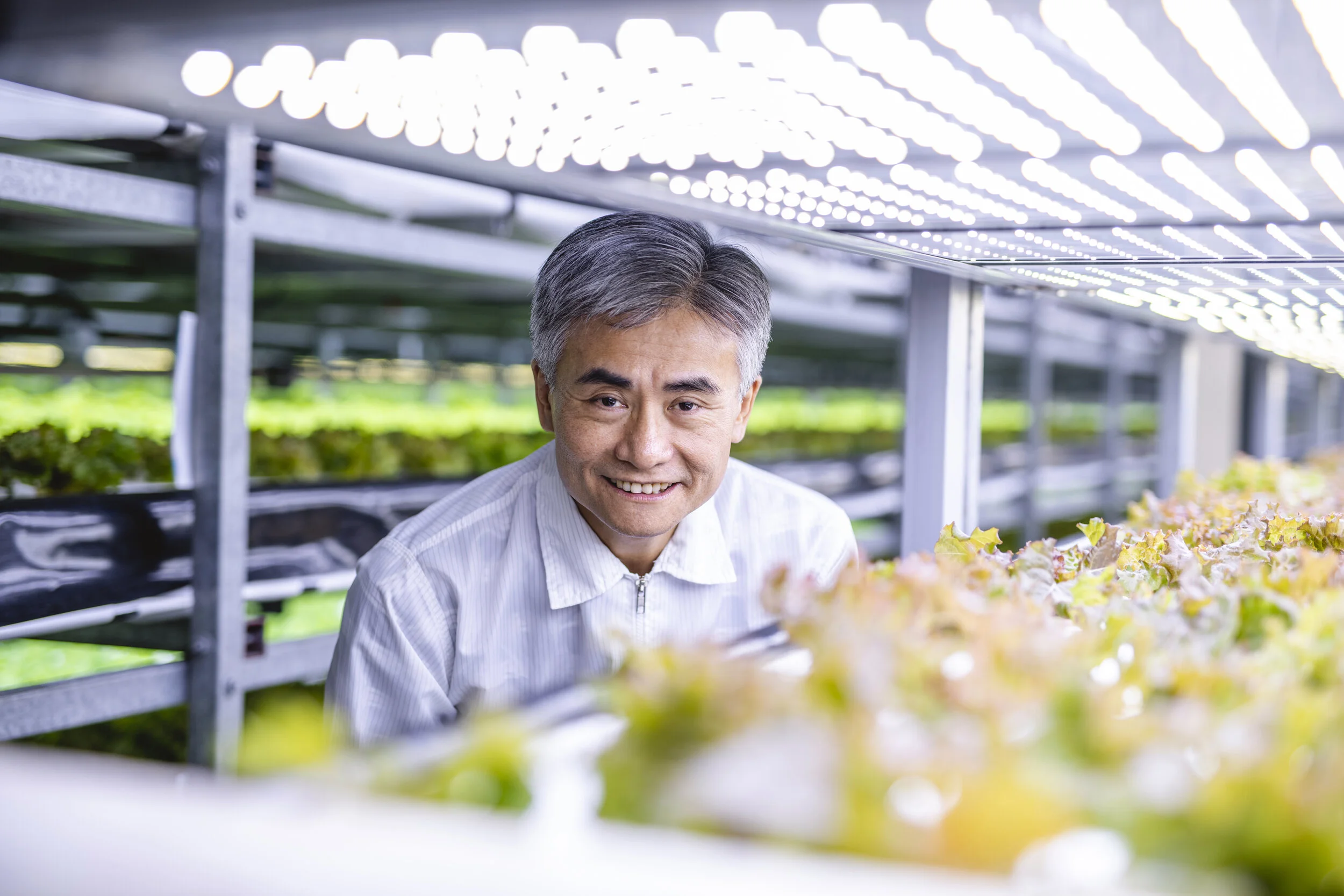
For YesHealth Group, this event represents a crucial milestone in its international expansion and the first step in its elaborate expansion plan. YesHealth Group’s technology will have a proven total yield of 7.500 kg per day, once construction in Denmark is completed. This validation of yield on an international level is unprecedented in the company’s history and in the vertical farming industry.
Therefore, for the industry, this event marks an unprecedented global proof of concept and technology capabilities on a never-before-seen scale.
“With all of our technology in-house, YesHealth Group will now be able to utilize real-world data from vastly different climates and environments and improve our technology at an even greater speed and efficiency”, YesHealth Group’s Chairman Tsai affirms.
Furthermore, according to Director of Business Development at YesHealth Group, Jesper Hansen, “this event also proves that it is now possible to commercialize vertical farming produce on a large scale and that this produce will be able to support the traditional farming sector from now on. Vertical farming is no longer just a theoretical concept for the garage.”
Completion of the first vertical farm in Copenhagen with Nordic Harvest is set to be in November this year with further plans to expand into the other Nordic countries over the next years. “Nordic Harvest ApS is backed by prominent investors and leaders within the business, the food industry, and agriculture making Nordic Harvest the ideal partner for YesHealth Group” explains Jesper Hansen.
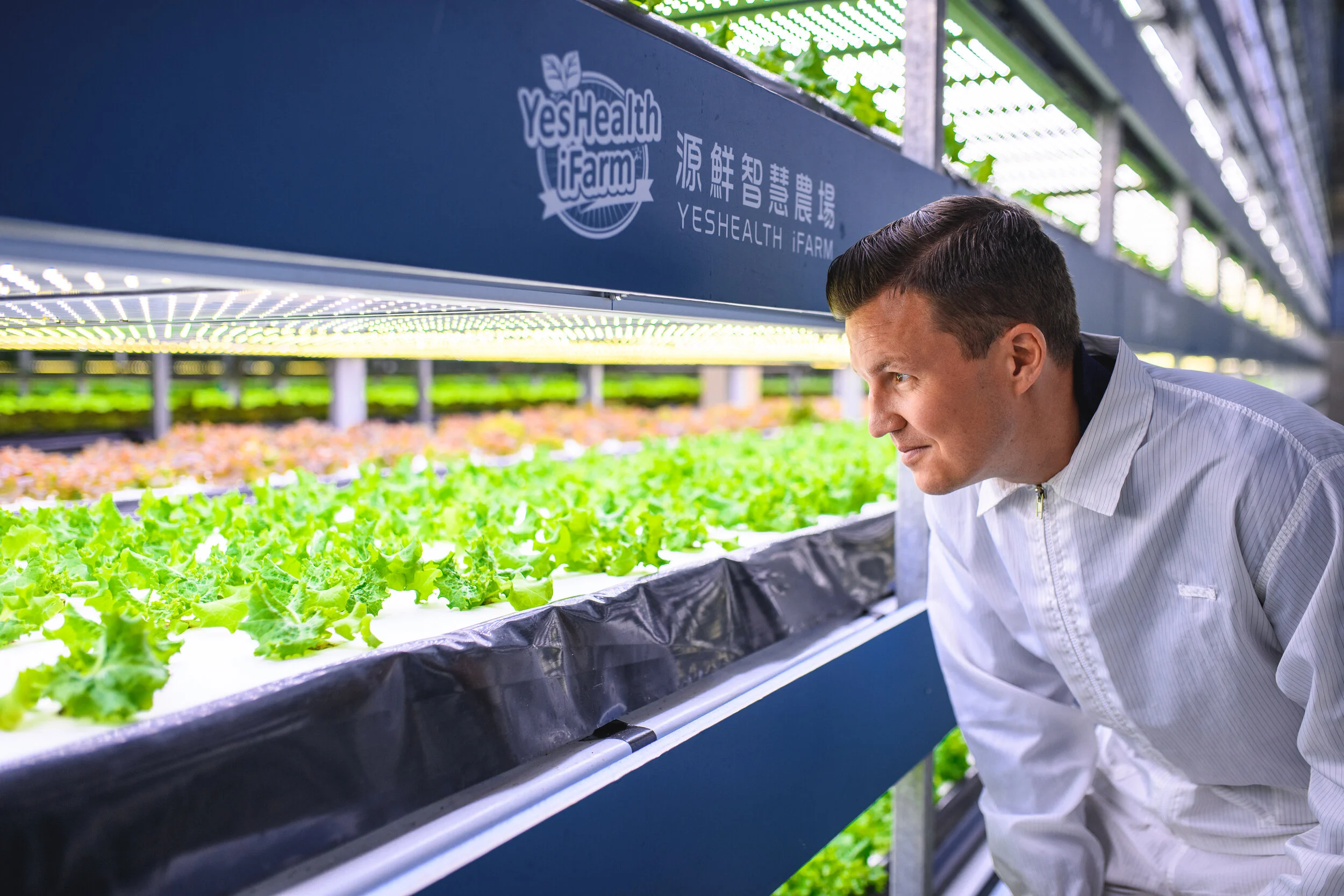
YesHealth Group is a mission-driven company that aims to provide fresh, nutritious, and safe vegetables to the world. YesHealth Group is currently the largest vertical farming company in Asia with plans to expand globally. Its vertical farms address climate change and food security challenges through sustainable and environment-friendly agricultural practices built for the 21st century and beyond.
April Indoor Science Cafe - Tuesday April 14th 12:00 PM EDT Photons = Flavor The Case Study of Basil
Indoor Ag Science Cafe is an open discussion forum, organized by Chieri Kubota (OSU), Erik Runkle (MSU), and Cary Mitchell (Purdue U.) supported by USDA SCRI grants
April Indoor Science Cafe
If you already signed up -- Thank you!
Tuesday, April 14th, 12:00 PM EDT
Photons = Flavor
The case study of basil
Presented by
Dr. Roberto Lopez & Kellie Walters (Michigan State University)
Please sign up so that you will receive Zoom link info.
Indoor Ag Science Cafe is an open discussion forum, organized by Chieri Kubota (OSU), Erik Runkle (MSU), and Cary Mitchell (Purdue U.) supported by USDA SCRI grants.
Sign up for April 14th Cafe
Cafe Q&A Forum
Please visit the Indoor Ag Science Cafe Q&A Forum at Public Good Ag website. OptimIA team is collaborating with Penny McBride to develop an information-sharing site with a lively discussion platform for indoor farmers and scientists.
Submit Your Questions for 'Indoor Ag Sci Queries'!
Please submit your questions (anonymously if you wish) about the sciences and technologies of indoor farming to this submission site. Any questions are welcome! The site is always open for your questions. Selected questions will be discussed in our future Indoor Ag Science Queries series.
Previous café recordings are available on this YouTube channel and OptimIA project website.
Please contact for more info: kubota.10@osu.edu
Upcoming Cafes:
April 14th, 12 PM EST [Dr. Roberto Lopez and Kellie Walters, Michigan State University]
May 26th, 11 AM EST [Nicola Kerslake, Contain Inc.]
Interested in giving a talk to share your thoughts and experiences? Please contact us!
Related Events:
July 10, 2020 - Plant Empowerment Workshop - Advanced learning to optimize crop production (Columbus, OH) [More Information]
July 11-14, 2020 - Cultivate '20 (Columbus, OH) [More information]
July 29, 2020 - OptimIA Annual Stakeholder Meeting (East Lansing, MI) [more information TBA]
September 13-17, 2020 - NCERA-101 Committee on Controlled Environment Technology and Use Annual & International Meeting (Tucson, AZ) [More Information]
May 31-June 4, 2021 - ISHS International Symposium on Light in Horticulture (Malmo, Sweden) [More Information]

Growing Up: Welcome To Vertical Farming
A new word will have to be coined to describe Zhihao Chen. Is he a farmer if there’s no farm? Chen, a chemistry instructor at Arizona State University, has created a new system for growing food. Forget farm to table. Chen has skipped the farm entirely
April 7, 2020
Closed system processes food waste and produces organic produce in record time
A new word will have to be coined to describe Zhihao Chen. Is he a farmer if there’s no farm?
Chen, a chemistry instructor at Arizona State University, has created a new system for growing food. Forget farm to table. Chen has skipped the farm entirely.
In a time when grocery stores are struggling to keep shelves full, Chen’s vertical farm could sit in the corner of a market parking lot, sending lettuce grown from a completely organic closed system to the shelves in as little as three weeks.
The system, which Chen describes as "cleantech," is contained within two standard shipping containers. One contains a system for breaking down food waste — anything from potato peels to rotten carrots to egg shells — and transforming it into fertilizer and methane gas. It’s capable of processing 2,000 pounds of food waste per day – the amount an average grocery store tosses out daily.
The second container hosts shelves of produce grown in a carefully-controlled environment.
Zhihao Chen, inside the digester container, talks about the vertical farming system he and his colleagues have developed at the Laboratory for Algae Research and Biotechnology on the Polytechnic campus. Photo by Charlie Leight/ASU Now
The 160-square-foot space can produce 1,200 heads of lettuce per month — the equivalent of two acres of farmland production. Traditionally, it takes lettuce 30 days to grow to maturity. Chen’s system produces a mature head in three weeks. It also doesn’t depend on climate. And the system uses 95% less water than traditional agriculture.
This could work on an island, in space, at sea — anywhere.
Chen came up with the idea two years ago. An instructor in the College of Integrative Sciences and Arts on ASU’s Polytechnic campus, he assembled a team to work on the project and created a startup called Homer Farms.
He takes food waste from the campus and grows lettuce, which goes back to ASU Dining Services.
“We want to achieve zero waste at ASU,” Chen said. He plans to expand operations to the other campuses. He is also in talks with grocery chains Fry’s and Kroger right now. Fry’s is interested in putting the system in their parking lots to use their food waste.
“The customer can actually see what’s going on,” he said. No pesticides, no chemicals or artificial fertilizers are used. It’s completely organic.
And, he adds, “You pretty much don’t emit any greenhouse gas emissions.”
A lattice of roots float in the fertilizer brine in the racks for the week-old butterhead lettuce at the Laboratory for Algae Research and Biotechnology. Photo by Charlie Leight/ASU Now
The process is called anaerobic digestion. Certain bacteria under a certain temperature with the proper pH will break down the carbon chain in food waste and feed the carbon into the biogas. (Biogas is a mixture of CO2 and methane.) You can combust the methane for energy to run the unit and heat it to keep growing conditions optimal.
“We process the waste, it becomes liquid fertilizer and biogas,” said faculty sponsor and Assistant Professor Taylor Weiss. “Some of the liquid fertilizer is used in algae production and some is used in the vertical farm to feed the lettuce. When the lettuce is mature, we send it to ASU Dining Services to close the loop.”
It saves long-distance transportation. How about using this in a major metropolitan area like New York or San Francisco?
“We’re able to produce on-site, so the lettuce doesn’t have to be transported from Arizona to New York,” said Chad Geelhood, assistant director of Environmental and Resource Management. “We cut down energy costs, we cut down greenhouse gas emissions, and we make the city more resilient.”
Right now, with the supply chain overwhelmed, “if you have something like that on-site, the city can self-sustain,” Geelhood said. “You don’t have to worry about waste and the food will be supplied on time."
Arizona ranks second, following California, in production of lettuce. Lettuce production in Arizona includes head, leaf and romaine lettuces and is the state's leading cash crop, averaging more than $300 million in value.
“If you air condition the container, it can be year-round in a New York environment,” Geelhood said. “Here we don’t have to add as much heat because we’re in the desert.”
The system can grow any type of vegetables.

Instructional professional Zhihao Chen (left) talks with the assistant director of the Environmental and Resource Management Chad Geelhood inside the growing room with racks of week-old butterhead lettuce, at the Laboratory for Algae Research and Biotechnology. Photo by Charlie Leight/ASU Now
“Lettuce and leafy greens are a good target because they’re high-bulk and it costs a lot to transport them relatively, but also growing them in a closed space makes them more nutritious as well,” Weiss said.
The fertilizer is super-concentrated and has to be diluted. Inside the grow container, temperature, humidity, light intensity and plant temperature are all intensely monitored.
“In that way, we can predict the quality we need,” said Yujin Park, an assistant professor in the College of Integrative Sciences and Arts who researches what types of light wavelengths are best for growing. Conditions can be optimized for different crops.
Homer Farms is currently under incubation at the University of Arizona Center for Innovation.
Top photo: Assistant Professor Yujin Park checks the week-old butterhead lettuce plants at the Laboratory for Algae Research and Biotechnology on the Polytechnic campus on March 26, 2020. The plants will be ready for harvest at three weeks. With the goal of creating a circular economy, the lab takes food waste from the university's food services and turns it into a fertilizer by way of a digester. The fertilizer is diluted and used as a hydroponic medium to grow lettuce, which is then returned to the food services. Photo by Charlie Leight/ASU Now
Solutions Polytechnic campus College of Integrative Sciences and Arts Biology Sustainability Innovation Food and Dining Healthy Living Faculty Community

World’s First Vertical Farming Congress
The first Vertical Farming World Congress will be held from 22nd to 24th September at London’s Heathrow Airport
By urbanagnews
April 8, 2020
The first Vertical Farming World Congress will be held from 22nd to 24th September at London’s Heathrow Airport. Eminent industry-leading speakers have confirmed their participation from North America, the Middle East, and Asia as well as Europe. The chosen theme is ‘Shaping Food’s Future’.
“Vertical farming really can help shape the future of food production,” explained Richard Hall, Chairman of the food and drink experts Zenith Global and the event’s organizer. “By being indoors and with completely controlled conditions, there are no floods, droughts, winds or pesticides. You can grow 30 crops a year locally, right next to a supermarket or city distribution centre. Growing to perfection in a stress-free environment means greater freshness, better nutrition and a longer storage life.”
Topics on the program include: market opportunity; an industry leadership panel; strategic alternatives between aeroponic, aquaponic and hydroponic systems; technology briefings ranging from lighting and robotics to overall system design; a nutrition briefing; a funding panel; and key innovator
case studies.
Among the speakers are:
Industry leaders, such as AeroFarms, Intelligent Growth Solutions, Jones Food Company, Root AI and Square Roots
Association heads from Germany and Japan
Investment experts from Ashfords, S2G Ventures and Innovate UK
Technology developers, including GE and Wageningen University.
There will also be a visit to Vertical Future’s vertical farm operation in East London and a reception with vertically farmed fresh produce tasting.
The event has also attracted sponsorship from GE, LED lighting experts, and YesHealth, which has pioneered vertical farming in Taiwan.
Full program details and booking information are available at www.zenithglobal.com/events/vfwc2020 or contact the events team at events@zenithglobal.com.


UK: Vertical Farm Construction Accelerated To Help Feed Bristol During COVID-19 Crisis
LettUs Grow, an indoor farming technology provider, is fast-tracking the building of two vertical farm modules in the city of Bristol to help feed vulnerable communities during the COVID-19 outbreak
LettUs Grow, an indoor farming technology provider, is fast-tracking the building of two vertical farm modules in the city of Bristol to help feed vulnerable communities during the COVID-19 outbreak. The company is teaming up with the food redistribution charity FareShare South West to ensure the produce gets to those who need it most.
LettUs Grow expects the first of the new aeroponic farm modules to be ready to start producing fresh produce from mid-April, with the first harvests ready to be delivered to FareShare just ten days after the farm’s commissioning. A second, larger module will be following in June.
Because most of the farm’s operations are automated, they can be run with only one person on site at any given time to allow social distancing of key workers and minimizing strain on an already stretched farm labor force. The food is also produced in a high care environment with few people coming into contact with it. Once up and running, the farms will be able to provide a consistent, predictable and climate-resilient food supply to the local community all year round.
The coronavirus outbreak has shone a spotlight on the fragility of the UK’s just-in-time food supply chain. The UK only produces 50% of the food it consumes, which leaves it vulnerable to shocks in the global supply chain. The closures and lockdowns enforced due to the pandemic, have created logistical bottlenecks that ripple across these lengthy chains.
Jack Farmer, co-founder and Chief Scientific Officer of LettUs Grow said: “When we founded LettUs Grow, we wanted to enable anyone, anywhere in the world, to grow fresh produce near its point of consumption. That mission has hardly ever felt as urgent as it does today. We knew we had to get involved and help in any way we could.
“Because our farm modules can be deployed anywhere with an electricity and water supply, they are uniquely positioned to increase regions’ food supply chain resilience by diversifying local food production.”
The FareShare group provides close to 1 million meals a week to frontline charities and community groups working with vulnerable people, such as those experiencing homelessness, mental health issues, domestic violence, loneliness and families who require free school meals. As the Coronavirus situation develops, Fareshare has seen demand for their service rising, particularly in the event of closures of schools, workplaces, and public spaces and people self-isolating.
Phoebe Ruxton, Fundraising Manager at FareShare South West said: “We are absolutely determined not only to stay open but to level up our organization as far as we possibly can to stop the very worst happening.
“While supermarkets seem empty, there are thousands of tonnes of surplus food in the system. There is no other organization in the region with the capacity to redistribute this food, and FareShare South West is well placed to deliver it straight to those most in need.”
You can help FareShare South West get food to people in need during this crisis by making a financial donation here: faresharesouthwest.org.uk/coronavirus-emergency-fund/. If you’re outside the South West, you can donate here fareshare.org.uk/help-us/.
For more information:
LettUs Grow
lettusgrow.com
Publication date: Thu 9 Apr 2020

Marcel Koolen, Codema; "Food Safety, Automation And Reliability Are More Critical Than Ever"
“In this changing market, it is crucial that we provide the investor and what we call the 'corporate horticulturist' with the right information, knowledge and the proper perspective
Since 2017, Marcel Koolen has been at the head of Codema as CEO. He took over from founder Maarten de Jager, who meticulously merged various horticultural specialists into the Netherlands' leading supplier of horticultural solutions. It is his task to realize the international ambitions and at the same time, realize his own vision.
Market for horticultural solutions is changing
“We come from a world in which our customers, experienced growers who took over the company from their parents, know all about the technology. They exactly know what they need. These people choose the best solution for each individual aspect of their operation, for example, a logistics system from Hawe or a water solution from B-E De Lier. These critical cultivation systems can now be found under one roof: at Codema. This fits in well with the changing market. An increasing part of the market requires a conversation partner who comes up with a total solution.”
In recent years, horticulture has been a popular destination for the money of investors who want to invest on a large scale in, for example, medicinal cannabis, food production, and vertical farming. Floriculture and traditional growers also continue to develop and grow. Partly due to size, technical innovation must ensure higher efficiency or yield.
Conversation partner from the start
“In this changing market, it is crucial that we provide the investor and what we call the 'corporate horticulturist' with the right information, knowledge and the proper perspective. After which, we arrive at the delivery of critical cultivation systems. In the first place, this means that, from the beginning of their trajectory, we are a full conversation partner for these organizations. Our organization is now geared up for this.
Secondly, this requires an international presence. We are always building projects in America, Europe and the Asia-Pacific region with a particular emphasis on China. This goes beyond a simple sales organization, our "license to operate" depends on our ability to provide after-sales service and maintenance."
Due to these developments and continuing growth, the organization of Codema has grown strongly. "From the Netherlands, we serve and supply all over the world and on location we work as much as possible with local workers. Many beliefs converge in the latter; cost control from the customer and the influence of Nordian Capital. For example, on sustainability." However, Koolen's personal motives also make their mark:
“That does not mean that I make many difficult considerations or want to impose these on my customers. By applying new technological developments and continuing to work on both design and engineering, we already are more economical with raw materials.
Of course, it starts by considering if we can make better decisions in everything we think about and everything we do. Think about choosing green energy, solar panels, limiting flight movements, a hybrid fleet, and so on. Good business decisions that are simply better for our planet. It is no coincidence that this is also essential for our investor, Nordian Capital. Nordian’s entire investment portfolio compensates for all of its emissions through certified contracts with Land Life Company. This foundation is committed to the reforestation of around 2 billion hectares of land around the world.’’
A shared vision for the future
Originally, Marcel Koolen was an Electrical Engineer. However, he soon discovered that a wider field of vision suits him better. That theme had been a common thread in his entire career. Paired with his passion for what he calls ‘public interest’. With every step, his playing field grew larger.
‘The first time that it actually connected was with an electrical family business. There I quickly built up a department whose turnover was equal to that of the parent company and was allowed to slim it down a few years later. I have been able to face these kinds of challenges at an increasingly higher level. First at VolkerRail, during the privatization of the railways, and then at Spitzke and ABB.
When I started at Codema, significant changes were to come and therefore was an excellent fit. However, the main reason for my choice is our shared vision for the future. When I worked on the mobility of the Netherlands at VolkerRail, I noticed that serving the ‘public interest’ motivates me enormously. And at Codema we go further: we help feed the world. A good and efficient food production not only ensures that everyone has food but also makes it a lot less harmful to the environment. That is a challenge, which I would like to put my efforts into.’
Future and strategy Codema: food production
The herb cultivation market has boomed in recent years, and the legalization of the cultivation of medicinal cannabis has created a large capital inflow, which also benefited Codema. Codema realized critical cultivation systems in the largest, most advanced cannabis greenhouses in the world. These are greenhouses in which food safety and reliability, as well as automation, are more critical than ever. Codema also works in the floriculture with large cultivation organizations to apply the latest technology in areas such as software, water, lighting, and logistics. This provides knowledge and experience that Codema can directly apply to food cultivation.
“Investing in food production is a good business decision. The world population is growing, and with it, the demand for food. There are many challenges in this area that require a technical solution and where Codema can make the difference. That makes it a good investment for both investors and Codema. Since we are now active in the three major time zones, we reduce the risk of economic volatility further. That makes us future-proof.”
Cooperation in the chain
“That does not mean that Codema can do that alone. We work together with greenhouse builders and engineering -and consultancy firms, such as scientific researchers, educational institutions and market researchers. Partly because of this, Codema is able to present the final solution to the customer. This means that we go further than ever in our services. That is also what the market demands.”
When asked whether he is satisfied if, in Codema 2024 anchored her international position as a food production specialist, Koolen replies:
“We should always keep growing, but that doesn't mean it's always about financial growth. This could, for instance, be growth in the impact you have on the world. Or growth in knowledge and skills, the development of new technologies. We need to keep moving and ensure that Codema can continue to offer its customers the best proposition in the future.”
For more information:
Codema Systems Group
Oosteindsepad 8
2661 EP Bergschenhoek
The Netherlands
+31105212755
info@codemasystemsgroup.com
www.codemasystemsgroup.com
Publication date: Wed 8 Apr 2020

SINGAPORE: Coronavirus Prompts Urban Farming Interest
Millions of people across the globe have been confined to their houses because of the coronavirus (Covid-19) pandemic and some have turned to urban farming to source their fresh produce, the start of a possible trend

BY LIAM O’CALLAGH
8th April 2020, Hong Kong
With movement in many countries restricted, some consumers are turning to urban farming for their fresh produce

Millions of people across the globe have been confined to their houses because of the coronavirus (Covid-19) pandemic and some have turned to urban farming to source their fresh produce, the start of a possible trend.
According to a report from Reuters, more urban residents are resorting to growing their own fruits and vegetables as panic buying has left supermarket shelves empty.
Landscape architect Kotchakorn Voraakhom designed Asia’s largest urban rooftop farm in Bangkok, she told Reuters the current situation has the potential to drive an urban farming trend.
“More people are thinking about where their food comes from, how easily it can be disrupted, and how to reduce disruptions,” said Voraakhom.
“People, planners, and governments should all be rethinking about how land is used in cities. Urban farming can improve food security and nutrition, reduce climate change impacts, and lower stress.”
Singapore is one country that has already signaled its interest in urban farming. It imports more than 90 percent of its food but in 2019 the government set a goal to produce 30 percent of its food needs by 2030, a plan that will embrace techniques such as urban farming.
On 6 April, Singapore lawmaker Ang Wei Neng urged the country to consider its food supply, “it would be wise for us to think of how to invest in homegrown food”.
Speaking to Reuters, Allan Lim, chief executive of ComCrop, said the coronavirus had amplified the fragility of the supply chain.
“It has definitely sparked more interest in local produce. Urban farms can be a shock absorber during disruptions such as this,” Lim said.
Millions of people across the globe have been confined to their houses because of the coronavirus (Covid-19) pandemic and some have turned to urban farming to source their fresh produce, the start of a possible trend.
According to a report from Reuters, more urban residents are resorting to growing their own fruits and vegetables as panic buying has left supermarket shelves empty.
Landscape architect Kotchakorn Voraakhom designed Asia’s largest urban rooftop farm in Bangkok, she told Reuters the current situation has the potential to drive an urban farming trend.
“More people are thinking about where their food comes from, how easily it can be disrupted, and how to reduce disruptions,” said Voraakhom.
“People, planners, and governments should all be rethinking about how land is used in cities. Urban farming can improve food security and nutrition, reduce climate change impacts, and lower stress.”
Singapore is one country that has already signaled its interest in urban farming. It imports more than 90 percent of its food but in 2019 the government set a goal to produce 30 percent of its food needs by 2030, a plan that will embrace techniques such as urban farming.
On 6 April, Singapore lawmaker Ang Wei Neng urged the country to consider its food supply, “it would be wise for us to think of how to invest in homegrown food”.
Speaking to Reuters, Allan Lim, chief executive of ComCrop, said the coronavirus had amplified the fragility of the supply chain.
“It has definitely sparked more interest in local produce. Urban farms can be a shock absorber during disruptions such as this,” Lim said.
Rabobank: Fresh Produce Foodservice Demand Has 'Virtually Stopped' in Europe
Demand from foodservice channels for fresh produce in Europe, North America and New Zealand has fallen off a cliff during recent weeks in the Covid-19 pandemic, according to Rabobank
by Fresh Fruit Portal
05 April 2020
Demand from foodservice channels for fresh produce in Europe, North America and New Zealand has fallen off a cliff during recent weeks in the Covid-19 pandemic, according to Rabobank.
However, the Netherlands-based company said in a report that overall sales volumes of fresh produce are expected to remain at pre-pandemic levels or even to increase. This is due to at-home meals including a higher proportion of fruit and vegetables compared to out-of-home meals.
During mid-March 2020, fresh produce retail sales increased by over 30% year-on-year in the U.S., while frozen produce sales doubled as hoarding and eating at home become more prevalent.
"The ‘healthfulness halo’ around fresh produce could be a positive demand factor that ends up lasting longer than the COVID-19 outbreak," Rabobank said in the report.
The company also highlighted that businesses supplying the foodservice sector have been impacted severely by lockdowns, as many of them cannot easily change to other clients as these have different requirements.
The share of foodservice sales in total fresh produce sales varies widely among countries - with around 20% in Europe and 25% in New Zealand.
Rabobank explained that although most fresh produce sales have been transferred from food service to retail, this isn't the case across the board.
"Specific items that rely heavily on foodservice are lettuce, fresh herbs, asparagus, and red currants," the company said. "One specific, young sector potentially being impacted by this is vertical farming, as many of these farms are highly exposed to local foodservice clients. Forced by these difficult market circumstances, growers are looking for alternative sales channels, like delivery of vegetable boxes or selling directly from the farm via a drive-through."
Logistical challenges in the Covid-19 pandemic
Some of other major concerns and uncertainties in the fresh produce industry at the
moment are logistics and labor, Rabobank said.
The industry has been faced with numerous logistical challenges caused by border closures, port lockdowns, flight cancellations, and other hiccups, the report said.
While borders have not closed for the transportation of essential products, including fresh produce, in some places there have been delays which lead to increased costs.
And the sudden high retail demand in some countries has also resulted in higher
transportation costs, Rabobank said.
"The uncertainty about the situation and potentially new challenges popping up is affecting the market. For example, just after the Covid-19 outbreak in China, a shortage of sea containers was reported, but this situation has been improving over the course of March," it said. "Still troublesome are the flight disruptions that have resulted in problems for some specific items that are flown on passenger jets, like premium exotic fresh fruits and cut flowers."
Prices of globally traded products, like tropical fruits, are reported to be "extremely volatile" since the Covid-19 outbreak.
In addition, changes in exchange rates will also potentially affect trade flows.
"As a global recession is now more imminent, money is flocking to safe-haven currencies, like the U.S. dollar," it said. "This will negatively impact export demand for the U.S., but positively impact export demand for countries that are net food exporters, like New Zealand."
Labor concerns for fresh produce
Another major concern has been the safety and availability of employees, both on farms and in packing and distribution.
Growers and packers are having to deal with extra costs for recruitment and also for
measures related to the required social distancing, like additional work shifts, the report said.
In the U.S., there is uncertainty about seasonal labor from Mexico, while the fresh produce sectors in Australia and New Zealand rely quite heavily on people from the Pacific region and backpackers for harvesting and picking fresh produce.
In Europe, growers almost completely rely on immigrant workers from countries inside and outside of the EU.
"A possible solution to labor shortages is recruiting students or people from other sectors, such as tourism and hospitality, who are unemployed due to the Covid-19 crisis," the report said. "In Europe, growers are trying to collectively organize charter flights for Romanian workers circumventing border checks."

Is Containerized Blackberry Production-Ready For Prime Time? By e-GRO
Growing small fruit crops in containers requires additional capital and effort compared to field production, but has some potential benefits

By urbanagnews
April 6, 2020
Ryan Dickson and Leala Machesney
University of Arkansas
Blackberries and other small fruits are increasingly being grown in soilless substrate and containers versus field soil.
Growing small fruit crops in containers requires additional capital and effort compared to field production, but has some potential benefits.
e-gro Edible Alert: Containerized Blackberry Production
Download

Hands-Free Cultivation At Fresh Local Produce of Ohio
Green Automation is proud to announce the realization of another project in North America
Green Automation Group's latest project in North America is completed. The fully automated growing system for hydroponic baby leaf lettuce has been installed at Fresh Local Produce of Ohio and is already producing fresh, tasty and sustainable leafy greens for local distribution in Ohio, Pennsylvania, and Indiana.
Our Hands-Free Cultivation in the controlled environment of a greenhouse checks all the boxes for safe and sustainable growing.
WELLINGTON, FLA. (PRWEB) APRIL 06, 2020
Green Automation is proud to announce the realization of another project in North America. The installation of Green Automation’s fully automated growing system at Fresh Local Produce in Hudson, Ohio was completed this winter. Fresh Local Produce of Ohio started their production of fresh baby lettuce in February and can already be found on the shelves of several grocery stores in the area. Fresh Local Produce is selling under the brand “Free! Leafy Greens”.
The name Free! Leafy Greens is referring to everything this baby leaf lettuce is free of; Free of chemical pesticides, herbicides, and fungicides, free of GMO, free of chlorine washes and even free from any hands touching the lettuce. “This is what we call Hands-Free Cultivation,” says Anthony Umina, Managing Member of Fresh Local Produce. “Food safety is at the top of everyone’s priority list today, retailers, restaurants and consumers alike. Our Hands-Free Cultivation in the controlled environment of greenhouse checks all the boxes for safe and sustainable growing” continues Umina.
“With food safety being at the focus of attention in the industry today and an essential component of any successful food production operation, we as a company are taking it upon ourselves to join the Safe Quality Food (SQF) Initiative and raise our food safety standards. By doing so we have implemented a comprehensive food safety system and are preparing for our first voluntary SQF audit to obtain the Food Safety and Quality Certification,” explains Gina Frontino, Food Safety and Quality Assurance Manager at Fresh Local Produce. “In addition to the food safety measures in place, the fully automated growing system brings an extra level of food safety to the operation, as it eliminates any human contact with the lettuce. No-one touches our leafy greens during the entire growing process. We like to call that Worry-Free lettuce,” says Frontino.
The company’s strong focus on responsibly and locally produced lettuce is aligning well with the ongoing trend toward and growing demand for fresh, safe and locally grown lettuce. “Our lettuce is in the stores within 24 hours of harvesting. It does not get much fresher than that, and you can taste the difference,” says Eric Highfield, Chief Agricultural Officer at Fresh Local Produce.
“When choosing the growing system for their operations, Fresh Local Produce asked the right questions,” says Patrik Borenius, CEO Green Automation Americas. “They looked at yield numbers, plant density, labor efficiency and the costs involved to achieve an economically viable operation. Our fully automated growing system with moving open-gutters achieves the highest plant density and operates efficiently on a commercial scale. Fresh Local Produce also chooses a strategic location for their greenhouse. The site is close to the interstate allowing for efficient distribution of their fresh greens and with a population of over 50 Million within 6 hrs. truck drive. In addition, low energy cost was secured at the site and there are opportunities to expand the operations at this location,” explains Borenius.
Free! Leafy Greens are grown and harvested every day, 365 days per year. The new greenhouse operation measures 2 acres and the site is prepared for future expansions. “Right now, we are ramping up the production of phase 1. We will take one step at the time and determine when the time is right to expand,” says Anthony Umina.
About Green Automation Group
Green Automation Group Ltd, headquartered in Finland, and it’s subsidiary Green Automation Americas LLC, based in Florida, develop, manufacture and market the most advanced greenhouse automation systems for lettuce and herb production. The systems are designed for commercial greenhouse operations with a growing area of 1 acre / 0.4 hectares and above. http://www.greenautomation.com
About Fresh Local Produce
Fresh Local produce of Ohio grows and distributes leafy greens under the brand “Free! Leafy Greens”. Free! Leafy Greens are hydroponically grown baby leaf lettuce locally sourced in Summit County Ohio! Our state-of-the-art greenhouse provides a perfect growing environment for our baby leaf, 365 days a year. Our mission is to show our customers what clean and responsibly produced lettuce should taste like. Currently serving OH, PA, and IN communities!

Small Business Administration COVID-19 Resources & Information
The SBA is responding to small business owners impacted by the Coronavirus with several different forms of assistance
By urbanagnews
April 3, 2020
By Marlow Schindler, U.S. Small Business Administration
The SBA is responding to small business owners impacted by the Coronavirus with several different forms of assistance.
Last week the CARES Act was signed by President Trump. The Paycheck Protection Program (PPP) outlined in this stimulus package is not yet available. Lenders may begin processing loan applications as soon as April 3, 2020.
The SBA provides low-interest disaster loans directly to help businesses and homeowners recover from declared disasters. For this disaster, Economic Injury Disaster Loans are currently available throughout the state of California. You can get access to the online application and information about the SBA disaster loans here. The online application is now open.
Anyone who has already applied for EIDL should have received an email from SBA this week providing instructions on how to apply for the up to $10,000 EIDL advance. Advance may be available even if your EIDL application was declined or is still pending, and will be forgiven.
If you wish to apply for the Advance on your EIDL, please visit www.SBA.gov/Disaster as soon as possible to fill out a new, streamlined application. In order to qualify for the Advance, you need to submit this new application even if you previously submitted an EIDL application. Applying for the Advance will not impact the status or slow your existing application.
If you have questions about this application or problems providing the required information, please contact our Customer Service Center at 1-800-659-2955 or (TTY: 1-800-877-8339) DisasterCustomerService@sba.gov.
You may always reach out to your local Small Business Development Center, Women’s Business Center, Veteran’s Business Outreach Center or SCORE chapter to get paired with an advisor who can help you during this difficult time.
Also, we encourage you to subscribe to our national email updates via www.SBA.gov/Updates and follow the SBA on Twitter at @SBAgov for the latest news on available SBA resources and services.
Best regards,
Marlow Schindler
Assistant District Director for Lender Relations & Public Information Officer
San Francisco District Office
U.S. Small Business Administration(415) 519-0030
marlow.schindler@sba.gov
Check regularly at SBA’s page for Coronavirus Small Business Guidance