


Welcome to iGrow News, Your Source for the World of Indoor Vertical Farming
Whole Foods Charity, Teens To Grow Tons of Produce For NYC
A group of New York City teens grew enough food in an indoor hydroponic farm to feed more than 2,000 students at lunch, with the help of a Whole Kids Foundation partnership with Teens for Food Justice
Students of Martin Luther King, Jr. Educational Campus in Manhattan are feeding thousands at school lunches from what they grow at an indoor hydroponic farm. ( Photo courtesy The Parkside Group )
March 3, 2020
A group of New York City teens grew enough food in an indoor hydroponic farm to feed more than 2,000 students at lunch, with the help of a Whole Kids Foundation partnership with Teens for Food Justice.
Industry leaders and local elected officials attended a press conference Feb. 28, at the Martin Luther King Jr. Educational Campus where students, along with staff and community members, have built a hydroponic farm, according to a news release.
In January, the students harvested more than 700 pounds of fresh produce including kale and lettuce, which were used in school lunches. They are on track to grow more than 10,000 pounds of produce for the school and community this year, according to the release.
The students had help from Hunter College and funding from Whole Foods Market. Also participating were Manhattan borough president Gale Brewer, city council member Helen Rosenthal and United Way of New York City.
“The MLK farm will provide real-world opportunities for students to apply the concepts they learn in classes like biology and chemistry, and it also creates an indelible understanding of how food grows,” Nona Evans, president and executive director of Whole Kids Foundation, said in the release. “ ... We know from years of experience and stacks of research, that when students understand and participate in growing food — they make healthier choices for a lifetime.”The foundation’s goal is to support schools and inspire families to improve children’s nutrition and wellness.
One of the goals of this farm is to encourage students to transform their relationship with food, instilling a lifelong understanding of healthy eating habits and sustainability, according to the release.
The nonprofit Teens for Food Justice has a mission to ensure that all New Yorkers have access to healthy, affordable food through youth-led, community-based solutions. The organization runs four farms serving 14 schools in the Bronx, Brooklyn, and Manhattan.
These farms are expected to grow more than 30,000 pounds of produce annually that feed students daily at lunch and their local communities, according to the release.
Related Topics: Schools Northeast (U.S.) New York New York City New York ProduceNutrition Sustainability

US: Texas - Personal Growth As Well As Leafy Greens Thrive in San Antonio Nonprofit’s New Hydroponic Farm
A group of people crowded around a shipping container in the parking lot of the San Antonio Clubhouse, a community and resource center for adults with mental illness. Inside the 40-foot long container is a hydroponic farm, which produces as many crops as a three-acre farm, simply with water and lights
March 7, 2020


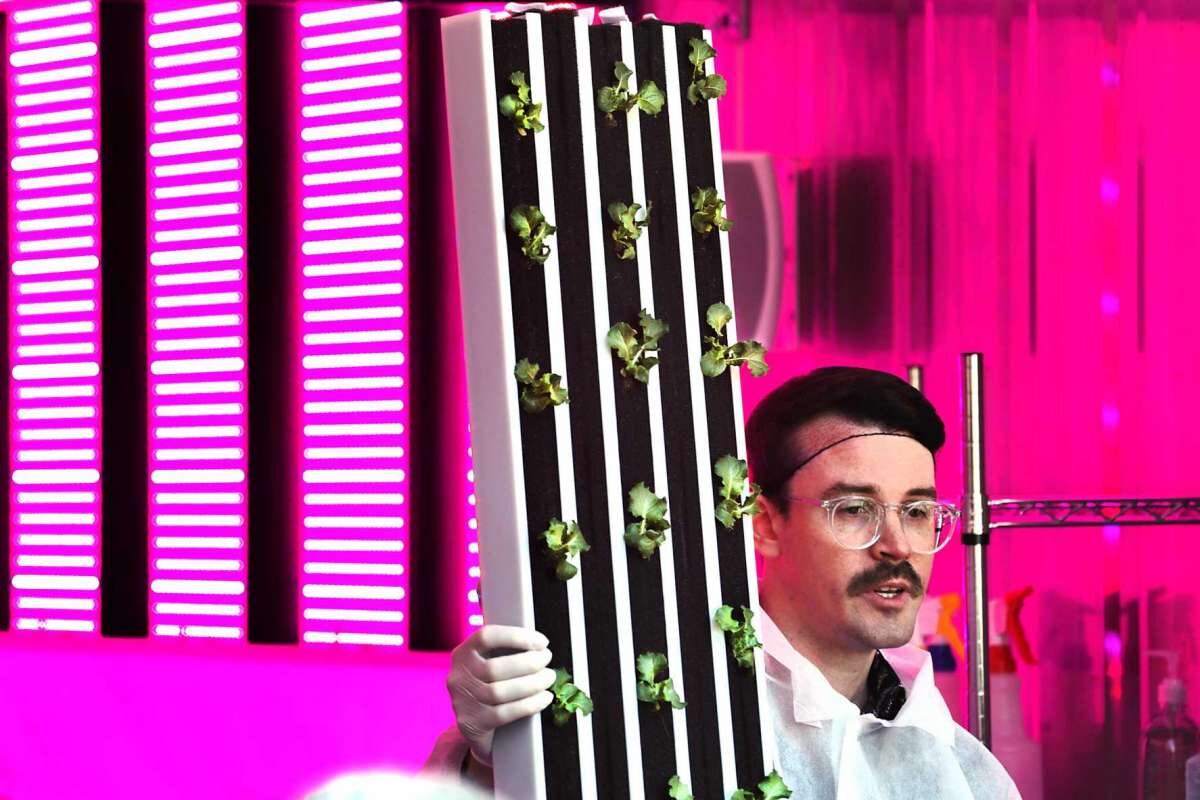
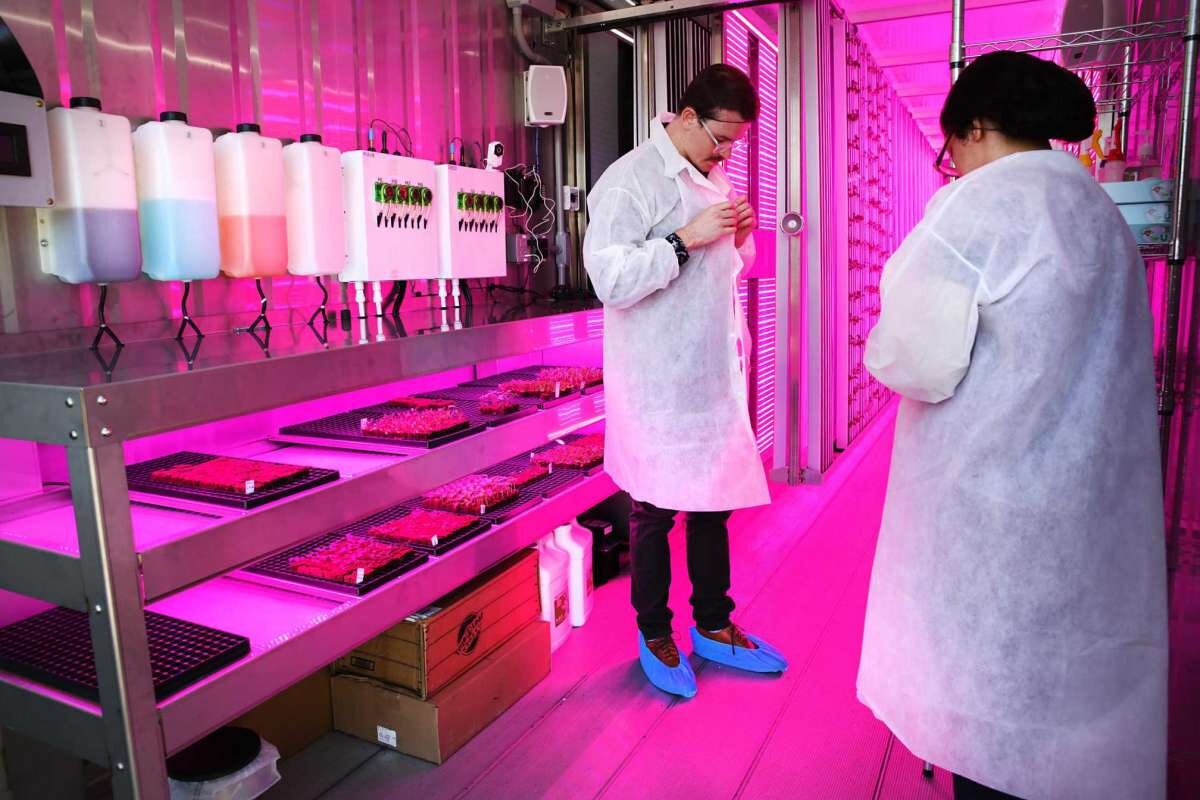
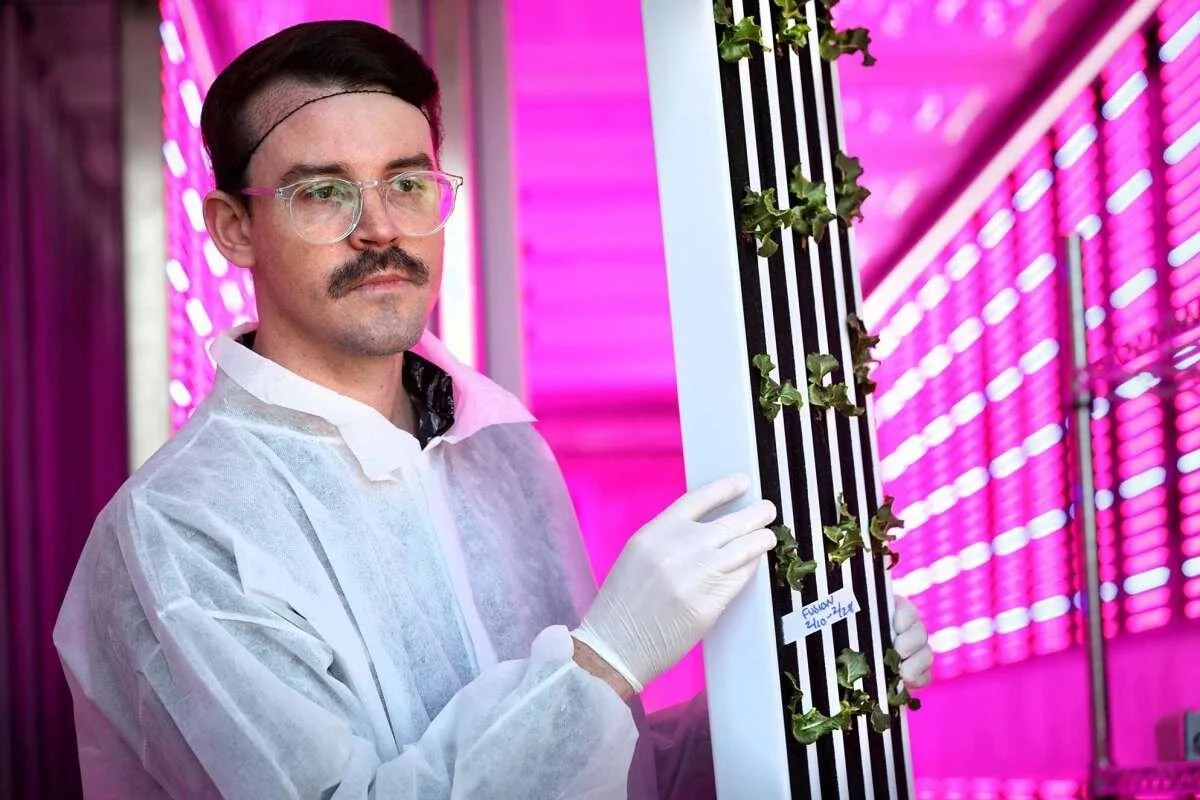
A group of people crowded around a shipping container in the parking lot of the San Antonio Clubhouse, a community and resource center for adults with mental illness.
Inside the 40-foot long container is a hydroponic farm, which produces as many crops as a three-acre farm, simply with water and lights.
But the best part of Clubhouse Grows — the new indoor water-based, high-tech farm — isn’t that it sprouts an abundance of leafy greens. It’s that it also serves as a recovery-oriented volunteer opportunity for the people the nonprofit serves.
“We are working together as a Clubhouse community on this farm,” said Mark Stoeltje, the executive director of San Antonio Clubhouse. “It is providing meaningful work for our members, but it is also providing a product.”
Clubhouse Grows, which was unveiled Friday, was made possible with a $100,000 grant from Impact San Antonio, a women’s philanthropic non-profit that awards grants to local organizations.
Jennifer Bennett, president of Impact SA, said one of the reasons the group chose to award Clubhouse a grant was “because of the multilayered benefits that it delivers to the community.”
“A lot of our citizens who have mental health challenges do not get the degree of support that they need to help them live lives that feel good to them,” Bennett said. “Clubhouse is really unique to doing that in our community.”
The plants in the 320-square-foot freight container do not rely on soil. Instead, they grow on 88 black foam and metal panels, which have water pumped through them. Powerful LED red and blue lights that emulate the sun are on 18 hours a day. And the climate-controlled space remains stable between 65 and 68 degrees.
“The extra sunlight, combined with the fact that it’s never cloudy and we don’t have to worry about different seasons, really helps accelerate the plants’ growth,” said Brandon Wagner, a staff member and project lead for Clubhouse Grows.
On ExpressNews.com: South San Antonio elementary students growing food with a larger goal in mind
Crops planted include five types of lettuce, kale, beets, arugula, basil, oregano, and even some flowers.
Wagner, who has been prepping the new farm and working with it for around a month, said he has found it to be very therapeutic.
“You zone out and just concentrate on the work,” he said. “You are planting 300, 400 or up to 500 seeds at a time, so there is a very meditative workflow.”
While the farm only uses about 25 gallons of water a month, Wagner said, it can grow 550 small and crisp heads of lettuce alone each week.
“I love lettuce, but that is more lettuce than we can eat,” Stoeltje said.
So, in addition to using the produce at the Clubhouse facility, the organization plans to donate some to local non-profits.
Stoeltje said while healthy eating is important, the farming process — seeding, maintaining, relocating and harvesting crops — is also a chance for Clubhouse members to work hard, work together, hone new skills, reach goals and ultimately feel a sense of accomplishment.
San Antonio Clubhouse, which was founded in 2003, operates under a national model that's based on the belief that everyone deserves to be part of a caring community and has talents to share.
The non-profit helps its more than 2,000 members gain work experience through volunteering at the center, job training, résumé building, job-search assistance and advocating to potential employers.
“This is the perfect project for us because we are founded on two principles,” Stoeltje said, “meaningful relationships and rewarding work.”
sara.cline@express-news.net
Sara Cline
Follow Sara on: https://www.facebook.com/sara.cline.5494SaraLCline
Sara Cline is a staff writer for the San Antonio Express-News through the Hearst Fellowship Program.
She previously worked at the Times Union under the program. She also worked at the Brockton Enterprise, in Massachusetts, as a general assignment reporter. She has also contributed to newspapers and magazines in Arizona, Massachusetts and Rhode Island.
Sara graduated from the University of Arizona in 2016 with a B.A. in journalism.
Past Articles from this Author:

4 Things Indoor Farms Have To Do To Survive
As a large-scale controlled ag farming company who is essentially in the business of electrifying agriculture — sustainability is a constant consideration for Crop One
Future of farming? Only if you’re sustainable.

March 5, 2020
Written by Jenna A. Bell, PhD, RD VP of Nutritional Science at Crop One
The future of farming does not require tractors, rototillers, or pesticides.
“Sustainability” is a broad concept with ambiguous measures.
As a large-scale controlled ag farming company who is essentially in the business of electrifying agriculture — sustainability is a constant consideration for Crop One. We subscribe to several definitions for what it means to be sustainable:
Sustainability cares about the future. The United Nation’s World Commission on Environment and Development says, “sustainable development is development that meets the needs of the present without compromising the ability of future generations to meet their own needs.”
Sustainability needs to make money. To economists, it is the fine balance between economic growth and environmental, social, and cultural protection. An industry cannot be sustainable if it compromises only community and the planet, nor can it thrive without financial security.
Sustainability protects our resources and the environment. The U.S. Environmental Protection Agency (EPA) describes sustainability like it was by environmentalist and diplomat, G.P. Marsh in 1864, “Everything that humans require for their survival and well-being depends, directly or indirectly, on the natural environment.” Furthermore, the EPA attests that our health, well-being, economy and security rely on a high-quality environment.
As difficult as it may seem, we have developed a foundation for sustainable indoor farming. Our entire organization has adopted the 2030 Sustainable Development Goals (SDGs) put forth by the United Nations General Assembly.
The United Nation’s 17 Sustainable Development Goals are all interconnected and address some of the most pressing global challenges of our time.
In all facets of the farm, we work to align with these goals and achieve sustainability. In the simplest terms, we have to:
Achieve carbon neutrality
Grow more with less
Deliver long-lasting, safe produce
Build communities around farming…indoors
Crop One’s technology and infrastructure is built to achieve economic growth with fewer resources, less land and the pursuit of energy neutrality. Our plant and nutritional science depend on thoughtful control of air and water and are motivated by food resilience and human health. Crop One’s executive decisions focus on innovation and training for the future to develop global employment opportunities in diverse communities.
We recognize that the following four things must be done for us (and our colleagues) to survive:
1. Achieve carbon neutrality
To start, we put our farm in a box. We grow food in modular growing units that (to make us sound cool) we refer to as “Mods”. They are the same size and shape, and are totally controllable, scalable and separate. We have our finger on the pulse for airflow, temperature, humidity and carbon dioxide. We know how it will impact plant growth across the room, and we have optimized and digitized each Mod — precisely — so that resources are not wasted. But there’s more…
In these Mods, we can leverage the plant’s natural ability to “sink” or take up carbon dioxide, which is one natural way carbon compounds are interconverted in the environment. With all the control we have, we schedule and modify the level of carbon dioxide gas that is then taken up by the plants.
For the plant scientists, read here: by studying the ratio of water content to dry biomass for each cultivar grown in the Mods, we can adjust the environmental conditions and determine the average relative amount of reduced-carbon or oxidized carbon dioxide produced by the plants in a given area of growth. Our team is delineating the calculations necessary to achieve carbon neutrality by comparing total carbon produced by the farm, the carbon dioxide supplied to the plants, and the reduced-carbon found in the plants. With this, we can adjust the environmental variables to tip the scale towards carbon negativity.
For other smart people, read here: our plants can recycle carbon and lower our carbon contribution and reduce the overall level of carbon emitted. We call this nearing-negative.
2. Grow more with less
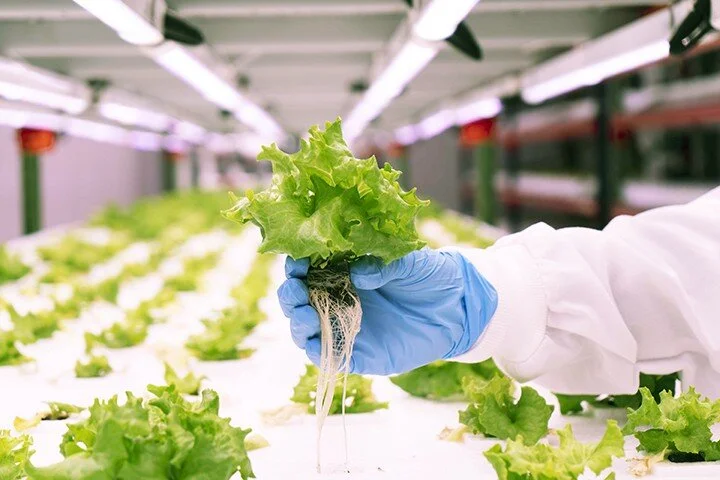
Controlled environment agriculture (CEA) uses less water (95–99% less than traditional farming), and less land (we can grow 400X more than outdoor farms in an acre). In addition to using less, Crop One reuses and recycles. We have built a proprietary system that modulates the carbon dioxide and heat injections (such as from the HVAC exhaust) to improve efficiency for each Mod. Condensate water from the HVAC can be reused as greywater.
By the way, land use is super important — the International Panel on Climate Change’s special report, “Climate Change and Land,” characterized how vulnerable the land ecosystems and biodiversity are to ongoing climate change and extreme weather. As the arable land space has declined, the number of people living in urban areas has exceeded those in rural regions around the world. Thus, reducing the amount of land required to grow food is a global priority.
3. Long-lasting, safe produce
Globally, crop production via conventional agriculture leads to approximately 30% of all crops being lost due to waste from spoilage or uncertainties in weather. With little handling and delivering, our produce lasts longer. Our greens can be found on retailer shelves in less than 24 hours from leaving the farm. So, when you buy it, there’s still a lot of life left (3–4 weeks even).
Our fully enclosed Mods and handling processes keep our greens so clean that there is no need to triple-wash. In fact, more washing means more opportunity to introduce a contaminant and the current industry standard for ready-to-eat greens requires millions of gallons of water treated with salt and chlorine.
Triple-washing is not 100% effective against certain pathogens in certain leafy greens, such as spinach.
4. Build communities around farming… indoors
CEA will never replace outdoor farming. We’re here to complement it. And part of that means that we need to help sustain the local economy and communities. For each farm we build, we will hire locally in order to maintain the promise of truly local food production. We are able to bring in people with diverse backgrounds to learn on the job — in plant science, digital sensors, networking and monitoring, and food growing and handling. The roles at the farm require a varying level of skill and experience, but oftentimes offer opportunity to learn transferrable skills. You can’t outsource local, so the jobs are sustainable
WRITTEN BY Crop One Holdings
We grow the cleanest, healthiest greens for anyone, anywhere in the world. Our sustainable vertical farms are free from chemicals and climate-proof.
Europe's Largest, Turkey's First Plant Factory Enters Production in Antalya
The factory grows plants in a closed area without soil or sun while using 95% less water than conventional farming. In the first stage, it will produce green leafy plants like lettuce, arugula, cress, spinach, thyme, and basil
BY DAILY SABAH WITH DHA
FEB 02, 2020
An Antalya-based firm has established Europe's largest and Turkey's first plant factory with an estimated investment of 2.5 million euros ($2.77 million), as part of its 5-million-euro research and development (R&D) activities.
The factory grows plants in a closed area without soil or sun while using 95% less water than conventional farming. In the first stage, it will produce green leafy plants like lettuce, arugula, cress, spinach, thyme, and basil.
The factory, Farminova is run by Cantek Group that has operated in the food storage, processing and refrigeration technologies business at the Antalya Organized Industrial Zone for many years.
Company Chairman Can Hakan Karaca said they have launched an innovative initiative, establishing the largest active plant factory in Europe.
Talking to Demirören News Agency (DHA) Sunday, Karaca said providing healthy, continuous and fixed-price food today is critical because the world's population is rapidly growing and agricultural areas are gradually shrinking.
He added that the factory produces plants in a closed area without soil and sun and uses 95% less water. It produces plants without harming nature and living creatures, 24/7 all round the year needing any agrochemicals.
Karaca said the factory uses artificial intelligence (AI) and uses 100% Turkish products. He noted that they will start producing green leafy plants like lettuce, arugula, cress, spinach, thyme and basil in the first phase and strawberry and mushrooms in the second phase. This will be followed by the production of vegetables like tomatoes, peppers and eggplants.
Karaca added that seedsmen should also develop low-stature plants now. Pointing out that Japan and the U.S. have carried out experiments in plant factories, he said that they are the only Turkish company to participate in the training program run by Professor Kozai, an industry pioneer.
"We have developed the plant factories project step by step, establishing the largest plant factory operating in Europe. What makes the difference here is that we have built this factory using our own products only," he told.
He said the factory in Antalya is an exemplary model. "We aim to establish, expand and share with global investors this innovative development in the world of agriculture, which is a 100% Turkish product from design to software."
Karaca said they are working on establishing factories in seven or eight countries, particularly in Africa. "Our goal is to open two to five factories this year and 100 factories in the next five years, 90% of which will be abroad."
Factory consultants Glenn Behrman and Christine Zimmerman Loessl, who have been working around the world in this area, also elaborated on the factory.
Loessl said the world and its inhabitants have changed. "However, if we continue to treat the world this way, the world is not going to end up anywhere good. We see every day that agriculture has had a huge and dramatic impact on this change.
This project will prevent the conversion of natural lands into agricultural lands. We can produce plants completely independent of the weather, the sun, and the conditions outside. It provides a healthy and fixed-price guarantee. Vertical farming practices will completely change their perspective. It's not going to happen in a tick, but it is going to happen eventually."
Behrman, on the other hand, said he has set up similar facilities in many countries around the world. "This is the most innovative and largest facility in Europe. It can produce healthy products that are harmless and chemical-free. It is possible to produce essential foods and products, not just edible foods. It is highly effective in seedling production and seed cracking.
It can also make healthy and high-quality contributions to the cosmetics industry. Healthy and nutritious products can be produced in shorter harvest time. It is a hyper-efficient system. Production is possible anywhere in the world with minimum energy and labor," he added.

Co-Founder And CEO of Heliponix, LLC Scott Massey Will Be Speaking About The Future of Food At The University of Michigan Tech Expo Sponsored by Google on March 13
Co-Founder and CEO of Heliponix, LLC Scott Massey will be speaking about the Future of Food at the University of Michigan Tech Expo sponsored by Google on March 13.
He will be speaking in a panel discussion with Rachel Konrad of Impossible Foods. A GroPod will also be on display to learn about its functionality from Scott in-person!
Heliponix© provides consumers with the GroPod©, a smart garden appliance with a Seed Pod™ subscription, monthly shipments of organic certified seeds of your choice in pre-formulated pods. Our automated, hydroponic hardware combined with smart, cloud software allows anyone to become a farmer regardless of their climate, space, or existing knowledge of agriculture.
Users enjoy Pure Produce™ that is better for their health, and the environment by reducing water consumption and food waste through local production. It grows vegetables produce 3X faster than soil farming methods, a 500X more efficient use of land, using 95% less water without the use of pesticides.
This accelerated growth rate, spanned over 60 planting ports, equates to the user having a head of leafy greens of their choice, every single day. Co-Founders, Scott Massey and Ivan Ball previously designed a hydroponic growth chamber at the Purdue University Horticulture College on a NASA funded research study for future space colonies; the long term goal of this NASA R&D initiative was to grow food in future space colonies.
Check out their new GroPod© product demo video and recent coverage by The Associated Press while we were at CES.
Scott Massey earned his 2017 B.S. at Purdue University in Mechanical Engineering Technology and Certificate of Entrepreneurship and Innovation. Scott exited a career as an engineer in the oil and natural gas industry to become a research engineer at the Purdue University Horticulture College. It was there Scott assisted in the design of a NASA funded, automated hydroponic plant growth chamber with the ultimate goal of sustainably grown food in space colonies under Dr. Cary Mitchell.
This inspired him to found Heliponix© (formerly Hydro Grow LLC) his senior year backed by Purdue Ventures Ag-celerator agricultural/biological Engineering Research Fund and Elevate Ventures.
Today the company employs several engineers and is expanding their network of GroPods deployed in the market which has been named the "Indiana's Best New Tech Product" by TechPoint through the Mira Award and "The People's Choice Award" by IFT (Institute of Food Technologists) through the Food Disruption Challenge. Scott continues to advise the Department of State through the Mandela Washington Fellowship on several aquaponic and hydroponic farms across Africa to fight food insecurity in the developing world.

CropKing Partners With Urban Crop Solutions To Grow Vertical Container Farm Showcase
CropKing, a full-service hydroponic company located in Lodi, OH, specializing in controlled-environment agriculture and hydroponic growing, will operate the Urban Crop Solutions’ FarmPro vertical container farm as a showcase, continued research, and testing facility
March 4, 2020
CropKing and Urban Crop Solutions have announced plans to collaborate on a controlled-environment agriculture project in the U.S., leveraging the extensive hydroponic experience of CropKing with the high-quality controlled-environment technology in vertical farming of Urban Crop Solutions.
CropKing, a full-service hydroponic company located in Lodi, OH, specializing in controlled-environment agriculture and hydroponic growing, will operate the Urban Crop Solutions’ FarmPro vertical container farm as a showcase, continued research, and testing facility. The first FarmPro container arrives in March at the Lodi headquarters, where CropKing will start testing it with the help of in-house plant scientists.
“We are excited to be working with Urban Crop Solutions and for the opportunity to validate the effectiveness of automated container farming,” said CropKing President Paul Brentlinger in a press release from Urban Crop Solutions. “
Their personal and custom-made approach could fulfill the needs of many clients. The shipping container system offers advantages like climate control, irrigation system, and automated growing process, which has captured our interest for the past few years.”
Urban Crop Solutions, a turn-key solutions provider that offers biological know-how in the indoor vertical farming industry, recently celebrated its 5th anniversary and already has 28 active projects across the world. In the last five years, it has developed more than 200 plant growing recipes, for a variety of industries, through its in-house research center.
Paulina Murrath, Business Development Manager of Urban Crop Solutions, will serve as a point of contact for the North American market at the company’s offices in Miami, FL.“
It’s a great honor to start a collaboration with CropKing and Paul Brentlinger, who is a controlled-environmental agriculture expert with extensive knowledge of growing high-quality food products,” Murrath said in the press release. “CropKing shares the same values that we consider as important, like bringing higher yields, nutritional value, food security, local production, and consumption, to different industries. That’s why we believe our collaboration will be rewarding.
”The Vertical Farming Industry Needs Proven Technology
CropKing will put the FarmPro vertical container through a rigorous testing process, which includes assessing items such as plant pathology and system yield, as well as validating the true return on investment (ROI) of the unit, according to Brecht Stubbe, Global Sales Director at Urban Crop Solutions.
The FarmPro vertical container CropKing will receive is a fully automated and climate-controlled 40-foot freight container with a four-layer, state-of-the-art growing system for leafy greens and herbs. The insulated container includes features such as climate control and an irrigation system, continuous monitoring, custom-made LEDs, a handling area and technical room, as well as online crop and process management. Plants grow in a nutrient film technique (NFT) hydroponic system.“
Technological failures and resulting bankruptcies have been a problem in the vertical farming industry,” Stubbe says. “With CropKing’s 30 years of experience in the greenhouse industry, we can prove that this technology and our growing recipes can provide the ROI to growers. We don’t want this technology to fail for our clients.”
Collaboration a Strong Match for Exploring New Markets, Including Floriculture
This collaboration is only phase one for CropKing and Urban Crop Solutions. Stubbe says the companies hope to work together on more projects to explore new markets and opportunities in the vertical farming sphere
.Urban Crop vertical farming technology is already being used for research into medical plants for compound extraction. On the floriculture side, Stubbe says Urban Crop Solutions is currently conducting some promising research in Belgium. The latest growth trials with strawberries, for example, resulted in sweet fruits with a Brix value averaging between 11 and 16.“
They are growing azaleas at the trialing facility and now to a very high extent can control the temperature and bring crops just to the point of flowering, which helps increase their shelflife when they go to retail,” Stubbe says. “This type of technology could allow flowers to be grown across the globe, instead of shipped internationally to supply those markets.”
When asked about how the unit might be integrated into a controlled-environment greenhouse operation, Stubbe said he sees several applications and benefits, two being maximizing germination space with multilayer growing and eliminating risk factors involved with plant handling. For people growing in high tunnels or the field, the unit could help them diversify their operation into new crop segments. A grower could also use the unit to provide products locally on a year-round basis.
Janeen Wright is managing editor for Greenhouse Grower. You can email her at jwright@meistermedia.com. See all author stories here.

SCOTLAND: City Hydroponics Company Growing Fast
The company says that its vertical farms will grow up to five times as many greens as traditional ones
February 24, 2020
An Edinburgh based start-up is going to fastback indoor ‘vertical farms’ across the UK.
The company says that its vertical farms will grow up to five times as many greens as traditional ones. Shockingly Fresh have just obtained planning permission for a 1.2ha site near Offenham in Worcestershire for their low cost naturally-lit ‘vertical farm’ – which uses special hydroponic towers to grow multiple crop cycles of green veg such as salads and herbs.
Saturn Bioponics’ CEO Alex Fisher at a farm near Stratford-upon-Avon, Warwickshire, 31st August 2017.
The specialist firm has approval from Wychavon District Council to build a state-of-the-art 11,899 square meter greenhouse on the site in partnership with indoor farming specialists Saturn Bioponics and nationwide salad growers Valefresco. The farm will be completed this summer and will then start producing crops shortly thereafter. The increased output will offset the setup costs, and the enclosed environment leads to cleaner crops and less pesticide use.
Dr. Garth Bryans COO of Shockingly Fresh.
The team then plans a rapid roll-out of 40 more indoor farms in the next 5 years. Dr. Garth Bryans COO at Shockingly Fresh said: “The Midlands are ideal for vertical farming and we are really excited about delivering our first site.“
The climate is good, there is a well-established horticulture sector and it is close to major markets and road networks, so it makes sense for us to begin our rollout plans there.“
We have identified a significant market – particularly around the early and late season ‘shoulder months’ – which is currently filled by imported crops from Europe. We believe a raft of sites across the country will enable British growers to compete on a level field.“
We have partnered with hydroponic specialists Saturn Bioponics which supplies all of the equipment and we are focussed on raising finance, finding sites and securing planning consent. If our plans develop as we hope then vertical farms will become an important part of the UK vegetable supply chain.”

Paris Mayor: It's Time For a '15-Minute City'
Paris needs to become a “15-minute city.” That’s the message from the manifesto of Mayor Anne Hidalgo, who is seeking re-election this March
FEBRUARY 18, 2020
During the city's transit strike in December, Parisians got a taste of what being a more foot- and bike-oriented city would feel like. Philipe Lopez/AFP via Getty Images
In her re-election campaign, Mayor Anne Hidalgo says that every Paris resident should be able to meet their essential needs within a short walk or bike ride.
Paris needs to become a “15-minute city.” That’s the message from the manifesto of Mayor Anne Hidalgo, who is seeking re-election this March. Hidalgo has been leading a radical overhaul of the city’s mobility culture since taking office in 2014 and has already barred the most polluting vehicles from entry, banished cars from the Seine quayside and reclaimed road space for trees and pedestrians. Now, she says, Paris needs to go one step further and remodel itself so that residents can have all their needs met—be they for work, shopping, health, or culture—within 15 minutes of their own doorstep.
Even in a dense city like Paris, which has more than 21,000 residents per square mile, the concept as laid out by the Hidalgo campaign group Paris en Commun is bold. Taken at a citywide level, it would require a sort of anti-zoning—“deconstructing the city” as Hidalgo adviser Carlos Moreno, a professor at Paris-Sorbonne University, puts it. “There are six things that make an urbanite happy,” he told Liberation. “Dwelling in dignity, working in proper conditions, [being able to gain] provisions, well-being, education, and leisure. To improve the quality of life, you need to reduce the access radius for these functions.” That commitment to bringing all life’s essentials to each neighborhood means creating a more thoroughly integrated urban fabric, where stores mix with homes, bars mix with health centers, and schools with office buildings.
Paris en Commun has created a diagram to illustrate the concept of what should be available within 15 minutes of “Chez Moi” (home).
Paris en Commun’s 15-minute city concept. From the top, clockwise, the headings read: Learn, Work, Share and Re-Use, Get Supplies, Take the Air, Self-Develop and Connect, Look After Yourself, Get Around, Spend, and Eat Well. (Paris en Commun)
This focus on mixing as many uses as possible within the same space challenges much of the planning orthodoxy of the past century or so, which has studiously attempted to separate residential areas from retail, entertainment, manufacturing, and office districts. This geographical division of uses made sense at the dawn of the industrial era when polluting urban factories posed health risks for those living in their shadows. Car-centric suburban-style zoning further intensified this separation, leading to an era of giant consolidated schools, big-box retail strips, and massive industrial and office parks, all isolated from each other and serviced by networks of roads and parking infrastructure. But the concept of “hyper proximity,” as the French call it, seeks to stitch some the these uses back together, and it’s driving many of the world’s most ambitious community planning projects.
Barcelona’s much-admired “superblocks,” for example, do more than just remove cars from chunks of the city: They’re designed to encourage people living within car-free multi-block zones to expand their daily social lives out into safer, cleaner streets, and to encourage the growth of retail, entertainment, and other services within easy reach. East London’s pioneering Every One Every Day initiative takes the hyper-local development model in a slightly different direction, one designed to boost social cohesion and economic opportunity. Working in London’s poorest borough, the project aims to ensure that a large volume of community-organized social activities, training and business development opportunities are not just available across the city, but specifically reachable in large number within a short distance of participants’ homes.
Meanwhile, in Portland, Oregon, walking-distance-limited neighborhood planning is seen as central to climate action: The city aims to cover 90 percent of the city in so-called “20-minute neighborhoods,” where all basic needs—with the exception of work—can be reached within a third of an hour of walking time. In Australia, Melbourne rolled out a similar pilot in 2018.
Hidalgo’s aspirations for Paris build on this idea, but with a local twist. The goal travel time is reduced to 15 minutes, but bike journeys can count. And while it likewise underlines the importance of stores and doctors, it also includes cultural activities and workplaces within its central aspirations.
In Paris, this isn’t necessarily such a tall order. The mayor oversees only the 2.2 million residents of the city’s heavily populated historic core, which already enjoys some of the use-mixing that the 15-minute-city concept encourages, thanks to its pre-industrial roots. Paris would have an easier time with the concept than say, sprawling Melbourne, where more radical residential densification may be in order.
Paris en Commun’s manifesto sketches out some details for what this future walkable, hyperlocal city would look like. More Paris road space would be given up to pedestrians and bikes, with car lanes further trimmed down or removed. Planning would try to give public and semi-public spaces multiple uses—so that, for example, daytime schoolyards could become nighttime sports facilities or simply places to cool off on hot summer nights. Smaller retail outlets would be encouraged—bookstores as well as grocery stores—as would workshops making wares using a “Made in Paris” tag as a marketing tool. Everyone would have access to a nearby doctor (and ideally a medical center), while sports therapy facilities would be available in each of the city’s 20 arrondissements.
To improve local cultural offerings, public performance spaces would be set up, notably at the “gates” of Paris — the large, currently car-dominated squares around the inner city’s fringe which once marked entry points through the long-demolished ramparts. Finally, Paris would be populated by a network of “citizen kiosks”—booths staffed by city employees that would offer not just information, but also community cohesion services. Think places where you can drop off and pick up keys, join a local club or buy compost for your balcony plants.
Paris en Commun provides some glimpses of what this more self-sufficient, neighborhood-oriented city might look like. The (imaginary) triangular intersection below resembles the current state of many in Paris; there’s some public pedestrian space, but it remains hemmed in by cars, both mobile and parked, and genuinely safe space for pedestrians is limited.
(Nicolas Bascop/Paris en Commun)
After a superblock-style transformation, several neighborhood streets have been stripped of cars and no longer act as through-routes. This frees up room for new public space, with a small park at one end and a produce garden for residents at the other. New trees, green roofs and balconies, and a fountain would help mitigate the heat island effect and make the area a more pleasant place to linger. Meanwhile, the crossing space has ballooned in size, providing greater priority for pedestrians.
(Nicolas Bascop/Paris en Commun)
In December, transit strikes in Paris in protest of national pension reform gave Parisians an accidental taste of what a 15-minute-city future would look like, at least in terms of the hugely enlarged volume of cyclists on the city’s roads while bus and Metro service was halted. At some points during the strikes (which are still ongoing), bikes started to outnumber cars by two to one—a premonition of what might be to come.
Still, piecing together an entire modern working city around this 15-minute rubric would pose a challenge. In addition to its residents, central Paris attracts vast numbers of tourists who must be fed, housed and transported from neighborhood to neighborhood. Millions more commute into the city for work on regional transit from the vast greater Paris metro area. The people living in self-sufficient squares like the one above might find their rents rise along with the charm. And Paris can’t be transformed into a city that solely serves the needs of affluent locals.
Just how Hidalgo would execute the infrastructural changes required remains to be seen. She appears well-positioned to stay in City Hall: She’s leading in the polls (and one of her rivals has pulled out of the race after a sex scandal). Her office has not announced any specific budget or timetable for the 15-minute city concept, which remains perhaps more of a rough blueprint for the future than an imminent makeover, should she be re-elected in March. As a rethink of the way cities should be planned—and exactly who they should serve, and how—it’s an idea that other cities are likely to watch with great interest.
About the Author
Feargus O'Sullivan @FEARGUSOSULL
Feargus O'Sullivan is a contributing writer to CityLab, covering Europe. His writing focuses on housing, gentrification and social change, infrastructure, urban policy, and national cultures. He has previously contributed to The Guardian, The Times, The Financial Times, and Next City, among other publications.

High-Tech Urban Farming In Paris
Paris is opening the largest cultivation company in the world. With its Parisculteurs project, France, along with other cities, is strongly committed to urban agriculture
Paris is opening the largest cultivation company in the world. With its Parisculteurs project, France, along with other cities, is strongly committed to urban agriculture. This creates an opportunity for Dutch businesses.
The Parisculteurs project aims to green another 100 hectares in Paris this year. A third of this is earmarked for urban farming. There is much interest among Parisians for locally-grown products. There is also a need for green areas in this large French city.
There is, therefore, great enthusiasm for a project such as this. However, in many cases, it is a challenge to realize such a project. Space in the city is limited and expensive. The use of pesticides will be met with great resistance too.
Innovative techniques are, therefore, often used for urban agriculture. These include vertical farming and mixed cultivation. But digital aids also play a significant role in urban agriculture. For example, water-monitoring sensors are used in hydroponic systems.
No fossil fuels
The French startup, Neofarm, has taken its first high-tech greenhouse into use. It is located just west of Paris. Just a few kilometers from Paris lies the small town of Saint-Nom-la-Breteche. There, on a 1,000m2 plot, Neofarm is growing carrots, lettuce, and beans.
By planting different kinds of vegetables together, pesticide use is kept to a minimum. The startup is also busy developing a weeding robot. It uses online decision-making tools to optimize the process. In this way, Neofarm wants to develop a model for micro-farms.
They want to make it possible to cultivate high-quality organic products. That on little land, close to the city. With this model, the startup also wants to contribute to the reduction of greenhouse gas emissions. For example, their farm uses no fossil fuels. The healthy soil can store CO2 too.
Another French startup, Agricool, grows strawberries in containers. And since recently, herbs too. For this, this company uses an entirely closed system. Various sensors monitor it. According to Agricool, this closed system uses 90% less water than conventional farming.
Innovation
The importance Parisians attach to locally-produced products, therefore, ensures innovation in the chain. In France, there is a trend toward more organic, locally produced goods. Taking this into account, these developments will, more than likely, continue in the next few years.
This trend is also the case in other European countries. That offers opportunities for Dutch businesses. They can respond to these developments. They can, for example, supply materials that can be used at these types of urban farms.
Source: Agroberichten Buitenland / Renske Buisman

Publication date: Tue 11 Feb 2020
How To Start A Container Farm Business
Using stacked farming to produce food in vertical spaces, vertical farming is an attractive option to traditional methods of farming, opening more opportunities for year-round freshly grown and locally accessed food
Have You Ever Wondered How To Start A Container Farm Business?
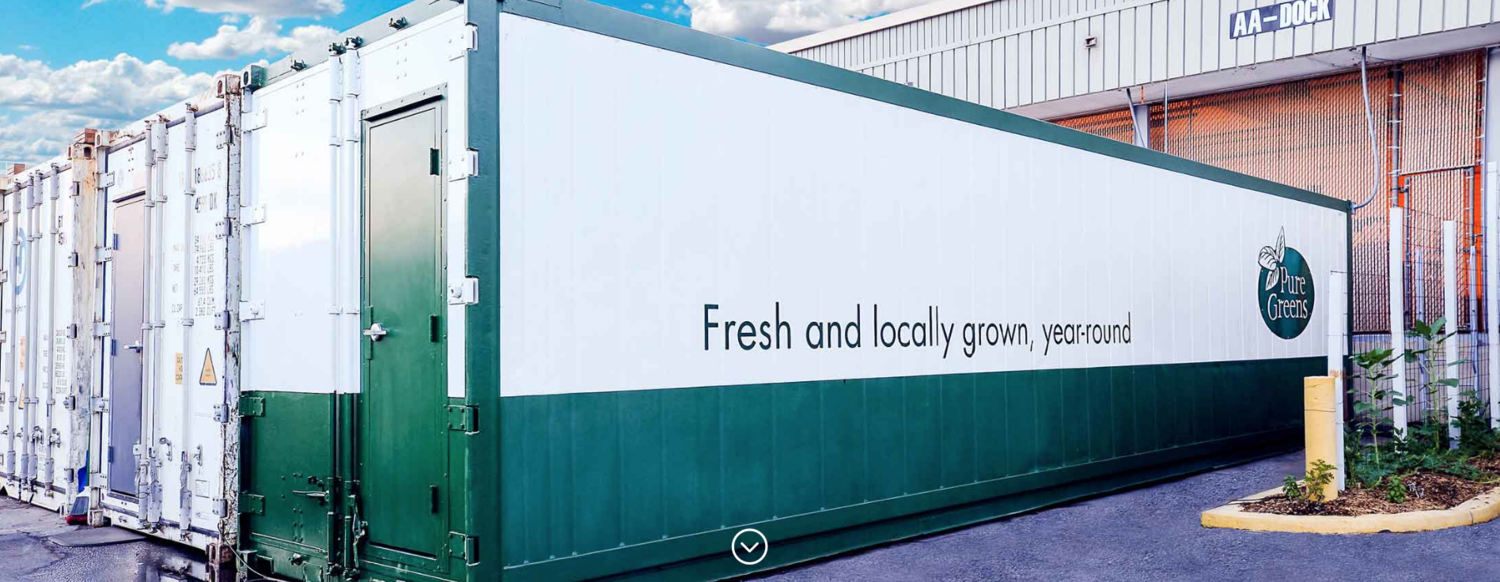
Vertical farming continues to grow with increased interest for both beginners and seasoned professional farmers. In this guide, Pure Greens helps new growers navigate the business side of container farming, with helpful steps to get started, such as:
How to create customer personas
Investment planning and funding
How to grow and harvest your crops
How to sell and brand your container farm business
Check Out The Guide Here

United Fresh Talks Produce Trends, Opportunities For Indoor Growers
Each week we're adding new companies to our growing show floor. Among our most recent additions are Ceres Greenhouse Solutions and Percival Scientific
Don't Miss United Fresh Produce Association Panel Discussion With
Walmart, BrightFarms, DNO Produce!
PRODUCE TRENDS & BUSINESS GROWTH OPPORTUNITIES FOR INDOOR GROWERS
Indoor Ag-Con is pleased to announce that the United Fresh Produce Association will host a panel presentation during our May edition on Monday, May 18 from 10-10:45 am. During this insightful and idea-packed session, United Fresh President and CEO Tom Stenzel (pictured top left), will share some of the association's latest produce trend research findings. He'll also moderate a top-notch panel, including (clockwise) Paul Lightfoot, CEO, BrightFarms; Victor Verlage, Senior Director of Agricultural Strategy, Walmart, Inc; and Alex DiNovo, CEO, DNO Produce, as they share business opportunities they see with indoor growers. You won't want to miss this one! Learn more about this program and the growing line-up for the May 18-20, 2020 edition.
CHECK OUT GROWING CONFERENCE SCHEDULE ›
WELCOME TO OUR NEWEST MAY '20 EXHIBITORS
Each week we're adding new companies to our growing show floor. Among our most recent additions are Ceres Greenhouse Solutions and Percival Scientific.
Learn more about these innovative companies, and many others who will be showcasing their latest introductions and solutions for your indoor growing needs!
SEE WHO'S EXHIBITING >
INDOOR AG-CON EXHIBITOR NEWS: JIFFY OFFERS SUSTAINABLE NETTING SOLUTION Reducing the use of plastic in packaging and production purposes is an important global issue. As Jiffy points out in their latest news alert, plastic does not belong in nature and it should not be in the process of cultivation. This is why Jiffy aims for lowering the use of plastics for their growing media. Just recently Jiffy decided to switch from PE and PP plastics to PLA netting for all Jiffy Grow Blocks and Jiffy Pellets. See them in booth 3001 in May and read their full announcement here!
LEARN MORE ›
Indoor Ag-Con has secured discounted hotel rates at Treasure Island -- an easy walk from the show site at the Wynn. It's going to be a busy week in Vegas so we encourage you to book early for the best rates! Book online or call the hotel direct at 888.503.8999 and reference discount code AGCON20
RESERVE HOTEL & SAVE›
SPECIAL THANKS TO OUR GROWING ROSTER OF
SPONSORS, MEDIA ALLIES & INDUSTRY PARTNERS

Living Wall Garden Bringing Tranquility To Historic Downtown San Bernardino
Thanks to a grant from the Arbor Day Foundation in conjunction with BNSF, SistersWe and Viva La Boba owners David Friedman and Tansu Philip are planting a living wall garden on the side of a vacant brick building near the Breezeway in the heart of downtown San Bernardino
'This green area will be somewhere people can go and breathe fresh air,' Viva La Boba owner David Friedman says
By BRIAN WHITEHEAD | bwhitehead@scng.com
San Bernardino Sun
A garden is being planted in San Bernardino, but not where you might expect.
Here, there is no lush green space, no playground nearby for children to burn off energy. The spot gets, at most, four hours of sunlight a day and can easily be missed by even the most observant passersby.
And yet, San Bernardino-born-and-raised sisters Adrienne Thomas, Vanessa Dean, and Nedra Myricks could not have found a better place for their nonprofit’s latest community project.
Thanks to a grant from the Arbor Day Foundation in conjunction with BNSF, SistersWe and Viva La Boba owners David Friedman and Tansu Philip are planting a living wall garden on the side of a vacant brick building near the Breezeway in the heart of downtown San Bernardino.
David Friedman, Viva La Boba owner, right, looks back while mounting vertical wall planters to a 100-foot-long, 18-foot-tall brick wall with SisterWe sisters, from left, Nedra Myricks, Vanessa Dean, and Adrienne Thomas during The Historic Downtown San Bernardino Living Pocket Park Project in downtown San Bernardino on Wednesday, Jan. 15, 2020. (Photo by Watchara Phomicinda, The Press-Enterprise/SCNG)
“Bringing San Bernardino back to life (with this project) is what I’m looking forward to, making it a little more people-friendly,” said Thomas, SistersWe president. “I’m really excited to see the wall coming in and things happening around San Bernardino. It’s been too long without anything to do or places to go.“This wall will bring and attract people to San Bernardino.”Pitched in 2018 as an environmental beautification project, “The Historic Downtown San Bernardino Living Pocket Park Project” and a second SistersWe project in Muscoy received grant funding last year, in part, for their health and environmental benefits.
On Wednesday, Jan. 15, a handful of volunteers and about two dozen fifth-grade students from nearby Jones Elementary School helped Thomas, Dean, Myricks, and Friedman bolt vertical planters to a 100-foot-long, 18-foot-tall brick wall near Fourth and E streets.
In the coming weeks, a hydroponics system will be woven through the felt planters and succulents and other plants will take their place in the living wall garden, a stone’s throw from the Rosa Parks State Memorial Building.
And keeping with the art theme permeating the area, local artist Nathaniel Gelston plans to paint a mural in the alleyway.
Friedman, who owns several buildings downtown, sees such investment in the once-bustling entertainment corridor as the catalyst for the revitalization of San Bernardino.“My generation, we want to live in an urban culture, one that’s more sustainable,” he said. “We want to walk, bike. You see the youth rallying around downtown, and with the preservation of historical artifacts, historical buildings, comes a sense of art, and artists seem to want to congregate around this area.“
This green area,” Friedman added, “will be somewhere people can go and breathe fresh air. Somewhere they can take a break and go back to work or go back to their house. That’s important to have in any urban environment.”
In addition to their work this week, Thomas, Dean, and Myricks will add 15 more trees to green space at California and Nolan streets in Muscoy at 8 a.m. Wednesday, Jan. 22.
The trio’s “Muscoy Pocket Park Project” includes plans to add 20 raised-bed family garden plots, a farmer’s market, movie nights and other family activities throughout the year.
Myricks, the oldest sister at age 71, joked Wednesday she and her siblings are busier now, in retirement, than they ever were as professionals.“These are things all of us need to really embrace,” Thomas said. “San Bernardino really needs something. It needs a spark of life, and with all the young people involved in this, I’m really looking forward to the future.”

New Date Announced For Women in Agribusiness Summit Europe: July 2-3
The jam-packed agenda will remain the same for the July event
PARIS, March 5, 2020 – A new date has been set for this year’s Women in Agribusiness Summit Europe: 2-3 July at Les Salons Hoche here. Previously scheduled for 9-10 March, the conference was rescheduled out of concern for the welfare of all participants with respect to the coronavirus.
Joy O’Shaughnessy, chief operating officer for HighQuest Group (parent company of WIA) and event director for Women in Agribusiness (WIA) initiatives, explained that while the decision was a difficult one to make, “due to an abundance of caution and concern for the welfare of all of our event participants in regard to the threat of the coronavirus, we felt it was best to postpone the event.” O’Shaughnessy conferred with sponsors, speakers, and attendees, as well as reviewing the recommendations from the World Health Organization, before announcing the postponement.
“We are grateful for the support and collaboration among our participants regarding this decision, and look forward to welcoming the Women in Agribusiness community to Paris in July where they can expect in-depth industry insight, detailed outlooks of the agri-food sector, and boundless opportunities for networking,” said O’Shaughnessy.
The jam-packed agenda will remain the same for the July event and include topics such as:
Geopolitical Overview of European Agriculture
Reforming the Agricultural System
Reducing Food Waste
Farming 4.0 - Ushering in the Age of Digital Agriculture
Green Funding: Critical or Counterproductive?
Agricultural Trade After Brexit
Executive Roundtable: A Spotlight on Senior-Level Women in Ag
The annual Women in Agribusiness Summit began in the U.S. in 2012 and is now renowned for annually convening close to 1,000 of the country’s female agribusiness decision-makers, with 30 percent at the CEO/executive level and another 25 percent at department management level. The European event is modeled after this successful series and includes the support of a community that engages 365 days a year via news blogs, social media, content for women-owned businesses, job opportunity postings, scholarships for young women, networking Meet Ups, leadership training and more.
Find out more about the Women in Agribusiness Summit Europe at womeninag.com, or follow us at @Womeninagri, on Facebook and LinkedIn. Register for the event with a 10% discount using promo code: PARIS2020. Additional sponsors and event partners are welcome for this event.
Farming 4.0 - Ushering in the Age of Digital Agriculture
Green Funding: Critical or Counterproductive?
## #
About Women in Agribusiness
Women in Agribusiness is a business unit of HighQuest Group, a global agribusiness consulting, events and media firm, based north of Boston, Mass., USA. The Women in Agribusiness initiative took root in 2012, with the first conference held in New Orleans. WIA initiatives have grown to include the WIA Membership, WIA Demeter Award of Excellence, Scholarships, and WIA Today. Learn more at womeninag.com.
CONTACT:
Michelle Pelletier Marshall
Senior PR/Media Manager
10 South Main Street, Suite 209 Topsfield, Mass. 01983 USA mmarshall@highquestgroup.com +1.978.790.0565

Singapore Hotel Turns Over A New Leaf With Aquaponics Farm
The aquaponics farm at Singapore's Fairmont is expected to provide 30 percent of the hotel's vegetable needs by August
What Goes Around Comes Around in The Fairmont's Rooftop Garden
Producing Vegetables and Fish for Guest Meals
AFR Travel Editor
Feb 19, 2020
In New York and London, rooftop gardens have become the must-have accessory for any self-respecting luxury hotel. In what is being touted as a first for a Singapore hotel, the Fairmont has joined the crowd with an urban aquaponic farm.
Aquaponics involves growing plants without soil, using a “closed, circular system” that channels the waste from living fish to fertilize the plants, which in turn filter and clean the water for the fish.
By August, the hotel expects its farm to provide 30 percent of its monthly vegetable needs.
The plants are grown on flatbeds and in densely packed towers. The 450-square-meter farm, launched late last year, was created on a covered outdoor terrace on level five, wedged between the 26-story Fairmont and its adjoining Swissôtel sister property. Both are part of French chain Accor, as is historic Raffles across Bras Basah Road.“
We need to manage sustainability and climate change,” says Michael Issenberg, chairman and CEO of AccorHotels Asia Pacific. “Accor is working to eliminate plastic, food wastage, and to generally improve our ecological footprint. The aquaponic farm is a superb initiative.”Stumbling into this farm, you find yourself surrounded by edible greenery including english spinach, water spinach (kangkong), mint and numerous varieties of lettuce. The plants are grown in rows of flatbeds and densely packed towers.
In large containers at the back of the farm, 1600 tilapia fish play their part in this cycle. The bad news for said fish is that by next month, the Fairmont will be serving them as meals.
The greenery is already gracing the dining tables of the three hotels, featuring in a signature aquaponics salad.
At a glance
Fairmont Singapore Solid five-star luxury with more than 700 rooms and suites located in two towers (north and south). Book in the north tower – the rooms have undergone a lavish renovation, and the higher floors overlook Marina Bay. (Our top tip: don’t miss dining at Jaan by Kirk Westaway on the 70th floor of the adjoining Swissôtel.)
Raffles Singapore Following its extensive refurbishment, the 115-room Raffles re-opened in late 2019 and is more wow than ever. As the saying goes: “When visiting Raffles, don’t forget to see Singapore.”
The newly renovated Raffles Singapore is open for business.
British Airways Flies direct from Sydney to Singapore. Unfortunately, it’s still the old Club World business-class product on the route. But old or new seats, the champagne tastes the same.
The writer traveled to Singapore with British Airways and stayed as a guest of AccorHotels.
Lead photo: The plants are grown on flat beds and in densely packed towers.

How To Do Urban Vertical Farms Properly
Framlab, a creative agency, has proposed democratised vertical urban farming for lower socio-economic demographics in Brooklyn’s boroughs, entitled Glasir
11/02/2020
Sarah Buckley
Framlab, a creative agency, has proposed democratized vertical urban farming for lower socio-economic demographics in Brooklyn’s boroughs, entitled Glasir.
Glasir is a project that intends to intervene with the current agriculture and water concerns, with its equally concerning economic ramifications.
“The borough of Brooklyn has seen an explosive economic growth throughout the last decade,” says Framlab.
Between 2001 and 2015, there has been an improved job creation rate, but with its development, it has seen both positive changes and a high degree of social stratification, with a correspondingly high degree of nutritional inequality.
As Brooklyn is largely understood as a ‘foodie’s paradise’, it conversely also has a 20 percent food insecurity rate.
Glasir is supposed to be deployed initially in the borough’s poorest and least food secure areas – neighborhoods such as East New York, East Flatbush, Canarsie, and Flatlands.
“With studies proving a direct correlation between food insecurity and health risk, Glasir’s proposition to offer affordable, locally-grown produce has the potential to not only boost the nutritional profile of the residents’ diet, but also plant the seed for societal and economic betterment in these neighborhoods.”
“By combining the flexibility of modularity with the efficiency of aeroponic growth systems, the projects offer self-regulating, vertical farming structures that can provide neighborhoods with affordable, local produce year-round.”
The trees are characterized by a monopodial trunk with rhythmic growth, developing tiers of branches, following Rauh’s model.
Additionally, the style of growing plants aeroponically, as was experimented with by NASA, proves a comparable crop to yield as opposed to traditional, geoponic cultivation.
The exclusion of soil leaves very little room for unexpected variables and makes aeroponics a highly flexible growth system.
The system is centered around a subscription service model for the periodic distribution of crops to households, businesses, and schools.
The structure is further designed to be physically explored/played upon and invite its community to harvest fruits and vegetables.
It also utilizes drone technology to deliver the greens to and from its destination, and with minimized waste material and decreased cost, alongside stored harvested energy that can be used to charge electrical bikes, mobile devices, and integrated lighting, these structures will act as an ecological and technological hub, guilt-free.

RSVP - Indoor Ag Science Cafe March 10th 1:30 PM EST
March Indoor Science Cafe
Please sign up!
Tuesday, March 10th, 1:30 PM EST
'Controlled Environment Production for Safer Leafy Greens'
Presented by
Paul Lightfoot (BrightFarms)
Please sign up so that you will receive Zoom link info.
Indoor Ag Science Cafe is an open discussion forum, organized by Chieri Kubota (OSU), Erik Runkle (MSU), and Cary Mitchell (Purdue U.) supported by USDA SCRI grants.
Sign up for March 10th Cafe

How Grocery Stores Are Trying To Prevent ‘Panic Buying’ As Coronavirus Causes Stockpiling, Emptying Shelves
As an outbreak of a new coronavirus causes some U.S. customers to fill up shopping carts and thin out store shelves, industry groups and experts say grocers can tamp down on “panic buying” by planning ahead and trying to stay stocked
March 2, 2020
KEY POINTS
A food retail trade group published a guide to help retailers prepare for changes to customers’ shopping habits, such as increased use of self-checkout or demand for food handlers to wear masks.
Experts say grocery stores can help by accelerating shipments and holding back some items as centralized stock.
Stores could also consider rationing the number of each item that customers can buy.
As an outbreak of a new coronavirus causes some U.S. customers to fill up shopping carts and thin out store shelves, industry groups and experts say grocers can tamp down on “panic buying” by planning ahead and trying to stay stocked.
Grocery stores, including Costco stores, have seen a spike in sales of household items like hand sanitizer, face masks and cases of bottled water in recent weeks. Sales of shelf-stable grocery items, including fruit snacks, dried beans and pretzels, are on the rise, too, according to late-February data from Nielsen.
At U.S. stores, sales of fruit snacks were up by nearly 13%, dried beans were up 10% and pretzels were up 9% in the week that ended Feb. 22, according to Nielsen data. Sales of energy drinks, pet medicine, vitamin supplements and first-aid kits also saw sales spike.
Doug Baker, vice president of industry relations at food retailer trade group FMI, said U.S. shoppers have focused on buying items for prevention and preparedness. Now, in some parts of the country, they are shifting to response mode. He said they’re buying longer-lasting grocery items, such as canned goods and frozen fruits and vegetables.
He said retailers are doing their best to predict and respond to such shifts.
“We have to try to understand what consumers are thinking before they think of it,” Baker said. “In an event like this, you have to quickly adapt to whatever consumer demand is,” he said. “And in a moment of crisis, you have some idea of the demand that may peak, but you don’t know the magnitude to which they’ll peak and the geographies where they’ll peak.”
The Centers for Disease Control and Prevention earlier Monday said there are about 91 confirmed or presumed cases of COVID-19 in the U.S. Many of those individuals contracted the virus while they were traveling. However, about 26 cases are either confirmed or presumed to be from human-to-human transmission in the U.S. At least six people in the U.S. have died, with the majority of those deaths in the Seattle area.
On Friday, the industry group published a 16-page guide to help retailers prepare for potential changes to shopping habits. For example, the industry group said shoppers may consolidate grocery trips, with fewer visits and bigger baskets. They may prefer self-checkout and online grocery delivery. And they may have new expectations for neighborhood grocery stores, such as seeing all food handlers wearing masks and gloves and having antibacterial wipes available for use in stores.
Grocery delivery companies Instacart and FreshDirect have both reported a surge in business. Instacart said in a statement Monday that it’s had more demand than usual for bottled water, hand sanitizer and other household essentials. FreshDirect said Friday that it had delivery delays and increased demand for fresh seafood, fresh chicken, baby food and household cleaning products.
On his own weekend grocery shopping trip in northern Virginia, Baker said he saw plenty of shoppers and thinned-out shelves of antibacterial hand soap and hand sanitizer.
“It’s not often you have to reach to the back of the shelf to get Lysol hand wipes,” he said.
Josh Brown: How to protect your nest egg in volatile times
Scott McKenzie, global intelligence leader at Nielsen, said consumer behavior with the coronavirus roughly mirrors grocery shopping ahead of extreme weather events like hurricanes or snowstorms. With the coronavirus, however, he said shoppers are especially interested in packaged products and items that haven’t traveled far.
He said sales of fresh food items like fruits and vegetables and imported items, such as European cheeses and meats, are likely to take a hit in the U.S. On the other hand, he said, local items and sealed goods, such as granola bars, will likely gain popularity.
Cornell University business professor Karan Girotra, who studies the grocery supply chain, said stores can limit “panic buying” by reassuring customers they are prepared and have adequate supply. He said they should accelerate imports and hold back items in centralized stock, so they can send additional supply to stores and regions of greatest need. He said stores could also consider rationing the number of each item that customers can buy.
He said the coronavirus has caused “a supply side and demand side shock,” but he worries the most about customers’ fears exacerbating the problem.
“It’s like having a bank run,” he said. “If people really start panicking and start stocking up on things, then I think all bets are off. It becomes a self-fulfilling prophecy.”
Lead Photo: Clorox Liquid Bleach products in short supply at a Target store in Hackensack, N.J. Fahiemah Al-Ali | CNBC
— CNBC’s Courtney Reagan contributed to this report.

Coalition For Sustainable Organics Disappointed in Latest Attempts Center For Food Safety To Restrict Supplies Organic Foods through Lawsuit
Lee Frankel, the executive director of the CSO stated, “It is disappointing to see groups target pioneering organic farmers that use the most appropriate organic growing methods adapted to their site-specific conditions on their farms to meet the needs of consumers
SAN DIEGO, CALIFORNIA March 3, 2020 – The Coalition for Sustainable Organics (CSO) is saddened by the latest attempts by the Center for Food Safety and their allies to limit fair competition and organic supplies in the market through legal action.
Lee Frankel, the executive director of the CSO stated, “It is disappointing to see groups target pioneering organic farmers that use the most appropriate organic growing methods adapted to their site-specific conditions on their farms to meet the needs of consumers. The members of the CSO are strongly committed to the integrity of organic standards and the organic label. The groups behind the lawsuit failed to convince the members of the National Organic Standards Board (NOSB) to prohibit container and hydroponic production methods after significant industry debate and submission of public comments. Instead of unifying the industry after the decision made by representatives of the organic community at the NOSB, the CFS is seeking to eliminate public input to achieve their goals of restricting competition to drive up the price of organics for organic consumers to allow favored producers to increase their profit margins.”
Frankel continued, “Growers using containers adhere to the U.S. Department of Agriculture organic standards under the National Organic Program (NOP) and have been allowed to grow certified organic produce since the initiation of the NOP more than 25 years ago. After extensive study in 2010, the USDA through the NOP opted not to change these high standards for certifying organic produce – and affirmed that organic produce can be grown through containerized methods. After additional review in 2015-2017, the National Organic Standards Board voted to reject a proposed prohibition on container and hydroponic systems.”
Karen Archipley of Archi’s Acres of Escondido, California added “Our production systems are managed in accordance with the federal organic law. We chose to incorporate hydro-organic methods at our operations since it is the most appropriate way to promote ecological balance by drastically reducing our water use, conserve biological diversity by preserving valuable habitat while still incorporating the microbial processes described by organic pioneers to recycle nutrients to nourish our crops. Every choice we make and every input we use must be audited and approved by USDA-accredited certifying agents like any other Organic Farmer.”
Archipley continued “Changing the rules now would limit the amount of organic produce available to the public – just as the public is demanding more organic produce. This is not an issue that should be settled in the courts or politicized. If a grower meets USDA standards for organic certification, they should be able to market organic produce, whether they grow in soil or any other sustainable, certified organic growing media.

Israeli-Founded Urban Farming Startup to Expand To Japan
Israeli-founded urban farming platform Infarm, the startup that combines vertical farms with IoT technologies and machine learning, announced last week that the company has raised funding from JR East, the East Japan Railway Company, to expand into the Japanese market, Japanese and English tech news website Bridge reported
Infarm's urban farming system in Germany. Photo via Kroger
Israeli-founded urban farming platform Infarm, the startup that combines vertical farms with IoT technologies and machine learning, announced last week that the company has raised funding from JR East, the East Japan Railway Company, to expand into the Japanese market, Japanese and English tech news website Bridge reported.
Erez Galonska, one of the three founders of the Berlin-based startup, announced the news at the TOA World Tour Tokyo meet-up in Tokyo last Thursday. Infarm will establish a local subsidiary called Infarm Japan to enable to the expansion. Galonska also said Infarm is expected to launch its service this summer at Kinokuniya premium supermarket, a subsidiary of JR East. Sales at the Kinokuniya supermarket will be the company’s first in the Asia region.
Japanese cold supply chain company Muroo will partner with Infarm to help roll out their facilities across Japan, Bridge reported.
Founded in 2013 by Osnat Michaeli and brothers Erez and Guy Galonska to cultivate greens in the dead of German winter, Infarm has grown into a multinational brand that has raised over $134 million, including $100 million in a Series B round led by London-based VC firm Atomico last year. They also partnered with Kroger, the highest-grossing American supermarket chain and are poised to rapidly expand in the American market.
Infarm has also expanded into France, Switzerland, Luxembourg, the UK, Denmark, and Canada with supermarkets such as Irma (Denmark), Marks and Spencer (UK), Metro (Europe) and Edeka (Germany) to sell locally-grown vegetable products.
The company has more than 600 farming units in stores and distribution centers around the world and ships more than 250,000 plants a month.

Texas A&M AgriLife Expands Urban Agriculture Research
Niu’s research is in urban horticulture specifically. This can conjure images of community and backyard gardens, or rooftop and balcony plant installations, but her focus is producing quality food in controlled environments
A living, vertical salad bar in the employee break room is more than just a novelty at the Texas A&M AgriLife Center at Dallas. It is a small, and delicious, sign of the comprehensive urban agriculture research ramping up at the center in 2020.
Genhua Niu, Ph.D. Texas A&M AgriLife Research professor of controlled environment agriculture, with an indoor vertical garden system at the Texas A&M AgriLife Center at Dallas (Texas A&M AgriLife photo by Patricia Moran)
The purple-glowing installation arrived at Dallas with Genhua Niu, Ph.D., and Texas A&M AgriLife Research professor of controlled environment agriculture. Her research team represents one component of an overarching push by Texas A&M AgriLife to realize sustainable production of nutritious food within cities — the next frontier in commercial agriculture.
Niu’s research is in urban horticulture specifically. This can conjure images of community and backyard gardens, or rooftop and balcony plant installations, but her focus is producing quality food in controlled environments. Her studies are especially relevant in Dallas — of which certain communities are urban food deserts — and they carry promising implications for agriculture industries across rural Texas, too.
“AgriLife’s substantial investments in urban agriculture innovation reflect our commitment to better human nutrition and health at every interval along the food supply chain,” said Patrick Stover, Ph.D., vice chancellor and dean of Texas A&M’s College of Agriculture and Life Sciences and director of AgriLife Research. “In addressing these obstacles, we can bring to bear the considerable research and extension resources of the Texas A&M University System.”
Bringing urban horticulture to Dallas
Niu comes to Dallas from the AgriLife Center at El Paso, where her work since 2004 hinged on research conducted in varying greenhouse settings. Now, controlled environments at the renovated urban center at Dallas allow her to direct innovation toward vertical farming systems housed fully indoors.
Niu earned her doctorate in horticultural engineering at Chiba University in Japan as controlled environment agriculture there gained momentum in the 1980s. The research area has seen rapid growth in recent years on the heels of climate change concern and increasing limitations of global open-field production.
Greenhouses, the focus of much of Niu’s research to date, also pose obstacles to agricultural economics and environmental sustainability.
Niu said plants utilize about 43% of sunlight to grow; the surplus becomes heat. And glass and clear plastics — typical greenhouse covers — can make temperature control difficult during harsher outdoor conditions. Consequently, these systems require energy-intensive heating and cooling in winter and summer.
“There are still problems to economic feasibility, like very high upfront investment and operational expenditures,” Niu said.
But opportunity for controlled environment agriculture, or CEA development, is ripe across Texas.

Niu peers into vertical grow rack. (Texas A&M AgriLife photo by Patricia Moran)
On the horizon: Seedlings
For example, she said, many open-field crop producers — who comprise the majority of Texas farmers — acquire transplant seedlings from out-of-state sellers who grow them in controlled environments. Valuable Texas examples include tomato and pepper transplants produced in winter. Dollars for out-of-state seedlings might be kept in Texas down the line by bolstering the state’s own urban production capacity, and by delivering emerging knowledge to farmers and urban upstarts via the Texas A&M AgriLife Extension Service.
On the practical side of implementation, Niu said, “In my opinion, it would be easier to do in Texas because we have high temperatures, which means lower heating costs in winter than northern states.”
Better technology: Controlled environment agriculture
She also seeks opportunities for improving controlled environmental agriculture technology.
“How can we design lighting systems in a way that the plants use most efficiently?” she asked. “How do we use less energy and produce more lumens? Can we reduce labor costs through automation? Do we need to heat the whole greenhouse or just the nutrient solution? How do we control temperature efficiently while improving quality and productivity?”
These are the questions her team works to answer in Dallas. At the same time, the second edition of Niu’s co-edited and co-authored textbook, Plant Factory: An Indoor Vertical Farming System for Efficient Quality Food Production, is available following its publication in late 2019.
LED light fixtures in a vertical grow rack at Dallas (Texas A&M AgriLife photo by Patricia Moran)
The 33-chapter text is a collaboration with Niu’s Chiba University mentor Toyoki Kozai, Michiko Takagaki and other contributors to the CEA field. It covers the latest information on each area of controlled environment horticulture: plant-light responses, advances in LED technology, environmental effects on plants as well as production for pharmaceuticals and transplant production among a range of other CEA topics.
Niu’s research in Dallas over the next year aims to expand emerging knowledge in these areas. Her laboratories now house controlled environment studies of leafy greens, and she will pursue future research on specialty greens, pharmaceutical-grade plant production and a range of other controlled environment agriculture systems.
“It is a field of innumerable possibilities,” Niu said.
Find urban horticulture program information, a curriculum vitae and listing of Niu’s publications at dallas.tamu.edu/urbanhort.
Source: AgriLife Today (Gabe Saldana)

Publication date: Wed 19 Feb 2020