


Welcome to iGrow News, Your Source for the World of Indoor Vertical Farming

Hydroponic Indoor Gardening Kit Allows You To Grow Vegetables All Year Round
The Swedish company IKEA has developed a hydroponic system that would allow anybody to grow vegetables all year round without the need for a traditional garden
November 04, 2019
The Swedish company IKEA has developed a hydroponic system that would allow anybody to grow vegetables all year round without the need for a traditional garden. Users without immediate access to a garden now have the chance to grow their own foods via IKEA's indoor hydroponic garden. It's easy to use and requires no prior gardening experience and knowledge.
A hydroponic farm
The hydroponic system in order to function requires only adequate sunlight and water. With this, the user is able to grow much produce found in the aisles of their local grocery stores. Within the hydroponic system lies absorbent foam plugs that coat the seed. The specially created foam enables the seed to fully hydrated, keeping them moist enough without overwatering them which could be detrimental to their growth. Once germination is complete, they would then be transferred to a separate pot that is filled with pumice rock and water to complete the growth process.
Indoor gardening kit
Subsequently, the pots are then moved to a growing tray that is equipped with a solar lamp. The addition of the solar lamp is beneficial for places where sunlight is not readily available. The internal water sensor ensures that the plants are receiving sufficient water. According to, Helena Karlen, from the Swedish University Of Agricultural Science, the main objective was to make a hydroponic system that could be easily utilized by the average consumer. The series of a hydroponic device referred to as KRYYDDA/VAXER, was designed by a team consisting of Swedish agricultural scientist and was marketed to persons who live in apartments and those who want fresh produce during winter months.
Additionally, the product was designed to be a more sustainable, healthier and eco-friendly mean of growing and harvesting produce. Whether you live in China, North America or Northern Sweden, the product creators believe that you should be able to produce freshly harvested produce. Upon purchasing the basic VAXER series, the user will get seeds, starter plugs, nursery boxes, cultivation insert sets, fertilizer, pumice stones, cultivation light fixtures, and cultivation light. Additionally, the VAXER hydroponic system is more affordable when compared to traditional means of produce harvesting. It's also the company's first departure from traditional household items like bookshelves and tables. The head of the sustainable department of the Swedish company states that the device is the first of many that will be placed on the market in an attempt to provide a more eco-friendly and sustainable life for users.

UTIA Partners With Energy And Utility Providers In Fresh Electric Farm
The fresh electric farm is a way to produce quality crops while reducing both carbon and acreage footprints. The "farm" is inside a large shipping container, and the first crop being studied is kale
5-NOV-2019
Kale grown in a storage container to be donated to charity
UNIVERSITY OF TENNESSEE INSTITUTE OF AGRICULTURE
PLEASE CLICK HERE TO VIEW THE VIDEO
VIDEO: ideal growing conditions for kale are being duplicated indoors using LED lights at the University of Tennessee Institute of Agriculture fresh electric farm. The farm, which is located inside a shipping container, is a cooperative effort between UTIA and energy and utility providers.
Video produced by Charles Denney, UTIA Marketing and Communications. October 2019.
Farmers don't need sunshine to produce abundant food. Ideal growing conditions can be duplicated indoors, using lights. The University of Tennessee Institute of Agriculture is teaming with utility and energy agencies to research ways to grow nutritious crops inside a new facility - a so-called "fresh electric farm."
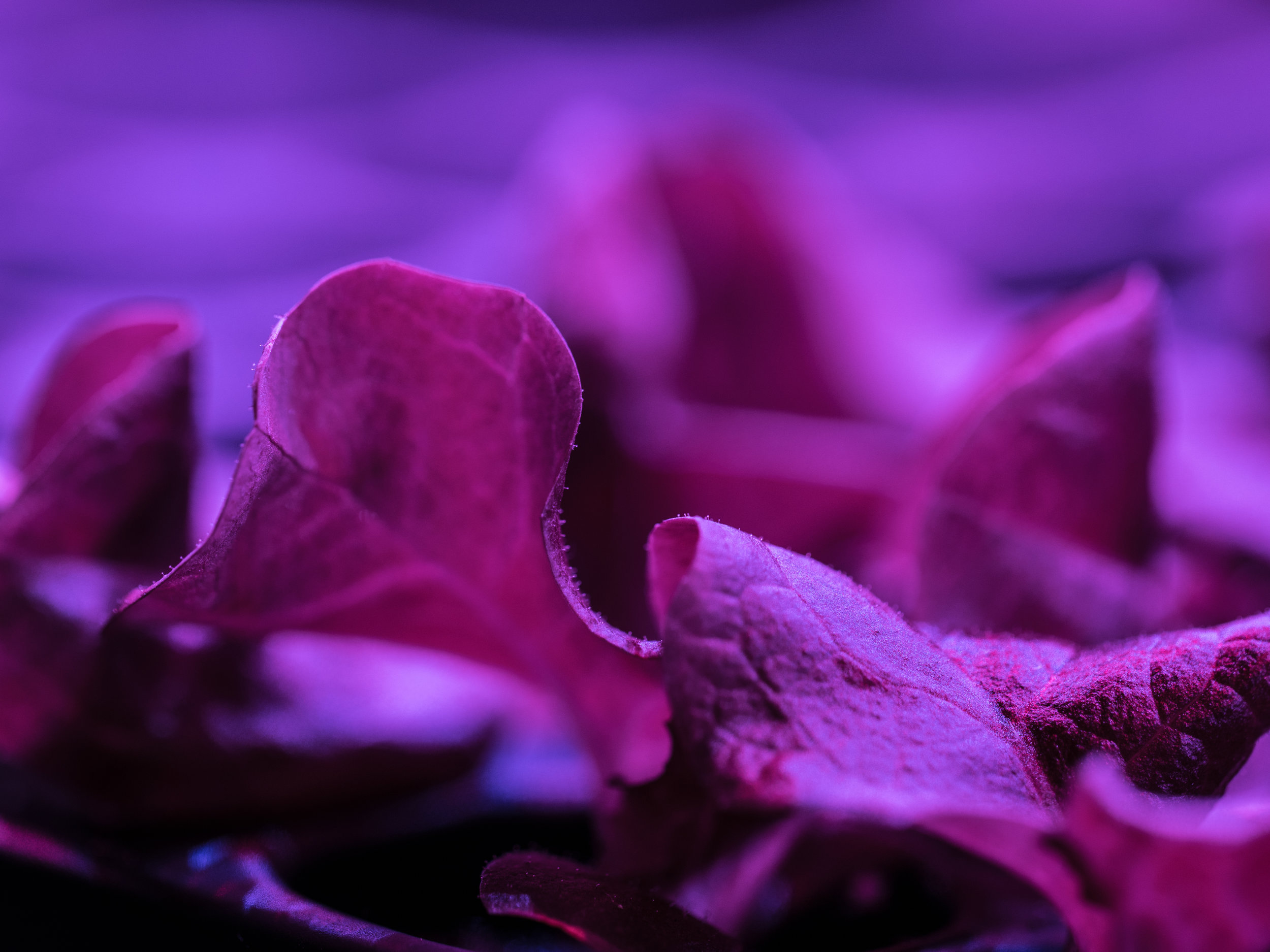
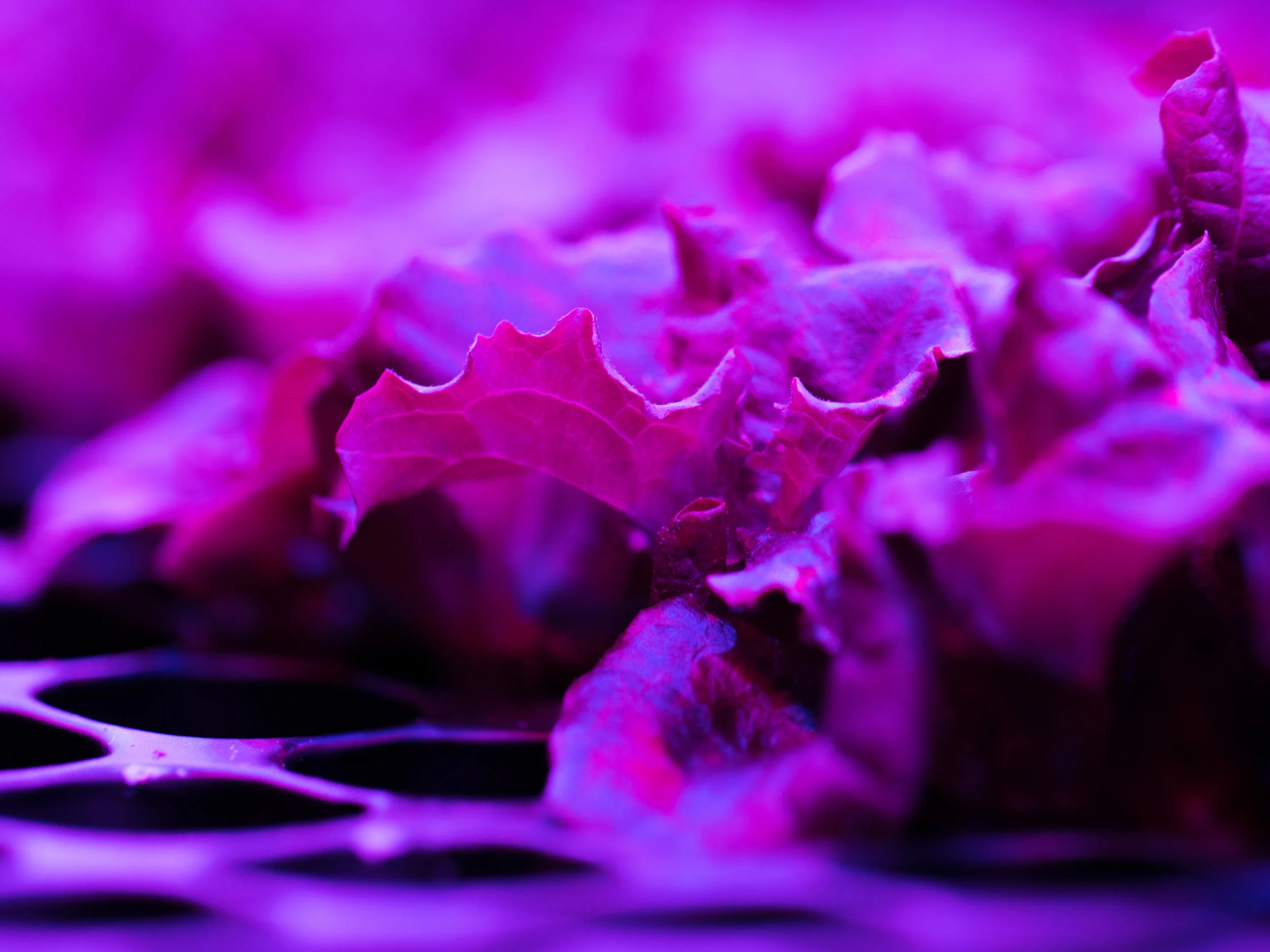
The fresh electric farm is a way to produce quality crops while reducing both carbon and acreage footprints. The "farm" is inside a large shipping container, and the first crop being studied is kale. The plants were started as seedlings and will be finished in tall columns under bright, purple LED lights. The purple hue comes from light energy that's 80% red and 20% blue, broken down this way to aid photosynthesis.
In October, UTIA leaders and representatives of several partnering organizations formally celebrated the opening of the facility, which has been three years in the planning. Located on the UTIA campus in Knoxville near a cluster of greenhouses, the container-based farm is a project being coordinated by Carl Sams, UTIA distinguished professor and plant physiologist, with support from the Tennessee Valley Authority, the Knoxville Utilities Board and the Electric Power Research Institute. These agencies specialize in the generation, use and conservation of energy, all key to successful indoor farming.
The project demonstrates the potential of crop management technologies and energy profiles in controlled environment production. The farming of the future will likely involve growing more food for more people on fewer acres and with reduced resources, and the fresh electric farm follows that model.
"We will be documenting the nutritional quality and the yield of the food that we produce in that facility," says Sams. "The heat source for the plants will be the heat radiating off the lights and the other motors and pumps and so forth in the container, so there's no outside heating needed to grow the plants. We're sitting here growing kale in record-breaking heat for October because we're controlling the temperature, we're controlling the amount of light, and we're controlling what time of day the light comes on."
Sustainability researcher Morgan Scott with EPRI say this project perfectly fits their organization's goal of producing food while reducing the strain on the environment or depleting our energy sources. "So indoor agriculture gives us that ability to try new ways to grow food, to produce vegetables and other types of crops," Scott says. "The average head of lettuce travels 2,000 miles to get to the store shelf. That's not an insignificant carbon footprint, so if we can move that production locally, create local jobs, and have environmental benefits, that's a truly sustainable solution."
The fresh electric farm will also be used by students in the UT Herbert College of Agriculture studying plant sciences as part of their academic training.
When the kale being grown in the electric farm is harvested, it will be donated to Second Harvest Food Bank of East Tennessee.
Through its land-grant mission of research, teaching and extension, the University of Tennessee Institute of Agriculture touches lives and provides Real. Life. Solutions. ag.tennessee.edu.
###
Disclaimer: AAAS and EurekAlert! are not responsible for the accuracy of news releases posted to EurekAlert! by contributing institutions or for the use of any information through the EurekAlert system.

US - Indiana - Lafayette Resident Grows Produce Without Soil For Community
At Lafayette Produce farm on Wabash Avenue, 25 vertical, aeroponic towers produce basil, kale and other crops. Austin Kasso, Lafayette Produce owner, said he hopes to increase the farm to hundreds of towers as they become a year-round source of local, organic produce for Lafayette residents
BY LUCAS BLEYLE Staff Reporter
November 11, 2019
At Lafayette Produce farm on Wabash Avenue, 25 vertical, aeroponic towers produce basil, kale and other crops. Austin Kasso, Lafayette Produce owner, said he hopes to increase the farm to hundreds of towers as they become a year-round source of local, organic produce for Lafayette residents.
Lafayette Produce's vertical aeroponic system involves growing plants in towers, with the roots of the plants extending into the interior of soilless, cylindrical towers. Every 15 minutes, water mixed with an all-natural nutrient solution trickles down over the roots.
“With vertical aeroponics, we can grow 150 different fruits, vegetables, fruits, herbs and flowers,” Kasso said. “We can do a great variety of things that people ordinarily don't have access to around here. We could do five different kinds of basil and five different types of tomatoes.”
Because the water-nutrient mix is reused and trickled through multiple times, none of the water or nutrients are wasted like they might be in soil-based agriculture, Kasso said. The resulting produce is healthier because the plants are never subjected to nutrient deficiencies while they grow, he said.
“(Aeroponic towers) use 98% less water than traditional farming and they can grow 150 different crops in about 50% less time with about 30% greater yield on average,” Kasso said.
“Yields in soilless systems are typically higher and you can reduce the crop cycle time, especially with the leafy vegetables if it's your fruiting crops,” said Petrus Langenhoven, horticulture and hydroponic crop specialist for Purdue's horticulture and landscape architecture department.
Up until last year, Kasso had worked with community members and the organization Habitat for Humanity to fundraise and purchase his first 12 aeroponic towers. Since he began in 2013, Kasso has experimented with numerous crops including tomatoes, kale, basil and zucchini.
In 2018, Kasso was approached by his current business partner, Bob Corbin, to start an aeroponic farm for Corbin’s Corner Market, a store on Wabash Avenue selling local goods such as handmade candles, raw honey and West Lafayette BONZ BBQ sauce.
Kasso said Wabash Avenue used to be considered the “armpit of Lafayette.” Historically, it was the part of the city that had little development and lots of crime. Over the last few years, community planners have worked to bring new life to the area, inviting artists to adorn buildings with murals and expanding the local park.
“I was inspired to start it here because I realized there's a food insecurity problem in Indiana as well,” Kasso said. “It needs to be addressed and I believe local food and urban farming are the answer to that.”
Langenhoven said the closer farming is to cities, the better.
“Urban farming is great," Langenhoven said. "I think the closer we can get to the major city centers, the better it is for that supply chain."
He said there is a potential for urban farming to help meet the demand for fresh produce. Two controlled-environment farms — Green Sense Farms in Portage, Indiana, and Gotham Greens in Chicago — both successfully supply produce year-round to the Chicago area.
Local produce often sells at a premium because customers are drawn to its superior taste and freshness.
“I'm a big fan of (local farming), because I like fresh produce,” Langenhoven said. “I know what fresh produce tastes like because I grow this stuff and I eat what I grow, and everybody else in the department ... they're always like, ‘Wow, this is so different from what it tastes like in the store.’ And it's really because it was picked this morning or yesterday and I've waited until it was fully mature to actually pick it.”
Langenhoven said customers are often willing to pay a premium for local produce that helps make capital- and energy-intensive controlled cropping systems such as aeroponics more viable.
“First thing to note about aeroponics is that it's actually a very management-intensive system," Langenhoven said. "Anything can go wrong if you don't have backups. You (can) have total crop failure because the roots are hanging in the air.”
Any sort of power outage can devastate a crop if proper electricity backup systems aren’t in place. These backup systems and the other controls needed to have a functional production system makes aeroponics very expensive, Langhoven said.
Due to the productivity and efficiency of his system, Kasso said he is able to make up for the increased infrastructure and energy costs, especially when compared to produce shipped from California. His goal is to sell produce at an affordable cost.
“Instead of charging more for organic, local, it's going to be similar to what you'd find at Pay Less or Walmart,” Kasso said.
Lafayette Produce currently sells basil to two local restaurants, Bruno’s Pizza and Town & Gown Bistro.
Bowery Grows With New Facility In Maryland
By increasing efficiencies around R&D, computer vision and automation, Bowery will continue experimenting beyond leafy greens and herbs, and focus on crops that are very limited by seasonality and traditionally grown outdoors, from root vegetables (turnips, radishes, kohlrabi) to fruiting crops (peppers, cucumbers)
Bowery announced its new indoor farm in the Baltimore-DC area - the brand's first farm outside the tristate region - with distribution of leafy greens and herbs to local retailers starting early next year. This new farm is 3.5x larger than Bowery's last facility, and the urban density of the new farm's surrounding area of White Marsh, MD provides access to a population of 26 million people within a 150-mile radius.
New crops
By increasing efficiencies around R&D, computer vision and automation, Bowery will continue experimenting beyond leafy greens and herbs, and focus on crops that are very limited by seasonality and traditionally grown outdoors, from root vegetables (turnips, radishes, kohlrabi) to fruiting crops (peppers, cucumbers).
Expanded distribution
In addition to moving to the Baltimore/DC region, Bowery recently expanded distribution at Whole Foods in the tri-state area, growing from availability in 12 locations to 31. Bowery leafy greens and herbs are now available in retail locations on Long Island, Connecticut, West Chester and in all Manhattan locations. On the heels of this expansion news also comes Bowery’s announcement of $50M in a B+ funding round.
For more information:
Bowery Farming
contact@boweryfarming.com
boweryfarming.com
Publication date: Thu 7 Nov 2019

This Wisconsin Economist Found Happiness Growing Mushrooms In His Basement
He started researching how to grow mushrooms online and attempted to grow button mushrooms that grow in manure
Jerome Segura III has turned what started as a hobby into a viable commercial business.
Photography courtesy of Segura & Sons Mushroom Farm
When Jerome Segura III leapt from the ivory tower of academia, he didn’t know what would be waiting for him when he hit the ground.
The central Wisconsin resident quit his job as chief economist and assistant professor at the University of Wisconsin-Stevens Point in 2018 because he was unhappy at work. He figured he would do some consulting work and be a stay-at-home dad to his two sons while his wife, Cara Adams, embarked on her dream of launching a makers market. But he found he had a ton of free time when the children were at school or napping. He started filling that time with trying to grow mushrooms. He had been thinking about how much the family spent on mushrooms every week, and he figured he could try to grow his own for fun.
He started researching how to grow mushrooms online and attempted to grow button mushrooms that grow in manure. “I found myself going out and foraging poop from our chickens to make this compost in which these things were supposed to grow, but they never grew,” he says. “I just kept growing mold. So I threw that stuff out pretty quickly.”
When that experiment failed, he turned away from forums on the internet and started looking into academic literature for better advice. He came across a sustainable form of mushroom cultivation used in developing countries. “These people around the world are growing these things in some of the craziest of conditions,” he says. “In Southeast Asia, they’re growing them in bamboo huts. I thought if they can grow these things in tough socio-economic conditions that aren’t necessarily very clean, I might actually have an opportunity to do this here.”
This process involved a lime pasteurization method, rather than a steam sterilization. Segura knew that the latter would not be an affordable option for him, as a lab could cost tens of thousands of dollars. He started using the lime pasteurization method to grow oyster mushrooms on sawdust wood pellets (and not poop).
In his first few months, he says 80 to 90 percent of the spores he was planting were failing. But since then, he says 98 percent of them have been successful.
Segura started sharing photos of his mushrooms on Facebook, and soon people started asking him if they could buy them from him. More and more customers started coming out of the woodwork, and what started as a hobby in his basement quickly grew into a flourishing local business—Segura & Sons Mushroom Farm. Segura now sells mushrooms to families through a CSA to local restaurants, as well as out of his wife’s store.
When he started his mushroom operation, Segura says, he never would have imagined it would grow into a viable commercial venture. He didn’t even know if there was a market for mushrooms in their part of Wisconsin. But there was, and now he’s known as “the mushroom man” around town.
“All of a sudden, where people used to know me as this economist, now they’re talking about me as the mushroom man,” he says. “I didn’t think I was going to be successful growing mushrooms, let alone actually running a mushroom farm.”
Gotham Greens Opens Urban Ag Center In Chicago
Gotham Greens today opened its largest greenhouse in Chicago. The expansion enables Gotham Greens to deliver consumers a year-round supply of fresh produce to keep up with increasing demand from retail, restaurant and foodservice customers across the Midwest
100,000 sq.ft. greenhouse
Gotham Greens today opened its largest greenhouse in Chicago. The expansion enables Gotham Greens to deliver consumers a year-round supply of fresh produce to keep up with increasing demand from retail, restaurant and foodservice customers across the Midwest.
Reimagining a portion of the former Ryerson Steel Mill being repurposed by Chicago Neighborhood Initiatives, the new 100,000 square foot, state-of-the-art greenhouse is Gotham Greens’ second greenhouse in the Historic Pullman Neighborhood of Chicago and sixth greenhouse nationwide. The greenhouse more than doubles the company’s Midwest production to 11 million heads of lettuce annually.
“Gotham Greens’ expansion in Chicago demonstrates its continued commitment to the city, state, and region by creating new jobs and using its high-tech greenhouses to grow high-quality produce, even during the coldest winter months,” said Governor JB Pritzker. “Agriculture is a vital component of our state’s economy, and I’m pleased to see opportunities for urban agriculture – like this greenhouse expansion. Investing in innovative solutions will keep Illinois at the forefront for decades to come and help create good jobs that can support a family.”
The company’s local cultivation and regional distribution network enable delivery of products quickly after being harvested at their peak to ensure they are fresh tasting, nutritionally dense and long-lasting. This includes Gotham Greens regional favorites such as Pullman Green Leaf and Windy City Crunch.
“Since 2009, we’ve worked to transform how and where fresh produce is grown to provide more people with access to local, sustainably-grown produce that is as delicious as it is nutritious,” said Viraj Puri, Co-Founder & CEO of Gotham Greens. “After opening our first greenhouse in Chicago in 2015, we have received tremendous support from retailers, restaurants and shoppers alike who love that we can provide a reliable, year-round supply of fresh produce that’s grown locally. We’re thrilled to open our second greenhouse in Chicago to expand our production and distribution in the Midwest and bring our delicious leafy greens, herbs and fresh food products to even more people.”
“Thanks to the efforts of Chicago Neighborhood Initiatives, the community and the city over the past years, we’ve been able to garner investments of more than $400 million for new businesses like Gotham Greens’ two greenhouses, new homes, recreational facilities, schools and national monuments that signal Pullman’s renaissance. New jobs and opportunities are improving the quality of life of its residents and building a better city for everyone,” said 9th Ward Alderman Anthony Beale.
Gotham Greens will double its workforce to approximately 100 full-time employees in Chicago and 300 nationwide.
“Gotham Greens’ expansion and doubling-down on Pullman demonstrates that our community has become a destination where people are choosing to go to live, to visit and to do business,” said David Doig, President of CNI, which developed the land sold to Gotham Greens. “The community’s assets, including its proximity to transportation, major markets and the availability of open land – in addition to its architecture, history and amenities – will continue attracting more people, more amenities and more businesses that will create a vibrant, sustainable community.”
Gotham Greens leafy greens, herbs, salad dressings and pesto dips are available at a variety of national and local grocery retailers across the Midwest, including Whole Foods Market, Jewel-Osco, Target, Heinen’s Grocery Store, Sunset Foods, Pete’s Fresh Market and Peapod. In addition, the company partners with various Chicago institutions, including the Greater Chicago Food Depository, Greater Roseland West Pullman Food Network, Pilot Light and the Chicago Botanical Garden’s Windy City Harvest.
For more information:
Gotham Greens
ACTION ALERT: Tell Congress To Support USDA Urban / Innovative Ag Office
By the end of this week (Friday, Nov 15) please call or email your two senators and one representative and ask them to Support the new USDA Office of Urban Agriculture and Innovative Production
(Bella Vita Farm, Brookeville, MD)
By the end of this week (Friday, Nov 15) please call or email your two senators and one representative and ask them to Support the new USDA Office of Urban Agriculture and Innovative Production.
In the next week or two, Congress will decide whether or not to fund the USDA’s new Office of Urban Agriculture and Innovative Production. The Office was created by the 2018 Farm Bill but still needs to be funded.
This new Office is intended to be the USDA’s central hub to handle aquaponics, hydroponics, vertical growing, and other new growing methods. It will coordinate matters for these growers and offer new research and funding opportunities. (See Summary)
INSTRUCTIONS:
1 – Identify your two federal senators and one federal representative.
2 – Find the phone number of their Washington, DC office on their website.
3 – Call each Office and ask to speak to the staff member that handles agriculture policy. [You may not get to speak to the staff, they may ask you to leave a message or give you an email address. Wherever you land, use the message below.]
4 – Tell them you’d like the Senator / Representative to Support the new USDA Office of Urban Agriculture and Innovative Production created by the 2018 Farm Bill. If you’re feeling chatty you can tell them what you do and why you think your work is important.
Thanks for supporting urban and innovative agriculture, future generations will thank you!
Brian Filipowich, Chairman
Aquaponics Association

iGrow - Op Ed / Opinion: by: Bruce Carman - Founder of Controlled Environmental Farming Inc.
I recently read an article in Fast Company entitled "This Google Ventures-backed indoor farming startup just opened its biggest farm yet" by Adele Peters a staff writer (11.06.19)
November 17, 2019
by: Bruce Carman
I recently read an article in Fast Company entitled "This Google Ventures-backed indoor farming startup just opened its biggest farm yet" by Adele Peters a staff writer (11.06.19).
In the article, Ms. Peters identifies a few of the larger indoor farming operations, Bowery, Plenty, to name a few and where these entities are today versus their projections from a couple of years ago. In most cases, these entities have fallen short of their own growth projections in terms of the number of facilities they predicted would be operational at this point in time.
As an owner/operator and the developer of Indoor Agriculture Technology for Urban Farming locations, I would like to share my vision of indoor agriculture. First, location, location, location, it is very important. Facilities should be placed geographically where the consumer is. Urban Farming, within its truest form, means that facilities will be placed in the downtown districts of a municipality, next to the opera house or the sports stadium. I realize this is disruptive to conventional operations but, doing so provides reduced transportation costs, fresher more nutritional product with less food waste, greater affordability, and sustainable economical development. Carbon footprint reduction is a huge winner within this concept.
Second, facilities need to offer product diversity. Leafy greens alone will not provide the necessary product variety for a successful Urban Farming entity. How often do you go to the store for just one item? The Urban Farm is no different, you don't go to just acquire leafy greens. When you go, you want to be able to purchase locally grown fruit, vegetables, herbs, shrimp and fish. In short, you would like to be able to purchase an entire meal and just not the core of the salad.
Third, Urban Farming entities should be closed-loop operationally. The ability to produce locally grown, organic products, is the true ideal model for Urban Farming facilities. Resources, like water, are conserved, reclaimed and re-used beneficially. Pollution is reduced or eliminated. Food safety, food security, and affordability are increased within the local community. The closed-loop system provides for protein-based food production, naturally, efficiently, while also providing product diversity. The economic model for the Urban Farm is enhanced and the community benefits.
Please don't misunderstand my thoughts. Developing cultivation technology is very important and necessary for the evolution of Urban Farming to get where it needs to be, quickly. Equally important, in my view, is food production that occurs outside the box. That provides for new locations, zoning regulations, structures, methods, systems, distribution models and product diversity outside of leafy greens. If we don't invest in those facets of food production too, we will not meet the challenges that are upon us now.
Controlled Environmental Farming Inc.
In This Finnish Farm, Strawberries Grow On Multiple Levels
Despite fall being in full bloom, the strawberry cultivation in Lappträsk, Finland is running full throttle. Robert Jordas believes it is interesting to try new cultivation methods
Robert Jordas Performs 'Secret' Experiment In His Greenhouse
Despite fall being in full bloom, the strawberry cultivation in Lappträsk, Finland is running full throttle. Robert Jordas believes it is interesting to try new cultivation methods.
One of the new methods is the vertical cultivation of strawberries: the strawberries grow on different levels. In the space, around 30 square meters in size, strawberry plants are hanging with flowers, unripe, and ripe fruit. Because of the colorful lighting, it reminds of a disco.
The high air humidity immediate fogs up your glasses, but the temperature is not tropical. it looks more like the Finnish Indian summer.
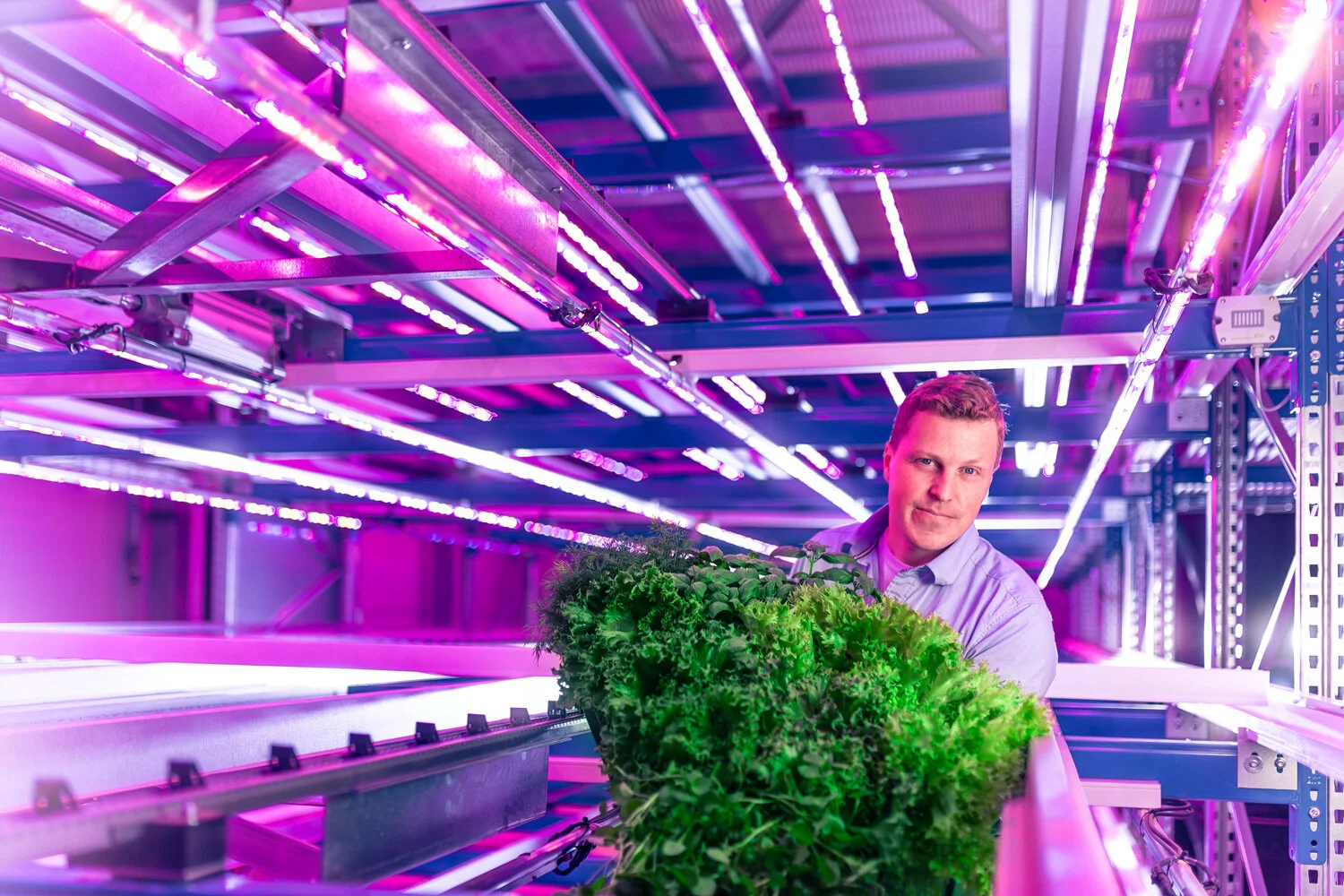
All plants are looking well, because every level has its own lighting. Jordas: "We want the plants to grow optimally and to keep the climate around the plant as optimal as can be."
Secrets, pink light, and the perfect cultivation circumstances
The optimal climate for a strawberry plant means the right light and the right heat and air humidity. The plant also requires CO2, nutrients, and water.
Jordas: "The interesting thing is that we, focused or the growth requirement, can control everything."
Much of the project is still secret. One of the secrets is LED lighting. The plants need a lot of light; LED lighting produces less heat than other lamps and can be placed closer to the plant so you can create more levels.
Jordas: "There are many advantages to growing on multiple levels: a larger harvest on a smaller surface, being able to control the spectrum of the lamps. We try to learn as much as possible and find the right cultivation method."
Robert Jordas wanted to grow strawberries because he likes them, but he is not completely satisfied with the taste his strawberries have at the moment.
Jordas: "We are going to test this cultivation method for a year. Continuous harvesting is possible, when one plant has flowers, the other has ripe fruits."
But is it environmentally friendly to grow strawberries in Finland in the middle of winter?
According to Jordas, that depends on how the electricity is generated. "If we use sustainable energy, it is better than importing vegetables and fruit from other countries. Also, strawberries are fresh products and it is important to consume them as soon as possible."
Source: Svenska
Publication date: Fri 8 Nov 2019
© HortiDaily.com
Vertical Farming, Micro-Algae, And Bio-Reactors — The New Frontier of Sustainable Food
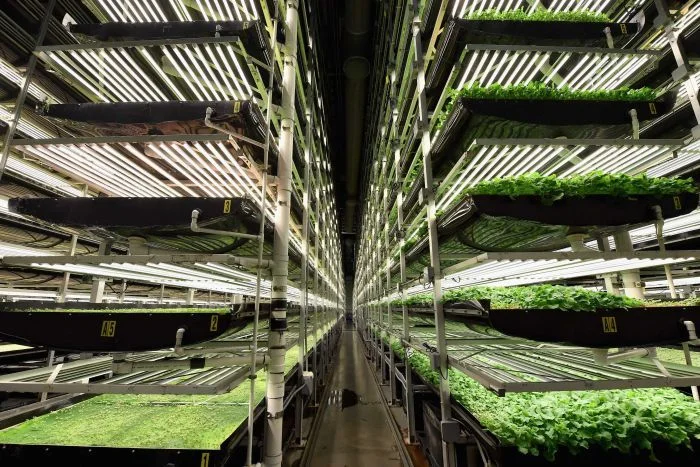
CEA represents a small but growing dimension of agriculture. It's attracting huge investment, particularly in the United States where venture capitalists see gains to be made in a high-tech process known as vertical farming. Vertical farms look like a cross between a factory and a laboratory. Plants are grown indoors on trays, often stacked up to 30 tiers high
RN By Antony Funnell for Future Tense
November 8, 2019
It's brunch time in the not-too-distant future. You're in your favourite cafe and you have a craving for pancakes.
You know they're delicious because you order them all the time: fluffy and light with a slightly carroty taste.
Hardly a health food, but at least they're easy on the environment — they're made with organic eggs and 100 percent locally-sourced bacteria.
The bioreactor that produces the flour is only a block away.
Like many people, you're worried about the size of your carbon footprint, so it's good to know that none of the main ingredients had to be shipped or flown in.
The coffee is good too — from a boutique plantation in an old converted office block just down the road.
It's expensive, but it's worth paying a little more to make sure the produce you eat and drink is grown right here in the city.
Your friend orders the pork and fennel sausages with a side salad — from the rooftop farm above the cafe.
Follow this story to get email or text alerts from ABC News when there is a future article following this storyline.
She often feels guilty about the amount of meat she consumes. But at least the pig she's eating was raised on micro-algae, not soybean. So, a small chunk of the Amazon is still standing because the trees in that area weren't cut down to make way for yet another enormous soya plantation.
Eating pancakes made from bacterial flour and animals raised on unicellular photosynthetic micro-organisms might seem a little out there, but these ideas are currently being explored by scientists as part of a new approach to farming called controlled environmental agriculture (CEA).
And CEA, some agricultural researchers argue, could be the best way of reducing the environmental destruction associated with modern farming, which is both land and resource-intensive.
Listen to the episode
Controlled Environmental Agriculture promises to be cleaner and greener. Future Tense examines the potential and the pitfalls.
The veggie patch goes high-tech
CEA represents a small but growing dimension of agriculture.
It's attracting huge investment, particularly in the United States where venture capitalists see gains to be made in a high-tech process known as vertical farming.
Vertical farms look like a cross between a factory and a laboratory.
Plants are grown indoors on trays, often stacked up to 30 tiers high.
Everything about the indoor environment is governed by sensors and automation, but the crucial ingredient is the artificial lighting.
"All the vertical farms operating today are using a type of lighting called LEDs, which stands for light-emitting diode," says Jeffrey Landau, the director of business development at Agritecture, an urban agriculture consultancy.
"Different types of crops prefer different types of lighting. So, your leafy greens, your vegetative crops prefer light towards the blue side of the spectrum.
"Whereas your fruiting and flowering crops, they will want something more along the red spectrum of lighting."
Each variety of plant has its own tailored lighting recipe, allowing them to photosynthesise for much longer periods of the day — up to 18 hours at a time.
In practical terms, that means more crop yields.
The major players, to date, have concentrated on producing perishable goods such as salad vegetables — crops that traditionally require large amounts of water.
But vertical farming expert Paul Gauthier believes even staples like potato and wheat could eventually be grown indoors.
"Everything is possible. I don't think there is anything in the vertical farm that we can't grow," he says.
"I was growing coffee trees inside a vertical farm.
"It's a question of which kind of design we have to make and what the economics are behind it."
Dr Gauthier, who now works for the New Jersey-based company Bowery Farming, admits both the capital and energy costs involved in vertical farming are "definitely huge".
But that needs to be put in context, he argues, because significant government subsidies have long been provided to traditional farming operations.
People in glass houses
Others aren't so convinced.
Viraj Puri sees the Silicon Valley-inspired approach adopted by companies like Bowery as unnecessarily high-tech.
"It has certainly attracted a tonne of investment, media attention, consumer interest, there's no doubt about it," he says.
"I still think the business models will require a path to profitability before it can start to attract more mainstream financing."
Mr. Puri, the CEO, and co-founder of Gotham Greens, operates five rooftop urban greenhouse facilities in New York and Chicago.
His approach to controlled environmental agriculture is to recast the classic Dutch greenhouse of an earlier age, but with 21st-century modifications.
"These are glass and steel structures controlled by computers that are able to monitor climate 365 days of the year, 24 hours a day, and make smart adjustments, data-driven adjustments, in order to maximise crop productivity, efficiency, reduce production losses," Mr. Puri says.
"They combine a lot of these advanced horticultural and engineering techniques that proponents of vertical farming espouse and promote."
And they also have the potential to achieve exponential crop yields.
"One can still get 50 times the productivity on certain types of crops. But one relies primarily on natural sunlight which is a free natural resource," Mr. Puri says.
Next year, Gotham Greens is due to open a 2,800-square-metre facility just outside Denver, Colorado, as part of a $70 million capital expansion plan.
"Some of these greenhouses are the size of dozens of football fields, so these aren't backyard hoop houses but rather very sophisticated climate-controlled buildings," Mr Puri says,
And they can get even bigger.
A French company is currently constructing a roof-top greenhouse in the centre of Paris that will cover some 14,000 square metres when completed.
Like Bowery Farms, Gotham Greens sells itself on growing pesticide-free crops, grown locally with very few transport miles.
"Urban farming is about bringing issues closer to large population centres," Mr Puri says.
"And telling the story of how agriculture is an enormous consumer of natural resources around the world and how this form of farming can play a significant role in a more sustainable future."
A revolution in the paddocks
A young farming couple find out how they can rehabilitate the natural environment while also producing healthier food.
The substitution game
For Cambridge University's Asaf Tzachor, the solution to environmental degradation lies not just in rethinking how we grow, but what we grow.
The future of food that he envisages is busy fermenting away in a bio-reactor in Iceland.
The facility is run by a company called Algaennovation, which has been experimenting with the development of a new kind of animal food supplement made from microalgae.
Dr. Tzachor estimates up to 85 percent of the soybean produced globally each year is used to feed farm animals.
Soya farming in South America is identified by environmental agencies as a major cause of deforestation.
So, the idea is to simply substitute the microalgae for soya.
"Microalgae are very interesting. They are marine organisms, which means that they don't need fresh water, unlike soybean," Dr. Tzachor says.
"And we don't have to cultivate them on terrestrial areas, so we can grow them within facilities, and these facilities can also be closed."
The savings on water alone would be significant, says Dr. Tzachor.
He says experiments at Algaennovation's facility have so far been able to achieve between 200 and 250 times more biomass per litre of water than soybean farming.
The next stage of development is demonstrating that microalgae production can be done on a mass scale.
A similar approach is being undertaken by researchers in Finland, but their focus is on producing a supplement for human food rather than stock feed.
Pasi Vainikka, from the company Solar Foods, says his company has used a bio-reactor to produce an edible flour made from fermented bacteria.
"We have a fermenter, but we don't use yeast. We use a specific microbe that doesn't eat sugar," he says.
"So instead of sugar we introduce carbon dioxide and hydrogen, and these the microbe uses for energy and carbon instead of sugars to grow.
"Then we take the liquid out of the fermenter when the microbes grow and multiply and you end up with a dry powder."
The flour, called Solein, has a 65 percent protein content, says Dr. Vainikka, and can be used as a substitute for wheat flour or soya in everything from bread to protein drinks.
"The organism has carotenoids. When you taste it raw it has a bit of an umami (savoury) taste," he says.
"When you add it to pancakes, for example, it tastes as if it would have egg, and also a bit of carrot taste."
"The production cost, according to our estimations, is around $US5 per kilogram."
But that cost, says Dr. Vainikka, could be expected to decrease as production begins to scale.
"We are about 10 times more environmentally friendly than plants and about 100 times better than animal-based proteins," he says.
"If we want to make a fundamentally more sustainable food system for the increasing population, we need to disconnect from agriculture, which usually means irrigation, use of pesticides and a lot of land use.
"So, when we disconnect from everything that has to do with these processes, the environmental benefits are huge."
Despite the promise offered by controlled environmental agriculture, Mr Puri cautions against seeing it as "panacea or a silver bullet" for the world's growing food demand issues.
"I think solutions are going to have to be varied and they have to be uniquely suited to their own geographical, economic, social and cultural contexts," he says.
"I think there's many different ways to farm sustainably and responsibly.
"Indoor farming techniques can certainly play a significant role for certain types of crops, high-value crops, crops that use a lot of water, crops that often have to be shipped in refrigerated trains, planes or trucks over great distances."
But the challenge is great. The United Nations estimates the world's population will increase to around 9.7 billion by 2050.
That's another 2 billion mouths to feed.
Dean Foods Files For Bankruptcy And Is In 'Advanced Discussions' For Sale
Dean Foods, the largest dairy producer in the U.S., filed for Chapter 11 bankruptcy on Tuesday. The company also said it is in "advanced discussions" with Dairy Farmers of America, Inc. for a potential sale
AUTHOR Lillianna Byington@lil_byington
November 12, 2019
Dive Brief:
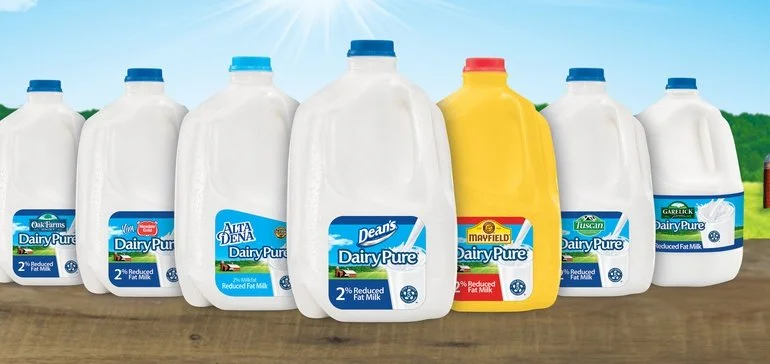
Dean Foods, the largest dairy producer in the U.S., filed for Chapter 11 bankruptcy on Tuesday. The company also said it is in "advanced discussions" with Dairy Farmers of America, Inc. for a potential sale.
The dairy producer said in a release it intends to use this process to support its ongoing business operations and address debt while it works toward selling the company. Dean Foods has secured commitments for $850 million in debtor-in-possession financing, which is funding for companies in financial distress.
"Despite our best efforts to make our business more agile and cost-efficient, we continue to be impacted by a challenging operating environment marked by continuing declines in consumer milk consumption," Dean Foods' CEO Eric Beringause said in a release.
Dive Insight:
Just two months after Dean Foods completed a strategic review and decided against a sale, the company is reversing course.
After a seven-month review, the dairy producer's Board of Directors decided in September to trust in its new CEO to turn the company around, saying Beringause would "provide the best opportunity to enhance long-term shareholder value." This was a lot of pressure for Beringause, who became CEO in July and inherited a troubled company.
Despite Beringause's extensive experience in the food and dairy industry, it seems he decided the problems facing Dean Foods were too large to tackle.
"Since joining the company just over three months ago, I've taken a hard look at our challenges, as well as our opportunities, and truly believe we are taking the best path forward," Beringause said in the release.
This filing for bankruptcy doesn't come as a shock, considering the years of struggle the dairy giant has had amid competition from milk alternatives and deeply discounted private label dairy.
Dean has tried many methods to improve its position, to no avail. Dean Foods has reported net losses in seven of its last eight quarters. In an attempt to overcome these hurdles, the company cut costs, increased its borrowing base and replaced its CEO. Last year, Dean Foods laid off 207 workers with the closure of two milk processing factories, ended more than 100 dairy contracts with the company to curtail how much milk it was buying and closed three other facilities.
Although food and beverage companies face financial turmoil, few file for bankruptcy. With this filing Dean joins companies including Hostess, which, under previous configurations, has filed for two Chapter 11 bankruptcies and a Chapter 7 bankruptcy. Atkins Nutritionals, Pure Foods and Groeb Farms have also filed for bankruptcy. Analysts have said the diversified portfolio of brands at most food companies can help a company in financial trouble avoid bankruptcy because there are opportunities to raise cash through asset sales.
That strategy didn't work for Dean, which has tried to diversify its portfolio during the last several years. As dairy, in general, continued to decline, Dean diversified its investments. The company purchased a majority stake in Good Karma Foods, which sells flaxseed-based milk and yogurt. It bought Uncle Matt's Organic, a maker of probiotic-infused juices and fruit-infused waters. It also acquired the retail ice cream business of Friendly's Ice Cream. But those moves have not been enough since the company is now working toward a sale of "substantially all assets."
One of the reasons Dean decided to stay independent after its recent strategic review could have to do with its lack of interest from potential buyers. Rumors that Saputo was looking at buying the company were squashed when the CEO told Bloomberg months later he wasn't interested. But now the company says it is in advanced talks with Dairy Farmers of America, which means that a deal could be close.
The dairy co-op could be buying Dean at a good price. Dairy Farmers of America, a co-op with 14,000 dairy farmer members with 47 plants nationwide, is accustomed to the troubles of the dairy industry today. The co-op was formed 21 years ago, and last year's net sales were down $1 billion from 2017.
If Dairy Farmers of America does buy Dean Foods, it will likely face similar struggles. Plant-based dairy alternatives have jumped in popularity across the country, hurting farms and milk producers. U.S. non-dairy milk sales were up 61% over the past five years, while dairy milk sales plunged 15% from 2012 to 2017, according to Mintel. Just last month, Dean Foods gave up its membership in the International Dairy Foods Association because it said the trade group doesn't share its key priority of opposing the labeling of plant-based products with dairy terms.
Looking to the future, it seems like the dairy industry's problems are on track to continue. Dean's move for bankruptcy — and potential sale — is its way out.
Follow Lillianna Byington on Twitter
Photo - Credit: Dean Foods

Fresh Greens From A Shipping Container In Alaska’s Aleutian Islands? Believe It
A young family has begun selling the first year-round, locally grown commercial produce in the unforgiving climate of Unalaska in the Aleutian Islands. Aleutian Greens co-owner Blaine Shaishnikoff said last week that two storms had just blown through the community — and the lettuce and herbs, nestled inside shipping containers set up as hydroponic farms, were unscathed
November 11, 2019
A young family has begun selling the first year-round, locally grown commercial produce in the unforgiving climate of Unalaska in the Aleutian Islands.
Aleutian Greens co-owner Blaine Shaishnikoff said last week that two storms had just blown through the community — and the lettuce and herbs, nestled inside shipping containers set up as hydroponic farms, were unscathed.


“You wake up and there‘s a couple inches of snow on the ground, and it kind of makes you think about it for a minute,” Shaishnikoff said.
Shaishnikoff, 28, and his wife, Catina, grew up in Unalaska, the treeless island community where fresh produce is shipped in from Seattle, more than 2,000 miles away.
“It takes a lot of shelf-life off of the product,” Shaishnikoff said.
Sometimes grocery stores run out of certain vegetables. Members of the community have long discussed how fresh produce is hard to come by, he said.
The Shaishnikoffs started Aleutian Greens with funding from the Aleutian Housing Authority. The plants are grown hydroponically inside standard shipping containers.
Aleutian Greens is growing lettuce, herbs and other produce in shipping containers in Unalaska. The plants are grown hydroponically. (Photos provided by Aleutian Greens)
Each shipping container measures 40 feet long, 8 feet wide and 9 feet 6 inches high. A single container can produce 450 heads of lettuce every week or combinations of leafy greens and herbs.
So far, the butterhead and green leaf lettuces have been popular, Shaishnikoff said. They are also growing parsley, dill, arugula, kale, chives, basil, Thai basil, cilantro, bok choy and mizuna, a spicy mustard green.
Since its first harvest Oct. 28, Aleutian Greens has been selling to the Grand Aleutian Hotel and Harbor View Bar and Grill for their restaurants.
In January, the company will expand its reach, and Unalaska residents will be able to buy the produce at Alaska Ship Supply, one of two grocery stores in town.
“Being able to buy and sell locally grown fresh produce is something that you never even thought would be an option in the Aleutians,” Bob Owens, Alaska Ship Supply owner, wrote in an email.
Unalaska‘s 4,400 residents live about 800 miles southwest of Anchorage.
Imported produce takes two weeks to arrive from Seattle, Owens said. With Aleutian Greens, the store will have the produce on the same day it is harvested.
“Slight difference,” Owens wrote.
Owens wrote that the prices will be comparable to produce already on the shelves.
The growing units came from Anchorage-based company Vertical Harvest Hydroponics, which specializes in creating vertical farms in shipping containers.
Why shipping containers? Cameron Willingham, Vertical Harvest Hydroponics founder, and Chief Technology Officer, offered two reasons.
First, shipping containers are tough — “pretty much bombproof” — which makes them ideal for rough conditions, Willingham said. Second, the farms must be small enough to fit on a barge or plane to be shipped to rural Alaska.
The hydroponics systems are set up for quick-cycling plants like herbs and greens. “We never set out to compete with carrots or potatoes,” Willingham said, which can be stored longer.
“We set out to go after the crops that just don‘t travel well, that just don‘t grow in the winter up here, that just don‘t store,” Willingham said.
The two containers sit on land owned by the Aleutian Housing Authority that was previously vacant – and happens to be a “stone‘s throw” from Shaishnikoff‘s house, he said.
So far, the couple operates the business along with a couple volunteers. Shaishnikoff has kept a second job working at a rock quarry, he said.
In late November, a third shipping container was en route to Unalaska that will be used for harvesting and packaging, Shaishnikoff said.
“That‘s really going to benefit us,” Shaishnikoff said.

AEssenseGrows Receives CE Marking For Its Automated Aeroponics Systems
The CE Marking covers both the AEssenseGrows AEtrium-2.1 and AEtrium-4 grow platforms. Last year, the company received similar certification from Underwriters Laboratories (UL), the largest not-for-profit testing laboratory in the world
The Markings Confirm That the Company’s AEtrium Grow Systems Meet
the Health, Safety and Environmental Standards Required in Europe
SUNNYVALE, Calif., Nov. 13, 2019 -- AEssenseGrows, an AgTech company specializing in precision automated aeroponic platforms for consistent high-yield plant production, announced today that its AEtrium grow systems have received Europe’s CE Marking, ensuring they meet the health, safety and environmental protection standards for products sold within the European Economic Area.
The CE Marking covers both the AEssenseGrows AEtrium-2.1 and AEtrium-4 grow platforms. Last year, the company received similar certification from Underwriters Laboratories (UL), the largest not-for-profit testing laboratory in the world. And the company’s compact high-intensity AErix LED bloom light last year received an Electrical Testing Laboratories (ETL) safety listing, exceeding or surpassing all standards for safety published by UL and other standards bodies.
The AEssenseGrows award-winning AEtrium system delivers sensor-driven cruise-control automation to simplify aeroponics and amplify its inherent benefits.
“The only thing more important to AEssenseGrows than its customers’ success is its customers’ safety,” said Phil Gibson, the company’s vice president of Marketing. “Our team has worked hard to ensure our equipment meets and exceeds all relevant regulatory standards so our customers can focus on winning in the marketplace without having to worry about safety issues”
Also today, AEssenseGrows introduced a new set of business management features that deliver dramatically greater insight to cultivators. The new Guardian Cloud Intelligence central management system brings cloud-based data analysis and visualization of complete grow operations to AEssenseGrows’ advanced software platform for automated aeroponic plant growth.
The AEtrium system hardware and software will be on display at the AEssenseGrows booth, C5308, at the MJBizCon show in Las Vegas Dec. 11-13.
More information on the products is available at www.aessensegrows.com.
About AEssenseGrows
AEssenseGrows (pronounced "essence grows"), founded in 2014, is a precision AgTech company based in Sunnyvale, Calif. A recipient of the Red Herring 2019 Top 100 North America award, AEssenseGrows provides accelerated plant growth SmartFarm platforms and software automation delivering pure, zero pesticides, year-round, enriched growth to fresh produce and medicinal plant producers globally.
With AEssenseGrows, growers can precisely control their production operations at your fingertips from anywhere in the world.

Contain Ready To Grow After Completing The Techstars Accelerator Program
Contain started from the ground up. It all began by talking to indoor farmers about their finance needs. Over the last 18 months, we met over 300 growers and developed a deep knowledge of what growers need when looking for finance
Nov 7, 2019
Contain started from the ground up. It all began by talking to indoor farmers about their finance needs. Over the last 18 months, we met over 300 growers and developed a deep knowledge of what growers need when looking for finance.
Once we had developed our expertise through first-hand knowledge and executing a number of leases, we recognized the need to grow what we learned from those conversations. It was time to take the next step as a start-up.
Here enters the Techstars accelerator program.
Last Spring, we pitched and were selected to participate in the Techstars’ Farm to Fork accelerator program, a program that provides ambitious tech startups with corporate mentorship and investment, backed by Cargill and Ecolab. Now, three months later, we’re ready to use the resources of the program to serve more clients, according to their needs. In other words, we’re growing (and we’re growing fast). We’re excited to share more about this exciting new stage in the company. Here’s what’s on the horizon for us.
We’re changing the way indoor farmers find financing.
The investment from Techstars gave us the opportunity to convert our knowledge into an automated leasing platform built for indoor growers. Our newly developed algorithms match indoor growers with the optimal lenders and provide growers with leasing options. And this platform isn’t just for farmers. It also includes specialized portals for equipment vendors and lenders.
We’re growing our mission.
The new platform sets the stage for rapid growth for Contain. It automates our process, and allow us to add hundreds of vendors and lenders to the platform. This in turn, will enable the success of thousands of growers. We’re already working hard to on board the numerous vendors and new lenders that now want to work with us.
Techstars’ Farm to Fork Demo Day
Our network is deeper than ever.
During our time in the accelerator, we developed valuable relationships with industry experts. We got to seek advice from leaders in the marketplace, financial services, and consumer packaged goods mega-corps. We worked with these mentors on everything from product development to marketing and fundraising strategies. As a Fintech company, we’re excited to work with the broader Techstars’ network in New York, Chicago and the Bay Area. We now have more relationships than ever to help us realize our vision.
The program has strengthened our team internally as well. The Contain team is a distributed one. Overall, this is a strength of the company; We see it as one of our advantages that we can accommodate our team members’ lives and still work with experienced and highly skilled folks. But that means that our headquarters is usually Slack, and we hang out with each other virtually most of the time. Being in one location for the summer gave us the opportunity to spend more time with one another in person and become more cohesive as a team.
But at the end of the day, it’s not just about the corporate connections or our team. It’s about the indoor farmers that inspire our work. Here is our CEO Nicola Kerslake, on what we learned while conducting interviews with some of the indoor growers we had worked with prior to the program.
“The greatest boost to the Contain team during the program was interviewing some of the indoor growers that we had worked with,” she said. Kerslake continues, “we realized that we had made a difference in the life of farmers and the communities that they support.”
For her, “It’s the best feeling to know that our hard work has a positive impact in the wider world.”
WRITTEN BY Nicola Kerslake
We’re Contain Inc. We use data to improve access to capital for indoor growers, those farming in warehouses, containers & greenhouses. https://www.contain.ag/
Hydroponic Farms To Reduce Food Imports
In a 40-foot container situated in a warehouse in Central Trinidad, lies an amazing freight farm with the capacity of producing over 1,200 heads of lettuce, chive, and even strawberries
November 5, 2019
Lead Engineer at Cube Root Farms, Hamlyn Holder stands in a 40-foot container which was converted into at hydroponic farm at Preysal Crown Trace, Freeport. by: Kristian De Silva
Radhica De Silva
Lead Engineer at Cube Root Farms Hamlyn Holder stands in a 40-foot container which was converted into a hydroponic farm at Preysal Crown Trace, Freeport. © KRISTIAN DE SILVA
In a 40-foot container situated in a warehouse in Central Trinidad, lies an amazing freight farm with the capacity of producing over 1,200 heads of lettuce, chive and even strawberries.
Developed by Cuberoot Farms, the farm comprises of a state-of-the-art hydroponic farming system retrofitted inside a freight container.
Engineered by local agri-scientists and engineers, the farm is geared at producing enough crops to reduce T&T’s staggering food import bill.
During an interview with Guardian Media, Cuberoot Farm’s lead engineer Hamlyn Holder said they were hoping to share their technology with interested persons.
“We will provide training and our aim is to set up this entire system for 20 farmers,” he explained.
Using a stacky system with a fully-automated nutrient flow, one section of the farm produces four varieties of lettuce and chive. The other portion has a drip to waste system using cocopeat where other types of leafy vegetables could be grown.
“Everything is constructed in house. We utilise grow lights and this provides optimal temperatures for optimal growth. We use energy-efficient units to keep down operational costs while keeping plant performance high,” Holder said.
He said Agri scientists Jessica Churarian, chief executive officer Andrew Bridgemohansingh and Agri scientist Nkosi Felix were instrumental in establishing the farm.
“The Dexion shelving came from Massy, even the automation we put together. We have Alexa integration, CCTV cameras and we used local resources to put it all together,” Holder said.
He explained that everything grown on the farm is totally organic.
“We are aiming at using zero pesticides. Our systems are built so pests are mitigated against from bacteria to aphids or fungus. This type of technology offers a controlled environment when it comes to disease,” he explained.
After two years of trials, Holder said they were happy to report that more than 100 varieties of different crops could be grown in the farm.
Saying this was T&T’s only indoor farm, Holder said using the climate-controlled environment the farm can imitate the ideal conditions for crops to generate bountiful yields.
“We have grown strawberries, cherry tomatoes. We did many trials and technology gives that consistency. It is limitless and definitely can be used to grow any leafy vegetables as well as some flowers,” he added. Anthuriums were seen growing in the farm along with parsley, kale, baby spinach and cilantro.
Holder said the Ministry of Agriculture was very supportive of the project and so was the Agricultural Development Bank.
“We want to show this technology to the show this new technology to Minister of Health and the Minister of Education so they can incorporate technology into agriculture and reduce health issues as well as the food import bill,” he added.
Kennedy Charran of Greengold T&T Limited said the farm was innovative and had great potential. He said interested persons will see a return in investment adding that once the farm is bought it could last for decades.
Tagged in:

Getting Off The Grid: Alternative Energies For Hydro Systems
With solar cells dropping in price and battery systems improving all the time, there are considerable benefits to looking at alternative energy sources for your growing needs

Chris Bond | October 29, 2019
Takeaway: With solar cells dropping in price and battery systems improving all the time, there are considerable benefits to looking at alternative energy sources for your growing needs. Chris Bond provides an overview of what is out there for those curious about unplugging from the grid and taking power into their own hands.
Nearly all the components of a hydroponic system can be partially or fully powered by alternative energies. Any system that runs on electricity or battery power ---such as lighting, pumps, filters, agitators, and timers--- can be altered to run on off-the-grid power sources.
Not all energy sources are practical for all systems, and many may be too cost-prohibitive to implement with complete efficiency.
But for the majority of alternative systems, there is usually a DIY version or an online hack out there that can help you to grow your greens without using petroleum or non-renewable energy sources.
Join thousands of other growers who are already receiving our monthly newsletter.
The systems outlined below are just an overview of the different types of alternative energies available and should not be considered a how-to. Most of the energy systems will generate direct current (DC). An inverter is required to convert the DC into alternating current (AC) to be useful for most of the appliances that a hydroponic system runs on. Another option is to consider converting your components to be compatible with DC.
Solar Energy
The effectiveness of any solar energy collection system for your growroom depends on how much sunlight you receive and how large of a collection system you can install. If you can put solar panels on the south-facing slope of your roof that aren't blocked by any large shade trees, then you will likely have enough power for more than just your hydroponic system.
Many homes, especially older ones, aren't suited for this type of installation. Solar panels can be placed on other buildings or as free-standing units in your yard. Their effectiveness then becomes reliant on factors such as the time of year or amount of cloud cover in your area.
The benefit of adding a solar collection system to your hydroponic set-up is that solar panels and other solar collection devices continue to improve as technology and demand increase. Simple systems can be installed to manually (or automatically) turn to follow the path of the sun.
Other solar collection devices are designed to warm the water by heating the pipes instead of converting sun energy into a current. This system can either expel heat or simply reduce the amount of energy required to heat your water.
Solar has come a long way in the last 20 years and there is an application for almost every scenario. It is also a type of alternative energy that can easily be added onto. You could, for instance, attempt to power just one aspect of your hydro system and keep building from there until the entire hydroponic system runs on stored energy derived from the conversion of solar power into usable current.
Wind Energy
Most people can imagine the way wind energy works as the concept is fairly simple. As the wind blows, a rotor or turbine spins. The energy derived from spinning is converted by a generator into usable power. The number of materials used to create a wind turbine also makes the prospect accessible to many and encourages creativity.
Wind turbines can be made from parts of 55-gallon drums, old satellite dishes, canvas sails, and almost anything that can cup the wind and spin freely. But the difficulty lies in the actual application of harnessing the wind power on a small scale and its practicality. Both of these depend on your location.
If you have an open piece of land that is an acre or more in size, wind power may be practical. If you live in an urban setting, in one of the tallest buildings, and have access to the roof, wind power may be practical. In a typical suburban setting, however, only very small scale energy applications are usually worth your time and investment. In these environments, it may make more sense to try to power only a portion of your hydro system with wind and then store whatever energy it creates into a battery.
Hydro Power
Yes, you can run your hydroponic system on hydropower; that is, if you have access to a source of running water on your property. In a nutshell, a portion of the flowing water gets diverted into a pipe (conveyance) where it is delivered to a pump or waterwheel. This then converts the flow of the water into rotational energy. An alternator or generator then converts the rotational energy into electrical current.
This system could be modified to run on stored water from a reservoir, but most hydro power systems take advantage of the natural flow of a body of water.
The initial investment will vary greatly depending on both the distance from the water source and how many kilowatts (kW) the system will generate. Many farm-based systems can produce up to 100kW, but even a modest 10kW is more than adequate to power a small growing operation.
Geothermal
Using geothermal energy in your hydroponic system is not as common as using solar, wind, or hydro energies, but it is still worth considering. If you are already paying for the energy it takes to heat your growroom, or are in the position of building a new hydroponics system, it pays to employ geothermal heating if you can.
Basically, geothermal heating takes advantage of underground soil or water temperatures. It draws this heat up from the ground into your structure and greatly reduces the amount of supplemental energy need to heat or cool the space around it.
There are many downsides to geothermal. Even though the temperature underground is fairly consistent throughout the country, accessibility is not reliable. Even if you do live in an area where the Earth’s underground warmth can be used, you will be unable to take advantage of this technology if you do not own the building or possess the right to dig beneath it.
However, if it is an option for you, you should consider tapping into this geothermal energy. It has a relatively quick payback period; you should immediately see the cost of heating or cooling your hydroponic space reduces.
Bioenergy
Making your own biofuels to either power some aspect of your operation or to heat the space you are growing in is probably the least likely of all the alternative energies listed here.
It is worth exploring, however, as most people create enough organic waste to power such a system. Grass clippings, food scraps, animal manures, and other organic wastes can be put into a digester to create biogas, which is a renewable alternative to natural gas.
While not practical for most people at the moment, bioenergy may represent a viable way to generate much of the energy needed to run your growing operation—maybe even your entire household—as the technology gets more widely utilized in coming years.
Rain Harvesting
Though not truly an alternative energy, collecting rainwater belongs in a discussion of using alternatives for a hydroponic system. Like the wind turbine, rain harvesting systems can be made from a wide variety of materials—five-gallon buckets, food-grade containers, or any collection tank that can hold water. Multiple small containers can be linked in series so that as one fills, the overflow goes into the next.
Most plants thrive better in rainwater than from city or well water. A hydroponic system can be supplemented, or filled entirely, with rainwater. As with any water source, careful scrutinizing of the pH and EC levels are called for. It is also important to maintain periodic agitation to prevent the development of algae or promote the breeding of insects.
Extra Considerations
No matter the type of alternative energy you consider to power your hydroponic system, there are a few things to keep in mind. Permissions range widely from municipality to municipality and you will need to know what your area’s zoning laws allow for, what requires a permit, and what is forbidden under any circumstances.
If you are considering installing a wind turbine, there are likely building codes to follow. The same goes for the installation of solar panels and collectors. However, many small-scale ventures into alternative energy can be done without affecting your neighbor’s view or without constructing large structures.
If you intend to harness the power of any stream, creek, river, or public body of water, you will need to obtain the appropriate permissions and may need to invest in equipment or components that measure your water usage and prevent backflow into the streams.
If any of these strategies sound appealing, but you lack the requisite building or engineering skills, there are more and more professional companies springing up that specialize in alternative energy installations for almost any application. Some of these strategies may even offer tax incentives. Check with your tax professional before claiming any alternative energy credit first, however, as many such programs are specific around how to qualify.

Written by Chris Bond
Chris Bond’s research interests are with sustainable agriculture, biological pest control, and alternative growing methods. He is a certified permaculture designer and certified nursery technician in Ohio and a certified nursery professional in New York, where he got his start in growing.

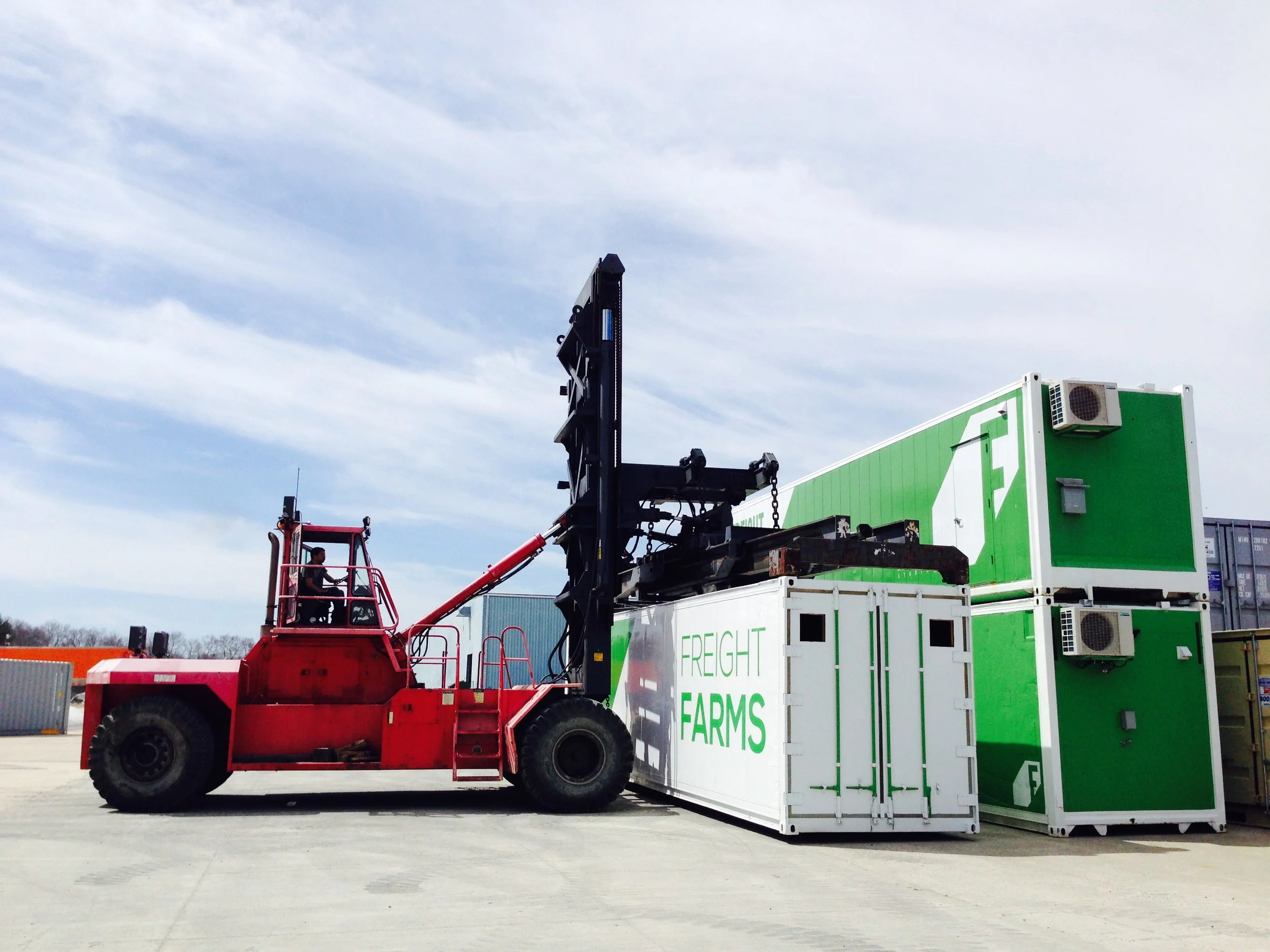
FOR SALE - 2017.5 Freight Farm - Computer Controlled Hydroponic Grow System - Ann Arbor, Michigan
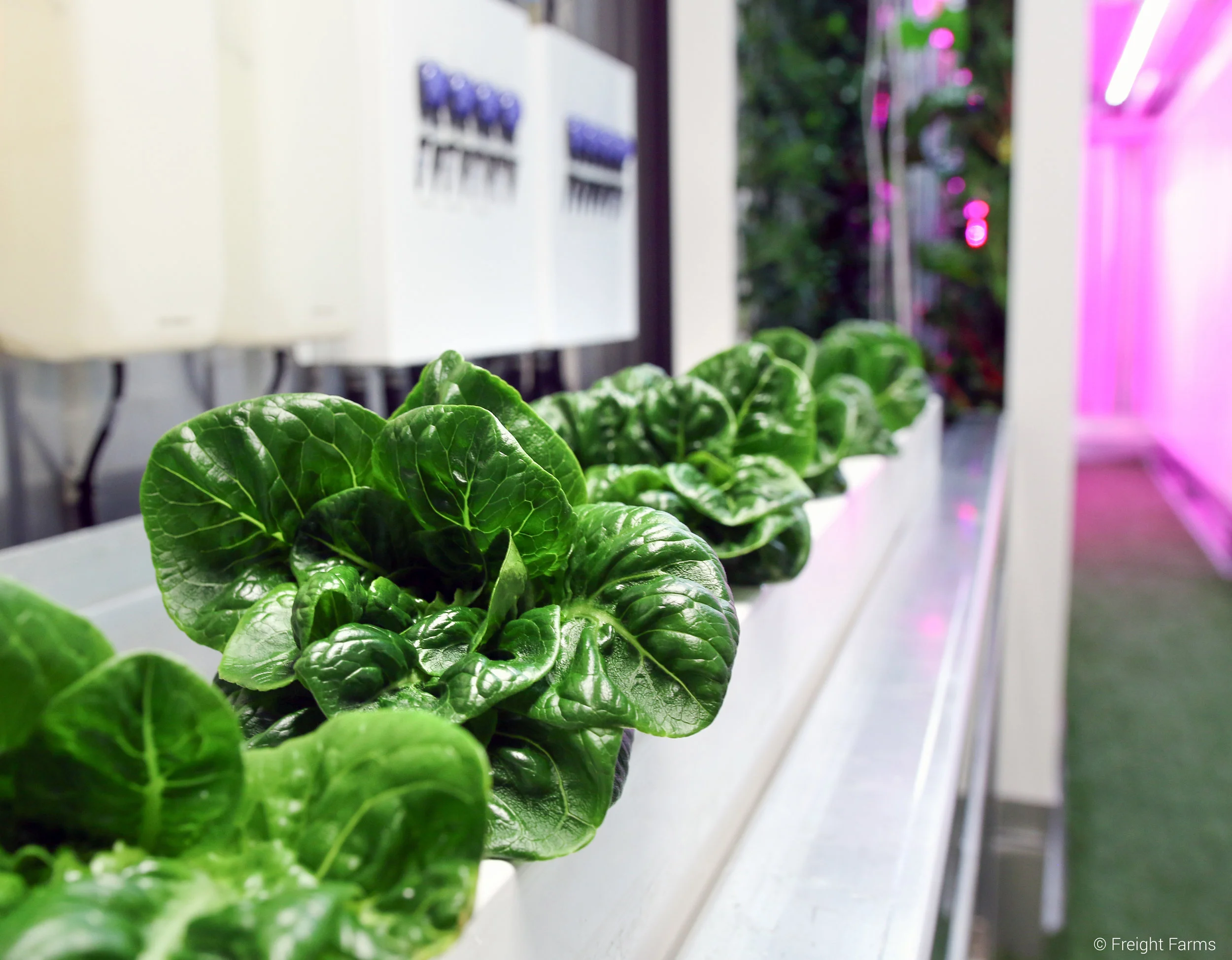
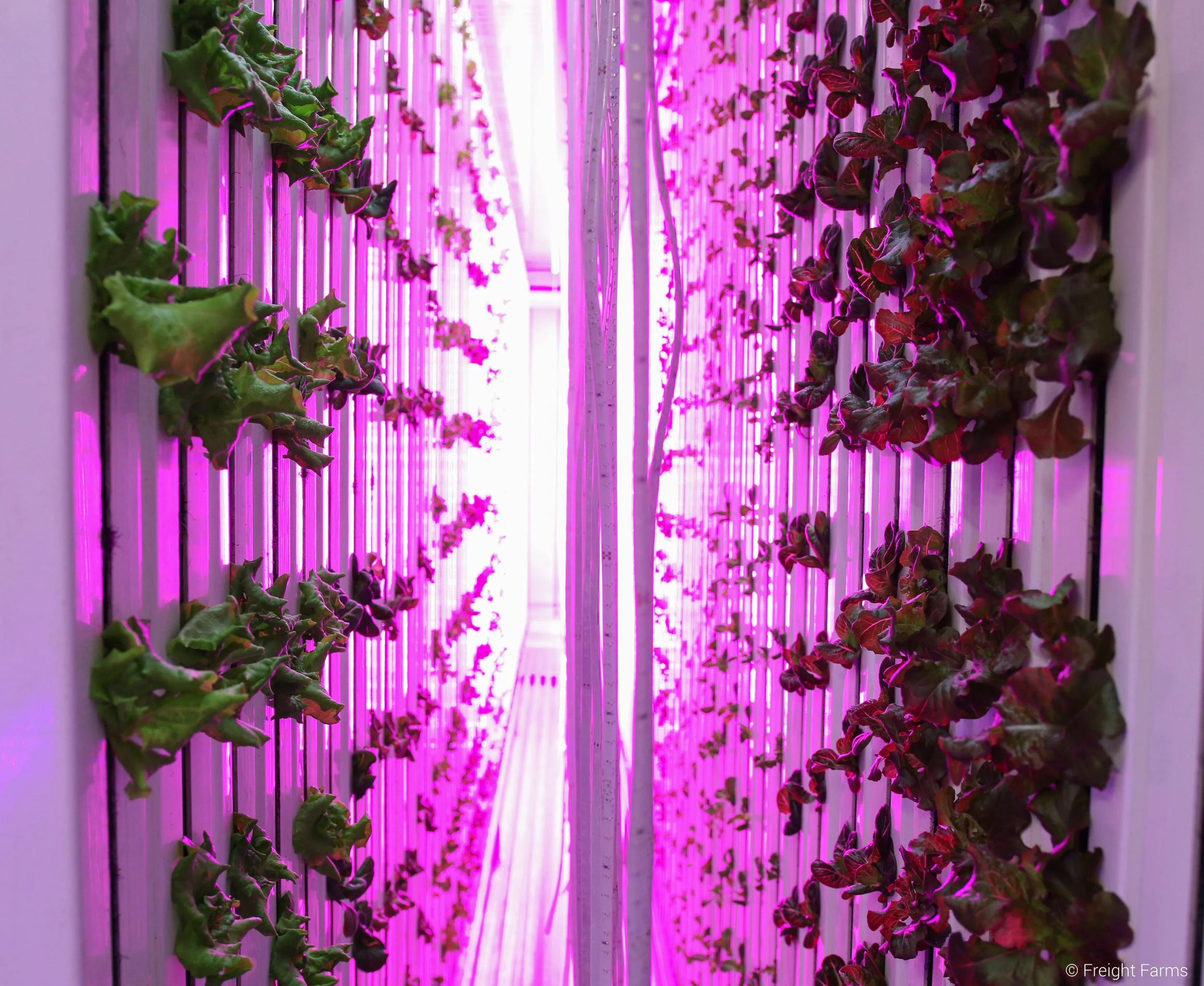
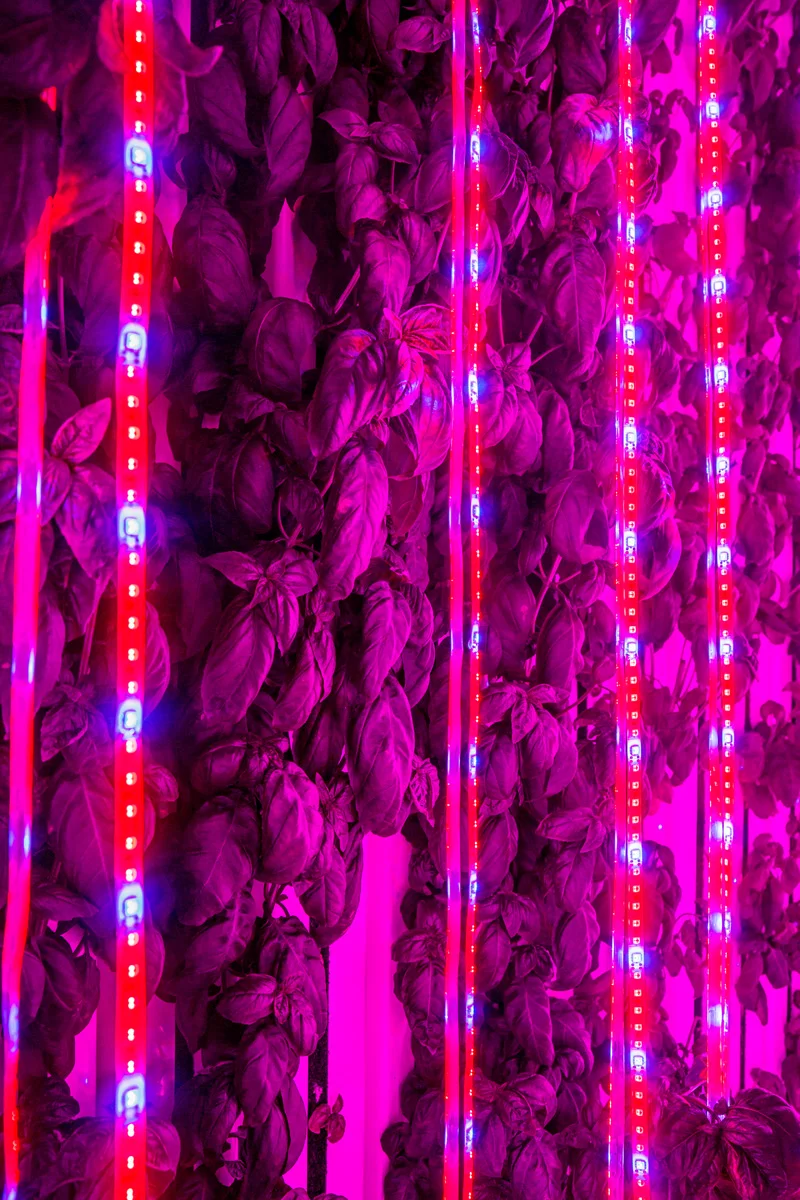


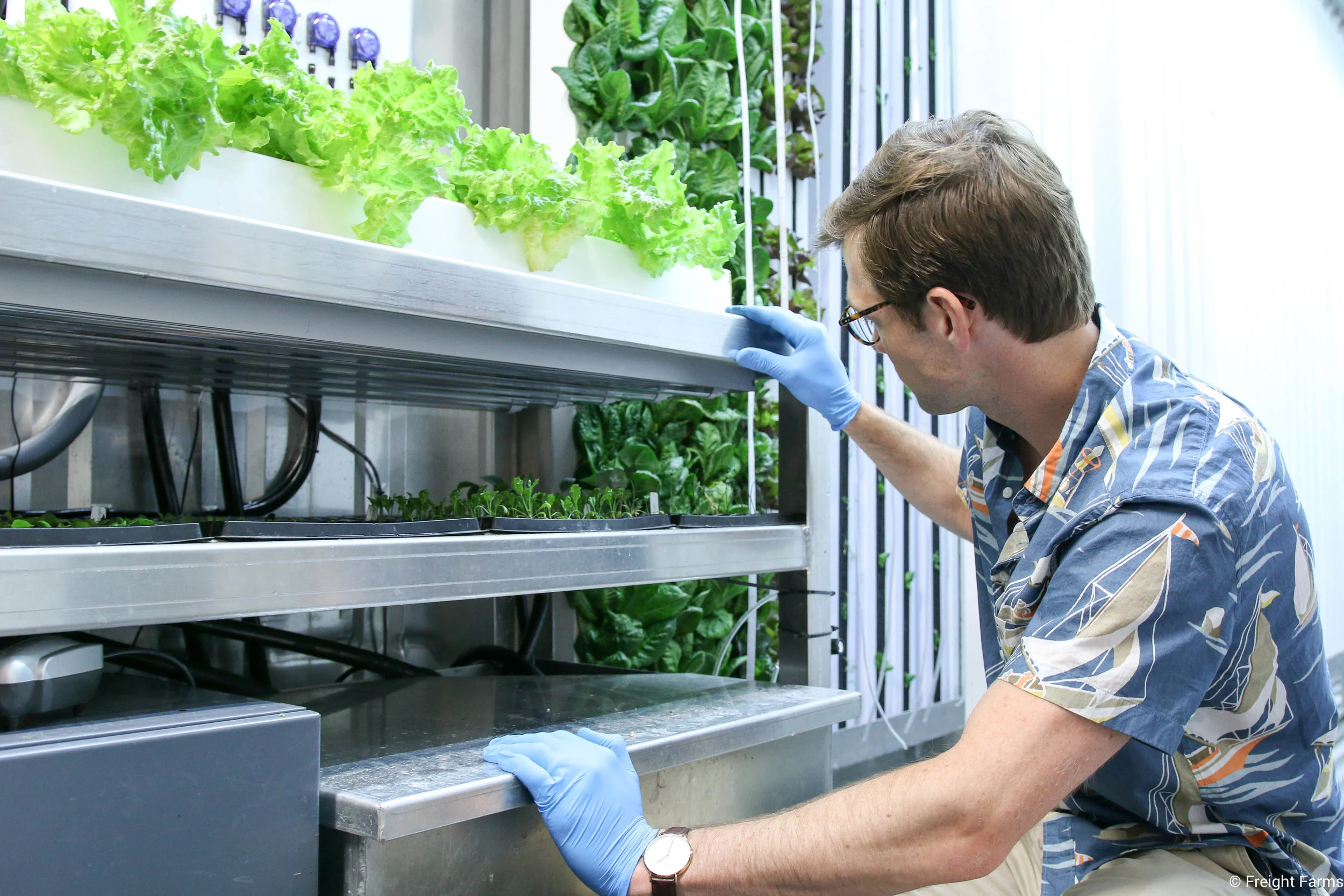
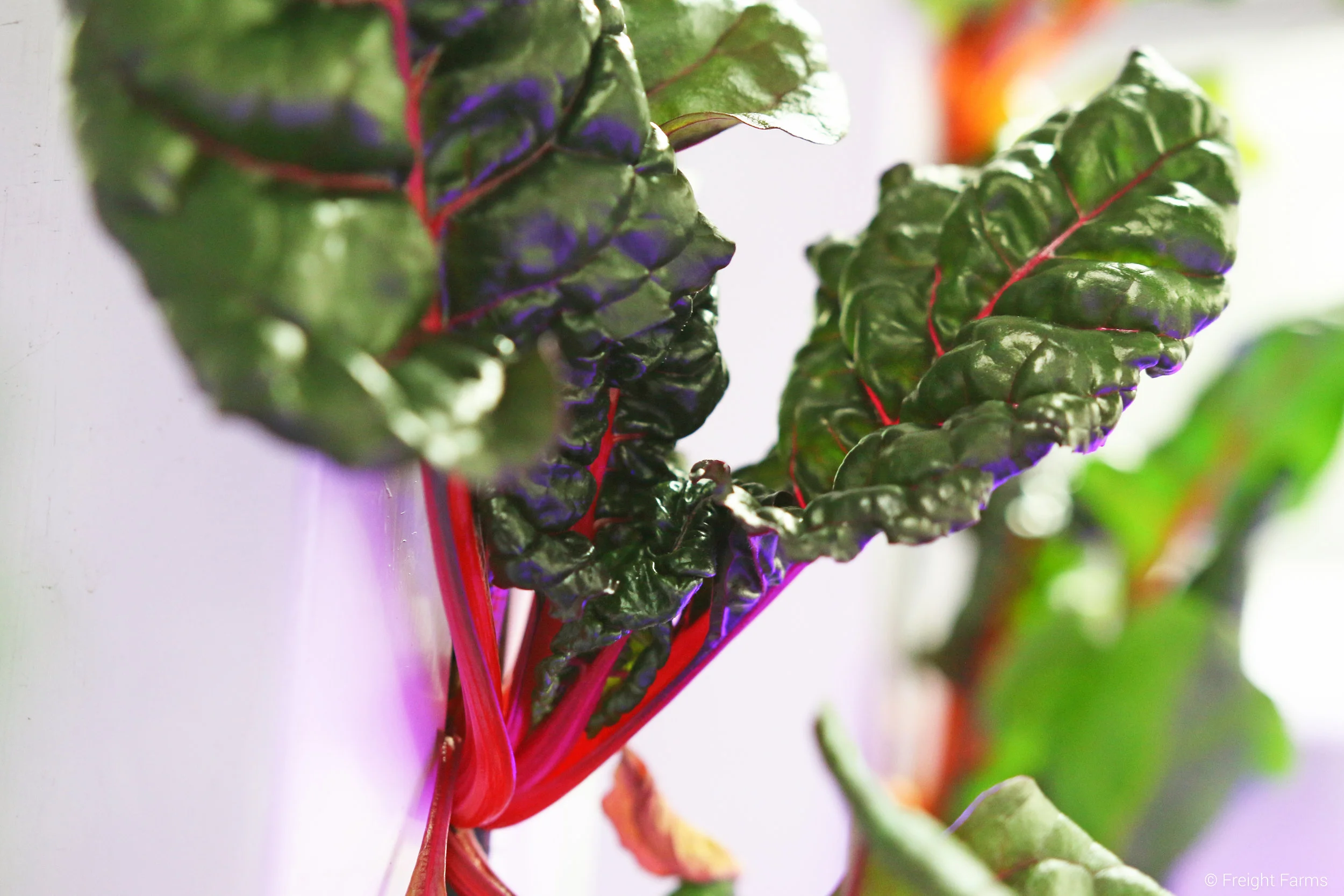

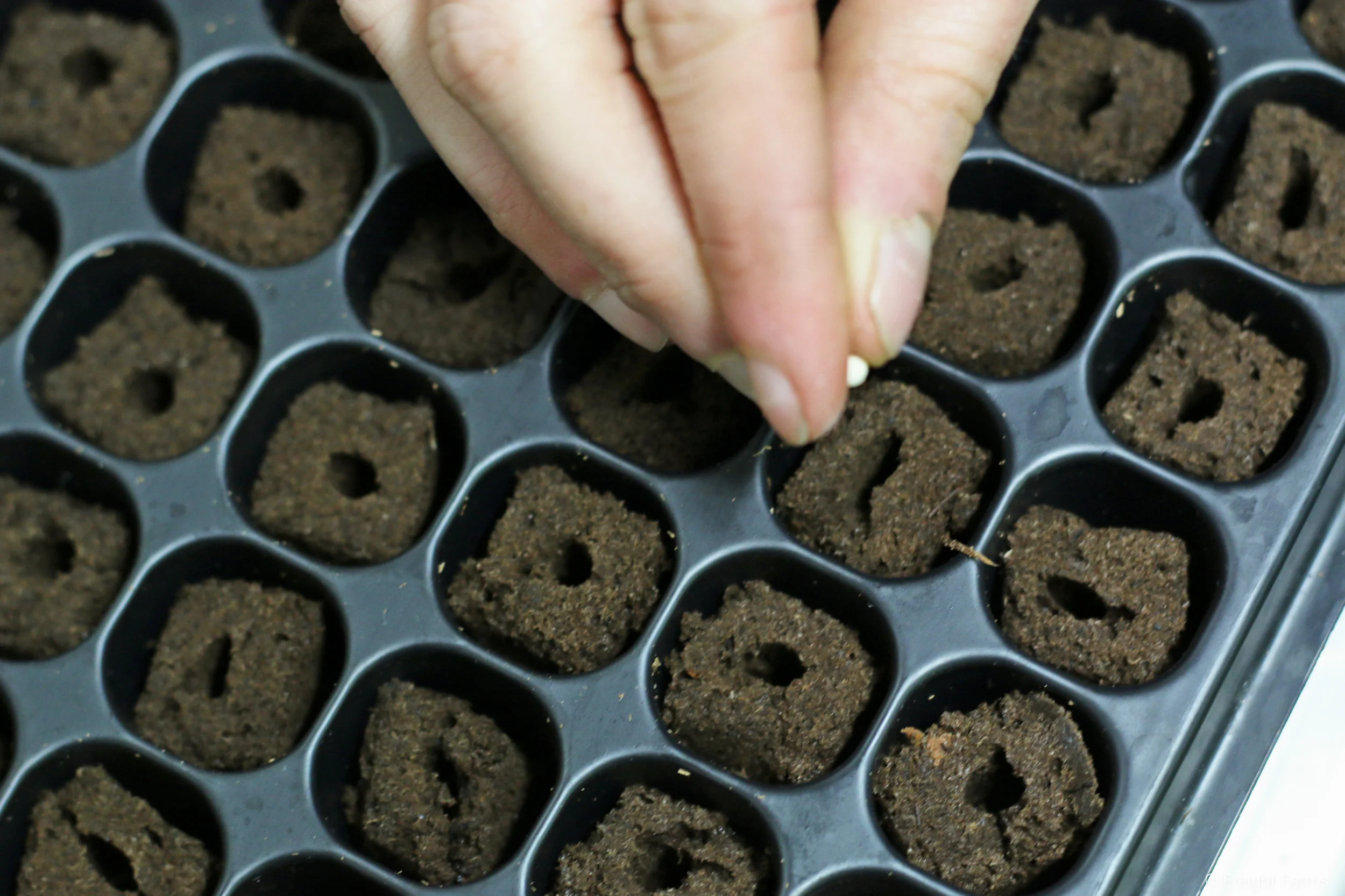

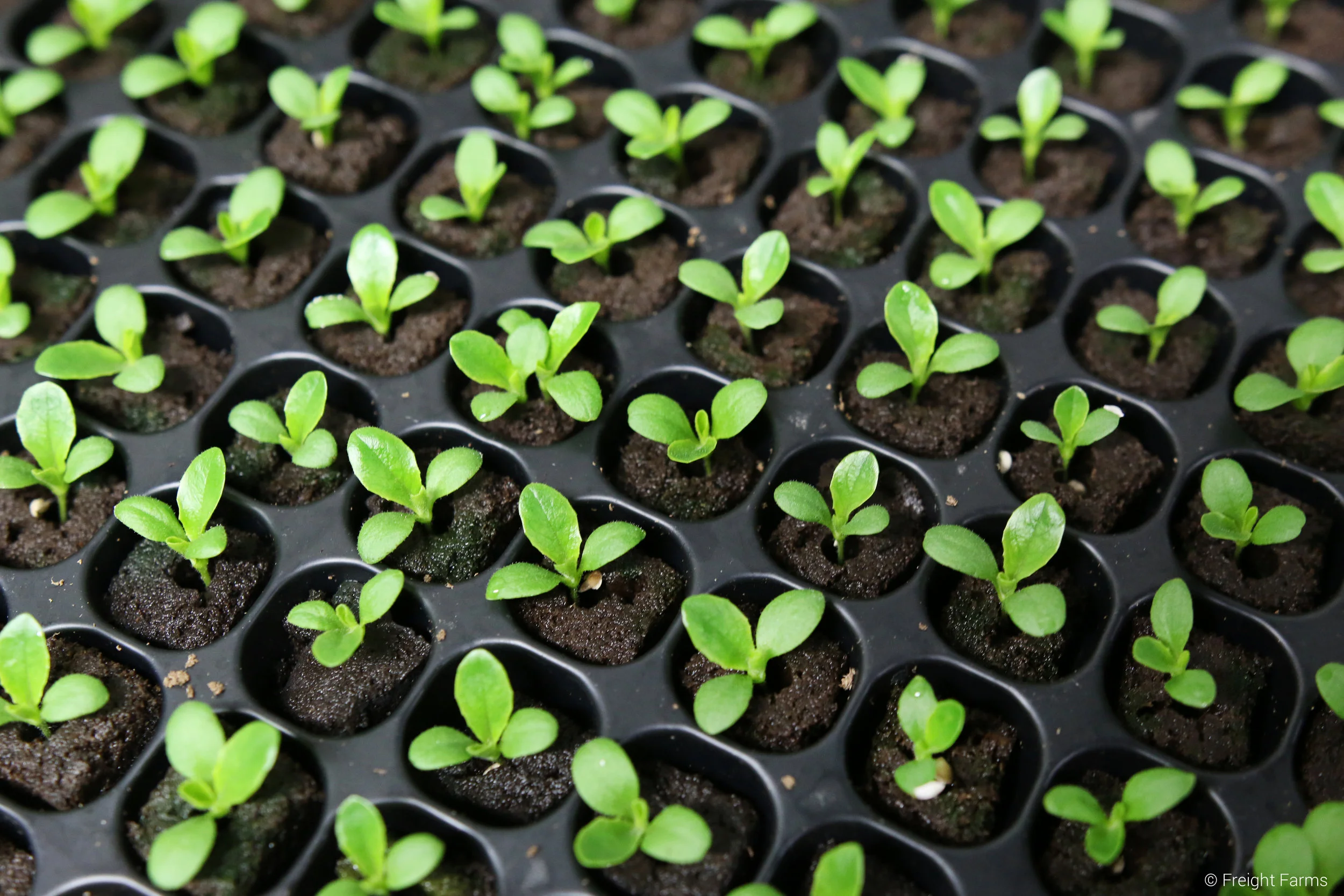
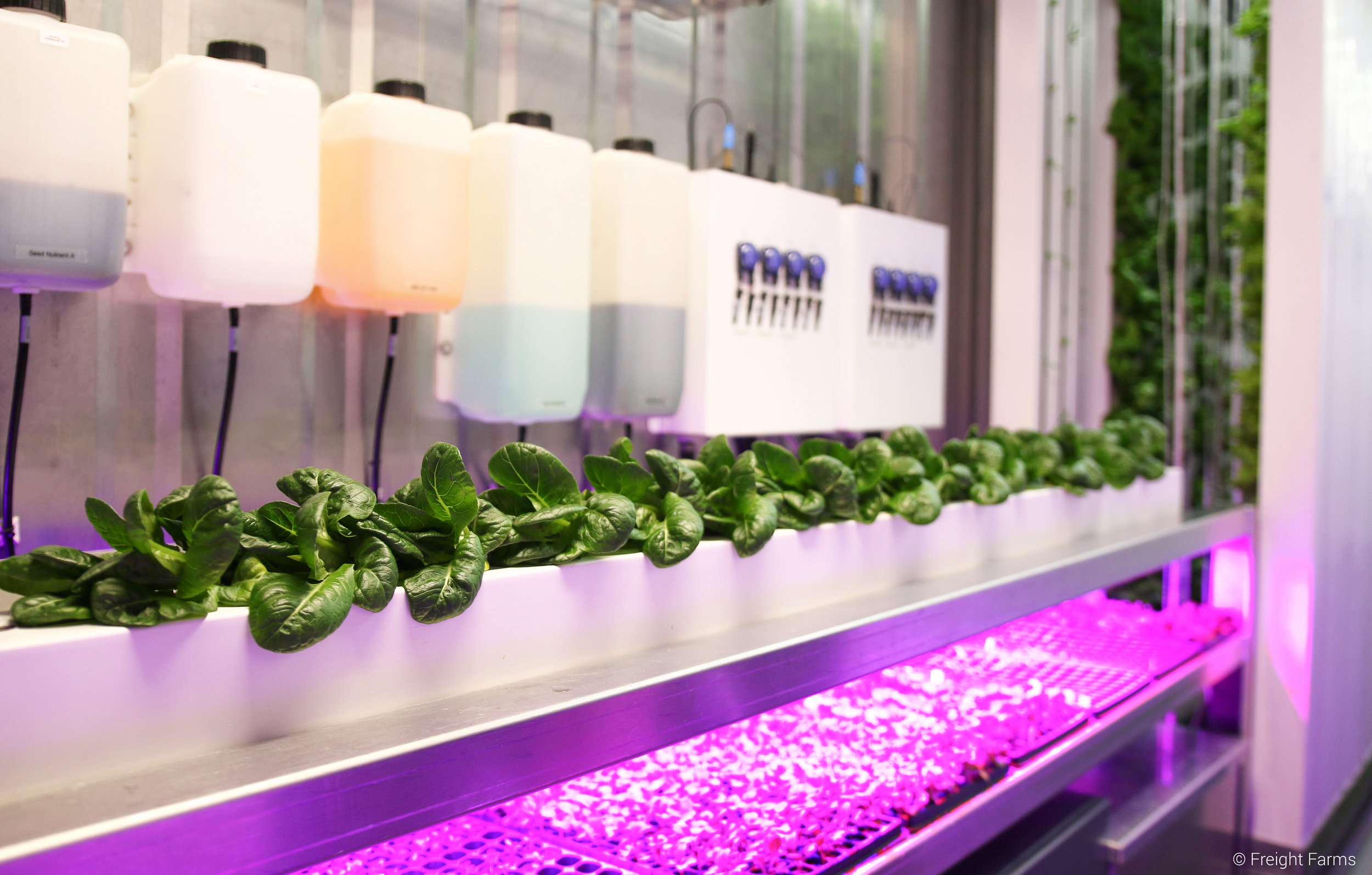
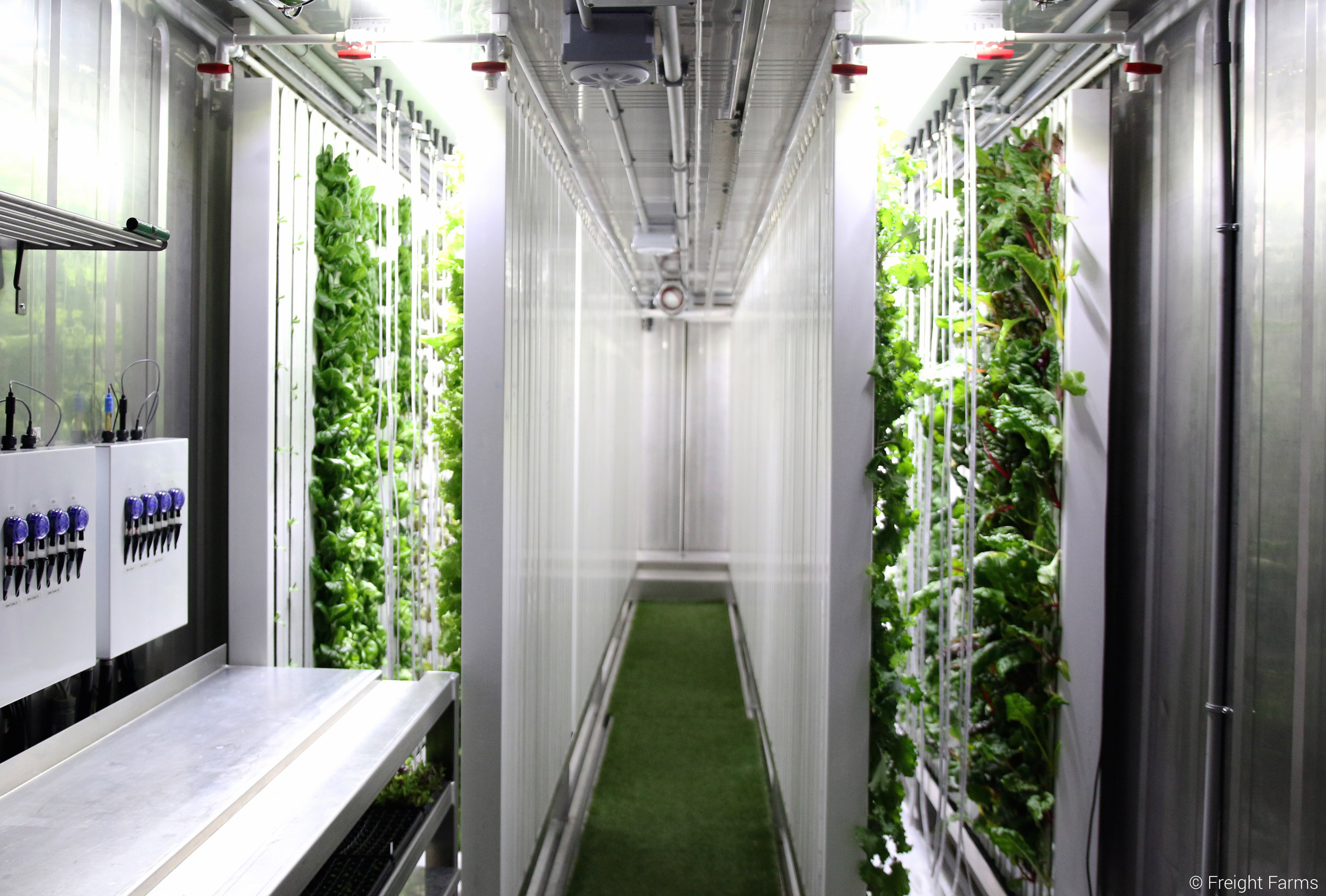
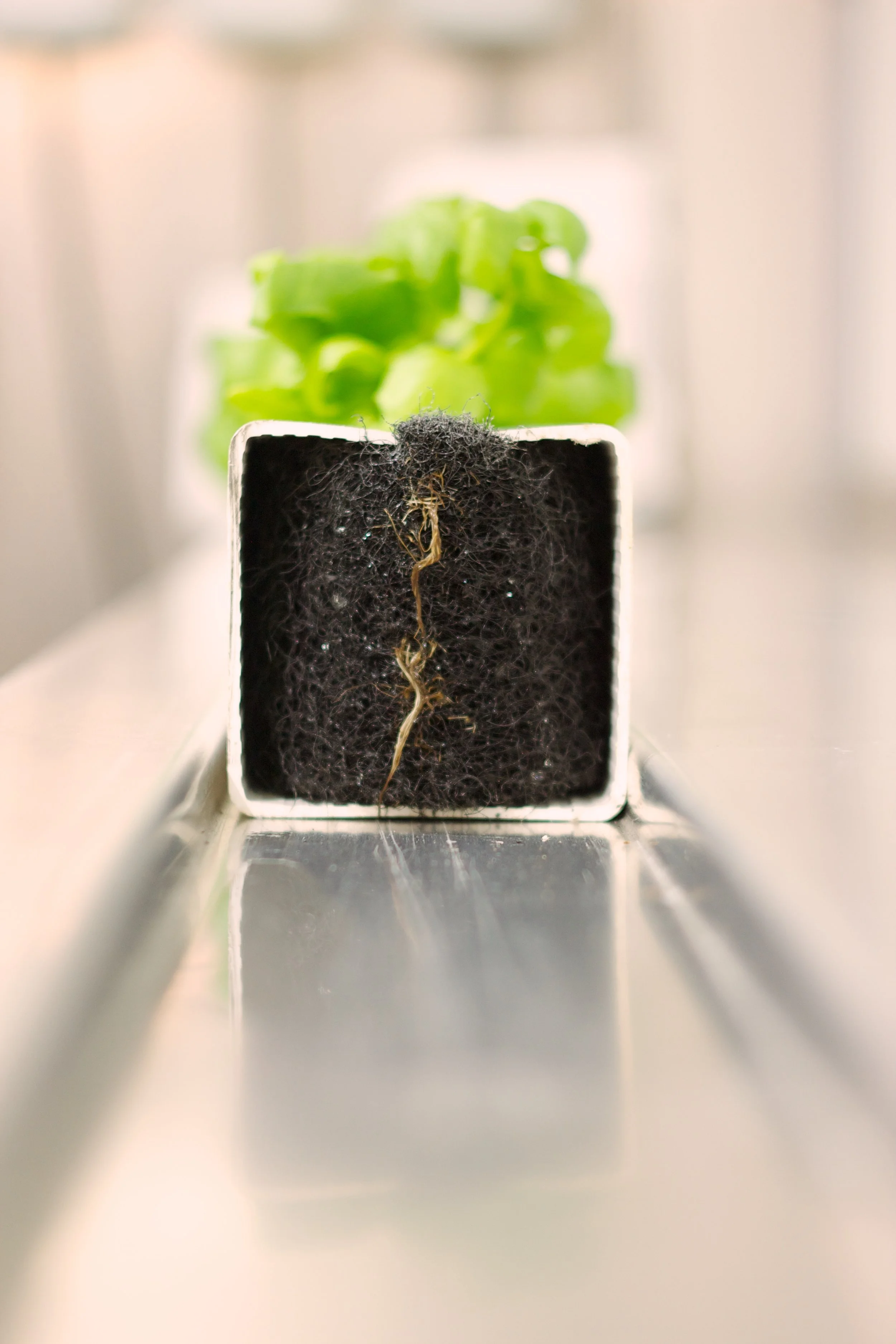
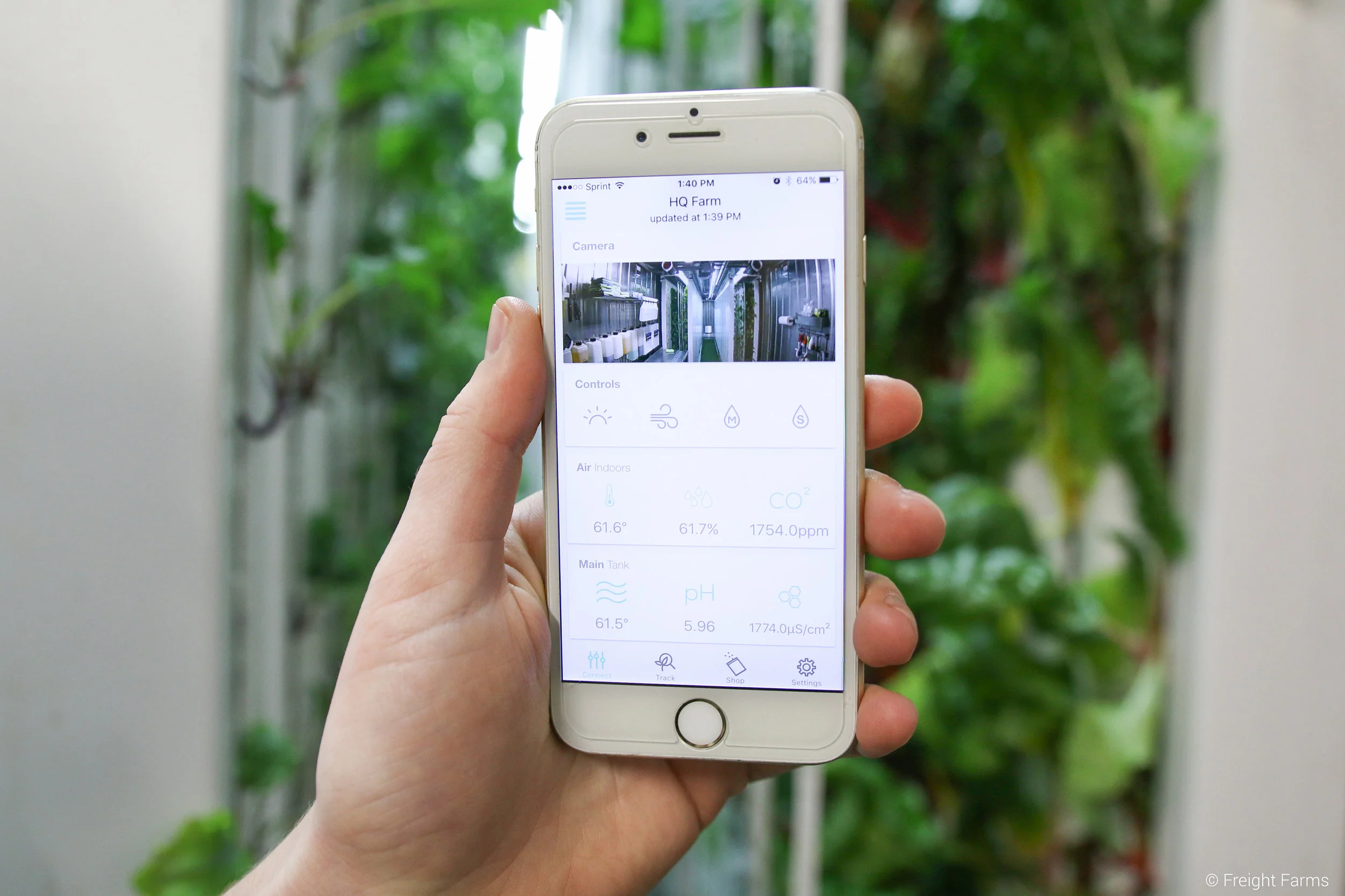
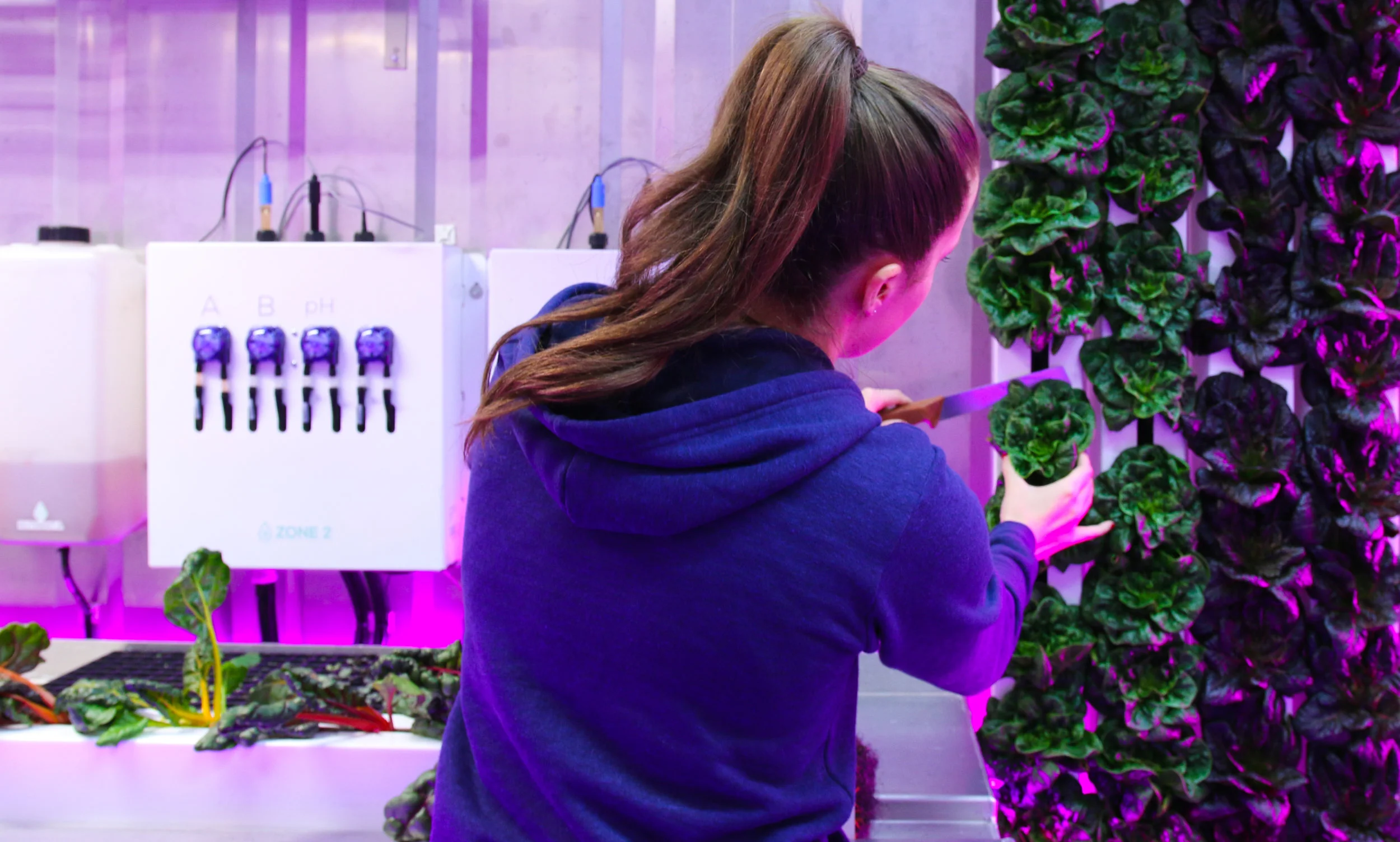
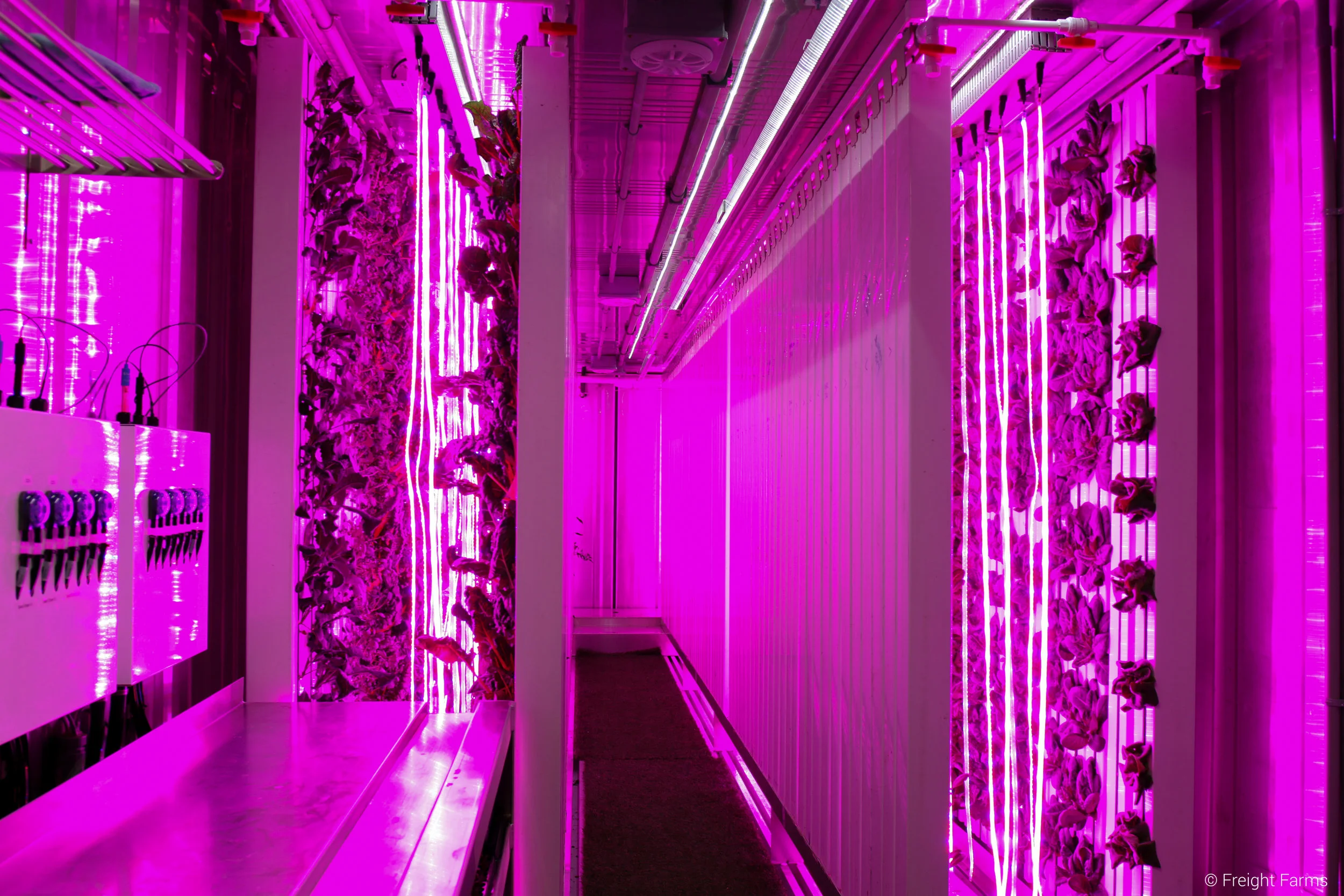
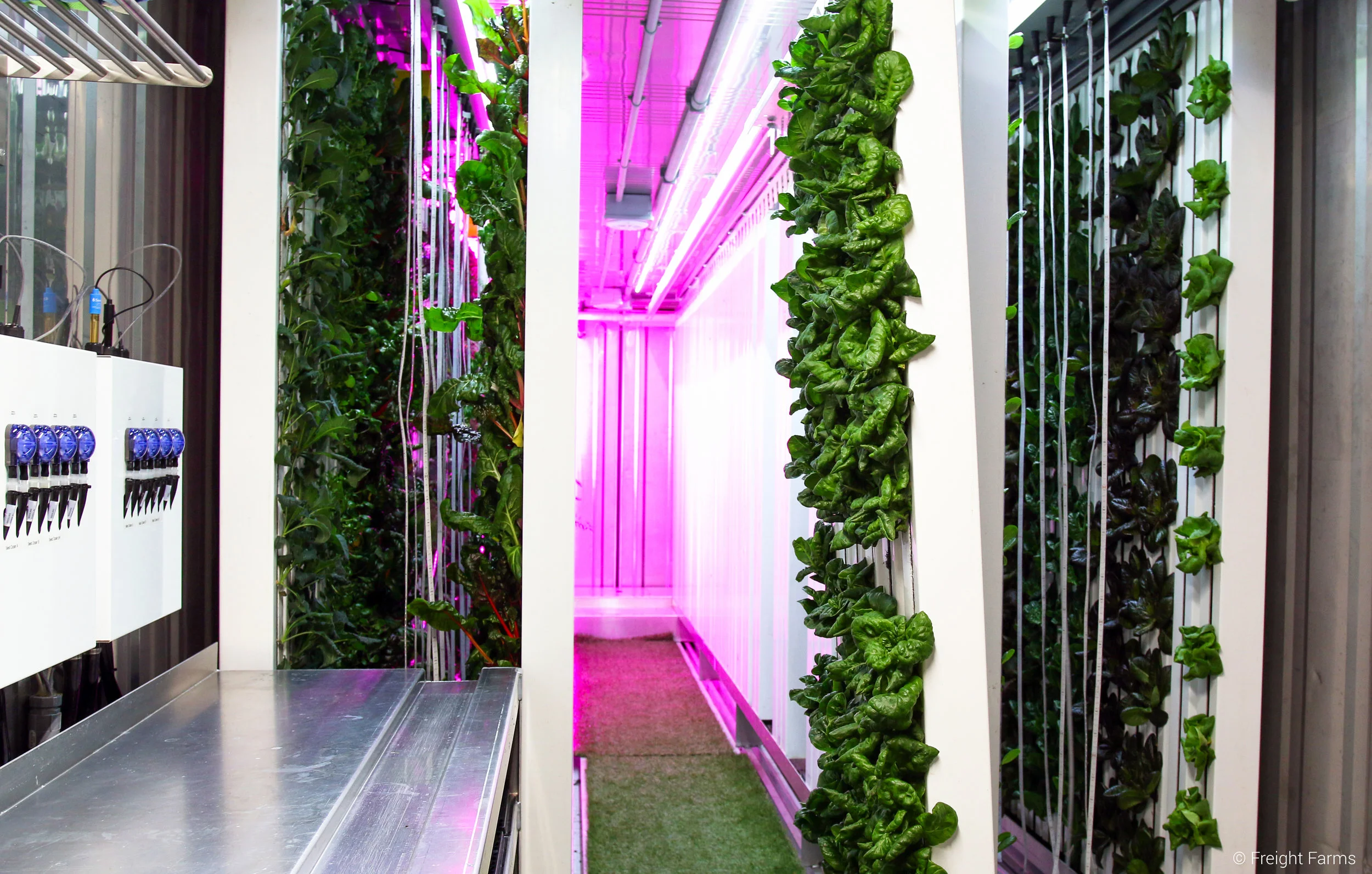
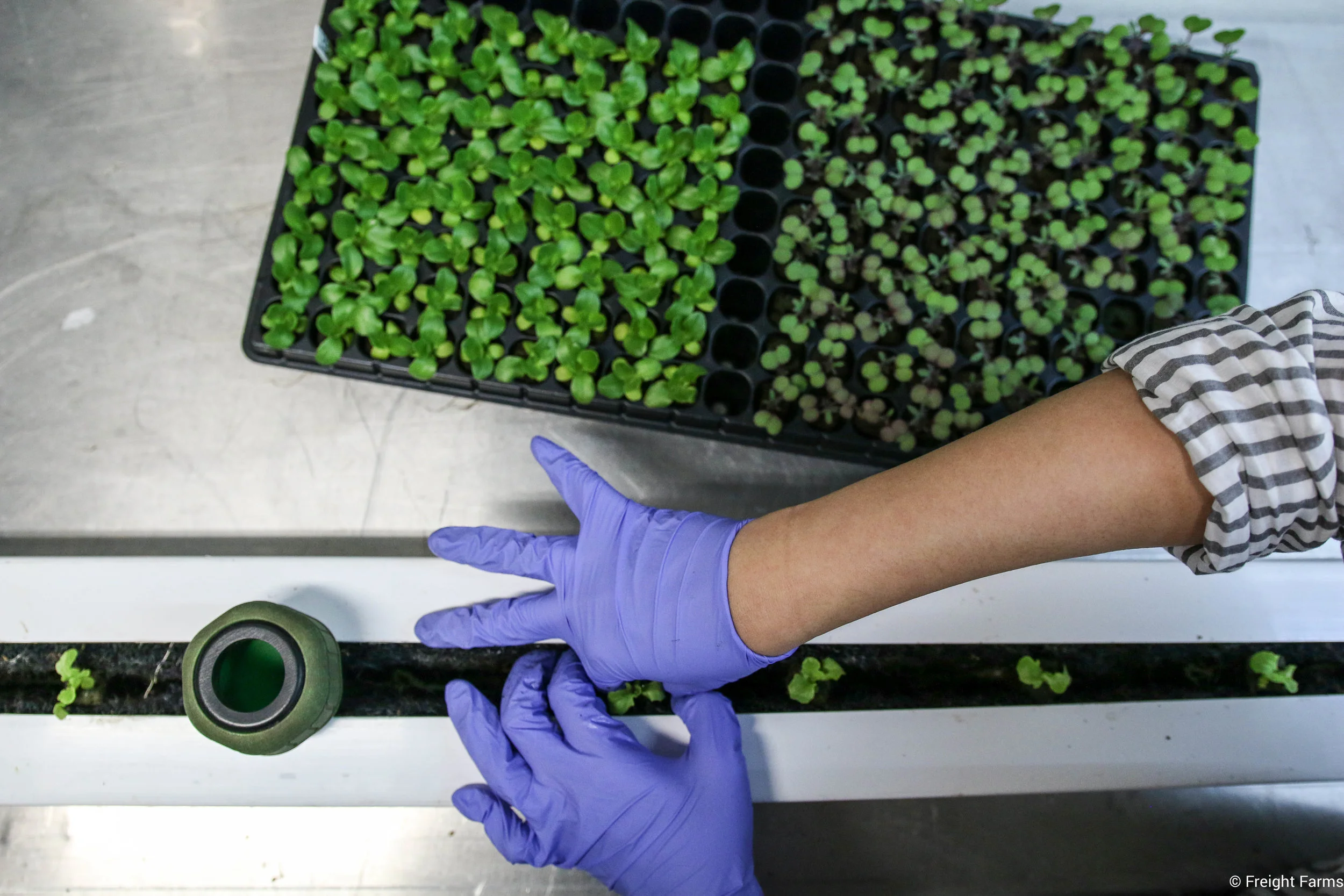
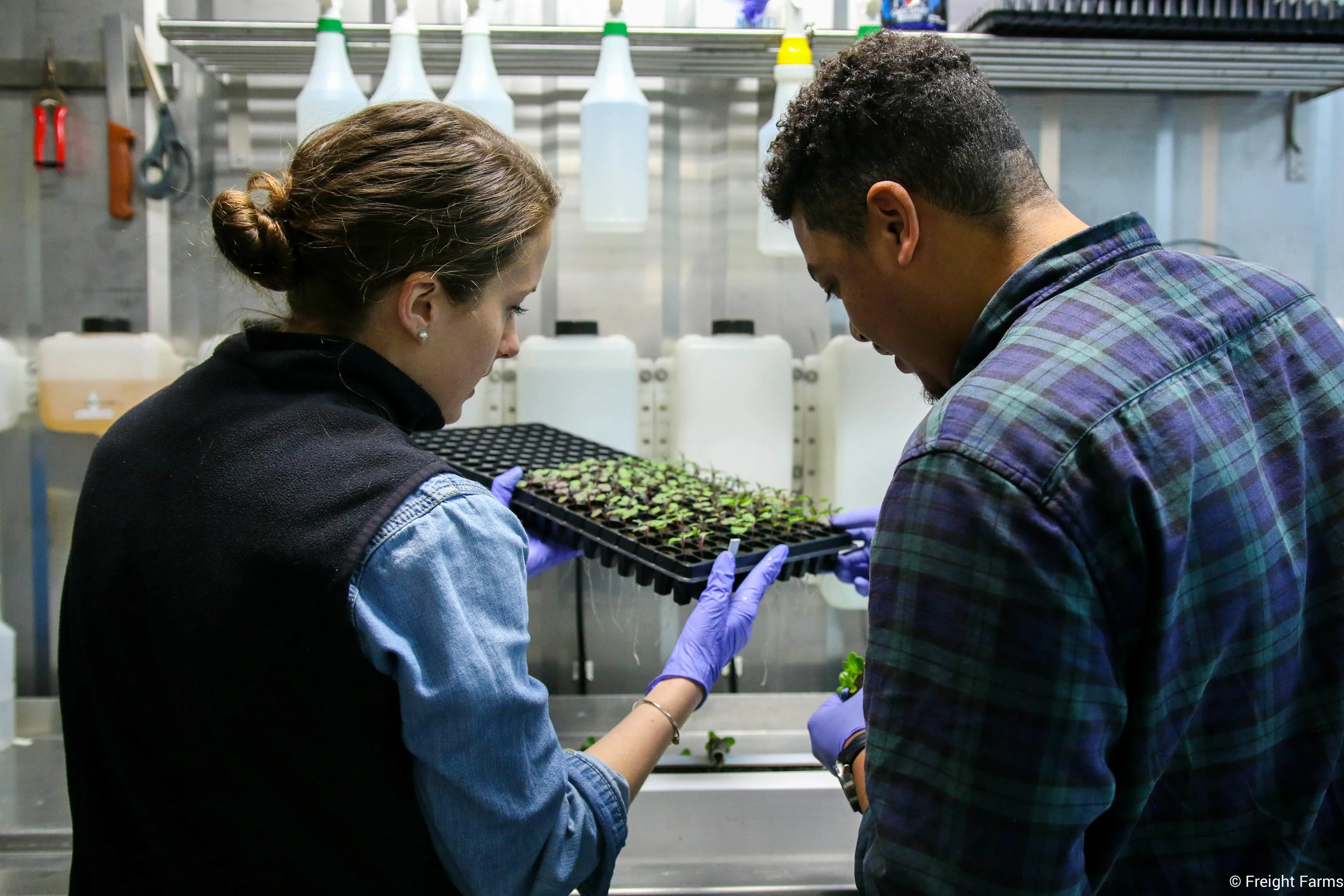

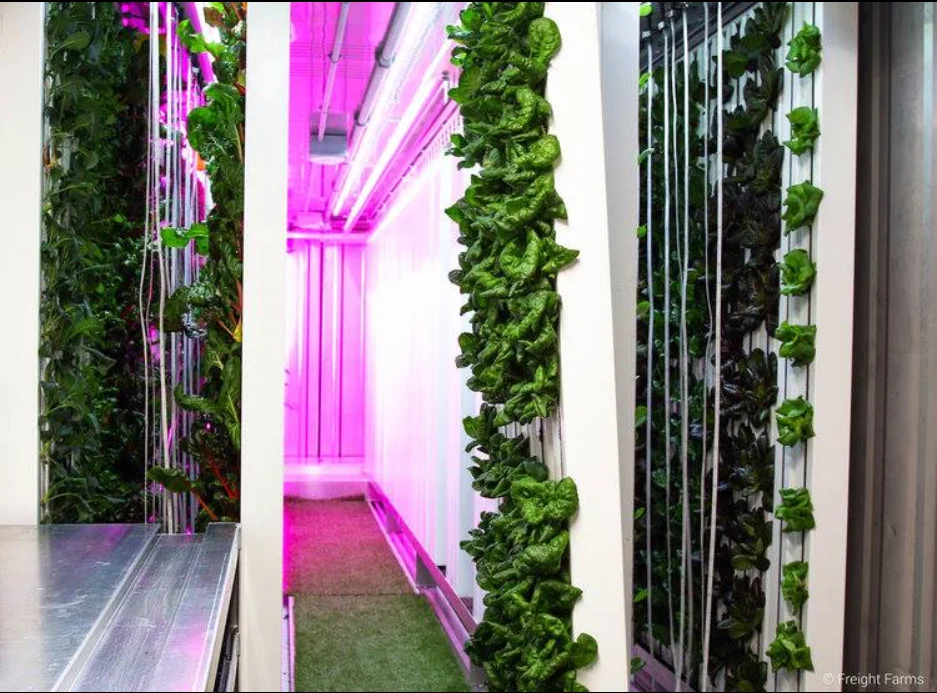
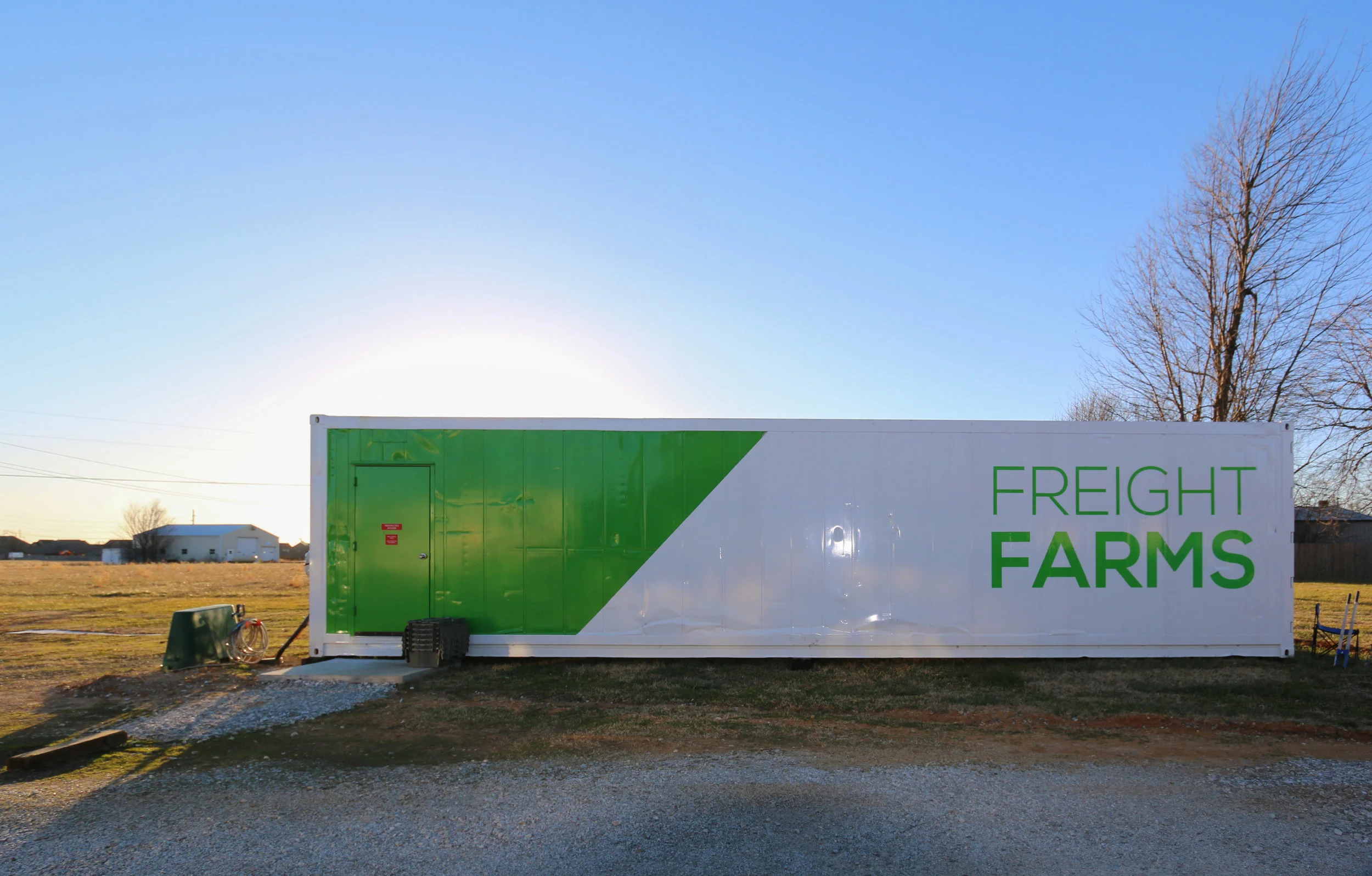
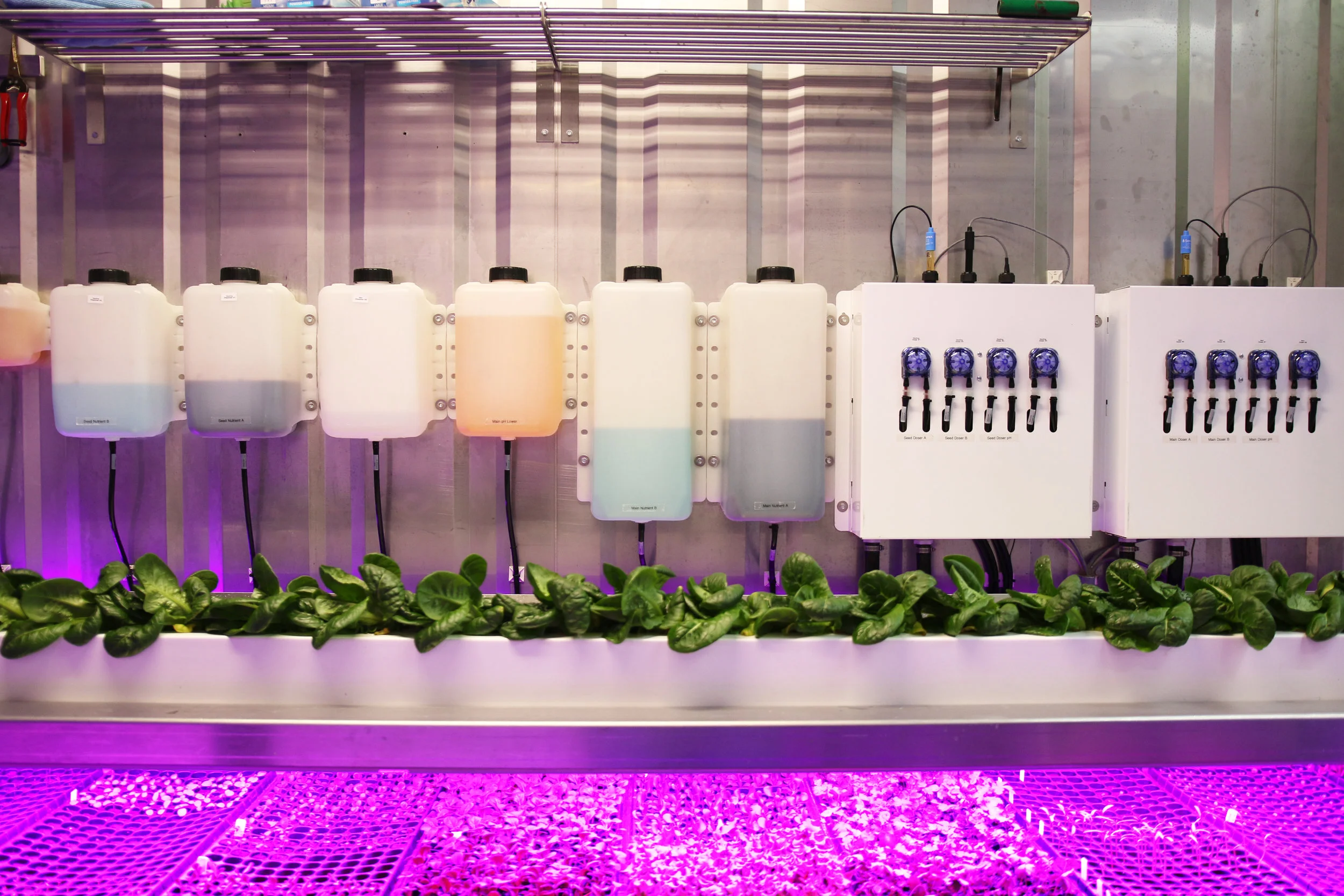
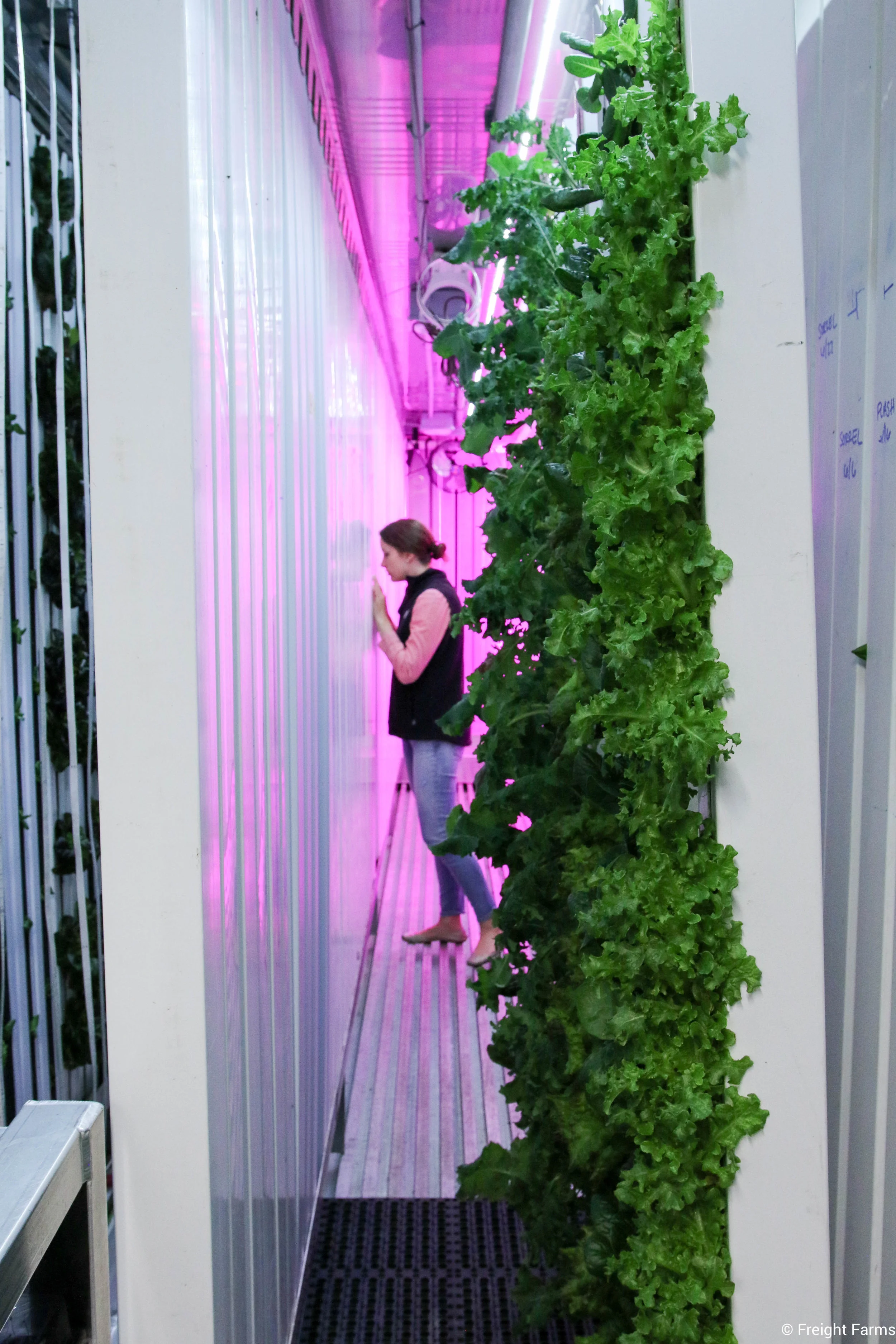
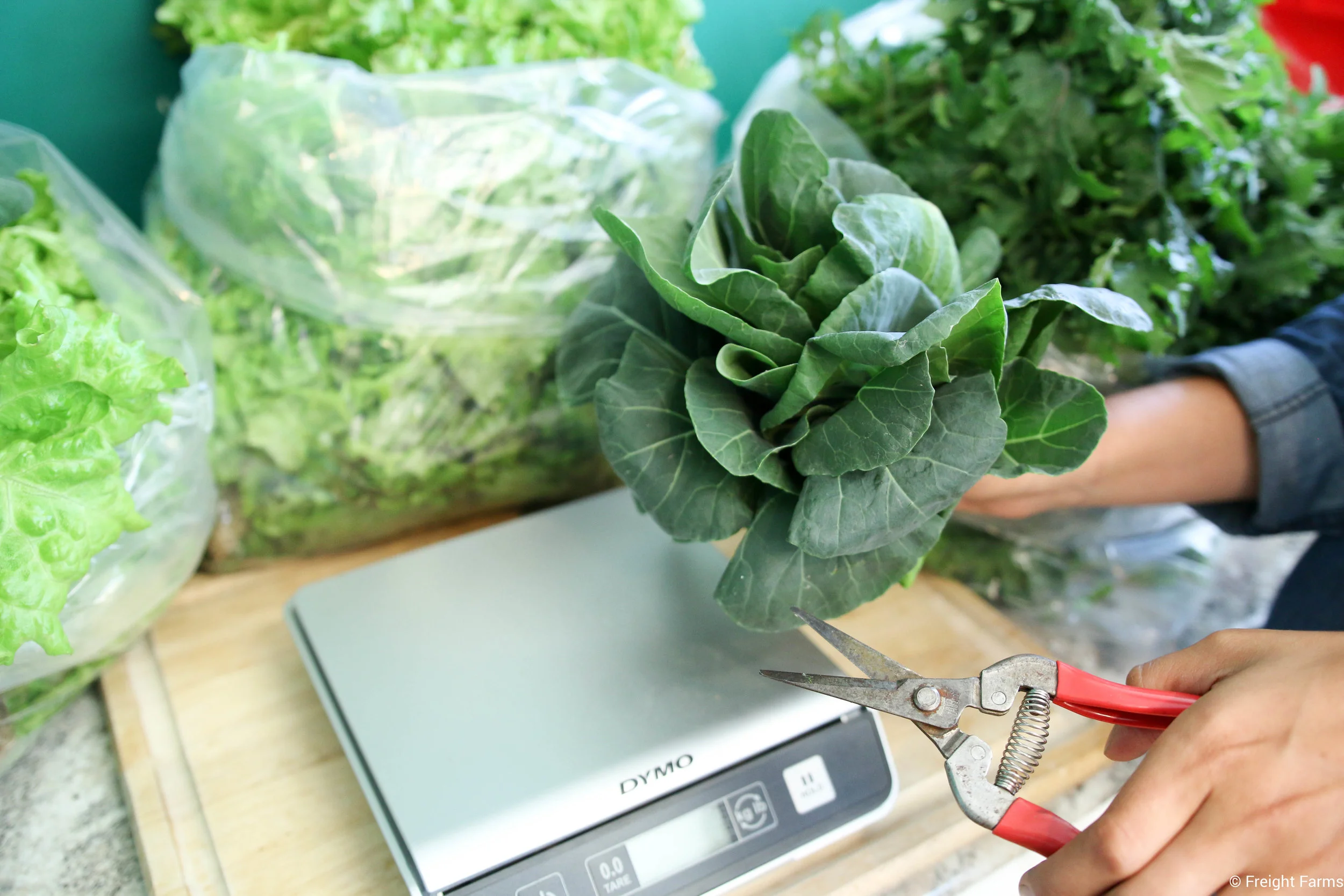
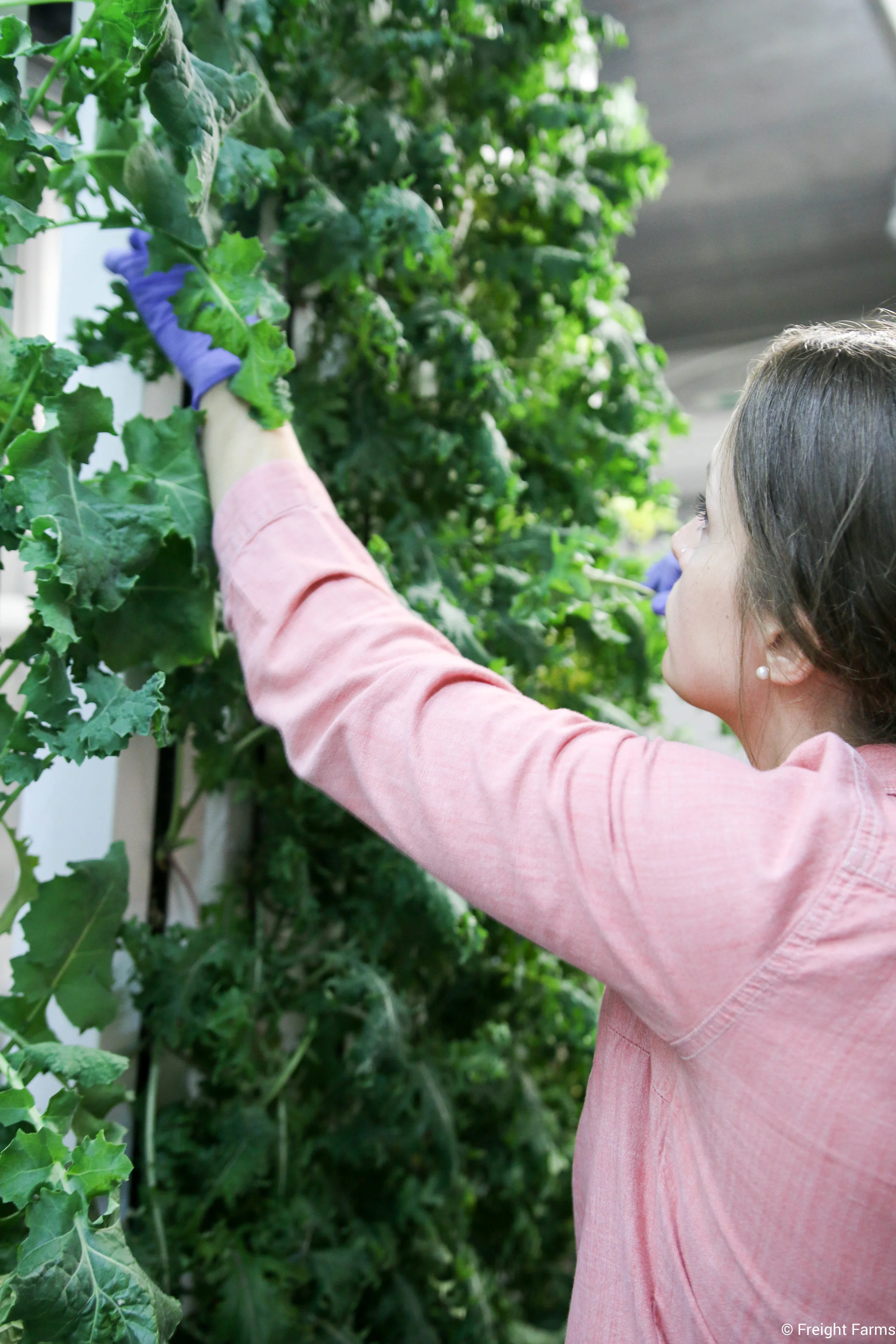
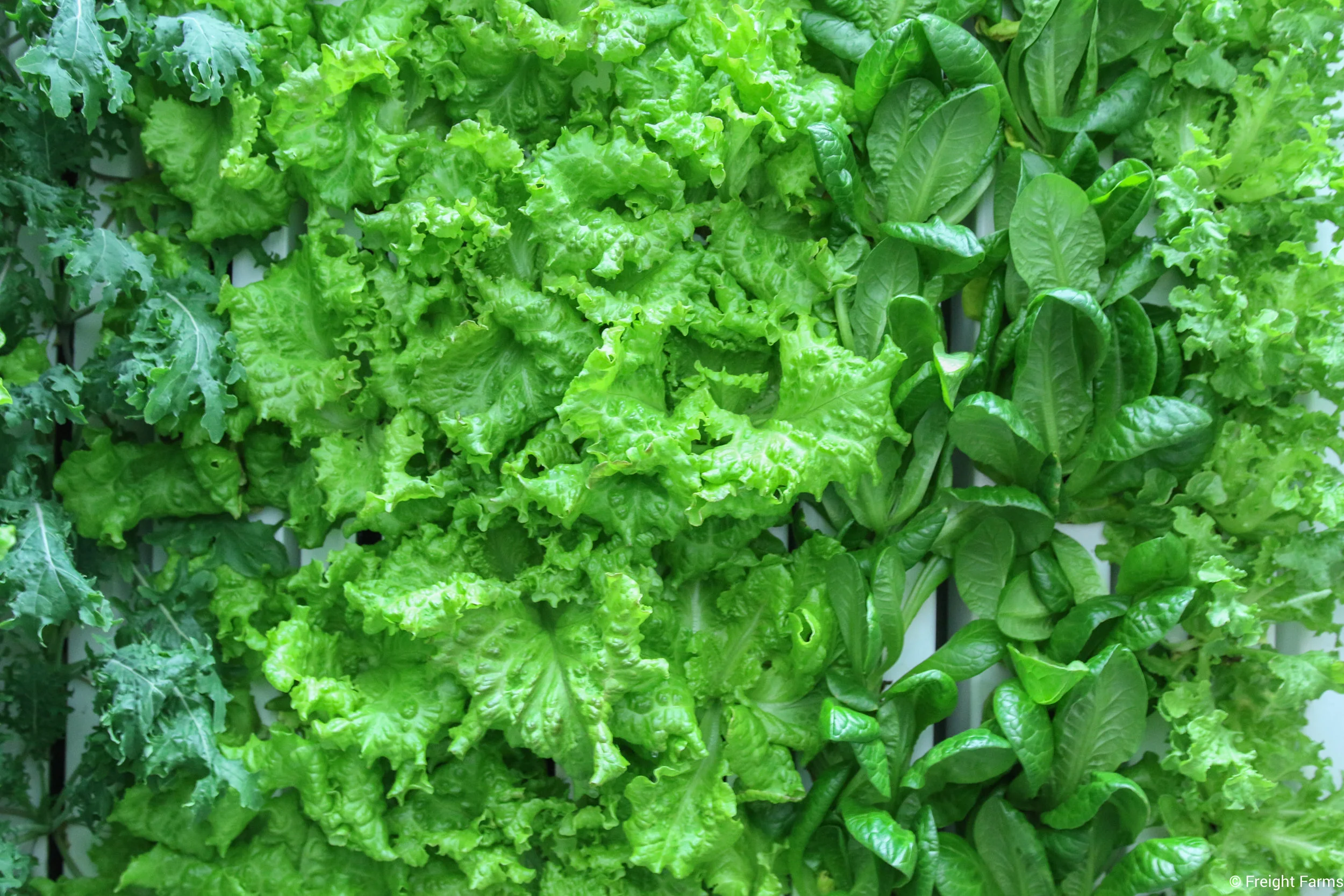

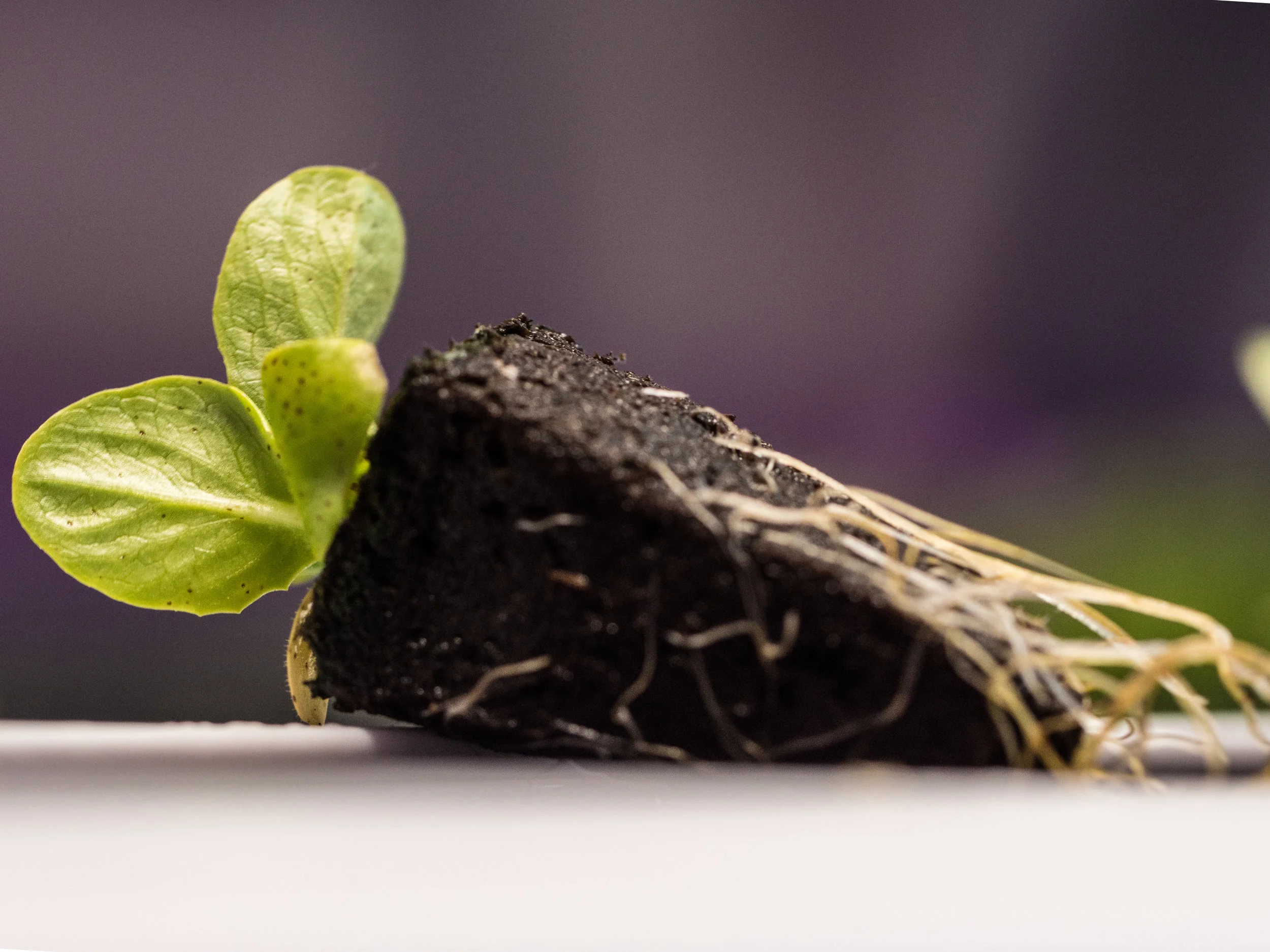

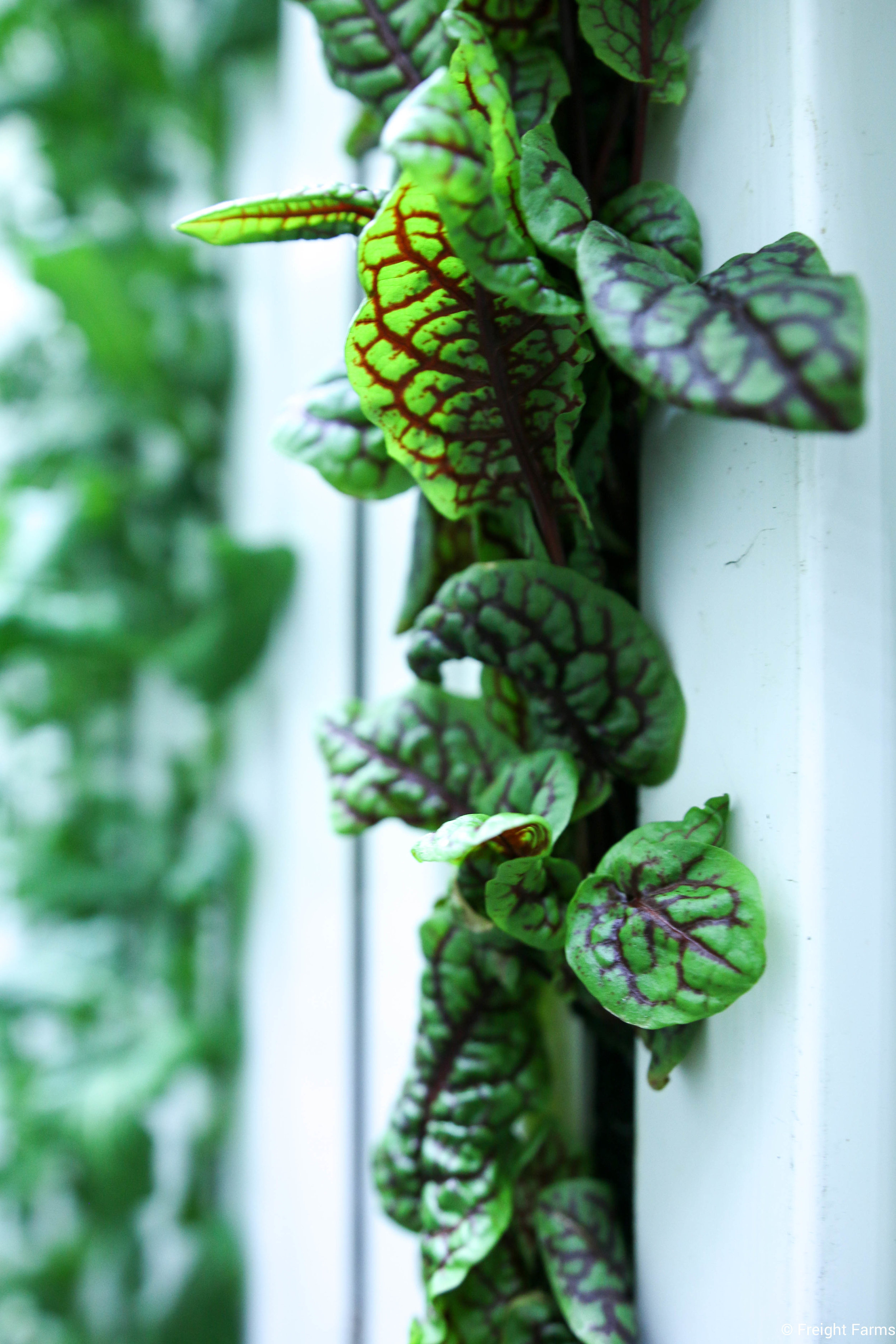
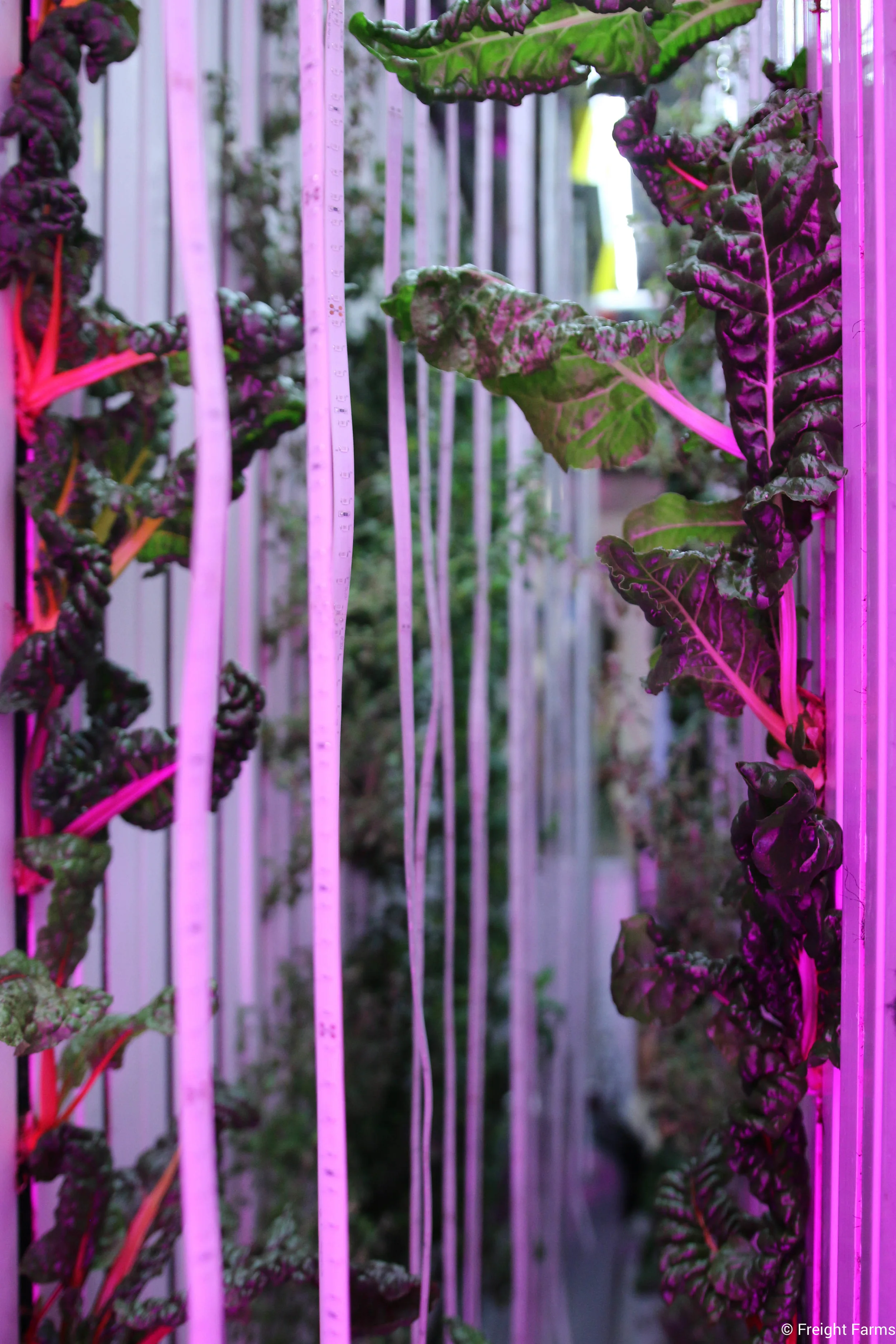

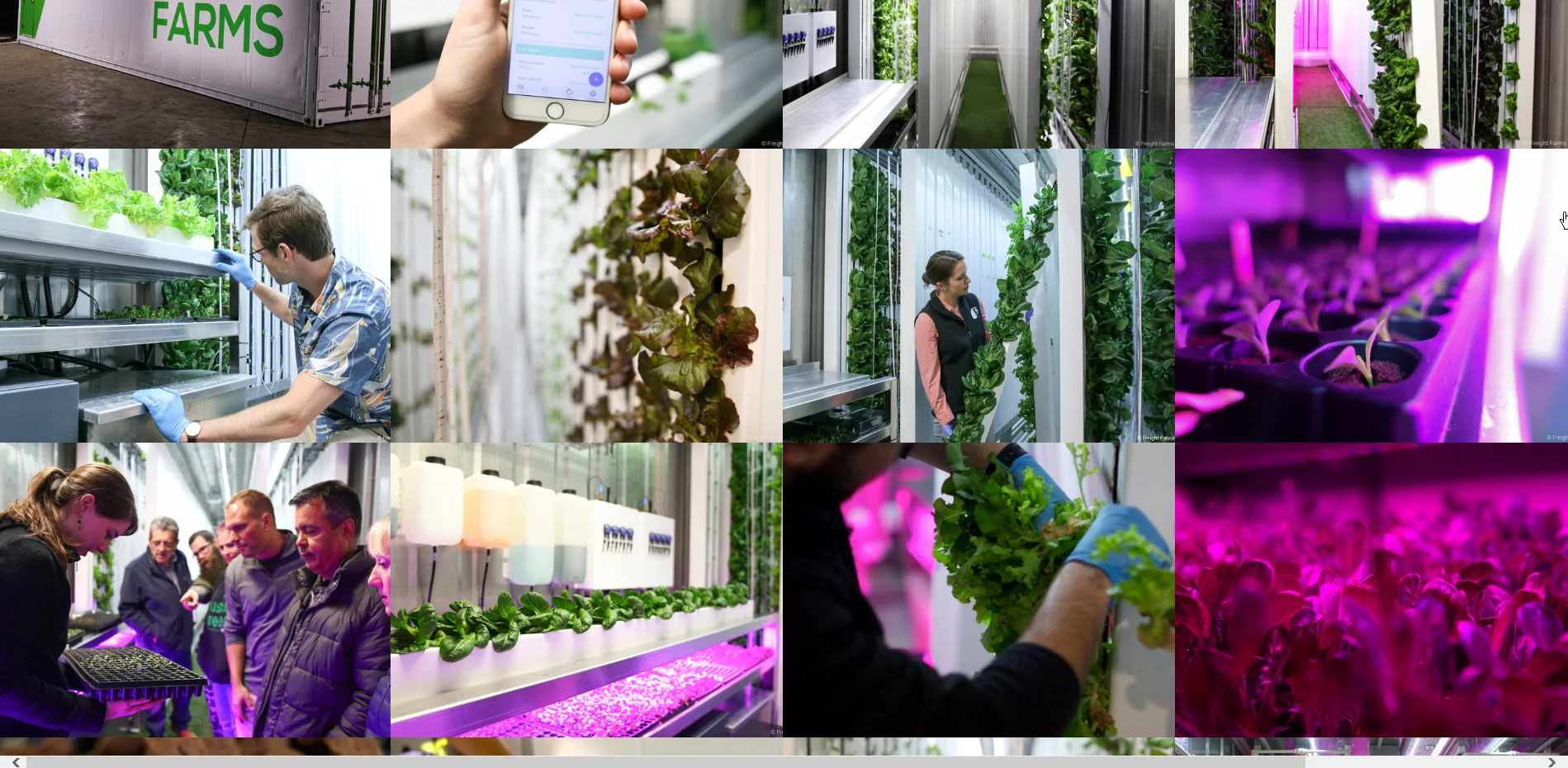
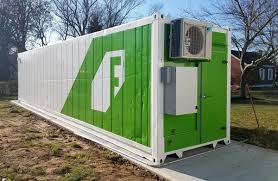
Make & Model - 2017.5 Leafy Green Machine (LGM) - Winterized" for Cold Climates.
Manufacturer - Freight Farms
Location - Ann Arbor, Michigan
Price - $70,000
Description
Well maintained 2017.5 LGM purchased from Freight Farms.
This LGM has been a reliable producer of healthy produce.
LGM Included Accessories:
Harvest Track
CO2 Booster
Storage Cabinet
Video Camera
Blue Tooth Audio Speakers
Hand Sink Package
Dehumidifier w/Reclamation Package
Water Filter Package
ELFA shelves installed
AC condensate water recycling system in place with Filters
Farm tutorial
Farm Hand App setup
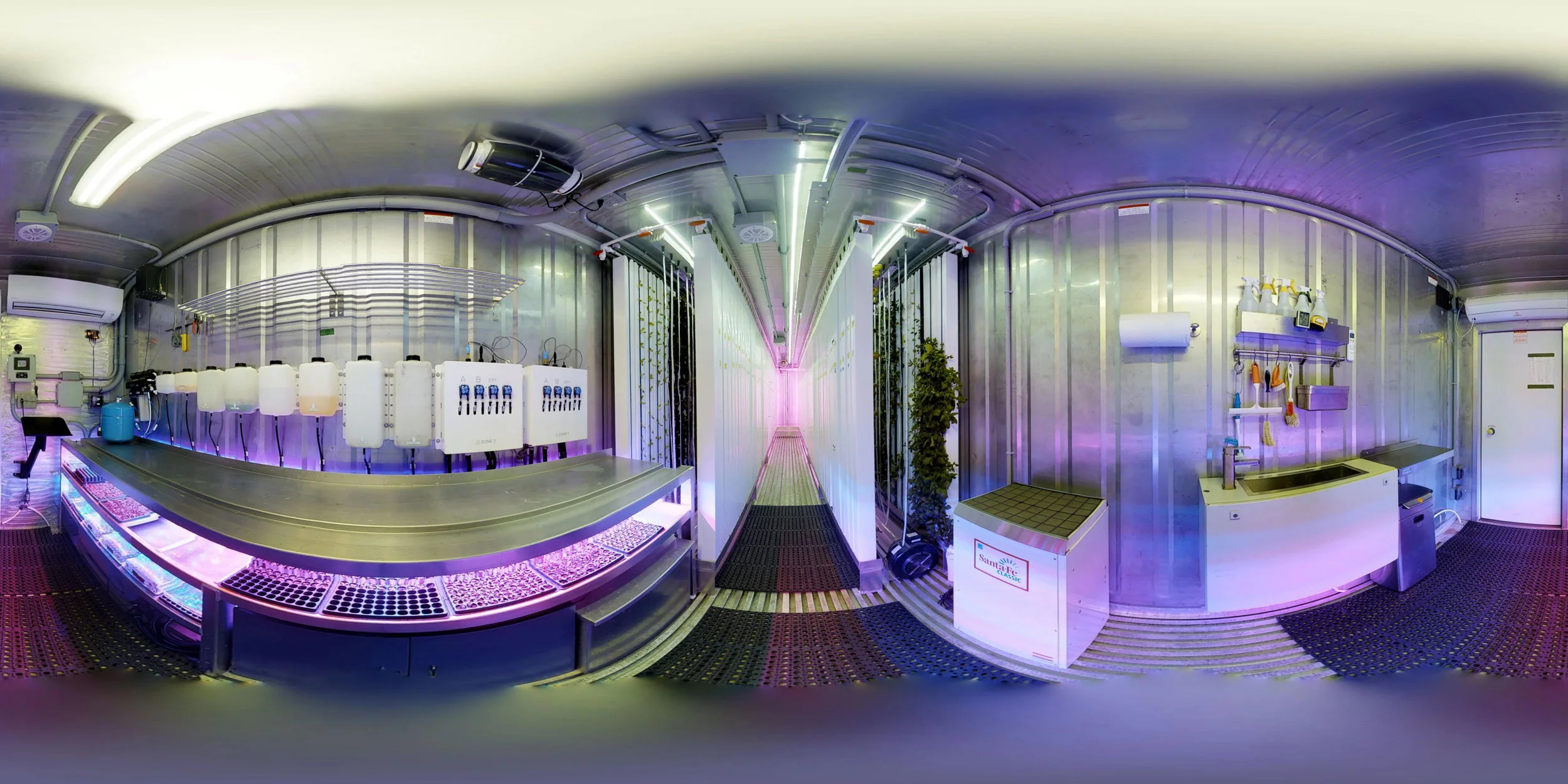
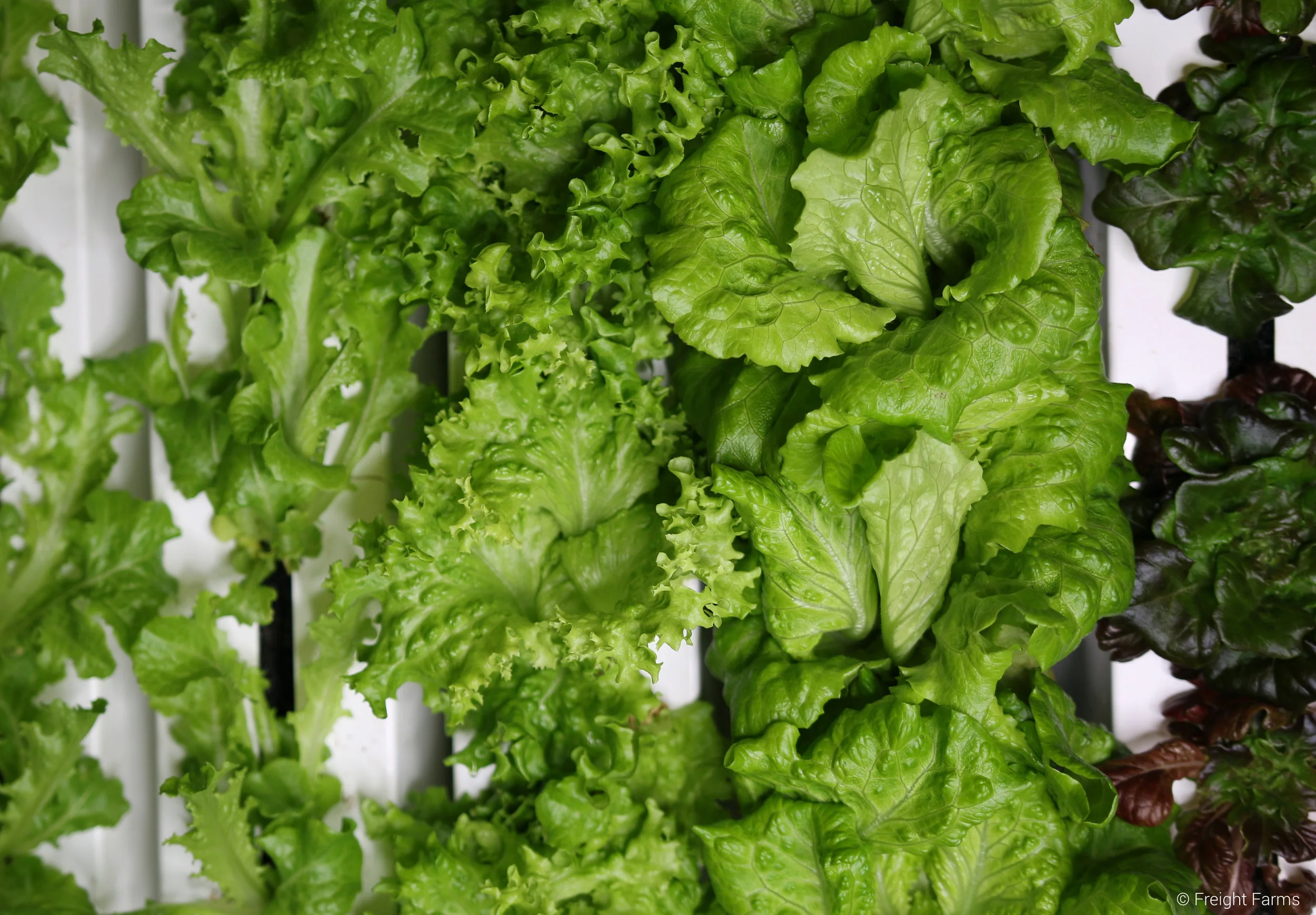
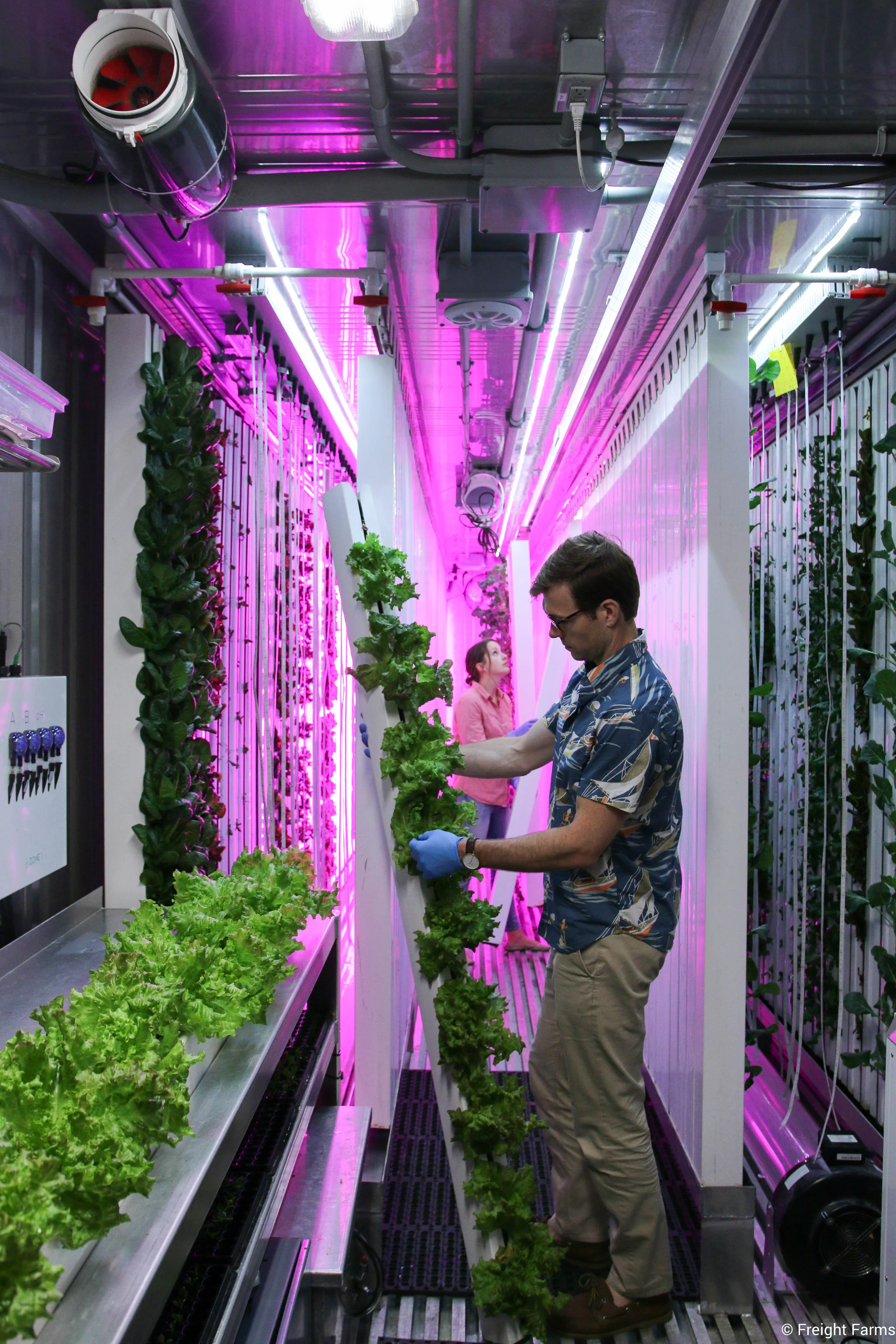
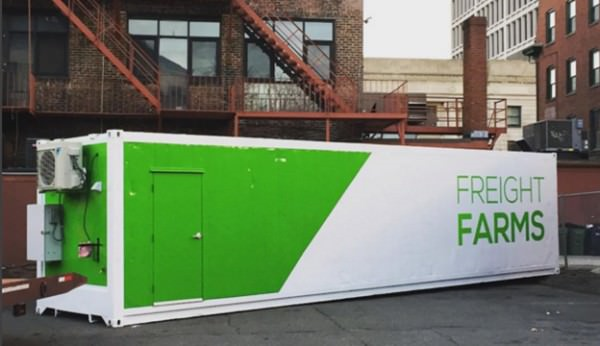
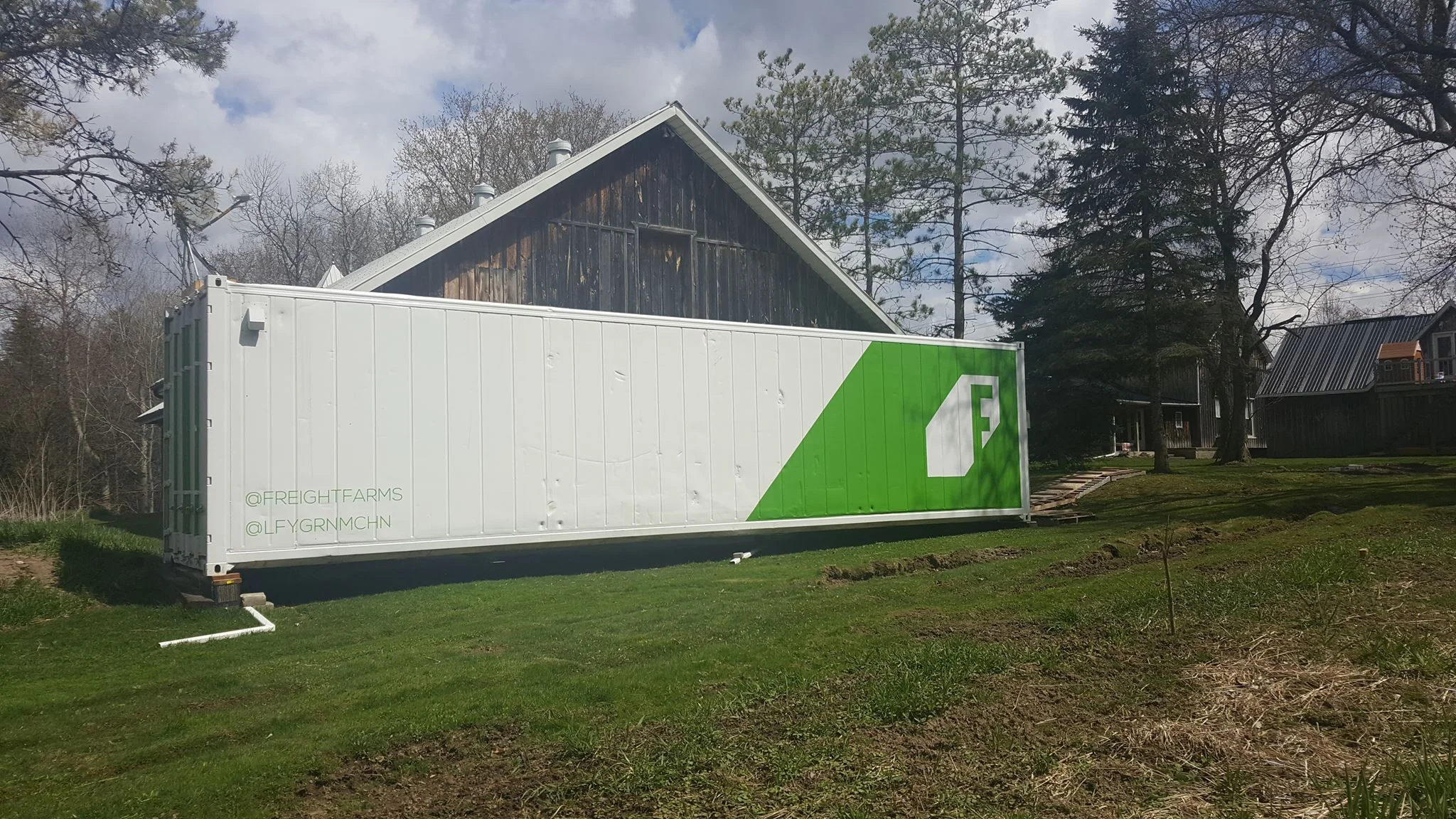
The Leafy Green Machine is a complete hydroponic growing system built entirely inside a shipping container with all the components needed for commercial food production. The system is designed and engineered for easy operation, allowing users of all backgrounds to immediately start growing.
Current Uses
• Perfect for starting a small produce business, growing for restaurants or supplementing existing produce production.
• Restauranter who wants to grow custom greens for rotating menus 365 days a year. Farm to Table? How about Parking Lot to Table!
• Universities and schools have created programs for students to learn to grow while supplementing dining facilities with fresh greens.
The Highest Standard in Controlled Environment Agriculture
• Pre-built system designed to maximize operational efficiency and streamline workflow
• Perfect environment is achievable 365 days a year, regardless of geographic location
• Automated scheduling reduces the amount of labor required to operate
• Remote monitoring & control capabilities through the Farmhand AppTM
Operation Requirements
Space- The LGM dimensions are 40’ x 8’ x 9.5’. We suggest putting the farm on either trap rock or a concrete pad.
Electrical- 60 amp, 120/240-volt single phase or 120/208V three phase connection.
Water- A designated water source is suggested such as a garden hose or hardline water plumbing.
Labor- 15 to 20 hours a week for farming and upkeep.
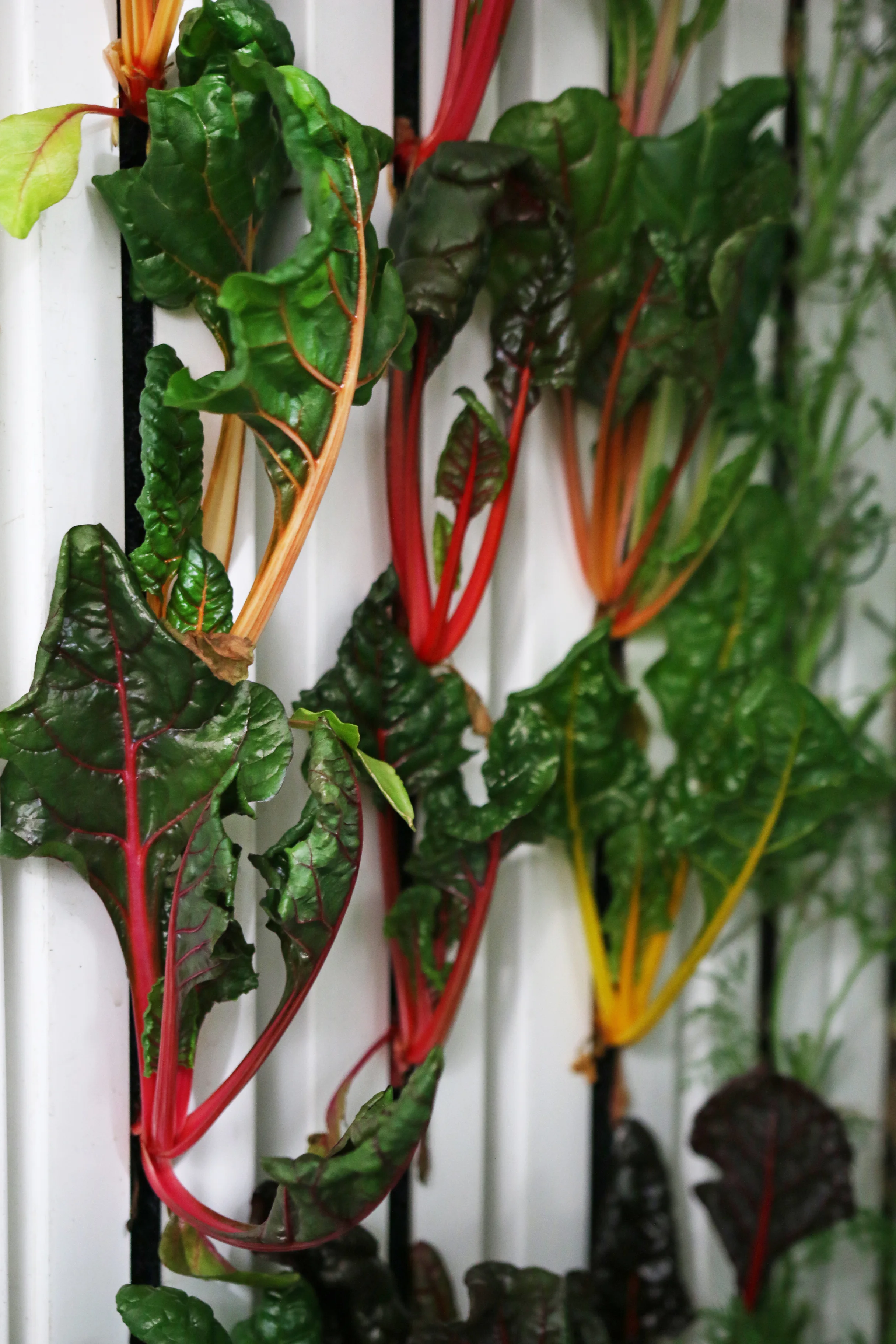
It is recommended growing smaller compact crops with a high turnover rate, like head and loose leaf lettuces, herbs and heartier greens like kale and swiss chard.
Crop Examples
Butterhead lettuce, Oakleaf lettuce, Swiss Chard, Mustard Greens, Cabbage Leaves, Arugula, Cilantro, Mint, Dill, Oregano, Kale, Endive, Basil, Chives and Thyme
Yields
800+ heads of lettuce weekly
12 heads per tower (256 vertical towers)
1 LGM= 1.8 acres
Numerous additional extras included.
Numerous warranties still in effect
Training, website and ongoing support available through Freight Farms.
Visit Freight Farms (Website) for more information.
1. ALL-WEATHER CONSTRUCTION
Steel frame with stainless interior, 40' x 8' x 9.6' overall footprint.
2. AUTOMATIC DOSING
Programmable nutrient & pH dosing for perfect growing conditions.
3. CUSTOM WORKBENCH
TIG-welded stainless workbench with integrated seedling growth stage.
4. COMMERCIAL VOLUME
Thousands of growing sites across 256 irrigated vertical towers.
5. HIGH-EFFICIENCY LED ARRAY
5:1 red/blue LED lighting optimized for green leafy growth.
6. INSULATED ENTRY
Padlock-proof safety door with controlled-environment insulation.
Product Booklet
All information is from sources deemed reliable but is subject to errors, omissions, changes in price, prior sale or withdrawal without notice.
No representation is made as to the accuracy of any description.
All measurements, yields and square footages are approximate and all information should be confirmed by the customer.
Disclaimer of Warranty - The 2016 Freight Farms LGM hydroponic farming container is being sold “as is” and the Seller disclaims all warranties of quality, whether express or implied, including the warranties of merchantability and fitness for a particular purpose.

CubicFarm Systems Announces Global Reseller Agreement With Groviv With Minimum Sales Threshold of 200 Machines
The new partnership significantly expands CubicFarms’ machine sales pipeline into strategic international markets
New partnership significantly expands CubicFarms’ machine sales pipeline into strategic international markets
Vancouver, BC – (AccessWire – November 6, 2019) – CubicFarm® Systems Corp. (TSXV: CUB) (“CubicFarms” or the “Company”) is pleased to announce that it has entered into a global Reseller Agreement (the “Agreement”) with Groviv, a leader in the science and technology of controlled-environment agriculture (CEA). Groviv, a division of Nu Skin Enterprises – a minority investor in CubicFarms – will lead global sales for CubicFarms and has appointed Joe Huston, its Vice President of Business Development to direct the effort. Mr. Huston has extensive retail sales and distribution experience, working with brands such as Walmart, Kroger and Costco.
The authorized Reseller Agreement, while global in nature, will be focused initially on the sales of vegetable-growing machines in key territories such as China, the Middle East, and other strategic areas. The Agreement complements CubicFarms’ own sales and marketing efforts for its machines. CubicFarms is also focused on growing machine sales in its other verticals – animal feed, hemp/cannabis, and nutraceutical ingredients – through its own sales pipeline or in partnership with other resellers.
In January 2019, CubicFarms signed a binding term sheet with Nu Skin to work together in the long term to market and sell CubicFarms systems in China. This Reseller Agreement expands upon CubicFarms’ relationship with Nu Skin to allow its Groviv division to act as an exclusive, authorized reseller globally, with the provision that Groviv fulfills a minimum semi-annual sales threshold of 60 and 140 CubicFarms growing machines by June 30, 2020 and December 31, 2020, respectively.
“The expansion of the China binding term sheet to this global Reseller Agreement is a testament to Nu Skin and Groviv’s confidence in CubicFarms’ patented technology. We are excited to work with Joe and his team to bring the best automated vertical farming technology to China, the Middle East and other strategic areas where population growth, water, soil and farmland challenges present a huge need for high-value leafy vegetables, herbs and other crops,” said Dave Dinesen, Chief Executive Officer of CubicFarms.
“Joe and the rest of the Groviv team have already established relationships with key growers, customers and partners worldwide, resulting in a significant sales pipeline. Joe’s leadership experience in building businesses and driving revenue, coupled with his deep experience operating in China, are an enormous boon to our partnership.”
Steve Lindsley, President of Groviv, stated: “We are excited to combine both our sales and marketing expertise with CubicFarms. Together we have the science, technology and experience to provide sustainable solutions that will grow safe, clean and nutritious fresh produce around the world.”
Neither the TSX Venture Exchange nor its Regulation Services Provider (as that term is defined in the policies of the TSX Venture Exchange) accepts responsibility for the adequacy or accuracy of this release.
About CubicFarm® Systems Corp.
CubicFarm® Systems Corp. (“CubicFarms”) is an ag-tech company commercializing large scale, vertical farming solutions for global industrial markets. Founded in 2015, the Company’s mission is to provide industries around the world with efficient growing systems capable of producing predictable crop yields. CubicFarms offers turnkey, commercial scale, hydroponic, automated vertical farm growing systems that can grow predictably and sustainably for 12 months of the year virtually anywhere on earth. CubicFarms enables its customers in the fresh produce, animal feed, nutraceutical, and hemp/cannabis industries to grow locally and to provide their markets with safe, sustainable, secure and fresh ingredients that are consistent in colour, size, taste, nutrition and allows for a longer shelf life. Further support and value is provided to customers through the Company’s patent-pending germination technology and proprietary auto harvesting and processing methods.
Using its unique, undulating growing system, the Company addresses the main challenges within the indoor farming industry by significantly reducing the need for physical labour and energy, and maximizing yield per cubic foot. The Company has sold and installed systems in Canada and the US, and is currently negotiating with a global pipeline of prospective customers. It also operates one wholly owned facility in Pitt Meadows, British Columbia, and sells its produce in the province to retail and wholesale customers under the brand name Thriiv Local Garden™.
Information contact
Kimberly Lim
kimberly@cubicfarms.com
Phone: +1-236-858-6491
www.cubicfarms.com
Cautionary statement on forward-looking information
Certain statements in this release constitute "forward-looking statements" or "forward-looking information" within the meaning of applicable securities laws, including, without limitation, statements with respect to Groviv, a division of Nu Skin Enterprises – a minority investor in CubicFarms – will lead global sales for CubicFarms; and the authorized Reseller Agreement, while global in nature, will be focused initially on the sales of vegetable-growing machines in key territories such as China, the Middle East and other strategic areas. Such statements involve known and unknown risks, uncertainties, and other factors which may cause the actual results, performance, or achievements of CubicFarm Systems Corp., or industry results, to be materially different from any future results, performance, or achievements expressed or implied by such forward-looking statements or information. Such statements can be identified by the use of words such as "may", "would", "could", "will", "intend", "expect", "believe", "plan", "anticipate", "estimate", "scheduled", "forecast", "predict", and other similar terminology, or state that certain actions, events, or results "may", "could", "would", "might", or "will" be taken, occur, or be achieved.
These statements reflect the company's current expectations regarding future events, performance, and results and speak only as of the date of this news release. Consequently, there can be no assurances that such statements will prove to be accurate and actual results and future events could differ materially from those anticipated in such statements. Except as required by securities disclosure laws and regulations applicable to the company, the company undertakes no obligation to update these forward-looking statements if the company's expectations regarding future events, performance, or results change.

UK: Vertical Farming Now Aiding Beer Brewing
For vertical farmers, the question of “what can we do with all of this excess heat from the LED lights?” is a reoccurring question. One firm in the Midlands decided to put their thinking caps on and come up with a solution when posed with that exact dilemma
For vertical farmers, the question of “what can we do with all of this excess heat from the LED lights?” is a reoccurring question. One firm in the Midlands decided to put their thinking caps on and come up with a solution when posed with that exact dilemma.
In a bid to take more eco-friendly steps, the firm Astwood Group, formed a business idea, making expert use of all of that wasted heat.
Enter Lab Culture, a microbrewery based in the Midlands, UK. An idea born from a team brainstorm at the pub (we recognize the irony), that boasts a range of beers brewed directly from their neighboring vertical farm, Vertivore.
Read the full article at Urban Ag News
Publication date: Fri 8 Nov 2019

US: Texas Schools Tap Container Farms To Fill Cafeterias With Fresh Produce
Texas schools are using refrigerated freight containers converted into hydroponic farms as an extension of the classroom. At IDEA charter schools, students learn how to grow leafy greens and other vegetables, and deliver their harvests directly to the school cafeteria
Texas students are getting hands-on, high-tech experience growing fresh produce inside converted shipping containers. Photo: Freight Farms
by Eric Galatas
SAN ANTONIO, Texas – Texas schools are using refrigerated freight containers converted into hydroponic farms as an extension of the classroom. At IDEA charter schools, students learn how to grow leafy greens and other vegetables, and deliver their harvests directly to the school cafeteria.
Caroline Katsiroubas – director of community relations at Freight Farms, the company that developed the technology – says schools are using the farms in part to shift traditional food culture and improve health by giving students nutritious options.
“In the San Antonio IDEA school’s campus, they don’t use salt or pepper in their cafeteria,” says Katsiroubas. “And they’re growing herbs specifically in their farm to make a seasoning.”
The University of North Texas also is using the container farms as a lab for a wide range of hands-on learning opportunities in biology, organic chemistry, nutrition, and culinary arts, as well as business, computer science, and marketing.
Many schools have developed certificate programs and majors around sustainable food production, which gives graduates a leg up on joining the growing ag-tech field or starting their own farm.
Because the climate is controlled inside the container, food can be grown all school year long with a predictable commercial-scale output. Greenery units can support 13,000 plants at a time, producing harvests of up to 900 heads of lettuce per week.
Katsiroubas says the technology is useful in a state such as Texas and notes Houston freight farmers played a critical role in providing food during Hurricane Harvey.
“These container farms act as a way to control the food supply chain, and make it resistant to shocks like extreme weather patterns or hurricanes or drought,” says Katsiroubas.
Katsiroubas says the container farms also are helping lower schools’ overall carbon footprint. Harvests happen just steps from the dining hall, which all but eliminates transportation emissions and packaging.
She says the farms use 99% less water than a traditional farm, running with as little as five gallons per day, less than the average dishwasher.
Did you like this? Share it:
Written by: admin on November 8, 2019.