

Welcome to iGrow News, Your Source for the World of Indoor Vertical Farming
Vertical Farming’s Sky-High Ambitions Cut Short By EU
Startups argue tough rules are blocking innovation in a sector that shares Brussels’ green goals
01-02-2021 | Politico
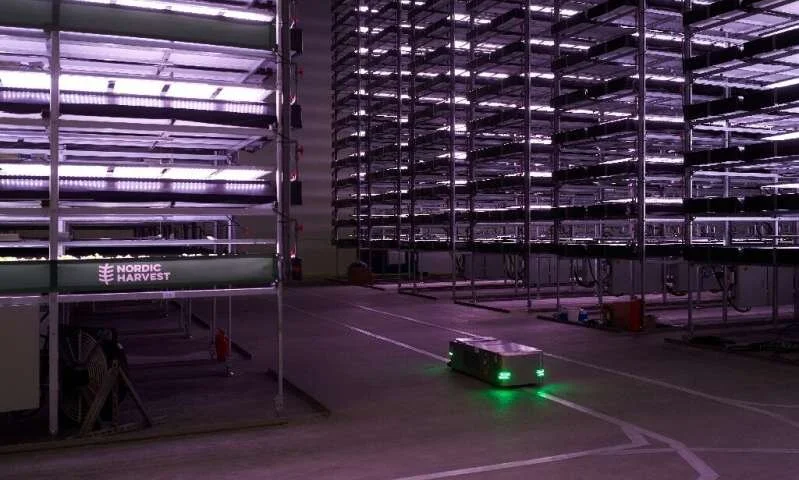
Startups argue tough rules are blocking innovation in a sector that shares Brussels’ green goals. Anders Riemann's indoor farm in the suburbs of Copenhagen is pesticide-free, chemical fertilizer-free, and promises not to emit any greenhouse gases into the environment. Indeed, his type of vertical farm — with greens stacked 14 levels deep — is often hailed as the future of food production in parts of the world where affordable farmland is scarce.
But under the EU’s strict rules, his company Nordic Harvest won’t be able to label its products as organic, which is precisely the premium market that eco-friendly vertical farmers want to sell into.
Supporters of more sustainable agriculture have high hopes of vertical farms not only because they save space but also because they often incorporate technology to save water and energy.
Vertical farms also work with hydroponic planting, which uses mineral nutrient solutions instead of soil. And it's the soil that's the problem, when it comes to being organic. EU regulation demands soil — which hydroponic production lacks by definition — as a feature of organic farming, meaning Nordic Harvest won't be able to use the term on labels when it begins deliveries of its produce next month.
“It’s ridiculous," said Riemann, the chief executive of Nordic Harvest, which is Europe’s largest vertical farm operation and recently raised 62 million Danish Kroner (€8.3 million) in its first investment round. "The EU regulation [has] slightly blocked our innovation by defining organic as being only produced in soil.”
That could make it harder for Nordic Harvest and a growing number of similar vertical farm startups to signal to shoppers their sustainable philosophy at a time when the EU is aiming to promote such green principles under its Farm to Fork food strategy.
Nordic Harvest plans to grow 1,000 metric tons of spinach, rucola, basil, mint, and coriander each year, powered by 100 percent certified wind energy. Riemann said that growing the same amount of produce using traditional farm practices would entail 467 hectares of land — land which Riemann said could be better put toward removing and storing carbon from the atmosphere.
Moreover, the former investment banker claims that vertical farming's potential is so great that it could cover all of Denmark’s salad and herb needs with just 20 urban farms.
An EU official said “organic plant production is based on nourishing the plants primarily through the soil ecosystem,” which means “plants should be produced on and in living soil in connection with the subsoil and bedrock. This is a fundamental principle of organic production.”
Consequently, “vertical farming based on hydroponic production does not comply with the rules on organic production,” the official added.
The EU isn't alone in its strict definition of tying organic labels to soil requirements, and the U.S. is one of the few outlier countries where hydroponic production can be considered organic if producers comply with other criteria. Some in the traditional organic industry, which is already struggling to carve out a niche for its own more established and often costlier green practices, argue hydroponics don't capture the spirit of the movement as it's not directly rooted in the ecosystem.
Eric Gall, deputy director of the organic farm trade association IFOAM Organics Europe, said that calling something organic obliges the producer to follow certain rules regarding soil.
“It doesn’t mean vertical farming is not good — it’s probably great — but it can’t be called organic,” Gall said. “It’s not a matter of discrimination but of having clear principles to decide what is and what is not organic.”
Nordic Harvest now plans to use its own labels with phrases like “Where are my pesticides?” But when a nominally organic apple can be flown from New Zealand to Denmark and receive an instantly recognizable eco-label, Riemann says the EU’s organic rules are “cheating the consumer.”
Despite such limitations, Nordic Harvest aims to push ahead with plans for expansion across Scandinavia and to start growing strawberries and blueberries in Denmark by 2024.
Still, new EU public procurement rules that are supposed to bolster demand for organic foods as part of the Farm to Fork strategy may further dent the upstart sector's share in the eco-conscious market.
“It definitely discriminates against vertical farming,” Riemann said. “But nobody thought about it before vertical farming was established.”
Photo: A robot, used to plant seeds and check the plants while growing, moves past vertical racks at the vertical plant farm 'Nordic Harvest'. Credit: AFP
Source: Politico

VIDEO: Kentucky Greenhouse Company AppHarvest Goes Public On Nasdaq As It Prepares To Grow
AppHarvest has estimated it will generate net revenue of $21 million in 2021. The company is expected to produce 45 million pounds of tomatoes annually. AppHarvest employs 300 Eastern Kentuckians
FEBRUARY 03, 2021
AppHarvest has estimated it will generate net revenue of $21 million in 2021.
The company is expected to produce 45 million pounds of tomatoes annually. AppHarvest employs 300 Eastern Kentuckians.
David Wicks, Nasdaq’s vice president of new listings, said he was “incredibly proud to be your partner and look forward to supporting your innovation as a NASDAQ listing company” in a video message Monday.
Founder and CEO Jonathan Webb eats an AppHarvest tomato in a video message displayed in Times Square on Monday.
Two weeks ago, AppHarvest shipped its first bundle of tomatoes from its flagship location in Morehead.
“All this noise that is happening around us — listing on the Nasdaq and being shown in Times Square, selling our tomatoes to the largest grocers in the U.S. — all that is resonating back on the ground inside of our facility where our employees are feeling the positive impact of the work we’re all doing together,” Webb said.
The beefsteak tomatoes are selling out at grocers around the country.
“We can’t grow fast enough,” he said. “Our tomatoes are hitting store shelves and flying off the store shelves. It’s not just Kentucky, it’s everywhere from Indiana, all the way down to Florida.”
Webb said the company’s job now is to build faster and grow more vegetables to get on store shelves.
The company continues to look throughout Eastern Kentucky for building sites, Webb said, but there are challenges.


“We just have to find a place to build,” he said. “We have the capital. We want to build there, but building on these reclaimed coal mine sites are incredibly challenging and very expensive to try to make work. We would love to be there.”
The first greenhouse was originally planned for Pikeville, but AppHarvest said the site, a reclaimed strip mine, was not feasible for construction. After about two years of delays, AppHarvest announced its decision to relocate to a 350-acre parcel about two miles off I-64 near the Sharkey community of Rowan County.
Webb said they continue to invest in Pike County with a container farm at Shelby Valley High School. AppHarvest has two other farms at schools in Rowan and Breathitt counties.
The company aims to have 12 facilities growing and supplying fruits and vegetables by 2025. AppHarvest already announced a Berea facility to grow leafy greens and a Richmond facility to grow vine crops.
“One massive impact of 12 facilities is we’re going to have hundreds of millions of pounds of fresh fruits and vegetables pouring out of our region,” Webb said. “Not only the economic benefits of that, but the health benefits are tremendous. We’re in a situation where not many companies can say they feel incredibly proud of the product they produce and we do that.”
The first AppHarvest tomatoes will be in grocery stores by Wednesday, Jan. 20, 2021.
Photos: COURTESY OF APPHARVEST
Liz Moomey is a Reporter for America Corps member covering Eastern Kentucky for the Lexington Herald-Leader. She is based in Pikeville.

Women In Agribusiness Announces WIA Europe, New Career Board And Meet Ups
Building off its successful 2020 virtual Women in Agribusiness (WIA) events, U.S.-based HighQuest Group has announced the lineup of events for 2021, starting with the Women in Agribusiness Summit Europe virtual conference on 8-10 March 2021
BOSTON, 2021 – Building off its successful 2020 virtual Women in Agribusiness (WIA) events, U.S.-based HighQuest Group has announced the lineup of events for 2021, starting with the Women in Agribusiness Summit Europe virtual conference on 8-10 March 2021.
The three-day virtual event, with live content from exceptional speakers, will continue the year-round agribusiness conversation among the Women in Agribusiness (WIA) community, which is thousands strong and growing each day. The Summit will include two virtual tours, an integrated platform that is the portal to knowledge and networking, and the promise of connecting with speakers and attendees from several countries.
The agenda includes discussions on how upstream agriculture in the EU can be made more sustainable, opportunities in plant-based foods, supply chain challenges and possibilities, and a special two-hour strategic networking workshop. Speakers include Jaine Chisholm Caunt, director general of GAFTA; Geraldine Kutas, director general, European Crop Protection Association; and Dorothy Dalton, CEO of 3Plus International Ltd. Registration is now open, along with the chance to take a peek at the 2020 U.S. event to learn more about the conference.
“If the last year has shown anything, it is that staying connected is imperative to advancing your business,” said Joy O’Shaughnessy, event director and chief operating officer of HighQuest Group, the parent company of Women in Agribusiness. “Our commitment in providing networking opportunities to nurture and expand, as well as the knowledge and know-how to stay relevant, has not waivered during a year of unknowns, and we are grateful to continue to service the WIA community.”
Along those lines, WIA announced the start of its European WIA Meet Up dates for 2021. WIA Meet Ups are a night of networking from the comfort of one’s own home, while making new contacts and building new business relationships.
Admission is free to WIA members (US$10 for non-members), and one can join and register here: womeninag.com/membership.
2021 Virtual WIA Meet Up – Europe
· Thursday, 14 January – 6 p.m. CET
· Thursday, 11 February – 6 p.m. CET
Connect With Opportunity
In keeping with opening new doors within the ag sector, Women in Agribusiness has introduced the WIA Career Connector. The multi-tiered website offers opportunities for both employers and job seekers in its goal to connect talent with opportunity. Visitors to the site – careers.womeninag.com – can post new jobs, examine featured jobs, search by candidate, and get assistance with resume creation, job interview skills and much more. The world’s largest food and ag companies are already using the WIA Career Connector, and its contents will be freely shared with the WIA community of over 10,000.
Visit womeninag.com to make plans now to join the burgeoning WIA community in 2021. Also visit us @Womeninagri, on Facebook and LinkedIn.
# # #
About Women in Agribusiness
The annual Women in Agribusiness Summit in the U.S., which started in 2012, is renowned for annually convening close to 1,000 of the country’s female agribusiness decision-makers, with 30 percent at the CEO/executive level and another 25 percent at department management level. Women in Agribusiness Summit Europe debuted in Barcelona, Spain, in February 2015, which was praised by an executive in attendance for being “a solutions-oriented event that also brought up current trends in the market” and “a uniquely-focused agricultural event for women”.
WIA initiatives have grown to include the WIA Membership, WIA Demeter Award of Excellence, Scholarships, and the WIA Today blog. Learn more at womeninag.com.

AppHarvest Makes Initial Donation of 2,500 Pounds of Tomatoes To God’s Pantry Food Bank
AgTech leader AppHarvest today announced it has delivered 2,500 pounds of Beefsteak tomatoes from its first harvest this week to God's Pantry Food Bank, which will distribute them to those in need
Company designated portion of the first harvest of fresh, sustainably grown tomatoes to feed Kentuckians in need
JANUARY 22, 2021 — MOREHEAD, KY — AgTech leader AppHarvest today announced it has delivered 2,500 pounds of Beefsteak tomatoes from its first harvest this week to God's Pantry Food Bank, which will distribute them to those in need.
Through its 400-plus distribution partners, God’s Pantry Food Bank provides food to residents of 50 Kentucky counties, focused on Eastern and Central Kentucky. The organization, which operates a distribution center in Morehead — the home of AppHarvest’s 60-acre indoor farm — distributed nearly 14 million pounds of fresh fruits and veggies and more than 41 million pounds of food overall during its most recent fiscal year.
“The faith and grit of Eastern Kentuckians has built one of the world’s largest high-tech greenhouses, and we appreciate the opportunity to share what we’re growing with those in need as we all work to create a resilient food system,” said AppHarvest Founder & CEO Jonathan Webb in delivering the donated tomatoes on Friday. “We’re working to create America’s AgTech capital here in Appalachia to provide affordable, nutritious, and delicious fruits and veggies that will help reduce hunger and food deserts.”
“God’s Pantry Food Bank is thrilled to engage with AppHarvest to nourish more lives through sustainable agriculture,” said CEO Michael Halligan. “There are more than 250,000 kids, adults, and seniors across Central and Eastern Kentucky who are not sure when they might have their next meal. Imagine the impact of now having a sandwich with a fresh, Kentucky-grown slice of tomato on the top.”
The donation is one of many steps AppHarvest is taking to address America’s food crisis. In Kentucky alone, 20 percent of children and nearly 15 percent of adults experience food insecurity.1 Nationally, the U.S. Centers for Disease Control and Prevention has found only one in 10 adults eat enough fruits and veggies.2
By building closer to consumers, AppHarvest provides fresher fruits and vegetables at affordable prices. The company is also focused on helping students grow their own food through its high-tech educational container farm program. Started in 2018 prior to the company’s operations commencing at its indoor farm in Morehead, the program retrofits shipping containers with high-tech farming equipment to teach students to grow healthy leafy greens. The program started at Shelby Valley High School in Pike County and has since expanded to Rowan and Breathitt counties, with additional units planned. AppHarvest also recently partnered with Save the Children to provide more than 1,600 leafy green growing kits to Kentucky kids in need.
1 Feeding America
2 U.S. Centers for Disease Control and Prevention
“AppHarvest was founded as a benefit corporation and has also been certified as a B Corp by the independent non-profit B Lab, because we believe companies should be in the business of doing good,” said Amy Samples, AppHarvest’s Director of Community Outreach and People Programs. “We’re building America’s AgTech capital from within Appalachia and know that education is core to achieving that.”
Shipments from AppHarvest’s first harvest this week are now available at select national retailers such as Kroger, Publix, Walmart, Food City, and Meijer. The company’s Morehead facility alone is expected to produce about 45 million pounds of tomatoes annually from about 720,000 tomato plants, a mix of Beefsteak and “Tomatoes on the Vine.”
AppHarvest has two more facilities under construction—a similar 60-plus acre facility outside Richmond, Ky., and a 15-acre facility to grow leafy greens in Berea, Ky. AppHarvest also is planning for more facilities across Kentucky and Central Appalachia, with the goal of 12 total farms by the end of 2025.
About AppHarvest
AppHarvest is an applied technology company building some of the world’s largest indoor farms in Appalachia. The Company combines conventional agricultural techniques with cutting-edge technology and is addressing key issues including improving access for all to nutritious food, farming more sustainably, building a home-grown food supply, and increasing investment in Appalachia. The Company’s 60-acre Morehead, KY facility is among the largest indoor farms in the U.S. For more information, visit https://www.appharvest.com/.
Forward-Looking Statements
Certain statements included in this press release that are not historical facts are forward-looking statements for purposes of the safe harbor provisions under the United States Private Securities Litigation Reform Act of 1995. Forward-looking statements generally are accompanied by words such as “believe,” “may,” “will,” “estimate,” “continue,” “anticipate,” “intend,” “expect,” “should,” “would,” “plan,” “predict,” “potential,” “seem,” “seek,” “future,” “outlook,” and similar expressions that predict or indicate future events or trends or that are not statements of historical matters. All statements, other than statements of present or historical fact included in this press release, regarding Novus Capital’s proposed acquisition of AppHarvest, Novus Capital’s ability to consummate the transaction, the benefits of the transaction and the combined company’s future financial performance, as well as the combined company’s growth plans and strategy, future operations, estimated financial position, estimated revenues and losses, projected costs, prospects, plans and objectives of management are forward-looking statements. These statements are based on various assumptions, whether or not identified in this press release, and on the current expectations of AppHarvest’s management and are not predictions of actual performance. These forward-looking statements are provided for illustrative purposes only and are not intended to serve as, and must not be relied on as, a guarantee, an assurance, a prediction, or a definitive statement of fact or probability. Actual events and circumstances are difficult or impossible to predict and will differ from assumptions. Many actual events and circumstances are beyond the control of AppHarvest. These forward-looking statements are subject to a number of risks and uncertainties, including those discussed in Novus Capital’s registration statement on Form S-4, filed with the SEC on October 9, 2020 (the “Registration Statement”), under the heading “Risk Factors,” and other documents Novus Capital has filed, or will file, with the SEC. If any of these risks materialize or our assumptions prove incorrect, actual results could differ materially from the results implied by these forward-looking statements. In addition, forward-looking statements reflect AppHarvest’s expectations, plans, or forecasts of future events and views as of the date of this press release. AppHarvest anticipates that subsequent events and developments will cause its assessments to change. However, while AppHarvest may elect to update these forward-looking statements at some point in the future, AppHarvest specifically disclaims any obligation to do so. These forward-looking statements should not be relied upon as representing AppHarvest’s assessments of any date subsequent to the date of this press release. Accordingly, undue reliance should not be placed upon the forward-looking statements.

Emerging Needs In Vertical Farming And Cannabis Cultivation
The development of vertical farming will continue considerably in the coming years, according to Montel Inc.. With the company’s Vertical Farming Systems Montel expects a very high volume of new projects in both food and cannabis. “COVID-19 has only increased the need to grow locally and inside cities”, says Yves Bélanger, VP Sales Vertical Farming Market International
15 January 2021
Jacco Strating
Yves Bélanger of Montel Inc. believes that COVID-19 has only increased the need to grow locally and inside cities. He speaks about why the development of vertical farming will continue considerably in the coming years.
The development of vertical farming will continue considerably in the coming years, according to Montel Inc.. With the company’s Vertical Farming Systems Montel expects a very high volume of new projects in both food and cannabis. “COVID-19 has only increased the need to grow locally and inside cities”, says Yves Bélanger, VP Sales Vertical Farming Market International.
Established in 1924, Montel pioneered high-density mobile storage systems providing cost-efficient storage solutions using less space and established a global network of authorized Montel distributors. Montel's achievements include some of the most prestigious projects in North America and around the world. “Prior to becoming North America's leading manufacturer of mobile systems, we had acquired nearly 40 years' experience in the electrical industry, including extensive involvement in the construction of generating stations and power grids for major world-leading hydroelectricity plants. This explains our expertise and the exceptional quality of our electrical mobile systems”, says Bélanger.
Inventive ways to feed the world
Before the crisis, it was already accepted as a general consensus that we are facing a complex challenge: we will need inventive ways to feed to growing population but the potential and land availability for cultivation has almost reached its maximum capacity. Also rising before the crisis was the global trend of growing locally due to a variety of factors or needs: in regions in which climate is a challenge, in remote areas, where there is water or soil rarity, aiming at lowering the carbon footprint, increasing product short shelf life, cutting down on transportation, etc. “In the long term, we feel that the current crisis will accelerate tremendously and definitely crystallize the need to grow locally and/or inside cities and the need to grow in a controlled cleanroom environment which will result in a higher demand for our product and a growth in our sector”, says Bélanger. “With its mobile carriages, the Greenrak Integrated Vertical Indoor Farming Solution is the ideal response to the current situation allowing both to increase yield while reducing the required surface by eliminating space wasting.
Customers increasingly have groceries delivered directly to their homes seems to be also an underlying trend rising from this crisis and in the long term, this may also play a role in creating a higher demand for our high-density cold storage solutions.”
Montel’s Greenrak and Grow&Roll systems were developed specifically for growing applications. Greenrak mobile system is lightweight, rust-resistant, and simple in design which allows for easy installation, use, and maintenance. Grow&Roll mobile system is the heavy-duty version of Greenrak and can withstand a weight of 3630 kg. Growrak was engineered to free up space between frames at each level providing plenty of clearance for better airflow, ventilation system ducts, lighting fixtures, and enough spacing for oversize trays to pass through between frames.
High yield hydroponic vertical farms
“Given the fact that Montel's Vertical Farming systems have been implemented in numerous indoor high yield hydroponic vertical farms that utilize cleanroom technologies and automation as well as many medical or recreational cannabis facilities around the world, we feel our expertise will benefit this growing sector. We are expecting a very high volume of projects that will require Integrated Vertical Farming Solutions. Our experience and knowledge allows us to rapidly assist the emerging needs in vertical farming and medical or recreational cannabis cultivation. By extension, we also foresee an increasing demand in the Cannabis Dispensaries market for our Light-duty drawer cabinet. We also expect a possible higher demand for our High-Density Cold Storage Solutions for the grocery delivery market and Buy Online, Pickup In-Store (BOPIS) market.”
Tags: Vegetables, Medicinal cannabis

Elevated Vertical Farming: Vaisala Sensors And The Story of Fifth Season
“When you don’t have to worry about outdoor conditions, you have the benefit of going vertical. We can grow plants year-round in urban areas close to the dense part of a city,” said Fifth Season Cofounder and CTO/COO Brac Webb
Vertical farming is looking up – quite literally. No sun, no soil, no vast expanse of land? No problem. At least not for indoor vertical farming company Fifth Season.
“When you don’t have to worry about outdoor conditions, you have the benefit of going vertical. We can grow plants year-round in urban areas close to the dense part of a city,” said Fifth Season Co-founder and CTO/COO Brac Webb
Every minute, we’re collecting Vaisala sensor data to measure and maintain the conditions most important for plant growth and using that information to build something special.
-Brac Webb, Fifth SeasonUsing a sophisticated mix of artificial intelligence (AI), sensors, data modeling and robotics, Fifth Season’s technology tends to each plant’s individual needs at high levels of efficiency and precision. But sensors and their data play the most pivotal role. “The plants are telling us exactly what they want. We just have to adjust to that,’ said Webb. “Every minute, we’re collecting Vaisala sensor data to measure and maintain the conditions most important for plant growth and using that information to build something special.”
Background
The story of Fifth Season is very much the story of the American Dream.
The startup began with three friends and entrepreneurs: cofounders Brac Webb, Austin Webb, and Austin Lawrence. Originally founded in 2016 as RoBotany Ltd., the company was incubated at Carnegie Mellon University’s (CMU) Swartz Center for Entrepreneurship.
“We really started as a tech company and looked at the vertical farming problem at first and wondered what we can do to help solve some tech problems there,” Webb said. “Much of our evolution is due to the advances of HVAC sensors and LED lights. We already had the programming. So, we said, heck, let’s just do the whole thing.”
Fifth Season is now a 60,000-square-foot, solar-powered vertical farm in the Pittsburgh borough of Braddock, PA. The company’s 25,000 square-foot grow room is equipped with 40 different robots and has 12 levels with more than 125,000 square feet of production capacity. Compared to conventional produce, which can travel thousands of miles by truck or plane, fresh produce grown in local vertical farms need only travel a few miles to reach consumers. The company produces an assortment of leafy greens, arugula, and spinach as well as ready-to-eat salads that are sold to a local clientele including Giant Eagle and numerous other retailers. They have also launched a Direct-To-Consumer model on their website.
The company uses its small army of 40 robots to streamline almost every aspect of the vertical growing operation, including storage, retrieval, harvesting, integrated pest, and disease management, scouting, seeding, media packaging, and more, according to Webb. Humans are minimally involved in the process, mostly to coordinate the robotic army to execute specific growing recipes or other tasks – which also cuts labor costs from 40% in traditional farms to just 20%.
“We have cutting-edge technology - not using traditional methods, using more of a robotics approach - and a ton of data collection with Vaisala sensors, not only for closed-loop control but also for alerting us to changes in plant growth or the environment,” Webb said.
Industry Overview
Total control of the growing environment – 24/7/365 – in small spaces governed by known and emerging technologies are farming’s oft-cited competitive advantages over other types of farming. Vertical farming also is known for efficient resource management. For example, with its hydroponics approach, growing plants in a solution of water and nutrients, Fifth Season uses 97% less land and up to 95% less water than traditional farming.
Vertical farming attempts to take the uncertainties of agriculture – pests, sunlight, soil, etc. – and makes them controllable through various combinations of AI, artificial light, sensor monitoring, climate control systems, etc. Crops are stacked in layers or rows sometimes 20 to 30 feet high. LED lights are used by all vertical farms to create a specific light recipe for each plant, giving the greens the exact spectrum, intensity, and frequency needed for photosynthesis. LEDs offer several benefits, such as: exceptional color range, longevity, low radiated heat, and energy-efficiency. They can also be recycled and don’t contain any toxic compounds or elements like mercury. Different types of crops prefer different types of lighting. For example, leafy greens and vegetative crops prefer light towards the blue side of the spectrum; whereas fruiting and flowering crops may need something more along the red spectrum.
Vaisala Sensors
The peace of mind factor is huge. You get that from Vaisala.... I never once questioned the reading that I’m getting, or that it will be just as consistent tomorrow.
-Brac Webb, Fifth Season
So, why Vaisala? “The peace of mind factor is huge. You get that from Vaisala. If we have issues with our growing environments, all our plants can die. I mean, it could kill our business,” Webb said. “I never once questioned the reading that I’m getting, or that it will be just as consistent tomorrow. But, more than that, it was also the support we received to quickly integrate your technology into our engineering and get everything up and running fast,” Webb added. In fact, tightly controlling and monitoring light, humidity, CO2, and the temperature is critically important to Fifth Season. So, data, data, data….
“We have, gosh, probably 360 of Vaisala’s HMP110 humidity and temperature probes and 36 GMP252 CO2 probes distributed throughout the entire growing environment. It’s not just about gathering data in real-time. With post-analysis of big data, we can review the growth history of those plants and learn something about them. We may learn, for example, what we thought was the best growing environment for those plants to achieve optimal conditions for taste, quality, and yield isn’t the best after all,” Webb said. “And we can course-correct.”
Future
As the world’s population expands, projected to reach 9 billion by 2050, so too does the amount of fruits and vegetables needed to sustain it. There is only so much farmland to accommodate the increase in fresh food required for life. The U.S. Department of Agriculture, investors, and entrepreneurs alike are acknowledging vertical farming as having the potential to strengthen the global food system. And startups like Fifth Season, backed by significant venture capital, are paving the way to deliver new solutions that efficiently deliver fresh and healthy food to people.
“The more we learn, the more we can improve vertical farming,” Webb said, jokingly adding: “If only we can get to the point that the computer could taste the plant.”
The story of Fifth Season is just beginning.
“We’d like to replicate these hyper-local farms. So, it isn’t just about solving the problems of having fresh produce available in Pittsburgh and making sure we can run it here. This farm is a product that we want to be able to deploy in multiple locations all over the United States, all over the world at some point, you know. That’s our grand vision.”
For Fifth Season and Webb, there’s also an underlying humanitarian goal of vertical farming that transcends business.
“As a person and an engineer, I always like reading about how (US President) Thomas Jefferson thought agriculture and engineering are intertwined: that agriculture is humanity’s first and foremost engineering problem to solve. You’re helping create jobs in that local area and we have seen how important that is to the economy. Thanks to the technology from Vaisala, you can create an environment that is perfect for the plants and help people too.”
For more information, please Contact Us.
Download the complete Customer Story below.
Elevated vertical farming: Vaisala sensors and the story of Fifth Season
Spotlight On AgTech - WIA Meet Up
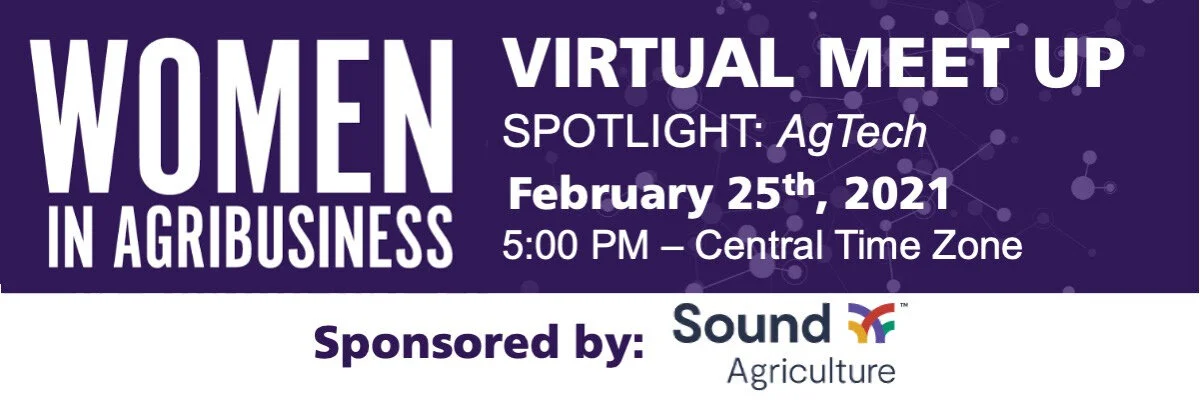
Join us as we break into small networking groups to discuss AgTech, a driving force for more resilient and sustainable food systems
Are you in AgTech development or interested in its future?
Join us as we break into small networking groups to discuss AgTech,
a driving force for more resilient and sustainable food systems.
This topic-driven Meet-Up sponsored by
Sound Agriculture will be held
Tuesday, February 25th, 5:00 PM CST.
Register via our Home Page
Know someone that would benefit from a Meet Up?
Please spread the word.
See you there!
Women in Agribusiness Team
eventinfo@highquestgroup.com

The Philippines: Congress OKs Bill Promoting Urban Agriculture
Benitez headed the technical working group that produced the consolidated bill, which will mainstream vertical farms, indoor farms, and community gardens in cities and urbanizing areas
January 29, 2021
THE House of Representatives approved on second reading, Wednesday, January 27, 2021, House Bill No. 8385, consolidating several bills promoting urban agriculture authored by Third District Representative Francisco Benitez.
Benitez headed the technical working group that produced the consolidated bill, which will mainstream vertical farms, indoor farms, and community gardens in cities and urbanizing areas.
The bill stated that about 2.5-million Filipino families experienced involuntary hunger at least once in the past three months based on the 2019 second-quarter survey of Social Weather Station, of which the higher hunger incidence was recorded in Metro Manila, with 520,000 families experiencing hunger.
According to the Expanded National Nutrition conducted by the Food and Nutrition Research Institute, 53.9 percent of Filipino households are food insecure.
To address this, Benitez said it is imperative to introduce game-changing solutions, increasing production by maximizing available spaces and utilizing emerging agricultural technologies and methods, particularly in urban areas where hunger incidence is prevalent.

The Indoor Farms Disrupting The Produce Industry
If you don't already, chances are you'll soon be eating produce from indoor farms
If you don't already, chances are you'll soon be eating produce from indoor farms. FORWARD GREENS:
Known as 'America's salad bowl,' Yuma County, Arizona grows much of the iceberg lettuce and other leafy greens consumed in the United States. During the winter months, the area grows as much as 90 percent of America's leafy greens. Yet, over the past decade, indoor vertical farms popping up in cities throughout the country have begun to decentralize the produce market. But can they scale enough to provide consumers with local vegetables and even fruits year-round while still being able to compete with the price of conventionally grown produce?
"By remotely monitoring and analyzing the data across our global network of modular farms in real-time, we're not only able to offer a closer, more sustainable alternative to industrial farming, but we're able to improve the way our produce grows to offer a fresher, tastier product year-round," said Emmanuel Evita of Global Communications Director of Infarm which has more than 1200 indoor farms in stores and distribution centers in the United States, Canada, and Europe.
Vertical farms like Washington-based Forward Greens use soilless farming techniques, technology and constant data monitoring to grow their crops. PHOTO: FORWARD GREENS
If you don't already, chances are you'll soon be eating produce from indoor farms. While outdoor farms rely on water, sun, and sometimes luck to produce leafy greens and other produce, most indoor farms use soilless farming techniques, technology, and constant data monitoring to grow their crops.
"We believe that vertical farming will play an instrumental role in the future of local, pesticide-free, sustainable food production year-round in nearly any location in the world," said Hiroki Koga, Co-Founder &CEO of Oishii, which figured out how to vertically farm strawberries, growing the Omakase Berry. "The industry is in its infancy, and over time yields will increase and production costs will decrease. There truly is a roadmap to reaching cost parity with greenhouse and conventional production systems."
There's no doubt that vertical farms will play a role in feeding the growing worldwide population, especially as increasing climate disruptions make outdoor farming more unpredictable. However, much of the indoor farming industry is still trying to figure out the best model, whether that looks like distributed or centralized indoor farms to produce food efficiently and sustainably.
"Where an indoor farm is built is just as important as who it's being built by," Ken Kaneko, the founder of Washington-based Forward Greens. "It requires a consumer that is willing to try new things."
Ken Kaneko got introduced to vertical farming while working at Apple AAPL -3.7%. With a goal of simplifying the indoor farm process to be more affordable and scalable, he launched Forward Greens (then known as West Village Farms) in 2017.
Forward Greens currently provides leafy greens throughout southwest Washington-state and is working to expand to a larger demographic PHOTO: FORWARD GREENS
"When you build smaller farms even multiple farms within a city you can enjoy fresh local produce made in your neighborhood," said Kaneko.
Forward Greens currently provides leafy greens throughout southwest Washington-state and is working to expand to a larger demographic while focusing on making sure all the business fundamentals are accounted for before growing.
"In addition to creating and marketing a product we're also creating a demand for how a product is being made," Kaneko said.
Like Forward Greens, Oishii is currently working to build out its farms to expand to new locations within the US.
"Oishii has set its sights on creating a paradigm shift in indoor vertical farming," Koga.
It may not be long before consumers start to pay attention to and create the demand for specific brands of lettuce or strawberries the way they might for a brand of tomato sauce.
I’m a NY-based freelance writer covering food, technology, and the environment. My work has appeared in Martha Stewart Living, Civil Eats, PBS NewsHour, and more. As the former digital strategy at Edible Brooklyn I worked closely with the Editor-in-Chief to develop editorial content around the magazine’s annual Food Loves Tech event, reporting on urban farms, food waste, and other issues relating to how technology is changing our food system. When not editing, reporting, or writing, you will often find me exploring new places through their food markets, dreaming about the beach, and attempting to wrangle my golden retriever into proper behavior.

Israeli Agritech Company, Vertical Field In UAE Project
Vertical Field develops vertical agricultural farms that enable crops to grow in the city
27 January 2021
Israeli agritech company Vertical Field, which specializes in vertical farming, has signed an agreement with Emirates Smart Solutions & Technologies (ESST) a company that develops innovative agricultural projects in the Persian Gulf, to deploy pilot vertical farms as a first stage to full-scale deployments in the United Arab Emirates.
Vertical Field develops vertical agricultural farms that enable crops to grow in the city. Vertical Field’s technology enables produce to grow on a bed of soil (geoponically) inside repurposed shipping containers. Vertical Field claims that its advanced technologies enable high-quality crops to grow quickly and efficiently in optimum conditions without the use of chemical fertilizers or pesticides. These customizable urban farms can grow a range of fresh crops for supermarkets, restaurants, urban farmer’s markets, and distribution centers. Vertical Field says that its technology is more efficient and less wasteful than conventional agricultural methods, using 90% less water, and growing precise quantities of produce in a controlled environment.
Produce inside Vertical Field’s containers can therefore grow 365 days a year, are not limited to seasonality constraints, weather conditions, extreme climate events, or geographic location. The farms are modular, expandable, and moveable, and can be managed automatically. Produce is grown in a sterile container with minimal human interference. Crops that are currently grown in the farm include: several varieties of lettuce, basil, parsley, kale, mint, and more, which are sold at competitive prices.
Under the UAE agreement, Vertical Field will conduct a pilot project that will ascertain the most suitable crops for the local market. The first stage of the project will be launched in the United Arab Emirates, and is expected to expand into a multimillion-dollar partnership that will include deployments in additional states of the Gulf region. The first farm will be installed in Umm Al Quwain as part of a research, development, and training center, which is expected to support additional projects in the rest of the Gulf states.
According to market research firm Markets and Markets, in 2020, the vertical farming industry reached $2.9 billion, and it is expected to reach $7.3 billion by 2025. Approximately 80% of the agricultural consumption in the Emirates is imported from around the world, equivalent to over $10 billion (2018). The rising costs of shipping food as well as an increased desire for food security and regional independence has played a strong role in the development of the ESST-Vertical Field partnership.
Vertical Field CEO Guy Elitzur said, "This collaborative project is a first-of-its-kind partnership that offers Vertical Field’s innovative agricultural technologies to the Emirates and the Gulf Region. The Makalde Group brings forty years of experience and wide knowledge in the field of agricultural inputs and resources and we bring innovative technology.
"Arid desert regions face many challenges surrounding the production of high-quality agricultural produce at low prices. With the help of various agricultural technologies and new developments we believe that we can successfully align the demands of the market with competitive prices without compromising quality- and most importantly with increased access and availability."
Maher Makalde, CEO and Partner of ESST said, "Our goal is to establish food security that is independent of imports and to develop a high-quality agricultural infrastructure that reaches the retail market."
Published by Globes, Israel business news - en.globes.co.il - on January 27, 2021
© Copyright of Globes Publisher Itonut (1983) Ltd. 2021

FDA: E. coli Outbreak Investigation Closes; No Specific Source Found
Epidemiological and traceback investigations did not determine a specific leafy green, brand, or supplier, but the E. coli strain is genetically related to a strain linked to a fall 2019 outbreak from romaine lettuce

By CHRIS KOGER January 28, 2021
(Courtesy FDA)
An investigation into a fall 2020 outbreak of E. coli linked to leafy greens found cattle manure with the same strain about a mile from a field in California’s Salinas Valley, but the pathogen was not detected on any leafy greens or farms they were grown on.
The Food and Drug Administration released an update on its investigation on the outbreak on Jan. 27, and a full report will be released later. Forty people became sick in the outbreak, and half of them were hospitalized.
“Although the investigation has been unable to identify a specific type of leafy green at the heart of this outbreak, it is clear that this is yet another outbreak tied to leafy greens,” Frank Yiannas, the FDA’s deputy commissioner for food policy and response said in a news release on the agency’s findings.
Epidemiological and traceback investigations did not determine a specific leafy green, brand, or supplier, but the E. coli strain is genetically related to a strain linked to a fall 2019 outbreak from romaine lettuce.
Investigators from the FDA and other agencies visited dozens of farms in the Salinas Valley to collect samples. They also collected samples in adjacent areas, testing animal feces, compost, and water, according to the FDA. The cattle manure that yielded the positive test result was found on a roadside, uphill from where “leafy greens or other food identified on the traceback investigation were grown,” according to the FDA release.
“This finding draws our attention once again to the role that cattle grazing on agricultural lands near leafy greens fields could have on increasing the risk of produce contamination, where contamination could be spread by water, wind or other means,” Yiannas said in the release.
The FDA continues to recommend that growers assess and mitigate risks from areas adjacent to their fields, particularly in the vicinity of cattle operations, he said. That is a specific goal of the FDA’s Leafy Greens Action Plan, released in March, he said.
Yiannas said the FDA’s final report on the outbreak will include recommendations “shaped by these findings.”

$1.8 Million Dollar Alaska Micro-Grant Opportunity
Both individuals and organizations can apply; the definition is very broad: all individuals, Indian Tribes or tribal organizations, non-profit organizations, and federally funded educational facilities in the State of Alaska
State of Alaska, Division of Agriculture
Micro-Grants For Food Security 2021
Important: February 15th Scoping Pre-Application Deadline
There is a two-step process to apply:
1) Submit a simple, two-page application by the February 15th deadline.
2) Applications meeting the criteria, will be notified to submit a full proposal.
More Details and Dates
The Department of Natural Resources Division of Agriculture has complete Micro-Grants for Food Security information.
February 15: The simple two-page Scoping Pre-Application is due.
Grant Award Scoping Applications and Full Applications are to be submitted to dnr.ag.grants@alaska.gov or by mail at Division of Agriculture, Attn: Grants Coordinator, 1801 S. Margaret Drive, Palmer, Alaska 99645.
March 1, 2021: Notification of selection for full proposal submissions. Qualified, unfunded applications will be given priority in 2022.
April (TBD), 2021 - Announcement of final awards
Overview
Alaskans have a huge opportunity to increase their food security and resilience through a $1.8 million dollar mini-grant offered through the State of Alaska Division of Agriculture in 2021.
VH Hydroponics is offering guidance and estimates for interested clients who would like to apply. Email iinfo@vhhydroponics.com or (907) 782-4420.
Who Can Apply?
Both individuals and organizations can apply; the definition is very broad: all individuals, Indian Tribes or tribal organizations, non-profit organizations, and federally funded educational facilities in the State of Alaska. Therefore, everyone in the State of Alaska who has a project which will meet the requirements of the program are eligible to participate.
How much?
$1.8 million dollars for 2021. There will be additional funding in 2022 and 2023.
Individuals
Individuals may apply for up to $5,000 per year for up to 3 years. The maximum of $15,000 over 3 years.
Organizations
Organizations may apply for up to $10,000 per year for up to 3 years. Maximum of $30,000 over 3 years.
Multiple Awards For The Same
Project Are Allowed | 10% Matching
Awards may be granted for two or more eligible entities to carry out the same project. 10% match is required; but for individual grants, a waiver may be requested which will be considered for approval.
Purpose And Use of Grant Funds
To engage in activities that will increase the quantity and quality of locally grown food for food insecure individuals, families, neighborhoods, and communities, including by:
Purchasing tools, equipment, soil, soil amendments, seeds, plants, animals, canning equipment, refrigeration, or other items necessary to grow and store food;
Expanding areas under cultivation to grow food or to qualify for an EQUIP high tunnel to extend the growing season;
Hydroponic and aeroponic farming;
Building, buying, erecting, or repairing fencing for livestock, poultry, or reindeer;
Purchasing and equipping a slaughter and processing facility;
Traveling to participate in agricultural education
Paying for shipping of items related to growing or raising food;
Creating or expanding avenues for the sale of local food, increasing the availability of local nutritious food, and engaging in other activities related to increasing food security (including subsistence)
Scoping Pre-Application Project Scoring
An independent Review Committee will evaluate the scoping pre-applications with the following criteria:
Eligibility of the proposal per the farm bill legislation
The ability of the proposed activity to increase the production and/or storage capacity in the local community
The level of food insecurity in the applicant’s region
Other relevant information as to the capacity and purpose of the applicants
VH Hydroponics is Here to Help
Contact VH Hydroponics to learn more about pricing and possibilities
Email: VH Hydroponics for More Information
VH Hydroponics | (907) 782-4420 | https://vhhydroponics.com

Urban Home For High Tech Horticulture In Australia
A feasibility study will be conducted to identify the opportunities and challenges for high technology horticulture in urban Australia
RMCG has kicked off 2021 with a new project for the Australian horticulture industry, which aims to assess the potential of emerging production technology and its application in the urban landscape.
Vertical farms, aquaponics, floating farms – these are just some of the many possibilities of high technology horticulture in urban areas across the globe. But are they feasible for Australian growers?
RMCG is excited to lead a consortium in partnership with the University of Technology Sydney (UTS) and global urban agriculture consultancy ugritecture to answer that very question. The six-month project, funded by Hort Innovation, will assess the potential of emerging production technology and its application in the Australian urban landscape, which will also cover regional areas and hubs.
High technology horticulture and emerging production technology can benefit Australian growers and industry by developing food production and delivery systems that have the potential to optimize yield, quality and supply. Examples of this technology include vertical farm systems, hydroponics, aquaponics, nearly fully automated production as well as rooftop, underground and floating farms.
Project approach
A feasibility study will be conducted to identify the opportunities and challenges for high technology horticulture in urban Australia. It will identify a range of high technology systems and assess their applicability to urban Australia by considering: regulation and planning, farm input and waste, supply chain logistics, and social, environmental, and economic aspects.
The project will include a high-level literature review and modeling of the social and environmental impacts. The economics of high technology systems for urban horticulture will also be analyzed.
The study is being guided by an industry-led reference group including growers and emerging commercial leaders engaged in urban high technology horticulture in Brisbane and Sydney, members of local city councils, and subject-matter experts in protected cropping.
The outcomes of the study will identify future priorities for research, development and extension activities and investment into Australian high technology horticulture in urban areas.
For more information:
RMCG
www.rmcg.com.au
28 Jan 2021

Tips On How To Set Up Large Hydroponics Farms
The need for large-scale hydroponics farms will increase as urban areas get more populated each year

The need for large-scale hydroponics farms will increase as urban areas get more populated each year. Hydroponics is an innovative farming method that will solve present and future issues surrounding urban areas. Operators of large-scale hydroponics farms can sell their goods to local restaurants, businesses, and individuals so people can get their food in the same city rather than from rural farming areas. This article is going to cover the basics of how to set up a large-scale hydroponics farm.
Step 1: Flesh Out Your Business Idea
Great, you want to start a hydroponics farm. But you’ll need to plan out your business venture to ensure it is set up for success! Configure the costs associated with starting a hydroponics farm, the ongoing costs. Who’s going to be your target market? Are you trying to sell to individuals, grocery stores, or local restaurants? How are you planning to sell your products? In bulk? What is the name of your business? Does it align with your company’s values and beliefs?

Step 2: Choose a Location
When it comes to a large-scale hydroponics farm, you’ll need to decide where you want to set up shop. Since the future of farming is appealing to major cities, you may want to set up your business nearby or inside a major city. The location of your business also depends on your target audiences.
Step 3: Decide What Crops You Want to Grow
Choosing the crops you want to grow is one of the most critical factors for your hydroponics farm. Check to see if there are other hydroponics farms in the area, and if so, what are they selling? See if you can offer a product that’s not only easy to grow but also will have demand amongst your audiences. Are you planning on growing one single crop to cut costs, or do you want to grow a variety of crops to appeal to various target markets?
Step 4: Pick a Hydroponics Growing System
Look at the space you’re planning to have your hydroponics farm in and determine what kind of system will work best depending on the location and the crop. If you’re growing crops like lettuce or spinach, then an NFT setup will suffice because these crops grow fast and short, which allows for easy pickings. Larger crops such as tomatoes or fruits will benefit from vertical hydroponics growing systems. Compare the prices for various hydroponics growing systems depending on the materials, crops, location, and setup.
Step 5: Lighting
Now you’ll want to determine the light source to use to grow your plants. Lighting can lead to expensive costs, especially when powering large-scale hydroponics farms. From LEDs to HID lamps to HPS bulbs, lighting is an important factor in hydroponics farming. Each lighting source has its pros and cons, and you’ll need to study each one to determine which option best suits your needs.
Hydroponics farms are the key to the future of farming. To learn more about hydroponics and farming, subscribe to the Nick Greens YouTube channel and join our microgreens group on Facebook. We look forward to helping you reach your goals!
#hydroponicsfarm #hydroponicsfarming #hydroponicsgrowing #hydroponicfarm #hydroponicfarming

Our Best Chance To Stop Vilsack From Leading USDA!
While serving as USDA Secretary under President Obama, Mr. Vilsack supported chemically-dependent industrial agriculture that resulted in millions more pounds of pesticides released into the environment, contaminating our water and soils and harming human health and wildlife
President Joe Biden has nominated former Agriculture Secretary Tom Vilsack to return as head of the U.S. Department of Agriculture (USDA). This would be a huge step backwards in our urgent need to support agricultural systems that mitigate the ongoing climate crisis while protecting public health and the environment. But the Senate hasn’t confirmed Vilsack for the role yet, so we still have a chance to stop this regressive appointment by writing our senators.
Tell Biden’s transition team: Oppose Tom Vilsack as USDA Secretary!
While serving as USDA Secretary under President Obama, Mr. Vilsack supported chemically-dependent industrial agriculture that resulted in millions more pounds of pesticides released into the environment, contaminating our water and soils and harming human health and wildlife.
The beef industry supports Vilsack’s nomination and it’s easy to see why. Vilsack put meatpacking profits over worker and food safety when he implemented a new poultry inspection system that led to plants running faster line speeds with fewer independent inspectors. The last time he took on this role, the meat industry grew larger and more concentrated, further exacerbating the climate crisis. We can’t afford to make the same mistake in 2021.
Help us ensure USDA moves forwards, not backwards!
We know that “bigger IS NOT better” when it comes to agriculture! We can grow more food with fewer chemicals by investing in small and medium-sized, diversified farms.
That won’t happen with Vilsack — an avid supporter of the expansion of genetically engineered crops, the majority of which are designed for one purpose: to withstand being sprayed with more pesticides. In fact, Vilsack is such an aggressive supporter of genetic engineering, the Biotechnology Industry Organization named him Governor of the Year twice.
Vilsack’s appointment would also continue the “revolving door” relationship between chemical industry employees and government officials. Since leaving USDA, Vilsack has represented corporate dairies and other major food corporations. To avoid conflict of interest, we cannot continue to put executives of mega-corporations in top government positions — especially when those mega-corporations are also mega-polluters.
We don’t need to wait and see what Vilsack will do as USDA Secretary. We already know. He had eight years to put farmers, workers, and the environment ahead of food industry profits, but he chose not to.
In the midst of our climate crisis, we need a USDA Secretary who will make U.S. agriculture sustainable and resilient. That’s not Tom Vilsack.
Tell Biden’s transition team: Vilsack
is not what our country needs right now!
Thank you for everything you do,
Jaydee Hanson
Policy Director
Center for Food Safety

AppHarvest, A Pioneering Developer And Operator of Sustainable, Large-Scale Controlled Environment Indoor Farms, Becomes A Public AgTech Company
“Today marks an important milestone for AppHarvest and for American agriculture as we drive the next chapter of our growth as a public company,” said Jonathan Webb, Founder and Chief Executive Officer of AppHarvest
February 01, 2021
AppHarvest and Novus Capital Complete Business Combination
AppHarvest to Begin Trading on Nasdaq as “APPH” on February 1, 2021
Company Reaffirms Full-Year 2021 Guidance
MOREHEAD, Ky., Feb. 01, 2021 (GLOBE NEWSWIRE) -- AppHarvest (“the Company”), a leading AgTech company and Certified B Corp building and operating some of the country’s largest high-tech indoor farms to sustainably grow affordable, nutritious, chemical pesticide-free non-GMO fruits and vegetables at scale using 90 percent less water than traditional open-field agriculture and 100 percent recycled rainwater, and Novus Capital Corp. (Nasdaq: NOVS) (“Novus Capital”), a publicly-traded special purpose acquisition company, announced today that they have completed their previously announced business combination and related charter amendments.
The resulting company is named AppHarvest, Inc. and its common stock and warrants will commence trading on Nasdaq under the new ticker symbols “APPH” and “APPHW,” respectively, on Monday, February 1, 2021. AppHarvest has qualified to list on the Nasdaq Global Select Market, which is the highest of three tiers based on certain financial, liquidity, and corporate governance requirements that the company met. The combined company will be led by Jonathan Webb, AppHarvest’s Founder & Chief Executive Officer.
The Boards of Directors of AppHarvest and Novus Capital unanimously approved the transaction, and the transaction was also approved at a special meeting of Novus Capital shareholders on January 29, 2021.
Preparing AppHarvest tomatoes for shipping (Photo provided)
Company Overview
AppHarvest, committed to ESG principles and social impact, is redefining and transforming American agriculture by developing modern, large-scale and efficient indoor farms in Central Appalachia, a water-rich region strategically located within a day’s drive of approximately 70% of the U.S. population. AppHarvest has strong relationships with the leading agricultural and construction firms and universities in the Netherlands, the world’s leader in high-tech controlled environment indoor farms.
The Netherlands, despite a land mass similar in size to Eastern Kentucky, is the world’s second-largest agricultural exporter behind only the United States due to its extensive network of controlled environment agriculture facilities. These relationships allow the Company to leverage the most recent proven technologies in an effort to sustainably increase crop yields, improve access to nutritious, non-GMO food, build a consistent and safe U.S.-grown food supply for national grocers, and increase investment and employment in Appalachia. The Company operates a 60-acre controlled environment agriculture facility in Morehead, Kentucky — one of the largest high-tech greenhouses in the world — and has an active development pipeline for up to 12 large-scale indoor controlled-environment farm projects through 2025.
AppHarvest has achieved several key commercial milestones since announcing the business combination on September 29, 2020:
January 19, 2021: Announced first-ever harvest of Beefsteak tomatoes from its 60-acre Morehead, Kentucky, flagship indoor farm, and began shipping to select national grocery retailers. The Morehead facility alone is expected to produce about 45 million pounds of tomatoes annually.
October 26, 2020: Announced the start of construction on a third high-tech controlled environment agriculture facility in Central Appalachia and expansion into growing leafy greens. Located in Berea, Kentucky, the farm, when complete, will be 15 acres.
October 20, 2020: Announced the start of construction on a second high-tech controlled environment agriculture facility in Madison County, Kentucky. The farm, when complete, will exceed 60 acres and will double AppHarvest's existing growing space in Central Appalachia.
“Today marks an important milestone for AppHarvest and for American agriculture as we drive the next chapter of our growth as a public company,” said Jonathan Webb, Founder and Chief Executive Officer of AppHarvest, “The capital we raised in this transaction will further advance our mission of transforming agriculture by developing large-scale sustainable food production in the heart of Central Appalachia. We currently import nearly half of all fresh vine crops sold in the U.S. To create a more resilient food system, we must farm more efficiently and closer to where the food is needed.”
David Lee joined AppHarvest as president on Jan. 25, having previously served in the CFO and COO roles at Impossible Foods and bringing decades of experience across retail and consumer industries driving business transformation and optimizing organizational effectiveness from Del Monte to Zynga to Impossible Foods. He will focus on accelerating infrastructure buildout, strengthening marketing and establishing effective product development processes as AppHarvest works to build an iconic brand that disrupts traditional agriculture.
“In a marketplace where consumers are more knowledgeable and conscientious than ever about the food they buy, we have a tremendous opportunity at AppHarvest to build a trustworthy sustainable foods brand that people care about,” said AppHarvest President David Lee. “Customers are craving better quality food options—and ones they can feel better about because the company is socially conscious and environmentally responsible. With our first harvest already underway and produce shipping to major grocery outlets, we reiterate our full-year 2021 guidance.”
Supported by early sales from its first harvest, AppHarvest reaffirms guidance on full-year 2021 net revenue of $21 million and Adjusted EBITDA of ($41) million provided during its Analyst Day presentation on December 15, 2020. Note, Adjusted EBITDA excludes stock-based compensation and other non-cash items.
“Jonathan Webb and his talented team at AppHarvest have established a unique platform for rapid growth and value creation that will be further strengthened by this transaction and entrance into the public markets,” said Bob Laikin, Chairman of Novus Capital. “We look forward to seeing the team capitalize on the attractive opportunities that lie ahead given the heightened investor focus on ESG initiatives and the secular shift to plant-based foods, as AppHarvest continues to redefine American agriculture.”
Transaction Overview
As a result of this transaction, AppHarvest has received approximately $475 million of gross proceeds, including $375 million from the fully committed common stock PIPE anchored by existing and new investors – including Fidelity Management & Research Company, LLC, Inclusive Capital and Novus Capital. The transaction provides AppHarvest over $435 million of unrestricted cash, which will primarily be used to fund operations, including building additional high-tech controlled environment indoor farms, support growth and for other general corporate purposes.
A more detailed description of the transaction terms will be included in a current report on Form 8-K to be filed by AppHarvest, Inc. with the U.S. Securities and Exchange Commission (“SEC”), as well as Novus Capital’s previous filings with the SEC. Once AppHarvest’s common stock and warrants commence trading on Nasdaq under the new ticker symbols “APPH” and “APPHW,” the Novus Capital units (“NOVSU”) will cease trading on Nasdaq.
Cowen served as sole placement agent and capital markets advisor, and Blank Rome LLP served as legal advisor to Novus Capital. Cowen served as financial advisor and Cooley LLP served as legal advisor to AppHarvest.
About AppHarvest
AppHarvest, a public benefit corporation and Certified B Corp, is an applied technology company building some of the world’s largest indoor farms in Appalachia. The Company combines conventional agricultural techniques with cutting-edge technology and is addressing key issues including improving access for all to nutritious food, farming more sustainably, building a home-grown food supply, and increasing investment in Appalachia. The Company’s 60-acre Morehead, Kentucky facility is among the largest indoor farms in the U.S. For more information, visit https://www.appharvest.com/.
Non-GAAP Financial Measures
The financial information and data contained this press release is unaudited and does not conform to Regulation S-X. Accordingly, such information and data may not be included in, may be adjusted in, or may be presented differently in, any proxy statement/prospectus or registration statement or other report or document to be filed or furnished by the Company with the SEC. Some of the financial information and data contained in this press release, such as EBITDA or Adjusted EBITDA, has not been prepared in accordance with United States generally accepted accounting principles (“GAAP”). The Company believes these non-GAAP measures of financial results provide useful information to management and investors regarding certain financial and business trends relating to the Company’s financial condition and results of operations. The Company’s management uses these non-GAAP measures for trend analyses and for budgeting and planning purposes. A reconciliation for the Company’s 2021E non-GAAP financial measures to the most directly comparable GAAP financial measures is not included, because, without unreasonable effort, the Company is unable to predict with reasonable certainty the amount or timing of non-GAAP adjustments that are used to calculate these non-GAAP financial measures.
The Company believes that the use of these non-GAAP financial measures provides an additional tool for investors to use in evaluating projected operating results and trends. Other similar companies may present different non-GAAP measures or calculate similar non-GAAP measures differently. Management does not consider these non-GAAP measures in isolation or as an alternative to financial measures determined in accordance with GAAP. The principal limitation of these non-GAAP financial measures is that they exclude significant expenses that are required by to be presented in the Company’s GAAP financial statements. In addition, they are subject to inherent limitations as they reflect the exercise of judgment by management about which expenses are excluded in determining these non-GAAP financial measures. You should review the Company’s audited financial statements prepared in accordance with GAAP, which will be included in a combined registration statement and proxy statement to be filed with the SEC.
Forward-Looking Statements
Certain statements included in this press release that are not historical facts are forward-looking statements for purposes of the safe harbor provisions under the United States Private Securities Litigation Reform Act of 1995. Forward-looking statements generally are accompanied by words such as “believe,” “may,” “will,” “estimate,” “continue,” “anticipate,” “intend,” “expect,” “should,” “would,” “plan,” “predict,” “potential,” “seem,” “seek,” “future,” “outlook,” and similar expressions that predict or indicate future events or trends or that are not statements of historical matters. All statements, other than statements of present or historical fact included in this press release, regarding the business combination, AppHarvest’s expected use of proceeds from the business combination and PIPE, the benefits of the transaction and AppHarvest’s future financial performance, as well as AppHarvest’s growth plans and strategy, ability to capitalize on commercial opportunities, future operations, estimated financial position, estimated adjusted EBITDA, revenues and losses, projected costs, prospects, plans and objectives of management are forward-looking statements. These statements are based on various assumptions, whether or not identified in this press release, and on the current expectations of AppHarvest’s management and are not predictions of actual performance. These forward-looking statements are provided for illustrative purposes only and are not intended to serve as, and must not be relied on as, a guarantee, an assurance, a prediction, or a definitive statement of fact or probability. Actual events and circumstances are difficult or impossible to predict and will differ from assumptions. Many actual events and circumstances are beyond the control of AppHarvest. These forward-looking statements are subject to a number of risks and uncertainties, including those discussed in the final prospectus/proxy statement filed with the SEC by Novus Capital on January 11, 2021, under the heading “Risk Factors,” and other documents Novus Capital has filed, or that AppHarvest will file, with the SEC. If any of these risks materialize or our assumptions prove incorrect, actual results could differ materially from the results implied by these forward-looking statements. In addition, forward-looking statements reflect AppHarvest’s expectations, plans, or forecasts of future events and views as of the date of this press release. AppHarvest anticipates that subsequent events and developments will cause its assessments to change. However, while AppHarvest may elect to update these forward-looking statements at some point in the future, AppHarvest specifically disclaims any obligation to do so. These forward-looking statements should not be relied upon as representing AppHarvest’s assessments of any date subsequent to the date of this press release. Accordingly, undue reliance should not be placed upon the forward-looking statements.
Investor Contacts
Chris Mandeville and John Mills
AppHarvestIR@icrinc.com

PODCAST: Season 2 Episode 22
In this episode, Harry and Kyle discuss the varying facets of ponics, from deep water culture and NFTs to vertical farming and aquaponics
Join Harry Duran, host of Vertical Farming Podcast, as he welcomes to the show founder of Ponic Jobs and co-host of the CropTalk Podcast, Kyle Barnett. Kyle is currently serving as Account Manager in the horticulture division at WestRock, focusing on helping growers create superior packaging, labels, and merchandising solutions.
In this episode, Harry and Kyle discuss the varying facets of ponics, from deep water culture and NFTs to vertical farming and aquaponics. They talk about the vital role distribution plays in the AgTech industry, what inspired Kyle to create the Ponic Jobs website, as well as his collaboration with CropTalk Media. His podcast segment, Kyle Talks AgTech, focuses on CEA, vertical farms, greenhouse technology as well as industry leaders.
Listen & Subscribe
USA: Living Greens Farm’s Salads To Sell In 80 Cub Stores In Midwest
Starting December 2020, LGF’s ready-to-eat bagged salad products (Caesar Salad Kit, Southwest Salad Kit, Harvest Salad Kit, Chopped Romaine, and Chopped Butter Lettuce) will be carried in 80 high-volume CUB Foods stores in Minnesota and Illinois. CUB is known for its focus on food quality and commitment to offering the best produce, period
January 27, 2021
FARIBAULT, Minn., Jan. 26, 2021 (GLOBE NEWSWIRE) — via InvestorWire – Living Greens Farm (LGF), the largest vertical, indoor aeroponic farm in the U.S. that provides year-round fresh salads, salad kits, microgreens, and herbs, announced the addition of significant new retail distribution of its products in the upper Midwest.
Starting December 2020, LGF’s ready-to-eat bagged salad products (Caesar Salad Kit, Southwest Salad Kit, Harvest Salad Kit, Chopped Romaine, and Chopped Butter Lettuce) will be carried in 80 high-volume CUB Foods stores in Minnesota and Illinois. CUB is known for its focus on food quality and commitment to offering the best produce, period.
CUB will receive LGF’s products from UNFI BB #:158953, which distributes food products to thousands of stores nationwide. UNFI’s Hopkins, Minn., distribution center makes LGF products available to the CUB stores along with 100+ additional independent retail stores within their service area. This represents a significant amount of growth in the distribution of LGF products in 2021, continuing an impressive expansion trend for the company. LGF boasted a record sales year in 2020 with 190 new stores serviced and revenues more than doubling 2019’s figures.
LGF’s proprietary vertical indoor farming method yields the highest quality and freshest produce available. This is because there are no pesticides or chemicals used in the growing process. And because LGF’s growing, cleaning, and bagging process significantly reduces handling and time to the retail shelf, consumers enjoy the freshest product on the market. These benefits continue to attract new users and new retail distribution and could possibly lead to even more from UNFI.
For more information on why Living Greens Farm products are the cleanest, freshest, and healthiest farm salads and greens available, go to www.livinggreensfarm.com.
ABOUT LIVING GREENS FARM
Headquartered in Minnesota, Living Greens Farm is the world’s largest vertical plane aeroponic farm. Living Greens Farm produce requires 95% less water and 99% less land to grow year-round and all products are grown without pesticides or GMOs. Living Greens Farm has a full product line that includes salads, microgreens and herbs available throughout the Midwest. For more information, please visit http://www.livinggreensfarm.com.
Contact:
Jarrod Holland
910.431.3322
jarrod@fireworksbydesign.com
Tagged greenhouse, salads

Developing And Improving Productivity In Vertical Farms
Growing food in our increasingly variable climate is a challenge. Growing crops in a controlled environment provides an alternative approach to conventional farming which is free from the pressures created by extremes and variations in our weather, isolated from pests and allows crop growth at a wider range of latitudes
27-01-2021 | Agritech Tomorrow
Growing food in our increasingly variable climate is a challenge. Growing crops in a controlled environment provides an alternative approach to conventional farming which is free from the pressures created by extremes and variations in our weather, isolated from pests and allows crop growth at a wider range of latitudes.
Vertical farming is a relatively recent development with the first commercial vertical farm being reported as developed in 2012 in Singapore. Grand View Research estimated that the value of the vertical farming market would reach almost US$10 billion by 2025.
Developing indoor vertical farms requires a good understanding of all the requirements each crop plant will need for optimal growth and development. As a relatively new technology, research can have a big impact on how successful these enterprises will be in the longer term with expertise in plant physiology supporting improvements to these systems.
Dr. Antony Dodd’s research into the plant circadian clock had found that optimizing growing conditions to match the clock resulted in plants that contained more chlorophyll, allowing them to convert more of the available light into biomass and grow faster. Experimentally, productivity could be doubled by matching the circadian rhythm to the photoperiod in the growing environment. The capacity to control conditions precisely within a vertical farm means that the environment can be fine-tuned to the requirements of the crop to maximize yield.
In 2019 Dr. Antony Dodd was awarded a Royal Society Short Industry Fellowship to support the development of a collaboration with LettUs Grow. The collaborative team combines expertise in biological science with engineering, with Dr. Dodd’s research group providing expertise on optimal circadian rhythms, light quality, and plant physiology to inform developments in light provision for crop plants in vertical farming systems.
The team, from LettUs Grow, University of Bristol, and the John Innes Centre, have worked together on several projects since the fellowship was first awarded. This has not only enabled them to develop strategies to better analyze the performance of plants within vertical farms, but also to identify the areas of research which would accelerate the development of aeroponics for precision agriculture. And so together they have developed a Roadmap for aeroponics development.
The impacts so far have been:
Awarded a Royal Society Industry Fellowship supported the development of a team to develop improvements to aeroponics technology through the incorporation of circadian biology and plant physiology
· Development of a roadmap to inform on what future research is required to accelerate sustainable growth in vertical farming using aeroponics, reducing operational costs whilst maximizing productivity
· BBSRC funding has supported two studentship schemes to help LettUs Grow improve their processes to optimize lighting regimes for crop growth
Jack Farmer, Chief Scientific Officer and co-founder of LettUs Grow said: “Vertical farming is an emerging industry with a lot to offer that, alongside both greenhouse and organic agricultural practices, offers a potential pathway towards continuing to meet the worlds demand for nutritious produce without degrading large tracts of agricultural land. In many ways, each of these attempt to move forward from the chemically-driven intensive agricultural practices of the recent decades towards a system that factors-in environmental externalities.
However, if we want to manifest the environmental benefits vertical farming has to offer, we need to maximize productivity and efficiency for growers. We know it is important as a technology provider to collaborate with the best plant scientists to get the most out of our systems – elegant engineering will only take you so far. Internal collaboration between growers, engineers, and scientists is foundational to what we do here, and it’s been a real pleasure to expand that collaboration to include the talented staff at the John Innes Centre.”
LettUs Grow are now developing systems to allow growth of crops which are more technically challenging such as strawberries and tree whips through their award-winning aeroponic system, which is already being used to produce leafy green crops such as salads and herbs.
There are numerous benefits to be gained from growing crops in vertical farms. We are better able to keep out pests and disease reducing the requirement for pesticides, we can maintain an optimum environment for efficient plant growth which speeds up time to harvest and enables more accurate scheduling of crops thereby reducing food waste. Vertical farms can be located close to urban conurbations reducing food miles and year-round production means that we can become less reliant on imports, guaranteeing local food supply chains which in turn can stabilize prices as well as product consistency.
The next steps for further impact from this research will involve tackling the knowledge gaps identified in the roadmap and implementing changes to identify key growing formulae for specific crops which will allow vertical farming businesses to become more productive. This in turn will enable the potential benefits of vertical farming to be fully realized.
Source and Photo Courtesy of Agritech Tomorrow
Boost Operational Efficiencies With Lighting Control System
Signify has expanded its GrowWise Control System, allowing for higher levels of automation and reducing manual labor and operational costs
"Signify’s expanded GrowWise Control System helps growers boost operational efficiencies. This allows for full dimming for Philips toplighting compact in greenhouses. Besides, it enables growers to plan and automate light recipes one year ahead and to control the grow lighting through their climate computer or greenhouse management system. This will result in lower manual labor costs and improved operational efficiency," the company announces.
Signify has expanded its GrowWise Control System, allowing for higher levels of automation and reducing manual labor and operational costs. This can be achieved by automating the lighting planning for their crop’s full growth cycle, up to one year ahead. The software tool brings dynamic lighting to greenhouses and vertical farms and fits seamlessly with modern climate computers and greenhouse management systems. This enables growers to automatically adjust light levels to maintain consistent levels on cloudy days, save energy on sunny days and simulate sunrise and sunset throughout the day or season.
Growers, like the Italian vertical farm, Planet Farms, and the Belgium greenhouse, De Glastuin, are already using the expanded system providing additional value within their growing facility.
“Using the GrowWise Control System is ideal for us,” says Luca Travaglini, co-founder of Planet Farms. “We want to automate as many aspects of our operations as possible to become more cost efficient. Now we can easily create custom light recipes and set them to run year-round to provide the right light recipe with the right light intensity at the right time throughout the crop’s growth cycle. By automating our full light strategy during the growth cycle, for the whole year, we can run our operations very efficiently and keep our manual labor costs low. That makes it easier for us to maintain consistent quality as we scale up our production.”
The demand for the GrowWise Control System is increasing for greenhouse applications as well. “The lighting can be used much more efficient, since it gives us the flexibility to reduce light levels at any moment we need to,” says Wouter de Bruyn, owner at De Glastuin. Lettuce grower De Glastuin is using the GrowWise Control System to control the Philips GreenPower LED toplighting compact grow lights via its climate control system. “The climate computer is equipped with a daylight sensor that sends actual light measurements to the GrowWise Control System so we can adapt our light levels automatically to ensure an even light level throughout the day and season. This results in a continuous high-quality crop. In case the electricity is the limiting factor, we are still able to use the LEDs evenly for the whole greenhouse in a lesser intensity.”
“Dynamic lighting in a greenhouse is the next step in improving the cost-efficiency and quality for the cultivation process,” says Udo van Slooten, Business leader Horticulture LED solutions at Signify. “It allows growers to effortlessly maintain a consistent level of light throughout the day to produce the best possible crops. The system compensates for cloudy weather and creates a more controlled growing environment for your crop.”