


Welcome to iGrow News, Your Source for the World of Indoor Vertical Farming

VIDEO: AI-Controlled Vertical Farms Promise Revolution In Food Production
These upright farms take up only 2 acres yet produce 720 acres worth of fruit and vegetables. Lighting, temperature and watering are controlled by AI-controlled robots
DECEMBER 30, 2020
by Peter Grad, Tech Xplore
When you think about it, early civilizations had a rough time when it came to dinnertime. With no supermarkets, McDonald's, or Cheesecake Factories, you pretty much had to find and prepare your own meal every day. And since Uber would not be invented for another 14,000 years, primitive peoples around 12,000 BC had to walk, sometimes for miles, and learn to hunt, fish, gather and cook for their daily meals. In the rain. Even on Sundays.
Farming evolved quite a bit since then. But with a world population hurtling towards 8 billion, we face a problem. As the 18th-century economist Thomas Malthus observed, the human population increases geometrically, while food production increases only arithmetically. That means the more civilization grows and thrives, the more likely it will be unable to keep up with demands for food.
While advances in food technology have helped forestall Malthus' dire predictions, there remains a great concern for the future of food production as the Earth's population soars on a planet with shrinking farming real estate. National Geographic recently predicted that by 2050, there will be more than two billion additional mouths to feed while the Earth's irrigable land remains essentially the same.
A San Francisco agricultural-technical startup thinks it might just have an answer. Nate Storey, who co-founded the appropriately named Plenty, wants to reinvent farming.
To do so, he has constructed climate-controlled vertical farms that are so promising, they have drawn $400 million in funding from former Google Chairman Eric Schmidt, Amazon's Jeff Bezos, and SoftBank.
These upright farms take up only 2 acres yet produce 720 acres worth of fruit and vegetables. Lighting, temperature and watering are controlled by AI-controlled robots. Sunlight is emulated by LED panels, so food is grown in optimal conditions 24/7. And water is recycled and evaporated water recaptured so there is virtually no waste.
The operation is so efficient it uses 99 percent less land and 95 percent less water than normal farming operations.
"Imagine a 1,500-acre farm," Storey says. "Now, imagine that fitting inside your favorite grocery store, growing up to 350 times more. That's efficient."
It is so efficient that these rows of hanging plants produce 400 times more food per acre than a traditional farm.
AI monitors growth patterns and constantly adjusts environmental factors such as temperature, water, and light patterns to ensure ever-more efficient and economical output.
In an era that has seen food production lines disrupted by a pandemic, wildfires, and hurricanes, Plenty's approach will play a key role in ensuring future stability in the food chain.
Plenty's website explains vertical farming "free agriculture from the constraints of weather, seasons, time, distance, pests, natural disasters, and climate."
Also noteworthy is that the crops are grown "GMO-free" and use no pesticides or herbicides, according to Plenty.
Plenty will soon supply more than 400 stores in California with its produce. The company says its packaging is specially designed to keep produce fresh longer and is 100 percent recyclable.
In October, Driscoll's, a leading producer of fresh berries, reached an agreement with Plenty to produce strawberries year-round in its Laramie, Wyoming-based farming operation, currently the largest privately-owned vertical farming and research facility in the world.
The Plenty website lists several products currently offered in stores, including lettuce, arugula, bok choy, mizuna and kale.
If the first civilizations to invent farming back around 12,000 BC only had the convenience of vertical farming, maybe they could have saved 8,000 or so years by spending more time working on inventing the wheel. And ear pods.
Explore further
The yield potential of wheat grown in controlled-environment vertical farms
Lead photo: Credit: Plenty
Welcome To The Future of Food!
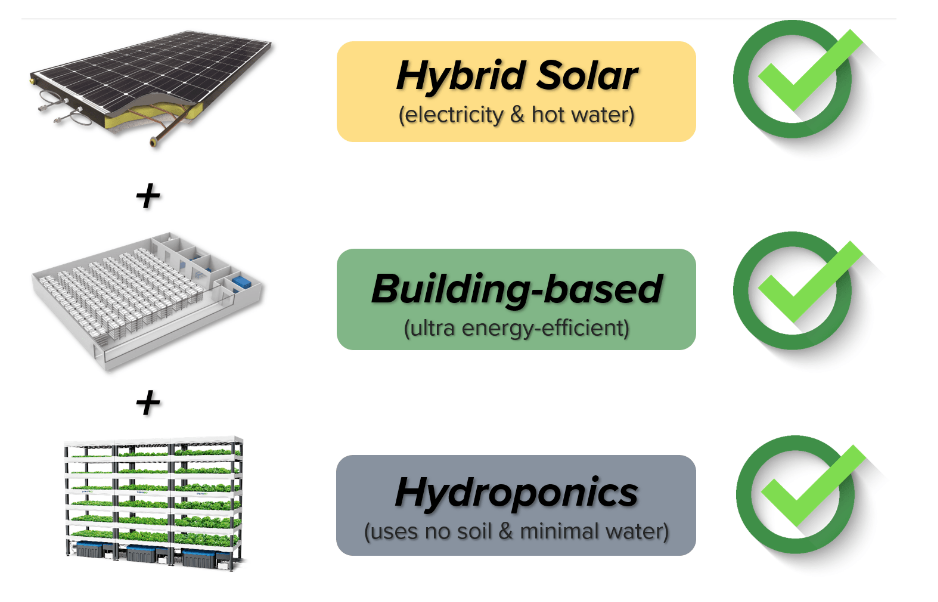
A unique form of farming is ‘taking rise’ in the UK with fresh food and other crops being grown indoors on special towers using light, hi-tech food production equipment, and hot water
A unique form of farming is ‘taking rise’ in the UK with fresh food and other crops being grown indoors on special towers using light, hi-tech food production equipment, and hot water.
“We construct energy-efficient buildings and create vertical farms inside of them,” said Dr Paul Hilton, CTO of Solar 2 Food Ltd. “With Brexit and also the current crisis we are living through, people understand the value of hyper-local food production and also the benefits of a secure food supply for our communities. Now we have methods, thanks to advances in horticulture lighting, to be able to grow food within buildings in this way.”
But the key difference with other vertical farming operations elsewhere is the inclusion of solar, and in particularly ‘hybrid solar’ i.e. solar panels that produce both electricity and heat. Solar 2 Food parent company Advanced Solar Technologies Ltd are the developers of the technology and their business model is quite simple: capture the heat energy (as hot water) from the hybrid solar panels and use that to help power the vertical farm units.
Partners



“The solar panels produce the hot water really cheaply, so why not use it to help produce food for our communities at a lower cost?” said Solar 2 Food Chairman, Antos Glogowski. “Our vertical farming units are entirely hydroponic, using no soil whatsoever, so the system is effectively ‘plug and play’ with little waste. Our tech partner is Sananbio, part of one of the largest LED lamp manufacturers in the World and they have developed special LED lamps that give plants exactly the types of light they need to grow, and no more i.e. no wasted energy”.
The vertical farm units allow multiple crops to grow in a small space. And rather than one annual harvest each year, the controlled indoor environment of the Solar 2 Food facilities produce fresh food all year round without worrying about changes in the climate outdoors. “The technology also allows us to grow food locally that may usually grow in only certain parts of the world like Asia or Africa”, said Dr Hilton. “You get hyper-local, fresh produce that doesn’t have to travel halfway around the World to arrive on your dinner table, so we are making our own significant contribution towards sustainable, carbon-neutral societies that use only clean, green energy. Surely every business should operate this way?"

Vertical Farm Produces Kosher Certified No-Insect Produce
In a breakthrough for the kashrut market, a vertical farm company based in the Netherlands has produced and marketed culinary herbs with no need to wash or check for insects as is usually required by Jewish law
The ultra-Orthodox Machzikei Hadas kashrut authority in Antwerp has approved herbs grown in a vertical farm in Holland as ready for use without washing or checking for insects.
DECEMBER 29, 2020
The Future Crops vertical farm company has developed a system of propagating herbs in an entirely insect-free environment. (photo credit: FUTURE CROPS)
In a breakthrough for the kashrut market, a vertical farm company based in the Netherlands has produced and marketed culinary herbs with no need to wash or check for insects as is usually required by Jewish law.
Critically, the new line of herbs and their no-wash status have been approved by the ultra-Orthodox Machzikei Hadas kashrut authority in Antwerp, as well as the Star K authority, giving it strong credibility in the general kashrut market.
According to Jewish law, eating insects is strictly forbidden and those who observe kashrut must be diligent in thoroughly washing and checking lettuce, herbs, leafy greens, fruits and vegetables to ensure that they bear no insects.
But the Future Crops vertical farm company has developed a system of propagating basil, dill, coriander (cilantro), and parsley in an entirely insect-free environment.
Vertical farms are indoor, multi-level facilities that optimize plant growth in a highly controlled environment, maximizing land usage, and produce yields.
Future Crops co-founder and CEO Gary Greenspan says that its facilities are entirely sealed off from the outside environment preventing insects from entering. The earth used to grow the herbs is also specially treated to avoid the growth of insects amongst the produce, and no pesticides are used.
The produce has been marketed under Future Crops’ “Eve” brand and has been marketed in France, the UK, Belgium, and several other European countries.
Future Crops’ “Eve” brand (FUTURE CROPS).
The company says it hopes to introduce arugula, baby spinach, and romaine lettuce to its product line next year.
Rabbi Asher Sternbuch of the Machzikei Hadas Antwerp kashrut authority said the new product line and the fact that the produce does not need washing or checking represented a big breakthrough for kashrut observers.
Sternbuch said that the high level of control over the environment and the produce meant that the risk of the presence of insects was practically eliminated.
The rabbi said that Machzikei Hadas kashrut inspectors have conducted laborious inspections of numerous batches of produce and are yet to have found even one insect amongst the herbs.
Sternbuch said the development was very welcome and that it represented a big opportunity for the kashrut market.
Tags netherlands agriculture kashrut Farming

VIDEO: "Harvested Here" Is An Indoor Farming Service Developed by Babylon Micro-Farms Inc
This service is ideal for corporate dining, healthcare, education, and grocery stores that are looking to increase the resiliency of their food supply chain
"Harvested Here" is an indoor farming service developed by Babylon Micro-Farms Inc. It is designed to allow foodservice operations to grow their own fresh sustainable produce at the touch of a button. This service is ideal for corporate dining, healthcare, education, and grocery stores that are looking to increase the resiliency of their food supply chain.

How Indoor Vertical Farms Use Big Data And Robotics To Grow Animal Feed
"Grov focuses on producing feed for animals to produce the other foods we depend on," said Lindsey. "Climate change, droughts, foods, etc., are reducing the water and arable land needed
These indoor vertical farms are designed to help farmers grow animal feed with less water and land.
GROV TECHNOLOGIES
PitchBook's December Q3 2020 Agtech analyst report highlighted a 14% decline in venture capital deals from Q2, 2020, but according to Alex Frederic, senior analyst of emerging technology at PitchBook, despite the declining overall AgTech investment, Animal Ag was up in Q3 2020 and estimated to reach $9.56 billion by 2025.
Frederic says Animal Ag companies are developing technology solutions to monitor, analyze, and optimize animal health and production in two primary categories: livestock and aquaculture.
"COVID-19 has highlighted the vulnerability of agriculture systems and the importance of maximizing animal health and nutrition," said Frederic. "We expect investment in animal ag hardware, such as robotics and wearables, to pick up in the near term given the rising concern over food security and animal supply chains."
Indoor vertical farming for animal feed
Animal Ag vertical farming newcomer Grov Technologies, which was acquired by Nu Skin Enterprises (NYSE:NUS) in 2016, announced in December 2020, the company was collaborating with Amazon Web Services (AWS) to apply cloud-based machine learning capabilities to their vertical robotic farming indoor platform to grow high-density nutrient (HDN) animal feed.
According to Steve Lindsey, president of Grov Technologies, most indoor farming around the world is focused on the production of vegetables and greens for human consumption.
"Grov focuses on producing feed for animals to produce the other foods we depend on," said Lindsey. "Climate change, droughts, foods, etc., are reducing the water and arable land needed. Highly digestible feed has the potential to reduce animal emissions. Farmers will need to produce more with less under more challenging conditions. Indoor vertical farming help mitigate some of these issues."
Less water, less land
Lindsey adds that the most striking change of using a vertical farm is producing feed using less water, a fraction of the land, and reducing the cost and carbon emissions from transportation by placing indoor feed centers next to the cattle they feed.
"Many locations around the world are struggling to feed their populations, let alone their animals, [..] we put the farmer in a better position to control his future while mitigating the effects of weather," added Lindsey.
Grov's Olympus Tower can produce 5,000 to 6,000 pounds of sprouted wheat or barley grass per day using less than five percent of the water and replacing between 35 to 50 acres compared to traditional farming. Lindsey says that the Olympus Tower requires minimal labor because it uses robotic seed-to-harvest technology.
Lindsey says that since consumers are demanding greater visibility and traceability to proven sustainability practices, they want to know that animals are fed highly digestible and pesticide-free diets while using less water and land.
"Consumers are awakening to a greater understanding of how fragile food and feed supply chains are," added Lindsey.
Sensors, robotics, and machine learning
Grov's indoor vertical farms are equipped with micro-sensors that capture temperature, humidity, water flow, and growth rates from each growing tray in the tower. That data is correlated to calibrate the trays' rotation, the watering, lighting spectrum, and the robotic seeding ad harvesting.
"Our technology fuses the Internet of Things (IoT), cloud, robotics, machine learning with lighting and spectrum management [..] to maximize potential yield and nutrition of a variety of crops," said Lindsey.
Lindsey believes that controlled environment agriculture is emerging as an impactful technology that can help address global climate change issues and sustainability for food and feed production.
"Covid 19 has alerted us that food and feed security is one of the most pressing issues of our day," said Lindsey. "The world is simply using too much land and water to feed animals. Increasing the use of efficient and sustainable technology can potentially make a difference."

INDIA: Hydroponics Startups Are Slowly Growing On Indian Consumers
Chennai-based biotechnology graduate Rahul Dhoka’s rooftop looks like a maze. Only, it’s a maze of over 6,000 organically grown leafy vegetables and herbs such as carrom, kale, lettuce, and spinach
Written by Monika Ghosh
29 Dec 2020
The COVID-19 pandemic has dramatically
accelerated the demand for organically grown produce
Chennai-based biotechnology graduate Rahul Dhoka’s rooftop looks like a maze. Only, it’s a maze of over 6,000 organically grown leafy vegetables and herbs such as carrom, kale, lettuce, and spinach.
These vegetables, grown in planters made of PVC pipes that have taken over his 90 square feet rooftop, are grown using hydroponics technique—a method of growing plants in nutrient-rich water instead of soil. Non-commercial hydroponics farming does not require large spaces and can be grown on rooftops like Dhoka’s or even in a smaller set up such as a doorstep. They can also be designed as vertical farms to optimize the land area.
In 2016, Dhoka got into hydroponics as a hobby, and three years later, once he mastered the technique and learned how to create different design structures, he founded Acqua Farms, a consultancy startup that helps people set up their own hydroponics farms.
Dhoka told KrASIA that the consumer interest in hydroponics has increased dramatically due to the COVID-19 pandemic as people have become more conscious of what they eat and want to know where their food comes from.
“My revenue in the first two to three months of COVID-19 was almost the same as the entire previous year’s,” said Dhoka, founder and CEO of Acqua Farms.
Eat healthy, live healthy
Acqua Farms is one of the several organic food companies that have reported a surge in sales during the pandemic while individuals are showing interest in growing their own produce. This trend of owning farms and eating healthy has boosted the demand of hydroponics farms.
The startup, in addition to selling hydroponics starter kits, also runs a subscription service for people with no knowledge of maintaining a hydroponics set up. Under the subscription service, the startup assigns an agronomist who takes care of the plants and monitors them once a week. Till date, Acqua Farms has helped set up over 500 hydroponics farms.
Rahul Dhoka, founder of Acqua Farms posing with the hydroponics set up on his rooftop. Photo credit: Ashwin Prasath
One of the primary benefits of aquaponics farming is that since plants receive nutrition directly from the treated water, they grow around 15-20% faster than traditional soil-based farming, providing higher yields, said Dhoka. This also allows more harvests of the same crop than is possible in traditional farming, giving hydroponics farmers an edge.
“With good management, you can even get 16 harvests in a year [for leafy greens], whereas in soil-based farming only three or four [harvests] are possible,” he said.
Dhoka said, in addition to higher yields, hydroponics is also a sustainable way of farming as it utilizes 90% less water than traditional farming. The benefits of hydroponics don’t stop here: since it can be set up inside buildings and roof-tops, it reduces carbon footprint and food wastage as the produce doesn’t require any storage or long-distance travel, which makes it ideal for farm-to-fork model.
According to the Food and Agriculture Organization of the United Nations, 190.7 million Indians are undernourished. Amidst this dire situation, 16% of India’s agricultural produce is wasted due to the lack of proper storage and transportation.
Hydroponics startups are largely focusing on growing leafy greens due to their shorter crop cycles, easier management, and lesser space requirements. It also caters to the niche market of exotic green produce like kale, lettuce, and herbs.
Commercial-scale set ups
While Acqua Farms works mostly with individuals and families, a few hydroponics startups focus on setting up commercial-scale farms as well. Unlike non-commercial set ups, these require greenhouses or poly houses to provide complete climate control. This allows the production of crops irrespective of the weather conditions.
This is where Mumbai-based startup Barton Breeze comes into the picture. It sets up farms on the rooftops of apartments as well as inside the buildings. To ensure its clients have a steady income, Barton Breeze buys their produce at a price that gives these urban farmers a 30% profit on each harvest. The startup then sells this produce in the market.
The entire process is hassle-free for farmers as Barton Breeze manages their farm, and takes care of marketing, transportation, and sale of the produce.
Large and commercial-scale hydroponics farms require to be equipped with advanced automation systems to ensure the yield is unaffected by weather conditions.
Barton Breeze enables such farms with automation systems to track their farms remotely. The startup’s app iFarm offers a farmer remote access to the farm, “wherein a farmer can not only just monitor but also control the farm remotely which means sitting at home, you press a button and things will happen on the farm,” Shivendra Singh, CEO, Barton Breeze, told KrASIA.
S Sudhanva, COO of Barton Breeze. Photo courtesy of Barton Breeze.
Through the app, the farmer can control the temperature and humidity, and even control the dosing of nutrients in the water. The app also allows users to get updates on their farm data such as energy consumption.
When anything in the farm fails or goes wrong, the farmer gets an alert via email, message, or a buzzer in the app. This not only makes it easier to manage large farms spread across acres but also reduces the need for human labor.
Additionally, Barton Breeze offers farm management software to maintain day-to-day activities. This software can help farmers identify their approximate date of harvest, and expected yield. Moreover, the company installs humidity sensors, sunlight sensors, climate control systems, and thermal sensors in the farm that send alerts when stocks are running low and highlights issues like pest attacks and any increase in the level of plant allergens.
To reduce human contact amid the pandemic, the company has automated customer onboarding through its app. But, most importantly, it has created an artificial intelligence (AI) system that provides crop management guidance to farmers. “For example, if your plant’s leaves are yellow, [the] AI can find out why they are yellow, what are the remedies, and what are the things you can do to cure it,” said Singh.
Singh claimed Barton Breeze grew at a CAGR of 500% year-on-year in 2019 and saw twice more online visitors this year compared to 2019.
Investor interest in hydroponics
According to Singh, hydroponics produce is very well accepted in urban cities like Mumbai, Delhi, and Bengaluru. Spending is not a problem for customers–it’s the unavailability of options near them that keeps people from accepting hydroponics, he said. The products are sold in supermarkets, and unlike a couple of years ago, they have a distinct label that mentions they have been grown using hydroponics.
Most hydroponics startups are still, however, struggling to match their price with the market price of traditional farm produce due to high operational as well as production costs.
However, Singh said Barton Breeze has managed to significantly bring the cost down. “We have brought down the production cost. So, if something is coming from Bengaluru to Mumbai and costs INR 200 (USD 2.70) per kilogram, we offer it at a price of INR 120 (USD 1.62) per kilogram which is lower than the market price,” he said.
With the prices of hydroponics produce being at par with or lower than traditional farm produce, Singh believes the customer base for the former is expanding which is currently limited to upper middle class families. But the demand still remains limited to metros and tier 1 cities.
Read this: Farm to fork: This millennial urban farmer grows vegetables on carpark rooftops in Singapore
Even though the hydroponics startups are experiencing increased demand, investors remain skeptical of the potential of hydroponics produce in the market. For consumers, as long as the produce is organic and the price is at par with other available options, it doesn’t matter whether it is grown in a hydroponics set up or in any other way.
“Hydroponics is more expensive [than greenhouse and net-house farming], and mostly for the production of raw greens, exotic vegetables, and super-premium berries,” said Mark Kahn, Managing Partner at Omnivore, an agritech focused venture capital firm. Earlier this year, Omnivore participated in agritech startup Clover’s USD 5.5 million Series A round. Clover sells hydroponically grown fresh produce.
“We think there is a market for hydroponics produce in India, but it will remain a niche segment within CEA [Controlled Environment Agriculture],” he added.
According to Kahn, there are two major hurdles for the hydroponics segment–lack of consumer demand and high cost of infrastructure.
“…identifying the target segment and building demand will require significant downstream investment and large marketing budgets. As for the latter [hurdle], hopefully, hydroponics startups in India can find ways to lower setup costs and make units more modular,” he said.
However, he adds that Omnivore remains “excited” about hydroponics and will continue to explore investment opportunities in the sector.
Although Omnivore has a cautiously optimistic outlook of the hydroponics market, both Barton Breeze and Acqua Farms reported increased investor interest since the start of the pandemic. “We were definitely in touch with a couple of investors [before] but after COVID, every week there’s a new investor interested in us,” Singh said.
Lead photo: Rahul Dhoka, founder of Acqua Farms posing with the hydroponics set up on his rooftop. Photo credit: Ashwin Prasath
Indoor Farming Gets Greener Via Solar Load Aggregation
Transportation to markets is one expense addressed by controlled environment agriculture. Other direct energy costs remain a challenge
DECEMBER 28, 2020
The economic feasibility of plant factories has been questionable because of energy costs. Now, customers of one containerized farm provider can opt for 100% clean energy using a subscription service.
Food and commercial crops that grow outside can soak up sunshine in order to grow. But move those same plants indoors as part of so-called “controlled-environment agriculture” and the associated energy costs can make all but the highest-margin crops prohibitively expensive.
That’s because, in a greenhouse or plant factory, up to 60% of operating costs can go to energy; about half of that goes to lighting. And, because the grid still is not decarbonized, fossil-based electricity sources wind up making controlled environment agriculture something less than green.
To read the entire article, please click here.
Lead photo: Transportation to markets is one expense addressed by controlled environment agriculture. Other direct energy costs remain a challenge. David Wagman

Urban Crop Solutions Solidifies Presence In North America With The Appointment of Douglas Gamble As Sales Manager
He joins UCS from the more traditional side of agriculture – having been raised on a dairy farm, which later transitioned into a large-scale Greenhouse operation
Urban Crop Solutions (UCS) is pleased to announce the appointment of Doug Gamble as their North American Sales Manager. Doug has spent over 25 years in management, sales, and business development roles; and brings his own entrepreneurial experiences and spirit to the position. He joins UCS from the more traditional side of agriculture – having been raised on a dairy farm, which later transitioned into a large-scale Greenhouse operation.
As the company’s first North American Sales Manager, Doug will lead the supply and delivery of UCS’s latest solution – the ModuleX plant factory; and ramp up the export of the company’s technology and environmentally beneficial solutions to urban farming in Canada and the United States. Doug will lead the operation from the small town of Sackville, New Brunswick in Canada – where his office, home, and family are located.
Urban Crop Solutions is a Belgium based pioneer in the fast-emerging technology of indoor vertical farming. It has developed over the past five years, 220 plant growth recipes, for which all drivers for healthy plant growth – such as optimal LED spectrum and intensity, nutrient mix, irrigation strategy, and climate settings – are tested and validated daily in its Indoor Farming Research Lab in Waregem (Belgium). To date, UCS has delivered over 25 projects for clients throughout Europe, North America, and Asia-Pacific. Its commercial farms are being operated for vegetables, herbs, micro-greens for food retail, foodservice, and industrial use. Research institutions are also operating UCS’s grow infrastructure for scientific research on banana seedlings, flowers, and hemp.
For more information:
Urban Crop Solutions: www.urbancropsolutions.com
For more information on this press release, or on Urban Crop Solutions and their products and services, you may contact Doug Gable, Sales Manager - North America; or Brecht Stubbe, Global Sales Director.
Doug Gamble, Sales Manager doga@urbancropsolutions.com
Brecht Stubbe, Global Sales Director brst@urbancropsolutions.com
European headquarters: Regional headquarters:
Grote Heerweg 67 800 Brickell Avenue, 1100 Suite
8791 Beveren-Leie (Waregem) Miami, FL, 33131
Belgium USA
(+32) 56 96 03 06 +1 (786) 408-6027
Facebook: www.facebook.com/urbancropsolutions
Twitter: www.twitter.com/U_C_Solutions
LinkedIn: www.linkedin.com/company/urbancropsolutions
YouTube channel: http://www.youtube.com/c/UrbanCropSolutions

How 4 Young Vertical Farming Visionaries Built A Thriving Business In Just 3 Years
Recently, in one of our most popular webinars of all time, Wihelmsson fired us up with Ljusgårda’s amazing story – building a thriving modern farm in what was once a factory, by “replacing the tractor with lights and the shovel with an iPad.”
An enthusiastic evangelist for modern vertical farming, Wihelmsson explained, “We took the concept of farming outdoors and brought it indoors, creating a controlled ecosystem where we can grow under optimal conditions year-round. We have a facility here of 7,000 sq meters.
Article from | Heliospectra
It all began in 2017 when three friends, Magnus Crommert, Cristoffer Barath and Erik Lundgren decided to try modern indoor farming. Our own Plant & Light Expert, Ida Fällström, remembers when Magnus visited our Göteborg office, introduced us to his team’s vision of modern farming, and left with an ELIXIA LED grow light under his arm. With that LED grow light, he started to conduct tests in his garage while the rest of the business took form, including bringing on a young business visionary, Andreas Wihelmsson, as partner and CEO. Fast forward to today, and their operation has grown to become Ljusgårda AB, a successful and sustainable climate certified farm in Tibro, Sweden.
Recently, in one of our most popular webinars of all time, Wihelmsson fired us up with Ljusgårda’s amazing story – building a thriving modern farm in what was once a factory, by “replacing the tractor with lights and the shovel with an iPad.” An enthusiastic evangelist for modern vertical farming, Wihelmsson explained, “We took the concept of farming outdoors and brought it indoors, creating a controlled ecosystem where we can grow under optimal conditions year-round. We have a facility here of 7,000 square meters. A year from now, we will have outgrown this facility and we will begin building the next one.” He continued, “If someone would have told me years ago that I would be growing salad for a living, I would have thought they were joking. Yet today thousands of families are eating our salad every week.”
What are the secrets to Ljusgårda’s overwhelming success? Here are 5 key things we learned in our webinar about starting a successful vertical farm:
5 Habits of a Highly Successful Vertical Farm
1. Quality Comes First
Wihelmsson commented that “More than 70% of all the fruits and vegetables Sweden eats are imported from other countries.” This leads not only to higher emissions, but it also negatively affects plant quality and nutrients due to the transportation time. Because indoor vertical farming enables Ljusgårda to grow locally, they always get their products to store within 24 hours of harvest to retain quality and nutrition.
2. Give Your Customers What They Really Want (Not What You Think They Want)
Ljusgårda produces salad greens, including lettuce and arugula, for Swedish tables year-round. Wihelmsson noted, “When it comes to making a produce buying decision in Sweden, 7 out of 10 people say that one of the most important factors is that it's Swedish. Sustainability and price are also very important. We provide a great tasting Swedish product that is sustainable, and we sell it at roughly the same price as imported products.”
When it comes to giving customers what they want on an individual crop level, Ljusgårda is able to use LED grow lighting and intelligent controls to influence every phase of plant growth, from biomass development to finish and flavour. Wihelmsson commented, “One very interesting experience we had was with our rocket salad, the first product we launched. I remember our initial tryouts and it tasted terrible.” He laughed, “We were by far growing the worst tasting rocket salad in the world, but we became better. We developed a good product with a robust peppery flavour, and we went to grocery stores for people to try it. Their polite reactions were that it was okay, so we knew that we had it dead wrong. We progressed by altering our rocket salad’s flavour through lighting control and conducting countless in-house and in-store taste tests.”
Wihelmsson continued, “We realized that Swedes didn’t want a traditional strong rocket salad. They wanted a mild one. We have a term in Sweden, Lagom, which relates to balance – not too little, not too much. We ended up producing a milder rocket and outsold all other products in that store.” He concluded, “You don't always know what the customer actually wants until you test in person and can see their reaction. If in the future customers demand a spicier rocket salad, we can achieve that with our flexible LED lighting. We have the ability to control taste, nutrition, quality, colour, biomass, almost everything – because light has a huge effect on the plants. You just first need to figure out what your customer wants in their food.”
3. Control Your Light to Optimize Your Production
An intelligent LED lighting strategy can help you achieve your crop goals. We have worked with Ljusgårda to accelerate their production of arugula and reduce their production time by 19%, by making adjustments to their lighting strategies. Wihelmsson commented, “For us, light control is very important to our production. If we look at our collaboration with Heliospectra, we chose to go with ELIXIA LEDs because we needed maximum flexibility. The other reason was their positive effect on reducing power consumption.”
Ljusgårda has also found that flexible LEDs can help them control risk and even save crops. Wihelmsson noted, “Now that we have been running this farm for a few years, we’ve come to see that our flexible lights can actually be used to compensate for human errors or things like the water tank failing or other issues. In such cases, we have been able to change the spectrum to recovery lighting. Our LED lighting has meant a lot to us and the flexibility has been extremely important.”
4. Automate Step by Step (and Plan Several Steps Ahead)
Wihelmsson talked about the company’s approach to automation, “We had to redesign the system to be able to get it automated step by step and growing-wise it's been working. For us most steps in production will be semi-automated, leveraging a machine but with human beings still involved, while other steps will be fully automated.”
He cautioned, “You need to do the math and see where automation makes economic sense for you. Our approach is to look at what takes up the most labour, what is most costly in the whole economic calculation, and address it. We also run the numbers to plan ahead. For example, we are preparing some processes for automation, but we won't automate them until production volumes hit certain critical numbers. Overall, it’s best to take it one step at a time, starting with a semi-automated approach.”
5. Keep it Simple and Learn from Others
Rather than focusing on the high-tech aspects of their operation, Ljusgårda found that their consumers responded better to a simpler, more straightforward message. Wihelmsson commented, “We know that our consumers want local produce, and so it says three times on the bag that our salad is from Sweden. We keep our messaging and packaging simple, ensuring people know that we are passionate about growing great tasting, nutritious, and sustainable food that they can eat in good conscience year-round. This simple, positive message has helped put our bag salad in the top three in each and every store, and it’s even number one in several of them.”
If you are interested in starting your own vertical farming operation or taking your farm to the next level, Wihelmsson suggested that you try to learn from others who have succeeded. He commented, “We have something we like to call common farmer sense. It's a direct translation from Swedish, and it basically consists of us questioning all the solutions that are out there and always telling ourselves not to reinvent the wheel. See if any industry or any other grower has already taken an approach you want to try. Take a look at it, learn from it, and then start growing from there.”
Watch the entire webinar here.
The content & opinions in this article are the author’s and do not necessarily represent the views of AgriTechTomorrow

Growing Crops In Cities Will Put An End To Food Waste
At the start of the Covid-19 pandemic, empty supermarket shelves prompted people to ask – sometimes for the first time – where their food comes from
Coronavirus showed how vulnerable our global food supply chains are, but growing closer to home could also solve our waste problem
23 December 2020
At the start of the Covid-19 pandemic, empty supermarket shelves prompted people to ask – sometimes for the first time – where their food comes from. In 2021 we will see more food in cities provided by producers who are less vulnerable to the disruptions of long supply chains we experienced during 2020.
The pandemic caused consumers around the world to turn to smaller, local, and regional food providers that could secure access to food during lockdowns. In the UK, the Farmers to Feed Us digital platform created new ways for small-scale food producers to provide fresh produce directly to consumers. Sales of food from community-supported agriculture (CSA), where consumers subscribe to receive in-season harvests from groups of UK farmers, increased by 111 percent from February to April, with this trend also being apparent in the US and China. The 105-acre Eatwell Farm in California saw such a big spike in demand that it had to cease new subscriptions – and the waiting list is still growing. These demonstrate how producers can provide consumers with food security and, in return, how consumers have supported their businesses.
At the same time, accessing food hasn’t been easy for everyone. Countless people around the world have been forced to turn to food donations. Meanwhile, when restaurants, schools, and workplaces closed, food producers were hit with a lack of demand that saw tonnes of edible food go to waste. As income for smaller farmers was supported by consumer demand, a decline in business from food-service providers has made their futures uncertain. With the food system’s vulnerabilities exposed, the question has become: how can we better connect communities and food producers to make sure we are more resilient to future shocks? In 2021, the relationship between food and our cities will be drastically reimagined to answer this question.
Half of the world’s population currently live in cities and, by 2050, 80 percent of the world’s food will be eaten in densely populated urban environments. But, as cities strive to become more resilient, they will become much more than centres of consumption. To become stronger in the face of unplanned disruptions, our cities, and their surrounding areas will increasingly supply food and make use of valuable nutrients, creating thriving local, regional, and international food networks. This will be a pivotal step towards a circular economy for food, in which nothing becomes waste, everything has value, and the way we produce food regenerates natural ecosystems.
Increasing the amount of food grown in and around cities will also help to secure supply to residents without access to CSA schemes in nearby fields. Singapore, for example, imports a large proportion of its food, with only one percent of its land being dedicated to agriculture. When the country’s food supply chain was disrupted during its coronavirus outbreak, consumers in Singapore turned to urban farms and the government began to identify unused spaces in its cities for agricultural development. Similar developments to produce food locally will also be seen elsewhere in 2021. In Detroit, plans for a CSA program are currently being shaped, while in France, the remaining two-thirds of Europe’s largest urban farm, Nature Urbaine, will be planted in Paris, while 50 plots in Nantes that once grew flowers will provide vegetables for 1,000 households in need.
Food producers will also adopt regenerative practices, which focus on outcomes such as healthy soil and carbon capture that tackles climate change, to build resilience into their operations. And cities will have a key role to play in this.
In the current food system, when food flows into cities, organic waste is created in the form of discarded produce, by-products, and sewage. This waste is full of nutrients that can be used to grow new food and create biomaterials, but in today’s system, it is more likely to end up in landfills or go untreated. However, there are more viable – and greener – alternatives. In Italy, paper is already being made from pasta by-products, while orange peels, grape skins, and excess milk are being turned into fabrics. In the UK, London has committed to ensuring that by 2026 no biodegradable or recyclable waste will be sent to landfill.
This shift will not only be driven by a need to address waste and pollution. As we look to recover from the economic shock of Covid-19, our analysis has shown there is an economic opportunity worth $700 billion (£538 billion) for cities to reduce edible food waste and use by-products. Less than two percent of organic waste in cities is currently returned to the soil, yet the more organic matter that’s within soil, the more water it can hold and retain, making crops resilient to disturbances such as droughts and floods. This applies whether food is grown in the city, its peri-urban surroundings, or on rural farmland.
As part of the European Green Deal, the EU’s Farm to Fork strategy is aiming to reduce use of synthetic fertilisers by at least 20 per cent and triple the amount of land farmed organically by 2030, as well as promising legally binding targets to reduce food waste. To meet these targets, cities will be expanding their organic waste collection schemes in 2021 and ensuring it is used effectively, putting it back on the land as a replacement for synthetic fertilisers, using it as compost to build organic matter in soil and to feed livestock.
These kinds of initiative will give cities a surer footing for the future. In 2021, we will begin to build a resilient circular economy for food.
Ellen MacArthur is founder and chair of trustees of the Ellen MacArthur Foundation
Lead photo: Bertand Aznar

The Wave of Hawaii's Future Agriculture: A Mix of Traditional Farming And New Technologies
Kalera announced it will open a facility in Honolulu, Hawaii in 2021. Kalera’s Hawaiian location will be the company’s eighth facility announced. The farm will provide approximately 60 jobs to the local community upon opening
“The pandemic has really shown us how important sustainability is to Hawaii’s future… One of my goals for a sustainable Hawaii is to double local food production and a bright spot of the pandemic is that more families are consuming locally produced food and attempting to grow their own food. Every little bit helps as we try to work towards our sustainability goals,” said David Ige, Governor of Hawaii.
“I believe a mix of traditional farming and new technologies is the wave of the future for agriculture in Hawaii. Innovations like vertical farming help farmers be more productive while using less resources – especially water. That’s why it’s exciting that a company like Kalera is making an investment to bring their operations to Hawaii, where we are sensitive to reducing our impact on the environment. I think technologies such as vertical farming and hydroponics also have appeal to younger people and could help attract more young farmers to the field.”
Kalera announced it will open a facility in Honolulu, Hawaii in 2021. Kalera’s Hawaiian location will be the company’s eighth facility announced. The farm will provide approximately 60 jobs to the local community upon opening.
The news of this facility comes on the heels of a string of exciting updates from Kalera, including the announcement of upcoming facilities in Atlanta, Houston, Denver, Seattle and Columbus; the addition of two new members to the Board of Directors, including Red Lobster CEO, Kim Lopdrup; and the completion of over $150 million in fundraising this year.
With millions of heads of lettuce to be grown per year, Kalera’s Honolulu facility will provide a rare and much needed local source of fresh, non-GMO, clean, living lettuces and microgreens to retailers, restaurants, and other customers.
90% of Hawaii’s greens are currently grown on the mainland United States and shipped into the state – an expensive 2,500-mile journey that can take over 10 days and require many touchpoints and opportunities for contamination. Kalera’s location within city limits will shorten travel time from days and weeks to hours, preserving nutrients, freshness, and flavor.
“In addition to providing a bounty of fresh, affordable, and delicious lettuces and microgreens to restaurants, cruise lines, resorts, hotels, and retailers, Kalera’s Honolulu location will increase food security and resilience on the island,” said Daniel Malechuk, Chief Executive Officer for Kalera. “With price inflation impacting almost all produce that reaches Hawaii due to prolonged shipping times, Kalera’s affordably priced products will increase access to a stable supply of healthy food for Hawaiian citizens and tourists.”
Distributors anticipate that locally grown greens will improve their business. “Vertical farming is a great way to provide our customers with the freshest quality products grown in a food-safe and sustainable manner while supporting local farming,” said Dwight Otani, founder, and president of D. Otani Produce, Hawaii's largest wholesaler, providing local hotels, restaurants, business institutions and retailers with the highest quality produce.
For more information:
Kalera
info@kalera.com
www.kalera.com
23 Dec 2020

Vertical Indoor Farms Make Sense
Nate Storey, founder of a startup in the burgeoning agtech sector, which applies high-tech solutions to agriculture and farming, is convinced that the future of vegetable production is vertical and indoor cultivation, an approach that allows crops to be grown anywhere in the world to supply local markets
Enrique Dans Senior Contributor
Teaching and consulting in the innovation field since 1990
Nate Storey, founder of a startup in the burgeoning agtech sector, which applies high-tech solutions to agriculture and farming, is convinced that the future of vegetable production is vertical and indoor cultivation, an approach that allows crops to be grown anywhere in the world to supply local markets. His company, Plenty, has just demonstrated that about two acres laid out vertically and growing hydroponically, produces more than a conventional farm covering some 720 acres.
The company, which makes intensive use of robots and algorithms for watering and providing nutrients for fruit and vegetables, closed a $140 million funding round in October, bringing total investment to $500 million and reflecting the growing interest in this type of technology. Other companies also in the San Francisco area, such as Iron Ox Robotic Farms, also rely on robotization throughout the process, from planting to plant feeding and harvesting, and report similar yields.
High-density cultivation and control throughout the production cycle reduce the incidence of pests and diseases, along with reduced transportation costs, meaning the main expense is labor (hence the need for robotization), along with the initial installation investment and energy, which is increasingly cheaper and more efficient thanks to the development of solar energy and LED technology for lighting.
Another company, Finland’s iFarm, founded three years ago, , raised $4 million in an initial investment round in August. The company provides technology to about 50 projects in Europe and the Middle East covering a total of 11,000 square meters, and is capable of automating the care of about 120 varieties of plants, with the goal of reaching 500 by 2025 (the firm says it adds 10 new varieties each month).
Others, such as Rise Gardens, which raised $2.6 million in seed capital at the end of May, provide hardware and software kits for home hydroponics, which can be assembled in less than an hour and come in three different sizes, IKEA style, which also has a similar product. Others, such as Germany’s Infarm, offer these facilities to businesses such as stores and restaurants and have also attracted investors’ interest.
And there are many more: Eden Green, Bowery Farming, BrightFarms, Freight Farms, AeroFarms… a fast-growing sector that points to a future for vertical and indoor farming. A completely different model from that of conventional farms (which are also being heavily technologized), and that can be installed in any industrial building or even in containers (or in space, if need be), and that promises a transformation similar to that from growing crops under plastic. Will the vegetables we consume in the future come from this type of innovative farms?
Lead photo: (Brandon Wade/AP Images for Eden Green) ASSOCIATED PRESS

Never Forget The Horizontal In Vertical Farming
Vertical farming is all about how high you can go, how you can repurpose the space you have in ways you never thought possible before
Vertical farming is all about how high you can go, how you can repurpose the space you have in ways you never thought possible before.
But what sometimes gets lost in these conversations about vertical farming is the horizontal. To take advantage of all that high-density mobile grow rack systems like Montel’s GROW&ROLL have to offer, to truly maximize your space and your yield, always remember that it’s just as much about growing out as it is about growing up.
Whether you’re cultivating leafy greens, herbs, mushrooms, or cannabis, both the vertical and horizontal axes must work together to optimize space in grow rooms and reliably produce the healthiest crops month after month, year after year.
WHAT WE ALREADY KNOW ABOUT VERTICAL FARMING
We’ve spoken a lot about how multi-tier vertical farming benefits indoor growers, but it never hurts to go over the basics.
First and foremost, vertical farming capitalizes on the space you have, not the space you wish you had. Growing two, three, four times more plants without an inch of additional space is only limited by your imagination.
Montel’s mobile vertical farming racks can outfit your grow op with ventilation, lighting, and watering systems built right into each mobile carriage—no wasted power or resources, no plants missing out on what they need to thrive. And because of its collapsible design, mobile racking for indoor farms lower the risk of unauthorized handling, chemical contamination, or spreading disease.
HERE’S WHAT YOU MIGHT NOT KNOW ABOUT HORIZONTAL FARMING
We’ll take vertical farming out of the picture for a moment—how does horizontal farming contribute to the goals of high-density mobile racking for indoor grow ops?
Let’s look at rolling benches, another popular mobile racking option for indoor farmers. Traditional rolling benches leave about seven inches between each bench, enough room to slip a hand between to shift one bench open. Sure, that’s lost space, but it isn’t that much, right?
Actually, when the goal is to maximize canopy yield with only the space you have, it absolutely is.
Montel’s mobile benches were designed with special handles that don’t require the gap between benches. The result of this small change? You can fit sixteen Montel benches in the space needed for fourteen traditional benches. That’s two more benches of plants, two more benches of crop, and two more benches of profit.
Even when the conversation in agriculture focuses on the vertical in vertical farming, Montel always remembers the horizontal.

ISRAEL: The Supermarkets That Have A Farm In The Parking Lot
“Our first Vertical Field farm at Rami Levy was launched in Modi’in. Now we have four farms at Rami Levy branches whose produce is already sold inside the supermarket
Four Israeli supermarkets sell their customer’s pesticide-free greens and herbs grown inside an indoor vertical farm set up in a trailer just outside their doors.
DECEMBER 14, 2020
When you buy supermarket veggies, you don’t know how far they traveled or when they left the farm. And that matters because picked produce loses nutritional potency rapidly.
Now, shoppers in four Israeli supermarkets can buy pesticide-free greens and herbs harvested from an indoor farm right on the premises.
This unusual setup comes courtesy of Israeli agri-tech business Vertical Field and the Rami Levy supermarket chain.
A Vertical Field indoor farm at a Rami Levy supermarket in Israel. Photo courtesy of Vertical Field
“Vertical Field has been operating in partnership with Rami Levy for approximately a year,” says Noa Winston, marketing director for Vertical Field.
“Our first Vertical Field farm at Rami Levy was launched in Modi’in. Now we have four farms at Rami Levy branches whose produce is already sold inside the supermarket,” Winston tells ISRAEL21c.
“Additionally, we have a farm at the Tel Aviv Port in collaboration with the city of Tel Aviv. We have plans to significantly expand our operations with Rami Levy and to open more farms over the course of 2021.”
The indoor farms raise leafy greens and herbs such as kale, lettuce, basil, cilantro, dill, parsley and peppermint. Bok choy and spinach are now being planted.
Leafy greens and herbs growing in a Vertical Field farm at a Rami Levy supermarket.Photo courtesy of Vertical Field
The space-saving vertical containers grow the plants in soil under LED lighting from BioLed EcoLight Systems based at Kibbutz Tzuba. (BioLed also provides the lighting for Energy Boxes that Innovation: Africa provides to off-grid African schools and health centers.)
The Ra’anana-based company says that indoor vertical farming uses 90 percent less water than traditional field farming and saves as much as 20 days’ time from seeding to harvest in a typical growth cycle. The system is weather- and pest-resistant.
Vertical Field has two installations in New York State – at a supermarket and a restaurant – and has ambitious expansion plans.
“Our goal is to penetrate the global market,” says Winston. “We have begun that process starting with the United States, where we have two farms, and we plan to continue to expand there. We are also currently developing several promising projects both in the field of vertical urban farms as well as vertical landscaping that will be launched in the USA, in Europe, and other regions.”
Lead photo: These boxes of Vertical Field greens say, “Grown and picked here and now,” because they are raised on the supermarket premises. Photo courtesy of Vertical field

UAE: Vertical Farming Firm Reveals Plan To Launch Healthy Food Brand
Fit Farm will offer healthy and all-natural foods that can be prepared on the go Sara Holdings, the company which recently launched the UAE’s latest hydroponic vertical farming concept, Smart Acres, has revealed global expansion plans in 2021 which include the launch of a healthy food line
23 Dec 2020
Sarya Holdings Says Fit Farm Will
Hit Supermarket Shelves In The First Quarter of 2021
Fit Farm will offer healthy and all-natural foods that can be prepared on the go Sara Holdings, the company which recently launched the UAE’s latest hydroponic vertical farming concept, Smart Acres, has revealed global expansion plans in 2021 which include the launch of a healthy food line.
Fit Farm is set to hit the supermarket shelves in the first quarter of next year, the company's CEO Abdulla Al Kaabi said.
Launched in 2017 by two long-time friends and entrepreneurs, Al Kaabi and Sean Lee, Sarya Holdings initially began as a general trading business with an emphasis on fast-moving consumer goods (FMCG) with the aim to bring quality foreign products to the GCC market.
Sarya General Trading houses popular South Korean brands and has partnered with over 10 South Korean brands to strengthen the import and distribution of its products to the GCC.
New partnerships have also been inked with brands from Japan, India, Mexico, and the Philippines for 2021 while the company is now planning to launch its own brand called Fit Farm.
Sowing the seeds to improve UAE's food security
Set to launch in Q1 2021, Fit Farm will offer healthy and all-natural foods that can be prepared on the go. While the company plans to introduce a full range of healthy and nutritious food products, its initial food offering will include a wide selection of ready-to-eat chicken products.
Al Kaabi said: “Our mission with Fit Farm is to empower the people through accessible cuisine driven by healthy lifestyle choices and connecting them with readily-available healthy foods."
Smart Acres is based at the Armed Forces Officer’s Club in Abu Dhabi and is a hydroponic vertical farm, which aims to enhance food security.
In collaboration with n.thing, a South Korean vertical farming technology company, Smart Acres has been able to design farm modules using an IoT-based technology system to grow and monitor their produce, a system that not only consumes less resources but generates ultra-high quality crops.
The company is producing a variety of lettuce and herbs such as Green Glace, Oakleaf, Lollo Rosso, and Shiso, with plans to eventually grow baby spinach, mature spinach, and baby arugula.
Smart Acres’ vision is to expand to meet the demand of popular produce in the region such as strawberries, with a shift and emphasis on cultivating potato seeds.

KUWAIT: "Up To 550 kg of Lettuce Per Day Thanks To Faster Growth Cycles"
Instead of traveling 5,000 kilometers between German growing areas and consumers, lettuce from vertical farming company &ever in Kuwait travels less than 100 kilometers
Hamburg-Based Start-Up &ever Makes Big Strides In Kuwait
Instead of traveling 5,000 kilometers between German growing areas and consumers, lettuce from vertical farming company &ever in Kuwait travels less than 100 kilometers. With its first commercial farm in the middle of the Kuwaiti desert, the Hamburg-based company supplies regionally grown leaf lettuce to local restaurants and grocers. These are grown on more than 3,000 m2 of cultivation area and taste like they were picked fresh from the field. "Thanks to faster-growing cycles, we can produce up to 550 kilograms of lettuce per day," Mark Korzilius, founder of &ever, told IT Zoom.de
Hypermodern cultivation technology / Image: &ever
"In the process, our newly developed Dryponics cultivation technology reduces water consumption by 90 percent and fertilizer use by 60 percent when compared to traditional cultivation methods." The company also eliminates the use of crop protection products.
For more information: https://and-ever.com
22 Dec 2020

Valoya Appoints A VP Sales North America
Valoya continues its growth trajectory with the addition of VP Sales North America, Mr. Wes Eaton. With extensive experience in horticulture and business development, Mr. Eaton will be tasked with driving Valoya’s growth in the North American market even further
Valoya continues its growth trajectory with the addition of VP Sales North America, Mr. Wes Eaton. With extensive experience in horticulture and business development, Mr. Eaton will be tasked with driving Valoya’s growth in the North American market even further.
Eaton’s horticulture industry experience is extensive, and his track record is impressive. Having worked in sales of two horticultural LED lighting companies he has a deep understanding of the horticulture lighting applications as well as the competitive landscape in North America. His experience prior to this includes working as a controlled environment agriculture consultant and developing meters and sensors for fertigation and control systems. He thus brings a deep understanding of the market and growers’ needs to the company.
In this role, he will be responsible for driving sales in crop science, cannabis cultivation, vertical farming, and greenhouse applications. Additionally, he will further develop Valoya’s North American reseller network within the cannabis market, as well as establish a local team. In meeting Valoya’s ambitious growth goals he will closely collaborate with existing customers, research partners, and distributors, to enable wider access to Valoya’s high-end LED solutions within the N.American market.
“Valoya’s ongoing commitment to deliver research-based, high-end lighting solutions is commendable. I am excited and honored to join the team and empower growers across North America to drive their plant performance to industry-leading results” says Eaton.
"We have been operating in North America since 2011 and it has always been a very important part of our business. Wes will build on this foundation to take us to the next level with his excellent experience and in-depth insight of the market", comments Mr. Lars Aikala, CEO and Co-Founder of Valoya.
Contact Mr. Eaton at – wes.eaton (at) valoya.com
About Valoya
Valoya is a provider of high-end, energy-efficient LED grow lights for use in crop science, vertical farming, and medicinal plant cultivation. Valoya LED grow lights have been developed using Valoya's proprietary LED technology and extensive plant photobiology research. Valoya's customer base includes numerous vertical farms, greenhouses, and research institutions all over the world (including 8 out of 10 world’s largest agricultural companies).
Additional information:
Valoya Ltd, Finland
Tel: +358 10 2350300
Email: sales@valoya.com
Web: www.valoya.com
Facebook: https://www.facebook.com/valoyafi/
Twitter: https://twitter.com/valoya
PODCAST: Hydroponic Growing System
Learn facts about hydroponic growing systems built out of plastic and metal, it runs on a couple of water pumps and some timers
Learn facts about hydroponic growing systems built out of plastic and metal, it runs on a couple of water pumps and some timers.
Listen

Food Will Be Grown Hydroponically In Shipping Containers In Cardiff's Bute Park
Starting with one trial shipping container in Bute Park, the plan is to expand across the city to grow much more food locally and with much less water. Growing food locally is seen as a key way to reduce carbon emissions, rather than shipping food from across the world
New Technology Means One Shipping Container
Could Grow The Same As 3.5 Acres Worth of Land

A hydroponics unit growing strawberry plants
Local democracy reporter
23 DEC 2020
Food will be grown hydroponically in shipping containers as part of Cardiff council’s plan to become a carbon-neutral city by 2030.
Starting with one trial shipping container in Bute Park, the plan is to expand across the city to grow much more food locally and with much less water. Growing food locally is seen as a key way to reduce carbon emissions, rather than shipping food from across the world.
Cardiff council has been consulting the public on its plan to cut the city’s carbon emissions to net zero in a decade. The draft One Planet strategy includes several schemes to reduce emissions and mitigate the effects of the climate crisis and rising global temperatures.
Food is a big part of that strategy, with the shipping container in Bute Park; plans to revamp Cardiff Market; letting community groups grow food on council-owned land, and making space on new housing developments for growing food.
Councillor Michael Michael, cabinet member for the environment, said one shipping container could grow the same amount of food as 3.5 acres of land. He said: “I’m a great believer in this technology,” as he revealed details of the plans.
The shipping container used to be in Bristol, growing herbs and vegetables for local restaurants. The council will pilot the technology in Bute Park, before potentially rolling it out further, working with community groups and possibly growing food to feed schoolchildren.
The technology works by growing food on racks without soil, using much less water, and controlling the heat and light inside the container to grow all throughout the year.
Cllr Michael said: “You can grow in that one container equivalent to three and half acres, because it’s 24 hours a day. This is becoming much more prevalent. Private companies are putting more and more money into hydroponics. If you can grow basil hydroponically in Scunthorpe, then why would you fly it in from Kenya?
“We do well with allotments in this city, but mostly at this time of year, they’re dormant. What if we work with people with these types of units? Unfortunately because of Covid, we haven’t been able to use it yet — but we will. This is an experiment. I’m a great believer in this technology.”
Several Marks and Spencer stores in London are also trialing the new technology, growing herbs in their shops. Cllr Michael said in the future Cardiff could see “giant greenhouses” above supermarkets growing food to be sold in the shops below.
He added the One Planet strategy will explore how food is bought for schools, and whether more of that food could be grown locally. Fruit trees could also be planted across the city for people to pick and help themselves.
Councillor Michael Michael, cabinet member for the environment (Image: South Wales Echo)
The draft carbon-neutral plan was welcomed by the Conservative and Liberal Democrat groups in Cardiff council, who both pointed out where they thought were gaps in the strategy.
Cllr Emma Sandrey, the Liberal Democrat’s spokesperson on the environment, said the council needs to focus more on reducing how much meat people eat. As well as transporting, a lot of emissions from food come from eating meat, especially beef.
She said: “We believe the council should implement ‘meat-free Mondays’ or a similar scheme across local authority canteens, to educate and inform people about the alternatives to meat, and the benefits of reducing meat consumption for the environment and for individual health.”
She added tackling food waste should be another priority. Currently, apps like Too Good to Go help link up restaurants with surplus food at the end of the day to customers who can buy that food at a discount, to save it from going to waste.
Cllr John Lancaster, the Conservative’s spokesperson on the environment, said the strategy failed to mention the docks or Cardiff airport. Shipping and flying both emit a lot of carbon and are currently difficult to fuel with electricity.
He added the council only has one ecologist and one tree officer, despite promises to address the biodiversity crisis and plant thousands of trees. He said: “There’s a disparity between the words in this One Planet strategy and how they go about it.”
Monitoring emissions needs to be another priority, Cllr Lancaster said: “There’s no plan for committed monitoring or achieving targets. That’s a big concern. How do we know how well the council is doing, how do we know if their targets are on course?”
The latest available data, from 2018, showed that Cardiff emits about 1,647 kilotonnes of carbon dioxide annually — down from 2,679 in 2005. The plan is to get this number to zero by 2030.
The public consultation on the draft One Planet strategy has now ended, and the council is considering the responses, with a full strategy and delivery plan due in the spring.
All the details can be found on www.oneplanetcardiff.co.uk.
Nature Fresh Farms Spreads Holiday Cheer With Their 2020 Holiday Giveaway
This has been the fourth consecutive year Nature Fresh Farms has carried out their company Holiday Giveaway
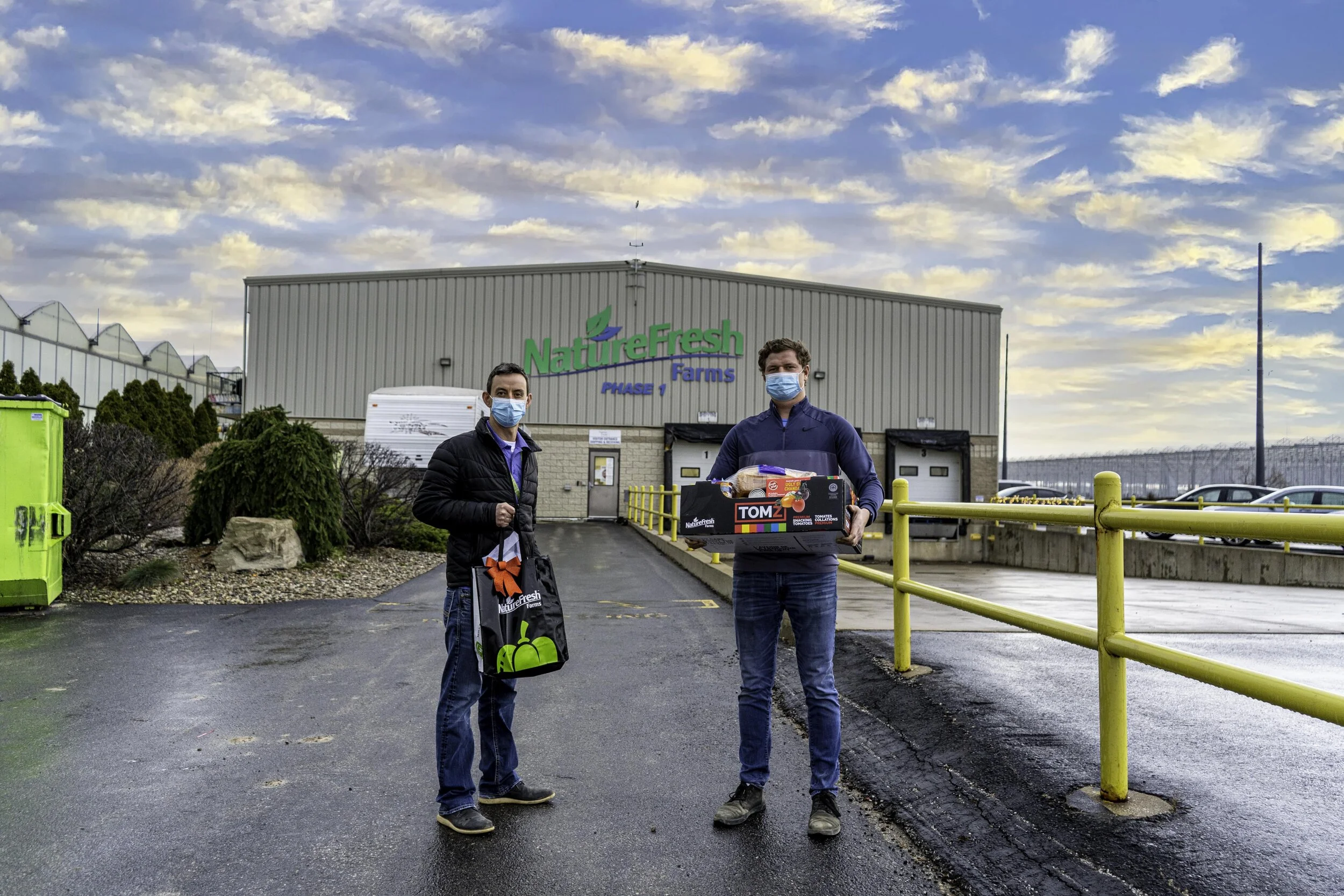
Leamington, ON (December 24, 2020) – Nature Fresh Farms continues to give back to their community this holiday season through their various fundraisers and donations.
On December 23rd, as part of their Holiday Giveaway initiative, Nature Fresh Farms distributed gift baskets to a total of 44 families in need: 34 in Windsor/Essex and 10 families in Fulton County Ohio, providing each of them with $200 in groceries and a $500 gift card. This has been the fourth consecutive year Nature Fresh Farms has carried out their company Holiday Giveaway.
In addition to the Giveaway, the cross-company food drive took place over a two- week period where South Essex Fabricating, Sunens, and Nature Fresh Farms employee donations led to a total of 2,279 dry goods collected. The three companies brought the non-perishable food items to the local Salvation Army in Leamington with Nature Fresh Farms Ohio donating to The Open Door in Delta, Ohio, and the Nature Fresh Farms Laredo team donating to the South Texas Food Bank. Both initiatives were extremely successful providing families with some much-needed cheer this season.
“There have been difficult times had by all this year so we weren’t sure how much our teams would be able to raise for our holiday programs,” shared Vice President of Nature Fresh Farms, John Ketler. “Once again, the incredible generosity and kindness of the members at Nature Fresh Farms, Sunens, and South Essex Fabricating continues to surprise us. They have so much love for their community and it is truly inspiring to see how everyone is so eager to give back to people in need in such a meaningful way.”
-30-
About Nature Fresh Farms -
Continuously expanding, Nature Fresh Farms has become one of the largest independent, vertically integrated greenhouse vegetable farms in North America. As a year-round grower with farms in Leamington, ON, Delta, OH, and Mexico, Nature Fresh Farms prides itself on consistently delivering exceptional flavor and quality to key retailers throughout North America, while continuing to innovate and introduce more viable and sustainable growing and packaging solutions.