

Welcome to iGrow News, Your Source for the World of Indoor Vertical Farming
Indoor Farming Industry Gets Boost From COVID-19
Leading indoor farming companies, like BrightFarms, offer hydroponically grown, “cleaner than organic” packaged salads that results in a higher-quality product that consumers can trust
By Steve Bradley
The coronavirus pandemic has caused a major shift in dining out and led many Americans to become more familiar with their kitchens than ever before. In fact, according to the 2020 “America Gets Cooking” report commissioned annually by Hunter, a food and beverage public relations and marketing communications consultant, more than half (54 percent) of Americans report they are cooking more during the pandemic.
Thirty-nine percent said in a survey they are trying to eat healthier, with many saying they are becoming adventurous in the kitchen, trying new ingredients, brands, and products. Salads and vegetables are two of the top five food items survey respondents say they are preparing more.
This presents a tremendous opportunity for grocers to meet this demand for preparing meals at home, as well as a growing desire to maintain a healthy diet during the pandemic to assist in fighting off the unwanted pounds associated with staying at home.
Fresh produce can play a key role in eating healthy but is not something that can easily be ordered through an online retailer like non-perishable goods. Shoppers like to hold and visually inspect produce for freshness, firmness, crispness, color, and other desirable characteristics.
In short, fresh produce is a primary driver of traffic into grocery stores.
Additionally, consumers also want to know that what they are buying can be trusted. Salmonella, E-coli and other pathogens have unfortunately made their way into our fresh produce supply, causing massive recalls, illnesses, and even deaths. Consumers want to know they are buying a safe product and – increasingly – want to know more about where it came from and how it was grown. Words like “organic,” “non-GMO” and “locally sourced,” have become part of everyday language for many Americans.
Leading indoor farming companies, like BrightFarms, offer hydroponically grown, “cleaner than organic” packaged salads that results in a higher-quality product that consumers can trust. Even produce labeled “organic” has likely been treated with chemicals such as pesticides and herbicides. This also means the consumption of water, land, and costs associated with shipping produce are dramatically reduced. Additionally, locally grown means the quality is preserved through a much shorter shipping process, while also relying on less fuel due to shorter travels to market.
Controlled-environment agriculture ensures produce is not subjected to the whims of nature, such as drought, excessive rain, or other weather patterns.
In many ways, the BrightFarms’ model of bringing local produce around the U.S. into commercial stores has the potential to disrupt the multi-billion-dollar leafy greens industry. Few people could have likely imagined 10 years ago that hailing a taxicab would no longer be the “go to” for getting around town. Similarly, corporations, with the ability to look around corners and see the future, are re-imagining how consumers get high-quality local produce onto dining room tables.
We need to feed a growing population in a more efficient way – not tied to any one certain geographic area. Investments in cleantech-focused on resource efficiency, resiliency, and adaptation. Local, sustainable, controlled environment produce consumers can trust gives us that opportunity.
We believe it is possible to make the world a better place – building a better future for the next generation – while also growing business and creating jobs.
Steve Bradley serves as vice president of Cox Cleantech at Cox Enterprises, Inc. based in Atlanta, Georgia.

Russia Invents New Way To Grow Vegetables In SPACE
How do you grow something in space when there's no gravity, electromagnetic field or sunlight? For more than 50 years, scientists from different countries have been trying their best to solve the problem. Some experiments were even somewhat successful
RBTH
26 Dec 2020
Space wheat, peas, onions, and lettuce... dreams of planting your own food in space have taken a huge leap forward. And it's all thanks to a small step by a clever new system.
How do you grow something in space when there's no gravity, electromagnetic field or sunlight? For more than 50 years, scientists from different countries have been trying their best to solve the problem. Some experiments were even somewhat successful. But now, for the first time, we have a way to grow a large amount of vegetables in space at once.
It's all in the tubes
"A vitamin space greenhouse" is how they refer to 'Vitacikl-T' - a titanium tube setup that allows a conveyor-belt system to grow vegetables aboard the International Space Station. It was developed after Russia lost it’s own 'Lada' greenhouse in 2016: its modified version then made it into orbit, before blowing up together with the Progress spacecraft.
The construction consists of a spinning drum with six root modules. Planting takes place in the first module, followed by another in four days, and so on. In 24 days, you get a harvest in the first module, which gets collected, before the module is refilled with new seeds. The operations are performed in a cycle, one taking place every 44-66 days and, for the time being, this type of setup has been able to produce bigger and better results than any other foreign-made space gardens.
'Vitacikl-T' - Institute of Biomedical Problems (IBMP) RAS
Another invention here is the titanium porous tube system, which penetrates the artificial soil the way arteries do, in order to carry water.
"You can't just water plants in space: the stream turns into drops, flying in all directions. And if you use a capillary tube structure, the water slowly seeps through the pores, straight to the roots of the plants," says Maksim Sheverdyayev, head of the department for special non-nuclear materials at Rosatom.
Cosmonaut Sergei Volkov and the "Lada" - IBMP / Roskosmos
When there's a lack of enough moisture in the soil replacement system, a discharge occurs, which is measured by pressure sensors. When the soil becomes too dry, the computer sends more water.
For now, the plan is to only grow lettuce - whose purpose is also to add variety to the cosmonauts' space diet. But the idea for a space greenhouse should become indispensable in the future, during a potential space colonization, when the need for an autonomous closed ecosystem with water and oxygen is predicted to become especially high.
Space farm?
In actuality, Russian cosmonauts already managed to grow a lot of plants in orbit. The first cultures were sent there way back in 1960, with the second 'Sputnik' ship, together with Belka and Strelka - the two famous dogs. How did the seeds react to microgravity? Was the harvest safe for consumption? Did it affect the plants' DNA? All of these questions (and more) have led to the types of experiments today that should give us the high-tech autonomous system we'll no doubt require in the future.
'Trapezium' - Memorial Museum of Cosmonautics
The growing itself, for the time being, happens in quite a compact setup - as the one in the American segment of the ISS and - until recently - the Russian one. Talk of a mass-scale greenhouse is still just talk at this point.
"There are two ways growing can happen in zero gravity. The plants either attach to a surface, winding around it, or they tend toward some light source - it all depends on their type," cosmonaut Sergey Prokopyev explains. "The plants are grown hydroponically. Horizontally attached receptacles with artificial substrate receive seeds and conditions are created for air to penetrate the greenhouse through the capsule."
Oasis - Journal of Technology-Youth, 1983
The water and nutrients are fed automatically, although, until now, some astronauts perform the procedure manually, using a syringe and tubes, straight into the substrate. The path to doing it this way was a thorny one, however.
In 1974, aboard the 'Salut-4' orbital station, there was a hydroponics setup called 'Oasis'. Cosmonaut Georgy Grechko was trying to grow peas this way. There was no soil and the peas had to grow through a soaked net. Soon after work began, huge water droplets would begin leaking from the system, with Grechko having to chase them with napkins. He ended up cutting the hose and watering manually.
Oasis-1 - Memorial Museum of Cosmonautics
However, this wasn't the only issue. In his book, 'Cosmonaut no.34', he confessed that his hatred of biology in school almost cost him the entire experiment. He thought the sprouts were getting trapped in the cloth and growing incorrectly and freed them from the net. Turned out he confused the roots with the stems.
Tsiolkovsky's space greenhouse - Memorial Museum of Cosmonautics
Despite this, the experiment was concluded successfully. The peas began their cycle - from seed to stem. But of the 36 seeds, only three grew successfully. Why? Well, the scientists thought it was down to the genetic characteristics, which depended on the Earth's orientation - geotropics: the sprout always tends toward the light and the stem in the opposite direction.
Imitating the Earth
After that factor was taken into account, the setup was modified and new seeds were sent into orbit, with success all around. But the plants wouldn't bloom - just as it happened in 1980, with orchids that had been blooming before departure to space. In several days, the flowers would fall, despite new leaves continuing to grow, as it happened with the roots. A theory then merged that the Earth's magnetic field was at play.
Oleg Artemiev / Roscosmos
The father of cosmonautics, Konstantin Tsyolkovsky, described a solution to the problem. He developed a plan to create an artificial gravitational field, involving growing the plants in a centrifuge. The practical solution already existed in 1933. The centrifuge did help: the sprouts turned according to the vector of the centrifugal force. The experiment successfully grew Arabidopsis and rockcress.
Oleg Artemiev / Roscosmos
Following the success, cosmonauts continued to take seeds into space, successfully growing onions, wheat, lettuce, cabbage and other cultures - as well as doing so in open space. In 2007-2008, there was the 'Biorisk' experiment, which involved mustard seeds, rice, tomatoes, radish, yeast, rockcress and nicandra growing for 13 months in a container aboard the ISS. The tomatoes were the only ones to perish - others made it back to Earth, preserving their freshness.
Roscosmos
Eating space-grown cultures has been allowed by law since the 1980s, when scientists first determined their safety, upon studying the effects of such a process of cultivation.

Agrilution Brings Herb Gardens Into The Home With Their "Plantcube"
It will always be spring in your kitchen. That is what the "Plantcube" from Agrilution promises; a fully automated greenhouse that enables vertical farming even on a small scale
Closed Ecosystem In A Designer Cabinet
It will always be spring in your kitchen. That is what the "Plantcube" from Agrilution promises; a fully automated greenhouse that enables vertical farming even on a small scale. Maximilian Lössl, Co-Founder and CEO, spoke about the first experiments in his parents' basement, the new features of the second generation of "Plantcube" and why his personal mini-farm will never run out of basil. With a high-tech herb garden in a designer cabinet, the consumer gets a closed ecosystem where it's always spring. What could a mini-vertical farm like this do for us?
By mimicking the perfect spring conditions every day, the closed ecosystem grows herbs, lettuces, and micro-greens with up to 30 percent higher density of nutrients; all without transportation costs, cold chains or plastic waste. The harvest will also land directly on people's plates, retaining the all-important secondary plant compounds, vitamins, and minerals. It is a combination of special light frequencies, controlled climate, and hydroponic irrigation that will ensure optimal conditions throughout the year, all without pesticides or seasonal dependencies. In this way, technology and nature can work hand in hand.
You first started farm-to-table experiments in your parents' basement. How did the idea come about?
The initial spark, the enthusiasm for vertical farming, came from a book by Dr. Dickson Despommier. On the author's recommendation, I actually went to Den Bosch in the Netherlands to study. But the theories were not enough for me. I became impatient and wanted to act. So I took the concept of vertical farming a step further; the idea of a "mini-vertical farm" in my own home was born. Philipp Wagner then joined me for the technical implementation. Our friendship goes back to our school days when we played basketball together. We started experimenting in my parents' garage and founded Agrilution together in 2013.
Which lettuces and herbs exactly do you grow in the "Plantcube"?
Our portfolio currently includes over 30 different plants - from common kitchen herbs to tatsoi, leaf lettuces, and mixes for pesto to more unusual microgreens such as bronze fennel. The selection is based on the needs of the market, but we also want to offer something unusual that is unavailable in the supermarket or organic market. In addition, growth speed is decisive so that our customers do not have to wait too long. Generally, the harvest time is between one and four weeks.
And what demand is the unit designed to meet?
Assuming a daily consumption rate, the capacity ranges from a single person to a small family - depending on how planting and planning is done. Our app provides insight on growth, advice on harvesting or maintenance, and also allows online ordering of new seedbars that carry the seed.
Won't we lose that particular feeling of taking care of your plants in the field, garden, or balcony?
We don't see ourselves as competing with people who want to have big gardens where they grow their own plants. Rather, we address city dwellers who do not have a balcony or garden in urban centers, are seasonally limited due to their location, or who simply lack a green thumb. Of course, we focus on vegetarians, vegans, and flexitarians, but we also address culinary connoisseurs who are looking for that special aroma. And technology-savvy early adopters who want to outfit their smart homes with the latest tech.
You recently launched the second edition of the "Plantcube". What exactly has been changed or improved?
What's new about the optimized "Plantcube", in addition to its black redesign, is the revised drawers system, which can now be equipped with nine seed bars each on two levels. This offers a much greater variety for planting and the new, portion-sized seedbars are even more aligned with daily needs/the daily harvest opportunity. We have also expanded our plant portfolio and divided it into three categories so that our customers can get a particularly quick overview: Dailies, Essentials and Chefs. In addition to all this, the Seedbar substrate is now 100 percent biodegradable thanks to the use of natural materials.
There is also a so-called "Cinema Mode". What is this in essence?
Cinema Mode is also one of the latest adjustments - it came about as a result of valuable customer feedback and allows the greenhouse to be set to silent and dark for up to two hours. Some users will position the "Plantcube" directly in the living room as a design statement. Its light can be disturbing when people are watching a movie, for example, which is why we have added this option.
You probably own a "Plantcube" yourself. What do you grow in it and why?
The "Plantcube" in our private home is always well-stocked. We eat our greens every day. Since I love Asian cuisine, we always have fresh cilantro for salads or as a topping for avocado bread. But our regular assortment also includes tatsoi and wasabi leaf mustard - nice and spicy. And don't forget the basil. My girlfriend is Italian.
Are there any recipes specifically using plants from the Plantcube?
We are constantly developing recipes with greens from the "Plantcube". Our website provides inspiration, as does the app. We also regularly cook together in our office, which is currently only possible to a limited extent. Otherwise, however, we always come up with highly recommendable creations. We also cooperate with KptnCook and chefs who use the "Plantcube" themselves. My favorite dish is "Asian Pak Choi Stir Fry", which I modify according to my mood.
What impact has the lockdown had on interest in your Plantcubes? Fresh greens from one's own home sounds like an enticing option right now.
Sales have really taken off; because customers will always have something fresh and healthy in the house, and for the first time it's becoming very clear to all of us that local cultivation can't always meet the demand for natural products. As a result, we're sometimes faced with empty vegetable shelves. Also, in general, a more conscious, healthier life is becoming more and more trendy right now.
Lead photo: "Plantcube" / Image: Agrilution.
Source: AD Magazin
23 Dec 2020

Growing Smart And Sustainable
The industry has received much more attention this year, which has motivated the interest in sustainability. There is more focus on the sustainability of a farm, alongside its profitability and the validity of a system.
“The industry has received much more attention this year, which has motivated the interest in sustainability. There is more focus on the sustainability of a farm, alongside with its profitability and the validity of a system,” Michael says.
Michael Martin is a researcher at the IVL Swedish Environmental Research Institute and KTH Royal Institute of Technology, focusing on sustainability and industrial ecology. Michael has been researching the sustainability of vertical farming systems for a few years now. Currently, he leads a number of projects on the subject, collaborating with many of the Swedish system developers.
Michael Martin
“I think that there’s a discourse used to promote or motivate why vertical farms are there. They’re often related to the reduction of water, transport, and so on, but there are also a large number of critics cherry-picking some of the more obvious potential drawbacks of the systems,” Michael affirms.
Carbon footprint and energy
For impacts related to energy, Michael states that it really depends on where a grower is located. Where energy use is key, for e.g. LED lighting, Northern European countries have great preconditions, with lower carbon energy sources and a supply of district heating. A large share of [district] heating in Northern European countries derives from the incineration of waste and biomass.
Most vertical farms are found in, or in close proximity to, urban areas, in residual spaces, meaning that they have access to heat. However, as these farms have stable ambient temperatures they don’t need much heat, and options for cooling are sometimes more important.
However, sometimes there’s too much excess heat in the building, which then needs cooling. “We have been looking into the interplay of the building and the farming system, plus the synergy of it. ‘What are the possibilities of heating a building with LEDs waste heat?’ There is potential for integrating the systems to the neighborhood so that the residuals, biofertilizers, waste heat and so can all be used to reduce wastes and improve resource efficiency through symbiotic development."
Smart growing and automation
Taking lighting conditions, for instance, by creating the optimal conditions for plants to grow. Typically one recipe is used for lighting and nutrients. But when allowing different optimizations through smart technology, everything can be monitored in terms of nutrients and water, etc. By being hands-on with the growing processes, resource consumption can be reduced.
There are new types of systems that are coming with a greater focus on product-service systems such as FAAS, i.e. selling functions and services instead of products. "I think that in terms of technology we can really make farms more sustainable. Automation and optimization of growing conditions can create large potential resource consumption improvements and optimize growing conditions."
For more information:
IVL Swedish Environmental Research Institute and KTH Royal Institute of Technology
Michael Martin
michael.martin@ivl.se
Publication date: Tue 15 Dec 2020
Author: Rebekka Boekhout
© VerticalFarmDaily.com


“The Shift From The Old Way of Farming Is Going To Be A Big Feature in 2021”
In a normal year Henry Gordon Smith, CEO of consultancy firm Agritecture, and Darryn Keiller, CEO of technology company Autogrow would have met up quite a few times and would have discussed the challenges and developments of the industry regularly
Darryn Keiller & Henry Gordon Smith:
In a normal year Henry Gordon Smith, CEO of consultancy firm Agritecture, and Darryn Keiller, CEO of technology company Autogrow would have met up quite a few times and would have discussed the challenges and developments of the industry regularly. This year though everything has been different – like it has been for everybody – but despite all of that they are positive for 2021. “The energy and the enthusiasm for CEA has not slowed down whatsoever – on the contrary. It feels like 2021 is going to be huge. We’re on track for the big boom of CEA.”
Transparent challenges
“2020 has had its own challenges for everyone. What’s interesting is how the industry has responded. At first, the greenhouse industry, and mainly the US and Canada, had to deal with social distancing, getting their staff together and, particularly in the US and Canada, COVID outbreaks amongst labor force,” Darry Keiller, CEO with Autogrow, says when asked about 2020 in the horticultural industry. “At the same time and due to the COVID outbreak, 2020 is also the year the challenges we’ve all been talking about in the food industry became transparent to everyone in the world: the reliance on immigrant labor, the importance of food safety, the vulnerability of transportation and logistics,” he sums up.
“COVID has further demonstrated the benefits of CEA by exposing the fragility of the food system,” Henry Gordon-Smith, CEO with Agritecture, adds. “In India for example there have been experiments with high-tech CEA – now the full force of the government is getting behind it. For the Middle East it’s the same: the second wave of funding and the support for innovation in farming is up and running.” Being located in Dubai, he’s seen the demand for consultancy grow in countries like Oman. “There’s new programs and tenders. In Saudi there’s a big push for greenhouses and vertical farms, Qatar has recently published tenders for vertical farms and the UAE as a whole is continuing to push money and policy in this space. Before not many stakeholders might have been convinced, but now they see that its the right time for vertical farming especially.”
Darryn Keiler, CEO with Autogrow
Massive explosion
“If it’s indoor farms, tunnels, high tech greenhouses – it doesn’t matter,” Darryn adds. “We’re expecting a massive explosion in CEA for the upcoming years. 2020 has already seen memorable events – if we only look at the reversed IPO of AppHarvest, the first time that a high-tech greenhouse company has gone public this way. But it’s not just the big guys and the megacompanies - there’s more going on: from Florida to the North East there’s a higher demand for lettuce greenhouses and even though people might feel as if this is old news, it’s still the idea of localized food production that is the driving force behind these initiatives.”
Henry adds how COVID again has played an important role in this. “Before many CEA farms were seen as expensive and suitable only for supplying restaurants. Then COVID happened and even though the restaurants shut down, these farms were quicker to adapt, to change their distribution models and to focus on shipping directly to consumers. By focusing on local customers, the CEA farms suddenly had an advantage in being local and in being able to adapt more easily than the large growers. For the vertical farming industry that’s an interesting thought – the adaptability of the food value chain will be a strong part of the road to food security when other shocks occur in the years to come.”
Henry Gordon Smith, CEO with Agritecture
Remarkable is also how the people behind these projects have nothing to do with traditional growers and farmers. “There’s many young people – millennials, GenZ – you name it. After seeing the need for local food supply, they’re the driving force behind this second wave of interest around indoor farming,” Darryn says and points at Henry, who started as a blogger for the vertical farming industry ten years ago and added consultancy to the business in 2014, to guide these ‘newbies’ in the industry. “Based on the 2020 Census 49% of the respondents in our industry have zero experience in growing,” he laughs. “But it’s different than before and they’re challenging us as consultants as well. The general knowledge on CEA increased and so have higher expectations. Even though they have no experience, still they are more educated than many of the people entering the industry before. They understand what vertical farming is, that leafy greens are the most important crops and why some crops can’t grow inside. And they want more: more than traditional growers, they’re eager to learn. The archetype of many traditional growers is still that the way they work is how it should be done and often they’re not open to change. These newbies are open to new things, yet they don’t need to know all parts of growing, they prefer to make use of the techniques relevant to them,” he explains.
Baseline understanding to accelerate growth
As an answer to these people, Agritecture this year released software “Agritecture Designer” allowing growers and investors to check what they’re getting from their business plan and their investments. “Technology companies use it to check their own products, growers to check their farm yields. Our goal with it is to create a baseline understanding of growers to further accelerate growth,” he says. “These new entrepreneurs don’t want to be a grower, they want to be the Elon Musk of their food adventure – build a successful, profitable business. With this eagerness, they’re pushing the industry to move forward: they want high-tech, they want an investible project, they want to differentiate in strawberries or mushrooms and they want the data. Actually, they want all of it because they know it is possible. And that’s pushing us as consultants as well to develop continuously.”
It’s not only new growers and investors entering the industry. “We’re still seeing ourselves as a young company,” Darryn adds – the original Autogrow business began 27 years ago but in 2014 began to expand into software platforms and cloud-based technology including the launch of FarmRoad and Folium Network Sensors “Now all of a sudden there’s a raft of other guys springing up all over the place I don’t think that’s an accident: those founders must have seen what we saw: a transformation in the industry and an opportunity to contribute to that.” He explains how that’s indeed how they look at these developments – not as a threat but as help to lift the digital tide. “If more players talk about using data and platforms to help growing, it can help the industry move away from the old, mechanized way of farming.”
Wireless smart sensor Folium
Data-driven growing
The shift to data-driven growing is not only happening in new markets or new companies. Also, existing associations are looking for ways to catch up. “Egypt and Morocco for example,” Henry gives as an example. “We’re seeing both governmental initiatives as companies trying to catch up. What they’re looking for is not only the technology we have, but the knowledge that can be offered. They’re understanding that’s valuable and that moving farming forward is also something what they are paying for.” Darryn adds how also new generations are following up their parents in existing companies – with often no intention to follow the same strategy as their parents did. “They’ve studied and have grown with new techniques including AI and data. They want to know how these new forms of technology will help the industry and their company move forward.”
“The long-awaited shift from the old way of farming is going to be a big feature in 2021,” Henry concludes. Does this mean both Agritecture can sit down and relax with customers showing up, and Autogrow can wait for their products to sell themselves? Unfortunately not. Back in spring Agritecture lost about sixty percent of their consulting business and significant challenges lasted until November before the company had a positive revenue again. “Still we see the momentum and believe in building the marketplace. We’ve launched a digital product in April and have our first 2000 users and are getting amazing testimonials, we’re about to begin fundraising for the next stage of our software.”
“With the borders closed, the Netherlands in a new lockdown, all the trade events shut down, the situation remains challenging,” Darryn confirms. “Connecting with customers has become harder in 2020, we have to hustle more now.” Being based in New Zealand and having customers all over the world means the usual challenges with different time zones but it’s what everyone needs to do in this new normal. Convinced the situation will not change any time soon, the company has rapidly expanded their presence all over the world. “It’s a high-risk play, but we hired 15 people in the last 12 months. By being present in Europe, in Asia, in America, we are in a better position to support our customers and also learn from their challenges."
Digital twin
And there’s more to come in 2021. “Of course there will be super-advanced stuff coming out,” Darryn laughs and although not all of it can be revealed yet, he explains how the creation of a digital twin for greenhouse crops will be a new tool in the road to the autonomous greenhouse. “But that’s for the long term – for now, it’s technique and software helping the industry to grow. Together with the industry, we’re on track for the big boom of CEA,” he says and Henry adds how it’s one they didn’t expect to happen this way per se. “We always knew CEA was getting bigger but thought on droughts, climate change, and food safety to steer this. We didn’t expect the pandemic to be the next big driver, but it feels like next year is going to be huge.”
Annually Autogrow and Agritecture release a Global CEA Census report, an in-depth global survey of indoor & controlled environment agriculture. The insights discussed in this article can be read in the greater perspective in the second edition of the Global CEA Census Report, that was launched early December. Click here for more information on it and a free download of the report.
For more information:
Autogrow
Agritecture
henry@agritecture.com
www.agritecture.com
Publication date: Thu 24 Dec 2020
Author: Arlette Sijmonsma
© HortiDaily.com
“Wine Can Solve Many Problems, But Not At A Global Scale”
“Having worked in horticulture for over 13 years, made me wonder whether I’d wanted to pursue my career in the industry. Although Signify continued to expand, it became more clear to me that I was ready for a change and new experiences,” says Roel Janssen, former horticulture specialist at Signify
“Having worked in horticulture for over 13 years, made me wonder whether I’d wanted to pursue my career in the industry. Although Signify continued to expand, it became more clear to me that I was ready for a change and new experiences,” says Roel Janssen, former horticulture specialist at Signify.
Roel Janssen and his son Stef
From greens to grapes
Roel has always been passionate about wine as he has imported many wines from various wine regions over the past years. Once the opportunity came across to set up a commercial market for all export markets at Puklavec Family Wines, he decided to give it a go. The team was very marketing-driven, focused on the wishes of the customer but due to COVID the market stayed locked.
Targets were achieved and an increase in sales was noted, however, there was very little challenge to it for Roel. “In my surrounding many things were happening around food security, growing lean and local became so much more important. Wine can solve many problems, but not at a global scale. I am very glad that this switch has made me realize that I do miss horticulture a lot,” Roel states.
Planet Farms
The trigger
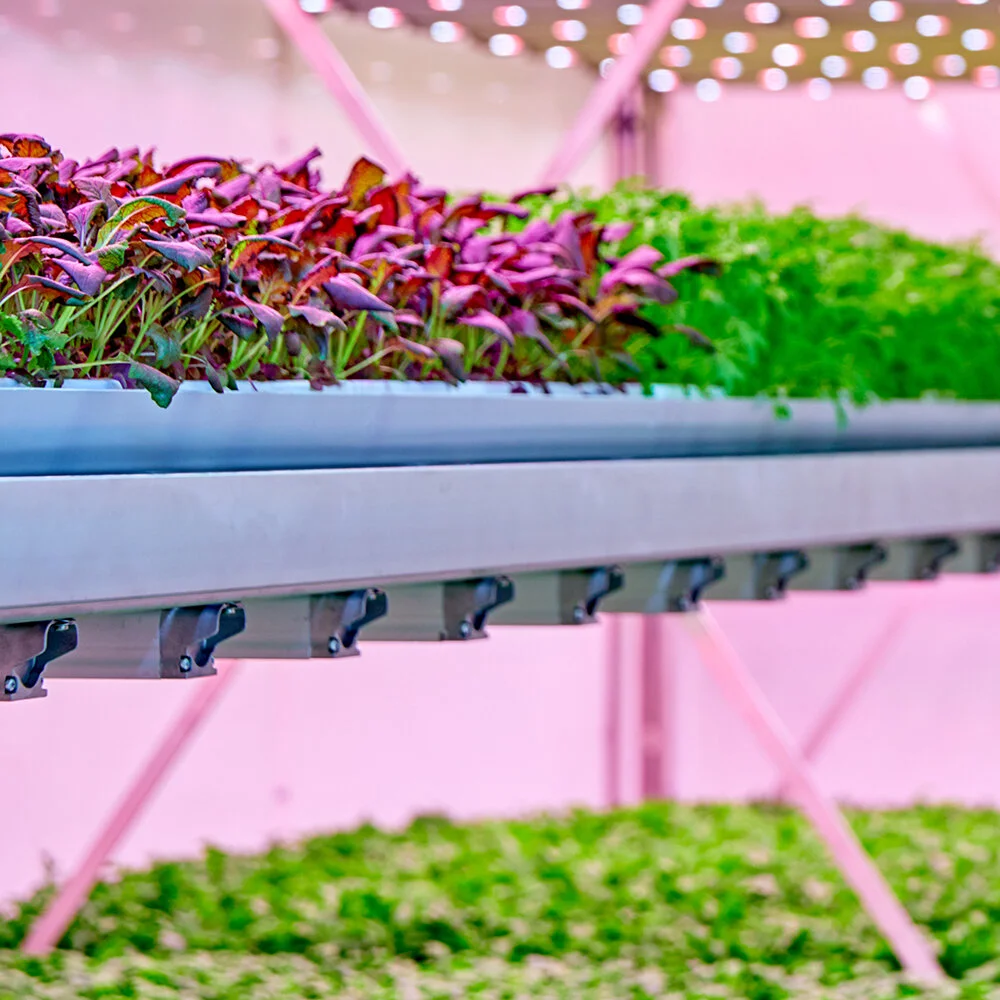
During the summer Roel spent his holidays in Italy and was too tempted to visit Planet Farms as he has worked with them during his time at Signify. I was so impressed by their farm and technology because you barely come across these highly advanced farms. Everything in the farm is controlled, offering the most optimal growing environment for crops. Luca Travaglini, Co-founder and CEO of Planet Farms has his roots laying in automation and said to bring change to the world.
He has done a lot of research in picking the best products of all industries, putting them of use in horticulture. “When meeting Luca and Daniele (Co-Founder) they were so enthusiastic that I noticed it was triggering me. After being offered a role as Business Developer at their farm I knew this would make a perfect fit for me, given my experience in the Dutch horticulture and horticultural network. I am going to be the link between the Planet Farms’ crops and technology,” says Roel.
Inside the facility
Booming industry
“The catering industry is great to work in, but as it was closing up more and more, I wasn’t motivated by it anymore. But let’s be honest, horticulture is the best industry of them all. It’s such an openminded space with many people that are willing to share information focusing on collaboration. The indoor farming industry is booming right now as many parties are investing in technology and I see many opportunities here.
According to Roel, many opportunities lie in where farms can create added value in either taste or nutrients, but only when having all control in a farm. Farms won’t be able to differentiate in terms of pricing, because that basically won’t succeed. “Vertical farming will always exist alongside traditional horticulture, but it will not feed the whole world.
Many people went bankrupt because they didn't know anything about horticulture. There is simply not enough data yet to allow computers decision making, because there is so much difference in varieties.” Ultimately, the most successful farms will be the ones that make a difference in the product they deliver and its presentation, in terms of the best user experience.
For more information:
Planet Farms
roel.janssen@planetfarms.ag
www.planetfarms.ag
24 Dec 2020
Author: Rebekka Boekhout
© HortiDaily.com
Did You Miss Our Q&A With Our first Farmer? Here Is The Recording!
Catch up on the recording of their conversation below and learn firsthand how the CNSC achieved their milestone of 40,000 Rocket Greens sold in just three years of operation
Reaching 40,000 Leafy Greens Sold - Watch Now To
See How This Farmer Got There!
We’re sorry we missed you! Last week during the Q&A, Carley Basler, sustainability coordinator at The Churchill Northern Studies Centre (CNSC), and Corey Ellis, co-founder, and CEO of The Growcer, chatted about:
Lessons learned in distribution
Crafting the Rocket Greens brand
Carley’s experience growing in The Growcer system
Adopting to seasonality
Catch up on the recording of their conversation below and learn firsthand how the CNSC achieved their milestone of 40,000 Rocket Greens sold in just three years of operation.
The recording should open in another tab and the passcode to access it is: Growcer@1
If you have any follow up questions about how you can also start your own container farming project, reach out to Growcer's Project Consultant, Nick Halverson, at nick@thegrowcer.ca.

Welsh Government Fund The Supply & Installation of CEA Systems
To date, the approaches to CEA (Controlled Environment Agriculture) have been vastly different, uncoordinated, and largely unsupported. Through this pilot, we will offer real growth potential at a scale that is impactful, replicable and delivers wider benefits for the region
To date, the approaches to CEA (Controlled Environment Agriculture) have been vastly different, uncoordinated, and largely unsupported. Through this pilot, we will offer real growth potential at a scale that is impactful, replicable and delivers wider benefits for the region.
This project, Crop Cycle, is being funded by the Welsh Government through the Foundational Economy Challenge Fund and we will be working with businesses and partners who are committed to the four pillars of the Economic Contract. The project will provide a testbed for Controlled Environment Agriculture (CEA), in the community setting – the very heart of our Foundational Economy. The project is being led by Social Farms & Gardens supported by Welsh Government’s Horticulture Cluster group and NutriWales CEA Special Interest Group.
The project allows for multiple & differing CEA systems to be tailored to fit different community settings but allowing them to be investigated and assessed in a coordinated and joined-up way across the pilot sites. This approach is unique, allowing the testing of new socially focused business models, the engagement of the local communities and businesses with CEA, and the development of new technical solutions.
This project will introduce food growing right into the heart of our communities, ones where they understand the local issues and are connected to the particular dynamics of the local area. Activities will test new community-based engagement models looking at social well-being, local entrepreneurship, and environmental impact. In this way, the project will be innovative in its operational delivery, social engagement, and business model creation bringing together community, businesses, and local public sector organizations.
Three sites will be supported, two of which are in the Valleys. Green Meadow Community Farm in Cwmbran, one of only two ‘city farms’ in Wales, and one which connects people to food and farming in a very public way. It is owned and operated by Torfean County Borough Council, bringing with it a high-level partnership. The farm already welcomes thousands of visitors through its gates and connects locally through a number of schools and college partnerships – making it an ideal ‘showcase’ location for this pilot.
Welcome To Our Woods in Treherbert is the site of the second valley, nestled in the heart of the Rhondda Valleys. This proactive community group has been actively engaging with its communities through partnerships with the Green Valleys CIC and their joint ‘Skyline’ project. This partnership and ground-up way of working has led to several funding investments in the region looking to explore community ownership of land and the benefits that can be brought about by allowing the community to utilize some of their surrounding natural green assets for the betterment of the environment, and the local communities. This makes it a unique and perfect fit for this pilot.
Ian Thomas from Welcome To Our Woods, said, ‘work is progressing well on the growing facility in Treherbert and we are excited to be bringing such an innovative and progressive project to our local high street. We have already been engaging with the Upper Rhondda community to explore the projects that actively use our woodlands for the benefit of those they surround, and initiatives such as this help give local people an idea of what can be achieved’.
The third site will be in Ty Pawb Community Hub in Wrexham, situated in the center of Wrexham, this recently refurbished site boasts a monthly footfall of 50000. One of the key players in the successful regeneration of the town it will also link with the community rooftop garden where Welsh Heritage Fruit trees are to be planted. Its facilities include an art gallery, stage area for concerts, and rooms for educational visits and community clubs.
Gary Mitchell, the Wales Manager for Social Farms & Gardens who is leading the project team stated, "we are excited to be running the pilot project across a diverse set of sites to gain insight and further knowledge into how new agricultural systems can successfully support communities in delivering local, fresh and nutritious foods as well as important social benefits in a sustainable manner."
For more information:
Social Farms & Gardens
Gary Mitchell, Wales Manager
gary@farmgarden.org.uk
www.farmgarden.org.uk
15 Dec 2020

VIDEO: Local-For-Local Food Production In Climate Containers
Bosman Van Zaal is getting more and more questions about the use of Grow & Roll climate containers for food production, equipped with cultivation systems with multiple cultivation layers. Organizations that are committed to local food products are showing particular interest
18-12-2020 | Goedemorgen
NETHERLANDS- Bosman Van Zaal is getting more and more questions about the use of Grow & Roll climate containers for food production, equipped with cultivation systems with multiple cultivation layers. Organizations that are committed to local food products are showing particular interest.
Under own management
The Grow & Roll climate containers have been developed in-house since 2016 and adapted to applications by third parties. In 2019, for example, an entrepreneur from the United States, together with several other companies from the Green Innovators Group, developed a closed climate unit in a sea container for research and cultivation of plant material. The results of this research will form the basis for large-scale Vertical Farming in the future.
The knowledge gained has led to further development at Bosman Van Zaal, as a result of which the climate containers are now also suitable for food production on location.
Multilayer cultivation
Vertical Farming is one of the solutions to the problem of the growing demand for food. A multi-layer system uses less surface area, energy, and water. And production takes place all year round, resulting in higher yields.
Tailor-made climate
Each unit is equipped with various installations, which together determine the climate in the container in an integrated way, controlled by a climate computer. Systems for heating, cooling, ventilation, water, air, and water purification, fertilization, CO2 and LED lighting are often the ingredients for an optimally closed climate, anywhere in the world, on an outdoor site, or in a building. Peripheral equipment or hardware are easy to install, allowing this flexible form of food production to continue to take place quickly and efficiently, even in the longer term.
Housing
For practical reasons, standard sea containers are widely used because they are relatively easy to transport and move. Because of their handy dimensions, these units are also suitable for placing in buildings, possibly stacked. In this way, the vertical food production is taken even further.
Bosman Van Zaal
Bosman Van Zaal develops, produces, and builds complete horticultural projects at home and abroad. The projects are based on the latest developments and the latest insights for the sustainable and efficient cultivation of food crops, ornamentals, and plants for the cosmetics and pharmaceutical industries. For more information, please visit www.bosmanvanzaal.com.

100% Robotization Allows Constant Quality Produce
"One of the biggest bottlenecks for most vertical farms is labor-intensity and associated costs. Our first focus was to reduce manual handling," says Ard van de Kreeke, Growx's CEO and founder
"One of the biggest bottlenecks for most vertical farms is labor-intensity and associated costs. Our first focus was to reduce manual handling," says Ard van de Kreeke, Growx's CEO and founder.
Growx has recently been featured in the 75th edition of RuMoer Magazine by BOUT, a master student association program in Building Technology at TU Delft, the Netherlands. The 75th issue is dedicated to urban farming as a solution for reconnecting the urban population to their food sources.
Ard continues, "Not only to reduce cost but also to ensure a constant quality of produce. The implementation of 100% robotization was successfully introduced in 2020. This not only makes a huge difference in labor costs and produce quality but also keeps the cell extremely clean. Human interfaces are only needed for malfunctions and checks. Another additional advantage is that there is no need to keep aisles and room for personnel to move around."
Each plant (gutters) continuously records broad water and nutrients, exposure, and air quality. But also a photographic representation in visible and infra-red light. This data stream is centrally stored and analyzed with the aim of developing optimal cultivation profiles.
Growx's robots pick up the entire process from start to finish, in other words, from seeds to harvest. "As soon as the plant moves on to the next phase of the growing cycle, the robot can respond automatically. Think of different light- or water composition," says Ard.
The company created a closed-loop system, where 100% of their waste is recycled to produce energy, CO2, water, and nutrients. They use an anaerobic digester for all the waste, which results in biogas that can be used for heat pumps and CO2 for the plants to use.
The complete article can be found here.
For more information:
Growx
info@growx.co
www.growx.co

Agrifood Tech Firms Are Flocking To Singapore, With Perfect Day The Latest To Land
US alt-dairy startup Perfect Day revealed today that it will set up an R&D facility in Singapore, with the city-state’s minister for trade and industry predicting “many other companies” will be joining it to take advantage of the growing agrifood tech ecosystem there
December 20, 2020
US alt-dairy startup Perfect Day revealed today that it will set up an R&D facility in Singapore, with the city-state’s minister for trade and industry predicting “many other companies” will be joining it to take advantage of the growing agrifood tech ecosystem there.
A*STAR's headquarters in Singapore. Image credit: A*STAR
California-based Perfect Day is establishing the joint R&D center in collaboration with Singapore’s Agency for Science, Technology, and Research (A*STAR.)
This center will bring together A*STAR’s expertise in areas such as taste analytics, cell biology, and protein biotech. The aim of the collaboration is to “build analytical platforms to characterize and quantify the key components in dairy food products that provide their distinctive taste and feel,” the startup said in a statement.
Founded in 2014, Perfect Day produces ‘animal-free’ dairy products using microflora to ferment sugars to create the same proteins, casein, and whey present in animal milk.
The startup is just the latest international agrifood tech company to set up shop in Singapore.
Invest with Impact. Click here.
Last month, German indoor farming firm &ever said it would establish its global R&D center in the city-state to carry out research into energy efficiency and yield optimization for indoor vertical farms. It’s also constructing a “mega-farm” in the east of Singapore with an annual production capacity of over 500 tons that is set to open by the end of 2021.
In October, US alt-protein startup Eat Just announced it would invest a total of $100 million with investor Proterra to build Asia’s first plant-based protein factory in Singapore. Earlier this month, the city-state handed Eat Just the world’s first regulatory approval for a cell-based, cultured meat product, clearing its ‘lab-grown’ chicken bites for sale to the public.
Swiss food industry majors Buhler and Givaudan announced the launch of a joint innovation center in Singapore in February to explore textures and tastes for plant-based protein products. French animal feed firm Adisseo set up an aquaculture R&D center in Singapore back in December 2019 to research aquatic animal health and nutrition.
Citing data from AgFunder, Singapore Minister of Trade & Industry Chan Chun Sing said that the global agrifood sector is “primed for growth” with investment into agrifoodtech startups growing 47% year-on-year in 2018 and a further 17% in 2019 to reach $19.8 billion. [Disclosure: AgFunder is AFN‘s parent company.]
With its “unique farm-to-fork ecosystem and track record for technical capabilities, quality branding, and intellectual property [IP] protection, Singapore aims to capture a significant share of the wave of economic opportunities in agrifoodtech,” Chan told reporters at a press conference announcing Perfect Day’s partnership with A*STAR.
Alt-protein products like those being developed by Perfect Day, Just Eat, and local players including Shiok Meats and TurtleTree Labs — which announced its $6.2 million pre-Series A round last week — have a critical role to play in feeding countries and cities like Singapore, where arable land is minimal and primary food sources are typically located far away.
“Alternative proteins will add to the suite of options we have without being restrained by factors like the [amount] of land and other natural resources we have. Overall, [they provide] a much more efficient, sustainable way to feed the population, across Asia, where demand will go up proportionally with the growth of the middle class,” Chan said.
But the buck doesn’t need to stop at Singapore securing its own nutritional needs, he added.
“We are not limiting our aspirations just to the domestic market. The larger market for this sector is really [the] growing needs for the Asia-Pacific, that we hope to capture. Look at China, Indonesia, India – as people become more affluent, as they seek higher quality food products, there will be a bigger market for these kinds of products. How do we feed a growing population in a sustainable manner that is also good for the environment? So our sense is not just how big the local market is, but how big the global market can be.”
“We want to make sure the core IP, the core R&D happens here – so the high-value part of the value chain is housed in Singapore, and we can attract the investment and the people to come here,” Chan said.
He noted that in addition to the arrival of foreign startups and corporates, as well as the growth of local players, a variety of domestic and international investors are contributing to the development of Singapore’s agrifood tech ecosystem.
“We are also building a vibrant cluster of financing firms across various stages, for example, New Protein Capital, EDBI, Temasek, and Proterra, as well as a base of global agrifood accelerators [such as] Big Idea Ventures‘ alternative proteins accelerator and GROW Accelerator […] Our eventual aim is to build up the talent pool with the expertise to deploy more than S$90 million [$67.5 million] of capital.” [Disclosure: GROW Accelerator is operated by AgFunder, AFN‘s parent company.]
Returning to Perfect Day’s R&D center announcement, Chan said it is another “milestone in our ongoing journey.”
“There will be many other companies joining us to build up our ecosystem,” he continued. “We’re optimistic this can become a new pillar of our economic development, providing us with greater [economic] diversity, food security for Singapore, and new opportunities in countries beyond Singapore.”
Singapore sovereign fund Temasek led Perfect Day’s $140 million Series C round in December 2019.
Got a news tip? Email me at jack@agfunder.com or find me on Twitter at @jacknwellis
alt dairy, asia, Europe, Germany, indoor agriculture, indoor farming, singapore, United States, urban agriculture, urban farming, vertical farming
The Nation’s First Saltwater Hydroponic Farm In Charleston, SC
Did you know that it’s possible to harvest crops using saltwater? Charleston is home to the first-ever indoor saltwater hydroponics farm that utilizes ocean water – aka the world’s most abundant resource – to grow food
Heron Farms saltwater hydroponics | Photo provided by Heron Farms
Agriculture is cool, but Lowcountry agriculture is even cooler.
Did you know that it’s possible to harvest crops using saltwater? Charleston is home to the first-ever indoor saltwater hydroponics farm that utilizes ocean water – aka the world’s most abundant resource – to grow food.
Saltwater hydroponic farming at Heron Farms | Photo provided by Heron Farms
Heron Farms, located at 1783 Harmon St., was established by Sam Norton in 2018. Sam grew up on a barrier island off the coast of South Carolina where his family home flooded more frequently + severely every year due to the sea level rise. The same issue was seen during his trip to Bangladesh, where he witnessed saltwater intrusion into coastal rice paddies upending the lives of many farmers in Asia.
This led to the idea of treating sea level rise as a free resource that could be used for agriculture instead of just an environmental problem.
Sam’s concept took shape and won the ACRE Startup Competition from the SC Department of Agriculture + the Charleston-based Harbor Accelerator Startup Competition. Following these achievements, Heron Farms was created and the idea became a reality in June 2018.
So, how does saltwater hydroponics work?
The first step in understanding the process is studying up on general hydroponic farming. Simply put, this method of indoor farming eliminates soil use by utilizing an alternative root anchor for plants + growing them directly in water (think: “hydro” = water). The inside setting eliminates the barriers of land use constraints + seasonality of crops. Plants receive controlled amounts of water, oxygen, nutrients + light that promotes the growth cycle. The difference with Heron Farms is that in all other cases, fresh water is used.
Why saltwater?
Along with the reasons mentioned above, the micronutrients of seawater that are transferred into the plants are a great source of minerals in our daily diets. Additionally, seawater irrigation allows the company to use less freshwater than any farm in the U.S.
What crops are grown?
Heron Farms sea beans | Photo provided by Heron Farms
Heron Farms’ first crop is sea beans – salicornia europaea – an edible plant that grows in the salt marsh. These types of saltwater-tolerant plants are known as halophytes, which have evolved to tolerate salt across its whole life cycle. Learn about cooking + eating sea beans here.
What makes this local company even cooler? For every pound of sea beans sold at Heron Farms, the company replants a sq. ft. of salt marsh along coastal South Carolina + Bangladesh using a custom seed-dropping drone. So far, 30,000 sq. ft. have been planted.
Heron Farms has been invited by Seawater Solutions to present at the 2021 UN Climate Change Conference in Glasgow, Scotland, where the Charleston-based company will build a second saltwater hydroponics farm.
Heron Farm’s future location in Glasgow, Scotland | Image provided by Heron Farms

Plants Have A Body Clock As Well Research Shows
This research highlights a single letter change in their DNA code can potentially decide whether a plant is a lark or a night owl

This research highlights a single letter change in their DNA code can potentially decide whether a plant is a lark or a night owl. The findings may help farmers and crop breeders to select plants with clocks that are best suited to their location, helping to boost yield and even the ability to withstand climate change.
The circadian clock is the molecular metronome that guides organisms through day and night -- cockadoodledooing the arrival of morning and drawing the curtains closed at night. In plants, it regulates a wide range of processes, from priming photosynthesis at dawn through to regulating flowering time.
These rhythmic patterns can vary depending on geography, latitude, climate, and seasons -- with plant clocks having to adapt to cope best with the local conditions.
Researchers at the Earlham Institute and John Innes Centre in Norwich wanted to better understand how much circadian variation exists naturally, with the ultimate goal of breeding crops that are more resilient to local changes in the environment -- a pressing threat with climate change.
To investigate the genetic basis of these local differences, the team examined varying circadian rhythms in Swedish Arabidopsis plants to identify and validate genes linked to the changing tick of the clock.
Click here to access the complete research.

21 Dec 2020
Published by Dani Kliegerman for iGrow.News

VIDEO: The Ohio State University Announces Ground-Breaking For The Controlled Environment Food Production Research Complex
This new, unique facility will support the needs of our faculty and students unlocking human potential for innovation
This new, unique facility will support the needs of our faculty and students unlocking human potential for innovation. This greenhouse of the future will be a place for collaborative research, sustainable food production, and distinguish Ohio State from other institutions. The CEFPRC will be located at the Waterman Agricultural and Natural Resources Laboratory.
This facility will provide technology and research that will impact all Ohioans and beyond.
Tagged Education Greenhouse Ohio State University Research Vertical Farming

Most Americans Have Roundup in Their Bodies. Researchers Say One Week of Eating Organic Can Help
Organic, pesticide-free eating is an important factor in health and is something consumers should remain conscious of when shopping.

Photo courtesy of Scott Warman, Unsplash.
One week of eating organic can dramatically reduce pesticide levels in the body, according to a recent study conducted by the Health Research Institute, Commonweal Institute, and Friends of the Earth.
The group of researchers tracked the pesticide levels of four families across the United States. They took measurements after six days on a non-organic diet and again after six days on an organic diet.
The study, and a companion study published last year, found 16 different kinds of pesticides and chemicals in every participant. But after six days of organic eating, these compounds decreased an average of 60.5 percent—and some as much as 95 percent. Glyphosate, the main ingredient in Roundup and the most used pesticide in the world, dropped an average of 70 percent.
A study by agricultural economist Charles Benbrook finds that the use of glyphosate has spiked 15-fold globally since genetically modified, “Roundup Ready” crops were introduced in 1996. The percentage of Americans with traceable levels of glyphosate in their bodies rose from 12 percent in 1972 to 70 percent by 2014, according to researchers at the University of California San Diego.
Glyphosate exposure has been associated with a wide range of health problems. Researchers have flagged glyphosate as a probable carcinogen, and the chemical has been linked to kidney disease, reproductive issues, DNA damage, hormone and digestion disruptions, fatty liver disease, and more.
The recent study poses organic eating as a straightforward way to avoid glyphosate. But the authors also recognize that organic food isn’t always accessible.
To improve the availability of organic foods in the United States, the team calls for top-down policy changes—like stricter regulations on pesticide use, more federal research into the effects of pesticides, and aid for farmers as they transition to organic farming.
“Our federal pesticide policy system is broken, and we need people shouting about that,” Dr. Kendra Klein, a co-author of the study and Senior Staff Scientist at Friends of the Earth, tells Food Tank. “Companies like Bayer, Syngenta, and Dow are spending millions lobbying, and they’re also spending tens of millions of dollars to shape the narrative and perpetuate myths, like the myth that we need pesticides to feed the world.”
Klein points out that just 1 percent of U.S. federal agricultural research dollars go towards ecological farming, and pesticide regulations are few and far between. In fact, the U.S. Environmental Protection Agency (EPA) has loosened some pesticide restrictions in recent years. Between 1993 and 2008, the EPA raised the threshold for glyphosate residues on oats from 0.1 ppm to 30 ppm.
Larry Bohlen, Chief Operating Officer at HRI Labs and another co-author of the study, also emphasizes a lack of resources for farmers who want to transition to organic farming. He explains that universities and government training programs have taught farmers how to use pesticides for decades. “If they placed models of successful organic farming side-by-side with the synthetic chemical models, farmers would have choices instead of just one option,” Bohlen tells Food Tank.
Stringent pesticide regulations might seem like a lofty goal in the U.S., says Klein, but change is already underway abroad. Earlier this year, the European Union announced plans to halve the use of “high risk” pesticides by 2030 and make at least 25 percent of farmland organic.
To spur change in the U.S., Bohlen urges consumers to vote with their wallets, if they’re able. “Each person’s purchase is a small vote that, when considered collectively, sends a signal back to the grocer and the farmer about what type of food is desired. It’s your purchase that has one of the biggest effects on land, farmer, and consumer health.”
Content like this article is only possible because of Food Tank members. Please join today and get exclusive member benefits at FoodTank.com/Join.

Meet The Green Man of Ludhiana Who Has Created Vertical Gardens Across City From Waste Plastic Bottles
A man has started turning plastic waste into vertical farms in order to recycle in a new way.
Aimed at reducing waste of plastic and also as an attempt to reduce air pollution, Mehra said under his instructions, the vertical gardens have come up in many places including schools, colleges, gurudwaras, churches, police stations, government offices and railway stations.

Using waste plastic, an IRS officer Rohit Mehra (in grey sweater) set up Vertical Gardens to tackle air pollution in Ludhiana. (Credit: ANI/Twitter)
In today's time when there is a huge need to recycle waste and reduce the use of plastic, Rohit Mehra, Additional Commissioner in the Income Tax Department, has shown an inspiring path to follow when he used 70 tonnes of discarded plastic bottles to act as planting pots for vertical gardens in Ludhiana.
Aimed at reducing waste of plastic and also as an attempt to reduce air pollution, Mehra said under his instructions, the vertical gardens have come up in many places including schools, colleges, gurudwaras, churches, police stations, government offices and railway stations.
Speaking to news agency ANI on Sunday, Mehra said, “Using at least 70 tonnes of waste plastic bottles as pots, we have set up more than 500 vertical gardens at public places.”
Speaking about what made him turn to this unique idea of using plastic, Mehra said he started thinking of the copious amount of plastic waste and pollution that plagues the cities when his child some 4 years ago, one fine day informed him that their school had declared holidays due to high air pollution. Mehra said he pondered how the situation has turned so bad that they cannot even breathe in fresh air and provide the same to their children. This made him take note of the worsening situation and he decided to do something about it.
Mehra, who is know as the Green Man of Ludhiana due to his conservation work at the trees, has also created 25 mini forests ranging between 500 sq feet to 4 acres in 2 years, along with the vertical gardens. To broaden his understanding of quick growing of trees, he studied ancient Indian texts like the Vrikshayurveda that talks about the science of growing plants and forest. He also stumbled across the Japanese technique of Miyawaki.
He added, “It is a cost-effective and space-efficient solution for urban greenery. The vertical gardens also save the environment as you reuse plastic wastes as pots. Thanks to drip irrigation, these gardens save 92 per cent water."
Mehra said that after the establishment of the vertical gardens, they had checked the air quality index (AQI) of the city by a scientist associated with the Punjab Agricultural University and found a 75 per cent reduction in air pollution, thus making their venture a success.


Kalera To Open Hawaii’s Largest Vertical Farming Facility, Bringing Fresh, Locally-Grown Greens And Food Supply Chain Security To An Island That Imports 90% of Its Produce
The new facility will provide produce to one of the most remote population centers in the world as tourism begins to resume operation during COVID
The new facility will provide produce to one of the most remote population centers in the world as tourism begins to resume operation during COVID
December 22, 2020
ORLANDO, Fla., Dec. 22, 2020 (GLOBE NEWSWIRE) -- Tech-driven vertical farming company Kalera (Euronext Growth Oslo ticker KAL, Bloomberg: KSLLF), today announced it will open a facility in Honolulu, Hawaii in 2021. Kalera’s Hawaiian location will be the Company’s eighth facility announced, making it one of the fastest-growing vertical farming companies in the United States. It will also be the largest vertical farming operation in the state, providing approximately 60 jobs to the local community upon opening.
The news of this facility comes on the heels of a string of exciting updates from Kalera, including the announcement of upcoming facilities in Atlanta, Houston, Denver, Seattle, and Columbus; the addition of two new members to the Board of Directors, including Red Lobster CEO, Kim Lopdrup; and the completion of over $150 million in fundraising this year.
With millions of heads of lettuce to be grown per year, Kalera’s Honolulu facility will provide a rare and much needed local source of fresh, non-GMO, clean, living lettuces and microgreens to retailers, restaurants and other customers. 90% of Hawaii’s greens are currently grown on the mainland United States and shipped into the state – an expensive 2,500-mile journey that can take over 10 days and require many touchpoints and opportunities for contamination. Kalera’s location within city limits will shorten travel time from days and weeks to hours, preserving nutrients, freshness, and flavor.
“The pandemic has really shown us how important sustainability is to Hawaii’s future… One of my goals for a sustainable Hawaii is to double local food production and a bright spot of the pandemic is that more families are consuming locally produced food and attempting to grow their own food. Every little bit helps as we try to work towards our sustainability goals,” said David Ige, Governor of Hawaii. “I believe a mix of traditional farming and new technologies is the wave of the future for agriculture in Hawaii. Innovations like vertical farming help farmers be more productive while using less resources – especially water. That’s why it’s exciting that a company like Kalera is making an investment to bring their operations to Hawaii, where we are sensitive to reducing our impact on the environment. I think technologies such as vertical farming and hydroponics also have appeal to younger people and could help attract more young farmers to the field.”
Kalera’s hydroponic systems allow their lettuce to grow while consuming 95% less water than field farmed lettuces and while eliminating the need for chemical pesticide or fertilizer use. Paired with shorter shipping times, Kalera’s operations are more eco-friendly than traditional farming. Additionally, Kalera’s efficient growing methods produce yields that are 300-400 times that of traditional farming, allowing the company to maintain conventional pricing in supermarkets.
“In addition to providing a bounty of fresh, affordable, and delicious lettuces and microgreens to restaurants, cruise lines, resorts, hotels, and retailers, Kalera’s Honolulu location will increase food security and resilience on the island,” said Daniel Malechuk, Chief Executive Officer for Kalera. “With price inflation impacting almost all produce that reaches Hawaii due to prolonged shipping times, Kalera’s affordably priced products will increase access to a stable supply of healthy food for Hawaiian citizens and tourists.”
Distributors anticipate locally grown greens will improve their business.
“Vertical farming is a great way to provide our customers with the freshest quality products grown in a food-safe and sustainable manner while supporting local farming,” said Dwight Otani, founder, and president of D. Otani Produce, Hawaii's largest wholesaler, providing local hotels, restaurants, business institutions and retailers with the highest quality produce.
ABOUT KALERA
Kalera is a technology-driven vertical farming company with unique growing methods combining optimized nutrients and light recipes, precise environmental controls, and cleanroom standards to produce safe, highly nutritious, pesticide-free, non-GMO vegetables with consistently high quality and longer shelf life year-round. The company’s high-yield, automated, data-driven hydroponic production facilities have been designed for rapid rollout with industry-leading payback times to grow vegetables faster, cleaner, at a lower cost, and with less environmental impact.
Media Contact: Molly Antos
Phone: (847) 848-2090
Email: molly@dadascope.com

Vera Vertical Farming Technology Introduced in Finland’s Largest Retail Group
Finland’s largest retailer is now carrying produce farmed in vertical-farming centers to provide ultra-fresh produce year round.
Netled And Pirkanmaan Osuuskauppa Sign A New Long-Term Cooperation Agreement

In the photo: Ville Jylhä, COO of Pirkanmaan Osuuskauppa
Netled has entered into a significant long-term cooperation agreement with Pirkanmaan Osuuskauppa, a regional operator of S-Group, the largest retail chain in Finland.
Netled’s Vera Instore Premium Growing Cabinets, offering a range of herbs and salads, will now be a regular feature in Prisma retail stores in the Pirkanmaa area. Herbs and some of the leafy greens are grown in-store in the cabinets, and are harvested directly off the shelf. The growing conditions are fully automated and controlled remotely.
The newly opened Prisma Pirkkala is Finland’s first hypermarket to launch the new Vera Instore Cabinets. In addition, Netled will deliver to the hypermarket salads and herbs grown on its own vertical farm nearby, thereby allowing customers to get same-day harvested herbs and salads all year round.
”With this newly formed collaboration we can offer consumers fresh, ultra-locally produced products and at the same time introduce them to vertical farming as a method of ecological, urban farming”, says Ville Jylhä, COO of Pirkanmaan Osuuskauppa.
S-Group is a customer-owned Finnish network of companies in the retail and service sectors, with more than 1 800 outlets in Finland. The group offers services in areas such as, supermarket trade, department store, and speciality store trade. As the largest retail group in Finland, S-Group’s main focus is also on sustainable food and innovative ways it can offer healthy and responsibly produced food to its customers.
Netled Ltd. is Finland’s leading provider of turn-key vertical farming systems and innovative greenhouse lighting solutions.
”As the leading vertical farming technology provider in Finland, we have developed an extensive range of products for all segments of vertical farming. Instore growing systems are a rapid-growth segment, and our cutting-edge Vera technology puts us at the forefront of the instore space”, says Niko Kivioja, CEO of Netled Ltd.
“The agreement with Pirkanmaan Osuuskauppa is just the latest proof of concept, and is also a clear signal to potential customers, investors and other global partners that Vera technology is a game changer.”

18th December 2020 by johannak
More information:
Niko Kivioja
CEO, Netled Ltd
+358 50 360 8121
Robert Brooks, Investor Relations and Communications Manager
+358 50 484 0003
Kalera To Open Vertical Farming Facility In Ohio, Bringing Fresh, Locally-Grown Greens To The Midwest
With this news, Kalera enters the Midwest, giving the region’s grocers, restaurants, theme parks, airports, schools, and hospitals reliable access to clean, safe, nutritious, price-stable, long-lasting vertically-grown greens. The facility will generate approximately 65 jobs
12/21/2020
The New Facility Is The Seventh To Be Announced
by Kalera, Marking Its Nationwide Presence
December 21, 2020
ORLANDO, Fla., Dec. 21, 2020 (GLOBE NEWSWIRE) -- Kalera (Euronext Growth Oslo ticker KAL, Bloomberg: KSLLF), one of the fastest-growing vertical farming companies in the United States, today announced it will begin construction on a facility in the Columbus, Ohio area, slated to open in 2021. With this news, Kalera enters the Midwest, giving the region’s grocers, restaurants, theme parks, airports, schools, and hospitals reliable access to clean, safe, nutritious, price-stable, long-lasting vertically-grown greens. The facility will generate approximately 65 jobs.
The announcement of the Columbus facility comes on the heels of a series of announcements made by Kalera, including new facilities to be built in Atlanta, Houston, Denver, and Seattle; the addition of two new members to the Board of Directors, including the CEO of Red Lobster, Kim Lopdrup; and the completion of over $150 million in fundraising this year.
“With most of the nation’s greens grown on the West Coast, we’re thrilled to be able to provide Midwest customers year-round access to hyper-local produce. With our centrally located farm facility, we are able to reduce travel times from days and weeks to mere hours,” said Daniel Malechuk, Kalera CEO. “Many regions across the country, including the Midwest, typically only have access to produce that is bred to endure long shipping times, sacrificing flavor and freshness for durability. We’re proud and excited for our Midwest customers to experience the enhanced flavor and nutrition profile of greens that are picked and delivered at the height of freshness.”
As of this announcement, Kalera is slated to have seven commercial growing facilities open and operating across the US by the end of next year. Kalera currently operates two growing facilities in Orlando and is constructing facilities in Atlanta, Houston, Seattle, and Denver which will also open in 2021.
Kalera utilizes cleanroom technology and processes to eliminate the use of chemicals and remove exposure to pathogens. Kalera's plants grow while consuming 95% less water compared to field farming.
"We welcome Kalera’s plans for its first investment in Ohio, which brings an innovative hydroponic agriculture operation and 65 new jobs to the Columbus Region,” said JobsOhio President and CEO J.P. Nauseef. “Demand for Kalera’s non-GMO produce has soared, and Ohio talent at this advanced facility will utilize the latest in vertical hydroponic farming technology to expand its growing U.S. customer base.”
City officials anticipate Kalera's operations will provide many benefits for Columbus residents.
“We’re happy to welcome Kalera to Columbus – a high-growth company doing really cutting edge work with sustainably sourced and locally grown produce,” said City of Columbus Mayor Andrew J. Ginther. “Columbus continues to be a location company choose to create, test, and launch innovative technologies and businesses.”
About Kalera
Kalera is a technology-driven vertical farming company with unique growing methods combining optimized nutrients and light recipes, precise environmental controls, and cleanroom standards to produce safe, highly nutritious, pesticide-free, non-GMO vegetables with consistently high quality and longer shelf life year-round. The company’s high-yield, automated, data-driven hydroponic production facilities have been designed for rapid rollout with industry-leading payback times to grow vegetables faster, cleaner, at a lower cost, and with less environmental impact.
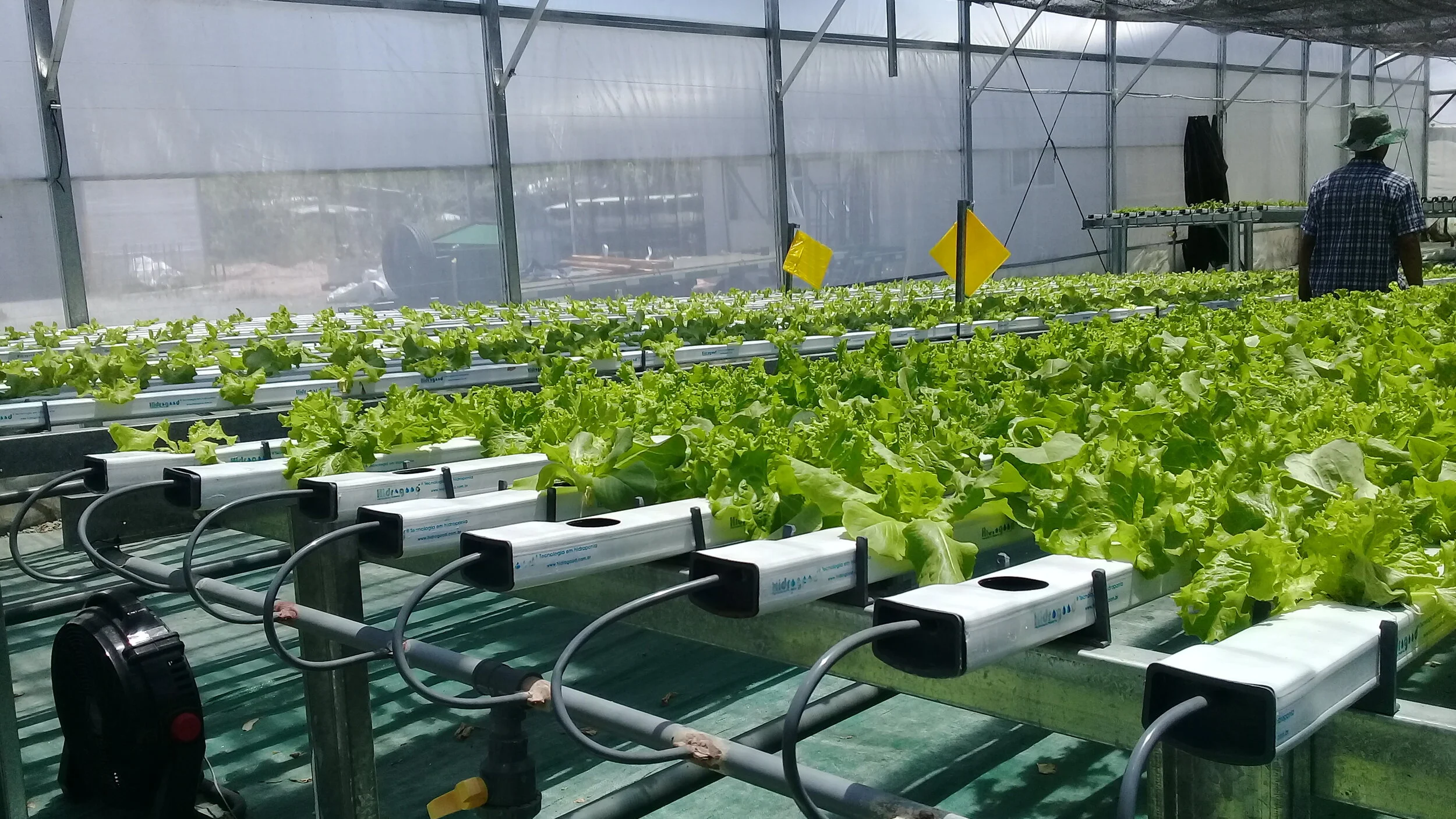
ARGENTINA: Substrate Cultivation And Hydroponics: A Technology on The Rise
“It was found that with hydroponics, productivity and profitability are increased between 30 and 50%, due to the greater efficiency in the use of the surface and natural resources, and it reduces the use of agrochemicals”, Analía Puerta, coordinator National of the “Tierra Sana” Project, carried out by INTA together with UNIDO (United Nations Organization for Industrial Development), within the framework of the Montreal Protocol
INTA, together with national universities, producers, and companies, promotes this production system that has grown in the last 5 years as an efficient and sustainable alternative. During 2021, the institution will be part of the organization of the Virtual International Symposium that will bring together the main national and international referents on the subject.
The cultivation in substrate and hydroponics consists of the production of vegetables without the use of the soil, for this reason, they are also called "cultivation systems without soil". When the roots develop in water it is called "hydroponics" and, when they do so in a solid medium, different from the soil, "substrate cultivation", using a great diversity of substrates and/or mixtures of them.
It is a production system that arises from the high degradation of soils, as a consequence of unsustainable management and inadequate practices, which is on the rise among producers as an alternative. This will be one of the topics that will be addressed on March 30 and April 6 and 8, 2021 in virtual form at the International Symposium on Substrate Culture and Hydroponics.
“It was found that with hydroponics, productivity and profitability are increased between 30 and 50%, due to the greater efficiency in the use of the surface and natural resources, and it reduces the use of agrochemicals”, Analía Puerta, coordinator National of the “Tierra Sana” Project, carried out by INTA together with UNIDO (United Nations Organization for Industrial Development), within the framework of the Montreal Protocol.
"In Argentina, the system began to be implemented more than 20 years ago in the ornamental sector, and it grew considerably in the last 5 years, extending to other sectors such as horticulture, citrus, and even for the production of green forage", underlined Puerta.
Along these lines, the most important productions in the hydroponic system correspond to leafy vegetables, such as lettuce, arugula and chard and, in the substrate system, the cultivation of tomatoes, strawberries and, to a lesser extent, peppers stands out.
In addition, the coordinator highlighted, “the well-being of workers is increased, since it improves the ergonomics of all operations, especially those of harvest, and the borders of the productive regions are expanded, allowing production in areas not suitable for cultivation, either due to health problems or the high real estate value of the surface ”.
Another benefit of these techniques is to allow access to fresh vegetables in specific situations, such as in places where the soil is not suitable for production, or directly where there is no soil, such as patios, terraces, landfills, contributing additionally to the promotion of short circuits of production and commercialization of vegetables.
According to Puerta, "it is important to highlight that this production alternative can be adapted to different production levels, from family farming to small, medium and large companies."
Puerta: "In Argentina, the system began to be implemented more than 20 years ago in the ornamental sector, and has grown considerably in the last 5 years".
This production system has established itself as a technology of recognized efficiency and massive implementation in developed and highly technical countries, such as Japan, the Netherlands, Spain and the United States.
According to data from 2015, the world area of crops under this production system (hydroponics and substrate) reaches 40 thousand hectares, with the Netherlands being the country with the largest covered area, with 5 thousand hectares, Spain with 2,500, Belgium and the United Kingdom with 2,000, Japan 1,500, as well as China, France 1,000, Israel 750, Canada 500 and the United States 250 hectares.
"Currently, there are productions of this type in all provinces of the country and, not only in traditional production areas, but there is a massive growth in urban areas," said the coordinator of "Tierra Sana". Along these lines, he added: "With this system the producer becomes independent of the quality of the soil and when the production is carried out undercover, the environmental conditions can be modified, especially the temperature, light intensity, and humidity of the environment".
Nowadays, there are commercial and self-consumption productions from the north to the south of the country, including promising experiences for the supply in the Argentine Antarctica. "In this sense, INTA has been contributing to the consolidation of this production alternative, through numerous research and extension activities carried out by agents from the different units of the country," said Puerta.
To date, there have been countless workshops and training courses and demonstration plots of strawberries and vegetables have been installed in the main productive areas of the country, promoted by the “Tierra Sana” project, in cooperation with units referring to the subject, and together to companies, producers and universities.
On the other hand, it should be noted that the development of these activities is part of the sustainable development goals ("SDG") outlined by current public policies according to the guidelines of the United Nations (UN) and being prioritized on the agenda. 2020-2030.
It is a production system that arises from the high degradation of soils, as a consequence of unsustainable management and inadequate practices, which is on the rise among producers as an alternative.
International Symposium
Currently, INTA is organizing an International Symposium on Substrate Culture and Hydroponics together with 5 universities in the country (UBA, UCC, UNLu, UNLP, UNNOBA), within the framework of the 41st Argentine Congress of Horticulture (ASAHO).
The event will take place on March 30 and April 6 and 8, 2021 in virtual form. It will have the participation of national and international referents who will speak about the latest advances in the field and exchange knowledge with the participants, productions from Argentina and other countries will be visited through virtual tours and there will also be a space for the presentation of scientific and Of disclosure.
Their reception is already open and is until December 31st. There are different registration modalities in order to offer a wide range of possibilities to participants.
"Through all these activities, it is hoped to be able to contribute to the consolidation of a scientific, technical and productive network that includes actors from the public and private sectors around the production of food in an efficient and sustainable way", concluded Puerta.