

Welcome to iGrow News, Your Source for the World of Indoor Vertical Farming

World’s First Fully 3D-Printed Vertical Farm Debuts
The Banyan Eco Wall is a vertical farm with a seamless sculptural design. Unlike other 3D-printed structures, its functionality — the irrigation and drainage system — is embedded inside. The eco wall was printed with a BigRep One V3, which is considered one of the most advanced large-scale industrial 3D printers in the world
29-09-2020 | Yahoo/In The Know
The world’s first fully 3D-printed irrigated green wall made its debut in June 2019.
The Banyan Eco Wall is a vertical farm with a seamless sculptural design. Unlike other 3D-printed structures, its functionality — the irrigation and drainage system — is embedded inside. The eco wall was printed with a BigRep One V3, which is considered one of the most advanced large-scale industrial 3D printers in the world.
Mirek Claßen, Tobias Storz, and Lindsay Lawson of NowLab, BigRep’s research and innovation program, designed the project.
“Similar vertical farm structures have required channels to be manually embedded into the design in a complicated process after manufacturing with metal piping and a variety of other parts,” BigRep said in a statement. “The Banyan, on the other hand, is 3D-printed with internal channels included in the design.”
That means consumers won’t have to figure out how to create and install a plumbing system on their own once the vertical farm is installed. Thus, it’s cheaper and more user-friendly than its predecessors — which is also demonstrated by its irrigation system’s ability to self-regulate. The Banyan disperses water in the form of “micro-showers” at controlled intervals to meet each plant’s needs.
Not only is it functional, but it’s also aesthetically beautiful. The white wall consists of interlocking, organic shapes that resemble the curves of tree branches.
The Banyan is 6.5 x 6.5 x 2 feet and printed in four modular parts that snap together. It is printed with PETG, a form of plastic used in 3D printing that can be 100 percent recyclable.
“Systems such as this inspire interior designers and architects developing a greener future — from home or workspace plant walls and green facades to vertical gardens and other forms of urban farming,” the statement said.
Source: Yahoo/In The Know
Photo Courtesy of Bigrep

COLORADO: Kalera To Open Newest Vertical Farming Facility In Denver, Continuing Its Rapid Expansion Across The US
Kalera, one of the fastest-growing vertical farming companies in the United States, today announced it will open its newest facility in Colorado in 2021
The Denver-Area location Is The Fifth
Facility Announced by Kalera, One of
The Fastest Growing Indoor Farming Companies In The Nation
October 05, 2021
Kalera, one of the fastest-growing vertical farming companies in the United States, today announced it will open its newest facility in Colorado in 2021. The Denver-area facility further establishes Kalera as a leading producer of vertically-grown greens across North America.
Source: Kaleraphoto-release
ORLANDO, Fla., Oct. 05, 2020 (GLOBE NEWSWIRE) -- Kalera (NOTC: KALERA, Bloomberg: KSLLF), one of the fastest-growing vertical farming companies in the United States, today announced it will open its newest facility in Colorado in 2021. The Denver-area facility further establishes Kalera as a leading producer of vertically-grown greens across North America.
The announcement is the latest step in Kalera’s rapid domestic and international expansion plan to grow fresh, clean, and nutritious leafy greens in close proximity to urban centers. Kalera currently operates two growing facilities in Orlando and is constructing facilities in Atlanta and Houston which will open in early 2021. The new Colorado facility will generate approximately 60 jobs for the local community.
“As the gateway to the Rockies and one of the great food cities in the world, Denver is the ideal location for Kalera’s latest vertical farm. Chefs and retail customers in Colorado are very health-focused and have a strong appreciation for local, fresh, better-than-organic produce,” said Daniel Malechuk, Kalera CEO. “Kalera is quickly becoming a world-leading company in indoor vertical farming with an ability to deliver fresh, locally grown greens, nationally. Thanks in large part to our streamlined design process, we are able to achieve a high rate of growth.”
By the end of 2021, Kalera will have five commercial growing facilities open and operating across the US. The company’s major milestones include:
Its first commercial vertical farm, the HyCube growing center, currently operates on the premises of the Orlando World Center Marriott, bringing fresh, local produce to the hotel’s visitors and customers.
In March 2020, Kalera opened its second facility in Orlando, providing produce to the area’s top retailers, leading foodservice distributors, resorts, hospitality groups, and theme parks.
The Atlanta facility is the third farm in Kalera’s portfolio and when it opens early next year, will be the largest vertical farm in the Southeast.
Its fourth facility is slated to open in Houston spring 2021 and will be the largest of its kind in Texas.
As Kalera accelerates its growth over the next few years, it will continue to open additional facilities, expanding production capacity throughout the US and internationally.
"Kalera's model has proven that we are able to provide produce at industry-leading yields and unit economics that allow end-user customers to purchase our premium quality greens at stable, conventional pricing,” continued Malechuk. “We believe that everyone should be able to afford to eat safe, clean, fresh, and healthy local produce. And with yields at 300-400 times that of traditional field farms, we are on the way to achieving our goal."
Kalera utilizes cleanroom technology and processes to eliminate the use of chemicals and remove exposure to pathogens. Kalera's plants grow while consuming 95% less water compared to field farming.
About Kalera
Kalera is a technology-driven vertical farming company with unique growing methods combining optimized nutrients and light recipes, precise environmental controls, and cleanroom standards to produce safe, highly nutritious, pesticide-free, non-GMO vegetables with consistent high quality and longer shelf life year-round. The company’s high-yield, automated, data-driven hydroponic production facilities have been designed for rapid rollout with industry-leading payback times to grow vegetables faster, cleaner, at a lower cost, and with less environmental impact.
Media Contact: Molly Antos
Phone: (847) 848-2090
Plenty And Driscoll’s Partner To Grow Strawberries Indoors
Strawberries aren’t exactly exotic, but for vertical farming, they are a logical next crop after leafy greens
San Francisco Bay Area-based vertical farming startup Plenty and well-known berry brand Driscoll’s announced a partnership today to grow strawberries year-round via controlled-environment indoor farms. The partnership will use Plenty’s indoor farming technology and incorporate Driscoll’s proprietary genetics for strawberries, according to a press release sent to The Spoon.
Plenty hinted at strawberries (and tomatoes) more than a year ago when it unveiled its high-tech vertical farm Tigris. Currently, the company is best known for its mixtures of leafy greens, which it grows indoors via the hydroponic method. Plenty’s facilities also utilize sensors, LED light mixtures, and temperature and air control to create the optimal growing environment for plants.
Leafy greens are still one of the most common crops grown in these controlled-environment farms and for a few good reasons. For one thing, they’re one of the most popular produce types among U.S. consumers today. They are also far more delicate than, say, a mango, making it harder to transport them without spoilage. Leafy greens also yield more crops in a smaller space compared to something like a row of sweetcorn, and they can be harvested faster. Something like a strawberry takes more time to grow, and one profile of Plenty last year noted that it can take up to nine months to understand how a strawberry plant performs inside a controlled environment operation.
Lately, though, more ag-tech companies have announced plans to grow more than arugula and herbs. Most notably, a Singapore-based company called SinGrow has employed its proprietary vertical farming tech to grow strawberries on a rack designed specifically for that fruit. SinGrow also creates its own strawberry breeds. Unfold, which just raised $30 million, has added cucumbers and tomatoes to its roster. Plenty itself said at the time of the Tigris launch that it wants to grow “exotic” fruits and vegetables, though as yet the company hasn’t named specific crops.
Strawberries aren’t exactly exotic, but for vertical farming, they are a logical next crop after leafy greens. Plenty’s home state of California produces over 91 percent of the country’s entire strawberry supply, and that fruit is also high on U.S. consumers’ lists.
To start, Driscoll’s will grow strawberries at Plenty’s Laramie, Wyoming facility. Driscoll’s Chairman and CEO J. Miles Reiter said in today’s press release that this partnership “will create a competitive market edge.” While that remains to be seen, one thing we can expect with a fair amount of certainty is that more companies will be growing strawberries via controlled environments in the months to come.

Hydroponic Nutrient Solution: A Must-Read Essential Beginner’s Guide
This article will teach you about hydroponic nutrient solutions and how to use them so you can hydroponically grow your own plants without worry

Many gardeners use hydroponics as their preferred way to grow plants because using a hydroponic nutrient solution ensures optimal plant growth. Using a hydroponic nutrient solution ensures that your plant’s roots get the nutrients they need from the water so they can grow with ease. This article will teach you about hydroponic nutrient solutions and how to use them so you can hydroponically grow your own plants without worry.
Macronutrients
Plants need macronutrients to be able to thrive and grow. The macronutrients that plants need are nitrogen, phosphorus, and potassium.
Nitrogen (N) - allows the plant to grow its leaves, its leaves’ colors, and provides amino acids, proteins, nucleic acid, and chlorophyll synthesis. When a plant is lacking in nitrogen, its leaves are typically a faded color and the plant grows at a slower rate.
Phosphorous (P) - is necessary for the synthesis of the plant’s DNA and RNA. It is also responsible for developing the plant’s stems, roots, flowers, and seeds. A deficiency in this nutrient leads to weak stems and leaves, and it causes root growth to slow.
Potassium (K) - synthesizes the proteins and carbohydrates of the plant. It helps develop the flowers, roots, and stems but not as much as compared to phosphorus.
Micronutrients
Alongside the macronutrients, plants also need micronutrients to grow. The nine micronutrients that a plant needs include:
● Boron: Works with calcium to help form cell walls by synthesizing the cell membrane’s structure and functions.
● Calcium: Works with boron to form cell walls
● Copper: activates enzymes and helps with respiration and photosynthesis.
● Iron: Forms chlorophyll, used in photosynthesis, and helps provide energy provision.
● Magnesium: catalyzes the growth process and helps makes oxygen during photosynthesis
● Sulfur: A component of two of the 21 amino acids that synthesize protein.
● Zinc: Helps form chlorophyll and assists with plant respiration and nitrogen metabolism
How to Form a Hydroponic Nutrient Solution
You can find a quality hydroponic nutrient solution at your local store, or you can create your own solution. It’s recommended for beginners to use store-bought solutions first, and once they get a hang of the hydroponic growing process then learning how to create your own hydroponic nutrient solution can be the next step.
Hydroponic nutrient solutions come in powder and liquid forms, which liquid forms being more popular to use. Since these liquid solutions are more concentrated, do not spill any on yourself or your plant. These typically come with pH buffers so you can test the water. You can mix the solution in the water, and it’s ready to go!
Make sure to choose a solution that is specifically made for hydroponic growing and not the all-purpose packages. Soil-grown plants have different needs than hydroponically grown plants. Try to purchase a 2 or 3 part hydroponic nutrient solution as well. This way you can mix in the solution depending on the needs of the plant at its specific life cycle. The 2 to 3-part solutions will contain separate packaging for macronutrients, a growing solution, and micronutrient solution depending on which one you get.
Want to Know More?
Now that you understand the basics of hydroponic nutrient solutions, you may want to learn more about hydroponic growing or growing plants at home! We at the Nick Greens Grow Team work diligently to provide the necessary research and information that covers everything from microgreen growing to hydroponics to way more!
Sign up for our new weekly microgreens class, which is held every Friday at 4:30 pm CST. Can’t make the class? Subscribe to our blog and YouTube channel for weekly updates about farming methods.
#hydroponicnutrientsolution #hydroponicsnutrientsolution #hydroponic #hydroponics #nutrient #solution #hydrponicgrowing #hydroponicsgrowing #hydroponicsfarm #hydroponicfarm #hydroponicfarming #hydroponicsfarming #hydroponicsgrower #hydroponicgrower

Groundless Myths
Since Aristotle, people believed that plants exclusively feed on organic matter. Only in the 18th century did these ideas begin to be questioned
05-10-2020 | iFarm
Since Aristotle, people believed that plants exclusively feed on organic matter. Only in the 18th century did these ideas begin to be questioned. Scientists discovered that in fact plants’ primary source of nutrition is inorganic in nature. Similar myths exist today. One of them is that soilless cultivation is an artificial process, during which tasteless vegetables, berries and greens grow rapidly almost on "steroids". We compared hydroponics — one of the most common and sustainable soilless crop cultivation technologies, with traditional farming to identify their key differences and similarities.
A bit of history
The concept of "hydroponics" was introduced in the 1930s by the American biologist William Gericke.

During the Second World War, the first hydroponic plantations were launched using this technology. Since the 1970s, hydroponic systems of various modifications have begun to appear in different parts of the world. Today NASA is working on an inflatable expandable greenhouse where hydroponics will be used. It is planned to be installed on Mars so that the first settlers can provide themselves with fresh vegetables, berries and herbs like on the Earth.
Hydroponics combines several methods of plant cultivation in artificial environments: wick and drip irrigation systems, flooding irrigation, nutrient layer method, etc. On iFarm vertical farms, we use the flow hydroponics method: seeds are sown in one of the types of substrate (peat or mineral wool), and nutrient solution is served into the pots from below.
A huge advantage of hydroponics is its controllability. The technology makes it possible to create ideal conditions for plants in terms of nutrition, lighting, temperature, and environment. In an optimal microclimate, they reveal their maximum potential, useful properties, have a prominent taste and aroma.
Nutrient intake
All elements of root nutrition are absorbed by plants either from the soil or a mixture of water-soluble fertilizers only in the form of ions.
Growing in soil
The content and availability of macro and microelements (nitrogen, potassium, phosphorus, magnesium, iron, etc.) in the soil is influenced by the temperature of air and soil, the amount of solar energy and moisture, the pH of the environment. Natural conditions are very unstable: air temperature and pressure fluctuate during the day, the sun is often covered with clouds, there may or may not be any rain for several days. All this affects the availability of nutrients for plants, causing a deficit of one or more of them, which in turn reduces yields and product quality. To accelerate plant growth and ensure yields, people began to use mineral or organic fertilizers.
Hydroponics
The microclimate inside a vertical farm is stable and the plants get nutrition in the amount they require. "We do not accelerate the growth of plants, but create conditions in which they can fully develop, without experiencing a lack or excess of nutrients and stress from changes in the environment. All this allows you to get tastier and earlier harvests," said Natalia Smirnova, a plant nutrition specialist at iFarm. iFarm labs select balanced nutrition for all crops grown on vertical farms. In fact, macro- and microelements are the same, but the delivery methods to the root systems may differ.
iFarm agrochemists select a balanced diet not only for each crop, but also for a specific phase of its development (the amount and ratio of consumed macro- and microelements depends on it). They can adjust the supply of nutrients to plants to get fruits not only with specified taste characteristics but also with a specific concentration of iron, silicon, vitamins, carotene, and other components important for human health.
The quality of vegetables, berries, or herbs does not depend on the method of their cultivation, but on the conditions the plants grew in, regardless of the environment being natural or artificial. Products that taste like "plastic" are often obtained using a large number of fertilizers, growth stimulants and pesticides, helping fruits to gain weight faster and increasing their shelf life. They are usually harvested without being given time for natural ripening or accumulation of nutrients (although two or three times per season).
Natalia Smirnova
Candidate of Biological Sciences,
iFarm plant nutrition specialist
Protecting from pests and diseases
In the closed ecosystems of vertical farms pests cannot infect the plantings (there is no need to fight them, that is why production is pesticide-free unlike traditional field farming or greenhouses). You can lose crops only due to disturbances in plant nutrition.
Growing in soil
10 billion microorganisms live in 1 g of black soil. Some of them are pathogens (fungi, viruses, and bacteria) that cause various diseases in plants. In order to protect crops and keep harvests, agricultural producers are forced to use chemical agents (pesticides: herbicides, fungicides, insecticides) in the fields while growing. In addition, ripe fruits are also processed for safety during transportation. Pesticides remain on products even after washing in water and, once they enter the human body, can cause diseases of the gastrointestinal tract, oncology, reproductive and endocrine disorders, etc.
Hydroponics
Vertical farms using iFarm technologies have a closed microclimate. An energy-efficient air purification and disinfection system ensures complete absence of outside air, any pollution, pests or diseases. The substrate that holds the roots of plants is purchased from leading international manufacturers. iFarm agronomists always check suppliers' quality certificates and test substrates in laboratories. For the nutrient solutions, we use treated water, purified in a special system that eliminates any impurities letting in only oxygen and water molecules through a membrane. There is simply no need to use pesticides.
Soilless cultivation also allows to carry out an early analysis of the root systems, giving a chance to evaluate every single plant’s condition. On vertical farms, root access is always open.
Water consumption
Vertical farms use 90% less water than greenhouses. Special engineering solutions can help to further improve this number to save even more water, allowing the plants to receive precisely required amount of moisture.
Growing in soil
Producers annually calculate the irrigation norm rate — the amount of water plants require to fully grow. It depends on the climate, soil properties, crop characteristics, cultivation technology. However, it is difficult to calculate accurately due to the unreliability of weather forecasts. As a result, plants may receive too little or too much water. Failure to comply with irrigation norms washes away the upper layers of the soil: irrigation erosion annually carries away 100−150 t/ha of soil, 0.8−1 t of humus, 100−120 kg of nitrogen, and 110−165 kg of phosphorus. On such soils, crops grow unevenly, and yields decrease.
Hydroponics
Thanks to the automated microclimate, the amount of water required by plants to fully develop is determined with an accuracy of a milliliter. iFarm engineers have also developed a dehumidification system to collect moisture evaporated by plants, filter, decontaminate and reuse it to water crops. This will help save even more water, which is incredibly useful in regions where water resources are limited (when grown in soil, moisture released by plants simply evaporates).
www.nutrienhorticulture.com.au
The advantages of hydroponics (climate controllability, pesticide-free production, preservation of the environment) stimulate the growth of the global vertical farming market. According to Research and Markets, in 2017 it was about $ 2.3 billion, and by 2023 it will grow to almost $ 7.5 billion, adding more than 20% annually.
Source and Photo Courtesy of iFarm

Vertical Farming: IDTechEx Research Asks How Big Is Too Big
An ongoing argument within the industry is a question of size – is it better to focus on building a large, highly automated plant factory to minimize production costs, or is a small, more flexible approach the best way to set up a vertical farm?
NEWS PROVIDED BY IDTechEx
Oct 05, 2020
BOSTON, Oct. 5, 2020,/PRNewswire/ -- Vertical farming is growing quickly. The concept of vertical farming, the idea that crops can be grown far more efficiently indoors under controlled environmental conditions than would be possible on conventional farmland, has captured the imagination of entrepreneurs and investors alike, with dozens of start-ups being founded across the world raising ever-increasing amounts of investor capital. The recent IDTechEx report, "Vertical Farming 2020-2030" explores the technologies and market factors that are shaping this rapidly expanding industry.
An ongoing argument within the industry is a question of size – is it better to focus on building a large, highly automated plant factory to minimize production costs, or is a small, more flexible approach the best way to set up a vertical farm?
This question stems from some of the challenges facing the vertical farming industry. Setting up and running a vertical farm is not cheap and many vertical farming companies have struggled to overcome spiraling labor and power costs, alongside unforeseen logistical complexities, and issues with maintaining an optimum growing environment.
A potential solution to some of these problems is to build a very large vertical farm, which allows the power costs to be averaged out over a large quantity of crops. Additionally, large vertical farms make it easier to justify using advanced automation systems that can help reduce labor costs, with the cost of the automated systems also being spread out over large quantities of crops. These sorts of economies of scale can help a vertical farm begin to reach price parity with a conventional farm, something which has long eluded smaller vertical farms, which are often forced to sell produce in premium categories. Large vertical farms producing large quantities of crops can also be more easily incorporated into existing food supply chain structures, for example, next to a supermarket's main distribution center.
One company attempting to use this scale-based approach is Jones Food Company, a British vertical farming start-up that currently operates Europe's largest vertical farm. The company believes that the only way that vertical farming will be successful in the long term is by reaching price parity with conventional farming, which it hopes to achieve through automation and by operating large scale facilities close to distribution centers.
The company takes its inspiration from car factories – it is far more cost-effective to produce cars in a large central facility than it would be to produce them in small facilities near the dealerships and Jones Food Company believes this same logic applies to vertical farming. Crops grown in distribution centers are still able to reach consumers rapidly, often within a day of harvest, and the company doesn't believe that the hyper-local model promoted by certain competitors is worth the inefficiencies and costs of many small facilities located in city centers.
Several other vertical farming companies are following this approach, with New Jersey start-up AeroFarms announcing in 2019 that it was investing $42 million to construct a 150,000 square foot facility in Danville, Virginia, which the company claims will be the largest in the world. Jeff Bezos-backed Plenty operates a 52,000 square foot facility in South San Francisco, with the company aiming to maximize production efficiency to improve the economics of vertical farming.
Not everyone agrees with this large-scale approach, however. Large facilities and automation are expensive, with large scale facilities costing tens of millions of dollars to set up. Whilst this approach might make sense for a factory producing cars or other high-margin products, for low margin products such as fresh produce, it can take decades to pay back this initial investment.
Additionally, supply and demand for fresh produce is not always consistent and pricing can change frequently, making it difficult to accurately predict returns on investment, which can be very problematic for a vertical farm that cost several million dollars to build. Furthermore, many of the processes required to grow crops cannot yet be addressed through off-the-shelf automation solutions, creating difficult engineering challenges that can make scale-up very complicated.
A further problem for very large-scale vertical farms is that operational complexity can increase vastly for larger farms. Plants are living organisms that can behave in unpredictable ways, making it difficult to grow them in a manner resembling a factory production line. Plants give out heat and water vapor as they grow, whilst also needing a supply of carbon dioxide and oxygen, in addition to nutrients. Keeping the crop inputs consistent across the whole vertical farm and managing waste heat and water vapor can also be very difficult in a high-density growing space. Careful consideration of the plant science, alongside planning the logistical workflow to maximize efficiency are needed to successfully operate a large-scale vertical farm.
Because of these challenges, some companies have chosen instead to focus on smaller vertical farming facilities, choosing to focus on flexibility instead of economies of scale. For example, Freight Farms, which manufactures turnkey modular vertical farms inside 40' containers, believes that smaller vertical farms enable a more flexible and targeted business model than large, centralized facilities. Small vertical farms can be tailored to certain markets with gaps, such as crops that can't be imported, transient falls in supply for high-demand crops, and restaurants or food suppliers that need a specific ingredient. These are all markets in which large, warehouse-like vertical farms cannot easily access.
Rather than focusing on mass-produced, wholesale crops, where vertical farms will always struggle to compete on price with traditional farms and greenhouses, it may make more sense for vertical farm operators to focus on high-value crops that command a price premium, perhaps within niche markets or specialized applications.
The debate over the best size for a vertical farm is still ongoing. There is no easy answer on which model is best, and a would-be vertical farm operator should carefully consider their options and target market before starting a business. For more information and discussion over business models in vertical farming, as well as industry evaluations and 10-year market forecasts, see the recent IDTechEx report "Vertical Farming 2020-2030".
For more information on this report, please visit www.IDTechEx.com/VertFarm or for the full portfolio of AgTech research available from IDTechEx please visit www.IDTechEx.com/Research/AgTech.
IDTechEx guides your strategic business decisions through its Research, Consultancy and Event products, helping you profit from emerging technologies. For more information on IDTechEx Research and Consultancy, contact research@IDTechEx.com or visit www.IDTechEx.com.
Media Contact:
Natalie Moreton
Digital Marketing Manager
press@IDTechEx.com
+44(0)1223 812300
SOURCE IDTechEx

Farm Boy Deal Just The Beginning For Indoor Farming Startup
Within six months of completing construction on its Cornwall growing facility, Fieldless Farms’ produce could already be found on the shelves of more than 20 Farm Boy stores across Ontario
Cornwall’s Fieldless Farms Eyes Expansion Into New Markets
BY: Adam Langenberg
October 6, 2020
“We want to scale this very large – we want to be a national success story,” says Fieldless Farms CEO Jon Lomow.
Within six months of completing construction on its Cornwall growing facility, Fieldless Farms’ produce could already be found on the shelves of more than 20 Farm Boy stores across Ontario.
But armed with an aggressive expansion plan to bring more hydroponically grown vegetables to Canadians, CEO Jon Lomow says his company is just getting started. Fieldless currently supplies two types of lettuce mixes – Northern Crunch and Ontario Sweets – grown in its Cornwall indoor farming facility. Lomow wants to rapidly expand both the types of crops the startup grows as well as its physical footprint.
Fieldless uses just 20,000 square feet at its Cornwall facility for its current operations, but Lomow insists that will increase quickly, with the CEO also harbouring ambitions of building new growing facilities in Toronto, Montreal and even the country’s west coast by 2025.“We want to scale this very large – we want to be a national success story. We want to play a major role in shortening supply chains for Canadians using controlled environment agriculture,” Lomow says.
He says Fieldless will significantly increase its capacity to grow leafy greens in the next one to three years, increasing the yield of both its current lettuce mixes and other crops such as romaine lettuce, spinaches, and basil. From there, there are plans to expand to smaller vegetable crops, including baby tomatoes, cucumbers, and peppers, which the company is just on the cusp of being able to grow economically, Lomow says.
Agricultural evolution
That kind of aggressive growth may seem overly optimistic to some, but Lomow says rapid change is all the company has known since its inception. Fieldless, which secured its first round of private capital funding in June last year, has gone from finishing construction on its Cornwall facility to providing almost 2,000 packs of lettuce mixes to customers each week inside six months.
Initially just selling products through Burrow Shop, the Ottawa-based online retailer Lomow co-founded, as well as Ottawa’s Massine’s Your Independent Grocer, Fieldless achieved one of its early goals in August when it signed a deal with supermarket chain Farm Boy to supply its lettuce mixes to 16 stores spanning from Cornwall to Kingston. That number quickly jumped when Farm Boy asked weeks later if Fieldless could supply seven stores in the Toronto area, a number that is set to grow again in coming weeks. Farm Boy’s origin in Cornwall and its “obsessive focus” on reducing the amount of fresh produce wastage made it the perfect first retailer to partner with, Lomow says.
That early growth gives confidence to Lomow, who notes that Canada – reliant on $48 billion of food imports each year – needs to significantly increase its food production in future years.
Lomow is also buoyed by what he predicts will be a “trillion-dollar evolution in the agriculture industry,” powered by falling automation costs and efficiency improvements in lighting technologies.
Fieldless Farms’ indoor growing plant in Cornwall.
The thing that sets Fieldless apart is that it’s not trying to do it all, Lomow says. Before launching, it signed a deal with an unnamed Canadian partner that handles the hydroponic technology side of the equation, leaving Lomow and his team to focus on the supply chain as well as perfecting the taste of its products and getting the products into stores.“We’ll deploy core technologies for our growing platforms and then we’ll innovate inside the gaps, because there are tons of gaps still in indoor farming,” Lomow says. “We just won’t be developing the core technology.”
“We decided we were way better off to focus our efforts on evaluating that technology, in making sure that we had the right technology as opposed to starting from scratch. If you go down the wrong road you’re kind of stuck there.”
The current technology platform sees lettuce crops grow from seedlings inside a 20-day cycle in a way that Lomow says strikes “the right balance between automation and manual labour,” but Fieldless’ technology-agnostic approach means it will partner with other technology companies to build other facilities and grow other crops in the future.
ORGANIZATIONS: Fieldless Farms Farm Boy'
PEOPLE: Jon Lomow. PLACES: Cornwall TAGS: Agri-business

GERMANY: ‘Urban Farming’: Are Rooftop Fields The Future?
Large cities offer millions of square meters of unused roof space. Why aren’t they being converted to cultivate crops? The potential seems enormous, but “urban farming” is still in its infancy. EURACTIV Germany reports.
By Florence Schulz | EURACTIV.de
Translated by Sarah Lawton | September 30, 2020
Blueprint of a planned roof garden in Berlin. Up to two million square meters of roof space could be used for plant cultivation in Germany's capital alone. But the investment costs are still relatively high. [© Dachfarm Berlin]
This article is part of our special report New terminologies in sustainable food systems.
Large cities offer millions of square meters of unused roof space. Why aren’t they being converted to cultivate crops? The potential seems enormous, but “urban farming” is still in its infancy. EURACTIV Germany reports.
Salad from the roof of the supermarket or tomatoes from the facade of a high-rise building? What sounds like fiction is already a reality in some cities, albeit on a small scale. Urban farming is not a new concept, but one that has hardly been exploited to date.
Cultivating fruits and vegetables could experience a boom in the coming decades. After all, the human population is growing rapidly and is increasingly settling in cities. More than half of this population is already living in cities, and by the middle of the century, around 66% of people are expected to be living in cities – out of a world population of 9.7 billion.
More food also means correspondingly more demand for farmland, but this already accounts for 42% of the global land area.
Another problem is transport. According to the Fraunhofer Institute, around 12% of agricultural emissions are attributable to this alone.
As the World Summit on Biodiversity opens on Wednesday (30 September), new measures to halt its decline are being discussed, including the concept of payments for environmental services, which is currently widely debated in France and Europe. EURACTIV France reports.
Urban gardens for times of crisis
Could urban farming be part of the solution? One thing is certain: The idea is not new. Until the 19th century, cultivating crops was common practice within cities. When they disappeared, private allotment gardens spread.
Interestingly, a new trend is emerging: self-sufficiency is booming in the city, especially in times of crisis.
Often with success, as the British example shows: During World War Two, the government launched the “Dig for Victory” campaign. As a result, up to 50% of fruit and vegetables were produced by the population in allotment gardens.
In Spain, during the economic crisis, the proportion of allotment plots and community gardens increased six-fold between 2006 and 2014.
Apart from private cultivation, however, there are hardly any places where agriculture takes place on a larger scale in cities.
Roof gardens of the future use domestic heat and rainwater
In Europe, urban farming is still in its infancy.
“Every morning, I ask myself why not many more cities invest in it,” says Jörg Finkbeiner, architect, and co-founder of the Berlin network ‘Dachfarm.’ The consortium consists of gardeners, agro scientists, and architects, who together plan greenhouses for growing crops in the city.
However, Finkbeiner believes that this cannot be the case with urban farming, because most buildings are not statically suitable for it: “If you put crops in tubs on a roof and water them, you can quickly achieve 300 kilograms per square meter. Most buildings can’t support that.”
Dachfarm, therefore, relies on roof structures that are as light as possible and are built on top of existing buildings. The plants grow either in substrates such as pumice, lava or compost, as these are much lighter than soil or in hydroponic systems, where the nutrient supply is provided directly via a nutrient solution.
The glass gardens are designed to operate as efficiently as possible by using the waste heat from the building, collecting rainwater, or recycling greywater from households.
The concept of soil carbon sequestration, a cornerstone of regenerative farming, is regaining strength as a key measure in both climate mitigation and adaptation.
With Dachfarm, we want to show that the increasing amount of pavement in cities and the loss of arable land do not contradict themselves, Finkbeiner told EURACTIV.de.
Other advantages are that roof gardens can be used to produce close to the consumer and “on-demand,” so to speak, eliminating long transport routes or the need to store food. But not every type of agricultural cultivation is structurally possible, Finkbeiner points out. Besides, there are many open questions particularly in terms of building codes.
Bologna and Amsterdam with great potential
For supermarkets or restaurants, the own roof garden could be an attractive concept.
However, it is not worthwhile for everyone, because investment costs are still comparatively high and the food harvested in this way is more expensive.
A 2017 study by the European Parliament’s Scientific Service (EPRS) also came to the same conclusion: urban agriculture is “associated with considerable ecological, social and health benefits,” but can increase biodiversity and counteract the heating of cities.
However, this is also associated with high operating costs, for example for electricity, and is in competition with other types of use, for example for solar energy systems. In addition, the report says, tensions between “traditional and innovative farmers” and an increase in land values are also concerns.
There are no reliable figures on how widespread urban farming is in the EU. However, according to the ERPS evaluation, the potential could be huge, depending on the city.
In Bologna, for example, more than three-quarters of the vegetables consumed there could be grown in roof gardens. In Amsterdam, where currently only 0.0018% of food is produced locally, up to 90% of the fruit and vegetables consumed could be grown.
In a clear nod to the strategic importance of agroforestry, the term has now cropped up in both the European Green Deal, the European Commission’s roadmap for making Europe the first climate-neutral continent by 2050, and the EU’s flagship new food policy, the Farm to Fork (F2F) strategy.
Commission has no plans special funding
These figures seem optimistic, as they would probably require strong political support. In the current EU Common Agricultural Policy, urban farming projects can theoretically be financed with funds from both pillars as well as from the European Social Fund and the Regional Development Fund, but this is at the discretion of the member states.
Further support is not in sight, as the Commission “currently has no plans to coordinate strategies for urban agriculture beyond different levels of government,” according to the response EU Agriculture Commissioner Janusz Wojciechowski gave in the European Parliament in May.
However, a planning study on the topic is currently being prepared. This should be completed this autumn.
[Edited by Gerardo Fortuna/Zoran Radosavljevic]
EURACTIV's editorial content is independent from the views of our sponsors.

Publix Is Helping People Connect With Their Food Through Hydroponics
As far back as 2008, Publix started working with hydroponic growers Tanimura & Antle out of Livingston, TN. Soon, their hydroponically grown butter lettuce became a best seller for leafy lettuce
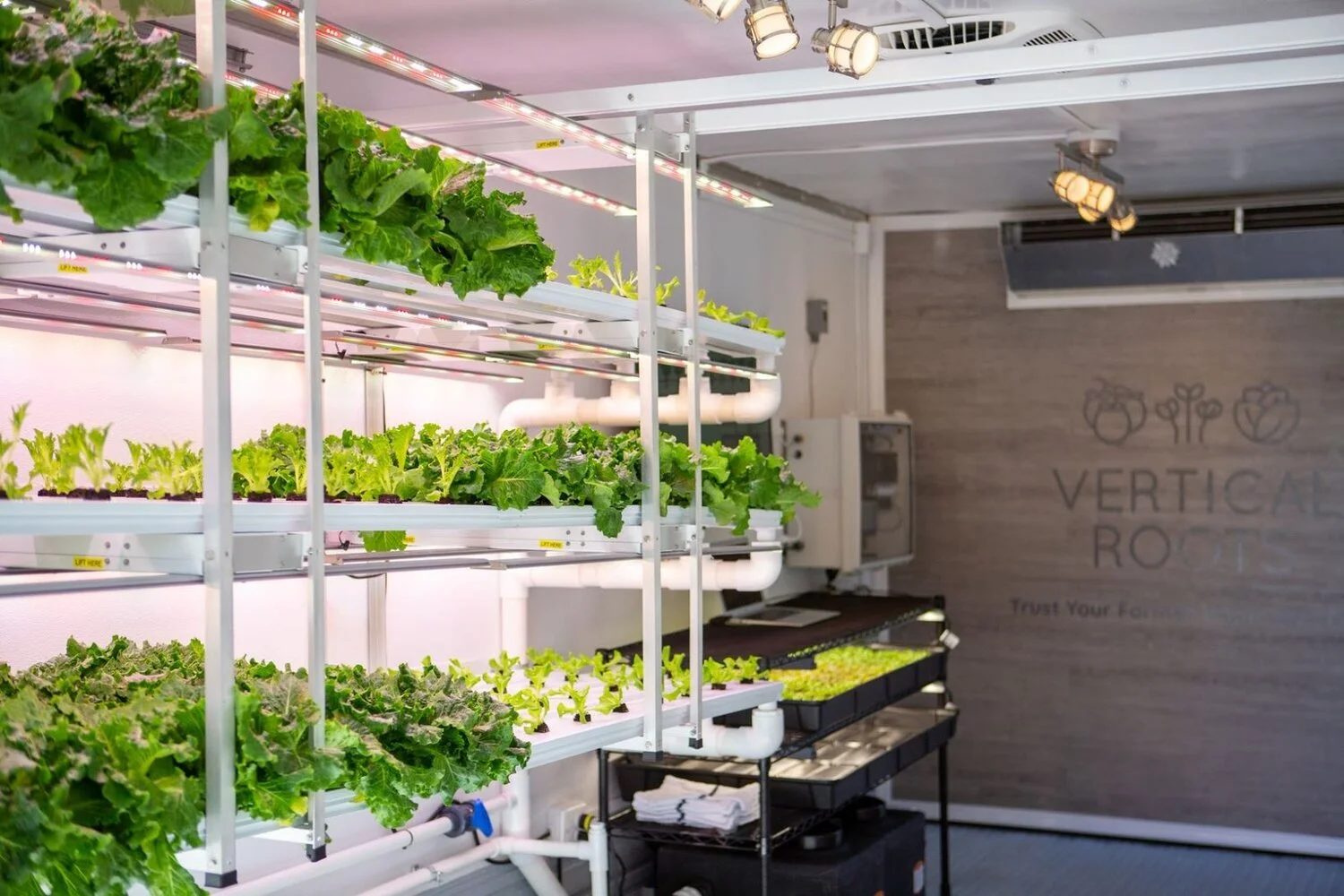
Image sourced from: Publix
Editor’s note: The following information is derived from an interview Agritecture conducted with Curt Epperson, Business Development Director of Produce and Floral at Publix Super Markets.
Publix Super Markets, headquartered in Florida, is the largest employee-owned grocery chain in the United States. Since opening in 1930, they have been committed to supporting the communities in which they operate, and a big piece of that is forging connections with local produce growers, whether they are farming traditionally or hydroponically.
As far back as 2008, Publix started working with hydroponic growers Tanimura & Antle out of Livingston, TN. Soon, their hydroponically grown butter lettuce became a best seller for leafy lettuce. Seeing this lettuce grow into having the best sell-through, Publix began to look more seriously at the category.
Their decision to bring in more hydroponically grown greens into their stores has resulted from not only their decades-long commitment to locally sourced food but to greater sustainability as well. “Hydroponics are known for their very high quality, they have consistent flavor, they certainly carry a good sustainable message in all that they do for being grown locally, supporting the communities in which they’re being grown in, and low carbon footprint,” says Curt Epperson, Business Development Director of Produce and Floral at Publix Super Markets.
Hydroponics can be grown 365 days a year, regardless of weather conditions. The format in which they are grown enables them to be exceptionally efficient— without soil, these crops utilize 90% less water than traditional farming, and all 2- to 3,000 miles closer to the dinner table. Epperson explains, “Being grown in a closed environment, it reduces the risk of outside contaminants and it helps control and better provide food safety. I think all those are possibilities as to why we’re seeing the success that we are.”
Consumers Connect with the Heart of Hydroponically Grown Produce
Today, hydroponically grown products are on the rise, in part, because they help consumers connect with a brand’s purpose. Through hydroponic product packaging, many farmers are sharing their brand story and the product’s environmental benefits. “Our customers were telling us something: we want products that are fresh, and right for the economy and the planet. Right then, we knew we were headed in the right direction, not only with hydroponics but with hyperlocal hydroponics,” Epperson reflects. His team started researching the growing number of hydroponic farms across their seven-state footprint and cultivating relationships with Kalera in Florida, and Vertical Roots in South Carolina, among others.
Sustainably minded shoppers love understanding how a brand’s environmental values align with their own and revel in supporting a locally grown, sustainable product that has a longer shelf life. Because hydroponically grown lettuce is spending less time on the road, it can spend more time in the fridge. As Epperson points out, “In addition to being sustainably grown, hydroponically grown lettuces last longer, so people experience less food waste. This is appealing not only from a financial standpoint but an environmental standpoint, too, since food waste contributes to greenhouse gas emissions.”
Even though hydroponically-grown produce is typically more expensive, popularity is consistently on the rise. Where, on the one hand, the efficient use of space and reduced transportation of commodities should translate to reduced prices, the lack of soil and utilization of artificial lighting, and such technology counteracts the price reduction. They also owe the prices to the new tech, growers, and investors entering the industry. Epperson explains, “There’s a lot of work and research to be done to scale up and provide the yields that the Western growers have been providing for centuries,” Epperson notes. Consumers seem to agree, this is a small price to pay.
As an extension of their commitment to local, hydroponically grown lettuces, in April of this year, Publix’s GreenWise Market (which specializes in organic, natural, and specialty groceries) embarked on a pilot program with Brick Street Farms to grow, harvest, and package hydroponically-grown lettuce in a container farm located right outside the GreenWise Market Lakeland, Florida store. “The lettuce we are growing onsite travels feet instead of miles—you don’t get much more local than that,” Epperson marvels.
By growing the lettuce on-site in this 40-foot container farm, Publix is able to grow an equivalent of 2.5 to 3 acres of lettuce and eliminate pollution from transportation. By utilizing a rotational planting cycle, the on-site container farm yields a new crop every five weeks, and approximately 700 heads of lettuce every week. Here, customers can watch the growing process through an observation window, learn more about this method of farming, and see exactly how their produce is grown.
Publix is expanding its hydroponic operations to have hydro-growers in each state in which they operate. The Publix team sees potential ahead due to possibilities of scaling up, increased research and development, and expansion beyond leafy greens into growing peppers, cucumbers, berries, and more. “We look forward to seeing what our local hydroponic farmers are going to grow in the coming years. Whatever it is, we know it will be flavorful and environmentally friendly, which will make our customers very happy,” Epperson says.
For more information contact:
Maria Brous, Director of Communications - Maria.Brous@publix.com
FURTHER READING
ARE HYDROPONIC VEGETABLES AS NUTRITIOUS AS THOSE GROWN IN SOIL?
AL GHALIA FARMS: ADVANCING HYDROPONIC FARMING IN THE KINGDOM OF BAHRAIN

With $68m In Fresh Funding, Revol Greens Plans To Build The World’s Largest Indoor Farm
“We need to have more [CEA] projects around the country and around the world. It is a very efficient way to grow food and a better way to grow food sustainably for the future. So, I am happy that it has moved into somewhat more mainstream investing.”
October 7, 2020
The controlled environment agriculture (CEA) space appears to be in a race, with startups jostling to see which can build the biggest facility or supply the most produce. Owatonna, Minnesota-based Revol Greens is throwing its hat in the ring, having recently raised $68 million in Series A funding. Greenhouse-hungry VC Equilibrium Capital led the round, which brings the startup’s investment total to $215 million.
“Greenhouses are the tech disruptor in a 10,000-year-old agriculture sector,” Equilibrium CEO David Chen said in a press release announcing the funding. “[The firm’s] investment strategy is to find the industry leaders that will create the future of agriculture. Revol Greens [is] poised to be one of those tech-driven disruptive agriculture market leaders.”
Launched in 2016, Revol Greens is the brainchild of an interdisciplinary team composed of the founder of local farm Bushel Boy, a greenhouse grower from Amsterdam, and a horticulture consultant. It employs closed-loop hydroponics to grow lettuces in a system that uses 90% less water than traditional open-field agriculture, according to the startup. Its glass greenhouses also mitigate the need for pesticides, herbicides, or other chemicals.
Revol and Equilibrium have taken a slightly different approach to finance their CEA expansion. Equilibrium is footing the bill for the construction of the facilities, which Revol will then lease from the VC.
With that funding, the startup is planning to build a new, 80-acre greenhouse complex in Texas – which it claims will be the largest such facility globally. It also recently inked the paperwork for a California installation that will be operational in the first quarter of 2021. With these two locations plus its home base in Minnesota, Revol is positioning itself to access key markets.
Invest with Impact. Click here.
“With these three cities we will have taken a pretty big chunk of the country west of the Mississippi,” Mark Schulze, the newly appointed CEO of Revol, told AFN. He joined the startup in March 2020 after three decades working for Cargill in domestic and global leadership roles. Delivering produce within 24 hours of harvest is a key goal for the startup.
“There are other expansions that are going on like AppHarvest, but it has never grown lettuce,” he said, referring to the rival CEA startup. “There is a lot of money there but we have been growing lettuce since 2018. We have done thousands of trials on seeds to know what seed provides the best characteristics and quality for our consumers. We’ve done massive innovations in the process that are different from off-the-shelf greenhouses that you can buy.”
Revol is also focusing on scale. With its 10 to 20-acre facilities it’s hoping to drive down costs so it can provide a price-competitive product, Schulze added.
“We don’t have to be priced at two times the imported price of West Coast lettuce.”
Last week, Kentucky-based AppHarvest announced a merger with NASDAQ-listed Novus Capital, enabling it to go public. The deal is slated to bring in $475 million in gross proceeds.
“I think [that deal] certainly raised the profile of the space. I think that’s terrific,” Schulze said.
“We need to have more [CEA] projects around the country and around the world. It is a very efficient way to grow food and a better way to grow food sustainably for the future. So, I am happy that it has moved into somewhat more mainstream investing.”

VIDEO: How To Optimise Plant Growth In Vertical Farms
Lisanne Meulendijks, Researcher at Delphy Improvement Centre, Mike Zelkind. Cofounder and CEO 80 Acres Farms and Mariska Dreschler discuss the latest insights in Vertical Farming
Back to overview Print webpage
VIDEO: How to optimise plant growth in a vertical farm
08 September 2020
GreenTech
Lisanne Meulendijks, Researcher at Delphy Improvement Centre, Mike Zelkind. Co-founder and CEO 80 Acres Farms and Mariska Dreschler discuss the latest insights in Vertical Farming.
Climate control in vertical farms
What have we learned from the transition from conventional farming to vertical farming
What should you optimize in your vertical farm
Difference between horticulture and a vertical farm
The impact of wind and lights
Plant processes, how can you optimize this in vertical farms
Which innovations are needed in vertical farming
The necessity of interdisciplinary approaches to reach common goals in vertical farming
You can watch the video, or listen to the audio on one of our podcast platforms »
Share your horticulture stories with us
Do you have an innovation, research results or other interesting topics you would like to share with the international horticulture industry? The GreenTech website and social media channels are a great platform to showcase your stories!
Please contact our Brand Marketing Manager Murkje Koopmans.
Are you a GreenTech exhibitor?Make sure you add your latest press releases to your Company Profile in the Exhibitor Portal for free exposure.
+31 (0)6 264 34 601

I Grew Tomatoes With The Heat From My Crypto-Mining PC
Just before Covid-19 struck, I started a project to build the world’s most overengineered, high-tech garden.
Anything Worth Engineering Is Worth Overengineering
10-08-20
Images courtesy of the author.
If you spend time on Instagram in our post-pandemic world, you’re probably experiencing some gardening FOMO. Maybe your biggest lockdown goal was “pwn Candy Crush” or, if you’re like me, “limit your toddler’s screen time to a scant five hours per day.” Now that we’re months into the pandemic, though, your friends who channeled their early quarantine angst into planting seeds are likely starting to reap the benefits in terms of fresh herbs and handfuls of juicy, Insta-friendly heirloom tomatoes.
If you’re more comfortable with wires and while loops than bugs and compost, don’t despair. Gardening has become increasingly tech-enabled. There are now tons of ways that you can apply emerging technologies to the challenge of growing your own food.
Just before Covid-19 struck, I started a project to build the world’s most overengineered, high-tech garden. It ended up incorporating hydroponics, solar power, cryptocurrency mining, recycled water, sensors, the Internet of Things, infrared imaging, and much else. Here’s how I did it — and how you can build your own tech-enabled pandemic garden, too.
I should say this clearly from the get-go: I kill plants. Even succulents, which can go weeks with no care at all, are too much for me. People often give these to me as gifts, and I’ve managed to keep exactly three of them alive. This is surprising, as I come from a long line of gardeners — my father is an avid gardener, as was my maternal grandmother. But apparently this inclination — and the corresponding skill — skipped at least a few generations.
It was a dilemma, then, when I discovered that my three-year-old has a passion for gardening. We got him some plants last summer, and he diligently watered them every day, growing a handful of tomatoes and a lovely calla lily on our back patio. Mornings began with at least five minutes of “plant time,” spent checking his plants, fertilizing, pollinating flowers with a toothbrush, and performing other gardening functions that are alien to me. Obviously, we wanted to encourage that interest. But again, none of that is in my wheelhouse.
As the founder of an A.I. company and the owner of a DIY-tech YouTube channel, though, gadgets, green tech, sensing, and the like most definitely are. In late 2019, I hatched an idea of creating an indoor sustainable garden by applying as many technologies and gadgets as I could think of. I wrote up my musings about the idea in January of this year. Then I figured what the hell, dove in, and actually built it.
Right from the start, I knew I didn’t want to mess around with soil. For one thing, it’s yucky. It’s also mysterious. As The Atlantic shares in a detailed article about soil, the stuff is teeming with bacteria, archaea, microbes, and fungi — as well as bugs, earthworms, and other beneficial creatures — that work together in a complex synergy to keep plants healthy. As The Atlantic reports, a single teaspoon of good soil can contain 10,000 to 50,000 different species of “protozoa, nematodes, mites, and microarthropods” and “more microbes than there are people on the earth.”
That felt way too complex to me. Wanting to abstract much of that away, I turned to a technology that has existed for thousands of years and is enjoying a tech-enabled resurgence: hydroponics. Hydroponics is the science of growing plants in water. Instead of placing them in soil, you bathe your plants’ roots in flowing water. You then add the basic nutrients they need to that water, instead of providing them via soil.
The benefits are numerous. Compared to traditional gardening, hydroponics can allow for up to a 90% reduction in water use, much higher yields, and up to two times faster growth rates. Because the water in a hydroponic system continually recirculates, there’s also no need to worry about watering plants consistently, you can control and eliminate fertilizer runoff, and you can grow plants indoors, in a tiny space.
This last part was important to me, as I wanted to set up my high-tech garden in my garage. The San Francisco Bay Area, where I live, enjoys long outdoor growing seasons and little danger of frost, but I wanted to demonstrate that one can create a viable high-tech garden in any space: a basement, an unfinished room or shed, the balcony of a rented apartment, etc. Hydroponics allows you to grow meaningful amounts of produce in small spaces — including indoor spaces with little to no natural light — so it felt like a fit for that reason, too.
When I first started my project, I expected to have to build a small hydroponics system from scratch. But I quickly discovered that someone had done that for me. AeroGarden — a division of the well-known garden supply company Miracle-Gro — sells a variety of premade hydroponic gardens. These range in size from the diminutive Sprout (which retails for $76.99 and grows a handful of herbs table-side) to the $895 Farm 24XL, which grows 24 plants and includes advanced features like a programmable day/night cycle and Alexa voice control.
Choosing a new type of plant to grow feels a bit like importing a Python module or installing a new graphics card.
All AeroGarden models (and, fundamentally, all hydroponic systems) include a few basic components. There’s a water-filled tray to hold your plants, a small pump to circulate water over their roots, and a set of LED grow lights that provide the illumination your plants need to thrive, even in an otherwise dark room.
AeroGarden sells its plants as “pods,” which include seeds and a porous support material inside a plastic tube that you snap into your garden. Larger garden models accommodate more pods. You can mix and match many pods within a single garden, allowing you to grow several kinds of plants at once. AeroGarden offers a dizzying array of premade pods, from spring flowers to ghost peppers. It also offers a grow-anything kit, which allows you to create your own pods and grow nearly anything in your AeroGarden. (To preempt an obvious question, yes, you can grow pot in it.)
I love the modular aspect of AeroGarden’s pods. For someone used to the conventions of the tech world, it’s very familiar. Choosing a new type of plant to grow feels a bit like importing a Python module or installing a new graphics card. You browse through a list of options, make a choice based on a set of capabilities or features that you want to access, and then plug the new module into your project.
I bought two AeroGarden Harvests — a midrange model that costs around $110 and accommodates six pods each. I also picked up a set of heirloom cherry tomato pods and a set of pods for assorted herbs. My son and I set up the AeroGardens in the garage and installed the pods. By the time we got them up and running, it was mid-February.
AeroGardens are primarily designed for indoor use in a climate-controlled room. My garage isn’t climate controlled. California has mild weather, but it still gets chilly at night. In February, daytime temperatures are usually around 60 degrees Fahrenheit and dip into the 40s after sundown. Tomatoes grow best with a daytime temperature of 70 to 85 and a nighttime temperature above 60, so this didn’t seem optimal. I knew we would need some kind of heat.
We started by getting an Educational Insights tabletop greenhouse ($43 on Amazon) to hold the AeroGardens. This helped a bit with temperature—and kept the tomatoes nice and humid—but it still wasn’t ideal. To bump up the temperature and our tomato yield, I had an idea: Why not heat the greenhouse with the waste heat from a cryptocurrency-mining computer?
Cryptocurrency has exploded in prominence and impact over the past several years. According to industry publication Coin Telegraph, the market for mining hardware (used to create new cryptocurrency coins) is set to grow by $2.8 billion between 2020 and 2024. All this growth comes at a very real cost. The mining of bitcoin alone is estimated to consume up to half of all the electricity used by all data centers worldwide. The bitcoin network currently uses as much electricity as the country of Colombia.
All this electricity ultimately turns into heat. Most of the time, that heat is wasted. But some cryptocurrency miners, seeing an opportunity, are putting waste heat to productive use. Ukrainian company Hotmine is developing crypto-powered hot-water heaters and furnaces for home use. Heatmine, a Canadian company, has experimented with using crypto waste heat in homes in Quebec, which has frigid winters. And as of 2018, a Czech company was experimenting with “cryptomatoes” using heat from bitcoin mining to heat tomato greenhouses.
I’ve experimented with heating my home using cryptocurrency-mining waste heat on a small scale, with a good deal of success. For that project (and a photo series on the cryptocurrency industry), I built my own mining rig. It uses a custom PC, a super-high-efficiency EVGA power supply, and an NVIDIA GeForce 1070 graphics card — a staple of cryptocurrency miners — to mine a variety of crypto coins using the automated software NiceHash.
Running at full blast, the PC also gets quite toasty. For my heating experiment, I calculated that my rig draws about 220 watts of electricity, putting out 716 BTUs of heat per hour. That’s about the output of a small space heater or one of those overhead heaters you see on restaurant patios. The rig, which cost around $600 to build, generates up to $0.76 in mining revenue per day — not remarkable, but enough to offset some of my heating costs when I used it indoors in the winter.
Piping 716 BTUs per hour directly into my tiny greenhouse, I calculated, would be way too much heat. My greenhouse is 24 cubic feet, so putting in all the heat from the cryptocurrency-mining computer would increase its temperature by around 40 degrees. Even in the dead of winter — with a nighttime temperature of 45 degrees — that would still push my tomatoes to their 85-degree limit. On warmer nights, it would risk roasting them on the vine.
Instead, I opened the side panel on the computer and connected it to the side of the greenhouse. Using a FLIR One infrared thermal camera, I determined that the NVIDIA 1070 heats up to around 110 degrees when mining. This radiates a nice amount of heat into the greenhouse, moderating its internal temperature without overdoing it.
The glowing green logo of the NVIDIA GeForce is visible inside my greenhouse.
I also found that just running the computer near the greenhouse kept my garage a bit warmer than normal. It’s like a high-tech version of the tried-and-true gardening practice of placing water bottles near your plants. The bottles heat up in the sun during the day and then radiate heat at night, protecting your plants from frost and helping them grow just a bit better.
With all the supplemental heat from my mining computer, I felt like I needed some kind of monitoring system for my garden. At first, I thought about building a DIY temperature monitor with a RaspberryPi. But in keeping with the modular concept of the project, I decided to use another solution: an industrial sensing system from Monnit.
Monnit sells a variety of sensor gateways, which you install in your facility and connect to the internet. Once you have a gateway installed, you can buy up to several hundred tiny sensors, which allow you to monitor everything from temperature to vibrations to whether someone is sitting in a chair.
Each sensor uses a coin cell battery that lasts about six months and transmits over a short-range wireless radio to the gateway. That means you can place the sensors anywhere you want in the space you’re trying to monitor. The gateway forwards the sensors’ data along to Monnit’s cloud, where you can log into a web interface and get a real-time read on conditions in your facility.
This is a system intended for commercial or industrial applications, so it’s not cheap. Monnit’s ethernet gateways run about $220, and each sensor costs around $50 to $80. But the system has rock-solid reliability and accuracy, and Monnit’s data storage and charting functions are top-notch. I also liked how the system could potentially scale to a commercial-size greenhouse. I don’t plan to scale up my tomato project to a commercial facility, but it’s good to know that the technologies I’m demonstrating in my tiny greenhouse could potentially be used in a real, full-sized indoor farm.
I’ve experimented with heating my home using cryptocurrency-mining waste heat on a small scale, with a good deal of success.
The final step for my garden was to add water. Hydroponic systems use dramatically less water than traditional planting methods; according to the National Park Service, they can use up to 1,000% less. But because the plants are immersed 24/7, water is a crucial part of the process of growing plants hydroponically.
AeroGarden recommends using distilled water with its gardens. This felt like a big hassle — and a potential generator of a ton of plastic waste. So I looked for another solution. Ideally, I wanted to use recycled water. On a trip to Israel in 2012, I saw tomatoes grown using recycled water in the Negev Desert. And closer to home, I did a photo series at CoCo San Sustainable Farm in the Bay Area, which uses recycled water from sanitation provider Central San to grow food for local schools. So I knew it could be done.
But I didn’t want to have to drive to a recycled-water pickup point every time I wanted to water my tomatoes, and the water provided there wouldn’t be distilled. Doing some research, I came up with a solution: I could use the condensation generated by my home air-conditioning system to irrigate my garden.
If you have central air and you’ve walked around outside your home in the summer, you may have seen a little tube or hose dribbling out a stream of water. You probably thought, “I hope that isn’t a problem,” and then went about your day. It’s not a problem — air-conditioning systems work in part by removing water vapor from the air in your home. All the water has to go somewhere. Most air-conditioning systems jettison it through a little tube into the ground in your backyard or, in some cases, directly into the sewer.
That’s a major wasted opportunity. While the water from an AC condensate drain isn’t safe to drink untreated, it tends — like distilled water — to be very low in mineral content. It’s also free, readily available, and otherwise wasted. Many big institutions take advantage of this source of eco-friendly water on a grand scale — Rice University, for example, captures 14 million gallons of water per year from its AC systems. I decided to try doing so at home.
In a series of experiments, I determined that my home AC system dumps about one gallon of condensate water per hour. That’s a lot of water. At first, I thought about building a complex device to catch water from my AC unit using a marine bilge pump, external power supply, and tubing to pipe the water into my AeroGardens.
Instead, I settled for a clear plastic bucket, which I placed under the condensate drain in my backyard. AC condensate can contain Legionella bacteria, so ideally you should boil it or treat it with UV light, chlorine tablets, or ozone before using it and avoid using it in applications that create aerosols, like a sprinkler system. I settled for letting my buckets fill up, then placing them in the sun for several days before pouring the water into my AeroGardens. I can’t vouch for the safety of that technique, but I’ve been okay so far.
With all the pieces put together, I now had a system that used hydroponics and LED grow lights to nurture modular plant pods. The whole thing was contained in a tabletop greenhouse, kept at optimal growing temperatures 24/7 by cryptocurrency waste heat, monitored by industrial IoT sensors, and irrigated with recycled water. It was an ideal way to experiment with some of today’s most compelling green technologies.
Oh, and it produces tons of tasty tomatoes. With AeroGardens, your only real responsibility as a gardener is to keep each garden filled with water and add some liquid fertilizer every two weeks when a light on the garden turns red. You can also do some light pruning to increase the yield on your plants — if you don’t, they’ll grow so large that they overshoot the AeroGarden’s grow lights, and your tomato production will drop. My son and I watched as our tomatoes germinated and began to sprout right on schedule, about five days after we “planted” the tomato pods.
Our herbs started to shoot up even faster, with little sprouts emerging about two days after planting. Over the next several months, our plants grew aggressively. We got to experience the excitement of seeing our tiny tomato seedlings grow into a giant, leggy plants with little yellow flowers, and ultimately green tomatoes, which rapidly turned red — and were perfect for plucking by tiny hands.
The tech aspects of the project have worked out surprisingly well. The Monnit sensor system beams in temperature readings every two hours, which I can access as a series of charts in a web interface. The cryptocurrency computer has done an admirable job of keeping things balmy. On a recent chilly night in September, when nighttime temperatures dropped into the 50s, our garden stayed at a comfortable 74 degrees. In the heat of the day, it got a few degrees above the ideal maximum temperature of 85 degrees, but the tomatoes seem fine.
Chart of temperatures in the greenhouse during a day and night in mid-September.
From our limited experiment, I’ve seen that hydroponics really do appear to deliver on its promise of faster-growing times and bigger yields. Last summer, we labored for months to grow about 10 tomatoes and a handful of herbs in the backyard. With our high-tech garden, we got to watch as our herbs—the basil especially—started out by producing enough leaves to flavor a tomato sauce, then enough for pesto, and finally so many that I had to cut them back almost daily, drying them or using them in infused olive oils to stop them from going to waste.
AeroGarden plants last about six months; during that time, you can harvest from them continually. Our herbs died back after their six-month growth window was over, but the tomatoes are still going strong. At times, we’ve been able to harvest tomatoes by the handful and have used them in everything from sandwiches to Caprese salads to soups.
At the beginning of the project, I struggled with deciding what to grow. It takes about an acre of land to grow enough food to feed one person, so feeding our whole family with a hydroponic garden wasn’t realistic. What, I wondered, would have the most impact? Should I grow plants that perform other functions, like filtering the air? Should I look toward something like blue spirulina, which several readers of my first Medium piece on the project emailed me to suggest as a space-efficient superfood?
As you do a bit more gardening, you might also be surprised how similar gardeners are to coders and other technologists.
When the pandemic hit, that question rapidly answered itself. The absolute best use for a Covid-19 garden, I found, is to grow ingredients that enliven and add interest to other foods.
I can’t even begin to describe the mental health benefits — at the height of the pandemic lockdowns, when going to the grocery store literally felt like a life-and-death endeavor — of taking some boring, pandemic-friendly canned food or store-brand boiled pasta and topping it with fresh basil, crushed sprigs of thyme, and sliced cherry tomatoes, picked a few minutes earlier in our garage.
One of the hardest parts of weathering a lockdown is fatigue. Sticking with the same routine day in and day out for months — with limited trips outside your home — is mentally and emotionally draining. So is eating the same foods for months on end. In the early days, we ate whatever shelf-stable staples weren’t sold out at Target or bought strange brands of pasta or canned goods by the box for absurd prices on Amazon.
Gardening itself has been shown to reduce stress. But the little handfuls of fresh ingredients that we harvested each week from our AeroGardens served their own, extremely important function: They allowed us to add color, freshness, and variety to the bland, generic things we were otherwise eating. That, in turn, lent a bit of variety, excitement, and connection with the natural world to the drab, monotonous process of quarantine.
Having that little bit of freshness in our diet made the lockdowns a tiny bit easier to tolerate — and gave us one fewer reason to go to the store. When the world is falling apart outside your door, don’t underestimate the power of a handful of Thai basil or a drink topped with mint you grew yourself to make things just a bit better. It’s an effect that’s been around since the victory gardens of World War 1, and it’s something that thousands of us are rediscovering today.
Even if you’re more familiar with the silicon variety of random trees than the ones found in a real forest — or if your historical track record with plants isn’t stellar — now might be the perfect time to try out gardening. Gadgets like the AeroGarden make the process simple—and especially with more complex models that allow you to track and tweak light levels and feeding schedules, downright geeky.
As you do a bit more gardening, you might also be surprised how similar gardeners are to coders and other technologists. Take one look at an experienced gardener’s charts of hardiness zones and little grid-based garden maps drawn on graphing paper or mapped in Excel, and you might feel a sense of familiarity. If you want to take a stab at growing your own plants, you could do what I’ve done and make your garden extremely automated and tech-intensive. I’m still planning to work solar power from my private microgrid and a self-watering system into mine. My garden is, of course, more a platform for experimentation than an economical way to grow produce — accounting for the mining PC and Monnit sensor system, I estimate that it cost about $1,200 to build. But even if you just buy an AeroGarden and put in on your kitchen counter — or borrow a few of the ideas I’ve demonstrated and create your own DIY versions — that’s a great start.
I’m still reluctant to call myself a full gardener. That title goes to the people who effortlessly call up plants from the soil or, like my son, have a passion for the watering and pruning that managing a full garden often requires. But I’m comfortable calling myself a technologist who dabbles — or perhaps as Wired suggests, a “domestic terraformer.” And I’m proud to say that I now have the tomatoes to back up that title.
WRITTEN BY
Thomas Smith
Co-Founder & CEO of Gado Images.
I write, speak and consult about tech, privacy, AI, and photography.
Subscribe: https://bit.ly/33xx752 Email: tom@gadoimages.com

Seed Firm Bayer Invests In Vertical Farming Future
Vertical farming provides fresh produce to urban dwellers, uses less water, less chemical, and less of other crop inputs
Sales From Vertical Farming Are
Estimated To Grow To Just Over $12 Billion By 2028
10-04-20
By: Ron Walter
One of the world’s largest agricultural seed and chemical companies has invested in the development of vertical farming.
Bayer AG of Germany has teamed up with Singapore investment bank Temasek to raise $30 million USD in a fund called Unfold.
Unfold will focus on the development of seed varieties bred for the indoor conditions and artificial lightings used in vertical farms.
Most vertical farming research is based on infrastructure.
Unfold bought the rights to some seed germa-plasm from Bayer.
Vertical farming, or urban agriculture, as it is often called, has grown in recent years, Forbes Magazine estimated vertical farming sales at $2.13 billion US in 2018 and estimates sales will grow to just over $12 billion by 2028.
Vertical farming provides fresh produce to urban dwellers, uses less water, less chemical, and less of other crop inputs.
Ron Walter can be reached at ronjoy@sasktel.net
Lead photo: (Getty Images)

Lettuce In A Hydroponic System: 100% Organic Nutrients
The hydroponic section in the company's innovation center has recently been redesigned and all ponds now receive a 100% organic nutrient solution
Van der Knaap is known for its substrate knowledge, but did you know they also developed a sustainable cultivation system? The liquid nutrient solution rich in organic NO3 that is produced with this system is also extremely suitable for other cultivation systems, such as growing lettuce in a hydroponic system.
The hydroponic section in the company's innovation center has recently been redesigned and all ponds now receive a 100% organic nutrient solution. The earlier phase of their research has already proven that the organic fertilizer holds its own compared to mineral fertilizer. On a number of points it even surpasses the traditional method, they report.
The follow-up research now focuses on influencing the cultivation by means of different pH values. In addition, the young lettuce plants get a good start on Obturo plugs or conventional pressed pots.
For more information:
Van der Knaap
www.vanderknaap.info
Publication date: Thu 8 Oct 2020
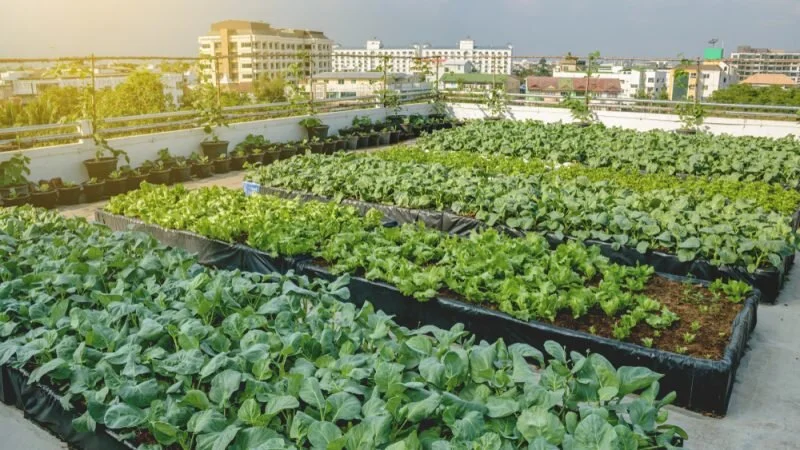
"Urban Farming": Are Rooftop Fields The Future?
Large cities offer millions of square meters of unused roof space. Why aren’t they being converted to cultivate crops? The potential seems enormous, but “urban farming” is still in its infancy. EURACTIV Germany reports
By Florence Schulz | EURACTIV.de | translated by Sarah Lawton

September 30, 2020
This article is part of our special report New terminologies in sustainable food systems.
Large cities offer millions of square meters of unused roof space. Why aren’t they being converted to cultivate crops? The potential seems enormous, but “urban farming” is still in its infancy. EURACTIV Germany reports.
Salad from the roof of the supermarket or tomatoes from the facade of a high-rise building? What sounds like fiction is already a reality in some cities, albeit on a small scale. Urban farming is not a new concept, but one that has hardly been exploited to date.
Cultivating fruits and vegetables could experience a boom in the coming decades. After all, the human population is growing rapidly and is increasingly settling in cities. More than half of this population is already living in cities, and by the middle of the century, around 66% of people are expected to be living in cities – out of a world population of 9.7 billion.
More food also means correspondingly more demand for farmland, but this already accounts for 42% of the global land area.
Another problem is transport. According to the Fraunhofer Institute, around 12% of agricultural emissions are attributable to this alone.
As the World Summit on Biodiversity opens on Wednesday (30 September), new measures to halt its decline are being discussed, including the concept of payments for environmental services, which is currently widely debated in France and Europe. EURACTIV France reports.
Urban gardens for times of crisis
Could urban farming be part of the solution? One thing is certain: The idea is not new. Until the 19th century, cultivating crops was common practice within cities. When they disappeared, private allotment gardens spread.
Interestingly, a new trend is emerging: self-sufficiency is booming in the city, especially in times of crisis.
Often with success, as the British example shows: During World War Two, the government launched the “Dig for Victory” campaign. As a result, up to 50% of fruit and vegetables were produced by the population in allotment gardens.
In Spain, during the economic crisis, the proportion of allotment plots and community gardens increased six-fold between 2006 and 2014.
Apart from private cultivation, however, there are hardly any places where agriculture takes place on a larger scale in cities.
Roof gardens of the future use domestic heat and rainwater
In Europe, urban farming is still in its infancy.
“Every morning, I ask myself why not many more cities invest in it,” says Jörg Finkbeiner, architect, and co-founder of the Berlin network ‘Dachfarm.’ The consortium consists of gardeners, agroscientists, and architects, who together plan greenhouses for growing crops in the city.
However, Finkbeiner believes that this cannot be the case with urban farming, because most buildings are not statically suitable for it: “If you put crops in tubs on a roof and water them, you can quickly achieve 300 kilograms per square meter. Most buildings can’t support that.”
Dachfarm, therefore, relies on roof structures that are as light as possible and are built on top of existing buildings. The plants grow either in substrates such as pumice, lava, or compost, as these are much lighter than soil or in hydroponic systems, where the nutrient supply is provided directly via a nutrient solution.
The glass gardens are designed to operate as efficiently as possible by using the waste heat from the building, collecting rainwater, or recycling greywater from households.
The concept of soil carbon sequestration, a cornerstone of regenerative farming, is regaining strength as a key measure in both climate mitigation and adaptation.
With Dachfarm, we want to show that the increasing amount of pavement in cities and the loss of arable land do not contradict themselves, Finkbeiner told EURACTIV.de.
Other advantages are that roof gardens can be used to produce close to the consumer and “on-demand,” so to speak, eliminating long transport routes or the need to store food. But not every type of agricultural cultivation is structurally possible, Finkbeiner points out. Besides, there are many open questions particularly in terms of building codes.
Bologna and Amsterdam with great potential
For supermarkets or restaurants, the own roof garden could be an attractive concept.
However, it is not worthwhile for everyone, because investment costs are still comparatively high and the food harvested in this way is more expensive.
A 2017 study by the European Parliament’s Scientific Service (EPRS) also came to the same conclusion: urban agriculture is “associated with considerable ecological, social and health benefits,” but can increase biodiversity and counteract the heating of cities.
However, this is also associated with high operating costs, for example for electricity, and is in competition with other types of use, for example for solar energy systems. In addition, the report says, tensions between “traditional and innovative farmers” and an increase in land values are also concerns.
There are no reliable figures on how widespread urban farming is in the EU. However, according to the ERPS evaluation, the potential could be huge, depending on the city.
In Bologna, for example, more than three-quarters of the vegetables consumed there could be grown in roof gardens. In Amsterdam, where currently only 0.0018% of food is produced locally, up to 90% of the fruit and vegetables consumed could be grown.
In a clear nod to the strategic importance of agroforestry, the term has now cropped up in both the European Green Deal, the European Commission’s roadmap for making Europe the first climate-neutral continent by 2050, and the EU’s flagship new food policy, the Farm to Fork (F2F) strategy.
Commission has no plans special funding
These figures seem optimistic, as they would probably require strong political support. In the current EU Common Agricultural Policy, urban farming projects can theoretically be financed with funds from both pillars as well as from the European Social Fund and the Regional Development Fund, but this is at the discretion of the member states.
Further support is not in sight, as the Commission “currently has no plans to coordinate strategies for urban agriculture beyond different levels of government,” according to the response EU Agriculture Commissioner Janusz Wojciechowski gave in the European Parliament in May. However, a planning study on the topic is currently being prepared. This should be completed this autumn.[Edited by Gerardo Fortuna/Zoran Radosavljevic]
Topics agriculture Agrifood CAP reform urban farming Urban Gardening
The content of this page and articles represents the views of the author only and is his/her sole responsibility. The European Commission does not accept any responsibility for use that may be made of the information it contains.
Follow @eaagrifood
Lead Photo: Up to two million square meters of roof space could be used for plant cultivation in Berlin alone. But the investment costs are still relatively high. [YuRi Photolife/ Shutterstock]

Canada To The U.S.: Keep Your Romaine Lettuce
Beginning this week, leafy greens growers in America’s Salad Bowl will have a much harder time shipping to Canada—after food safety officials up north imposed new, strict restrictions on romaine lettuce imports in an effort to stave off potential E. coli outbreaks this fall
by Jessica Fu
10.08.2020
“Canada’s making a clear statement there”: As the U.S. continues to deal with leafy green E. coli outbreaks, our northern neighbors are taking a stand.
Beginning this week, leafy greens growers in America’s Salad Bowl will have a much harder time shipping to Canada—after food safety officials up north imposed new, strict restrictions on romaine lettuce imports in an effort to stave off potential E. coli outbreaks this fall.
Last week, the Canadian Food Inspection Agency announced that it would effectively ban imports of romaine sourced from major growing regions in the Salinas Valley unless growers could certify through lab testing that their shipments had “below-detectable levels of E. coli.” The rules took effect on Wednesday and are scheduled to run through the end of the year. Officials said the move was prompted by the numerous E. coli outbreaks linked to U.S.-grown romaine over the past few years.
“From 2016 to 2019, romaine lettuce from California was linked to outbreaks of E. coli illnesses in the USA and Canada,” the announcement read. “To mitigate risk in the event of another outbreak this fall, the Canadian Food Inspection Agency is implementing temporary import measures aimed at preventing contaminated food from entering the marketplace.”
Some food safety experts weren’t surprised by the move, given just how frequently E. coli outbreaks have been traced back to romaine.
“From 2016 to 2019, romaine lettuce from California was linked to outbreaks of E. coli illnesses in the USA and Canada.”
“Canada gets most of its lettuce from [the U.S.],” said Bill Marler, a prominent food safety lawyer and publisher of Food Safety News. “So when we have outbreaks in the U.S., Canada usually has one, too.”
There were last fall’s E. coli outbreaks linked to romaine lettuce sourced from the Salinas Valley. Then there was the 2018 one. Then there was the 2017 one, which also included growers in Arizona and Mexico. Of course, E. coli is far from the only dangerous pathogen that regularly rips through our food system, and E. coli outbreaks have also been traced back to other food items, from other regions, at other times of the year. However, Marler suspected that Canada’s move specifically targeting romaine harvested from Salinas in the fall was the result of getting “whacked” by these particular imports one too many times.
The new requirements may also suggest that Canada is raising doubts about the ability of American leafy greens growers to prevent foodborne illness outbreaks, said Angela Anandappa, executive director of food safety non-profit Alliance for Advanced Sanitation.
“This is a little radical for Canada to do,” she said. Anandappa interprets the restrictions as saying: “We have lost trust in your ability to produce this kind of product.”
“Canada’s making a clear statement there,” she added.
The move’s short notice took growers by surprise, said Trevor Suslow, extension research specialist at the University of California, Davis, who works with farms on food safety issues. In fact, he doubted that many farms would be able to meet the high testing requirements outlined in the new rule—which requires that they take and test 60 samples from every truckload of romaine lettuce products, including mixed salad bags.
The move could indirectly encourage producers to take greater precautions along the growing process.
In response to the move, California Leafy Greens Marketing Agreement—a voluntary program composed of major growers who commit to food safety standards and audits—indicated that it might lead to bottlenecks in leafy green supply chains. After all, this is one of America’s top produce exports to Canada, which imported $333 million worth of lettuce in 2018, according to the Department of Agriculture.
“The measures required in these new restrictions for post-harvest testing are not achievable on an industry-wide basis in the timeframe provided,” the marketing group wrote in a statement. It also suggested that industry groups and government officials were working behind the scenes “to resolve this situation to the benefit of all parties.” (California Leafy Greens Marketing Agreement declined a request for more information.)
The one point everyone I spoke with agreed on was that testing alone doesn’t safer lettuce make. While it can help trace outbreak sources, and minimize the number of people who get sick from recalled products, it doesn’t directly address the root causes of contamination. For example, leafy greens farms are often located near livestock production, which can contaminate water used to irrigate lettuce. Down the line, contaminated water might also be used to wash and process lettuce before shipment. Then, at the consumer level—while cooking lettuce with heat may kill any potential pathogens—lettuce is typically eaten raw.
Having said that, Marler believes the move could indirectly encourage producers to take greater precautions along the growing process.
“If [producers] want to continue to sell products from Salinas to Canada, they’re going to have to play by the rules,” he said. “And I think that might well be a net benefit to food safety in the U.S.”
Lead photo: iStock /Juanmonino Eating Sourcing
Also tagged canada, lettuce, romaine
Jessica Fu is a staff writer for The Counter.

Cultivating The Future Starts Next Friday!
The 2020 Aquaponics Conference, Cultivating the Future, starts next Friday, October 16. This year, you don't need plane tickets or a hotel room!
Hello Aquaponics World,
The 2020 Aquaponics Conference, Cultivating the Future, starts next Friday, October 16. This year, you don't need plane tickets or a hotel room!
The Conference features OVER EIGHTY SESSIONS including talks, panel discussions, virtual tours, breakout discussions, and more! Dr. Wilson Lennard, (pictured above) will join us live from Australia on Friday night to discuss the state of aquaponics research! Check out all three days of schedules:
Friday Agenda
Saturday Agenda
Sunday Agenda
Are you a K-12 teacher, home grower, or part of a small business or small farm? You may be eligible for STEM / Community Super-Saver Discount Tix!
Learn more:
STEM / Community Ticket Info
All Conference tickets include:
Access to all content in all four Learning Tracks – STEM Education, Commercial, Community, and Research
Access to 100% of conference video files online through the end of 2020
Access to all conference slide presentation files through the end of 2020
Access to Aquaponics Virtual Vendors featuring the best products and services in the aquaponics industry
Access to Direct Messaging, Breakout Discussions, Chat Rooms, Live Polls, and Virtual Cocktail Hour to interact with growers from around the world!
Ability to ask LIVE QUESTIONS to Aquaponics Experts!
We hope to see you there so we can advance aquaponics together!
Brian Filipowich, Chairman
Aquaponics Association

Shorten Supply Chains With Urban Farming
While urban indoor agriculture may have seemed a far-fetched dream in the past, developments in city planning and technological innovation are making it into a reality
There are many reasons why a government or international organization may advocate the introduction of urban indoor farming. The association for vertical farming looks at some of the main motivations for bringing agriculture closer to the consumer. While urban indoor agriculture may have seemed a far-fetched dream in the past, developments in city planning and technological innovation are making it into a reality. These developments are helping to alleviate pressure on food supply chains and cultivate food security in a period of mass population expansion.
Urban indoor agriculture is seen as a viable solution to dramatic increases in population. Already fifty-five percent of the world’s population lives in urban areas and this figure is set to increase. Moreover, eighty percent of all food produced globally is destined for consumption in urban spaces to meet this increased demand. By bringing farming closer to the city, agricultural networks have a better chance of meeting this demand sustainably and efficiently by cutting out unnecessary segments of the supply chain. Farmers are also better able to attract young people into the workforce as they can offer new and innovative routes into agriculture which appeal to the urbanized workforce.
Agriculture in urbanized areas also presents an opportunity to establish a more circular economy. Farming can be integrated more holistically into the overall working of urban life by combining its production with other essential services like waste management. Rather than establishing a food network that operates on a ‘cradle-to-grave’ methodology, urbanized farming presents new opportunities to recycle and reuse resources in an integrated bio-economy. The decrease in transportation costs which comes from closer proximity between consumers and producers also helps to reduce emissions. The benefits of urban indoor farming can be seen to not only enhance economic efficiency but also maximize sustainability by cutting down the city’s overall carbon footprint.
Finally, urban indoor agriculture offers an exciting opportunity for communities to reconnect with the process of farming. Shorter supply chains not only increase accessibility to food but can also improve overall public engagement with the food production process. Supply chains can be seen not only as a means to an end but also as an opportunity for social engagement by integrating small producers, farms, and vulnerable groups along the supply chain. Educational opportunities for schools and society as a whole can be brought closer to the urban population which allows a reconnection with the cultivation of fresh produce.
While it is possible that cities never become solely reliant on urban agriculture, it is clear that the integration of agriculture into the urban zone offers several social, economic, and environmental benefits. Food supply chains should therefore actively cultivate urbanized agriculture to help reach increased standards of efficiency and sustainability at this time of rapid population expansion.
For more information:

Association for Vertical Farming
Marschnerstrasse,
81245 Munich,
Germany
info@vertical-farming.net
vertical-farming.net
Publication date: Mon 28 Sep 2020

"Vertical Farming Won’t Replace All Greenhouse Production, But It’s More A Combination of All of Them"
“We have been studying the vertical farming market for a couple of years now. Today, we haven’t seen any new, exciting things I must say, but vertical farms continue to improve
“We have been studying the vertical farming market for a couple of years now. Today, we haven’t seen any new, exciting things I must say, but vertical farms continue to improve. More production systems become high-tech, from greenhouse growers to other farmers. It’s also more about looking at what is applicable per location, whether it’s an indoor farm in an urban area or a high-tech greenhouse more suitable for the area it’s based,” Cindy van Rijswick, Expert Fresh Produce at Rabobank Research Food & Agribusiness, says.
Cindy van Rijswick
Not at its peak yet
Vertical farming in the Netherlands isn’t very thrilling production-wise, but many great techniques are developed here, she notes. “The USA e.g. is not very familiar with glass greenhouses. They switched to vertical farming at some point and often skipped the glasshouse concept. The only disadvantage a greenhouse has, compared to vertical farming, is that it needs more space and it is less easy to control because still sunlight is used.”
In the indoor farming market, there are a lot of small-scale companies. In comparison to the Dutch greenhouses, it’s not as profitable as it could be. When stacking multiple layers vertically it will increase production. “However, it's not large-scale enough. Now there is a limited range of products, such as luxury lettuces and herbs, for which there is only a narrow market.”
Uniformity
“The market is currently in a development phase. Before it will become mature, mistakes are being made. There are still many steps to be taken before we’ll get there. One being, increasing efficiency. In addition to that, there are too many different systems being used and instead, more uniformity is needed.
"All kinds of systems are developed while there are companies that have existing well-working systems. However, large sums of money are put into the sector while very little working proof comes out of it. In the future, there will be more vertical farm suppliers that will operate effectively. The sector needs to collaborate and compare more. In this way, steps can be taken. Although even then, it will not replace all greenhouse production, it’s more a combination of all of them,” Van Rijswick explains.
Costs per m2
The investment costs for a vertical farm are more or less starting at € 2000 per m2 in comparison to a greenhouse which is about € 200-500 per m2. There is a huge difference between investment costs which is a major disadvantage for farmers looking for funding. Efficient herb plant factories could possibly compete with a greenhouse at the same cost price. Unfortunately, there’s so little transparency in the industry that not much is known about it.
Suitable location?
Van Rijswick affirmed that in some cases it’s better to be located inside the city. However, there are also many disadvantages to it. The land price is very high-priced in large cities, which causes it to be competing with for example office space. “There are many logistic problems as it's very complicated to get around within the city. The location has to be looked at in a more efficient way. As a large-scale farm, when being located next to a distribution center it’s much easier to distribute products to retail stores.”
Vacant buildings are hardly suitable for a vertical farm because of the following:
Often the floors aren’t able to carry heavy racks and installations
There are risks involved using a lot of electricity and water and it is sometimes difficult to insure these
The building will have a different use which is not always accepted by the municipality
Van Rijswick adds: “In most cases, it is better to acquire a new building where a new farm can be built rather than in existing offices. People think about it too easily. The most commonly used argument is that the building is then utilized beneficially, but this is not always the case.”
‘Japan as a frontrunner’
The country that has been out there the longest is Japan. Although the cost price is higher than in the Netherlands, people are willing to pay more for their greens. Van Rijswick continues: “Many young people would like to start their own farm, having great technique and a proper business plan. However, they can't put into words what their market is. China has had many food scandals, so there’s more demand for fresh produce with guaranteed safety. They’d rather pay more for clean food, produced in a safe growing environment. In Europe, this is less of an issue and competition is high, which makes it difficult to sell produce at a premium.”
‘More suitable for leafy greens’
“In the end, I think that indoor farming is most suitable for leafy greens, such as lettuce and herbs. Young plants and starting materials are also very suitable for this kind of growing environment. These greens are well suited for this type of cultivation, in terms of hygiene requirements and product quality. The crops can easily be stacked in multiple layers. This results in a higher value per kilogram, which is great looking at the cost price of these farming techniques.”
Large farms can process this type of production better than a small farm growing plants. These farms can pack and deliver the products immediately because only then it becomes logistically efficient. “For ‘fresh-cut companies’ it could be useful if they could grow some of their raw materials within their factory, such as expensive types of lettuce. In small businesses, I see more potential for local markets and the hospitality industry. But in the future, there certainly will be more large professional farms that will be growing large scale,” Van Rijswick explains.
For more information:
Rabobank
Cindy Rijswick, Expert Fresh Produce at Rabobank Research Food & Agribusiness
Cindy.Rijswick@rabobank.com
www.rabobank.com
Publication date: Tue 22 Sep 2020
Author: Rebekka Boekhout
© HortiDaily.com

RSVP - Indoor Ag Science Cafe October 20th 11 AM Eastern Time
Learning critical control point for hydroponic food safety
October Indoor Science Cafe
October 20th Tuesday 11 AM Eastern
Please Sign Up!
Learning critical control point
for hydroponic food safety
"Hydroponic Crops --
How can you produce safe vegetables?"
By
Dr. Sanja Ilic (The Ohio State University)
Please sign up so that you will receive Zoom link info.
Indoor Ag Science Cafe is an open discussion forum, organized by Chieri Kubota (OSU), Erik Runkle (MSU), and Cary Mitchell (Purdue U.) supported by USDA SCRI grants.