

Welcome to iGrow News, Your Source for the World of Indoor Vertical Farming
Europe's Largest, Turkey's First Plant Factory Enters Production In Antalya
An Antalya-based firm has established Europe's largest and Turkey's first plant factory with an estimated investment of 2.5 million euros ($2.77 million), as part of its 5-million-euro research and development (R&D) activities
DAILY SABAH WITH DHA
ISTANBUL
-02-20-2019
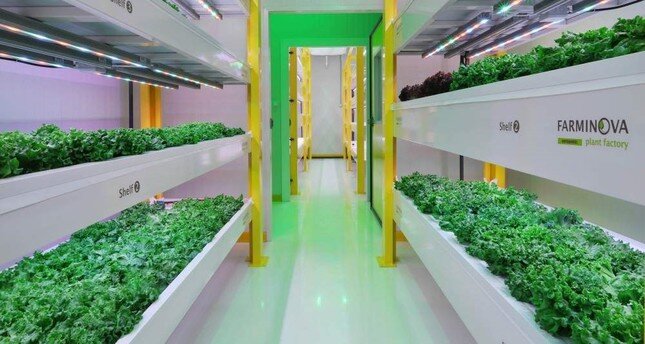
The factory produces plants in a closed area without soil and without sun, using 95% less water. (DHA Photo)
An Antalya-based firm has established Europe's largest and Turkey's first plant factory with an estimated investment of 2.5 million euros ($2.77 million), as part of its 5-million-euro research and development (R&D) activities.
The factory grows plants in a closed area without soil or sun while using 95% less water than conventional farming. In the first stage, it will produce green leafy plants like lettuce, arugula, cress, spinach, thyme and basil.
The factory, Farminova is run by Cantek Group that has operated in the food storage, processing and refrigeration technologies business at the Antalya Organized Industrial Zone for many years.
Company Chairman Can Hakan Karaca said they have launched an innovative initiative, establishing the largest active plant factory in Europe.
Talking to Demirören News Agency (DHA) Sunday, Karaca said providing healthy, continuous and fixed-price food today is critical because the world's population is rapidly growing and agricultural areas are gradually shrinking.
He added that the factory produces plants in a closed area without soil and sun and uses 95% less water. It produces plants without harming nature and living creatures, 24/7 all round the year needing any agrochemicals.
Karaca said the factory uses artificial intelligence (AI) and uses 100% Turkish products. He noted that they will start producing green leafy plants like lettuce, arugula, cress, spinach, thyme and basil in the first phase and strawberry and mushrooms in the second phase. This will be followed by the production of vegetables like tomatoes, peppers, and eggplants.
Karaca added that seedsmen should also develop low-stature plants now. Pointing out that Japan and the U.S. have carried out experiments in plant factories, he said that they are the only Turkish company to participate in the training program run by Professor Kozai, an industry pioneer.
"We have developed the plant factories project step by step, establishing the largest plant factory operating in Europe. What makes the difference here is that we have built this factory using our own products only," he told.
He said the factory in Antalya is an exemplary model. "We aim to establish, expand and share with global investors this innovative development in the world of agriculture, which is a 100% Turkish product from design to software."
Karaca said they are working on establishing factories in seven or eight countries, particularly in Africa. "Our goal is to open two to five factories this year and 100 factories in the next five years, 90% of which will be abroad."
Factory consultants Glenn Behrman and Christine Zimmerman Loessl, who have been working around the world in this area, also elaborated on the factory.
Loessl said the world and its inhabitants have changed. "However, if we continue to treat the world this way, the world is not going to end up anywhere good. We see every day that agriculture has had a huge and dramatic impact on this change. This project will prevent the conversion of natural lands into agricultural lands. We can produce plants completely independent of the weather, the sun and the conditions outside. It provides a healthy and fixed-price guarantee. Vertical farming practices will completely change their perspective. It's not going to happen in a tick, but it is going to happen eventually."
Behrman, on the other hand, said he has set up similar facilities in many countries around the world. "This is the most innovative and largest facility in Europe. It can produce healthy products that are harmless and chemical-free. It is possible to produce essential foods and products, not just edible foods. It is highly effective in seedling production and seed cracking. It can also make healthy and high-quality contributions to the cosmetics industry. Healthy and nutritious products can be produced in shorter harvest time. It is a hyper-efficient system. Production is possible anywhere in the world with minimum energy and labor," he added.

Let's Have The Conversation That Needs To Be Had
Why is there a growing perception that something is fundamentally wrong with our food system?
Eating together is a pleasure to be celebrated. No wonder #food is one of the most popular hashtags in social media. But the reality of how food gets on to our plates is quite a different matter.

New York City Startup Called Re-Nuble Turns Food Waste Into Fertilizer
A New York City startup is using potato peels, apple cores, and rotten tomatoes to help farmers grow fresh fruits and vegetables
It Can Be Used To Grow Crops in Indoor Hydroponic Farms.
February 5, 2020
Re-Nuble CEO and founder Tinia Pina. (Image credit: Re-Nuble video)
A New York City startup is using potato peels, apple cores, and rotten tomatoes to help farmers grow fresh fruits and vegetables.
“We take produce waste from food distributors and food processors – anything that can’t go to a food bank or farm,” says Tinia Pina, founder, and CEO of Re-Nuble.
The company converts food waste into organic fertilizer pellets that can be used in indoor, hydroponic farms.
Pina says when dissolved in water, the pellets make the nutrients immediately available to the plant, mimicking the biological nutrient systems found outdoors.
So she says the technology can help make it easier to grow organic food indoors in urban areas, where fresh local food is often scarce.
And it helps the climate. It keeps food out of landfills, where it would otherwise decompose and release methane, a potent greenhouse gas.
It also reduces the need for synthetic fertilizers, which create a lot of carbon pollution when they’re manufactured.
So far, the company has facilities in New York City and Rochester, New York, and plans to expand to the West Coast. Pina hopes to eventually help cities across the country use their food scraps to grow local, organic food.
Reporting credit: Sarah Kennedy/ChavoBart Digital Media.

The Booming Indoor Gardening Movement
LG’s indoor farm appliance is an example of how a built-in, columned indoor garden using lighting, temperature and water control can change the way consumers obtain their kitchen ingredients
Sarah Buckley
22/01/2020
The booming indoor gardening movement, prominently explored at CES 2020 earlier this year, is allowing consumers to grow their greens indoors, all year-round.
LG’s indoor farm appliance is an example of how a built-in, columned indoor garden using lighting, temperature and water control can change the way consumers obtain their kitchen ingredients.
LG’s offering of all-in-one seed packages and a growth monitoring app makes the one-stop-shop capable of feeding a family of four with home-grown produce.

The appliance replicates optimal outdoor conditions by matching the temperature inside the insulated cabinet to the time of day.
The LED lights, air circulation, and wick-based water management system allows the produce to quickly grow, alongside the automated gardening solution’s non-circulating water supply technology.
The core technology, which evenly distributes the precise water required for the plant’s to healthily flourish, prevents algae and odors for a hygienic, green enclosure.
Much like LG, n.thing, a South Korean agriculture start-up has developed ‘planty cube’ which is an automated vertical farming system, to a more elaborate effect – allowing consumers to maintain crops from anywhere, at any time.
Cubes, blocks, cells – the hydroponic farm, presented in a shipping container, has each square evenly stacked with rows of shelves of plants.
A computerized system controls the environment by monitoring the plants’ health, adjusting the environment accordingly.
These alternatives to glasshouse production are presenting solutions to production, health, convenience, pollution, water-use, but most notably, are finally brought to the consumer’s arena.

Light4food And Moleaer Announce Indoor Farming & Research Partnership
Light4Food expertise is in indoor growing, and consequently, they have experience in medicinal plants. “Moleaer’s nanobubble technology is the most efficient method to dissolve oxygen in the water
Moleaer has expanded their position in the high tech horticulture sector by partnering up with Light4Food. Light4Food gains knowledge by using their own research facilities, the so-called Indoor GrowHow Facilities, which exist of multiple climate chambers for conducting research to the most optimum growing conditions to cultivate plants in an indoor environment. Both for own research and in collaboration with a client.
Niels Jacobs, Project Engineer at Light4Food, says, “we are using the Moleaer Bloom nanobubble generator for half a year now. In our Indoor GrowHow facilities, we dissolve oxygen in the form of nanobubbles into the cultivation water. Multiple cultivations of lettuce and herbs are grown with nanobubble technology were compared with traditional aeration systems. The results are very positive, not only in the deepwater hydroponic system but also in tests with high wire crops grown on rock wool substrate."
Michiel de Jong, Moleaer: “The findings corresponded with what we see in practice. Nanobubbles provide cleaner water with more available oxygen for the roots, this makes them less susceptible to molds and bacteria. Lack of oxygen is less generally known as a limiting factor for plant growth in comparison to lack of light or CO2. We can already assume that in spring and especially in summer, oxygen is the limiting factor for plant growth whether using rock wool, cocos or hydroponic systems. This is also the case when the substrate is too wet during cultivation. Not only the roots are negatively influenced, but also the microclimate in the root environment."
Left without Moleaer, Right with Moleaer
Light4Food expertise is in indoor growing, and consequently, they have experience in medicinal plants. “Moleaer’s nanobubble technology is the most efficient method to dissolve oxygen in the water. Therefore, we are looking forward to discussing this technology with our clients, eventually to realize the most viable indoor growing concepts”, says Rene van Haeff, managing director Light4Food.

For more information:
Light4Food
Expeditiestraat 11
5961 PX Horst
+31 77 207 0008
info@light4food.com
www.light4food.com
Moleaerinfo@moleaer.com
moleaer.com
Publication date: Mon 27 Jan 2020

IKEA Wants All Restaurants To Be Self-Sufficient in Herbs and Lettuce
Many IKEA customers like to grow their own fruit and vegetables. "What if we could do the same?" they wondered at the Swedish retail chain
Many IKEA customers like to grow their own fruit and vegetables. "What if we could do the same?" they wondered at the Swedish retail chain.
The company is testing smallscale urban farms, exploring whether they can become self-sufficient in some of the fresh produce used in IKEA restaurants.
Container farms
In FY18, they grew their own herbs and lettuces in small-scale urban farms in Sweden and Switzerland. In FY19, they extended the tests, installing medium-scale container farms with romaine and frisée lettuces outside the IKEA Malmö and IKEA Helsingborg stores in Sweden. The farms use hydroponic technology and operate in a circular way, with food waste from the store used to create a nutrient solution to feed the lettuces.
Promising results
Early results show the container farms produced enough to supply the in-store restaurants with all the lettuce they need. Since they’re grown onsite, the lettuce can be used almost straight away, meaning they’re fresher, tastier and contain more nutrients. They also grow faster, with less water and waste than conventional farming and without the use of pesticides and herbicides. A life-cycle assessment shows that when the urban farm is powered by renewable energy, the carbon footprint of the lettuce is 30% smaller than the ones we would usually use. IKEA is planning to extend urban farming so that they become self-sufficient in herbs and lettuce across all store restaurants.
Cost-cutting
The main challenge is that the produce IKEA uses is currently more expensive than a conventionally farmed alternative. They’ve already made progress on reducing these costs, and they’re continuing to find ways to improve efficiency. Ingka Investments has also invested in two urban farming businesses in the USA and Estonia to support development of the industry.
For more information, check out the Ingka Group Sustainability Report.
Publication date: Fri 31 Jan 2020

US (VA): Controlled Environment Agriculture Innovation Center Launched in Danville
The Innovation Center will leverage technology and research to accelerate advancements, economic development, and regional participation in the developing industry of indoor farming
The Institute for Advanced Learning and Research (IALR) is partnering with the Virginia Tech School of Plant and Environmental Sciences and the Virginia Seafood Agricultural Research and Extension Center to launch a Controlled Environment Agriculture Innovation Center on IALR’s campus in Danville, Virginia.
The Innovation Center will leverage technology and research to accelerate advancements, economic development, and regional participation in the developing industry of indoor farming. The value of U.S. greenhouse-grown food crops is expected to exceed $4 billion this year.
“We are delighted that the Institute for Advanced Learning and Research and Virginia Tech’s College of Agriculture and Life Sciences have combined their expertise to create a top program in controlled environment agriculture. This collaborative effort is creating tremendous energy and excitement because of its potential to provide innovative solutions to the agricultural community,” said Alan Grant, dean of the College of Agriculture and Life Sciences. “Partnerships like this will help us realize the vision of the SmartFarm Innovation Network Initiative to support the agriculture industry.”
Lettuce is one of the crops that can be grown at the new Controlled Environment Agriculture Innovation Center in Danville, Virginia.
Convening industry, academia, and producers, the Innovation Center will be housed primarily within a modern greenhouse complex on IALR’s campus. Features will include various hydroponic systems, which grow plants in a soilless root medium with optimal amounts of water and nutrients. Vertical growing racks will maximize space, and high-tech engineering and technology will be integrated and on display throughout the center. High-value demonstration crops will include lettuce, herbs, strawberry, blackberry, hemp, and more. In addition, faculty and staff involved in the center will research and educate on raising fish in controlled environments using aquaponics, or recirculating aquaculture systems that integrate plant and fish production. While traditionally viewed as separate fields, plant and fish production share many similar technologies, issues, and needs.
“We are excited to partner with Virginia Tech, a fellow champion of cutting-edge innovation, to expand the impact of agriculture in promising new ways,” said Mark Gignac, executive director of IALR. “While agriculture is a longtime industry of Southern Virginia, economic factors have demanded a new identity. We believe controlled environment agriculture is one of the defining solutions, and we are proud to work with Virginia Tech to introduce the concept to our region’s growers and attract industry.”
According to Michael Schwarz, director of the Virginia Seafood Agricultural Research and Extension Center, this new collaboration will further bolster domestic seafood production.
“The U.S. currently has a national seafood trade deficit in excess of $15 billion, with more than 50 percent of the seafood we consume originating from aquaculture,” he said. “Through this new programming and leveraging of expertise and infrastructure, we have the opportunity to drastically increase domestic seafood and produce production within the state, region, and country, enhancing food safety, security, sustainability, and, most importantly, socioeconomically within our agriculture economies.”
Controlled environmental agriculture helps protect plants from disease and stress while providing ideal growing conditions for high-quality, quick-to-harvest food products — sometimes in as fast as two weeks depending on the crop. In addition to hydroponic systems, the Innovation Center will use data management, sensors, and vertical structures to ensure ideal distribution of water, energy, capital, and labor. Plus, strict entry protocols will prevent pests. Together these factors result in a high-quality, consistent product with significantly more harvests than outdoor conventional production methods. Other advantages of controlled environmental agriculture include uniform, year-round production, potentially pesticide-free agriculture, and greatly reduced land and water requirements.
AeroFarms, a leading controlled environmental commercial producer based in New Jersey, recently announced the world’s largest indoor farm to be located in Cane Creek Centre in Pittsylvania County, just minutes from IALR. While this industrial-sized operation demonstrates scalability, Michael Evans, director of Virginia Tech’s School of Plant and Environmental Science, believes the technology is accessible to even small farmers in the region.
To encourage market growth, and in line with IALR’s role as a regional catalyst for economic transformation, the Innovation Center will introduce controlled environmental technologies to regional parties interested in entering the market. Conferences, workshops, site visits, and a web presence will comprise part of the outreach and educational activities. According to Evans, controlled environment agriculture is a rapidly growing sector that offers many potential opportunities in Southern Virginia.
“We are excited to house this facility on the Institute for Advanced Learning and Research’s campus and to benefit from both the technology developed and the associated economic development opportunities it provides for the region,” said Scott Lowman, director of applied research at IALR. “Consumer demand for healthy, local, and pesticide-free produce is high and will continue to increase in the coming decades. We look forward to serving this need through controlled environment agriculture.”
The Institute for Advanced Learning and Research serves Virginia as a regional catalyst for economic transformation with applied research, advanced learning, advanced manufacturing, conference center services, and economic development efforts. IALR’s major footprint focuses within Southern Virginia, including the counties of Patrick, Henry, Franklin, Pittsylvania, Halifax, and Mecklenburg, along with the cities of Martinsville and Danville.
For more information:
www.ialr.org
Publication date: Fri 24 Jan 2020
Vertical Farming Transforms The Farm-to-Fork Supply Chain
Indoor vertical farming has been around for quite some time, but leading companies in this industry are starting to garner a great deal of attention from the business press even as investors have poured money into the industry
February 3, 2020
Steve Banker Contributor - I cover logistics and supply chain management.
Indoor vertical farming has been around for quite some time, but leading companies in this industry are starting to garner a great deal of attention from the business press even as investors have poured money into the industry. As the world population continues to expand, so too does the amount of fruits and vegetables needed to feed the world. We are not creating new farmland to accommodate the increase in fresh food required. Vertical farming can be part of the solution to this problem.
Vertical Farming is a High-Tech Endeavor
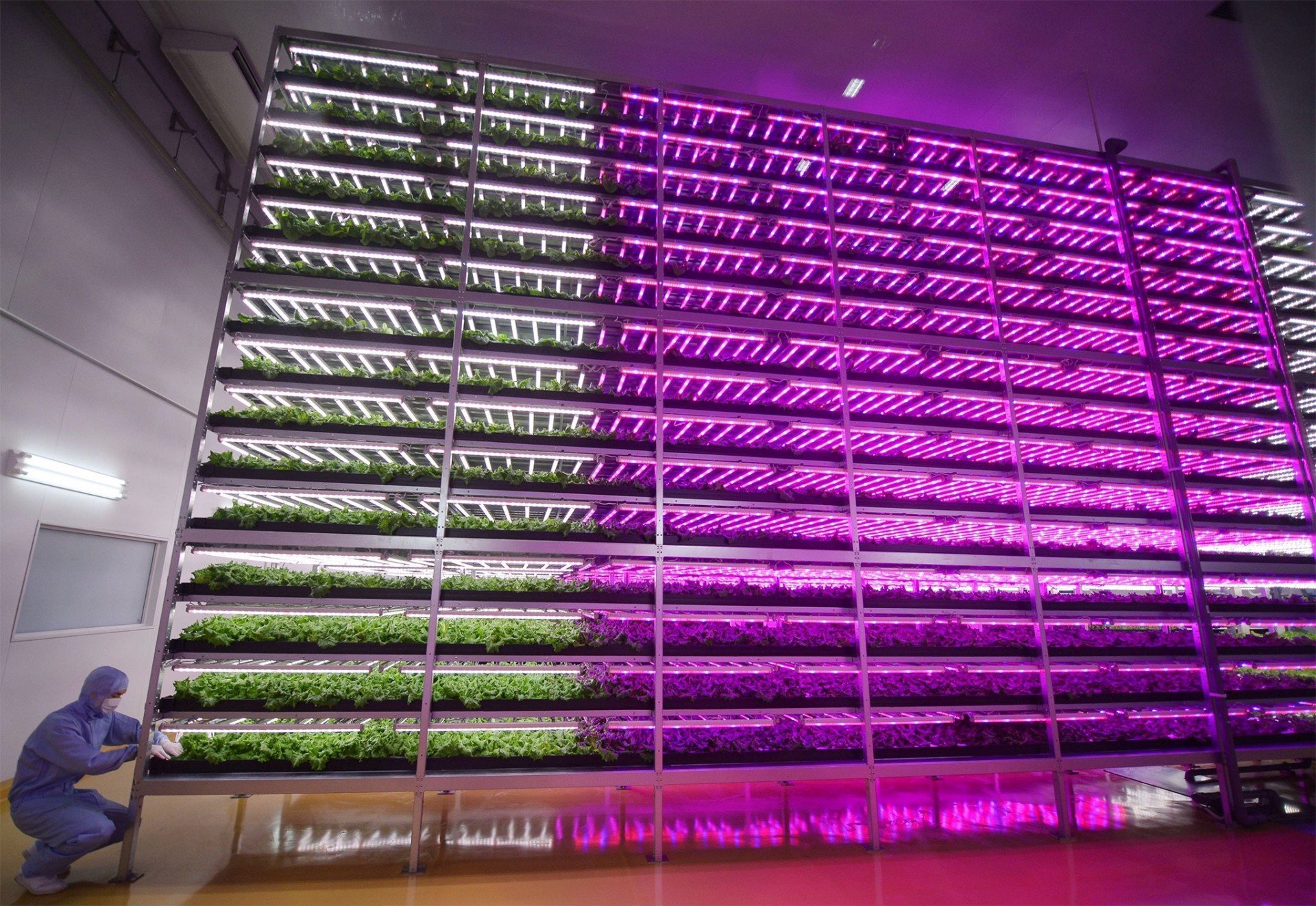
Vertical farming is the practice of growing crops in vertically stacked layers. Vertical farming incorporates controlled-environment agriculture, which is a fancy way of saying that it provides protection and maintains optimal growing conditions throughout the development of the crop.
At the leading firms, vertical farming is a big data, high tech endeavor. At AeroFarms, a leader in the space, their plant scientists monitor millions of data points every harvest. The company says their LED lights are used “to create a specific light recipe for each plant, giving the greens exactly the spectrum, intensity, and frequency, they need for photosynthesis in the most energy-efficient way possible.” This lighting allows them to control size, shape, texture, color, flavor, and nutrition of their plants.
The company has received $100 million in venture capital and has two patents. The titles of their personnel sound much more like what you would find at a high-tech company than at a big farm conglomerate. They have a chief technology officer, engineers, scientists, risk managers, and even a director of intellectual property.
Why Vertical Farming?
As with any new or emerging technology, there need to be benefits. Vertical farming has proven itself to benefit in a different way. In recent years, there have been a number of E. coli outbreaks from green, leafy vegetables. What many people may not have realized was just how the outbreak occurred. In most cases, the E. coli outbreak was related to the washing practices of the vegetables. With vertical farming, this is a moot point; vertical farming is dirt-free and requires no washing of the vegetables. This alone can prevent foodborne illness outbreaks.
Vertical farming can assist in achieving maximum yields. First, plants only need about 10 minutes of darkness a day. Getting light all day long allows the plants to grow faster. Also, traditional farmers usually apply fertilizer once, water the crop and hope it grows. AeroFarms, meanwhile, applies fertilizers many times, adjusting along the way to optimize plant growth. AeroFarms at one point said they were making fertilizer adjustments every 15 minutes. They also tightly control humidity and water consumption.
Vertical farming enables more harvests throughout the year. Since harvests are not climate-related, they can be done year-round. For some fruits and vegetables, this means having up to 30 harvests in a year rather than five or six. Consumers no longer have to wait for produce to be “in season.” There is also no worry about spoilage due to weather conditions, which enables maximized production.
Sustainability is a top concern for consumers and companies alike. Vertical farming plays a significant role in sustainability efforts as well as the greater good of the earth. According to recent studies, vertical farms use up to 70 percent less water than traditional farms. Additionally, given their isolated nature, pesticides and herbicides are not needed to thwart would-be pests.
Vertical Farming and the Farm-to-Fork Supply Chain
The benefits mentioned above do not even take the supply chain into account. From a supply chain standpoint, there are two major benefits to vertical farming.
First and foremost, vertical farms can reduce the number of miles fresh fruits and vegetables must travel in order to reach supermarket shelves. This also reduces fuel consumption, driving down the total cost to consumers. Studies have shown that the US imports about 35 percent of the produce that lands on supermarket shelves, with the average item traveling 2,000 miles. With this distance traveled, the produce has been picked roughly two-weeks before consumers can get their hands on it. Even for domestic produce, the time and cost to pick, pack and ship the produce from California to the East Coast is five to seven days. However, with a smaller footprint, vertical farms can be set up in urban areas, allowing for fresh produce to get to the shelf faster.
Secondly, as alluded to in the previous paragraph, less space is required for vertical farming. Every square meter of floor space of vertical farming produces approximately the same amount of vegetable crops as 50 square meters of conventionally worked farmland. According to a recent report by Cushman & Wakefield PLC., over the next few years, warehouse supply will outpace warehouse demand. This means that excess warehouse space could be turned in to vertical farming facilities. The use of vertical farms in densely populated places can get more fresh produce on supermarket shelves faster and could even spur home delivery to consumers. Think of it as a vertical farm share.
Of course, there are downsides to vertical farming as well. For instance, the start-up cost to get a facility up and running is a deterrent to many would-be vertical farmers. Also, while water consumption is significantly reduced, there is still the problem of using energy to run the facility. While traditional farms rely on natural sunlight, vertical farms do not. Renewable energy sources are one way these companies can try to offset the cost and environmental impact of traditional energy. And LED lights are becoming more efficient at a rapid pace.
The economics of vertical farming should not be overstated. Wegman’s organic kale sells for $2.89 for a five-ounce container. Dream Greens, an AeroFarm brand, Baby Kale retails for $4.50 at Shoprite. The premium some consumers are willing to pay appears to be more related to the quality, freshness, and the health benefits of these products.
Final Thought
Traditional farming is clearly not going away any time soon. In fact, if it did, the world be in a whole lot of trouble. However, as the population continues to grow, and more emphasis is put on environmental sustainability, vertical farming can help to fill that void. Vertical farms have shown the ability to eliminate foodborne illness outbreaks (especially E. coli), maximize crop yields, and reduce water consumption. From a supply chain standpoint, vertical farms are reducing the miles on our fresh produce as well as getting it on our shelves faster. The future of vertical farming looks bright. It will be an interesting market to watch over the next few years.
The primary author of this article was Chris Cunnane, a Research Director for Supply Chain Management at the ARC Advisory Group.
Follow me on Twitter. Check out my website. Steve Banker
I am the Vice President of Supply Chain Services at ARC Advisory Group, a leading industry analyst and technology consulting company. I engage in quantitative and qualitative research on supply chain management technologies, best practices, and emerging trends. I’ve been published in Supply Chain Management Review, have a weekly column in Logistics Viewpoints (www.logisticsviewpoints.com), and can be followed on Twitter @steve_scm or contacted at sbanker@arcweb.com.

Freight Farms And Sodexo Are Bringing Vertical Farming to U.S. Schools
In North America alone, Sodexo serves over 13,000 client sites, many of them school cafeterias and university dining halls
Freight Farms, a major player in the world of containerized vertical farms, announced today a partnership with food service and facilities management company Sodexo. Together, the two aim to bring Freight Farms’ hydroponic vertical farms into school campuses across the U.S., according to a press release sent by Freight Farms
In North America alone, Sodexo serves over 13,000 client sites, many of them school cafeterias and university dining halls. The new partnership means Boston-based Freight Farms will be able to implement its Greenery container farms in more locations. At the moment, the company has 35 of these farms set up at educational and corporate campuses. The Sodexo partnership will expand that number “rapidly,” according to the press release, as the two companies implement more farms at both K-12 schools and university campuses that are Sodexo customers.
The 320-sq-foot Greenery farm uses hydroponics to grow leafy greens and herbs inside climate-controlled shipping containers. Users control watering and nutrient schedules and access data on their plants via the company’s proprietary Farmhand software, which can be accessed via the user’s smartphone. The idea is to equip growers with a turnkey offering they can flip on from anywhere in the world and use to grow food with relatively little hassle.
For schools in particular, that means outfitting students and teachers with not just freshly harvested food for the cafeteria but also potential new curriculum around technology, agriculture, and business, if students are allowed to work directly with the farms. Co-founder and CEO of Freight Farms Brad McNamara told me last year that the Greenery “allows us the opportunity to not only feed a demographic and teach them how to farm.”
Still, vertical farming has yet to prove itself in terms of scale and economics. Part of determining the success of the Freight Farms-Sodexo partnership will lie in getting more data on how well the vertical farms function in an institutional environment. Many vertical farms geared towards institutional levels of food production promise simple “plug in and grow” solutions. Not all of them deliver as promised.
And beyond basic functionality of the farms, we also need more information about whether or not its truly cost-effective to bring these farms into schools and cafeterias in place of greens transported across the country. Will the reduction in water usage and food waste translate into money saved for these institutions? Freight Farms noted in the press release that in some parts of the country, those using the Greenery can actually make their operations water positive. We don’t, however, have any numbers on how beneficial being water positive is to these organizations’ overall margins, and if it offsets, say, the electricity required to run the farms.
This isn’t the first food-tech-focused initiative Sodexo has embarked on in the recent past. In 2019, the company partnered with Starship to bring wheeled food delivery robots to college campuses in the U.S. The company also launched an Impossible Burger menu at 1,500 of its U.S. locations.
Sodexo’s sheer reach (it’s a multi-national corporation with services all over the world) gives it a certain amount of influence over the educational sector’s meals many others wouldn’t have. If the partnership with Freight Farms can showcase both the health and economical benefits from hyper-local, hyper-traceable, longer-lasting greens onsite, it could open the door to more schools and institutions considering some form of indoor farming onsite.
Related
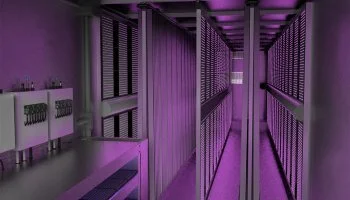
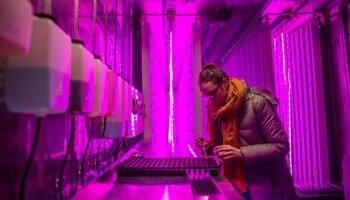

21 Reasons To Start Container Farming In 2020
With container farming, you are not limited to the crops that grow naturally in a location or crops that are seasonal
January 3, 2020
The beginning of a new year is a great time to pick up new hobbies, interests and maybe even start a new career!
If you’ve been thinking about getting into container farming, there has never been a better time.
In this article, you’re going to learn 21 reasons why you should start container farming in 2020.
Let’s get started!
1. Be your own boss! One of the main benefits of container farming is that you make the rules. You decide what you grow, and how you grow it. Starting a container farm can be a side hustle to make a little more money or it can become a new career! It’s really all up to you.
2. Create your perfect lifestyle. Are you struggling with finding the right work/life balance? Starting a new career in container farming could be the perfect solution. You’ve probably heard the saying “If you love what you do, you’ll never work a day in your life.” With container farming, you can turn your passion into a real, sustainable business.
3. Stop sitting all day. It’s been said that “sitting is the new smoking.” Starting a container farm business will get you out from behind a desk. With container farming, you will be working in your container every day! Planting, harvesting, and monitoring your crops. Starting a container business is a great way to move away from a sedentary lifestyle towards a more active one!
4. Support your local community. Starting a container farm business is really starting a local food business. As a container farmer, you will be selling mostly to your local community at farmer’s markets, local restaurants, and even local grocery stores that want to add fresh local produce to their selections. Through this process, you will get to know your local community as you provide them with fresh, delicious nutritious food!
5. Help people eat healthier! Locally grown food is fresher, more nutritious, and safer! When you sell local produce, you grow in your container farm, you are improving the health of your community. Especially if you live in what’s known as a food desert. A food desert is an urban area where it can be difficult to buy affordable or good quality food. Food deserts happen for a variety of reasons from harsh climates that make it difficult to grow produce to communities not having good quality roads to allow in food trucks. With a container farm business, you can set up shop in a food desert and be the only supplier of quality affordable produce.
6. Save water. Container farms use less water than traditional farming techniques. Traditional farming is responsible for 80% of the entire US’s water usage! What you might not know is that growing a normal head of lettuce using traditional farming, uses a whopping 3.5 gallons of water! Now contrast that with a head of lettuce grown on a container farm which only uses about 1/10th of a gallon of water total! Every head of lettuce grown with a container farm saves more than 3 gallons of water! And as we all know water is a consumable resource, not a renewable one, so every gallon of water saved helps the planet in a big way!
7. Give people safer food. Remember when Chipotle had that E-coli outbreak in 2016? How about in November of 2019, when an E-coli outbreak got so bad that it lead to the recalling of Romaine lettuce in California? Just because the food comes from a supermarket or a fast-food chain doesn’t make it safe. In fact, a quick google search for “produce recalls” will show you exactly how unsafe some of the food you are being sold truly is. When you start container farming, you can be sure that you are providing safe food that won’t make people sick.
8. Save money on taxes. Starting a business is tax-deductible. That means that you can write off or depreciate a portion of all the money you spend on your container farm business.
9. Fill a missing niche in the market. Most produce is grown and sold seasonally, which is why cherries, for example, are only available for a very short time period. But when you use a container farm, you don’t have to worry about seasons or weather. That means that you can harvest crops that would normally be out of season, filling a niche in the existing food marketplace in your city.
10. Join the local food movement. According to Wikipedia “Local food movements aim to connect food producers and consumers in the same geographic region, to develop more self-reliant and resilient food networks; improve local economies; or to affect the health, environment, community, or society of a particular place. The term has also been extended to include not only the geographic location of supplier and consumer but can also be “defined in terms of social and supply chain characteristics.” For example, local food initiatives often promote sustainable and organic farming practices, although these are not explicitly related to the geographic proximity of producer and consumer.” By starting a container farm, you join with the local food movement in your city.
11. Provide jobs to your local community. When you start a container farm business, you’re going to need some help. Which means you will be providing jobs to your community. But more than that you will be creating a sustainable, beneficial job that helps bring safe, nutritious, healthy food to your community. That’s what we call paying it forward.
12. There are therapeutic benefits to farming! Gardening has long been renowned for its relaxing qualities but there are tangible therapeutic benefits to farming as well. “A ten percent increase in nearby green space was found to decrease a person’s health complaints in an amount equivalent to a five-year reduction in that person’s age” according to the Gardening Matters nonprofit of Minneapolis’ page, “Multiple Benefits of Community Gardens.” Farming also reduces stress! An experiment published in the Journal of Health Psychology compared the relaxation benefits of reading and gardening and found that farming subjects experienced more relaxation than those that read.
13. Grow food across generations. With a container farm, you can spread your love for farming to your parents, kids, and even grandkids. A container farm business is perfect for anyone of any age who wants to learn more about growing food. Some container farm owners we know even set up camps to teach kids how to farm and earn a nice profit in the process! Plus, you can pass down your container farm to your kids just like any other business.
14. Container Farms can be set up and ready to go in a few hours. With most business opportunities you must wait a long time to get started. For example, if you were to buy a McDonald’s franchise, you would need to wait for the permits, construction, hiring, and delivery of equipment like fryers and soda machines. But with a container farm, you can have everything set up and ready to deploy in just a few hours. No muss, no fuss.
15. Manage your crops from your smartphone. With regular farming you need to get out there and see what’s going on with things like pests, watering and monitoring ph. levels. With a container farm, you can monitor everything from your smartphone with the growlink app.
16. Grow more food in less space. Another reason to start container farming in 2020 is that you can grow a lot of food in a little space. With an 8 X 40 container farm you can harvest up to 400lbs of herbs or leafy greens per month!
17. Save on water and energy. Container farming is WAY more energy efficient than traditional farming! A report by Urban Agnews showed a Swedish based company Spisa Smaker saved 48% more electricity than when compared with traditional farming! Additionally, using a closed-loop irrigation system like those found in most container farms saves around 50% more water than traditional farming as well. Container farming helps you save money and consume fewer resources while producing high-quality food.
18. Reduce your footprint by planting without soil. One of the main reasons traditional farming uses so much space, energy and water is because it requires soil. Every crop planted using traditional farming monopolizes the land that they are planted on at least for the growing season if not forever. Soil can also affect where and when you can and cannot plant crops. For instance, areas with limited soil, icy or snow-covered soil or even soil that has become contaminated can be difficult for crops to grow in. But with a container farm, you don’t have to worry about the soil at all! With a hydroponic system like the ones, we use here at Pure Greens AZ plants absorb nutrients directly from a water-based nutrient delivery system.
19. Grow pesticide and herbicide-free crops! With traditional farming, you’ll need to use pesticides or herbicides to protect your crops from a variety of pests. Most farmers do this with pesticides or herbicides. Now some of these pesticides are natural and not that harmful, while others like Roundup have been linked to cancer. With container farming, you can use all-natural pesticides like Neem leaves, salt sprays, and Eucalyptus oil. Growing crops without harsh pesticides and herbicides is a great way to produce safer food for your community.
20. You can grow a wide variety of crops. With container farming, you are not limited to the crops that grow naturally in a location or crops that are seasonal. Container farming allows you to grow a wide variety of crops based on what you want to grow, not other factors like soil conditions or weather patterns.
21. Experience fast and consistent growth. Container farms can grow crops incredibly quickly as you can see in this video of the Pure Greens team harvesting 14 lbs. of Kale in an hr.! But it’s not just speed, container farming also allows you to grow crops consistently in areas where otherwise you would not be able to like areas with heavy winters or food deserts!
There you have it 20 great reasons why you should start container farming in 2020!
And if you need some help or want to learn more about the state-of-the-art turnkey container farms, we build here at Pure Greens head over to our website or give us a call at 602–753–3469.

US: Audio - Indoor Vertical Farm In Cincinnati Will Be Fully Automated
This year is expected to be a big one for autonomous farming where robots plant, nurture and harvest leafy greens indoors. One such farm is under construction in Ohio
January 29, 2020
Heard on Morning Edition
ANN THOMPSON
This year is expected to be a big one for autonomous farming where robots plant, nurture and harvest leafy greens indoors. One such farm is under construction in Ohio.

How Urban Farms Are Supposed To Feed Millions of People
Urban farming is supposed to provide people with local food in the metropolitan areas. How ecological the farms really are and promising urban farms worldwide
Urban farming is supposed to provide people with local food in the metropolitan areas. How ecological the farms really are and promising urban farms worldwide.
Half of the world's 7.5 billion people already live in cities. According to UN calculations, the figure is expected to reach 70 percent by 2050, with an estimated 10 billion people living in the world. Seven billion people in urban conurbations have to be supplied with food from an agriculture that is already reaching its limits today.
The common solution for decades: A well-rehearsed system made of turbo seeds from the laboratory that is cultivated with artificial fertilizers and dozens of pesticides in monocultures.
Biodiversity is lost and resources are wasted if, for example, food is produced for retailers with lots of water in dry areas and food is transported around the world using fossil fuels.
Lead photo: In this vertical urban farm, lettuce grows with the help of aquaponics. Photo © LouisHiemstra / iStock / Getty Images Plus
Read the complete article here
US: Minnesota - Nobles Cooperative Electric Producing, Living Green
Nobles Cooperative Electric is going green and producing green with innovative technology that will help stock local food pantry shelves with fresh produce year-round
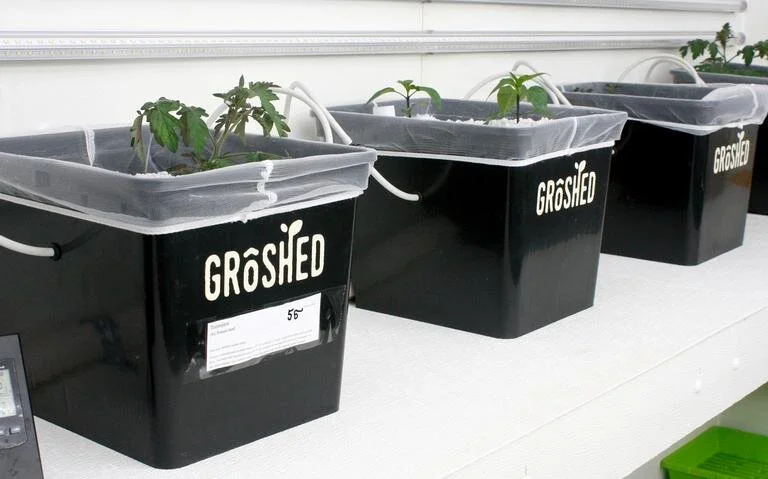
New GroShed Will Supply Vegetables Year ‘Round To Area Food Shelves
Written By: Alyssa Sobotka | Jan 28, 2020
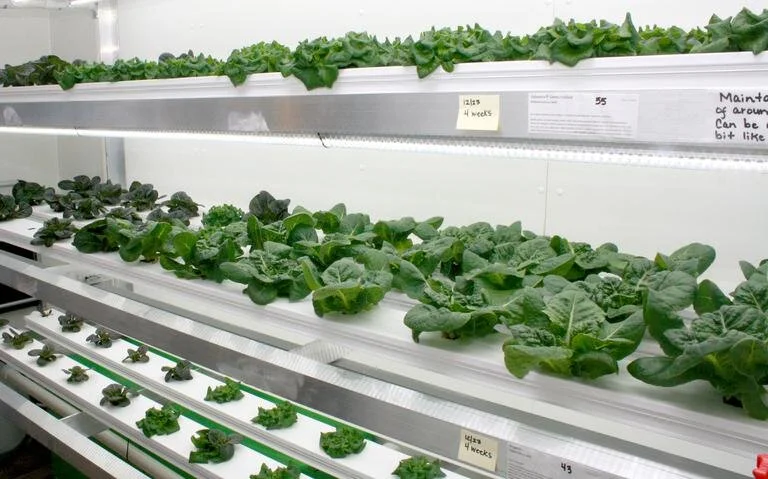
Nobles Cooperative Electric Member Services Manager Tracey Haberman stands near fast-producing lettuce varieties in the co-op's new GroShed. (Alyssa Sobotka/The Globe)
WORTHINGTON — Nobles Cooperative Electric is going green and producing green with innovative technology that will help stock local food pantry shelves with fresh produce year-round.
The electric cooperative recently began utilizing its new hydroponic GroShed, an 8-by-12-foot shed equipped to grow vegetables despite the frigid temperatures outside.“It’s so simple, it practically runs itself,” said NCE Member Services Manager Tracey Haberman about the cooperative’s Living Green program.
Regulated at a constant 72 degrees Fahrenheit, several lettuce varieties, tomatoes, cucumbers, and peppers are being grown in the shed since it arrived at the cooperative’s U.S. 59 home north of Worthington on Dec. 23.
LED lights above the plants and tubes below or injected into the pots keep the plants adequately supplied with enough artificial sunlight and water to meet their growing requirements.
More than 100 pods are available for lettuce varieties to grow, while seven planters are used for vegetables like tomatoes and peppers that require more growing room.
The fastest-growing lettuce variety currently being produced in the GroShed requires just 43 days to mature
.Haberman said the GroShed is an innovative way the cooperative can meet its commitment to improving its members’ lives.
As the vegetables reach maturity, NCE will donate produce to local food shelves in Nobles and Murray counties, where their customers reside. Recipients will include Manna Food Pantry in Worthington, Murray County Food Shelf in Slayton and Fulda Food Shelf in Fulda.
Haberman said as NCE begins harvesting and donating produce to the local food pantries, it may adjust what it grows next based on need and desire.
The cost of the GroShed was about $11,000. Nobles Cooperative Electric received a $5,000 grant from Great River Energy, as well as $3,500 from Community Wellness Partners and Southwest Health and Human Services, which received dollars from the Statewide Health Improvement Partnership (SHIP).
Community Wellness Partners Coordinator Cecilia Amadou said SHIP jumped on the opportunity to partner with NCE because it saw value in increasing access to fresh local fruits and vegetables.“Having produce available at our local food shelves provides the opportunity for individuals to be healthy,” Amadou said. “GroShed is going to provide produce all year-round, so for the cold winter months when produce is scarce, we know that people are still going to get some produce, which will reduce the amount of canned goods people are going to consume.”NCE’s purchase of the GroShed makes it the first energy cooperative in Minnesota to own a food-producing shed, it learned at a Great River Energy meeting.
As of early January, other cooperatives had scheduled visits with NCE to learn more about the shed.
That was part of NCE’s goal: To inspire other entities with its Living Green initiative. Local individuals are also welcome to schedule a time to tour the shed.NCE General Manager Adam Tromblay sees the GroShed as a potential opportunity for locals folks to stay on the family farm.“It will produce some income on a relatively low investment,” Tromblay said.

How The UAE Grows its Own Food In a Sustainable Way
As the UAE strives to achieve and maintain the highest level of national food security, a transformation is taking place in the country’s agricultural sector
By Jackie Austin -January 25, 2020
THE ABU DHABI AUTHORITIES RECENTLY SAID THEY USED THE LATEST TECHNOLOGY TO GROW CROPS LOCALLY AS PART OF THE FOOD SECURITY STRATEGY.
As the UAE strives to achieve and maintain the highest level of national food security, a transformation is taking place in the country’s agricultural sector. As agriculture often puts considerable pressure on natural resources and the environment, the UAE develops sustainable and integrated food safety systems that use the latest technologies to innovate solutions to the challenges of securing food resources.
In other words, the country is now promoting and applying large-scale sustainable farming methods aimed at protecting the environment, expanding the world’s natural resources and maintaining and improving soil fertility. It also wants to support farmers, resources, and communities by promoting farming practices that are profitable, environmentally friendly and good for communities.
Some of the practices under sustainable agriculture include vertical farming, hydroponics, organic farming, and controlled environmental farming to grow local fruits and vegetables with minimal resources. The Abu Dhabi authorities recently said they used the latest technology to grow crops locally as part of the food security strategy.
Saeed Al Bahari Salem Al Ameri, director of the Abu Dhabi Food Control Authority (ADFCA), said the authority is working on an ambitious plan to achieve the sustainability of agriculture and to support the overall scientific research efforts to improve food safety mechanisms. “The Authority is keen to invest in future technologies and create innovative and sustainable solutions to overcome environmental and climate challenges, with the aim of identifying the best technologies and the most suitable farming methods for the local environment and local farmers and companies in the private sector, to achieve sustainability in these areas, “Al Ameri said.
Last year, a Smart Home Farming Showcase called “Bustani” – meaning “garden” in Arabic – was launched in Masdar City’s Eco-Villa prototype to demonstrate emerging farming solutions. It included innovative solutions to encourage people to grow and grow their own food at home to help provide sustainable solutions and manage food safety.
Bringing a revolution in agriculture
Using advanced technology to produce zero pesticides, zero herbicide, and more water-efficient products, Unsfarms from the UAE is growing food for a better future by revolutionizing agriculture. Mustafa Moiz, director of Unsfarms, a local indoor hydroponics company that grows fresh, locally produced leafy vegetables without chemicals or preservatives, said vertical farming is the future of sustainable agriculture in the UAE. “By growing vertically, we are able to produce 40 times more on the same footprint of the country, bringing the concept from farmer to plate to your home. With a third of the world’s population hungry and two-thirds of the food products waste due to logistics inefficiencies, local growth in urban areas can play an important role in addressing these problems, and with the world population expected to reach nearly 10 billion by 2050, the simplest answer is vertical farming where products are free from pesticides and herbicides, with consistent production with ecologically sustainable methods throughout the year. In addition to sustainability, our indoor culture approach will also improve the taste and quality of the products, giving the brand and retailers a competitive advantage. “Talking about the varieties of crops that they produce through vertical farming, he said: “For example, we grow heirloom varieties and types of products that people usually don’t find, such as wasabi mustard, red-veined sorrel and gourmet lettuce that burst with taste even when consumed raw. We are busy growing different types of lettuce leaves, mixes and micro vegetables such as kale, gourmet baby lettuce, mustard and herbs.
“Controlled environment agriculture”
Madar Farms, based in Abu Dhabi, one of the local farms that has been operating for four years now, offers a holistic approach to sustainability to address food and water safety challenges in the region. Kyle Wagner, head of operations at Madar Farms, said they use different methods to ensure that their products are grown sustainably. One is through closed and controlled systems that offer optimum conditions and protect plants against external factors, making a consistent food supply possible throughout the year. “In this controlled environmental agriculture we use a technology-based approach to food production within a closed cultivation system where environmental variables can be maintained and optimized,” he said.
Wagner said the farm also takes a two-pronged approach, combining hydroponics and vertical farming methods to unlock synergistic benefits. Madar Farms is currently growing various leafy vegetables and microgreens and their new multi-million-dirham farming facility – the world’s first commercial tomato-based commercial farm with only LED lamps to grow fresh tomatoes will be put into operation later this year in Abu Dhabi. The 5,000 square meter facility currently under construction in the industrial zone of Khalifa, Abu Dhabi (Kizad), will also grow microgreens and triple the number of microgreens that Madar Farms is currently growing. All grown products are distributed locally throughout the UAE
Wagnar explained that, in general, crops grown in controlled environmental agriculture with hydroponics grow slightly faster than regular crops because they are provided with the ideal environmental conditions that are needed to thrive.“Sustainable agriculture combines our technology with agriculture. As such, sensors, software, filters, LED lighting, air conditioning, and strict hygiene protocols are required,” he said.
Connect customers and farmers
PC Kabeer and wife Semy Kabeer, who founded FarmChimp, an SME that connects consumers directly with farmers who use organic farming for their crops, said:
“We are working on a traceability concept so that our customers can make contact with their farmers and understand the ways the farmer has used to get that product.
We bring the face of the farmer and connect him with the customers so that they can better understand their products.
And we want to bring the land to life by encouraging farmers to use organic fertilizer, feritlisers and also doing multi-cropping to enrich the soil. “Darshan Murali, a 16-year-old student volunteer who focuses on organic farming, together with a team of students, spreads awareness about sustainable agriculture by organizing activities that involve children in organic farming. “The products needed for the garden that we use are completely chemical-free. This process starts from the end of October and ends with a successful harvest in March. The first step is to prepare the soil with cow dung and peat moss. After a few weeks, the plants need fertilizer and for that, we use neem cake, visamic acid, and cow manure again together with vegetable compost.
To get rid of the pests and insects, we use garlic and chilly mix diluted with water and then spray it on the leaves. The entire process is done by volunteers from our team of volunteers named #teamUFK. “Murali said they use organic farming at their GEMS Millennium School, Sharjah and have grown vegetables such as tomato, chili, cauliflower, ovary, cucumber, snake gourd, and other leafy vegetables. “By allowing plants to grow organically themselves, you ensure that you are free from lifestyle diseases and organic agriculture ensures that the ecosystem is well balanced.”reporters@khaleejtimes.com

Can Urban Agriculture And Vertical Farming Help feed A Hungry World?
Futuristic food-growing techniques like vertical farming and indoor urban agriculture can help feed the world - but this fast-growing sector needs to scale up to meet the challenge
January 30, 2020
Leafy greens and herbs grown by Square Mile Farms on the roof of Microsoft's office in Paddington. Picture: SquareMileFarms
Futuristic food-growing techniques like vertical farming and indoor urban agriculture can help feed the world - but this fast-growing sector needs to scale up to meet that challenge.
Dr. Belinda Clarke, director of Agri-TechE. Picture: DENISE BRADLEY
This will be the focus of an event which will bring industry innovators to the Norwich Research Park to discuss the potential of controlled-environment agriculture (CEA).
With a rising population adding pressure on finite supplies of farmland, new technologies are emerging which can grow food within enclosed structures such as greenhouses to optimize resources like land and energy - often using soilless, hydroponic systems to supply precise amounts of water and nutrients to the plants' roots.
Industry leaders including LettUs Grow, Growpura and Square Mile Farms will be sharing their insights at the John Innes Centre on March 18 at a seminar organized by Agri-TechE, formerly known as Agri-Tech East.
CEA is a fast-growing sector, worth an estimated £1.72bn in 2018 worldwide - with experts predicting that figure will rise to £9.84bn by 2026.
Agri-TechE director Dr. Belinda Clarke said these technologies could play an important role alongside traditional agriculture - as long as they can make the next growth leap to achieve economies of scale.
"Scale-up is the next big challenge for controlled-environment agriculture," she said.
"There are still obstacles to overcome and the industry is experimenting with different technologies and business models, such as diversification of existing vegetable production, purpose-built facilities or niche cultivation close to the point of use - to gain competitive market price for its products."
One of around 20 speakers and exhibitors at the conference is Jock Richardson of Growpura, whose technology is designed for large production facilities, using hydroponics in a "clean room" environment and featuring an automated system to move plants.
"We are going to see continued invention for small-scale hydroponics, but on the industrial end the challenge to be broached is how growing operations are scaled," he said. "A lot of operators have some great technology but to grow bigger means a linear, or worse, increase in costs. Energy management is one of the key issues to be solved in this. There is a lot happening in sustainable energy supply and I think it is going to make a big difference to how farmers and consumers view CEA in the coming years."
Jack Farmer, the co-founder of aeroponic systems developer LettUs Grow, predicts a "synergy" between existing horticulture and advances in CEA.
"Essentially, vertical farms will prove complementary to glasshouse horticulture, with technology increasingly being shared between them," he said.
"The benefits of aeroponics come from the health of the plant's root base and this is particularly valuable when you are seeking to accelerate the growth rates, such as in leafy green production or propagation. But we are very open to collaborating with different tech providers where that adds value to the grower."
Another emerging idea is the concept of "urban farms" to help re-engage city consumers with food production and to help big businesses to achieve their sustainability goals.
Johnathan Ransom, whose family are farmers in Lincolnshire, is a co-founder of Square Mile Farms which opened its flagship farm in February 2019 on the rooftop of British Land's London business campus in Paddington Central.
It grows leafy greens, microgreens, and herbs for local restaurants and produces fresh "veg bags" for local employees.
Mr. Ransom said: "Initially we came up with 'flat-pack farms', which enabled us to put growing units into tight urban spaces such as offices or on rooftops. However, growing and supplying food in cities is challenging and we realized we needed a commercial model that is not wholly reliant on produce sales to ensure this was going to really work for the future."
- Agri-TechE's event, named "Controlled Environment Agriculture - The Industry is Growing Up", will be held at The John Innes Centre, Norwich Research Park from 9 am-5 pm on March 18.
For tickets and information, see the Agri-TechE website.
Why Local Farmers Can’t Adopt Vertical Farming System
An agriculture expert, Mr. Ismail Ibrahim, has harped on benefits of vertical farming system and its potential to create more land space for crop cultivation
Jan 23, 2020
An agriculture expert, Mr. Ismail Ibrahim, has harped on the benefits of vertical farming systems and its potential to create more land space for crop cultivation. Ismail, a fellow at the Nigerian Agriculture and Extension Liaison Service (NAERLS), who spoke with the News Agency of Nigerian (NAN) in Lagos, however, noted that local farmers in the country might not be ready for the technology because it was capital, time and resource-intensive.
The expert said that vertical farming was an innovation aimed at creating more spaces for the local farmer to cultivate his crops. “The farming concept started to save the available land spaces otherwise consumed by the traditional system of crop farming.
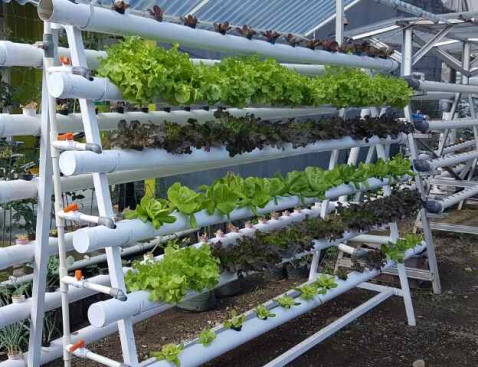
“The concept of vertical farming is that little available spaces can be turned into small farms; the innovation requires a scientific process that involves increasing longitudinal space by farming vertically. “What we mean by that is that a plot of land can be increased by planting vertically through a scientific construction of steps where each step makes up a farm plot,” he told NAN.
The expert said that each step could be used to farm different or the same crops at the same time. “You will be surprised that if a person has one plot of land, with vertical farming, he can have a three-story farm. “Each story can be planted on.
One advantage of the system is that it helps to preserve our arable lands. “Vertical farming system is a concept in architectural technology that has now been introduced into crop farming and it is very effective.
The fact is that the vertical farming system is capital intensive because it is expensive to construct the vertical ramps for crop cultivation. “Vertical farming system is also technical and time-intensive; you cannot go into the farming system without adequate technical know-how about the system,” he said.
He added that the local farmer would need certain expertise to adopt the farming system and would need to be trained to do it effectively. (NAN)
Vertical Farming
There is a new kind of futuristic farming on the rise. In response to growing fears regarding dependency on fossil fuels, healthy agricultural practices, land and water, Vertical Farming has arrived
By Daniel Loeschen on June 28, 2019
There is a new kind of futuristic farming on the rise. In response to growing fears regarding dependency on fossil fuels, healthy agricultural practices, land, and water, Vertical Farming has arrived. From Asia to North America, what people are referring to as farms of the future are beginning to sprout up in the most unlikely environments. Where can you find these farms? Try urban apartments, warehouses, or laboratories to name of few. Vertical farming is not all that new either.
Academic professionals such as Columbia University's (NYC) Dickson Despommier, an ecologist who has actively been campaigning for vertical farms since 1999. His basis for arguing for the vertical farm was primarily rooted in the desire to see the carbon footprint of agricultural transport decrease. With the wonders of technology, the advance of LEDs, and the integration of automation, vertical farming is showing promise in the agricultural industry.
One of the world's largest vertical farms opened its doors in April of 2013 and is attracting quite a bit of attention. Expanding over a 90,000 square foot space, Farmed Here CEO Jolanta Hardej has wasted no time getting this vertical farm up and running. The building blocks came into place when Farmed Here received a $100,000 loan from the enormously popular Whole Foods. This new business appears to be well on its way to accomplishing its mission of "transforming the way local and organic produce is grown and distributed, making it accessible to everyone by profitably growing high-quality vegetables indoors, year-round, which are distributed to our retail partners within 24 hours of harvest." New technology is believed to allow Farmed Here to produce upwards of 1 million pounds of organic greens such as mint, basil, lettuce and more, with no soil. How is this possible? Aquaponics.
The Technology of Aquaponics
Capable of being herbicide and pesticide-free with year-round growing, aquaponics has quite a promising appeal. At its core, aquaponics is the advancement of hydroponic technology in the form of a system of aquaculture. Aquaculture is literally raising fish below efforts of raising plants with nutrient-rich water. This all occurs in the same system. Farmed Here best describes the process as, "the symbiotic cultivation of plants and aquatic animals in water and nutrients recirculating environment."
The Why of Vertical Farming: Integrated Sustainability
Many view vertical farming as one of the leading ways to combat issues in the growth of food crops such as drought and the fast-growing population of the planet. A large amount of vertical farming is stemming from studies indicating that the population will swell within the next 4-5 decades and will be increasingly more difficult to feed. Yes, the population will grow, but many believe this growth will funnel specifically into cities. Thus one might think, what better way to resolve the many issues facing agriculture globally than to integrate an idea that follows major cultural shifts and resolves land and water issues. Vertical farming is also unique in that the concept allows for year-round growing. This is possible due to the ability to control water, lighting, humidity, and CO2 levels. This means that vertical farming can take place in cities too. Vertical agriculture leads many to the question of what will happen to existing rural farmers. Fast Company recently wrote an article claiming that these futurist farmers possess the desire to supplement current efforts such as farms and greenhouses but in this new and sustainable way. The efficient foreseen way to complement existing farming efforts is to utilize the ability to grow year-round. Year-round growing is a pivotal way to combat harsh growing seasons. Although Vertical farming is most definitely on the uptrend, it also has a few obstacles to overcome as well. A few of these potential roadblocks might include the initial cost to run LED lighting and growing room limitations for specific crops like tomatoes and grains.
The Future of Food
With a dedicated focus on rethinking agricultural spaces and desire to solve current issues facing the agricultural industry, vertical farming is promising. Ray Kurzweil is the Director of engineering at Google. Time Magazine recently interviewed Kurzweil on the topic of predicting how food will evolve into the future. Kurzweil wasted no time to point directly to vertical agriculture. Although he suggested a host of benefits, some of the highlights included the freeing up of land, decreases in pollution, and low food costs. Kurzweil even went as far as to say that, "the 2020s will be the decade of the vertical agriculture revolution.
Lead photo: farmedhere.com

US: Montgomery, AL - Local Restaurant Farms Out of Shipping Container For Fresher Produce
They say necessity is the mother of all invention. For a Montgomery restaurant group, a shipping container turned out to be the solution to their problem
Freight Farm Up And Running
In Midtown Montgomery
By Jennifer Horton | January 16, 2020
MONTGOMERY, Ala. (WSFA) - They say necessity is the mother of all invention. For a Montgomery restaurant group, a shipping container turned out to be the solution to their problem.
Eric Rivera is the executive chef for Vintage Hospitality, which runs Vintage Year and Vintage Café. He was struggling to find fresh, sustainable lettuce options for his restaurants.
“We found that importing all the stuff from California or from Florida, we would get these lettuces after they’ve been harvested for days and sometimes almost a week by the time we get to them,” Rivera explained. “The product goes bad really fast costs a lot of money to replace that product with other product, it’s just not that quality that we were looking for.”
Enter the Freight Farm, an unassuming shipping container housed in the heart of Old Cloverdale - only steps from his restaurants. The 320 square-foot farm is equipped to grow up to 4 tons of produce a year, according to the manufacturer. It runs on power and minimal water consumption, a stark contrast to the water needed to farm traditional row crops.
“We can control all the elements and control the growth cycles,” he explained. “No rain, no hail, we’re not exposed to any elements.”
Which means they can grow a variety of greens year-round while decreasing the carbon footprint of cross-country supply chains and the threat of lettuce recalls.
“We feel like that it’s our responsibility in the restaurant industry not only provide healthy, nutritious food; but that is done in a socially conscious way as well,” stated Rivera.
Vertical Farms of The Future Require Genetically Edited Plants, Says Scientist
There is an innovation gap in urban agriculture, suggests Aberystwyth University Professor Huw Jones, whereby we have ‘huge innovation’ in vertical farming, yet still use ‘old seeds’ and ‘old plant architecture’
22-Jan-2020 By Flora Southey
There is an innovation gap in urban agriculture, suggests Aberystwyth University Professor Huw Jones, whereby we have ‘huge innovation’ in vertical farming, yet still use ‘old seeds’ and ‘old plant architecture’.
Read the complete article here.
US: Virginia - Babylon Hydroponic Micro-Farm Grows in Centra Lynchburg General Hospital Cafeteria
Centra Lynchburg General Hospital installed a micro-farm unit from vendor Babylon in its cafeteria last November and has already harvested about a hundred pounds of lettuce, primarily for use on its salad bar
Centra Lynchburg Hospital
The Babylon micro-farm units in the Centra Lynchburg Hospital cafeteria grow equal amounts of green leaf, romaine, spring mix, bib, and red butter lettuces.
Mike Buzalka | Jan 15, 2020
Centra Lynchburg General Hospital installed a micro-farm unit from vendor Babylon in its cafeteria last November and has already harvested about a hundred pounds of lettuce, primarily for use on its salad bar
Two hydroponic micro-farm units from vendor Babylon installed in the cafeteria of Centra Lynchburg General Hospital in Virginia have already produced about a hundred pounds of lettuce for use in the salad bar and on patient meal trays. The apparatuses put in the second week of November last year are a high-profile sign of the hospital’s commitment to healthy, fresh food, as the cafeteria is located just off the heavily trafficked main lobby of the facility.“Soon as you walk in, it’s right there,” says Timothy Schoonmaker, system director and executive chef for Centra Culinary Creations, which operates dining at Centra Lynchburg Hospital.
Related: Elementary school teams with Princeton prof on vertical farm project
Photo: Signage explains what the micro-farms in the Centra Lynchburg Hospital cafeteria are and why they are important.
Photo credit: Centra Lynchburg Hospital
“Everything grows at its own rate, so [while] we’re growing equal amounts of green leaf, romaine, spring mix, bib, and red butter lettuce, they have different harvest times—green leaf takes a little longer while spring mix only takes a couple of weeks, for example—so there are times we get more of one kind than another,”
Schoonmaker explains. “We always have new [plantings] going in, so it just depends on where each is in its growing cycle.”Centra Lynchburg is the first hospital client for Babylon, and it came about by chance, Schoonmaker says. “I happened to run into one of my former produce reps who had moved on to Babylon and we got to talking.
The next thing you know, we had put together a proposal.”In addition to the lettuces, the Babylon micro-farm units can produce herbs and edible flowers, but neither is being grown currently at Centra Lynchburg because edible flowers may be too exotic for the venue and the hospital already grows its own herbs in its outdoor garden, which produces cilantro, rosemary, parsley, mint, and basil along with more substantial crops in season such as peaches, squash, cherry tomatoes, jalapeno, and green bell peppers.
The outdoor gardens are maintained by Schoonmaker and some of his managers, but Schoonmaker alone takes care of the indoor micro-garden with the help of some high technology.“I have an app to monitor it that’s pretty user-friendly,” he explains. “Babylon sends us seed packs and all I have to do is put them in the farm. Everything is scanned in [when it’s planted] so I know when it’s to be harvested, [as well as] water and nutrient levels if lights are working [and so forth].”
After a crop is harvested, Schoonmaker logs it, then turns it over to his kitchen staff, who does the washing and chopping. Most of the bounty is slated for the cafeteria salad bar, but some spring mix also has wound up on patient trays.“I also have a special crop reserved for a salad for a board of directors dinner at end of [January], so they can taste and see it,” he adds.
A typical crop will generally be used in a couple of days. The 60 pounds of lettuce Schoonmaker says he harvested on New Year’s Day was used up by the 3rd, he notes.
Customer reaction has been extremely positive, he adds.“I’ve had a lot of comments saying they can taste the difference, that there’s a fresh, crisp taste to the lettuce,” he says. “Of course, there’s also the health value and since we control it, there’s no worry about the lettuce getting a recall.”
TAGS: PRODUCTION