


Welcome to iGrow News, Your Source for the World of Indoor Vertical Farming

Combining Artificial Intelligence With Urban Farming Can Be A Game Changer For Developing Countries
An Israeli agtech company called Seedo might have the solution for the challenges of urban agriculture in vulnerable areas such as the Caribbean, that struggle with environmental and climate factors that lead to crop loss
September 1, 2019
Daphne Ewing-Chow Contributor
An Israeli agtech company called Seedo might have the solution for the challenges of urban agriculture in vulnerable areas such as the Caribbean, that struggle with environmental and climate factors that lead to crop loss.
A Seedo container is the size of a small fridge. SEEDO
Latin and America and the Caribbean is the most urbanised region in the world with up to 80% of the region’s population residing in cities (UN-Habitat 2012). While urbanization is an important element of economic growth and modernization, the diminishing ratio of food producers to food consumers in urban settings negatively impacts local food systems, causing populations to be more susceptible to non-communicable diseases, obesity and undernourishment.
Urban farming practices such as rooftop gardens, community greenhouses and vertical farms have provided an alternative to rural agriculture, but given the high cost of urban land, space and size limitations, non-conducive environmental conditions and limited human resources, these methods have not been without their challenges.
Vertical farming’s “closed and controlled” approach has been successful in eliminating the risk of insects, pests and diseases that are prevalent in traditional agricultural systems but the infrastructure required has typically been cost-prohibitive and highly reliant on fossil fuels (solar power is typically not enough).
Seedo is the world's first fully-automated and controlled indoor-growing technology for the "at-home" market— the self-driving car of agriculture. Compact commercial containers that resemble small refrigerators utilize AI algorithms to produce optimal water and light conditions— essentially controlling the weather— through a hybrid system of hydroponics and aeroponics.
Seedo can grow fruits, vegetables, flowers and herbs— up to five species at a time per system, and has become extremely popular within the cannabis industry.
“The advantage of Seedo technology is that you can grow a wide range of crops in any climate and any season with no knowledge of how to grow and still achieve high-quality crops,” says Seedo’s CEO, Zohar Levy. “Seedo’s AI algorithm makes life easy for growers and of course, it is pesticide-free. You can enjoy fresh and tasty food year-round.”
The team at Seedo has recognized the relevance of their technology for environmentally vulnerable communities. In May 2019, the company qualified as a registered vendor for the United Nations Global Marketplace and intends to establish pilot programs in countries suffering from extreme climates. In a nod to its applicability to sustainable and climate-smart development, Dr. Jendayi Frazer, the former U.S. Assistant Secretary of State for African Affairs and one of the United States’ leading voices in international policy, has joined Seedo’s Board of Directors.
“Making AI technology such as Seedo accessible and affordable at the grassroots level will enable food systems to be localised without soil exploitation, deforestation or exposure to climate risk,” says Levy.
At the time of publication, a Seedo system retailed for a mere $2,400— a small fraction of the cost of typical vertical farming systems. The price includes the Seedo box, filters (water, air), starting nutrients and access to the Seedo app, which allows users to receive notifications about growth, health and harvest time. But the real savings are in the diminished risk of crop loss and the elimination of labour requirements. According to Levy, Seedo can do away with the estimated 40% of annual farm costs that are funnelled into wages, salaries and contract labour expenses.
Levy, in a recent report to shareholders, indicated that the combined capabilities of artificial intelligence, big data, robotics, and remote grow technologies makes Seedo and optimal solution for farmers “in a variety of "at-risk" markets. Stackable containers afford dramatic savings in land-use, water consumption and human labor needs… independent of climate conditions.”
According to the International Data Corporation, global spending on artificial intelligence will grow to around $58 billion by 2021. The agriculture sector has been particularly responsive to these technologies, particularly in environmentally vulnerable contexts. In the context of the Dominican Republic, artificial intelligence has enabled the growth of the agricultural sector to 14% of GDP.
Seedo could be a huge advance for small island economies that disproportionately struggle with climate change impacts, food insecurity, knowledge gaps and limited capital or farming technology.
I’m an environmental writer with a focus on food and agriculture, and commute between the Southern Caribbean (Barbados) and the Northern Caribbean (Cayman Islands). I have a Master’s Degree in International Economic Policy from Columbia University and am passionate about Caribbean social, economic and environmental issues. I am intrigued by the resilience of the Small Island Developing States of the region as well as the opportunities for sustainable and regenerative growth through agriculture. I recently headed up communications for a climate change in fisheries project (CC4FISH) at the Food and Agriculture Organization of the United Nations and have worked in development banking, environmental not-for-profits, and in the venture capital industry. My work has appeared in wide cross-section of Caribbean newspapers and magazines, the Sunday Times (of London), Elite Daily, Elephant Journal and other publications. Follow me on Twitter at @daphneewingchow.
Read More

Indoor Vertical Farming Discovers A New Company That Is Not Sheepish About Its Wool Insulation
The company’s insulation is made using wool imported from sheep-farming operations in New Zealand. He says wool is used widely across the residential building sector both in that country and Australia
While fiberglass and mineral wool have been around for decades, a new generation of manufacturers is looking to new materials that might be less manufacturing-intensive. One of these, Havelock Wool, is drawing on what founder and CEO Andrew Legge sees as a more sustainable option.
The company’s insulation is made using wool imported from sheep-farming operations in New Zealand. He says wool is used widely across the residential building sector both in that country and Australia.
Legge explains that wool insulation offers multiple advantages for environmentally oriented homeowners. The material has evolved over millennia to be a natural insulator, he notes, and it incorporates a protein called keratin which doesn’t support mold growth. Additionally, he says, wool absorbs a number of airborne toxins, including formaldehyde.
Havelock Wool’s batts and blown-in insulation come at a premium; Legge says they’re priced similarly to closed-cell spray-foam products. However, he adds, wool is very easy to handle, requiring no extra experience for anyone familiar with fiberglass installation.
Sustainability is at the heart of the value proposition Legge puts forward as a wool-insulation advocate. The manufacturing process requires no heat and is centered around 60-year-old wool carding machines, as opposed to large-scale industrial plants. And when asked about the methane produced by the sheep supplying the company’s wool, Legge has a response quickly at hand.
“We’re a byproduct of a different industry—you’re raising those animals to eat them, so we’re very comfortable with the argument that the methane isn’t attributable to the insulation,” he says. “If people stop eating sheep and lamb, we won’t have a business.”

Sustainable Farming On The Rise In UAE
We import a huge amount of goods, and need to find ways of being not only more sustainable but more self-sustaining as well, meeting local demand through local production," said Mustafa Moiz, managing director of Uns Farms, a local indoor hydroponic farm growing fresh, locally produced leafy greens with no chemicals or preservatives
8/31/2019
(MENAFN - Khaleej Times)
Vertical farming is boosting the UAE's crop-producing capacity, helping the country build a sustainable future.
According to statistics, the UAE imports 80 per cent of its food, which is a major challenge for the country's food security. To address the situation, steps are being taken to restructure the food supply chain.
Vertical farming, a practice of growing local fruits and vegetables with minimal resources, is currently making waves.
"Vertical farming is the future of sustainable agriculture in the UAE. We import a huge amount of goods, and need to find ways of being not only more sustainable but more self-sustaining as well, meeting local demand through local production," said Mustafa Moiz, managing director of Uns Farms, a local indoor hydroponic farm growing fresh, locally produced leafy greens with no chemicals or preservatives.
"We're able to offer a wide variety of salad leaves, kale leaves, various types of lettuce and basil leaves at 30 to 40 per cent less than the cost of imported produce. Once the 30,000 sq-ft facility reaches its full capacity, we'll be producing about 1.5 tonnes per day and, therefore, meet the growing demand in the country," added Moiz.
Agrotech company VeggiTech, on the other hand, focuses on addressing the key challenges of traditional farming - soil, temperature and water - through its design of "protected hydroponics" and "grow-light-assisted hydroponics".
The company has over 15 hectares of farms in the UAE with protected hydroponics and 4,500sqm indoor vertical farms that use grow-light-assisted hydroponics. "The UAE currently produces between 10 per cent and 15 per cent of its food locally. We are committed to expanding the local farming footprint in a sustainable manner," said Hemant Julka, co-founder and COO of Veggitech.
A VeggiTech-designed hydroponics greenhouse is functional at GEMS Modern Academy in Nad Al Sheba, offering a hands-on curriculum that teach students, parents and teachers sustainable farming techniques.
"The adoption of thermal insulation material used in Veggitech greenhouses allows farms to be operational 12 months a year. Hydroponics is a growing technique that consumes 75 per cent to 95 per cent less water, as compared to traditional farming methods. Soil-less farming means there is no need for pesticides, thus providing safe products to consumers," said Julka.
Radical measures like harvesting water with alternative energy sources have also yielded positive results. Erik Smidt, agricultural counsellor from The Netherlands, said: "The state of agriculture in the UAE is rising. The Netherlands is extending assistance in horticulture through techniques that allows one to produce vegetables with almost no water and with the use of alternative energy resources (solar, wind).
"Circular agriculture is a new priority in The Netherlands. As the world population is growing, set to reach 9.5 billion by 2050, we need to produce more. For this, we need to produce food using all available materials and minimise waste. The Netherlands is willing to assist the UAE in implementing this concept," he added.
National strategy
Aside from promoting sustainability, the UAE's food security strategy also aims to ensure access to safe and nutritious food.
This is why organic farming - a method that doesn't rely on synthetic fertilisers - has also been gaining traction.
"I have seen a huge evolution, from not being able to find organic produce to seeing a wide array of companies in the market. There is a rise in the demand for organic produce. And many of the farms have grown significantly over the last few years to meet this demand," said Ripe founder Becky Balderstone, who has been in Dubai for the past 13 years. Ripe works with farms that follow strict organic farming procedures and have organic certification from the Emirates Authority for Standardisation and Metrology.
The availability of these local crops has also encouraged more residents to adopt a healthier lifestyles.
Harvest water from the air
Dutch firm SunGlacier has been selected to design a new and innovative 'solar-powered' unit that can generate water for the Dutch Pavilion at the World Expo 2020 in Dubai. The unit shall harvest an average of 800 litres of freshwater per day from the surrounding desert air.
The SunGlacier team is maximising a new and natural configuration of sunlight, air and gravity that can produce potable water from air nearly anywhere on the planet, even in hot and dry desert areas.
Quinoa: Most promising crop for UAE farmers
It may be surprising to hear, but one crop that is showing a lot of promise in the UAE is quinoa, according to scientists at the agricultural research-for-development centre International Centre for Biosaline Agriculture (ICBA). The number of farmers cultivating quinoa in the UAE has been steadily increasing since 2016, with ICBA scientists distributing quinoa seeds to 12 pioneer farmers in Abu Dhabi, Ajman, Sharjah, and Fujairah.
Established in 1999 by the UAE and the Islamic Development Bank, the ICBA has been working with farmers in the UAE to introduce crop varieties and technologies that have performed well during trials under local conditions.
Dr Ismahane Elouafi, director-general, ICBA, said: "The UAE has improved its ranking on the Global Food Security Index (GFSI) from 33rd in 2017 to 31st in 2018, based on three core categories of affordability, availability and quality and safety. However, its rank is fifth within the Mena region based on the country's commitment to food security."
Different organisations based in the UAE, including ICBA, are supporting the great initiative for the sustainable food production in the region with innovative technologies like growing crops that need less water or can thrive with the brackish water or producing nutritious food (like quinoa and millet) from marginal lands with poor quality water.
"The UAE must further invest in innovation and science to develop and adopt new food systems that can fulfil their national targets," added Elouafi.
The UAE has appointed a Minister of State for Food Security to strategically address food security and nutrition challenges. The country ranks fourth in food affordability, but 50th in availability, hence a large amount of the food security is based on the import of food products.
Harsh desert climate and scarce freshwater resources have been considered major challenges
Sandhya D'Mello
Journalist. Period. My interests are Economics, Finance and Information Technology. Prior to joining Khaleej Times, I have worked with some leading publications in India, including the Economic Times.
The Epstein-Funded MIT Lab Has An Ambitious Project That Purports To Revolutionize Agriculture. Insiders Say It's Mostly Smoke And Mirrors
An ambitious project that purported to turn anyone into a farmer with a single tool is scraping by with smoke-and-mirror tactics, employees told Business Insider
September 7, 2019
Insiders told Business Insider that MIT Media Lab faked key elements of its "personal food computer" project, which aimed to grow plants without soil.
An ambitious MIT project that purported to turn anyone into a farmer with a single tool is scraping by with smoke-and-mirror tactics, employees told Business Insider.
Ahead of big demonstrations with MIT Media Lab funders, staff were told to place plants grown elsewhere into the devices, the insiders said.
In other instances, devices delivered to local schools simply didn't work.
"It's fair to say that of the 30-ish food computers we sent out, at most two grew a plant," one person said.
MIT didn't provide a comment. The original version of this story misidentified an MIT Media Lab manager who allegedly instructed staffers to place store-bought plants in the devices. It has been corrected.
An ambitious project that purported to turn anyone into a farmer with a single tool is scraping by with smoke-and-mirror tactics, employees told Business Insider.
The "personal food computer," a device that MIT Media Lab senior researcher Caleb Harper presented as helping thousands of people across the globe grow custom, local food, simply doesn't work, according to two employees and multiple internal documents that Business Insider viewed. One person asked not to be identified for fear of retaliation.
Harper is the director of MIT's Open Agriculture Initiative and leads a group of seven people who work on transforming the food system by studying better methods of growing crops.
The food computers are plastic boxes outfitted with advanced sensors and LED lights and were designed to make it possible for anyone, anywhere to grow food, even without soil, Harper has said. Instead of soil, the boxes use hydroponics, or a system of farming that involves dissolving nutrients in water and feeding them to the plant that way.
"We design CO2, temperature, humidity, light spectrum, light intensity, and the minerality of the water, and the oxygen of the water," Harper said.
On Saturday, Joi Ito, the director of the MIT Media Lab, resigned following a lengthy expose in the New Yorker about the Media Lab's financial ties with late financier Jeffrey Epstein. Epstein died by suicide while in jail and faced sex-trafficking charges.
Staff placed food grown elsewhere into the devices for demos and photoshoots, they say
Ahead of big demonstrations of the devices with MIT Media Lab funders, staff were told to place plants grown elsewhere into the devices, the employees told Business Insider.
In another instance, one employee was asked to purchase herbs at a nearby flower market, dust off the dirt in which they were grown, and place them in the boxes for a photoshoot, she said.
Harper forwarded an email requesting comment on this story to an MIT spokesperson. The spokesperson didn't provide a comment.
The aim was to make it look like the devices lived up to Harper's claims, the employees said. Those claims, which included assertions that the devices could grow foods like broccoli four times faster than traditional methods, landed Harper and his team articles in outlets ranging from the Wall Street Journal to Wired and National Geographic.
Harper's vision for the personal food computer is bold: "You think Star Trek or Willy Wonka, that's exactly what we're going for," he said in a March 2019 YouTube video produced by the news site Seeker.
Harper's coworkers told Business Insider a different story. They said the devices are basic hydroponic setups and do not offer the capabilities Harper outlines. In addition, they simply don't work, they said.
MIT Media Lab's Caleb Harper speaks at TEDGlobal Geneva. James Duncan Davidson/TED
'They were always looking for funding'
Paula Cerqueira, a researcher and dietitian who worked as a project manager at the Open Agriculture Initiative for two years, told Business Insider that the personal food computers she worked with were "glorified grow boxes."
Cerqueira was part of a team that, on several occasions, delivered the personal food computers to schools. She also helped demonstrate the boxes to big-name MIT Media Lab investors.
During the organization's "Members Weeks" — once-a-semester events that drew donors including Google, Salesforce, Citigroup, and 21st Century Fox — Cerqueira and her coworkers would show investors how the technology worked.
On one occasion, Cerqueira said, her coworkers were told to fetch basil grown from a nearby location and place it into the personal food computers to make it look like it had been grown inside the boxes.
"They wanted the best looking plants in there," Cerqueira told Business Insider. "They were always looking for funding."
Cerqueira said in another instance, she was told by another MIT Media Labs manager to buy edible lavender plants from a nearby flower's market and place them in the boxes for a photoshoot, she said. Before any photos were taken, she carefully dusted off the tell-tale soil on the plants' roots.
The boxes simply didn't work, one employee told Business Insider
The central problem with the personal food computer was that it simply didn't work, Cerqueira and another person with knowledge of the matter told Business Insider.
"It's essentially a grow box with some sensors for collecting data," Cerqueira, a dietitian who worked as a project manager at the Open Agriculture Initiative for two years, told Business Insider. Cerqueira left her post after becoming increasingly frustrated with working conditions at the Media Lab, she said.
The boxes were not air-tight, so staff couldn't control variables like the levels of carbon dioxide and even basic environmental factors like temperature and humidity, Cerqueira and the other person said.
Other team members were aware of these issues, according to several internal emails that Business Insider viewed.
One email, on which Harper is copied, also said that team members weren't given the chance to test the devices' functionality for themselves. Another person with knowledge of the matter also described these issues to Business Insider.
'Of the 30-ish food computers we sent out, at most two grew a plant'
In the Spring of 2017, Cerqueira was part of a pilot program that delivered three of Harper's devices to local schools in the Boston area. Initially, the idea was for the students to put the devices together themselves. But Cerqueira said that didn't work — the devices were too complex for the students to construct on their own.
"They weren't able to build them," Cerqueira said.
In response, Cerqueira's team sent three MIT Media Lab staff to set up the computers for them. Of the three devices the staff members tried to setup, only one was able to grow plants, she said. That one stopped working after a few days, however.
When Cerqueira and her coworkers would visit the school, students would joke that the plants they were growing in plastic cups were growing better than the ones in the personal food computers, she said. The pilot ended shortly thereafter.
On another occasion, her team sent two dozen of the devices to classrooms across greater Boston as part of a curriculum being designed by one of MIT Media Lab's education partners.
"It's fair to say that of the 30-ish food computers we sent out, at most two grew a plant," Cerqueira said.
No one knew exactly what was wrong, but in general, the team was aware that the devices weren't functioning as they should be. In a last-ditch attempt to make the devices deliver, Cerqueira's team sent new packages of fresh seedlings to the school. When that didn't work, they tried it again. No matter what, the plants just kept dying, according to Cerqueira.
At one point, a representative from the Bezos Family Foundation, a private nonprofit foundation cofounded by Jackie and Mike Bezos, stopped by the school for a visit, Cerqueira said. Harper had been hoping to entice the group to help fund a new foundation that he was just getting off the ground. Even then, the devices wouldn't work.
"It was super embarrassing," said Cerqueira.
Correction, September 9, 2019: This story initially reported that Cerqueira said Caleb Harper instructed her to place store-bought lavender plants in a food computer for a photo shoot. It has been updated to reflect the fact that Cerqueira says another MIT Media Lab manager, and not Harper, issued the instruction. Business Insider regrets the error.
Want to tell us about your experience with MIT Media Lab? Email the author at ebrodwin@businessinsider.com.
Lead photo: Shutterstock
This Company Grows Crops Inside, Stacked on Top of One Another
Is it an agriculture or a tech venture? AeroFarms is blurring the lines between the two with its vertical farm. Crops are grown inside, under lights, one on top of the other
These crops grow all year and have less environmental impact than traditional farming.
Image: Our Planet, Netflix
Image: Our Planet, Netflix
The advantages are numerous: higher productivity in a much smaller area; shorter growing times; lower water use; fresh produce grown much closer to where it’s eaten; and, AeroFarm executives say, improved food taste.
Here at AeroFarms, our aeroponic technology is a closed loop system, recycling water and nutrients with virtually 0 waste, resulting in 95% less water use than field farming. That also means no soil contamination and no toxic runoff into our waterways - https://aerofarms.com/environmental-impact/ …
“On one hand we’re a farming company,” explains Chief Executive David Rosenberg. “On the other hand, we’re a technology company.”
The perfect growing conditions
Technology is central to making a vertical farm work.
AeroFarms uses an aeroponic system to provide the right amount of water and nutrients, with temperature and humidity constantly fine-tuned, so that each crop has the perfect growing conditions.
Image: Our Planet, Netflix
As a result, they can grow a variety of produce all year round, defying the seasons.
All of this adds up to farms that use 95% less water than traditional ones, while yielding up to 390-times more crops per-square-foot.
Circular and nutritious
And all these wins start with recycled bottles.
That’s how AeroFarms make the cloth on which the crops grow, which is also completely reusable.
There are benefits both for the environment – including lower carbon emissions as a result of growing crops right in the centre of a city rather than having them transported – and for our health.
“One of the most exciting opportunities about changing the environment is improving nutrition,” says Dr. April Agee Carroll, Vice President of Research and Development at AeroFarms.
“We know if we can really improve that with different environmental conditions, then we can have a product that’s more nutritious, that can bring a better value to people in their diets as well as really improving human health.”
Food for thought.
About the series: Each week we’ll bring you a new video story about the people striving to restore nature and fighting climate change. In collaboration with @WWF and the team behind the Netflix documentary #OurPlanet. #ShareOurPlanet
Want to raise your #VoiceForThePlanet? Life on Earth is under threat, but you can help. People around the world are raising their voice in support of urgent action. Add yours now at www.voicefortheplanet.org
Share
Written by
Joe Myers, Writer, Formative Content
The views expressed in this article are those of the author alone and not the World Economic Forum.

Ultra-Locally Grown - Urban Farming Takes Off In Germany
Recent experiments in sustainability mean you can now purchase shrimp from Bavaria and pike perch from Berlin. "Urban gardening" promises healthy and fresh products without long transportation routes
Recent experiments in sustainability mean you can now purchase shrimp from Bavaria and pike perch from Berlin. "Urban gardening" promises healthy and fresh products without long transportation routes.


Photos: Diephotodesigner.de
September 03, 2019
When Christian Echternacht gets invited to dinner, he likes to bring tilapia and basil rather than wine or flowers. His friends have grown used to it by now. They know that the fish and the plants have something in common: Both are harvested by Echternacht himself. They make great fish burgers topped with basil mayonnaise.
The ingredients prosper in the urban farm that Echternacht has run with his partner, Nicolas Leschke, for several years. It's located in central Berlin, on the grounds of the Malzfabrik, a startup hub in the city's Schöneberg district.
Tilapia at various stages of growth swim around in 13 different tanks, their skin varying shades of silver and pink. The fish don't weigh much when they arrive at Echternacht's ECF Farmsystems, as his company is called, but after a few months in his tanks, they plump up to half a kilogram (1.1 pounds) and are ready for harvesting.
Next door on this warm summer's day, shirtless gardeners are working in the greenhouse where they grow basil from seed, an intensely aromatic sea of leaves. The plants sit atop gigantic grow tables onto which water from the fish tanks is diverted -- filtered and full of nutrients. The water contains ammonia from fish excrement and is transformed into optimal fertilizer by bacteria. This symbiotic circuit made up of fish farming (aquaculture) and plant cultivation in water (hydroponics) is called aquaponics, a technique that is thought to have been used hundreds of years ago in China and by the Mayans.
The Berlin duo markets their products as "capital city tilapia" and "capital city basil," and they are part of an international movement that seeks to bring food production closer to consumers in the city, thus making it more sustainable. Doing so is an absolute necessity, because traditional rural agriculture and forestry is responsible for 23 percent of manmade greenhouse gas emissions.
Bringing Production Closer to Home
Alternative forms of food production, such as city farms, are currently just as popular as modern aquaculture facilities. Saltwater shrimp are being raised in the village of Langenpreising, near Munich; and in supermarkets and restaurants, one increasingly finds futuristic glass cabinets from the Berlin-based startup Infarm, where consumers can watch herbs and lettuce grow and buy them freshly harvested.
All the producers are united by the mission of producing high-quality natural foodstuffs using modern technology and unconventional methods. In their indoor gardens, they use no pesticides for growing vegetables and eschew antibiotics in aquaculture facilities. Aquaponics has the added benefit that 90 percent of the water is reused. Shorter transportation routes result in fresher food and lower emissions, especially due to the reduced need for refrigeration.
A surprising number of those involved in such production are self-taught or mid-career beginners and don't have backgrounds in agriculture.
That also holds true for Christian Echternacht. He initially studied medicine before founding an internet agency in the mid-1990s. Later, he spent a few years on the road with Roxy Music icon Brian Eno, helping out with his video installations.
His new career was born out of his interest in high-quality foodstuffs, the 48-year-old explains, and the beginnings were rather modest. He initially used a shipping container for the fish tanks, and he built a greenhouse on his roof. The remains of this container farm can still be seen on the premises of the Malzfabrik in Schöneberg, just a few meters from the current facility, which is 1,800 square meters in size (almost 20,000 square feet) and cost around 1.4 million euros to build. The money came from private investors and from the Investitionsbank Berlin, a state owned development bank.
The early years were difficult. The city farmers soon had to abandon their hopes of a completely circular economy in which nutrient-rich fish water would be cleaned by the plants' roots and sent back to the fish tanks. "We realized that for optimal results growing the plants and raising the fish, we needed water with different pH values."
They also experimented with a wide variety of different sorts of vegetables -- from eggplants to tomatoes to peppers -- before ultimately arriving at basil. And why did they choose a fish species that originated in Africa? Primarily because it is particularly efficient at utilizing food: 1.4 kilos of food produces 1 kilo of fish. Furthermore, the species is rather undemanding. "We would also like to raise pike perch," Echternacht says, "but they are sensitive, require peace and quiet and are quick to stop eating if conditions aren't perfect."
'The Experimentation Phase Is Over
Echternacht and his partner also experienced a steep learning curve when it came to marketing their products. Initially, they tried to sell on-site in addition to offering a subscription produce box for 15 euros a week. For a time, they also had a stand at a market hall in the district of Kreuzberg. But it was a partnership with the supermarket chain Rewe that provided the breakthrough. Rewe now buys up the farm's entire production of basil, with 7,500 plants per week ending up in stores in the region just one day after harvest. The price at the store is around 2 euros per plant. Currently, more than 400,000 basil plants and around 30 tons of fish are produced each year at the facility right in the heart of Germany's capital city.
"The experimentation phase is over and we're going to be profitable this year," says Echternacht, though the work done by the three gardeners and two fish farmers is only part of the business plan. The farm, after all, is also a showroom, with tours almost every day for schoolchildren and people interested in the facility from around the world. Just recently, Echternacht hosted a delegation from Bangladesh who were interested in learning more about aquaponics.
Echternacht and his partner have also branched out into consulting, offering feasibility studies for individual projects at a price of 15,000 euros in addition to planning complete facilities. Farms designed by the team are currently operating in Brussels and in Bad Ragaz, Switzerland.
Traditional farms will always cover the lion's share of the demand, Echternacht says, but he says his farms show that agriculture in city centers is also a viable option. Far from being a short-lived trend, he believes the model presents a real alternative. "It makes economic sense for any Germany city with a population of more than 500,000, so they will spread."
Another Berlin-based produce start-up is located just a few kilometers away -- one that is currently working on an international growth strategy. The founders of Indoor Urban Farming, known as Infarm for short, have only recently secured funding for their expansion. The venture capital firm Atomico invested tens of millions, accounting for a significant share of a financing round totaling $100 million. It would seem that even large investors from the tech industry have faith in the concept of urban produce cultivated indoors.
Infarm was founded by three Israelis who moved to Berlin six years ago from La Gomera in the Canary Islands, where they grew a broad array of vegetables for their own consumption. Once they moved to Berlin, they were put off by the quality of standard vegetables at the supermarkets. "The vegetables only had an echo of the flavor that we had grown used to from our own," says co-founder Osnat Michaeli. But they were faced with the problem of too little sun and no garden of their own. So, they began growing lettuce and cherry tomatoes in their apartment -- and the very first harvest was so good that they decided to professionalize the operation.
'We Sell Living Plants'
They developed mini greenhouses that look a bit like glass display cases. Inside, the herbs and lettuce grow on plastic trays, arranged on seven levels -- a principle known as vertical farming, the goal of which is to grow lots of produce in a tight space.
"We have a specific strategy for each seed," says head biologist Ido Golan as he stands in the corridor between dozens of growing cabinets at company headquarters. "The basil here is currently sleeping," he says, pointing to an incubator where the grow lamps have been switched off. The incubators are computer controlled in an effort to create the ideal growth conditions for each plant, which can mean simulating a Mediterranean climate for many of the herbs.
The plants' roots are in water into which nutrients are added by way of canisters in the floor of the cabinets. That means that each of the miniature greenhouses is completely autonomous from the others. Once the lettuce and herb plants reach maturity, they are only separated from their root balls at the supermarket. "We sell living plants, which makes a huge difference," says Golan. Standard produce, he says, loses valuable vitamins and antioxidants during transportation. "Normal growing practices are focused primarily on keeping produce fresh longer so they can withstand the transportation and storage phases. Nutrition and taste are last on the list of priorities."
There are already around 200 connected and remote-controllable Infarm cabinets in German supermarkets, with an additional 150 at wholesalers. The company hopes that the number will rise to over 1,000 by the end of the year and they are currently focusing on expansion throughout Europe. It's not the vertical farms themselves that Infarm is selling, though, but the produce inside. Supermarket operators and wholesalers then sell the produce onward at a markup. Infarm employees take care of the harvesting and restocking, referring to the business model as "farming as a service."
Yet the reliance on grow lamps raises questions about energy consumption -- concerns that Infarm head Michaeli immediately counters: "We rely on green energy and our CO2 footprint is less than 20 grams per plant. A traditionally produced head of iceberg lettuce is responsible for many times more than that.
At its production site in the Berlin district of Tempelhof, the company isn't just producing seedlings for supermarkets, but also for Germany's star chef Tim Raue, whose name is written on two of the vertical farming units. At the moment, they contain Peruvian basil, a special type of coriander and a kind of edible flower. Because he farms independently of climactic zones and seasons, Golan is also able to handle special requests. The biologist pulls a stalk of arugula from a harvest container that produces a wasabi-like aroma in your mouth. He also raves about a rare type of oregano found in the Middle East and coveted by Moroccan chefs.
Restaurants are important buyers for most of the new urban farming operations. They include the one belonging to Fabian Riedel, who has established a modern aquaculture facility in Langenpreising, located just northeast of Munich. The 36-year-old is actually a lawyer by training, but these days, his mobile phone contains the numbers of several high-end chefs, who are able to place orders directly via WhatsApp. As proof, he reads a recent message from a chef on Austria's Wörthersee lake: The previous day, the chef wrote, Jon Bon Jovi ate at his restaurant and praised his food. Now, the chef needed to lay in fresh supplies.
Raising Shrimp in Bavaria
The supplies grow in a large warehouse in an industrial zone in the town, not far from the Munich airport. Behind a hygienic gate that leads to rooms containing eight shallow pools, the climate is tropical, with high humidity and temperatures above 30 degrees Celsius (86 degrees Fahrenheit). That's how the pool residents, of the species litopenaeus vannamei, prefer it. The shrimp species is native to mangrove forests, but here in Bavaria, the grayish-blue animals seem to be doing just fine. The edges of the pools are lined with white curtains because the creatures can sometimes jump quite high out of the water.
Riedel buys the shrimp as larvae for around 15 euros per 1,000 and then spends three to four months feeding them a nutritious diet of peas, wheat and sustainably produced fish meal. They are then caught in fish traps, killed with electricity and packed by hand to be sold in select supermarkets and through the company's own online shop. About half of the shrimp go to restaurants.
Riedel says that although his operation "may not be romantic, it is a contemporary industrial farming enterprise." In contrast to production in Asia, he says, no mangroves are harmed, no water is polluted and no antibiotics are used -- and because transportation distances are short, there is no need to freeze the shrimp. They can even be eaten raw in the form of sashimi or tartare.
'Indoor Farming Will Play a Significant Role'
The launch of his exotic business concept of raising shrimp in Bavaria wasn't exactly easy. The state of Bavaria provided a significant financial grant, but Riedel's co-founder soon backed out for health reasons. Later, there was a several-month period with larvae supply difficulties. Riedel says he also initially underestimated the seasonal demand for fish. "Having only a single product is risky," he says. These days, his brand CrustaNova also sells caviar, lobster and salmon from other producers with similar quality standards. He says the company has become profitable and is investing in growth. His facility can be expanded modularly and he has secured the neighboring property.
For now, Riedel only sells around 30 tons of product each year, making him something of a niche producer, just like the urban farmers in Berlin. But it doesn't have to stay that way. In the United States and Asia, larger aquaponic facilities are in operation and one company is trying to establish a mass-production shrimp farm on land.
Infarm co-founder Michaeli says she believes the development is unavoidable. "Because of climate change and depleted soil, we need methods to produce more with fewer resources. Indoor farming will play a significant role."

Vertical Farming, The Future For Food Production
The cost price for vertical farmers (wherever they are in the world) needs to be reduced. All experts are in agreement about this. Enza Zaden would like to help with this
Vertical Farms would appear to be a Valhalla for plant cultivation. Growing crops under the perfect climate (always the same) conditions, throughout the year. Continuous production with constant quality. And then preferably in multiple layers on top of each other. Or perhaps are Vertical Farms, not the Holy Grail that they at first appear?
Setbacks
All new developments go through their teething problems. And the first Vertical Farming companies suffered quite a few setbacks resulting in some having to close again due to technical problems, high costs and disappointing sales results. And yet, the number of new Vertical Farms is growing steadily. At least 200 were established worldwide over the last two years; a trend that Enza Zaden's Senior Product Specialist Jan van Kuijk expects to continue over the next decade.
24/7 monitoring and adjustment
This is because things are developing rapidly: ‘Fluorescent lighting has been replaced by more efficient LED lighting and companies have - together with the lighting industry - developed various light recipes tailored to specific crops,’ summarised colleague and Lettuce & Endive Portfolio Manager, Anh Nguyen. ‘In the 3rd development phase, we will see customised light recipes and remote crop management. Using sensors, vision, smartphones and apps, the cultivation process can - in principle - be monitored and managed from anywhere in the world, 24/7.’ She is expecting the technology to become increasingly cheaper, with increasingly higher output, enabling Vertical Farms to reduce their cost price and compete with conventional growing.
Big in the East
The latter expectation will take somewhat longer in Europe than in the East, where countries such as Taiwan, Singapore, China and Korea are already very enthusiastic about vertical farming. ‘In Japan and Taiwan, consumers in large cities have an urgent need for fresh vegetables that are guaranteed to be clean and safe. Due to the high standard of living, they are willing and able to pay a lot for this,’ explained Jasper den Besten (Lecturer at HAS University of Applied Sciences in Den Bosch and Board Member of the globally active Association for Vertical Farming). ‘In addition, these countries are very focused on new technology. It is therefore not surprising that vertical farming has taken off in these countries in particular. Japanese cities already have about 200 plant factories and there are about 100 in Taiwan. Together, this is more than in the rest of the world.’ In North America, it is mainly investors and marketeers that find the concept interesting, and interest in Europe is somewhere in between, according to Den Besten. ‘For European countries, the cost price is too high for now, but the consistent quality that you can achieve in a Vertical Farm is still very interesting. Because supermarkets don’t like the fluctuating product quality that is associated with conventional production methods.’
Vertical Farming at Enza Zaden
The cost price for vertical farmers (wherever they are in the world) needs to be reduced. All experts are in agreement about this. Enza Zaden would like to help with this. ‘Seed companies have always selected their varieties under varying climatic and light conditions,’ explained Van Kuijk. ‘In a Vertical Farm, these conditions are in principle always constant. In order to know how varieties will perform under such conditions, they should also be tested under these conditions. So that’s what we’re doing. And we are already seeing that this results in different choices than in the selection programmes for conventional cultivation methods.’
Leafy greens behind the glass wall
Area Manager Japan & Korea, Young Han, encountered a new phenomenon in the metro stations of Seoul this year: lettuce factories behind glass walls, with machines that allow hungry commuters to take a locally grown, automatically harvested and freshly packaged head of lettuce from the wall. Every day, millions of commuters see there how the crops grow under LED lights and how they are automatically harvested and packaged. Maybe a great idea for the long walkways at Schiphol?
For more information
Publication date: 9/2/2019

"Shorter Growing Period And Higher Production With Multi-Layer Cultivation", Mitchell Prins, Cresco
They tell about their company and their first experience with the test setup for multi-layer cultivation, which Codema developed and installed together with Signify
On a road in a horticultural area in Honselersdijk, we find the family-run company Cresco. The Prins family has been growing cresses for wholesale and retail for four generations. Cresses are freshly germinated plants, such as garden cress and watercress. We are talking to two generations from the Prins family. They tell about their company and their first experience with the test setup for multi-layer cultivation, which Codema developed and installed together with Signify.
Mitchell Prins
Growing cress is precision growing
Rita Prins tells: “Growing cresses is something totally different to growing tomatoes. With vegetables it is about kilograms, this is about grams. We call that precision growing. We export our cresses via wholesalers to the retail sector and restaurants throughout the whole world. Over time, we have seen eating habits changing. The cresses are used by restaurants as a garnish, but nowadays we also see more and more garden cresses in the supermarkets. In England, our cresses are often eaten as a snack in the pub. Our products have even been in the Hellofresh boxes. So they end up everywhere.”
Continuing to grow vertically
Last January, Cresco began with a test setup for multi-layer cultivation. They sought a partner for this with knowledge and experience in multi-layer cultivation and thus encountered Codema. Mitchell Prins explains why Cresco wants to grow vertically. “Unfortunately, we cannot grow further in width here in Honselersdijk. We are not a hectare grower, but do want to continue to grow. For this reason, we are now researching how attractive it is to start growing vertically. Growing vertically is not new to us. The 2nd generation of Prins already began in 1958 with growing vertically, but that was up to body height. In the future, we want to stack to a height of as much as 12 metres.”
Sales market wants cresses with a long shelf life
The test setup contains two illuminated growing layers and one non-illuminated growing layer. The non-illuminated growing layer (the 0 layer) is used for germinating the seed. Co-owner Mitchell has high expectations for growing in layers: “We have several varieties of cresses in the test setup and it will not be long before the first cresses are produced. With multi-layer cultivation, we expect to be able to grow more efficiently and save on energy. It is not just about efficiency and saving on costs, but we also want to meet the higher demands of the sales market, by supplying cresses which can be kept for longer. We are noticing that the sales market finds this increasingly important.
'With multi-layer cultivation, we can also shorten the growing period and achieve a higher production. I, therefore, see many advantages and if the test turns out positive, in the future we may switch completely to multi-layer cultivation. Multi-layer cultivation also means a different method of growing for us. We are actually an artisanal growing company. We always manually responded to changing weather influences, but now for the first time, we will combine our knowledge with technology. For us, it is a case of waiting to see how it will work, but the first impressions are positive.”
Fast and equal growth
Tom Könisser is involved in this project as Business Development Manager City Farming at Signify. He explains: “In a multi-layer system, LED light is used in combination with ebb and flow systems or hydroponics technology. The light spectrum can be altered per cultivation layer, which results in a fast and equal growth of the cresses. We use a light recipe, based on uniformity and a particular light intensity. In addition, light, energy and water are used in an efficient way, so the ecological footprint is very small. Furthermore, by growing vertically, efficient use is made of the growing space available. This can be well applied in particular for a low crop, such as cresses.”
Expansion of test setup
Cresco will soon expand the number of growing layers vertically. The test setup will also be expanded with dynamic lighting. The lights can be dimmed and the light colour can be adapted. A specific light recipe influences the taste of the cresses.
“The relation with Codema goes back a number of years”, explains Mitchell. “In 2011, we bought new growing tables from Codema.
At that time Codema was still called Wevab. That was a well-known name in the Westland. The experiences with Wevab were good; they always delivered quickly and according to the agreements. When we discovered that Codema was also active in multi-layer cultivation, we approached them with our issue. We are now looking forward to the first results and the further development of the tests.”
For more information:
Codema Systems Group
Oosteindsepad 8
2661 EP Bergschenhoek
The Netherlands
+31105212755
info@codemasystemsgroup.com
www.codemasystemsgroup.com
Publication date: 8/28/2019

Special Focus: How The UAE Is Leading The Charge In Food Security
That accolade goes to Badia Farms – a privately owned company located deep in Dubai’s industrial district of Al Quoz. The ‘farm’ looks like a nondescript warehouse, but inside the vacuum-sealed door, far away from the searing desert sun, delicate leafy greens are growing under artificial LEDs

There’s something remarkable growing in the desert – it’s a brand new style of farming
Scottish salmon traditionally thrive in chilly waters. If you eat the Highland delicacy in a restaurant in Dubai, it has probably been farmed, frozen and flown nearly 6,000km. Or at least, it was – until a few months ago. Now, you can buy fresh salmon farmed in Jebel Ali.
“When people hear about it, they think we are bluffing,” says Bader Mubarak, the CEO of Fish Farm LLC who comes from a line of Emirati fishermen that stretches back several generations.
“The best thing is when they see the fish, and you see their faces.” Bader’s story sounds just as improbable as the plot of Salmon Fishing in the Yemen, an award-winning novel by Paul Torday which inspired a movie by the same name, starring Ewan McGregor and Emily Blunt. In that story, an Arab sheikh dreams about introducing the sport of fly fishing to the Yemeni desert. And while Fish Farm does have a rather important backer – Dubai Crown Prince Sheikh Hamdan bin Mohammed bin Rashid Al Maktoum – that is where the similarities end.
To start with, no one is going fishing. The salmon are farmed indoors, in massive circular pools, controlled by computers. This Recirculating Aquaculture System (RAS) enables the company to control every element of the watery habitat – from the temperature, to the food supply, the ph and salinity. It’s a closed system, so there are no nasties like microplastics, or pests like sea-lice, so when marketed, the fish are considered ‘better’ than organic.
“It’s pretty unique,” explains Nigel Lewis, the aquaculture and technical manager at Fish Farm. “Salmon have never been grown to market size in a RAS system outside their normal cold water habitat. We can grow anything you like, anywhere you like, as long as you have a modest amount of water – 97 per cent [of it] is being recirculated.”
The company already successfully farms sea-bream, sea-bass, shrimp, hamour and sashimi-grade yellow tail kingfish, and they’re looking for funding to expand. This is a capital intensive style of farming. The outlay at first is huge compared to outdoor cages, and Bader says they could not have done it without Sheikh Hamdan.
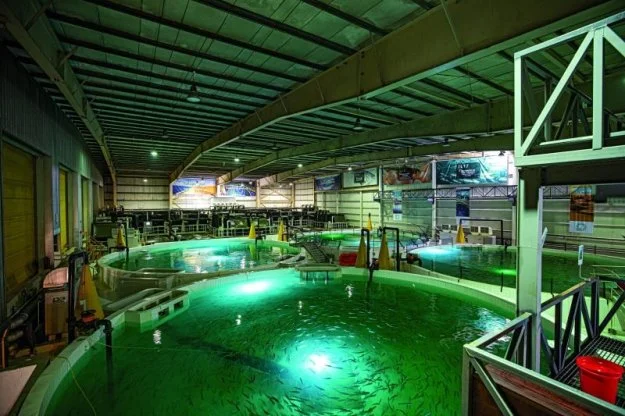
“If we would have presented [this] to any normal investor, he definitely would have refused the project, but the courage His Highness had, and the encouragement – it motivated us and alhammdulillah, we reached what no one expected – salmon in the desert,” he says.
Now the company has turned a corner, and the farm is proving itself to be commercially viable. After a several years of growing the fish, they are now selling for a high price in supermarkets and restaurants. The UAE’s chefs are happy to pay top dirham for a tasty, traceable, fresh product, and transport costs are, for obvious reasons, very low. However this is not just about making money. Fish Farm plans to revolutionise fish consumption in the UAE.
“Food security is our first priority after being profitable” Bader explains, “The strategy of His Highness is to replace the need for imported fish.” If you consider that the UAE currently imports 92 per cent of its fish, this sounds impossible in the near-term, but Nigel insists the “blue revolution” is well underway.
“The financial world is embracing RAS systems. Just to keep ahead of population growth – aquaculture has to double, because there’s less fish in the wild. In arid countries like this where it’s difficult to produce food – it ticks boxes, it doesn’t use fresh water, it has a low carbon footprint, and fish are an efficient producer of protein – they grow fast.”
Public sector push
Food security is a relatively new preoccupation in the UAE – the Ministry for Future Food Security was only set up two years ago. The country actually ranks reasonably highly in the Global Food Security Index – it’s stands at number 31, but the government wants to be in the top 10 by 2021.
It is not going to be easy. Currently, 90 per cent of all the food in the country is imported, and the UAE is located in a volatile part of the world, meaning supply chains though numerous, are vulnerable. The population is expected to increase from 9 million now, to 11.5 million by 2025, and fresh fruit and vegetables are already much more expensive than in Europe or the US.
The Ministry is determined to improve food production, but arable land is scarce, and water supplies are dwindling. Clearly the desert is not an easy place to farm, so high tech agriculture is being singled out as one of the solutions.
“There are lots of facilities now and they’re all adopting technology to grow food,” explains Mariam bint Mohammed Saeed Hareb Al Mehairi, the Minister of State for Future Food Security.
“If we as a government can enable the eco-system for the private sector to invest their money and grow food then that’s the way to go. We want to become a hub for technology when it comes to hot arid regions – [and for] things like biotechnology, seed technologies and gene editing.”
Last summer, the ministry ran a 100 day AGcelerator, designed to resolve the challenges facing the sector. Entrepreneurs, financiers, and farmers brainstormed the problems and come up with pragmatic solutions.
The Ministry acted quickly on the recommendations, creating new agtech zones, bank codes and permits. Then in March this year, Sheikh Mohamed bin Zayed Al Nahyan, Crown Prince of Abu Dhabi and Deputy Supreme Commander of the UAE Armed Forces announced Dhs1bn in agtech incentives. These government initiatives are already attracting international investors, many of whom are eyeing up home-grown success stories.
For example last year, the US company Crop One signed a $40m deal with Emirates Flight Catering to build the biggest vertical farm in the world. Once it is built, it might be the largest, but it will not be the first in the UAE.
That accolade goes to Badia Farms – a privately owned company located deep in Dubai’s industrial district of Al Quoz. The ‘farm’ looks like a nondescript warehouse, but inside the vacuum-sealed door, far away from the searing desert sun, delicate leafy greens are growing under artificial LEDs. There’s no soil – the plants are growing hydroponically in a mixture of nutrients dissolved in water. The exact feed recipe is a closely-kept secret, as is the design of the lights, which glow pink in the gloom.
The CEO is Omar Al Jundi, a Saudi Arabian entrepreneur who started Badia Farms with private money only three years ago. Now they’re making $55,000 a month supplying dozens of Dubai’s top restaurants, along with several upmarket supermarkets. The produce is delicious – crisp and crunchy salad leaves, tasty micro-greens and fragrant herbs, all grown and harvested minutes away from where they’ll be eaten.
Demand for Badia Farms’ produce currently outstrips supply. “We’ve created a market,” Al Jundi explains, “It’s like the iPhone – people didn’t know what they wanted until we gave it to them.”
Costs are kept low, thanks to automated sowing, growing and watering systems. The LED lighting systems does not draw much power, and during the summer, when the humidity is high, the farm is water positive, as it draws more from the air, than the plants need to grow. The farm never uses pesticides.
“I tell chefs not to bother washing the leaves,” insists Grahame Dunling, the COO and horticultural brains behind Badia Farms. “There’s no soil, no pathogens, no nematodes, no weed seeds. It’s cleaner than organic.”
Expansion plans loom large on the horizon – both in the UAE and abroad. The company is currently in talks with a strategic partner for Series A funding of $10m to build a new farm 30 times the size of their current grow area. They are also planning to grow other crops vertically under LEDS – something that has never been done before commercially. For professional grower Dunling, this facility proves that vertical farming is not just sustainable, but scalable: “We can put our farms anywhere in the world. This is just the beginning of a food revolution in the GCC.”
POWERED NATURALLY
One hundred kilometres away, in the middle of the desert, another ambitious project is bearing fruit. Pure Harvest Smart Farms was founded in October 2016 and is backed by a government fund, technology partners and angel investors including Careem founder Magnus Olsson. It is also a hydroponic facility, but instead of using artificial lights, their international team of farmers is harnessing the power of the sun to grow tomatoes all year round.
Outside their 7,000 square metre greenhouse, the mercury is climbing to 43 degrees, and the humidity is hovering around 80 per cent. Indoors it feels like a summer day in northern Europe. Bees buzz noisily as they drift from plant to plant. Bundles of tomatoes hang heavily from thick vines – ripening in the sunlight.
The facility is incredibly sophisticated, and completely sealed from the outside world. No pesticides are used – instead a type of ladybird called a macrolophus is introduced to naturally control white fly, and thousands of bumble-bees are imported from Holland to pollinate the flowers.
Visitors have to go through an air-shower, disinfect their shoes and put on protective clothing before they are allowed to enter.
Every element of the climate is carefully controlled by artificial intelligence to encourage optimum growing conditions. Carbon dioxide is dosed into the air, the temperature and humidity is adjusted, even the glass is specially designed to optimise the light, and every tomato vine is fed the perfect amount of nutrient rich solution each day. As a consequence, the yields are incredibly high.
The CEO of Pure Harvest Smart Farms is Sky Kurtz, a technologist and venture capitalist from Arizona in the USA. He’s convinced the UAE is a great place to farm – despite the inhospitable climate.
“Think about what you need to farm profitably; sunlight, CO2, power, land, labour, water and taxation. Sun – we have an abundance of light. CO2 – we’re the hydrocarbon capital of the planet.
“Energy – we have an abundance of cheap sustainable energy from solar power, let alone other forms of energy. Land is cheap and abundant, labour is cheap and fluid, and Abu Dhabi has a 0 per cent corporate tax rate for 50 years. So when you go down that cost structure, very counter-intuitively [the UAE] is one of the best places in the world to farm.”
The futuristic greenhouse was expensive to build, and in the summer it has to be cooled – but Kurtz still insists this style of farming is sustainable.
“We’re doing 10 to 15 times the production of a traditional farm, and we consume less than 30 litres of water per kg of production. A traditional farm here in the UAE consumes over 260 litres of water per kg of production. The government allows these farms free access to water. That is not sustainable. And now with our ground water level depleting it’s a national security concern. So expense is relative. This is a commercial-scale proof of concept. The economics of producing this farm at scale are far, far better.”
Pure Harvest’s high quality organic tomatoes sell for much more than locally-grown produce, and they can grow all year round. As with Badia Farms’ leafy greens, demand is outstripping supply. Customers in the UAE prefer to buy local fruit and veg – partly because it costs less than imported food from Europe or the US, but also because it is more sustainable.
So far the Pure Harvest has raised $5.5m, but the company is ripe for expansion.
“This is just a pilot,” explains Majed Halawi, the company’s chief of staff. “The whole idea was to build a small facility and to learn from it. We now want a much bigger footprint in the UAE, so we can diversify into leafy greens and strawberries.”
Halawi says they are close to finalising another round of funding of between $40m and $50m, and are shovel ready, with plans for farms in the UAE and Saudi Arabia. By Q1 of 2020, they hope to harvest their first crop from the new greenhouse.
Pure Harvest is not the only player in this market – two years ago, German company BayWa teamed up with Abu Dhabi’s Al Dahra in a $45m joint venture. They are also growing tomatoes hydroponically in two climate controlled greenhouses, each covering five acres, in Al Ain.
Christiane Bell, Head of BayWa’s Global Produce Business Unit, describes the Emirates as an “extremely attractive” market, due to growing consumer enthusiasm for sustainably grown, local produce. There are constant rumours of new companies looking to establish facilities here.
CAMELS, CAMELS EVERYWHERE
This entrepreneurial enthusiasm for using climate controlled environments to grow food is not the only element in the agricultural revolution taking place in the UAE. The other ingredient is research into which crops and livestock can survive in the desert heat.
Located on a nondescript stretch of the Al Ain Road, just outside Academic City, the International Centre for Biosaline Agriculture (ICBA) has been carrying out research into crops that can grow in arid, salty conditions for the last two decades.
It is an internationally funded, not-for profit organisation with a mandate to improve food security and nutrition around the world. The UAE is a major contributor, along with the US and Sweden.
Dr Ismahane Elouafi is the Director General of ICBA, and is not convinced that high-tech climate controlled farming is the answer – particularly in the developing world. She notes, “In the reality of things, hydroponic [farming] right now produces less than 8 per cent of the food produced worldwide.”
Instead the Centre focuses on making scientific advances in the development of drought-resistant crops which are also high in nutrition, like quinoa and pearl millet. Several local UAE farmers are already acting as pilot projects, growing a special variety of quinoa and using sophisticated sensors to reduce their water usage.
ICBA’s researchers are also excited about another plant, namely salicornia or samphire. This has potential as a desert crop thanks to its tolerance of very salty water. ICBA has commissioned chefs to develop a salicornia sports drink, citing its high electrolyte and protein content, but due to its strong, salty taste, it’s more likely to be used as animal feed or even as a biofuel.
In January Etihad Airways flew a commercial flight to Amsterdam using jet fuel blended with the fleshy plant. The Ministry for Future Food Security wants to encourage the use of this innovative crop, and in February hosted 100 local farmers at the Centre to showcase new growing-techniques and technology. One option is for regional farmers to combine aquaculture with growing the succulent flowering plant, so the crop can be fertilised with the effluent-rich waste water from the fish. ICBA has developed a successful pilot project, and Dr Elouafi says traditional farmers need to make the change.
“I always say [one needs to pair] the right crop with the right agricultural system. They have to move to other crops that are more adaptable to the region. The data shows that if they don’t [change crops], if they keep the same rate of subtraction of water, they’re going to finish their groundwater within 60 or 70 years.”
One type of farming entirely suited to the UAE is camel herding. The so-called ships of the desert were first domesticated in 3000 BC, and thanks to their unique physiognomy, they have become ubiquitous across the region. Just 10 minutes down the road from ICBA is the biggest camel farm in the world. Camelicious is owned by Sheikh Mohammed bin Rashid Al Maktoum, Vice President and Prime Minister of the UAE and Ruler of Dubai, and it is home to over 5,000 of the traditional Bedouin animals.
It is both the biggest camel farm in the world and a state-of-the-art research centre. Chief Vet, Dr Judith Juhass has been studying the animals since 2003. Prior to this no one had considered milking them commercially, despite their popularity among Bedouin communities. She believes camels could help solve the UAE’s food security concerns.
“With the proper breeding, this species is the species of the future, as a food producing animal. They survive in such a harsh environment,” she says. Camels are harder to milk than cows, but they can live outdoors in the summer heat, and continue to produce milk year-round.
In fact, their supply peaks in July and August. Unlike cows, they do not need air conditioned sheds or large amounts of water to drink – instead they live out in the open in sandy, shaded pens. This makes farming the animals highly sustainable.
Dr Juhass advocates a high standard of animal welfare, and speaks fondly of how the livestock recognise the staff. “They are very clever, they are as intelligent as horses. The [milking] parlour is a restricted area, so this is new for camels. But if you respectfully train them, they will cooperate.”
Researchers at Camelicious have discovered that the dromedaries need to be walked for an hour a day for optimum milk production, and the calves need to stay with their mothers for a year after birth. Certain camels produce more milk, and the farm has a careful breeding programme, to achieve higher yields.
Camel milk represents 3 per cent of the $360bn global dairy market, but is expanding fast – at a rate of 6.8 per cent a year, according to market research company, Technavio. Celebrity Kim Kardashian is apparently a fan, and it is considered a good alternative for people who are allergic to cow’s milk because it is low in lactose. It is also 50 per cent lower in fat, and rich in natural vitamin C and iron.
Camelicious creates an array of products, from fresh milk, to baby milk powder, ice-cream and energy drinks. Their biggest market is the Middle East, but they are making strides in Europe. The company does not yet make a profit – its focus is on proving the benefits of the Bedouin staple, and introducing it to a wider market.
Dr Juhass believes both science and tradition should work hand-in-hand, “We shouldn’t forget the camel belongs to these people, to the Arabic people and many African people. It would really be a waste to just forget about these animals as a food producing mammal.”
FUNDING ON THE RISE
Seen together these high-tech farms, pilot schemes and research projects demonstrate a paradigm shift in the UAE’s approach to farming. They are currently in the development phase, and have so far have relied on wealthy backers to get off the ground, but their track record is attracting interest from around the world.
Sky Kurtz, the CEO of Pure Harvest Smart Farms is a fervent believer: “This is the future of farming. There’s a huge boom in agricultural technology and investment. We are attracting interest from regional private equity investors, global sovereign wealth funds, and international REITS (real estate investment trusts).”
The farms have undoubtably created a market for premium, locally-grown produce in the UAE. The companies profiled here insists that millions of dollars of seed funding is set to flood into UAE agriculture before the end of this year, and with on-going government support, agtech in this desert land has the potential to bloom. Once scaled up, climate controlled farming should bring bigger profits.
Rising populations, dwindling fresh water supplies and the continued threat of global warming mean food security is pushing itself onto the agenda of desert countries and developing nations.
Questions remain as to whether high tech farming can deliver solutions and feed the masses, but soon it might not seem such a strange idea to farm fish on land, or grow tomatoes in the desert.

Webinar: Vertical Farming Across The Pond - An Overview of The UK Indoor Farming Market
During this presentation you will learn more about the UK vertical farming industry and the role it is playing in the European market
GLASE Webinar
Vertical Farming Across the Pond
an overview of the UK indoor farming market
Date: September 18, 2019
Time: 11 a.m. - 12 p.m. EDT
Presented by: Jonny Reader
Register Here
Jonny Reader, research associate at the University of Nottingham and design engineer at V-Farm will talk about the current fruit and vegetable market in the UK and insecurities surrounding Brexit. During this presentation you will learn more about the UK vertical farming industry and the role it is playing in the European market.
Special thanks to our Industry partners
Join Today
If you have any questions or would like to know more about GLASE, please contact its
executive director Erico Mattos at em796@cornell.edu

Bowery Adds Associates to Marketing and Sales Operations
Bowery, the modern farming company, has made two key executive hires to oversee the company’s marketing and sales operations. Katie Seawell (formerly of Starbucks) and Carmela Cugini (formerly of Walmart) have joined Bowery as the company’s Chief Marketing Officer and EVP of Sales, respectively
Bowery, the modern farming company, has made two key executive hires to oversee the company’s marketing and sales operations. Katie Seawell (formerly of Starbucks) and Carmela Cugini (formerly of Walmart) have joined Bowery as the company’s Chief Marketing Officer and EVP of Sales, respectively.
The hires are in support of broadening consumer awareness for the brand and increasing retail distribution.
Katie Seawell spent more than a decade at Starbucks Coffee Company, where she held a variety of leadership roles within the marketing and product organizations including driving brand campaigns, developing go-to-market strategies & integrated marketing campaigns and product innovation. Most recently, Katie was SVP of Siren Retail Operations, leading the launches of the Starbucks Reserve Global Roasteries including Starbucks market entry into Italy.
In her new role as Chief Marketing Officer, Katie will lead the company’s marketing team, spearheading initiatives to build Bowery’s brand and consumer reach in existing and new markets. Katie will also partner with the agriculture science team to lead Bowery’s innovation strategy, providing insights on consumer produce trends to make sure the company is fulfilling the wants and needs of its consumers.
Carmela Cugini joins Bowery with experience across e-commerce retail, consumer packaged goods, financial planning and sales with organizations including Walmart, Jet.com, PepsiCo and Merrill Lynch. Over the last three years, Carmela was Vice President and General Manager of Walmart’s US e-commerce team, leading online grocery and focusing on accelerating growth strategies across Walmart’s e-commerce and Jet.com.
Prior, Carmela spent 13+ years at PepsiCo and four years at Merrill Lynch, holding key leadership positions across various functions including sales management, sales operations, key account sales, business development, revenue management strategy, marketing and brand development. As EVP of Sales at Bowery, Carmela will take the lead on growing its network of retail partners and distribution channels as Bowery expands into new markets, while educating grocers on the benefits of indoor-grown, pesticide-free produce.
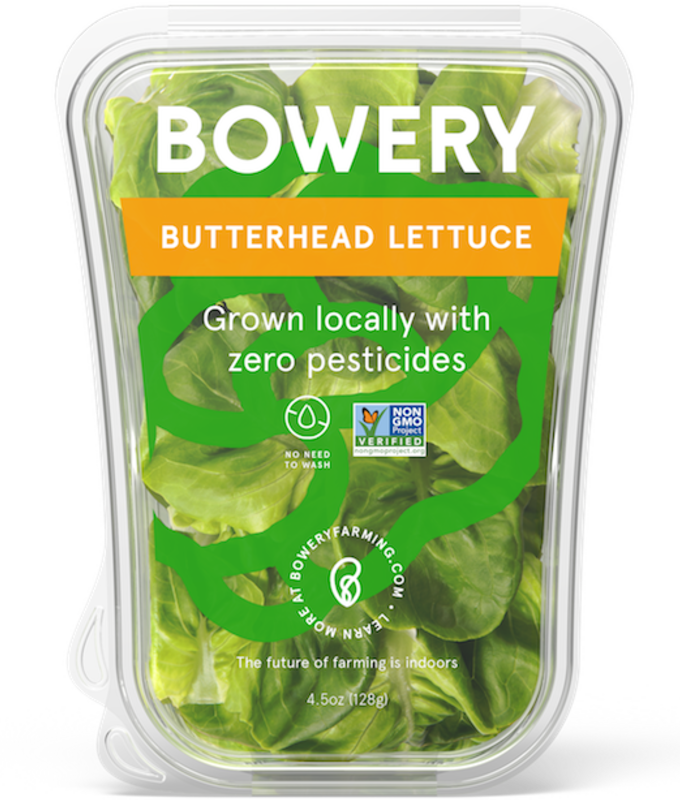
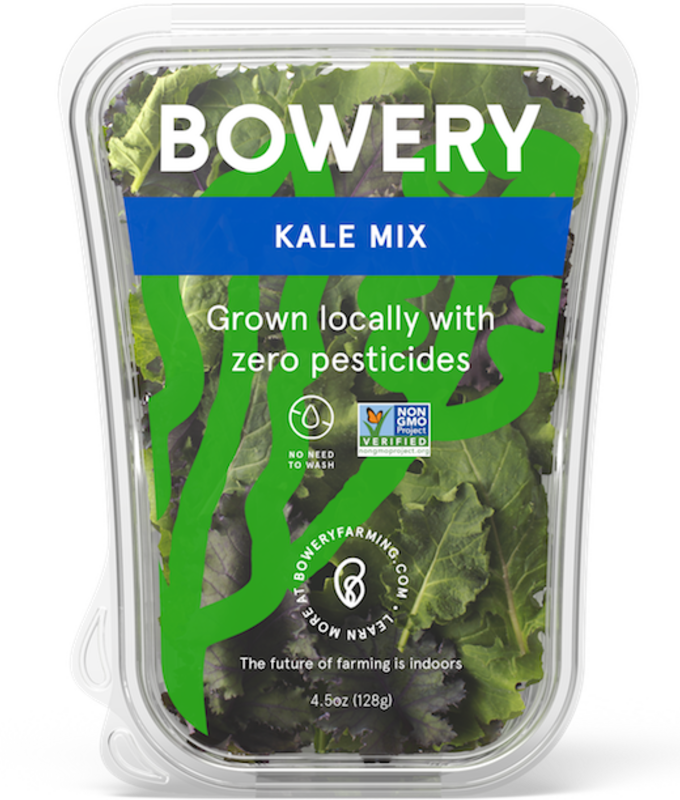
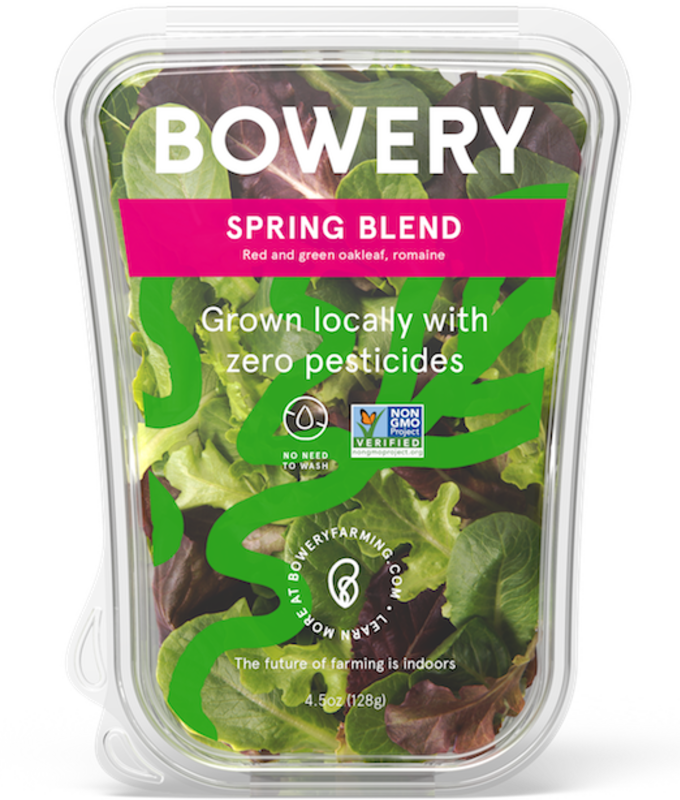
Bowery is the modern farming company growing food for a better future by revolutionizing agriculture. By combining the benefits of the best local farms with advances made possible by technology, Bowery’s indoor farms create the ideal conditions to grow the purest produce imaginable. BoweryOS, the company’s proprietary software system, uses vision systems, automation technology, and machine learning to monitor plants and all the variables that drive their growth 24/7.
Bowery controls the entire process from seed to store, and Bowery farms use zero pesticides, 95% less water, and are 100+ times more productive on the same footprint of land than traditional agriculture. Bowery produce is currently available at select Whole Foods and Stop & Shop stores in the Tri-state area; Brooklyn Fare, Westside Market and Foragers Market in NYC; and online through Peapod, AmazonFresh and Jet.com. Additionally, Bowery is featured at sweetgreen, and on the menus of Tom Colicchio’s New York restaurants Craft and Temple Court.
In December 2018, Bowery announced a Series B fundaise of $95 million led by GV (formerly Google Ventures), bringing Bowery’s total funding to $122.5 million. Notable investors in this round include Temasek (the global investment company backing companies leading change for the future of agriculture), Dara Khosrowshahi (CEO of Uber), Almanac (the fund of David Barber, co-founder of Blue Hill), Jeff Wilke (CEO of Amazon Worldwide Consumer), Henry Kravis (Co-founder of Kohlberg Kravis Roberts & Co.), First Round Capital, GGV Capital and General Catalyst.
Vertical Farming Is The New Frontier In Delivering Freshness With Sustainability
GoodLeaf Farms is revolutionizing farming in Canada. A state-of-the-art, fully automated 45,000 sq. ft. vertical farm is now operational in Guelph, ON., promising Ontarians a safe and steady supply of local, pesticide-free greens year-round
NEWS PROVIDED BY GoodLeaf Farms
September 10, 2019
GoodLeaf Farms launches fresh and delicious vertically farmed, local, pesticide-free microgreens and baby greens throughout Ontario retail stores and restaurants.
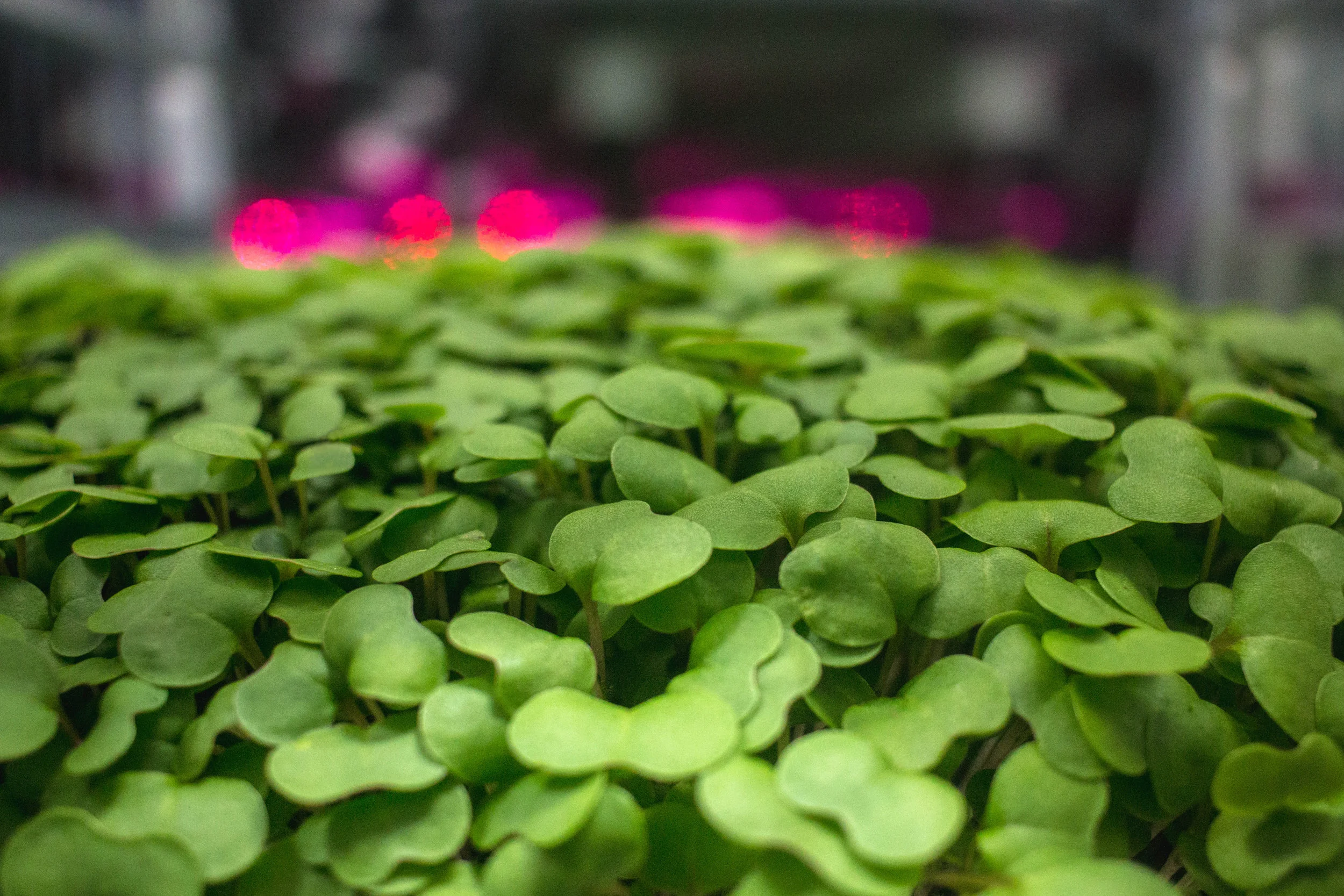
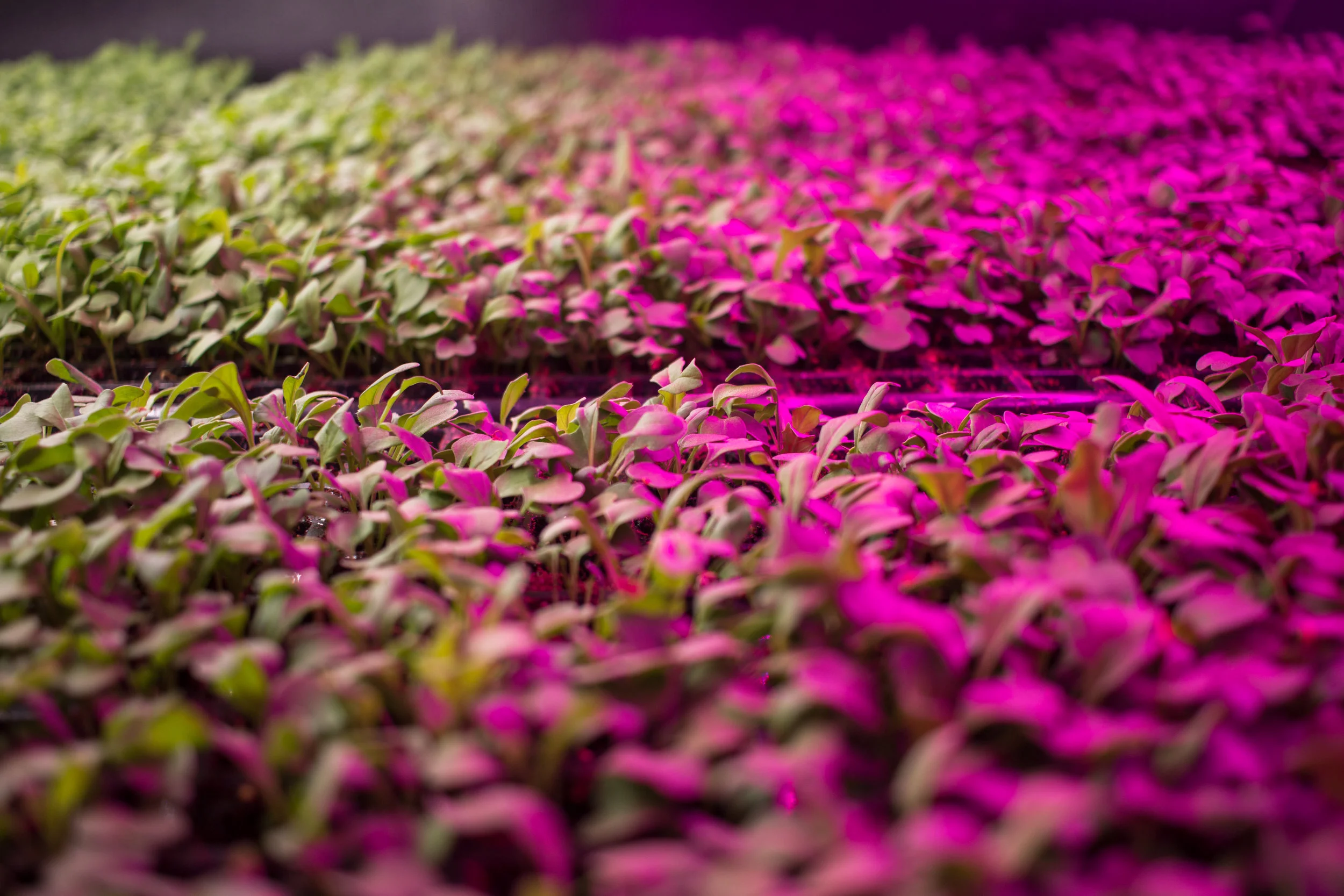
GUELPH, ON, Sept. 10, 2019 /CNW/ - GoodLeaf Farms is revolutionizing farming in Canada. A state-of-the-art, fully automated 45,000 sq. ft. vertical farm is now operational in Guelph, ON., promising Ontarians a safe and steady supply of local, pesticide-free greens year-round.
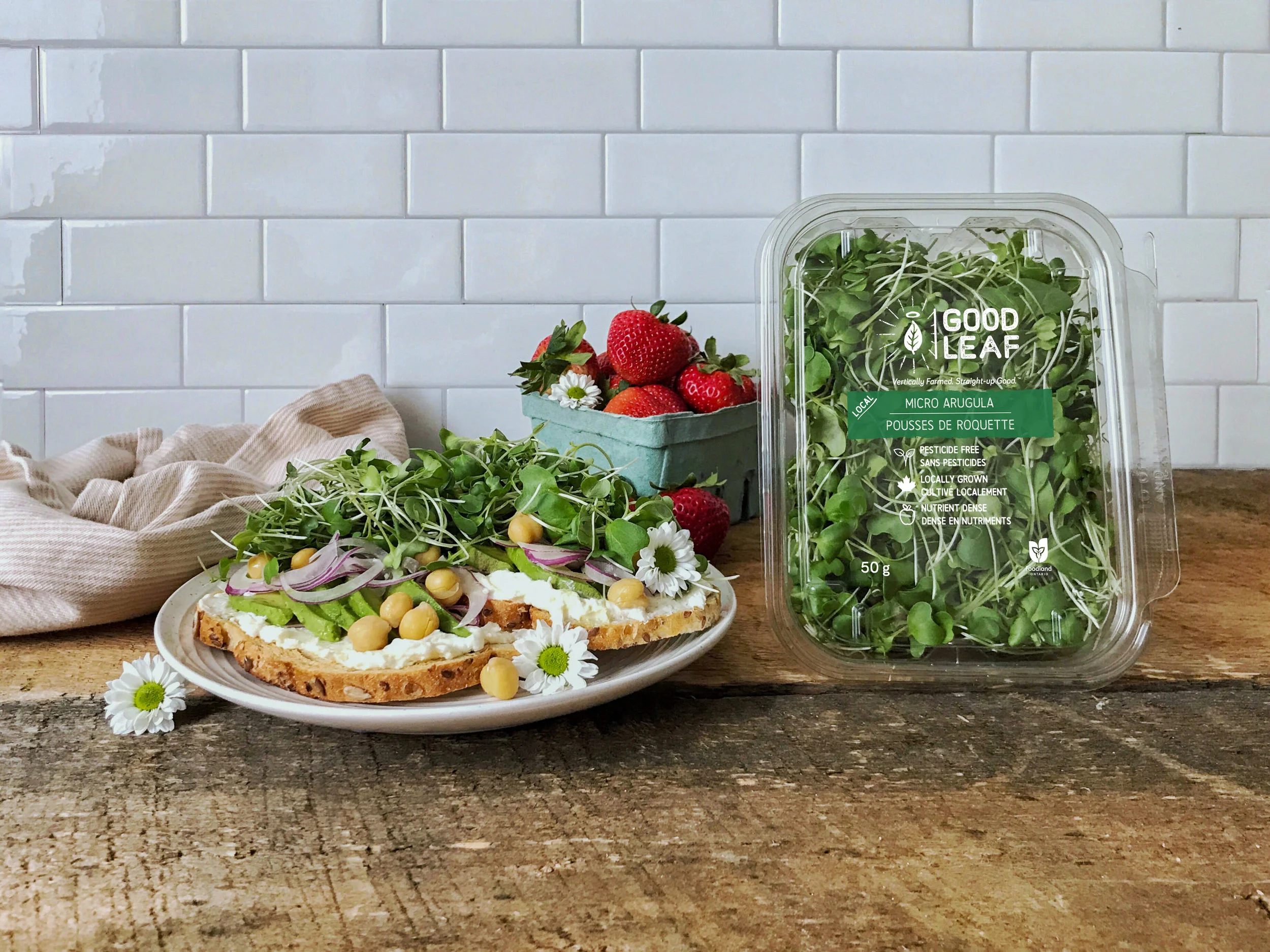
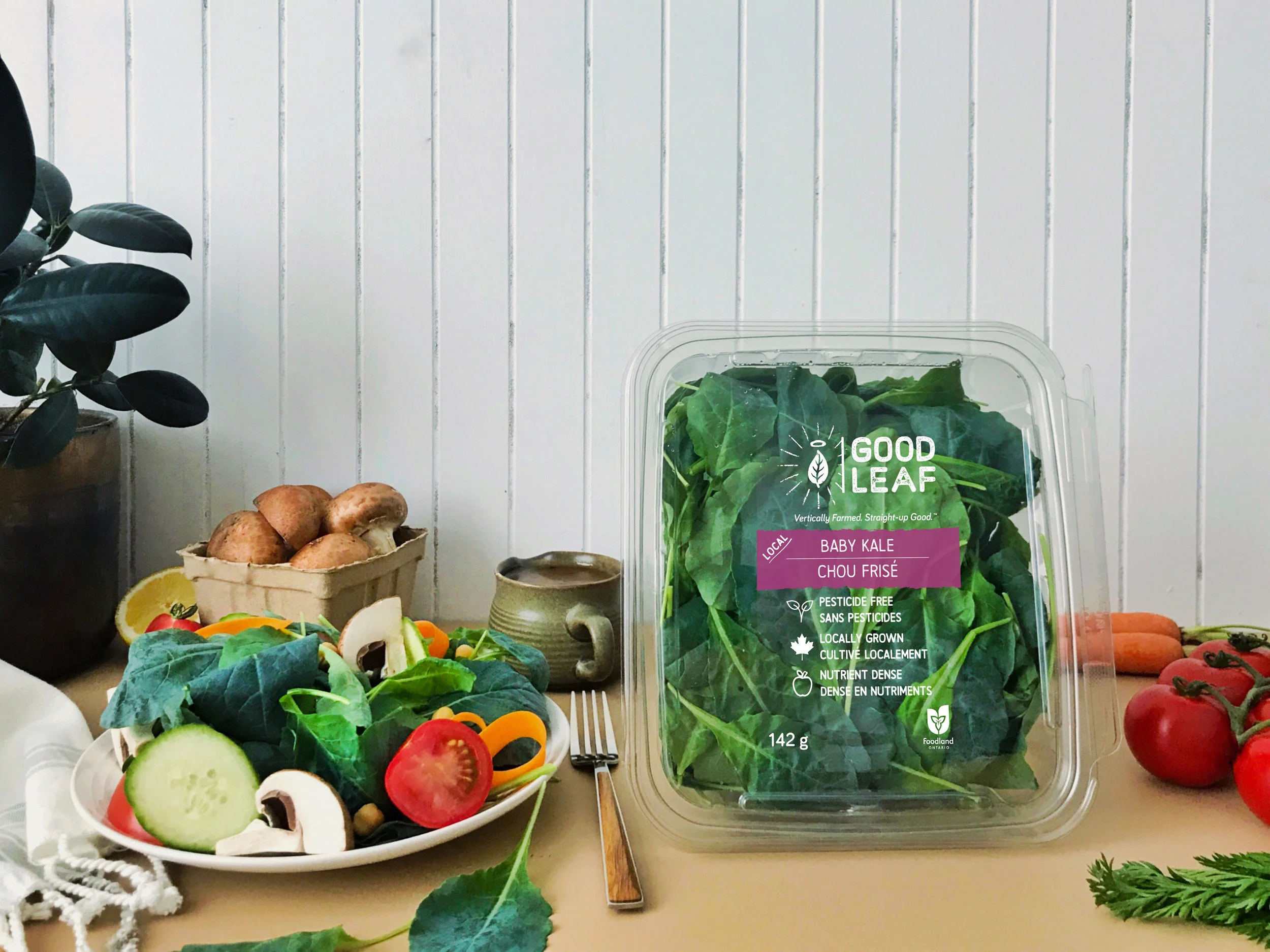
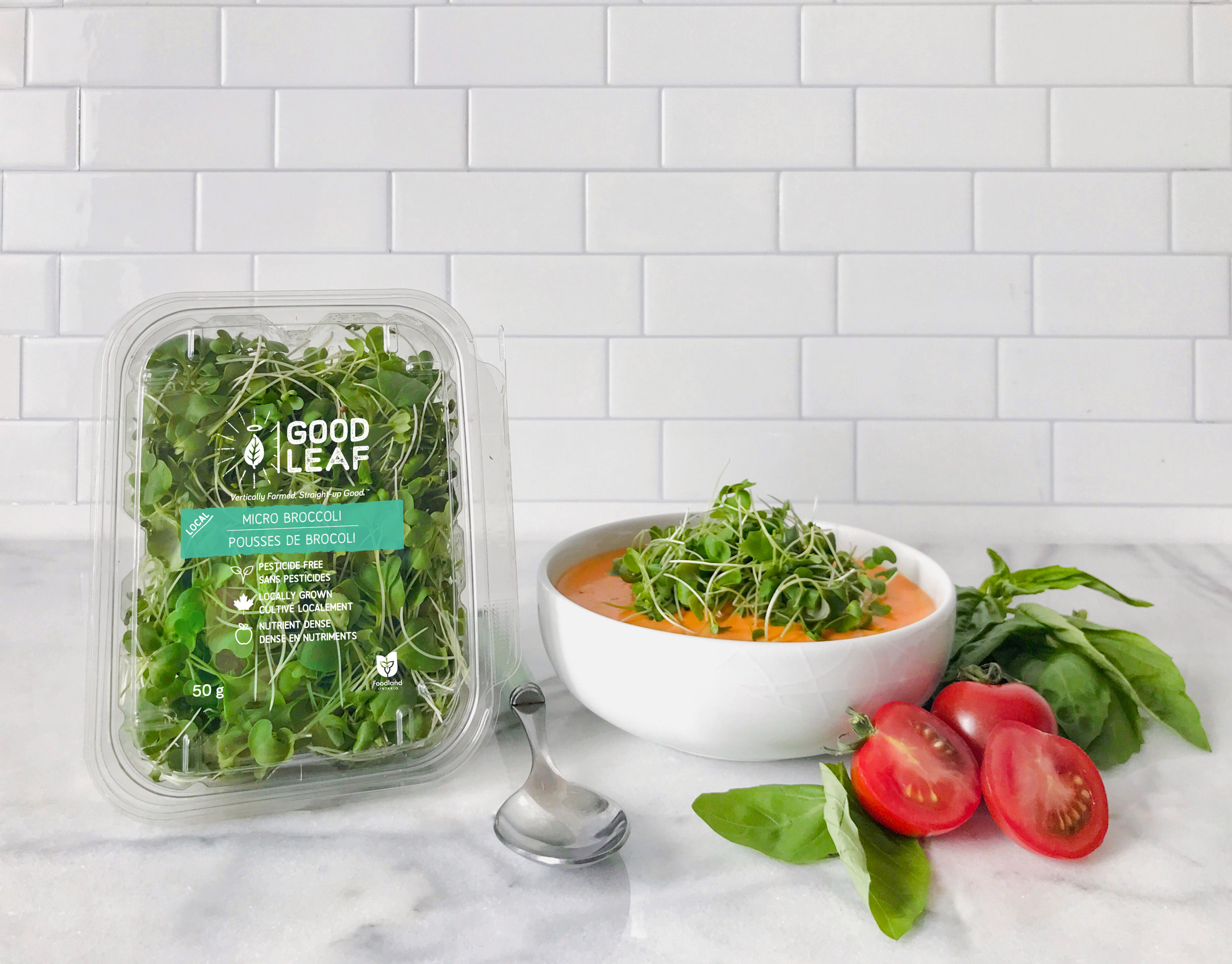
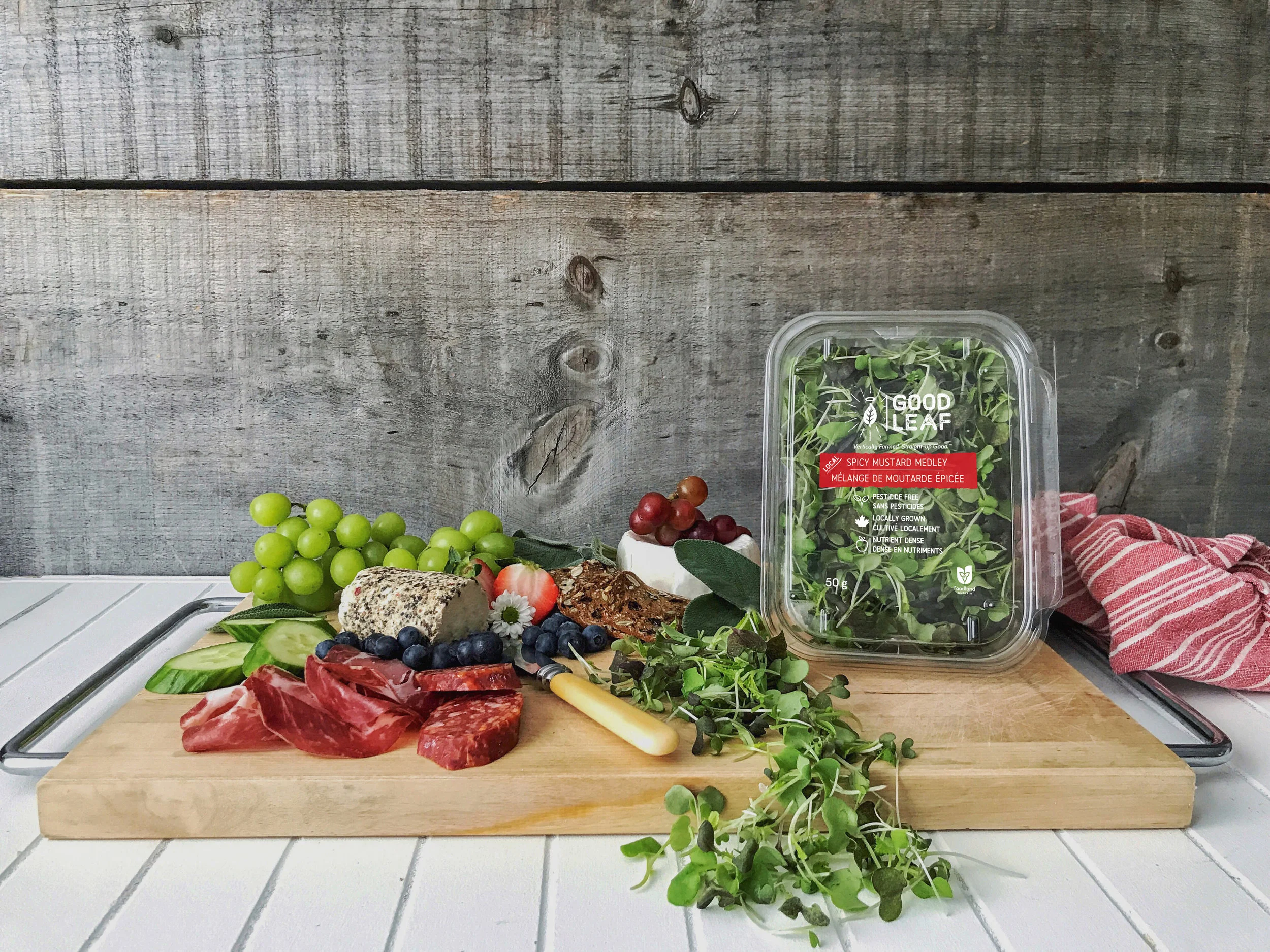
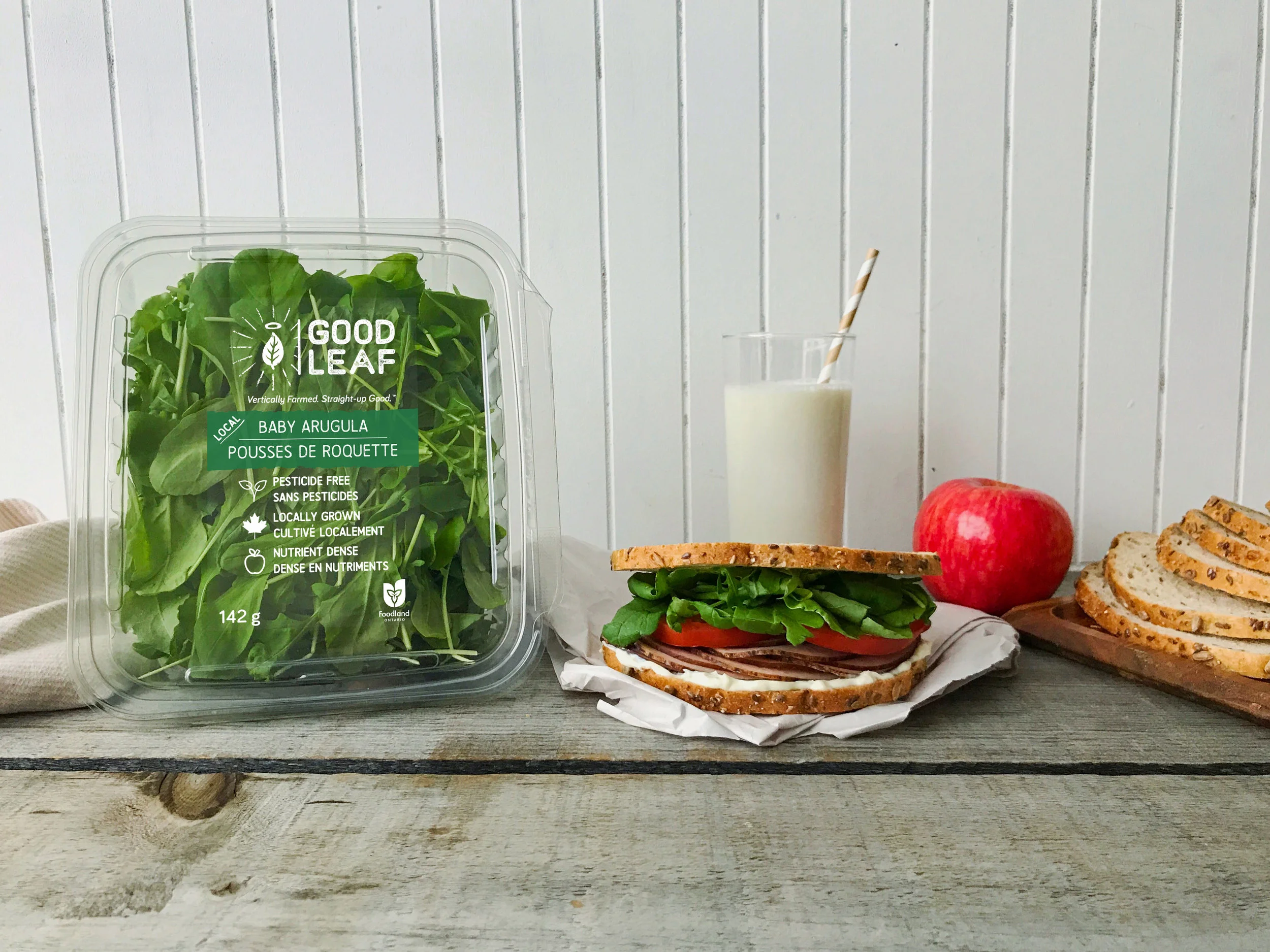
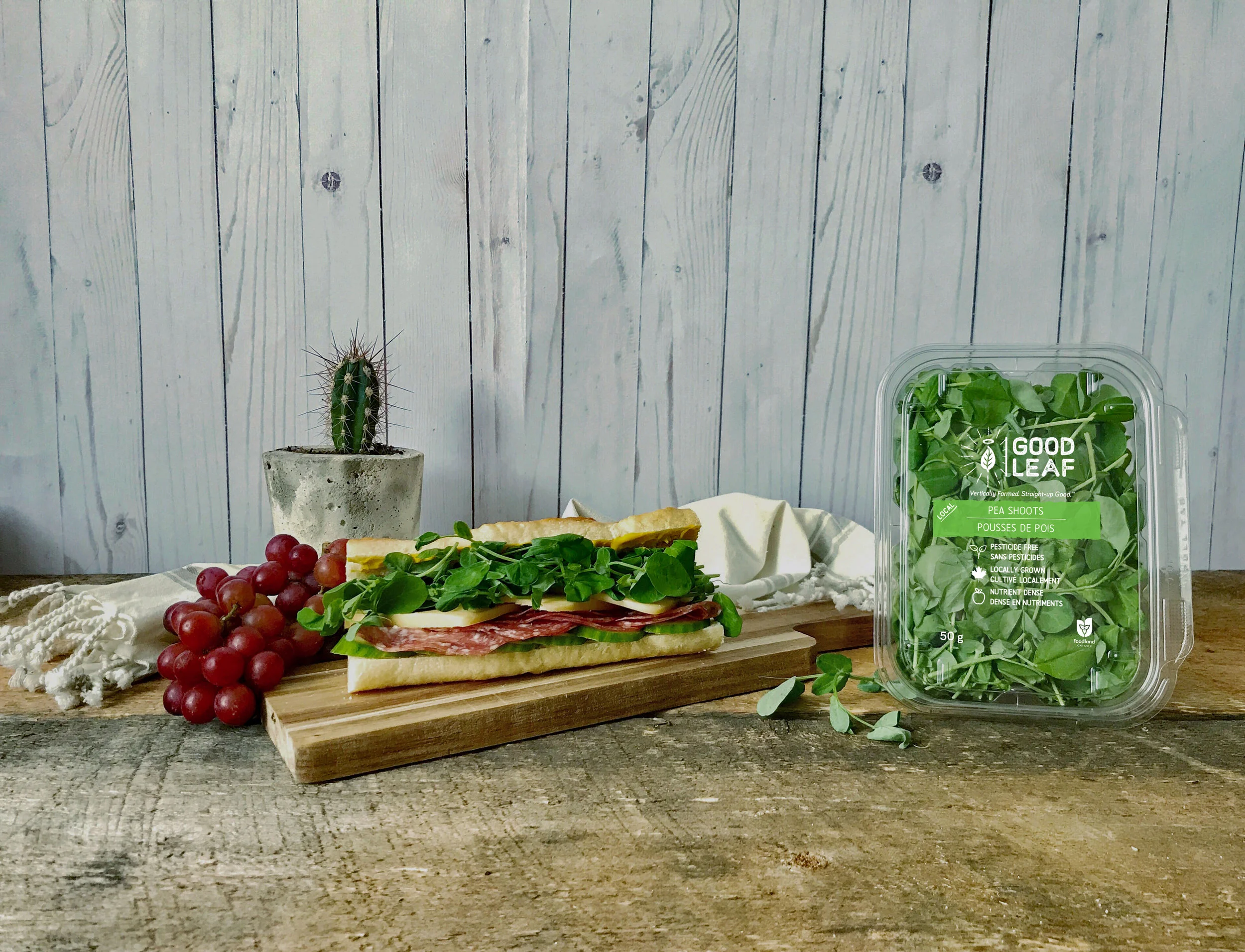
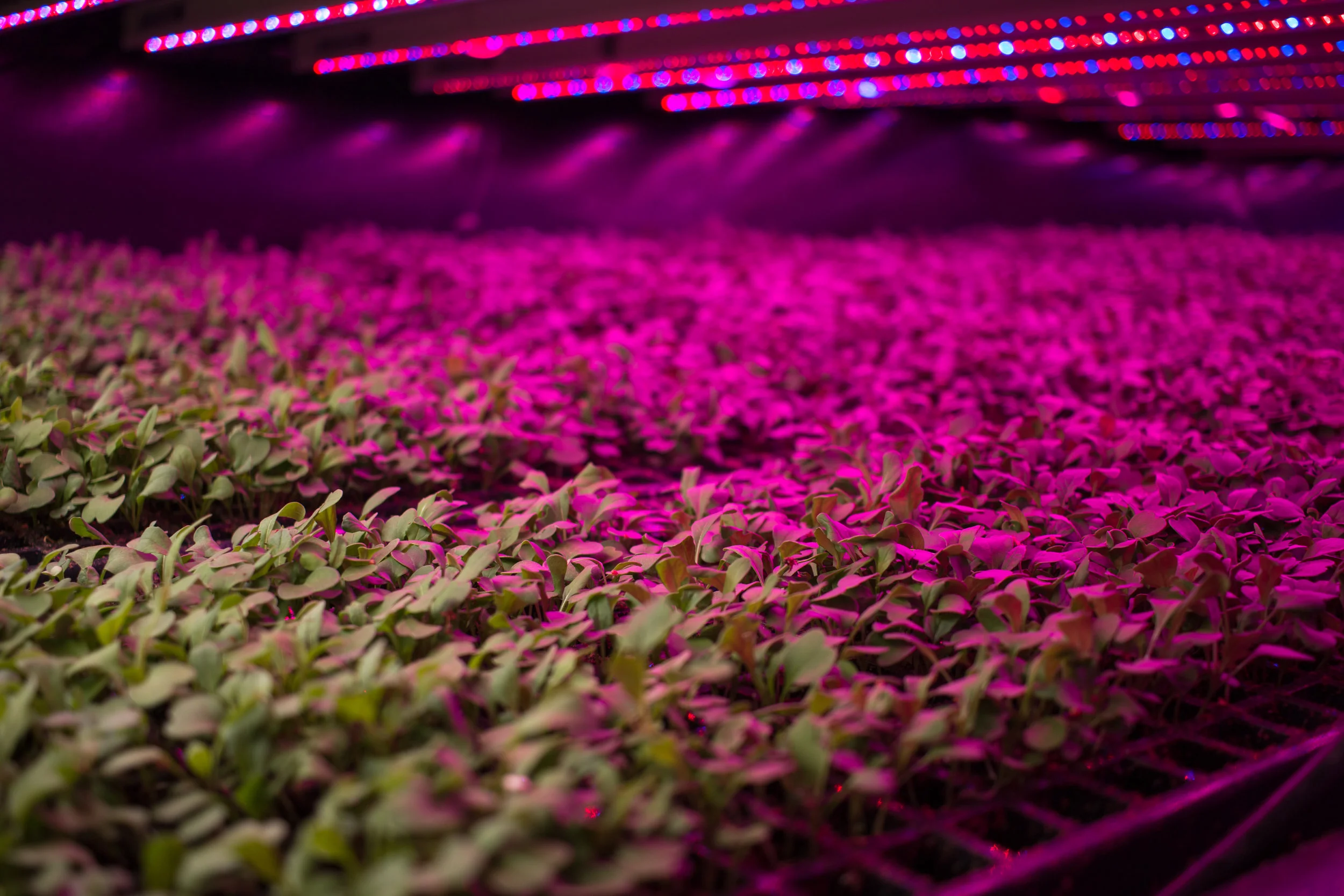
"Canadians are demanding better, safer, healthier food and are getting behind their local farmers," says Juanita Moore, Executive Director of Operations. "We know GoodLeaf's greens represent a bright light in a mostly imported produce aisle because Ontarians want fresh, tasty, local greens grown responsibly."
In addition to efficient land use, GoodLeaf employs numerous sustainable farming practices (e.g., cleaning and reusing about 95% of water; recycling the plant growing medium for second-life use in landscaping). "Our mission at GoodLeaf is to have a positive effect on the environment and human health," Ms. Moore says.
With food safety and security concerns at the forefront, effects of climate change stressing supply chains, and increasingly popular plant-based diets further promoted through Canada's Food Guide, vertical farming brings Canadians a local source of safe and reliable leafy greens.
Vertical farming is a method where growing levels are stacked in layers. Temperature and humidity conditions are controlled, and light provided by high-efficiency LEDs. Irrigation systems deliver water and nutrients as needed for optimal growth. Continuous grow cycles combined with a controlled environment allow for systematic testing and learning for rapid improvement in nutrient density, flavor, and other key attributes.
Growing UP: Beyond Organic
According to Jeff Huber, GoodLeaf's Master Grower and Visiting Researcher at University of Guelph, "Unlike organics farming, which allow organic and some synthetic pesticides, our design considerations and our attention to strict bio-security protocols allow for a pest-free environment eliminating the need for pesticides. We feed our plants the precise nutrients and optimal light to grow the most nutritious and delicious greens. Our QA Department's robust Positive Release Program tests samples of our greens ensuring they're safe to eat prior to release to our customers. In fact, with GoodLeaf's automated process the first person to touch a leaf is the consumer upon opening the package. We're truly passionate about safety, quality, and giving Ontario families local greens they can enjoy year-round."
About GoodLeaf
GoodLeaf's vision is to enable every community to grow the world's healthiest food locally and sustainably.
With passion for delicious, nutrient-rich greens, GoodLeaf was founded in 2011 in Halifax, Canada. GoodLeaf uses innovative technologies leveraging multi-level vertical farming to create a controlled and efficient indoor farm, which grows fresh produce anywhere in the world, 365 days a year. The system combines innovations in LED lighting with leading edge hydroponic techniques to produce sustainable, safe, pesticide free, nutrient-dense leafy greens. GoodLeaf has ongoing R&D programs in collaboration with the University of Guelph, Dalhousie University, and Acadia University.
Please visit us at www.goodleaffarms.com.
For media inquiries, please contact Juanita Moore at jmoore@goodleaffarms.com.
SOURCE GoodLeaf Farms

VIDEO: Indoor Vertical Farming Praised As Future Source of Produce
With drought gripping much of the country, there are calls for the government to support new and emerging methods of agriculture
July 9, 2019
With drought gripping much of the country, there are calls for the government to support new and emerging methods of agriculture. Indoor vertical farming is being touted as a future source of fresh produce, but fledgling companies in Australia are struggling to move beyond the startup phase.

Can Vertical Farms Be Profitable?
“There are both small and large leafy greens vertical farms,” Hernandez said. “Some of them are going out of business and some new ones are opening up. All of them have similar challenges
By David Kuack, UrbanAgNews.com
March 15, 2019
Although vertical farms producing leafy greens are receiving most of the press coverage, there are a variety of other crops being being grown and innovative growers are finding these crops to be profitable.
When you think about a vertical farm what picture comes to mind? Ricardo Hernandez, horticulture professor at North Carolina State University, said most people think of vertical farms as indoor growing operations that produce leafy greens, primarily lettuce.
“There are both small and large leafy greens vertical farms,” Hernandez said. “Some of them are going out of business and some new ones are opening up. All of them have similar challenges.
“The main challenge is that even though they can produce a lot of leafy greens because they are able to stack the plants, there is a bottleneck in terms of how fast they can produce the crops. The bottleneck is tied to the plant genetics. With the current plant genetics and cultivars that most vertical farm entrepreneurs are using, it is very hard to outperform the lettuce crops coming out of the field. This is especially the case if the field conditions are suitable to grow lettuce such as in California and the southern part of Arizona during the winter.”
For many of the cultivars being grown in the field, including butterhead, red leaf lettuce and baby greens, the same seed is being used in vertical farms.
“In order for the leafy greens produced in vertical farms to actually gain significant market share, the genetics have to be changed in those plants,” Hernandez said. “This can come through conventional breeding or gene editing or through targeted breeding using molecular tools. A new set of cultivars is needed, a new set of genetics that are specific for indoor farms. Right now we are using the genetics that are good for field production. These field cultivars have high plant uniformity in terms of growth under a large variability of environmental conditions. The field genetics enable plants to look the same even if there is a lot of variability in the environment.”
Ricardo Hernandez, horticulture professor at North Carolina State University, said one of the biggest challenges facing vertical farms growing leafy greens is the lack of cultivars bred specifically for these production facilities. Photos courtesy of Ricardo Hernandez, N.C. St. Univ.
Because vertical farms provide a stable environment, Hernandez said the types of genetics that are needed are specifically for an environment that can be controlled. The genetics for field crops of maintaining high uniformity and minimizing large variability are not a concern with vertical farms.
“Unfortunately, the market for breeding companies to develop varieties specifically for vertical farms is small,” Hernandez said. “There is not an established market for vertical farm growers. There hasn’t been a significant effort by established breeding companies to start developing cultivars specifically for vertical farms. Maybe some startups will be able to develop new cultivars or university researchers may be able to give those efforts a boost.”
Cost of production
One of the major hurdles with vertical farms is cost of production.
“There is a lot of technology and utilities associated with producing leafy greens in vertical farms,” Hernandez said. “That cost of production is very high compared to the leafy greens grown on the West Coast even when the shipping costs are added on.
“There actually are some vertical farms making money. Some of those are in boutique markets. These growers are able to get more money for a head of lettuce than the competing product that comes from the field. However, it is going to be difficult for growers who are selling to boutique markets and who receive a premium price for a head of lettuce to break into the mass market. Most consumers are not willing to pay the higher boutique prices.”
Hernandez said in order for vertical farms to acquire a significant share of the market, they are going to have to bring down the price of lettuce so more people will be willing to pay for the product.
Making money with transplants
One area of vertical farm production that Hernandez said growers can be profitable is producing transplants or starter plants.
“I’m convinced based on economic studies that we have done in my lab, using vertical farms or indoor growing is economically viable for growing transplants or starter plants,” he said. “Growing transplants is a very economical way to successfully adopt vertical farm production. These starter plants are a high value product and they can be grown under very high density in vertical farms, even higher than they can be grown in a greenhouse. These transplants are inserted into the current supply chain and will be sold to greenhouse and field growers who will produce the end products.”
Hernandez has started a transplant vertical farm, Grafted Growers, with his business partner John Jackson. Hernandez said growers looking to produce transplants in vertical farms should choose crops considered to have the highest value.
“These would be transplants that benefit the most from being grown indoors,” he said. “The clean controlled environment of a vertical farm can ensure a very high germination rate and a lot of plants can be produced in a small area. The controlled environment of vertical farms also provides a desirable outcome including finished plants that flower sooner or plants that have more dry mass.”
The controlled environment of a vertical farm used to produce transplants can ensure a high germination rate and can produce a lot of transplants in a small area.
Hernandez said the uniformity and quality of transplants grown in a greenhouse may not always match transplants grown in vertical farms.
“If there is good solar radiation levels, greenhouse growers can produce very good transplants,” he said. “If growers are trying to produce those transplants in greenhouses during the fall or winter, they may have to supplement the natural light levels or the quality of the transplants may not be as good. There may be a difference in quality and uniformity between seasons.
“Growing transplants in a vertical farm the quality of the transplants is consistent no matter what the outdoor conditions are. Comparing transplants grown in a vertical farm with transplants grown in a greenhouse during the winter, which is when many transplants are grown, the vertical farm transplants usually have a higher dry mass and are more uniform.”
Hernandez said a grower producing transplants during the winter may be able to match the quality of vertical farm transplants if a lot of supplemental light is used.
“It’s not only the amount of light that is important, but also the quality of light,” he said. “Even though transplants grown in a greenhouse may be receiving enough light with the use of supplemental light, depending on the light spectrum the transplants could end up stretching because they are planted at a high density.
“In a vertical farm the transplants can be kept from stretching by controlling the light spectrum so that they can be grown compact in a very high density. By taking the sun out of the equation and controlling the plant growth with artificial light eliminates the potential for stretching.”
Having the right vertical farm setup
Hernandez is quick to caution growers considering starting a vertical farm that different crops require different production setups.
Different crops require different vertical farm setups. The production setup that is optimum for for transplants may not work for leafy greens.
“Growers can create a lot of microclimates and have poor uniformity when they have the wrong vertical farm setup,” he said. “The vertical farm that works for leafy greens may not work for transplants because the requirements for transplants uniformity are different from those for leafy greens. If growers don’t have the right vertical farm to grow transplants, it’s not going to be easy and it could become a bigger problem.
“Growers need to listen to the plants and know what the plants need. Growers can incorporate a lot of technology, including robotics and sensor control, but if they are not listening to what the plants need, the technology will only deliver marginal improvements. The most important thing in a vertical farm is the plants. Everything else is just details.”
For more: Ricardo Hernandez, North Carolina State University, Department of Horticultural Science, Raleigh, NC 27695-7609; rhernan4@ncsu.edu; https://hortenergy.cals.ncsu.edu.
This article is property of Urban Ag News and was written by David Kuack, a freelance technical writer from Fort Worth, TX.
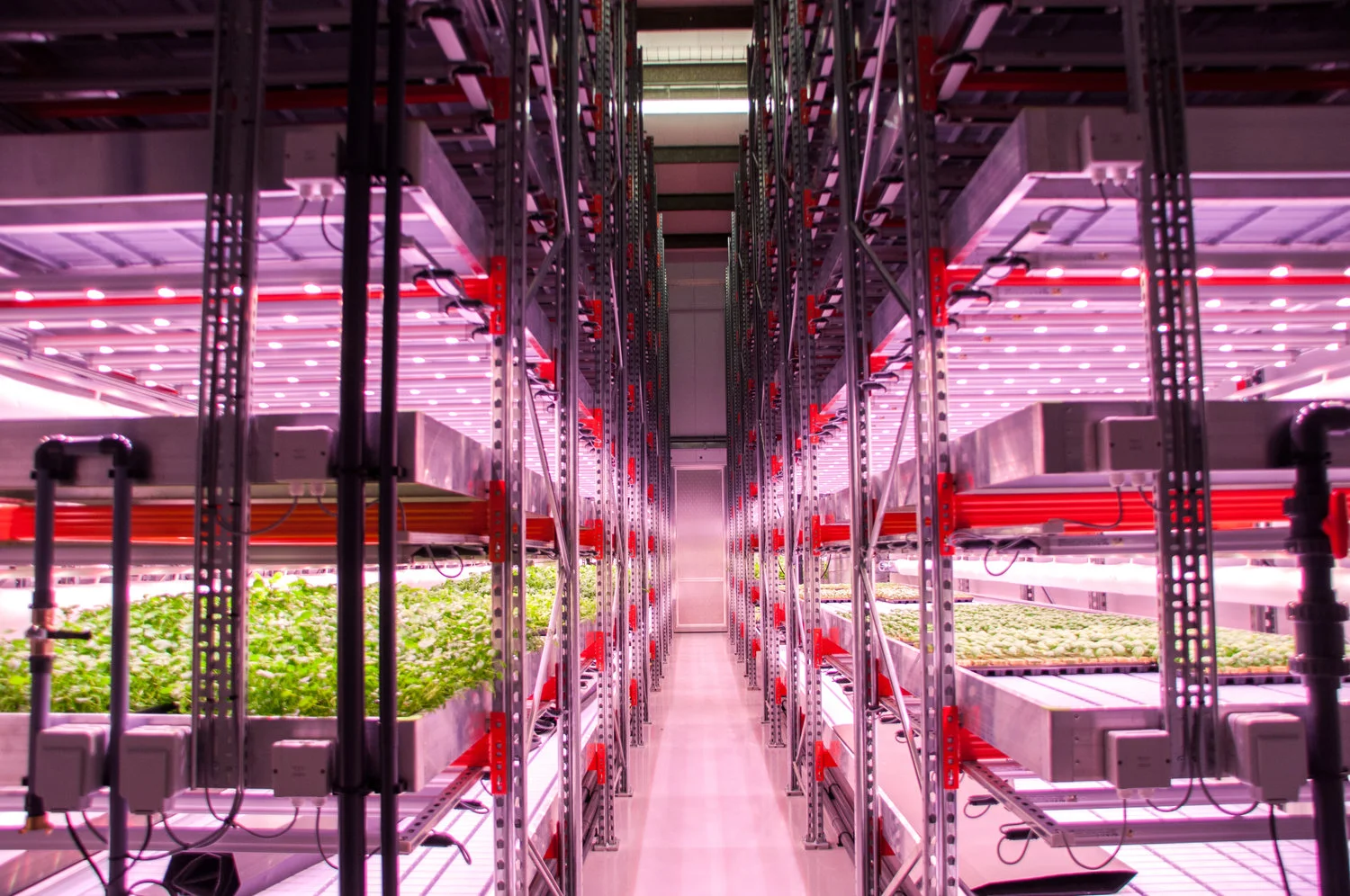
Are Vertical Farms Ready For Prime Time?
Plenty, Bowery, Aerofarms and 80 Acres Farms are among young companies that see a future in salad greens and other produce grown in what are called vertical farms that rely on robotics and artificial intelligence, along with LED lights
Indoor Farm Companies Say They're Scaling Up,
But Many Question Their Business Model
August 27, 2019
Plenty CEO and co-founder Matt Barnard (right) says his company is now competitive with organic competitors but critics say vertical farms are simply too expensive to run. Photo: Reuters/Jane Lanhee Lee
Indoor Farm Companies Say They’re Scaling Up,
But Many Question Their Business Model
Reuters — Leafy salad greens grown under banks of LED lights, with mist or drips of water are having their day in the sun.
Several top U.S. indoor farms say they are boosting production to a level where they can now supply hundreds of grocery stores.
Plenty, Bowery, Aerofarms and 80 Acres Farms are among young companies that see a future in salad greens and other produce grown in what are called vertical farms that rely on robotics and artificial intelligence, along with LED lights.
While the first versions of modern vertical farms sprouted about a decade ago, in recent years the introduction of automation and the tracking of data to regulate light and water has allowed them to get out of lab mode and into stores. Now they are trying to scale up.
Plenty and others say their customized, controlled lighting — some more blue light here, some more red light there — makes for tastier plants compared to sun-grown leaves and that they use 95 per cent less water than conventional farms, require very little land, and use no pesticides, making them competitive with organic farms.
And because vertical farms exist in windowless buildings that can be located in the heart of urban areas, produce does not have to travel far by fossil fuel-guzzling trucks to reach stores.
The companies’ expansion comes as plant-based burger makers Beyond Meat Inc. and Impossible Foods captivate investors and make inroads in high-end restaurants and fast-food chains.
But whether the sunless farms can compete financially with their field-grown brethren, given big upfront investments and electric bills, remains a question.
“We’re competitive with organic today and we’re working very hard to continue to make more and more crops grocery store competitive,” said Matt Barnard, chief executive and co-founder of Plenty, which is based in Silicon Valley.
Plenty’s salads sell on organic grocery delivery site Good Eggs for 99 cents an ounce, while a leading brand, Organic Girl, on grocery chain Safeway’s online site was priced at 80 cents an ounce.
Plenty said its new farm, dubbed “Tigris,” can produce enough leafy greens to supply over 100 stores, compared with its previous farm that could only supply three stores and some restaurants.
Bowery said its third farm coming online soon will help it supply hundreds of stores from dozens today, and Aerofarms, in New Jersey, said it is doubling its space to meet demand.
None of the three companies would give details about costs.
Former Vertical Farm CEO Matt Matros is skeptical that sunless farms can make economic sense. He invested in and ran Chicago-based FarmedHere in 2015, but changed its business into food processing.
“The issue with indoor farming was that you could really only grow a couple of things efficiently — namely basil and microgreens” Matros said. “But the problem is the world just doesn’t need that much basil and microgreens.”
80 Acres Farms in Cincinnati says it already grows and sells tomatoes and cucumbers, and Plenty is testing cherry tomatoes and strawberries in the lab.
Agriculture technology investor Michael Rose says vertical sunless farms are more expensive to run than modern greenhouses that rely on sunlight, supplemented by LED lights. He sees limited areas where it makes sense, such as the Middle East, where much of the food is imported, or China’s mega-cities where pollution and urban sprawl limit the availability of premium fresh food.
At Plenty’s new farm, robots put seedlings in tall, vertically hung planters. The planters move along a wall of LED lights for 10 days, and are then put through a harvesting machine that shaves off the leafy greens.
The machines minimize labour needs, and Plenty says the speed of production also helps control pests.
“We use no pesticides,” said Nate Storey, co-founder and chief scientist at Plenty. “We don’t even have to use things like ladybugs, because we go so fast in our production that we out-race the pests themselves.”
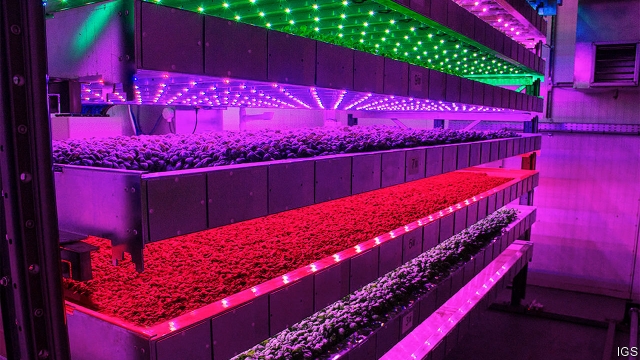
The Foody Benefits of Farming Vertically
The answer, foodies say, is to go back to a better, gentler age, when farmers worked with nature and did not try to dominate it
More Variety, New And Old Tastes
August 31, 2019
Many foodies pin the blame for farming’s ills on “unnatural” industrial agriculture. Agribusinesses create monocultures that destroy habitat and eliminate historic varieties. Farmers douse their crops with fertiliser and insecticide, which poison streams and rivers—and possibly human beings. Intensive farms soak up scarce water and fly their produce around the world in aeroplanes that spew out carbon dioxide. The answer, foodies say, is to go back to a better, gentler age, when farmers worked with nature and did not try to dominate it.
However, for those who fancy some purple-ruffles basil and mizuna with their lamb’s leaf lettuce, there is an alternative to nostalgia. And it involves more intensive agriculture, not less.
A vast selection of fresh salads, vegetables and fruit is on the way, courtesy of a technology called vertical farming. Instead of growing crops in a field or a greenhouse, a vertical farm creates an artificial indoor environment in which crops are cultivated on trays stacked on top of each other (see article). From inside shipping containers in Brooklyn, New York, to a disused air-raid shelter under London’s streets and an innocuous warehouse on a Dubai industrial estate, vertical farms are sprouting up in all sorts of places, nourished by investment in the business from the likes of Japan’s SoftBank and Amazon’s founder, Jeff Bezos.
This should cheer anyone who wants organic produce that has been grown without pesticides and other chemicals, and which has not been driven hundreds of miles in refrigerated lorries or flown thousands of miles in the belly of a plane. Such farms can greatly reduce the space needed for cultivation, which is useful in urban areas where land is in short supply and expensive. Inside, climatic conditions are carefully controlled with hydroponic systems supplying all the nutrients a plant needs to grow and recycling all but 5% of their water—which is incorporated in the crop itself. Specially tuned led lighting generates only the wavelengths that the plants require to prosper, saving energy. Bugs are kept out, so pesticides are not needed. Foliage and fruit can be turned out in immaculate condition. And the harvests last all year round.
There is more. As they will remain safe and snug inside a vertical farm, long-forgotten varieties of fruit and vegetables can stage a comeback. Most of these old-timers have been passed over by varieties bred to withstand the rigours of intensive farming systems. A cornucopia of unfamiliar shapes, colours and flavours could arrive on the dinner table.
This glimpse of Eden is still some way off. The electricity bill remains high, principally because of the cost of powering the huge number of leds required to simulate sunlight. That means vertical farming can, for the time being, be profitable only for high-value, perishable produce, such as salad leaves and fancy herbs. But research is set to bring the bill down and the costs of renewable energy are falling, too. In a hot climate such as Dubai’s extensive solar power could make vertical farms a valuable food resource, particularly where water is scarce. In a cold climate thermal, wind or hydroelectric power could play a similar role.
Some field crops, including staples such as rice and wheat, are unlikely ever to be suitable for growing in vast stacks. But as its costs fall thanks to further research, vertical farming will compete more keenly with old-fashioned greenhouses and conventional, horizontal farms where crops grow in the earth. As an extra form of food production, vertical farming deserves to be welcomed, especially by the people whose impulse is to turn their back on the future. ■
This article appeared in the Leaders section of the print edition under the headline "Plant power"

New Ways To Make Vertical Farming Stack Up
From the outside it looks like a tall, metal-clad barn. But step in, through a large airlock designed to keep out the bugs, and a kaleidoscopic scene emerges
Cultivating Fresh Produce In An Artificial Environment
Is Getting Cheaper
August 31, 2019 | INVERGOWRIE
From the outside it looks like a tall, metal-clad barn. But step in, through a large airlock designed to keep out the bugs, and a kaleidoscopic scene emerges. A central aisle is flanked by two pairs of towers. Each tower is stacked with a dozen or so trays on which are growing strawberries, kale, red lettuce and coriander. And each tray is bathed in vibrant light of different colours, mostly hues of blue and magenta. Douglas Elder, who is in charge of this artificial Eden, taps some instructions into an app on his mobile phone and, with a short whirr of machinery, a tray of lush, green basil slides out for his inspection.
Mr Elder is product manager for Intelligent Growth Solutions (igs), a “vertical farming” company based at Invergowrie, near Dundee, in Scotland. Each of the nine-metre-high towers in the demonstration unit that he runs occupies barely 40 square metres. But by stacking the trays one on top of another an individual tower provides up to 350 square metres of growing area. Using his phone again, Mr Elder changes the colours and brightness of the 1,000 light-emitting diodes (leds) strung out above each tray. The app can also control the temperature, humidity and ventilation, and the hydroponic system that supplies the plants, growing on various non-soil substrates, with water and nutrients. Armed with his trusty phone, Mr Elder says he can run the farm almost single-handedly.
Plant power
Vertical farming of this sort is not, of itself, a new idea. The term goes back to 1915, though it took a century for the first commercial vertical farms to be built. But the business is now taking off. SoftBank, a Japanese firm, Google’s former boss Eric Schmidt and Amazon’s founder Jeff Bezos have between them ploughed more than $200m into Plenty, a vertical-farming company based in San Francisco. And in June Ocado, a British online grocery, splashed out £17m ($21.3m) on vertical-farming businesses to grow fresh produce within its automated distribution depots.
The interest of investors is growing just as technology promises to turn vertical-farming operations into efficient “plant factories”. The high-tech leds in igs’s demonstration unit are optimised so that nary a photon is wasted. The hydroponics, and the recycling that supports them, mean the only water lost from the system is that which ends up as part of one of the plants themselves. And towers mean the system is modular, and so can be scaled up. Most of the systems which igs hopes to start delivering to customers early next year will consist of ten or more towers.
Some people, however, remain sceptical about how much vertical farms have to offer that good-old-fashioned greenhouses do not. Vertical farms are certainly more compact—a bonus in places like cities where land is expensive. Since sales of fresh produce to the urban masses are often touted as one of vertical farming’s biggest opportunities, that is important. But a greenhouse gets its light, and much of its heat, free, courtesy of the sun. And modern greenhouses can also use solar-powered supplementary led lighting to extend their growing seasons and hydroponic systems to save water, says Viraji Puri, co-founder of Gotham Greens, an urban-farming company that operates greenhouses on the roofs of buildings in New York and Chicago. As for food miles, they could not get any shorter for Gotham Greens’s rooftop greenhouse in Brooklyn, which supplies the Whole Foods Market located downstairs.
The biggest drawback of vertical farming is the high cost of the electricity required to run the large number of leds. This has meant that production has been commercially viable for high-value, perishable produce only, such as salad leaves and herbs. That, nevertheless, is a market not to be sniffed at. But for a broader range of produce, it can prove too expensive. In 2014 Louis Albright, an emeritus professor of biological and environmental engineering at Cornell University in America, calculated that a loaf of bread made from wheat grown in a vertical farm would be priced at about $23.
Blue is the colour
One way of saving electricity is to use leds that generate only the colours that plants require, instead of the full spectrum of plain white light. Plants are green because their leaves contain chlorophyll, a pigment that reflects the green light in the middle of the spectrum while absorbing and using for photosynthesis the blue and red wavelengths at either end of it.
The vertical farm at Invergowrie takes this idea further. It uses leds that are highly tuneable. Although the lights produce mostly blue and red wavelengths, researchers now know that other colours play an important role at various stages of a plant’s development, says David Farquhar, igs’s chief executive. A dose of green at an appropriate moment produces a higher yield. A timely spot of infrared can improve the quality of foliage. The lights can also produce various blue/red mixes.
To operate these leds efficiently, the company has developed a low-voltage power-distribution system. This, says Mr Farquhar, can cut energy costs to about half of those incurred by existing vertical farms. As a result, all four towers can produce 15-25 tonnes a year of herbs, salad leaves, fruit and vegetables. This, the company claims, is between two and three times more than a conventional greenhouse with an equivalent but horizontal growing area, and equipped with supplementary lighting and heating, could manage. And the system can grow all this produce at a similar cost-per-kilogram.
One of the jobs of the Invergowrie unit is to develop lighting regimes tailored to individual crops. Another is to develop algorithms to control, in an equally bespoke way, the climatic conditions preferred by different crops. The idea is to design crop-specific weather “recipes” in order to boost the yield and quality of whatever varieties are grown in the vertical farm. All the processes involved are engineered to be efficient. Irrigation, for instance, relies on captured rainwater. This is cleaned and recycled, but only 5% gets used up by each harvest—and most of that as the water-content in the plants themselves. Ventilation is also a closed loop, harvesting surplus heat from the leds while managing humidity and oxygen levels.
By reducing running costs, the system should make it profitable to grow a wider variety of produce vertically. The firm has already succeeded with some root vegetables, such as radishes and baby turnips. Bulk field crops, such as wheat and rice, may never make sense for a vertical farm, and larger, heavier vegetables would be tricky to raise. This means full-grown potatoes are probably off the menu, at least with existing technology.
Seed potatoes, though, are a good candidate, says Colin Campbell, head of the James Hutton Institute, a plant-science research centre backed by the Scottish government. It is based next door to igs and works with the company. Many fields around the world, Dr Campbell observes, are suffering a growing burden of pests and disease, such as potato-cyst nematode. In the controlled environment of a vertical farm, from which both pests and diseases can be excluded, seed potatoes could be propagated more efficiently than in the big, bad outdoor world. This would give them a head start when they were planted out in fields.
The institute’s researchers are also looking at plant varieties that might do particularly well indoors, including old varieties passed over in the search for crops which can withstand the rigours of intensive farming systems. By dipping into the institute’s gene banks, Dr Campbell thinks it may find some long-forgotten fruits and vegetables that would thrive in the security of a vertical farm.
All this could go down well with foodies, and unlock new and forgotten flavours. Shoppers might even find some exotic varieties growing in supermarket aisles. In Berlin a company called Infarm provides remotely controlled shelved growing cabinets for shops, warehouses and restaurants. Herbs and salad leaves, including exotics such as Genovese basil and Peruvian mint, are resupplied with seedlings from the company’s nursery as the mature plants are picked.
Vertical farming then will not feed the world, but it will help provide more fresh produce to more people. It may even be that, as vertical-farming systems improve further, miniature versions will be designed for people to put in their kitchens—thus proving that there is nothing new under either the sun or the led. Such things used once to be called window boxes.■
This article appeared in the Science and technology section of the print edition under the headline"Growing brighter"
Podcast: Growing Up — The Rising Promise of Vertical Farms
Aug 28th 2019
INVESTORS ARE ploughing hundreds of millions of dollars into vertical farming. Could towers of vegetables help feed the world’s growing population?
Also, how studying gravitational waves could unlock the deepest mysteries of the universe and prove Einstein wrong. And, network theorist Albert-Laszlo Barabasi explains the science of professional success. Kenneth Cukier hosts. Runtime: 22 min

Can Indoor Vertical Farming Deliver Exceptional Returns For The Planet, Consumers, And Investors?
Food security, food quality, and resources scarcity are the main challenges the global agri-food system is facing. Indoor vertical farming promises to partially address these challenges by producing locally and efficiently fresh, chemical-free, and nutritious food
© kalafoto
Get Agroecology Capital’s full report on indoor vertical farming.
This report covers investment trends since 2010 and Agroecology Capital’s key investment drivers.
Food security, food quality, and resources scarcity are the main challenges the global agri-food system is facing. Indoor vertical farming promises to partially address these challenges by producing locally and efficiently fresh, chemical-free, and nutritious food. New farming systems increase yields, use less land and water, and allow a close quality and safety monitoring.
These promises and the ability of indoor vertical farming to industrialize high-value crop production have created a perfect window of opportunity to disrupt a multi-billion market (just for the U.S. leafy greens market), leading investors to respond favorably by investing large amounts in this industry.
Venture capital investment in indoor vertical farming is getting a strong traction
To assess the magnitude of these investments, Agroecology Capital’s report listed publicly available deals in indoor vertical farming between 2010 and 2019, globally. This report narrowed the scope of the analysis to companies that have developed comprehensive growing solutions with a substantial innovation component. Thus, companies with stable technologies (i.e., conventional greenhouses) or that only produce components (i.e., LED lighting) have been excluded from the scope.
The selected deals comprehend 31 different startups that, collectively, have received $873m between 2010 and 2019 (see the list of startups on the report).
Source: Agroecology Capital Research, 2019. Figures from Pitchbook, Crunchbase, CB Insights, and market data
Indoor vertical farming has represented a significant and increasing share of total AgTech venture capital investments. Large rounds such as AeroFarms (2013 and 2017) and Plenty ($200 million in 2017) led this vertical’s share to boost in 2013 and 2017 (10% in 2013 and 15% in 2017). Unsurprisingly, the U.S. has concentrated 89% of total investments between 2010 and 2019.
Source: Agroecology Capital Research, 2019. Figures from Pitchbook, Crunchbase, CB Insights, and market data
Despite a strong value proposition, several key aspects are still unclear from an investment perspective
Production costs for indoor vertical farming suffers when compared to conventional agriculture. Main production inputs, which are freely available in nature (i.e., light, air, water, CO2), have to be supplied at cost in indoor vertical farming. According to some startups, costs for an indoor-grown salad can reach twice those for an outdoor-grown one, putting energy efficiency[1] as a critical factor to optimize.
The high capital intensity required for scaling a vertical farming business is also a challenge for an industry that can neither compete on cost nor benefit from a network effect to establish pricing power. Moreover, the potential economies of scale are still unclear, if not insignificant. Although, energy prices might be subject to negotiation with energy suppliers, this case has not been witnessed yet given the small scale of current players.
Further, indoor vertical farms are currently able to grow only a limited number of crops. Leafy greens and herbs are easy to grow indoors, but other crops might be harder to grow at scale. The lack of readily available applied scientific research and data might also add risk on this vertical.
No player so far has proven that there is a sizable addressable market ready to pay more for a superior product or a product grown differently. The ability of the industry players to price discriminate might be a critical factor not only in reaching profitability but also in supporting an attractive business model.
Finally, there is no clear winner to date, and the range of current business models such as licensing technology and/or operating farms (the two main ones) might be a sign that the industry is still searching for an appropriate business model.
Venture Capital investment in indoor vertical farming: vertical integration vs. specialization
© Michael Sapryhin
Indoor vertical farming’s value chain might ultimately parallel that of traditional farming. Most of the value creation might be captured either by oligopolistic players at critical steps of the value chain (seeds bioengineering platforms, mass-market brand builders, and production technology providers) or by players with compelling business models.
Developing specific seeds for indoor vertical farming (i.e., optimized for Controlled Environment Agriculture and miniaturized crops) might lead to an improvement in yield and better-quality crops. Increasing crops variety, at an economically viable price, might also expand the addressable market. Startups focusing on seeds breeding and bioengineering for seeds adapted to indoor vertical farming might create attractive venture capital investment opportunities.
Demonstrating the outstanding quality of indoor-grown products will help to create strong brands and decommoditize these products, which might constitute a category of their own. Price positioning indoor-grown products as premium goods will ultimately allow growing companies and retailers to capture a significant share of the value.
Full suite of proprietary technologies (hardware and software) could increase product quality, operations efficiency, and reduce production costs. Data will undoubtedly play a central role in increasing yields and stabilizing/optimizing production. However, growing a crop, unlike improving the performance of chips, do not obey Moore Law. Improvement of production technologies will in fine lead to marginal gains, and value might shift to hardware, software, and ultimately data.
Innovative business models might help solve the capital intensity challenge by outsourcing the capital expenditure required to build facilities. Franchise model, for instance, might allow players to focus their resources on their proprietary technologies (including seeds bioengineering) while having franchisees invest in building facilities.
“In a Gold Rush, Sell Shovels”
Indoor Vertical Farming delivers outstanding returns for consumers (food security, safety, and quality) and probably for the Planet (less water and chemicals use vs. increase in energy consumption?).
However, the industry still needs to demonstrate a clear path to profitability and scalability. In its search of this path, proprietary technology providers (seeds bioengineering and production technology) might play a prominent role while mass-market brand builders might establish a new premium food product category.
From an investment perspective, strong macro drivers are pulling investment toward this industry, which is currently vertically integrated. Investors might want to funnel their investments into more focused and specialized technology players mastering critical parts of the value chain. These players might offer the most promising investment returns by successfully applying the adage “In a Gold Rush, Sell Shovels.”
[1] Weight of product grown with a kWh of energy input.
How D.C.'s Oldest Hardware Store Ended Up Housing Two Cutting-Edge Urban Farms
You can now buy a bucket of paint and a carton of beet greens at D.C.'s oldest hardware store. W. S. Jenks & Son, which opened in 1866, is home to not one but two urban farms. Urban agriculture is gaining so much traction locally that the government is working to establish a specialized department to oversee key land use programs under the Department of Energy and the Environment
September 4, 2019
You can now buy a bucket of paint and a carton of beet greens at D.C.'s oldest hardware store. W. S. Jenks & Son, which opened in 1866, is home to not one but two urban farms. Urban agriculture is gaining so much traction locally that the government is working to establish a specialized department to oversee key land use programs under the Department of Energy and the Environment.
In the meantime, urban farm operators are getting creative looking for underutilized spaces to grow. For Cultivate The City and Little Wild Things, that means taking up residence inside Jenks at 910 Bladensburg Road NE in Trinidad. The former is on the roof. The latter repurposed a storage space that had previously been used as a parking garage.
Jenk's President Jerry Siegel says leasing space to both outfits is part of a strategy to get new and increased foot traffic into the shop, especially in today's retail climate where physical stores are Amazon's punching bags.
"A store like us, or any retail store, provides the opportunity for someone to come in to pick up merchandise and take it home and be happy with it," Jenks says. "I think there’s still a need for retail stores." It helps that Jenks does a good bit of business with the federal government, according to Siegel. "We’re trying to monetize using a garage now as a farm for Mary," he adds, naming Little Wild Things founder Mary Ackley. "She's been an incredible addition to what we do."
Finding a permanent home to grow her microgreens business has been a near all-consuming pursuit for Ackley over the past three years. Little Wild Things has bounced around growing flavor- and nutrient-packed baby greens and shoots everywhere from The Pub & The People's basement to a pair of vacant wholesaler buildings that hug Union Market. One after the next asked Little Wild Things to move out when it came time to develop the spaces. At one point she thought her greens would land in Ivy City, but Ackley ended up walking away from the deal.
Little Wild Things founder Mary Ackley
"Thank god I found this place," she says while showing City Paper the new Little Wild Things headquarters. She moved in early this summer. "We systematically went through every property available in the entire beltway and there were only five properties that met our requirements."
All they needed was between 3,000 and 5,000 square feet and the ability to heat and cool the space. Throughout this process, Little Wild Things didn't let business slip save for one incident where one of the Union Market-area spaces got too warm, preventing plants from producing. It meant they couldn't fulfill orders at two of their biggest clients: Chaia and Jaleo.
Little Wild Things sells an array of itty bitty greens such as nasturtium, beet, fennel, broccoli, cilantro, endive, mustard greens, amaranth, wheatgrass, and celery to a number of D.C. area restaurants. They include Beefsteak, Big Bear Cafe, Homestead, Espita, ANXO, Iron Gate, The Occidental, Coconut Club, RASA, and Jaco Juice & Taco Bar. A new partnership with Coastal Sunbelt Produce will allow Little Wild Things to expand its reach.
"Smaller restaurants are the bread and butter for us," Ackley says. "We've had some high profile, really cool restaurants but what they do is buy a tiny bit and say they're working with us. There are a lot of other restaurants that put their money where their mouth is, like DC Harvest."
Individuals can also purchase microgreens and edible flowers online for same-day delivery or for pick-up at the farm. They sell cocktail kits, for example, which party-goers can use to decorate their drinks. The flowers are grown in a different location—Little Wild Things outdoor farm at Carmelite Friars Monastery in Edgewood.
Little Wild Things new farm inside W.S. Jenks & Son
Ackley hopes to continue to diversify her business using the new space inside Jenks, which has its own separate entrance at 906 Bladensburg Road NE. Look for everything from happy hours, classes, and movie screenings to a retail shop where you can buy microgreens or build-your-own bouquets.
Cultivate The City founder Niraj Ray was delighted to have another green-thumb business join him at Jenks. In fact, he connected Ackley with the hardware store's owners. "Originally when I started the garden center, my vision was to have multiple urban farms there," he says. That's why he called his farm at Jenks "H Street Farms" instead of "H Street Farm."
Ray founded Cultivate The City in 2015. In addition to operating H Street Farms at Jenks, Ray manages the rooftop farm at Nationals Park, the campus farm at Gallaudet University, garden programming at Idea Public Charter School, and the garden at Miner Elementary School. He involves other schools in urban agriculture through field trips and on-site classes.
The Jenks partnership began when H Street Main Street sought Ray's help beautifying Starburst Plaza that sits where H Street NE curves into Benning Road NE. The director of the neighborhood nonprofit group tipped Ray off that Jenks was looking to make use of its rooftop.
"At first they wanted to do a restaurant, which didn't really make sense to me in terms of economic opportunity," Ray says. He estimated the build out would cost at least a half a million dollars. "On top of that, I didn't think it was as supplemental to their business as what we could offer." There's a Lowe's and Home Depot not too far away and both sell plants. "I made a pitch to them: You're leaving a lot on the table by not selling plants. We could function as your garden center. It was a match made in heaven."
In addition to selling unique plants to Jenks customers, like strawberries with extra long growing seasons, Cultivate The City's H Street Farms brings foot traffic to the hardware store through various events and classes. On Sept. 20, Ray will teach attendees how to care for a bonsai chili pepper tree. "I've been practicing for a year or two," he says. "Imagine having a Scotch bonnet pepper tree that always has a few peppers." His regularly recurring class on making hot sauce is also popular.
Little Wild Things is currently open to the public weekdays from 9 a.m. to 3 p.m. and Cultivate The City's H Street Farms is open Wednesdays and Fridays from 3 to 7 p.m.; Saturdays from 9 a.m. to 5 p.m.; and Sundays from 10:30 a.m. to 4:30 p.m.
ALL PHOTOS LAURA HAYES
Lead Photo: Little Wild Things just joined Cultivate The City inside W.S. Jenks & Son in Trinidad.