


Welcome to iGrow News, Your Source for the World of Indoor Vertical Farming
How An Aquaponic Vertical Farm Improved Food Safety
Lana Bandoim Contributor
Food & Drink I write about food tech and science.
Food poisoning is a common problem across the globe, and 600 million people become sick after eating contaminated food every year. As the agricultural sector continues to find ways to deal with foodborne illnesses, startups are looking for innovative ways to help. Jason Green, the CEO and co-founder of Edenworks, shared more in an interview.
Edenworks is a Brooklyn startup that designs and operates vertical aquaponic farms to produce a range of foods for grocers. Its products include leafy greens, such as kale and chard, and seafood, such as salmon and shrimp. The company's mission is to become the world’s largest fresh food supplier by replacing globalized supply chains with local products that are sustainable, organic and inexpensive.
"We grow in vertically stacked shelves. Imagine bunk beds full of greens. Each shelf contains a series of rafts floating on water. The water both fertilizes and irrigates the plants, as well as helps move the plants from point A to point B. This system of floating rafts is common in Dutch greenhouses and goes back as far as the Aztecs, who grew on chinampas or rectangular plots of land that floated in shallow lakebeds. It is a simple, robust and ecologically-focused system that has worked for thousands of years. We have taken this technology and automated within a vertical farming context," Green explains.
Fish swim in tanks at the Edenworks aquaponics farm in the Brooklyn borough of New York, U.S., on Tuesday, March 12, 2019. Photographer: Victor J. Blue/Bloomberg
© 2019 BLOOMBERG FINANCE LP
Edenworks recently announced that it has eliminated foodborne pathogens, including E. coli, reduced crop disease incidence from 25% of harvests down to 1% and improved sustainability by more than 50 times compared to conventional farming practices. Its focus on removing foodborne pathogens is important because the CDC shares that leafy greens account for 23% of all cases of foodborne illness in the U.S. In 2018, romaine lettuce experienced three different E.coli outbreaks and was off the shelves for a significant period of time. The most common source of E. coli contamination is irrigation water on farms.
Two Years Later, UK's Apprenticeship Levy Still Provides Valuable Model For Workforce Innovation
"Edenworks improved food safety with safer irrigation via better microbiology. We eliminated the presence of E. coli from irrigation water without the use of sanitizers or other chemicals. By understanding the conditions under which E. coli can and cannot thrive, versus the conditions where beneficial microbes thrive and compete for resources with E. coli, we have engineered a farm that is structurally resistant to the growth of E. coli on the microbial level," Green says.
Edenworks tests for E. coli throughout its system, both in aquaculture and horticulture, three times per week, which exceeds the regulatory standard of five times per year. For over eighteen months, Edenworks has charted zero detectable levels of E. coli, verified by independent laboratory testing.
"Cold chain integrity: Pathogens rapidly develop when temperatures exceed 40 degrees F. As a result, harvesting, washing, drying, packaging and shipping all ideally occur below 40 degrees, which is a sequence of refrigerated steps known as the cold chain. Field farms are not able to maintain refrigeration between harvesting in the field and bringing product in for washing. As an indoor grower, we can, and so we are able to maintain the cold chain all the way until product is delivered to customers," Green shares.
Green also explains that Edenworks relies on automation. Human operators are the largest food safety threat for indoor farms because they are the vectors or the carriers of pathogens. The company has developed automation systems for every step from seed to package, so human hands never need to touch the product.
Lana Bandoim Contributor
I am a freelance writer and editor with more than a decade of experience. My work has appeared on Yahoo! News, Business Insider, The Huffington Post, The Week, MSN Money and many other publications. I have a Bachelor of Science degree from Butler University and graduated summa cum laude with a double major in biology and chemistry. I specialize in science, tech and health content. I have been a judge for the Scholastic Writing Awards from the Alliance for Young Artists & Writers. My work has been nominated for a Best Short form Science Writing award.
Veetaste Grows Microgreens With High Nutritional Properties

"Our company was established in 2017 and uses simple and extremely functional systems to produce over 60 varieties of innovative foods defined as microgreens," explains Francesca Palermo, CEO of Veetaste Urban Agriculture, a business located in Puglia that uses vertical farming as an alternative to traditional farming.
Microgreens require sunlight and their growth cycle ranges from 7 to 30 days depending on the species. The edible part is made up of the single stem, the cotyledon leaves and, often, the first real leaves.
"Micro-greens are grown in substrates and develop thanks to 3 essential factors - sunlight, a low humidity level and good ventilation. Veetaste products are grown on organic peat and are not chemically treated. This means the product is more resistant to heat stress and has a longer shelf-life."
"We use a sustainable indoor cultivation system based on the good practices of the American model. The indoor vertical cultivation of microgreens occurs in a controlled environment when it comes to sunlight, humidity level, ventilation and temperature."
"The system guarantees a deseasonalized growth of over 60 plantlet varieties obtained from untreated and/or organic seeds so as to guarantee the maximum microbiological safety. These factors are also monitored remotely through sensors that can be controlled via smartphone applications. The product is part of neither the packed unwashed nor the fresh-cut range, as no harvesting and/or cutting operations are performed before it is commercialized."
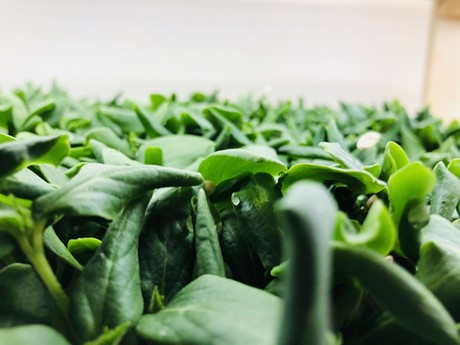
"Microgreens have an explosive flavor (sweet to hot) and high nutritional properties, as they contain up to 40 times the vitamin percentage found in normal vegetables. Recent studies showed how microgreens contain much more minerals (potassium and calcium in particular), vitamins (especially C, E and K) and antioxidants than older plants and vegetables."
Micro-greens are obtained from a large number of species part of various botanical families: Brassicaceae (cabbage, broccoli, red cabbage, purple cabbage, turnip greens, cress, radish, rocket, mustard), Asteraceae (red Batavian lettuce, red Lollo lettuce, curly endive, chicory), Apiaceae (dill, carrot, fennel), Amaryllidaceae (onion, leek), Amaranthaceae (amaranth,Swiss chard, chard from Bari, yellow Swiss chard, red Swiss chard), etc.

"Our market is currently limited to Puglia and the neighboring regions, but we aim at widening our range and destinations. We want to create an entirely automated cultivation system to obtain productions that are more abundant and have shorter cycles regardless of the season. In addition, we want to collaborate with other businesses to strengthen the entire productive sector and involve the common people, final consumers, starting with small suppliers and reaching the retail chains."
Contacts:
Veetaste Urban Agriculture
Corso Umberto I, 79
70127 Bari
Tel.: (+39) 389 954 4624
Email: info@veetaste.it
Facebook: facebook.com/veetaste
Website: veetaste.it
Publication date: 6/7/2019
© FreshPlaza.com

Infarm Gets $100 Million Financial Boost
Urban farming platform Infarm has announced a $100M Series B investment led by Atomico, with participation from existing investors Balderton and Cherry Ventures.
The new funding will be used to scale Infarm’s growth in Europe to the US and beyond, and grow the R&D, operational, and commercial teams.
"Infarm was founded with an ambitious vision to feed the cities of tomorrow by bringing farms closer to the consumer, and with this round of funding we aim to grow our presence further", said Erez Galonska, co-founder and CEO of Infarm.
Infarm has developed easily scalable and rapidly deployable modular farms to grow fresh produce in any retail space or restaurant right in the heart of cities where people live in. Infarm’s technology is specifically designed and built to work anywhere in any available space. There is no need for a centralized warehouse or farm, and no need for special infrastructure or set-up.
infarm was founded in Berlin in 2013 by Osnat Michaeli, Erez Galonska and Guy Galonska.
Since Balderton led Infarm's Series A, it has grown to 250 employees and is on track to book over $100m in contract value this year.
Infarm has partnered with 25 major food retailers including Edeka, Metro, Migros, Casino, Intermarche, Auchan, Selgros, and Amazon fresh in Germany, Switzerland, and France and deployed more than 200 in-store farms, 150 farms in distribution centres, harvesting 150,000+ plants monthly and growing.
Infarm is launching in the U.K. this September with some of the country’s largest online and brick-and-mortar supermarkets and are in advanced discussions with retailers in the U.S. and Japan.
As part of the investment round, Atomico Partner Hiro Tamura will join the company’s board.
For more information:
infarm.com
www.atomico.com
www.balderton.com
www.cherry.vc

Canon Exploring The Vision of Indoor Agriculture
June 12, 2019
AUTHOR: Ivan Ball - Content Contributor to iGrow News
The well known digital imaging company, Canon U.S.A. Inc., attended the 2019 Indoor Ag Con in Las Vegas.
A small team based out of Richmond, Virginia brought a prototype vision system for the indoor vertical farm industry. One of the team members claimed that they were attending the conference just to learn more about the needs and wants of indoor farmers to further develop a fully autonomous plant vision system.
The prototype at the conference utilized a small RGB camera encased in a 3D printed housing that allowed the camera to travel along a rail system throughout a vertical shelf farm on display. This camera would travel over the tops of the plants and snap pictures at different locations to monitor their growth. Once the camera is finished capturing images of the plants, it would travel back to a wireless charging station to fill its battery as well as upload all the images and locations of the plants. One of the engineers explained that this technology would make it cheaper to implement fewer cameras for a larger farming facility.
Each farming shelf could use just one camera that would travel the shelf in an oval pattern. Canon has been developing high quality imaging equipment for over 80 years and could bring a disruptive technology for farms in the near future. This new system combined with artificial intelligence and machine learning could allow indoor farmers to receive quicker growing insights for making operational decisions.
Dennis Riling, Director of Business Development at Illumitex presented on the interaction between light and plants. He explained how Illumitex is using FarmVisionAI to attach cameras to their grow lights to detect pest outbreaks, leaf wilting, growth rate, nutrient deficiencies, and predict yield estimates.
This image feedback combined with the ability to manipulate light spectrums, dose fertilizers, and adjust pH could allow farmers to even change the taste, color, and texture of plants according to Blake Lange, Business Development Manager at Signify, formerly Philips lighting. Blake is doing research with dynamic spectrum LEDs on their GrowWise Control System to find light recipes to change the taste of plants.
Keep an eye out for Canon as they continue to investigate the industry of controlled environment agriculture (CEA). The team is highly aware of the growing indoor agriculture industry and plans to find new innovative ways to join the space as they learn more from the farmers.

Timelapse: Scottish Strawberries In A Vertical Farm
Scotland is famous for its strawberries grown mainly in the summer months, but now there is the potential that it could be famous for them all year round. Following the first successful propagation trials which took place in February 2019, Intelligent Growth Solutions have grown a small crop of strawberries in their vertical farm.
David, the CEO, commented: “This is an exciting advance for us, showing that increasingly broad range of produce such as strawberries can be grown economically, right here, all year round. Growing in this controlled indoor environment means that we are better able to guarantee consistency of quality, appearance and flavour.
“Soft fruits are now perennial items on supermarket shelves, but this does mean considerable shipping costs and environmentally damaging food miles. And frankly the imported product is often tasteless and lacks juiciness. We are just on the cusp, but this trial shows that there is the potential to produce delicious, fresh produce all year round much closer to home which is very exciting for growers, retailers and consumers alike.”
For more information:
Intelligent Growth Solutions
c/o The James Hutton Institute
Invergowrie
Dundee
DD2 5DA
T: 0131 202 1050
info@intelligentgrowthsolutions.com
www.intelligentgrowthsolutions.com
Publication date: 5/20/2019
Giovanni Del Brenna – Paris Agricole
Each photograph reveals innovative ways to grow organic products in the very heart of one of the main European capitals
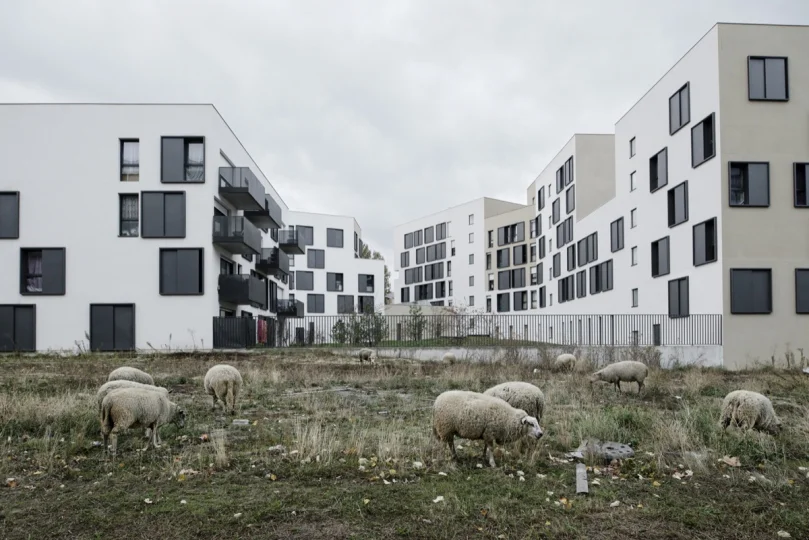
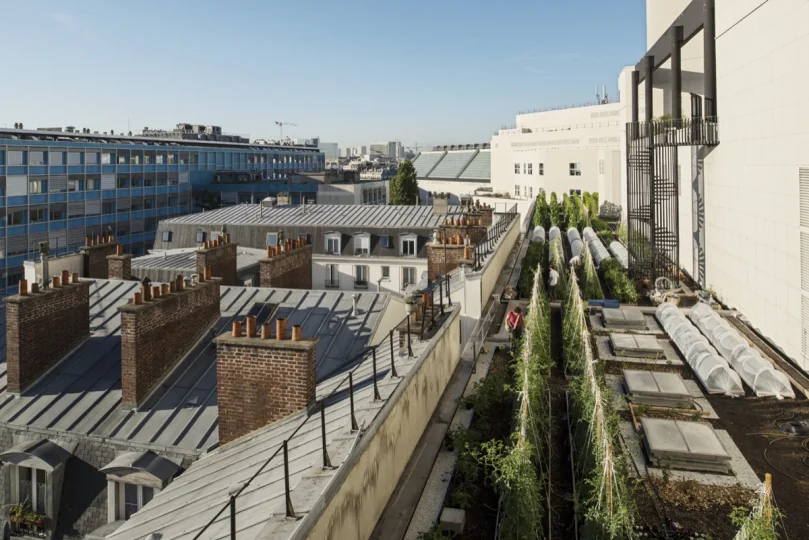
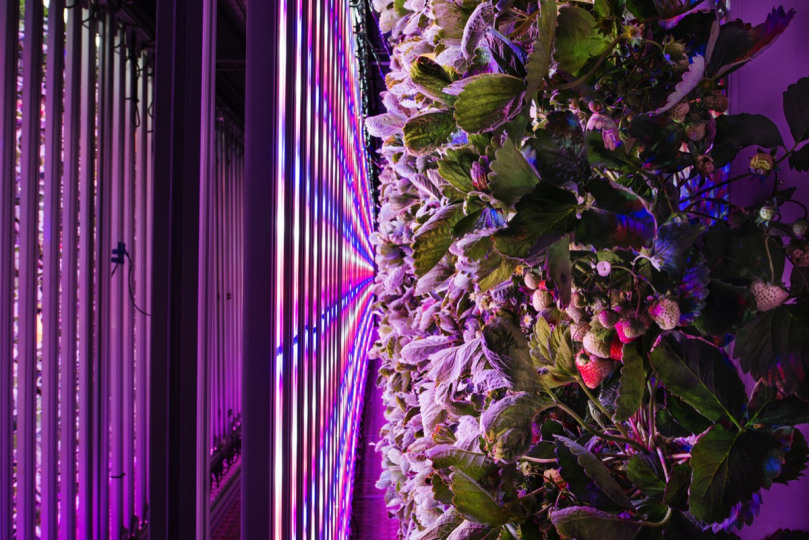

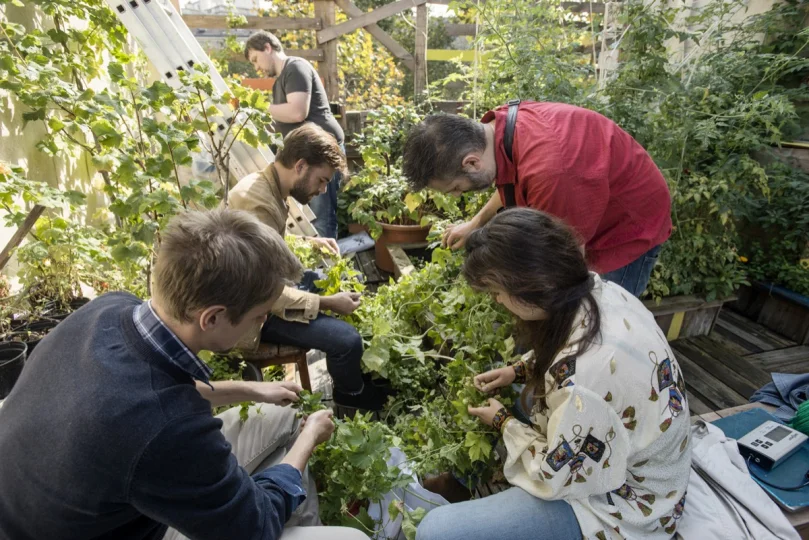
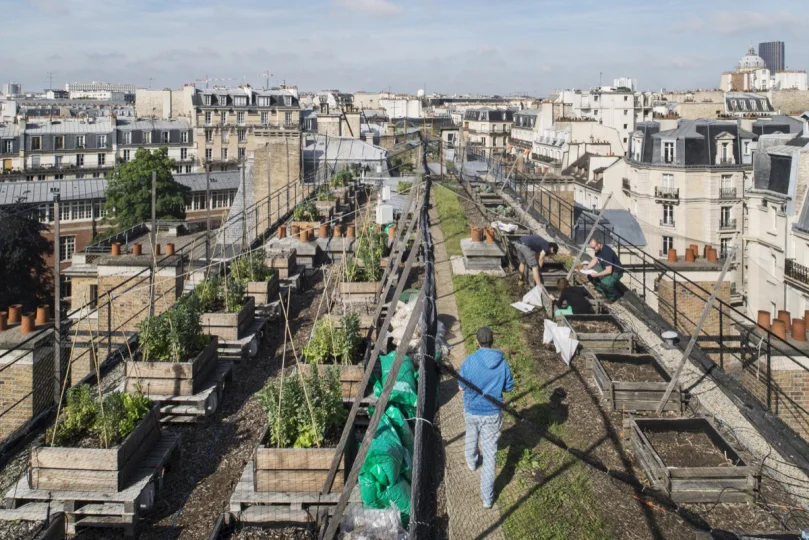
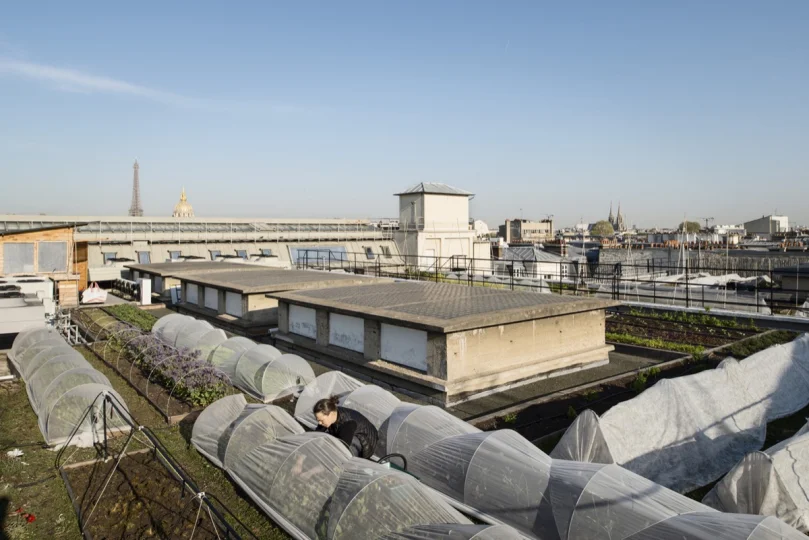
JUNE 6, 2019
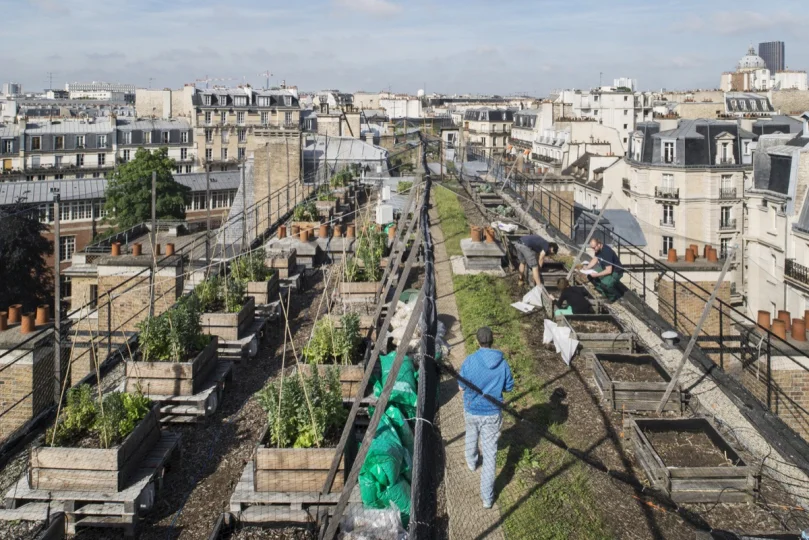
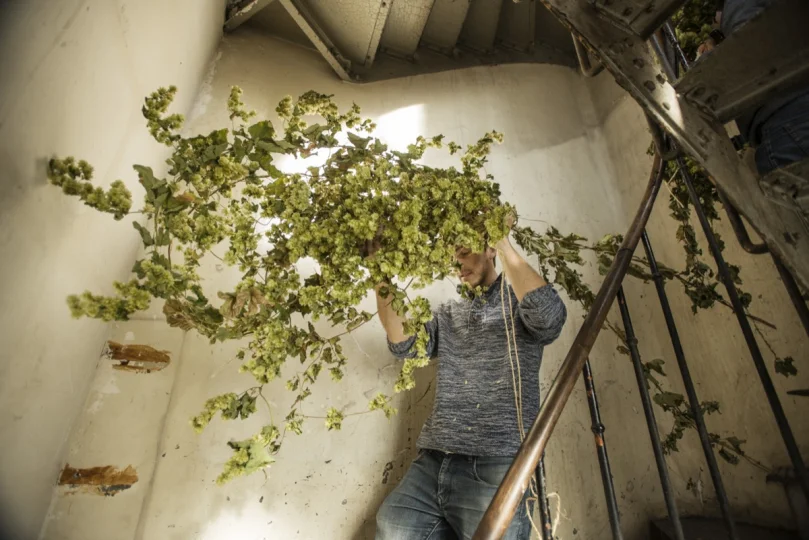
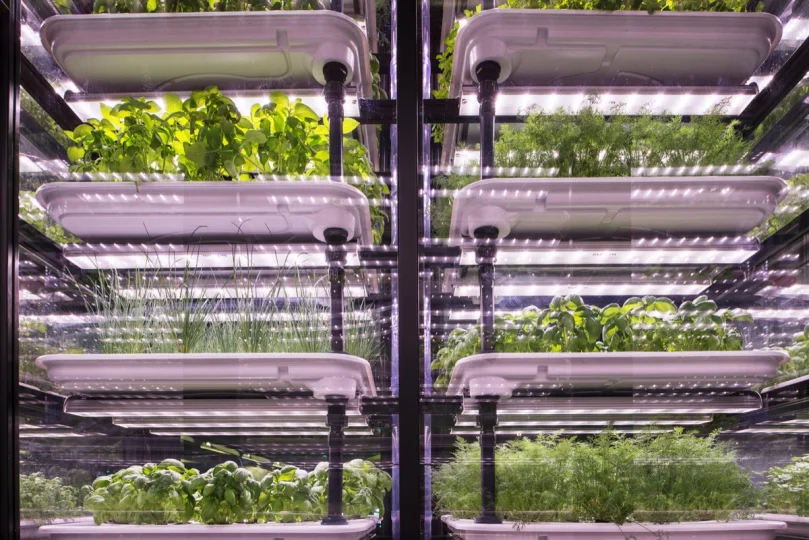
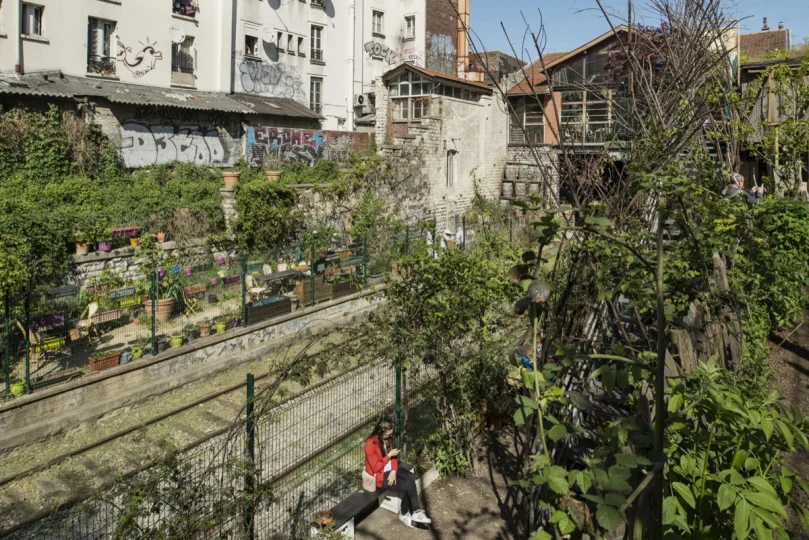
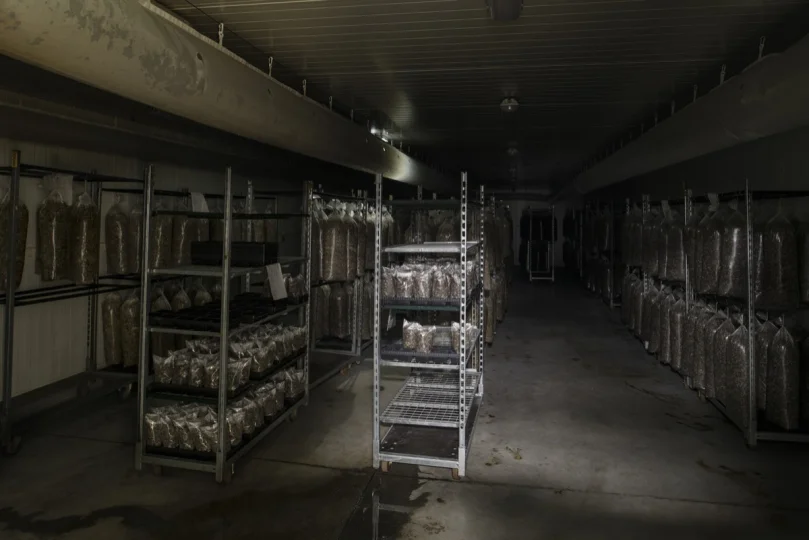
Giovanni Del Brenna documented the evolution of a particular Parisian urban project that aims to turn more than 100 hectares into areas intended for agricultural production.
Each photograph reveals innovative ways to grow organic products in the very heart of one of the main European capitals: strawberries grown in containers, vertical farms that are directly connected to one of the biggest French supermarket, vegetable gardens on the rooftop of some historical buildings as the Opera Bastille.
“Urban agriculture” is an oxymoron that has become reality, a new way of life that challenges the photographer’s eye. A magnificent visual playground that shows a very positive evolution in Paris – two worlds, a priori contrasting, connected: the countryside and the city, the natural and the artificial.
Giovanni Del Brenna – Paris Agricole
3rd June • 1st July 2019
Hotel de Ville
rue de Lobau – rue de Rivoli
75004 Paris

BREAKING NEWS: Infarm Raises $100 Million To Expand Its Urban Farming Platform To The U.S. And Beyond
JUNE 11, 2019
Infarm @ Auchan, Luxembourg
Infarm, a Germany-based startup that distributes “modular farms” to grocery stores and other urban locations, has raised $100 million in a series B round of equity and debt funding led by Atomico, with participation from existing investors including Balderton Capital, Cherry Ventures, Astanor Ventures, and TriplePoint Capital.
The CO2 emissions produced by growing, farming, and transporting food around the world is significant, with some estimates pegging the food footprint(“foodprint”) at around one-quarter of the total global greenhouse gas emissions. By creating a system of vertical micro-farms in cities, which entails producing food indoors within a stack of glass cases in a controlled environment, Infarm is pushing to reduce the environmental burden that food production has on the planet.
Founded out of Berlin in 2013 by Osnat Michaeli alongside brothers Erez and Guy Galonska, Infarm has partnered with a number of food retailers across Europe, including Amazon Fresh, Metro, Edeka, Migros, Casino, Auchan, and Intermarche to install vertical indoor farms inside their outlets.
Infarm @ Metro in France
Infarm said that its technology is designed to be built and distributed in any available space, and there is no need for a centralized warehouse or other infrastructure setup costs. The farms can be found in restaurant kitchens, supermarket aisles, and warehouses, and are designed to scale and make cities self-sufficient in producing their own plant-based food.
Each farm is “connected,” with sensors collecting and recording growth data, while they can be controlled remotely by the Infarm platform that “learns, adjusts and improves itself continuously,” according to the company.
Infarm
Prior to now, Infarm had raised nearly $34 million, and with another $100 million in the bank, it’s now gearing up to add additional markets to its roster, including the U.K., where it’s launching in September. The company said that it’s also in “advanced discussions” with retailers in the U.S. and Japan, while it plans to invest in various R&D, commercial, and operational initiatives.
“Infarm was founded with an ambitious vision to feed the cities of tomorrow by bringing farms closer to the consumer, and with this round of funding we aim to grow our presence further — sowing the seeds for a delicious and sustainable food system in urban centers across North America, Asia, and Europe,” noted Erez Galonska, Infarm cofounder and CEO.
Vertical
Infarm isn’t alone in its quest to introduce indoor farming to market. U.K. supermarket giant Ocado yesterday announced it was investing $22 million and joining a vertical farming joint venture, while back in December Alphabet’s VC arm GV led a $90 million investment in New York-based Bowery, taking its total funding to nearly $120 million. And San Francisco-based Plenty has raised north of $200 million for a similar proposition.
For Atomico, Infarm represents the latest in a line of “sustainable”-focused investments. Just yesterday, the London-based VC firm announced it had led a $25 million investment in Norway’s Spacemaker, which is working toward optimizing urban development projects with AI-powered simulation software, to cater to the expected population surge over the next few decades.
“The consumption of fresh produce is a huge environmental burden on our planet, one that will only increase as urban populations increase,” added Atomico partner Hiro Tamura, who now joins Infarm’s board of directors. “This is not sustainable long-term. Infarm has perfected the holy trinity when it comes to solving this massive global problem; their unique technology makes fresh food production sustainable, their solution has a global audience which means they have operated internationally from day one; and this has resulted in the company being a commercially attractive proposition for all stakeholders in the supply chain.”
Infarm also fits into a broader sustainability investment trend that has seen startups across urban mobility and waste reduction rake in investor cash. And in the food realm, meat substitute company Beyond Meat raised $122 million in funding ahead of its IPO last month — the company’s shares are currently red hot.

BREAKING NEWS: Ocado Invests In 'Vertical Farms' To Grow Produce Near Distributors
£17m Investment Includes Formation of Venture to
Develop Systems to Sell to Other Retailers
Jones Food’s vertical farm in Scunthorpe, which grows fresh herbs under lights in a warehouse. Photograph: Holly Challinor
10 Jun 2019
Ocado is investing £17m in high-tech farming with the aim of growing herbs and other produce alongside its robot-run distribution centres around the world.
The online grocery specialist has bought a 58% stake in Jones Food, a “vertical farm” that grows 420 tonnes of basil, parsley and coriander a year in stacked trays under 12km (7.5 miles) of LED lights in a warehouse in Scunthorpe. The grower currently supplies businesses such as sandwich maker Greencore.
Duncan Tatton-Brown, finance director of Ocado, said the group could open at least 10 more similar farms within five years. He said it could take less than a year to build a Jones Food facility and the two companies were now considering how Ocado’s expertise in robotics and AI could be used to make Jones Food more efficient.
James Lloyd-Jones, chief executive of Jones Food, said the group’s Scunthorpe farm recycled all its water, did not use pesticides and was powered by renewable energy, such as wind turbines and solar panels.
Ocado’s £17m investment also includes the formation of a new joint venture – Infinite Acres – with US-based vertical farming business 80 Acres and Priva, a Netherlands-based horticultural technology provider, on a four-year project to develop off-the-shelf vertical farming systems that can be sold to retail and other businesses worldwide. The 80 Acres farms, which are based in Ohio, Arkansas, North Carolina and Alabama, are able to grow tomatoes and courgettes as well as leafy salads and herbs, without using pesticides.
Tim Steiner, Ocado’s chief executive, said: “We believe that our investments today in vertical farming will allow us to address fundamental consumer concerns on freshness and sustainability and build on new technologies that will revolutionise the way customers access fresh produce.
“Our hope ultimately is to co-locate vertical farms within or next to our [distribution centres] and Ocado Zoom’s micro-fulfilment centres so that we can offer the very freshest and most sustainable produce that could be delivered to a customer’s kitchen within an hour of it being picked.”
Ocado Zoom is a new one-hour delivery service offering a more limited range of goods, launched earlier this year and being trialled in west London.
Only eight people work at the Jones Food facility, where the herbs are grown hydroponically – getting all the nutrients they need without soil. The plants, the first of which were only grown last year, are not touched by humans from seed to bagging ready for stores. A robot called Frank stacks trays of plants ontoon to towers of shelving while machinery automatically harvests them when ready.
Every element inside is monitored to ensure it is clean and primed for growing the herbs quickly. Anyone entering must wear protective clothing including overalls, wellies and hairnets and step through an air shower that blows off any dust. Air is filtered to ensure insects cannot enter.
Ocado currently sells Waitrose groceries via its website in the UK and provides distribution for Morrisons’ website. Next year it will swap Waitrose for Marks & Spencer under a £750m joint venture, raising the prospect of specialist robot farms serving the 134-year-old high street retailer.
Ocado has sold its hi-tech robot grocery picking and packing technology around the world to retailers wanting to develop online businesses. In one blockbuster deal it is to build 20 warehouses for US supermarket giantKroger. It has also struck grocery delivery technology partnerships with Groupe Casino in France, Sobeys in Canada and ICA Group in Sweden, creating a ready-made potential market for its robot farms
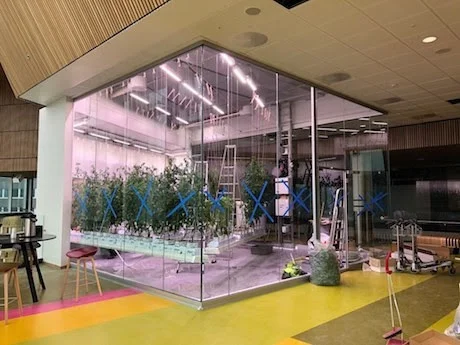
Norway: Vegetables Grown At Stavanger Airport Arrival Hall
On Friday, April 26, the official opening of the new arrival hall of the Stavanger Airport took place. The hall is unique in comparison to other halls. The passengers might be most surprised to see a greenhouse, where organic vegetables are grown
On Friday, April 26, the official opening of the new arrival hall of the Stavanger Airport took place. The hall is unique in comparison to other halls. The passengers might be most surprised to see a greenhouse, where organic vegetables are grown.
It’s part of the plan of the airport to gradually introduce more sustainable and ecological solutions. They have also announced that they will become completely energy self-sufficient by 2025.
The development of the new arrivals hall, almost 3000 square meters in size, will certainly surprise those visiting the airport - from the opening onwards, a greenhouse full of tomatoes, which are supposed to go to a restaurant on the same floor, awaits the passengers. In this way, Avinor, which serves most airports in Norway, wants to combine transport activities with caring for the environment.
"For many years, we have been making our own honey, and we have just planted the first apple and elderberry trees, so we’ll be making elderberry syrup. In addition, we will be testing how to grow food in densely populated areas, starting by growing tomatoes at the terminal", says Ingvald Erga from the airport in Stavanger.
Special sections of the airport have also been dedicated to testing and research in the field of agriculture and energy.
Representatives of the airport have also announced that these are not all the changes that await them. In the coming years, they are planning the construction of almost 20,000 square meters of solar panels around the building, as well as considering the use of wind energy - that way, the airport wants to ensure it's energy self-sufficiency by 2025.
Source: www.mojanorwegia.pl
Publication date: 5/29/2019

Hydroponic Lettuce Farm Offers Room To Grow
By JESSE ADCOCK
JADCOCK@ADIRONDACKDAILYENTERPRISE.COM
PUBLISHED: MAY 12, 2019
A column of lettuce is ready to receive transplants at Dandelion Farms in Saranac Lake.
JESSE ADCOCK/ADIRONDACK DAILY ENTERPRISE
Aurora White, owner of Dandelion Farms in Saranac Lake.
SARANAC LAKE — Inside a 40-foot cargo container at the old village landfill site near McKenzie Pond Road, Aurora White transplants lettuce into columns under the glow of fuchsia grow lights. Hundreds of lettuce transplants grow vertically inside the container, hanging from dozens of columns, gravity fed by tubes full of water and green and orange nutrients.
She calls this place Dandelion Farms, even though she mainly grows lettuce.
Last April, the Saranac Lake village Board of Trustees approved a lease for the container, and last month, they approved a one-year lease extension, for $1.
After a year on site, White’s hydroponic cargo container farm is growing and selling about 25 to 30 pounds of lettuce a week.
“Right now we’re harvesting about 400 to 500 plants a week,” White said. “We could do probably twice as much as we do now.”
In order to double her yield, all she needs is more regular customers.
White said she and Master Grower Jennie Evans spend about 10 hours a week at the facility, otherwise monitoring and adjusting the inside environment from an app on their phones.
The temperature remains around 68 degrees while the plants are active and about 59 degrees during the plants’ rest period.
“The trailer is rated down to negative 40,” White said. “So this last winter was kind of the testing period. We wanted to see if it was really rated down to negative 40, and it worked.”
The operation uses about five gallons of water per day — as both the air conditioning system and dehumidifier recycle fluid from the air.
Water is the one thing they’ve got to bring into the site. White said they haul in a 300-gallon tank every three months or so. They paid to get the electricity hooked up last April.
White said the operation is about halfway to profitability. With their regular sales, they pay for the trailer itself but not the utilities and the staff.
Currently, she said her two largest and regular customers are the Adirondack Medical Center and Fiddlehead Bistro, both in Saranac Lake.
“It has really allowed us to incorporate more fresh greens year round without going to the commercial lettuces that you traditionally see in the off-growing seasons here,” said Carl Bowen, Adirondack Health’s director of nutritional and environmental services. “It has helped us stabilize our menus with fresh vegetables all year long.”
That’s why White said she started researching the idea. She wanted to find a way to grow fresh greens throughout the year. That led her to the cargo container from Freight Farms.
“Right now we grow lettuce and arugula and spinach,” White said. “Once we get those things down, because we’re still in a learning phase, then we’ll probably bring in some herbs and start growing some herbs.”
It all starts in a small plug of peat and adhesive.
“That’s the only growing medium it needs throughout the whole life cycle of the plant,” White said.
Once large enough to be transplanted, White and Evans place the plants into columns, sandwiched between two bars of foam. The plants then grow sideways and are watered and fed from the top the of the column.
Bowen said that because of how the lettuce is grown, it makes it easier to process at AMC.
“When we received their samples and tried them, they were beautiful products,” Bowen said. “There’s not even any dirt to worry about because of how it’s grown. It comes in clean, we rinse it again, and that’s it.”
Additionally, the lettuce columns can be arranged with different blends.
“We can actually customize a person’s blend,” White said. “Fiddlehead Bistro gets what’s called an ovation blend. So we take all the different lettuces, and we mix them all together. And when we harvest we have a custom blend of salad.”
In 2018, Dandelion Farms also sold some of its greens at the Saranac Lake Farmers Market.

Q&A: Kim Hookway On Buckeye Fresh’s Giant Eagle Deal
Buckeye Fresh’s co-founder and president explains why the deal makes sense for the business, if it has met her expectations and why it’s important to market locally.
March 25, 2019
Chris Manning
Photo: Allison Krieg
In late 2018, Buckeye Fresh — a Medina, Ohio, vertical farm — expanded its relationship with a one-year deal with Midwest grocery chain Giant Eagle. As part of the agreement, some of Buckeye Fresh’s lettuce blends will be sold in clamshells designed with Giant Eagle’s Market District branding, marked as “grown locally” and placed in endcaps reserved for locally grown products at different stores.
“It’s been great,” says Buckeye Fresh co-founder and president Kim Hookway. “I think it was better received than they anticipated.”
Produce Grower: Why do you think the program has gone better than expected?
Kim Hookway: So going into a new product launch, and not having any data points whatsoever, they gave us a certain projected number [that we’ve beat]. Promoting it through ads I think is helping. You have those shoppers that shop those flyers weekly and when you see a good deal on a great product, if you’re like most consumers you’re going to jump on that. A lot of them have been, which has been great. Their goal this year is to promote this Market District brand and see how far they can take it. And so we have ads planned every month. It’s been good.
PG: Has this deal lived up to your expectations?
KH: It’s definitely exceeded ours. Although I will tell you, going in the beginning, they gave us their numbers, which I thought were very conservative. But I guess from the initial launch I thought their numbers were light. So I guess the numbers to me, not that I knew what the numbers would be exactly, but I knew they were a little conservative only because we had Buckeye Blend [Buckeye Fresh’s main lettuce mix] out there under our brand, so it was already a product that I kind of had history on myself of what Giant Eagle and other stores were taking. We do have another product for them that was introduced [Summer Crisp, a crunchier lettuce] — I didn’t have a good feel on that one. But I did anticipate Buckeye Blend would be a winner.
PG: When you’re working with a brand, how important do you think it is that they know that you’re a local business and market that to the end consumer?
KH: I think it does matter, and I think the goal is, on their marketing side, to have more about the farmers and the growers — a little side note. Whether it’s a display in the store of how things are done and where things are located, I think there is more of an education focus that will be placed on this whole local branding. So I think there is more to come, I don’t think this is it.
Vertical farms Lettuce Local food Retail Grocery Instagram

Micro Farm, Macro Impact
March 25, 2019
Brooke Bilyj | Photography by Erin Elliott, except where noted
Micro Farms in Nappanee, Indiana, Hopes to Revolutionize Food Production With its Patented Hydroponic System.
From left to right: Nick Graber, Steve Kiefer and Dion Graber
Nestled in the heartland of northern Indiana’s Amish country sits a shimmering glass greenhouse where fresh produce is grown, 365 days a year, without any pesticides or herbicides. Although the facility occupies a mere quarter of an acre, the owners of Micro Farms hope to revolutionize global food production with their innovations.
“Our big-picture goal for Micro Farms is to develop technology and growing systems to provide wholesome food to people globally,” says Loren Graber, who established the hydroponic greenhouse about five years ago.
“There are too many people who go to bed hungry,” adds Dion Graber, Loren’s son and head grower. “With all the technology and resources available, we should be able to feed them.”
Building on a long farming history, the Graber family has been producing food on this property for generations. Back in the ’80s, before Dion was born, Loren ran the family’s corn, soybean and dairy farm in Nappanee, Indiana. One day, he jokingly mentioned to the farm’s agronomist, Steve Kiefer, that he would start a greenhouse operation someday.
But then, soon after Dion was born, milk prices plummeted — forcing Loren to find work in another field. At the time, he didn’t realize that his new job in vinyl fencing would inspire the innovation to bring his greenhouse to life.
“Since he was in the vinyl business and he has PVC connections, vertical farming was right up his alley,” Dion says. “He’s always been an inventor at heart, and he has multiple patents. He just loves thinking outside the box and trying to come up with new things that are more efficient.”
Leveraging his inventive curiosity, his knowledge of vinyl and his drive to make traditional agriculture more efficient, Loren designed and patented his own vertical hydroponic/aeroponic tubes. He asked Kiefer to team up with him again, and they established Micro Farms in late 2013 with the dream of farming differently. Dion jumped onboard as head grower, and several years later, his younger brother Nick joined the family business to execute their father’s dream.
Lettuce growing at Micro Farms
“Vertical” integration
Loren considered using traditional, single-layer hydroponic systems that used floating rafts — deep water culture (DWC) — or the nutrient film technique (NFT), where nutrient-rich water circulates past the bare roots of plants in enclosed channels. But these horizontal layouts required too much space — pointing him toward vertical farming instead.
“You get so much more product per square foot when you grow vertically,” Dion says. “We have 320 tubes in a 4,000-square-foot area, and we can fit 46,823 plants in that 4,000 square feet. That’s roughly 10 plants per square foot.”
Micro Farms’ “Verti Tubes” are 12 feet tall and eight inches in diameter. Loren’s patented design features removable growing cups and trays that pop out of the tube for cleaner, easier harvesting. Prongs in each cup hold a foam cube in place to support the plant’s roots, and a small groove in the bottom of each cup channels water down as it trickles through the tube.
“The biggest thing that separates us when it comes to our Verti Tubes is the removable cup,” Dion says. “Most of them are molded in and you can’t take them out, so our design is better for cleaning purposes. It’s easier to harvest your plants, because if the roots are too long, they’ll get caught when you try to pull them out.”
The foam cubes can be removed with the roots still intact, allowing Micro Farms to harvest and sell living lettuce with a shelf-life of at least two weeks — leaving minimal cleanup behind.
Micro Farms’ Verti Tube Home Growing System
Finding the right mix
The Grabers broke ground in fall 2012, and then a team of builders from Rough Brothers constructed the Venlo greenhouse in 2013. The glass structure contains a 3,000-square-foot head house for seed-starting, a 4,000-square-foot space filled with Verti Tubes, and another 4,000-square-foot space for vertical vine crops.
Dion didn’t have any experience with hydroponics, so he and Kiefer attended the Controlled Environment Agriculture Center at the University of Arizona for a “quick crash course” that packed “six months’ worth of college courses into five days, and then another four months in two days,” he says. “That’s where my knowledge started, but at least 80 percent of my growing knowledge is just hands-on.”
When Dion started growing, he experimented with 23 varieties of leafy greens that he seeded weekly. Through trials, he whittled that collection down to 10 varieties, based on what grew and sold best.
The front half of the greenhouse is dedicated to leafy greens like butterhead and oakleaf lettuce, kale and pak choi grown in Graber’s hydroponic/aeroponic Verti Tubes. In the back half, vine crops like tomatoes, red bell peppers and snacker cucumbers are strung up toward the ceiling from hydroponic Bato buckets below — which are filled with recycled glass Growstone that can be rinsed and reused.
Dion and Nick continue to explore new varieties together — switching up greens in the summer to include basil and other heat-loving plants. They’re even trying strawberries in the Verti Tubes.
“We’re constantly experimenting,” Dion says.
Micro Farms grows tomatoes in addition to its Verti Tube-grown lettuce.Photo: Brooke Bilyj
Watering the natural way
In addition to Loren’s innovation, the design of the greenhouse also drives efficiency at Micro Farms.
For example, each peak of the Venlo greenhouse roof has a vent on each side. “Whichever way the wind blows, the opposite side opens, so you don’t have a dramatic change in temperature,” Dion explains. “And then every valley has a gutter where we collect rainwater, which is stored in a 25,000-gallon tank under the floor of the headhouse.”
The roof of the warehouse next door also collects rainwater to supplement the operation. They have access to well water, if needed, but they rarely need to tap into that supply.
“The plants just respond better to rainwater,” says Dion, who also uses an O2 Grow system to “supercharge” the water with dissolved oxygen. “We’re trying to imitate exactly what a plant would get out in the ground, but with no soil.”
To that end, Kiefer formulated a mix of granular fertilizers mined from the ground — including Epsom salt, potash, potassium nitrate, monopotassium phosphate and calcium nitrate — that’s added to the water.
Building on a long farming history, the Graber family has been producing food in Indiana for generations.Photo: Brooke Bilyj
Bugging out for pest control
To keep greenhouse insects in check, Dion and Kiefer rely on beneficial bugs to provide biological pest control at Micro Farms.
“We try to keep our population up, so when pests come, we’re ready for them,” Dion says. “Pests seem to multiply quicker than your beneficial bugs, so we’re constantly ordering them.”
Dion regularly releases parasitic wasps to control pesky aphids. Meanwhile, small sachets of swirski mites hang from the plants, inviting the tiny predators to go after the eggs of thrips that can threaten crops. Beneficial insects are released once or twice a month, negating the need for sprays.
“One thing that separates us is that we do not spray any pesticides or herbicides on our plants,” Dion says. “We don’t even have to rinse our produce after harvesting, because nothing was sprayed on it.”
Ronda Kuhns, greenhouse worker at Micro Farms, harvests lettuce from its Verti Tubes.
Harvesting fresh for market
Using scissor lifts to access crops all along the 12-foot-tall tubes, Micro Farms employees harvest produce daily. While some is sold fresh to local restaurants and retail customers, Micro Farms also sells produce through an online farmers market called Market Wagon.
Founded by a fellow former dairy farmer, the online platform allows customers throughout the state to order locally grown or handmade products from various vendors, who get to set their prices and availability weekly. Then, orders are either delivered directly to consumers’ doorsteps or to local pickup points.
There are too many people who go to bed hungry. With all the technology and resources available, we should be able to feed them. — Dion Graber
Every Thursday morning, Dion drives a truckload of produce to the Market Wagon hub in Indianapolis, two hours south of Micro Farms. On the way home, he swings by another hub in LaPorte, an hour west. At each hub, he distributes orders into customers’ bags, which are delivered after every vendor drops off their goods.
Market Wagon extends Micro Farms’ reach across the northern half of Indiana. But word travels fast in the small, rural town of Nappanee — and local consumers started asking how they could get fresh hydroponic produce, too. So last November, Micro Farms began selling to the public on Saturday mornings from 9 a.m. to noon.
“At 9, you’ll see half a dozen buggies and a dozen cars in the parking lot,” Dion says. “Local people have responded very well to our products.”
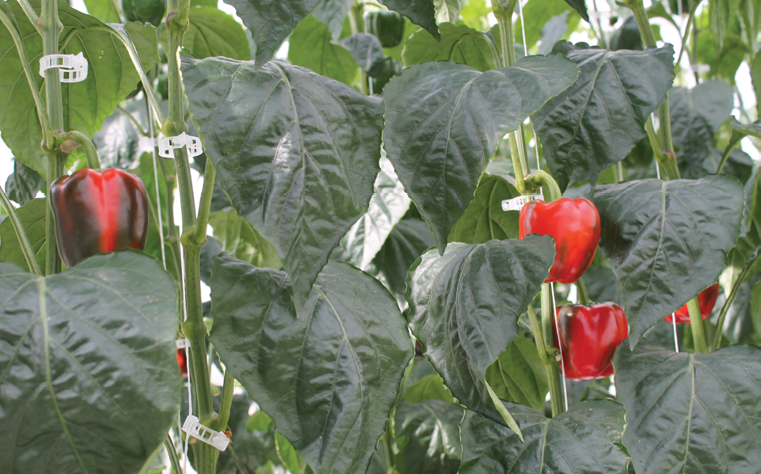
Photo: Brooke Bilyj
Looking to the future
The Graber family is eager to share their hydroponic innovations with other growers. The first phase of this long-term plan is their home growing unit, which is slated to hit the retail market later this year.
A smaller version of their greenhouse Verti Tubes, the home hydroponic units, are mounted on a rolling cart that can be wheeled outside. Or, the unit can sit in a kitchen, using an optional LED strip and rotating function to provide sufficient light inside. The home unit features Loren’s patented removable cups and trays, allowing consumers to hydroponically grow 24 plants with minimal mess or maintenance.
Looking even further into the future, the Grabers’ dream of improving food production around the world by providing greenhouse supplies, resources and knowledge to communities in underserved nations like Haiti and Africa, where they’ve been involved in mission work.
“We want to teach other people how to grow. Ultimately, our big goal is to feed the hungry by educating them and setting them up for success,” Dion says. “Because our tubes maximize product per square foot, we think it could definitely make a difference.”
Brooke is a freelance writer based in Cleveland.
Vertical farms Irrigation Hydroponics Aeroponics Cucumber Lettuce
Kale Bok choy Basil Pepper
CANADA: Truly Northern Farms Establishing 23,000-Square-Foot Indoor Growing Facility
New Industry, Jobs Coming to Opasatika
05-17-19
by: Lindsay Kelly
Truly Northern Farms is establishing a new indoor hydroponic growing facility in Opasatika, about 30 minutes west of Kapuskasing. (Truly Northern Farms photo)
A freshly established hydroponic farming operation is bringing the promise of new industry and employment to the small community of Opasatika.
This spring, Truly Northern Farms (formerly Smart Greens-Sudbury) will establish the first crops of lettuce and basil inside a 23,000-square-foot growing facility that was previously used for cultivating mushrooms.
Located about a 30-minute drive west of Kapuskasing, the Town of Opasatika has a population of about 200 people, but no major industry to sustain it.
The mushroom facility had sat vacant and unused for three years before Stéphane Lanteigne was approached by the owner about the building’s potential.
“We went up there, and the amount of infrastructure that’s in that building is unreal,” said Lanteigne, who now owns and operates the facility with his partner, Jeremy Gallanders. “So for us, we’re able to launch at a significantly lower price than if we were building up from new.”
With 90 per cent of the needed infrastructure already in place, the cost of production hovers around $3 per plant, Lanteigne said.
That’s a huge decrease from what Lanteigne and his wife, Erin Rowe, see at their hydroponic container farms in Chelmsford, outside of Sudbury, where the per-plant cost is about $63.
Since the couple began growing kale there in 2017, a strong market has developed for their product, which they sell to local restaurants and grocery stores, and at the local farmers market.
But early on in the process, the couple quickly realized that this type of “boutique” growing was only suited to small, specific crops, and they were eager to explore farming on a larger scale.
“We're not moving away from kale – we still have a healthy market for kale – but we very much want to expand,” Lanteigne said.
The Chelmsford operation requires constant monitoring to ensure the plants are receiving optimal levels of water, nutrients, and light. But the Opasatika operation will take a different approach to growing that will be much less labour-intensive.
Seedlings will be placed into long metal racks, which float on a bed of water, and the entire structure moves around like a giant conveyor belt as the plants grow. Once they’re ready to harvest, the entire plant is plucked from the rack and packaged for shipping.
“You buy a live lettuce plant or a live basil plant,” Lanteigne explained. “That means it gets packaged with a little bit of water on the roots, so it literally stays living until you eat it. It’ll be even fresher than what we’re doing right now in Sudbury.”
They key is the water, he noted. Because the operation uses such a large volume of water, the plants don’t have a chance to deplete its nutrients. That means the water can constantly be recirculated, and Lanteigne said they’ll only have to check their water tanks once weekly instead of twice a day.
At 70 feet long, four feet wide, and 12 feet high, the racks can hold thousands of seedlings at a time. Initially, Lanteigne estimates they’ll be harvesting about 10,000 to 20,000 heads of lettuce every week, along with 10,000 basil plants. And that’s just using the one-third of the facility that’s ready to go.
An estimated six to eight harvesters will be needed to work at the facility, and Lanteigne said he already has a list of names of people eager to work there.
For a community of 200, where the closest industry is a half-hour away, eight full-time jobs will make a huge impact on the economy.
Though their goals are small in the interim, Lanteigne said Truly Northern eventually hopes to target the wholesale market.
“We have to make sure that we can grow well and consistently before we start targetting the Independent (Grocers) and Metros,” Lanteigne said.
Following excitement over renewed activity at the former mushroom facility, Lanteigne has fielded enthusiastic phone calls from city officials in nearby municipalities eager to discuss what possibilities their aging, unused buildings could present.
Lanteigne emphasized that it was the existing infrastructure in the Opasatika building that really made the business case for him. But that doesn’t mean other facilities can’t be used for indoor growing, he added; it might just mean using a different business model.
Encouraged about the future of hydroponic indoor growing, Lanteigne said he and his partners are happy to share their knowledge and support the agricultural community where they can. It’s an industry where they see plenty of opportunity ahead for the North.
“We’re feeling really optimistic, and it’s been a lot of work in the last two years, but it’s been really fulfilling,” he said. “I don’t think we see ourselves doing anything differently. We’re exactly where we’re meant to be.”
VA Grow Vertical Farm
KE GrowAir and Orange Climate Agri have combined their expertise in this area in order to develop an ideal growth climate for vertical farming. Their product has been nominated for the Impact category of the GreenTech Innovation Awards, the winners of which will be announced at GreenTech (11 to 13 June)
"Ideal Growing Conditions Wanted 365 Days A Year"
Growers around the world are striving toward the best conditions for achieving ideal growth and production 365 days a year. This includes vertical solutions, as the world needs more production growth per square metre. Vertical farming is really taking off, and there are plenty of innovations, especially when it comes to lighting. Another important aspect here is the growth climate surrounding the plant.
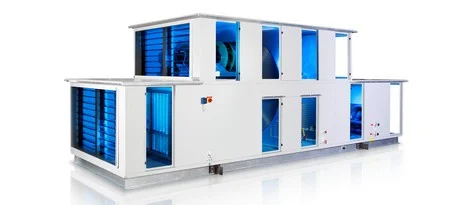
VA Grow Vertical Farm
KE GrowAir and Orange Climate Agri have combined their expertise in this area in order to develop an ideal growth climate for vertical farming. Their product has been nominated for the Impact category of the GreenTech Innovation Awards, the winners of which will be announced at GreenTech (11 to 13 June).
The VA Grow Vertical Farm is an air conditioning system from Orange Climate Agri, equipped with air distribution hoses from KE GrowAir. "It is the combination of our expertise in the utility sector, that we are now translating knowledge and experiences about a good climate into innovations in vertical farming", they explain.
"In vertical farming, a lot of attention is paid to innovations in LED lighting. The climate in the room is often forgotten. The VA Grow Vertical Farm provides the desired temperatures, humidity and ventilation options. With the patented hoses of GrowAir this is subsequently homogeneously distributed."
Every vertical farm requires a customized solution to maintain a constant climate, close to the plant and 365 days a year. "The specific technical installation and associated hoses are viewed and calculated per project, so that each vertical farm is supplied with its desired climate. Production can also improve significantly through optimum growth conditions."
Background of the companies
KE GrowAir specialises in sustainable ventilation solutions for healthy indoor climates and energy savings using textile air distribution systems. Thanks to its patented discharge pattern, it achieves a uniform horizontal and vertical temperature gradient. These advantages and the expertise developed in the air distribution utility sector are now being exploited in the horticultural sector, resulting in a more homogenous climate. "It makes it easier to grow plants in closed, semi-closed and vertical systems", they summarise.
Orange Climate has been supplying utility air handling units since the 1960s, and is the market leader in the Netherlands, trading as OC Verhulst. The company utilises its expertise to help growers, breeders and greenhouse builders achieve the indoor climate they require. Its air handling units are equipped with a wide variety of ventilation options (these could include cooling, heating, dehumidification, humidification or drying). The specific climate conditions are created in a sustainable, energy-efficient way. Some examples include heat recovery with more than 90% efficiency or active recirculation with CO2 retention. It results in stable temperatures and humidity levels that create ideal growing conditions. KE GrowAir’s air distribution systems are then used to distribute the conditioned air evenly.
Unique combination
"By uniting our areas of expertise, our solution guarantees growers the best growing conditions all year round, and frees them from local climatic and geological constraints", the companies say. "It’s an unbeatable combination that ensures optimal growth conditions and significantly better production 365 days a year."
Find both companies during the GreenTech (11-13 June in the RAI in Amsterdam) in stand 08.126.
For more information:
KE GrowAir
info@ke-growair.nl
www.ke-growair.nl
Orange Climate
www.orangeclimate.com
Publication date: 5/29/2019

Startups, Join Us At The Vertical/Indoor Farming Pavilion GreenTech Tradeshow & Café Round Table Talks June 11 - 13, 2019
Agritecture (AGR), FarmTech Society (FTS) , Vertical Farm Institute (VFI) and Greentech RAI are partnering to organize café round table talks with panel discussions and showcase international vertical/indoor farming startups along with established companies at the world's most important horticulture technology fair. This is your chance to visit Amsterdam and share your unique approach to transforming the food system through vertical/indoor farming.
Join us at the Vertical/Indoor Farming Pavilion café where a program of round table talks featuring representatives of the global indoor farming community will be held. All startups accepted will get to join the cafe round table talks where they can pitch and then answer moderator and audience questions about the future of vertical farming! The panels will be moderated by Agritecture's Henry Gordon-Smith, Gus van der Feltz from the FarmTech Society and by Daniel Podmirseg from the vertical farm institute.
“In Amsterdam, we are going big in 2019, with the largest edition of GreenTech to date. Discover products and solutions, inspiring sessions and business opportunities that we know is going to change the way you look at horticulture.” — MARISKA DRESCHLER, DIRECTOR OF HORTICULTURE
Benefits:
10 minute talk at the VF pavilion @Greentech
Be part of a 40-minute Q&A panel about the future of vertical farming after your talk Pre-event blog post about your company on agritecture's
Live social media promotion throughout the event
(Optional) Inclusion in the Vertical/Indoor Farming pavilion at Greentech (small booth) so you can showcase your brand and technology
Airbnb accommodation and uber rides to the venue (June 11, 12, 13) - LIMITED FIRST COME FIRST SERVE
Requirements:
Must be a startup
The registration fee of 750 euros (includes a small booth)
DOWNLOAD THE BOOTH REGISTRATION FORM
You must fill out and submit your registration form within 7 days of being accepted as a speaker at the event.
All completed registrations should be emailed to Thijs van der Meulen at t.vd.meulen@rai.nl

Growing Up Instead of Out
From hobbyists to industrial operations, few growers wouldn’t happily increase their yield size. Unfortunately, square footage is at a premium. A lack of space to expand crop size has been a limiting factor for growers and farmers for as long as agriculture has existed, but thankfully, technology has answered the call for help with an increasingly popular solution – grow up.
by Ted Tanner, CEO and Co-Founder of Growlink
While extra floor space is often hard to come by, vertical space is often readily available. In fact, it could be argued that the vertical space in most indoor grow operations is outright wasted. By finding new ways to use that wasted space, growers can supersize their yields without ever having to expand a single square inch on the ground.
Options for vertical expansion
Growers looking to expand vertically have some decisions to make as to how they want to do it. The first and most common method is stacked growing – taking the same equipment and layout as horizontal growing and adding new layers stacked one on top of the other in the vertical. The second option is actually growing in the vertical plane – using towered infrastructure to grow plants one on top of another instead of in side-by-side rows.
There are benefits and drawbacks to both, but simplicity and cost are two of the major factors. A grower looking to expand their operation by stacking has a lot of options available to them. Hanging potters, wall mounted shelving, mobile growing platforms, or even just multi-level rolling racks from Walmart are all completely viable ways to start expanding upwards. The downside is that stacking also requires all of the other infrastructure – like lighting and irrigation – to be figured out for each additional level.
Growing in the vertical plane requires more customized infrastructure, but it also provides some major benefits over stacking, including better natural airflow and less complex lighting and irrigation. The tradeoff is that there are far fewer off-the-shelf options for growing in the vertical plane than there are for stacked horizontal growing, making this technique far more appropriate for large-scale industrial growers than smaller commercial or hobby operations.
Overcoming the challenges of going vertical
Expanding vertically certainly solves the square footage problem, but it does come with its own unique set of challenges. With that in mind, regardless of the method chosen, the associated challenges can generally be addressed relatively easily through careful planning and the right equipment, and the benefits to overall output far outweigh the potential drawbacks.
Ergonomics
One easy to overlook challenge is that as infrastructure gets taller and taller, the grow environment becomes less and less ergonomic for the humans involved in the growing process. That’s not necessarily a huge deal for small hobby growers that might only be going a couple of levels high, but for larger operations, it can have a big impact on labor – including costs.
The solution to this problem could be as simple as a step-ladder depending on the heights involved, but for some industrial growers, crops become stacked so high that scissor lifts become necessary for employees to access the higher levels. Scissor lifts are extremely dangerous without proper training, so grow operations looking to employ them absolutely must ensure their employees are properly certified.
Air, water, and light
Stacking vertically introduces some complications with providing plants with the resources they need to grow. Plants are selfish, and they generally don’t respond well to overcrowding, which is a real risk in vertical growing. Overcrowded plants suffer from a lack of airflow and needless competition for water and light, and the result is that while crop yields might go up, quality will almost certainly go down.
The solution is to carefully plan spacing and resource delivery. Stacking requires that plants be given enough space both vertically and horizontally to allow proper airflow. It also requires fans to be employed to continuously move bad air out and distribute fresh, clean air in its place. Irrigation and lighting need to be planned to ensure that no single level is starved by the ones above it. That can be done by ensuring that each level is individually plumbed and lit, which is simple enough, but does mean extra costs.
From a lighting perspective, growers looking to maximize use of vertical space can gain a lot by switching over to LED lighting. Because LED lights give off a fraction of the heat of fluorescents or incandescent, far less space is required between bulb and plant. That means growers can pack more levels in from floor to ceiling without having to worry about burning or heat damage as their plants grow taller.
Control
More plants mean more work and more potential for human error. There is no point in expanding a crop if the new plants are going to suffer due to lack of attention, lack of labor, or lack of ability to handle the expansion. Unfortunately, it isn’t uncommon for indoor farms to fail for exactly that reason.
The solution is to implement automated controls as much as possible, reducing or eliminating the potential for human error and maximizing the chances of large, healthy yields. Advances in crop sensors, control units, and automated systems have shifted agriculture from an art to a science, and it’s now possible for growers to automatically monitor and control their operations with such accuracy that it’s possible to ensure each individual plant is getting the exact amount of water, light, nutrients, and air that it requires.
Vertical growing offers a highly promising solution to limited ground space and it’s rapidly gaining in popularity as a result. The future may very well be one in which the majority of crops are grown vertically indoors, but for now, expanding into otherwise wasted vertical space is a great way for growers both big and small to significantly boost their yields without having to expand their physical footprint.
For more information:
Growlink
875 Kalamath
Denver, CO 80204
+800-432-0160
info@growlink.com
growlink.com
Publication date: 5/13/2019

‘Are Vertical Farms Even Remotely Efficient?’ Putting A Figure on Plant Factories
By Flora Southey
15-May-2019
©GettyImages/LouisHiemstra
Researchers in the Netherlands are calculating the feasibility of vertical farming in urban areas. “The main goal is to put a figure on vertical farming,” Wageningen University & Research’s Luuk Graamans tells FoodNavigator.
It is estimated that by 2050, the world’s population will have risen from today’s 7.6 billion to 9.8 billion. Of these 9.8 billion, 67.2% are expected to live in urban areas.
In order to feed this growing, increasingly urbanised population, the United Nations estimates food production must increase by 70%.
Vertical farms or ‘plant factories’ – terms which describe vertically-stacked, fully controlled environments used to produce food – have the potential to help societies meet this elevated demand, without the need for additional farmland.
But are vertical farms a viable solution? Taking the amount of energy, water, and CO₂ required for production into consideration, do vertical farms make technical and financial sense?
Researchers from the Greenhouse Horticulture business unit of Wageningen University & Research (WUR) and the Department of Architectural Engineering and Technology of Delft University (TU Delft) in the Netherlands are working to provide an answer.
“We strive to quantify the resource requirement for the production of food in vertical farms, and to compare that to agricultural systems,” explained researcher Luuk Graamans.
Resources analysed include water, electricity, CO₂, land area, and financial input.
The team has developed a five-step methodology to calculate the feasibility of vertical farming, looking at how plants process energy in a closed cultivation system, how much energy is required to run vertical farms in varying locations, how energy consumption can be optimised, how vertical farms can be integrated into cities, and finally, at what expense.
Ultimately, these five steps can help stakeholders assess the technical and financial feasibility of food production in vertical farms.
“We are trying to determine whether vertical farming is feasible, both technically and financially, and whether it can and should be implemented in cities – or elsewhere. This can have great consequences for food supply, primarily to metropolitan areas,” said Graamans.
The ongoing study is expected to be completed by the end of 2019.
How do we know if vertical farms are even 'remotely efficient'?
Originally a building engineer, Graamans first became interested in urban farming while living and working in Hong Kong – a city that, with limited local production, depends greatly on food imports.
Researcher Luuk Graamans
Approximately 90% of Hong Kong’s food is imported. According to its health and food bureau, 94% of fresh pork, all beef, 92% of vegetables and 66% of eggs are sourced from mainland China. Fresh fruit is predominantly imported from mainland China, the US, the Philippines and Thailand.
”I found myself wondering, what if something inhibits imports into this massive, dense city? Would it be possible to increase the resilience of this city by bringing food production closer?” he relayed.
Preliminary research into modern, closed cultivation systems quickly revealed a lack of technical and financial data, he continued. The existing body of research largely focused on the effects of various environmental factors on crop physiology but little focused on the engineering and expenditure of the production system itself.
It can be assumed that closed vertical farms could reduce the amount of water and CO₂ required when compared to the ‘traditional’ greenhouse. However, the combination of high-density crop production, limited volume and lack of natural ventilation are likely to induce a high demand for cooling and vapour removal – requiring additional energy.
This increased cooling/dehumidification leads to residual heat. ‘Can this residual energy be leveraged for other purposes, for instance, to heat surrounding urban environments?’ Graamans wondered. Could this offset some of the energy expenditure to reduce total costs?
“No one was really providing any accurate numbers on these aspects, yet I wanted to calculate the cost – to answer the question: Are vertical farms even remotely efficient?”
A five-step methodology
“The main goal of this research is to put an accurate figure on vertical farming,” Graamans told us. His team has developed a methodology comprising five steps:
1. How do plants process energy in a closed cultivation system?
Applying different levels of temperature, humidity and light to a plant will produce varying reactions. It is necessary to determine the relation between sensible and latent heat exchange, as well as the corresponding transpiration for the production of crops in closed systems. Transpiration is an important design parameter for the interior energy balance and consequently the climatisation of a vertical farm.
The developed model can be used to approximate the crop’s energy output and provide greater insight into the energy expenditure of closed systems. This can help determine the most efficient and effective way to extract heat from the system.
2. How much energy does a vertical farm require?
Next, the researchers calculate how much energy is required for production within the closed systems.
“We integrated the method we developed in the first step into a more comprehensive engineering model, in order to simulate, analyse and compare the energy required in plant factories with that required in greenhouses, across various locations.”
Simulated areas included northern Sweden – which has a cold climate and limited solar radiation during certain periods – and the Netherlands, which is known for its moderate climate and developed greenhouse industry. The team also applied the model to the high temperatures and solar radiation of Abu Dhabi.
A vertical farm under LED lighting ©GettyImages/Andrew Linscott
The thinking behind these three locations? “The relation between the costs (heating and cooling) and benefits (solar radiation) of greenhouse production largely depends on the latitude and external climate conditions of the location,” Graamans explained.
“It can be expected that at high latitudes solar radiation no longer offsets the energy being lost through the greenhouse cover. The opposite may occur at low latitudes, where the incoming solar energy cannot be discharged by natural ventilation and active cooling is required.”
The researchers calculated that vertical farms in the Netherlands required more than three times as much electricity as greenhouses for the production of the same crop. Yet, in the extreme climates of northern Sweden and Abu Dhabi, this difference in electricity requirements diminished in comparison – suggesting that plant factories may be the preferred indoor farming model in locations with extreme climates.
3. Optimising energy consumption
Graamans and his team also looked into minimising the energy required in the closed system – a step that required extensive analysis of the vertical farming facility itself. Design, materials, installation and structural dimensions could all contribute to lower energy consumption.
The location also plays a major role, Graamans told us, suggesting this is not always conveyed in media and marketing messages.
“Plant factories are often touted as a single, standard solution that you can simply drop in any location and immediately start producing.
“That approach is definitely sub-optimal. From both a construction and agricultural engineering perspective, vertical farms should always be optimised for its specific client, production requirements and local climate. Our research strives to investigate these aspects and formulate rules of thumb.”
The researchers conclude that land, CO₂, and water can be reduced when using the vertical farming model compared to the ‘traditional’ greenhouse. Additional design measures can be taken to significantly decrease energy consumption in comparison to standard vertical farms, exact figures for which Graamans plans to publish later this year.
4. Integrating the vertical farm into the city
This step quantifies whether residual energy from plant factories can be used to heat surrounding urban environments. “If we are adapting systems to be used in metropolitan centres, can we be re-using waste energy?” asked Graamans.
According to the researchers, appliances, machines or buildings that have a medium to low energy demand – such as housing – could benefit from this vertical farming side-stream.
“The goal is to minimise the total energy requirement and energy footprint of the city as a whole. Residual energy can be collected and applied to other urban functions. This process could integrate additional heat pumps in order to increase the temperature of the waste heat and consequently the number of its potential applications.”
5. Calculating the financial feasibility of urban vertical farming
“Once we have an overview of the best strategies for production, saving as much on resources as possible (step 1-4), we can determine how to lower operational costs,” explained Graamans.
The initial investment for closed cultivation systems – depending on production requirements and whether a pre-existing site is used or if a new build is required – presents little variation. However, operational costs and how these are related to exterior climates and location, can vary greatly.
By inputting this data, including location choice and exterior climate information, the researchers aim to offer a financial assessment of the system’s feasibility to more precisely inform a stakeholder’s business case.
Is vertical farming the ‘end-all’ solution?
Graamans said he hopes this research will help provide stakeholders running, investing in or designing vertical farms with “clearer focus”.
“An increasing number of vertical farms is popping up, and some have proven more successful than others.
“I hope that all stakeholders would benefit from this research.”
The study may also help open up opportunities for collaboration between members of the broader agricultural industry.
‘Traditional’ farming and vertical farming are often viewed as opposing concepts. However, Graamans suggested the sectors would benefit from collaborating with each other.
“Hybrid solutions are possible. This research could be very important for growers, who might have specific stages of crop production that could benefit from the completely closed, precise environment.
Render of a hybrid vertical farm ©Luuk Graamans
“We hope that there will be a shift in viewpoint. When people stop seeing vertical farming in opposition to the current agricultural system, but as a contributing factor.”
The million dollar question remains: Is vertical farming the solution to feeding more than 9 billion people by 2050?
“In my view, vertical farming can provide a new, additional element to food production.
“It won’t be the final solution to shift everything into the vertical farming model. That simply isn’t the most efficient way of food production,” responded Graamans.
“In order to truly tackle the food issues presented by the UN, for the development towards 2050, the solution will likely have to be a combination of open field production, greenhouse production around cities, and fresh food production in the city.”
He predicts food of high caloric content will be produced in areas surrounding cities, with fresh food cultivated and consumed within. “Vertical farming is key for minimising the required land area for production and precisely steering crop production.”
Vertical Roots Innovation Emerges
BY KATHY HARRELSON | MAY 15, 2019
Imagine growing conditions when weather, disease and insects come as second thoughts.
Enter the enclosed, controlled world of hydroponics — farming indoors with vertical or horizontal root preparations.
The indoor farming involves nourishing roots by placing them in a liquid nutrient solution. There is no soil.
One 3-year-old, start-up company, based in Summerville, SC, Vertical Roots, has just completed a hydroponics farm in Charleston, SC, which includes 24 grow pods and has started the construction of a farm in Columbia, SC, which will have more than 120 grow pods.
It takes a committed staff to nurture the Vertical Roots crops. Bottom: Vertical Roots keeps its plants in pods, in a controlled environment, growing indoors with nutrient-enhanced water channels.
Hydroponic systems are touted for using up to 98 percent less water than traditional agriculture, and at Vertical Roots, the company aims to be as sustainable as possible.
Labor and maintenance are also minimized.
Vertical Roots grows leafy greens — green and red oak, Bibb, romaine, red butter and arugula.
“We consider ourselves to be the future of farming, so everything we do is innovative and focused on technology that monitors and controls our farms,” said Shelby Weimer, marketing strategist for the company.
The system has had its skeptics relative to scalability, Weimer said, but being on the ground floor of development has the company and team excited and optimistic.
“We truly feel that we have a model that will set us up for success,” Weimer said. “We are here to change the game.”
A key factor is turnaround time in distribution.
About 95 percent of leafy greens come from California and Arizona, she said.
“We aim to bring lettuce as close to distribution as possible, sometimes with a turnaround of 24 hours from harvest to table, compared to weeks on a truck,” she said.
In what she referred to as “hyper-local,” she said the company could distribute lettuce that is fresher, tastier and safer.
“We also want to provide the next generation of farmers with a sustainable living for years to come and open the ag-tech world to a new way of farming,” Weimer said.
In that sense, the company clings to a list of values within its mission. They are:
• Empowerment for every team member to have a voice.
• Precision in paying attention to detail.
• Fun, with a positive attitude.
• Consistency. Do it the right way, every time.
• Respect.
• Integrity, by being trustworthy and honest.
Vertical Roots also sees its role within the community as significant. It promotes the model within schools, in restaurants and in local businesses.
“We offer tours of our facility and educational opportunities to learn about our growing methods,” Weimer said. “As a company, we are focused on sustainability, so we try to educate our customers and community as much as possible.”
There is also a flair for philanthropy and zero tolerance for waste. The company donated about 7,000 pounds of lettuce to those in need earlier this year, and routinely gives excess to the hungry.
The company takes the future and innovation seriously as well, company co-owner Andrew Hare said.
“We never want to stop learning and growing, so at any given time we have a variety of test products in our panels,” he said.
Growing Up: The Potential of Vertical Farming
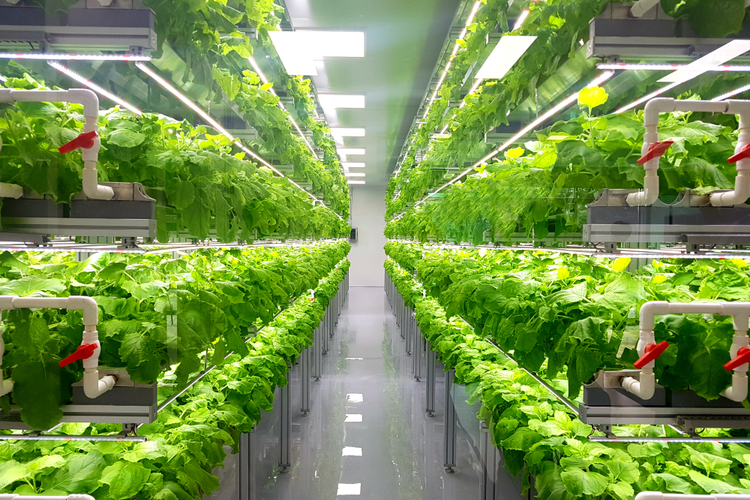
Vertical farms grow upwards, engaging with shelf-style structures that tend to operate via hydroponics or aeroponics. Robotics, data analysis, computerized controls, and sophisticated algorithms do the heavy lifting of optimizing every inch of the growing environment — all day long, every day of the year
May 22, 2019
When most consumers consider vertical farms, they think of grocery store lettuces. They’re not wrong — leafy greens are an excellent crop for a controlled, hydroponic growing setup. But are year-round edible flowers and spring salad mixes enough to disrupt the future of food?
What Is Vertical Farming?
Growing fresh food has traditionally been subject to the elements: location, climate, seasonal conditions, and weather trends are just the start of the challenges that can impact plant health and crop yield.
Indoor, or greenhouse, farming creates a controlled environment to combat troubles like pests and drought. The strategy dates as far back as the Roman Emperor Tiberius, and its latest iteration bears the promise of an efficient “Plantopia” that we’ve yet to truly tap.
Vertical farms grow upwards, engaging with shelf-style structures that tend to operate via hydroponics or aeroponics. Robotics, data analysis, computerized controls, and sophisticated algorithms do the heavy lifting of optimizing every inch of the growing environment — all day long, every day of the year.
Perks Of Production
Two words: perpetual growing. The high tech engineering of vertical farms makes them practically invincible. Pests, poor weather, diseases, and even seasonal temperature changes carry no weight in these environments of complete control. Their products are organic by default — there’s no need for pesticides, and they grow with very little water for maximum efficiency.
All of that fine-tuning makes for fast growth, too. Vertical facilities can turn around a crop in significantly less time than the traditional field, with growth rates up to 390 times more productive than competitors.
The Trouble with Tech
High-efficiency growing facilities hosting plants at ten and twenty deep, growing at double time, and with less of an environmental footprint? It all sounds too good to be true... And it just may be.
These brilliant feats of agricultural engineering come with a steep price tag — one large indoor vertical farm costs millions of dollars. Agritecture Consulting estimates the cost of a 30,000-square-foot-facility for leafy greens and herbs near New York City at almost $4 million in startup capital - and that’s without labor.
Most of the costs come from high-end equipment including custom ventilation, shading devices, and high-powered lights. Sophisticated heating, cooling, and ventilation systems add to the mix, along with the immense amount of electricity needed to power it all: think nearly a $350,000 annual tab for lighting, power, and HVAC at the same facility near NYC.
Along with the obvious concerns of carrying such a large carbon footprint, vertical farming faces another serious challenge: competition. Smart greenhouses with advanced automation and the advantage of sunlight, while they may not host the same level of engineering, can operate at well less than a third of the cost per square foot.
Trans-Plantation
While vertical farming may have a host of complications, it’s particularly effective at one task: growing starter plants.
For many growers, starter plants, or transplants, are extremely valuable. These fledglings can be grown rapidly, at extremely high densities, in the controlled environments of vertical farms before being inserted into the agricultural supply chain. They offer hardiness and ease of planting, saving growers the time and labor of having to start the young plants from fragile seeds in a greenhouse or field.
The quality of these transplants is consistent and immune to shifting outdoor conditions: hiccups in weather or seasonal conditions don't alter their growth, making for a very uniform product with higher dry mass. They serve as an exceptional base for field growers and greenhouses who bring the final crops to market.
While these starter plants may not be the answer to the operational challenges faced by vertical farming facilities, it’s safe to say there’s more innovation in store. Between 2016 and 2017, investments in such facilities saw a boost of 653% and hundreds of millions of dollars.
Forthcoming research from Cornell University, funded by the National Science Foundation, will help to tell us whether those investments will come to harvest — and we can’t wait to find out.
Image Credit: Yein Jeon / Shutterstock.com

US (NC): Vertical Farm in Former Factory Site Doubling in Production Capacity
17,000 square feet
In Burlington, North Carolina, a nondescript building belies the busy hive of a salad greens farm inside. Your Local Greens, the new venture of successful serial entrepreneurs and mental health philanthropists Doug Calaway and John Battle, is presently expanding in response to market demand. "Our customers just can’t get enough of the fresh and nutritious lettuces and microgreens."
Food markets and restaurants
Prior to the arrival of Your Local Greens, regional food markets and restaurants were dependent upon faraway farms to put salads on the menu for much of the year. "Unfortunately, long farm-to-table distances can increase prices and reduce flavor and nutrition. They also exact an untenable carbon footprint", they explain.
Seeking to change that, Calaway and Battle assembled a team of controlled environment agriculture (CEA) experts and investors to bring a sustainable vertical farm to North Carolina. It took over ten months to transform the former factory site into the productive farm it is today.
Abbey Noah and Darren Gilbert of Your Local Greens
Combination of CEA techniques
To help his growers realize their vision of efficiently growing high-quality, pesticide-free greens in a cleanroom, Your Local Greens brought in the Bluelab team along with other leading hort tech providers. Your Local Greens’ Director of Horticulture and Food Safety Abbey Noah (M.S., Horticulture, NC State, ‘17) said, “Our farm is an example of industry pioneering a novel combination of CEA techniques. We want to see the academic research community keep up.”
The farm’s patent-pending design spans four 20-foot (6 m) towers to make the most of the 17,000 square feet (approximately 5,200 m2) of growing space. Each tower supports trays of floating lettuces, illuminated with energy-efficient LED lights from Signify and fed by miles of pipes dispensing a proprietary nutrient solution. Bluelab Guardian monitors continuously measure pH and EC levels while Bluelab Pro Controllers manage pumps to dose nutrients in specified ratios, ensuring peak crop health without waste.
Proper pH, EC, moisture and temperature management
Bluelab representative Darren Gilbert noted, “Growers know the importance of proper pH, EC, moisture and temperature management. But because old-school measurement methods are tedious, best practices sometimes get skipped when production deadlines loom. We understand that growers need simplicity and accuracy, so that’s what we deliver.” The Bluelab product line enables quick readings, historical reporting and dosing automation to increase productivity and drive continuous performance improvement.
Doubling production capacity
Prompted by a growing wait list of prospective customers, Your Local Greens is expanding into the adjacent warehouse space. More than doubling the current production capacity, the expansion will include a fourth level of growing space.
Among Your Local Greens' many good neighbor initiatives is providing living wage employment and rewarding internship opportunities to individuals with Intellectual and Developmental Disabilities (IDD).
“A thriving business can support community health in unlimited ways,” said Calaway. “The expertise and quality we receive from Bluelab allows us to focus on what matters most.”
For more information:
Your Local Greens
yourlocalgreens.com
Bluelab
bluelab.com
Publication date: 5/23/2019