


Welcome to iGrow News, Your Source for the World of Indoor Vertical Farming

CEA Startup AppHarvest To Go Public, Expects $475m Funding At $1bn Valuation
“We are about to plant our first crop in a 60-acre, controlled environment, chemical-free farm. No one else in America is doing something at that scale. Investors look at that,” Peter Spac, AppHarvest’s newly appointed chief financial officer, told AFN.
October 1, 2020
US controlled environment agriculture (CEA) startup AppHarvest has announced a merger with NASDAQ-listed special purpose acquisition company (SPAC) Novus Capital, enabling it to go public.
The deal is slated to bring in $475 million in gross proceeds for Kentucky-based AppHarvest, including a private investment in public equity (PIPE) transaction worth $375 million from existing and new investors including Fidelity Management & Research Company, Inclusive Capital, and Novus. This commitment, at $10 per share, values the company at $1 billion.
“I can’t say this was the exact plan but what accelerated all of this was Covid-19,” AppHarvest CEO Jonathan Webb told AFN. “Typically, you would do 40 to 60 meetings to get a couple of investors. We had 22 meetings and had almost 20 ‘yeses.’ Very few passed on this deal and we eventually had to cancel meetings.”
Webb describes the SPAC transaction and PIPE financing experience as “absolutely phenomenal.”
A SPAC is formed with the sole purpose of raising capital through an IPO in order to acquire an existing privately-held company and take it public. Also referred to as ‘blank check companies,’ the mechanism has existed for several years but has received increased attention of late. This year alone, more than 50 SPACs have been formed in the US, collectively raising around $36.2 billion as of last month.
Invest with Impact. Click here.
PIPE deals effectively allow institutional investors to buy larger quantities of public company stock, typically at a discount to public market prices.
“AppHarvest is a unique and compelling investment opportunity that is redefining American agriculture by improving access for all to fresh non-GMO produce, growing more with fewer resources, and creating an agtech hub from within Appalachia,” Novus chairman Bob Laikin said in a statement.
“With significant tailwinds from heightened investor focus on ESG initiatives and the secular shift to plant-based foods, we believe AppHarvest is well-positioned to execute on its strategy for rapid growth and value creation,” he continued.
AppHarvest — which raised $28 million in its Series C round in August — is launching what it describes as the world’s largest greenhouse later this year, consisting of a 2.76 million square foot facility in Morehead, Kentucky. The system it uses reportedly reduces water usage by 90% compared to traditional open-field agriculture, while also eliminating runoff.
Its first crop will be non-GMO tomatoes, which will be provided to a number of US grocers.
Other AppHarvest investors include TV cook Martha Stewart, VC veteran Peter Thiel, ValueAct Capital’s Spring Fund, Revolution’s Rise of the Rest Seed Fund, Equilibrium Capital, and Narya – the new VC firm co-founded by JD Vance, author of best-selling Appalachian memoir Hillbilly Elegy.
“We are about to plant our first crop in a 60-acre, controlled environment, chemical-free farm. No one else in America is doing something at that scale. Investors look at that,” Peter Spac, AppHarvest’s newly appointed chief financial officer, told AFN.
“We have a phenomenal growing team. We have a phenomenal team of sustainability experts. They’re looking at a company and even though its pre-revenue it has all the necessary ingredients to succeed.”
AppHarvest knows it’s far from being the only player in the CEA game. But it’s confident in its approach.
“We aren’t burning through cash with pointless R&D when we can buy incredible technologies over in the Netherlands,” Webb says.
“The other thing is scale. Part of it is that building big stuff fast in the US is very hard. You have to get permitting, communities’ [buy-in], state and federal support, infrastructure, inspections. What we’ve proven through a global pandemic is that we can build one of the largest facilities in the world on time, on budget, at a record pace.”
Moving forward, AppHarvest is focused on bringing its beefsteak and on-the-vine tomatoes to market. The first harvest at its Morehead facility is slated for early 2021. It hopes to expand into leafy greens, berries, cucumbers, and bell peppers in the future.

US - OHIO: Growth In Indoor Farming Business Boosted By COVID-19, Sustainability Focus
Hydroponic and other indoor-farm produce businesses are growing in multiple ways in various parts of the Miami Valley and across the country as consumers look for alternatives to vegetables trucked in from California and Arizona
Lawrence Budd
09-21-20
Hydroponic and other indoor-farm produce businesses are growing in multiple ways in various parts of the Miami Valley and across the country as consumers look for alternatives to vegetables trucked in from California and Arizona.
© JIM NOELKER Bright Farms' hydroponic business in Wilmington grows one million pounds of salad greens a year.
The area’s varied examples range from a BrightFarms greenhouse across from the Wilmington Air Park in Clinton County to 80 Acres Farm, reusing a building in downtown Hamilton in Butler County, to Davidson Family Growers, a century-old traditional family farm also growing with hydroponics in New Carlisle, Clark County.
“We don’t have one just yet,” said Felix Fernando, past co-chair of Montgomery County Food Equity Coalition.
“This is definitely a growing area,” added Fernando, Assistant Professor of Sustainability and Coordinator of Graduate Certificate in Sustainability at the University of Dayton (UD).
Increasingly, consumers and investors are drawn to the principles of sustainability, prompting businesses and educational institutions to respond with programs and products.
For a variety of reasons, hydroponics fit perfectly in markets, such as southern Ohio, otherwise dependent on trucked-in products. In the process, climate change is to be slowed.
“It reduces our dependency on areas further away,” Fernando said. “These areas are seeing or are expected to see impacts from climate change,” such as flooding, erosion, drought, crop disease.
Hydroponics, grown indoors, can put fresh vegetables on store shelves and kitchen tables in areas, such as Dayton, where supermarkets don’t exist or stores offer this option to trucked-in produce.
“There is definitely a need,” Fernando said.
Hydroponic crops are less demanding of natural resources such as water and soil and grown without pesticides.
Opponents point to the lack of soil use in challenging organic claims and infrastructure costs of the vertical farming facilities. The vast majority of produce is still grown traditionally.
Still, the global indoor farming technology market accounted for nearly $6.5 billion in 2017 and is projected to reach nearly $15.3 billion by 2024, according to a 2018 Zion Market Research report.
Supporters of hydroponic produce also point to the difference in the freshness of overnight deliveries as opposed to produce trucked for days across the country.
Rather than relying on distant sources and complex supply chains, hydroponic fruits and vegetables raised regionally allow producers, stores, and customers to "try to build a local relationship,” Fernando said. “The supply chain is shorter either way.”
Fernando pointed to Plant Chicago, a group of businesses in a former meat-packing plant in Chicago, where vegetables are grown and a microbrewery provides spent materials for a bio-gas generator used for the growing and a bakery, in what is known as "closed-loop production”
“It’s a new avenue for job creation,” he said. “It absolutely makes sense.”
Miami Valley sustainable, indoor-farming endeavors
In addition to BrightFarms, TAC Industries in Springfield has added a hydroponic greenhouse to produce lettuce for a restaurant it operates.
Also in Clark County, Davidson Family Growers in New Carlisle is doing traditional farming as well as hydroponic farming.
© Provided by Dayton Daily News Kevin Davidson, of Davidson Farms in New Carlisle, tends to the plants growing in a hydroponic system Friday in his greenhouse in 2017. STAFF PHOTO
For the Davidsons, traditional farming began in 1886. Kevin Davidson got into hydroponics in 2015.
In March, when COVID-19 concerns prompted business closings and job losses: “That was a big problem. I lost 90% of my business in three days,” Davidson said in a phone interview last week.
Restaurants and customers, including UD, shut down on the same weekend, he recalled.
Davidson, who has an engineering degree from UD, said hydroponic business demand, originally at area farmers markets, has picked back up since he began concentrating on selling through on-line farmers markets.
“It’s different,” he said, estimating revenues were back to where they had been, although more labor was required to ready his produce to be dropped off at distribution Wagon hubs in Columbus and Cincinnati, where it is redistributed to buyers' doorsteps.
Davidson sells lettuce, kale, and cabbage products raised through hydroponics. In contrast, corn and soybeans are still grown and sold the old-fashioned way, what he summarized as a “whole different ball game.”
Asked which method he preferred, Davidson said, "I don’t have any desire to grow produce out in the ground conventionally.”
He said hydroponics were cleaner and easier and could be used to grow year-round.
With the “right nutrients,” Davison said, the produce should be “as health or healthier.”
“They are two completely different aspects of the business,” he concluded.
© Provided by Dayton Daily News
80 Acres Farms is offering produce pickups of tomatoes, salad mixes and other products in downtown Hamilton, at the former Miami Motor Car Co. building at 319 S. 2nd St. NICK GRAHAM/STAFF
In Hamilton, Butler County, 80 Acres Farms operates two locations, including one in a formerly dilapidated historic building at 319 South 2nd Street in the city’s downtown.
https://www.journal-news.com/news/dilapidated-hamilton-building-transforms-into-industry-changing-grow-facility/SK6EX3v4sUzidii80f2NhN/
The business also operates from a Cincinnati location. At an automated facility on Enterprise Drive in Hamilton, leafy vegetables, herbs and strawberries are raised. The former Miami Motor Car Co. building in downtown Hamilton is used to raise vine crops, including tomatoes, cucumbers, and peppers.
1 million pounds of green grown each year in 2-acre sustainable greenhouse
BrightFarms, which operates four farms around the country, has seen demand jump 40 percent between Aug. 2019-Aug. 2020, according to BrightFarms CEO Steve Platt.
The Ohio operation is looking for workers in part in response to a 20-percent jump in demand, driven in part by stores looking for alternatives for produce customers left wanting when traditional supplies from the West Coast dwindled in the midst of the new coronavirus pandemic, Platt said.
Independent retailers' orders jumped 71%, Walmart by 23%, since March, according to BrightFarms.
“Now with the pandemic, people are eating more at home. They are looking for local projects,” Platt said in a phone interview.
Investors including Cox Enterprises, owners of this newspaper, have bought into companies including BrightFarms “taking unique approaches to healing and protecting our planet from the negative aspects of climate change,” according to an article in a Cox employee publication.
Rather than soil, BrightFarms products and others grown with hydroponics are nurtured with mineral nutrient solutions.
BrightFarms lettuce, spinach, and basil is available in Fresh Thyme, Meijer, and Sam’s Club stores in the region, along with about 100 independent retailers, not currently including Dorothy Lane Market or Kroger. So far, BrightFarms has not sold any private-label produce to retailers, choosing instead to exclusively market their brand, said Brian Stephens, the plant manager, and Springboro resident.
Six days a week, seeds are planted along with peat moss and vermiculite in furrowed Styrofoam boards, roughly 1,000 a day. Plantings reflect orders over the next three weeks.
After germinating, the boards are set atop one of nine 110,000-gallon ponds in a two-acre indoor growing area.
“Surprisingly they don’t use a lot of water,” Stephens said during a tour of the Wilmington facilities.
The maturing plants, floating on the board in the pools, are transplanted east in a grid stretching toward the harvesting end. After 15-21 days, the plants are sheered of stems and roots, and shipped, usually the same night, according to Stephens. The discarded parts are given to area farmers and used to feed livestock.
The growing area is heated, while cool air is pulled across the plants through automated systems. Shades control the amount of natural sunlight shined through a clear glass roof, explained Stephens, who moved to Warren County in 2018 to oversee the new plant.
Microscopic “beneficial” bugs, rather than pesticides, keep off any pests. About 2,000 pounds of leafy greens a day are shipped.
Founded in 2011, BrightFarms now operates farms in Virginia, Pennsylvania, Illinois, and Ohio. A fifth is under construction in North Carolina, using lessons learned at existing locations. Each serves a market within a days' drive of 26-foot trucks in the company’s fleet.
BrightFarms is looking to add five to10 employees to the 32 now planting, harvesting, and trucking the products from Wilmington.
The $10 million facilities sit on three of 10 acres, leaving room for expansion. The company is looking at doubling in size.
“We’re very much about the future. It’s a sustainable business,” Platt said.

Bowery Farming Adds Executives As It Expands To Sell Produce In 650 Stores
To help Bowery sell its greens, the company has brought on a group of new senior management and executive staff, including the former global chief supply chain officer for Walgreens Boots Alliance, Colin Nelson
September 24, 2020
Bowery Farming has added to its executive team as it expands its retail footprint to 650 stores, the company said.
From three indoor farms in Kearny, New Jersey, and Nottingham, Maryland, the New York-based company is pitching a smattering of leafy greens and herbs. Irving Fain, Bowery’s chief executive, and founder declined to disclose the company’s revenues or production capacity from its facilities.
To help Bowery sell its greens, the company has brought on a group of new senior management and executive staff, including the former global chief supply chain officer for Walgreens Boots Alliance, Colin Nelson. Nelson will serve as Bowery’s chief supply chain officer and joins a group of new executives including: Carmela Cugini, chief revenue officer (formerly head of merchandising & curation at Jet.com and VP and general manager of Walmart’s U.S. e-commerce team) and Katie Seawell, chief marketing officer (formerly the senior vice president of product and marketing for Starbucks).
Image Credits: Bowery Farming
The company has also added Sally Genster Robling (the former executive vice president of Pinnacle Foods and founding president of its $1.1 billion Birds Eye Division) and Michael Lynton (chairman of Snap Inc., and former chairman and chief executive of Sony Pictures Entertainment).
Fain said the company is currently well-capitalized and has not raised any cash since its last round of funding, led by Temasek in 2019. Bowery Farming has raised more than $172.5 million from leading investors, including Temasek, GV (formerly Google Ventures), General Catalyst, GGV Capital, First Round Capital, Henry Kravis, Jeff Wilke, and Dara Khosrowshahi, and celebrity chefs including Tom Colicchio, José Andres and David Barber of Blue Hill.

Former Shipping Container Maker Uses Them To Farm
Operating on a rented 1,000-square-meter (quarter-acre) patch of wasteland in Hong Kong's rural Yuen Long, Lee's MoVertical Farm utilizes about 30 decommissioned containers, some decades old, to raise red watercress and other local vegetables hydroponically, eliminating the need for soil
September 25, 2020
The bounty is sold to supermarkets in the crowded city
of 7.5 million that is forced to import most of its food
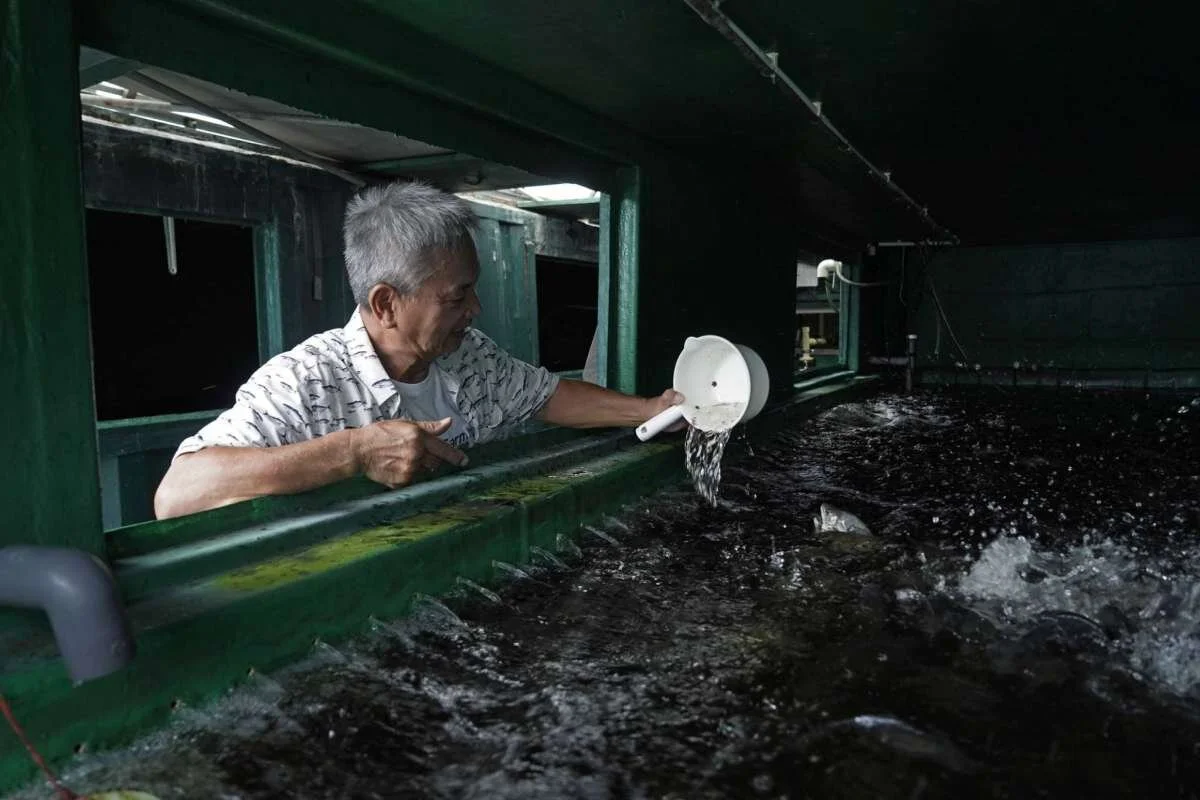
HONG KONG (AP) — After a career-making shipping containers that transport freight around the world, Arthur Lee has stayed with them in retirement, using them to raise crops and fish.
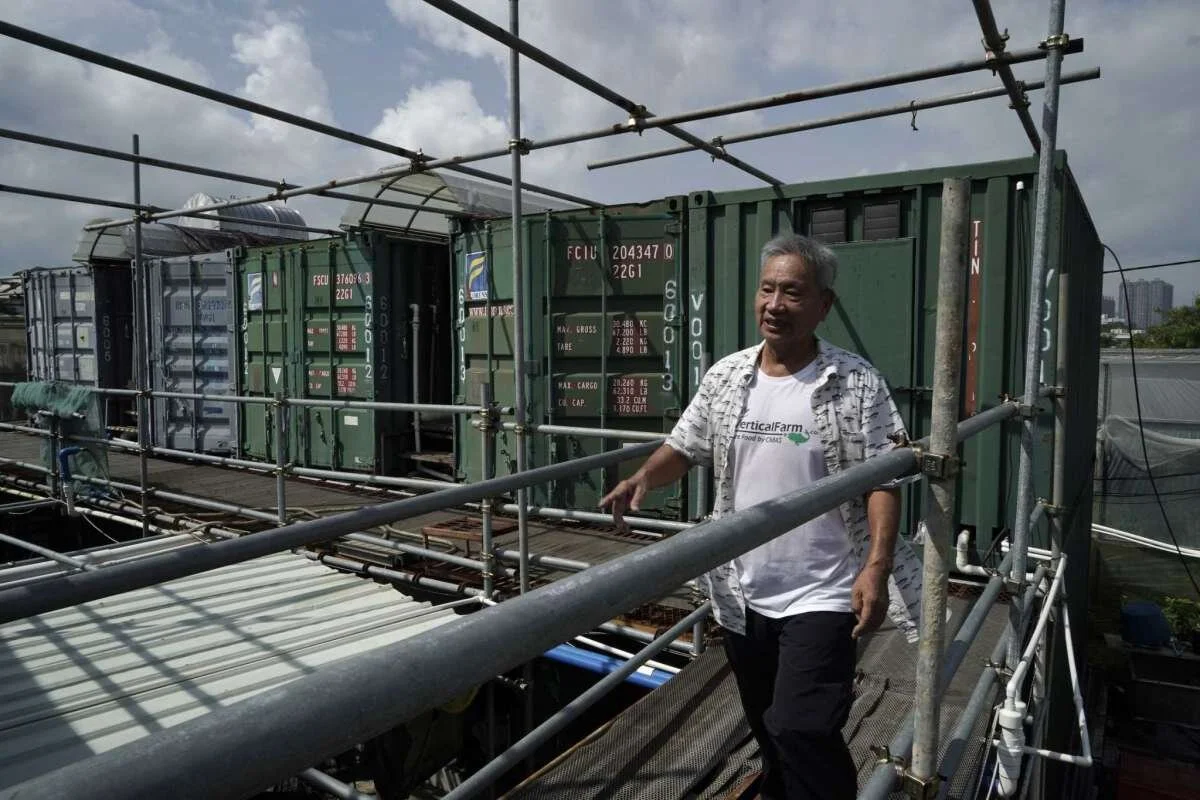
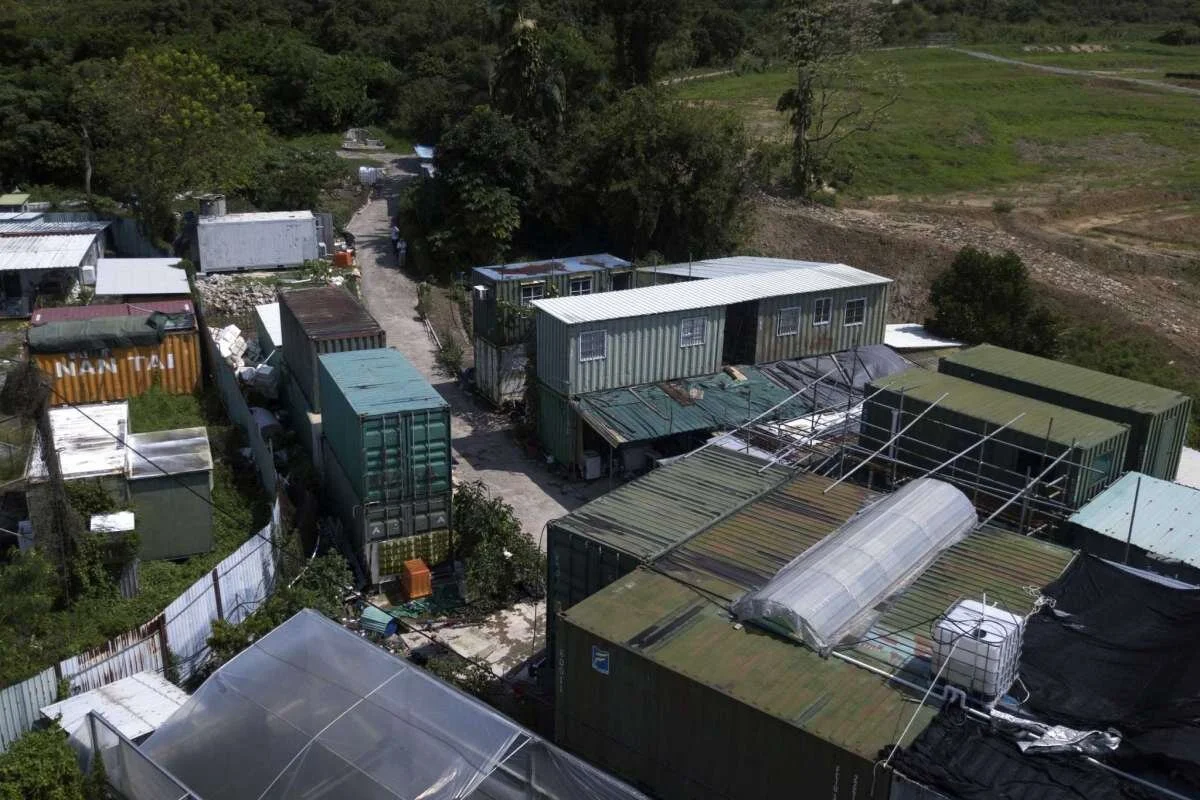
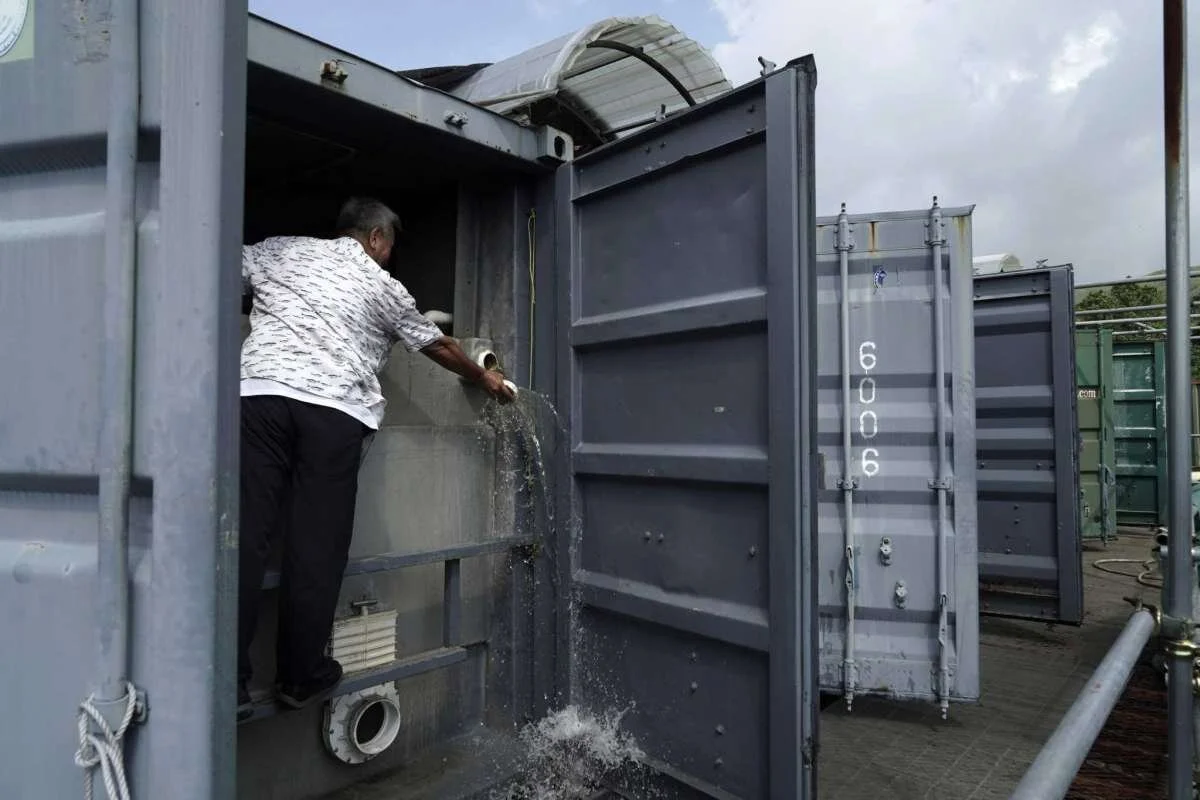
Operating on a rented 1,000-square-meter (quarter-acre) patch of wasteland in Hong Kong's rural Yuen Long, Lee's MoVertical Farm utilizes about 30 decommissioned containers, some decades old, to raise red watercress and other local vegetables hydroponically, eliminating the need for soil. A few are also used as ponds for freshwater fish.





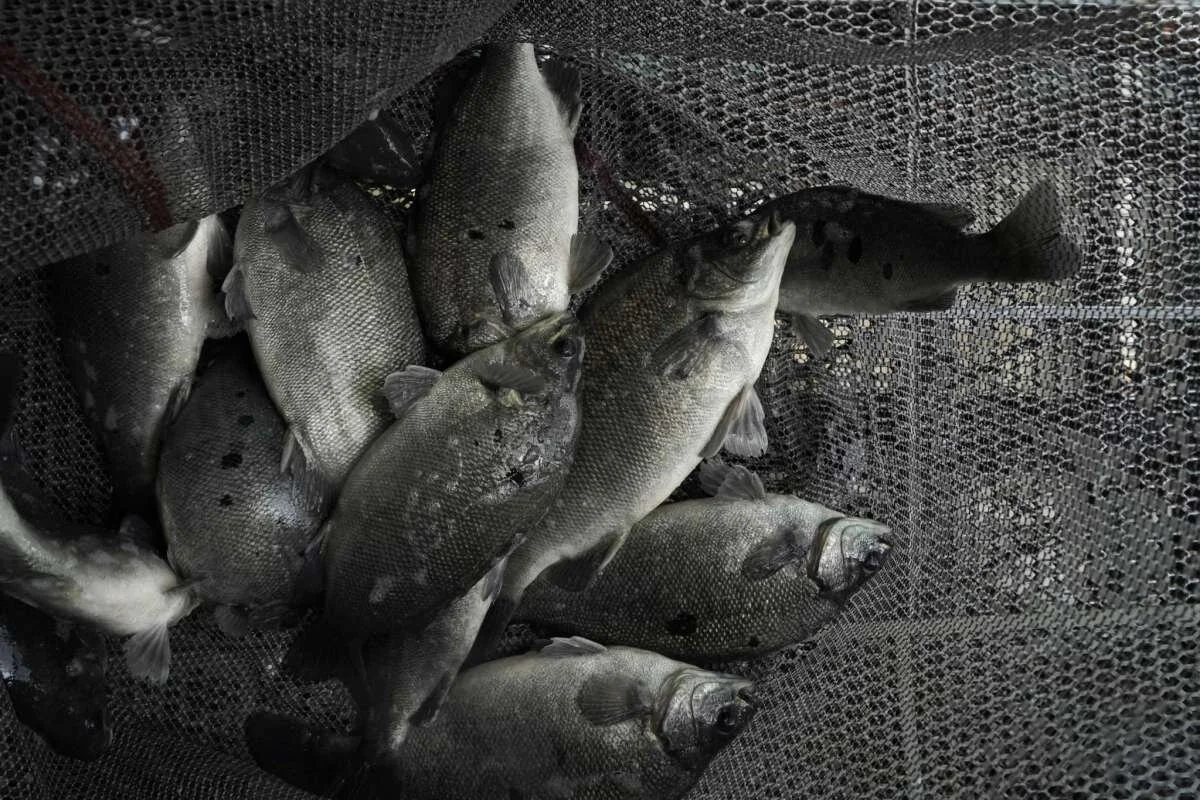
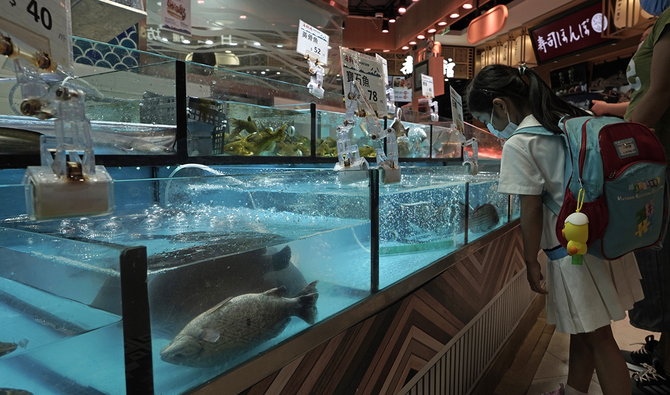



The bounty is sold to supermarkets in the crowded city of 7.5 million that is forced to import most of its food.
As one of the world's great trading hubs, Hong Kong is a rich source of the sturdy 40-foot (12-meter) -long boxes.
Lee uses the latest technology to monitor his crops. The controlled environment inside the boxes uses a hydroponic drip system to deliver nutrients, eliminate the need for herbicides and pesticides, and reduce risks from pests, small animals, and bad weather. Temperature, humidity, carbon dioxide levels, nutrient mixtures, and light can all be monitored and adjusted.
And if Lee loses his lease, he can load his container farm onto trucks and move it elsewhere with minimal disruption.
Shipping container farms have taken off in countries around the world with wildly varying climates, from freezing to tropical, and on scales ranging from single containers to dozens. Many are located in urban areas where fresh produce can easily be delivered to stores or directly to consumers. While vegetables, fruits such as strawberries, and freshwater fish are among the most popular, some growers have turned to raising high-protein insects as a food supplement.
Controlled environment agriculture is just one use for shipping containers, both new and old. In poorer nations, they are often used as shops with the added advantage of locking up tightly at closing time. In more affluent nations, they have been turned into tiny homes, painting studios, coffee shops, backyard sheds for hobbyists, and even swimming pools. Online, containers can be bought for around $4,000, with basic home conversions going for $30,000 or more.
Lead photo (AP Photo/Kin Cheung): Arthur Lee, the owner of MoVertical Farm, feeds his fish inside a shipping container in Yuen Long, Hong Kong's New Territories.

Indoor Farms Are Reimagining America’s Food Supply
With the worldwide population surging and acreage for agriculture shrinking, indoor, indoor farms are literally on their way up as a viable form of food production
SEP 25, 2020
With the worldwide population surging and acreage for agriculture shrinking, indoor, indoor farms are literally on their way up as a viable form of food production.
Bowery Farming, founded in 2015, is growing lettuce and other greens in vertical, indoor farms located just outside of cities. The “farms” are able to produce crops year-round; and Bowery says it is using far fewer resources than traditional farms and generate less waste.
“Farming is very resource-intensive,” noted Katie Seawell, Bowery’s chief marketing officer. “We’re transforming non-arable spaces into arable farmlands. We stack crops from floor-to-ceiling; because they are grown indoors, we can control the environment. We focus on seeds many farmers are unable to grow because of conditions. We start with seeds and then are able to optimize the plants and are able to harvest at their peak and get them in stores quickly. We are the grower, packager and shipper all in one.”
The stacked plants are monitored and fed using the Bowery OS, a proprietary operating system that gathers information as the plants grow and then creates a “recipe” for each one. “We continue to learn what makes them flourish and thrive,” Seawell explained. “The next time we plant, the recipe has been optimized.” Bowery’s crops are pesticide-free, and the company uses less water than traditional growers.
Currently, Bowery Farming is growing different grades of lettuce and herbs as they grow efficiently. The company, however, plans to expand beyond leafy greens, according to Seawell.
Bowery now has three indoor farms, all near urban areas where fresh produce can be in short supply. One is a research and development center in Kearny, NJ, a suburb of Newark. A large-scale commercial farm also is in Kearny and another farm is in White Marsh, Maryland, just north of Baltimore. “We want to scale globally, and grow our national footprint,” she added. “We’re concentrating on urban centers and feel we can deliver.”
The company says it is collaborating with nonprofits in nearby communities. In the New Jersey and New York areas, Bowery works with Table to Table and Teens for Food Justice. In Maryland and the Washington, D.C. area, Bowery offers support to Maryland Food Bank and DC Central Kitchen. Through DC Central Kitchen’s Healthy Corners program, fresh produce is sold to corner stores in D.C.’s low-income neighborhoods at wholesale costs, where it is then sold to consumers at below-market prices.
While other farms have been struggling during the coronavirus pandemic, Bowery was able to grow its customer base, Seawell noted. “We were very fortunate; we were deemed an essential operation, so there was no disruption in our business. In fact, we had an acceleration in demand because of shortages in other parts of the supply chain.” In early January, the company’s produce was in about 100 stores; now the indoor farms are supplying 600 stores, including Giant, Weiss, and Walmart, and has grown its online business. “We have doubled our e-commerce traffic since January,” noted Seawell. “People are turning to e-commerce because of supply chain disruptions and we have a stable harvest and get produce on the shelf in a few days.”·
The company is fulfilling the vision of its founder, Irving Fain, who believed that since agriculture is at the center of many global issues, including food access and security, it was time for formative transformation of the industry using technology. As Seawell explained, “Agriculture is at the epicenter of so many global challenges we have. We’re trying to do good through technology.”
When the economy begins recovering in earnest after the pandemic, Bowery Farming can be a part of rethinking a food supply chain that often falters at various stages. “There is a real desire to strengthen our food system, which will benefit retailers and consumers,” according to Seawell. “We can increase access to fresh, delicious, safe produce 365 days a year. We can play an important role in sustainability and farming and can play a part as we strengthen and rebuild from the pandemic.”
Image credit: Bowery Farming
Ellen R. Delisio is a freelance writer and paraeducator who lives in Middletown, CT. Over the past 30 years, her writing has focused on life science, sustainability, and education issues. Ellen is an avid reader and beach-goer.

How Hydroponic Farming Can Bring You Produce That Aren’t Locally Grown……With No Soil Needed
Derived from Greek terms hydro (water) and pono (work), hydroponics literally means “working water” as plants are grown in water beds, with liquid solution feeding them the minerals and nutrients they need
September 24, 2020
When we think of farming or planting, the basic ideas that come to mind are digging up soil, dumping in seeds, sprinkling it with some water, and letting the power of nature turn the seed into a plant. Of course, humans take part in the process. But looking at the big picture, the soil plays the most crucial role in growing plants and vegetables. It’s going to be their cradle and, for some, their longtime home. Its quality and location will determine the life of a seedling and affect the fruits it will bear. After all, as soil scientist, Charles E. Kellogs said, “all life depends upon the soil… There can be no life without soil and no soil without life.”
But what if the soil is taken out of that picture? Now that is what we call hydroponics. Thanks to the advancements made in science and agriculture, we can now manage to cultivate crops without soil. Derived from Greek terms hydro (water) and pono (work), hydroponics literally means “working water” as plants are grown in water beds, with liquid solution feeding them the minerals and nutrients they need.
This method of horticulture may sound like a recent breakthrough, but studies about soilless farming dates back to the 1600s with works of English philosopher Francis Bacon and geologist John Woodward. According to a 1981 article in The New York Times, since nutrients are brought right to the roots, plants do not have to branch out and fight for food. Unlike farming on soil, hydroponics allows plants to be placed closer together as nutrients are equally distributed.
In the Philippines, many have adopted the hydroponic way of farming, as it offers vegetables that are safe from soil-related disease and typhoon damages.
For business owners Kevin and Kristine Co, hydroponics has also paved a way for a more eco-friendly process of bringing produce to the table. Their brand Herbivore Philippines not only provides vegetables that are free from pesticides and other harmful chemicals, it gives produce that can’t be grown locally.
The couple chats with Manila Bulletin Lifestyle and details the benefits Filipinos can get from hydroponic farming, its sustainable impact, and how their work has been during the pandemic.
How long has Herbivore PH been operating?
Kevin: Herbivore has been operating for a little over a year now. It took us nine months to construct and set the system up. Kristine is a big proponent of clean and healthy living. The idea started during a casual dinner conversation with some friends. It was about the difficulty of sourcing good quality produce and how anybody can easily claim and label themselves as “organic,” “farm fresh,” and the like. We spoke about how there was a lack of customer education on how fruits and vegetables are being grown.
For example, did you know that fruits and vegetables sold in supermarkets in developed countries have Price Look-Up codes to help customers distinguish how the produce are grown? This can be conventionally-grown (most probably with pesticides and chemicals in nutrient-depleted soil), genetically modified (unnatural and has been known to cause various diseases), or certified organic. The desire to grow top-notch, truly “clean” produce is what fueled us to bring this idea to life. We even have our produce tested to make sure that we are completely pesticide and chemical-free.
What is the advantage of using hydroponics compared to other indoor gardening?
Kristine: Some hydroponic farms are not temperature-controlled, hence the quality of the veggies aren’t that great. With our system we can give the plants optimum temperature, light, and nutrients to give them the best possible opportunity to reach their full potential, making better and more consistent quality produce. They are like spoiled babies. By having a completely controlled environment, we could grow produce that are typically imported—our contribution to reducing the carbon footprint of having to keep importing these vegetables.
How did the pandemic affect your operations?
Kristine: The pandemic shifted our business to be more retail-focused because of the increased demand from retail customers. We saw a significant drop in our wholesale business as many restaurants’ operations substantially decreased during the lockdown.
‘By having a completely controlled environment, we could grow produce that are typically imported—our contribution to reducing the carbon footprint of having to keep importing these vegetables.’
What are the imported vegetables you cultivate?
Kristine: We currently grow a handful of produce that has to be imported. Some examples include garland chrysanthemum, domiao, sangchoi (Chinese lettuce), wawachoi (Chinese cabbage) and even for those that can be grown locally like mizuna, kale, arugula, watercress, etc. Our produce is far superior than what you can normally get in the market.
How important is sustainability for the brand?
Kristine: Of course, sustainability of the brand is important so we can carry out our ethos which is to provide our market with the freshest and healthiest vegetables without sacrificing social responsibility. We are constantly trying to improve our system to work toward this.
Today’s Rooftops Are Increasingly Becoming Green Spaces As Part of A Drive Towards Cleaner Cities
Today, there are often financial incentives for going green. In Hamburg, green roofing measures for both residential and commercial buildings are subsidized with up to €50,000 via the Hamburg IFB bank
September 23, 2020
Contributors: Erin Williams & Isabel Scruby
Take a bird’s eye tour of many of the world’s well-known cities and there’s one noticeable feature they have in common: a growing number of green roofs.
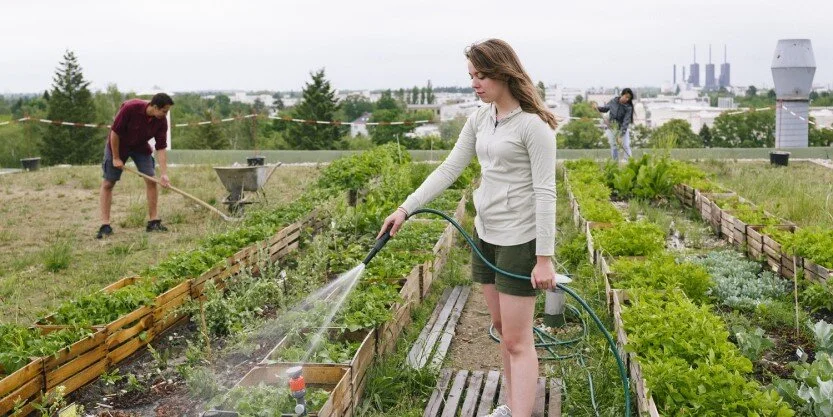
Whether it’s carefully cultivated gardens on Chicago’s skyscrapers, urban farms nestled among Hong Kong’s towers, or grassy layers atop many of Copenhagen’s large buildings, more cities have brought in planning laws mandating green roofs on new developments.
Toronto, for example, introduced laws for new buildings or extensions greater than 21,000 square feet back in 2009. Since then, developers have had to cover between 20 and 60 percent of their buildings with vegetation – and while they can opt-out for a fee, fewer than 10 percent choose to do so, according to data from Toronto’s City Hall.
Other cities have opted for more flexibility. In San Francisco, 15 to 30 percent of roof space on new buildings must incorporate solar panels, green roofs, or both.
“Local government policy has and continues to be the major game changer as more cities aim to improve air quality, protect against flooding and heat stress during heatwaves, and build nature back into the urban environment,” explains Isabel Scruby, Planning, Development & Heritage consultant at JLL.
It’s a far cry from when green roofs first appeared 50 years ago when it was often charities or housing cooperatives leading the charge in German cities such as Düsseldorf and Stuttgart, today considered Europe’s green roof capital.
Driving a greener future
Today, there are often financial incentives for going green. In Hamburg, green roofing measures for both residential and commercial buildings are subsidized with up to €50,000 via the Hamburg IFB bank.
In America, Washington DC’s stormwater regulations and Philadelphia’s tax credit scheme both encourage green roofs.
In London, there are no such incentives. However, it’s now home to some 42 percent of the UK’s overall green roof space, in part through residential schemes such as Barnet’s Collingdale Gardens and Islington Square.
“Since 2008, there has been a clear drive in the uptake of urban greenery in London – specifically living walls and green roofs – as part of the Living Roofs and Walls Policy,” says Scruby.
The challenge is for those areas where there are low levels of greenery to improve, says Erin Williams, consultant in JLL’s Upstream Sustainability Services team.
“That will require more developers and existing real estate owners to embrace to the idea.”
While there are certainly practical issues to overcome, from transporting materials onto the roofs to ongoing irrigation and stormwater management, there are also benefits for investors and tenants.
“Developers or redevelopers sometimes need convincing of the benefits of a green roof on a property’s long-term value and energy efficiency,” says Williams.
While utility costs vary between cities, the National Research Council of Canada estimates a green roof can reduce air-conditioning use by up to 75 percent.
And comparing the expected cost of a conventional roof with the cost of a 21,000 square-foot green roof, a 2006 study from the University of Michigan found that over its lifetime, a green roof would save about $200,000, with almost two-thirds of that in energy.
Appealing to modern tenants
While green rooftop space can be left vacant or landscaped for recreational use to help improve health and wellbeing among building tenants, some rooftops are going down a different route.
With greater public concern over climate change and a growing appetite for locally sourced produce, urban farming is starting to take off – with rooftops often offering high-quality environments to grow fresh produce. The world’s largest urban farm, Agripolis’ Nature Urbaine, recently opened on a central Paris rooftop.
In Exeter, the Crown Estate’s Princesshay rooftop garden, which includes five hives, fruit trees, and a herb garden, is home to around 100,000 bees. Since launching in 2012, honey is sold in a delicatessen below.
“Using green roofs to grow fruit and vegetables is a great opportunity to move rooftops away from purely recreational use and drive more value from them while also benefiting the local community and wildlife,” Williams says.
It’s a model that property owner YKK has implemented in Hong Kong to create a 9,000 square foot urban farm producing organic vegetables that are donated to local charities to help feed people in need.
“We’ve turned the building’s under-utilized space into a vibrant place where our tenants volunteer to help cultivate the plants,” says Sotomi Funasugi, director and factory manager at YKK (HK) Limited. “It not only allows tenants to relax and socialize, but it also strengthens bonds with the community by supporting local charities and helping schoolchildren to learn about growing vegetables.”
While the number of green rooftops – and their range of uses – continues to grow, Williams says there’s room for the concept to grow further, pointing to Paris’ plans to make its rooftops a key part of its green transformation.
“As planning policy filters through and has a greater impact on developer thinking, there’s a strong possibility adding a green roof simply becomes part of planning applications,” Scruby says. “That’s the hope. We’re not there yet - but progress has been made.

CHAP Launches CropMonitor Pro – A New Digital Service For Predicting Crop Pest and Disease Risks
CHAP is delighted to announce the launch of a new digital service – Crop Monitor Pro. It is designed to help growers and agronomists predict the likelihood of pest and disease outbreaks on their farm
CHAP is delighted to announce the launch of a new digital service – Crop Monitor Pro. It is designed to help growers and agronomists predict the likelihood of pest and disease outbreaks on their farm.
CropMonitor Pro extends the DEFRA funded, long-standing regional risk evaluation service (Crop Monitor) which was first launched in 2003 by Fera Science Limited (Fera). CropMonitor Pro is a significant advancement on that service by providing field-level risk prediction for a range of pests and diseases affecting winter wheat, winter oilseed rape, and potatoes.
The CropMonitor Pro decision support service is a collaboration between CHAP and Fera and has been in development since 2017. It has been funded by IUK as part of the UK Agri-tech Strategy.
Analytical tools are becoming increasingly popular for growers. Retailers, agrochemical companies, and government are all looking to better predict the risk of pest and disease outbreaks to mitigate against supply chain shortages, predict sales, and encourage environmental stewardship. For the grower, a better understanding of the level of pest and disease risk can ensure pesticides are only applied when required. This will not only offer immediate savings on both chemical applications and operational expenditure but will also reduce the threat of resistance against an increasingly limited arsenal of available crop protection products.
CropMonitor Pro estimates infection risk by analyzing the complex relationship between weather, crop growth stage, management practices, and disease or pest characteristics. It uses a simple traffic light system to show crop susceptibility and suggests optimum times to spray – and when to avoid spraying – for up to four days ahead with up to 85% accuracy.
The system benefits from almost 20 years of historical winter wheat disease data: models which could be validated against this dataset were shown to have a false negative rate of less than 15%. CHAP CEO Fraser Black said: “Developing tools to support the sustainable use of pesticides is critical not only to improve the bottom line of our growers but also to protect our environment and halt the rapid rise of pesticide resistance emerging in the UK. CropMonitor Pro will deliver real financial benefits to growers and agronomists while also protecting the environment.”
Fera CEO Dr. Andrew Swift said: “After several years of development work, we are excited to launch the CropMonitor Pro service with CHAP. It is our hope that CropMonitor Pro becomes a vital tool for the industry to improve profitability while helping to protect our natural ecosystems.”
The system launched on 14th September for growers and agronomists and will be available directly through www.cropmonitor.co.uk on a subscription basis.*
About Crop Health and Protection (CHAP)
Crop Health and Protection (CHAP), funded by Innovate UK, is one of four UK Agri-Tech Centres. CHAP’s vision is for the UK to be a global leader in the development of applied Agri-Technologies, to help secure our future by nourishing a growing population sustainably while delivering economic, environmental, and health benefits to society.
CHAP acts as a unique, independent nexus between the UK government, researchers, and industry, building innovation networks to identify and accelerate the development of cutting-edge solutions to drive incremental, transformative, and disruptive changes in sustainable crop productivity.
Website: chap-solutions.co.uk/
For further information about the project contact:
Chris Delf: chris.delf@chap-solutions.co.uk
Tel: +44 (0)7732 684 786
Twitter: @CHAP_Enquiries
Fera Science Limited, formerly the Food and Environment Research Agency, is a joint private/public sector venture between Capita plc and Defra. Using original thinking applied to support sustainable global food security our vision is to support our partners to respond to the challenges ahead through original thinking and world-class science. Fera is a leading supplier of scientific solutions, evidence, and advice across the agri-food supply chain. Employing more than 350 scientists, Fera analyses over 90,000 samples and publishes over 100 peer-reviewed scientific papers per year. It turns expertise and innovation into ways to support and develop a sustainable food chain, a healthy natural environment, and to protect the global community from biological and chemical risks.
Website: fera.co.uk
For further information about the project contact:
Judith Turner: Judith.turner@fera.co.uk
Tel: +44 (0)1904 462200
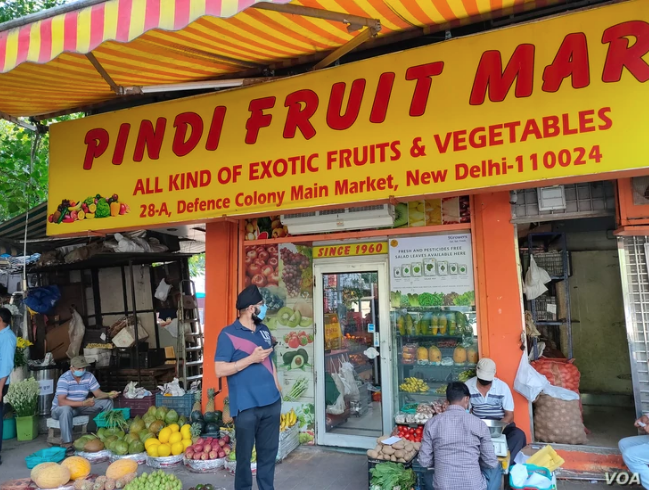
VIDEO: Hydroponic Farm Ventures Take Root in Indian Cities
Amid growing demand for fresh farm produce without pesticides, young entrepreneurs in Indian cities such as Delhi, Mumbai, and Bengaluru are turning their attention to hydroponic farming, where plants grow without soil and are fed mineral nutrients through water
September 23, 2020
By Anjana Pasricha
The rows of lettuce, microgreens, and herbs that Himanshu Aggarwal and his mother grow in an enclosed room in a busy New Delhi market began flourishing six months ago, just when the COVID-19 pandemic was taking hold in India.
Himanshu Aggarwal grows lettuce, microgreens, and herbs in an 800-square-foot enclosed room in New Delhi. (Anjana Pasricha/VOA)
It was not the best of times. A day after the Aggarwals launched their hydroponic venture, 9Growers, India declared a stringent lockdown, making them nervous about how they would sell their freshly plucked greens amid the pandemic.
Surprisingly, the situation helped grow their business. Worried about contracting the virus, people began to focus increasingly on healthful foods, and at the same time, shops became willing to stock their produce.
Pratibha Aggarwal helped her son launch the venture 9Growers. (Anjana Pasricha/VOA)
"Vendors were open to having good produce, especially during the lockdown. They were not even getting basic necessities, and we were giving them fresh produce harvested on the same day,” said Himanshu Aggarwal, 24, who was inspired to take up hydroponic farming after seeing the quality of fruits and vegetables during a trip to Europe. “Even our best produce could not match theirs. So I thought about how to achieve the same standards for a small community, and hydroponics seemed the answer.”
Amid growing demand for fresh farm produce without pesticides, young entrepreneurs in Indian cities such as Delhi, Mumbai, and Bengaluru are turning their attention to hydroponic farming, where plants grow without soil and are fed mineral nutrients through water. Using much less water than conventional procedures do, hydroponics has won attention as a sustainable farming method in several countries, such as the Netherlands.
Some in Delhi have opted to put up their ventures in poly houses on the city’s outskirts. Others are doing it in the heart of the city, in residential or commercial areas, where the plants grow in laboratory-like conditions under artificial light that simulates sunlight. Most of the young entrepreneurs learned about it on the internet and through trials and experiments in their homes.
The hydroponic farm is situated on the top floor of a building. (Anjana Pasricha/VOA)
Aggarwal’s plants thrive on the top floor of a small building in an 800-square-foot room. Accessed through an electronics store, the unlikely space transports a visitor from the honking cars and traffic snarls to the surreal sight of the 18 varieties of lettuce and other leafy greens thriving in vertical panels in one of Delhi’s most crowded markets.
“We are giving them everything they want — temperature, air quality, humidity. We are monitoring all the aspects for them so that they give the best result,” Aggarwal said.
The appeal of greens growing in a clean, germ-free environment has grown during the pandemic as people focus more on eating healthful foods, according to shop owners. While the higher cost is a barrier for some, high-income consumers in cities are increasingly willing to pay the price for fresh produce.
Boxes of hydroponic greens are displayed among other vegetables. (Anjana Pasricha/VOA)
In an upscale neighborhood in New Delhi, Mohinder Pal Singh, who stocks the hydroponic greens, said he gets repeat orders from customers who try them out. “Due to COVID, a lot of people have switched to greens to boost immunity. People have also become very conscious of eating nutritious food,” he said. “So the sale of such produce is increasing.”
The owner of a fruit-and-vegetable shop in a Delhi market says hydroponic produce is selling amid rising demand for healthful food amid the pandemic. (Anjana Pasricha/VOA)
Optimistic about the growing demand for local produce in cities, some entrepreneurs are scaling up their businesses. Rohit Nagdewani, the founder of farmingV2, plans to expand to other cities — his seven farms in Delhi produce about 2,500 kilograms of hydroponic produce every month. “People are becoming increasingly aware of the source of the food and how many hands it is exchanging, so there is a big future in hydroponics, where supplies reach within a few hours of harvesting,” Nagdewani said. “All that is fueling demand. That is why I have put my entire savings into it,” he said with a laugh.
For another Delhi-based entrepreneur, Raghav Varma, 30, the inspiration to turn to city farming came during a visit to the hill state of Uttarakhand, where he saw hydroponic produce being grown for export. Back home, his experiments showed that he was able to grow a 300-gram head of lettuce in a small ice cream container on his windowsill. “It was really fresh and crunchy because it is grown in water. So I thought this was an amazing way to produce food for urban dwellers,” said Varma, who has co-founded Farmstacks.
A customer looks at a box of microgreens. (Anjana Pasricha/VOA)
However, the entrepreneurs admit that consumer awareness about hydroponics needs to be raised. To do that, Varma allows people to choose the greens they want to grow for their own use at a small community farm in Delhi.
Most of the entrepreneurs do not have a farming background; Varma was a digital marketing executive, Aggarwal a corporate employee, and Nagdewani started his career as an automotive journalist.
They are proud of their new calling. “ 'Urban farmer' is actually a very good tag. It’s a new profession, I would say, and it gives us a sense that we are back to our roots from where we started,” Aggarwal said with a smile.
Pricing Soars On Iceberg Lettuce
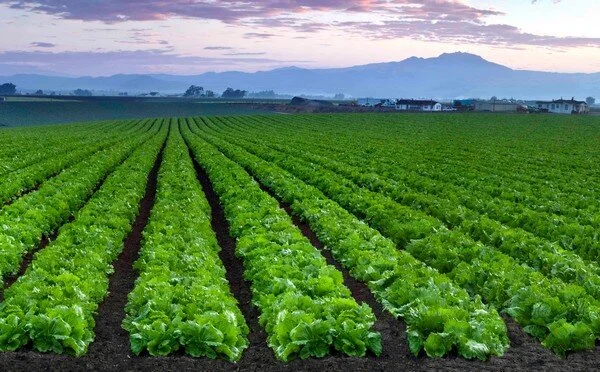
Prices have spiked on California iceberg lettuce. “The supply of iceberg is low at the moment industry-wide. Yields are lower than normal this time of year due to disease issues,” says Pete Georgalos, Sales for D’Arrigo California
Prices have spiked on California iceberg lettuce. “The supply of iceberg is low at the moment industry-wide. Yields are lower than normal this time of year due to disease issues,” says Pete Georgalos, Sales for D’Arrigo California. “We’ve also been through a couple of long heatwaves this summer.”
Currently, supplies are coming out of the Salinas Valley, CA. “Canada has lettuce but supplies are winding down there. Iceberg lettuce out of Huron CA start in mid to late October for shippers that still produce there. Our next district will be Yuma, AZ which starts in early November,” says Georgalos. “Supplies will likely not increase until Yuma gets into full swing on production.”
Along with Canada, competing product currently comes from Colorado and New Mexico.
Pressures on demand
Meanwhile, solid demand is coming from both domestic retail and foodservice business as well as Canadian demand. “The biggest challenge is producing enough lettuce. It’s difficult this time of year and it’s late in the season to keep up with demand,” says Georgalos. Of course, this is forcing prices to spike significantly. “The lettuce market is three to four times higher than last year at this time. This year the lettuce market has been $40,” says Georgalos.
He adds that in the next few weeks, not much is expected to change in terms of volume or quality. “Rain and other inclement weather can be factors impacting quality and yield as we move into October,” says Georgalos.
For more information:
Claudia Pizarro-Villalobos
D'Arrigo California
Tel: +1 (831) 455-4315
cvillalobos@darrigo.com
https://www.andyboy.com/

Publication date: Mon 28 Sep 2020
Author: Astrid Van Den Broek
© HortiDaily.com
How Tech Farming Is Transforming India’s Agri Landscape
Advancements in agritech offer precise solutions for sustainable farming such as indoor vertical farming, hydroponic farming, and modern greenhouse practices
September 25, 2020
The farming community has been severely impacted by the Covid-19 pandemic. The restrictions on transport and logistics, supply chain, and shutting down of local vegetable mandis obstructed the overall supply of the produce. This led to the vulnerability of our food sources. Additionally, food production, transport, processing, and waste are already placing enormous pressure on environmental resources.
According to estimates of the World Economic Forum, the global population is expected to reach nearly 10 billion in 2050, which will lead to a 60% higher food requirement than it is today. However, at the current rate of ecological degradation, there simply won’t be enough arable land left to meet this demand. This has resulted in the need for utilizing and growing the food sustainably. Consequently, with the adoption of the right technology, farmers can optimize their crop planning to utilize minimum resources and get the maximum benefit out of it.
Understanding the market overview
With remarkable results, agriculture technology has witnessed a huge growth in investment and is still projected to grow at a CAGR of 18% from 2019 to 2025, according to a report by Research and Markets. And Maple Capital Advisors, in a report, says the sector attracted investment of nearly $245 million in 2019. The report, titled ‘India Agritech—Investment Trends, Initiating Coverage’ says the sector is expected to attract investment of more than $500 million in the next two years.
Additionally, to promote the agri firms, the Indian government recently announced that it would fund 112 startups with a sum of ₹11.85 crore in the current financial year.
Innovation in agriculture
Advancements in agriculture technology offer precise solutions for sustainable farming that includes indoor vertical farming, hydroponic farming, and modern greenhouse practices. These practices are set to redesign the farming experience with myriad benefits. They produce healthier, fresh, and more nutritious food that has a longer shelf life. These practices also help in saving valuable water, land, and labour resources. Also, the controlled growing system enables farmers to produce food free from harmful chemicals and residue.
Complementing consumer preferences
In India, consumption patterns have been undergoing changes. People are becoming more aware of eating healthy and fresh. Additionally, the pandemic has also encouraged consumers to change their dietary habits and consume food that helps prevent infections and build strong immunity against infections.
The techniques of ultra-modern tech farming optimise crop production and quality and offer food safety all year round. They are grown in nutrient-rich water without pesticides, harvested a few hours before it reaches the consumer’s plate. This has strengthened the power of making good choices and brought in a behavioural change to create a healthier food system.
Use of technology
The growth in the adoption of advanced technology solutions in agriculture is revolutionising the sector. By using the smart farming model, traditional farming is gradually transitioning to urban modern tech farming. It allows producing differently using new techniques that increase food production and efficiencies in the food chain. By incorporating automated technologies and processes, it becomes easier to meet the burgeoning demand of the population.
Looking at the changing scenario of traditional farming and advancements in technology, farmers have started adopting indoor vertical and hydroponic farming techniques. These are highly data-driven and combine agriculture with science to grow safe and healthy food in much lesser time. These also enable the farmers to manage growth factors and optimize their field for better produce.
After discovering the effectiveness of such farming techniques, the government is also supporting the agritech sector in helping to transform the traditional farming community. The trend of urban modern tech farming is set to boom in the country with millennials being curious about producing fresh inside their houses. They want leafy greens freshly harvested from their farm before putting on the table. In the coming times, consumers are going to become more serious about the benefits of consuming home-grown veggies and organic food. Moreover, people will be fonder of growing vegetables at home for safety, health, and hygiene benefits after the pandemic.
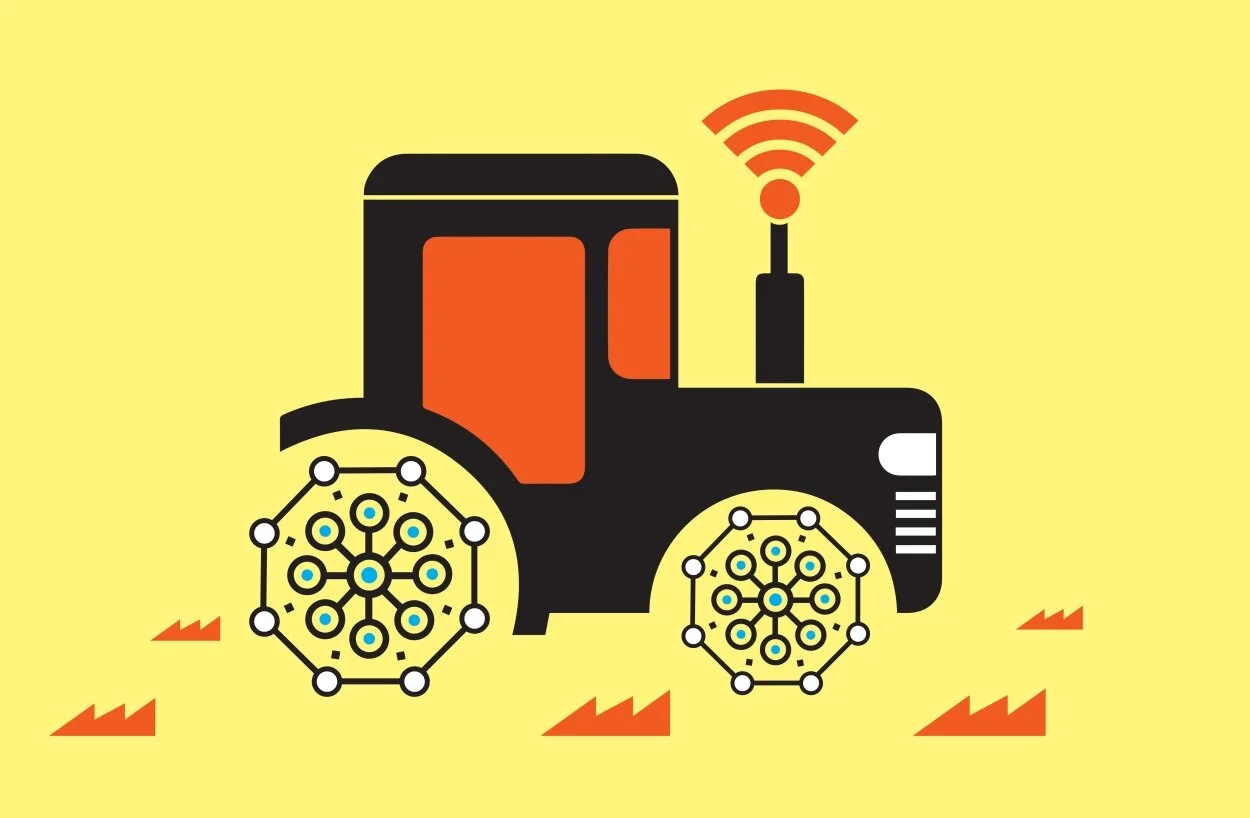
Lead photo: Illustration by Anirban Ghosh
Views are personal. The author is the founder and CEO of Barton Breeze, a commercial hydroponics farm startup.
Follow us on Facebook, Twitter & YouTube to never miss an update from Fortune India. To buy a copy, visit Amazon.
"Vertical Farming Is Not The Answer For All of Humanity's Woes"
When people talk about vertical farming, they often focus on what it gets right: saving water compared to traditional agriculture, providing communities with safe, fresh, healthy and locally-grown food, etc
On the second day of the Vertical Farming World Congress, the speakers really got to the meat of the matter (or should that be to the leafy greens of the matter?). The day was opened with three presentations on market opportunities in the industry, given by Ian Cox of Innovate UK, Christine Zimmermann-Loessl, Chairwoman of the Association for Vertical Farming, and Henry Gordon-Smith, Founder and CEO of Agritecture.
Challenges and opportunities
When people talk about vertical farming, they often focus on what it gets right: saving water compared to traditional agriculture, providing communities with safe, fresh, healthy and locally-grown food, etc. In order to get the complete picture, however, it's also important to look at potential downsides. Ian, in his presentation, didn't shy away from discussing those.
He mentioned the high price of real estate in urban location as one of the potential obstacles to vertical farming. Critics also often argue that vertical farms are energy-intensive; however, Ian notes, there are many different models in vertical farming, and not all of them use lighting. Still, energy is important to the success of a vertical farm, and it is crucial that continuity of power is guaranteed. Finally, not all crops can be grown in vertical farms - the majority is herbs and leafy greens, which grow fast, command a price premium and do not need much light. According to Ian, "more fruits, vegetables, pulses and ground fruits need to be produced in vertical farms."
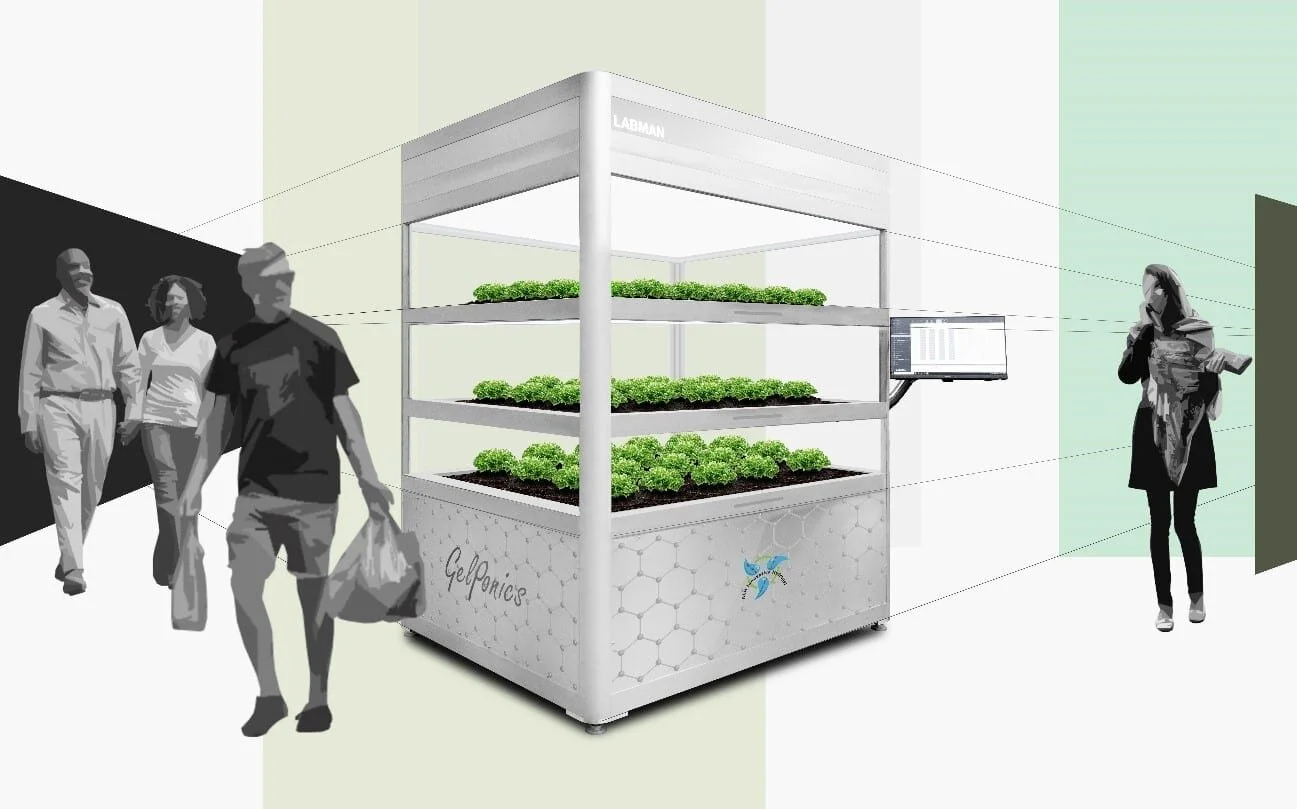
There are, fortunately, also lots of opportunities in vertical farming - Ian points to innovations in sensors, automation, and new crops being developed as some examples. One of these success stories backed by InnovateUK through CHAP, is GelPonics.
Vertical farming: part of the solution
Christine Zimmermann-Loessl provided an overview of the work of the Association for Vertical Farming. In her presentation, she highlighted the need for agriculture to be more environmentally friendly. In order to achieve this next level, "cooperation of science and industry is important", she said.
With humankind reaching the planetary boundaries, Christine argues, this is particularly important. And while land is scarce, vertical farming alone won't solve this problem. "It will be a part of the solution", she said. For more on Christine's views on vertical farming, check out this HortiDaily interview.
Resilient cities
The last speaker in the day's morning session, Henry Gordon-Smith, spoke about the city of the future, which according to him should be shaped by data-driven scenario planning. He showed how in the past, even a dense urban area like Manhattan had local agriculture. Throughout history, cities always needed to have the resources to make them thrive.
At some point in recent history, that changed, with the focus shifting to heavy urbanization. "One of the cons now is that cities are less resilient". Henry takes Ontario as an example - it used to be an exporter of food, but with unchecked urban development in Toronto, the area actually turned into a net importer of food, making it less resilient. He then went on to highlight some of the solutions Agritecture can offer for these issues.
Image credit: Agritecture
Selecting the best technology and crops
Another session that day focused on choosing the right crops and technology for one's vertical farm, featuring insights from James Lloyd-Jones, Founder and Managing Director of Jones Food Company; David Rosenberg, Founder and CEO of AeroFarms; David Farquhar, CEO of Intelligent Growth Solutions; and Mike Zelkind, Co-founder and CEO of 80 Acres Farms.
James has a background in property and renewable energy - two fields that are related to the vertical farming sector, but not to agriculture as such. Still, James heads one of the largest vertical farms in the world - this fits into a trend that Henry Gordon-Smith also highlighted, where people get into the industry without necessarily having a background in agriculture.
For James, that meant that he had to look for talent to join the team, and he mainly used local, British talent for that. "It's important to build a strong brand to attract strong talent with the right attitude", he emphasized.
An inside view of Jones Food Company
And the growth for Jones Food Company doesn't stop there. At the end of the presentation, James unveiled his plans for the future: by the end of 2021, two new farms will be built in the UK, with an area of 30,000 m2. In addition, the company will continue to scout for talent, and in the first quarter of 2021, they are planning to launch a new retail brand.
"Vertical integration is key"
Next up was David Rosenberg, who introduced his company AeroFarms and the way they work. Having been in business since 2004, they've built ten vertical farms to date, and they're in the process of building one that's twice as large as the biggest one in the world.
David began his presentation by stressing that there's a place for all farms. "Vertical farming is not the answer for all of humanity's woes, not by a long shot. For some crops and for some places in the world, open field or greenhouse farming is the better alternative." For other places and crops, vertical farming is the better alternative. "And those alternatives are going to become more and more as vertical farming reduces capital costs and operating costs," David believes.
AeroFarms
When it comes to choosing new crops, David notes that what works as a small farm doesn't necessarily translate to a big farm. That's why at AeroFarms, they go through three stages when making this decision:
Research & Development: Understand the plant science to improve plant quality and yield
Pilot: Improve how to grow plants mechanically with the right growing system
Commercialization: Solve agricultural problems through collaborations with other industry leaders
This doesn't just apply to crops, by the way - this way of working is just as important when it comes to choosing the right tech. "We pride ourselves in not re-inventing the wheel in automation", David says. "If someone has a better mousetrap, we'll use that. This is a hard business, and to be really good at it, vertical integration is key."
He also stressed the importance of sanitation in the industry, saying it's bad to cut corners there. "I hope we're diligent about that and processes around food safety. After all, we're talking about people's lives here."
And like James, David also had some news to share about the company's future plans. They're currently building what they say is the world's largest R&D indoor vertical farm, as part of an investment of $100 million by the Abu Dhabi Investment Office. Phase 1 of that project is slated to be operational in late Q1 2021.
3-E and 5-D
David Farquhar was up next to talk about the way they do things at Scottish vertical farming company Intelligent Growth Solutions (IGS). "IGS was founded by a farmer, which is why we focus so much on getting crop production perfect", he explains. The way they work is they basically take a traditional open field, cut it up into pieces and stack the pieces on top of each other in towers.
Of course, things do get a bit more complicated with all the tech added into the mix. At IGS, they call it Total Control Environment Agriculture (TCEA). They cultivate their crops 100% IOT-enabled, making use of cloud computing in an Intelligent Grid that was originally for lighting, but can also be used for other links in the chain, including the retail stage.
David then went on to share the philosophy behind all this high tech. First of all, there's the 3-E targets: Excellent quality produce, Economic competitiveness, and Environmentally friendly. In order to achieve these high standards, IGS makes use of the 5-D way of working.
Replicating real weather conditions is an important aspect of the way they work at IGS, and they see weather as three-dimensional (3-D): there's the sun, wind and rain. Of course, David explains, each of these have multiple varieties (between eight and ten each), and each of these variables has almost infinite values. Take light, for instance, which comes in an almost infinite spectrum of colors. David compared it to paying a visit to the hardware store when you want to repaint your bathroom: the array of available colors is dazzling.
Time is also an important factor, it's the fourth dimension in the 5-D equation. At IGS, they give the crop what it needs at each stage in its life cycle, from darker and humid conditions in the germination stage, to a lighter environment later on in the crop life cycle.
And finally, there's the dimension of space: each shelf in an IGS tower is its own microclimate - the temperature can differ quite a bit between two of those microclimates, even though they're only 30 cm apart. That way, they can grow a wide variety of crops in a single tower. "Whatever we're growing, we want to replicate something that's as close to nature as possible."
An IGS facility under construction
"Pay the farmer, not the doctor"
Mike Zelkind of 80 Acres Farms focused less on technology in his presentation - he put the spotlight on the consumer: what do they want? As Mike highlighted, consumers are looking for health and nutrition, flavor and freshness, sustainably-grown products, and trust and transparency.
What they're being offered in the fresh produce market, however, is all about price - it's what Mike calls the '10 cents less mentality'. "There's a race to the bottom, because growers don't believe their produce is worth 10 cents more. The whole category has been commoditized, but produce shouldn't be a commodity." Mike believes that vertical farming can bridge the gap to what the consumer wants, and thus stop this race to the bottom.
To do this, it's important for vertical farmers to understand how to do business. One way to contribute to the advancement of the industry, is by forming true partnerships and ego-less collaboration, Mike argues. "That's why years ago we started looking for partners willing to play by the same rules, so we formed Infinite Acres with Priva and Ocado."
In addition to partnerships, data also plays a big role in vertical farming - both in terms of plant science and predicting customer demand. At 80 Acres Farms, they develop machine learning models to allow them to understand their customers' shopping trends and forecast future demand.
One trend they are looking to reverse is that of increased spending on healthcare and decreased spending on food, as the graph below illustrates. "Your grandparents spent more on food and less on healthcare", Mike says, adding that's it's time to reverse this trend - things like COVID-19 have highlighted the need to focus more on preventative care through healthy eating, like people did in the past. As Mike puts it: "Pay the farmer, not the doctor."
The Vertical Farming World Congress, organized by Zenith Global, is held online September 22-24. We'll post updates from the virtual conference floor in the coming days and weeks, so watch this space for more like this.
Publication date: Thu 24 Sep 2020
Author: Jan Jacob Mekes
© HortiDaily.com

GreenFactory Emirates: The Largest Indoor Farm In The World To Be Developed in Abu Dhabi
GreenFactory Emirates will develop an innovative indoor farming with the world's most advanced indoor growing system from The Netherlands. It is a combination of vertical and flat farming and solves the normal cultivation restrictions due to extreme climates in regions as the UAE
Barendrecht (The Netherlands) and Abu Dhabi (UAE)
September 22, 2020
A joint venture between GrowGroup IFS from Barendrecht (The Netherlands) and RainMakers Capital Investment LLC from Abu Dhabi (UAE) will build the largest indoor farm in the world in the desert of Abu Dhabi. The GreenFactory Emirates will produce 10,000 tons of fresh produce per year on a plot of 17.5 hectares and a cultivation area of 160,000 square meters.
GreenFactory Emirates will develop an innovative indoor farming with the world's most advanced indoor growing system from The Netherlands. It is a combination of vertical and flat farming and solves the normal cultivation restrictions due to extreme climates in regions as the UAE. The facility will involve numerous leading agro-technological companies in its construction as best of breed for each component will be sourced through top-tier Dutch companies. It is now possible to cultivate high-quality vegetables 100% pesticide-free, all year round and anywhere on the planet: “Quality of Holland – Local Grown.” From seeding, harvesting, processing to "ready to eat" products will take place under one roof.
The joint venture also plans to build other indoor farms in other regions of the world where extreme climates are a challenge to normal cultivation.
Water, Co2, and waste
The GreenFactory will be saving 95% of water consumption as opposed to standard methods of cultivation as well as reducing its Co2 footprint up to 40%. By growing fresh produce locally, GreenFactory Emirates will also contribute to reducing waste in various other areas. Its contribution to slowly reducing reliance on fresh foods imports will in turn reduce waste of produce occurring during the transport process while reducing logistical traffic.
Research and development
GreenFactory Emirates will include a built-in research and development component that will help ramp up the production beyond the 56 current varieties of lettuces, leafy greens, herbs, and kale. It will also optimize its production by collecting real-time data to inform future global expansion of indoor farming. With confirmed partnerships with GAAS Wageningen and Delphy in The Netherlands, GreenFactory will benefit from live feedback provided by some of the best students and Academia in the field.
Food security
Food security is high on the UAE’s agenda. The country aims to be number 1 on the Global Food Security Index by 2051. In 2019, the UAE ranked on the 21st place on the Index, jumping an impressive 10 places from number 31 in 2018. Boosting local production and creating an enabling environment for agri-tech is a top priority for the government. The UAE strives to become a knowledge hub with regards to food production in heat, high humidity, and high salinity soil. The private sector (supermarket chains and the hospitality industry) has also set ambitious targets for itself in order to sell more local produce.
Partnership
The partnership between GrowGroup and rainMKRS is initiated and a result of an introduction made by the Embassy of the Kingdom of The Netherlands in the United Arab Emirates and the Monarch Group which has played an instrumental role in seeking opportunities and nurturing relationships.
Expo 2020 Dubai
The total project amounting to 650M AED (150M EURO) is planned in different phases in 3 years. Phase 1 will be operational before Expo 2020 Dubai in October 2021, so GreenFactory Emirates can show the world its innovations. A kick-off for more similar projects and innovations worldwide.
GrowGroup IFS
GrowGroup IFS (Innovative Farming Solutions), founded by CEO John Breedveld in Barendrecht in The Netherlands, is specialised in developing indoor farming based on the most advanced Dutch innovative farming solutions, especially in regions where normal cultivation is restricted by extreme climate and or limited space.
rainMKRS Capital Investment LLC
With offices in Abu Dhabi (UAE) and Montreal (Canada), rainMKRS is an entrepreneurial catalyst co-founded by a group of Emirati and Canadian entrepreneurs. Led by Mohamed Jouan Al-Dhaheri, Sultan Al-Nassour, Sebastien Leblond, and Jonathan Mérineau Gosselin, rainMKRS brings together the world’s most impactful companies and projects in the food and agriculture sector and UAE’s economic, educational, and investment stakeholders. rainMKRS’ objective is to help bridge the gap between these stakeholders in order to accelerate the progress on critical and strategic components in support of the UAE's desire to achieve food security. GreenFactory Emirates is its first of many initiatives in the field.

AEssenseGrows Deploys Precision Hydroponic Dosing Unit For Fully Automated Greenhouse/Indoor Operations
New AEtrium Measurement, Sensing, & Irrigation System Provides Dual Failover Pumps, 8 Channels of 16 Gallons/Minute, 11 Nutrient Supplies, Software Controlled Fertigation
New AEtrium Measurement, Sensing, & Irrigation System Provides Dual
Failover Pumps, 8 Channels of 16 Gallons/Minute, 11 Nutrient Supplies,
Software Controlled Fertigation
SUNNYVALE, Calif., Aug. 19, 2020 -- AEssenseGrows is now offering its proprietary AEtrium Automated Dosing Unit (ADU) as a fully integrated nutrient measurement, dispensing, pH monitoring and nutrient adjustment system for use in greenhouse or indoor operations. The turnkey ADU operates 24x7 delivering 16 gallons/minute of precision volumetric dosing to 8 programmable channels of irrigation. Delivered fully assembled with on-board computer, connect water and power and the system is ready to go.
The AEtrium ADU can automatically dose from any of 11 available liquid nutrient sources. Typically 2 of these are reserved for pH management (up/down) but the assignment is fully optional for all 11 fertilizer inputs.
“The AEtrium ADU offers new automation advantages to any hydroponic or drip system grow operation. The GuardianTM Grow Manager central control software works with the ADU to precisely mix and deliver 24x7 without mistakes or fatigue. We put free time back into people’s days.” said Phil Gibson, vice president of Marketing at AEssenseGrows. “Professional cultivators will be delighted by the ease of use and the precision controls. Just mix your recipe, turn on the schedule, and you’re in cruise control with automatic cloud tracking of every action.”
Each of the standard irrigation pumps offer a maximum flow rate of 15.8 gallons/minute (60 lpm) x2 from the integrated reservoir. Temperature, pH, and Electrical Conductivity (EC) are measured constantly and reported to the ADU on-board computer for analysis by the Guardian Grow Manager (GGM) control system. This makes the AEtrium ADU ideal for any sprinkler, dripper, poly pipe, or flood and drain hydroponic system for greenhouse or indoor applications.
In addition to fertigation, the GGM software can be extended through the use of smart relays to control a complete grow environment from nutrients to air, CO2 management,
humidity, temperature, fans, vents, light deprivation screens, lighting control, and input/exit water and treatment recovery systems. An optional reservoir cooling coil can be integrated to chill the reservoir for warmer grow environments. Including auto-fill and auto-flush with water level sensors, the unit can be a self-maintaining dosing and irrigation system.
“The AEtrium ADU is one more step in our modular approach to automated plant production and improved yields.” said Robert Chen, Chairman & CEO at AEssenseGrows. “We want the world to produce more and healthier plants to support global demand for fresh produce and medicines. Sharing our proprietary dosing system is one way we can help feed the world.”
The standalone AEtrium Automated Dosing Unit is the newest member of the data-driven AEtrium family, joining the Aetrium-2.1 SmartFarm for cloning and veg, and the AEtrium-4 single-layer blooming system, and the Double Deck AEtrium-4 two-layer blooming system.
The AEtrium ADU is available for order today. For more information for the rest of the UL/ETL/CE certified AEtrium Systems, visit www.aessensegrows.com.
About AEssenseGrows
AEssenseGrows (pronounced "essence grows"), founded in 2014, is a precision AgTech company based in Sunnyvale, Calif. A recipient of the Red Herring 2019 Top 100 North America award, AEssenseGrows provides accelerated plant growth SmartFarm platforms and software automation delivering pure, zero pesticide, year-round, enriched growth to fresh produce and medicinal plant producers globally. With AEssenseGrows, growers can precisely control their production operations at their fingertips from anywhere in the world.
Company Adds New Executive Leaders As It Becomes The Largest Vertical Farming Company In The U.S.
Bowery Farming, the Modern Farming Company, today announced that its fresh, traceable Protected Produce is now available in more than 650 U.S. stores — marking a rapid increase from 100 stores in January
StreetInsider.com
9/25/20201
Bowery Farming Announces Availability in 650 Stores,
Marking 600% Growth This Year
NEW YORK--(BUSINESS WIRE)-- Bowery Farming, the Modern Farming Company, today announced that its fresh, traceable Protected Produce is now available in more than 650 U.S. stores — marking a rapid increase from 100 stores in January. With this expansion, Bowery becomes the largest vertical farming company in the U.S. as consumers are hungry for flavorful, local, and sustainable food.
Bowery’s brick and mortar presence in the Mid-Atlantic and Northeast includes Whole Foods Market, Giant Food, Stop & Shop, Walmart, Weis Markets, and a number of specialty grocers. The company’s expansion has catalyzed more than 600% in-store sales growth since the beginning of this year and it has more than doubled sales with e-commerce partners.
Growing a New Generation of Greens
Located near the cities they serve, Bowery’s indoor farms use technology to create a simplified, agile food system focused on flavor, freshness, and safety — farming efficiently to feed locally. At the core of its farms is the BoweryOS, its proprietary operating system, which uses sensors, vision systems, machine learning, and automation technology to monitor and control all variables contributing to crop growth. By applying proprietary machine learning algorithms to environmental data, the BoweryOS determines the ideal recipe for each crop and makes automatic adjustments to conditions, such as temperature, humidity, airflow, light intensity, and nutrients to optimize crop quality, health, yield, and flavor, giving the plants exactly what they need, when they need it. Every farm benefits from the collective knowledge of the BoweryOS, making the entire network stronger with each new farm built.
As a result of the BoweryOS and the other systems built by Bowery, its farms are more than 100 times more productive on the same footprint of land than traditional agriculture, use a fraction of the water, and grow traceable pesticide-free produce. Bowery’s greens and herbs (such as Arugula, Crispy Leaf, Basil, and Butterhead) grow in completely controlled environments year-round, at least two times quicker than in a field — completely independent of weather and seasonality. Bowery produce is harvested at the peak of quality and taste and is available on the shelf within just a few days.
“Climate events continue to disrupt the way food is grown and distributed, and the pandemic exacerbated the vulnerabilities in our already fragile food system. We need a more resilient solution focused on the future, and that’s exactly what we’re building at Bowery,” says Irving Fain, Founder & CEO of Bowery Farming. “Our growth has been driven by consumer demand for safer and more transparently grown produce, and our ability to provide a consistent and reliable supply to our retail partners. We’re incredibly fortunate to have a dynamic team at Bowery that is relentlessly committed to innovation, strengthening our food system, and increasing access to fresh, healthy food.”
Cultivating Bowery Farming Talent
As the company continues to grow, it welcomes its first-ever Chief Supply Chain Officer, Colin Nelson, who will oversee Bowery’s end-to-end operations, from seed to store. A mechanical engineer by training, Nelson has spent the past 30 years of his career in supply chain management and operations at major multinationals, including Unilever and GlaxoSmithKline. Nelson most recently served as Senior Vice President and Global Chief Supply Chain Officer at Walgreens Boots Alliance, where he led supply chain management of retail and wholesale pharmaceuticals and front-end retail.
“I’m impressed by what Bowery is building and how the company is applying innovative technology and human ingenuity to strengthen our food system and help feed a growing urban population in an economically sustainable way,” said Colin Nelson, Chief Supply Chain Officer of Bowery Farming. “I am looking forward to working closely with the incredibly passionate, purpose-driven team to further expand the business and deliver excellent economics through the supply chain and operational efficiencies at Bowery.”
Nelson is the most recent among a series of strategic hires for Bowery, which also includes Carmela Cugini, Chief Revenue Officer (formerly Head of Merchandising & Curation at Jet.com and VP and General Manager of Walmart’s US e-commerce team) and Katie Seawell, Chief Marketing Officer (formerly SVP of Product and Marketing for Starbucks). The company has also added two new members to its Board of Directors: Sally Genster Robling (former EVP of Pinnacle Foods and founding President of the $1.1B Birds Eye Division) and Michael Lynton (Chairman of Snap Inc., and former Chairman and Chief Executive of Sony Pictures Entertainment).
“Bowery Farming’s best-in-class approach and application of software, robotics, automation, and AI has proven that local, smart farming at scale can be a reliable and more sustainable model for the future of agriculture,” said Hans Tung, Managing Partner at GGV Capital. “Solving for our global food challenge requires us to think differently about how we can address a number of issues — from climate events and biodiversity to population growth and public health — and Bowery’s multidisciplinary, technology-driven approach makes this possible.”
As consumers continue to seek healthy, safe, and sustainable food brands, Bowery expects more growth ahead. Already, indoor farming brands are outpacing conventional packaged salad in the grocery store by more than 25% compared to last year, according to IRI. And as online grocery shopping increases in popularity, Bowery is providing consumers with more options with e-commerce retailers, including Peapod and Amazon Fresh.
For more information about Bowery, please visit www.boweryfarming.com, and connect with the company on LinkedIn, Twitter, and Instagram.
About Bowery Farming
Bowery Farming, the Modern Farming Company was founded in 2015 with the belief that technology and human ingenuity can grow better food for a better future. By building smart indoor farms close to the cities they serve, Bowery creates the optimal conditions to cultivate wildly flavorful Protected Produce that’s available on the shelf just a few days after harvest.
Its proprietary software system, the BoweryOS, uses sensors, vision systems, automation technology, robotics, and machine learning to monitor plants and all the variables that drive their growth 24/7. Because Bowery controls the entire process from seed to store, farms grow produce year-round, ensuring a safer supply of food that’s reliable and consistent.
The farms are 100 times more productive on the same footprint of land than traditional agriculture, and grow traceable pesticide-free produce — the purest, best expression of what produce is meant to be — with a fraction of the water.
Bowery currently has three farms: a commercial farm and R&D Center of Excellence in Kearny, New Jersey, and a commercial farm in Nottingham, Maryland. The company serves more than 650 stores in the Tri-State area and Mid-Atlantic region, including Whole Foods Market, Giant Food, Stop & Shop, Weis, Walmart, and specialty grocers, along with online partners, such as Amazon Fresh, Hungryroot, and Peapod.
Based in New York City, the company has raised over $172.5 million from leading investors, including Temasek, GV (formerly Google Ventures), General Catalyst, GGV Capital, First Round Capital, Henry Kravis, Jeff Wilke, and Dara Khosrowshahi, as well as some of the foremost thought leaders in food, including Tom Colicchio, José Andres, and David Barber of Blue Hill.
For more information on Bowery and its products, please visit www.BoweryFarming.com
Press kit: https://boweryfarming.com/press/
View source version on businesswire.com:
https://www.businesswire.com/news/home/20200924005203/en/
Rachel Alkon
Press@BoweryFarming.com
Source: Bowery Farming
10 Hydroponic Books You Should Read Right Now
When it comes to agriculture, you can learn a lot of valuable information from hydroponic books
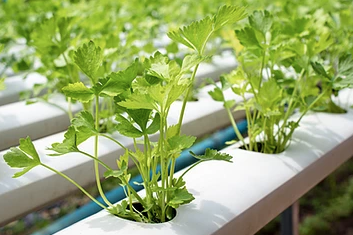
When it comes to agriculture, you can learn a lot of valuable information from hydroponic books. Books are a fantastic tool to provide you with information from trustworthy, credible sources if you don’t have someone you can learn from in person. However, if you can become an apprentice to learn about hydroponics, always take those hands-on learning opportunities as well. This article will talk about which hydroponic books you should be reading right now whether you’re a beginner or an advanced grower.
List of Hydroponic Books To Read
The following list of hydroponic books have been written by reliable sources with the credentials and knowledge to provide you with the tools to learn about hydroponics.
1. Hydroponic Food Production by Howard Resh
This book is written by one of the pioneers of hydroponics and it covers detailed explanations of how to set up and run hydroponic systems.
2. Hydroponic Home Food Gardens by Howard Resh
3. Hydroponics for the Home Grower by Howard Resh
This book covers how to start small, at-home hydroponics systems.
4. Hobby Hydroponics by Howard Resh
This is a great book that tells readers about the average hobby hydroponic units that can be purchased. It also covers various crops, seeds, and best growing environments.
5. Hydroponic Strawberry Production by Dr. Lynette Morgan
This book focuses on how to specifically grow strawberries.
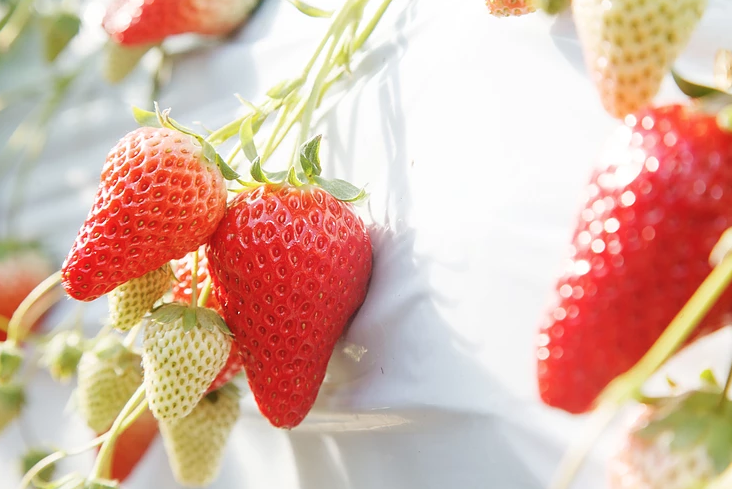
6. Hydroponic Capsicum Production by Dr. Lynette Morgan
This is a guide that covers how to produce, harvest, and market capsicums and peppers.
7. Hydroponic Lettuce Production by Dr. Lynette Morgan
This book focuses on how to hydroponically grow lettuce.
8. Hydroponic Tomato Crop Production by Dr. Lynette Morgan
This book specifically focuses on hydroponically grown tomatoes.
9. Hydroponics: The Essential Hydroponics Guide: A Step-By-Step Hydroponic Gardening Grow Guide to Grow Fruit, Vegetables, and Herbs at Home by Andy Jackson
This is a great book for beginners that covers everything there is to know about hydroponics and gets straight to the details.
10. How to Hydroponics 4th Edition by Keith Roberto
This book covers hydroponics and aeroponics equipment and covers the basics to help you start your garden.
Other Great Agriculture Books to Read
If you’re not just solely looking for hydroponic books but want to understand agriculture on a deeper level, then check out these reads as well.
The Small Farmer’s Journal
This magazine covers everything from farm life to draft animals and is a great resource to understanding everything about farming.
The New Organic Grower by Eliot Coleman
This book should be read by anyone who wants to grow vegetables and it also contains an annotated bibliography that will provide you with in-depth research materials.
The Omnivore’s Dilemma by Michael Pollan
This book covers the paradox of food choices and how the industrial revolution has played a big part in revolutionizing the way we eat and see food today.
Remember when purchasing hydroponic books it’s best to buy local! See what your local gardening stories have for sale and support small businesses; doing this also reduces our carbon footprint. If you’re looking for other ways to learn more about hydroponics, then subscribe to our blog and YouTube channel for weekly updates!
#hydroponicbooks #hydroponicsbooks #hydroponiceducation #hydroponiclearning #howtogrowwithhyrdroponics #hydroponic #hydroponics

VIDEO: UNS Farms - First World Congress For Vertical Farming - Grahame Dunling
Grahame has been in the GCC for over 7 years growing crops inside Greenhouses in Bahrain to Vertical Growing inside warehouses in Dubai and he is now the CEO of Uns Farms a 6,000m2 warehouse farm
Grahame Dunling gave a talk on Hydroponics last week at the World Congress for Vertical Farming. His subject was ''The Future of Hydroponics''
Grahame gave an insight into the complex world of Commercial growing by going back on his 40-year career in Horticulture. In this time Grahame has overseen changes from Greenhouse soil crop growing right through to the latest technology in Warehouse growing. From opening vents by hand in a greenhouse right through to controlling operations via a mobile phone in multiple countries.
Grahame has been in the GCC for over 7 years growing crops inside Greenhouses in Bahrain to Vertical Growing inside warehouses in Dubai and he is now the CEO of Uns Farms a 6,000m2 warehouse farm.

Signify Expands Team To Support North America Business Development Efforts of Philips Horticulture LED Lighting Solutions
Signify (Euronext: LIGHT), the world leader in lighting, has expanded its horticulture team in North America to support business development efforts in the region
Eindhoven, the Netherlands – Signify (Euronext: LIGHT), the world leader in lighting, has expanded its horticulture team in North America to support business development efforts in the region. Dominic Bouchard has stepped into the role of Commercial Leader for the Canada team, and Henry Olson has taken on the commercial leadership of the US team. Both have extensive horticulture industry experience and knowledge.
Bouchard, based in the Greater Montreal area, is responsible for leading and continuing to grow Signify’s horticulture business in Canada. Bouchard has a background in sales management, territory sales, and product development in both US and Canada. He has over 15 years’ experience in the horticulture industry having held progressive roles in companies, most recently at Enza Zaden, a vegetable breeding company, as their area sales manager.
Henry Olson, based in Minneapolis, Minnesota, will focus on driving sales growth and increasing Signify’s US market share in the horticulture segment, establishing new relationships with growers, and developing a network of complementary strategic partners. Olson brings more than 12 years of experience in the horticulture industry. He led sales and business development teams and operations at seed genetics startup Phylos Bioscience and seed licensing business, Greenleaf. Olson also held numerous roles at Syngenta including overseeing strategic transformation for the flowers home and garden business and successfully delivering sales and market share gains to turn around horticultural services.
Furthermore, the horticulture team has been strengthened with the addition of two more experts to support the Philips LED solutions team, Colin Brice and Don Golema.
Colin Brice
Colin Brice has joined as Plant Specialist and will work with the team of horticultural specialists at Signify to design and implement LED lighting strategies in the horticultural segment. Brice’s primary focus will be supporting growers of food and ornamental crops. Don Golema has joined the team as Key Account Manager. With extensive experience in marketing and sales of medicinal cannabis, Golema will focus on supporting Signify’s core partnership network and increasing market share of Philips Horticulture LED solutions to licensed medical cannabis cultivation facilities.
Horticulture expertise
Don Golema
Signify’s agricultural lighting business helps growers and farmers globally. The company has built up a substantial track record in more than 400 projects in the horticultural lighting market since 1995, developing ways to apply lighting technology to crop farming. With cutting-edge LED innovations, the company can custom-build a science-based solution for growers.
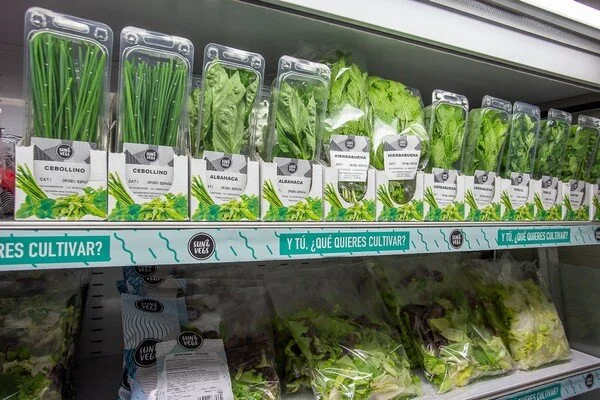
New Consumer Trends Are Boosting The Demand For Aromatic Herbs
Aromatic herb sales are growing, not only because consumers are going out less and cooking more at home since the pandemic started, but also because they are increasingly experimenting with new recipes from different countries, reports Jesús Gómez, Director of Agromediterránea
Jesús Gómez, director of Agromediterránea: "Now people are cooking more at home and experimenting more"
Aromatic herb sales are growing, not only because consumers are going out less and cooking more at home since the pandemic started, but also because they are increasingly experimenting with new recipes from different countries, reports Jesús Gómez, Director of Agromediterránea.
"During the lockdown, the retail sector dealt with a slight increase in the demand due to the greater consumption at home, but the opposite was true for the restaurant and hotel industry, where the demand fell due to the closure of these establishments. To date, the Horeca channel has yet to recover its pre-lockdown levels, but we are confident that consumption will gradually be restored."
Agromediterránea has a selection of aromatic herbs that includes chives, basil, coriander, mint, and parsley. They are sold in bundle format, and also in blisters or flowpack packaging that protect the product during their entire shelf life, facilitating their distribution and guaranteeing food safety. "Peppermint is also sold bagged in a larger format since its consumption is greater at certain times of the year. In this way, 100% of the purchased product can be used," says Jesús Gómez.
"The demand for all the aromatic herbs that we work with has increased since consumers now are cooking at home from scratch using a wide range of ingredients. They like to experiment with new recipes from other countries and also with other traditional ones in which aromatic herbs play a key role when it comes to giving that extra touch of quality. They also enhance the flavor of meals, which entails a reduction in the use of salt. Given all this, we can say that aromatic herbs have a very positive impact on the diet of consumers," says the director of this Murcian company.
Agromediterránea grows its aromatic herbs in Murcia, Alicante, Albacete and Granada, depending on the time of year. "Thanks to the various farms in which we produce, in different regions of southeastern Spain, and at different altitudes, we are able to keep a stable supply of quality products for 52 weeks a year. This should allow us to keep the market's trust and our yearly growth," he says.
Since it has farms suitable for all seasons of the year, the company does not need to import from other countries, so, according to Jesús Gómez, "with this we contribute to the reduction of the carbon footprint and guarantee the product's maximum freshness; an attribute that is very important in this product category."
The company's fresh herbs are present in all European countries, mainly through supermarket chains.
"The great challenge for this year, without a doubt, will be to adapt to the consequences of COVID-19 on consumption. We must also be able to meet consumer demands and adapt to any trend, either helping consumers at home or adapting to the needs of haute cuisine," says Jesús Gómez.
For more information:
Juan Alfonso Sanchez Sanz
Agromediterránea M:+34 680 681 514
T: +34 968 173 001
jasanchez@agromediterranea.es
www.agromediterranea.com/en

Publication date: Tue 22 Sep 2020
© HortiDaily.com
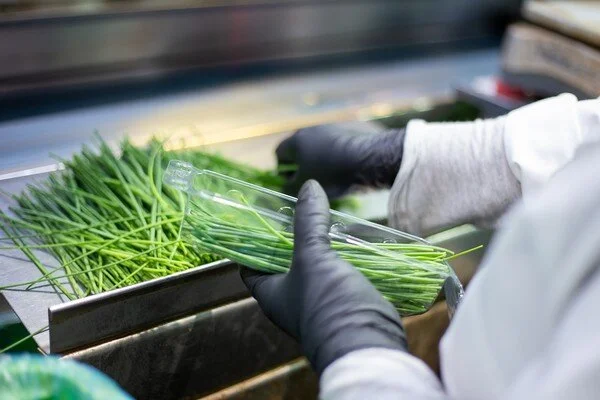

"We Will Supply 2 Million kg of Fresh Produce To The UAE Market In 2021"
The Middle East imports about 35 billion US dollars of food every year. The UAE supplies around 1.1% fresh produce to its own market
VeggiTech is an agrotech organization based in the UAE with the sole aim of disrupting the agriculture industry. It has over 40 acres of farms within the UAE that support sustainable and environmentally friendly farming across the entire year; this includes greenhouses, net houses, organic farms as well as the LED assisted hydroponic farms - “We are expecting to grow 2 million kilograms of vegetables in 2021, through our farms”, Bhaskar Rao, Chief Agronomy Officer at VeggiTech says.
Rao leads a team of agronomists with over 140+ years of growing experience primarily in the GCC with a focus on technology-based agriculture driven with data and science. This week, the company is signing partnerships with some of the leading sustainability-focused UAE organizations to create Indoor vertical farms (25,000+ sqft) to be operational by Q1 2021.
The Middle East imports about 35 billion US dollars of food every year. The UAE supplies around 1.1% fresh produce to its own market. Rao continues: “There is a huge acceptance of Hydroponically grown produce and people appreciate the environmental benefits of vertical farming because there is a huge demand for locally grown produce. Hydroponically grown food sees an increasing demand because people are more aware of the health benefits and the environmental impact of growing food with fewer resources with zero pesticides.” Given the fact that 85% to 90% of our vegetables are imported, UAE has made significant strides in supporting local farming. As the government is aiming to support more local farms, they’re also improving the skills of citizens and residents in order for them to produce locally in the future.
Constant Research, Development & Innovation
VeggiTech has conducted extensive research projects on wheat, millets, rice, pineapples, and the 3 of the top 5 hottest chilies in the world (including Carolina reaper, white habanero, and ghost pepper) in the past few months. “We have successfully grown these products in soil, deep water culture, and in our indoor vertical farm labs. The research work provides immense data points to understand the agronomy, plant physiology, and growing patterns. On our farms we grew these products in various grow spaces - subsoil, greenhouse, and hydroponically”, Rao explains. The Rice experiment included over 100 plants providing data to Rao and his team. The greenhouse-grown produce took around 131 days from seeding to harvest. The hydroponically grown produce took around 114 days from seeding to harvest. “By having our own data and calculations, we can now develop our research base and improve on the growing conditions, nutrition and yields per square meter while introducing new crops to the country and supporting the Food Security goals”, Rao affirms.
Local demand
Growing fruit and vegetables & supplying to the local market as a grower. VeggiTech is also growing commercially with a variety of organically grown and hydroponically grown produce. “Local produce is fresh, pesticide-free and with our technology-enabled agronomy team, we provide complete food transparency including the grow space from where the produce was harvested. In the Middle East, no meal is complete without a bowl of salad. Greens are very important to the Arabic culture. The value of its freshness and the supply of local varieties are really appreciated by a growing number of Chefs who visit our farms. This is a huge validation for our teams. We assure an experience of farm-to-kitchen in less than 6 hours,” Rao states.
Consumers are able to scan a QR code attached to the product packaging. It has significant product information enclosed such as seeding date, harvest date for the produce, nutrition used, any crop protection used, the calorie count of the produce, the grow space location, etc. In this way, consumers are fully aware of what they are eating. Growing locally also creates career opportunities in this industry that has seen a huge focus in these pandemic times.
Urban grower course introduction by Bhaskar inside the demo greenhouse
‘Positive disruption’
During the pandemic, a lot of disruption took place across trade lines and supply chains resulting in a huge issue across the established food flows around the globe. This certainly raised the focus on the need for local food production. “What we are growing indoor are herbs, lettuce, leafy greens that can be used for the traditional cuisine. Given the great response to indoor farming, a lot of investments are happening in this sector. In the UAE, investors are shifting from real estate, tourism and trading to agriculture. During the lockdown, the importance of food has become even more significant and people have changed lifestyles as they became aware of the food attributes like quality, freshness and source of produce. The agriculture sector is an evergreen sector and with the focus on food security in UAE and GCC; is a great investment option.
A special visit
Her Excellency Mariam Almheiri, Minister Food Security UAE, visited our farm on the 2nd of September, 2020. “I was delighted to visit VeggieTech, an ag-tech company in Sharjah with the sole aim of disrupting the agriculture sector. During my visit to the farm, I learned about the different technologies that they are using to enhance production efficiencies of many varieties of vegetables, aiming to use less water and power. We also learned more about their training programs to nurture the next agri-technologists.”
‘The Learning Hub’
The Learning hub is the learning and development arm of VeggiTech. This entity was established to tackle business challenges in the areas of Healthy Growing, Healthy Eating and Healthy Living. We believe in processes that enable participation; engaging students in activities and creating opportunities to learn, practice, and increase their skills.
This was the reason why we invested our time, energy and technology to create the Urban Grower’s program, a 10-hour curriculum for Students, Parents & Teachers to have a firsthand on the farm experience to learn about Agriculture.
The Urban Grower course has 2 main components to enhance the learning experience:
1. Online learning (~2 hours)
2. Theory & Practical @ VeggiTech farm (~8 hours)
Urban Grower eLearning provides the academic portion of the course through an online platform with interactive presentations that include videos, audio, graphics and reading. After completing the online portion, the participants visit our farm where the agronomy team takes our urban growers on a journey of the basics of growing; seeding, transplanting, pruning and harvesting while absorbing the new technologies available to create a stable food ecosystem. We also provide formal certificates after completion of the course.
‘Grow App - a virtual agronomist in your mobile phone!’
The Grow app is a simple intuitive app to help everybody grow food in their own grow space indoors, outdoors with grow media of their choice - soil, soil-less, NFT gully’s, or pots. The app guides the new growers through the seeding, transplanting, and harvesting process. The grower is reminded of tasks to be done to keep their plants healthy. The app is backed by a machine learning database that helps in detecting nutrient deficiencies and pest infestations. The Grow app users also have access to VeggiTech agronomists at all times.
For more information:
VeggiTech
Bhaskar Rao, Chief Agronomy Officer
cao@veggitech.com
www.veggitech.com
Publication date: Mon 21 Sep 2020
Author: Rebekka Boekhout
© HortiDaily.com