

Welcome to iGrow News, Your Source for the World of Indoor Vertical Farming

Food Revolution With Dubai Vertical Farms
There is a growing need for local produce to be safe and fresh, and warehouse farms like Uns are responding to that demand. As the CEO of Uns Grahame Dunling puts it
Zubina Ahmed
September 4, 2020
An Al Quoz-based indoor vertical farm is setting a new template for food production. (Photo: Shihab/KT)
Imagine an ultra-modern, high-tech farm right in the middle of a desert, where fresh vegetables are being grown without soil or sunlight. Al Quoz-based facility Uns Farms is an indoor vertical farm that is growing high quality, pesticide-free, farm-fresh local produce in a controlled, indoor environment using hydroponic technology and LED lights. Produce includes greens like kale, mustard, basil, lettuce, eggplant, and capsicum, as well as a wide variety of crops ranging from leafy to microgreens. The farm, which began production in January last year, is on a 3,000 sqm plot of land in one of Dubai's main industrial areas and produces crops equivalent to 5,000 sqm of land. The idea is to create natural, healthy, and safe food options that can be produced with optimal resources throughout the year, even during peak summers.
"Agriculture has progressed drastically over the decades," says Mehlam Murtaza, executive director of Uns Farms. "It went from field farming to greenhouses, but both these models demand nature's aid. The Middle East is challenged in terms of the weather. It's hot, humid and there's a scarcity of water. Vertical farming, on the other hand, is a model that can be adopted anywhere in the world. It is resource-efficient and the climate and temperature are controlled, which, in the context of the GCC, is perfect.
"The sprawling indoor facility in Al Quoz uses three stages of farming to grow crops. Mehlam explains the first stage as being one where seeding is done. "That's where we are more efficient because we put one seed per plug." In the subsequent nursery stage, the seed grows into a small baby plant, which is then ready for transplanting. "That's when the root has developed into a certain amount as the plant requires more space to grow," says Mehlam. The final stage is when the crops grow. After the harvest, the plants are processed and packaged for distribution.
An indoor farming environment demands appropriate lighting. "In terms of light, the farm has energy-saving LED spectrums, which have different biological effects on the plant. For example, the red spectrum elongates the plant, the blue spectrum makes it thick, the green spectrum aids in health and immune system of the crop," says Mehlam
.Vertical farming also has a solution to concerns related to water. "What you see in soil farming is that you would drip-irrigate or spray water on the floor. A lot of that water goes into the earth and is lost. Hydroponics feeds the root and drains out into a tank and goes into a circular system, where the water is reused and that's how we save 90 percent of water."
There is a growing need for local produce to be safe and fresh, and warehouse farms like Uns are responding to that demand. As the CEO of Uns Grahame Dunling puts it, "We are very local and centralized with no outdoor influences. So, if there is anything in the atmosphere, it doesn't affect our crops." In fact, Covid-19 has brought about a renewed focus on vertical farming. "In pre-COVID times, we had difficulty in explaining to consumers what indoor farming really is, but the pandemic made us realize the fragility of the supply chain.
A lot of our customers had issues importing food, and with the UAE being a major food importer, it seemed to be a very big challenge. Because of COVID, we were able to expand and show people the importance of locally-owned produce," says Mehlam.
Today, Uns produces anywhere between 1,000 to 1,500kgs of vegetables every day and supplies to gourmet chefs, hotels, restaurants, supermarkets, and hypermarkets. Much to his gratification, Grahame notes that his modern farm is a 'choice for the future'.
zubina@khaleejtimes.com
Singapore's Temasek Bets on 'Skyscraper Farms' As Growth Market
Temasek and German pharmaceutical major Bayer established Unfold, a 50-50 joint venture, last month. The company will develop and market seeds for vertical farming both in Singapore and at its California headquarters
Joint Venture With Bayer To Develop Seeds
To Boost Food Security In City-State
TAKASHI NAKANO, Nikkei staff writer
September 10, 2020
SINGAPORE -- Singapore's state-backed investment group Temasek Holdings has extended its business portfolio into urban farming, a concept that will aid the city-state in its quest to become more agriculturally self-sufficient.
Temasek and German pharmaceutical major Bayer established Unfold, a 50-50 joint venture, last month. The company will develop and market seeds for vertical farming both in Singapore and at its California headquarters.
Singapore produces less than 10% of the food it consumes. The government plans to raise the ratio to 30% by 2030.
Vertical farming, officials believe, is crucial to attaining that goal. The technique grows agroponic layers of crops under artificial light inside skyscrapers. Because the plants are not dependent on weather, the method is expected to generate large yields in a relatively quickly.
"Temasek is recognized as one of the leading investors in the food and agriculture segment," said Jurgen Eckhardt, head of Leaps by Bayer -- an investment arm of Bayer. "They have investments in, and relationships with, a range of vertical farming companies."
Bayer will provide plant genetic data to Unfold, which will first develop new varieties of lettuce, spinach and tomatoes, among other crops. The company will sell seeds to food producers.
Temasek will introduce companies to the technology and expertise at Unfold and other investment targets. Temasek holds a stake in Sustenir Agriculture, a Singaporean urban farming company, providing a channel for Sustenir to cultivate Unfold's high-yield seeds.
Vertical farming is projected to grow into a $12.77 billion market in 2026, according to Allied Market Research, up from $2.23 billion in 2018.
Temasek invested 3 billion euros ($3.7 billion) into Bayer in 2018 -- funding which helped Bayer complete the acquisition of U.S. seed producer Monsanto.
The company anticipates further investments in the agricultural sector.
"Whether it's in the area of an alternative protein, aquaculture, or crop science, it's an area that requires actually more capital," said Temasek International CEO Dilhan Pillay Sandrasegara. "So far it's done well for us and we're still keen to invest more in it."
Temasek has expanded its portfolio of life sciences and agribusiness investments. Allocation in the domains stood at 8% at the end of March, or five points higher than five years earlier. The size of the holdings is about $17 billion.
The coronavirus pandemic has heightened concerns over food security. Thailand and other trading partners temporarily imposed restrictions on exports. The Singaporean government doled out 30 million Singapore dollars ($22 million) in subsidies this April to help companies produce more eggs, leafy vegetables and fish.
"In Singapore, with less than 0.8% arable land, vertical farming innovation is critical," said Unfold CEO John Purcell.
This year, Temasek has invested in startups that develop meat and fish substitutes, as well as plant-based milk. GIC, another Singaporean state investor, in May picked up shares in Apeel Sciences, a U.S. company that developed an artificial peel for fruits and vegetables to extend shelf life.
The less-than-stellar portfolio performance has also factored in Temasek's investments into agribusiness. For the year ended March, the company reported a return of minus 2.3%, the first negative result in four years. Declining stock values of domestic companies such as the banking group DBS Group Holdings and the conglomerate Sembcorp Industries were behind the setback.
When Singapore Airlines sought to raise up to S$15 billion in rescue funds this March, Temasek was the first to indicate it would sign on in light of its status as a major investor in the carrier. Saddled with its role as a financial provider of last resort, the state investment group's ability to reap returns from investments in agriculture and other growth sectors will sway its performance.
Temasek has also stepped up investment in advanced medical fields such as biopharmaceuticals in the past year, with stakes in 10 companies revealed in 2020 so far.
Vertex Venture Holdings, a Temasek unit that oversees a fund specializing in the medical field, has invested in more than 20 healthcare-related startups, including American drug developer Elevation Oncology in July.
"COVID-19 has shone a light on the importance of continued R&D investment," said Lori Hu, managing director of Vertex Ventures HC. "It has revealed critical unmet needs in the health care industry. We continue to actively look at new deals."
Leveraging its broad network, Vertex took a stake in Israeli telemedicine platform operator Datos Health in April and invested in India's IVF Access Hospitals, which specializes in infertility treatments, two months later.
Through its investments in the medical field, Temasek is also involved in the global race to develop coronavirus treatments. It was part of a group of investors to pour $250 million into Germany's BioNTech, which is jointly developing a COVID-19 vaccine candidate with Pfizer. South Korean drugmaker Celltrion, in which Temasek holds a roughly 10% stake, has brought a diagnostic kit to market in the U.S. last month.
Investments in biopharmaceutical developers carry high risks, but the payoff can be large when a treatment successfully reaches the market. Holdings in unlisted companies accounted for 48% of Temasek's portfolio as of March-end, up six points from a year earlier.
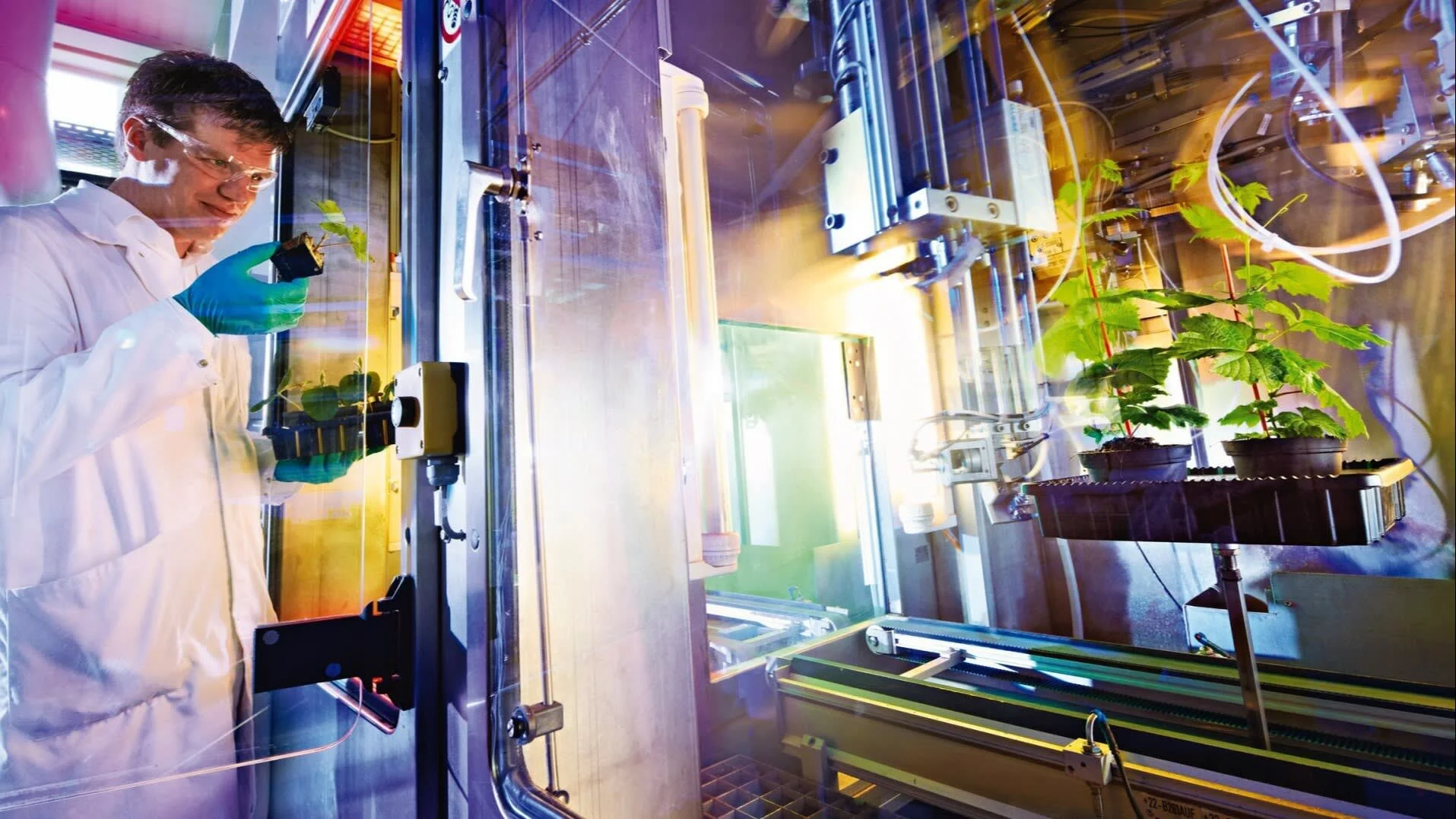
Lead photo: Courtesy of Unfold - Vertical farms use hydroponics to grow crops inside buildings.

Netled Partners Up With Agritech Start-Up Vertigo Farms – A Focus On New Kinds of Vertical Farming Applications
Vertigo Farms is the first publicly known European actor to produce natural extracts from plants grown indoors. Mainly herbs are grown and processed in a sustainable manner with no use of chemicals, all-year-round, regardless of weather conditions
26th August 2020 by johannak
Netled and a Polish agritech start-up Vertigo Farms have announced a new technology partnership. Vertigo Farms will use Netled’s Vera® vertical farming technology in its indoor growing projects. The collaboration has already started, and the goal is to have the first plants growing at the beginning of 2021.


Vertigo Farms is the first publicly known European actor to produce natural extracts from plants grown indoors. Mainly herbs are grown and processed in a sustainable manner with no use of chemicals, all-year-round, regardless of weather conditions.
“At Vertigo Farms, we believe that vertical farming serves the future not only for direct consumption purposes, but it may also serve as base for highest quality natural extracts for food, cosmetics and pharma industries”, comments Dawid Drzewiecki, the CEO of Vertigo Farms.
The company works with research laboratories and universities to develop methods for optimal conditions and nutrition of plants to boost their growth. Each type of plant requires a different approach. For start, the company will experiment with Safflower, Lovage, and Opium poppy, but there will be more species along the way.
Niko Kivioja, CEO of Netled, comments the newly formed partnership: “Vertigo Farms has a very interesting approach to produce natural extracts. Netled is proud to be Vertigo’s technology partner. In addition to this, our crop specialist team is especially excited to have insight into the new, more exotic plants growing in a vertical farming environment. Globally, we see massive opportunities to produce crops which have very high-quality standards in vertical farms, alongside the more common leafy greens.”
The mission of Vertigo Farms is to process and deliver the highest quality natural ingredients with the use of state-of-the-art solutions. Thus, the goal is a great fit with Netled, as the company aims to provide the best technology, expertise, and guidance for vertical farming projects and actors all around the globe.
Read more about Netled’s Vera® Vertical Farm: https://netled.fi/vertical-farming-vera/
Read more about Vertigo Farms: http://vertigofarms.eu/
Facebook Twitter LinkedIn Share
Filed Under: NewsTagged With: indoor farming, indoor farming technology, indoor growing, sustainable growing, vertical farm, vertical farming, vertical farming expertise, vertical farming technique, vertical farming technology
PODCAST: Controlled Environmental Agriculture
Controlled Environmental Agriculture promises to be cleaner and greener. It’s focussed on technology and it’s essentially about bringing food production closer to the point of consumption. We examine the potential and the pitfalls
Future Tense
with Antony Funnell
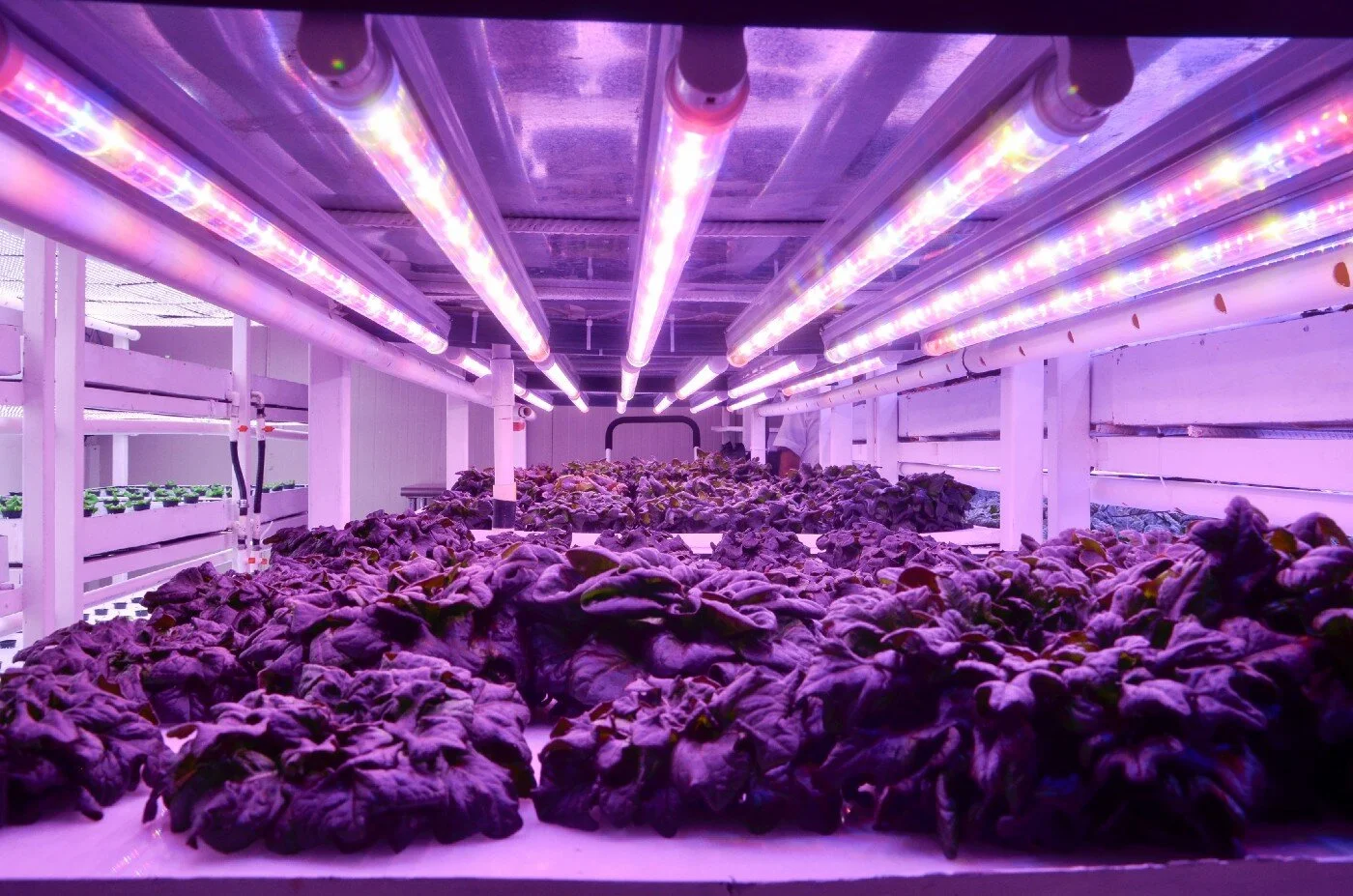
Vertical farming is a bit of a buzz term. Despite the hype, it’s an important part of a growing approach to food production known as Controlled Environmental Agriculture.
Controlled Environmental Agriculture promises to be cleaner and greener. It’s focussed on technology and it’s essentially about bringing food production closer to the point of consumption.
We examine the potential and the pitfalls.
Original broadcast on November 3, 2019
Duration: 29min 38sec
Broadcast: Sun 13 Sep 2020, 10:30am
Guests
Dr. Asaf Tzachor – Lead Researcher for Food Security, Centre for the Study of Existential Risk, Cambridge University
Viraj Puri – CEO and co-founder, Gotham Greens
Jeffrey Landau – Director of Business Development, Agritecture
Dr. Paul Gauthier – Senior Agricultural Scientist, Bowery Farming
Dr. Pasi Vainikka – CEO, Solar Foods
Credits
Presenter Antony Funnell
Producer Karin Zsivanovits
Further Information

4 Common Microgreen Problems: How to Effectively Troubleshoot Them
This article will provide you with 4 ways to troubleshoot common microgreen problems so you can make the necessary changes in order to optimize your plant’s growth
Growing microgreens is typically a simple and efficient process; however, issues can arise while growing these tiny leafy vegetables. This article will provide you with 4 ways to troubleshoot common microgreen problems so you can make the necessary changes in order to optimize your plant’s growth.
What to do if your seeds aren’t germinating
If your microgreen seeds aren’t germinating, then take a look at the following factors to see if any of these may be the reason as to why your seeds aren’t germinating:
Seed Viability
- Check the seed’s informational packet information and you will be able to find the lot date, the ideal temperature for germination, and the average percentage of germination. If your seed has a germination rate below 80%, then it may be better to choose a different seed or seed source.
Seed Moisture
- During the germination phase, you’ll want to make sure your seed is watered, but not overwatered or underwatered. Underwatering your seed can cause microgreen problems and is more detrimental than overwatering. Keep your soil moist during the early stages of germination to optimize growth. Seed Temperature - Make sure that the temperature is not too hot or cold because it can lead to microgreen problems such as poor germination. Refer to your seed packet to check the seed’s ideal temperature and make sure to keep the temperature around that number to encourage growth.
What to do if your seeds are growing unevenly and sparsely
If your microgreens are growing unevenly, then you may need to be more methodical in your process. Make sure that you are sowing your seeds evenly throughout the soil. Check to see if the soil is good quality and research to see if it’s a match for your specific seed. Is your tray in a place where half of the tray is getting sunlight and the other half isn’t? This can lead to uneven growth and you may want to rotate your tray to ensure each side is getting equal amounts of shade and sunlight.
What to do if your greens start to rot
If your greens start to rot, you may be overwatering them. When a seed is getting too much water and not enough sunlight, it can lead to rot. If you’re having extremely sunny weather, water your seed once in the morning and once in the evening. If a cold front has moved in, then water your crop once.
Another factor that could be causing your microgreen rot problem is the water quality. Municipal water can contain chlorine which your plants won’t like. Using filtered water is a better solution for watering microgreens. Common microgreens prefer water with a pH level of 6.5. When you keep an eye on your water’s pH levels, your microgreens will be healthier and produce stronger, increased yields.
What to do if your greens are getting tall and weedy
If your greens are getting tall and weedy, then it’s most likely because they’re not getting enough light. Tall, weedy greens tend to grow taller in order to reach for as much light as possible because they’re not getting enough. Make sure to get your greens grow lights if you live in an area where natural sunlight isn’t enough for your greens.
These common microgreen problems are easy to fix as long as you know what to pay attention to. Our job at the Nick Greens Grow Team is to educate our followers on how to grow microgreens from home. Subscribe to our new microgreen class, YouTube, and blog to stay up to date with the latest microgreen information. Feel free to join our microgreen Facebook group to connect and learn from others about growing microgreens.
#microgreensproblems #troubleshootingmicrogreens #growingmicrogreens #farmingmicrogreens #growingmicrogreensathome #germinatingmicrogreens #growmicrogreens #microgreens #microgreen #growingfood #microgreens #Germination #microgreensfarm #indoorfarming #urbanfarming #urbangrower
![[WEBINAR] Women In Agriculture Panel - Greenhouse Grower & Indoor Ag-Conversations](https://images.squarespace-cdn.com/content/v1/57c8695d5016e11e71be1d83/1599812926725-JXLDXRN7X16PSDK2XXE2/INDOOR+AG-CON+-+LOGO.png)
[WEBINAR] Women In Agriculture Panel - Greenhouse Grower & Indoor Ag-Conversations
Greenhouse Grower & Indoor Ag-Conversations Present Women In Agriculture Panel - Wednesday, September 16, 2020 - 2-3 pm | EST
GREENHOUSE GROWER &
INDOOR AG-CONVERSATIONS PRESENT
WOMEN IN AGRICULTURE PANEL
WEDNESDAY, SEPTEMBER 16, 2020
2-3 PM | EST
SAVE YOUR FREE SPOT!
Moderated by Janeen Wright, Editor, Greenhouse Grower
Our Panel Includes
Corinne Wilder, Vice President, Global Commercial Operations, Fluence By OSRAM
Amy Samples, Director of Community Outreach and
People Programs, AppHarvest
Erika Summers, Sales Engineer, LMS Building Systems
Charlotte Prud'Homme, Founder, Generation Permaculture Design
During this insightful AND inspiring 60-minute session, our panelists will discuss:
How can we as women in agriculture be the change we want to see in our industry
What challenges face women in the different sectors of the agriculture industry
How can we empower other women and what can we do to inspire the next generation of women in agriculture
And more!
Join us! And, if you can't make the live session, register anyway and you'll get the recording in an email after the webinar
LEARN MORE
SPECIAL THANKS TO OUR INDOOR AG-CON 2020
EXHIBITORS, SPONSORS, MEDIA ALLIES &
INDUSTRY PARTNERS
Indoor Ag-Con, 950 Scales Road, Building #200, Suwanee, GA 30024, United States

Vertical Mini-Farm At Whole Foods Market In Manhattan West
With a mission to surprise and delight with fresh, local, specialty ingredients grown in city centers, Farm.One’s mini-farm represents a major shift in urban food production and supply chains
Farm.One, a Manhattan vertical farm, launched its latest mini-farm at the newly opened Whole Foods Market Manhattan West. Farm.One custom-designed the farm for the Manhattan West store and maintains the on-site mini-farm to supply the in-store prepared food and beverages with freshly grown and harvested Blue Spice Basil. The basil is used as an ingredient for a variety of delicious menu items, including freshly made pizza and the Whole Foods Mule, a specialty cocktail.
With a mission to surprise and delight with fresh, local, specialty ingredients grown in city centers, Farm.One’s mini-farm represents a major shift in urban food production and supply chains. With mini-farms, businesses have continual access to the highest quality, most flavorful and consistent professional-grade ingredients. Further, the distance between production and consumption is now mere footsteps, eliminating any carbon emissions associated with delivery of the produce.
“Every kitchen knows the difference that freshness and quality of ingredients can make to the food they serve,” said Rob Laing, founder, and CEO of Farm.One. “When we started in 2016, it wasn’t financially feasible to build and operate small farms profitably in cities like New York. We’ve now been able to decrease the cost of building a farm and have developed a model where a larger farm, like our TriBeCa flagship, can support small farms for grocery stores, restaurants and the hospitality industry all over the greater New York City area. This marks a real inflection point for what people can expect in their meals and the economy of urban food production.”
Farm.One’s mini-farm at Whole Foods Market Manhattan West takes up just thirty-two square feet and features a hundred and fifty plant sites on three growing levels. The hydroponic system was designed and built by Farm.One’s engineering and technology team to optimize crop productivity, minimize intrusiveness to the store experience, and require minimal maintenance. The facade of the mini-farm was customized to match the familiar brushed stainless steel aesthetic of Whole Foods Market. The mini-farm is capable of supplying at least 8 pounds of basil every month, including harvesting the fragrant basil flowers for use in the Whole Foods Mule.
“The first thing our customers notice when they enter the prepared food section of the store is the incredible fragrance of the basil,” said Chris Manca, local forager, Whole Foods Market Northeast Region. “As soon as our chefs, and even our mixologist, had access to the basil they were inspired to create menu items that highlight the freshness and flavor of Farm.One’s blue spice basil. This collaboration with Farm.One has really impacted the way we think about fresh ingredients in our kitchens and we can’t wait for customers to come by and experience it.”
Farm.One’s distributed agriculture model
Farm.One has taken a distributed approach to scaling indoor farming in cities, an alternative to the large, expensive warehouse farming models. By establishing a Farm.One flagship as a hub in a city, the company is able to centralize farming and business operations, engineering, training, and support, to build and maintain on-site ‘spoke’ farms throughout a city for its customers. This results in lower investment requirements, a faster path to profitability, and the flexibility to grow a diverse range of crops that meet a variety of customer needs.
Whole Foods' Manhattan West store includes an in-store mini-farm that provides freshly harvested Blue Spice Basil to be used in store-made food and beverage offerings.
“Our hub-and-spoke model of distributed agriculture proves that indoor agriculture doesn’t need tens or hundreds of millions of dollars to be viable and achieve scale,” added Laing. “Also, by putting farms in visible places around the city we’re ensuring openness and transparency never before achieved in the industry. Whether you visit a Farm.One flagship for a tour or class, when it’s safe to do so or experience a mini-farm in the middle of a grocery store, you’ll see and learn about how your food is grown.”
The company has plans to build flagships and mini-farms in major cities around the United States and globally over the next twenty-four months.
Farm costs are further reduced through its relationship with leading LED lighting company Fluence by OSRAM. The cost of lighting and electricity remains one of the highest cost centers for building and operating indoor farms. By collaborating with Fluence, Farm.One is leveraging innovative LED technology to ensure its growing environments are optimized by crop type and for operational efficiency.
“In a vertical farming environment, efficiency isn’t a perk, it is paramount to the farm’s success,” said David Cohen, CEO of Fluence. “Farm.One is tapping into the world’s most advanced cultivation technology to deliver beautiful, delectable plants in the heart of one of the busiest metropolitan areas in the world. Their ability to localize high-quality crop production illustrates how exploring the interaction between light and life will yield a healthier and more sustainable world.”
The mini-farm at Whole Foods Market Manhattan West adds to several mini-farms Farm.One has built out of its flagship farm in TriBeCa, including at OCTOBER, a restaurant in Nolita which features a 100% plant-based menu, Eataly NYC Flatiron, and at the Institute of Culinary Education (ICE), the site of Farm.One’s original prototype farm. Farm.One also maintains a farm at Project Farmhouse at Union Square.
For more information:
Farm.One
77 Worth Street, Floor 1,
New York, NY 10013
www.farm.one

Fluence
4129 Commercial Center Drive
Suite 450
Austin, TX 78744
512-212-4544
info@fluencebioengineering.com
www.fluence.science
Publication date: Thu 10 Sep 2020

BANGLADESH: The Future of Food
With a growing population inside Dhaka and other cities, the space for plantations has drastically gone down. Many cities around the world have already adopted the method of soil-less cultivation
August 24th, 2020
Courtesy
This High Tech Farming Technique Is
Gaining Popularity In The City
With a growing population inside Dhaka and other cities, the space for plantations has drastically gone down. Many cities around the world have already adopted the method of soil-less cultivation. Hydroponics is the process of growing plants in liquid, sand, or gravel (or other mediums), with added nutrients, but without soil.
The main principles of hydroponics are increased oxygen to the root zone, and liquid feed delivered directly to roots. These factors result in increased growth rates, and increased yields when compared to traditional soil gardens where much lower oxygen and often nutrient levels are present.
Across Bangladesh, we can see that a rising number of modern dairy and cattle farmers too are adopting this reliable method of producing fodder -- meaning grass grown in a controlled environment throughout the year, ensuring a continuous supply of cattle feed.
According to many experts, growing vegetables on the rooftops can be considered a sustainable solution, especially for the urban population. With the use of pesticides and other harmful chemicals being commonly used, growing fruits and vegetables privately is a much cleaner, safer, and more reliable source of nutrition. Green Savers Association is one such organization working with projects such as this. Md Ishaque Faruquee, Head of Communications and Capacity Building, spoke to Dhaka Tribune about their journey, and the prospect of hydroponic plantations in Bangladesh.
Green Savers Association began their work in 2010, with a dream to create a green Dhaka city. With high-rise buildings and increasingly fewer land for trees, the idea of promoting rooftop gardens with a small team of tree lovers gradually started becoming a reality. “We are proud to have worked with over 5,000 households, 200 schools, and countless volunteers and organizations since then,” mentions Ishaque.
What prospects with hydroponics do you see in the future?
Hydroponics has the potential to sustain a large proportion of the world’s population and to allow third world countries to feed their own people, even in places where the soil is poor and water is scarce. The technology can also be used as a valuable source of food production in places where space is scarce. From expansion of population comes the need to produce more food, create more jobs, and reduce the carbon footprint of transporting food into cities. Being able to grow and produce food within cities for urban populations eliminates the carbon footprint generated through the transport of food from rural areas to city centers. Anyone can grow crops within his/her own periphery.
Is it a commercially viable option in Bangladesh?
There is no doubt that hydroponic farming systems are feasible as a commercial operation. The proof is in the application of this technology worldwide. There is enough information available, so that cannot be an excuse for failing. If you have the capital, then setting up a system is relatively easy. The fresh produce market will always buy up the top-quality produce at the best price. Hydroponics is designed to create an environment for the plant to grow at its genetic optimal, therefore producing the highest quality yields possible. Any business isn’t considered commercially viable until it has been in operation for at least six years. Within that period, most growers will have experienced some type of product cycle, and if they could not cope or adapt, they are no longer commercially viable. So, commercial hydroponic farms that are older than six years are economically viable and have certain characteristics in their management structure that one should take cognizance of when evaluating such a system as an empowerment project. A climate-controlled environment enables you to grow non-seasonal vegetables, which means you can grow throughout the year. You are not dependent on the weather conditions to make your vegetables grow. Furthermore, you can grow things that are not available in a particular season, and sell them at higher prices.

How are you facilitating the services for your clients?
First, we introduce our products online. Then, the customers come directly and sort the products according to their place. Then our experts go and set it up. If needed, our experts even provide technical support and after-sales support.
What are the types of plants or vegetables you are growing?
Particularly leafy vegetables, as well as flower vegetables that can be harvested around the year. The most common plants, but not limited to, are as follows: Lettuce, bok choy, hybrid cabbage, basil, mint (pudina), tomatoes, capsicum, chilli, long beans, bitter gourd, squash, cucumbers, and melons, to name a few.
What are some of the benefits of using hydroponics?
No pests, no weeds, no herbicides, no pesticides. Hydroponic systems are basically vertical, and therefore require lesser space, and allow you to produce more. Everything grows right in front of your eyes, and you can check at any time if both leaves and roots are healthy and fresh. Moreover, you can even see the condition of your roots, how clean and fresh they are. The hydroponics process is completely soilless, so you are completely free from all soil-borne diseases. Especially, in this era, where our soil itself has become so polluted and unhygienic, water is really scarce, and each day it’s only getting worse. But, hydroponics comes as a solution -- as this method uses only 10% of the water that is used in normal agriculture. In fact, there is no wastage of water either. Hydroponics is not labour intensive at all, as the systems don’t require too much time and effort, compared to normal agriculture. Once you get things in order and create proper procedures and processes, it doesn’t require a lot of work. Hydroponics is as much a science as it is an art -- you know exactly what is going to be your output, and you can be sure of the quality of your produce. The whole system is very adaptable and scalable.
How are you creating value?
Both geographical location and the physical space where we decide to install our vertical farm should be carefully considered. Our business will not get off the ground or go very far without a good location. Our pricing must match the quality of our products, not the status quo. With the right system and distribution strategy, the local products we produce are better than anything else. We implement a system that reduces labour costs and does not require installing and maintaining expensive automation technology to be economically viable. We are adding some sort of value to our product such as packaging, cutting or combining different products into one package. We also do data management. Local farmers should not rely on data to save them from an inefficient farm setup or their inability to sell their crops. Data can amplify and accelerate a farmer’s production and sales, but only if they have the infrastructure in place to use it effectively. Extreme dedication, knowledge, and preparedness to work hard are the main key strengths of our association.
Are the setup and raw materials expensive?
Hydroponic gardening is cost-effective, but you must understand that it requires an initial investment. Once you’re up and running, you can expect to see quicker plant growth and better plant production compared to plants in normal soil.
How much space is required to produce commercially?
Hydroponic gardening is the key to achieving the concept of "farming in the sky". This gardening is better than soil gardening for several reasons. More plants can generally be grown in the same amount of space when compared to traditional soil gardens. Roots are delivered nutrients instead of having to stretch out in search of them. Also, hydroponic gardens can be stacked to further increase space efficiency. The main benefit of hydroponic gardening is much higher oxygen levels in the root zone when compared to a soil garden. This increased oxygen means increased nutrient uptake and much higher rates of growth. It is also much easier to control the nutrient levels in hydroponic gardens compared to soil gardens.

New Aponix Plant Plug Holder
The aponix vertical barrel components are meant to be robust horticulture building blocks for commercial production activities and prosumer solutions enabling users to set up hydroponic grow spaces efficiently within 3-dimensional space
Aponix has re-invented the single-use plastic netpot and replaced it with a reusable young plant plug holder that includes an optional metal trellis holder.
The aponix vertical barrel components are meant to be robust horticulture building blocks for commercial production activities and prosumer solutions enabling users to set up hydroponic grow spaces efficiently within 3-dimensional space. Practically it works like a traditional 2D-NFT with guided vertical drip irrigation but in 3D using lego-like elements with many options and variations possible.
The goal of the aponix vertical barrel / 3D-NFT is to provide an alternative to rack systems for hyperlocal edible plant production in urban areas. Mission is to eliminate food miles and waste around food logistics and at the same time delivering more varieties harvested at the ideal ripeness to consumers for higher level nutrition and more fun.
Aponix is extending the system constantly. The latest addition to the toolbox is a new single-use plastic net pot replacement – the aponix reusable trellis plug pot. The pot will be much more solid that its existing counterparts so it can be reused over and over again. The shape is two thirds open with some gentle spikes in the bottom to hold young plants that have been grown in glue plugs or alternative substrates. The plug can be inserted directly into the system.
To make it even more versatile the plug pot has 2 parallel holes where users can insert a 3mm metal plant trellis with different shapes to support larger plants or fruiting crops. Different trellis shapes and heights will be available. A click system keeps the plug and the fruit tightly attached to the metal plant trellis to support heavy fruit (or flowers).
The idea is also that the trellis plug pot can also be used in any other hydroponic system that provides an exact circular 5cm diameter hole for plants. Of course it will fit best into the grow spaces in aponix vertical barrels.
For more information:
Aponix
Marco Tidona
hello@aponix.eu
www.aponix.eu
Publication date: Thu 10 Sep 2020

“We Are Developing A Sustainable Technology That Uses 75% Less LED Lighting”
Verde Compacto, a Mexican start-up, producer of container farms and indoor farming growing technologies, has seen significant demand for their growing systems during the pandemic
Verde Compacto, a Mexican start-up, producer of container farms and indoor farming growing technologies, has seen significant demand for their growing systems during the pandemic.
"COVID is driving this market forward because people want to know what is behind their food and their diets. Logistic chains in countries like South Korea and Arab countries are really dependent on imports. They are trying to implement urban technologies to strengthen their supply chains. As we’re focusing on growing systems, we are trying to turn this into reality. We are growing food in a more sustainable way where everyone can benefit from it”, Juan Gabriel Succar, Co-Founder and CCO of Verde Compacto says.
The company has an R&D container farm, Huvster, with several labs and small scale systems. The company sells some of its crops locally to better understand the urban business model, as Verde Compacto is educating the future indoor growers.
The Huvster growing container
Succar continues: “We are providing the knowledge to any grower that wants to have an urban farm and we are helping them throughout the process by constructing a farm to their needs.” The company does not only build container farms, which is their standard model but also provides custom made projects such as warehouses or buildings. Or on a smaller scale like supermarkets and restaurants. “We provide the knowledge to install a farm at any size”.
Decreasing LED use
Verde Compacto is looking to improve the electricity use for its growing solutions. “We are developing a sustainable technology that uses 75% less LED lighting, which is part of a sustainable R&D project. The tests are still running but they have delivered positive results. In the end, our technology used for indoor farms allows us to rotate the lamps. Rather than using four lamps at one spot, Verde Compacto can use one light that is constantly rotating. That's why we can make such a big impact on light usage”, Succar affirms.
Lack of quality and water
“Every business model and location has different benefits. As we are one of the largest agricultural countries in the world, we can offer excellent fresh produce quality. The sad story is that all the good fruits and vegetables are exported, thus there is a lack of quality products here in Mexico”, Succar says.
Succar says that Verde Compacto’s technology can build a profitable business model to deliver excellent quality and healthy food to the Mexican society. He notes that the central Mexican region sees a big challenge: a large water shortage. “With our solution, companies still see an opportunity to grow food and maintain their quality by using fewer resources”, Succar notes.
Sustainability
“We always try to give the best options possible regarding our client’s budget, business model, and capabilities. Verde Compacto is cooperating with solar panels to give access to clients for installing these solutions. “Renewable energy, in the end, really depends on the client. Our goal is to make vertical farming as sustainable as we can”, Succar states. At the end of October this year the company will install the first urban farm in Salamanca, Mexico which will be run on 100% solar energy.
Price opportunities
Succar: “In Mexico, we provide our produce at a lower price level than supermarkets. This is done on purpose, to get people to know about vertical farming. Sometimes we are on the same price level.”
Olivier Kappetein, EU representative at Verde Compacto notes: “We have a financial stimulator and we found out that we can bring product prices down. Consumers would pay less compared to supermarket prices as they are unbelievably high. In the United Arab Emirates, locally grown products are unfindable. An iceberg lettuce costs around €7.60 (9 USD) or more. We could get that price down by at least 350% and still make a profit if we were to sell our produce there. We are aiming to sell high-quality food and that’s what they are looking for.”
Pre- and post COVID story
Verde Compacto has a pre- COVID story and a post-COVID story regarding any company expansions. The pre-COVID story was to expand to all Latin American countries, as a priority. They started several alliances and promoted the Verde Compacto technology in Latin America. However, the economy in Latin America was really affected during the pandemic.
“Thus, countries depending on imports saw a great opportunity in our technology for constant production. We didn’t get behind on the expansion actually. Right now, we are working with associations to open different commercial offices in several countries in Latin America. We will be expanding there at the beginning of next year. We are also exploring different options in different parts of the world, expanding globally. One of the regions is Northern Europe because we saw the need for farming technology in those countries. Especially in Luxemburg, where there’s limited fresh produce available.
“The most common problem in vertical farming is the unawareness of the consumer”, Kappetein adds. “They don’t know what it has to offer. It’s still an investment that needs to be made. There is still a greater focus on organic produce as they are aware of the great benefits that come along.”
The Verde Compacto team
Forage
Verde Compacto has been developing its own R&D department, generating knowledge that is also used for new product lines. Succar continues: “We are developing indoor farming systems that are not limited to leafy greens and herbs, but also for forage e.g.. Forage is eaten by grazing cattle mostly. With our hydro system, we can feed cows e.g. with using fewer resources in a more profitable way. The meat and milk industry is impacting the ecosystem significantly. Implementing this technology will help us to make this type of agriculture more sustainable.” The company is also exploring the opportunities of launching indoor strawberries, with the greatest focus on Europe.
For more information:
Verde Compacto
Juan Gabriel Succar, Co-founder, and CCO
juan.gabriel@verdecompacto.com
Olivier Kappetein, EU representative
olivier.kappetein@verdecompacto.com
Phone: +316 14 62 13 10.
www.verdecompacto.com
Publication date: Tue 8 Sep 2020
Author: Rebekka Boekhout
© HortiDaily.com

A Whole Season of Hybrid Tomato Cultivation Den Berk Delice & Bryte Confirm: “LED Ensures Controllability”
A stronger plant, higher fruit weight, and more uniformity in growth; these are the results of a lit tomato crop when combining Philips GreenPower LED toplighting compact and HPS lighting in a hybrid lighting solution
September 9, 2020
A stronger plant, higher fruit weight, and more uniformity in growth; these are the results of a lit tomato crop when combining Philips GreenPower LED toplighting compact and HPS lighting in a hybrid lighting solution. The growers, the world-renowned tomato cultivators Bryte from the Netherlands and Den Berk Délice from Belgium share their experiences with hybrid lighting during the first cultivation season in this article. Both projects were installed at the end of 2019

Both entrepreneurs were very positive about their experiences after a year of tomato cultivation with hybrid grow light. The combination, which resulted in a more uniform fruit and crop growth and a more controllable greenhouse climate, asks for more. Cultivation with hybrid lighting, in which LED lighting is combined with HPS lighting, however, requires a different approach than cultivation with only HPS lighting. “The big advantage of LED lighting is that there is much less radiant heat from the light, which gives us more control over the climate in the greenhouse. Since light and temperature can be controlled more independently from each other with hybrid lighting, we have to change the way we approach the climate differently and that requires a new way of thinking, where the experience of the Signify plant specialists comes in handy, ”says Zwinkels.
Heat differences in the greenhouse
Where heat is mostly the deciding factor with traditional HPS illumination - but also plays a major role as an unavoidable by-product for cultivation control - this is no longer the case with hybrid illumination. LED leads to much less excess heat in the greenhouse, which makes it possible to control light and temperature separately. It is thus easier to control the growing conditions. For example, Den Berk Délice chooses to grow generatively up to 28° C in winter and from March more vegetatively to keep a strong crop. Lucas: "We noticed that we are much more in control with LED." The cultivation experts at both companies carefully thought about how they could anticipate on the changing temperature situation in the greenhouse. Erik: "With us, the position of the growth tube could be at the expense of the fruit weight. In our case, the best solution was to introduce extra heat from the bottom of the greenhouse. We also noticed that control errors were less likely to be made due to better control over the climate and that the climate became more constant. We saw positive crop development and were satisfied with the fruit weight and the crop growth."
Illuminate longer
“A big advantage of hybrid cultivation in comparison with HPS is the possibility to light the crop for a longer period of time", said Koen. “Especially in the winter months, a high crop yield is important to us; it is a period that we want to make the most of. We have seen that with hybrid cultivation you can illuminate earlier in the fall, but also until deeper in the spring, up to thirteen or fourteen hours a day. Of course, you have to keep looking at what extra lighting brings in terms of production and costs.”
Light advice
The plant experts of Signify are experts in using LED and know better than anyone else what LED lighting means for crop growing and climate. In the past growing season, they assisted the companies with light and climate advice. Both companies now have 180 µmol/s/m2 light, distributed across 90 µmol/s/m2 LED toplighting compact and 90 µmol/s/m2 HPS lighting. The Philips GreenPower LED toplighting compact was introduced to the market during the last growing season. "Signify talks a clear language", said Erik. "They are the right discussion partner for me, who regularly visits and discusses what we encounter in practice." Koen adds: “The specialists also have a large network. Via them, I managed to get into contact with other growers who also use LED. I look forward to the annual Tomato Community Event organized by Signify, where cultivators from around the world get together. This not only gives me the opportunity to share experiences with LED lighting, but also to expand my network that I can take advantage of in the future. We always see talking to like-minded people as very valuable.”
Does LED toplighting have a future?
Firstly, LED saves up to 60% on energy costs, but there is more. Erik: "As cultivator, I would like to bring the winter to the summer. LED lighting makes it possible to go to higher light levels and is the right way to do that. I prefer a hybrid solution with HPS, and then look at how we can regulate the heat in the greenhouse.” For Koen, the ideal cleaning conditions, where the modules do not have to be shielded, and the simple scaling options are reasons to choose a combination of HPS with LED toplighting compact luminaires. He refers to the plug-and-play ease of installation of the Philips GreenPower LED toplighting. Both consider future investments in a larger portion of LED in their greenhouses. They look forward to the development of LED in combination with higher light levels.
Create the correct balance to control your crops
Erik wondered if he, at his company, as he said, maybe loved the plants too much. In passing, he refers to the learning curve that you as a grower with LED go through. "You control it differently with hybrid lighting and that requires experience that you will gain through the years. You become wiser. Light and heat become more tangible and you are better able to control the right balance in your crop. I see it as an added value in which we can develop ourselves year after year, with better end results. Let the summer come during the winter!"
Erik and Mark Zwinkels are co-owners of Bryte; with 40 hectare - of which 60% is lit - one of the biggest players in the Dutch tomato cultivation. Koen Lauwerysen is one of the four business managers at Den Berk Délice, where Lucas Aertsen is the cultivation manager. With 60 hectares tomatoes - of which half is lit - their company is also one of the bigger ones in Belgium. Both share their experiences during the past cultivation season where they used the combination LED and HPS for the first time. Bryte installed it on eight hectares, and Den Berk Délice on ten.
For further information, please contact:
Global Marcom Manager Horticulture at Signify
Daniela Damoiseaux
Tel: +31 6 31 65 29 69
E-mail: daniela.damoiseaux@signify.com
Signify Global Media relations - Professional Lighting
Wendy Schellens
Tel: +31 6 51 863 401
Email: wendy.schellens@signify.com
About Signify
Signify (Euronext: LIGHT) is the world leader in lighting for professionals and consumers and lighting for the Internet of Things. Our Philips products, Interact connected lighting systems and data-enabled services, deliver business value, and transform life in homes, buildings, and public spaces. With 2019 sales of EUR 6.2 billion, we have approximately 36,000 employees and are present in over 70 countries. We unlock the extraordinary potential of light for brighter lives and a better world. We have been named Industry Leader in the Dow Jones Sustainability Index for three years in a row. News from Signify is located at the Newsroom, Twitter, LinkedIn, and Instagram. Information for investors can be found on the Investor Relations page.

Nature Fresh Farms Releases NEW 100% Home Compostable Cucumber Wrap
An alternative to traditional polyethylene plastic, this film is an environmentally friendly compostable wrap that breaks down in a household compost without leaving behind microplastics
Leamington, ON (September 8, 2020) – Nature Fresh Farms continue their sustainable initiatives by releasing a new, 100% home compostable wrap for their Long English Cucumbers, a first in the North American market.
An alternative to traditional polyethylene plastic, this film is an environmentally friendly compostable wrap that breaks down in a household compost without leaving behind microplastics. The compostable film will prolong the shelf life of the product; however, it will do so without adding to long term landfill waste. Made from a starch-based PLA that is derived from plant-based resources including non-GMO corn starch, it is 100% compostable, breaking down naturally into CO2 and water.
Each cucumber wrap contains 0.00436 lbs of plastic; this translates to the equivalent of 23-million plastic straws saved from landfills for every 5-million Cucumbers wrapped in the compostable film. Cucumbers are packed in shrink wrap to significantly extend their life by minimizing evaporation. Through the compostable film, Nature Fresh Farms has found a packaging solution that can maintain the shelf life of the Cucumber, while meeting the demands of more sustainable packaging alternatives.
“The launch of the compostable wrap is a demonstration of our commitment to our consumer’s wants of reducing plastic usage. We are excited to be first to market with this initiative in North American and are hopeful this will start a trend with the industry while we continue to lead in sustainable packaging solutions.”
--Matt Quiring, Director of Sales
In addition, the wrap includes a PLU pre-printed on the film in compostable ink. This feature allows the entire wrap to be thrown in with backyard compost or in landfills without harming the environment. PLU stickers are commonly made of vinyl and plastic. This new wrap eliminates the need for the additional application.
“After two years of research & development and a lot of trial & error, it’s so exciting to see this film launch in the market. We are confident in this product’s ability to make a true difference
(in reducing harmful plastic waste)”
---Luci Faas, Product Development Specialist
At Nature Fresh Farms we are driven to accelerate innovation via evidence-informed sustainable packaging solutions that provide a better experience for our customers, while also helping to preserve the vitality of our planet.
-30-
About Nature Fresh Farms -
Continuously expanding, Nature Fresh Farms has become one of the largest independent, vertically integrated greenhouse vegetable farms in North America. As a year-round grower with farms in Leamington ON, Delta OH, and Mexico, Nature Fresh Farms prides itself on consistently delivering exceptional flavor and quality to key retailers throughout North America, while continuing to innovate and introduce more viable and sustainable growing and packaging solutions.
SOURCE: Nature Fresh Farms | info@naturefresh.ca T: 519 326 1111 | www.naturefresh.ca

Netled And SweGreen Collaborate In Sweden – Netled’s Vertical Farming System Delivered To In-Store Farm In ICA Focus Supermarket
Netled is specialized in developing and selling high-technology vertical farming systems
7th September 2020 by johannak
We have delivered a vertical farming system to our partner SweGreen’s project in Sweden. SweGreen has agreed on providing ICA Focus, one of Sweden’s biggest supermarkets in Gothenburg, an automated in-store farming solution. The greens are grown within the store and harvested directly off the shelf. This kind of in-store farm is first-of-its-kind in Sweden and globally unique in size as well as production capacity.


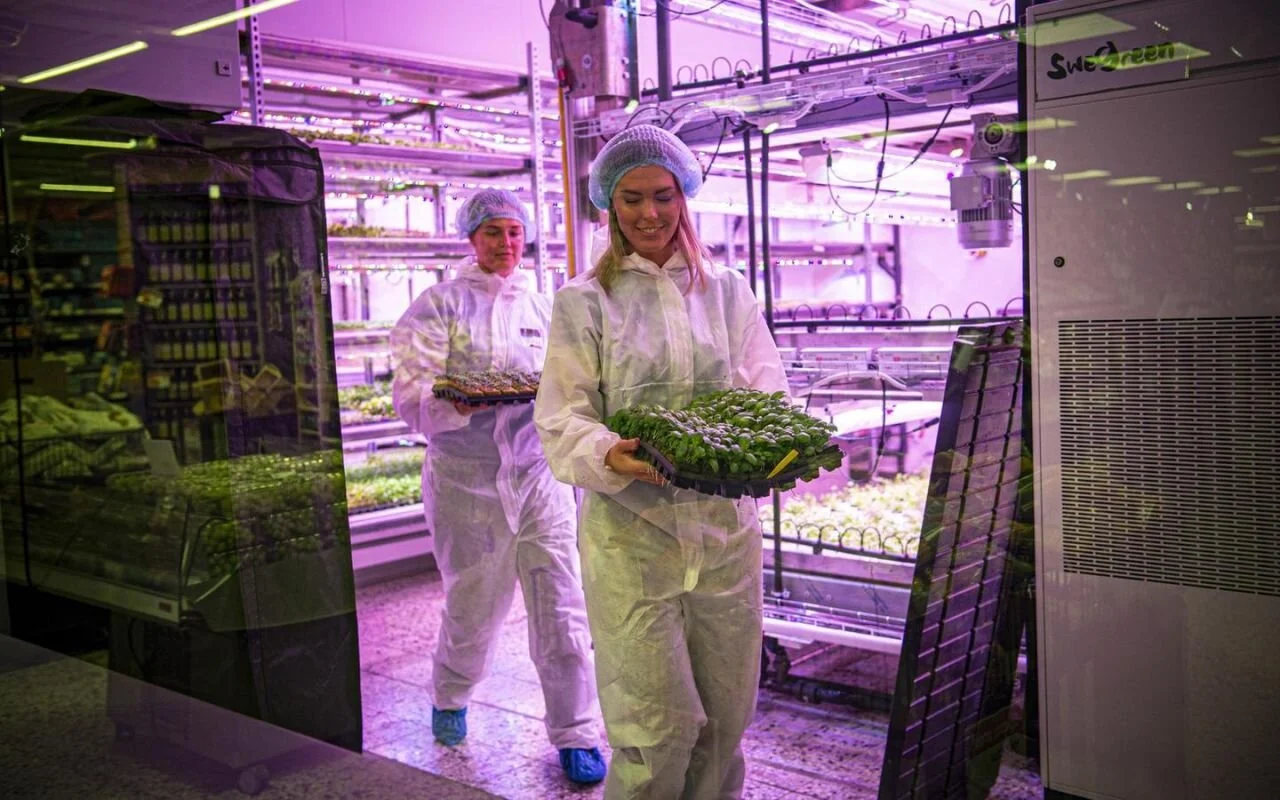


Netled is specialized in developing and selling high-technology vertical farming systems. Our mission is to enhance vertical farming by providing the best technology, expertise, and guidance for vertical farming projects and actors all around the world. The collaboration with SweGreen has been outstanding and produced valuable next steps towards hyper-local vertical farming.
Netled’s CEO Niko Kivioja comments: “We have followed the markets for ultra-local vertical farming for quite some time now and seen that our technology has clearly many opportunities for the current markets. This first project we have executed with and according to the wishes of our Swedish partner SweGreen is a great reference for us. Their business model, Farming as a Service, is elegant and easy to implement by supermarkets. Our team is proud to be partners with SweGreen, making fresh production close to consumers possible.”
Photos: SweGreen & Netled
More photos in SweGreen’s post on LinkedIn >
Watch a video by ICA Gruppen on LinkedIn >
Read more from the article in Gothenburg’s local paper Göteborg’s Posten (in Swedish) >
Facebook Twitter LinkedIn Share
Filed Under: NewsTagged With: agtech, autonomous farming, indoor farming, indoor farming technology, indoor growing, vertical farming, vertical farming expertise, vertical farming technology

MSU Awarded Grant To Expand Career Education Opportunities In Food, Agriculture, And Natural Resources Fields
This three year effort will support urban Michigan students and teachers through the development of food, agriculture, and natural resources curricula and five Jr. MANRRS chapters
Lindsay Mensch - September 1, 2020
This three-year effort will support urban Michigan students and teachers through the development of food, agriculture, and natural resources curricula and five Jr. MANRRS chapters.
Michigan State University was awarded $280,997 from the National Institute of Food and Agriculture at USDA to strengthen food, agriculture, and natural resources career pathways for students in urban Michigan.
The project, “Collaborative Approaches to Building Food, Agriculture, Natural Resources, and Human Sciences Content and Career Learning in Urban Michigan,” will focus on developing food, agriculture, and human sciences curricula with school science teachers in cities like Detroit, Flint, Lansing, and Saginaw.
The project team includes Dr. Buddy McKendree, Dr. Aaron McKim, Dr. Jennifer Hodbod, Dr. Quentin Tyler, and Dr. Mike Everett from MSU. Dr. Antomia Farrell from the National Society of MANRRS (Minorities in Agriculture, Natural Resources and Related Sciences) and Dr. Orlenthea McGowan from Langston University are also collaborators on the project.
Dr. Buddy McKendree
“In Michigan, some of our most populated areas do not have any school-based agricultural education. This proposal was really a way for us to reconsider how we can get that content and career learning in areas that don’t have school-based agricultural education,” says lead investigator Buddy McKendree, Assistant Professor in the Department of Community Sustainability.
“We have to prepare our future leaders in the agriculture industry,” says Antomia Farrell, National President of MANRRS.
The curricula developed through this collaboration will be designed in accordance with Next Generation Science Standards, with the ultimate goal of increasing student, teacher, and administrator interest in establishing formal school-based agricultural education programs.
Orlenthea McGowan, Professor at Langston University, will support teachers to integrate these curricula in their classrooms through a one-week immersive teacher training.
The Agriculture, Food, and Natural Resources Education program in MSU’s Department of Community Sustainability has always focused on K-12 education and career development. Expanding existing agriculture, food, and natural resources career pipelines through the lens of diversity, equity, and inclusion is a critical next step for the work.
Dr. Quentin Tyler
“This is a culmination of multiple things we’ve been working on,” says Quentin Tyler, Associate Dean and Director for Diversity, Equity and Inclusion in the College of Agriculture and Natural Resources (CANR). “This effort not only focuses on recruitment but also retention.”
In Tyler’s role in CANR, he is responsible for increasing student diversity and recruiting and retaining students. This project will support that effort as more pre-college students in Michigan will access career learning opportunities in the food, agriculture, and natural resources fields.
Working with the National Society of MANRRS is integral to diversifying and strengthening this career pipeline. There is a strong MANRRS chapter at MSU, but there are currently no registered Jr. MANRRS chapters in the state of Michigan. One outcome of this project is to develop five Jr. MANRRS chapters in urban Michigan schools over the next three years.
Farrell says, “I think representation is very important: to see that there are BIPOC communities who have been through these particular careers, and from an educational standpoint, to know that they can do the same thing that we’re doing today.”
Dr. Antomia Farrell
“Within MANRRS what we’re really looking at is developing a cohesive structure for our Jr. MANRRS program” shares Farrell. “We focus on developing a pipeline approach as early as 7th grade to bring awareness of the agriculture, natural resources, and related sciences industry.”
This new initiative is building on past and current efforts in coordinating a Jr. MANRRS presence in the state of Michigan by the MSU MANRRS chapter and advisors Stephanie Chau, Dr. Eunice Foster, and Phillip Seaborn.
The national and statewide perspectives involved in this work make this project particularly exciting. The team hopes that this collaborative approach can be replicated in future efforts.
Tyler notes, “This effort is a collaboration between an 1862 institution, an 1890 institution, and a nonprofit, so to me, it’s a model showing different ways we can work together across organizations and across universities.”
Ultimately, this project will help meet the growing demand to fill jobs in the agriculture, food, and human sciences fields. Educating young adults about where food comes from and how to sustainably manage natural resources is a critical entry point for these careers.
McKendree sums up the significance of the project well.
“Agriculture, food, and natural resources are intertwined in our lives,” he says. “Everybody eats, everybody interacts with the environment. It’s relevant for everyone.”
This project is one of six recently awarded Secondary Education, Two-Year Postsecondary Education, and Agriculture in the K-12 Classroom Challenge (SPECA) grants. The SPECA program seeks to promote, strengthen, and foster linkages between secondary, two-year postsecondary, and higher education programs to encourage more young Americans to pursue and complete a baccalaureate or higher degree in food, agriculture, natural resources, and human science disciplines.
Learn more about the project in NIFA’s Current Research Information System.

The New "ModuleX Plant Factory"
On September 9th, 2020, Urban Crop Solutions presented their new “ModuleX Plant Factory” at a launch webinar with 500 registrations from 40 countries, of which 245 attended the event live
The New "ModuleX Plant Factory" Achieves Genovese Basil Full
Production Cost Below 10 EUR/kg (5$/lbs). And
Wins agtechbreakthrough.com
“2020 Vertical Farming Solution of The Year”
The full launch webinar is available at https://urbancropsolutions.com/the-launch-webinar/
On September 9th, 2020, Urban Crop Solutions presented their new “ModuleX Plant Factory” at a launch webinar with 500 registrations from 40 countries, of which 245 attended the event live. The webinar was hosted by Henry Gordon-Smith, CEO of Agritecture, an independent horticultural consulting firm. During the webinar, CEO Tom Debusschere and co-founder/CTO Maarten Vandecruys, showed a demo of the new Grow Module with the BenchCarousel (patent pending).
There was also a guided tour inside of the Indoor Biology Research Center and some in-depth dialogue on the risks and hurdles new entrepreneurs face when starting up a business in Vertical Farming. Other topics covered were the business planning, the 6 months lead time ‘from order to 1st harvest’, and finally the bottom line: an overview of the full production cost (including 10-year depreciation of investment cost) for 3 benchmark crops Romaine Lettuce, Genovese Basil and Red Stem Radish microgreens.
CEO Tom Debusschere: “We couldn’t be happier with the outcome of our launch webinar. In these times of COVID-19 travel restrictions, we have developed the ability to train and start-up new customers completely remotely. I’m glad to see that within the Vertical Farming community, there is such a wide interest in remote presentation and education as well. I am also proud that Agtechbreakthrough.com has awarded us the 2020 Vertical Farming solution of the year".
Timeslots of interesting topics:
· 8’08” Demo video of the Grow Module with BenchCarousel
· 16’01” In-depth conversation on the end-to-end support
· 29’41” Explanation of full lead time ‘from order to 1st harvest’ of 6 months or less
· 39’08” Guided tour inside the Urban Crop Research Center
· 48’10” Full unit production cost, including CAPEX depreciation over 10 years
Urban Crop Solutions is an ag-tech pioneer in the fast-emerging world of ‘Indoor Vertical Farming’. Throughout years of research, 220+ ‘plant growth recipes’ were developed for efficient indoor growing. All drivers for healthy plant growth, such as optimal LED spectrum and intensity, nutrient mix, irrigation strategy, and climate settings are tested and validated daily in the company’s own Indoor Biology Research Center.
To date, Urban Crop Solutions has manufactured container Farms and a Plant Factory for clients throughout Europe, North America, and Asia. Urban Crop Solutions’ commercial farms are being operated for vegetables, herbs, and micro-greens for food retail, foodservice, and industrial applications. Research institutions operate the growing infrastructure of Urban Crop Solutions for scientific research on banana seedlings, flowers, hemp, and many more.
Visit www.urbancropsolutions.com for a full virtual tour.
Brecht Stubbe, Sales Director brst@urbancropsolutions.com
Maarten Vandecruys, CTO mava@urbancropsolutions.com
Tom Debusschere, CEO tode@urbancropsolutions.com
European headquarters: Regional headquarters:
Grote Heerweg 67 800 Brickell Avenue, 1100 Suite
8791 Beveren-Leie (Waregem) Miami (FL 33131)
Belgium Florida
(+32) 56 96 03 06 +1 (727) 601 7158
Facebook: www.facebook.com/urbancropsolutions
Twitter: www.twitter.com/U_C_Solutions
LinkedIn: www.linkedin.com/company/urbancropsolutions
YouTube channel: http://www.youtube.com/c/UrbanCropSolutions
Instagram: https://www.instagram.com/urbancropsolutions/?hl=en
Valentina De Pauw / Marketing & Sales OfficerMobile: +32 487 40 19 56
E-mail: vadp@urbancropsolutions.com

AgriTech - A Hotspot For Investments
In recent times, AgriTech or AgTech solutions are gaining their popularity factor because individuals and entities alike, are becoming increasingly aware of the efficiency technology adds to their daily processes, which otherwise would have been tasking to follow through with. The ‘revolutionary’ factor has been highlighted in the AgTech space and hence, it has caught the eyes of investors and big corporations
AgriTech - The Sought After Technology Breakthrough
In recent times, AgriTech or AgTech solutions are gaining their popularity factor because individuals and entities alike, are becoming increasingly aware of the efficiency technology adds to their daily processes, which otherwise would have been tasking to follow through with. The ‘revolutionary’ factor has been highlighted in the AgTech space and hence, it has caught the eyes of investors and big corporations.
AgTech represents that specific niche category of technology buffs that intermingle the age-old occupation of agriculture with the new age specs and wonders of technology.
The specifics of Agronomic Processes:
The agronomic processes encompass diverse solutions in every step, ranging from the sowing of seeds to the harvesting of crops. The processes comprise of integrated resolutions to enhance efficiency within agricultural organizations, along with benefiting smallholder and marginal farmers.
AgriTech, breaking barriers and records:
The upward curve of investments and profitability within the industry does not seem like it would dip anytime soon, with a continuous maturity, breaking barriers, and records. Since 2013, funding within the AgTech sector has increased by roughly a whopping 370%. According to an AgFunder report, specifically, startup investments bucked global venture capital markets across all sectors to $4.7 billion in 2019. The 695 deals were carried out across 940 unique investors.
COVID-19 comes into play:
Similar growth cannot be expected for the remainder of 2020, due to Coronavirus governing industries across all business streams. However, there is less chance of the investments cutting to a freefall wherein they would dip way lower than initially expected. New investment projects may be put on hold, however, ongoing funding is expected to be perennial.
Localizing our viewpoint, we notice that most of these investments are still being carried out within the United States. However, investments in India continue to rise at a rapid rate, representative of a two-way flow (up-stream as well as down-stream) of funding, again highlighting the maturity of the sector.
The reasoning:
WHY? Every action has an equal and opposite reaction. Sir Isaac Newton was well aware of the specifics of investment and the network within which it functions. Our world is at a point today, where overpopulation is a severe problem in various countries, along with the overall population set to increase by 30% over the next 35 years, according to Global-Engage.com. According to a report conducted by FAO, agricultural production will have to increase by 60-70% to feed the world population by 2050. To work towards an increase in the production of food, along with keeping a tap on the factor of ‘sustainability’, it is essential and integral to adopt smart farming and smart agricultural practices, allowing processes and outcomes to become more efficient in the long run.
The Need for Emerging Trends:
The importance of utilizing ‘big data’ and ‘predictive analytics’ to counteract the issues faced by farmers daily is now more than ever. They will allow farmers to achieve and maybe even surpass their targets for the seasons, resulting in an influx of productivity. In a survey conducted with farmers, 60% mentioned that precision farming is an influential trend to look towards for a structural and foundational change in the way daily practices take place. With the risk of climate change looming overhead at all times, it is crucial to understand the essential need to channel funds towards projects that solve difficult and foreseen problems.
The Agricultural 4.0 wave:
Today, 25-30% of all food produced is wasted, which incurs a social, economic, and environmental cost of $2.5 trillion annually. An outdated supply chain with no digital integrations or climate-smart advisory results in around 20% of the crops produced in developed countries being left in the field itself. To spark a change and make a difference, socially conscious investors who look to profitability as well, view the AgTech sector as a gold mine, essentially killing two birds with one stone.
AgriTech today is an area that is ripe for innovation with limits imposed solely due to constraints in terms of available capital. When this constraint is counteracted, creativity applied to AI and food production will be ten-fold.
Sanjay Borkar
Founder, CEO of FarmERP

Agtech Startup Nordetect Wins €10,000 Prize For Portable Nutrient Sensor
Nordetect, which is also a part of the SOSV portfolio, won the challenge for its portable device that measures nutrients in soil, water, and plant tissue so growers can more precisely use fertilizer in crops and get better yields and less waste
There are plenty of reasons food producers are considering indoor agriculture these days, including the potential for better crops and yields thanks to tech integrations and the ability to keep farmworkers safer (ie, not laboring in the thick of wildfire smoke). However, to make indoor farming as efficient as possible, and thereby cut down on food waste, more precision around plant nutrients, water, and other elements is needed.
Denmark-based startup Nordetect is one such company tackling this challenge. The precision-agriculture-focused company just nabbed the top spot (and €10,000) of agtech company Priva’s recent Horti Heroes challenge, which showcased companies innovating in the horticulture space.
Nordetect, which is also a part of the SOSV portfolio, won the challenge for its portable device that measures nutrients in soil, water, and plant tissue so growers can more precisely use fertilizer in crops and get better yields and less waste.
On its website, Nordetect says this nanosensor can be used on anything from leaf samples to soil to manure. The system also integrates with any existing software the farm might be using, and a built in GPS keeps track of where each sample is located in the field or farm. A major differentiator Nordetect offers is its ability to measure nutrients within minutes, as opposed to the traditional process that can take weeks.
Speaking in today’s press release, Nordetect CEO Keenan Pinto said the company’s target market was high-value crop space — that is, areas that grow crops like leafy greens, tomatoes, and cucumbers. “These are crops that have a nutrient requirement change between their vegetative and generative phases… and if you can get the fertilization correct, you can also achieve a significantly higher flower rate and yield,“ he said.
Many indoor farms, whether tech-enabled greenhouses or vertical farms, now grow those crops. At the same time, the number of these indoor farming facilities keeps rising and their locations include everywhere from isolated warehouses to grocery store parking lots to food desserts.
Priva is something of a heavyweight in the world of indoor farming, which means its awarding of the prize to Nordetect and subsequent partnership with the company will lead to further technological innovation around precision agriculture inside the above farming locations.
FILED UNDER: AG TECH BUSINESS OF FOOD FEATURED FOODTECH MODERN FARMER VERTICAL FARMING

USA (CA) - Iron Ox Raises $20 Million To Grow Robotic Greenhouse Operations
The funding will be used to open additional robotic growing facilities in California and other parts of the U.S., according to company co-founder and CEO Brandon Alexander
Khari Johnson @kharijohnson
September 9, 2020
Robotics farming company Iron Ox today announced the close of a $20 million funding round. The funding will be used to open additional robotic growing facilities in California and other parts of the U.S., according to company co-founder and CEO Brandon Alexander. The funding will also be used to hire additional machine learning and robotics experts as well as growers and scientists who work with plants.
“We’re now competing on price with field farms, but we think we can do even better and take this to more people,” he said.
Iron Ox employs a 1,000-pound mobile transport system roughly the size of a car to move trays of growing vegetables and tend to plants using a robotic grasper while computer vision systems monitor the plant growth cycle. The semi-autonomous system still relies on humans for a part of its seeding, pruning, and inspection process, Alexander said, but the goal is for Iron Ox to someday be fully autonomous.
While startups like Bowery practice indoor vertical farming in urban facilities near New York and Baltimore, Iron Ox has turned its focus toward greenhouse farming since the company was founded in 2015 as a way to lower energy costs. Earlier this year, Iron Ox opened its first greenhouse, a 10,000-square foot facility in Gilroy, California, the company’s second location. Iron Ox currently provides produce to 15 Whole Foods stores in the San Francisco Bay Area.
Though Gilroy is known as the garlic capital of the world, Iron Ox does not currently grow any garlic. Instead, the company focuses on leafy green vegetables like lettuce and some herbs.
Alexander said Iron Ox’s biggest challenge is how to use data collected by sensors to train AI systems that produce higher yields at lower costs.
“I would say in agriculture as a whole it’s not just collecting data, it’s not just taking an image, but it’s actually how do you include that data into the decision making process?” Alexander said. “I would say that is the biggest challenge in ag is how do you respond to these each individual plants and the variety and all these little variables.”
The $20 million funding round was led by Pathbreak Ventures with participation from Crosslink Capital, Amplify Partners, Eniac Ventures, R7 Partners, Tuesday Ventures, and At One Ventures. Iron Ox is based in San Carlos, California. The company currently has 30 employees and has raised $45 million to date.
Field farming today is still the most efficient way to grow produce. However, concern about shrinking field yields and instability due to climate change has spurred interest in indoor farming. In 2018, international teams from companies like Microsoft and Tencent competed against each other to find out who could grow the highest yield of cucumbers inside a greenhouse using AI and automation. (Spoiler: The Microsoft team won.)
In other AI and agriculture news, last month the startup iFarm raised $4 million for its AI-driven urban farming solution, and in June the startup Burro began rolling out its autonomous farm robot in southern California to assist in grape harvesting.
Image credits: Iron Ox

Latest ZipGrow Inc. Product Introduces Vertical Indoor Farming To New Growers
Controlled Environmental Agriculture (CEA) is currently undergoing an upturn in public interest as the general population begins to appreciate the importance of locally produced food from sustainable sources
September 9, 2020
ONTARIO, CA - Controlled Environmental Agriculture (CEA) is currently undergoing an upturn in public interest as the general population begins to appreciate the importance of locally produced food from sustainable sources. ZipGrow Inc.’s new product offering, the Introduction to Commercial Growing package, is designed to make commercial growing more accessible to farmers and businesses wanting to get into the CEA industry.
“As interest grows in improving food security, we wanted to make commercial growing more accessible to newcomers to the hydroponics world”, explains Eric Lang, President of ZipGrow Inc. “This new package is an accessible, and affordable entry-level product for anyone interested in testing out if controlled environmental agriculture is right for them.”
The new product package includes a discounted set of everything you need to get started, including 90 patented 8’ ZipGrow™ Towers, steel ZipRacks, LED growing lights, a seedling area, a comprehensive plumbing system, and an automatic doser from Atom Controllers. This package is not only all-inclusive, but also modular to be able to expand as the operation grows.
“This package can set someone up to produce up to 100 pounds of leafy greens or herbs such as lettuce or basil each week, and is a great way to test a pilot system in your local community”, adds Lang. “Since the start of COVID-19 we have seen interest in sustainable food sources skyrocket, and this is one way we are trying to encourage more people to see if hydroponic farming is right for them.”
The Introduction to Commercial Growing package has a flat rate shipping option for all locations within Canada and the continental United States, with shipping to other locations available at custom rates. The package will be fully installed on-site, with costs varying dependent on location. ZipGrow team members will work with customers to ensure the product is the right fit for them and ensure all training and ongoing education needs are fulfilled.
ZipGrow Inc. is an international leader in indoor, vertical farming technology. Our flagship product, the ZipGrow™ Tower, is a core component of many of the world’s most innovative farms; from indoor hydroponic warehouses to vertical aquaponic greenhouses and high-density container farms.
For more information contact Gina Scandrett at hello@zipgrow.com or at 1-855-ZIPGROW.

The Basis, A Homogeneous Climate, Is Already There" Artechno Doing New Cultivation Tests In VF Chamber
Previously, the Artechno industrial hall was mainly the place to build complete water management systems for the greenhouse or harvesting lines and turnkey systems for vertical farms and deep-float systems
"Together with another colleague, I am adding green thumbs to the team that is full of technicians here", Rick van Schie laughs. As the son of a tomato grower and next year's fourth-year horticulture student, he started cultivation research in the industrial hall of Artechno in De Lier. In a AVF+ Junior climate chamber Rick researches irrigation strategies for four different substrates and the effect that far-red light has on the stretching in lettuce.
Previously, the Artechno industrial hall was mainly the place to build complete water management systems for the greenhouse or harvesting lines and turnkey systems for vertical farms and deep-float systems. “The cultivation space with deep-float facility provided insight into growth and also important key figures for the business case. By testing and growing ourselves, we can now also better serve our customers in the vertical farm industry and provide them with better data and growth recipes.”
Rick started growing in the climate chamber in mid-June. "It is often wise for a grower to first do tests in a small chamber and to collect as much information as possible about lighting, climate and irrigation before scaling up to a larger system. That is why we also offer our chambers for rent to growers."
Cameras and LED
The AVF + Junior with which Rick is currently doing tests is equipped with Philips GEN3 LED luminaires, whereby both the spectrum and the light intensity are adjustable. The chamber is also equipped with special hyper-spectral cameras (and sensors), making it possible to monitor the crop and climate without having to enter the chamber.
Homogeneous climate
Anyone who would enter the chamber will notice, according to Rick, that the climate is remarkably homogeneous. "Or actually you do not notice that much and that is positive. To demonstrate that there really is air circulation, I have hung up an A4 sheet, but you do not notice it."
Art, general director: "The aim was to realize a delta T difference of less than 1 degree Celsius difference in a 10-layer climate chamber of about 8 meters high, and we succeeded."
All this is possible thanks to the air treatment units that were developed by Artechno itself. "You want to exclude as many variables as possible in your research, so a homogeneous climate is essential."
Study 1: irrigation strategies
The first study examines the effect of different irrigation strategies on four different substrates (stone wool, foam plug, glue plug, and soil mix with 10% wood fiber). This should become the basis for other studies with various types of lettuce, Rick says.
Study 2: far-red light
The second research is conducted into the addition of far-red light. Lighting is applied with 180 micromoles for a total of 18 hours and in the last hour, far-red light is added with 10%. There is also a control group (DRB LB) without the addition of far-red light.
"The purpose of the addition of far-red light is to achieve more stretching in the leaves so that the plant makes better use of the growing surface after transplanting. This could possibly also influence the bringing forward of the growth curve."
Germination
Rick is very satisfied with the results of the sowing tests in comparison to the tests carried out in the previous two years. "96-98% germination on the various substrates is a good result, but maybe this might be surpassed by an upcoming germination chamber."
Low input, high output
The results of the tests are assessed, among other things, by measurements of fresh and dry weight, growth percentage, quality, and kilo/m2. "From these results, certain trend lines are emerging, from which the crop growth rate can be calculated. This trend line also gives us insight into the smarter use of the LED light (grams of fresh weight per mole). The ultimate aim is to be consistent with the lowest possible input to achieve the highest output (kilo/m2/year)."
Rick knows that kg/m2/year is an important factor for customers to determine the profitability of their business case. "The results of our tests are used for this, among other things. The results and experiences with certain products we always provide feedback to our suppliers and customers, so that they remain up-to-date."
Soft fruit
Meanwhile, Rick and Artechno see that, in addition to demand for research for herbs and leafy crops, there is also an increasing demand for soft fruit. "This includes, for example, growing strawberries indoors and testing with the rooting phase in, for example, the propagation of blueberry plants.
We also want to be proactive in this, so we will certainly carry out tests ourselves. For ourselves, but also for growers or suppliers to whom we rent the chambers. In addition, I can mentor them and, in consultation, help to draw up a good research plan, always with a lot of literature as a foundation, so that you are not wasting time doing research that has already been done."
For more information:
Artechno
www.artechno.nl
info@artechno.nl
Rick van Schie
rick@artechno.nl
Publication date: Fri 24 Jul 2020
© HortiDaily.com