

Welcome to iGrow News, Your Source for the World of Indoor Vertical Farming

IDTechEx Identifies Innovative Companies Changing The Face of Vertical Farming
Vertical farming, the practice of growing crops indoors under tightly controlled conditions, is continuing to expand rapidly
Sep 02, 2020
BOSTON, Sept. 2, 2020,/PRNewswire/ -- Vertical farming, the practice of growing crops indoors under tightly controlled conditions, is continuing to expand rapidly. By using LED lighting tailored to the exact needs of the crop, alongside advanced hydroponic growing systems, and growing crops in vertically stacked trays, vertical farms can achieve yields hundreds of times higher than the same area of traditional farmland.
Investors and entrepreneurs alike are excited about the potential of vertical farming to revolutionize the global food system and some vertical farming companies have raised dizzying amounts of money. Plenty, a San Francisco-based start-up, and the most well-funded vertical farm, has raised $401 million in funding, with backers including SoftBank, Alphabet Chairman Eric Schmidt, and Amazon CEO Jeff Bezos. Fellow US start-ups AeroFarms and Bowery Farming are not far behind, with $238 million and $167.5 million in funding, respectively.
While there has been much attention on these companies and their exploits, there are dozens of other companies in the industry developing their own approaches to vertical farming. Here, we explore some of the most innovative vertical farming start-ups, based on the recent IDTechEx report, "Vertical Farming 2020-2030".
Freight Farms
Freight Farms is a Boston-based vertical farming company that manufactures "container farms", vertical farming systems installed into 40' mobile containers. Alongside its container farms, Freight Farms provides the farmhand software, a hydroponic farm management, and automation platform that also connects users with other Freight Farms customers. Container farms have many advantages - they are easy to transport, compact, and relatively cheap to set up in comparison to other vertical farming systems. Container farms are often turnkey systems, too, meaning that they require much less experience and expertise to operate than either a factory-scale vertical farm or indeed a traditional farm.
Freight Farms recently released its most advanced container farming system, the Greenery, which it believes is the most advanced container farming system in the world. The Greenery is a turnkey system that uses an array of sensors to continuously monitor the growing conditions inside the farm, with the farmhand software automatically making adjustments and planning watering cycles in order to provide the optimum environment for growing crops and allowing users to control their Greenery remotely from a smartphone.
80 Acres – Collaboration, Food Experience
Despite their potential, many vertical farming start-ups have struggled over the years with the labor costs and power requirements for running a high-tech indoor farm. This has often forced producers to sell their crops at a much higher price than conventionally farmed leafy greens. Additionally, many founders of vertical farming companies have little experience in the food industry and can struggle with the day-to-day realities of running a food production industry.
80 Acres is an Ohio-based vertical farming start-up aiming to overcome these challenges by constructing the world's first fully automated indoor farm. The company was founded in November 2015 by Tisha Livingston and Mike Zelkind, who between them have over 50 years' experience in the food industry. Collaboration is also important to 80 Acres. The company believes that vertical farming is a very multidisciplinary field, requiring collaboration between partners who are experts in their own discipline. Signify (formerly Philips Lighting) developed the LEDs used in the facility and Dutch greenhouse automation company Priva developed the control and fertigation systems, with 80 Acres using its experience in food to bring the system together and integrate the technology.
The company currently operates a 75,000 square foot facility in Hamilton, a suburb of Cincinnati, which is set to expand to 150,000 square feet in summer 2020 following a $40 million investment from Virgo Investment Group. When completed, 80 Acres claims this facility will be the world's first fully automated indoor farm. The farm will be automated from seeding to growing to harvesting, using robotics, artificial intelligence, data analytics, and around-the-clock monitoring sensors and control systems to optimize every aspect of growing produce indoors.
Jones Food Company
Jones Food Company is a British vertical farming start-up that operates Europe's largest vertical farm out of a warehouse in Scunthorpe, UK. It was founded in 2016 by James Lloyd-Jones and Paul Challinor, who wanted to build the largest vertical farming facility that they could in order to help overcome some of the operational problems plaguing the industry and bring vertical farming to the mainstream. After visiting several vertical farms in Japan, they decide that the only way to make vertical farming a success is to focus on scale and automation.
Jones Food Company focuses on maximizing automation and robotics in their facility to minimize operating costs, with its facility being modeled on a car factory, with the growing process resembling a production line - over the 25-day growing period, plants move from one end of the facility to another. Much of the work is done by machines, helping to reduce labor costs. Harvesting is carried out by bespoke machines and the heavy lifting is performed by a robot called Frank. This focus on automation means that only six employees are required to operate the Scunthorpe facility.
Jones Food Company has partnered with UK online grocery company Ocado, which currently owns about 70% of the business. Through this partnership, Jones Food Company is aiming to set up vertical farms next to Ocado's grocery depots, meaning that fresh produce could be delivered to shoppers within an hour of being picked.
Infarm
Infarm is a Berlin-based start-up that sells modular, hydroponic vertical farms for growing leafy greens and herbs in supermarkets, schools, and offices. A single two-square meter unit can grow 8,000 plants in a year, with the company claiming its farms use 95% less water than soil-based farms, take up 99.5% less space, use zero chemical pesticides, need 90% less transportation, and use 75% less fertilizer.
Infarm has partnered with several major supermarkets across Europe, where it has currently deployed over 500 farms in stores and distribution centers. The company is also beginning to expand in the USA, having recently partnered with Kroger to trial its indoor farms in two QFC stores in Seattle. In the UK, it has partnered with supermarket chain Marks & Spencer, which is trialing in-store urban farming in seven locations in London, growing Italian basil, Greek basil, Bordeaux basil, mint, mountain coriander, thyme, and curly parsley.
The company's business model is based around an "agriculture-as-a-service" model. The modular farms remain the property of Infarm, which receives income per harvested plant. Infarm then coordinates with clients such as retailers and takes care of the farm including installation, cultivation, harvesting, and maintenance. Aside from the regular visits by service personnel to plant new plants, the farms are controlled remotely. This modular, data-driven, and distributed approach — a combination of big data, IoT, and cloud analytics — sets Infarm apart from competitors. From a price point, Infarm is attractive for supermarkets, which get a better product at the same price. In addition, the plants, especially herbs, are harvested fresh, preserving color, smell, flavor, and nutrients.
For more information about the vertical farming industry and the innovative companies operating within the space, please see the recent IDTechEx report, "Vertical Farming 2020-2030", www.IDTechEx.com/VertFarm or for the full portfolio of related research available from IDTechEx please visit www.IDTechEx.com/Research.
IDTechEx guides your strategic business decisions through its Research, Consultancy, and Event products, helping you profit from emerging technologies. For more information on IDTechEx Research and Consultancy, contact research@IDTechEx.com or visit www.IDTechEx.com.

Valoya And Citizen Electronics Enter A Licensing Agreement
Citizen Electronics will apply Valoya's spectrum technology know-how in order to strengthen its COB (chip on board) LED products intended for the horticulture industry
Citizen Electronics Co. Ltd., leading developer of electronic devices and applied products, and Valoya, the research-driven LED grow light manufacturer have entered a licensing agreement whereby Citizen Electronics will take Valoya’s LED spectrum portfolio into use.
Citizen Electronics will apply Valoya's spectrum technology know-how in order to strengthen its COB (chip on board) LED products intended for the horticulture industry.
Valoya has launched its patent licensing program in June this year. After more than a decade of persistent focus on R&D, the company has amassed one of the largest patent portfolios of the horticulture lighting industry.
‘The spectrum makes all the difference. High-quality light creates high-quality plants. We are excited and proud to have a company like Citizen recognize the value of our expertise and to choose to include it in their product portfolio. We look forward to seeing their COB LED products with Valoya spectrum reach the market and the growers who will greatly benefit from Valoya’s spectra which have been developed through meticulous plant R&D efforts spanning over a decade’ comments Mr. Lars Aikala, the CEO and Co-Founder of Valoya.
Access to the Valoya license program not only gives us a solid IP base, but also extends Valoya's experience, research, and know-how to our COB products and our customers.
Our higher power [300 Watt] COBs provide a wide spectrum light, in a very small package. It is a superior solution for greenhouses and other horticultural applications where high power light is needed", comments Mr. Kanetaka Sekiguchi, CEO of Citizen Electronics.
The patent portfolio accounts Valoya’s inventions in the field of light spectra for plant cultivation and lighting applications.
Valoya and Citizen Electronics are happy with this partnership and are both looking to further contribute to support the development of the global horticulture industry.
To inquire further about Citizen’s COB LED products, please click here.
To learn more about Valoya's patent licensing program, please click here.
About Valoyarop
Valoya is a provider of high end, energy-efficient LED grow lights for use in crop science, vertical farming, and medicinal plants cultivation. Valoya LED grow lights have been developed using Valoya's proprietary LED technology and extensive plant photobiology research. Valoya's customer base includes numerous vertical farms, greenhouses, and research institutions all over the world (including 8 out of 10 world’s largest agricultural companies).
Additional information:
Valoya Ltd, Finland
Tel: +358 10 2350300
Email: sales@valoya.com
Web: www.valoya.com
Facebook: https://www.facebook.com/valoyafi/
Twitter: https://twitter.com/valoya

VIDEO: USA, WYOMING - Cody’s Vertical Garden Enhances Downtown
“It’s just to get the community involved in growing edibles, besides a dirt base,” Butler said. “And it’s more of an art form, too, just to enhance this plaza that we have it in.”
August 31, 2020
By Wendy Corr
Visitors to Cody this summer might be able to pick their own salad greens straight from the garden – downtown.
This summer, a hydroponic garden was installed in Bell Plaza, a public space in the heart of downtown Cody. Bernie Butler works for the city but is volunteering her time to take care of the vertical garden that has been placed for the benefit of the community.
“It’s just to get the community involved in growing edibles, besides a dirt base,” Butler said. “And it’s more of an art form, too, just to enhance this plaza that we have it in.”
A vertical garden is just what it sounds like — plants placed in upward reaching rows instead of spread out across the ground. The plants are raised in a hydroponic system that uses nutrient-rich water for nourishment rather than dirt.
Butler said Cody is one of several Wyoming cities to embrace the vegetable growing technique.
“They partnered with Travis Hines out of Pinedale, he has Bio-Logic Designs,” she said. “He built this frame for it, brought everything down, we planted the plants, which he supplied, and filled up the tank – we have fish and aqua plants in there. He just got us going.”
The funds for the garden came from the U.S. Department of Agriculture, funneled through the Wyoming Business Council. Amy Quick, the Northwest Regional Director for the Business Council, said the project benefits communities in a number of ways.
“Eleven different communities throughout the state are participating, including, of course, Cody, but Sheridan, Rock Springs, Casper are a few other examples,” Quick said. “And it’s just a really great opportunity to get some community involvement, focus on nutrition, education, economic development.”
Butler pointed out that the produce from the garden is available to anyone.
“I do have a couple of older people that come by almost every night, and they take some lettuce and some kale, and the mint is their favorite.”
Butler adds that once colder weather arrives, the garden will move to Eastside Elementary, where students there will take over the process – and the produce.

Ikea Just Shared Its Garden Sphere Design For Free
Blueprints for IKEA’s Garden Sphere are available for free download, distribution, and reuse. The product design allows any users to feed an entire street, block, or even neighborhood, depending on population
IKEA's idea lab Space 10 created a sustainable, spherical garden for urban environments called The Growroom with open-source blueprint and instructions.
IKEA is making its garden sphere design free to access.
May 12, 2020
Blueprints for IKEA’s Garden Sphere are available for free download, distribution, and reuse. The product design allows any users to feed an entire street, block, or even neighborhood, depending on population.
The Growroom gardening sphere design makes it easy to grow fresh produce in dense urban areas. The multi-tiered, spherical design mimic some forms of verticle gardening by maximizing airspace. The structure’s designers, architects Sine Lindholm and Mads-Ulrik Husumtoin are part of Space 10—IKEA’s innovative idea lab.
The entire Growroom frame can be constructed with just a few supplies: plywood, screws, a hammer, and access to a local fab lab. Experts suggest small workshops offering digital fabrication are increasingly commonplace. “This means most people — in theory — could produce almost anything themselves,” the company press release read.
Community-grown food minimizes the distance traveled and other contributing factors in food production’s carbon footprint. Many people do not have ready access to fresh produce and outdoor space. The Growroom can help facilitate shared access to both.
“Local food represents a serious alternative to the global food model. It reduces food miles and our pressure on the environment and educates our children about where food actually comes from,” Space 10 noted on its website. “The challenge is that traditional farming takes up a lot of space — and space is a scarce resource in our urban environments.”
The Growroom could increase access to fresh produce in urban areas. | Image/bellinghammakers
IKEA And Sustainability
IKEA emphasizes sustainability in several other areas of its business. In its 2018 sustainability report, IKEA estimated its climate footprint to be 26.9 million tons of carbon dioxide equivalent. Following this, the home furnishings retail giant announced plans to invest over $220 million in efforts to become “climate positive.”
IKEA has also banned all single-use plastic from its cafes to minimize waste and preserve the environment. Instead, the company now uses alternatives such as wooden cutlery and paper straws. The retailer says it sources all materials from sustainable suppliers.
STAFF WRITER | BRISTOL, UNITED KINGDOM | CONTACTABLE VIA: LIAM@LIVEKINDLY.COM
Liam writes about environmental and social sustainability, and the protection of animals. He has a BA Hons in English Literature and Film and also writes for Sustainable Business Magazine. Liam is interested in intersectional politics and DIY music.

USA: SOUTH CAROLINA - $314 Million Agriculture Technology Campus To Bring 1,500 Jobs To Hampton County
Governor McMaster and the South Carolina Department of Agriculture say the 1,000-acre project will use controlled environment agriculture, an indoor farming technique to minimize space and conserve water
by Cody Thomas
September 3, 2020
To View The Video, Please Click Here
The project is expected to be operational by 2022 (Credit: Cody Thomas)
HAMPTON COUNTY, Sc. (WTGS) — On Wednesday, South Carolina Governor Henry McMaster announced a new agriculture technology campus in Hampton County.
The massive project will bring more than 1,500 jobs to the community.
“This is the largest agricultural announcement in South Carolina history, according to commissioner Weathers who’s been working on this project for years,” Governor McMaster said.
Governor McMaster and the South Carolina Department of Agriculture say the 1,000-acre project will use controlled environment agriculture, an indoor farming technique to minimize space and conserve water.
“As we bring food production to the East Coast and not bring those trucks across the country and have that cost involved, there’s only just potential for additional growth,” Commissioner of Agriculture Hugh Weathers said.
The $314 million investment is expected to bring in 1,500 jobs by 2025, but there was concern about the small farmers who are already there.
Secretary of Agriculture Sonny Perdue says there is room for partnership.
“It’s going to be a long, long time before our great agriculture producers are not needed. I don’t ever envision that happening at all,” Perdue said.
Governor McMaster says project investors with the GEM Opportunity Zone Fund could have taken this project anywhere, but the area’s environmental advantages are what secured the deal.
“This kind of innovation represented by these companies and the people that we have here that can do this work, and these are high paying jobs, these are careers, you end up with a great announcement like this,” he said.
He also says the additional 1,500 jobs are exactly what the economy needs during the pandemic.
The project is expected to increase the total economic output in Hampton County by more than $550 million per year.
The new agriculture technology campus is expected to be operational by 2022.

VIDEO: Automated Vertical Indoor Farming Set To Sprout
Vertical farms could make use of abandoned professional spaces as the pandemic grinds on
Vertical Farms Could Make Use of
Abandoned Professional Spaces As The Pandemic Grinds On
By Greg Nichols for Robotics | August 20, 2020
To View the Video, Please Click Here
A Finish startup has been climbing the walls during the pandemic. At least the crops it helps grow in vertical gardens have been, including greens, berries, and vegetables in areas like the Middle East.
Vertical farming, which utilizes vertically-stacked layers of crops grown in climate-controlled facilities, utilizes significantly less water and soil than traditional agriculture. Increasingly we're seeing examples of the concept scaling to industrial-levels, which is good news with populations booming, arable land in ever-shorter supply, and waning interest in agriculture among city-bound youth.
iFarm has figured out a smart value proposition in the still-nascent market as a developer of vertical farm management technology, essentially an operating system that utilizes tremendous volumes of sensor data to fine tune automated crop growing. The company believes it's entering a market primed for steep growth.
"Investors can participate in the worldwide network of vertical farms and receive a rate of return well above bank deposit rates.", says Alex Lyskovsky, co-founder and President of iFarm. "We already have a group of financial partners involved in the development of our farms, and now there is a direct opportunity for this type of investment in Finland, UK, Switzerland, Netherlands, Russia and UAE."
One of the interesting advantages of vertical farming, particularly in a pandemic when so many professional spaces stand empty, is that it's possible to utilize the urban environment to facilitate crop growing. By growing crops closer to city dwellers, the company can offer logistics efficiencies and unparalleled freshness.
This at a time when traditional farming is less and less viable. Global agricultural productivity is suddenly slowing for the first time in decades. No one is quite sure why, but it's likely a systemic problem related to the rise of monocultures and the overuse of fertilizers, which add harmful salts to soils. Farmers are also aging globally as younger generations migrate to cities. That's largely because a productivity boom over the last century has kept food prices low, which makes farming unattractive economically. It's a double whammy now that that productivity can no longer be taken for granted without major rethinks to the food supply chain.
Vertical farming and other smart agriculture innovations may offer realistic alternatives, and they've captured imaginations due to novel use of space and cutting edge technologies. iFarm's Growtune tech platform allows growers to leverage technologies like computer vision, machine learning, and huge volumes of data. The system can enable farming operations to spread vertical farms across distributed networks while still maintaining centralized control. And if there's any doubt that farming has changed, the level of control is staggering.
The Growtune platform can determine the plant's weight, as well as growth deviations or pathologies, and build a system that improves crop quality and characteristics on its own. According to iFarm, the optimization will reduce labor costs for crops like strawberries, cherry tomatoes, sweet peppers, radish, and others.
"The 2020 pandemic exposed the problems of the global food system – food supplies, sowing, and harvesting were disrupted across the globe", says Mikhail Taver, Managing Partner at Gagarin Capital. "iFarm is taking a novel approach to agriculture, offering an automated solution to grow crops close to the consumer and ensure food security. We believe that the future of the food market lies in modern technologies and are excited to support the project on its way."

What Is Hydroponic Farming?
It is the process of growing crops with nutrient-rich water kept in contact with the plant roots without using soil. This process is touted to significantly reduce the risk of wastage and pollution that can harm the produce and cause diseases, making it popular to health-conscious consumers
Kemkar wants to make a difference through urban farming by introducing the technique of hydroponic farming to all so that they have access to grow their own vegetables at home.
Manjula Ramakrishnan, Gulf Today
The science of urban farming has become hugely popular in recent times and hydroponics is leading the way in this green revolution. Jui Kemkar, a passionate young entrepreneur with a quest to make a difference through urban farming co-founded Waves Enterprises with a vision to introduce the technique of hydroponic farming to all, such that they have access to grow their own vegetables at home.
“From residential balcony gardening, community farming, or indoor/outdoor commercial farming, hydroponic farming methods prove to be beneficial for all. Residential enthusiasts of hydroponics can grow herbs, green leafy vegetables, tomatoes, cumbers, and even small plants or flowers in the comfort of their own homes,” explains Jui.
Jui’s impressive repertoire of work comprises humanitarian work in rural, urban farming projects in India and empowerment of women. It was when she moved from India to Dubai that she chose to promote hydroponic farming in order that healthy food supplies can either be grown by families in their own homes or produced by companies and supplied at affordable rates in the UAE.
Jui talks about her conviction that the future of farming lies in hydroponics.
What is hydroponic farming?
It is the process of growing crops with nutrient-rich water kept in contact with the plant roots without using soil. This process is touted to significantly reduce the risk of wastage and pollution that can harm the produce and cause diseases, making it popular to health-conscious consumers. This method saves up to 70 percent of water while allowing for a longer growing season and avoiding harmful chemicals.
Jui Kemkar, co-founder of Waves Enterprises.
How suitable is this for Middle East consumers?
The extreme climatic conditions and limited agricultural land availability in the Middle East makes hydroponic farming an excellent agro-solution as it increases farming capability. The absence of soil in the growing process makes it conducive for this method of growth to be used in an indoor or outdoor setting.
Can you explain the actual process behind this?
Plant growth happens through a combination of water, sunlight, carbon dioxide, and mineral nutrients. In traditional farming, these nutrients are derived from the soil. Through photosynthesis, plants transform light energy into chemical energy to form sugars that allow them to grow and sustain themselves. This is the basic premise behind hydroponics where all the elements required for plant growth are the same as with traditional soil-based gardening but only taking away the soil requirements, hence making it convenient to perform the farming process anywhere within a controlled environment.
What are the advantages of this kind of farming?
For one, plants can grow both indoor and outdoor and there is growth observed throughout the year. There is complete control over the nutrient balance with a proven technology that ensures high yield. Research shows that growth is faster with hydroponics and 70 percent less water is consumed in the farming process. No harmful contents enter the plant, as no soil or fertilizer or other harmful chemicals are used. The overall economy of a nation will benefit by promoting local farming and reducing the import of vegetables from other countries.
How affordable is this type of farming?
Residential setups are affordable and can be customized to individual budgets; however, commercial farms can be expensive depending on the extent of growth required. But despite the heavy investments for commercial set-ups, profits of up to 60 percent or more are visible in a short period of time. Profits will vary and depend largely on the type of crop cultivated. For example, due to low operational costs, green leafy vegetables yield more profits.
What kind of environment protection does this offer?
As global warming becomes a bigger issue for the world, there is a constant need for better ways to cut down on CO2 emissions to help the environment thrive. Perhaps one of the greatest ways countries can cut back on harmful greenhouse gasses is through examining how they produce and distribute their food supply. Hydroponic growing has numerous possibilities to produce larger, better-tasting vegetables. This method of growth uses less land, 70 percent less water, and minimum to no use of pesticides or herbicides.
Due to controlled growing environment, growth is possible in all types of climatic conditions. Dry and arid climates are not conducive to the growth of berries, bananas, and citrus fruits; however, one country was able to successfully adopt the hydroponic growing process on a large scale. The produce was grown in 40ft large containers and transported to consumer markets for sale.
What is the future of hydroponic farming?
Hydroponics is the fastest growing sector of agriculture, and it could very well dominate food production in the future. As population increases and agricultural land declines due to poor land management, people will turn to new technologies like hydroponics and vertical farming to create additional channels of crop production.

Future of Farming: Vertical Harvest Announces Plans For New Location In Westbrook, Maine
Maine’s first vertical farm, Vertical Harvest, is dedicated to jobs serving the underemployed population and enhancing community access to exceptional farm-fresh foods year-round using less land, water, and fuel
Maine’s first vertical farm, Vertical Harvest, is dedicated to jobs serving the underemployed population and enhancing community access to exceptional farm-fresh foods year-round using less land, water, and fuel
Westbrook, Maine (July 28, 2020) – Born from the creative minds of a group of women in Jackson Hole, Vertical Harvest became the first vertical greenhouse in the United States. In the last four years, Vertical Harvest has perfected the urban farm model and will bring their second location to Westbrook, Maine. The project will start construction in 2021 in partnership with the City of Westbrook.
Vertical farming is a growing industry that uses environmentally sound practices to produce nutrient-dense food grown locally year-round, and yields more crops per-square-foot than traditional farming. Vertical Harvest has a company mission to grow both food and futures. The company pairs innovative growing technologies of vertical farming with jobs for the underemployed population in what has been proven in Jackson to be a successful model for uplifting local economies, providing fresh nutritious produce to schools, hospitals, restaurants, markets, and consumers, and embodies a commitment to civic participation, health, and the environment.
Co-founder Nona Yehia stated, “We have felt a kinship with Maine for quite some time. At our beginning stages 10 years ago, Vertical Harvest Jackson engaged the same engineer as Backyard Farms in Madison, Maine. Wyoming and Maine have more in common than just a four-to-five month grow season and drastic seasonal climates – they have polar rural and urban areas, there is deep-rooted respect for the environment, the farming and food communities are a source of pride, and there is a sense of responsibility to serve the job and food insecure population. With our second location for Vertical Harvest, we feel honored to become a part of this special state and Westbrook community.”
Pictured: Co-founders Nona Yehia (right) and Caroline Estay (left)
Vertical Harvest will generally not compete with local Maine growers. Instead, the farm lowers the need for out-of-state produce imports into Maine (representing over 90 percent of the State’s consumption), and the out-of-state jobs these imports benefit, thereby helping to strengthen the overall business base of Maine’s economy. Vertical Harvest will also support local businesses for its growing supplies, increase food security, and be part of the solution to fulfill objectives for the Maine State Economic Plan focusing on talent and innovation. In addition, Vertical Harvest will strengthen the Maine businesses it will serve by providing a stable, consistent source of produce, year-round at competitive prices.
Co-founder Caroline Estay said, “At Vertical Harvest, we have reimagined the food systems and the jobs they create to make them more nourishing, resilient, and sustainable. Maine has an impressive history of changemakers in the food and farming industry and inspiring culinary thought leaders – we are excited to bring Vertical Harvest to Westbrook and work alongside valued community members in these industries and beyond.”
The company anticipates bringing 50 full-time equivalent jobs to Westbrook, in addition to currently working with Portland-based architect and engineering firm, Harriman (in partnership with GYDE Architects in Jackson, WY where Nona Yehia is partner/co-founder).
City of Westbrook Mayor Michael Foley stated, “This exceptional mixed-use project, anchored by Vertical Harvest’s four-story greenhouse, will provide significant private commercial investment and job creation, expanded residential presence and expansion of free public parking to support growth and development of other businesses in our downtown. We are excited about the partnership and welcome Vertical Harvest to the City of Westbrook. “
Pictured: New employees get an orientation tour at Vertical Harvest Jackson Hole (L); two employees harvest produce in the greenhouse (R).
The 70,000 square-foot Vertical Harvest Westbrook located on Mechanic Street will initially grow a variety of microgreens and lettuces. It’s estimated this vertical farm will produce a million pounds of produce per year. In addition to wholesale partnerships with hospitals, corporate cafeterias, schools, chefs, restaurants, caterers and more, the Westbrook location will also have a consumer marketplace and plans for a presence at farmer’s markets.
Pictured L to R: Varieties of microgreens and lettuces grow in the Vertical Harvest flagship, Jackson Hole. Microgreen Kale (middle) is packaged for consumers.
For more information please follow @verticalharvest on Instagram, Facebook, and visit www.verticalharvestjackson.com
###
About Vertical Harvest:
Vertical Harvest is a vertical farm that provides consistent, meaningful employment for people with intellectual and physical disabilities by cultivating nutritious food for the community. The Vertical Harvest company's impact is much larger, joining private investment, public resources, and philanthropy as a model to create positive economic and social impact for communities. Vertical Harvest’s focus is to create partnerships to build cost-effective, profitable hydroponic farms that will not only act as innovative urban models for growing fresh food but will have a substantial social impact. The first of these is a state-of-the-art, three-story hydroponic farm in Jackson Hole, Wyoming.
The second location will be in Westbrook, Maine. In 2020, a documentary on Vertical Harvest was released on PBS called Hearts of Glass: https://www.heartsofglassfilm.com/
About Vertical Farming:
Vertical farming is an industry that can work to supplement traditional agriculture by developing controlled indoor growing environments that save space, water, and energy use. The UN Food and Agriculture Organization estimates that by 2050 the human population will increase by 3 billion people demanding a 70% increase in agricultural production. Globally, over 80% of arable land is in use. At the same time, food deserts, where affordable and healthy food is difficult to obtain, are becoming more common in urban neighborhoods. Hydroponic agriculture uses a fraction of the water and energy of field agriculture.
Additional Press:
Farms that grow up—rather than spread out
Vertical Harvest seeks to grow jobs for disabled in city

Heliponix - GroPod Smart Garden Appliance
At Heliponix, we believe it is critically important to invest in tomorrow's workforce by keeping schools engaged in CEA (Controlled Environment Agriculture).

Heliponix has completed the Export Indiana Accelerator Program sponsored by the Indiana Small Business Development Center focused on developing international export regulatory compliance strategies so Indiana businesses can continue growing to hire more hoosiers!
Heliponix, we believe it is critically important to invest in tomorrow's workforce by keeping schools engaged i


How VeggiTech Contributes To UAE's Agenda To build Food And Water Security
VeggiTech's produce utilizes less than 10 percent of the water used in traditional farms
VeggiTech farm - Image Credit: Supplied
VeggiTech's Produce Utilizes Less Than 10 Percent
of The Water Used In Traditional Farms
August 31, 2020
VeggiTech is an agrotech company with the sole aim of disrupting the agriculture industry. VeggiTech focuses on addressing the key challenges of traditional farming – soil, temperature, and water through its design of protected hydroponics and grow lights-assisted hydroponics. We have chosen the challenging conditions of the UAE to demonstrate the positive use of agro-technology to create sustainable farms aligned to the UAE’s vision of food security.
In the last 18 months, VeggiTech has built and is operating over 30 hectares of farms with protected hydroponics. It is in the process of going live with 4,500 sq meters of indoor vertical farms that employ grow light-assisted hydroponics. We produced over 1.6million kilograms of produce last year and this year (including the summer months), we are delighted to produce over 1.9million kilograms with over 500+ tones of organic produce from our farms between August 2020 and July 2021.
VeggiTech's produce utilizes less than 10 percent of the water used in traditional farms and is pesticide-free. In addition, we have deployed technology for complete food transparency through QR codes that give complete visibility of the growing process of the vegetable produced in our farms.
VeggiTech's current operations and plans in H1 2021
VeggiTech is in the business of offering farming as a service, where it builds and operates digital smart farms that are sustainable and environmentally-friendly for our customers. With a team of over 160+ professionals; and one of the strongest agronomy and engineering teams in the region, we are poised for growth over the next 3 – 5 years.
In the first half of 2020, despite the COVID–19 circumstances we have signed contracts for 13,000 sq.ft. grow area of indoor vertical farms, and are building protected hydroponic farms of 80,000 sqft. You will experience buying live produce from our indoor vertical farm installations in all Sharjah Co-operative Society stores soon with the first one going live in Al Rahmaniya Mall, Sharjah, next month.
We opened our Helsinki, Finland, offices in March 2020; joined the Association of Vertical Farming (AVF) headquartered in Munich, Germany, where we have been invited to play a lead role in creating industry standards for Indoor Vertical farms world-wide.
VeggiTech was invited by the Ministry of Education and Food and Water Security Office to host a webinar series “Grow Your Food” for students in the Youth Summer Camps across July and August 2020. We live-streamed the informative sessions from our farms providing insights on achieving food security through technology. The audience was segregated into three batches of 6 – 10-year-olds; 10 – 14-year-olds and 14 – 18-year-olds.
We are currently in advanced discussions with private investors and government organizations in Sharjah, Dubai and Abu Dhabi on large scale projects to make UAE food secure with good quality local food.
Sustainable Communities
VeggiTech has recently signed up for designing and developing sustainable grow areas with major players that specialize in developing sustainable communities in UAE. This exciting development underlines our vision of bringing “grow” spaces close to our “living” spaces.
Sustainable agro - Economic model
Dubai SME, the agency of Dubai Economy, mandated to develop the small and medium enterprise (SME) sector, collaborated with VeggiTech through their Innovation Accelerator program and commissioned it to install an Indoor Vertical farm in their Business Village campus in Deira Dubai (scheduled to go live in Q4 2020). This set-up would showcase the circular farm-to-fork economic model with the Indoor Vertical farm (IVF), growing green leafy, herbs, and microgreens, and these are converted into end consumer produce in the form of farm-fresh salads / curated recipe packages.
Food security
We are upbeat on the current pipeline of projects (10M+ sqft of farms - protected hydroponics; 200,000+ sqft of Indoor vertical farms) to be signed in Q3 / Q4 2020 and these would start producing over 25million kgs of produce every year from 2021 - 2022. The optimal use of land assets combined with the reduction in water resources and pesticide-free crops are an ideal example of using technology to align with UAE’s food security goals.
Social impact
While the COVID – 19 circumstances are charting unprecedented scenarios across our lives; we, as the local farmers, were privileged to work with Sharjah Charity Association, Shurooq, The Noodle House, and Dubai Police to support our heroes, our frontline healthcare workers, and families, with over 20 tons of our farm fresh vegetables delivered contactless.
VeggiTech is privileged to play its role in this journey.
Source Courtesy of Gulf News
USA - KENTUCKY - Plan: Convert Coal Mine Into Vertical Farm
The company’s business model involves acquiring former coal mines and other industrial sites and convert them into sustainable community development projects
August 27, 2020
By Wes Mills, Content Manager
FISHERS - Fishers-based Land Betterment Corp. is putting in a bid for an abandoned coal mining operation in western Kentucky, with hopes to turn the land into an ag-tech focused business development.
The company’s business model involves acquiring former coal mines and other industrial sites and convert them into sustainable community development projects.
In June, Inside INdiana Business reported on Land Betterment’s plan to convert an old mine in Greene county into farm-to-bottle craft distillery.
The company says it made an offer to acquire certain assets of the Kentucky thermal coal mining operation after the mine’s owner filed for Chapter 11 bankruptcy earlier this year.
“If it were to be successful in the acquisition, Land Betterment plans to permanently close the thermal coal operations, undertake the complete environmental remediation of the land associated with the mining complex, and establish new businesses on the land to create economic diversification and jobs that support the local communities in a new and sustainable way,” said a company statement.
Land Betterment’s plan includes upcycling the 280-acre property into an ag-tech location for indoor vertical farms and a number of bee apiaries.
It also wants to place a commercial-grade solar farm on up to 200 acres of the land.

Hydro Farms Raises Fresh Funds and Releases New Products
With roots in the Egyptian hydroponic farming sector since 2012, Hydro Farms is one of the first to implement hydroponic planting in Egypt.
by WAYA Staff - Aug 31, 2020
With roots in the Egyptian hydroponic farming sector since 2012, Hydro Farms is one of the first to implement hydroponic planting in Egypt. Hydro Farms started working to revolutionize the farming industry in Egypt and bring clean, quality products to the market, farm-to-table. Hydro Farms recently raised funds from angel investors in Egypt and the Gulf region which contributed to the next phase of the brand’s expansion plan after years of evolving Hydro Farms’ products through extensive research and development.
The team behind Hydro Farms not only strives for excellence within their own products but also shares its years of expertise with more than 10 Egyptian farms and it has greatly aided in improving their product quality and overall team performance. Hydro Farms is currently growing 30+ varieties of produce that are unique in the market which is more inclined to growing leafy greens.
Now more than ever, Egypt and the whole world needs to divert their farming methods in order to become more eco-friendly especially when it comes to water consumption; hydroponically grown crops use 90% less water compared to traditional methods as well as a great shrink in land size and growing more food with higher quality and much fewer resources.
Hydro Farms is planning to play a bigger role in the community. With a special focus on educational events that start with school trips to enlighten children about the importance of sustainable farming, participation in wellness retreats to encourage people to grow their own produce at home, and farm trips to reveal the level of technology currently achieved by Hydro Farms.
“We started this 8 years ago, now it’s time to take it to the next level!” says Adel El Shentenawy, Hydro Farms’founder; “we’re an exceptional start-up with a combined experience of 8 years and an incredible amount of passion and hard work put into the company has helped us pull through and thrive in the toughest and most challenging times for a company or a startup”.
As a first milestone in the large scale expansion plan, Hydro Farms will be releasing PERET; an exclusive range of fresh produce never seen before in Egypt at Gourmet “A premium quality grocery store franchise”.
The range will be featuring an array of colorful heirloom tomatoes that used to be imported for very high prices like the San Marzano, Choco-Mato, or Chocolate Tomatoes and Golden Sweet as well as a new range of exotic peppers and chili peppers with a promise of more exciting varieties. This release is a planned buildup to a nationwide release. Hydro Farms is aiming to expand the territory of their market to reach the shelves of international grocery stores as it offers a year-long variety of fresh produce that is made with the highest standards and attention to detail. By moving outside of Egypt Hydro Farms is hoping to bring back Egyptian agriculture brands to their peak of glory.

A New Tool Can Help Tell The Story Behind Your Plants
The site offers information about the UF/Institute of Food and Agricultural Sciences’ (UF/IFAS) Plant Breeding program, which includes ornamentals, fresh produce, and more
Posted by Brian Sparks
August 23, 2020
There’s a story behind every plant consumers might find in a garden center or on a supermarket shelf. Now, a new website developed by plant breeders at the University of Florida (UF) is helping to tell that story.
The site offers information about the UF/Institute of Food and Agricultural Sciences’ (UF/IFAS) Plant Breeding program, which includes ornamentals, fresh produce, and more.
“The overall goal of the website is to provide a comprehensive information hub for plant breeding at UF/IFAS,” says Vance Whitaker, Associate Professor at UF/IFAS and Chair of the UF/IFAS Plant Breeders Working Group. Whitaker has bred new strawberry varieties from the fields and labs at the UF/IFAS Gulf Coast Research and Education Center (GCREC) in Balm, FL.
“This includes information on our new interdepartmental graduate degree program, which will go online in fall 2021, plant-breeding research from faculty who genetically improve more than 50 plant species, and the real-world impact of the plant varieties we develop.”
When it comes to ornamentals, home and property owners often enhance their landscapes with the beautiful lantana. However, some of the plant’s varieties may escape yards, spread to areas where they shouldn’t go, and cross-pollinate Florida’s native lantana.
That’s why, in 2004, the head of the Tampa Bay Wholesale Growers Association asked UF/IFAS plant scientist Zhanao Deng if he could breed sterile, non-invasive lantana plants.
In response, Deng has developed three varieties that satisfy nursery managers, retailers, and consumers. ‘Bloomify Red’, ‘Bloomify Rose’, and ‘Luscious Red Zone Royale’ don’t produce fruit and seeds, don’t spread, and don’t cross-pollinate Florida’s native lantana, Lantana depressa, says Deng, a Professor of Environmental Horticulture at the UF/IFAS GCREC.
“Growers, landscapers, and gardeners like these sterile lantana varieties,” Deng says. “They have become a desirable replacement of the fertile, invasive types. More varieties with these characteristics are being developed.”
Source and Photo Courtesy of Greenhouse Grower
Brian D. Sparks is senior editor of Greenhouse Grower and GreenhouseGrower.com. See all author stories here.
CubicFarms Announces Sale of Control Rooms To Global Agtech Leader, Terramera
In June, CubicFarms offered its Control Room system for sale to growers requiring complete control over the growing environment that is so crucial for high crop yields and quality
VANCOUVER, BC, AUGUST 31, 2020 – CubicFarm® Systems Corp. (TSXV:CUB) (“CubicFarms” or the “Company”) is pleased to announce the sale of three Control Rooms to Terramera, a global agtech leader transforming how food is grown and the economics of agriculture. Terramera is a British Columbia-based company on a mission to reduce global synthetic pesticide use 80 percent by 2030 with its revolutionary Actigate™ technology platform, named a 2020 World-Changing Idea by Fast Company.
In June, CubicFarms offered its Control Room system for sale to growers requiring complete control over the growing environment that is so crucial for high crop yields and quality. Each CubicFarms Control Room is assembled inside a proprietary stainless steel, fully insulated growing chamber with the option to customize features such as lighting, automated irrigation, and nutrient delivery, providing full climate control for temperature, humidity, and carbon dioxide levels. The system has a variety of sensors available, all of which can be remotely monitored and controlled.
Dr. Travis Good, Terramera’s Chief Technology Officer commented, “We required a closed space with precise controls to isolate each environmental variable and produce uniform, plentiful and high-quality plants for our research. CubicFarms’ Control Room system is an ideal solution and helps us scale our Actigate™ technology with the goal of dramatically reducing the use of synthetic pesticides in agriculture.”
CubicFarms CEO Dave Dinesen commented, “We are pleased to call Terramera a customer as we share the same strategic investor, Ospraie Ag Science, and vision to transform how food is grown with the use of leading-edge technology. Terramera is a natural fit for a synergistic partnership in the future as both companies look to develop our machine learning and AI capabilities to further advance our respective technologies.”
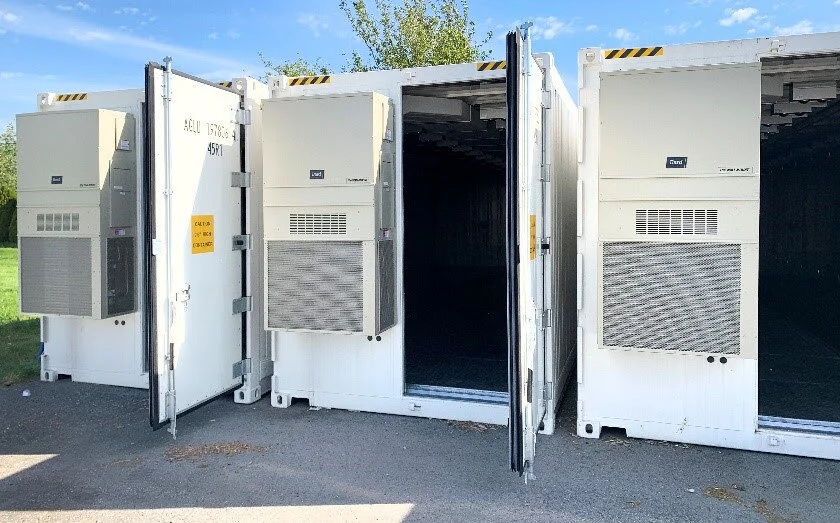
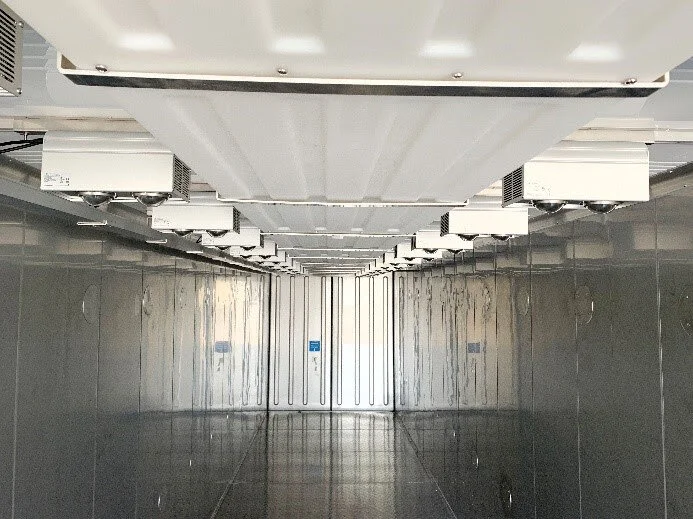
Photos: The CubicFarms Control Room, complete with LED light fixtures, an automated heating, cooling and ventilation system, and wired environmental controls.
Neither the TSX Venture Exchange nor it’s Regulation Services Provider (as that term is defined in the policies of the TSX Venture Exchange) accepts responsibility for the adequacy or accuracy of this release.
About CubicFarm® Systems Corp.
CubicFarm Systems Corp. (“CubicFarms”) is a technology company developing and deploying technology to feed a changing world. Its proprietary technologies enable growers around the world to produce high quality, predictable crop yields. CubicFarms has two distinct technologies that address two distinct markets. The first technology is its patented CubicFarms™ system, which contains patented technology for growing leafy greens and other crops. Using its unique, undulating-path growing system, the Company addresses the main challenges within the indoor farming industry by significantly reducing the need for physical labour and energy, and maximizing yield per cubic foot. CubicFarms leverages its patented technology by operating its own R&D facility in Pitt Meadows, British Columbia, selling the system to growers, licensing its technology, and providing vertical farming expertise to its customers.
The second technology is CubicFarms’ HydroGreen system for growing nutritious livestock feed. This system utilizes a unique process to sprout grains, such as barley and wheat, in a controlled environment with minimal use of land, labour and water. The HydroGreen system is fully automated and performs all growing functions including seeding, watering, lighting, harvesting, and re-seeding – all with the push of a button – to deliver nutritious livestock feed without the typical investment in fertilizer, chemicals, fuel, field equipment and transportation. The HydroGreen system not only provides superior nutritious feed to benefit the animal, but also enables significant environmental benefits to the farm.
About Terramera
Terramera is a global agtech leader fusing science, nature, and artificial intelligence to transform how food is grown and the economics of agriculture in the next decade. With its revolutionary Actigate™ technology platform, which was recognized by Fast Company as a 2020 World Changing Idea, Terramera is committed to reducing the global synthetic pesticide load 80% by 2030 to protect plant and human health and ensure an earth that thrives and provides for everyone. The privately-held, venture-backed company was founded in 2010 and has grown to include a world-class bench of engineers, scientists, advisors, and investors. Terramera is headquartered in Vancouver, British Columbia, with integrated operations in Canada, the US, and India that include research labs, a greenhouse and farm, and more than 240 patents in its global IP portfolio. For more information, please visit terramera.com

Cautionary statement on forward-looking information
Certain statements in this release constitute "forward-looking statements" or "forward-looking information" within the meaning of applicable securities laws, including, without limitation, statements with respect to CubicFarms’ future partnership with Terramera; and the development of machine learning and AI capabilities by CubicFarms. Such statements involve known and unknown risks, uncertainties, and other factors which may cause the actual results, performance, or achievements of CubicFarm Systems Corp., or industry results, to be materially different from any future results, performance, or achievements expressed or implied by such forward-looking statements or information including the Company obtaining the approval of the Offering from the TSX Venture Exchange. Such statements can be identified by the use of words such as "may", "would", "could", "will", "intend", "expect", "believe", "plan", "anticipate", "estimate", "scheduled", "forecast", "predict", and other similar terminology, or state that certain actions, events, or results "may", "could", "would", "might", or "will" be taken, occur, or be achieved.
These statements reflect the Company's current expectations regarding future events, performance, and results and speak only as of the date of this news release. Consequently, there can be no assurances that such statements will prove to be accurate and actual results and future events could differ materially from those anticipated in such statements. Except as required by securities disclosure laws and regulations applicable to the Company, the Company undertakes no obligation to update these forward-looking statements if the Company's expectations regarding future events, performance, or results change.
Information contact:
Kimberly Lim
VP, Corporate Communications & Investor Relations
Mobile: 236.858.6491
Office: 1.888.280.9076
Email: kimberly@cubicfarms.com

Scottish Agritech Firm Has The World In Its Sights With Appointment of Global Projects Director
Kathleen Honeyman joins IGS to drive vertical farm implementation worldwide
Kathleen Honeyman joins IGS to drive vertical farm implementation worldwide
Edinburgh, Scotland – 01 September 2020 – Edinburgh-based agritech and smart spaces business, IGS, has welcomed Kathleen Honeyman to its management team as Global Projects Director. Her appointment marks a significant step-change in the company’s development as it moves to deliver vertical farms to customers around the world.
The new role will see Kathleen take overall leadership of the successful delivery of each IGS-built vertical farm worldwide, engaging closely with our deployment and supply chain partners. Kathleen will build an international team of project managers to ensure the resource and skills within IGS to deliver extremely precise systems to a very high-quality threshold.
South African-born Kathleen has lived in Scotland for more than 18 years. She joins IGS from Edinburgh Airport where she was Senior Project Manager, taking overall responsibility for the end-to-end management of all IT Projects including a variety of strategic operational, financial, and compliance-specific assignments. Prior to that, she held project management roles at Royal Bank of Scotland and Scottish Water.
Reflecting on her decision to join IGS, Kathleen commented: “The chance to be part of this exciting sector, in a company as innovative and forward thinking as IGS, is an opportunity that I am delighted to accept. The team is ambitious and excited about its future ambitions, not just in the deployment of our solutions, but also the wider impact of supporting globally sustainable food supply chains. My role will be heavily focused on meeting those ambitions – something I am really proud to be able to support.”
IGS CEO, David Farquhar, continued: “Kathleen is a strategic hire for IGS and we’re delighted to have her join the team. We are currently facing what is simultaneously the most exciting and challenging phase of IGS’ history to date: rolling out our vertical farms to customers across the globe. Having a person of Kathleen’s calibre and experience to help drive our deployments forward, utilising globally recognised best practice, will provide confidence to our customers in committing to buying IGS farms. In turn, this will help support the supplier commitments to their off-takers.
“As an organisation, we’ve always prided ourselves on going above and beyond, continuously innovating and never resting on our laurels, and we want our customers to know that the same applies to the way in which we deliver farms in the field. Kathleen is ideally qualified to help us continue to deliver outstanding service on a global scale.”
About IGS:
Founded in 2013, IGS brought together decades of farming and engineering experience to create an agritech business with a vision to revolutionize the indoor growing market. Its commitment to innovation has continued apace and it has evolved the applications of its technology beyond agriculture to create solutions for a wide variety of indoor environments that enhance life for plants and people alike.
IGS launched its first vertical farming demonstration facility in August 2018.
For more information visit www.intelligentgrowthsolutions.com or connect with us on Twitter and LinkedIn.

Brooklyn Grange - Green Roofs
Brooklyn Grange is the leading rooftop farming and intensive green roofing business in the US. We operate the world’s largest rooftop soil farms, located on three roofs in New York City, and grow over 100,000 lbs of organically-cultivated produce per year.
OUR FARMS
Brooklyn Grange’s farming operations span three rooftops throughout NYC totaling 5.6 acres with 135,000 square feet of cultivated area producing over 80,000 lbs of organically-grown vegetables each year.
We also operate an apiary, keeping bees in over 40 naturally-managed honey bee hives, on roofs dispersed throughout NYC.
Brooklyn Grange is the leading rooftop farming and intensive green roofing business in the US. We operate the world’s largest rooftop soil farms, located on three roofs in New York City, and grow over 100,000 lbs of organically-cultivated produce per year.
In addition to growing and distributing fresh local vegetables and herbs, Brooklyn Grange also hosts events and educational programming; designs, installs, and often maintains green spaces for clients all over the tri-state area, and provides urban farming and green roof consulting services to clients worldwide. The business also operates an apiary, keeping bees in dozens of naturally-managed hives, on roofs, backyards, and nooks dispersed throughout NYC.
Brooklyn Grange provides several key ecosystem services, and partners with numerous non-profit and community service organizations throughout New York to promote healthy and strong local communities.
Brooklyn Grange designs, builds and maintains green roofs for private clients through the New York City area. We specialize in edible and native plant green roofs, and all of our installations are designed to be beautiful, ecological, and impactful. We have built green roofs on private homes, for non-profits, and for corporate buildings and offices. We will take on unusual and challenging jobs, and have built sloped green roofs, as well as moving existing green roofs, restoring them, and repurposing them.
Additionally, we specialize in helping building owners to find grants and financing for green roofs, and we will work in collaboration with structural engineers, architects, and other professionals to design and build the best fitting green roof for any building.
BROOKLYN GRANGE LLC
Brooklyn Navy Yard
63 Flushing Ave, Building 3, Ste 1105
Brooklyn, NY 11205
CONTACT US
info@brooklyngrangefarm.com
(347) 670-3660
LONG ISLAND CITY FARM
37-18 Northern Blvd., Roof
Long Island City, Queens 11101
Open Saturdays, June - October
Our LIC farm is located atop the historic Standard Motors Building on Northern Boulevard in Queens. When we first laid eyes on this site way back in April of 2010, we knew we’d found our home. Erected in 1919, this 43,000 sq ft building is solid as a rock, with structural capacity well in excess of what’s necessary to hold our 10″ of saturated green roof soil and plants. Lucky enough to be situated in one of the country’s most multicultural counties, this farm is all about gathering our Farmily. Each Saturday, mid-May - October, we host a weekly market and open house that is open to visitors free of charge. With 60 CSA members picking up their weekly share of this farm site’s harvest, the majority of the veggies and flowers we grow here are sold directly to neighborhood residents. This farm is also home to our famous “Butcher Paper Dinner” series at our 60-person communal farm table. The name of the game at this location is community, from the programming we offer to the diverse crops we cultivate.
BROOKLYN NAVY YARD FARM
63 Flushing Ave, Building 3, Roof
Brooklyn, NY 11205
TEMPORARILY CLOSED
Our second farm, located atop Building no. 3 at the historic Brooklyn Navy Yard, spans 65,000 sq ft and sits twelve stories over the East River with panoramic views of the lower Manhattan skyline. Installed in 2012, the farm is covered in 12″ of Rooflite Intensive Ag blend, and manages over one million gallons of stormwater each year, easing the burden on the overtaxed Red Hook Wastewater Pollution Control Plant. The Navy Yard is New York legend: ask any septuagenarian in the area and they’ll tell you a story about a spouse or sibling who worked there way back when. At present, the Navy Yard continues to encompass several fully functional dry docks as well as many of New York City’s most exciting light manufacturing businesses, artists, and innovators. However, as the Yard itself is not open to the public, this farm can’t be, either, except for ticketed and private tours, events, workshops, and yoga classes. Its location and infrastructure (namely, a freight so big you could drive a mini-cooper in there) make it easy to get produce down to the loading dock, into a delivery vehicle, and onto the nearby expressway and bridges to NYC’s best restaurants and groceries, so the majority of the harvest from this field is sold via wholesale channels to chefs and retailers. The views also make it a sought-after location for film and video shoots. Finally, our offices and rentable indoor space are located just downstairs from this farm.
SUNSET PARK FARM
850 Third Ave, Roof
Enter at 31st St between 2nd Ave and 3rd Ave
Brooklyn, NY 11232
Open Sundays, June - October
We’re beyond excited to open our third and largest farm atop the “Liberty View” building in the vibrant waterfront community that is Sunset Park. Spanning a sprawling 140,000 square feet, this location gives us room to stretch our legs and put to use the expertise we’ve accrued over ten seasons of building and operating rooftop farms. We have enough space to work and play at this site: from our 5,000 square foot greenhouse–home to our microgreens and hydroponic programs–to the 6,000 square foot indoor, climate controlled events hall and kitchen that will allow us to host events twelve months of the year, this farm will significantly grow our business. However, once we open our doors to the public, we will also be able to offer plenty of space for visitors to roam, and for our educational sister organization, City Growers, to educate even more young New Yorkers. We’re planning to host weekly open houses on Sundays at this location, as well as community programming throughout the year in our indoor venue. Live in the neighborhood and have ideas for programming we should offer, or crops you’d like us to grow? Send us an email at Info@BrooklynGrangeFarm.com! We love hearing from and meeting our neighbors, and can’t wait to get you up on the roof!


Singapore’s Giant Vertical Farm Grows 80 Tons of Vegetables Every Year
The farm was founded by Panasonic, and it uses LED lights to quickly and efficiently grow produce indoors without depending on unpredictable weather conditions. Panasonic believes indoor farming is a key to the future that could solve food supply issues worldwide
by Lacy Cooke
This vertical farm in Singapore grows a whopping 80 tons of veggies every single year. The farm was founded by Panasonic, and it uses LED lights to quickly and efficiently grow produce indoors without depending on unpredictable weather conditions. Panasonic believes indoor farming is a key to the future that could solve food supply issues worldwide.


Panasonic started their indoor farm in a 2,670 square foot space and initially produced 3.6 tons of vegetables per year. But the company’s Agriculture Business Division assistant manager Alfred Tham recently told Business Insider that the farm has quadrupled its square footage and food output.
Vertical farming allows Panasonic to make the most of the warehouse space, although they do grow their plants in soil in contrast to many vertical farms. They source their LED lights from a local company. Rather than depending on sunlight or rain showers, the farmers can control the indoor farm’s climate – including pH levels, temperature, and oxygen.
40 varieties of crops grow in the indoor farm – from mizuna to romaine lettuce, mini red radishes, and Swiss chard. But the goal is to start cultivating 30 additional varieties by March of this year. Right now the flourishing farm accounts for just 0.015 percent of produce grown in the country, but Panasonic hopes to boost that statistic up to five percent. As Singapore currently imports more than 90 percent of its food, indoor farms could enable the island nation to become more self-sufficient.
Panasonic is selling the indoor farm’s produce under the brand name Veggie Life, and a three-ounce bowl of greens goes for around $5 in grocery stores. They also sell their produce to local restaurants.
Via Business Insider
Lifestyle Food Sustainable Agriculture, Food, Gardening, News, Sustainable

Urban Farming: Four Reasons It Should Flourish Post-Pandemic
Since lockdown, public interest in growing fruit and vegetables at home has soared. Seed packets are flying off shelves and allotment waiting lists are swelling, with one council receiving a 300% increase in applications
Since lockdown, public interest in growing fruit and vegetables at home has soared. Seed packets are flying off shelves and allotment waiting lists are swelling, with one council receiving a 300% increase in applications. Fear of food shortages will have motivated some, but others with more time on their hands at home will have been tempted by the chance to relieve stress doing a wholesome family activity.
The seeds of enthusiasm for home-grown food may have been sown, but sustaining this is essential. Urban farming has much to offer in the wake of the pandemic. It could help communities boost the resilience of their fresh fruit and vegetable supplies, improve the health of residents and help them lead more sustainable lifestyles.
Here are four reasons why food growing should become a perennial feature in our gardens, towns and cities after COVID-19.
1. Growing greener towns and cities
More than half of the global population lives in urban areas, and this is expected to rise to 68% by 2050. For the UK, this is even higher – nine out of 10 people are expected to live in towns and cities by this time.
Weaving food growing into the fabric of urban life could bring greenery and wildlife closer to home. The COVID-19 lockdown helped reawaken interest in growing at home, but one in eight UK households have no access to a garden. Thankfully, the opportunities for urban farming extend beyond these: rooftops, walls – and even underground spaces, such as abandoned tunnels or air raid shelters, offer a range of options for expanding food production in cities while creatively redeveloping the urban environment.
Edible rooftops, walls, and verges can also help reduce flood risk, provide natural cooling for buildings and streets, and help reduce air pollution.
Paris hosts the largest urban rooftop farm in Europe. EPA-EFE/Mohammed Badra
2. Resilient food supplies
Diversifying where and how we grow our food helps spread the risk of disruption to food supplies.
The UK’s reliance on imports has been growing in recent decades. Currently, 84% of fruit and 46% of vegetables consumed in the UK are imported. Brexit and COVID-19 could threaten the steady supply, while the problems created by climate change, such as water scarcity, risk disrupting imports of food from abroad.
Growing fruit and vegetables in towns and cities would help resist these shocks. The harvest labour shortages seen during the pandemic might not have been felt as keenly if urban farms were growing food right where people live.
Vertical and underground crops are more resilient to extreme weather or pests, indoor growing environments are easier to control than those in the field, and temperature and humidity is more stable underground. The high start-up costs and energy bills for this type of farming has meant that indoor farms currently produce a small number of high-value crops, such as leafy greens and herbs. But as the technology matures, the diversity of produce grown indoors will expand.
À lire aussi : Vertical farms offer a bright future for hungry cities
3. Healthier lives
Getting out into nature and gardening can improve your mental health and physical fitness. Our research suggests that getting involved in urban food growing, or just being exposed to it in our daily lives, may also lead to healthier diets.
Urban growers may be driven to make healthier food choices for a whole range of reasons. They have greater access to fresh fruit and vegetables and getting outdoors and into nature can help reduce stress, making people less likely to make unhealthy food choices. Our study suggested that urban food growing can also help change attitudes towards food, so that people place more value in produce that’s sustainable, healthy, and ethically sourced.
4. Healthier ecosystems
While urbanization is regarded as one of the biggest threats to biodiversity, growing food in towns and cities has been shown to boost the abundance and diversity of wildlife, as well as protect their habitats.
A recent study found that community gardens and allotments act as hotspots for pollinating insects, because they tend to contain a diverse range of fruiting and native plants.
Vegetables, like this courgette, can produce flowers for pollinators to enjoy. Natakim/Shutterstock
If designed and implemented properly, allotments and community gardens can really benefit biodiversity. Not only should barren spaces be converted into green and productive plots, it’s also important that there are connections between these environments to help wildlife move between them.
Canals and cycle paths can act as these wildlife corridors. As we begin to diversify the spaces used to grow food, particularly those on our rooftops and underground, an exciting challenge will be finding novel ways of connecting them for wildlife. Green bridges have been shown to help wildlife cross busy roads – perhaps similar crossings could link rooftop gardens.
All these reasons and more should compel us to scale up food production in towns in cities. COVID-19 has given us cause to reevaluate how important local urban green spaces are to us, and what we want from our high streets, parks, and pavements. Judging by the garden center sales, allotment lists, and social media, many people have decided they want more fruit and veggies in those spaces. The opportunity is there for urban planners and developers to consider what bringing farming to urban landscapes could offer.
Lead photo: Joshua Resnick/Shutterstock
Déclaration d’intérêts
Senior Research Associate in Physical Geography, Lancaster University
Does not work for, consult, own shares in or receive funding from any company or organization that would benefit from this article, and has disclosed no relevant affiliations beyond their academic appointment.
Chair Professor in Sustainability, Lancaster University
Receives funding from the UK Research and Innovation Council and the European Commission. The research described here was funded under the Global Food Security’s ‘Resilience of the UK Food System Programme’, with support from BBSRC, ESRC, NERC, and The Scottish Government (BB/S01425X/1).

Why Soil And Not Hydroponics, And Vice Versa
Hydroponics, in a nutshell, is a method of growing plants without soil
I have decided that is high time we tackle this topic as my next article because in fact is a pretty hot topic of conversation. Especially in Berlin, where we have incredible startups like infarm, who specialize in hydroponic production in urban areas, supplying restaurants, supermarkets, and much more, and therefore cutting down on the food miles as in most places their setup is installed in-house.
Also, I’m finding that friends left right and center are getting themselves home hydroponic kits to grow exciting salad varieties. So we’ve often find ourselves talking about why we use soil instead of hydroponics, and so we wanted to give a bit of an overview of the pros and cons of soil versus hydroponics.
So then let’s go back to basics, what is hydroponics? Hydroponics, in a nutshell, is a method of growing plants without soil, where you use mineral nutrient mixes in a water solution (hence the word ‘hydro’). Generally, the plants are grown with their roots exposed, whereby the water and nutrient mix is introduced by either the roots sitting within the mixture, being sprayed or in some cases having partial drying and partial immersion. In other cases where plants require support to their root systems perlite, rock wool and gravel can be used. The nutrient solutions utilized can be those produced by the multiple companies that have begun specializing in this, or you can mix up your own (with access to a lab-type stock of elements), by-products of aquaculture farms, fish waste, etc. can also be used. Generally, hydroponic systems that most homeowners utilize for home gardening are a fully controllable unit including lighting. Therefore enabling growers to control and produce a very efficient plant in the best conditions that you choose.
Economic investment
This all might sound ideal to some, but actually, there are a few things to consider here. Firstly the economic investment required in the beginning is rather substantial. These systems are not always cheap. Or let me put it this way, if you want good lighting which are in the right ‘spectrum’ and are not going to give you leggy unhealthy plants, you want a good system that has been produced by a trustworthy company. And whilst these sure exist, say Ikea even does great systems their not cheap, it adds up financially. Whilst in comparison when you’re doing home balcony soil based gardening you can do so without investing tons of money in the beginning but build it up slowly, all you need is some seeds and soil and you can recycle egg cartons to your hearts delight for seedling trays and bang you’re on your way in springtime!
Energy reliance/plant compounds
Now another thing to be concerned about in terms of hydroponics is that its energy reliant. So if you’re in a place where the electricity tends to cut out, or you don’t fancy using unnecessary energy but conserving then this is really something to consider. If your lights go out, your plants will die. Sadly that’s just the reality, it’s a very fine-tuned system and you can get great productivity out of it, but at the same time, these plants produced in such systems are not as resilient as those grown in natural conditions. And that brings us to the next major point to consider. Natural conditions tend to enable plants to develop a buffer capacity against changes in temperature, lack of water, etc. They toughen up and produce all kinds of amazing secondary metabolite plant compounds that help protect them from the stress. And guess what- science is just discovering how healthy some of these compounds are for us, humans! Secondary metabolites called ‘glucosinolates’ in the broccoli family have been found to have anti-carcinogenic properties! So plants toughening up to growing conditions can be a good thing for them and for us.
Maintenance / disease
Now whilst there is a whole hype in controlling ‘lighting’ recipes that LED’s can now create for plants, and some home growers are tweaking their tomato plants for example to increase flavonoid secondary compounds. This is realistically a bit more on the advanced side. And essentially hydroponics can be even harder for the novice gardener because the plants are not very resilient or forgiving. They are fragile beauty queens that have never had a stress in their life and really throw a temper tantrum when things go a bit unusually out of schedule. This importantly enough brings us to another point, that hydroponic systems are very controlled clean and uncontaminated. This usually means then that if one plant gets a disease, a virus or is afflicted by something you can pretty much count on all the other plants being afflicted or struck down by the same thing within days. All plants are grown in the same water mixture and this just causes disease and contamination to spread extremely fast. So you have to really be quick on the draw in identifying a malady or symptom when it crops up.
Organic?
Now another aspect if you were not aware of it, an interesting fact, organic produce will not be certified so if grown using hydroponics. Why you might ask? Because one of the underlying most important rules for organic certification is that organic produce in grown in soil. There has been a huge push to get this removed as there have been increasingly more sustainable organic fertilizers and nutrient mixes being made for hydroponics that were not available a few years ago. But I must say that I think it might be an important gold standard to keep in play. Soil is so important, and actually is also such a reserve of all kinds of micro life and activity that when cared for and given back to in exchange for the harvests and bounties you are getting out of your balcony or garden, can become enriched and magical. There is a whole micro magical world of fungi and organisms that aid in the breakdown and transport of nutrients from the air into the soil and to your plant’s roots that are just mind-boggling. So when you create a healthy balanced soil you are in for a win-win situation of constant giving in exchange for a bit of compost and humus content every year. It’s pretty satisfying I must say!
Big companies?
Also back onto the topic of minerals and fertilizers, this is not so far off from the monoculture system many of us are trying to not support by, in fact, growing our own and sidestep the big agri-companies. Hydroponics sadly is fertilizer based, and one very important aspect to consider even when using organic biofertilizers is where and how is this product produced? It’s very often the result of mining activities in a developing country where workers are not living in healthy socially justifiable conditions. Additionally, a lot of ‘producers’ of chemicals required for the creating of these mixtures are big pharmaceutical companies. And essentially I still have a hard time justifying such high externalities when liquid manures and composts can be created so easily at home in even space limited flats. Additionally, the production of hydroponics growing facilities and systems is very energy-intensive to ‘build’ or manufacture. And so if you have access to a windowsill or balcony with sunlight or even semi sunlight I would be more in favor of encouraging gardeners to branch out and explore that area first. I especially cannot wait in spring for those first warm days to go and begin organizing and sowing and get growing. There’s nothing better than fresh air and sunlight and actual dirt under nails in my opinion but that’s just me. Also, let’s not forget how much the insects and bees thank us for the plants and flowers that are provided to them from our outdoor growing activities.
Cons of hydroponics
Now I know I’ve banged on about the cons of hydroponics a bit and I going to try and redeem myself here a bit. Because trust me living in Berlin and being an urban gardener by profession, the idea of growing things indoors in winter really is starting to get under my skin. So for me, this is where the plus can come in. If you have no balcony or sunny windowsills then these systems can be incredible. In fact, I’ve even visited fantastic bars that grow all their medicinal plants indoor year long using beautifully handmade hydroponic shelving systems. So I have been secretly scouting out a section in our flat for a little homemade DIY winter growing because let’s be honest, this green thumb gets super itchy and would love to have some things to play within the winter. I also really like the idea of homegrown winter veg and salads during the winter and being able to see the results of lighting and nutrients first hand, and sadly my flat is incredibly dark year-round with not an inch of sunlight all day. Now my only constraint is all the points I’ve mentioned beforehand, especially as I am blessed enough to have an urban garden here in Berlin that I share with friends. But you know where I think the pay of is going to come? In the summer because fantasizing about all the amazing seedlings I could start of early with a hydroponics system here in the flat. So I guess to finish off- to each their own. But for me personally? Nothing beats being outdoors with dirt under my nails!
Lead photo by Emile-Victor Portenart on Unsplash
Natasha Weddepohl
From market gardening to urban permaculture projects, Natasha has been involved in a multitude of projects linked with food growing and sustainability, for over 12 years. Originally from South Africa, she has gained her experience in sustainable food production through hands-on work worldwide. She is currently based in Berlin, assisting a few projects, whilst completing an MSc in Horticultural Science.

USA: Velázquez Bill Would Bring Green Rooftops to Public Schools
Forward-thinking Congresswoman, Nydia Velázquez. @rep_velazquez recently introduced the Public School Green Rooftop Program Act, legislation that will establish a grant program to fund the installation of green roof systems on public school buildings
July 24, 2020
Washington, DC –If Rep. Nydia M. Velázquez (D-NY) has her way, schools may become fertile ground for learning about the environment and sustainability. The New York Representative has authored a bill allocating federal resources for the adoption of green roofs at public elementary and secondary schools, known as the Public School Green Rooftop Program. The bill has the potential to open up a world of environmental and educational benefits for students and the broader community. The legislation would be especially beneficial to urban areas where access to green space is commonly limited.
“There is no better place to begin teaching our children about conservation than our public schools,” said Velázquez. “However, their education does not need to be confined to the classroom. These roofs allow students to directly engage with sustainable practices and see for themselves the impact that environmentally conscious initiatives can have on their hometowns and neighborhoods. By exposing them to these ideas early on in their education, we forge a path to a cleaner, healthier community.”
Under this program, the Department of Energy will implement a grant program for the installation and maintenance of green roof systems. Green roofs are a sustainable, durable method of improving a building’s carbon footprint, as well as a place where exploration by teachers and students of pressing environmental and agricultural issues can take root. Children living in urban areas will have the chance to see these practices firsthand, an opportunity they are not often afforded. The roofs, according to the EPA, provide a notable advantage to urban communities, where greenery is often hard to come by.
This bill follows a legacy of success in other states. According to estimates from the Missouri educational system, green roofs can save a single school up to $41,587 a year in electricity costs alone. These roofs will cut district energy and maintenance costs substantially. A regularly maintained green roof has a longevity of forty years, as opposed to a standard roof’s ten to fifteen. Additionally, the bill grants maintenance funding for up to four years after the installation of every roof.
Teaching outdoors may also confer an additional benefit: open air schoolrooms may mitigate the spread of the novel coronavirus. In the 1900s, schools utilized an open-air classroom to prevent students from contracting tuberculosis. Today, this measure has seen support from elementary school teachers who fear that sending teachers and children back into school buildings may pose a danger.
“While we navigate this year’s public health crisis, we need to ensure that we take careful steps towards reopening, with safety as a priority,” asserted Velázquez. “Green rooftops can answer to the call for safer schooling: additional outdoor space provides an opportunity to increase social distancing and open air. This may be one of the ways we can continue to give children the education they need, safely.”
The bill has received resounding support, with endorsements from notable organizations such as National Resources Defense Council, UPROSE, The Nature Conservancy, New York City Audubon, Green Roofs for Healthy Cities, Green Roof Researcher Alliance, Williamsburg Greenpoint Parents for our Public Schools (WAGPOPS), The HOPE Program, Sustainable South Bronx, The New School Urban Systems Labs, Alive Structures, New York Sun Works, Riverkeeper, Red Hook Rise, Voces Ciudadanas de Sunset Park, Red Hook Rise, New York League of Conservation Voters, Resilient Red Hook, New York Lawyers for the Public Interest, NYC H20, the Gowanus Canal Conservancy, Brooklyn Grange, El Puente, Brooklyn Greenroof, Cypress Hills Local Development Corporation, St. Nicks Alliance, New York Environmental Law & Justice Project, Environmental Justice Initiative, National Lawyers Guild - Environmental Justice Committee and Brooklyn Community Board 6.
“This critical legislation will give other public schools, especially those communities historically overburdened by ecological discrimination, the opportunity to reduce their building's environmental footprint significantly and enhance learning opportunities as our green roof has demonstrated at P.S. 41 in Manhattan,” said Vicki Sando, STEM Teacher and Green Roof Founder of P.S. 41 in New York City.
“We at NYC Audubon and the Green Roof Researchers Alliance are thrilled about this legislation and would like to thank Congresswoman Velázquez for her commitment to the natural world. The Public School Green Rooftop Program will result in the growth of critical habitat for wildlife, make the US more resilient in the face of climate change, and provide our youth the opportunity to experience conservation and environmental science first hand,” said Dustin Partridge of the Green Roof Researchers Alliance and Molly Adams of New York City Audubon.
“Passage of this bill will provide exceptional green roof benefits to children, their parents, and teachers at a time when access to safe, green space is very important to communities, and the need to redress the racial injustices is greater than ever,” said Steven W. Peck, GRP, Founder and President, Green Roofs for Healthy Cities.
“The HOPE Program, with extensive experience building and maintaining green roofs through our social enterprise, fully supports the Public School Green Rooftop program. This initiative will provide cleaner air for children in schools and the surrounding communities; contribute to ambitious local sustainability goals; and has the potential to provide living wage employment opportunities to the communities most impacted by the current crisis. It's a win, win, win,” said Jennifer Mitchell, Executive Director of the HOPE Program.
“Voces Ciudadanas is grateful for Congresswoman Velázquez’s leadership in introducing ‘the Public School Green Rooftop Program’ bill and hopes that Congress passes this bill that prioritizes long-term green investments into our communities that are beneficial on so many fronts including encouraging multidisciplinary learning, facilitating meaningful parent involvement, providing opportunities for physical activity, and promoting healthy eating,” said Victoria Becerra-Quiroz of Voces Ciudadanas de Sunset Park.
The bill, H.R. 7693, has been referred to the House Committee on Education and Labor.
A pdf version of the bill can be found here.

Washington, DC Office
Brooklyn Office
Lower East Side Office
Lower East Side Office
500 Pearl Street
Suite 973
New York, NY 10007
Phone: (212) 619-2606
Washington, DC Office
2302 Rayburn House Office Building
Washington, DC 20515
Phone: (202) 225-2361