


Welcome to iGrow News, Your Source for the World of Indoor Vertical Farming

Modular Micro Farms: A New Approach To Urban Food Production?
One key tenet of the “urban resilience” idea is local food production. If fruits, veggies, and herbs are grown in cities, they’ll reduce the runoff, emissions, perishability and transport costs of produce
November 25, 2019

Nov 25, 2019,
Scott Beyer Contributor
A micro-farm installation creates farm-to-salad-bar food. BABYLON MICROFARMS
One key tenet of the “urban resilience” idea is local food production. If fruits, veggies, and herbs are grown in cities, they’ll reduce the runoff, emissions, perishability and transport costs of produce. They’ll also make cities more self-sustaining, rather than having to fully rely on food grown elsewhere.
The problem is that urban agriculture doesn’t always seem like a practical concept. Urban land is expensive, and the prospect of making it farmland - even in distressed cities - could present long-term opportunity costs if these cities later revive. Furthermore, the vertical farming idea - where structures are built to grow produce at large scales - seems premature, since this brick-and-mortar infrastructure must compete with cheap, horizontal farmland. As fellow Forbes contributor Erik Kobayashi-Solomon writes, vertical farming is still a largely untested concept that receives limited capital compared to standard farming.
An urban agriculture technique that seems more practical, though, is micro-farming, which involves fitting small farms into tight spaces, sometimes ad hoc. The website Lexicon of Food defines micro-farming as “small-scale farming that takes place in urban or suburban areas, usually on less than 5 acres of land.”
Modular micro-farming is a subset within this niche, using small, automated modular food-growing equipment, often contained within a few square feet. Modular farms are easier to use and possibly more scalable, since they can fit into almost any home or apartment.
One example of this modular approach is Babylon Micro-Farms, a startup based in my hometown of Charlottesville, VA. The company sells 32” x 66” x 96” tall machines that use controlled environment hydroponics to grow leafy greens, herbs, and edible flowers. The farms don’t have soil, sunlight or standard seeds. Instead, Babylon places seed pods onto its trays. Depending on the seed variety (Babylon has 227 of them), the machines use remotely-managed equipment to cast the appropriate water and light. This causes produce to generate significantly more per-acre yield than standard farms. Babylon’s 15sqft micro-farms are capable of producing as much produce as 2000 sqft of outdoor farmland.
Babylon's latest modular micro-farm model. BABYLON MICROFARMS
These modular farms can be connected together to create indoor farms of different scales that can work within existing buildings. Their operations are remotely managed via the cloud with real-time data collection on all aspects of the growing environment. This is an exciting development in a space that has remained out of reach for businesses and consumers due to high capital costs and complex technology with a steep learning curve.
Babylon sells these machines the way some green energy companies sell solar panels. Customers agree to a minimum 2-year lease, paying a fixed monthly fee. Babylon installs the machines, provides a subscription of growing supplies, and remotely manages the crop growth via the cloud using a proprietary software platform. This lets customers enjoy the produce without needing a “green thumb or any real expertise,” says Alexander Olesen.
Olesen co-founded the company with Graham Smith, when they were at the University of Virginia and participating in the iLab Accelerator at Darden School of Business. They incorporated in 2017, and now work in a small warehouse-style space near downtown Charlottesville. Babylon has 14 employees and $3 million in seed funding, including a grant from the National Science Foundation, and venture capital from Virginia, Washington, DC and Silicon Valley. They have dedicated these first couple years to building and testing the product, landing a few early clients for feedback. These include UVA, Dominion Energy, and some local restaurants, schools and country clubs.
But their ambitions go well beyond central Virginia. Olesen said the first major act of scaling is currently underway, with Babylon installing their farms in major corporate restaurants, cafeterias, resort hotels, and grocery stores. Because such institutions thrive on b-to-c relations, they would benefit from the experiential component of a modular farm. Rather than just saying they use organic food, they can show customers where and how it’s being grown.
“This has the additional value of being able to show your customers that you care about those things,” said Smith. “If it’s growing 10 feet from the table, that’s pretty clear.”
Babylon believes that their technology can increase the biodiversity of produce available to consumers in urban areas, so they place a lot of emphasis on the underlying plant science required to grow crops using their machines.
“One of the most exciting things about hydroponics is the amount of blue ocean space, it’s theoretically possible to grow any plant this way, yet only a handful of crops have successfully been commercialized,” said Olesen.
Babylon has a controlled environment test facility in Charlottesville where plant scientists run trials on seed varieties from around the world, dialing in tailored growth recipes to produce higher yields and consistent flavors. Their technology consists of an array of sensors and utilizes camera vision to create an automated feedback loop that analyzes the data to increase the rate at which growth recipes can be developed. In doing so, they plan to learn how to grow heirloom crop varieties and reintroduce them to the supply chain, leading to more options for chefs and consumers alike.
In the long run, Babylon plans to use their modular vertical farming platform to build larger farms capable of growing the majority of fresh produce for their clients. They envision micro-farming becoming an amenity in urban areas located in, or adjacent to, all grocery stores, foodservice operations, and food distribution hubs. These companies now get their supply from different farms nationwide, then process, package and sell it to consumers. The benefit to them of growing it onsite would be to significantly reduce perishability, which now wipes out 50% of food, much of it during the transport process, which can be over 1500 miles from farm to fork in the U.S. Not to mention the emissions generated by such a long supply chain.
Users scan crops into the farm, and Babylon remotely manages the growth cycle for them through... [+]
“Initially, we’re focused strictly on the b-to-b market, and utilizing these farms to grow food for companies with a known means of consumption or distribution,” said Olesen, while walking me through the facilities. “The next step…is creating these farms as a means for people to sell.”
This latter vision makes modular micro-farming seem like a viable future urban food source. Land owners in dense cities struggle to find the right surface lots to convert into vertical or horizontal farms. But Babylon’s 15sqft machine provides an adaptable solution that can work with existing infrastructure by slotting into unused space throughout urban areas.
Other companies have, for this reason, embraced small modular micro-farming. Ones like Cityblooms and Zipgrow focus on slightly larger, more commercialized modular units. However, small scale urban farms have faced a scalability issue; the technology that is commercially available only allows for basic automation, but lacks any feedback that would enable these farms to learn how to operate more efficiently. The most direct competitor to Babylon is InFarm, a Berlin-based startup that operates in Europe. They have created a system similar to Babylon’s, which has gathered momentum with installations in grocery stores across Europe. It’s an exciting prospect to think of indoor farms in grocery stores here in the U.S.
If any or all of these companies can make modular micro-farms a standard provider of fresh produce, it has the potential to disrupt the current supply chain - from manufacturers down to individual households. It would be an environmentally-friendly way to increase crop yields, reduce emissions, and feed people in the future. If it becomes a city phenomenon, in particular, it could be key to improving urban resilience across the U.S.
I am the owner of a media company called The Market Urbanism Report. It is meant to advance free-market policy ideas in cities. The Report features multiple articles daily, along with a video series that explains urban issues from street level. I’m also a roving urban affairs journalist who writes columns for Forbes, Governing Magazine and HousingOnline.com. For three years, I'm circling America to live for a month each in 30 cities, starting from Miami and ending in New York City. The point is to write a book about revitalizing cities through this Market Urbanism concept. But my articles cover other city subjects too. I have also written for the Wall Street Journal, Atlantic, American Interest and National Review. You can find my work at MarketUrbanismReport.com.

US (MA): Container Farm Helps Provide Necessary Greens For College Lunch
HCC has been growing leafy greens inside the Freight Farms containers since October 2018. The project is a partnership with the city of Holyoke and MassDevelopment, who supplied the funding to purchase the two containers
In the early morning, Claire McGale, manager of HCC's Freight Farms urban agriculture program, received an urgent email message from Christopher Robert, chef supervisor for HCC dining services, which is managed by Aramark. They were in a bind. A national recall on Romaine lettuce from Salinas, California, issued over the weekend had left Aramark short of salad greens for the start of the week.
"He said, we'll take whatever you have," said McGale, a 2019 HCC graduate. Fortunately, they had a lot.
Over the course of the morning, McGale and her co-workers harvested close to 70 pounds of lettuce from the two repurposed shipping containers on Race Street managed by Holyoke Community College behind the HCC MGM Culinary Arts Institute.
"We were going to harvest today anyway," McGale said Monday morning, "but we're doing much more than we would have."
HCC has been growing leafy greens inside the Freight Farms containers since October 2018. The project is a partnership with the city of Holyoke and MassDevelopment, who supplied the funding to purchase the two containers.
Each container is a fully operational hydroponic farm equipped with 256 grow towers and the capacity to grow as much produce in a year as an acre of farmland, but without any soil.
The lettuce "picked" Monday – that is, pulled from the grow towers – included Romaine, two kinds of butterhead and sweet green crisp salanova.
"Unlike most places today, we have Romaine – thanks to Freight Farms," Robert said Monday.
The lettuce was used in the salad bar in HCC's cafeteria, for grab and go packaged salads, as well as toppings for sandwiches. Freight Farms "bailed us out," said Mark Pronovost, director of HCC dining services. "They helped us out big time."
Pronovost said he received an alert over the weekend about the recall on contaminated California lettuce and took immediate action.
"We threw out all our product," he said. "We don't take any chances. I don't know what other schools are doing, but reaching out to Freight Farms was easy for us."
Aramark has been buying Holyoke-grown Freight Farms lettuce and incorporating it into its salad blends since February, but never before as much as Monday.
"Today, because of what happened, it's pretty much all from Freight Farms," he said. "It's beautiful stuff. Tasty. Flavorful. Fresh. It's all hydroponic so it's nice and clean. They do a really nice job."
Monday was an auspicious day for Freight Farms in another way as well. They set a weight record for individual heads, recording 4.3 pounds for a container of 15 heads of salanova.
Freight Farms also supplies produce to the HCC culinary arts institute, Holyoke Medical Center and the HCC Food Pantry.
"That's encouraging," McGale said. "That's how I keep track of our success rate."
With more experience, McGale said, Freight Farms produce has become more robust. This batch of lettuce took five weeks to grow from seed to harvest.
She seemed especially impressed by two large heads of salanova she balanced in both hands.

Source: Holyoke Community College
Publication date: Wed 27 Nov 2019

Aquaponics Food Safety Statement November 2019
Aquaponics is a food production method integrating fish and plants in a closed, soil-less system. This symbiotic relationship mimics the biological cycles found in nature. Aquaponics has been used as a farming technique for thousands of years and is now seeing large-scale viability to feed a growing global population
Click here: Click here: Sign the Aquaponics Food Safety Statement
November 15, 2019
Aquaponics Food Safety Statement
Established Science Confirms That
Aquaponic Fish and Produce Are Food Safe
Aquaponics is a food production method integrating fish and plants in a closed, soil-less system. This symbiotic relationship mimics the biological cycles found in nature. Aquaponics has been used as a farming technique for thousands of years and is now seeing large-scale viability to feed a growing global population.
Benefits of aquaponics include dramatically less water use; no toxic chemical fertilizers or pesticides; no agriculture discharge to air, water or soil; and less food miles when systems are located near consumers where there is no arable soil.
Aquaponics has consistently proven to be a safe method to grow fresh, healthy fish, fruits, and vegetables in any environment. Governments and food safety certifiers must utilize the most current, accurate information to make food safety decisions about aquaponics at this time when our food systems adapt to a growing population and environmental concerns.
Food Safety Certification for Aquaponics
For years, commercial aquaponic farms have obtained food safety certification from certifying bodies such as Global GAP, USDA Harmonized GAP, Primus GFS, and the SQF Food Safety Program. Many aquaponic farms are also certified USDA Organic. These certifying bodies have found aquaponics to be a food-safe method for fish, fruits, and vegetables. As far back as 2003, researchers found aquaponic fish and produce to be consistently food-safe (Rakocy, 2003; Chalmers, 2004). Aquaponic fish and produce continue to be sold commercially across North America following all appropriate food safety guidelines.
Recent Certification Changes Based on Unfounded Concerns
Recently Canada GAP, a food safety certifier, announced that it will phase out certification of aquaponic operations in 2020, citing concerns about the potential for leafy greens to uptake contaminants found in aquaponic water.
Correspondence with Canada GAP leadership revealed that the decision to revoke aquaponics certification eligibility was based on research and literature surveys related to the uptake of pharmaceutical and pathogenic contaminants in hydroponic systems. However, these concerns are unfounded based on established evidence.
First, the Canada GAP decision assumes that aquaponic growers use pharmaceuticals to treat fish and that these pharmaceuticals would be taken up by plants causing a food safety risk.
In fact, pharmaceuticals are not compatible with aquaponics. Aquaponics represents an ecosystem heavily dependent on a healthy microorganism community (Rinehart, 2019; Aquaponics Association, 2018). The pharmaceuticals and antibiotics referenced by Canada GAP would damage the beneficial microorganisms required for aquaponics to function properly.
Second, the CanadaGAP decision misrepresents the risk of pathogenic contamination. Aquaponic produce – like all produce – is not immune to pathogenic contamination. However, aquaponics is, in fact, one of the safest agriculture methods against pathogenic risk. Most pathogenic contamination in our modern agriculture system stems from bird droppings, animal infestation, and agriculture ditch or contaminated water sources. In contrast, commercial aquaponic systems are “closed-loop” and usually operated in controlled environments like greenhouses. Almost all operations use filtered municipal or well water and monitor everything that enters and leaves the system.
Aquaponics and Food Safety
If practiced appropriately, aquaponics can be one of the safest methods of food production. The healthy microbes required for aquaponics serve as biological control agents against pathogenic bacteria. (Fox, 2012) The healthy biological activity of an aquaponic system competitively inhibits human pathogens, making their chances for survival minimal. This is, in effect, nature’s immune system working to keep our food safe, rather than synthetic chemicals.
The Government of Alberta, Canada, ran extensive food safety tests in aquaponics from 2002 to 2010 at the Crop Diversification Centre South (CDC South) and observed no human pathogens during this entire eight-year period (Savidov, 2019, Results available upon request). As a result of this study, the pilot-scale aquaponic operation at CDC South was certified as a food-safe operation in compliance with CanadaGAP standards in May 2011 (GFTC OFFS Certification, May 26, 2011). Similar studies conducted by the University of Hawaii in 2012 in a commercial aquaponic farm also revealed no human pathogens. (Tamaru, 2012)
Current aquaponic farms must be able to continuously prove their food safety. The U.S. Food Safety Modernization Act requires farms to be able to demonstrate appropriate mitigation of potential sources of pathogenic contamination as well as water testing that validates waters shared with plants that are free from contamination by zoonotic organisms. So, if there is a food safety concern in aquaponics, food safety certifiers will find and document it.
Conclusion
The recent certification decision from CanadaGAP has already set back commercial aquaponic operations in Canada and has the potential to influence other food safety certifiers or create unfounded consumer concerns. At a time when we need more sustainable methods to grow our food, it is essential to work on greater commercial-government collaboration and scientific validation to ensure fact-based food safety standards.
In order to expand the benefits of aquaponics, we need a vibrant commercial sector. And for commercial aquaponics to succeed, we need reliable food safety certification standards based on established science.
Consumers can feel secure knowing that when they purchase aquaponic fish and produce, they are getting fresh food grown in one of the safest, most sustainable methods possible.
Sincerely,
The Aquaponics Association
[ Click here: Sign the Aquaponics Food Safety Statement]
References
Chalmers, 2004. Aquaponics and Food Safety. Retrieved from http://www.backyardaquaponics.com/Travis/Aquaponics-andFood-Safety.pdf
Filipowich, Schramm, Pyle, Savage, Delanoy, Hager, Beuerlein. 2018. Aquaponic Systems Utilize the Soil Food Web to Grow Healthy Crops. Aquaponics Association. https://aaasociation.wpengine.com/wp-content/uploads/2018/08/soil-food-web-aug-2018.pdf
Fox, Tamaru, Hollyer, Castro, Fonseca, Jay-Russell, Low. A Preliminary Study of Microbial Water Quality-Related to Food Safety in Recirculating Aquaponic Fish and Vegetable Production Systems. Publication of the College of Tropical Agriculture and Human Resources, the Department of Molecular Biosciences and Bioengineering, University of Hawaii, February 1, 2012.
Rakocy, J.E., Shultz, R.C., Bailey, D.S. and Thoman, E.S. (2003). Aquaponic production of tilapia and basil: comparing a batch and staggered cropping system. South Pacific Soilless Culture Conference. Palmerston North, New Zealand.
Rinehart, Lee. Aquaponics – Multitrophic Systems, 2019. ATTRA Sustainable Agriculture. National Center for Appropriate Technology.
Tamaru, Fox, Hollyer, Castro, Low, 2012. Testing for Water Borne Pathogens at an Aquaponic Farm. Publication of the College of Tropical Agriculture and Human Resources, the Department of Molecular Biosciences and Bioengineering, University of Hawaii, February 1, 2012.

7 Smart City Urban Planning Ideas Using IoT
Square Roots, another high-tech vertical farming startup that has raised $6.5 million for its shipping container farms. At the helm is a somewhat familiar name, Kimbal Musk, the brother of a more familiar CEO who favors Twitter and flame throwers
One of the things that you learn after being a digital nomad for a while is that some cities are much better designed than others. There is a certain aesthetic quality to a well-laid out urban center like New York City compared to, say, Boston, which one article on the topic of city grids said appears as if “a group of city planners decided to lay out the roads one day by taking turns pissing blindfolded onto a scroll of parchment – during an earthquake.” The idea of urban planning dates back to Egypt and its contemporaries, as archaeologists have found evidence of paved streets laid out at right angles in a grid pattern, all leading to the same slave brothel. Today, we have internet porn. And we have the Internet of Things (IoT), which is becoming increasingly integral to smart city urban planning.
The whole idea behind using IoT infrastructure – sensors, big data, and analytics that help manage everything from traffic and parking to buildings and baseball stadiums – is to make cities more efficient. The more efficient the city, the theory goes, the more sustainable it will be in a future where we’re harvesting methane-munching bacteria or growing bugs to feed 10 billion or more people by mid-century. Earlier this year, the big brains at data research firm CB Insights produced one of their iconic market maps on companies developing smart city solutions:
Credit: CB Insights
You’ll notice there’s a whole category devoted to smart city urban planning startups, which can tell us something about the possible breadth of this emerging industry to shape the way a city is developed – and how far an analyst can stretch the definition of urban planning to complete a market map.
For example, one of the startups on the list, Berlin-based Infarm, is one of many vertical farming startups that we’ve covered in the past. Infarm has since raised an additional $100 million since we profiled the company. CB Insights also lists Square Roots, another high-tech vertical farming startup that has raised $6.5 million for its shipping container farms. At the helm is a somewhat familiar name, Kimbal Musk, the brother of a more familiar CEO who favors Twitter and flame throwers. A QR code on the back of the Brooklyn-based company’s products will give you background info on how the herb was grown. While many of these vertical farms use sensors, big data, and analytics to optimize yield, it’s unclear how exactly Infarm, Square Roots or its cohort are directly involved in the activity of smart city urban planning. Maybe the smart city of tomorrow grows all its own food?
Smart City Urban Planning Acquisitions
In addition, a couple of companies have dropped off the startup scene through acquisitions. San Francisco-based PlanGrid had raised $69.1 million before being bought last year for $875 million by Autodesk (ADSK), the company behind the drafting and design software AutoCAD. PlanGrid provides a variety of products around cloud-based construction software.
Another San Francisco startup called Civic Insight helps cities make their data on buildings and homes – think permits and other zoning or construction information – easily accessible to the public. It’s sort of like Zillow for nosy neighbors. Yet another San Francisco company, Accela, took possession of Civic Insights more than four years ago. Accela offers various solutions for cities to digitize and automate processes like building permits and cannabis licensing. The 20-year-old company, which had raised about $215 million and absorbed 10 startups over that time, was itself acquired by Berkshire Partners in 2017. That now leaves us seven companies still to cover.
Street-Level Mapping
The most well-funded of the bunch is a Swedish startup called Mapillary that was founded in 2013 and has raised $24.5 million, including a $15 million Series B last year led by BMW and involved high-profile venture capital firms like Sequoia Capital and Atomico. Mapillary is one of a growing number of companies putting together high-definition maps for applications like self-driving cars and smart city traffic management. Its platform builds street-level map imagery using computer vision to automatically detect objects like bicycles and trash cans, while also automating the privacy aspect by blurring faces and license plates. It draws on a database of more than 900 million images along millions of miles of roads. Here’s the big-picture view of how the tech works:
Credit: Mapillary
In the case of a small town that needed to inventory its street signs, Mapillary’s cameras and machine vision system identified 5,000 traffic signs. The data could then be used to address repairs and fix obstructions, like your nosy neighbor’s unruly azalea bushes.
Sim City for Smart City Urban Planning
You know you have an urban planning problem if $100,000 qualifies you as low income. That’s the story in San Francisco, where housing costs can make a six-figure income nearly as worthless as Monopoly money. Enter UrbanFootprint, based in nearby Berkeley, that was founded in 2014 and has raised $6.5 million to date for its cloud-based software that helps cities “create sustainable, resilient communities.” That’s according to its founder, a well-known architect named Peter Calthorpe who is one of the leading figures behind New Urbanism, which promotes dense, mixed-use, walkable neighborhoods. In an interview last year, Calthorpe likened UrbanFootprint to Sim City because “it allows non-experts to model the impacts of different urban planning scenarios, such as zoning changes and road reconfigurations” in just a few minutes by leveraging an extensive database on environmental, social, and economic conditions.
An UrbanFootprint analysis of greenhouse gas emissions per household in Merced, California, helped planners understand the impact of land management use and smart city growth. Areas shaded in deep red indicate higher levels of emissions emitted. Credit: UrbanFootprint
The company has partnered with California to bring the smart city urban planning tool to more than 500 cities and government agencies free of charge.
Digital Bulletin Boards
For those who can’t get enough posts about lost cats in their neighborhood from Next Door, there’s Soofa, a Boston area startup that has raised $3.2 million for what amounts to a digital bulletin board that anyone with an app and an agenda a cause can post to. The 42-inch displays are solar-powered. There goes a million jobs in the flyposting industry.
Getting the Public Involved in Smart City Urban Planning
Another startup that is trying to get the public involved in smart city urban planning is Boulder-based Neighborland. And like Soofa, Neighborland is putting a digital spin on re-inventing the wheel. The company basically builds webpages and mobile platforms to support civic engagement on various projects. It claims to have worked with more than 200 city agencies, universities, foundations, and nonprofits across the United States, delivering more than $3 billion in social and economic impact.
For instance, it helped Mesa, Arizona build support for a $300 million bond to improve city facilities and services last year.
Automating Analysis for Smart City Urban Planning
Founded in 2016, UrbanLogiq is a British Columbia, Canada startup that has pulled together $150,000 in disclosed funding. The company offers two smart city urban planning solutions. The first is for traffic management, where the platform aggregates all historic and real-time data about traffic speed, accidents, etc., and then turns the machine-learning algorithms loose to predict traffic patterns days in advance and with a “high level of certainty.” The company also claims it can do the same for a city to forecast economic development using everything but the kitchen sink, from business licensing and building permits to employment and unemployment rates and housing statistics to less structured data like weather and public policy. It’s business intelligence for the public sector.
Geospatial Solutions for Smart City Urban Planning
We’ve written quite a bit over the last few years about the value that companies are getting from satellite imagery. Geospatial intelligence startups like San Francisco-based Planet apply machine-learning algorithms to space-based pictures to help farmers grow better crops or insurance companies spot fraud. In fact, there’s a long list of companies doing this sort of geospatial analytics. Philadelphia-based Azavea has been in the business since 2000 apparently, specializing in urban planning projects, especially in the hometown of Rocky Balboa.
One of the many products that use geospatial tools to help with smart city urban planning. Credit: Azavea
For instance, the company built an application (above) where non-residential building owners can sketch out ideas using up to five different stormwater tools such as green roofs or permeable basins that show how such improvements can help reduce monthly stormwater bills.
Location, Location, Location
Finally, Paris-based Cityzia, founded in 2017, is the Zillow version of online dating in that it helps people find their perfect home through an online Q&A that matches your preferences – quiet neighborhood or party central – against a database of properties. It’s French-centric and seems to imply that the cities of tomorrow will become a small collection of tribes, where each lifestyle flourishes among its own type. The bigger cities get, the more important it is for people to get along. A great example of this can be found in Hong Kong at the local dog park where you’ll see a dozen dogs playing together with hardly a bark to be heard. When you live in small cramped spaces where you can hear your neighbors cough, even the pets learn how to play well with others.
Conclusion
Speaking of CB Insights: The firm projects that within the next five years, the smart city market will be worth $1.4 trillion. You’ll notice that the market map is tilted heavily toward transportation. That’s not surprising, given that traffic congestion hit the U.S. economy for about $87 billion in losses last year, according to the World Economic Forum. Meanwhile, the digital road is being laid for the eventual arrival of self-driving cars and trucks. Smart city urban planning will be a key technology to integrate smart mobility with other smart infrastructure, especially as the 5G revolution helps connect it all together.

US: Texas - Vertical Farming Technique Growing At A&M
TAMU Urban Farm United is a concept organization with the intent of introducing vertical farming to A&M’s campus and the local community
By Luis Sanchez @LuisSanchezBatt
November 12, 2019
TAMU Urban Farm United is a concept organization with the intent of introducing vertical farming to A&M’s campus and the local community.
An Aggie Green Fund major grant project, TUFU is overseen by capstone students from various majors who grow the crops to provide food for locals. The group will be hosting an open house on Friday at 530 Floriculture Rd. from noon to 7 p.m.
TUFU was co-founded by Broch Saxton, plant and environmental soil science senior, and Lisette Templin, instructional assistant professor in health and kinesiology. Saxton, who serves as a student coordinator, said that it only made sense for A&M to develop methods of vertical farming, with such a historical background in agriculture; although originally Saxton envisioned using a hydroponic system, where the roots of plants would sit in water.
“In my interest, I see that it is not here, hydroponics isn’t here,” Saxton said. “So I was thinking to myself, ‘Why is it that this huge agriculture monster of an entity isn’t taking a step towards this specific agriculture field of interest?’”
Saxton said he and Templin both wanted to bring their respective expertise in order to help others in this innovative manner. It wasn’t until the two put their ideas together that they were able to commence with the building of the vertical farming towers.
“[Templin] had the tower garden idea,” Saxton said. “I came there thinking, ‘I want to get some help launching some sort of hydroponic system,’ and it turned into, ‘Okay, she has a similar idea that I do.’”
Saxton said he and Templi applied for a grant from the Aggie Green Fund. The application was submitted in 2018, but it wasn’t until the summer of 2019 that they could start working. According to the Aggie Green Fund website, the TUFU project was awarded $59,566 in the spring of 2019.
Templin said the project worked with The 12th Can, a food pantry for A&M students, faculty and staff, to provide a fresh and local food source with the first harvest on Nov. 7.
“This is the first time that The 12th Can has received fresh, locally grown, living food, that [has] not been sprayed with a chemical product,” Templin said.
Templin said the towers used for the vertical farming are based on an aeroponic system, an environment of air rather than soil for the plants. She said the tower system feeds the plants via mimic rain, and since each tower is isolated, contamination does not spread among them.
“The aeroponic system means that the roots are in a [cylindrical] tower base, where the roots are exposed to air,” Templin said. “There’s a pump that pumps the [mineral] water upward, and then the water trickles down like rain. And [that] feeds the roots with minerals and nutrients.”
Templin said the shape of the tower not only conserves space but is able to cycle the water as needed. Templin said the system also brings a 30 percent higher yield when compared to traditional alternatives.
“It uses 90 percent less water because there’s no evaporation,” Templin said “The only loss of water is through root absorption. It uses 90 percent less land because, per tower, we can grow forty-four heads of lettuce in about four square feet of space. [And] we don’t get earth-borne pests.”
Stephon Warren, plant breeding graduate student, is a member of TUFU and said the organization is trying to expand in any way possible. Warren said alongside forming business relationships, TUFU is looking to educate more students about the project.
Saxton said although he would be graduating soon, he was confident the project will grow and make connections in the academic and market settings. Saxton said too much effort has already been put into the project, and he only sees it growing in the future.
“We already have too much university involvement, student involvement and time invested from partners that we have accumulated,” Saxton said. “The interest is there and this is going to keep going when I’m gone.”

VIDEO: Talking Fresh Summit And Indoor Farming Companies
Carlson, a 30-year veteran of PMA expos, said one thing that caught his eye was the growth of indoor farming companies at the show
by Tom Karst
October 28, 2019
The Packer’s Tom Karst visits with Craig Carlson of Carlson Produce Consulting Oct. 25 about the just-concluded 2019 Produce Marketing Association’s Fresh Summit.
Carlson, a 30-year veteran of PMA expos, said one thing that caught his eye was the growth of indoor farming companies at the show. Those firms are capitalizing on the appeal of local produce relative to metropolitan regions, and emphasizing the operations use less water, less land and less fuel than traditional farming operations. What does the future hold for indoor farming companies?
“They are really checking a lot of boxes that I think is exciting,” Carlson said. “My concern about this is that most everybody is throwing money at the same idea,” he said, noting that indoor companies may need to expand their range beyond leafy greens.
Packer Interview - Craig Carlson Oct 25

Kellogg Agrees To Stop Marketing Sugary Cereals As “Healthy”
A $31 million settlement in a California lawsuit will force Kellogg to significantly change its marketing
$31 Million Settlement In A California Lawsuit Will Force Kellogg To
Significantly Change Its Marketing.
October 24th, 2019
by Sam Bloch
Kellogg, one of the county’s top cereal companies, has agreed to stop using misleading terms such as “healthy,” “nutritious,” and “wholesome” to promote products like Frosted Mini-Wheats.
On Monday, the Battle Creek, Michigan-based corporation, officially known as The Kellogg Company, entered into a settlement agreement with a class of five plaintiffs in California and New York, who alleged Kellogg used deceptive health and wellness claims to market high-sugar cereals and breakfast bars.
The settlement, which was granted preliminary approval by a federal court judge in the Northern District of California, requires the company to stop using a handful of familiar phrases, and pay over $20 million to members of the public who claim they were victims of false advertising. The parties agreed to settle after three years of litigation and just a few months away from trial.
Kellogg isn’t the first company to suffer this fate. Health claims are lightly regulated. Almost anything, even Spam, can be “natural.” Increasingly, consumer advocates and class action suits are pushing back on these nebulous claims in court—and winning. (Kellogg declined to comment for this article.)
Stephen Hadley, a resident of Monterey, California, sued Kellogg on August 29, 2016, claiming it misrepresented Raisin Bran, Frosted Mini-Wheats and Smart Start cereals, as well as Nutri-Grain breakfast bars, as “healthy,” “nutritious” or “wholesome,” and packaged the products to suggest they promoted bodily health, disease prevention, and weight loss.
Raisin Bran was marketed as “the deliciously heart-healthy way to start your day,” even though it contained 18 grams of added sugar per serving—which represents almost 40 percent of its calories.
The company did this, Hadley alleges, by highlighting certain product ingredients—like fiber, whole grains, and “real fruit”—and using misleading language.
One such example: Hadley alleged that Frosted Mini-Wheats and Smart Start cereals were promoted as “lightly sweetened,” even though the products contain as much as 19 grams of added sugar per serving. That far exceeds the daily sugar intake recommended by the American Heart Association.
Similarly, Raisin Bran was marketed as “the deliciously heart healthy way to start your day,” even though it contained 18 grams of added sugar per serving—which represents almost 40 percent of its calories.
“Contrary to Kellogg’s representations,” Hadley alleged, the regular consumption of those cereals is “likely to contribute to cardiovascular and metabolic disease, thereby harming health.”
Raisin Bran drew particular ire in Hadley’s complaint—he alleged that a Kellogg website claimed the cereal was healthier than a meal of salad, multi-grain toast, and blueberries because it contained more fiber.
He also accused Kellogg of “deceptively suggesting” that Nutri-Grain bars were healthier than other cereal bars they didn’t have high-fructose corn syrup—even as Kellogg used the sweetener in other foods, with the “constituent parts merely separated in the ingredient list.”
Hadley combined his case with a similar complaint filed on behalf of four plaintiffs in New York earlier this year.
Kellogg
Going forward, Kellogg can no longer market Mini-Wheats as “nutritious,” as it does on its website currently
Under the settlement, a number of familiar phrases will disappear from the foods named in the lawsuit: Raisin Bran, Frosted Mini-Wheats, Smart Start, Crunchy Nut, and Krave cereals, and Nutri-Grain bars.
The company can no longer advertise certain products, where added sugars represent at least 10 percent of calories, as “healthy.” Nor can it promote them with phrases like “start with a healthy spoonful” or “invest in your health.” The company can only use the word, which is infamously nebulous, in connection with a claim about a specific nutrient.
Nor will they be marketed as “wholesome,” “nutritious,” or “beneficial.” Those terms can only be used to describe a specific nutrient or ingredient—in a phrase like “contains nutritious whole grain wheat.”
Furthermore, Frosted Mini-Wheats and Smart Start will no longer be “lightly sweetened,” and Smart Start won’t be “heart-healthy.” That phrase will be banished to the bottom and reverse sides of Raisin Bran cereal boxes.
Besides these marketing changes, Kellogg will have to pay millions to a class of consumers—anyone who bought those products since August 29, 2012. According to the settlement, which also includes $11 million in injunctive relief, consumers can receive as much as $20 in vouchers to buy Kellogg’s products, and $10 in cash, per person. Under the deal, the company will set aside about $12 million in cash and over $8 million in vouchers. It won’t be handed out until early next year.
CULTURE, HEALTH, HOME FEATURE, NEWS, POLICY HEALTHY KELLOGGS LABELING MINI-WHEATS

US: Wisconsin - UW Researchers Find Microplastics In BWCAW
We’ve already known that microplastics are floating throughout Lake Superior, that they are in our drinking water, that they are in fish we catch and that they are even in our beer
Tiny Bits of Plastic Have Turned Up In Worms,
Soil, And Water In The Supposedly Pristine Wilderness.
Written By: John Myers | October 25, 2019
UW-Eau Claire students Reed Kostelny (left) and Thomas Adams are part of a research team that found microplastics in earthworms, water and soil in the BWCAW. (Photo courtesy UW-Eau Claire)
We’ve already known that microplastics are floating throughout Lake Superior, that they are in our drinking water, that they are in fish we catch and that they are even in our beer.
So maybe we shouldn’t be surprised that researchers from the University of Wisconsin-Eau Claire have found tiny pieces of plastic in the Boundary Waters Canoe Area Wilderness, the most pristine area of the Northland.
Researchers found microplastics in earthworms, in the water and in the soil that they collected this summer from sites within the BWCAW, said Todd Wellnitz, professor of biology and the faculty leader on the research project.
“We found 80 pieces of microplastics in one earthworm that we examined,” Wellnitz said in a statement. “That blew me away.”
Plastics that are less than five millimeters in length, about the size of a sesame seed, are known as microplastics. They can come from a variety of sources, including synthetic clothing, soaps, toothpaste, plastic packaging and containers such as water bottles.
While microplastic beads have been banned from many consumer products, hundreds, even thousands, of plastic fibers can be shed from one fleece garment every time it’s washed. And larger pieces of plastic — including water bottles, plastic bags and packaging of all sorts — eventually break down into microplastics when left out in the environment. Once they reach the micro size, they seem to persist indefinitely.
While significant research has been done on the presence of microplastics in oceans, rivers and the Great Lakes, less has been done on plastics in smaller, freshwater lakes.
"We're finding microplastics in the Boundary Waters, and that’s a big deal,” Wellnitz said. “No place is pristine now; microplastics are everywhere. It’s all over the planet, and we’re just realizing it.”
The UW-Eau Claire research team, including, from left, Megan Vaillancourt, Todd Wellnitz and Monica Dickson, is continuing to study samples of soil and water taken from the BWCAW during two trips there this summer. Photo courtesy UW - Eau Claire.
After finding microplastics in the earthworms on a June excursion, the researchers returned to the BWCAW in August, this time collecting soil, water, earthworms and crayfish samples.
The samples were collected from areas primarily near campsites, said Reed Kostelny, a junior environmental biology major from Appleton, Wis. They found the most microplastics in samples taken from the lake closest to the Boundary Waters entry site.
“We know that earthworms do consume microplastics,” Kostelny said of their findings. “Now that we have our early data, we want to know more about the worms and how the microplastics could move up the food chain.”
Since birds, fish, and other wildlife consume earthworms, microplastics have likely already entered the food chain in the Minnesota wilderness area, Wellnitz said.
Earthworms are not native to the Boundary Waters area but are brought in by visitors who come to fish the many freshwater lakes found within the area, said Megan Vaillancourt, a senior microbiology major from Stillwater, Minn.
“Fishermen bring the worms in, and the worms are ingesting the plastics we bring in with us,” Vaillancourt said. “That’s a double negative for the area.”
Most visitors do embrace the “leave no trace” mantra in the BWCAW. But microplastics shed easily, so they may be coming from clothing, blankets, tarps and other supplies that visitors routinely bring into the Boundary Waters, Vaillancourt said. Since microplastics are so small that they can’t easily be seen, people have no idea they are leaving them behind.
Microplastics also can move from place to place via rain or wind, so they likely are entering the Boundary Waters in multiple ways, the researchers said.
Microplastics first made News Tribune headlines in 2013 after scientists, including Lorena Rios-Mendoza, assistant professor of chemistry at the University of Wisconsin-Superior's Lake Superior Research Institute, dragged super-fine mesh across the Great Lakes and caught millions of plastic pieces.
In a study published in 2018 in the journal Plos One, Mary Kosuth, a master's graduate of the University of Minnesota School of Public Health, found that eight of nine tap water samples taken from all five Great Lakes had plastics in them. And Kosuth, a Duluth native, found that all 12 brands of beers she tested brewed with Great Lakes water had plastics inside. It's a global phenomenon, she noted, with a 2014 study reporting plastic found in 24 brands of German beer.
Kosuth also looked beyond the Great Lakes and looked at tap water from 159 municipal sources from 14 countries, with 81% carrying plastic particles.
Kosuth noted that global plastic production has skyrocketed from 30 million tons in 1970 to 322 million tons in 2015, and each year more of that stuff ends up in the environment. She echoed what Northland researchers and conservation activists have said for years: If you want to get plastic out of the lakes and oceans, you need to get it out of your hands and your home.
The News Tribune in 2016 reported a study by Rochester Institute of Technology researchers that estimated nearly 22 million pounds of plastics enter the Great Lakes every year.
Those products get blown (or thrown) into the lakes and eventually disintegrate into plastic bits, some of them smaller than grains of sand. But the plastic bits never go away, and they have spread across the Great Lakes ecosystem.
Scientists say the human health ramifications of ingesting plastic in the water, beer, fish and other items remain unknown. Not only may the plastic itself be bad but the bits can also carry other contaminants.

Plenty’s Plans To Shelve Its Seattle-Area Operation Raises More Questions About Vertical Farming
Indoor ag-tech startup Plenty is shelving its plans for a Seattle-area vertical farming operation, according to an article published over the weekend on GeekWire
Indoor ag-tech startup Plenty is shelving its plans for a Seattle-area vertical farming operation, according to an article published over the weekend on GeekWire.
Plenty, who also runs a facility in the San Francisco Bay Area, announced plans for a 100,000-square-foot vertical farm in Kent, Washington in 2017 — the same year the company nabbed a $200 million investment that included contributions from Softbank and Jeff Bezos. The Kent facility was supposed to grow 4.5 million pounds of greens annually using a combination of LEDs, sensors, and cameras inside a completely climate-controlled environment.
However, Christina Ra, Plenty’s senior director of integrated marketing, told GeekWire that the company’s farming facility, Tigris, was too tall to fit inside the Kent location and that Plenty had “ceased operations” there one year ago: “As a relatively lean company, we had to just make a decision about where we were going to put our focus and we felt like building Tigris, while also focusing on Seattle as a new and really important market, was something that we couldn’t do well,” Ra said.
Meanwhile, seven former Plenty employees recently spoke with Business Insider and highlighted problems inside the company that allegedly range from unsafe working conditions to the fact that “Plenty’s leadership had exaggerated the company’s capabilities on more than one occasion.”
Plenty will carry on with its planned location in the middle of Los Angeles, which the company recently announced, and it still operates a facility in the SF Bay Area. But as this news about the Seattle operation indicates, what Plenty (or any vertical farm startup) promises versus what it actually produces aren’t necessarily aligning right now.
Perhaps unsurprisingly, that refrain around expectation versus reality in vertical farming is one we’re going to hear more in the near future. As an industry, vertical farming has yet to prove itself as an environmentally and economically efficient piece of the agriculture system, and along with the hype are more and more stories about complications or outright closures of vertical farms. Already, a company called FarmedHere shut down in 2017, Plantagon went bankrupt in March of 2019, and just recently, MIT halted work on its controversial Open Agriculture Initiative project after reportedly exaggerating results of its vertical farming experiments.
While it’s bad news pretty much anytime a company goes under, for vertical farming, it’s also good information to have. As Paul P.G. Gauthier, who started the now-shelved Princeton Vertical Farming Project, told The Spoon this year, we need the stories about what isn’t working (e.g., operational costs, failure to break even, etc.) as much as we need the success stories.
And we need those stories not just to give lessons on how to employ vertical farming more effectively but how much effort (and money) we should even be investing in it as the agricultural industry continues to look for alternative forms of farming.
FILED UNDER:
Brownstein: Montreal's Lufa Farms Reaches New Heights
Airplanes are buzzing above. Gridlock has set in below. One couldn’t possibly imagine a more unlikely agricultural setting, yet on top of a non-descript office building in St-Laurent, within a tomato’s throw of the Place Vertu mall, construction is underway on the world’s largest urban rooftop farm
The fourth Lufa rooftop installation — this one the size of three football fields — is to open in March in St-Laurent.
BILL BROWNSTEIN, MONTREAL GAZETTE
November 21, 2019
Airplanes are buzzing above. Gridlock has set in below. One couldn’t possibly imagine a more unlikely agricultural setting, yet on top of a non-descript office building in St-Laurent, within a tomato’s throw of the Place Vertu mall, construction is underway on the world’s largest urban rooftop farm.
This will be the fourth Lufa Farm around Montreal, and when it opens in March, it will measure nearly 164,000 square feet, or roughly three football fields. That’s a whole lot of tomatoes and eggplants.
The Lufa mantra is: “We grow food where people live, and grow it more sustainably.” And that it does.
The plan is that this gi-normous greenhouse will double Lufa’s growing capacity and the four farms combined will allow it to feed two per cent of Montreal with fresh veggies. The St-Laurent farm is intended to meet the ultimate standard in energy-saving greenhouse technology. And like the other farms, it, too, will operate without use of synthetic pesticides.
In addition to the produce, St-Laurent borough mayor Alan DeSousa is also pumped about the rooftop farm’s ecological benefits: “It will make it possible to fight against heat islands in our district, where more than 70 per cent of the surface area is devoted to industrial and commercial activities.“
The bottom floor of the St-Laurent office building serves as a distribution centre, wherein individual boxes of vegetables, fruits, breads and cheeses, among other goodies, are prepared for Lufavores, Lufa’s member individuals and restaurants. About 17,000 boxes are shipped every week to Lufavores at hundreds of pickup points around the city. Lufa also provides home delivery by, natch, electric-powered autos.
“We like to think of the distribution centre as a giant online farmers market,” Lufa co-founder and greenhouse director Lauren Rathmell says.
Rathmell and her husband, Lufa co-founder and CEO Mohamed Hage, started germinating their business 10 years ago. Their first farm sprouted in Ahuntsic. Then came rooftop farms in Laval and Anjou. The company now has 327 employees — and counting.
While allowing that the Ahuntsic farm cost $2.2 million, Rathmell is tight-lipped about the budget for the St-Laurent greenhouse, which is five times the size of the former. She does, however, note that Lufa Farms has been profitable since 2016 and is not ruling out more expansion, in Montreal and elsewhere.
“Our goal is to be ecologically and economically sustainable,” says Rathmell, a Vermonter who moved here to study biochemistry at McGill and stayed on after meeting Hage.
“Our first site was the world’s first commercial rooftop greenhouse. There are ground-level greenhouses and farms, but this concept had never been done — taking an industrial space and repurposing it for food production. There’s still not many doing what we’re doing. We wanted to create a local food engine, and to do so by following tenets of responsible agriculture with hydroponic farms and reducing our footprint in the process.”
The trick was in finding rooftops around Montreal that would have enough room and that would be structurally able to support a greenhouse.
“We literally surveyed the entire island of Montreal on Google maps to find the rooftops.”
Lufa, incidentally, is a squash/cucumber-like vegetable indigenous to Lebanon, where Hage was born. While the Lufa farms grow almost every kind of veggie, they don’t yet produce a lufa. “We probably should soon.” Rathmell concedes. “It’s very practical. You can eat it. It’s hollow inside, and when you dry it, it turns into a sponge that grows on walls and rooftops.”
The hustle-bustle of St-Laurent’s distribution centre is in marked contrast to the laid-back vibe of Lufa’s Laval rooftop farm.
Of course, like Lufa’s other facilities, one might be hard-pressed to spot the Laval farm, situated atop another nondescript office building, off a fairly gridlocked highway.
But once inside the sprawling, 43,000-square-foot Laval greenhouse, one is transported from the grey and the cold and the snow to a near-tropical setting. There is a glow hanging over the place and with temperatures in the low 20s, cheery-faced farmers, mostly attired in T-shirts and one even in shorts, are planting and harvesting tomatoes and eggplants. A couple of them appear to be actually whistling while they work. It is almost surreal.
It’s more than just talk about reducing footprints. In touring the Laval greenhouse, Rathmell points out how all the water employed is re-circulated and reused. Rainwater is also collected off the roof. And considerable energy is saved simply by being on a rooftop.
“Being on a rooftop also means we’re not using new land, and also keeping us as close as possible to urban centres,” Rathmell says.
On the other hand, trying to convince prospective landlords on setting up rooftop farms was initially difficult.
“It’s become much easier with proof of concept,” Rathmell says. “When we approached the owners of that first building in Ahuntsic, in their minds it was cows and soil and tractors and whatever. We were able to convince them that wasn’t the case. Plus that the greenhouse would be fully contained and help insulate their building. And that we’d take care of the construction and electricity.”
And, oh yeah, the landlords would also be able to feast on the freshest produce around.
Tomatoes in lieu of cash for rent?
Quips Rathmell: “That’s the next deal.”
For more information about Lufa Farms or becoming a Lufavore, go to montreal.lufa.com.
RELATED

Indoor Farming: How Can You Ensure Success?
Any business can fail for any number of reasons, but indoor farming is an incredibly delicate organism that depends on many disparate factors being perfectly aligned and in balance
Any business can fail for any number of reasons, but indoor farming is an incredibly delicate organism that depends on many disparate factors being perfectly aligned and in balance. This increases the risk of failure for those unaware of the number of plates that need to be kept spinning in perfect time. This list is not definitive but gives you a good idea of the most common mistakes to avoid.
1. Avoid a Trial and Error Approach to Design
There are multitudes of factors that are naturally managed and balanced with indoor farming. The sun cannot be changed, irrigation to every plant is different as weather patterns can change from moment to moment and even the nutrition in the soil can vary across the area of the field. Planning your farm, therefore, gives you the ultimate control but also dramatically increases the variables that you can and must consider.
These variables start with the facility’s very layout, such as the size of growing space, plant distribution, airflow and more. Additionally, without having the right models in place to determine the exact light recipe and combination of CO₂, nutrients, and water required to grow a successful crop, growers can find themselves wasting time and money on testing phases to try to maximize yield and revenue. Once you have developed a model for your vertical farm, you should then put it through a testing phase on a smaller scale to ensure it is viable.
2. Pick the Right Crop
It’s far easier to develop a profitable and scalable facility if you know the needs of your crop inside and out. That ideally means specializing in one type of crop that you can design your facility around, electing the right growth spectrum and studying that particular plant’s biology to better understand how to optimize irrigation, nutrition, airflow, CO₂ concentration and propagation in order to maximize elements such as taste, nutritional content, visual appeal, potency or shelf life.
Too many growers have tried to hedge against perceived risk by trying to grow multiple crops. By default, it is extremely difficult to have one installation that is optimized for a wide variety of plants, and therefore the returns from each crop are lower than they could have been. The facility then may have to suffer through downtime as the technology is tweaked and optimized for the next crop-eating into profitability and adding unnecessary costs.
3. Location, Location, Location
The old adage that location is half the battle has never been more relevant than in vertical farming today. Vertical farms have a key advantage in their ability to be located close to their customers, whether they are selling to food processors, supermarkets or local shops. Removing the vast transport logistics associated with today’s food supply chain slashes costs and helps appeal to an increasingly conscientious customer. The lack of transport costs also helps counter the higher production costs resulting from higher energy and labor inputs.
At the city planning level, there are also many advantages of co-locating a vertical farm with other facilities such as office buildings, shops or residences — which could draw the vertical farm’s excess heat to reduce demands on other sources of energy.
4. Simplify Your Business Model
Proximity to customers and the ability to produce crops year-round at a sustainable rate is a strong advantage in the market, whether you’re growing for the food or pharmaceutical sectors. Therefore, consider the opportunities available through establishing exclusive contracts with customers at a fixed rate that will offer more financial security as you build your business.
5. Be Realistic About Operational Cost
Setup and fit-out costs represent a high initial outlay for any indoor farming entrepreneur, but the ongoing operational costs (energy, labor, inputs, maintenance, etc.) are also significant. Businesses not only need to find creative ways to mitigate these risks (e.g. growing through the night when energy tariffs are lower and the outdoor climate is cooler to assist HVAC systems’ efficiency), but also consider the cost-benefits of different configurations and process flow.
6. Set Prices Based on What Consumers Will Pay
At the 2017 inaugural AgLanta Conference11, PodPonics’ CEO admitted that the company missed out on higher potential margins as it priced its crops to compete with conventional growers, ignoring the price premium that food traceability, pesticide-free growing, and local production can increasingly attract from consumers in some markets.
7. The Skills Gap
In many cases, those who have embraced the promise of indoor farming have not been traditional growers but rather tech entrepreneurs, engineers or hobbyists. Vertical farming requires a unique mix of skills to be successful: big data scientists, systems integrators, project managers, engineers, growers and plant scientists all have a role to play in addition to the core functions that any business needs to be successful (financial strategists, marketing and business development, etc.). From the leadership perspective, experience at replicating and scaling a business is critical. Ignoring any one of these functions leaves a serious gap in business capability that could undermine the overall success of the operation.
8. Remember What You’re Selling
In a bid to capitalize on the new technology and growth models offered by vertical farming, some growers have forgotten that their primary focus should be on growing and selling the highest quality food. Instead, they have tried to recoup their investment by trying to commercialize their vertical farm’s technology, process, and methodology. Unfortunately, as we have seen, every vertical farm is different with potentially very different needs. The trick is not to try and do many different things at once, but instead, keep a clear focus on doing one thing as well as possible.
Source: www.currentbyge.com/ideas
UAE Minister Opens Carrefour’s Hydroponic Farms In Abu Dhabi
The UAE’s state-held news agency, Wam said that the farms are a part of the multi-billion dollar conglomerate’s Net Positive strategy that aims to ‘overcompensate’ its water and carbon footprint by 2040.
Two Farms Opened at Carrefour Stores In My City Centre Masdar, Yas
Mall, And Support Majid Al Futtaim's Net Positive Strategy
The farms were opened by UAE’s minister of climate change and environment (MOCCAE), Dr. Thani bin Ahmed Al Zeyoudi. [image: Wam]
25 Nov 2019
The UAE’s minister of climate change and environment (MOCCAE), Dr. Thani bin Ahmed Al Zeyoudi opened the region’s first hydroponic in-store farms at Majid Al Futtaim’s Carrefour stores in Abu Dhabi’s My City Centre Masdar and Yas Mall.
The UAE’s state-held news agency, Wam said that the farms are a part of the multi-billion dollar conglomerate’s Net Positive strategy that aims to ‘overcompensate’ its water and carbon footprint by 2040.
Careefour’s isolated and temperature-controlled glass farming chambers have been designed in line with the highest standards of hydroponics. Customers can choose from a select range of herbs and microgreens, once they are fully grown within the facility. The two farms, which are the first-of-their-kind to be installed in the region, use 90% less water and less space than traditional farms to deliver around 25kg of fresh herbs and microgreens each day.
The farms use 90% less water than traditional farms [image: Wam]
Speaking on the inauguration, Dr. Al Zeyoudi said: "MOCCAE supports technological development and innovative techniques in the agricultural sector, including vertical and hydroponic farming that reduces water consumption by at least 90% and increases the productivity of multiple agricultural products.
Meanwhile, chief operating officer of Carrefour UAE and head of operational excellence at Majid Al Futtaim Retail, Miguel Povedano, said: "As leaders in the retail industry, we should always be the pioneers in coming up with outstanding sustainable initiatives that leave a positive impact on our environment, economy, and society.
“As well as supplying our customers with fresh quality produce, the hydroponic farms will allow them to learn about the role of technology and innovation in the development of local agricultural production."

We Mapped How Food Gets From Farms To Your Home
Our map is a comprehensive snapshot of all food flows between counties in the U.S. – grains, fruits and vegetables, animal feed, and processed food items
2019
My team at the University of Illinois just developed the first high-resolution map of the U.S. food supply chain.
Our map is a comprehensive snapshot of all food flows between counties in the U.S. – grains, fruits and vegetables, animal feed, and processed food items.
To build the map, we brought together information from eight databases, including the Freight Analysis Framework from Oak Ridge National Laboratory, which tracks where items are shipped around the country, and Port Trade data from the U.S. Census Bureau, which shows the international ports through which goods are traded.
We also released this information in a publicly available database.
This map shows how food flows between counties in the U.S. Each line represents the transportation of all food commodities, along transit routes, like roads or railways. Environmental Research Letters (2019), CC BY-SA
What does this map reveal?
1. Where your food comes from
Now, residents in each county can see how they are connected to all other counties in the country via food transfers. Overall, there are 9.5 million links between counties on our map.
All Americans, from urban to rural are connected through the food system. Consumers all rely on distant producers; agricultural processing plants; food storage like grain silos and grocery stores; and food transportation systems.
For example, the map shows how a shipment of corn starts at a farm in Illinois, travels to a grain elevator in Iowa before heading to a feedlot in Kansas, and then travels in animal products being sent to grocery stores in Chicago.
2. Where the food hubs are
At over 17 million tons of food, Los Angeles County received more food than any other county in 2012, our study year. It shipped out even more: 22 million tons.
California’s Fresno County and Stanislaus County are the next largest, respectively. In fact, many of the counties that shipped and received the most food were located in California. This is due to the several large urban centers, such as Los Angeles and San Francisco, as well as the productive Central Valley in California.
Who ships and receives the most food, kilograms per year
In 2012, Los Angeles County both shipped (outflows) and received (inflows) more kilograms of food than any other U.S. county. Other California counties ranked highly in both categories.
We also looked for the core counties – the places that are most central to the overall structure of the food supply network. A disruption to any of these counties may have ripple effects for the food supply chain of the entire country.
We did this by looking for counties with the largest number of connections to others, as well as those that score highly in a factor called “betweenness centrality,” a measurement of the places with the largest fraction of the shortest paths.
San Bernardino County led the list, followed again by a number of other California transit hubs. Also on the list are Maricopa County, Arizona; Shelby County, Tennessee; and Harris County, Texas.
Core counties for the US food supply
A study showed that these nine counties -- mostly in California -- are most central to the overall structure of the food supply network. A disruption to any of these counties may have ripple effects for the food supply chain of the entire country.
However, our estimates are for 2012, an extreme drought year in the Cornbelt. So, in another year, the network may look different. It’s possible that counties within the Cornbelt would show up as more critical in non-drought years. This is something that we hope to dig into in future work.
3. How food travels from place to place
We also looked at how much food is transported between one county and another.
Many of the largest food transport links were within California. This indicates that there is a lot of internal food movement within the state.
One of the largest links is from Niagara County to Erie County in New York. That’s due to the flow of food through an important international overland port with Canada.
Some of the other largest links were inside the counties themselves. This is because of moving food items around for manufacturing within a county – for example, milk gets off a truck at a large depot and is then shipped to a yogurt facility, then the yogurt is moved to a grocery distribution warehouse, all within the same county.
The food supply chain relies on a complex web of interconnected infrastructure. For example, a lot of grain produced throughout the Midwest is transported to the Port of New Orleans for export. This primarily occurs via the waterways of the Ohio and Mississippi Rivers.
The infrastructure along these waterways – such as locks 52 and 53 – are critical, but have not been overhauled since their construction in 1929. They represent a serious bottleneck, slowing down innumerable supply chains nationwide, including that of grain. If they were to fail entirely, then commodity transport and supply chains would be completely disrupted.
Railroads are also important for moving grain. Fresh produce, on the other hand, is often moved around the country by refrigerated truck. This is due to the need to keep fresh fruits and vegetables – relatively high-value agricultural products – cool until they reach the consumer.
In future work, we hope to evaluate the specific infrastructure that is critical to the U.S. food supply chain.
[ You’re smart and curious about the world. So are The Conversation’s authors and editors. You can read us daily by subscribing to our newsletter. ]
Before you go...
It is easier than ever for special interests to spread disinformation on vital issues. To inform the public about what’s really going on, we help experts drill down into the facts. We can’t do this work without your help. Please support us – even a donation of $5 a week helps keep the lights on and our important operation running.
Donate now
Beth Daley
Editor and General Manager

Indoor Farming Looks Like It Could Be The Answer To Feeding A Hot And Hungry Planet. It’s Not That Easy.
Viraj Puri, co-founder of one of the nation’s largest indoor farm companies, walks through the construction site, and even without the luminous frills of thousands of butter lettuces, it’s easy to see that the building going up where Bethlehem Steel once stood is something ambitious in the world of food
Viraj Puri, co-founder, and CEO of Gotham Greens, in the company's facility in Hollis, N.Y. Gotham Greens builds and operates ecologically sustainable greenhouses in cities across America. (Salwan Georges/The Washington Post)
By Laura Reiley
November 19, 2019
BALTIMORE — The next big thing is here, all girders and concrete pads, glass roofing and gravelly dirt. Viraj Puri, the co-founder of one of the nation’s largest indoor farm companies, walks through the construction site, and even without the luminous frills of thousands of butter lettuces, it’s easy to see that the building going up where Bethlehem Steel once stood is something ambitious in the world of food.
The Sparrows Point steelworks in Baltimore, once the largest steel-producing facility in the world, was shuttered in 2012, leaving no trace of what once supported 30,000 families with Bethlehem Steel wages. Now the vacated land is dominated by a FedEx distribution center, an Amazon fulfillment center, an Under Armour warehouse.
And by the beginning of December, Puri’s Gotham Greens farm will join them, part of a global craze for decentralized indoor food production.
Food and agriculture innovation have sucked up remarkable amounts of investor capital in recent years and could become a $700 billion market by 2030, according to a Union Bank of Switzerland report.
Millions are being invested globally in indoor urban farms because of their promise to produce more food with less impact, with two dozen large-scale projects launching in Dubai, Israel, the Netherlands, and other countries.
Gotham Greens' under-construction Baltimore facility in August. The company is transforming the old Bethlehem Steel site into a 100,000-square-foot hydroponic greenhouse, the largest it has built. (Salwan Georges/The Washington Post)
Still, the next big thing may be stymied in the United States by high start-up costs, high urban rents and lack of a safety net in a food system that is highly dependent on subsidies and bailouts for a few commodity crops. (An American Farm Bureau Federation report last month found that almost 40 percent of conventional farm income in 2019 will be provided by trade bailouts, disaster insurance, the farm bill, and insurance indemnities.)
And for indoor urban farms, especially those that rely solely on artificial light, there’s another concern: lightbulbs.
In September, the Trump administration announced it would roll back Obama-era energy efficiency standards that would have effectively phased out the standard pear-shaped incandescent variety. The step is expected to slow the demand for LED bulbs, which last longer and use less electricity than many other types but are more expensive.
The rollback, slated to take effect in January, is being fought by 15 states and a coalition of environmental and consumer groups that claim the changes will speed climate change and raise consumers’ energy bills.
For indoor urban agriculture, especially indoor vertical farms, the reversal represents a threat to an already narrow path to scalability and profitability, according to Irving Fain, chief executive of Bowery Farming. The indoor vertical farming company has raised $122.5 million from celebrity chefs Tom Colicchio, José Andrés and Carla Hall, Amazon worldwide consumer chief executive Jeff Wilke and Uber chief executive Dara Khosrowshahi.
“The Department of Energy recognized a lot of our energy was going to lights and that LEDs were a more efficient form of lighting, so they pushed from incandescent to LED in industrial spaces,” Fain said in a phone interview. “Those were the trends that got us here, and we were hoping cost could drop another 50 percent with more innovation and more volume."
Will indoor, vertical farming help us feed the planet — or hurt it?
Some indoor farms stack plants vertically nearly to the ceiling in repurposed shipping containers or enormous warehouses, all of the plants’ photosynthesis achieved via high-tech light-emitting diode (LED) bulbs. Others, such as Gotham Greens, are vast, glass-topped greenhouses, pulling their plants’ needs from the sun and giving a lightbulb assist in low-light times.
In addition to Gotham Greens, the Washington-Baltimore area will become home to an outpost of Bowery Farming in November. In the second half of 2020, a $100 million greenhouse tomato-and-cucumber project with the world’s largest LED installation for a single building will debut in Morehead, Ky., funded in part by “Hillbilly Elegy” writer J.D. Vance. And around the same time, California-based Plenty, with investors such as Amazon founder Jeff Bezos, will debut a Southern California indoor vertical farm about the size of a soccer field. (Bezos owns The Washington Post.)
But the U.S. Department of Energy’s proposed reversal of energy efficiency standards could hamper this emerging agricultural sector, according to Fain.
Indoor vertical farming became economically viable when LEDs became plentiful, cheap and efficient. Before that, indoor growing lights produced enormous amounts of heat — heat mapping was frequently how police identified illegal marijuana growing houses — and thus cooling costs and electricity bills were astronomical.
Young greens are seen at the Gotham Greens facility in Hollis, N.Y. (Salwan Georges/The Washington Post)
With the passage of energy legislation in 2007, the Department of Energy required that most general-service lightbulbs emit at a minimum efficiency of 45 lumens per watt by the beginning of 2020. Halogen and incandescent bulbs don’t generally meet that efficiency standard. LEDs, which use a semiconductor to convert electricity into light, do.
Within just a few years, LEDs doubled inefficiency and prices fell 85 percent. Widespread adoption caused energy companies to throw money at research and development. Indoor urban farmers, especially those farming vertically, have built their profitability models on projections that LEDs will continue to get exponentially brighter and less expensive, will run cooler and will become more efficient.
Chris Granda, senior researcher/advocate at the Appliance Standards Awareness Project, says rolling back the efficiency standards will hamper the expansion of LEDs and their continued march toward greater efficiency.
“I think what the efficiency standards rollback will do is slow the rate of consumer uptake,” Granda said. “There’s a cohort of people who just don’t like to try new things. The standards would have nudged them along into LEDs. Even if it delays the adoption of LEDs for five years, that’s a huge loss of energy.”
Efficient bulbs are not the only challenge to indoor urban agriculture, Fain says. To take a small indoor farm and make it a big one requires innovations in robotics and artificial intelligence. There, too, prices have come down substantially for sensors, processing and data storage. Altogether, these make indoor farming viable but not easy.
Fain talks about Bowery’s operating system, “the brains and central nervous system of our farm, with a plant-monitoring system and proprietary deep-learning algorithms” that help predict what will happen to each crop. He says the operating system, one of the most expensive components of Bowery, runs everything at each farm, with real-time data to improve outcomes over a network of farms. The cost of that operating system has to be amortized over that network.
And because profitability is so elusive, some of the early promises of indoor agriculture are slow to be realized. Steep start-up costs mean farmers must grow crops that generate major cash: specialty items, such as flowers, or crops that have quick growth cycles, such as leafy greens. The five main indoor crops are leafy greens, microgreens, herbs, flowers and tomatoes, items that are a pull for those of high socioeconomic status but aren’t go-to products for low-income people.
There’s inherent elitism that is hard to avoid, even with school tours, food bank donations and other efforts toward democratizing access to good food.
Indoor urban farming is frequently touted as a mechanism for urban renewal and job creation in low-income neighborhoods. But farms kitted out with sensors and robots often require highly specialized and educated workers. They typically are not huge employers. Bethlehem Steel employed 30,000 at its peak; Gotham Greens’ largest farm yet will have only about 60 full-time employees.
Butterhead lettuce grows in Gotham Greens' facility in Hollis, N.Y. (Salwan Georges/The Washington Post)
For Puri, Fain, and others, the necessity to succeed with indoor urban agriculture is self-evident. More than 95 percent of head lettuce in the United States comes from two drought-prone states, California and Arizona, and according to the U.S. Department of Agriculture, traditional agriculture accounts for 80 percent of the country’s water consumption, as high as 90 percent in many Western states.
In 2018 alone, three food-borne illness outbreaks on traditional romaine farms killed six people, hospitalized 128 and infected 300, according to the federal Centers for Disease Control and Prevention. The safety challenges of outdoor farming are becoming more acute with climate change and unexpected shifts in pests and bird migrations.
After Hurricane Sandy in 2012, news stories reported that local Gotham Greens lettuces were some of the only leafy greens available in grocery stores in New Jersey and New York. Indoor farming gives cities “urban resiliency,” something planners are increasingly concerned about.
Cities are where most of us live, says Sabine O’Hara, dean of the College of Agriculture, Urban Sustainability and Environmental Sciences at the University of the District of Columbia. The conversation now, she says, is how to shrink the food footprint of cities, how to make cities more sustainable and their food systems robust when disaster strikes.
2018 saw the most multistate outbreaks of foodborne illness in more than a decade, CDC says
By the end of the year, Gotham will operate 500,000 square feet of greenhouses across five states.
Gotham Greens’ first indoor greenhouse farm debuted in 2011 in Brooklyn on the rooftop of an old bowling alley. The second was on the roof of a Whole Foods, also in Brooklyn, and the third was in Queens atop what once housed the Ideal Toy Co., which made the Betsy Wetsy doll after World War II and had its last big hit with the Rubik’s Cube. Another, in Chicago, sits on the second floor of an eco-friendly cleaning products company.
The fifth farm, in Baltimore, will be Gotham Greens’ biggest to date and has raised $45 million in equity capital.
A worker walks the construction site of Gotham Greens' new Baltimore facility. The farm’s first stage will be 100,000 square feet, but there’s space to go up to 400,000. (Salwan Georges/The Washington Post)
At Sparrows Point, Puri walks past what will be the packaging room, the break room, and the computer control room. He lists off some stats. One indoor acre at Gotham is as productive as 40 acres of conventional soil. Gotham Greens’ Baltimore farm will require 95 percent less water and 97 percent less land than a traditional dirt farm, and only about an eighth of the energy consumption of an indoor vertical farm.
Almost nothing will go to the landfill, the majority of its waste being compostable or recyclable. Gotham Greens lettuce can go from seed to full head in 35 days, about half the time it takes outdoors.
The farm’s first stage is 100,000 square feet, but there’s space to go up to 400,000. Puri talks about eliminating food waste, passing shelf life along to consumers, millennials’ desire to know where their food is from. He says Gotham’s first farm became profitable within the first year of operation.
“As the largest urban agriculture company in North America,” Puri said, “we’ve demonstrated that urban greenhouse agriculture can be a viable agribusiness that addresses a real need in the commercial supply chain of fresh produce.”
But with almost none of the agricultural subsidies and safety nets of traditional row crop agriculture, and with high operating costs and the trajectory of lightbulb research uncertain, some sectors of indoor urban agriculture may be on shaky ground.
Young greens sprout at the Gotham Greens facility in Hollis, N.Y. (Salwan Georges/The Washington Post)
Laura Reiley is the business of food reporter. She was previously a food critic at the Tampa Bay Times, San Francisco Chronicle and Baltimore Sun. She has authored four books, has cooked professionally and is a graduate of the California Culinary Academy. She is a two-time James Beard finalist and in 2017 was a Pulitzer finalist. Follow
Agritecture & Autogrow Release 2019 CEA Census Report
Agritecture and Autogrow have released their first-ever Global CEA Census Report. This is the most in-depth global survey of indoor and controlled-environment farmers to date, with 316 total respondents across 54 countries.
Despite rapid growth, data is notoriously difficult to come by in the CEA industry. According to the two companies, farm operators see the potential for improvement and are optimistic about the future, but often express frustration at not knowing where to turn to for help. Confounding this is the sentiment from farmers that many consumers, and particularly local governments, lack clarity around the benefits of local & controlled environment farming. In the report, Autogrow and Agritecture paint a clearer picture of the global CEA industry by identifying important trends and contextualizing them for a wider audience.
The Global CEA Census ran from June 4 to July 22, 2019, asking growers around the world a total of 45 questions.
Click Here For Full Report

Agritech Business IGS Wins Innovating Scotland Award At Environment Business Awards
Intelligent Growth Solutions Ltd (IGS), the Scottish-based indoor AgriTech and Commercial Lighting business, was one of 12 companies rewarded for a commitment to sustainability at the 20th VIBES Scottish Environment Business Awards, held in Glasgow on 14th November 2019
IGS wins Innovating Scotland award at Environment Business Awards
Agritech business shows sustainability commitment through vertical farming innovation
Edinburgh, Scotland – 20 November 2019 - Intelligent Growth Solutions Ltd (IGS), the Scottish-based indoor AgriTech and Commercial Lighting business, was one of 12 companies rewarded for a commitment to sustainability at the 20th VIBES Scottish Environment Business Awards, held in Glasgow on 14th November 2019.
Intelligent Growth Solutions was named winner in the Innovating Scotland Award category, sponsored by ScottishPower, for the way the business has combined and patented technologies to deliver total controlled environment agriculture and address challenges facing food sustainability and supply.

Innovating Scotland Award sponsor Barry Carruthers from ScottishPower with VIBES winner David Farquhar from Intelligent Growth Solutions.
David Farquhar, Chief Executive of IGS, commented: “We are so pleased to be recognized with the Innovating Scotland Award. Our commitment to delivering a sustainable future is at the heart of everything we do at IGS and has been integral to our development. We need solutions that are sustainable, economically viable and provide food security. Our systems will play a part in providing these solutions to a truly worldwide market.
“Our success is testament to the hard work and dedication of our team who work tirelessly to deliver solutions to the challenges facing global food security in an efficient and environmentally friendly way.”
At the event over 400 business figures came together to celebrate the achievements of innovative Scottish businesses which are demonstrating vision in implementing environmental best practice.
Twelve awards were presented on the day recognising the focus and efforts of a range of companies including Intelligent Growth Solutions, Diageo, and Findra in helping to meet Scotland’s ambition to be a world leader on tackling climate change and inspiring others to follow their lead.
The 2019 event marked twenty years of VIBES, which over the years has recognized 220 businesses for their commitment to sustainability within their sector. The announcement of the winners follows a rigorous judging process which included a written application, three rounds of judging panels and a site visit for each of the 36 shortlisted businesses, to assess their environmental processes.
Commenting, Bob Downes, chair of SEPA and head of the VIBES judging panel, said: “The scale of the environmental challenge facing humanity, from climate change to plastics in our oceans, is enormous, with a real urgency to act. The most successful businesses in the future will be those that are not just compliant, but which are also low carbon, low material use, low water use, and low waste, and which see environmental excellence as an opportunity. This is at the core of SEPA’s One Planet Prosperity regulatory strategy.
“It is very encouraging to see the diverse range of businesses, small and large, which are taking important steps to reduce their impact on the environment and which understand how environmental excellence can also benefit their bottom line. I would like to congratulate each of this year’s winning businesses and organizations, and hope that others will be inspired to follow in their footsteps.”
The variety of businesses awarded show that operating sustainably is an option for all, regardless of size, scale or sector. There are many benefits to be enjoyed from embracing the economic opportunity of sustainability, with winners enjoying a range of associated positives including increased resource efficiency, resilience, competitiveness as well as a stronger working culture and implemented best practice in their daily activities.
Each of the 2019 VIBES - Scottish Environment Business Awards winners is now eligible to enter the next European Business Awards for the Environment (EBAE) which is open to winners and runners up of RSA Accredited award schemes. VIBES is the only Scottish based RSA Accredited award scheme.
For more information on VIBES - Scottish Environment Business Awards please visit www.vibes.org.uk
- Ends -
About IGS: IGS was formed in 2013. Its purpose was to bring indoor horticulture to commercial reality by combining efficient internet-enabled smart lighting with automation and power management. The founders’ experience combined extensive knowledge of horticulture, industrial automation and big data.
IGS launched its first vertical demonstration facility in August 2018 and is now selling a revolutionary controlled-environment growth system. The location of IGS’ facility at the James Hutton Institute, a world-leading crop research facility, was deliberately chosen to enhance collaboration opportunities for the benefit of customers. Scientists and researchers at the Institute are working with the team at IGS to better understand how growing indoors can impact different varieties of crop growth, as well as driving increased productivity.
For more information visit www.intelligentgrowthsolutions.com or connect with us on Twitter and LinkedIn.
VIBES - Scottish Environment Business Awards is a strategic partnership between Scottish Environment Protection Agency, Scottish Government, Scottish Water, Scottish Enterprise, Highlands and Islands Enterprise, Zero Waste Scotland, and Energy Saving Trust.
The Awards are further supported by CBI Scotland, the Institute of Directors, the Federation of Small Businesses, Bright Green Business, Quality Scotland and Scottish Council for Development and Industry.
The Awards are accredited by the RSA Environment Awards Accreditation Scheme (www.rsaaccreditation.org).
The full list of winners:
Adapting Scotland Award, sponsored by Adaptation Scotland:
Biomatrix Water Solutions Ltd
Circular Scotland Award, sponsored by Scottish Leather Group:
Renewable Parts Ltd– Refurbishment Centre
Engaging Scotland Award, sponsored by Wave Utilities:
Aberdeen Performing Arts
Hydro Nation Scotland Award, sponsored by Scottish Government:
Diageo- Leven
Innovating Scotland Award, sponsored by Scottish Power:
Intelligent Growth Solutions
Leadership Scotland Award, sponsored by SEPA:
ACS Clothing Ltd
Moving Scotland Award, sponsored by TravelKnowHow
TechnipFMC
Partnership Scotland Award, sponsored by The Glenmorangie Group
Outer Hebrides Local Energy Hub (OHLEH)
Product Scotland Award, sponsored by Devro:
IES
Service Scotland Award, sponsored by Bright Green Business
Vegware
Small Business Scotland Award, sponsored by University of Stirling Management School:
FINDRA
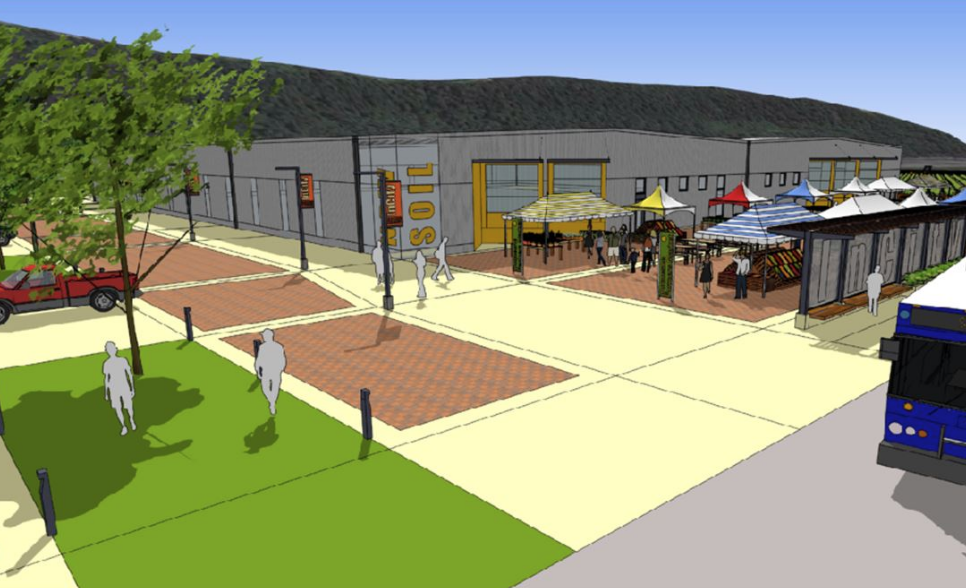
Former Steel Site To See Aquaponics Facility
To the complex problems of the City of Duquesne and the Mon Valley, entrepreneur Glenn Ford offers a solution that is both down-to-earth and very fishy
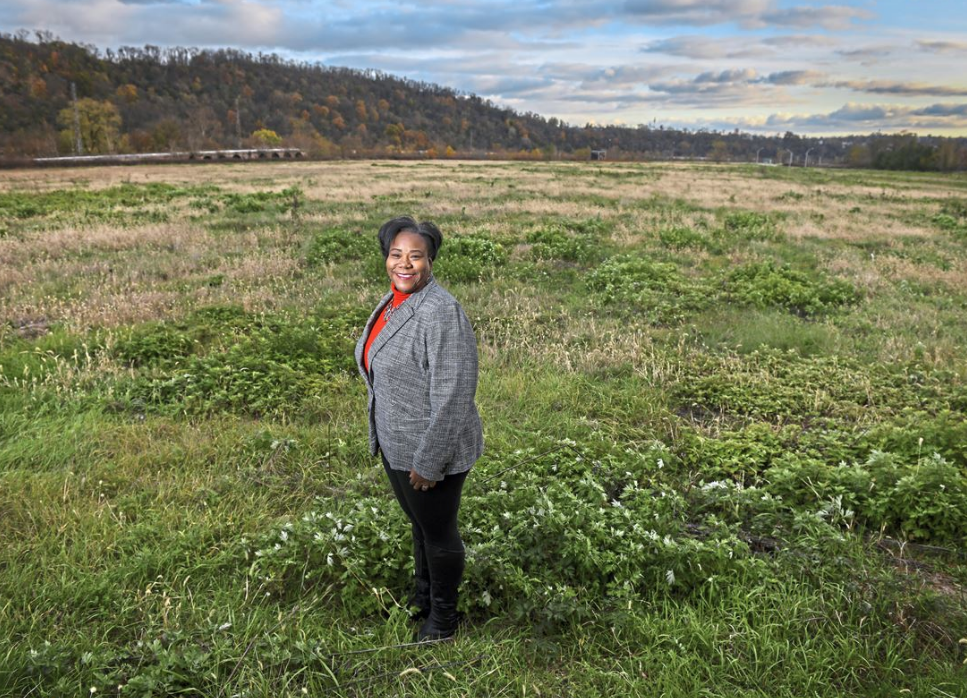
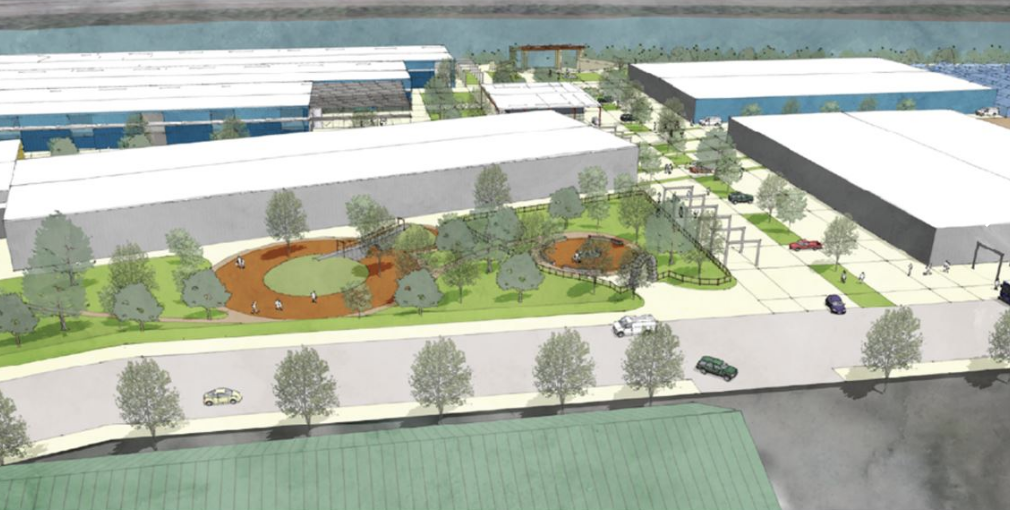
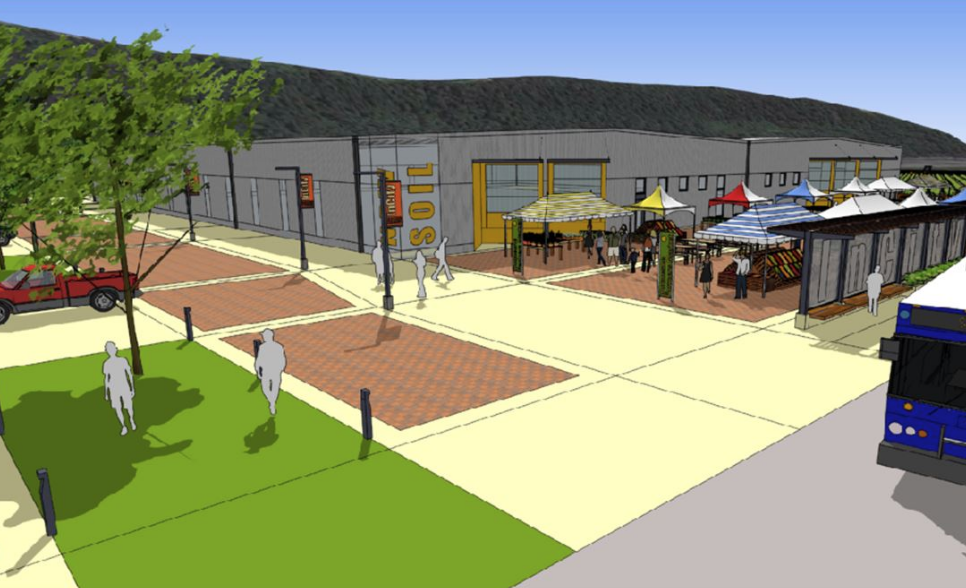
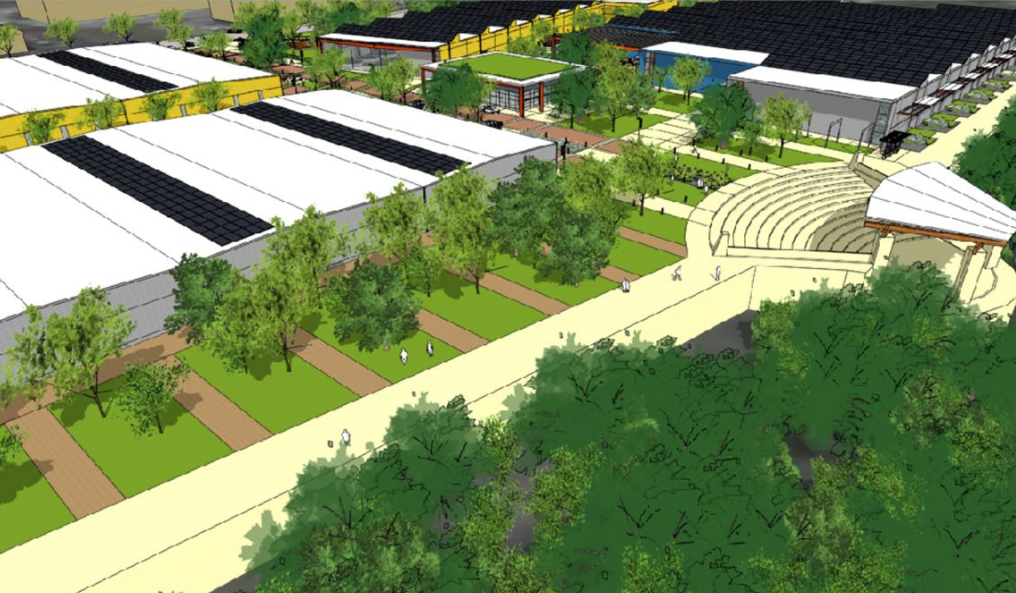


RICH LORD
Pittsburgh Post-Gazette
NOV 11, 2019 rlord@post-gazette.com
To the complex problems of the City of Duquesne and the Mon Valley, entrepreneur Glenn Ford offers a solution that is both down-to-earth and very fishy.
Mr. Ford, of Minneapolis, is the founder of InCity Farms, and on Friday he revealed plans for a 180,000-square-foot aquaponics facility on 25 riverfront acres in Duquesne. Backed by the social impact investors Hollymead Capital, the nonprofit Food 21 and an opportunity zone fund, with Peoples Natural Gas as its chief cheerleader, freshly sprouted InCity Farms is in the process of finding a headquarters in Pittsburgh. Its planned $30 million Duquesne facility is expected to employ 130 — starting salaries around $35,000 — potentially expanding to 275.
“We will try to hire as many of these people as we can from Duquesne and the surrounding area,” Mr. Ford said. “We’re going to take 25 [acres] and we’re going to turn that into, if you will, a little metropolis of food businesses there.”
“I think it could be the starting point for the revitalization of the city of Duquesne and the [Mon Valley] region,” Duquesne Mayor Nickole Nesby said.
Grown-up solutions to combat child poverty
In aquaponics, edible fish are raised in clean, indoor pools, and sold commercially. The waste the fish produce is filtered and treated with beneficial bacteria, and the result is used to fertilize vegetable plants.
The plants are grown indoors in optimal temperature, humidity and light. The technique can support the rapid growth of some 800 vegetable varieties year-round, Mr. Ford said. Add the fish, and you’ve got an economically viable business that also cushions against the food shocks created by global warming.
Both technologically sophisticated and labor-intensive, the field “can be the very first job that someone has, and it can also be [an opportunity for] your Ph.D. with a whole lot of experience,” he said.
Raised in Chicago, Mr. Ford worked his way up to the executive level in Pepsico before leaving to create several food-related companies and to consult for many more. He created a pilot aquaponics site in Minneapolis.
Then he got a call from Pittsburgh.
Peoples spokesman Barry Kukovich had read about aquaponics in National Geographic magazine and introduced the concept to Peoples CEO Morgan O’Brien. They saw the indoor food industry as a potential customer for a natural gas system called Combined Heat and Power, or CHP, in which the fuel is converted to electricity on-site — and as a way to help the local economy.
“We’re interested in the ripple effect of creating more jobs, more employment,” Mr. Kukovich said.
They reached out to Hollymead Capital’s managing partner, Joseph Bute, who happened to know Mr. Ford.
“Morgan [O’Brien] said, ‘I want this here, and I don’t want to waste a lot of time looking for the perfect solution,’” Mr. Bute recounted.
That doesn’t mean Duquesne isn’t the perfect solution.
It has large amounts of vacant land, much owned by the nonprofit Regional Industrial Development Corp. The city has a population of 5,500, of which more than one-third (including around 750 kids) are in poverty.
The entry-level, living-wage jobs would be “outstanding, to a community where you have a large group of people, one, with a learning disability, and two, with a criminal background,” Duquesne Mayor Nikole Nesby said.
A child of a modest Chicago neighborhood, Mr. Ford understands that situation.
“In my DNA, I know that people need scenarios where they can work their way out of their circumstances,” he said. “That’s what I want my business to be known for.”
He said 75% of the initial jobs require only that the applicant be “reliable and trainable.”
Low-income communities, he said, often suffer from a negative “balance of trade” because they sell little to the wider world and buy goods and foods that are made far away.
“Until we can start to balance that out a little bit better, we create permanent dysfunction, permanent ghettos, permanent poverty,” he said.
He said aquaponics can restore some balance, letting those communities buy food grown nearby, and giving them a product to sell to the world.
A nonprofit called Food21, created last year will help to coordinate InCity Farms’ growing plans with those of local farmers. That way they won’t be competing to sell the same vegetables at the same time. Instead, they can coordinate to meet a buyer’s needs year-round — for instance, providing traditionally grown tomatoes in summer, and aquaponics product in the winter.
InCity Farms is scouting for other sites, likely including Erie, Pa. But Duquesne comes first.
Mr. Ford said he has an agreement with RIDC to purchase 25 acres of the former Duquesne Steel Works site. He is looking for a public subsidy only for an amphitheater that he hopes will make the site a riverfront destination.
“This is the start of something meaningful and beautiful,” Ms. Nesby said.
Rich Lord: rlord@post-gazette.com or 412-263-1542.

Kroger Brings Farming To Its Stores In Push To Get Greener (And Sell More Kale)
Visitors to Seattle-area Kroger supermarkets next week will be able to walk out with fresh parsley, cilantro and other greens grown in the store, the latest example of grocers bringing the farm right to their aisles
The grocery-store giant makes a bet on farm-to-aisle, trying to win back shoppers.
By Deena Shanker and Matthew Boyle
November 19, 2019
Visitors to Seattle-area Kroger supermarkets next week will be able to walk out with fresh parsley, cilantro and other greens grown in the store, the latest example of grocers bringing the farm right to their aisles.
Kroger’s deal with German startup Infarm includes two stores with plans for 13 more to come online by March of next year. It’s part of a broader push by the nation’s biggest traditional supermarket chain to improve sluggish sales by amping up it’s fresh-food offering, while also enhancing its environmental cred. The greens—including crystal lettuce and Nero Di Toscana kale—only need tending once or twice a week and will sell for no more than Kroger’s existing store-brand organic produce, according to Suzy Monford, Kroger’s group vice president of fresh.
“We’re removing touches in the supply chain, which is more economical and allows us to pass those savings along to customers,” Monford said in an interview. “We know that fresh food drives shopping trips and it’s a real differentiator.”
Infarm offerings grown right in the store. | Photographer: Infarm
The industry could no doubt use some buzz. Consumers have been dialing back on traditional grocery shopping for years, sparking a slew of bankruptcies and consolidation. Blame meal kits and the ease of restaurant-ordering apps. A flood of retailers, like pharmacy chains and dollar stores, have expanded into food. And when many Americans do buy groceries, it’s often via online delivery. The industry needs to win back a cohort that has largely moved on from the grocery-store trip, and offering the farm could help.
While this is Infarm’s first stateside venture, the Berlin-based company is already well established, with more than 500 farms dispersed through partnerships at more than 25 major food retailers internationally, including Edeka and Amazon Fresh in Germany, Marks & Spencer in the U.K., and Metro in France. Its farms grow a variety of herbs and leafy greens including stalwarts like parsley and kale, as well as more specialized options like green mizuna and Peruvian mint.
Kroger’s tie-up with Infarm comes during a period of robust growth for this kind of produce. In the U.S., sales of fresh herbs and spices are up 6% for the year, and leafy greens are up 9%, according to data from Nielsen. That coincides with surging investments in innovative farming methods, too. In 2013, vertical farming startups received $4.5 million in venture funding, according to AgFunder, an investor in food and ag-tech companies with an active media and research arm. In just the first half of 2019, they raised $140 million. Infarm, for its part, raised $100 million in a Series B round in June.
As these new forms of farming gain steam, the companies behind them are looking for ways to appeal to major customers and, ultimately, the consumer at the store. Brooklyn-based Square Roots builds farms inside of refurbished shipping containers, and recently announced a new partnership in Grand Rapids, Michigan, putting the containers at the headquarters for food distributor Gordon Food Service. Gotham Greens, a Brooklyn-based greenhouse grower, has six locations in New York and Chicago, including on the rooftop of a Whole Foods. Indoor vertical farming company Plenty, which raised $200 million in a Series B round in 2017 from the likes of Jeff Bezos, recently announced a soccer-field sized farm planned for Compton, California.
While farming models differ, the basic pitch remains the same: Growing food closer to the urban shopper, in computer-controlled micro-climates, means less transport, less water usage and less pesticides, fertilizer or food safety concerns, if any at all, all while delivering more shelf life, more flavor, and overall, a better eating experience.
Infarm uses a “distributed farming” format, growing its plants in centralized nursery hubs for a few days, before placing the days-old seedlings in its hydroponic modular farms in stores in the nearby area. Once Infarm’s initial partnership in a given city is well settled, it spreads out, adding customers that can all be serviced from the same hub.
Smallhold, a Brooklyn-based mushroom farm company, uses a similar model in the New York area that includes the Standard Hotel in the East Village, the trendy Lower East Side’s Mission Chinese eatery and two Whole Foods locations, with more on the way.
Smallhold’s mushroom farm at a Whole Foods in New Jersey | Source: Whole Foods Market
“It’s about finding places where you can fill a niche,” says Chris Manca, a purchasing manager for Whole Foods in the northeast region, adding that he might expand beyond oyster mushrooms to rarer varieties like lion’s mane—popular in meat-replacement dishes—in the coming months.
Retailers pay Infarm for “farming as a service,” as co-founder Osnat Michaeli describes it, which includes not just the produce itself, but also its planting and preparation for sale. Consumers can see their food growing right before their very eyes, and then take their Italian Basil or green mint home, roots still intact, to allow for the most flavorful food. “The real harvest,” Michaeli says, “happens just before eating.”
“It’s about a ‘wow factor,’” says Henry Gordon-Smith, founder and managing director of Agritecture Consulting, a global adviser to vertical farming entrepreneurs. “This is a new way to think about herbs and cooking,” Gordon-Smith says, calling the model “compelling.”
But while consumers are likely to be excited about the environmentally-positive, foodie-friendly marketing around vertical farming, the reality is not that simple. Though the aforementioned benefits, like lower water use and pesticides, are real, the energy required to power these farms can counteract some of that.
“If you had a balance sheet, the carbon footprint from energy would be a significant dirty part of vertical farming overall,” Gordon-Smith says, depending on the energy source.
Renewable energy options are sometimes available—Infarm’s Berlin hub uses 100% green energy, for example—but the requirements are about 10 times that of conventional agriculture. Infarm's model uses similar amounts of energy to produce a pound of lettuce as other indoor farming methods, like using shipping containers or large-scale plant factories, according to calculations by Agritecture, which periodically benchmarks operators to each other to analyze the environmental impacts. But there are still enough other variables to consider—plant transport, for example—that it could actually be significantly higher.
Kroger’s Monford admits that the company still has “a lot to learn” about in-store farming, but says the venture’s environmental footprint is pretty minimal. “It’s just water and light.”
A Tale of Two Crops
We applaud two current initiatives in agriculture that show how farming can be sustainable and can also build on unique local characteristics to gain a competitive edge
Business Day editorial
November 14, 2019 | Melanie Waithe
A variety of black, white and pink sorrel, which is grown by farmers Sharon Rosella Roopsingh and her husband, Renison. - ROGER JACOB
We applaud two current initiatives in agriculture that show how farming can be sustainable and can also build on unique local characteristics to gain a competitive edge.
What’s notable about the Cube Root farming model, which was featured in last week’s edition of Business Day, is how it repurposes an object that is traditionally not associated with agriculture and turns it into a means of farming without extensive acreage. Literally taking us out of the box, Cube Root proposes the use of containers as indoor farms. These containers can be carefully controlled to widen the range of products under cultivation, giving farmers a degree of flexibility they would not have if they took to the land. In light of the ongoing debate on land use, particularly with agricultural land being often diverted to meet other pressing needs such as housing, it’s an approach that is worth considering on a large scale.
A balance may be possible with container farming and similar initiatives which do not require expansive acres of often deforested land, with the run-on problems of chemical use, seepage into groundwater sources and the domino effect on local flora and fauna, especially in Nariva, the current food basket centre of the nation.
If there is anything Cube Root has achieved it is to remind us that creative thinking can help us get around some of the challenges we face when it comes to bolstering our food production, reducing our food import bill and securing our ability to sustain our population. Their product should be viewed as an important litmus test for the appetite for novel thinking within agriculture, the kind of thinking that will draw new, more diverse segments of society to this sector.
Meanwhile, there is an urgent need to generate income and foreign exchange, a matter which agricultural initiatives could assist in addressing. Being able to grow crops that might otherwise only grow in temperate climates not only helps us rely less on food from these zones but opens the door to newer export territories, spreading risk. It’s a process, however, that must be strategic of our exports are to have any chance of standing out in the crowded international market where other countries have long advanced their techniques of agricultural production.
Which is where Sharon Rosella Roopsingh and her husband Renison are in the pink. Their foray into sorrel production is inspiring, finding new tones and re-igniting interest in a seasonal favourite. As noted in last week’s edition as well, while sorrel is usually red, dark red or black – varieties all of which Roopsingh grows – she also grows a pink version which as attracted the attention of many people.
“We found it unusual and exotic and we went with it,” she says. It’s an example of turning something fortuitous to one’s advantage. Which is the perfect embodiment of what the sector as a whole needs to do if agriculture is to reap even bigger rewards.

AEssenseGrows Adds Business Management To Cruise Control Aeroponics
The Guardian Cloud Intelligence central management system brings cloud-based data analysis and visualization of complete grow operations to AEssenseGrows’ advanced software platform for automated aeroponic plant growth
Guardian Cloud Intelligence Visualizes Complete Grow Operations with Cloud-Based Analysis, Accelerating Business Decisions
SUNNYVALE, Calif., Nov. 13, 2019 -- AEssenseGrows, an AgTech company specializing in precision automated aeroponic platforms for consistent high-yield plant production, today introduced a new set of business management features that deliver dramatically greater insight to cultivators. The Guardian Cloud Intelligence central management system brings cloud-based data analysis and visualization of complete grow operations to AEssenseGrows’ advanced software platform for automated aeroponic plant growth.
Adding to “cruise control” grow recipes, the new features help cultivators analyze the costs and revenue of various strain performance—easing the comparison of historic, current grows, and future planning—to determine the most profitable paths in the context of the latest market pricing.
“We’re really excited about the ability to run reports on our grows and cross those with our harvest yields and pricing expectations to determine the big-picture issues we can optimize over time,” said master grower Matthew Willinger, whose operation in Oakland, Calif., uses the AEssenseGrows AEtrium system. “And being able to evaluate the operational cost of a grow-- water, nutrients, labor, electricity--combined with selling prices is a great tool for analyzing the profitability of different grow rooms and strains.”
The AEssenseGrows award-winning AEtrium system delivers sensor-driven cruise-control automation to simplify aeroponics and amplify its inherent benefits. The Guardian Grow Manager central management software executes the exact grow recipe and environmental conditions set by the master cultivator. Once created, dozens of sensors in every machine report on performance and direct adjustments 24/7 and 365 days per year without hesitation, rest, or fatigue. Key variables are automatically tuned such as lighting, nutrients, HVAC, and environmental control to maintain the optimal conditions as defined in the master cultivator’s grow recipe.
Guardian Cloud Intelligence now extends the master cultivator’s knowledge with limitless cloud storage and analysis, leading to better decisions at the fingertips of the master cultivator from any convenient location at any time of day.
Key analysis and features in the Guardian Cloud Intelligence system include:
Room-level aggregated reporting for unlimited sized rooms. Sensor data can be displayed and reported per harvest by the minute, hour, day, week, quarter or year.
The availability of unlimited financial data on nutrient usage, water usage, CO2 usage, labor, maintenance, and electrical usage.
The integration of collected data with the Calendar, enabling all employees and managers to share to-do lists and action items. Users can manage labor operations for their entire facility through an easy to use calendar dashboard. Visually analyze sensor patterns over the days of the calendar. Adjust your work assignments on the fly and have those tie directly back to user assignments.
Workflow integration and dynamic form extension connect business processes, like reporting and documentation, directly to the operator’s daily activities so it is seamless and easy to follow. Every employee starts their shift with a complete list of their required activities for the day, and this is dynamically updated with changes as required. Completion of the events are all stored and integrated in the analysis in the cloud.
Market pricing and financial impact reports based on facility metrics and labor integration, produce profitability forecasts based on real-time and projected data.