

Welcome to iGrow News, Your Source for the World of Indoor Vertical Farming

This Vertical Farm Lets You Subscribe to Your Own Plot of Indoor-Grown Greens
At a new vertical farm inside a warehouse in San Jose, consumers can subscribe to their own “plot,” where kale and mizuna grow under LED lights. It’s the 21st-century version of a CSA: Greens grow in towers with no pesticides and almost no water—and when they’re harvested, they’re delivered directly to consumers living within a 20-mile radius
06-11-20
For $149 a month, Willo will manage a spot in an LED-powered indoor farm for you, delivering you enough greens for five salads a week.

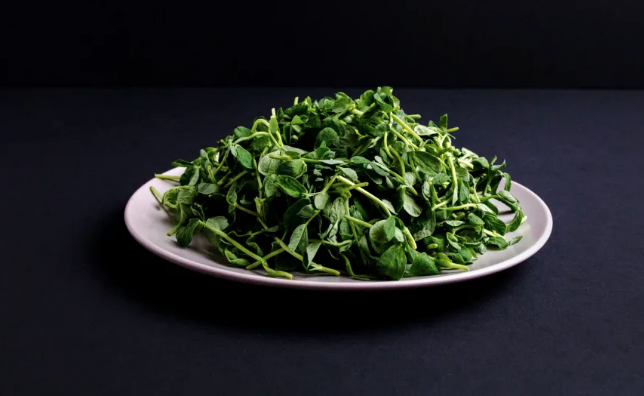





At a new vertical farm inside a warehouse in San Jose, consumers can subscribe to their own “plot,” where kale and mizuna grow under LED lights. It’s the 21st-century version of a CSA: Greens grow in towers with no pesticides and almost no water, and when they’re harvested, they’re delivered directly to consumers living within a 20-mile radius.
Willo, the startup behind the farm, wants to push people to adopt healthier eating habits. “Diet kills more people than anything else every year in the United States,” says Samuel Bertram, Willo co-founder and CEO. The promise of indoor farming—that it’s possible to grow produce in any climate at any time, deliver that food locally while it’s at the peak of freshness, and eventually sell it for less than conventionally grown greens—is something that he thinks could help convince more people to eat vegetables regularly.
[Photo: Willo]
The startup is one of several that are developing technology to make warehouse-grown kale and lettuce compete with greens grown in fields, both to deliver the freshest possible produce and to shrink the environmental footprint of food since indoor farming uses little water, less land, and avoids the need for pesticides. Nearby, a startup called Plenty has developed a fully automated system for planting, growing, and harvesting produce. On the East Coast, startups like Bowery and Aerofarms are developing technology of their own.
[Photo: Willo]
Willo has its own approach, growing plants aeroponically—meaning that the roots are exposed in the air and sprayed with a mist of water—on vertical walls, which Bertram says is “faster and more resource-efficient than our hydroponic and horizontal-plane counterparts.” The company has also tweaked other parts of the system; LED lights, for example, can be robotically moved around the farm to provide the right spectrum of light to each plant at any given time. Each plant is monitored by cameras and sensors that help the company learn how to improve growth and nutrition over time.
[Photo: Willo]
The startup’s business model is also unique. Rather than relying solely on sales to restaurants and grocery stores, it’s betting on a subscription model. Consumers will pay $149 a month for their own plot, where the farm will grow the salad greens and herbs that a particular consumer has ordered, and will get five weekly custom salads. A $99 subscription delivers five salads every two weeks. (The cost will go down over time; the company claims that the technology it has designed makes the production system cheaper than other vertical farms.) Because the company wants to reconnect people with the origins of their food, customers will be able to take tours of the farm. The startup also plans to connect subscribers with an online portal that shows time-lapse images of their plot, with data about the plants and nutrition.
[Photo: Willo]
The new farm in San Jose will begin making deliveries to new subscribers in August. It hopes to expand to other West Coast cities, and eventually to cities globally. “As soon as we show farm-level profitability, which is what we expect to show in the next 12 months, we can plant these facilities in every city in the United States and around the world to feed people locally sourced, fresh and sustainable nutritious product,” Bertram says. “That is the goal.” Other indoor farming startups have made similar promises about rapid expansion that haven’t yet materialized. But as the technology continues to improve, that may begin to change.
ABOUT THE AUTHOR
Adele Peters is a staff writer at Fast Company who focuses on solutions to some of the world's largest problems, from climate change to homelessness. Previously, she worked with GOOD, BioLite, and the Sustainable Products and Solutions program at UC Berkeley, and contributed to the second edition of the bestselling book "Worldchanging: A User's Guide for the 21st Century."

Dr. Anu Rangarajan From Cornell University Joins The GLASE Webinar Series - Thursday, June 18 - 2 PM EDT
CEA Workforce Development Study: What Makes a Successful Indoor Farmer Operations Manager?
June 12, 2020
The National Science Foundation-funded research project entitled “Strategic FEW (food, energy, water) and Workforce Investments to Enhance Viability of Controlled Environment Agriculture in Metropolitan Areas” (CEA Viability in Metro Areas) seeks to help the CEA industry develop a skilled workforce that will allow it to scale.
As part of this project, Anu Rangarajan’s team has conducted research to understand the workforce/labor needs of the broader hydroponics industry (greenhouse and indoor vertical farms). The project has surveyed dozens of stakeholders. In 2019, twelve industry members were brought together in an intensive Designing a Curriculum (DACUM) workshop whereby participants reflected on the skill sets required to be an Indoor Farm Operations Manager.
The chart is currently being reviewed by peer growers worldwide, who are being asked to respond to how important each skill set is and how frequently it is conducted. Based on stakeholder input the chart will be used as a starting point for prioritizing training modules.
Next, a deeper analysis of each skill will be conducted in order to translate this research into a teachable vocational curriculum. In this presentation, we will share preliminary research findings, outline our ongoing efforts to develop a solid empirical basis for CEA workforce development training programs and invite GLASE webinar audience members to participate in this important study.
Title: CEA Workforce Development Study: What Makes a Successful Indoor Farmer Operations Manager?
Date: June 18, 2020
Time: 2 p.m. – 3 p.m. EST
Presented by: Anu Rangarajan and Whyte Marschall
Click here to register
Erico Mattos
Executive Director
Greenhouse Lighting and Systems Engineering (GLASE)
Phone: +1 302-290-1560
Email: em796@cornell.edu
TAGS Business GLASE Greenhouse Greenhouse Technology Indoor Farming Technology
Vertical Farming webinar
Special thanks to our Industry partners

Growing Up: The Rise of Vertical Food Production
Vertical farming is a novel food production system that doesn’t require arable land, but instead makes use of derelict spaces in an urban environment. Instead of growing crops the traditional way, in fields, utilizing the sun or greenhouses, vertical farming grows crops by stacking them vertically, in cities, utilizing UV lights
Today the population of the world is approximately 7.8 billion, and it is predicted to grow by another 2 billion people by 2050. Arable land is continuously lost due to industrial development and urbanization, and as such the increasing food demand of the growing population alongside the decreasing of arable land is an enormous challenge. There is thus a need for realistic strategies for implementing novel food production systems around the world. Could the answer lie in vertical farming?
What is Vertical Farming?
Vertical farming is a novel food production system that doesn’t require arable land, but instead makes use of derelict spaces in an urban environment. Instead of growing crops the traditional way, in fields, utilizing the sun or greenhouses, vertical farming grows crops by stacking them vertically, in cities, utilizing UV lights. This method of indoor farming meets all seventeen requirements of the UN’s Sustainable Development Goals. These goals are a plan to attain a better and more sustainable future for the world’s population and address current global challenges. Furthermore, vertical farming also incorporates all of the Urban Future program’s ten tracks, who believe that cities are key to a sustainable future for our planet.
Furthermore, it has been proposed that rooftop greenhouses be developed in schools in Barcelona, Spain. It is believed that schools can play an important role in environmental sustainability and the Institute of Environmental Sciences and Technology in Barcelona has developed a procedure to install rooftop greenhouses in compact cities. The implementation of urban agriculture proposals supports the development of novel methods for environmental sustainability in our ever-growing world.
How Does it Work?
There are three main models for vertical farming:
Hydroponics, where plants are grown in a nutrient-rich basin of water.
Aeroponics, where crops’ roots are periodically sprayed with a mist containing water and nutrients.
Aquaponics, which involves breeding fish to help cultivate bacteria that is used for plant nutrients.
Aeroponics uses less water overall but is technically more complicated. Interestingly, the water used in hydroponics can be recycled several times after it has evaporated from the plant and recaptured from the humid air.
Pros and Cons of Vertical Farming
Vertical farming is able to yield more crops per square meter than traditional farming or greenhouses can. Furthermore, vertical farming is not weather or season dependent, and as such year-round crop production is possible. Vertical farming also uses 70-95% less water than traditional methods and as the crops are produced in a well-controlled indoor environment it is possible to eliminate the use of chemical pesticides and grow organic crops with a faster harvesting method. This is key, as one of the biggest problems with fresh vegetables is the time it takes between harvest and consumption. A faster harvesting times could mean that more vitamins and nutrients are also maintained within the produce.
Vertical farming is a relatively new venture and as such, the financial and economic feasibility remains uncertain. Yet several vertical farming companies have been set up in the past decade utilizing old warehouses and disused factories with structures to grow vegetables and herbs. One certain disadvantage is the initial cost of real estate in cities, which could impede the viability of urban locations. In addition, labor costs in cities tend to be higher. Although, maybe most impeding is the total dependence on power for lighting, maintenance of temperature, and humidity, and as such the loss of power for just one day could see a significant loss in production.
Conclusion
Vertical farming has the ability to provide fresh and safe food in sufficient quantities, independent of climate and location. Today, we are well aware of climate change and the immediate need to change our current way of life, as such vertical farming and food production has the potential to become a necessary solution in global food production.
References
The United Nations. Sustainable Development Goals. https://www.un.org/sustainabledevelopment/sustainable-development-goals/
Urban Future Programme’s Ten Tracks. https://www.urban-future.org/about/
What You Should Know About Vertical Farming. https://www.thebalancesmb.com/what-you-should-know-about-vertical-farming-4144786
Association for Vertical Farming. https://vertical-farming.net/
How Vertical Farming Reinvents Agriculture. http://www.bbc.com/future/story/20170405-how-vertical-farming-reinvents-agriculture
Nadal A et al. (2018) Rooftop greenhouses in educational centers: A sustainability assessment of urban agriculture in compact cities. Science of The Total Environment. Jun 1;626:1319-1331
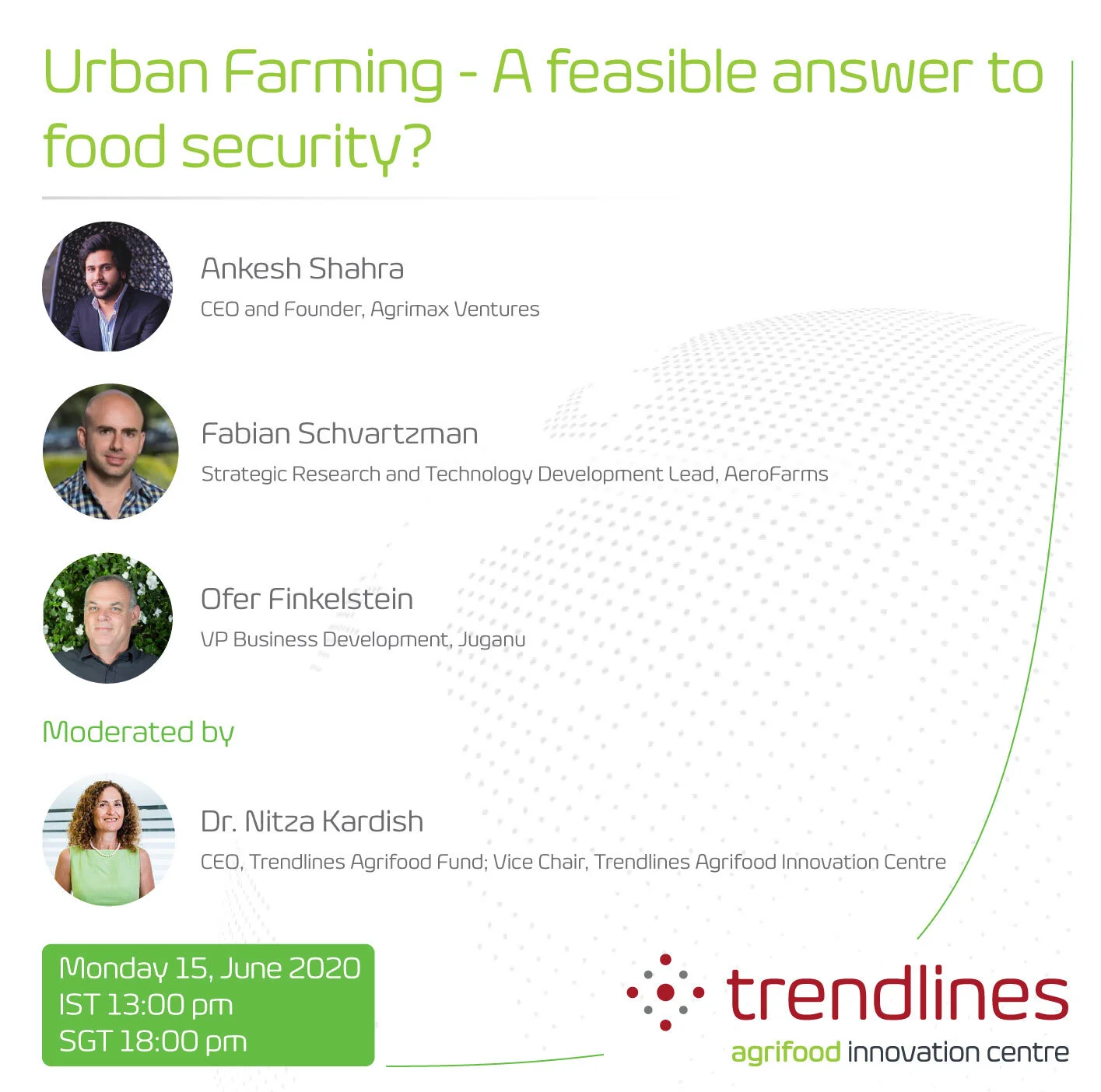
Webinar - Monday, June 15th - Urban Farming - A Feasible Answer to Food Security?
This time, we'll explore the feasibility of urban farming as one solution to the food security question. Three panelists will present their views with the discussion moderated by Nitza Kardish, PhD., from Trendlines
Join us for the 3rd webinar in the series on the food security issue highlighted by the COVID-19 virus. This time, we'll explore the feasibility of urban farming as one solution to the food security question. Three panelists will present their views with the discussion moderated by Nitza Kardish, PhD., from Trendlines.
Participants may send in questions prior to the webinar to anton@trendlines.com
A link to join the webinar will be sent to all registered participants
Register Here
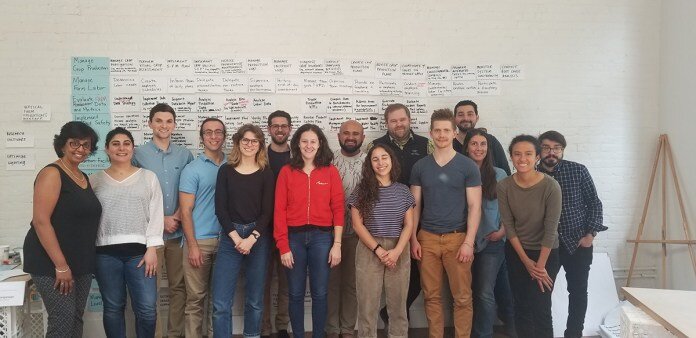
Research For Workforce Development in Controlled Environment Ag: What Makes a Successful Indoor Farm Manager?
As indoor agriculture has grown, finding, training, and retaining a skilled workforce has emerged as an important challenge to the industry. A unique combination of plant production, tech troubleshooting, and innovation is needed among employees managing these operations
By urbanagnews
June 8, 2020
As indoor agriculture has grown, finding, training, and retaining a skilled workforce has emerged as an important challenge to the industry. A unique combination of plant production, tech troubleshooting, and innovation is needed among employees managing these operations.
What are the critical skill sets, and how can we create a larger pipeline of individuals trained in these skills so that they can contribute to CEA business success?
At Cornell University, a group led by Professor Anu Rangarajan (Director, Small Farms Program) seeks to provide answers as part of a National Science Foundation-funded research project on CEA Viability in Metro Areas.
Rangarajan’s team has conducted extensive research to date in order to understand the workforce needs of the hydroponics industry, including greenhouses and indoor vertical farms—and the research continues.
With the long-term goal of creating robust curricula for training CEA employees in mind, a team from Cornell University conducted many in-depth interviews with professional CEA growers in 2018 and 2019.
The team then organized a workshop, in consultation with The Ohio State and Agritecture Consulting, that invited a focus group of CEA operations managers to model in detail the diverse activities that they perform on the job.
The resulting chart is a detailed, peer-reviewed list of duties (responsibilities) and tasks (activities, skills) that describe the work of the expert Indoor Farm Operations Manager.
The chart is currently being reviewed by peer growers worldwide, who are asked to verify how important each skill is, and how frequently it is conducted.
Based on this input, the Indoor Farm Operations Manager chart will be used as a starting point for prioritizing future CEA training modules. After that, a deeper analysis of key individual skills will be conducted in order to translate the foundational research into a teachable vocational curriculum.
Right now, however, Rangarajan’s team is actively seeking more responses to the verification survey.
“We need your help,” she emphasizes, speaking to professional CEA growers. “We want to learn your priorities for a CEA curriculum that will enhance the skills of current or future employees.”
The survey takes approximately thirty minutes to complete and can be completely anonymously. CEA growers who complete the survey will also be provided with an Amazon gift card for $25 as a token of appreciation, although they must provide their names and email addresses in order to receive this gift.
To take the survey, register here. The Cornell team will send a survey link directly from Qualtrics.
As Rangarajan notes, “Grower input will help us prioritize the core education and training relevant to indoor agriculture,” helping provide the industry with the skilled workforce it will need to scale.
For more information about this study regarding the future of the CEA workforce, please contact project lead Anu Rangarajan (ar47@cornell.edu) or research associate Wythe Marschall (wmarschall@fas.harvard.edu).

Elon Musk’s Brother, Kimbal, Is Pretty Accomplished Himself
Based in Brooklyn, New York, Square Roots has developed and installs “modules” — hydroponic farms in reclaimed shipping containers that can grow certain non-GMO vegetables around the clock and without pesticides. Today they are producing mint, basil, other herbs, and leafy greens
08 Jun 2020 by Jasmine Stone in Berry & Donaldson, Business, Elon Musk, Lifestyle, Partners
[imagesource: @kimbalmusk / Instagram]
When your older brother is Elon Musk, you probably get used to growing up in somebody else’s shadow.
Just over a year separates Elon and Kimbal Musk (above left), with the former grabbing headlines in the wake of SpaceX’s successful launch of astronauts to the International Space Station.
Makes a nice change from some of his other headline-grabbing antics, but let’s chat about Kimbal.
In 2016, he co-founded Square Roots with CEO Tobias Peggs, to grow non-GMO crops in reclaimed shipping containers.
Based in Brooklyn, New York, Square Roots has developed and installs “modules” — hydroponic farms in reclaimed shipping containers that can grow certain non-GMO vegetables around the clock and without pesticides. Today they are producing mint, basil, other herbs and leafy greens. The company made CNBC’s 2019 Upstart 100 list…
Image: https://squarerootsgrow.com/
The modules, which employ software-controlled LED lighting and irrigation systems, can be set up in the parking lot of a grocery store or even inside a large warehouse or industrial building, enabling a food maker to access fresh ingredients locally for use in their dishes or packaged products.
Kimbal, who also serves on the board at Tesla and SpaceX, says that whilst they’re currently working on providing food for people here on Earth, the same farming technology “can and will be used on Mars”.
While freight containers are working hard to grow veggies, their former life saw them shipping goods around the world, which is no mean feat, either.
South African-owned shipping logistics company Berry & Donaldson knows all about the business of moving goods and has been handling every step of the complicated process for more than 50 years, but they’re happy to leave the veggie-growing game to Kimbal and his team at Square Roots.
The company also hopes to inspire more people to become farmers, running a Next-Gen Farmer Training Program aimed at teaching city dwellers about agriculture.
During the COVID-19 pandemic, Square Roots has also provided hundreds of kilograms of produce to Rethink Food NYC, an organization that provides nutrient-rich food to the needy, all of which was grown in its Brooklyn shipping container.
For Kimbal, it’s quite a pivot from how he originally cut his teeth. In a recent profile on 5280, his journey was summarised as follows:
In 1999, after the $307 million sale of Zip2—which he’d founded with his brother—Musk left Silicon Valley to train at the French Culinary Institute in New York City (now known as the International Culinary Center).
Image: Chris & Ruth Photography
Kimbal [above, with Elon, sister Tosca, and mother Maye back in 2018] ended up in Colorado two years later with his first wife, artist Jen Lewin. That he had moved into the “food space,” as he calls it, and eventually turned one Boulder restaurant into a formidable chain of locally sourced eateries across the country made him something of a star in the industry.
Whilst the pandemic has seen some of his restaurant empire take a real hit, Kimbal still seems in good spirits.
You can read the rest of that interview here.
Not a bad set of accomplishments for the Musk family, with Tosca running a streaming service called Passionflix, as well as having producer credits on more than 30 movies.

Is Pontus A Technology or Agriculture Company?
Not long ago, nor very far away, my Company, Vancouver-based Green Oasis Foods developed the CEVAS™ (Closed Environment Vertical Aquaponics System); arguably the most advanced soil-less organic growth system developed to date
By Steve R McArthur, Partner, Founder & CTO of Pontus Water Lentils | February 26, 2020
Both, actually!
Not long ago, nor very far away, my Company, Vancouver-based Green Oasis Foods developed the CEVAS™ (Closed Environment Vertical Aquaponics System); arguably the most advanced soil-less organic growth system developed to date. Our main consideration was to build a closed-loop Aquaponics system that ensured there was no way for contaminants to enter the growth chain. The resulting efficiency and product quality as a result are quite startling, almost like having a built-in anti-malware program for crop growth.
Good Things Come in Threes
All ’ponic’ grow systems have unique benefits and challenges. Still all markedly increase yields and, to varying degrees, lowers the use of power and water. Each also can be set up to be custom complementary systems. Green Oasis’ CEVAS™ is a hybrid aquaponics system currently being used by Green Oasis and Pontus Water Lentils, the latter owning an exclusive worldwide license to the technology.
Full disclosure, I am also CTO of Pontus Water Lentils. Ultimately, through an agreement with Amwolf, Pontus plans to obtain a public listing in approximately Q2/2020.
Before that, we plan to crowdfund through FrontFundr for $1.5 million and a like amount in a sponsored Private Placement. We plan to use the initial funds to build a 10,000 square foot grow facility. It might be useful to define the main types of soil-less grow systems.
Let’s Translate the Main Types of ‘Ponic’s
Aquaponics: A symbiotic relationship with the system; housing fish producing waste to provide crop nutrients
Hydroponics: Continuous water system, but nutrients are added to the growth media that replaces soil
Aeroponics: is a variation of hydroponics, but instead of using a grow bed filled with media, the plants are instead suspended, with roots facing a sprinkler system connected to the main nutrient reservoir.
The difference between a standard Aquaponics system and CEVAS™ is analogous to a Prius versus a Tesla, with the latter having a much more efficient with less impact on the environment. We decided it made sense to start with Water Lentils as the first crop as its grow characteristics and high market price are very attractive.
We are Reinventing Agriculture™
I sincerely believe that our system brings a fundamental and profound change to growing soil-less crops successfully and in greater numbers than other methods. Here are some key points:
CEVAS™
A combination of the best of both Hydro- and Aquaponics
Completely closed-loop system customized by Green Oasis
Utilizes state of the art, data-driven analytics
Optimize machine learning and artificial intelligence to produce superior and consistent crops
Uses 5% of the water of traditional agriculture
CO2 captured and recycled
Symbiotic air exchange
Bio Security systems to remove all possible contaminants from any human interaction
Solids filtration
Biodigestion; fish waste turned into plant nutrient through aerobic digestion
The Pontus Water Lentils farming practice was created in Vancouver Canada and is licensed Worldwide
For more information visit: https://pontuswaterlentils.com/


Shenandoah Growers - Bringing Nature Indoors
At Shenandoah Growers, we believe in the power of technologically-controlled indoor environments to sustainably transform the future of fresh produce. As the only large scale USDA Certified Organic soil-based indoor growing system in the United States, we are passionate about leveraging cutting-edge science and technological innovation to ensure that our customers receive the freshest, healthiest, most affordable organic produce possible year-round.
Working with (not against) nature to create an optimal environment for plants to thrive
What Sets Us Apart?
At Shenandoah Growers, we believe in the power of technologically-controlled indoor environments to sustainably transform the future of fresh produce. As the only large scale USDA Certified Organic soil-based indoor growing system in the United States, we are passionate about leveraging cutting-edge science and technological innovation to ensure that our customers receive the freshest, healthiest, most affordable organic produce possible year-round. With twelve growing locations across the country, we couldn’t be prouder to provide organic, local produce to over 18,000 stores every day.
Why Indoor Controlled Agriculture?
There’s nothing quite like the great outdoors—at Shenandoah Growers, we know there’s something better. Our LED-powered indoor bioponic growing platform increases yields and reduces waste, enabling us to make fresh herbs available year-round across the country. Plus this proprietary system is environmentally conscious, conserving water and land, and avoiding harmful pesticides.
How Do We Do It?
Some call it “Know-How”. We call it “Grow-How”
Our proprietary bioponic growing process mimics nature but enhances it with carefully controlled temperatures, light levels, humidity, and water exposure. And because we use just what we need to keep our plants healthy and no more, we conserve valuable environmental resources and set our industry up for a sustainable future.


VIDEO: Vertical Farming: The Only Way Is Up
Just like we've grown accustomed to living in compartments stacked directly on top and beside each other so too are lettuce and herbs
by Jasmine Reimer
Trends - /March 2, 2020
Just like we've grown accustomed to living in compartments stacked directly on top and beside each other so too are lettuce and herbs.
Agriculture is going vertical. Why? Because it saves water, increases efficiency, and provides us with fresh, local produce.
Vertical farming is the practice of producing food on upright surfaces. Instead of farming in a field, vertical farming grows plants stacked in layers, in structures like shipping containers or warehouses.
If this seems like an insignificant shift, unlikely to produce much effect, consider this: by 2050 the world's population is expected to grow by another 2 billion people.
Feeding everyone will be challenging. Vertical farming could be a solution.
What is vertical farming?
Assembled layer by layer under candy-colored lights, vertical farming has become an increasingly popular way for food producers to reduce costs related to space and energy consumption while increasing growth rates and nutrient values.
Of the many companies that are testing out this innovative farming method, Urban Crops uses a conveyor-like system to hold baby plants under LED ultraviolet lights. Their system is automated and relies on technology to program lighting and growing conditions specific to each species. And because they don't heat up, the bulbs can be placed closer to the leaves to encourage optimal light absorption.
In addition to not having to maintain an entire plot of land, Urban Crops boasts that vertical farming yields more crops per square meter than traditional farming or greenhouses. It also grows plants faster and can be used year-round. In theory, vertical farming can be practiced anywhere, which means that water-restricted locations can still harvest produce. Vertical farming uses up to 95% less water than traditional methods.
As Urban Crops' Chief Executive Maartin Vandecruys points out:
“Basically… every day is a summer's day without a cloud in the sky."
CES 2020: LG are launching exciting new indoor gardening technology.
While vertical farming could be the future of large-scale agriculture, companies like Urban Crops are also hoping that non-farming folk like yourself will be interested in investing in DIY versions. Because, while it makes sense to grow salad greens and edible flowers, trying to grow other foods like wheat for bread isn't yet an option: “At 10 cents a kilowatt-hour, the amount of energy it would take to produce wheat would [translate to] something like $11 for a loaf of bread," states, Vandecruys. Nonetheless, vertical farming could mean big changes in the way you think about “local" produce.
Vertical farming helps reduce the amount of questions for the consumer including its provenance, growing conditions and harvest date.
Data is useless unless you put it to work
Around the world, data-driven technologies are being used to keep indoor farming afloat. Detailed, real-time data collected via artificial intelligence, location services and IoT technology is used to analyze and produce better feeding models and optimal configurations, i.e. the concentration and scheduling of light and ratio of nutrients. Most recent is IoT company n.thing's Planty Cube, launched at this year's CES 2020.
Leo Kim, n.thing's CEO, came up with the idea for Planty Cube after creating an IoT-enabled smart pot called “Planty Square."
Planty Cube is a smart hydroponic vertical farm that relies on data from farming logs, which are fed back into a database called the “Cube Cloud" and analyzed with AI to help farmers determine optimal growing conditions. As the user adds more Planty Cubes to the vertical farm, this real-time, cloud-based system makes it easier for the grower to manage the overall farm, even remotely.
But even prior to sowing seeds, technology can help vertical farmers and consumers alike.
Automation, tracking and AI technology also opens up the potential to locate farms in urban, industrial, and even domestic spaces that can produce crops all year round.
This has the possibility to truly change the way cities source food. Most urban supermarkets are supplied from distributors around the world. Local indoor farms could decrease reliance on imports and reduce carbon emissions from transportation.
In the future, I hope to see supermarkets filled with vertical farms of their own.
The ups and downs of growing up
The vertical farming industry is booming. However, there are realities to consider before growing on a professional scale:
What are you growing and for whom?
Before you invest, do some market research. Get a sense of who your customers will be and your price point. Basically, if you can't sell it, you shouldn't grow it.
What is your distribution plan?
How will you physically get your produce to your customers? Find out who your end customers are and keep your farm as close to them as possible. Being local is an integral component to your success but this may present further challenges such as high cost of land, poor soil quality, and resource restrictions.
Will your building meet your needs?
Remember, indoor farming requires substantial amounts of power: lighting, pumps, HVAC, automation equipment, fans, computers etc. Not all buildings are equipped with the type of electricity you require. And if you're serious about getting into the vertical farming industry, you need to plan for future expansions.
Fortunately, vertical farming is being supported by more than just salad-starved individuals like me; location services and tracking technology are helping farmers retain high yields and prepare for the future.

Phytoponics - Deep Water Culture (DWC) Hydroponic Growing Systems
Phytoponics designs and manufactures Deep Water Culture (DWC) hydroponic growing systems for supply to commercial produce growers
MAKING FRESH PRODUCE ABUNDANT AND MORE SUSTAINABLE


Phytoponics designs and manufactures Deep Water Culture (DWC) hydroponic growing systems for supply to commercial produce growers.
Our mission is to realize and promote the sustainable benefits of hydroponic agriculture at scale through the global deployment of our Deep Water Culture substrate-less growing solutions.
Phytoponics has taken an ancient hydroponic method and we have adapted and evolved it for use at scale by designing a range of Deep Water Culture (DWC) growing modules containing nutrient solutions which are kept oxygenated by built-in aerators.
Plants are located in the growing module and the roots of the plant are suspended in the water which has the crop specific nutrient recipe and the correct amount of dissolved oxygen.
The growing modules are serviced by a computerized nutrient control system that maintains the nutrient and pH at optimum levels whilst also irrigating the rootzone of the plants according to a carefully designed inlet and drain duty cycles.

All Phytoponics' Deep Water Culture solutions are configured around proprietary designed and patent protected grow modules which enable fully controlled soilless growing conditions without the need for additional substrates such as rockwool or coconut coir, but with the additional ability to apply unique root zone management to the crop.

We have developed a range of Deep Water Culture hydroponic growing solutions that are suitable for large scale commercial crop production, tested and refined to deliver high quality taste and yields for vine tomatoes, cucumbers, peppers, with recent trials on soft fruits.

Our DWC approach uses less water and produces less waste than other traditional methods of hydroponics for example drip irrigation using rockwool or coir substrates. As such Phytoponics offers a more sustainable means of growing produce, something that will be increasingly preferred by consumers and retail produce buyers.

Our customers, whom we prefer to think of as partners, are typically large scale commercial growers who are looking to take advantage of the efficiency and sustainability benefits we can help them deliver at better or comparable cost to incumbent growing techniques.
For more information, please visit: https://phytoponics.com/


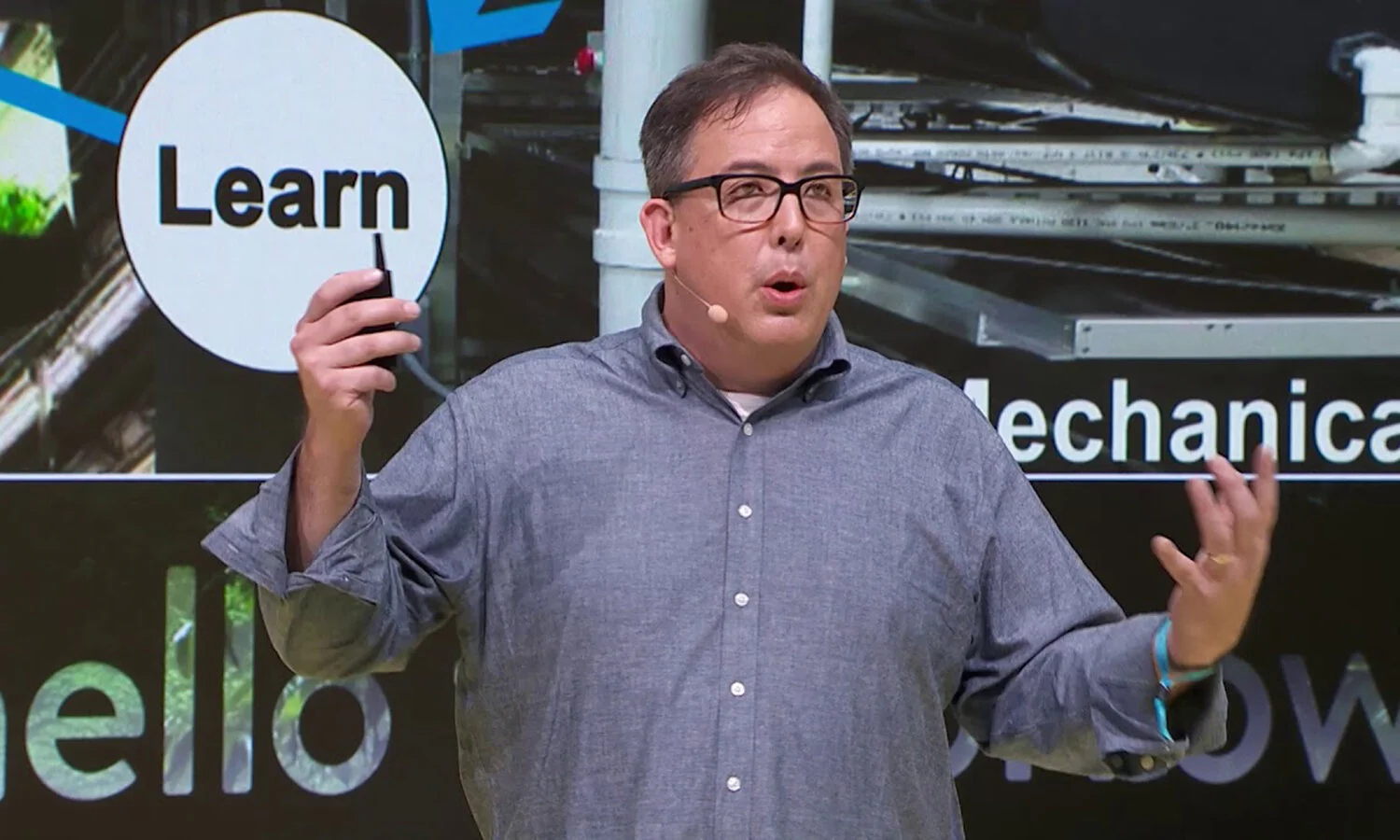
Marc Oshima on Innovations In Urban Vertical Farming and Frida Herrera-Endinjok on Nutrition Justice
Today on “Food Talk with Dani Nierenberg,” Dani interviews Marc Oshima, Co-Founder and Chief Marketing Officer for AeroFarms, a technology company that operates indoor vertical farms around the world
To Listen, Please Click Here
Today on “Food Talk with Dani Nierenberg,” Dani interviews Marc Oshima, Co-Founder and Chief Marketing Officer for AeroFarms, a technology company that operates indoor vertical farms around the world. They discuss how the latest innovations in controlled agriculture can bring healthy food to urban communities while also minimizing environmental impact. Dani also interviews Frida Herrera-Endinjok, a student activist, master gardener, and food system leader from California State University at Northridge. They discuss Frida’s work eliminating food waste on college campuses and improving nutrition in underserved communities through urban community gardening education.
You can listen to “Food Talk with Dani Nierenberg” on Apple iTunes, Stitcher, Google Play Music, Spotify, or wherever you consume your podcasts. While you’re listening, subscribe, rate, and review the show; it would mean the world to us to have your feedback.
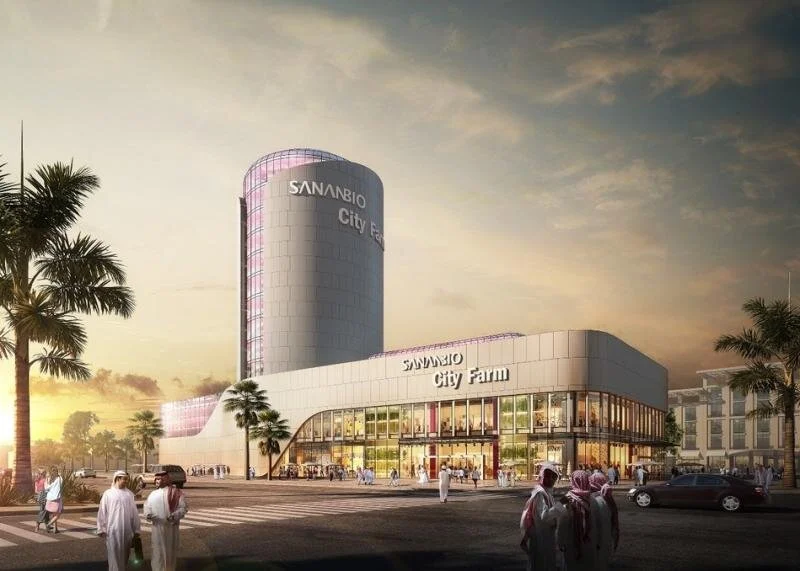
Cooked Up For Climate, UAE's High-Tech Food Plan Pays Off in Pandemic
“Thanks to the work being done to harness the benefits of innovation, agriculture is becoming possible and profitable in a country with harsh climatic conditions,” Elouafi said.
MAY 27, 2020
ABU DHABI (Thomson Reuters Foundation) - In the past four years, the United Arab Emirates has grown a small but rising share of its own organic tomatoes, aiming to shore up food security in an import-dependent desert country.
The effort - part of a broader push to produce more home-grown food amid fears climate change could trigger instability in the global food trade - started after the country was hit by food export bans during the 2008-2009 financial crisis.
Today, the move to build up food resilience is paying off early in the face of another crisis: the coronavirus pandemic.
When the United Arab Emirates (UAE) went into lockdown in April to contain the spread of the novel coronavirus, residents had the same reaction as millions of others around the world - they started panic-buying.
The instinct to stock up made sense in a country where more than 80% of food is imported, said Ismahane Elouafi, director-general of the International Center for Biosaline Agriculture (ICBA).
Nonetheless supermarket shelves have remained fully stocked, partly because the UAE has long had policies in place to ensure an uninterrupted supply of food from abroad, she noted.
But in the face of the pandemic, the UAE’s confidence that it will continue to have enough food is bolstered by its success in growing its own, using innovations like vertical farming and climate-resilient crops, she added.
“Thanks to the work being done to harness the benefits of innovation, agriculture is becoming possible and profitable in a country with harsh climatic conditions,” Elouafi said.
According to data from the World Bank, the contribution of agriculture to the country’s gross domestic product rose from $2.39 billion in 2012 to $3.06 billion in 2018.
The UAE’s Ministry of Food Security declined to respond to a request for comment.
FARMING WITH FEWER RESOURCES
Currently ranked 21 out of 113 countries on the Economist Intelligence Unit’s Global Food Security Index, the UAE aims to be in the top 10 by 2021 and number one by mid-century.
By then, the federal government hopes half the food Emiratis consume will be produced locally, compared to 20% today.
Under the UAE’s National Food Security Strategy - which was officially launched in 2018, but had already been woven into government policy for several years before - the country has worked to boost domestic food production.
It has built infrastructure, including complexes for cattle-breeding - and introduced financial measures, from exempting value-added tax on food produced on local farms to paying subsidies on fodder.
But traditional farming methods can only go so far in a country with limited supplies of freshwater and arable land.
Last year, the World Resources Institute classified the UAE as under “extremely high water stress”, meaning more than 80% of the available surface and groundwater supply is withdrawn on average every year.
The bulk of that water is used by the agricultural sector. Combined with a warming climate and a growing population, this is causing available groundwater levels to drop by 0.5 cm (0.2 inches) per year.
To meet the country’s freshwater needs, the government is increasingly turning to energy-intensive desalination methods.
Another challenge is that less than 1% of the UAE’s land is arable, according to the World Bank.
The focus is on finding ways to farm with fewer resources - which is where technology and experimenting with new crops can help, said Sajid Maqsood, associate professor in the College of Food and Agriculture at United Arab Emirates University.
“Urban and vertical farming has to be an important part of the strategy,” he said by phone.
YEAR-ROUND FRUIT & VEG
Farming in the UAE has been moving in a high-tech direction over the past decade.
In 2009, for example, the Middle Eastern country had 50 hydroponic farms, where plants are grown without soil using nutrient-infused water. Today, it has more than 1,000, according to the ICBA.

UAE Based Company ‘Smart Acres’ to Launch Hydroponic Vertical Farming in 2020
In the efforts to push the country’s agriculture to new heights, a company named ‘Smart Acres’ will be launching a new Hydroponic Vertical Farm, which is anticipated to come in the third quarter of 2020
Nikita Arya 7 June 2020
United Arab Emirates (UAE) has been putting countless efforts in boosting agriculture in the country. The country is creating its presence in the global market with its outstanding marketing of fresh local produce. In the efforts to push the country’s agriculture to new heights, a company named ‘Smart Acres’ will be launching a new Hydroponic Vertical Farm, which is anticipated to come in the third quarter of 2020. This new hydroponic plant will be set up in Abu Dhabi and the company aims to expand it all over the country in the following years.
Smart Acres has designed the system using IoT-based technology, which will help the growers in monitoring and growing produce with the consumption of fewer resources. The hydroponics usually generate high quality of crops, and with IoT based technology, the growers could easily grow their produce.
Another unique differentiating thing about the farm is that all the plants are going to be stacked vertically. In vertical farms, the crops are stacked into one another, which creates room for more saplings. The environment needs to be controlled with no natural sunlight or soil. The nutrients are dissolved in the water-based solvent and reach the plants through roots. Roots are generally kept in the water-based system but can also be kept in other solids, which again will contain the necessary nutrients to help the plants grow.
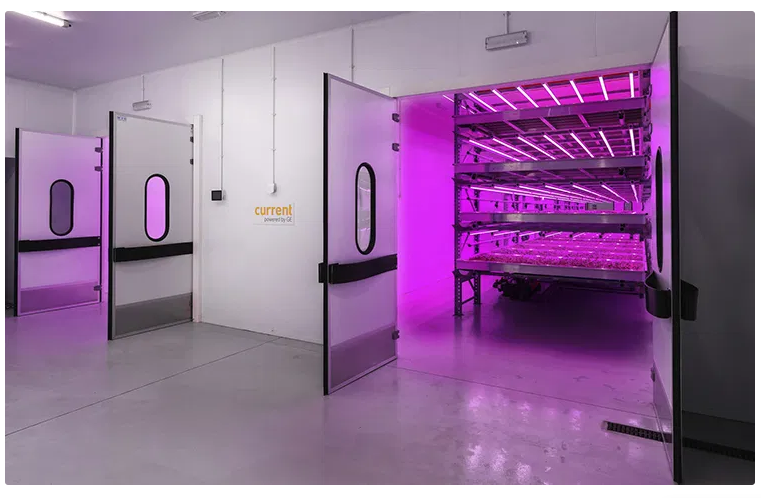
Indoor Farming: How Can You Ensure Success?
Any business can fail for any number of reasons, but indoor farming is an incredibly delicate organism that depends on many disparate factors being perfectly aligned and in balance
Any business can fail for any number of reasons, but indoor farming is an incredibly delicate organism that depends on many disparate factors being perfectly aligned and in balance. This increases the risk of failure for those unaware of the number of plates that need to be kept spinning in perfect time. This list is not definitive but gives you a good idea of the most common mistakes to avoid.
1. Avoid a Trial and Error Approach to Design
There are multitudes of factors that are naturally managed and balanced with indoor farming. The sun cannot be changed, irrigation to every plant is different as weather patterns can change from moment to moment and even the nutrition in the soil can vary across the area of the field. Planning your farm therefore gives you the ultimate control but also dramatically increases the variables that you can and must consider.
These variables start with the facility’s very layout, such as the size of growing space, plant distribution, airflow and more. Additionally, without having the right models in place to determine the exact light recipe and combination of CO₂, nutrients and water required to grow a successful crop, growers can find themselves wasting time and money on testing phases to try to maximize yield and revenue. Once you have developed a model for your vertical farm, you should then put it through a testing phase on a smaller scale to ensure it is viable.
2. Pick the Right Crop
It’s far easier to develop a profitable and scalable facility if you know the needs of your crop inside and out. That ideally means specializing in one type of crop that you can design your facility around, electing the right growth spectrum and studying that particular plant’s biology to better understand how to optimize irrigation, nutrition, air flow, CO₂ concentration and propagation in order to maximize elements such as taste, nutritional content, visual appeal, potency or shelf life.
Too many growers have tried to hedge against perceived risk by trying to grow multiple crops. By default, it is extremely difficult to have one installation that is optimized for a wide variety of plants, and therefore the returns from each crop are lower than they could have been. The facility then may have to suffer through downtime as the technology is tweaked and optimized for the next crop — eating into profitability and adding unnecessary costs.
3. Location, Location, Location
The old adage that location is half the battle has never been more relevant than in vertical farming today. Vertical farms have a key advantage in their ability to be located close to their customer, whether they are selling to food processors, supermarkets or local shops. Removing the vast transport logistics associated with today’s food supply chain slashes costs and helps appeal to an increasingly conscientious customer. The lack of transport costs also helps counter the higher production costs resulting from higher energy and labor inputs.
At city planning level, there are also many advantages of co-locating a vertical farm with other facilities such as office buildings, shops or residences — which could draw the vertical farm’s excess heat to reduce demands on other sources of energy.
4. Simplify Your Business Model
Proximity to customers and the ability to produce crops year-round at a sustainable rate is a strong advantage in the market, whether you’re growing for the food or pharmaceutical sectors. Therefore, consider the opportunities available through establishing exclusive contracts with customers at a fixed rate that will offer more financial security as you build your business.
5. Be Realistic About Operational Cost
Setup and fit-out costs represent a high initial outlay for any indoor farming entrepreneur, but the ongoing operational costs (energy, labor, inputs, maintenance, etc.) are also significant. Businesses not only need to find creative ways to mitigate these risks (e.g. growing through the night when energy tariffs are lower and the outdoor climate is cooler to assist HVAC systems’ efficiency), but also consider the cost-benefits of different configurations and process flow.
6. Set Prices Based on What Consumers Will Pay
At the 2017 inaugural AgLanta Conference11, PodPonics’ CEO admitted that the company missed out on higher potential margins as it priced its crops to compete with conventional growers, ignoring the price premium that food traceability, pesticide-free growing and local production can increasingly attract from consumers in some markets.
7. The Skills Gap
In many cases, those who have embraced the promise of indoor farming have not been traditional growers but rather tech entrepreneurs, engineers or hobbyists. Vertical farming requires a unique mix of skills to be successful: big data scientists, systems integrators, project managers, engineers, growers and plant scientists all have a role to play in addition to the core functions that any business needs to be successful (financial strategists, marketing and business development, etc.). From the leadership perspective, experience at replicating and scaling a business is critical. Ignoring any one of these functions leaves a serious gap in business capability that could undermine the overall success of the operation.
8. Remember What You’re Selling
In a bid to capitalize on the new technology and growth models offered by vertical farming, some growers have forgotten that their primary focus should be on growing and selling the highest quality food. Instead, they have tried to recoup their investment by trying to commercialize their vertical farm’s technology, process and methodology. Unfortunately, as we have seen, every vertical farm is different with potentially very different needs. The trick is to not to try and do many different things at once, but instead keep a clear focus on doing one thing as well as possible.
Source: www.currentbyge.com/ideas

UAE To Launch Hydroponic Vertical Farming in 2020
Set to launch in Q3 of 2020, the vertical farming company Smart Acres will be set up in Abu Dhabi, with an aim to expand across the UAE
With a mission to improve food security and support UAE local farms

Darragh Murphy
June 03, 2020
With the UAE making strides in agriculture, and now competing globally by marketing fresh local produce, it’s now adding to this by launching a new hydroponic vertical farm.
Set to launch in Q3 of 2020, the vertical farming company Smart Acres will be set up in Abu Dhabi, with an aim to expand across the UAE.
The new systems aim to develop the UAE’s farming capabilities, along with improving food security to potential socioeconomic threats, such as pandemics, and to help businesses locally source food produce from UAE farms.
The company has designed farm modules using an IoT-based technology system to grow and monitor their produce, a system that consumes less resources and generates ultra-high quality crops.
Smart Acres’ vertical farming method completely reduces water waste, depletion of nutrients in soil, and infestation of insects, along with the elimination of any pesticides.
Currently, the company is producing a variety of lettuce and herbs, such as green glace, oakleaf, lollo rosso, and shiso, with plans to eventually grow baby spinach, mature spinach, and baby arugula.
Looking for locally sourced greens and can’t get enough fresh fruit, vegetable, and more? Check out these organic markets to shop at.
To stay updated on the latest in Dubai, click here, for Abu Dhabi, here, and for Sharjah, right here.
Be the first to get all the latest Dubai news, reviews and deals into your inbox by signing up to our free newsletter, click here to sign up.

VeggiTech Builds and Operates Digital Smart Farms For Customers
In conversation with Hemant Julka, Chief Operating Officer, VeggiTech
By GN Focus | May 28, 2020 | Gulf News
In conversation with Hemant Julka, Chief Operating Officer, VeggiTech
Could you tell us about VeggiTech and its operations in the UAE?
VeggiTech is an agro-tech organisation focused on disrupting the agriculture industry to create sustainable and eco-friendly farms. We focus on LED-assisted hydroponics for indoor vertical farms and protected hydroponics to farm sustainably even in the UAE’s challenging conditions, where soil, temperature and water are not conducive to traditional farming. Our farming landscape has grown to over 60 acres of protected hydroponic farms and more than 45,000 sq ft of indoor vertical farms, with a team of over 150 qualified agronomists, engineers and farmers.
How could you help traditional farms in the country incorporate hydroponic farming practices?
VeggiTech’s business model is to build and operate digital smart farms for our customers. We drive the transformation of farms with these innovative technologies in a cost-effective manner. The year 2019 saw more than 35 acres of traditional farms converted into protected hydroponics and the introduction of 45,000 sq ft of indoor vertical farms in Sharjah alone.

Given our expertise, we ensure the latest innovation in farming technology is delivered with optimal return on investment for our customers.
Could you talk about a couple of key projects that you have handled recently?
Some of our recent successes were the conversion of a traditional farms (640,000 sq ft) into modern protected hydroponic farms and the commissioning of the indoor vertical farm of 25,000 sq ft grow area. Our protected hydroponics technologies provide a harvest of 40-45kg per sq m per annum, while our indoor vertical farms provide a harvest of 85-90kg per sq m per annum using less than 5 percent of the water used in traditional farming.
What initiatives have you taken to create more awareness on hydroponics and other innovative farming technologies for a sustainable agricultural ecosystem in the UAE?
Education is key for long term sustainable impact. We work closely with the Ministry of Climate Change and Environment (MOCCAE). Our Chief Agronomy Officer, Bhaskar Rao, leads our Learning Hub platform that hosts the Urban Grower’s programme for students, parents and teachers. We have had more than 50 graduate participants from the programme.


What’s Next For Vertical Farming? Proprietary Strawberries And Other Non-Leafy Produce
Agtech investment firm AgFunder announced this week that it has added agtech company SinGrow to its investment portfolio for an undisclosed sum
Agtech investment firm AgFunder announced this week that it has added agtech company SinGrow to its investment portfolio for an undisclosed sum. AgFunder founding partner Michael Dean wrote in a post that SinGrow “isn’t just looking to be another vertical farmer selling leafy greens.” Instead, the company uses a combination of plant biology, hydroponic vertical farming, and other technologies to grow what it hopes will be a range of produce types, starting with its own novel varieties of strawberries.
As Dean lays out in his post, SinGrow has developed a vertical farming solution that addresses every stage of a plant’s agricultural journey, from breeding to harvesting. (Most vertical farm solutions do not address plant breeding.) It breeds strawberry varieties adapted to humid weather and has two proprietary strawberry cultivators specifically developed for Singapore’s tropical climate. Both of those things mean SinGrow’s system uses less energy because it needs less air conditioning pumped in to cool the facility and reach the ideal growing temperature for the strawberries.
The company also grows the plants on a strawberry-specific rack it has developed, where the plants grow outward instead of upward. That in turn allows a harvesting robot to drive alongside the rack and simply snip the strawberries off rather than pick them.
Why strawberries? Well, first, they’ve been a hobby of SinGrow cofounder Bao Shengjie, who has been cross-breeding strawberry seeds since 2016. That particular fruit was of interest to the founders because it’s difficult to actually get in Singapore, at least at an affordable price point. SinGrow lists expenses, poor taste, and an unstable supply chain as reasons strawberries are difficult for the average consumer to buy in that region.
The company has this neat explainer video that delves more into the specifics on how it grows its strawberries.
Singapore also relies on imports for about 90 percent of its foods, hence the Singaporean government’s 30x30 initiative launched in response to the COVID-19 pandemic: Singapore should have 30 percent of its foods produced domestically by 2030.
On that note, SinGrow hopes to soon move beyond strawberries to grow grapes, saffron, and other crops, according to Dean’s post.
A (very small) handful of companies are also exploring what else they can grow beyond the leafy green. UK-based Phytoponics is trialing a system for plants like cucumbers, tomatoes, and peppers. And a while back, San Francisco startup Plenty said it wanted to grow “exotic” produce on its farm Tigris. To date, though, the company’s website still offers only leafy green varieties.
If a company like SinGrow can show others how to use biology, technology, and farming to grow a greater assortment of produce items, it could change vertical farming’s role in our system from an add-on method to a primary source for getting certain fruits and vegetables. It’s early days yet, but the technology looks to be moving in that direction.

Hydroponics - A Growing Trend in Architecture
Hydroponics might as well be the most sustainable way to feed the growing communities in moving forward. It is most efficient to grow leafy vegetables in vertical farms. Compared to traditional farms, vertical farms use 90% less land, gives 90% more fruit, and uses 90-98% less water with no soil.
‘In which Annie gives it those ones’, a movie that came out in the year 1989 featuring an honest life of a typical architecture college and its students. The principal figure is a titular character – Annie, or Anand Grover (played by Arjun Raina) who dreams of revolutionizing India through radical concepts. With a motive to reverse the whole process of urbanization, he suggests the growth of fruit farms alongside railway lines to make better use of excreta dumped on tracks by passing trains. This would end the migration from rural villages to urban cities. Such hare-brained schemes are “those ones” of the title – hippy-dippy fantasies of using architecture to be of some use of society. He questions in the movie, how could anyone else have not thought of the idea before he did. Well, the real scenario was even worse until hydroponics occupied its seat in the field of Architecture.
Farmlands in urban cities ©www.dezeen.com
Hydroponics Brings Farmlands To Urban Cities
With the rapid change in the world, there is a proportional decline in land availability and the quality of the soil. Resources like freshwater are left to count on throughout the world. By the year 2050, the population figure is predicted to rise to 9 billion and at the same time climate change could lower crop production by 25%.
Currently, with the expansion of cities & exhaustion of the rural lands, a vegetable growing on farmland travels about 2400 km before it reaches households. To keep it fresh and edible, it is sprayed by pesticides and chemicals. The food that one eats thus gets reduced to 50% of its nutrients, even 100% in some cases. Hence, the future of farming is being brought to cities across the world. Kimble Musk, brother of Elon Musk, and co-founder of Square Roots has a shipping container farm in Brooklyn. Under the streets of London there is a shelter being converted into an underground farm. There are tiny farms under Michelin Star Restaurants in New York City and a Tokyo office building which has its own rice paddy field in the lobby.
Vertical Farming in True Garden, Arizona ©www.usatoday.com
Hydroponics might as well be the most sustainable way to feed the growing communities in moving forward. It is most efficient to grow leafy vegetables in vertical farms. Compared to traditional farms, vertical farms use 90% less land, gives 90% more fruit, and uses 90-98% less water with no soil. The UN estimates that 20-40% of crops that are grown are destroyed by pests. So, growing in a closed environment without soil means no pests and thus, no pesticides. Tower Garden collaborated with Tower Farms to birth True Gardens in Arizona, USA. It is one of the major successful examples who have envisioned to drastically reduce the regional agricultural problems against the temperatures and lack of resources.
Hydroponics In Small-Scale Projects
Courtyards in office space ©www.archdaily.com
Backyards ©www.wallpaper.com
While people are getting under built concrete to fabricate urban farms in the cities, some architects open a new aspect of Hydroponics in the field of Architecture. C.C Arquitectos – an architectural firm in Mexico, designed a contemporary office that meets modern hydroponics. The site became a major driving force for this project. The building block is located between two production warehouses of leafy green vegetables. The project was intended to resolve the location of offices in a space that made emphasis on the constant interaction of the areas.
The context consists of agricultural fields that generate deep horizons. This became the second aspect the architect wanted to address: how to contain workspaces, bring a human scale to the whole, and provide visual breaks. He took advantage of the proximity to one of the production plant warehouses to visually involve the production process. It was intended to promote a friendly atmosphere, take distance from the corporate condition, and try to approach a community working for common purposes. This example shall inspire one, and all the designers to break the stereotypical boundary of application of hydroponics that limits to only vertical farming.
Hydroponics Meets Art
Before you proceed to read further, I would like you to take a pause and imagine –what if, hydroponics meets art and architecture with a pinch of technology? In advance of you declaring the amalgamation impossible, I would like to introduce a project known as Kinetic Green Canvas, built by Associative Data (BAD) along with Green Studios to create a prototype green art installation for building façades.
The Canvas consists of individual modules, each of which is a cube made from a steel framework, back paneling, L-shaped jambs, secondary structure, waterproofing board, irrigation piping, Green Studios hydroponic skin, and plants. These layered components are assembled on four sides of the cube module, with a motor and water pipe attachment that circulates water throughout. Varied shades of green grass are grown on each face and can create changeable ‘pixel’ art. All we need is art and plants to cheer up the neighborhood, so why not combine the best of both worlds?
Kinetic module ©www.materialdistrict.com
Stacking rows of pixel units’ ©www.materialdistrict.com
Kinetic green canvas creating art ©www.architectureanddesign.com
Hydroponics Builds A Tiny Ecosystem
Solar power at top level ©www.smithsonianmag.com
Fish farming at bottom level; ©www.smithsonianmag.com
Amidst the sea or river, grows a field yielding tons of vegetables, fruits, and fish each year! Barcelona-based architectural firm – Forward Thinking Architecture floats an idea of a complete ecosystem. With the ideology of no land-no problem, the firm proposes ‘Smart Floating Farms’; large triple-decker agriculture barges that feature fish farms down below, hydroponic gardens up top and, solar panels on the roof to keep things running. The designers contend that all of this could, in theory, operate pretty much automatically with minimal human intervention. A project takes the right direction when the classical elements merge together to support life and are self-sufficiently sustainable.
The extent of Hydroponics spreads exponentially more and beyond. It has been experimented in the farming sector and is successfully solving major world crises in the present and for the coming future. The growing trend in architecture shall meet advanced technology and who knows, we might even have growing buildings using hydroponics! Contradicting what we’ve always been taught – I would recommend building castles in the air. It could be one significant bridge for the human race to jump to productive architecture.
Architectural Journalist
Rethinking The Future
Tanushree Saluja is constantly inspired by connecting different forms of art and translating into architectural experiences. She strives for the eccentricity that’s interminable in the mind of the receiver. Bringing in fresh perspectives and unique outlook has been the greatest challenge and reward to her creativity.

PAKISTAN: Responding Creatively To Crisis With Non-Traditional Farming
Vertical gardens and microgardens have enjoyed new popularity in recent years, which the COVID-19 pandemic may catalyze further
27/05/2020
Rehman produces okra, gourds, melons, and tomatoes in the two tunnel garden units he built in the back yard of his home in Aka Khel, a town in one of Pakistan’s most food-insecure regions. Each less than a meter wide, these creative and economical structures are a type of low-technology greenhouse, consisting of steel tubes clad with a plastic covering and lined with irrigation hoses.
FAO helped him install these earlier this year and now “it’s a relief at a time when markets and transports are closed due to the pandemic,” he says. He is one of the millions of people around the world responding creatively to mitigate the pandemic’s disruptions to the food supply chain, which risk making food less available where it is needed most due both to logistical bottlenecks and declining incomes triggered by the health emergency. In this scenario, solutions that shorten the food supply chain, including vertical and urban farming have taken on new importance.
Despite the fact that prices for wheat and rice, staple foods for Pakistani families, rose sharply in Khyber Pakhtunkhwa province due to COVID-19 restrictions on movement, Rehman was still able to feed his family. With the produce from his garden, they also have a more diversified diet. FAO, working with the United States Agency for International Development (USAID), also helped 75 of Rehman’s neighbors build tunnel farms, which help lengthen cropping seasons, intensify yields and boost local availability of fresh nutritious produce. Rehman says his tomato plants are producing five to ten times as much as they would in an open field.
Farming vertically
Vertical gardens and microgardens have enjoyed new popularity in recent years, which the COVID-19 pandemic may catalyze further. The former are often high-tech urban facilities allowing vegetables to grow indoors or outdoors using hydroponics while the latter are tiny farming plots that fit in urban settings. Both can offer high-yield opportunities to grow leafy green vegetables and other high-value food crops. Restaurants are even engaging in a type of microgarden, also called “precision indoor farming”, thanks to a company in Budapest, Tungsram, that was the first to patent the modern light bulb. Today it produces a closet-sized cabinet with computer-controlled lighting and temperatures and an integrated hydroponics system that allows businesses to create their own indoor gardens with minimal labor. Vertical farms, on the other hand, are often large urban operations, housed in old warehouses or basements. Some practitioners can even duplicate conditions needed to grow the world-famous basil from Italy or the prized Omakase strawberry from Japan.
But vertical farming isn’t just a trend in developed countries. In Kibera, a densely populated part of Nairobi, households use sack gardens made from local sisal fibers to grow onions and spinach without blocking alleyways. In Kampala, locals stack wooden crates around a central composting chamber and use old plastic water bottles for a precision-drop irrigation system to grow kale.
In Dakar, FAO helped galvanize microgardens as a food and nutrition strategy for poor households vulnerable to malnutrition. Today the city, with the participation of thousands of middle-class families, runs that program, which relies on one square meter structures made of coconut fibers to facilitate soil-less cultivation. “It’s ideal for short-cycle, high-value horticultural crops, including mushrooms and spices,” says Rémi Nono Womdim, Deputy Director of FAO’s Plant Production and Protection Division.
There are a host of extra benefits compared to open-field farming, including the possibility to reduce water use, limit pesticide applications and produce year-round, garnering additional income and insurance against temporary interruptions of normal access to food, he says. In Cairo, elaborate rooftop gardens can reduce ambient temperatures by as much as seven degrees Celsius.
Urban farming & greener cities
A longtime advocate of engineering greener cities and a lead author of FAO’s landmark report on efforts to do so in lower-income cities, Nono Womdim estimates that more than 360 million urban residents in Africa and Latin America alone already engage in some form of urban or peri-urban horticulture. The trick is to recognize their efforts with policy frameworks that ensure they have access to necessary inputs – including some form of land tenure as well as access to water and energy. Urban gardens and shorter food supply chains also underscore how food security depends on access to nutritious food, Nono Womdim says. “Additional benefits include reducing food waste and minimizing packaging,” he adds.
Producing locally may not always be the answer, but as the COVID-19 emergency has highlighted, in times of crisis, every little bit helps in reducing food insecurity. By the same logic, rudimentary vertical farming makes a lot of sense in extreme and remote conditions. The case is even stronger for ensuring that food systems can innovatively respond to natural disasters, conflict, or the chronic stresses expected to intensify with climate change.
That is why FAO is urging policymakers to facilitate shorter supply chains as a complement that can add sustainability, inclusion, and nutritional value to the world’s remarkably efficient production systems for staple carbohydrates. In the Khyber highlands, Rehman agrees. He’s already installed an additional tunnel unit at his own expense and enjoys his transformation from someone who always had to look for extra income to support his family to someone keen to keep his children in school and who people in the region seek out for advice. “I am very motivated now,” he says.
Tags: COVID-19, FOOD CRISIS, FOOD INSECURITY, FOOD SECURITY, VULNERABLE COMMUNITIES, FOOD CHAIN, AGRICULTURE, FARMERS, CLIMATE CHANGE, CLIMATE-SMART AGRICULTURE,
VIDEO: Can Vertical Farms Fix The Future of Food?
VICE visits the sustainable start-up to understand the future of food
May 25, 2020
Singapore has only 1% of its land available for agriculture, so it imports 90% of its food requirements. The government is looking to curb this dependence on outside food sources under a program titled ‘30 by 30,’ which aims to allow Singapore to grow 30% of its produce by the year 2030. Local vertical farms like Sustenir are at the forefront of bringing about this change. VICE visits the sustainable start-up to understand the future of food.