

Welcome to iGrow News, Your Source for the World of Indoor Vertical Farming
Lawsuit Threatens Aquaponics Organic Eligibility
The Center for Food Safety (CFS), along with a coalition of organic farms and stakeholders, filed a lawsuit challenging the United States Department of Agriculture’s (USDA’s) decision to allow hydroponic operations to be certified organic
The Center for Food Safety (CFS), along with a coalition of organic farms and stakeholders, filed a lawsuit challenging the United States Department of Agriculture’s (USDA’s) decision to allow hydroponic operations to be certified organic. The Court has set a hearing date for June 11, 2020.
The lawsuit claims that hydroponic operations do not comply with the Organic Food Production Act because they do not foster soil fertility, as required in the Act. The lawsuit mentions aquaponics but does not make a legal distinction between aquaponics and hydroponics. A decision against the USDA would likely have the same effect for aquaponics as hydroponics. See the lawsuit.
Aquaponic, hydroponic, and controlled-environment growers must fight to ensure our crops stay Organic-eligible!
Aquaponics is Organic with a Capital “O”!
Aquaponics fits the Organic mission. The Organic label is about empowering consumers to identify products that match their values. Consumers do not prefer organic because it is grown in soil; they prefer it because it is pesticide-free, environmentally sustainable, and relies on natural ecosystems for plant growth. So the question is: does aquaponics align with what the consumer expects when they purchase Organic? YES!
“Organic” is perceived by consumers to mean:
Production without prohibited chemicals — the NOSB publishes a list of banned substances that are not allowed in production. Aquaponic systems are able to flourish without these chemicals. Aquaponic systems rely on Organic materials and a robust microbial ecosystem for natural system immunity.
Production that fosters the cycling of resources, ecological balance, and biodiversity conservation — Aquaponics can be constructed as closed-loop ecosystems in which only the minimum required water and nutrients are added and with minimal or no discharge. Aquaponics has also proven it can produce more food than soil culture per land area, thus saving more of the natural environment from the toll of agriculture.
Production that relies on biological ecosystems to support plant health — Aquaponic production relies on a robust microflora in the root zone—made of the same types and numbers of bacteria and fungi that thrive in soil. This flora converts nutrients into forms available to plants and maintains plant health by reinforcing naturally-occurring mechanisms of disease resistance—just as in a healthy soil. (see Soil Food Web Report)
Production that responds to site-specific conditions by integrating cultural, biological, and mechanical practices — Consumers expect that organic produce has been grown with a healthy human element, where local customs, expertise, and ingenuity can overcome droughts, concrete jungles, and climate changes. Aquaponics allows environmentally-sensitive agriculture where growing in soil isn’t possible and dramatically expands the market of Organic produce.
Aquaponics is Essential for the Sustainability of Our Food System
Aquaponics is critical to improving the sustainability of our agricultural system, but revoking Organic eligibility would move this industry backwards.
The benefits of aquaponics include: dramatic water savings, reduced resource inputs, less fertilizer runoff that causes toxic dead zones, shorter supply chains and carbon emissions, greater food safety with controlled-environment growing, and greater production per land area.
In an era of climate change, resource depletion, and rapid population growth, the Organic price premium is a critical incentive to draw more aquaponic growers into the industry. If this lawsuit revokes aquaponics’ Organic eligibility, this vital industry will not grow as quickly and our environment, health, and economy will suffer.
Background Info
The National Organic Standards Board (NOSB) voted 8 to 7 in 2018 to continue the Organic eligibility of aquaponic and hydroponic operations. The Aquaponics Association fought to maintain aquaponics’ organic eligibility by submitting written comments for NOSB meetings; collecting and delivering over 200 signatures in favor of organic aquaponics; providing in-person statements and answering panel questions at NOSB meetings; and by taking Members of the NOSB to a tour of Flourish Farms, a commercial aquaponic farm and Aquaponics Association Affiliate Member in Denver, Colorado.
Aquaponics aligns with the values of Organic that consumers expect. Rather than placing a greater toll on our environment and health, we should reject this lawsuit and support Organic Aquaponics.
contact: info@aquaponicsassociation.org
Do you want to help the Aquaponics Association Fight for Aquaponics?
The Aquaponics Association is a nonprofit that connects growers and works to increase aquaponic production.
Please consider a General Membership to support this cause.
Benefits of Membership include:
Regular newsletters
Access to Aquaponics Association Members Forum with chat groups and direct messages
Ability to participate in working groups to move aquaponics forward: 1) Commercial Aquaponics; 2) Community Aquaponics; 3) Aquaponics in STEM Education; and 4) Aquaponics Research
Exclusive web content like checklists, best practices, conference presentations and full conference videos from top experts
Legislative & Regulatory Updates
Special Member Discounts
Membership fees also support:
Development and promotion of materials to educate the public about the benefits and opportunities of aquaponics!
Development of industry standards and best practices
Infrastructure to connect aquaponic growers from around the world
Strategic partnerships to expand aquaponics into new fields
Ability to speak with one voice to policy-makers and regulators on issues like Organic certification, food safety certification, and agriculture policy
Resources to improve aquaponic growers’ skills, growing capacity, and business opportunities
Resources to cultivate and develop aquaponics as an emerging green industry
Learn more: General Membership
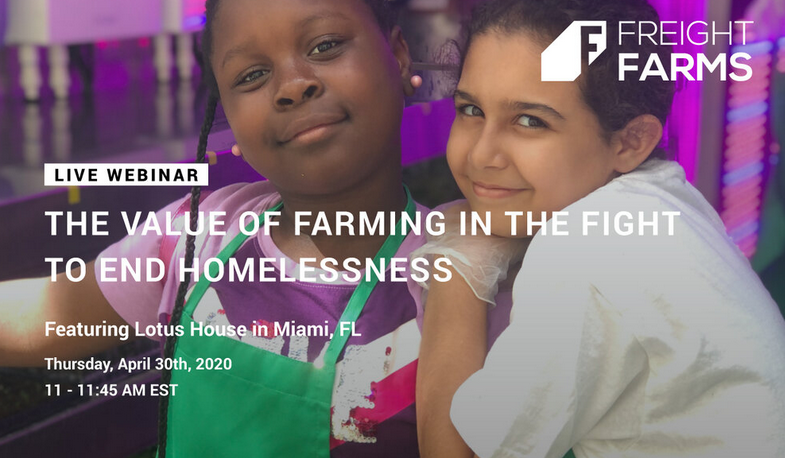
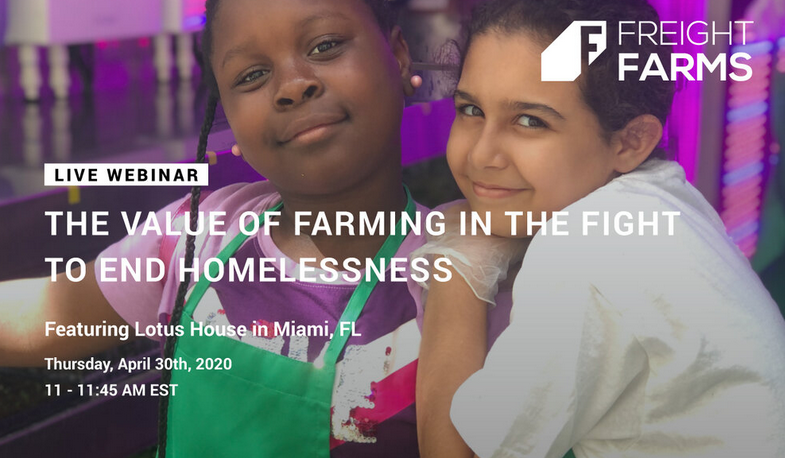
LIVE WEBINAR - The Value of Farming In The Fight To End Homelessness - Thursday, April 30th, 2020
The Value of Farming In The Fight To End Homelessness. Featuring Lotus House in Miami, FL
The Value of Farming In the Fight to End Homelessness
Hear how Lotus House in Miami brought a container farm to their community
11:00 - 11:45 AM EST
To Register, Please Click Here

Indoor Vertical Farming: The New Era of Agriculture
Indoor vertical farming can increase crop yields, overcome limited land area, and even reduce farming’s impact on the environment by cutting down distance traveled in the supply chain
As the world’s population grows exponentially, our total supply of fruits and vegetables is falling 22% short of global nutritional needs. Traditional farming methods are having difficulties meeting this demand as it faces increasing problems such as water shortage, land scarcity, and an aging farming population with decreased interest from newer generations. In recent years, controlled environment agriculture has experienced a surge of popularity as it presents a compelling solution to all these problems and more. Indoor vertical farming can increase crop yields, overcome limited land area, and even reduce farming’s impact on the environment by cutting down distance traveled in the supply chain.
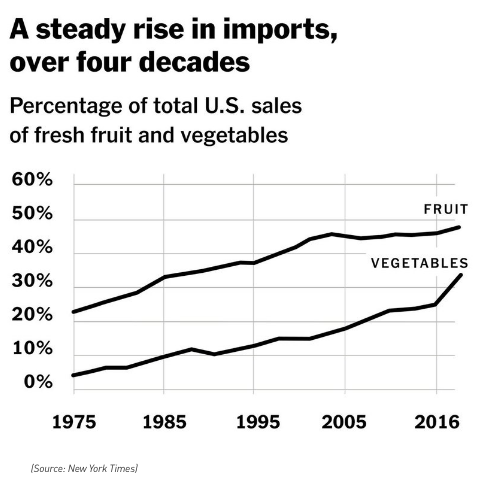
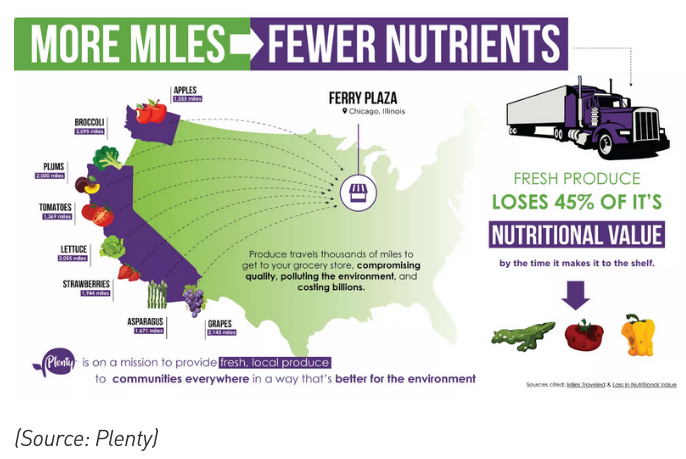
Currently, the United States imports 35% of produce and travels an average of 2,000 miles, taking roughly 2 weeks before hitting the grocery store shelves. Since indoor vertical farming is largely local, vegetables grown in these vertical farms are much more appealing and edible for a longer period of time. With an extensive list of benefits, indoor vertical farming has the potential to vastly improve the modern agricultural landscape.
What is Indoor Vertical Farming?
Indoor vertical farming can be defined as the practice of growing produce stacked one above another in a closed and controlled environment. By using growing shelves mounted vertically, it significantly reduces the amount of land space needed to grow plants compared to traditional farming methods. This type of growing is often associated with city and urban farming because of its ability to thrive in limited space. Vertical farms are unique in that some setups don’t require soil for plants to grow. Most are either hydroponic, where vegetables are grown in a nutrient-dense bowl of water, or aeroponic, where the plant roots are systematically sprayed with water and nutrients. In lieu of natural sunlight, artificial grow lights are used.
Vertical Farming Advantages
From sustainable urban growth to maximizing crop yield with reduced labor costs, the advantages of indoor vertical farming are apparent.
Reliable Harvests with Maximum Crop Yield
Recent technological advances in the agriculture space allow vertical farms to control every aspect of growing crops. Variables such as light, humidity, and water can all be precisely measured year-round. Since crops are no longer reliant on weather patterns, temperatures, or daylight, this means produce can be reliably grown 24/7. As food production around the world will need to increase by 70% by 2050 to feed the world’s population, vertical farming’s ability to maximize crop yields will be crucial in the future.
Reduced Labor Costs
Labor has always been a pain point in agriculture -- it’s one of the most expensive aspects of farming and the industry is currently experiencing a labor shortage. A survey conducted by the California Farm Bureau Federation found that 56% of farmers were unable to hire all the employees they needed at some point in the last 5 years. Vertical farming can significantly reduce labor needs, and therefore cost, by using robots to handle harvesting, planting, and logistics.
Optimized Energy Conservation
Vertical farms are built to optimize energy conservation by significantly reducing water and energy usage. Studies show that vertical farms use up to 70% less water than traditional farms, which is key in drought-prone zones. By using cameras and sensors, the data collected can help vertical farmers optimize light, temperature, and humidity levels to find the perfect balance necessary in producing food. Experts in sensor technology regularly tweak the environment inside vertical farms to increase productivity and enhance the food’s taste.
Sustainable, Environmentally Friendly Growth
Indoor vertical farms take up significantly less land space than traditional methods, which makes it appealing in local urban farming centers. The structures can be easily built close to large city populations, cutting down the amount of time and travel it takes for produce to reach the consumer. With a reduced supply distribution chain, food gets to the consumer’s table faster and fresher while also reducing its carbon footprint on the planet.
No Pesticides or Herbicides
Since indoor vertical farms are completely sealed off from the outside environment, there are virtually no pests. As a result, there is virtually no need for pesticides or herbicides. Food grown is healthier, safer, and certified organic, making it even more appealing to consumers.
Vertical Farming Companies
PLENTY
It is obvious that vertical farming is a beneficial alternative to traditional farming. The burgeoning industry is supported by leading venture capitalists, most famously seen in Softbank’s $200 million Series B investment in vertical farming startup Plenty. Plenty’s 52,000 square foot vertical farming facility paves the way for more vertical farming companies to bet on this industry.
AEROFARMS
This New Jersey-based startup has developed an aeroponic growing system that can grow without soil or sun, in any location. Aerofarms has proven to use 95% less water, 390 times more land efficient, 30 crops per season, and even the produce flavor is better. Each plant is monitored on more than 130,000 data points that are reviewed and tested using predictive analytics to improve their growing systems. With remote monitoring and controls in place, they have minimized the typical risks associated with traditional agriculture.
BABYLON MICRO-FARMS
Babylon Micro-farms provides an on-demand indoor farming service to make sustainable indoor farming more accessible than ever before. Their farms grow fresh produce 2x faster using 90% less water than conventional agriculture, without the use of pesticides or harmful chemicals. Their business model drastically reduces the upfront costs and expertise associated with indoor agriculture, powered by a patented IoT platform that remotely operates the ecosystem of farms.
SMALLHOLD
Smallhold provides retailers and restaurants with contained-environment vertical farm units that produce large amounts of mushrooms, herbs, and leafy greens with minimal labor. Their current product offering is with on-site mushroom production and can produce up to 120 lbs/week in the space of a bookcase. The mushrooms are certified organic and are competitive with conventional ways of growing.
Future of Vertical Farming
Vertical farming is a revolutionary and sustainable alternative to traditional agriculture. Although the AgTech technologies are new and still developing, it is a promising solution to many issues that plague the industry. New startups, backed by significant VC funding, are paving the way to deliver new solutions in efficiently delivering fresh and healthy food.
PlugAndPlay | By Linly Ku


Abu Dhabi Investment Office Announces Funding For LED Vertical Farm R&D
AeroFarms, Madar Farms, RNZ, and Responsive Drip Irrigation will receive AgTech-centric funding to further develop vertical farming techniques that can help feed the UAE region
AeroFarms, Madar Farms, RNZ, and Responsive Drip Irrigation will receive AgTech-centric funding to further develop vertical farming techniques that can help feed the UAE region.

Investment in LED-supported vertical farming begins to bloom in the UAE. (Photo credit: Image by Nattanan Kanchanaprat via Pixabay; used under a free license for commercial or noncommercial purposes.)
Apil 23, 2020
The Abu Dhabi Investment Office (ADIO) has announced $100 million in funding for what it calls “AgTech [agricultural technology] Pioneers,” each of which will build new research and/or growing facilities. The four recipients of the funding are AeroFarms, Madar Farms, RNZ, and Responsive Drip Irrigation (RDI), each of which will build new facilities in the Abu Dhabi emirate. The effort will leverage LED-based horticultural lighting and other technologies in an attempt to solve food supply issues in the UAE region and indeed around the globe.
AeroFarms, based in Newark, NJ, is a vertical farming specialist that we first encountered back in 2016. The company uses what it calls aeroponic technology to spray a mist of water and nutrients on the roots of plants. The company has been the beneficiary of other investment capital including $100 million from retailer Ikea’s investment fund.
In Abu Dhabi, AeroFarms will build a 90,000-ft2 facility that the company said will be the largest of its kind in the world. The company didn’t completely explain that statement, but we have noted of late that vertical farms come in different configurations. AeroFarms utilizes racks or shelves of plants stacked high, each with LED lighting directly over the cultivars. Others such as Plenty rely on plants grown in a vertical series of holes in a plastic pipe of sorts where water and nutrients flow top to bottom. Such a configuration has also been adopted by Freight Farms in shipping-container-based installations.
The UAE AeroFarms facility will grow commercial crops and serve in research. The company will focus on:
Advanced organoleptic research and precision phenotyping laboratory
Advanced seed breeding center
Phytochemical analysis laboratory
Machine vision and machine learning laboratory
Robotics, automation, and drones laboratory
“Our mission is to grow the best plants possible for the betterment of humanity, and this new cutting-edge R&D facility leverages our agriculture expertise and science-driven roots,” said David Rosenberg, co-founder, and CEO of AeroFarms. “We will be conducting leading research in plant science, vertical farming, and automation, accelerating innovation cycles and commercializing a diverse range of products. We will be partnering with major international companies, local universities, and AgTech startups to help solve some of the most pressing agriculture needs of our time, and AeroFarms is proud to play a pivotal role to help establish the Emirate of Abu Dhabi as a global hub for AgTech innovation.”
Tomatoes and microgreens
Moving to Madar Farms, months ago the company revealed plans to build an indoor LED-lit farm for tomatoes and microgreens in the Abu Dhabi industrial area near the port called Kizad. The grower will presumably turn to vertical farming techniques with tomatoes — an unusual choice. But we learned at our HortiCann Light + Tech Conference last year that cannabis yields have been shown to increase with shorter, more compact plants. Biomass has typically been the goal for both cultivars, which have traditionally been grown very tall — meaning they were not amenable to stacking in layers as they would in a vertical farm arrangement. However, the evaluated vertical farming techniques applied to those high-yield cannabis grow operations might produce similar results for tomato plants.
The remaining two firms will work more in an R&D capacity. RDI is perfecting a water delivery system designed to minimize water usage in sandy soils and on non-arable land. Meanwhile, RNZ, which is based in the region, will build a new R&D center hoping to increase yield.
Our HortiCann Light + Tech Conference is slated for Oct. 20, 2020, in San Jose, CA. Bruce Bugbee of Utah State University will deliver the keynote.
For up-to-the-minute LED and SSL updates, why not follow us on Twitter? You’ll find curated content and commentary, as well as information on industry events, webcasts, and surveys on our LinkedIn Company Page and our Facebook page.

Re-Engineering America's Fresh-Produce Supply Chain Post COVID-19 For Greater Resilience, Inclusiveness And Sustainability
The UN World Food Programme announced just last week that over a quarter of a billion people around the globe could suffer acute hunger by end of this year in large part owing to the coronavirus crisis — a doubling of the 130 million people estimated to experience severe food shortages last year
April 27, 2020
by Prof. Joel Cuello, Ph.D.
The UN World Food Programme announced just last week that over a quarter of a billion people around the globe could suffer acute hunger by end of this year in large part owing to the coronavirus crisis — a doubling of the 130 million people estimated to experience severe food shortages last year.
Such forecast makes all the more notable the three-way split screen that has been flickering in the news recently across the United States — showcasing barren shelves at grocery stores, miles of cars and people lined up at food banks, and milk by the millions of gallons being dumped in Wisconsin and Ohio as well as tons of fresh vegetables being plowed back into the soil in Idaho and Florida.
As jarringly incongruous and disturbing such split-screen images are, they have helped bring into stark relief the surprisingly sclerotic rigidity of the U.S. food supply chain amid the prodigious disruptions caused by the coronavirus pandemic.
At the heart of America’s fresh-produce supply-chain predicament in the time of Covid-19 are the double strands that make up this supply chain — running in parallel and perhaps even looping around each other, but never quite meeting and converging.
One supply-chain strand supplies the foodservice channels of restaurants, schools, hotels, offices, and coffee shops, while the second strand supplies the retail channels of grocery stores, supermarkets, and other retail outlets.
Never do these two fresh-produce supply-chain strands converge in normal times, but remain distinctly discrete and resolutely independent of one other.
And this explains how when Covid-19 shuttered in quick succession myriads of restaurants, schools, and coffee shops across the country, the producers and the roughly 15,000 suppliers that cater to the $300-billion U.S. foodservice industry are suddenly unable to sell the bulk of their produce.
And in attempting to pivot from the foodservice supply chain to the retail supply chain, they find themselves confronted, not only with the time-consuming and costly repackaging and relabeling requirements for their produce, but also with the daunting task under time duress of finding proper contacts as well as developing the needed contracts to deliver and sell their produce through the retail supply chain instead.
With many producers and foodservice suppliers completely unprepared and ill-equipped to accomplish the foregoing, many are forced to make the final dreadful choice of destroying millions of pounds of fresh food that they can no longer sell.
The industry trade group Produce Marketing Association estimates that approximately $5-billion worth of fresh fruits and vegetables have already gone to waste in the United States.
Thus, redesigning America’s fresh-produce supply chain post-COVID-19 to make it certainly more nimble and flexible in routing and rerouting as needed the logistical paths that connect from which farms to which tables is absolutely imperative.
Equally imperative in such redesign is also to make the fresh-produce supply chain definitively more inclusive and sustainable.
Here are six essential touchstones that should inform the much-needed re-engineering of America’s double-stranded fresh-produce supply chain after Covid-19.
(1) Regionally and locally-based— greater geographical proximity between the re-engineered supply-chain sources (producers) and sinks (retailers and foodservice providers) fosters increased resilience in terms of shorter distance, quicker access to produce, and allowing for time to repackage and relabel produce in events where there is need to switch supply-chain strands; proximity also promotes sustainability in terms of shorter food miles, lower concomitant greenhouse-gas emissions, less food waste during transport as well as greater produce quality and freshness;
(2) Inclusion of small and medium-scale producers— Addition of medium and small-scale producers in the re-engineered supply chain not only promotes economic inclusivity but fortifies the supply chain’s resilience given the relative ability of medium and small-scale producers to react more quickly and nimbly to projected changes in demands in the supply-chain sinks;
(3) Mixing of foodservice and retail clients in the chains— Combining to the extent possible foodservice and retail sinks in the re-engineered supply chains fosters resilience in regard to establishing and maintaining clients in both strands of the supply chain, and thus providing greater facility in events where produce needs rerouting from one supply-chain strand to the other.
(4) Inclusion of indoor and/or vertical farm producers— Addition of indoor and/or vertical farms significantly boosts the resilience of the re-engineered supply chain in terms of increased supply reliability (independent of weather, season, climate and geography), higher produce yield and quality, increased food safety owing to cleaner and controlled-environment operations, and amenability to the automation of operations for labor efficiency. The recent decision by Wendy’s, for instance, to source all of its tomatoes for all of its 6,000 restaurants across North America from indoor hydroponic greenhouses has helped enable the American fast-food company to uphold its motto of Always Freshby way of ensured quality as well as enhanced food safety, predictability, reliability and product traceability for its now far more dependable fresh-tomato supply chain;
(5) Linking producer farms with sources of renewable energy— Incentivizing and linking producer farms to ready sources of renewable energy, including solar and wind power plants, promotes enhanced environmental sustainability. Especially in temperate regions with reduced solar irradiance in certain periods of the year, producer farms may also be linked with wastewater treatment plants that generate renewable natural gas from digested organic wastes as exemplified by the Newtown Creek Wastewater Treatment Plant in Brooklyn, New York City; and,
(6) Certification of the supply chain nexus— Certification for resilience, inclusiveness, and sustainability (that is, a RISe certification) adjudicated and awarded by an independent body to supply-chain nexus of producers, suppliers and retail/foodservice clients would be a great boon to the fresh-produce distribution industry as well as to consumers, the general public and the environment.
With Covid-19 temporarily decimating the global economy and in the process exposing the vulnerability of partial paralysis of the American fresh-produce supply chain amid the chaotic disruptions wrought by the pandemic, a silver lining that has emerged is that America’s fresh-produce supply chain can very well be re-engineered for a much-needed upgrade — toward greater resilience, inclusiveness, and sustainability.
Dr. Joel L. Cuello is Vice-Chair of the Association for Vertical Farming (AVF) and Professor of Biosystems Engineering at The University of Arizona. In addition to conducting research and designs on vertical farming and cell-based bioreactors, he also teaches “Integrated Engineered Solutions in the Food-Water-Energy Nexus” and “Globalization, Sustainability & Innovation”. Email cuelloj@arizona.edu.

Meat And Veg Vending Machines Do Roaring Trade in Coronavirus Crisis
Vending machines for the Sunday roast, fish to your door and salads grown in car parks – British farmers and food producers are finding new ways to get their produce to the table during lockdown, changes that may yield benefits long after restrictions ease
Vending machines for the Sunday roast, fish to your door and salads grown in car parks – British farmers and food producers are finding new ways to get their produce to the table during lockdown, changes that may yield benefits long after restrictions ease.
Many UK farmers have been hard hit by the coronavirus crisis, despite the strong demand for fresh food. Before the lockdown, half of all food and drink was consumed outside the home, and switching from supplying big catering companies and distributors has been proving difficult.
But some farmers and food entrepreneurs are finding now is their time to shine, and the environmental benefits – and the profits – may encourage more to follow suit.
Two years ago Neil Stephen, from Inverurie, Aberdeenshire, invested in self-service vending machines dispensing everything from farmhouse cheese and shortbread (baked by his mother), to joints of meat, whole chickens and fresh fruit and vegetables.
He was inspired by his grandfather who, in the late 1970s, used to leave a wheelbarrow at the gates of the family farm filled with turnips and cabbages, and an honesty box for people to pay.
Now Stephen’s investment is paying off, as people are attracted to a hygienic system where the goods are neatly packaged in portions in a refrigerated unit, behind glass doors. They punch in the number, pay by card and the windows open for them to collect the goods.
Sales at Thorneybank Farm Shop are up fivefold, Stephen reports. “We were rushed off our feet. It’s worked phenomenally, it’s been stratospheric.”
The shop sells produce from neighboring farmers, too, with asparagus and strawberries coming from six miles away, and eggs and dairy from three miles down the road. They can make better profit margins than they would be selling to a big supermarket, without the hassle of door-to-door deliveries. The shop has a strong social media presence, and shoppers come from nearby Turriff town, while the city of Aberdeen is about 30 miles away.
Fishing is another industry hard hit by the Covid-19 crisis. In normal times, most of Britain’s catch is destined for overseas markets, from China to Spain, where the species commonly caught in UK waters appeal to consumers’ tastes. People in the UK have proved reluctant to move beyond cod, haddock and tuna, which mostly has to be imported.
The government has now announced £1m for English fishermen to set up new ways to sell their catch and find local markets. There are already schemes for distributing fresh-caught fish directly, such as SoleShare in London and Call4Fish, a service that operates from Berwickshire to Cornwall.
Food campaigners hope these services, where the fish on offer depends on what is caught by small boats, will encourage a more sustainable way of fishing, as consumers experiment with species less overfished than cod that might not previously have found a market.
One Londoner, Sebastien Sainsbury used to work in the investment banks that tower over Canary Wharf in London. Now he has a company, Plate to Crate, growing salad and other leafy greens in hydroponic towers in shipping containers, stacked up in air-conditioned units under heat lamps with conditions carefully monitored.
The containers seem more like labs than farms, with workers kitted out in protective gear, from boot shields to hairnets, to prevent pests getting in. As a result, lettuce, kale, pak choi and herbs are free from pesticides, insecticides and herbicides, and water use is 96% lower than in fields, with wastewater being used on local lawns.
The first harvest is due in May and, once all of the units are fully up and running, there could be 12 harvests a year, producing 15 to 18 tonnes from this site. Another will be producing soon in London’s Elephant and Castle, where a development of 3,000 homes will receive salad weekly from containers.
Sainsbury believes this is the future of fresh produce for fussy Londoners. “Younger people are more focused on where their food comes from, how fresh it is, what’s in it. This coronavirus crisis is an opportunity for us all to become aware of what we are eating.”
The Guardian | Fiona Harvey, Environment Correspondent | April 18, 2020


Vertical Farming Sector Struggles With Costs
The global market for vertically farmed produce is forecasted to grow from $ 781 million in 2020 to $ 1.5 billion by 2030, representing a CAGR of 6.85%, according to a new report from market intelligence firm IDTechEx, ”Vertical Farming: 2020-2030.”
22 April 2020
While the vertical farming sector has raised over $ 1 billion in funding since 2015, the sector faces huge challenges.
The first 5 articles are on us. This is article number 3 this month. After those, we like you to register using an e-mail address so you get instant unlimited access to all our articles. Simple, fast, and easy.
The global market for vertically farmed produce is forecasted to grow from $ 781 million in 2020 to $ 1.5 billion by 2030, representing a CAGR of 6.85%, according to a new report from market intelligence firm IDTechEx, ”Vertical Farming: 2020-2030.”
$ 1 billion in funding since 2015
According to IDTechEx, investors are responding enthusiastically, with the sector raising over $ 1 billion in funding since 2015. High profile investments include New Jersey-based start-up AeroFarms raising $ 100 million in 2019 to expand its aeroponic growing facilities, and Californian start-up Plenty raising $ 200 million in 2017 in a funding round led by SoftBank Vision Fund, along with backers including Jeff Bezos and Alphabet chairman Eric Schmidt.
In Asia, the industry is already well-established – in Japan, there are over 200 vertical farms currently operating, with industry leader Spread Co. Ltd. producing 30,000 heads of lettuce every day in its highly automated Techno Farm Keihanna plant. However, the Japanese market growth is likely to be slow, with growth in North America and China driving the industry.
Vertical farming sector littered with bankruptcies
However, despite this optimistic picture, the industry is facing challenges. The sector is littered with bankruptcies as companies struggle with the power costs of maintaining a controlled environment 24/7 and the difficulties of coordinating the labour-intensive process of running a vertical farm. Nevertheless, companies remain optimistic, with advances in lighting and automation technology helping to shape the future of indoor growing, states the report.
Power and labour costs
One of the main challenges for the vertical farming industry is, according to IDTechEx, the power and labour costs. Vertical farming companies face a difficult decision between the extremely high start-up costs of a highly automated facility to reduce labour costs and improve efficiency, versus a cheaper facility with less automation and higher labour costs.
The report states that very few vertical farming companies currently operate profitably. If investor enthusiasm dies down, companies that are not operating efficiently could suffer.
Vertical farming uses carefully controlled growth conditions to give yields far higher than normal agriculture. However, labour and electricity costs form challenges.
Another disadvantage of vertical farming is the fact that it is currently mostly limited to leafy greens and herbs – high-value crops that are easy to grow and where most of the mass of the crop can be eaten. “Whilst this is a valuable market in itself, it is unlikely to revolutionise global food production,” say the researchers.
Issues with sustainability
Vertical farming uses a lot of electricity. According to the report, this not only makes vertical farming expensive but also presents issues with sustainability, with the energy used in the process far outweighing the benefits of reduced transport through local production.
Of course, there are also advantages. For instance, vertical farming can grow more crops with less land and less water than conventional agriculture, with no pesticides, year-round. By tailoring growing conditions to the exact needs of the plant, vertical farming could give much higher quality crops.
Disrupt notoriously complex supermarket supply chain
And, according to IDTechEx, by producing crops efficiently near urban population centres, vertical farming could disrupt the notoriously complex supermarket supply chain. Currently, fresh produce travels hundreds to thousands of miles to reach consumers, losing freshness along the way, and increasing the risks of contamination. Vertical farming could provide much fresher produce with less risk.
Also read: What is the cost of vertical farming?

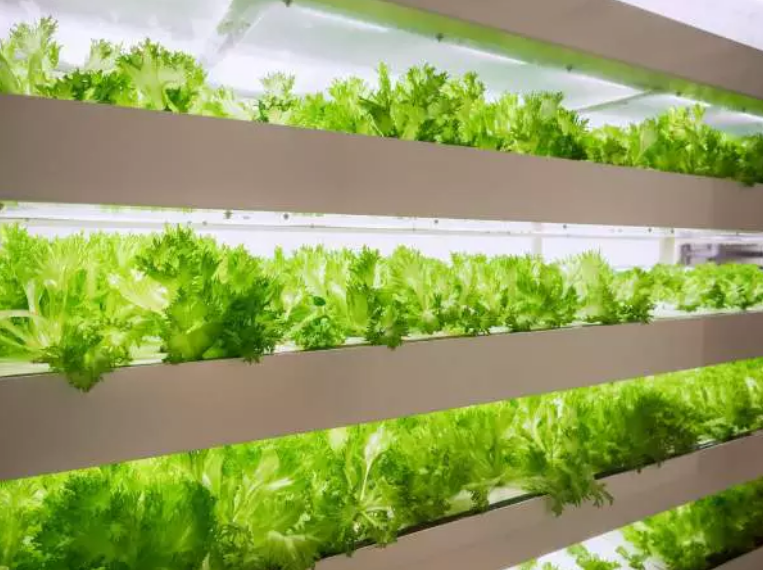
Is Vertical Farming The Future of Agriculture?
We’ve seen the rise of numerous innovations designed to improve our world and mitigate issues that come with a rapidly expanding global population. Vertical farms are part of a rising influx of ‘urban agriculture,’ which allows food to be grown closer to large population points
We’ve seen the rise of numerous innovations designed to improve our world and mitigate issues that come with a rapidly expanding global population. Vertical farms are part of a rising influx of ‘urban agriculture,’ which allows food to be grown closer to large population points. Now more people are recognizing the value of vertical farming, although few people understand what it really is. It’s got a ton of benefits, but we still have to weigh those against other factors to really determine if vertical farming can take over the future of agriculture.
What is vertical farming?
Vertical farms can take many different shapes and sizes, but they operate the same at their cores. First of all, in vertical farm crops, they aren’t grown horizontally (which you may have gleaned from the name), but in a stacked or tower formation. In tower-style vertical farming, plants are grown upward, intertwining into the lattice or supporting structure. In the stacked method, the vertical ‘stacks’ are basically growing trays, supported by shelves on top of one another. Vertical farms are maintained in indoor areas using Controlled Environment Agriculture, or CEA, techniques, and technology. This means that the farmer can control everything from heating to humidity, to light and watering cycles.
Vertical farms don’t use soil to provide sustenance to the plants. Instead, they rely on hydroponics to deliver nutrients to the plants. In hydroponic growing, water is saturated with a nutrient solution and cycled through the growing trays that hold the plants. Some vertical farms use aeroponics to provide nutrients to the plants. Aeroponics is a form of hydroponics, but rather than using a ‘flow’ of water, the water is pushed through pressurized nozzles. This creates small droplets that are delivered directly to the plants’ roots.
Many vertical farms are being established in homes, warehouses, multi-storied buildings, and specially designed constructions. In a lot of urban areas, vertical farms are being constructed and used as the new ‘rooftop garden’. The idea is to create a more ecological, accessible, and economical approach to mass food production.
What can be grown in a vertical farm?
Some crops, like grains, can be difficult to grow in closed, indoor systems such as a vertical farm. So for instance, wheat is not something that’s likely to thrive in a vertical farm. That being said, there are tons of plants and crops that flourish in vertical farms. The most common are leafy greens like spinach, kale, and lettuce because they grow quickly and produce large harvests without taking up much space.
Other vegetables (‘bulkier’ ones, if you will) can grow well in vertical farms if the environment is set up properly. Tomatoes have long been a favorite in vertical farms, and many vertical farms are also beginning to produce squash, peppers, and more.
Why choose vertical farming over traditional agriculture?
Vertical farming has plenty of advantages over traditional agriculture that makes it an attractive solution for food sourcing. First, and one of the biggest draws for the common populace toward vertical farming is how little space is needed in relation to the amount of crops that can be produced. By producing so much food in so little space, we’re able to free up a lot of land.
A company in Wyoming has even developed a vertical farm that produces the same amount of produce as a traditional farm while using only 1/10 of the space.
If we’re already using that land for farming, why should we convert to vertical farming?
We allow the soil to turn over more easily. Certain crops can be extremely draining on the nutrient contents of soil and have to be rotated with other crops simply to reinvigorate the soil. And depending on how quickly you see the population growing, that land just might come into high demand for housing or energy production. Just for reference, according to the UN, the population will be 9.7 billion by 2050, that’s up by 2.4 billion. And if you’re also paying attention to rising sea levels (you may have heard of certain states that will be losing some valuable coastline), arable land at higher elevations could become prime real estate.
Vertical farms also leverage more ecological techniques for farming.
Since almost all vertical farms use either hydroponics or aeroponics to sustain plants, there’s very little water usage (certainly in comparison to field agriculture). To put it into perspective, vertical farms typically use about 90% less water than soil farms. Some vertical farm innovators have even claimed that their farms use up to 98 or 99% less water.
Thanks to their inside locations, vertical farms have another advantage. They’re more or less protected against the threat of pests and contamination. That means a few things:
First, an entire crop won’t be destroyed as a result of pests and infestation. Second, pesticides and chemicals aren’t necessary since being indoors will eliminate the threat of pests. And third, since harmful chemicals aren’t being used, we’re protecting the surrounding ecosystem. Field agriculture can have a lot of negative impact on the environment around it when pesticides are used, and runoff goes into natural water sources. Vertical farms don’t have the possibility of creating this collateral damage.
Vertical farms also provide the possibility of a more centralized food production system. Right now, most food is transported across great distances to reach the stores where consumers then purchase it. That makes food more expensive, but it also means that we have to rely on fossil fuels. In turn, that means the ‘footprint’ on our food is higher since we’re producing more emissions to deliver it.
They can produce consistently, regardless of the season
Field agriculture is primarily a seasonal endeavor. There are summer crops, autumn crops, and so on, but you can’t grow it all at once. If you’re farming indoors with Controlled Environment Agriculture, as you’d do with a vertical farm, this becomes a non-issue. Farmers using CEA can consistently produce plentiful harvests year-round, without natural events disrupting their farm. Not only that, the harvests are predictable and reliable. This makes it easier to plan food production and deliver on the demand.
What does it take to make a vertical farm?
Vertical farms are different than other at-home farming and gardening systems. The way that vertical farms are being used today is mostly as large, commercial-scale food production sites. You can always implement vertical growing techniques at home, but to get a large scale facility built it takes a bit more to get it going. Some companies specialize in creating vertical farm systems, while others self-establish theirs. In either case, it can be a large (but worthy) endeavor. Plants aside, here are the main components of a vertical farm:
Space
Finding a large space to support a vertical farm is the first step in establishing one. Whether created out of a government initiative or by an entrepreneur, finding a space can be a process. While there are plenty of empty buildings around, they have to find one that can be converted with minimal cost. That means checking for structural damage, damp, proper insulation, proximity to reliable power, etc.
The equipment
Depending on the level of automation, the equipment will vary a bit. However, a vertical farm still needs plenty of supports to hold the plants, which will take up the bulk of the space alongside the plants. Then there need to be ventilation systems in place to prevent rot, fungus, and disease. In almost every instance there’s also going to be a heavy amount of artificial ‘grow’ lighting needed.
Then, hydroponic or aeroponic systems need to be set up to provide sufficient nutrients to the plants. The ways of setting the watering systems up can be very different. Some vertical gardens even use rotating racks (upon which the plants are held) that alternate plants through aeroponic cycles. Other vertical gardens use a more traditional hydroponic method, leaving the plants in place and putting them through ‘flood and drain’ cycles.
The labor
This is by far the most neglected consideration of a vertical farm. Now, vertical farms are sustainable, efficient systems and a lot of automation contributes to their success. But no matter how advanced the automation and machine monitoring is, we can’t leave them unattended.
Vertical farms still need a set of human eyes (or several sets, ideally) keeping a lookout for plant health and potential machine errors. Workers often have to dress in protective clothing to prevent contamination to the plants, keeping that benefit of indoor agriculture. In some vertical farms the workers are responsible for more manual tasks (such as examining roots or testing samples), but all require at least some human help in their maintenance.
In fact, human labor is one of the largest components of a vertical farm. In comparison to soil agriculture, the amount of labor required still ranks as minimal. That being said, human labor is currently one of the top expenses in maintaining a vertical farm. Lighting is still number one, but the cost of human labor comes in as a close (and critically important) second.
Planned and Established Vertical Farms
Not everybody’s there yet, but that doesn’t mean there aren’t already successful vertical farms being created around the world. Just to add a little perspective, we should talk about a few really innovative ones worldwide. First, let’s talk about the next big up-and-comer, Dubai:
Dubai
Dubai is a country wherein a gross majority of its foodstuffs have to be imported (currently about 75%). In an effort to mitigate this costly but necessary process, a new vertical farm is in the works. The facility will be called Crop One, and feature 130,000 square feet (yes, that’s correct) of vertical farm space. The size is more than double any previously seen, and plans are in the works to develop solar energy programs to power it eventually.
Sunqiao, Shanghai
Sunqiao is an urban, agricultural district being planned in Shanghai, China. This project incorporates vertical gardens on a massive scale, showcasing agriculture that looks like a forested skyscraper. Plants will be grown in tall towers, floating greenhouses and gardens, green walls, and basically any other type of vertical or hydroponic growing you can imagine. These systems are becoming a popular solution to the growing demand of food production in China’s densely populated urban areas.
DakAkker, Rotterdam
This vertical farm is a rooftop system that began in 2012. The unique thing about this vertical farm is that not only does it support the urban area’s plant biodiversity, it also considers the issue of diminishing bee populations. It uses technology in an innovative solution called a ‘smart roof.’ Basically, the smart roof holds a greater water capacity than most vertical rooftop gardens, and employs a sensor to ensure plants receive an adequate water supply. Because bees are not only facing a survival crisis, but are also critical to pollination, there are six beehives also located on the roof.
What’s holding back the development of vertical farms?
The uptake on vertical farming is growing, although there are critics of the systems. Depending on the level of automation especially, vertical farms can have a fair cost with their set up. That being said, they don’t have to be expensive endeavors. A small, start-up vertical farm (we’re talking around 100 square feet or so) can cost a few thousand dollars to begin and run for a year. Even still, for the hobbyist gardener that can seem like a lot.
While vertical farms do a good job of using only a small percentage of the water used in field agriculture, they have a lot more energy costs. Being indoor, these farms need supplemental heat, lighting (almost guaranteed to be the highest expense of a vertical farm), and plenty of regulation. Electric costs can be cut, but only if the farmer invests in solar technology to help power the vertical farm.
It’s also important to recognize that while we love innovation, as humans we’re pretty much creatures of habit. That means that outside of agriculture, infrastructure, and public works professions, a lot of people don’t see the need to construct new vertical farms. That’s especially true when we realize that no matter the source, they’re still getting their produce at the supermarket. Plus, a lot of people just plain don’t ‘get’ the point of vertical farms. As with anything else, unfamiliarity often breeds hesitancy.
What’s in the future of vertical farming?
Like anything else that uses technology, the future is likely to bring a lot of innovation and improvement. We can expect to see even greater efficiency, larger-scale farms, more technological additions, and (hopefully) a more widespread understanding of the value of vertical farms.
There are already systems in place that allow a high level of monitoring and control of these farms, even remotely. From apps to advanced computer programs that detail everything from humidity levels to expected crop production, the technology exists. What we can certainly expect is to see greater accuracy, and a greater influx of its use.
Vertical farms and hydroponic growing systems are much more common in some urban areas (such as cities in Asia) than in others (such as the United States). We can expect to see more vertical farms being established as time goes on. Some regions will adopt these farms more quickly, but worldwide they will gradually become more commonplace.
While vertical farms are already quite efficient compared to soil farming, the future of vertical farming is heavily invested inefficiency. As we innovate more with technology, efficiency naturally follows. For example, even our LED lighting (while already pretty efficient) is more advanced and efficient than only a few years ago. Our current LED lights are up to 40% more efficient than those produced in 2014. That’s a notable improvement for a few years’ time.
The next big increase in efficiency is likely to be in the overall energy consumption. Although still in the works, many companies are developing energy systems for vertical farms that either rely on solar energy or use solar energy to supplement power to the farms.
So, can vertical farming takeover for traditional agriculture?
Well, that answer is kind of a mixed bag. In some ways, it already has. People are starting to recognize that the future of food production is changing. The future of food production is a great many things. And yes, vertical farming is one of them.
Here’s the thing:
We have a global situation where we’re faced with an inevitable ultimatum: evolve and flourish, or become obsolete. As we humans are pretty driven for survival, evolving and flourishing seems to be an attractive option. When we’re talking about the future of our agriculture, it’s far better to get ahead early rather than start too late. That means adopting new farming methods, like vertical farming, is going to be critical to our global well-being.
The Hydroponics Planet | By Oscar Stephens | March 7, 2019

Japanese Autotech Giant Denso Invests in Certhon
Denso, the second-largest advanced automotive technology supplier in the world, has announced its investment in Certhon, to expand horticulture business in the global market
Denso, the second-largest advanced automotive technology supplier in the world, has announced its investment in Certhon, to expand horticulture business in the global market. Denso and Certhon will collaborate to develop and provide greenhouse solutions.
Through this capital alliance, and combined with Certhon’s horticulture business knowledge, Denso will develop next-generation greenhouse technologies, such as fully automated indoor farming, and sell greenhouse package solutions tailored to the diverse needs of countries across the world.
Denso’s Long-term Policy 2030 launched in 2017 has identified the non-automotive business as one of its four focus areas and has defined agriculture as a key pillar under the non-automotive field. Until now, Denso has contributed to the improvement of productivity in the agricultural field and the stabilization of cultivation environments through climate control technologies.
As part of that, AgriD, established in 2018 with Asai Nursery, has built one of the largest greenhouses in Japan to realize greenhouse operations 24/7 through cooperation between farmers and robots to reduce the amount of work. Moreover, Denso has started the demonstration of the automatic harvesting robot “Faro” developed by Denso.
In the future, Denso will contribute to sustainable agricultural production through industrialization, and will provide new value to the agri-food sector by establishing an integrated food value chain business.
For more information:
Certhon
www.certhon.com
Denso
www.denso.com
Publication date: Wed 1 Apr 2020

CONTAINER FARMS: Indoor Vertical Farmer Grows Local Lettuce For Hospitals in Florida During COVID-19
Matthew Kaercher got intrigued by the hydroponics system which he saw at Disney’s Epcot Center back in 2010. “I can do much better than that!”, he said. Since then, he immersed himself in the world of hydroponics and vertical farming
April 7, 2020


Matthew Kaercher got intrigued by the hydroponics system which he saw at Disney’s Epcot Center back in 2010. “I can do much better than that!”, he said. Since then, he immersed himself in the world of hydroponics and vertical farming. Once he was ready to scale, he bought his first vertical farm from Urban Crop Solutions. Now, his company has 4 different container farms (3 x FarmPro and 1 x FarmFlex) and one of his biggest clients is a hospital group in the Tampa Bay Area.
Who are your customers and what do you grow?
Our main customer is a hospital group in the Tampa Bay area, and we deliver to various restaurants and restaurant chains as well. We mostly grow different varieties of lettuce, microgreens, and some basil.
Why did the hospital group decide to work with you?
The hospital group wanted to boost sustainability on a local level. Their initial idea was serving lettuce only for doctors and nurses, but they underestimated how much one vertical farm can produce. As a result, our lettuce is sold across their cafeteria, salad bars and is used in meals for patients.
The main reason why they opted for our produce is that it is local and fresh (we harvest in the morning and deliver it in the afternoon). Various people from the hospital chain visited the farm to see how it’s produced. When they saw the automation and how food safety risks were much lower than in conventional farming, they were instantly convinced.
Did the Coronavirus impact the deliveries you were making to the hospitals?
The hospital group closed their salad bar when the Coronavirus problems started, so now they use our lettuce in the to-go salads instead. In March, one of the hospitals wanted only 50% of their typical delivery. In this case, we reviewed which hospitals needed more lettuce that day, and redistributed it to who needed more. That’s the immense benefit of working with a hospital group.
Currently, we still deliver to them from Monday to Friday, which is the same frequency as always. One of their other food distributors can’t deliver as often as they normally did, so they are grateful to have Urban Crop Solutions as one of their suppliers who can ensure continuous food supply.
Did it impact your other deliveries?
The demand for microgreens went down because they were served only to restaurants. Many restaurants use microgreens to decorate the meals, but they don’t work well in to-go meals due to the trapped steam [in the package] which makes the microgreens wilt.
For those considering buying a vertical farm, what kind of clients should they search for to be able to continuously deliver?
There isn’t really a perfect target market because every place is different. Every country, state, and even city can have a different situation and you can’t generalize. We prefer chains of restaurants or hospitals because they offer an uninterrupted order every week. The farmer’s market in St. Pete [every Saturday, in St. Petersburg, Florida] is seasonal, from October to May. Besides, we would take into consideration the impact of the weather on the opening and closing of the market. This is the reason why we didn’t choose to sell there, as we preferred to have clients who always need our produce year-round. This doesn’t mean that local markets won’t work out for you in the city where you are. Look at your unique situation. Another example is that CSAs [Community supported agriculture] are more popular in the North East [of the US] than here [in Florida].
What do you recommend to people whose clients are/will be restaurants?
Take notes of what is happening now. Who’s closing permanently? Who does take-home food? Look at Instagram, Facebook. How many followers do they have? It’s important to know that, as these are the people who will support you in the end as well. While restaurant groups seem to work better as they have more money saved and are going in for the long run, this is not always the case. For example, one of our clients is a restaurant where they barely have 20 places to be seated. Now, during the pandemic, they are flooded with take-out requests due to their marketing efforts. Social media is key.
Do you have any other advice for current farmers during these times?
Approach it day by day: address, plan and adapt. Focus on everyone in the market and not just one area. A lot of farms focus on supermarkets, restaurants, and retail. Focusing on organizations in the community is also beneficial and important.
Get creative in times like these
Remember that there is no secret formula
Any other thoughts about what’s going on now?
This pandemic situation got me thinking: which organizations would we like to work with in the future? Our company will take this more into account than before. However, most importantly, we are grateful to be able to serve society and help improve the situation, at least a little bit.


Madar Farms Receives Investment As Part of Abu Dhabi Investment Office's Drive To Accelerate The Growth of The Emirate's Ag-Tech Industry
The investment is part of ADIO’s AED 1 billion AgTech Incentive Programme to accelerate the growth of the emirate’s burgeoning AgTech ecosystem and promote innovation in desert agriculture that is locally relevant and globally exportable
Abu Dhabi, Monday 13 April 2020
UAE-based AgTech company, Madar Farms has partnered with the Abu Dhabi Investment Office (ADIO) to support the operation of the world’s first commercial-scale indoor tomato farm using only LED lights and a new research facility to help in accelerating the AgTech industry in the UAE and the region.
The investment is part of ADIO’s AED 1 billion AgTech Incentive Programme to accelerate the growth of the emirate’s burgeoning AgTech ecosystem and promote innovation in desert agriculture that is locally relevant and globally exportable.
It will be used towards developing the world’s first commercial-scale indoor tomato farm that will use only LED lighting to grow. The facility is currently under construction at Khalifa Industrial Zone Abu Dhabi (KIZAD) and set to open by the end of this year.
The facility will also see Madar Farms triple the quantity of its microgreens and grow a wider variety of products, increasing its operations in developing local food for local consumption.
The investment will also support a new Research and Development (R&D) facility that will enable Madar Farms to quantify production output measured against environmental inputs (water and electricity). Currently, Madar Farms has an established R&D facility at Masdar City in Abu Dhabi.
Madar Farms is one of four AgTech innovators to receive investment from ADIO in the latest award of financial packages from its AgTech Incentive Programme, established under the Abu Dhabi Government’s Ghadan 21 accelerator program. ADIO will invest AED 367 million (USD 100 million) in total in four AgTech companies building facilities in Abu Dhabi as part of this round.
Since launching in 2017, Madar Farms has been leading a new agriculture revolution by using advanced methods to grow local high-quality fresh produce with cutting-edge farming technologies on its hydroponic-vertical systems.
As well as providing a holistic approach to sustainability, Madar Farms also works with the wider industry and education authorities to support the UAE government’s National Food Security Strategy 2051 that aims to solve the region’s food problems and provide enough nutritious food all-year-round.
Abdulaziz AlMulla, CEO and co-founder of Madar Farms, said: “It is a privilege to be recognized by ADIO for our efforts in tackling food and water security challenges in the UAE and the region and turning the Late Sheikh Zayed vision into reality. This shows that we are going in the right direction and with food sustainability becoming more important, we are more determined to build on this achievement.
“This investment will enable us to significantly scale up our operations in the UAE as well as put the skills and knowledge we have gained over the last three years into researching long-term, sustainable solutions for complex food security challenges in the region.
“As well as strengthening our position as a key player in the UAE’s AgTech industry, our ambition is to be leading a new agricultural revolution in different countries in the GCC region and this investment is a step forward to helping us achieve this.”
H.E. Dr. Tariq Bin Hendi, Director General of ADIO, said: “We are proud to partner with Madar Farms to support the continued commercialization of its innovative AgTech solutions in Abu Dhabi. The investment will enable Madar Farms to scale up its capabilities and contribute to expanding the supply of sustainable, quality local food in the region. AgTech is a priority sector for the Abu Dhabi Government, and Madar Farms will be a key player in the growth of the ecosystem over the coming years.”
About Madar Farms
Madar Farms is a local company providing a holistic approach to sustainability to help tackle food and water security challenges in the region.
With offices in Dubai and a research and development center in Abu Dhabi, Madar Farms offers products and services that help drive responsible sourcing, environmental ownership, and social impact. This purpose-driven offering is underpinned by the application of innovative AgTech.
Madar Farms also operates the Sustainable Futures program, a hands-on, localized, easy-to-integrate sustainability curriculum that uses food to explore a wide range of topics across the sustainability agenda. This school program is designed to empower the next generation with the awareness, knowledge, skills, and behaviors to create a sustainable future for us all.
Keep up to date with the latest news and events from Madar Farms on LinkedIn, Instagram and Facebook

Indoor Ag-Con Postponed Until Later This Year
Ensuring the safety of our exhibitors, speakers, attendees and customers is our primary focus
In light of the ongoing COVID-19 impact, the May 18-20, 2020 edition of Indoor Ag-Con has been postponed and will be rescheduled to run later this year. The organizers are actively working to secure new 2020 dates and will announce them as soon as they are finalized.
"Ensuring the safety of our exhibitors, speakers, attendees and customers is our primary focus. We are following the suggestions of the U.S. and state public health guidelines as they are developing", they share in an update.
"As the COVID-19 situation is evolving, we strongly advise that all exhibitors and visitors review the U.S Centers for Disease Control and Prevention (CDC) travel health notices related to this outbreak – https://www.cdc.gov/coronavirus/2019-nCoV/"
"Our team is continuing to monitor the situation and we will follow-up with customers as needed if the advisories change."

For more information:
Indoor Ag-Con
404.991.5186
hello@indoor.ag
indoor.ag

Publication date: Mon 6 Apr 2020

VIDEO: National Geographic - Earth Day - Jane Goodall
The sweeping documentary special highlights Dr. Goodall’s vast legacy of four decades transforming environmentalism, nonhuman animal welfare and conservation through her innovative approaches, becoming a worldwide icon.
“You cannot get through a single day without having an impact on the world around you. What you do makes a difference, and you have to decide what kind of difference you want to make.” —Jane Goodall
Join Jane Goodall as she travels the world, calling us all to activism on behalf of wildlife and the planet.



50th Anniversary of Earth Day - 25 Earth Day Facts - Plus, How To Help The Planet Even While 'Social Distancing'
This year marks the 50th anniversary of Earth Day! Every year on April 22, people around the world mobilize to address some of the most urgent threats facing our environment, from climate change to deforestation to plastic pollution. We’re taking a look at what you need to know about this year’s Earth Day events, as well as looking at some fascinating Earth Day facts.
This year marks the 50th anniversary of Earth Day! Every year on April 22, people around the world mobilize to address some of the most urgent threats facing our environment, from climate change to deforestation to plastic pollution. We’re taking a look at what you need to know about this year’s Earth Day events, as well as looking at some fascinating Earth Day facts. In light of the coronavirus crisis limiting large, in-person gatherings, Earth Day celebrations will be going digital this year, according to the Earth Day Network, the organization that coordinates official Earth Day events around the world.
“At Earth Day Network, the health and safety of volunteers and participants in Earth Day events is our top concern. Amid the recent outbreak, we encourage people to rise up but to do so safely and responsibly—in many cases, that means using our voices to drive action online rather than in person,” Kathleen Rogers, president of Earth Day Network
“Whether it be coronavirus or our global climate crisis, we cannot shut down,” she added. “Instead, we must shift our energies and efforts to new ways to mobilize the world to action.”
Related: Inspiring Quotes for Earth Day
In honor of Earth Day’s milestone anniversary, here are 25 facts about the history of Earth Day, as well as facts about the environment that may serve as a wake-up call for action.25 facts about Earth Day
1. Gaylord Nelson, a senator from Wisconsin, founded Earth Day in 1970 to raise public consciousness about environmental concerns such as pollution, oil spills and vanishing wildlife. He tapped into the energy of the anti-war movement, framing Earth Day as a “national teach-in on the environment.”
2. April 22 was chosen as the date for Earth Day because it fell between Spring Break and final exams, and organizers wanted to maximize student involvement.
3. Twenty million Americans, or about 10 percent of the country’s population at the time, took part in events and demonstrations on the first Earth Day.
4. The first Earth Day pushed environmental concerns onto the national agenda. That same year, Congress authorized the creation of the U.S. Environmental Protection Agency.
5. The first Earth Day in 1970 inspired the passage of the Clean Air, Clean Water and Endangered Species Acts, according to the EPA.
6. The theme for Earth Day 2020 is Climate Action.
7. Around 1 billion people take part in Earth Day activities around the world every year.
8. In the lead-up to Earth Day this year, millions of people worldwide will participate in Earth Hour on March 28. At 8:30 p.m. local time, people will participate in events and demonstrate their commitment to the planet. In past years, Earth Hour gatherings have contributed to real policy changes, including the creation of a marine protected area in Argentina and environmental protection legislation in Russia.WWF’s Earth Hour is the world’s largest grassroots movement for the planet that gives us an opportunity to demonstrate our commitment to the planet. In light of the coronavirus crisis, Earth Hour will be celebrated digitally this year.
9. On Earth Day in 2011, people planted 28 million trees in Afghanistan as part of a “Plant Trees Not Bombs” campaign.
10. Since the first Earth Day, average annual temperatures in the contiguous United States have been warming at a rate of 0.45°F per decade.
11. Humans today use about 50 percent more natural resources than we did 30 years ago, according to a report from Friends of the Earth.
12. Animal species populations saw an overall decline of 60 percent worldwide between 1970 and 2014, due to habitat loss, pollution, climate change and other factors, according to the WWF.
13. 2019 was the second-hottest year on record worldwide, just behind 2016, according to the National Oceanic and Atmospheric Administration.
14. Twenty of the warmest years on record worldwide have occurred in the past 22 years, according to Climate Central.
15. Scientists estimate that dozens of plants and animal species go extinct each day due to human activity.
16. Rising global temperatures are leading to more extreme weather events, including more intense wildfires and more frequent, high-intensity hurricanes, according to the Earth Day Network.
17. The world’s population is expected to increase from 7 billion today to 9 billion in 2020, which will only increase the impact of human activity on the environment, according to the Organisation for Economic Cooperation and Development.
18. Today’s average American generates about 4.5 pounds of trash per day, compared to 2.68 pounds in 1960, according to the EPA.
19. Food accounts for 10 to 30 percent of a household’s carbon footprint, due to the emissions involved in food production and transportation, according to the Center for Sustainable Systems.
20. U.S. automobile fuel economy increased 24 percent between 2004 and 2017.
21. You can improve your car’s fuel economy by 7 to 14 percent simply by obeying the speed limit.
22. Electronic devices plugged in on “standby” mode can account for 5 to 10 percent of a household’s energy use.
23. Using a dishwasher is more eco-friendly than hand-washing dishes, according to a recent study from the University of Michigan.
24. Nearly 80 percent of all plastic waste ever created by humans is still in the environment, according to Recycle Now.
25. More than 30 countries and regions have introduced bans on disposable plastic bags to fight plastic waste, according to Greenpeace.
Parade | By Lindsay Lowe | April 19, 2020


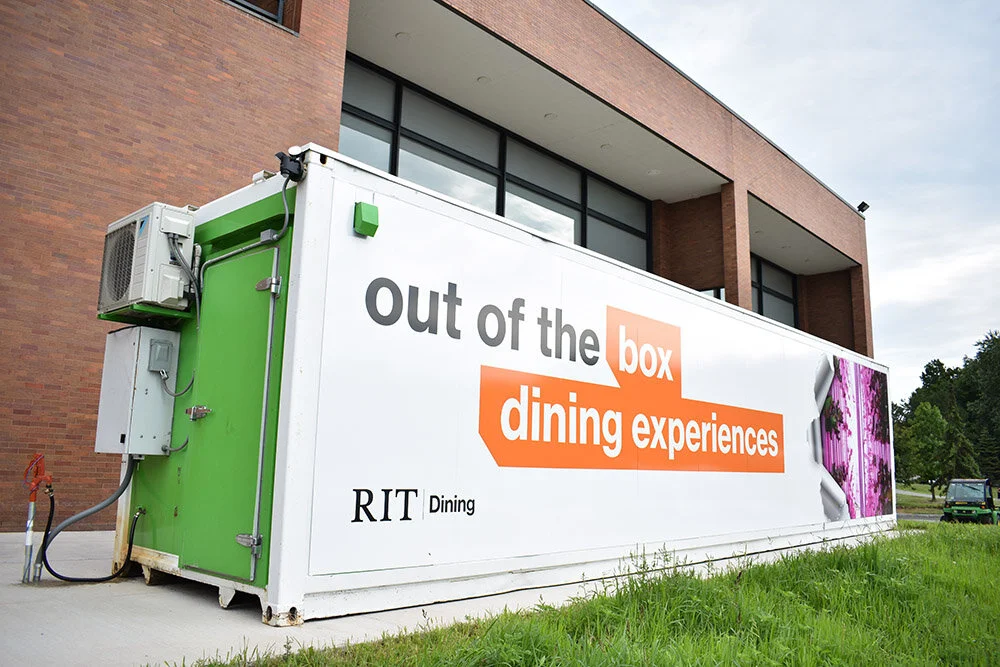
The Global Food Revolution Is Vertical
OVER $1 BILLION in investments into vertical farming worldwide have been raised in the last five years
17th April 2020
Vertical farming supporters believe this method of indoor growing could revolutionize global food production
OVER $1 BILLION in investments into vertical farming worldwide have been raised in the last five years.
Growing plants indoors is by no means a new concept; however, vertical farming allows operators to stack plants in layers to reduce space, practice soil-free growing techniques and to exert absolute control of the environmental growing conditions – using artificial lighting instead of relying on the sun.
With more and more people concerned about reducing their carbon footprint, supporters of vertical farming believe this method could revolutionize global food production by eliminating food miles, enabling crop growth next door to urban centers and achieve yields hundreds of times higher than conventional agriculture without requiring pesticides.
At the moment, fruit and vegetables often travel thousands of miles to reach consumers, losing freshness and quality along the way and increasing the risk of contamination.
Investors are responding enthusiastically to the development of this concept, with the sector raising over $1 billion in funding since 2015. High profile investments include New Jersey-based start-up ‘AeroFarms’ raising $100 million in 2019 to expand its aeroponic growing facilities, and Californian start-up ‘Plenty’ raising $200 million in 2017 in a funding round led by SoftBank Vision Fund, along with backers including Amazon founder Jeff Bezos and Alphabet chairman Eric Schmidt.
Across the Pacific, the industry is already well-established – in Japan, there are over 200 vertical farms currently operating, with industry leader Spread Co. Ltd. producing 30,000 heads of lettuce every day in its highly automated 'techno farm' Keihanna plant.
However, despite this optimistic picture, the industry is facing challenges. The sector is littered with bankruptcies as companies struggle with the power costs of maintaining a controlled environment 24/7 and the difficulties of coordinating the labor-intensive process of running a vertical farm. Nevertheless, companies remain optimistic, with advances in lighting and automation technology helping to shape the future of indoor growing.
Political Affairs Editor

Valoya Announces Addition of A Former Conviron VP To Its Board of Directors
Its Board of Directors will now be strengthened with the addition of Mr. Bill Mukanik, former VP Client Services at Conviron, one of the world’s leading growth chamber manufacturers and also Valoya’s long term partner
Valoya, the Finnish LED grow lights manufacturer has been steadily growing since its founding 11 years ago. Its Board of Directors will now be strengthened with the addition of Mr. Bill Mukanik, former VP Client Services at Conviron, one of the world’s leading growth chamber manufacturers and also Valoya’s long term partner. Mr. Mukanik brings to Valoya’s Board of Directors team over 40 years of experience in the crop science market.

I look forward to working with Valoya to expand their presence and market share in North America. Having successfully integrated their LEDs for many years, I witnessed firsthand their ability to understand a client’s needs and then provide proven research-driven solutions. I am confident that this capability, along with their desire to provide exceptional value, will lead to even greater success. – Bill Mukanik
Mr. Mukanik’s longlasting experience in the crop science market will help Valoya solidify its position as the global leader of horticultural LED lighting solutions for this segment. As a highly respected and seasoned executive with a valuable understanding of the needs of the crop science customers, Mr. Mukanik will help Valoya serve this market even better. This addition to the Board of Directors comes at the stage of the company’s rapid development.
“I am very pleased and honored, that Bill joins our Board of Directors. He brings very valuable and relevant knowledge and vision to Valoya. He has an extensive global network and unsurpassed insight into the North American indoor growing and plant research markets. I have had the pleasure of working with him already many years in another capacity and now I am happy to continue working with him in his role as a Valoya board member” comments Lars Aikala, the CEO and Co-Founder of Valoya.
About Valoya
Valoya is a provider of high end, energy-efficient LED grow lights for use in crop science, vertical farming, and medicinal plants cultivation. Valoya LED grow lights have been developed using Valoya's proprietary LED technology and extensive plant photobiology research. Valoya's customer base includes numerous vertical farms, greenhouses and research institutions all over the world (including 8 out of 10 world’s largest agricultural companies).
Additional information:
Valoya Oy, Finland
Tel: +358 10 2350300
Email: sales@valoya.com
Web: www.valoya.com
Facebook: https://www.facebook.com/valoyafi/
Twitter: https://twitter.com/valoya
The Microgreens Show Episode 17 - Urban Farm $6000/wk To $250/wk
He will explain how the urban farm went from making $6000/wk to $250/wk
Visiting Vertical Farm On The West Side Of Chicago to interview CEO Mark Thomas.
He will explain how the urban farm went from making $6000/wk to $250/wk.

Can Vertical Farming Help In The Battle Against COVID-19?
For vertical farming companies, the increasingly-evident pressures facing the world’s food supply chains are confirmation of what they were already saying: resilient supply chains are hyper-local supply chains, especially when it comes to fresh produce
April 17, 2020
Companies of all stripes are rushing to respond to the threats (or opportunities) posed by the widening coronavirus pandemic. For vertical farming companies, the increasingly-evident pressures facing the world’s food supply chains are confirmation of what they were already saying: resilient supply chains are hyper-local supply chains, especially when it comes to fresh produce.
But there is also a more direct way vertical farmers want to confront the virus; they could be crucial in developing and manufacturing rapid testing kits, vaccines, or even a cure, according to pharmaceutical companies.
Inno-3B, a Quebec-based vertical farming equipment design company that has over the last year been developing a turnkey solution for plant-based pharmaceutical companies, is claiming to have diverted its focus onto confronting Covid-19 head-on. To do this, the firm has teamed up with biopharmaceutical businesses PlantForm Corporation, Cape Bio Pharms and Biopterre.
Growing monoclonal antibody treatments in vertical farms
Inno-3B plans to build and operate a pilot molecular farm at its 35,000 sq. ft facility located in St-Pacôme, QC. This facility will be the site where these firms develop what they call “a monoclonal antibody treatment” for COVID-19 patients. They will also develop “prophylactic applications” for first responders and other health-care personnel who require immediate protection.
“Speed and efficiency are of the essence right now,” Inno-3B CEO Martin Brault tells AFN. Intriguingly, the idea owes much to tobacco. The tailored solution Inno-3B has been developing for plant-based pharmaceutical companies in recent years uses strains of the tobacco plant. Even before Covid-19, plant-based molecular farming for protein production offered advantages over traditional fermentation systems to produce drugs using animal or bacterial cells. These advantages include lower costs, improved scalability and faster turnaround times.
“The science behind it is called Transient Gene Expression,” says Brault. “It is a real game-changer for the pharma industry. This is what we are embedding into our vertical farming equipment. If I had to explain it in its simplest form, here is how I’d do it: This science is based on using a characteristic of a very specific bacteria called agrobacterium. This bacteria has the ability to transfer some genetic material to a plant cell reproduction component in order to survive and reproduce itself. It is basically using the plant-growing mechanism to live… a parasite. The technology consists of tricking the bacteria by replacing a gene sequence inside its own RNA. Once the bacteria is “reprogrammed” it will enter the plant’s cell to transfer its gene but the result will be the expression of a targeted molecule for which it was programmed. In our case: antibodies for COVID-19 that will produce detection kits, treatment, and prophylactics.”
Time saver
Brault and his collaborators hope Inno-3B’s closed environment production platform and PlantForm’s proprietary biopharmaceutical manufacturing platform will reduce the time it takes to produce the drugs. According to Brault, the initiative will also allow the scientific community to accelerate the time to market of other plant-based solutions as a response to current and future pandemics. Production dedicated to initial clinical trials will begin in July 2020.
This joint effort will allow the production of approximately 4,000 doses per week of the target therapeutic antibodies for COVID-19. The facility, Brault says, will have the capacity to produce up to 400,000 doses per week for other pharmaceuticals. The pharmaceutical industry is already considered a potential saviour of vertical farming solutions, as competing on growing lettuce with outdoor farms is hard unless vertical farms get better at growing high-value produce that can only be grown in other parts of the world, like strawberries in Singapore, or tomatoes in Abu Dhabi. Indoors it is easier to ensure standards for consistency, repeatability, traceability and full scalability throughout the growth and materials handling cycles.
Lead photo: Concept of SARS-CoV-2, from iStock
Is your vertical farm working on a cure for COVID-19 or other diseases? Let us know. Drop an email to richard@agfunder.com
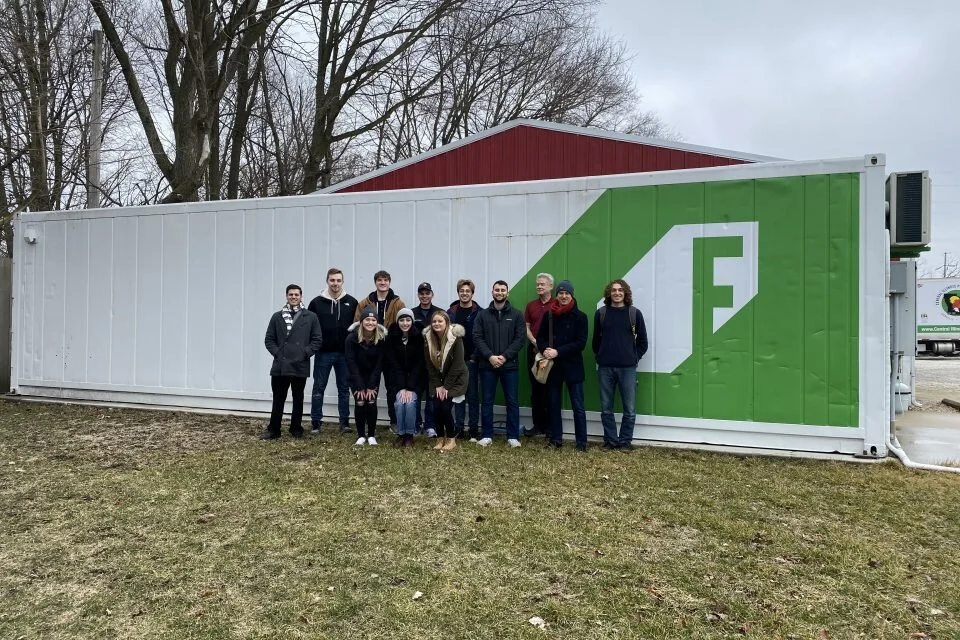
Innovation Consulting Community Team Proposes Sustainable Farming Container At ISU
In just a few months, a team of motivated students put together a proposal to implement a shipping container farm on Illinois State’s campus
Evan Linden April 15, 2020
NOTE: The photos in this story were taken before travel restrictions from coronavirus (COVID-19) were in place.
In just a few months, a team of motivated students put together a proposal to implement a shipping container farm on Illinois State’s campus.
“Self-motivation is impressive to employers,” said Marketing Professor Dr. Peter Kaufman, one of the founders of the Innovation Consulting Community (ICC). “Most students are taught one discipline in school, but world problems are interdisciplinary.”
Kaufman and others founded the ICC in 2016 to provide students with hands-on experiences outside their classes. Each year, teams of students are matched with clients at companies and nonprofit organizations to help solve a current issue they are facing. “It’s a unique experience to tackle both profit and nonprofit projects,” said Kaufman. “This experience helps students enhance their skills all around and helps our clients find solutions.”
This year, the ICC assigned 14 projects to 90 students representing 24 majors. One group of four students tackled an increasingly pressing issue: sustainable farming.
The students assembled in late October, mentored by Elisabeth Reed, director of the Office of Sustainability, and Dr. David Kopsell, assistant chair of and professor in the Department of Agriculture. Ryan Strange, a senior from Bloomington double majoring in business administration and small business management, led the team and collaborated with fellow students Joe Kennedy, Madison Steines, and Joe Quigley.
The project was inspired by the Boston company Freight Farms, urban agriculture innovators who create farms in shipping containers. Kopsell, who is familiar with growing systems, was brought in by Kaufman to be a horticulture mentor.
“I shared some of the ideas that I’d always wanted to investigate, and one that he really liked was the idea of writing a grant for a containerized growing system,” said Kopsell.
From there, the team focused on analyzing the benefits of a containerized growing system on campus.
“Our project was a feasibility study of the purchase of one of these units,” said Strange. “The unit itself is the technology necessary for hydroponic farming, and all of that goes inside an old freight container.”
The inside of a shipping container farm located in Champaign.
To see one of these units in action, the group visited a current model located at the University of Illinois at Urbana-Champaign. “The director there was a tremendous help,” said Strange. “He gave us many details about operations and risk management.”
The team spent weeks finding the right contacts and establishing relationships in order to gather information for the project. “We built this huge network of different partnerships that helped us find out how we would finance this unit,” said Strange.
According to Strange, the purchase of one of these units would cost $120,000, with recurring costs adding up to around $40,000 a year.
“I think the cost is within the reach of a grant program,” said Kopsell. “These containers can operate year-round and provide great teaching and learning tools.”
Most importantly, the containers are both efficient and sustainable. Each container system can produce as much as one acre of field production —up to 13,000 plants depending on the crop. The efficient drip irrigation system uses five gallons of water per day, which is marginally less than a field.
“This is really the forefront of innovation in terms of agricultural production,” said Strange. “It’s going to cut back on a lot of the carbon emissions from transporting the food. It’s really going to cut back on costs also because most of the costs for food come from transportation.”
If installed on campus, the container system could be located next to the South University Street Garage.
Strange’s team presented its project at ICC’s annual symposium. In adherence with social distancing requirements, the symposium took place via Zoom on April 10.
Strange and his team noted that the ICC experience greatly benefited them as professionals. “It opens up a lot of doors and you have to teach yourself a lot,” said Strange. “Our mentors were definitely there for help, but it was mostly our group that set up all of the meetings and held ourselves to the deadlines. All of those things are fundamental skills that you’ll need when you move on to the professional workforce.”
Reed and Kopsell were impressed by the group’s work ethic and commitment.
“This student group was very well organized and stayed on task throughout the entire semester,” said Reed. “They communicated well with each other.”
“For me, this project represents the best of Illinois State University,” said Kopsell. “It allows students to find their passion and provides them an avenue to learn how to overcome challenges, solve problems, and make a difference.”
Students interested in participating in the Innovation Consulting Community for the next academic year can email innovationconsulting@IllinoisState.edu for more information.
Lead Photo: The ICC team visits a shipping container farm in Champaign. Pictured from left to right: Ryan Strange, Joe Quigley, Madison Steines, James Smith, Phoebe Naylon, Brennan Douglas, Alicia Chiakas, Aviv Zelniker, Max Snyderman, Bill Bagby with Central Illinois Produce, Dr. Eric Godoy, and Joe Kennedy
Filed Under Agriculture Center for Community Engagement and Service Learning College of Business Office of Sustainability
Madar Farms To Sell It's UAE-Grown Vegetables Online Directly To Consumers For The First Time
Madar Farms is a local company providing a holistic approach to sustainability to help tackle food and water security challenges in the region
Seven varieties of microgreens are now available to purchase through FreshOnTable, Narinport and Barakat platforms.
Abu Dhabi, 8 April 2020: As part of its commitment to support the UAE communities during the current situation, Madar Farms’ locally grown produce can now be purchased online for the first time through three online platforms.

Madar Farms, a UAE-based AgTech company, has partnered with FreshOnTable, Narinport, and Barakat to deliver its high-quality microgreens directly to consumers across the country.
The announcement comes at a significant time with Madar Farms using innovative and safe ways to cope with the high demands of local food given the present global health challenges. Madar Farms also plans to launch more of its products online in the coming weeks.
The seven varieties that can be ordered include Pea Shoots (which pairs well with fish and chicken), Arugula (ideal for salads and sandwiches) and Bull’s Blood, which is tender, crunchy and sweet with a beet-like flavour. Also available are Tendril Peas – a versatile ingredient that can be added to salads, sandwiches, soups and summer fruits - and Daikon Radish that can be used in Asian cuisine dishes, salads, soups and with many sandwich varieties.

Customers can also try Amaranth (which is mild in flavour, similar to spinach) as well as Shiso Britton (a delicious, mild, mint-basil aroma microgreen that adds flavour to salads, Asian dishes, and fish).
By working with FreshOnTable, Narinport, and Barakat, it gives the people the opportunity to try Madar Farms produce in the comfort of their own home and support local suppliers in the UAE.
Now in its third year of operation, Madar Farms has been leading an agricultural revolution in the region by using Controlled Environment Agriculture methods to produce a wide variety of fresh produce. As well as growing local produce, part of Madar Farms’ mission is to help solve food and water security challenges in the region.
Abdulaziz AlMulla, CEO and co-founder of Madar Farms, said: “In these challenging times, it is more important than ever to eat and shop local - and across the UAE we are seeing an increasing move towards this. By working with FreshOnTable, Narinport, and Barakat, we will be able to make our produce available directly to consumers for the first time and reach out to even more people across the UAE.
“We are responding to this current demand that we’re facing today, partnering with our online ordering and delivery partners to service people across the Emirates. When our customers receive their produce, it will be clean, safe and fresh as all our products are delivered within 24 hours of harvesting.
“This is just the beginning of offering directly to consumers as we plan to launch more products in the coming weeks.
“We look forward to hearing about some of the delicious recipes people are cooking up at home using our microgreens!”
Madar Farms recently announced the company will quadruple the quantity of its microgreens when its new facility begins operating at Khalifa Industrial Abu Dhabi Zone (KIZAD) by the end of this year. The facility will also include the world’s first commercial indoor tomato farm using LED lights.
Madar Farms’ microgreens can be ordered by visiting FreshOnTable (www.freshontable.ae), Barakat (www.barakatfresh.ae) and Narinport (www.narinport.com).
ENDS
About Madar Farms
Madar Farms is a local company providing a holistic approach to sustainability to help tackle food and water security challenges in the region.
With offices in Dubai and a research and development centre in Abu Dhabi, Madar Farms offers products and services that help drive responsible sourcing, environmental ownership, and social impact. This purpose-driven offering is underpinned by the application of innovative AgTech.
Madar Farms also operates the Sustainable Futures program, a hands-on, localised, easy-to-integrate sustainability curriculum that uses food to explore a wide range of topics across the sustainability agenda. This school program is designed to empower the next generation with the awareness, knowledge, skills, and behaviors to create a sustainable future for us all.
Keep up to date with the latest news and events from Madar Farms on LinkedIn, Instagram and Facebook.
Contacts:
Seven Media
Denzil Pinto
050 564 8424