

Welcome to iGrow News, Your Source for the World of Indoor Vertical Farming

Sensing The Rise of Vertical Farming
Vertical farming is the process of food being produced in vertically stacked layers, instead of on a single level such as in a field or greenhouse. The layers are commonly integrated into urban structures like skyscrapers, shipping containers and repurposed warehouses
August 28, 2019
By Darcy Simonis, Industry Network Leader, ABB Food and Beverage
With over 7,800 high-rise buildings, the city of Hong Kong soars above all others. More than 300 of its buildings surpass 490 feet, with more people living over 15 floors above ground level than anywhere else in the world. Having a skyline in the clouds helps the densely populated metropolis to prosper where space is restricted. Agriculture has taken note of this construction technique, as vertical farming creates impressive yields.
Vertical farming is the process of food being produced in vertically stacked layers, instead of on a single level such as in a field or greenhouse. The layers are commonly integrated into urban structures like skyscrapers, shipping containers and repurposed warehouses.
Using Controlled Environment Agriculture (CEA) technology, the artificial control of temperature, light, humidity and gases makes it possible to produce a vast array of crops on an industrial scale — without any outdoor exposure.
The Sky’s the Limit
By 2050, around 80 per cent of the world’s population will live in urban areas. With agricultural space in these areas scarce or completely non-existent, how do we deliver produce?
It is estimated that one acre of vertical farming offers the equivalent production of at least four to six acres using conventional outdoor methods. As the plant’s growth is not dependent on sunlight or affected by meteorological conditions, production can continue at the same rate all year round. In terms of resources, the plants require as much as 70 per cent less water than traditional farms.
Organic crops are a huge market, with demand often outstripping supply. As vertically farmed crops are produced in a well-controlled area, there is far less need for chemical pesticides. It is also believed that vertical farming could bring fresh produce closer to urban populations, reducing the risk of nutrients diminishing during transport.
No More Soil
Hydroponics is a predominant growing method in vertical farming. The process involves growing plants in nutrient solutions that are essentially free of soil, as roots are submerged into the solution and the plants are regularly monitored to maintain the correct levels of chemical composition.
If we’re ever to fulfill futuristic plans of colonizing Mars, we’re going to need to grow our own food. So, where on Earth has the conditions to test out this method?
It may not share the same qualities as the Red Planet, but Antarctica’s nonstop winters make it impossible to grow produce outdoors, and fruits and vegetables are shipped long distances from overseas just a few times a year.
In a step closer to extraterrestrial farming, a semi-automated hydroponic facility grows plants without soil, using mineral nutrient solutions in a water solvent. Scientists on Germany’s Neumayer Station III grow produce in a 20-foot-long shipping container, cultivating greens in an area where such produce is usually limited. This is just one example of how vertical farming techniques can be used in areas affected by harsh weather conditions.
Sensing Growth
To hit high levels of production, growth conditions in vertical farms must be continuously optimized. Sensors and data must be used to effectively track variables such as climate, nutrient composition and light levels.
Climate is characterized by a combination of air temperature, humidity and carbon dioxide (CO2) levels. The effects of these factors are tremendous. The difference between plant and air temperature, for example, can tell us whether the leaves’ stomata are open. If they’re closed, the plant cannot absorb CO2 and convert it into biomass. We can also measure the light level and spectrum as perceived by the plants and the pH of irrigation water for optimal growth.
Using smart sensors that can monitor these variables will ensure that vertical farms produce yields that greatly exceed those of conventional farms, which are impacted by uncontrollable conditions.
With a skyline full of modern, gleaming constructions, Hong Kong makes the most of its space to deliver prosperity. While vertical farming still has a long way to go before it is commercially viable, it is certain that food producers can learn from the techniques it applies to help deliver produce our rising populations.
Grow Pod Solutions Helps People Start Their Shipping Container Farm
As one of the leading experts in scalable indoor farming practice, Grow Pod Solutions has been able to convert spaces including shipping containers into thriving and successful farms for their clients
August 20, 2019
Corona, CA - Grow Pod Solutions has been helping several people achieve their farming dreams through indoor farming solutions for years. As one of the leading experts in scalable indoor farming practice, Grow Pod Solutions has been able to convert spaces including shipping containers into thriving and successful farms for their clients. Making use of the latest practices, Grow Pod Solutions is able to guarantee an all year round yield through their latest farming solutions.
Describing their approach to farming and their indoor farming solutions, the spokesperson for Grow Pod Solutions said: “Grow Pod Solutions is a modular, stackable and mobile vertical growing environment. We are specifically engineered to maximize yield and automation. We offer a fully insulated, food-grade shipping container that has been specifically modified to provide the optimum controlled environment for growing a wide range of horticultural and agricultural products in all environments and climates. With our combination of hydroponic and certified organic soil systems; you get a significantly higher yield that grows faster, and is more consistent.”
Having cracked the secret to an all-year-round production, Grow Pod Solutions is able to deliver the needed resources for their clients to access their own scalable indoor farm. Having grown over the years, Grow Pod Solutions is well positioned, thus allowing them the needed resources and expertise to meet the demands of their clients irrespective of the scale of farming business aimed at. With Grow Pod Solutions, farming can be carried out in a climate-controlled environment which supports the maximum possible yield.
Aiming to create an environmentally sustainable farming solution, Grow Pod Solutions offers their clients a low impact farming solution. Through an automated climate-controlled environment, clients are exposed to a better and more efficient use of water and power while also being guaranteed complete protection against the use of harmful chemicals such as pesticides and bactericides.
As part of their container based farming solution, Grow Pod Solutions offers options which include hydroponic based farming solutions, soil based farming solutions, and custom build farming solutions.
The hydroponic-based pod offered by Grow Pod Solutions is a great solution designed for farmers who are focused on utilizing a vertical hydroponic system. Being affordable, scalable, efficient, automated, and sustainable, this solution guarantees a greater output that will provide fresh and clean produce annually and in any climate.
Their custom build solution is also designed around the crop and growing goals of each client. The team of botanists and scientists can work to design and build micro-farms to help clients achieve the perfect grow strategy for any crop.
Some of the advantages offered by their farming solutions include multiple pod connections, stackable options, modular additions, clean rooms, shelving systems, prep stations, additional sensors and controls, solar and natural gas energy solutions, security systems, custom colors and graphics, amongst others.
Get a grow container from Grow Pod Solutions. They are located at 337 E Harrison St Unit B, Corona, CA 92879 or can be reached by phone at (855) 247-8054. For more information, visit their website or send an email to their team at info@growpodsolutions.com
Media Contact
Company Name: Grow Pod Solutions
Contact Person: Shannon Illingworth
Email: Send Email
Phone: (855) 247-8054
Address:337 E Harrison St Unit B
City: Corona
State: California
Country: United States
Website: growpodsolutions.com/
Read more:http://www.digitaljournal.com/pr/4422586#ixzz5xCJYr7pY

What Is Vertical Farming?
Vertical Farming or vertical agriculture facilitates viable agricultural production inside buildings, in the metropolitan areas of our cities. Vertical Farming is therefore a form of urban agriculture.
Vertical Farming or vertical agriculture facilitates viable agricultural production inside buildings, in the metropolitan areas of our cities. Vertical Farming is therefore a form of urban agriculture.
Newest findings are used to facilitate sustainable agriculture and the mass production of vegetable products inside of buildings. Because we are able to stack plantings, we are building vertically. Every square meter of floor space of vertical farming produces approximately the same amount of vegetable crops as 50 square meters of conventionally worked farm land. A vertical farm is able to use 95% less water, because it is recycled. Because our production is indoors, we need virtually no herbicides and pesticides. Vertical Farming makes the year-round cultivation of food possible and adaptable to a variety of crops. The primary focus of all functions in and around vertical farming is on optimal plant growth while maximizing the use of natural resources, such as the sunlight. This is why a vertical farm production is no longer dependent on using fossil resources.
Buildings are the central element of the city and thus the urban ecosystem. It is therefore especially important that each building is embedded into the social, architectural and economic city environment. We design vertical farms as multi-functional buildings today, creating a space of relaxation for the city dwellers, a work and meeting place, a market and dining area, as well as a place to grow food – right there where they live. Food production becomes a part of the urban everyday life again.
A VERTICAL FARM…
…drastically reduces agricultural land use.
…saves up to 95% water.
…makes cultivation possible, independent of weather conditions & season.
…delivers each harvest with continuous quality.
…brings maximum freshness into the city.
…saves on transport to the consumer.
…limits CO2 and puts less strain on the climate.
…brings agriculture back into urban everyday life.
GLOBAL CHALLENGES
The human race is growing
An omnivorous (eating everything) person requires an average of approximately 2300 m2 of cultivation area for his/her nutritional needs. Austria imports more than half of its consumed food stuffs from other countries. Above all, the Asian and African population is growing at an accelerated rate. One thing is going to be very important in the years to come: To ensure the food supply for rapidly growing world populations. How are we to provide for nine billion people in the year 2050?
Resources are getting scarce
The basic resources for plant cultivation are light, water and nutrients. A lack of precipitation often leads to sourcing the needed water from groundwater, lakes or rivers, resulting in the lowering of groundwater levels and the drying up of natural water resources. The increased demand for agricultural space has led to clearing rain forests by fire all over the world, which then leads to significantly higher production of CO2. Crude oil is still the central energy source for the food sector, fertilizer and transport and thus contributes significantly to climate change.
Supply security is threatened
Post-Fukushima Japan has already built 150 plant factories. Because last, but not least, we need to ask ourselves how we are going to produce healthy food in a heavily polluted world. Reinsurance and insurance companies providing guarantees in case of hail have complained about greater storm damages of hundreds of millions of euros, and that in Austria alone. Hail, storms and torrential rains can destroy crops in a matter of minutes. The real sufferers are the producing farmer and the consumers. So how can we secure our food production, regardless of ever increasing extreme weather events, and what is the best way to produce year around?
CULTIVATION AREAS FOR OUR FOOD
An omnivorous human needs approximately 2.300 m2 of land for his/her own food production.
OUR VISION
We secure the future of food
Vertical farms preserve our ecosystem in a variety of ways. Because the space is utilized vertically instead of on the ground level, only a fraction of the ground surface is needed compared to what is required for conventional farming. Innovative irrigation systems and lighting methods make food production possible year around – regardless of weather conditions. We are thinking along the lines of circulation systems for materials and resources: Wastewater is to be reused as irrigation water, plant residues are used for heat in the form of biogas. The protection of the building’s shell and new lighting methods make food production possible year around – regardless of weather conditions. This contributes to food security for cities in a significant way.
We are rethinking regional focus
For more than 11,000 years we have produced our food in the same places we consumed them. We want to restore this practice again. Biological, fresh and local products are produced by consumers directly in their cities. Furthermore, vertical farm products can be prioritized at the site, processed further, packaged, sold and consumed close by. Our relationship to this locally produced and consumed food is holistically regional again at last.
New occupational fields are created
A vertical farm is not only versatile in its use, but also creates new occupational groups and jobs in all of its core areas: In its cultivation, plant supply and technology, during harvest and processing, as well as in sales and catering or the restaurant business. Today’s practical applications already manage inclusive projects successfully. In addition, there is no limit to the imagination: Public spaces can be rethought and revived for relaxation and collaboration, social interaction takes on a new meaning, and local economic interdependence will be established.
VERTICAL FARMING AND FOOD SECURITY
A vertical farm operation increases the output per cultivated area and saves valuable resources like water and soil in closed energy cycles.
THE OPPORTUNITY
The food industry of tomorrow
A vertical farm can be built anywhere and at any time. First examples of successful vertical city farms are now available (Singapore, Sweden, the Netherlands, USA, Japan). These agricultural technologies will be redefining the food industry in the years to come. The vertical farm market is estimated to reach 5.8 billion USD by 2022, with an annual growth rate of 24.8% (2016-2022).
PLANNING THE FUTURE TODAY
In the coming years the food industry will dwarf all other industries. Vertical farming will be able to secure the food supply for the cities of tomorrow.
Our Solution
We specialize in the development of vertical farm operations with transparent facades to maximize utilization of the sunlight. Instead of black boxes, we rely on the power of readily available natural forces. There is another good reason for our building being transparent: We want to restore the trust in industrial food production. People are able to see for themselves how their food is grown, right in their city: Transparent, regional and with the highest of quality.
Your opportunity
The vertical farm institute meets these and other challenges head on with courage, drive and innovation. This is where you find our offers. Join us!
Become part of a movement that brings more freshness into the cities and reclaims urban spaces for food production. Meet up with us at our events, engage in discussions with us on Facebook or put in an application with us – you can become part of the future of food!

CO2 GRO Inc. Files For Two Further Patents To Strengthen Its Patent Portfolio Surrounding CO2 Delivery Solutions
The filings further secure GROW’s intellectual property around nutrient delivery technologies, especially in the case of outdoor value crops, and nutrient constituents delivered. GROW now has five corporate patent filings of which four were made YTD 2019
TORONTO, ON September 4, 2019 (Access Wire)
Toronto based CO2 GRO Inc. ("GROW") (TSX-V: GROW, OTCQB: BLONF, Frankfurt: 4021) is pleased to announce it is in the process of further strengthening its patent portfolio. GROW has filed two additional patent applications under the Patent Cooperation Treaty. The filings further secure GROW’s intellectual property around nutrient delivery technologies, especially in the case of outdoor value crops, and nutrient constituents delivered. GROW now has five corporate patent filings of which four were made YTD 2019.
Together these protect GROW’s unique nutrient delivery methodology which allows increased profitability to established growers, technological solutions to producers previously without nutrient delivery options, and minimizes the customers’ environmental footprint in the context of conventional nutrient delivery methodologies.
GROW’s CEO, John Archibald, commented “having a robust worldwide (PCT) patent portfolio can accrete significant value to our shareholders while protecting the company from would-be product technology copycats.”
About CO2 GRO Inc.
GROW's mission is to accelerate all indoor and outdoor value plant growth naturally, safely, and economically using its patented advanced CO2 Delivery Solutions technology. GROW’s global target plant markets are retail food at $8 trillion per year (Plunkett Mar 2017) and retail non-food at an estimated $1.2 trillion per year with retail tobacco at $760 billion (BA Tobacco estimate), floriculture at $100 billion by 2022 (MarketResearch.Biz estimate), legal cannabis at $52.5 billion per year by 2022 (Statista) and legal US cannabis and hemp CBD at $22B per year by 2022 (the Brightfield Group).
GROW's CO2 Delivery Solutions are commercially proven, scalable and easily adopted into existing irrigation systems. They work by dissolving CO2 gas into water for use across the entire plant leaf surface which is a semi permeable membrane. The dissolved CO2 molecules can then penetrate a leaf's surface area naturally, enhancing plant growth potential.
Foliar spraying of dissolved nutrients and chemicals on plant leaves has been used for over 60 years by numerous growers. To date, outdoor growers have had no way to enhance plant CO2 gas uptake for faster plant growth.
Indoor CO2 gassing has enhanced plant yields for over 60 years but 60% of the CO2 gas used is typically lost from ventilation. Current greenhouse CO2 gassing levels of up to 1500 PPM are not ideal for worker health and safety. GROW's safer CO2 Delivery Solutions can be used both indoors and outdoors with minimal dissolved CO2 gas lost and much greater CO2 plant availability resulting in higher plant yields than both CO2 gassing and no CO2 gassing plant yields.
Forward-Looking Statements This news release may contain forward-looking statements that are based on CO2GRO's expectations, estimates and projections regarding its business and the economic environment in which it operates. These statements are not guarantees of future performance and involve risks and uncertainties that are difficult to control or predict. Therefore, actual outcomes and results may differ materially from those expressed in these forward-looking statements and readers should not place undue reliance on such statements. Statements speak only as of the date on which they are made, and the Company undertakes no obligation to update them publicly to reflect new information or the occurrence of future events or circumstances, unless otherwise required to do so by law.
Neither the TSX Venture Exchange nor its Regulation Services Provider (as that term is defined in the policies of the TSX Venture Exchange) accepts responsibility for the adequacy or accuracy of this release.
For more information, please visit www.co2gro.ca or contact Sam Kanes, VP Communications at 416-315-7477.

VIDEO: Growing Underground
Best job title EVER! Food Futureologist Morgaine Gaye on the importance of technology and farms like ours for the future of food. With our co-founder Richard and Ben Thompson for BBC Breakfast
Growing Underground@GrownUnder
Best job title EVER! Food Futureologist Morgaine Gaye on the importance of technology and farms like ours for the future of food. With our co-founder Richard and Ben Thompson for BBC Breakfast @BBCBreaking @BBCBreaking @BBCWorld
To View The Video, Please Click Here

USDA - NIFA Conference Sept. 9 - 12, 2019
Developing sustainable and strategic plans to feed the future in the face of growing global challenges will demand interdisciplinary vision, collaboration and innovation
USDA - NIFA Conference At Biosphere 2
September 9 - 12, 2019
Developing sustainable and strategic plans to feed the future in the face of growing global challenges will demand interdisciplinary vision, collaboration and innovation. Controlled environment agriculture (CEA) implemented as fully enclosed, multi-level indoor agricultural food production systems, Vertical Farms (VF), will complement future greenhouse (GH) plant production systems and will offer innovative technological solutions for issues at the food-energy-water nexus.
The purpose of the conference is to Plan an Interdisciplinary Controlled Environment Indoor Agriculture R&D Roadmap and Coordinated Research Plan. It is supported by USDA/NIFA-AFRI program and is hosted by the Controlled Environment Agriculture Center at the University of Arizona, Tucson, AZ and Biosphere 2, Oracle, AZ
This conference (September 9 – 12) will facilitate interdisciplinary discussions centered on several major thematic R&D areas for CEA/VF/GH, each of which will interface with the others to identify cross-disciplinary areas of synergy, opportunity and need. Thematic areas include:
Economics: focus questions and discussions will include: what are good metrics of success in these systems from both industry and community perspectives? Can we develop a pipeline to quantify environmental and social benefits of these systems in a Benefit-Cost Analysis framework? How scalable are these systems? What are environmental impacts, life cycle analyses?
Engineering: focus questions and discussions will include: how to increase lighting efficacy, light use efficiency, and reduce cost? How to control and modulate CO2? How to design and enhance air circulation and to optimize HVAC? How to minimize labor input and integrate innovative automation and robotic systems? How to improve water use efficiency and cycling?
Production Systems: focus questions and discussions will include: how to manage crops to integrate with improve environmental controls, nutrient delivery and automation. How to improve plant architecture to enhance crop productivity and reduce waste? How to improve logistics and enhance labor efficiency?
Plant Breeding: focus questions and discussions will include: what makes a crop a good candidate for indoor farming/what are priority candidate crops for these systems beyond what is currently grown? What traits should be privileged in breeding programs for indoor farming? How can gene editing and genomic techniques be leveraged to integrate novel financial opportunities into these growing systems, such as increased nutritional content, enhanced water, nutrients and light use efficiencies, or pharmaceutical production? How CEA production systems can alter the structure of microbial communities associated with plants, growing media, and determine how the alterations affect plant nutrient and water uptake and utilization?
Pest and Disease Management: focus questions and discussions will include: what are the major viral, fungal, and insect pathogens in these systems and how are they best addressed? Integrate Pest Management for reduced chemical control? How to develop and implement a rapid and simple digital imaging system for pest and disease diagnosis? How to improve the efficiency of pest and disease management while not harming beneficial insects and pollinators?
Food Nutrition and Safety: focus questions and discussions will include: how alterations to growing media and environment will impact food quality, flavor, nutrition content and food safety? How do indoor growing conditions alter the microbial communities of plants? How do they impact product quality and shelf life?
Industrial Ecology in Closed Systems: focus questions will include: how can we better design more energy and resource efficient systems? Can we build holistic energy models? Can we create industrial ecosystems where one industry’s effluent is another’s intake? How would we model/quantify the ecosystem services provided by a functioning ‘closed loop industrial ecosystem’?
Conference participants are additionally welcome to join writing teams and collaborate on a proposal for a coordinated agricultural project (CAP) grant on VF that builds off of conference discussions. Writing teams may also choose to develop proposals for relevant funding programs at USDA-NIFA SAS, SCRI, NSF/USDA/DOE INFEWS, and NSF
Deadlines
Pre-registration ends June 30th
invitation to attend conference July 15th
Final registration, room reservations and payment due August 1st;
Conference events begin Monday September 9th
For more information about the conference please read the Project Summary.
For more information about conference activities please read the Conference Program Schedule and Format.
Conference Program Schedule & Format.pdf
For more information about Biosphere 2 please read the following document.
Want to make the most of your time in Tucson? Go to Visit Tucson to discover things to do during your visit!

The Epstein-Funded MIT Lab Has An Ambitious Project That Purports To Revolutionize Agriculture. Insiders Say It’s Mostly Smoke And Mirrors
Ahead of big demonstrations with MIT Media Lab funders, staff were told to place plants grown elsewhere into the devices, the insiders said. In other instances, devices delivered to local schools simply didn’t work. “It’s fair to say that of the 30-ish food computers we sent out, at most two grew a plant,” one person said
Erin Brodwin, Business Insider US
September 7, 2019
Shutterstock
Insiders told Business Insider that MIT Media Lab faked key elements of its “personal food computer” project (not pictured), which aimed to grow plants without soil.
An ambitious MIT project that purported to turn anyone into a farmer with a single tool is scraping by with smoke-and-mirror tactics, employees told Business Insider.
Ahead of big demonstrations with MIT Media Lab funders, staff were told to place plants grown elsewhere into the devices, the insiders said.
In other instances, devices delivered to local schools simply didn’t work.
“It’s fair to say that of the 30-ish food computers we sent out, at most two grew a plant,” one person said.
MIT didn’t provide a comment for this story.
An ambitious project that purported to turn anyone into a farmer with a single tool is scraping by with smoke-and-mirror tactics, employees told Business Insider.
The “personal food computer,” a device that MIT Media Lab senior researcher Caleb Harper presented as helping thousands of people across the globe grow custom, local food, simply doesn’t work, according to two employees and multiple internal documents that Business Insider viewed. One person asked not to be identified for fear of retaliation.
Harper is the director of MIT’s Open Agriculture Initiative and leads a group of seven people who work on transforming the food system by studying better methods of growing crops.
The food computers are plastic boxes outfitted with advanced sensors and LED lights and were designed to make it possible for anyone, anywhere to grow food, even without soil, Harper has said. Instead of soil, the boxes use hydroponics, or a system of farming that involves dissolving nutrients in water and feeding them to the plant that way.
“We design CO2, temperature, humidity, light spectrum, light intensity, and the minerality of the water, and the oxygen of the water,” Harper said.
On Saturday, Joi Ito, the director of the MIT Media Lab, resigned following a lengthy expose in the New Yorker about the Media Lab’s financial ties with late financier Jeffrey Epstein. Epstein died by suicide while in jail and faced sex-trafficking charges.
Staff placed food grown elsewhere into the devices for demos and photoshoots, they say
Ahead of big demonstrations of the devices with MIT Media Lab funders, staff were told to place plants grown elsewhere into the devices, the employees told Business Insider.
In another instance, one employee was asked to purchase herbs at a nearby flower market, dust off the dirt in which they were grown, and place them in the boxes for a photoshoot, she said.
Harper forwarded an email requesting comment on this story to an MIT spokesperson. The spokesperson didn’t provide a comment.
The aim was to make it look like the devices lived up to Harper’s claims, the employees said. Those claims, which included assertions that the devices could grow foods like broccoli four times faster than traditional methods, landed Harper and his team articles in outlets ranging from the Wall Street Journal to Wired and National Geographic.
Harper’s vision for the personal food computer is bold: “You think Star Trek or Willy Wonka, that’s exactly what we’re going for,” he said in a March 2019 YouTube video produced by the news site Seeker.
Harper’s coworkers told Business Insider a different story. They said the devices are basic hydroponic setups and do not offer the capabilities Harper outlines. In addition, they simply don’t work, they said.
MIT Media Lab’s Caleb Harper speaks at TEDGlobal Geneva. James Duncan Davidson/TED
‘They were always looking for funding’
Paula Cerqueira, a researcher and dietitian who worked as a project manager at the Open Agriculture Initiative for two years, told Business Insider that the personal food computers she worked with were “glorified grow boxes.”
Cerqueira was part of a team that, on several occasions, delivered the personal food computers to schools. She also helped demonstrate the boxes to big-name MIT Media Lab investors.
During the organization’s “Members Weeks” – once-a-semester events that drew donors including Google, Salesforce, Citigroup, and 21st Century Fox – Cerqueira and her coworkers would show investors how the technology worked.
On one occasion, Cerqueira said, her coworkers were told to fetch basil grown from a nearby location and place it into the personal food computers to make it look like it had been grown inside the boxes.
“They wanted the best looking plants in there,” Cerqueira told Business Insider. “They were always looking for funding.”
Cerqueira said in another instance, she was told by another MIT Media Labs manager to buy edible lavender plants from a nearby flower’s market and place them in the boxes for a photoshoot, she said. Before any photos were taken, she carefully dusted off the tell-tale soil on the plants’ roots.
The boxes simply didn’t work, one employee told Business Insider
The central problem with the personal food computer was that it simply didn’t work, Cerqueira and another person with knowledge of the matter told Business Insider.
“It’s essentially a grow box with some sensors for collecting data,” Cerqueira, a dietitian who worked as a project manager at the Open Agriculture Initiative for two years, told Business Insider. Cerqueira left her post after becoming increasingly frustrated with working conditions at the Media Lab, she said.
The boxes were not air-tight, so staff couldn’t control variables like the levels of carbon dioxide and even basic environmental factors like temperature and humidity, Cerqueira and the other person said.
Other team members were aware of these issues, according to several internal emails that Business Insider viewed.
One email, on which Harper is copied, also said that team members weren’t given the chance to test the devices’ functionality for themselves. Another person with knowledge of the matter also described these issues to Business Insider.
‘Of the 30-ish food computers we sent out, at most two grew a plant’
In the Spring of 2017, Cerqueira was part of a pilot program that delivered three of Harper’s devices to local schools in the Boston area. Initially, the idea was for the students to put the devices together themselves. But Cerqueira said that didn’t work – the devices were too complex for the students to construct on their own.
“They weren’t able to build them,” Cerqueira said.
In response, Cerqueira’s team sent three MIT Media Lab staff to set up the computers for them. Of the three devices the staff members tried to setup, only one was able to grow plants, she said. That one stopped working after a few days, however.
When Cerqueira and her coworkers would visit the school, students would joke that the plants they were growing in plastic cups were growing better than the ones in the personal food computers, she said. The pilot ended shortly thereafter.
On another occasion, her team sent two dozen of the devices to classrooms across greater Boston as part of a curriculum being designed by one of MIT Media Lab’s education partners.
“It’s fair to say that of the 30-ish food computers we sent out, at most two grew a plant,” Cerqueira said.
No one knew exactly what was wrong, but in general, the team was aware that the devices weren’t functioning as they should be. In a last-ditch attempt to make the devices deliver, Cerqueira’s team sent new packages of fresh seedlings to the school. When that didn’t work, they tried it again. No matter what, the plants just kept dying, according to Cerqueira.
At one point, a representative from the Bezos Family Foundation, a private nonprofit foundation cofounded by Jackie and Mike Bezos, stopped by the school for a visit, Cerqueira said. Harper had been hoping to entice the group to help fund a new foundation that he was just getting off the ground. Even then, the devices wouldn’t work.
“It was super embarrassing,” said Cerqueira.
Want to tell us about your experience with MIT Media Lab? Email the author at ebrodwin@businessinsider.com.

Videos: Freight Farms - Container Farming
To learn more about how to get started with your own Freight Farm go to Freight Farms, or to inquire about a pre-owned Freight Farm Container go to iGrow News
FREIGHT FARMER SPOTLIGHT: PATRICK STOFFER
In a lot of ways, Patrick Stoffer isn't your average 28-year old. To start with, he is a hydroponic farmer, but perhaps even more unusual, he is roommates with a 90-year old, Harrie, just one of the members of his community he is passionate about serving. Patrick lives at Humanitas Independent Senior Living Facility in Deventer, The Netherlands. In exchange for room and board, Patrick spends time with the residents, who help him grow, harvest and prepare the fresh produce from his Freight Farms operation, Grow Local. To learn more about how to get started with your own Freight Farm go to Freight Farms, or to learn more about pre-owned Freight Farm LGM container, got to iGrow News.
GROW FOOD HERE: SPRINGDALE, ARKANSAS | VET VEGGIES
4 STEPS TO GROWING IN OUR CONTAINER FARM
FREIGHT FARMER SUPPORT
MEET THE FARMERS AT AGORA GREENS
2015 LEAFY GREEN MACHINE BY FREIGHT FARMS
INSIDE A SHIPPING CONTAINER VERTICAL HYDROPONIC FARM
INTRODUCTION TO THE LEAFY GREEN MACHINE
FREIGHT FARMS X KARMA FARM
THE STORY BEHIND FREIGHT FARMS
INSIDE THE LEAFY GREEN MACHINE
Central Illinois Fresh Hydroponic Greens Bring New Life To Geier Florist Shop
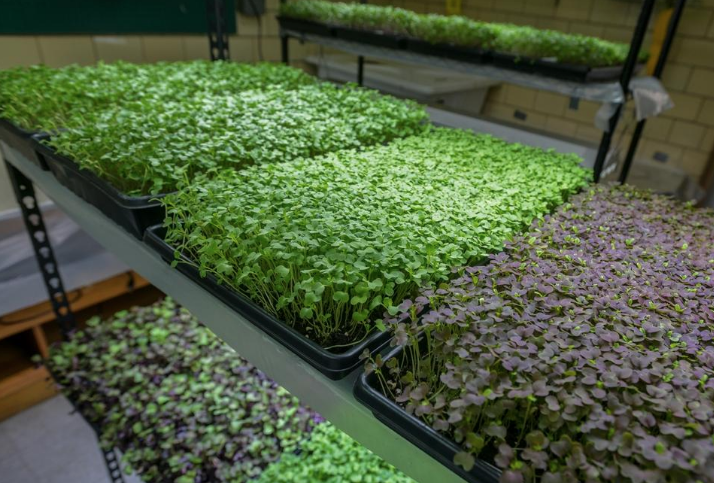
Something is flourishing inside the old Geier Florist building. Sam Hendricks and Brandon Neuzil are partners in a new business growing microgreens in an urban agriculture environment. Their business is called Central Illinois Fresh

By Brady Johnson / of the Journal Star
August 18, 2019
WEST PEORIA — Something is flourishing inside the old Geier Florist building.
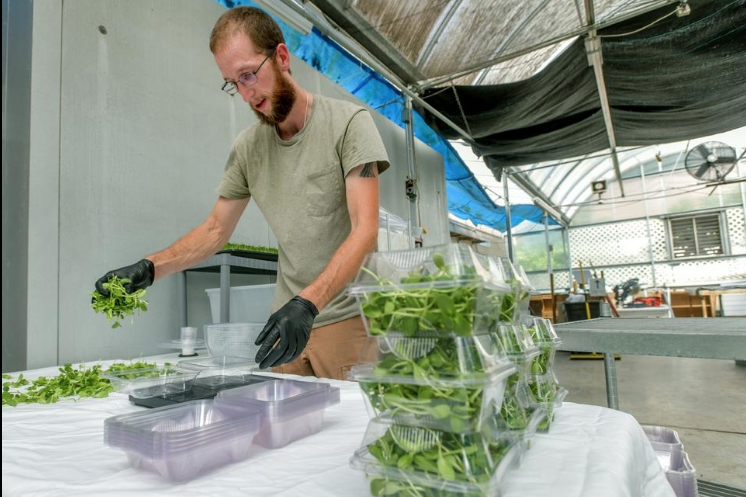
Sam Hendricks and Brandon Neuzil are partners in a new business growing microgreens in an urban agriculture environment. Their business is called Central Illinois Fresh.
The 28-year-old Neuzil had been looking for space last year to try out his idea and had been in contact with Geier Florist. When that longtime West Peoria business at 2002 W. Heading Ave., shut down earlier this year, Neuzil bought out the first floor of the building.
In February, he and Hendricks got into contact and their business began to come to fruition in April. The duo have been selling microgreens and leafy greens since the beginning of June, including at the Riverfront Farmers Market in Peoria each Saturday — selling out their stock there during many weeks.
“We wanted to get involved in the food movement in Peoria,” Neuzil said.
It’s a business he’s completely new to, with no experience running a greenhouse or using commercial hydroponics, though Hendricks has farmers’ market experience.
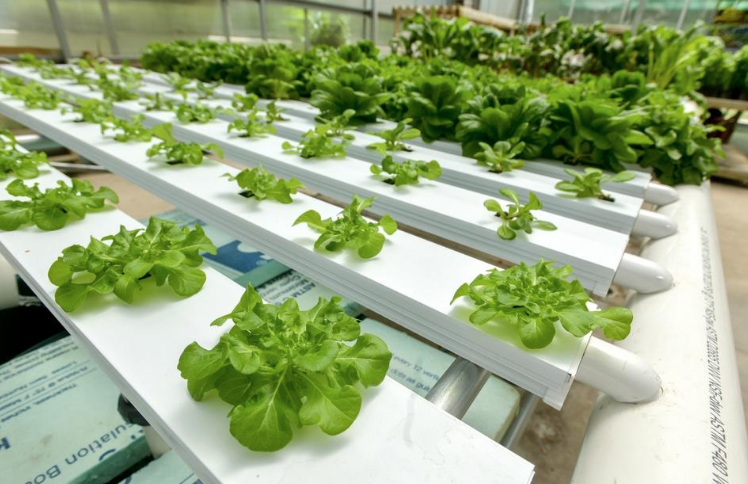
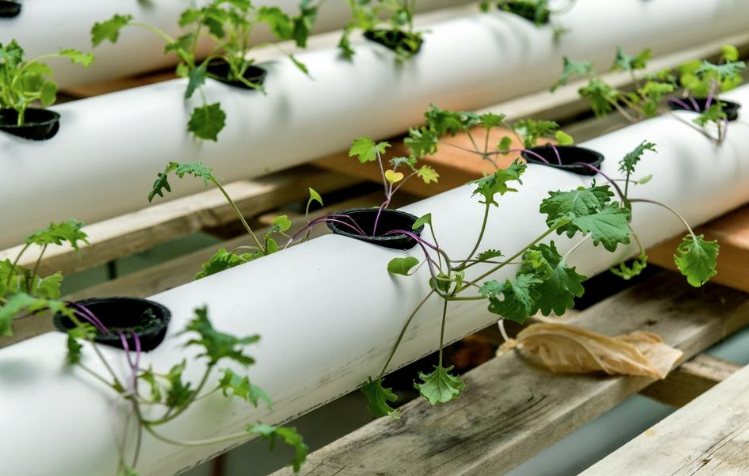
“Hydroponics we do for all of our lettuce,” Neuzil said. “NFT system, which means Nutrient Film Technique, is our process. We get our equipment from a manufacturer in Ohio. We purchase from them and then set it up to fit our greenhouse layout.”
The system works as produce is placed into pipes where their roots interact with a small line of nutrient-mineral water. The process doesn’t need potting soil because all of the nutrients needed are mixed into the water system. Neuzil and Hendricks just have to replenish the tank of mineral water every week.
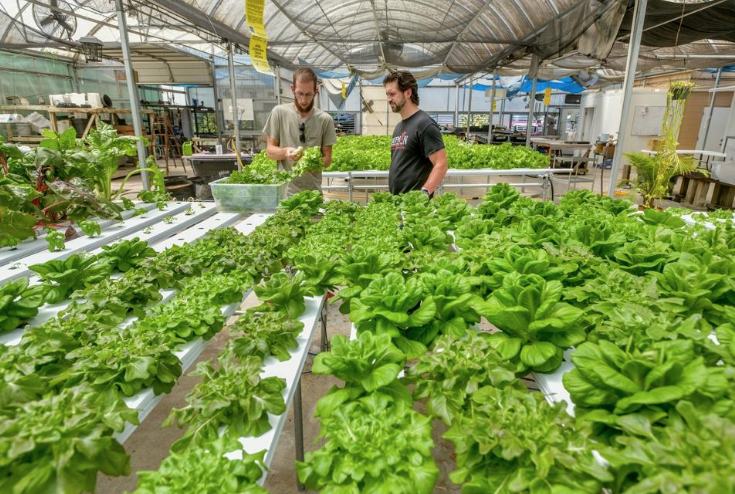
“Hydroponics is still relatively new to agricultural,” Neuzil said. “Currently we are producing 870 heads of lettuce. We have 870 holes to work with.”
The method allows for consistent production throughout the year.
“I think a way that will separate ourselves from other farmers is that come winter time urban agricultural will be able to produce year round,” Hendricks said. “There are a lot of limitations with the seasons and weather. We are trying to produce strong quality products year round.”
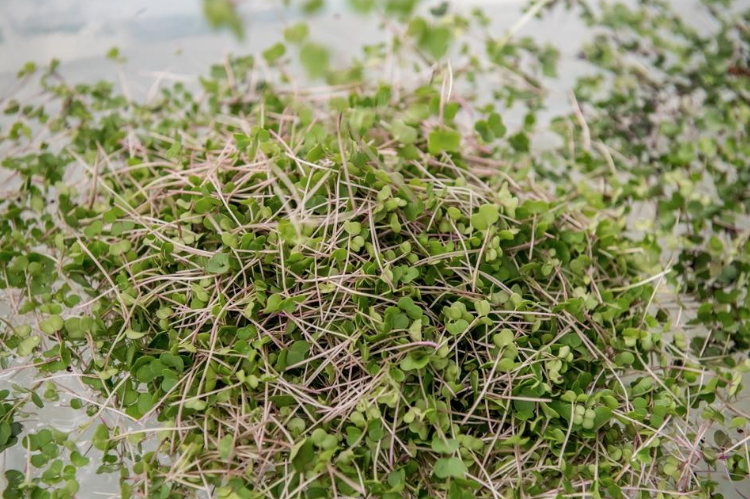
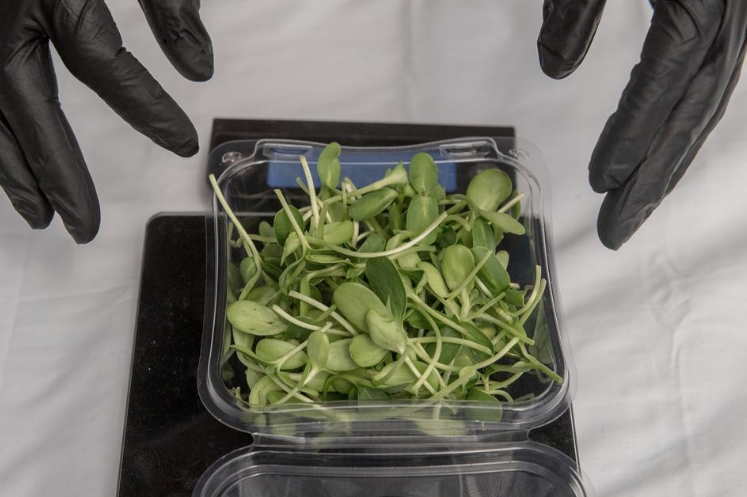
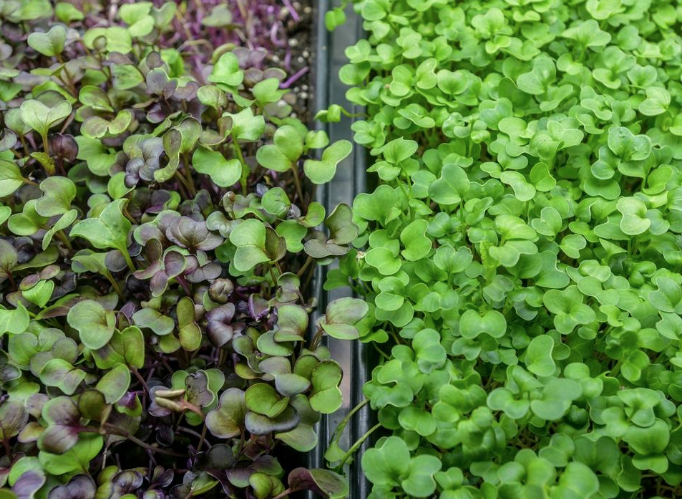
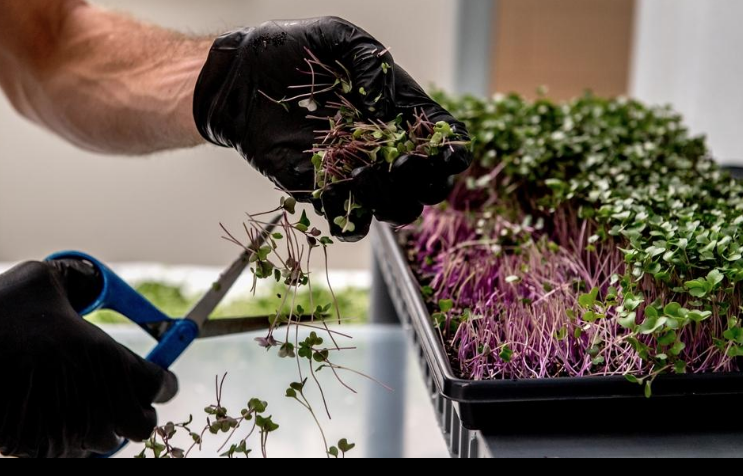
Microgreens do not require a lot of time to produce, with an average growth rate of two weeks compared to produce that can take 45 to 90 days, Neuzil said.
The result comes in trays filled with cabbage, radishes and red Russian kale.
“Microgreens can be produced in almost any building as long as it is climate controlled and you have good water. You can do it in your garage or below ground,” Neuzil said. “There is a hydroponics company that produces lettuce hundreds of feet underground in a mine shaft. As long as you have water and power and some air flow you can make your own microgreens.”
The produce has even started to appear on local restaurant plates.
They’re growing a great product,” says Dustin Allen, who operates Edge in Peoria Heights. His usual order is 10 to 12 pounds of leafy greens and several pounds of microgreens.
He and Hugh Higgins at Hearth up the street in the Heights are two restaurant owners using Central Illinois Fresh’s produce.
“For us and our business model, we have no national suppliers at all in our restaurant,” Allen said. “It takes us over 60 family farms to run this restaurant on a yearly basis. To me, they are just another part of that, part of our system.”
The prospect of a year-round supply has made Allen a very happy restaurant owner.
“What we are excited about is that they have the ability to provide yearly to us.,” Allen said. “That opens up a segment to our menu that in years past has been very small.”
Neuzil, meanwhile, hopes to educate youth in the area about sustainable farming like microgreens. He sees the idea of urban agriculture as an important one to the next generation.
“You don’t have to use much,” Neuzil said. “You just sprinkle some on your salads and flatbreads and you can also eat it plain on crackers. We have people who come to us and tell us about their microgreen experiments in cooking. We are wanting to get feedback from everyone.”
For now, both men run the business on the side, with Neuzil working for Cazenovia Salt and Hendricks at Kaufman Wellness Center. But they’d like to add in a storefront to allow for more business, and they’re laying plans for an open house and concert at their venue sometime next month.
Scientists Grow Tastier Vegetables Just By Changing Light Falling On Them, No Gene-Edit Needed
In order for farmers to make a decent profit on their crops, they need to have a reliable produce. Of course, they only have limited land to work with, so limited number of plants need to have enough weightage of output. Unfortunately, that can result in tasteless produce
Gwyn D'Mello April 16, 2019
In order for farmers to make a decent profit on their crops, they need to have a reliable produce.
Of course, they only have limited land to work with, so limited number of plants need to have enough weightage of output. Unfortunately, that can result in tasteless produce.
Think of a simple vegetable (fruit?) like tomato. You might see two different varieties of it in your local market, where one is much larger but the smaller ones are tastier. That's due to something scientists called the "dilution effect", where there's an overlap between the compounds a plant requires to produce more or produce tastier fruit.
That's why you're more likely to see this happen with a large scale farm as opposed to when you grow tomatoes in your garden. But apparently, it doesn't have to be that way, at least according to researchers at MIT.
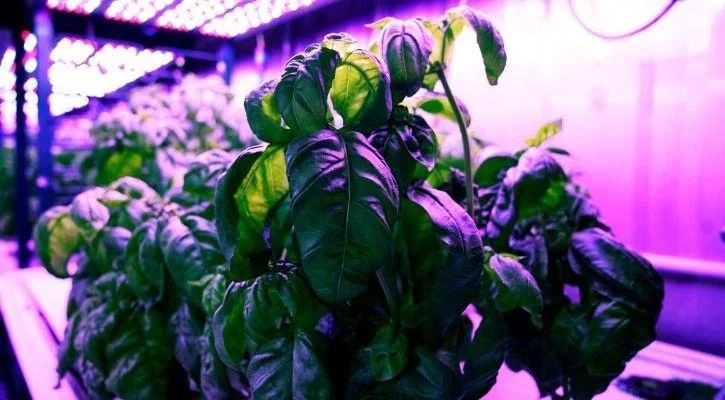
Scientists at the University's OpenAG group have been researching basil plants in particular, led by principal researcher Caleb Harper. They've been trying to change the various stress factors acting on basil plants to see how it changes the flavour. "If you took the same basil seed and you put in 50 different countries, you would have started with the same genetics but you would get 50 different flavors," he told Digital Trends.
The process behind tastier vegetables
What these researchers, in partnership with the University of Texas, found is that exposing basil to light 24 hours a day made them the most flavourful. The constant light produced more secondary metabolites. These are organic compounds the plants don't necessarily need to survive, but can help them keep away animals that eat them. And the presence of these are affected by everything from drought to the presence of certain insects, ultimately changing how the plants taste.
The researchers had no reason to believe 24-hour light exposure would make the basil tastier, they instead went with 18 hours to begin with. It was a custom-developed AI algorithm, developed by MIT and Cognizant, that analysed all the factors and made the suggestion. In fact, that same AI was originally used by the startup that developed it (before being acquired by Cognizant) for hedge fund trading.
The basil was grown in hydroponic boxes, full of sensors and circuits, allowing the scientists to completely control everything from temperature, to humidity, to the light intensity and exposure.
But ultimately this experiment wasn't just about making industrial agriculture plants tastier. Using the AI, researchers can possibly even have the plants develop in other ways. For instance, Harper talks about his dream for "diabetes basil", grown in such a way that it's rich in proteins found to be helpful in treating the illness.
"That's kind of amazing that we could design flavor from climate," he said. "And now we're going to see can we design nutrition."
IMAGES COURTESY: MIT

US: Family of Entrepreneurs Looks To Pioneer Vertical Farming In Utah
A Utah family of Korean immigrants is hoping to tap into the vertical farming market, an endeavor where values in the United States are projected to reach $3 billion by 2024 according to recent market research
August 4, 2019

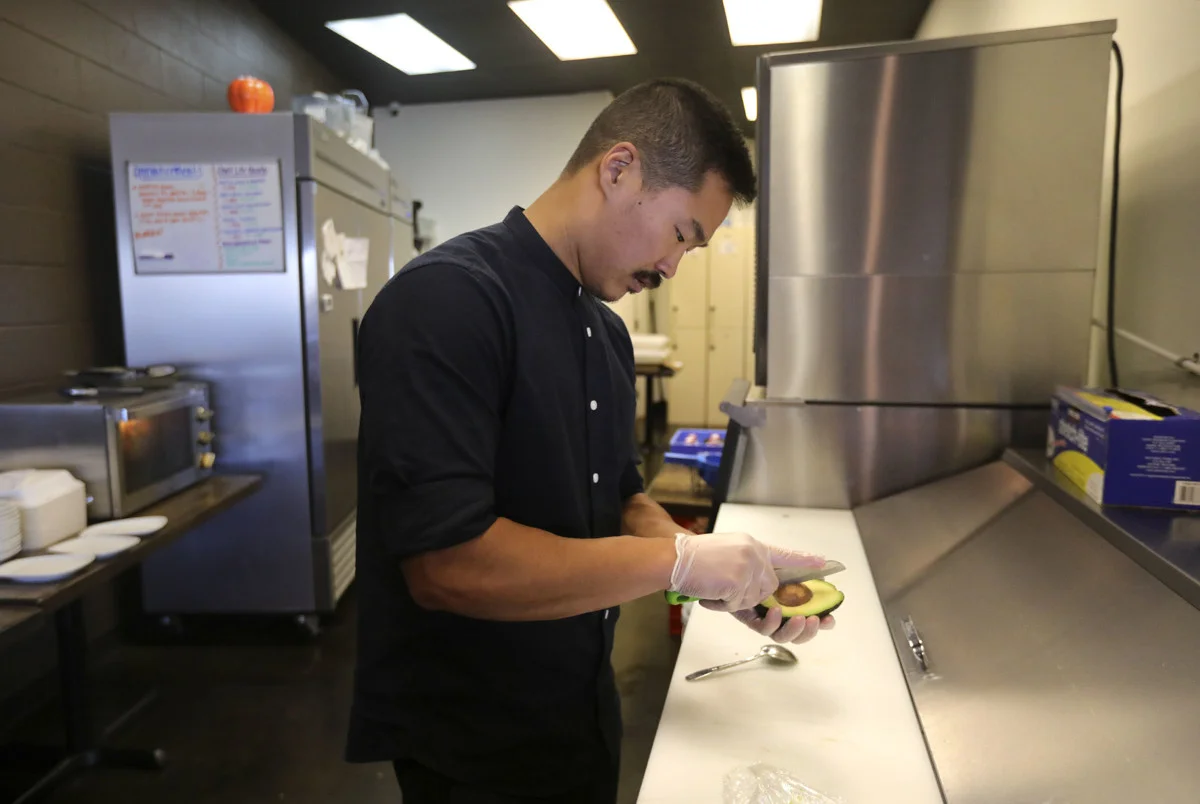
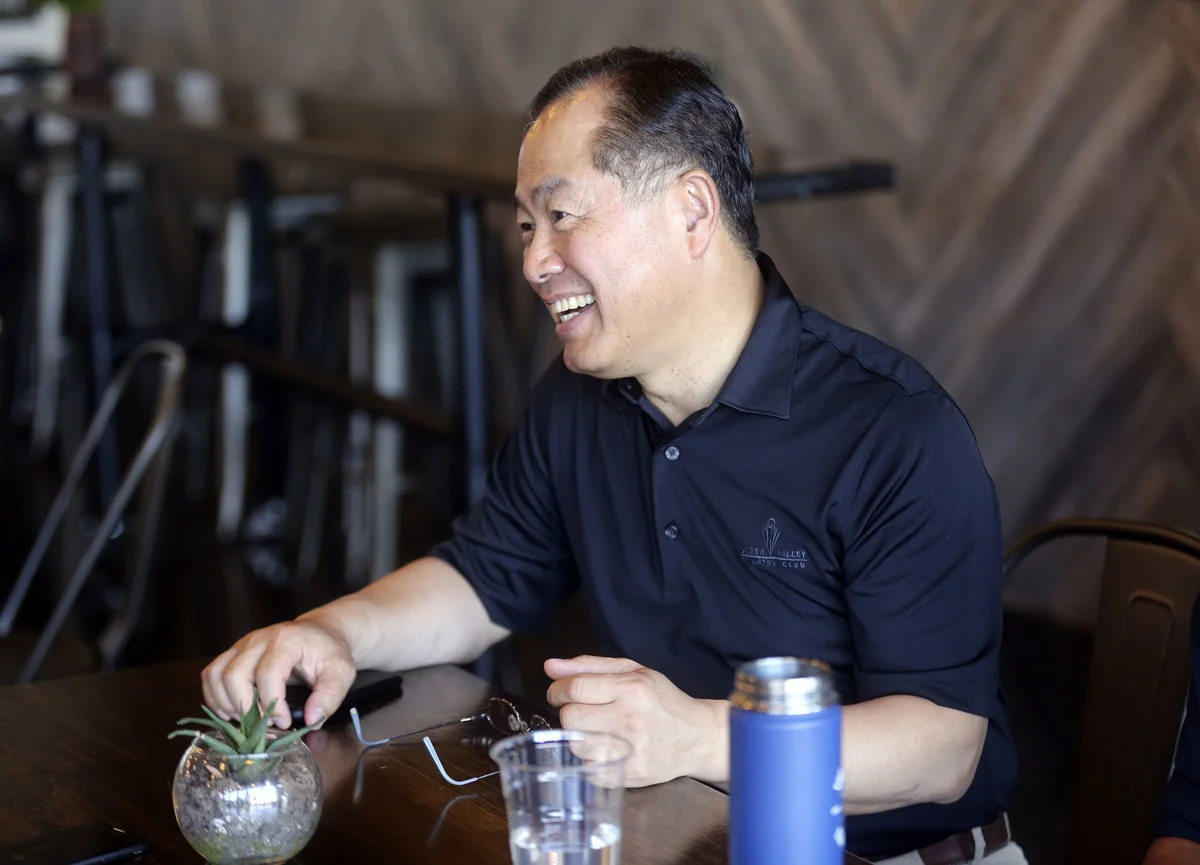
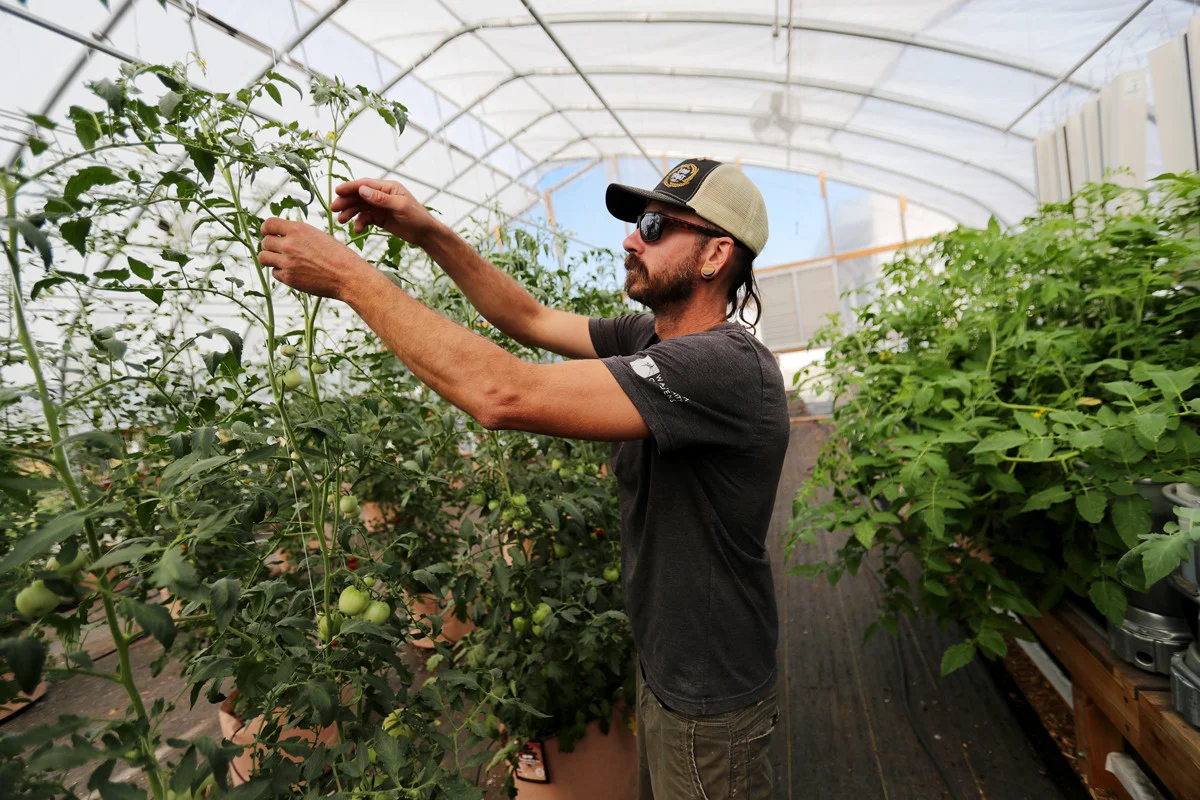
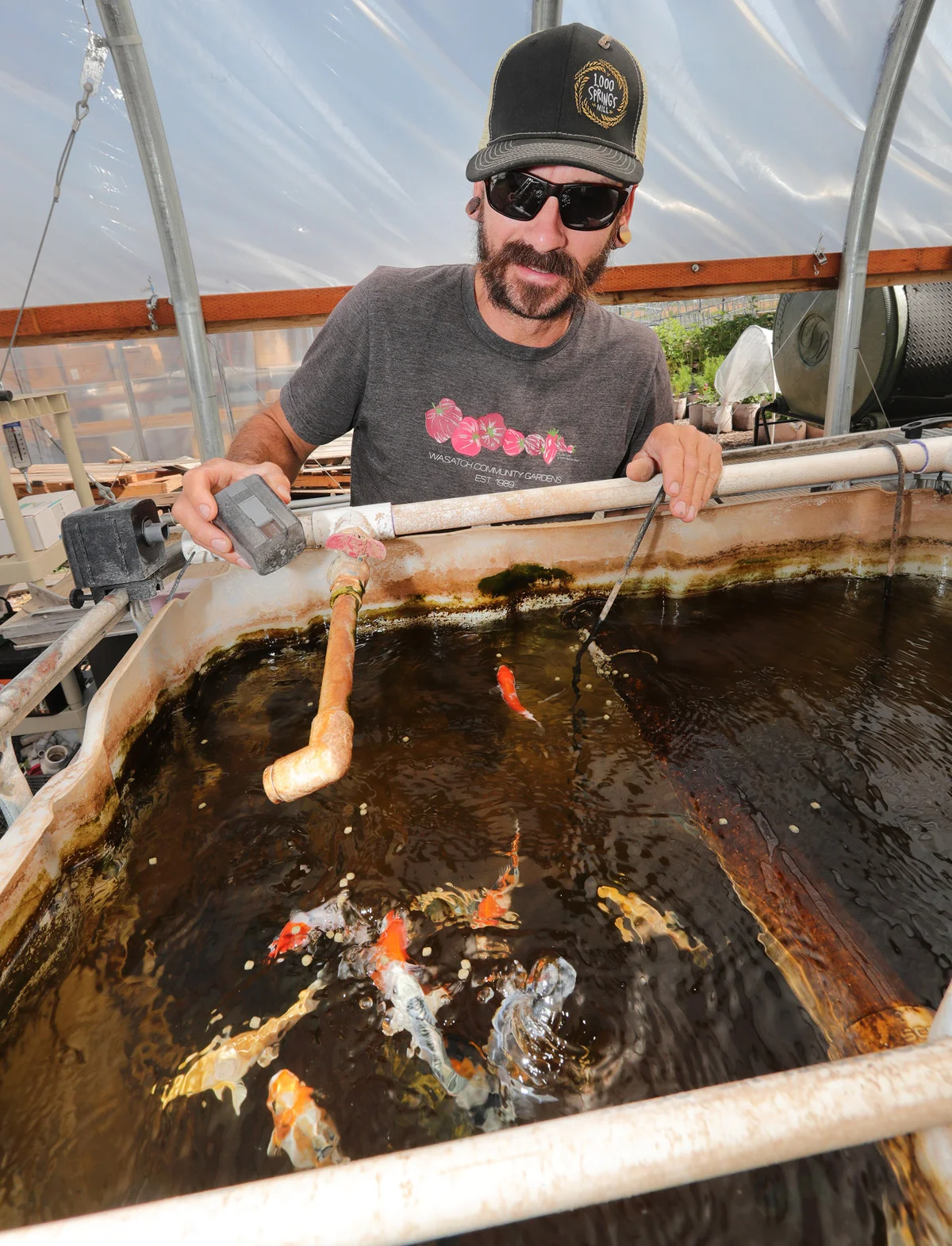
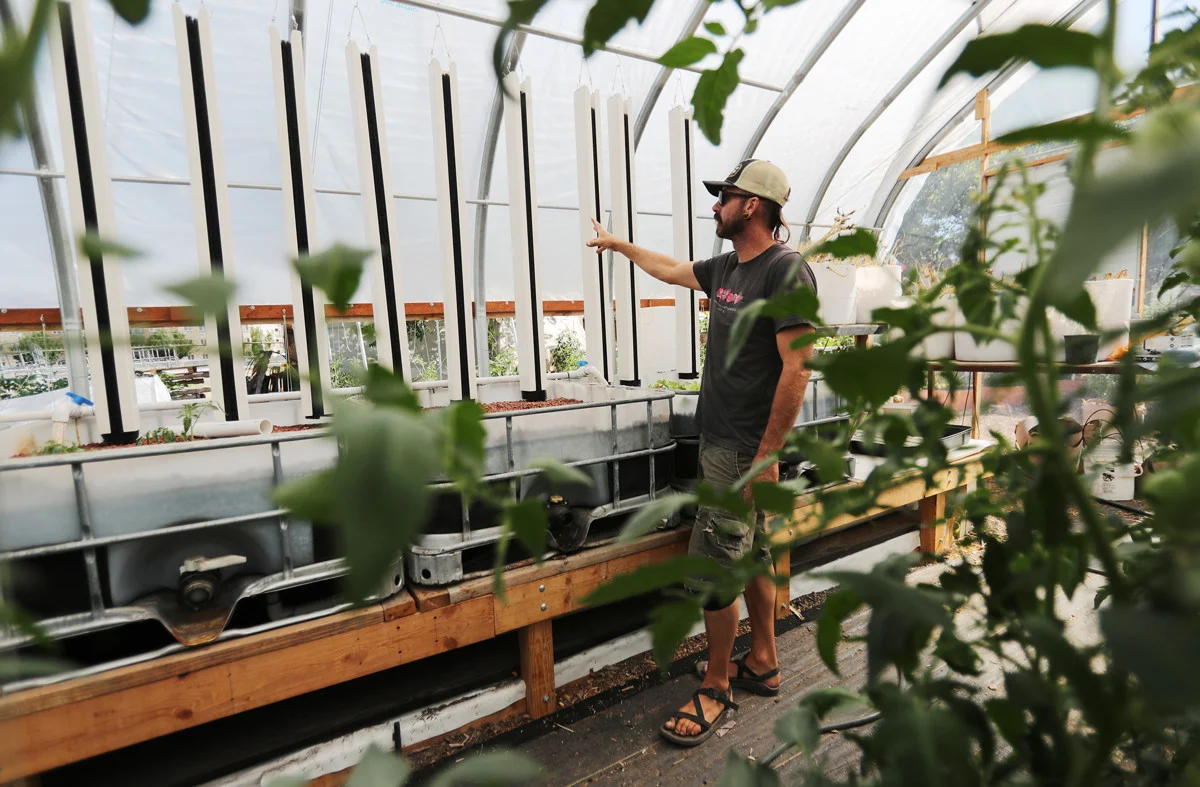
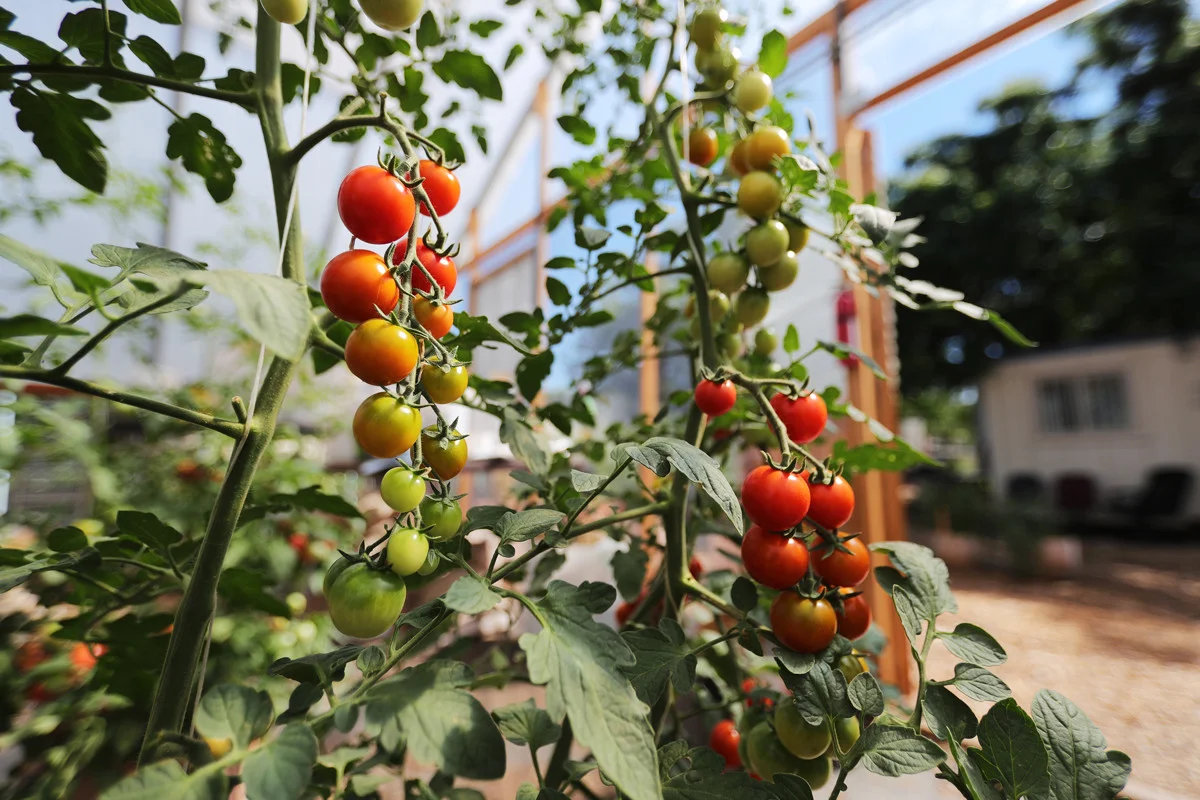
MURRAY — A Utah family of Korean immigrants is hoping to tap into the vertical farming market, an endeavor where values in the United States are projected to reach $3 billion by 2024 according to recent market research.
Since moving to Utah in 1987 to pursue a master's in bioengineering at the University of Utah, Chihan Kim and his family have headed up a string of local business ventures, from a gas station to glove manufacturing and a coffee shop.
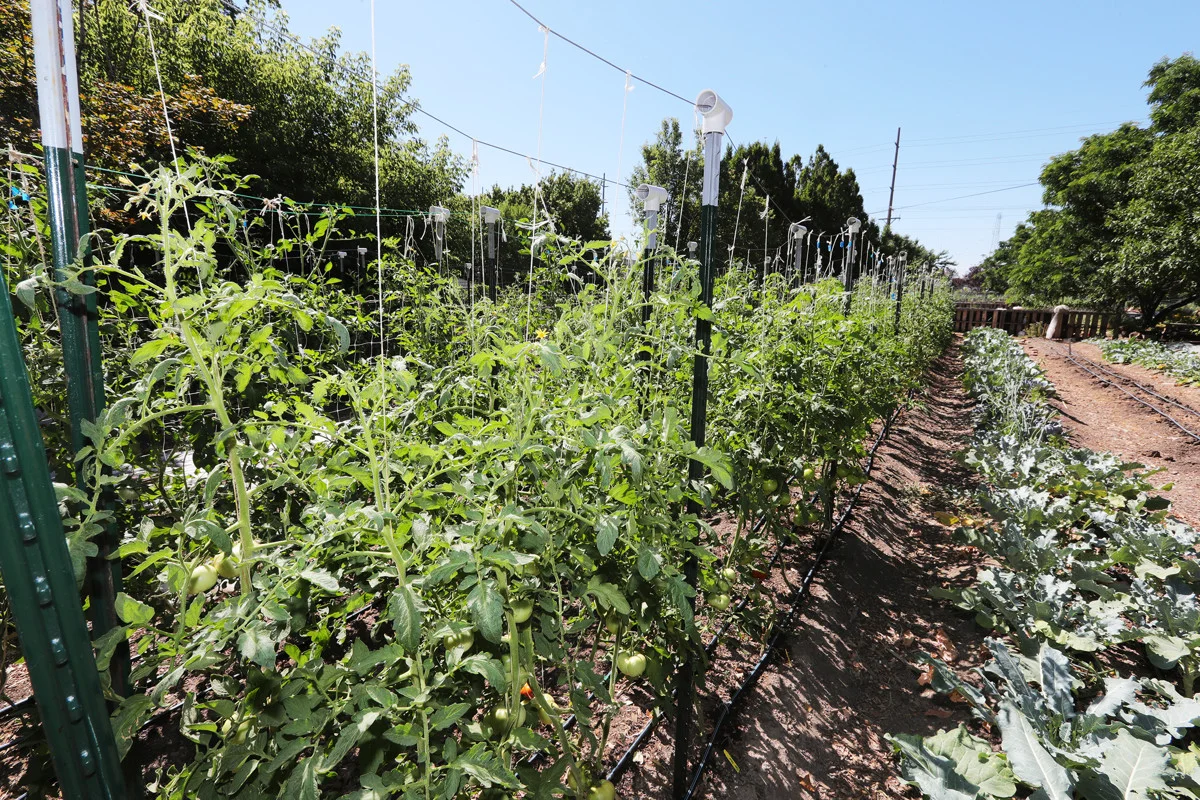
Scott G Winterton, Deseret News
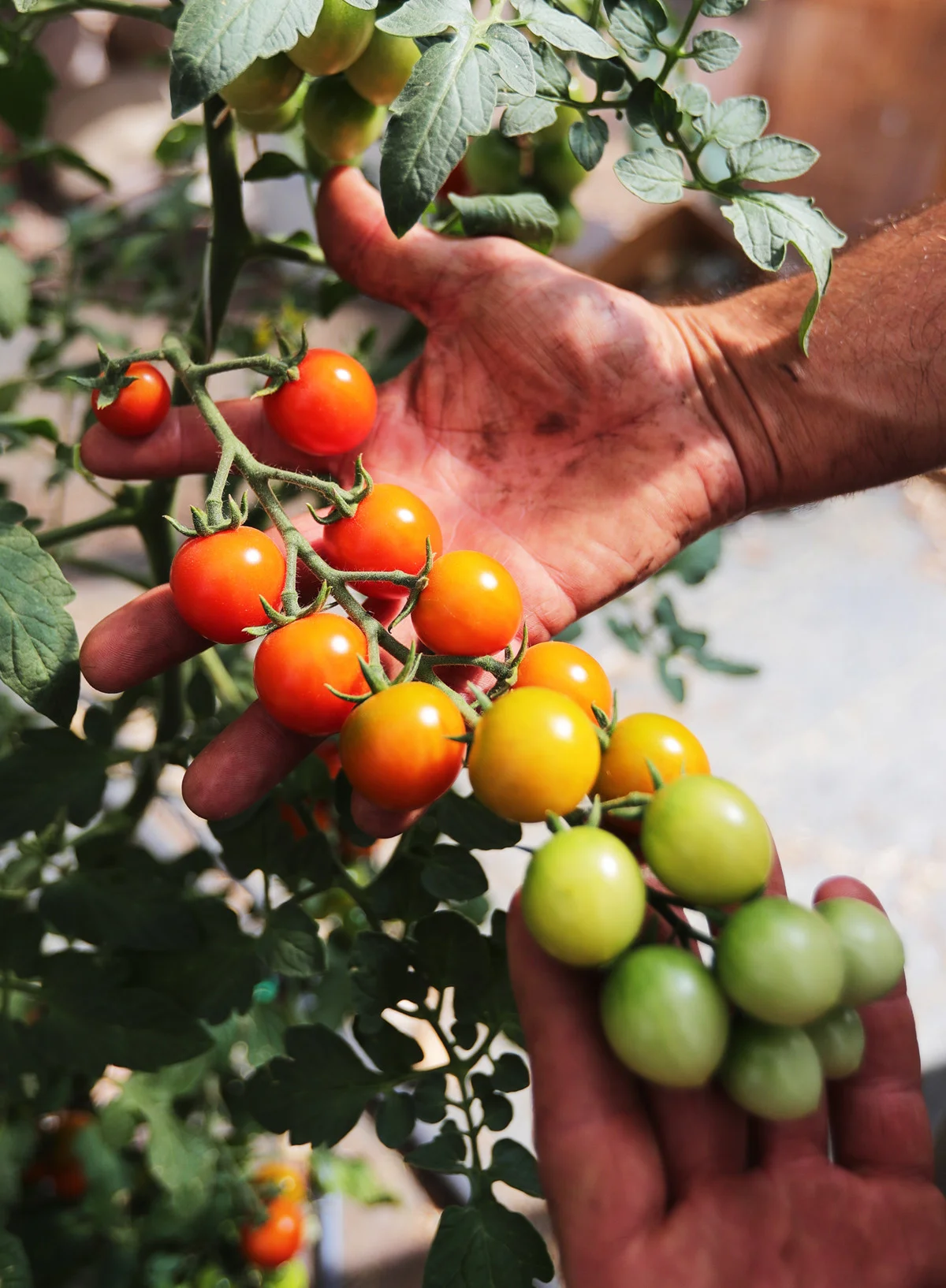
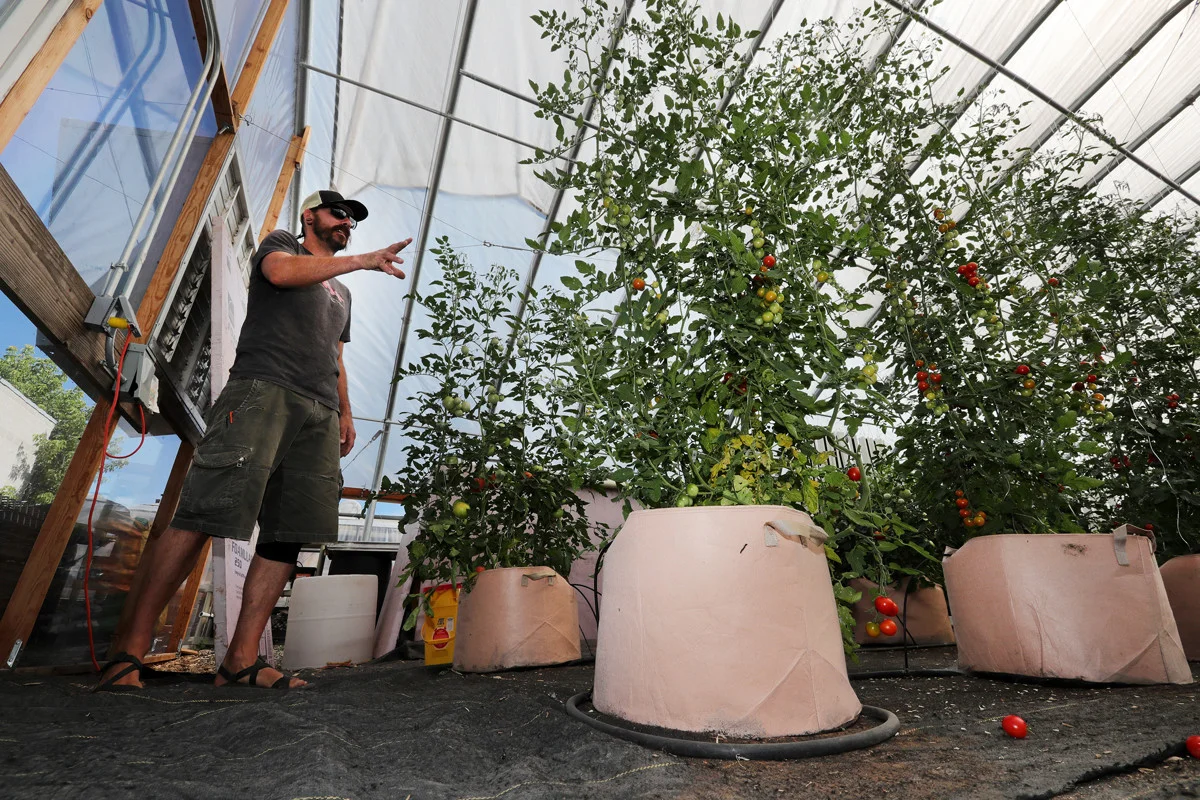
James Loomis, Green Team Farm director for Wasatch Community Gardens in Salt Lake City, shows off vertical growing tomato plants on Monday, July 22, 2019.
In February, Kim said he found a "good deal" on a warehouse near 150 East and 4500 South and purchased it. "Plan A was renting the building to somebody," he said, but "I looked into several different businesses" in case "I cannot find a tenant."
One of the options he looked at was indoor farming. Kim said, "When I started (researching) indoor farming business, I liked it, you know, so I changed (my) mind to do a business in the building instead (of leasing)."
According to Jack Wilbur, spokesman for the Utah Department of Agriculture and Food, there are currently three commercial vertical garden operations in Utah that supply to restaurants and farmers markets in the state.
Wasatch Community Gardens also runs a vertical farm operation, although not for commercial purposes. The community garden's Green Team initiative provides a farm-based job training program for women who are experiencing homelessness.
At the time Kim submitted his application, Murray had no land use code for a vertical farming operation.
"Mr. Kim came in and said, 'I want to start indoor farming,'" said Murray City Community Development manager Jared Hall. He said city representatives told Kim, "We don't actually have something specifically for that, we don't have anything specifically prohibiting it either."
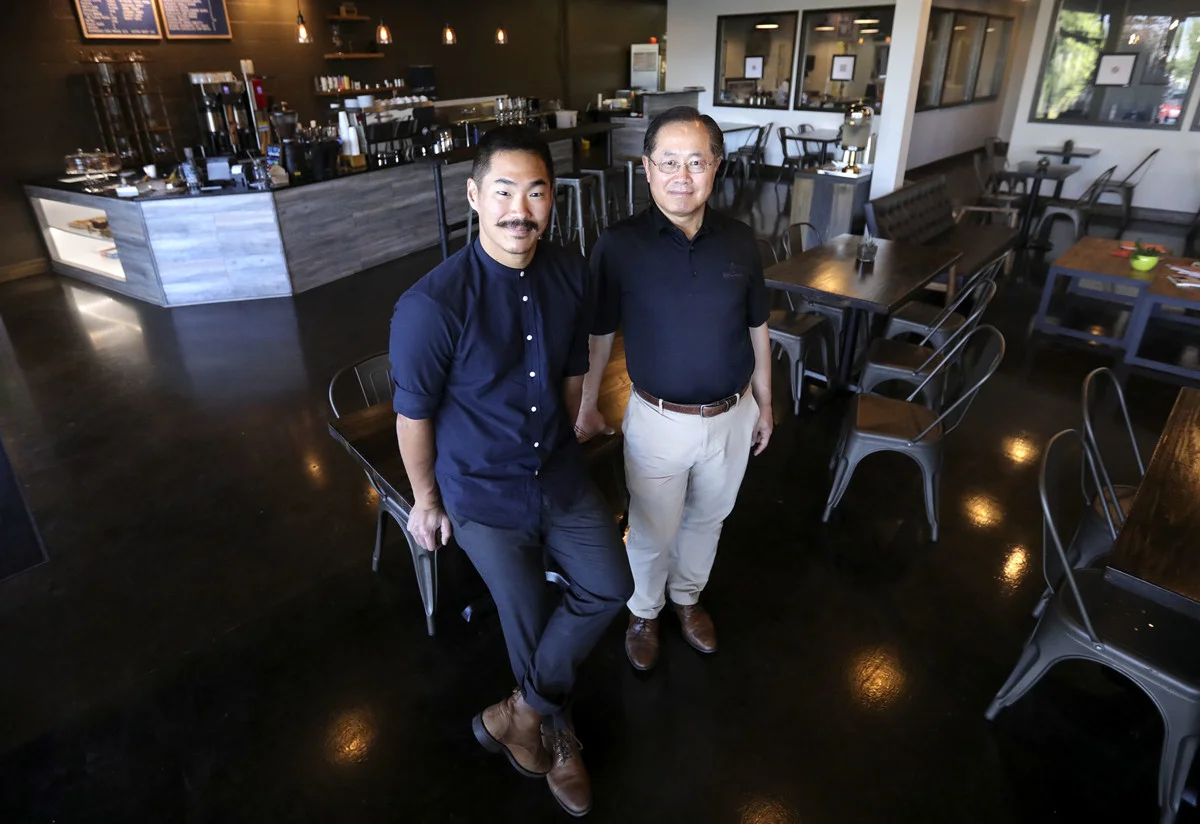
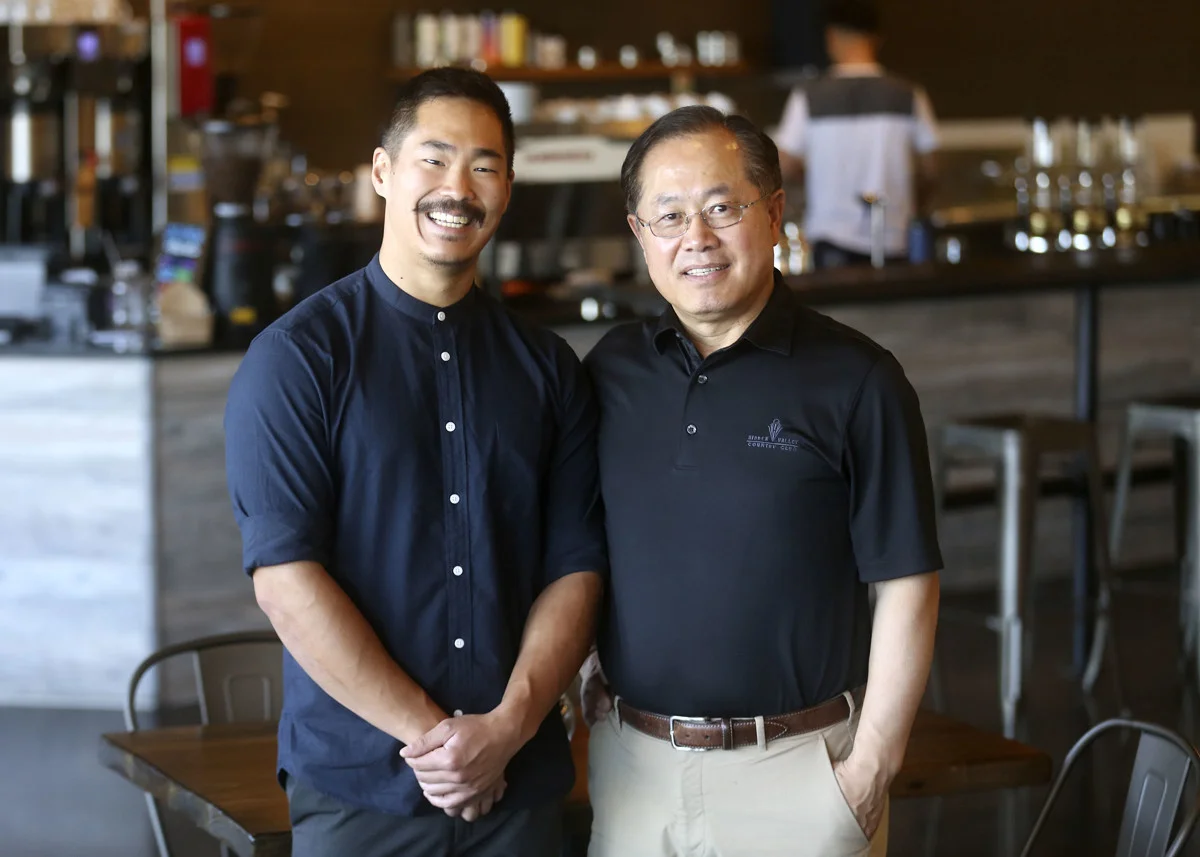
Eugene Kim and his father, Chihan Kim, pose for a portrait at their coffee shop, The Bean Yard, in Sandy on Thursday, July 18, 2019. Chihan Kim initiated an ordinance to allow vertical farming in Murray, which the City Council passed.
Hall said the city was supportive of the initiative, noting "the planning commission was very positive about it from the get go."
He said the idea of zoning for indoor farming appealed to the commission and the council so much they took the initiative one step further. "We took Mr. Kim's application and broadened it basically to include other zones," he said.
He noted that the building Kim hopes to farm in is located in the city's commercial development zone. However, the commission felt other zones would also be appropriate for future projects.
The ordinance, recommended to the City Council by the planning commission, was passed by the council unanimously on June 18.
The measure amended text in both the city's standard land use code and municipal code to allow for indoor farming in the city's mixed use, manufacturing general, commercial development, transit-oriented development and business park zones.
"In an area like Murray, where things are built out, we don't have large agricultural areas anymore. It's nice to put food production close by," Hall said, noting that the commission and council "saw a lot of pluses and not a lot of detriments" to the ordinance.
It was precisely this type of flexibility and room to grow that Kim said inspired him upon arrival in the United States to move away from academics and into business investments.
"In Korea, I have to go to school, good engineering school, then I can get a good job, then I can live comfortably. That's why I studied," he said.
After obtaining an engineering degree in Korea, Kim said he came to Utah to earn a master's degree, followed by a Ph.D. in mechanical engineering from the University of Utah.
"I planned to go back to Korea and work as a professor, you know, that was my original goal," he said.
However, Kim said, when he began exploring the U.S. he saw it as a "large open land" and realized "study is not everything."
"There's so many other things to do in the United States of America," he said, recalling that while his fellow students and colleagues at the university seemed to enjoy academics, he said he studied only "to survive."
His first business operation was a gas station, which he said he expanded to include a car wash and a site for safety and emissions inspection. In the mean time, Kim said, he started two other businesses, one selling eyewear and another exporting medical equipment to South Korea.
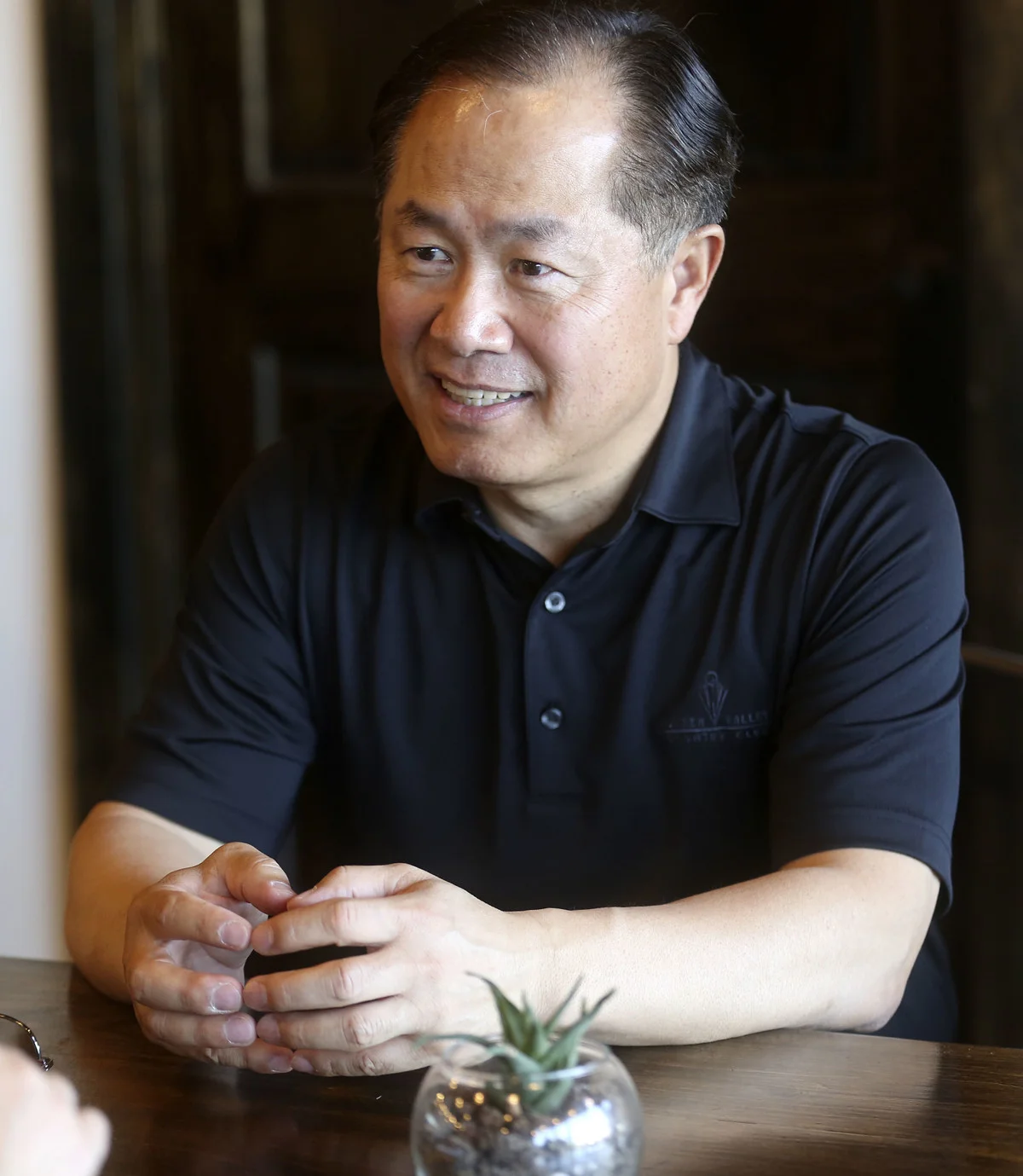
"I still have a lot of inventory," he said, indicating his personal glasses on the table beside him and noting that the frame was his own design.
According to Kim, his most successful business thus far has been Advanced Gloves, a venture which he happened upon after a friend from Korea asked for his help marketing a new glove model he'd produced.
"I did not really mean to be in that business," he said, adding that he had meant to simply "find (a) buyer (in the U.S.) and connect him." However, after bringing samples to various buyers, he said he found the product to be quite successful.
"I don't know if you see a FedEx Express driver come to your office. If you see them, they wear our gloves," he explained.
As he spoke, Kim sat at a table in the Bean Yard, a coffee shop he owns and manages along with his wife, Haisoon Kim, and his son, Eugene Kim.
Kristin Murphy, Deseret News
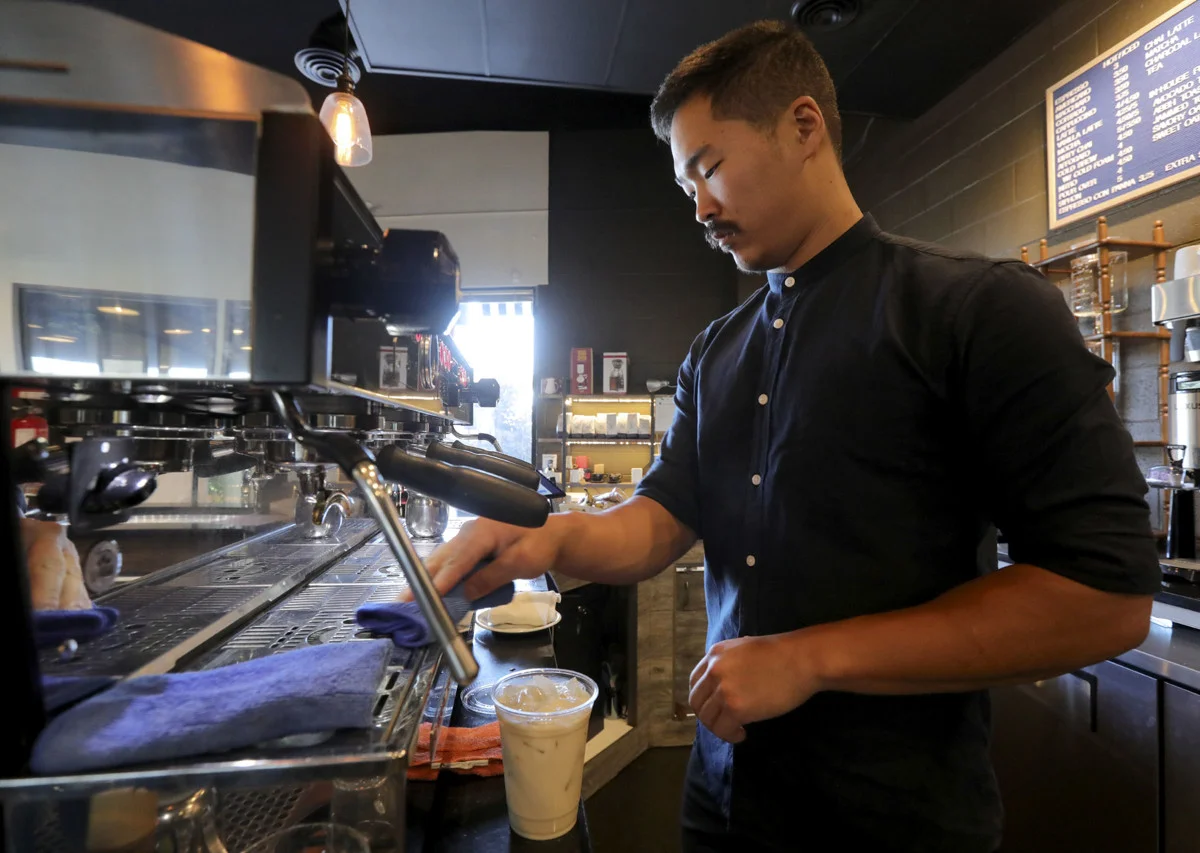
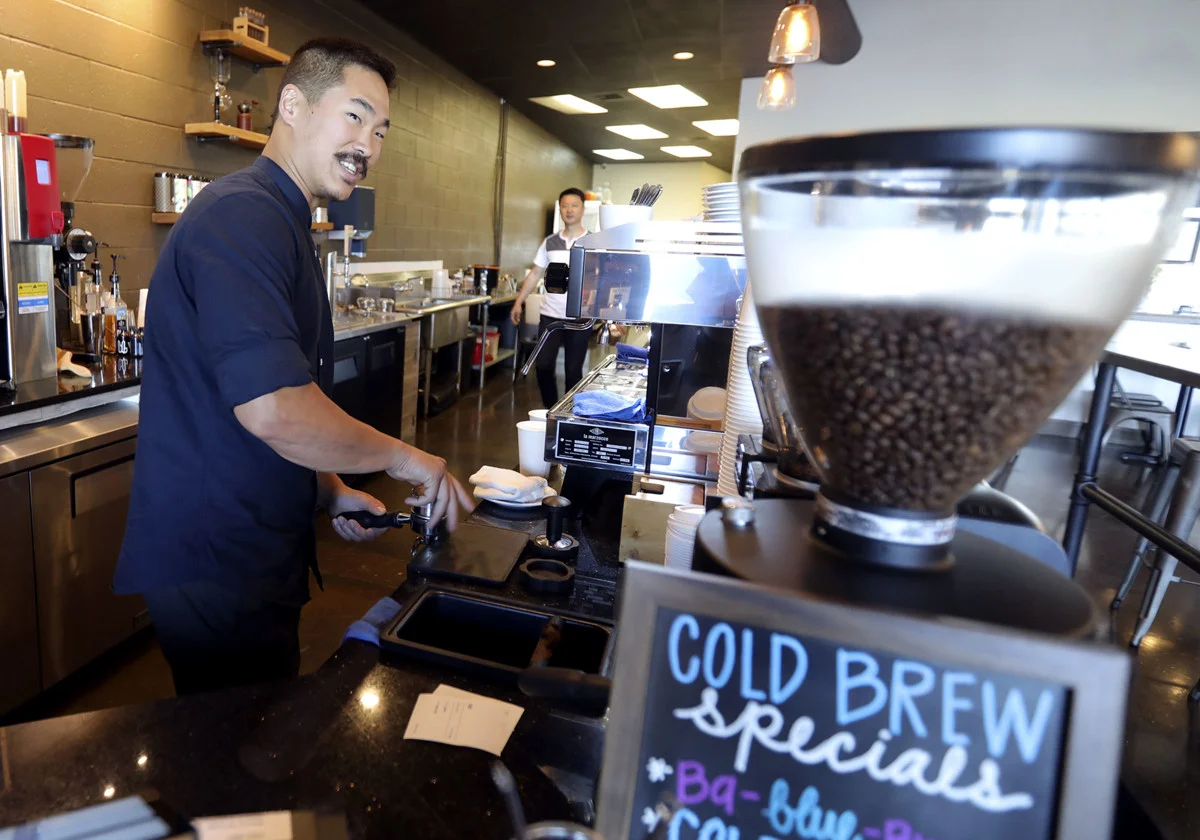
Eugene Kim, co-owner of The Bean Yard, prepares a coffee at the Sandy shop on Thursday, July 18, 2019. Kim's father, Chihan Kim initiated an ordinance to allow vertical farming in Murray, which the City Council passed.
The coffee shop is located in Sandy, though Eugene Kim noted the family has plans to open another location in Salt Lake City this summer.
He said his father's latest business venture, indoor agriculture, was inspired by market research on the productivity of this type of agriculture.
"Growing outside is becoming more difficult, because seasons are changing, and people aren't able to predict the weather as well, as they had before," he said. "Hydroponic gardening in general is something that I think is good for people to start getting into now. And it's something that I think will ensure a more sustainable future."
Research for his venture in vertical farming has taken Chihan Kim as far as Korea and China to meet with suppliers for indoor agriculture equipment and research centers.
Eugene Kim noted that though his father had originally set his mind on lettuce, after some discussion and research the family had decided strawberries would be the best crop for their operation.
"The way that we see it is that lettuce, in general, does not make any money, and so (Chihan Kim) moved on to the next option of potentially doing strawberry farming", he said. Also, because strawberries tend to absorb a higher number of pesticides, he said, cultivating them indoors would be a good way of avoiding this.
Chihan Kim noted that his University of Utah studies will likely come in handy.
"Because I have an engineering background I can run this cultivation facility optimally," he said. His background and research will help him effectively test the efficiency of elements such as humidity levels, light and temperature.
To cover the start-up cost for the business, Kim plans to apply for federal agriculture loan programs, though he has also looked into and may apply for a state program that offers financing of up to $100,000 for high tunnel or indoor farming operations.
Wilbur said if Kim were to apply for and receive funding through the program, he'd be the first in the state to take advantage of it.
PHOTOS: Scott G Winterton, Deseret News

Is It Finally Time For Vertical Farming?
Vertical farming enterprises have faltered and a decade of low interest rates has caused many industries to express frustration. However, although progress has been rocky, the ecosystem is fueling what may become an urban-food-system transformation
October 23, 2017
These crops were grown in a Chicago urban farm.
(Credit for all images: Plant Chicago)
Vertical farming enterprises have faltered and a decade of low interest rates has caused many industries to express frustration. However, although progress has been rocky, the ecosystem is fueling what may become an urban-food-system transformation.
As more people move to cities, urban farms now produce a fifth of the globe’s food. In the United States, urban farms are blossoming in Cleveland, Chicago, and New York City. Currently, urban farms cannot meet local demand, so communities import from different industrial producers depending on the season.
Vertical farming is one example of agtech. According to CB Insights, agtech companies around the world will disrupt how United States citizens eat for the first time since World War II.
LED-powered vertical farms are expected to generate over $6 billion by 2023, according to Acumen Research. World Economic Forum has predicted they will become very influential in agriculture by 2025.
Promises of Vertical Farming
The United States is experiencing epidemic levels of obesity, diabetes, and heart disease. According to Harvard School of Public Health, this is due to nutrition-poor diets. One of the reasons for this is the relative difficulty of easy access to supermarkets. The American Nutrition Association has published data showing how widespread these “food deserts” are in the United States.
Reprinted with permission.
Vertical-farming technology will enable agriculture without soil or natural light and with much less water. Growing times and costs will fall and create opportunities for urban entrepreneurs to enable local, healthy food production year-round.
There are also huge conservation benefits: urban vertical farming takes the pressure off land cultivation and greatly reduces water consumption and contamination.
Depression-era food subsidies have fueled mass production of staple crops. The need for economic scale has promoted industrial-sized operations which over-develop marginal lands, wrecking ecological systems and increasing the need for toxic pesticides.
In addition to the runoff of toxins into our water supply, agricultural cultivation of our watersheds – such as reefs and marshes – degrades the natural infrastructure that purifies our drinking water and protects our homes against worsening floods.
At the same time, crops sometimes travel thousands of miles along a carbon-guzzling transport system that includes ground, air and sea. For example, imported garlic from China is estimated to cause 156 school absences a year due to pollution.
While the global trade of crops is a significant source of greenhouse-gas emissions, data published in Environmental Research Letters show that the environmental impact of producing food is highly dependent on its origin. Differences in farming practices, seasonal climate, and land and water availability mean that growing food locally is not always optimal.
Challenges of Vertical Farming
Vertical farming is not a new concept. As discussed during Aglanta, several promising companies - including Atlanta’s Podponics, Vancouver’s Local Garden, and Chicago’s FarmedHere - shuttered due to lack of economic viability.
Critics also question the societal value of vertical farming. Salon and Fast Company have argued vertical farms are expensive to start and use a lot of energy. By extension, only wealthy entrepreneurs can start up operations and only a limited range of produce can be profitably grown. Therefore, vertical farming is accused of focusing on elite urban markets rather than malnourished and underemployed communities outside major metros.
Promises of Agtech
Critics’ visions ignore the product life-cycle and creative destruction – the processes by which increased customer adaptation leads to lower prices. Investors, corporations, and governments across the world are investing hundreds of millions into developing efficient vertical farming technologies.
As vertical-farming firms continue to compete and the industry matures, the price of upfront capital investments will fall. Likewise, improved efficiencies in lighting and cooling shrink operating expenses towards profitability. For these reasons, Panasonic and Phillips are decreasing farming expenses by mass-producing professional-level LEDs.
Environmental stewardship goes hand in hand with sustainable investment – a growing space favored by millennials, according to Morgan Stanley. Businesses facilitating vertical farming will not only grow with the industry but also gain as responsible investors migrate to investments such as green bonds. According to Crunchbase, vertical farming start-ups AeroFarms, Bowery Farming, and Plenty have raised $35.3, $27.5, and $200 million respectively in 2017.
Firms are using advances in technologies - including machine learning - and their own systems to differentiate themselves from the competition.
Christina Ra, Plenty’s head of communications, said that “Plenty's vertical-plane growing technology provides a unique and patented difference that ultimately improves efficiency and plant health/quality. Plenty has developed its entire growing system - the vertical-plane towers, watering system, LED light systems, etc. - to grow well at scale.”
Ra also said technological improvements will enable vertical farming to grow a broader range of crops. “There has been no option other than to grow crops that can withstand travel, trucks, distribution centers, and the required days and weeks of that supply chain. Because we provide plants with the exact air quality, temperature, light, etc. that they want, everything is simply better.”
Deloitte has calculated that supplier vertical integration coupled with consumers’ expectations to consume products on demand will revolutionize the industry soon. By design, vertical farming relies less on established farming systems for inputs such as seed and pesticides.
However, Amazon’s acquisition of Whole Foods does present opportunities for more informed crop growth and distribution. One can imagine a situation where Plenty – with Bezos Expeditions, the Amazon CEO’s personal venture fund, already an investor – might play a role in supplying on-demand, locally produced crops for sale in stores at Whole Foods and digitally on Amazon.
Improvements to the Value Chain
The promise of urban farming is spurring proposed regulation around the country to create tax-advantaged agricultural zones in Illinois and elsewhere and bolster the United States Department of Agriculture’s involvement in the area.
It’s unclear how vertical farming will fare under new legislation, but water conservation, pesticide reduction, and year-round production offer society tangible advantages.
Moreover, advances in financial technologies will decrease the cost of working capital. Blockchain is especially well posed to enable urban farming growth. Blockchain’s near-instantaneous post-trade settlement removes the uncertainty of lags between trades and settlements that could take weeks. With this technology, farmers can analyze their commitments and make better-informed strategic decisions about growing and selling.
Likewise, higher trading transparency can lead to better financing terms from insurers, banks and investors.
Finally, real-time supply-chain management decreases expenses associated with monitoring crop history – including organic status, environmental pollution, and working conditions. Knowing these variables allows consumers to make informed decisions and leads to pricing premiums for locally-sourced food.
Whereas scale is required now to satisfy buyers’ needs, local agricultural futures exchanges would allow for a pool of diversified urban farms to independently sell to institutional buyers. With buying-commitments from grocers, schools, or hospitals, farmers can efficiently forecast profit margins. Instead of searching for working capital and marketing crops, they can spend their time maximizing crop yields.
To comment on this article, please post in our LinkedIn group, contact us on Twitter, or email the author via our contact form.
Tagged with: agricultural programs

Looking For Urban Farming 'Silver Bullet' In China
After a successful first edition, the Urban Greenhouse Challenge is back.
After a successful first edition, the Urban Greenhouse Challenge is back. This time, student teams are developing an urban greenhouse in Dongguan, China. Fortunately, they're not left alone - partner companies, including main partners Rabobank and Country Garden Agriculture, are ready to help, and five top universities are involved: China Agricultural University, the University of São Paulo, Cornell, UC Davis, and of course Wageningen University & Research. We asked Marta Eggers, Project Officer WUR Student Challenges, to tell us a bit more about the upcoming challenge.
"Urban farming exists for a very long time already. Now there's a sort of revival of urban farming, and a lot of people are very excited about it. But we have a feeling that there's not a good model for how to do it. There's a lot of searching going on, but there's not a silver bullet solution yet."
The challenge is a way to come up with solutions that can inspire progress and boost innovation. "We want to make people enthusiastic about urban farming. We hope we can bring it to the next level", Marta says, referring to the challenge's slogan: 'Will you bring urban farming to the next level?'
Image: Spark Architects
Dongguan: Economic hub for China and the world
While the first Urban Greenhouse Challenge took place in the Netherlands, this edition is looking a bit further east. The choice for China seemed logical, given the relationship Wageningen University has with the country. "We have ongoing collaboration and very close links with China", Marta says, "and we also have a China office, so with this challenge, we're building on this collaboration."
The site itself is "one of the most fascinating areas in the world", she argues: the agropark of Dongguan is located in the Pearl River Delta Economic Zone. "It's like a special zone in China, a place where a lot of experiments take place. It's all very high tech and innovative. For instance, when paying, you don't use a credit card, but you pay with your face. It's an economic hub for China, but also for the world; it's a very fascinating place."
Part of that 'fascinating place' will be the Dongguan agropark. "It's going to be a very big project," Marta says, "with a mission to create a sort of clean island in a very urbanized area, and our project will be a part of it."
A rendering of the Dongguan agropark, with the challenge site in the foreground
Catalyst for change
Going beyond this particular project, the second Urban Greenhouse Challenge is really looking for a 'catalyst for change', Marta explains. "We really want to provide experiments for more innovation." Last year's challenge is evidence that this is indeed how it works - many of the participants have followed up, going further into the field of urban farming.
Another way in which the challenge seeks to be a source of inspiration is by bringing together disciplines that often don't work together, like architecture and agriculture. "Those are the groups that also don't really know each other. This will also spark new ideas and add value."
The winning design in the first Urban Greenhouse Challenge
Lessons learned
The UGC team's experience from the first edition of the challenge has geared them up for the second. "The first Urban Greenhouse Challenge was a big experiment. The idea of Wageningen organizing such a challenge came up in January 2017, and in June it was decided that the challenge would go through. So we didn't really have much time to prepare", Marta says, laughing. "When it started, we were still working out the details and running the challenge. It was crazy and very intensive, but we also learned a lot."
They used that experience for the second challenge. "We very much revised the format." The idea is the same: student teams developing a greenhouse in an urban environment and involving the local population, but a few things have been tweaked. "For instance, we have included milestones this time, we have very clear instructions for all the participating teams. We have also developed an online platform. We now have a website with a lot of functionalities to facilitate communication with teams."
Team GreenWURks, winners of the first UGC
Connecting student with companies
With the online platform that's been developed, participating students are able to get in touch with experts who can offer them advice. "We really hope that some interesting innovations will come out of this", Marta shares. "All our partners get access to the online platform, and the online platform is a meeting place. Via the online platform, you can initiate chat, which can be followed up by Skype calls or face-to-face meetings."
Getting in touch with companies isn't just beneficial for the students - there are mutual benefits. "We think this is a great HR opportunity for the companies. The people who join the challenge are really very eager students. They'd be the perfect employees because they are very ambitious, curious about the topic and very innovative."
If your company is looking to get in touch with those talented students, be sure to get in touch with the Urban Greenhouse Challenge team - they're still looking for expert partners.
For more information:
WUR Urban Greenhouse Challenge
studentchallenges@wur.nl
urbangreenhousechallenge.nl
Publication date: 8/29/2019
Author: Jan Jacob Mekes
© HortiDaily.com

Crop One Holdings Appoints Dr. Jenna Bell As Vice President of Nutritional Science
As pioneers in agriculture, Crop One grows local, fresh produce through advanced hydroponic, indoor farming practices. The company is dedicated to being environmentally sustainable, scalable, productive, and now, better for human health and nutrition
OAKLAND, Calif.--(BUSINESS WIRE)--Sep 5, 2019--
Crop One Holdings (Crop One), a leading global vertical farm operator, announced the appointment of Dr. Jenna Bell to the position of Vice President of Nutritional Science, effective immediately.
As pioneers in agriculture, Crop One grows local, fresh produce through advanced hydroponic, indoor farming practices. The company is dedicated to being environmentally sustainable, scalable, productive, and now, better for human health and nutrition.
“Crop One is committed to being part of the solution for some of the world’s most challenging issues in farming and food production – from land and water usage, to safe and clean growing practices," explained Sonia Lo, Crop One’s Chief Executive Officer. “As part of that commitment, we recognize that the nutritional value of the food we grow and our impact on wellness is integral not only to our success, but to improving human health around the world.”
As a registered dietitian and former academician, Dr. Bell will bridge the gap between plant science and human health alongside Crop One’s team of top plant scientists and systems engineers. She has over 20 years of industry experience, most recently from Pollock Communications, a food, nutrition and wellness-focused public relations agency, where she served as Senior Vice President. She worked with some of the top food and beverage companies in the world, including Unilever, PepsiCo and Danone North America, as well as commodity foods like cranberries, beans/legumes/peas and rice.
An accomplished leader in her field, Dr. Bell is also a frequent resource for the media. She is a well-published consumer and technical writer who has co-authored two books on nutrition and dietetics, and serves as editorial advisor for Today’s Dietitian magazine. Dr. Bell is an active member of the Academy of Nutrition and Dietetics. Dr. Bell holds a Bachelor’s and Master’s in Nutritional Science and a PhD in Exercise Physiology, with extensive experience in dietetics.
“We are delighted to welcome Jenna as a member of Crop One. She is a proven thought leader with a wealth of experience in helping brands connect with consumers, providing expert nutritional insights and guidance,” continued Ms. Lo. “Jenna will work alongside our plant science team and will be instrumental in helping to shape product development and presenting our extraordinary nutritional capabilities to consumers around the world.”
California-based Crop One Holdings is a vertical farming technology company that enables fresh produce growing in a sustainable manner for its customers. It operates two subsidiaries: FreshBox Farms in Millis, Mass., and a joint venture with Emirates Flight Catering in Dubai South, United Arab Emirates. Crop One has been in continuous commercial production longer than any other vertical farmer in North America. The company’s proprietary technology and plant science put it ahead of its competitors, producing crop yields among the highest of the industry, but at 25% to 50% of the capital cost of other vertical farming companies. To learn more, visit https://cropone.ag/.

VIDEO: Plants Ready To Go In At New Russian Indoor Farm
iFarm is a Russian vertical farming company that both operates farms and supplies the techniques to do so, as well as conducting a lot of research to get the best out of leafy greens, vegetables, berries and flowers
Plants can go in any day now at the newly installed vertical farm by the Russian company iFarm. The project, which is located in the city of Novosibirsk, is eight layers high and is the first project of this size conducted by the iFarm team.
“Our technologies for vertical farming have passed another test", co-founder Konstantin Ulyanov shares proudly. "Earlier we projected and built small farms which we tested the automation on, sampled the taste quality and contents of the lettuce and herbs. We learned to scale the technology (three times for this particular project), and increased the amount of varieties that could be grown in our farm."
iFarm is a Russian vertical farming company that both operates farms and supplies the techniques to do so, as well as conducting a lot of research to get the best out of leafy greens, vegetables, berries and flowers. Earlier this year they opened a laboratory for edible flowers. Currently they are also realizing projects near Moscow. Construction of three farms will start this month. "The next step is to launch such farms via distributors, like we already do abroad", Konstantin adds. For example, an iFarm showroom is being realized in Helsinki.
Some serious numbers
The new farm is located in the building of a former car dealer. To get this one ready for indoor growing, 20 tons of construction materials have been brought to the site, of which 90 stacks with 8 layers each have been installed. In it also 3 kilometers of wiring, 20 square meters of partitions and 1000 meters of pipeline. It took 10 people working in two shifts to assemble the racks in 30 days - working without a day off. They drilled 3333 holes and connected 60,0000 parts to assemble the 90 racks.
The first seeds will be planted at the end of August. Six types of leafy greens will be grown on 749 shelves: romaine lettuce, kale, chards, leaf lettuce, basil and bok choy. The overall growing area will comprise 1000 square meters, and planned production capacity is 42 thousand pots a month.
Pesto
The new production site will be equipped with a processing center to create pesto from the rucola and basil, as well as healthy chips, oils and fresh juices. Another part of the farm will be turned into a showroom: the visitors will be able to see the greenery growing process through glass partitions.
The vertical farm has been constructed with the help of attracted private investments. The projected payback period for a vertical farm of this size should be reached within 5 years. The farm will be producing 25 to 30 tons of greenery a year, the production margin being 27%. The first crops should be collected in October 2019.
Company Vega-Absolut acts as a strategic and technological partner of iFarm. The first vertical iFarm with a showroom of 300 square meters growing area is currently operational at the Novosibirsk science campus.

UK ‘Closing In’ On Large-Scale Vertical Lettuce Production
As investment increases and the cost of production comes down, vertical farming has the potential to replace imports in leafy salads
29th August 2019 London
BY FRED SEARLE
Vertical farm director says indoor production of salad heads in Britain has potential to replace imports from Spain as sector gathers steam
As investment increases and the cost of production comes down, vertical farming has the potential to replace imports in leafy salads.
This is the view of Vernon Mascarenhas, a director at the London-based vertical farming company GrowUp Farms, which has specialised in growing microgreens, salads and herbs for the restaurant sector and is now focused on applying its know-how to industrial-scale salad production.
Several companies in the UK and abroad are making good progress on the challenges of making vertical farming work at scale, said Mascarenhas, who believes we are no more than a few years away from produce grown in industrial-scale vertical farms becoming an established part of the UK supply chain.
Also a commercial director at New Covent Garden catering supplier Nature’s Choice, he stressed that if UK growers can start growing salad heads year-round in Britain, the implications of not having to import large volumes from Spain in the winter will be huge.
“If companies like G’s don’t invest multi millions, they will have a real problem,” he said. “As soon as we get up and running and can produce gem and cos in the UK in the winter, it’s going to replace supply from Murcia, and this will increase suppliers’ margins.
“The price of a two-pack of gem in a supermarket is around 75p, and to bring it over from Murcia costs around 28p. Instead of wasting this 28p per pack on long-distance haulage, we can use it to pay off the capital investment required to build vertical farms where we will soon be able to produce gems for around 12p.”
Mascarenhas also said UK supermarkets are on the verge of having vertical farms in store, on their rooftops or in their car parks that not only showcase food production, but also provide significant supply – in wholehead salads as well as herbs.
In Britain he thinks Ocado, Amazon or possibly Asda could be the first to invest in vertical production, predicting that Asda’s owner Walmart could soon be taken over by Amazon – “Amazon will invest whatever they need to in this kind of thing,” he said.
Indeed it has already been announced that Berlin-based start-up Infarm is set to launch its in-store vertical farms withsome of the UK’s largest online and brick-and-mortar supermarkets in September, adding to its network of over 200 in-store farms across Germany, Switzerland and France.
Although many are sceptical about the financial viability of growing vertically, Mascarenhas is confident the cost of production will come down quickly in the next few years as technology advances, operational knowhow improves, and large investments are made in the sector. For example, in June Ocado invested £17 million in two vertical farming businesses, with plans to grow herbs and leafy greens next to its distribution centres.
Up until now, only micro greens and herbs have proven financially viable for vertical production in the UK, but such developments will allow mainstream salad produce to be grown domestically for the retail sector – both in store and, more importantly, in big warehouses – starting with baby leaf and moving into gem and cos lettuce, lollo rossa, oakleaf and other salad leaves.
“These vertical farms will be completely automated," he said. "The salad seeds will be sown, grown, watered, harvested and packaged without a human hand and the products will be grown in controlled conditions, with no pests or chemicals.
“We have all that technology already and established horticultural companies are heavily involved in making this happen.”
Produced vertically, a gem lettuce will only take 28 days to grow from sowing to harvesting, according to Mascarenhas, and once this has been achieved, producers can move on to rocket and spinach, which he says will be possible to produce in just 18 days.
He added that as well as allowing for more consistent year-round production, vertical farming can deliver higher quality and safer products than are currently available since they are grown in a controlled environment.
“Leafy products are just the tip of the iceberg,” he said. “Trials are currently happening around Europe on fruiting crops such as strawberries, raspberries, tomatoes and cucumbers, although these are still very early stage and it will be a while before the know-how and technology gets to a place where it makes commercial sense to grow them in a vertical farm.
“Basically, anything that grows as a root crop doesn’t work, but anything that grow upwards might. There’s a possibility that products like courgettes, beans and peas could be grown vertically but we have no idea yet what the economics of that would look like.”

New Ways To Make Vertical Farming Stack Up
From the outside it looks like a tall, metal-clad barn. But step in, through a large airlock designed to keep out the bugs, and a kaleidoscopic scene emerges
Cultivating Fresh Produce In An Artificial Environment
Is Getting Cheaper
August 31, 2019 | INVERGOWRIE
From the outside it looks like a tall, metal-clad barn. But step in, through a large airlock designed to keep out the bugs, and a kaleidoscopic scene emerges. A central aisle is flanked by two pairs of towers. Each tower is stacked with a dozen or so trays on which are growing strawberries, kale, red lettuce and coriander. And each tray is bathed in vibrant light of different colours, mostly hues of blue and magenta. Douglas Elder, who is in charge of this artificial Eden, taps some instructions into an app on his mobile phone and, with a short whirr of machinery, a tray of lush, green basil slides out for his inspection.
Mr Elder is product manager for Intelligent Growth Solutions (igs), a “vertical farming” company based at Invergowrie, near Dundee, in Scotland. Each of the nine-metre-high towers in the demonstration unit that he runs occupies barely 40 square metres. But by stacking the trays one on top of another an individual tower provides up to 350 square metres of growing area. Using his phone again, Mr Elder changes the colours and brightness of the 1,000 light-emitting diodes (leds) strung out above each tray. The app can also control the temperature, humidity and ventilation, and the hydroponic system that supplies the plants, growing on various non-soil substrates, with water and nutrients. Armed with his trusty phone, Mr Elder says he can run the farm almost single-handedly.
Plant power
Vertical farming of this sort is not, of itself, a new idea. The term goes back to 1915, though it took a century for the first commercial vertical farms to be built. But the business is now taking off. SoftBank, a Japanese firm, Google’s former boss Eric Schmidt and Amazon’s founder Jeff Bezos have between them ploughed more than $200m into Plenty, a vertical-farming company based in San Francisco. And in June Ocado, a British online grocery, splashed out £17m ($21.3m) on vertical-farming businesses to grow fresh produce within its automated distribution depots.
The interest of investors is growing just as technology promises to turn vertical-farming operations into efficient “plant factories”. The high-tech leds in igs’s demonstration unit are optimised so that nary a photon is wasted. The hydroponics, and the recycling that supports them, mean the only water lost from the system is that which ends up as part of one of the plants themselves. And towers mean the system is modular, and so can be scaled up. Most of the systems which igs hopes to start delivering to customers early next year will consist of ten or more towers.
Some people, however, remain sceptical about how much vertical farms have to offer that good-old-fashioned greenhouses do not. Vertical farms are certainly more compact—a bonus in places like cities where land is expensive. Since sales of fresh produce to the urban masses are often touted as one of vertical farming’s biggest opportunities, that is important. But a greenhouse gets its light, and much of its heat, free, courtesy of the sun. And modern greenhouses can also use solar-powered supplementary led lighting to extend their growing seasons and hydroponic systems to save water, says Viraji Puri, co-founder of Gotham Greens, an urban-farming company that operates greenhouses on the roofs of buildings in New York and Chicago. As for food miles, they could not get any shorter for Gotham Greens’s rooftop greenhouse in Brooklyn, which supplies the Whole Foods Market located downstairs.
The biggest drawback of vertical farming is the high cost of the electricity required to run the large number of leds. This has meant that production has been commercially viable for high-value, perishable produce only, such as salad leaves and herbs. That, nevertheless, is a market not to be sniffed at. But for a broader range of produce, it can prove too expensive. In 2014 Louis Albright, an emeritus professor of biological and environmental engineering at Cornell University in America, calculated that a loaf of bread made from wheat grown in a vertical farm would be priced at about $23.
Blue is the colour
One way of saving electricity is to use leds that generate only the colours that plants require, instead of the full spectrum of plain white light. Plants are green because their leaves contain chlorophyll, a pigment that reflects the green light in the middle of the spectrum while absorbing and using for photosynthesis the blue and red wavelengths at either end of it.
The vertical farm at Invergowrie takes this idea further. It uses leds that are highly tuneable. Although the lights produce mostly blue and red wavelengths, researchers now know that other colours play an important role at various stages of a plant’s development, says David Farquhar, igs’s chief executive. A dose of green at an appropriate moment produces a higher yield. A timely spot of infrared can improve the quality of foliage. The lights can also produce various blue/red mixes.
To operate these leds efficiently, the company has developed a low-voltage power-distribution system. This, says Mr Farquhar, can cut energy costs to about half of those incurred by existing vertical farms. As a result, all four towers can produce 15-25 tonnes a year of herbs, salad leaves, fruit and vegetables. This, the company claims, is between two and three times more than a conventional greenhouse with an equivalent but horizontal growing area, and equipped with supplementary lighting and heating, could manage. And the system can grow all this produce at a similar cost-per-kilogram.
One of the jobs of the Invergowrie unit is to develop lighting regimes tailored to individual crops. Another is to develop algorithms to control, in an equally bespoke way, the climatic conditions preferred by different crops. The idea is to design crop-specific weather “recipes” in order to boost the yield and quality of whatever varieties are grown in the vertical farm. All the processes involved are engineered to be efficient. Irrigation, for instance, relies on captured rainwater. This is cleaned and recycled, but only 5% gets used up by each harvest—and most of that as the water-content in the plants themselves. Ventilation is also a closed loop, harvesting surplus heat from the leds while managing humidity and oxygen levels.
By reducing running costs, the system should make it profitable to grow a wider variety of produce vertically. The firm has already succeeded with some root vegetables, such as radishes and baby turnips. Bulk field crops, such as wheat and rice, may never make sense for a vertical farm, and larger, heavier vegetables would be tricky to raise. This means full-grown potatoes are probably off the menu, at least with existing technology.
Seed potatoes, though, are a good candidate, says Colin Campbell, head of the James Hutton Institute, a plant-science research centre backed by the Scottish government. It is based next door to igs and works with the company. Many fields around the world, Dr Campbell observes, are suffering a growing burden of pests and disease, such as potato-cyst nematode. In the controlled environment of a vertical farm, from which both pests and diseases can be excluded, seed potatoes could be propagated more efficiently than in the big, bad outdoor world. This would give them a head start when they were planted out in fields.
The institute’s researchers are also looking at plant varieties that might do particularly well indoors, including old varieties passed over in the search for crops which can withstand the rigours of intensive farming systems. By dipping into the institute’s gene banks, Dr Campbell thinks it may find some long-forgotten fruits and vegetables that would thrive in the security of a vertical farm.
All this could go down well with foodies, and unlock new and forgotten flavours. Shoppers might even find some exotic varieties growing in supermarket aisles. In Berlin a company called Infarm provides remotely controlled shelved growing cabinets for shops, warehouses and restaurants. Herbs and salad leaves, including exotics such as Genovese basil and Peruvian mint, are resupplied with seedlings from the company’s nursery as the mature plants are picked.
Vertical farming then will not feed the world, but it will help provide more fresh produce to more people. It may even be that, as vertical-farming systems improve further, miniature versions will be designed for people to put in their kitchens—thus proving that there is nothing new under either the sun or the led. Such things used once to be called window boxes.■
This article appeared in the Science and technology section of the print edition under the headline"Growing brighter"

DASCOM Americas Announces Contained Environment Horticulture Systems To Be Globally Marketed And Jointly-Branded As HYVETM and EPONICTM
According to Ken Bryant, Marketing Director for DASCOM Americas: “The joint-branding effort will provide consistency and logistical advantages for our clients and prospects worldwide
August 22, 2019, Verona, Virginia – DASCOM Americas, a worldwide diversified technology leader today announced a joint branding initiative for its complete indoor hydroponic farming systems. Going forward the systems will be developed, marketed, and sold as either HYVETM (www.growhyve.com) or EPONICTM (www.eponicagriculture.com) depending on the geographic region of the globe.
HYVETM is led by Ron Acorn, President of DASCOM Americas and has its offices and grow lab facilities approximately 2 1⁄2 hours southwest of Washington, D.C.
EPONICTM is a brand of Eponic Agriculture Company, Ltd. Based in Zhuhai, Guangdong, China. Eponic Agriculture is led by Liu Guowei, a noted developer, engineer, entrepreneur, and horticulture system specialist. The company has enjoyed success throughout Asia and Europe with its innovative hydroponic growing systems and has developed a branded following with the EPONICTM name.
The respective farming systems consist of scalable product offerings including a comprehensive solution for commercial growing which includes vertical racking, irrigation, fertigation, LED grow lighting, robotics, programmable logic control, and other ancillary system components that provide industrial growers with a “complete solution” from one source.
Acorn says of the commercial vertical system: “Our complete solution is different than any system in the market because we combine all elements of contained environment horticulture into one product system offering. Our vertical racking offering is designed to provide growers with a great return on investment and consumers with a choice for the healthiest and freshest plants in the market. Indoor farming cuts down on transportation and spoilage costs, limits the exposure to diseased plants, and is safer largely because of no need for herbicides or pesticides.”
The brands are also offering a smaller home hydroponic unit that is a solid offering for education, residential, or small business use. The “LF-ONE” allows users to grow up to 54 mature plants per grow cycle and is programmable and automated much like the larger system. It is easy to assemble and use and provides fresh produce and the opportunity to grow 365 days a year.
Going forward HYVETM will direct its primary focus and brand in the North America and LAT regions of the globe. EPONICTM will be the brand name for systems marketed in EMEA and most of China and select other Asia-Pacific Regions. The exception in the China market will be that XiaMen New Green Ecological Technology Company LTD will utilize the HYVETM brand name as part of an exclusive distributorship agreement.
According to Ken Bryant, Marketing Director for DASCOM Americas: “The joint-branding effort will provide consistency and logistical advantages for our clients and prospects worldwide. EPONIC Agriculture is an expert company in development of products for contained horticulture systems. Our collaboration from day one has been extremely strong. Together this will allow us to capitalize on the strong EPONICTM brand in select markets while we build the HYVETM brand in our region of the world, while assuring our combined customers and prospects will experience consistency in equipment advances, customer service, and pricing.”
####
VIDEO: Can Vertical Farming Solve Asia’s Food Crisis?
The government is looking to curb this dependence on outside food sources under a programme titled ‘30 by 30,’ which aims to allow Singapore to grow 30% of its produce by the year 2030
Singapore Has Only 1% of Its Land Available For Agriculture, So It
imports 90% of Its Food Requirements.
The government is looking to curb this dependence on outside food sources under a programme titled ‘30 by 30,’ which aims to allow Singapore to grow 30% of its produce by the year 2030.
Local vertical farms like Sustenir are at the forefront of bringing about this change.
VICE visits the sustainable start-up to understand the future of food.

CEA Advisors & Farminova Plant Factory Join Forces For Global Cooperation
For future projects developed jointly, CEA will provide consulting, marketing, project development and operations expertise, contributing its best-in-class vertical farming experience and Farminova will provide R & D support, HVAC systems, Control systems and its proprietary modular growing systems including its scalable next-generation, fully automated Plant Factory system
CEA ADVISORS LLC (CEA), a leading global vertical farming consultant, manufacturer and developer and Farminova Plant Factory (Farminova), a one-stop vertical farm technology provider have formed a strategic partnership to jointly develop future vertical farm projects for supermarkets and other commercial and industrial end users worldwide.
For future projects developed jointly, CEA will provide consulting, marketing, project development and operations expertise, contributing its best-in-class vertical farming experience and Farminova will provide R & D support, HVAC systems, Control systems and its proprietary modular growing systems including its scalable next-generation, fully automated Plant Factory system.

Glenn Behrman, CEA Founder and President, commented, “We are thrilled to collaborate with Farminova in developing our combined pipeline of vertical farming projects. This partnership recognizes the value of our company and strategy, and significantly expands both CEA’s and Farminova’s reach in the vertical farming sector while leveraging our respective strengths. We are extremely impressed with Can Hakan Karaca, Chairman of Parent Company, Cantek Group and the Farminova management team and believe its growing suite of best-in-class Plant Factory solutions is the perfect complement to our mission. Importantly, we share the same approach to pursuing a model in building vertical farms that are focused on water conservation, energy efficiency, labor savings, automation, optimization and are scalable while always focused on economics.
Can Hakan Karaca, Cantek Chairman stated, “We believe that the CEA and Farminova alliance in vertical farms is an important step forward for the industry, with the potential to serve a full range of commercial clients, including grocery retailers worldwide with automated farms capable of producing substantial quantities of both food and non-food products. As a proven leader in the vertical farming sector, CEA is the ideal partner for us. They have a demonstrated track record of success in developing vertical farms and many years of industry experience”.
“The Farminova growing systems are backed by many years of manufacturing expertise including HVAC & Environmental systems, Control systems, automation and supported by a team of professionals with deep expertise in Horticulture, R & D, quality control, and sales and marketing. In combination, CEA and Farminova will be able to provide a complete range of solutions, from growing systems and technologies for both food and non-food production, which we believe is a significant competitive advantage. We are very excited about this strategic partnership with CEA and look forward to working with them on providing customized Controlled Environment Plant Factory solutions for industry.”

