

Why Buying a Pre-Owned Container Farm Beats Buying New
The Same Steel, The Same LEDs, The Same Yields — For a Fraction of the Capital
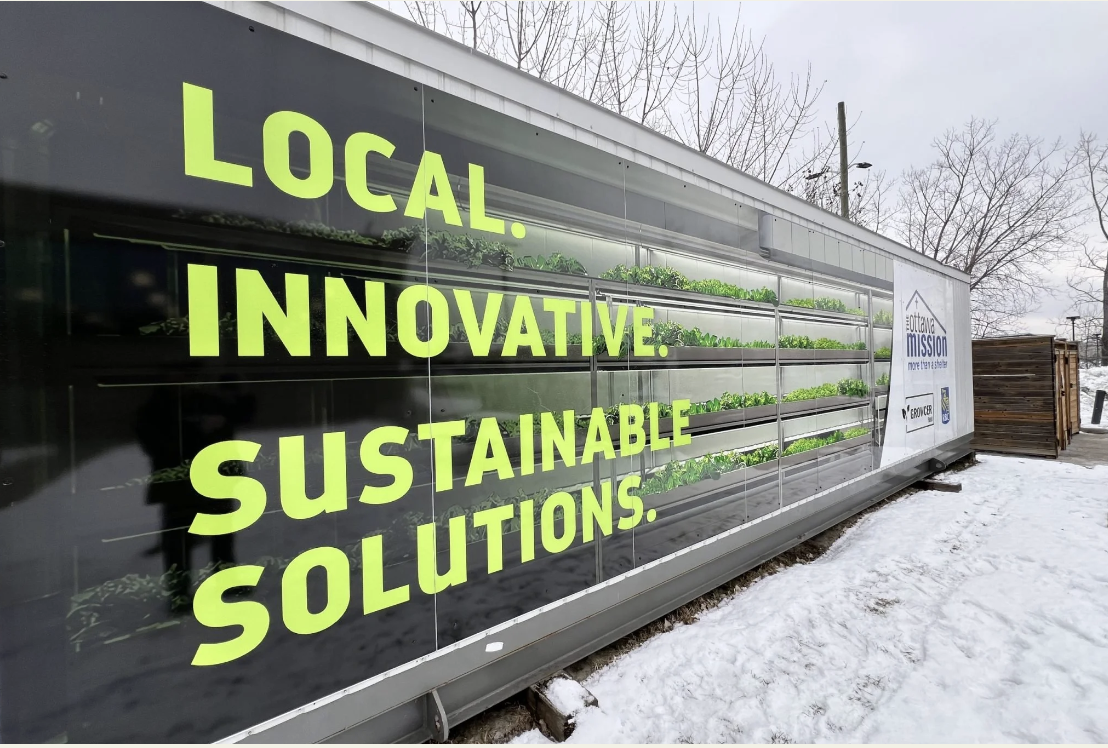
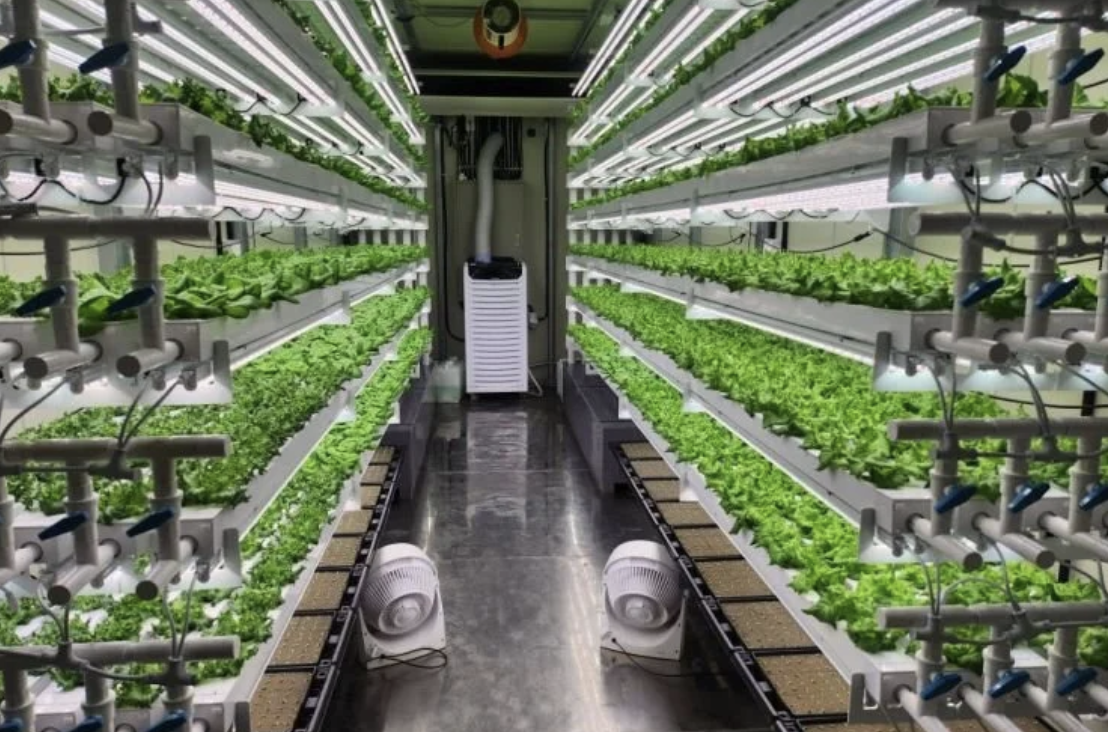
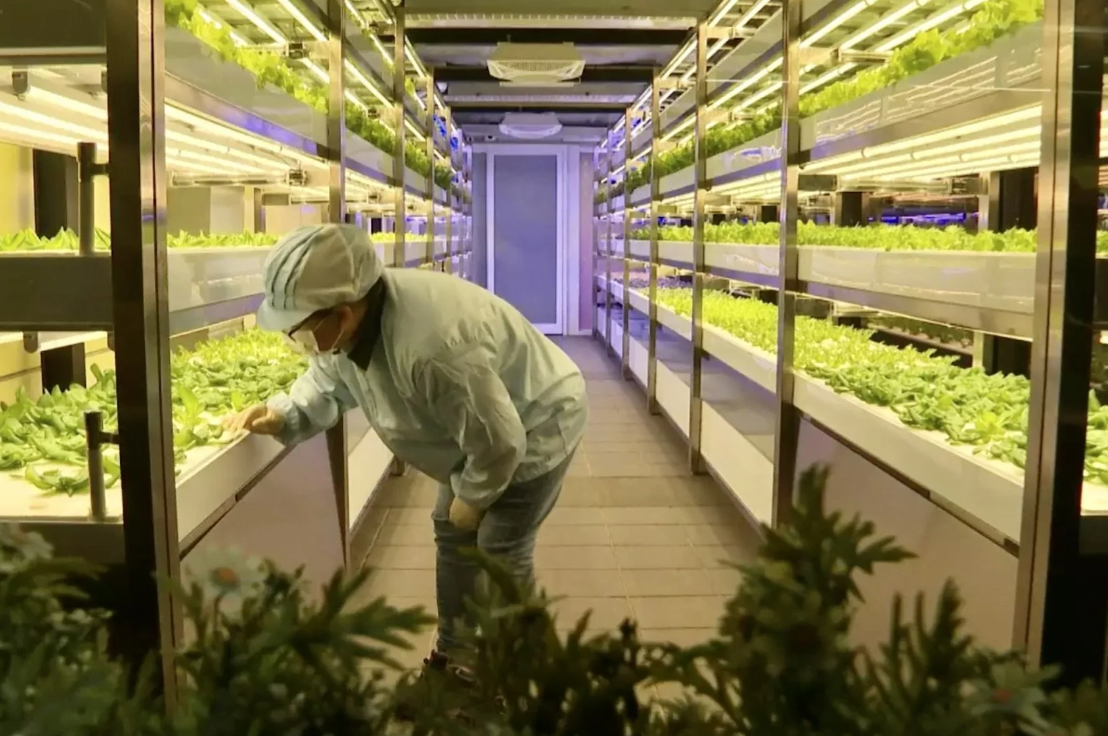
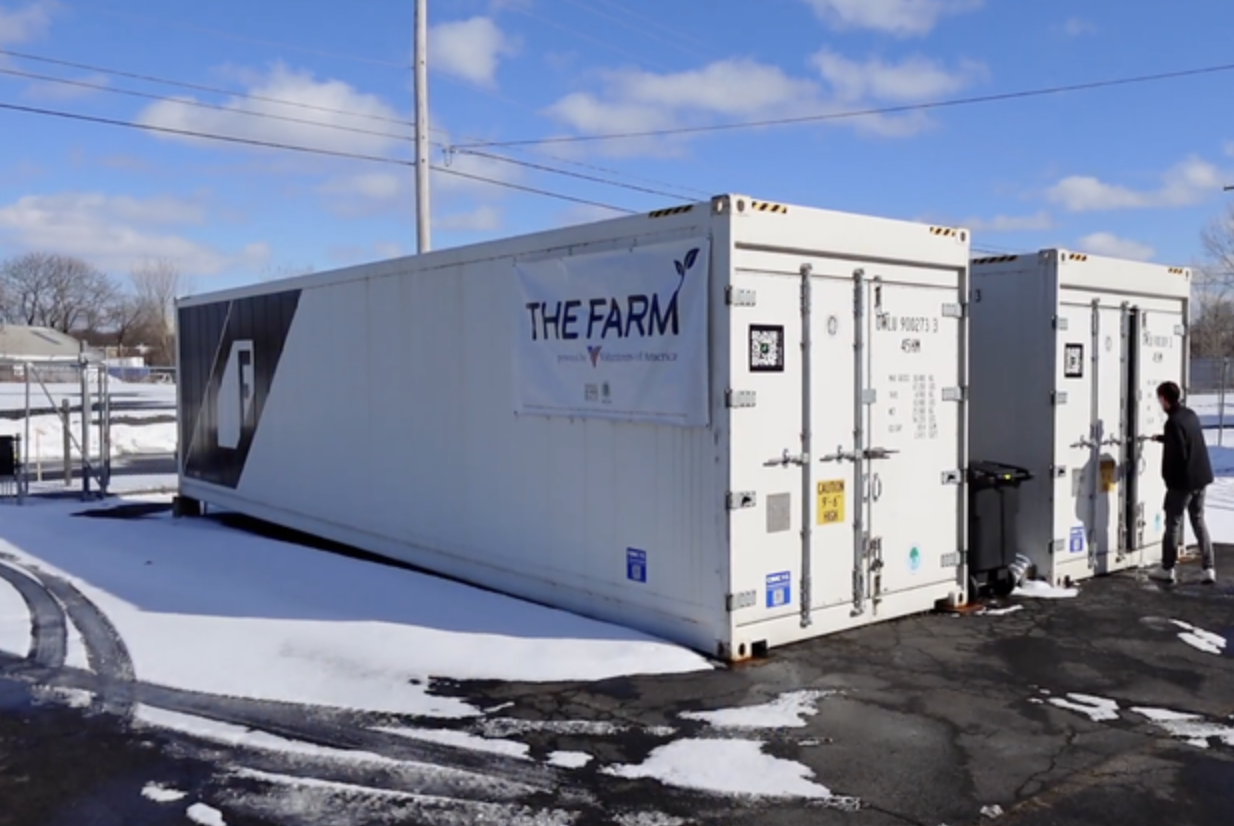
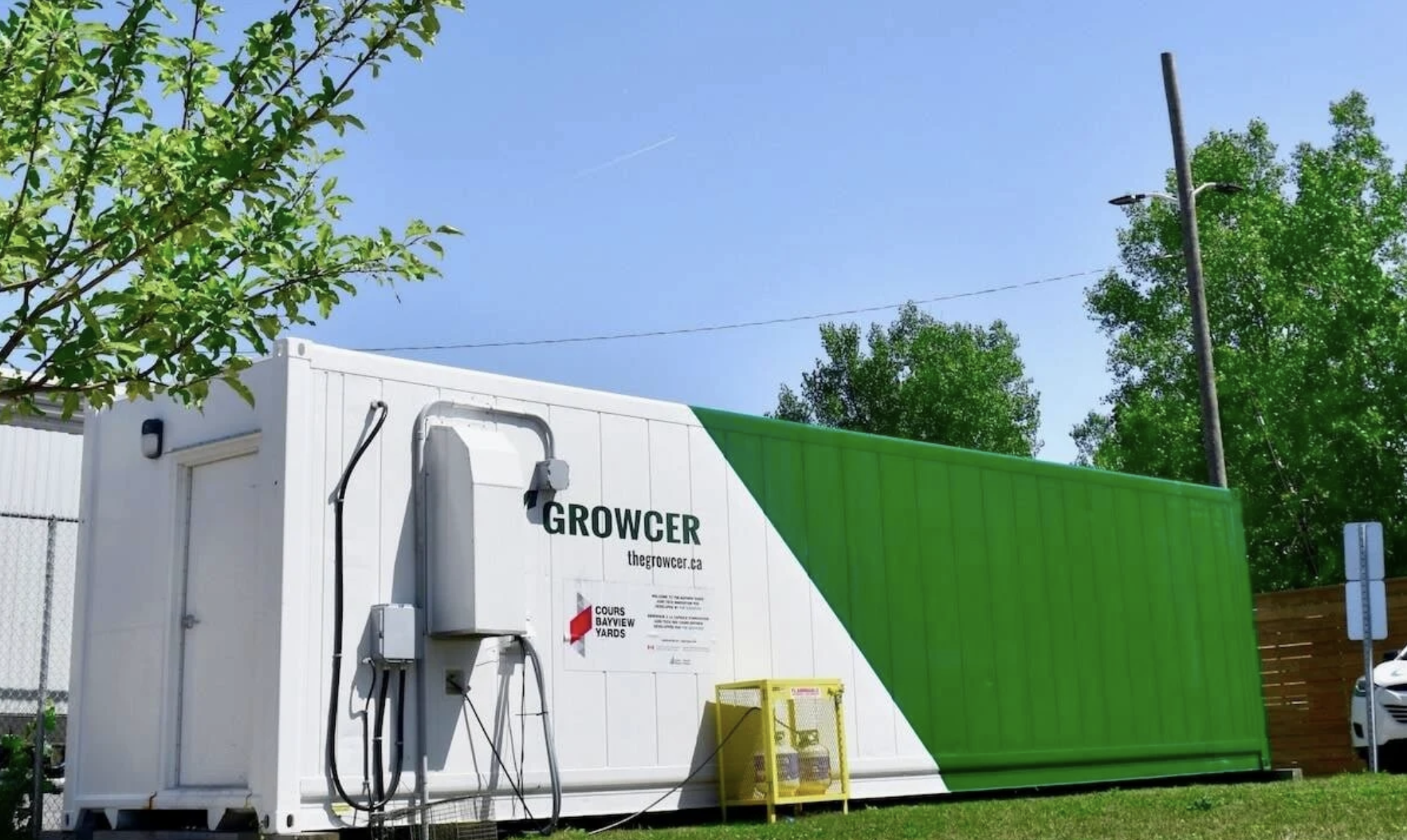
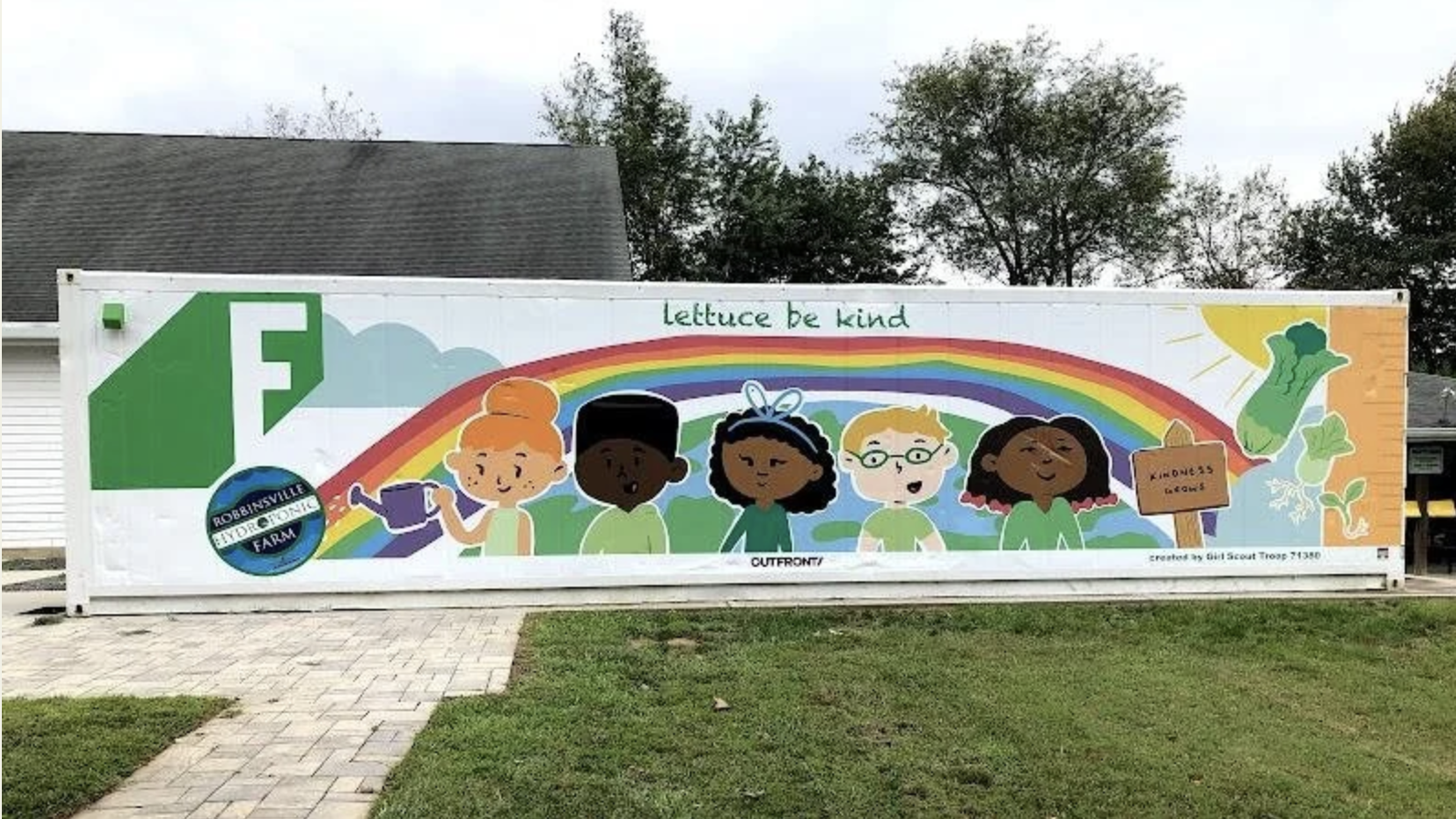
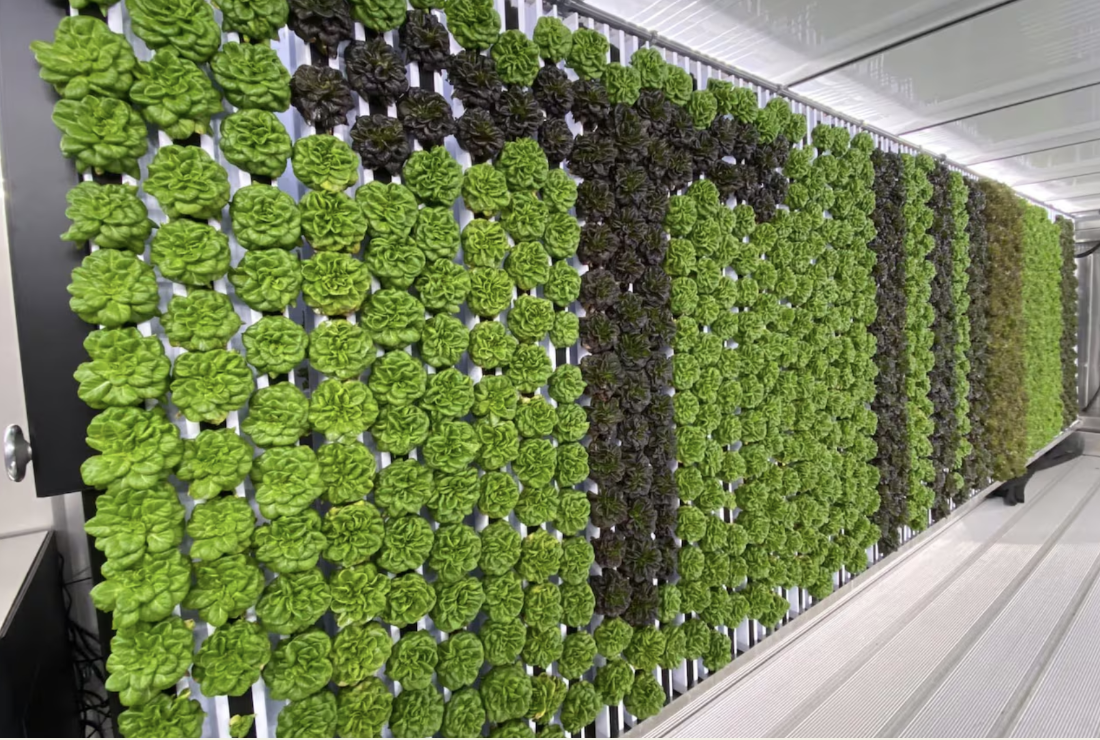
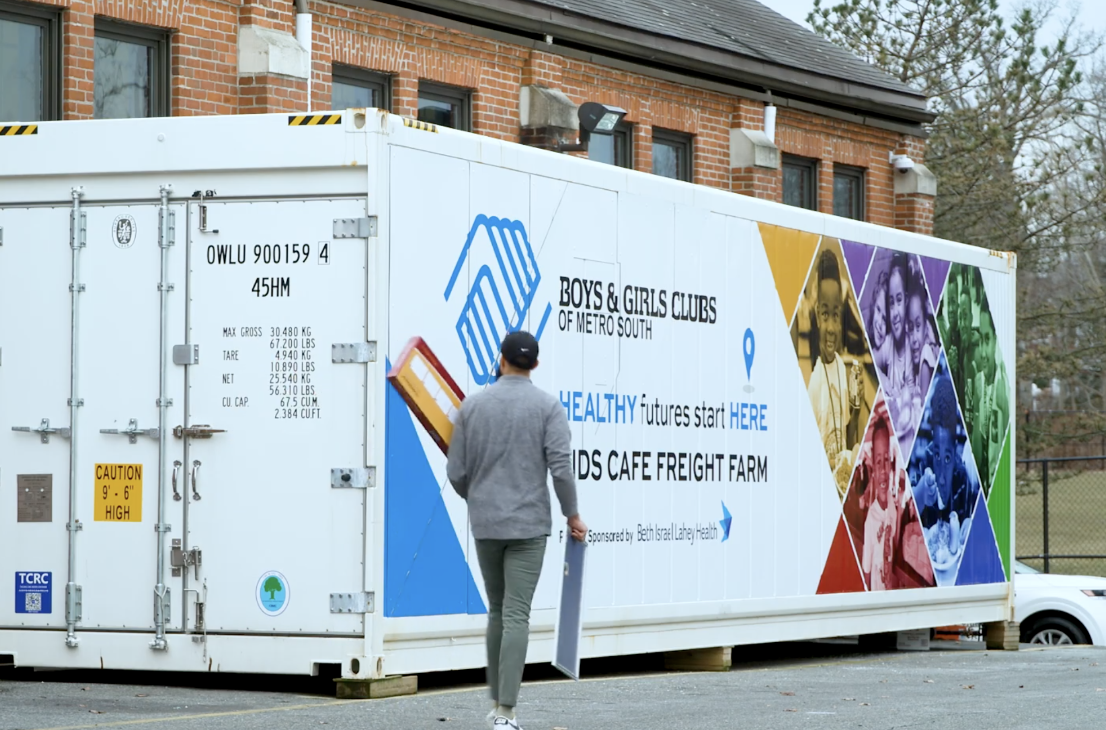
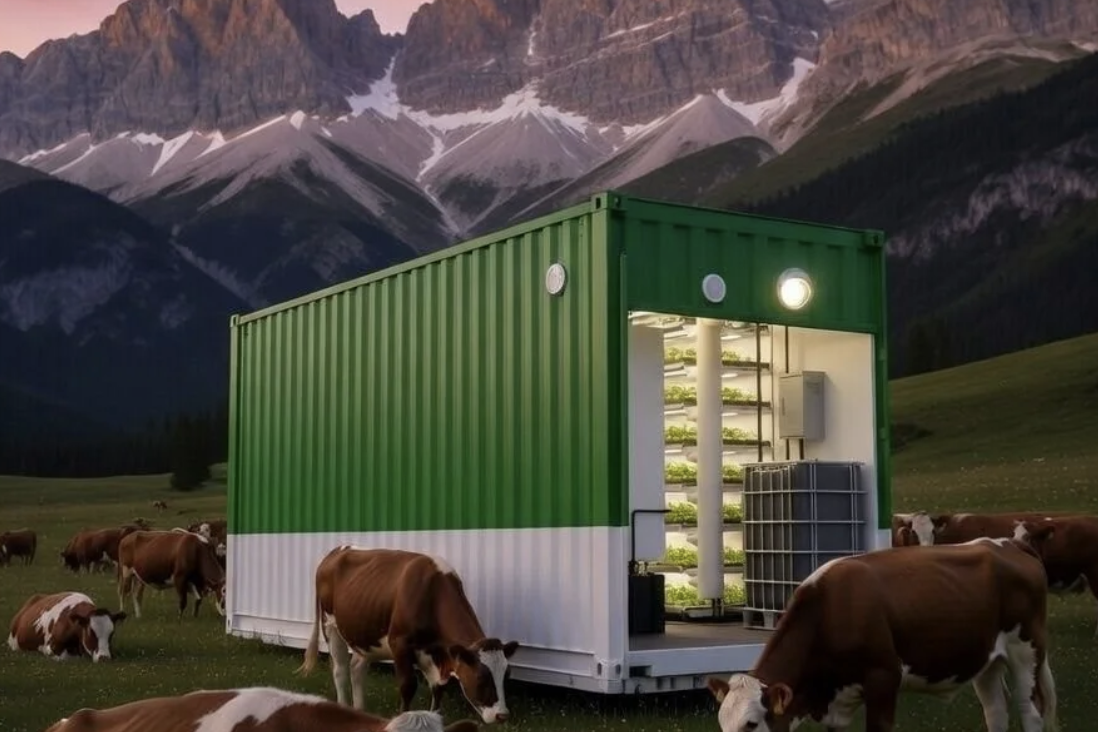
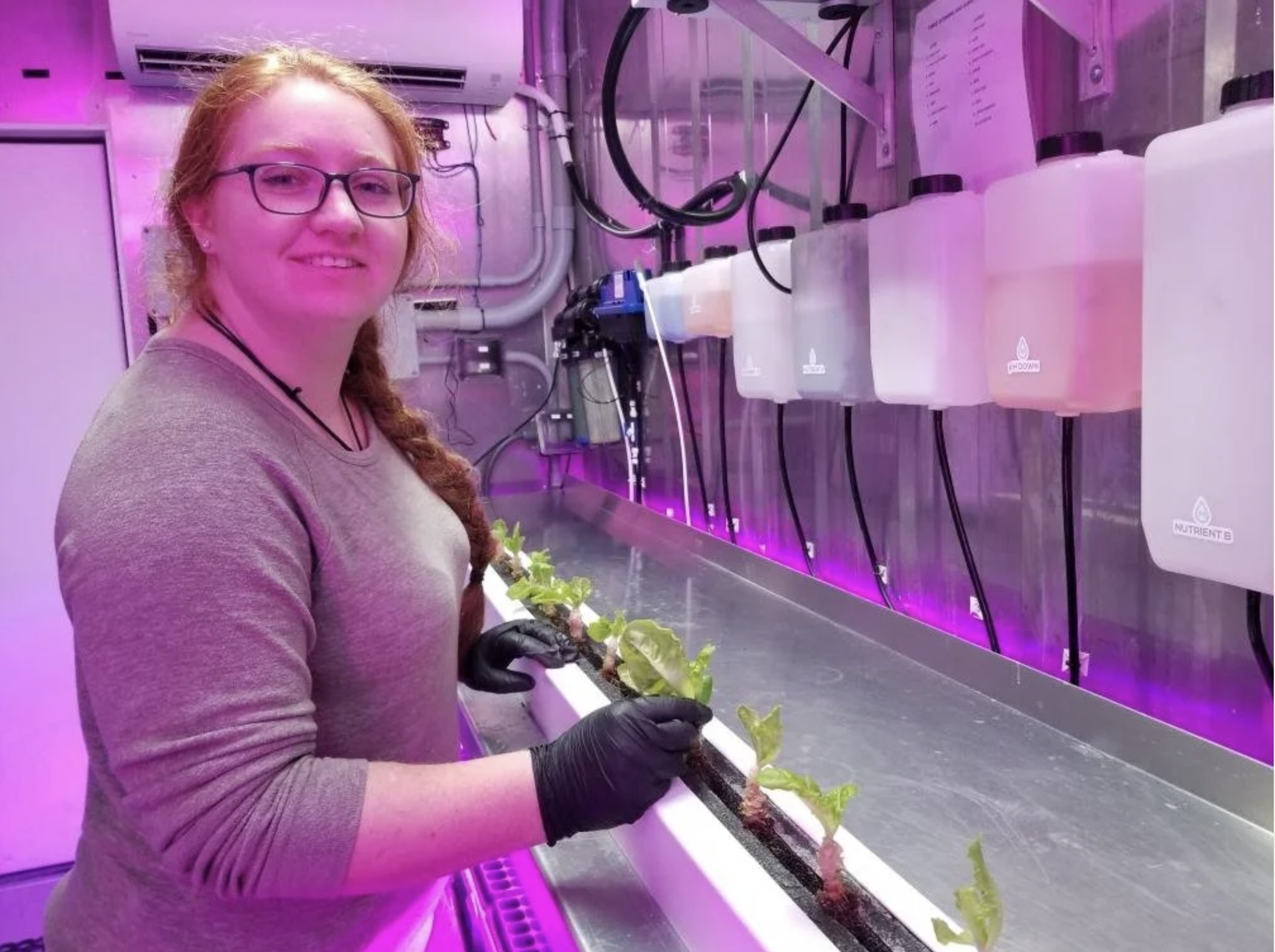
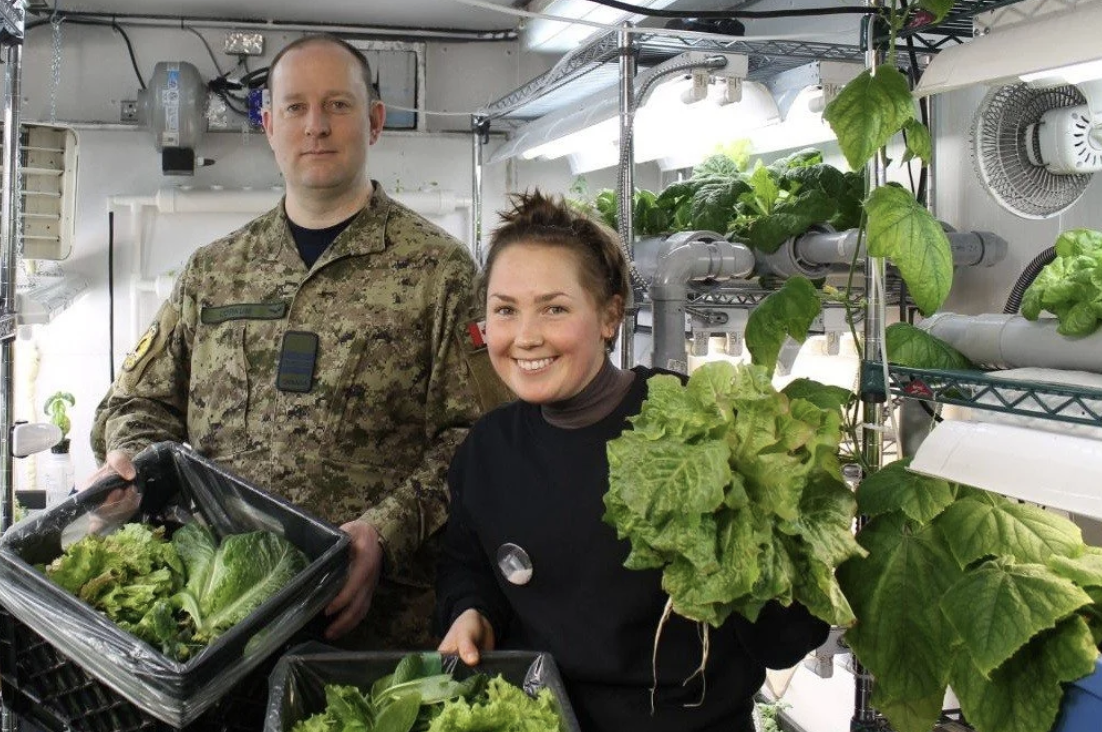
Every prospective container farmer runs into the same wall: the sticker price. A new turnkey hydroponic container farm is a six-figure purchase before you have harvested a single head of lettuce. Freight Farms currently lists the Greenery S starting at $215,000, with final pricing varying by model and site electrical requirements.
Meanwhile, well-maintained units of that same equipment change hands on the secondary market every month for a fraction of that. Current pre-owned listings span roughly $29,500 for a mid-2010s Leafy Green Machine to around $80,000–$105,000 for a two- to four-year-old Greenery S. Broader market guides put typical used pricing at $25,000–$60,000 for a 20-foot leafy-green unit and $60,000–$150,000 for a 40-foot multi-tier vertical farm.
That gap is not a discount on quality. It is a discount on newness — and newness is the one feature that produces no lettuce.
Here is the case for buying pre-owned, point by point.
1. Someone else already ate the depreciation
Container farms follow the depreciation curve of every other piece of capital equipment: steep at first, then flattening out. The first owner absorbs the largest single loss in the asset's life the moment the unit leaves the factory and gets connected on site.
The second owner buys after that loss has already been taken. One reseller listing puts it plainly: units originally purchased at $165,000 offered at $80,000 after two seasons of use — roughly a 51% discount on hardware described as fully operational with replaced parts.
For a buyer, that means the resale floor is much closer to your purchase price. If your farm business does not work out, you are unwinding a $60,000 position rather than a $215,000 one. Downside protection is not a glamorous argument, but it is the one that keeps first-time growers solvent.
2. Your capital goes into the business, not the box
Container farming failures rarely come from bad hardware. They come from undercapitalized operators who spent everything on the unit and had nothing left for the parts of the business that actually generate revenue.
A $215,000 new purchase and an $85,000 pre-owned purchase can produce identical crops. The difference — well over $100,000 — is working capital for the things that determine whether you succeed:
Site prep, concrete pad, and three-phase electrical service
Water treatment and RO filtration
Seeds, nutrients, media, and packaging for the first several cycles
Cold storage, a delivery vehicle, and food-safety certification
Sales and marketing to lock in restaurant, grocery, or CSA accounts
Six to twelve months of operating runway while you dial in your crop schedule
Growers who fail almost never say "I wish I'd bought a newer container." They say they ran out of runway before the customer base matured.
3. Speed to first harvest
New units are built to order. Between quoting, manufacturing, freight scheduling, and delivery, you can wait months before a container arrives — and your revenue clock does not start until it does.
A pre-owned unit already exists. It is sitting on a lot or a farm site right now, photographed, documented, and available. In many cases the transaction timeline is measured in weeks, limited mostly by transport logistics and your own site readiness.
For schools trying to hit a semester start, nonprofits working against a grant deadline, or growers who have already signed a supply agreement, that timing difference is worth real money.
4. You are buying a de-bugged machine
There is a counterintuitive advantage in equipment that has already run a few seasons: the failure-prone components have usually already failed and been replaced.
A unit with two or three years of documented operation has had its early-life issues surface — pump seals, sensor calibration drift, a fussy dosing valve, a failed LED driver, a condensate drain that clogs. If those were addressed and logged, you are buying hardware in the flat, reliable middle of its service life, not the front edge of it.
Ask for service logs. A seller who can produce them is handing you a maintenance history the first buyer of a new unit will spend two years writing themselves.
5. Pre-owned units often arrive as complete operations, not empty boxes
New farms ship with the hardware. Pre-owned farms frequently ship with everything the previous grower accumulated to make the hardware productive:
Nutrient inventory, seed stock, trays, domes, and growing media
Racking, harvest tables, packaging supplies, and clamshells
Established SOPs, crop recipes, and dialed-in environmental setpoints
Occasionally, the customer list and brand — a genuine turnkey operation
Some listings go further still: existing production farms sold as going concerns, complete with weekly yield history and standing wholesale accounts. That kind of package is simply not available from a factory.
6. Better unit economics and a shorter payback period
Payback math is dominated by the numerator. If a farm produces, say, 2–6 tons of produce annually, a lower acquisition cost compresses your break-even timeline dramatically — the revenue side of the equation is essentially unchanged whether the container was built this year or four years ago.
Lower capital cost also means lower debt service if you finance, lower insured value, and lower fixed cost per pound of produce. In a category where margins are famously tight and energy is the dominant operating expense, starting with a smaller capital burden is one of the few structural advantages available to a small grower.
7. Software and support can often be transferred
This is the detail that catches buyers off guard in both directions — so it deserves a clear explanation.
Freight Farms charges a $50,000 initial farmhand connection fee per farm, which is bundled into the price of new Greenery S and Greenery 7 units. Critically, that fee is fully rebatable for used farms transferred between qualifying owners or bought through an Authorized Reseller — provided the farm was originally purchased directly from Freight Farms. Rebates are not offered on non-Freight Farms hardware or on farms not originally bought directly.
Translation: a properly documented pre-owned Freight Farms unit can come online with full farmhand access without paying that fee twice. The ongoing subscription runs $2,400 per year per farm, with one user included. But the provenance paperwork matters enormously, which is exactly why buying through a broker who verifies the chain of ownership is worth more than saving a few thousand dollars in a private-party deal.
The honest counterpoints
A pre-owned purchase is a better deal, not a free lunch. Buy with your eyes open:
Warranty. New units come with manufacturer coverage. Most used units do not. Budget a contingency reserve for repairs.
Condition risk. You are buying as-is. Verify before you wire funds.
Technology generation. Older units may have less efficient LEDs, less flexible grow zones, or superseded controls. Sometimes the tradeoff is worth it; sometimes paying up for a newer generation is the better call.
Transport and commissioning. These costs are yours either way and are easy to underestimate — tilt-bed or lowboy transport, permits, crane or forklift placement, and electrical hookup.
Your pre-purchase checklist
Before closing on any pre-owned unit, confirm:
Provenance — original purchase documentation and serial number, especially for software transfer eligibility
Electrical — voltage and phase match to your site; clean, labeled panel; no improvised wiring
HVAC and dehumidification — coil condition, refrigerant integrity, functioning condensate drains
Lighting — count of working fixtures, dead diodes, and ideally a recent PAR/PPFD map at canopy height
Plumbing — leak test, pump condition, filtration and UV components, sanitized lines
Envelope — insulation panels intact, door seals tight, no light leaks or corrosion at the rails
Controls — firmware version, backup availability, and confirmed transfer of remote login
Operating history — crop history, yield data, pest and pathogen record, service logs, and included SOPs
Insist on a live demonstration under power, or an independent inspection if you cannot travel to the unit.
The bottom line
The container is not the business. The business is the produce, the customers, and the operator's ability to run a tight crop schedule for years. Every dollar spent on being the first owner of a steel box is a dollar not spent on the things that actually determine whether the farm survives.
Buying pre-owned lets you enter the industry at half to a third of the capital cost, start harvesting sooner, inherit a machine whose quirks are already documented, and keep enough cash in reserve to make it through the learning curve. For most first-time growers, schools, nonprofits, and small commercial operations, that is not the compromise option. It is the smarter one.
Pricing figures cited reflect publicly listed manufacturer and secondary-market pricing as of August 2026 and are subject to change. Always verify current pricing, condition, and software transfer eligibility before purchase.