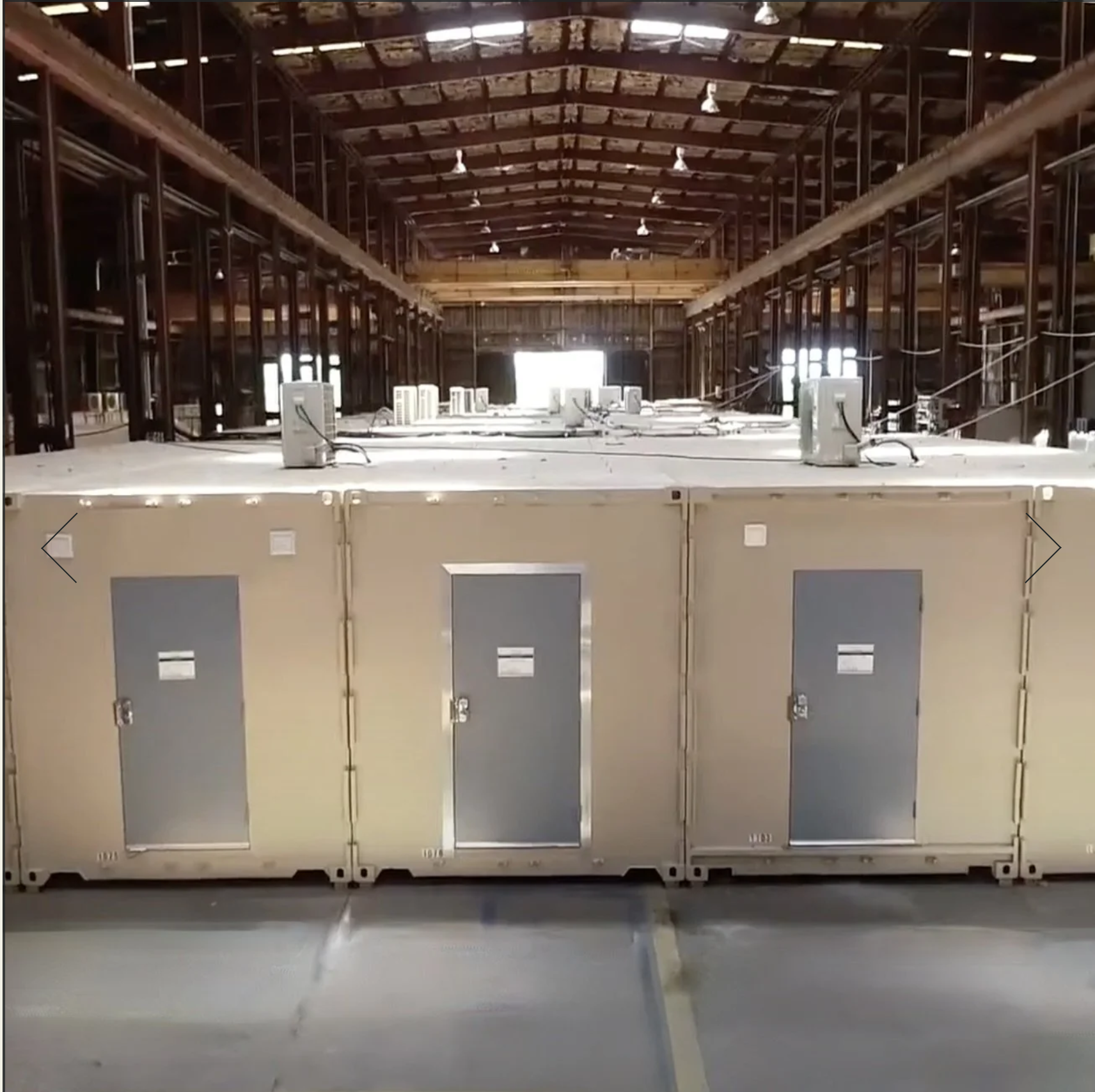
The Reasons That Cannabis Businesses Are Using Shipping Container Farms
In 2025, cannabis businesses are increasingly adopting shipping container farms to address specific logistical, environmental, and regulatory needs. These modular units serve as self-contained "plug-and-grow" ecosystems.
1. Superior Environmental Control and Yield Optimization
Controlled Microclimate: Containers are sealed, insulated environments that allow for precise regulation of air temperature, humidity, CO2 levels, and ventilation.
Year-Round Production: They eliminate dependence on favorable weather, allowing for multiple, continuous harvest cycles per year.
Increased Productivity: Specialized hydroponic setups enable higher density planting and increased yields (e.g., up to 32.5 kg of cannabis per year for a 40-foot unit).
Faster Growth Rates: Optimized conditions can lead to faster growth cycles.
2. High Security and Risk Reduction
Pest and Disease Resistance: The sealed, controlled environment drastically reduces the risk of contamination, mold, mildew, and pests, eliminating the need for pesticides.
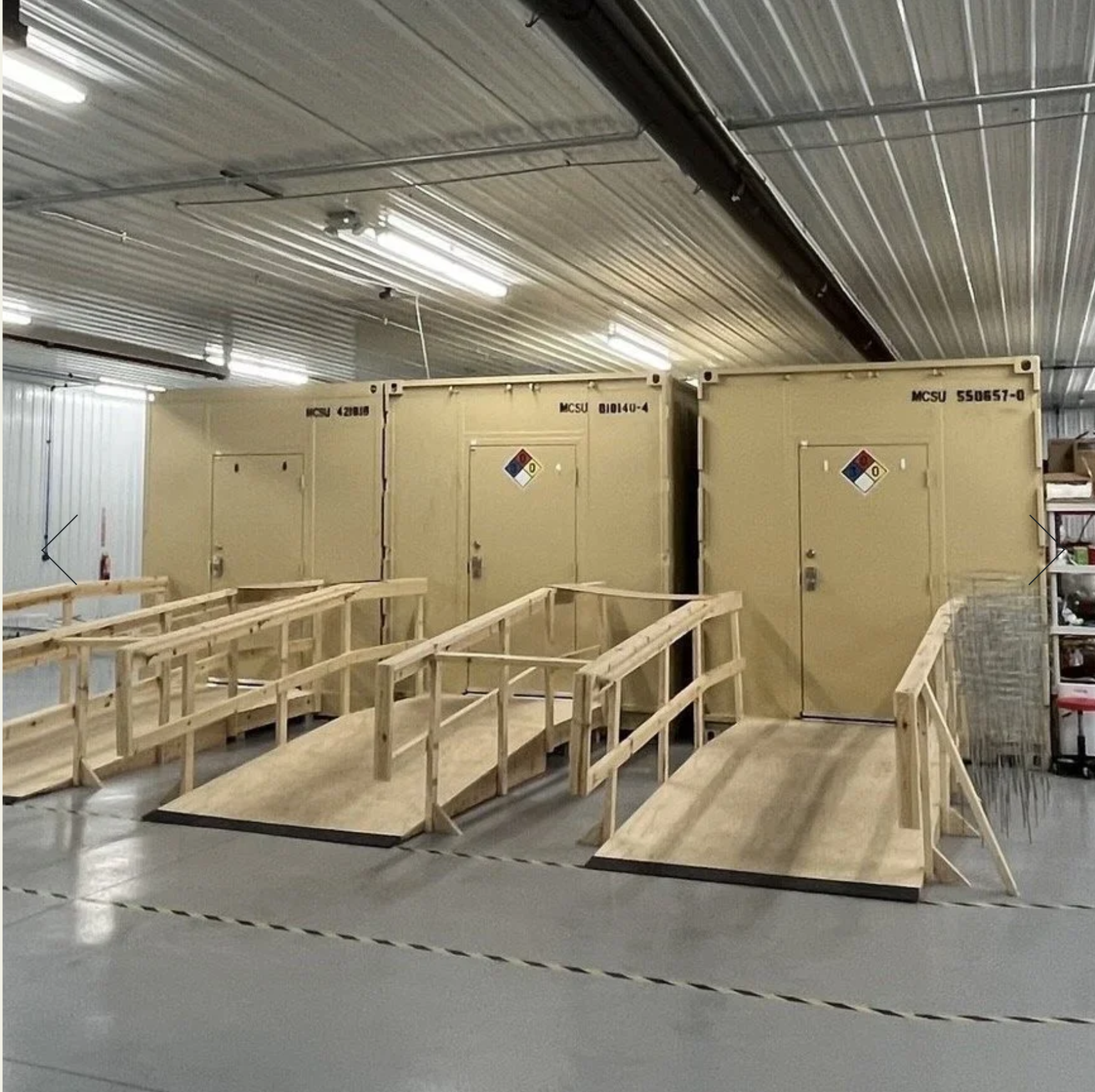
Physical Security: Reinforced steel construction and lockable doors provide high-level protection against theft and vandalism.
Compartmentalization: If one part of the operation is compromised by disease, it can be isolated and discarded without risking the entire crop.
3. Space Constraints and Urban Farming
Small Footprint: Containers are ideal for urban environments where land is expensive or scarce.
Stackability: Units can be stacked to maximize production capacity in a limited area, functioning like a "cannabis skyscraper".
Indoor/Outdoor Versatility: They can be placed in existing warehouses or on outdoor plots.
4. Regulatory Compliance and Flexibility
Portability: Containers are easily transportable by truck or train, allowing businesses to relocate quickly if market conditions or regulations change.
Quick Setup: They offer a "plug-and-play" solution that allows operators to begin cultivation much faster than traditional construction.
Discreet Appearance: Their low-profile design helps in maintaining privacy and complying with zoning restrictions.
5. Sustainability and Cost Efficiency
Water Conservation: Hydroponic systems in containers can use 90% to 95% less water than traditional soil-based farming.
Reduced Overhead: They reduce the need for extensive construction, infrastructure development, and land acquisition costs.
Energy Efficiency: Many units utilize specialized LED lighting and efficient HVAC systems to reduce energy consumption.