

Welcome to iGrow News, Your Source for the World of Indoor Vertical Farming
Why Vertical Farming Is The Future of Agriculture
Can you imagine the possibility of harvesting yields equivalent to 3,000-4,000 sq. ft. of land in a 1,000 sq. ft. of land?
Utsav Patel
November 7, 2019
Although ‘do more with less’ is an age-old philosophy, it is still an ongoing mantra for many individuals and companies today. In other words, ‘do more with less,’ means produce more with less. The term ‘productivity’ in the 1800s and 1900s used to be the measurement of the output of goods and services available. While in the 2000s, it means squeezing every bit of output that we can from data.
When it comes to data, most of us cannot resist but think about data-driven technologies, from the Internet of Things, Artificial Intelligence, Machine Learning to Big Data. The adoption of such data-driven technologies has made possible for Harley Davidson to reduce its lead time from a fixed 21 days motorcycle production schedule to just 6 hours. BASF USA, the North American affiliate of BASF SE – the largest chemical producer in the world, reduced their unplanned downtime to 80%. Dr. Marcus Elliott, a Harvard-trained physician, established a P3 facility to assess and train athletes to revolutionize pro-sports. With so many transformations in other industries, agriculture is no exception.
Can you imagine the possibility of harvesting yields equivalent to 3,000-4,000 sq. ft. of land in a 1,000 sq. ft. of land? Vertical farming technology makes that possible. Essentially, this farming technology, based on such data-driven technologies, allows doing more with less. Less water. Less fertilizer. Less land. No soil. Fewer chances of crop failure. But the higher quantity and fresh quality of crops. That’s why iot based vertical farming is the future of greenhouse agriculture.
In this blog post, we’ll see what vertical farming is, what pushes the shift towards vertical farming from conventional agriculture, the types of vertical farming and the advantages of vertical farming.
What is vertical farming
Vertical farming is a method of growing plants in vertically stacked layers in fully controlled environments. By growing plants in vertically mounted shelves, it remarkably reduces the amount of land required for traditional farming methods. Since a vertical farming setup resembles a multi-storied building of plants, it is often associated with urban farming. Vertical farming can be either aeroponic, where without the use of soil, plants are grown by systematic spraying of water and nutrients on roots, or hydroponic, where plant growth is supported using a nutrient-dense bowl of water. Along with knowing what makes vertical farming productive, it is also vital to understand why vertical farming has become the need of the hour today.
Why there is no alternative to vertical farming
The population of the world has quadrupled over the last century. According to the United Nations, in 1915, there were 1.8 billion people. Today, that figure rises to 7.7 billion. And it may reach up to 9.8 billion by 2050. However, it’s not only the growing population but increasing incomes in developing countries, as well, which are driving up the global food demand.
While food demand is expected to increase 70% by 2050 to feed the expected 9.5 billion people, it is estimated that an approximate of 19.5 million hectares of agriculture land is converted annually into urban centers and industrial developments. Therefore, it has become evident that farmers must increase food production, either by increasing the amount of agricultural land or by enhancing productivity on existing agricultural lands. The first option is clearly not possible, while the latter is possible through vertical farming. Some more compelling reasons for vertical agriculture are as per the following:
To meet mounting demands for food, timber, fiber and fuel, since 1945, we have caused 50-1,000 times more extinctions than their natural rates. That’s higher than the extinctions that happened during the 18th and 19th centuries combined.
The average temperature of our planet has increased by 0.85 °C. Grain yields decrease by about 5% with the rise of each one-degree. Surprisingly, since 2001, annual averages have shown the warmest global temperatures than any time ever before on this planet.
According to the World Wide Fund for Nature (WWF), currently, 1.1 billion people in the world lack access to water. And around 2.7 billion go through water scarcity at least one month of the year. Imagine the scenario by 2050.
Overall, vertical farming can be promising to save the planet’s valuable resources and provide the common man with better opportunities for health and sustenance.
Types of vertical farming
Hydroponics
If you have ever put a plant clipping into a glass of water in the expectation that it will grow roots, you have practiced hydroponics. Hydroponics is an agricultural method where plants are grown without the use of soil Here, the nutrients which plants usually obtain from the earth are dissolved into water instead.
Hydroponic systems require only about 10% of the water than the water needed by soil-based farming. That’s because hydroponic systems allow water and nutrient solutions to be recycled, reused and because no water is wasted as well. Further, hydroponics needs little or no pesticides and needs only about 25% of soil-based plants’ nutrients and fertilizers. This not only reflects cost savings but also protects the atmosphere by not introducing any chemicals into the air as well as the produce. On a broader level, let’s also consider the transport’s environmental impacts. Because hydroponics allows local production and requires fewer areas to import their crops, both price and greenhouse gas emissions are reduced as a result of reduced transport requirements.
Moreover, since plants grown in hydroponic systems have easy access to water and nutrients, they are not required to establish complex root systems to get the nutrients they need. Therefore, hydroponics enables a shorter harvest time. The method saves time and yields better, lush plants in around half the time than conventional farming requires.
Aeroponics
Like hydroponic systems, the aeroponics system also allows the growth of plants without soil. Here, the roots are sprayed with water and/or nutrient solution. The dispersion of mist provides the roots with the necessary amount of moisture to allow the plants to grow.
Did you ever think that naked roots could not only survive, but thrive? With the aeroponics system, the roots get maximum oxygen. As a result, roots thrive and plants grow faster. Not only that, such closed-loop systems use 95% less irrigation than soil-grown crops. Also, it is easier to harvest, particularly for root crops.
Aquaponics
This system is the same as the hydroponic system, but it does have some additional benefits. The goal here is to create a symbiotic ecosystem that supports each other – plants and fish.
Water becomes nutrient-rich, when you grow fish in indoor pools. This water serves as a wholesome food for the plants growing in your vertical. On the other side, the water going through the hydroponic subsystem is cleaned, oxygenated and returned to the tanks of aquaculture for the fish. This saves a lot of time, efforts and money, as there is no need to recycle the pond’s water frequently.
This groundbreaking method is employed by many commercial vertical farms as aquaponics allow them to make more profits by producing two goods at the same time.
Advantages of vertical farming
Vertical farming is, undoubtedly, a radical approach for producing quality fresh food in the least amounts of time and all year round. Though it does not rely on favorable weather conditions, skilled labor, high soil fertility and significant water usage, vertical farming technology delivers some extraordinary benefits.
It produces a harvest that is nutritious, environmentally friendly and affordable. As these harvests do not require long-distance transportation, it results in reduced fuel usage and decreases greenhouse gas emissions as well. In recent years, climate change has become the hottest topic. Amongst the industries that contribute to climate change, transportation is the second. By the way, due to limited transportation demand, consumers can get quality fresh vegetables at lower prices. And because of better access to healthy diet at affordable prices, the neighborhood is likely to lower their risk of diseases and witness an increase in their general health.
Moreover, vertical farming also enables more efficient use of waste. For example, a city’s grey, brown and black water can be used for irrigation after some minor treatment. Further, using anaerobic digesters, plant matter can be converted to methane gas, which can be used to generate electricity.
To know more about how data-driven technologies can help to monitor your vertical farming, contact our team of experts or stay tuned with us. We are in favor of promoting planet-friendly practices. How about you?
Categories:Blogs

A Healthy Hydroponics Ecosystem
“I believe the current pandemic has provided us the opportunity to completely reimagine the global food system,” says Tony Hunter, a global food futurist
October 28, 2020
How New Ways of Growing Can Help
The UAE Achieve Food Security
A little under two years ago, Mariam Hareb Almheiri, UAE Minister of State for Food Security, made a presentation to the country’s leadership. The National Strategy for Food Security aims to take the UAE to top spot in the Global Food Security Index by 2021; enable sustainable food production through technological means; improve nutrition; and reduce waste. One of the technologies that can help turn this national strategy into reality is hydroponics.
Rethinking the food system
“I believe the current pandemic has provided us the opportunity to completely reimagine the global food system,” says Tony Hunter, a global food futurist. “Countries should look to ensuring domestic manufacture of basic foodstuffs for their own populations.” Hunter, who gave a talk on the potential silver linings of the pandemic for the global food industry in a Gulfood webinar earlier this year, believes hydroponics may be a promising method of ensuring a country can supply some of its own fresh produce at a time when Covid-19 has rendered international supply chains vulnerable.
Paresh Purushothaman, Managing Director at Greenoponics, says, “There is a lot of support in the local community for developing farms that use water-conserving methods such as hydroponics.” His company, which specialises in hydroponic and other soil-free agricultural technologies, serves both retail customers – primarily homes and offices – and commercial clients, who use slightly larger systems to grow their own produce.
Hydroponics at home
It’s easier than you think to set up a mini hydroponics system in your home – so long as you have a good grasp of its principles and a bit of patience, explains Purushothaman. “All you need is one free square metre to get started. A small system using a technology called deep water culture is the easiest way to start. You can grow leafy greens including basil, parsley, coriander, various varieties of spinach and rocket leaves.”
Greenoponics’ smallest system, Ezee, can grow all of these, and can fit 16 plants at once. Slightly more ambitious home gardeners can opt for the bigger Eva, which can grow up to 20 plants at once – including cucumbers and tomatoes – using a nutrient film technique. A staple for both salads and cooking, these fruits take about 35 to 40 days to mature, and one plant can provide multiple harvests.
New technologies
Meanwhile, The Sustainable City in Dubai is home to special controlled-environment domes that fuse fish farming and urban farming – a term referred to as aquaponics. “We have advocated urban farming since day one not only in response to the UAE’s food security strategy but also as a lifestyle,” explains Karim El-Jisr, Chief Sustainability Officer - Social. “Urban farming can assume many shapes and sizes, including aquaponics, which combines conventional aquaculture (better known as fish farming) with hydroponics (soilless farming).
“Whereas indoor farming tends to focus hydroponics for the production of leafy greens and vegetables, we wanted to explore aquaponics as a way to produce animal protein within a community. We currently operate an aquaponic system that produces fish and fodder such as alfalfa. Aquaponics is about nutrient cycling, whereby fish waste becomes a source of nutrients for the plants, which help maintain water quality for the fish,” he says.
El-Jisr says the pandemic has highlighted the need to prioritise local supply chains, and urban farming is simply a great opportunity to create value for society while protecting the environment. “Food security is about improving the availability of and access to healthy and essential foods, including fibre and protein. The benefits of urban farming, including hydroponics, is that we can produce a lot of food in small spaces, and save a lot of water.”
While he says hydroponics can increase yields over conventional farming by a factor of 12 while reducing per-crop unit of water consumption by up to 95 per cent, he does concede that one of the challenges of indoor farming is the energy requirements of recreating a plant’s natural environment.
Purushothaman points out to the increasing affordability of LED lighting and automation solutions as key to the medium-term growth of indoor farms. “Automation can set the release of nutrients and water circulation to a timer, while ensuring the oxygen content, PH levels and electrical conductivity of the water are at their optimal levels – all factors that determine a plant’s growth.”
Besides energy consumption, both El-Jisr and Hunter highlight the cost competitiveness of hydroponic produce – compared to conventionally farmed imported produce – as a key challenge to hydroponics becoming more mainstream. However, Hunter cites the lowering cost of technology as a means of redressing the balance, while El-Jisr says, “With time, through innovation, indoor farming will overcome these challenges.” With technology, believes Hunter, “Countries no longer need to be bound by the tyrannies of arable land and fresh water or be at the mercy of the agricultural and political policies of other countries.”
Lead photo: A mini hydroponics system at homeImage Credit: Supplied

Autonomous Delivery Startup Nuro Hits $5 Billion Valuation On Fresh Funding of $500 Million
Nuro, the autonomous delivery startup founded by two former Google engineers, has raised $500 million, suggesting that investors still have an appetite for long-term pursuits such as robotics and automated vehicle technology
Kirsten Korosec@kirstenkorosec / November 9, 2020
Image Credits: Nuro
Nuro, the autonomous delivery startup founded by two former Google engineers, has raised $500 million, suggesting that investors still have an appetite for long-term pursuits such as robotics and automated vehicle technology. Nuro now has a post-money valuation of $5 billion.
The Series C round was led by funds and accounts advised by T. Rowe Price Associates, Inc., with participation from new investors including Fidelity Management & Research Company and Baillie Gifford. The round also includes existing investors such as SoftBank Vision Fund 1 and Greylock.
Nuro was founded in June 2016 by former Google engineers Dave Ferguson and Jiajun Zhu. While the startup was initially bootstrapped by Ferguson and Zhu, it has never struggled to attract investors. Nuro completed its first Series A funding round in China in 2016, a deal that gave NetEase founder Ding Lei (aka William Ding) a seat on Nuro’s board. A second, U.S.-based, round in June 2017 raised Nuro’s total Series A funding to $92 million. But it was the monster $940 million investment made by the SoftBank Vision Fund in February 2019 that catapulted Nuro ahead of numerous other startups attempting to commercialize autonomous vehicle technology. Nuro had a $2.7 billion valuation following the SoftBank investment, meaning its value doubled in about 18 months. That money has helped it grow to more than 650 employees.
Unlike many other startups in the AV industry, Nuro has focused its effort on designing a low-speed electric self-driving vehicle that transports packages, not people. Some of Nuro’s first tests and pilots were with Toyota Prius vehicles equipped with its self-driving system. Nuro partnered in 2018 with Kroger to pilot a delivery service in Arizona. The pilot, which initially used Toyota Prius vehicles, transitioned to its R1 delivery bot. Nuro has also partnered with companies like CVS, Domino’s, and Walmart.
The company has since developed a second-generation vehicle, known as the R2. This delivery bot, which is designed for local delivery service for restaurants, grocery stores, and other businesses, received an exemption from the federal government earlier this year that allows it to operate as a driverless vehicle.
“We are witnessing an unprecedented shift in consumer demand for safe and affordable local delivery services,” Zhu, CEO, and co-founder of Nuro said in a statement. “This funding, which brings us together with many of the world’s top investors, positions Nuro confidently toward a future where our world-class technology is adopted into people’s everyday lives.”
The company, which is testing and operating R2 on public roads in Arizona, California, and Texas, told TechCrunch that the new funding will allow it to “confidently grow for years to come, with multi-year runway to build in multiple cities and scale across multiple markets.” Nuro’s near-term focus is on scaling its service in Houston and implementing R2 into commercial service.
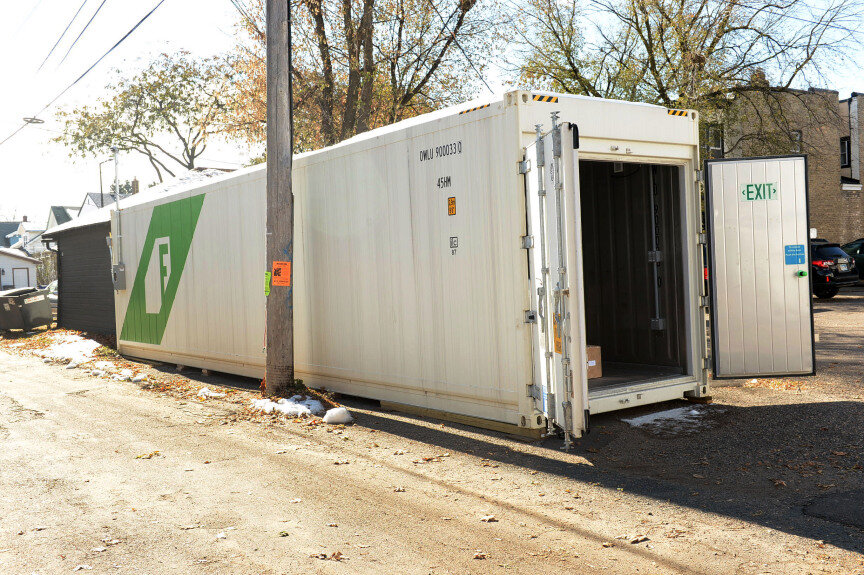
US: MINNESOTA - Hydroponics Venture In A Shipping Container Has St. Paul Inspectors Scratching Their Heads
Their bottleneck? The city of St. Paul won’t let Cannon and his colleagues put their nutrient mix to the test until they get the proper permits for whatever it is they’ve got — a shipping container? a storage facility? — which defies simple definition under the city’s legislative code
By FREDERICK MELO | fmelo@pioneerpress.com | Pioneer Press
October 29, 2020
As an astronomer and physicist, John Cannon’s work is literally out of this world. His expertise as the department chair at Macalester College in St. Paul is studying nearby low-mass galaxies.
Cannon’s latest adventure off St. Paul’s Snelling Avenue is, quite literally, more down to earth: backyard hydroponics.
With the intent of saving his home planet, or at least improving his corner of it, Cannon recently launched the urban agriculture venture Minnesota Acre Farms LLC with a full-time gardener and two administrators from the University of St. Thomas.
Their thesis: proving that a railroad car-sized growing container behind Wells Pianos, by Snelling and Palace avenues, can produce as many fresh vegetables as a two-acre farm, and do it year-round.
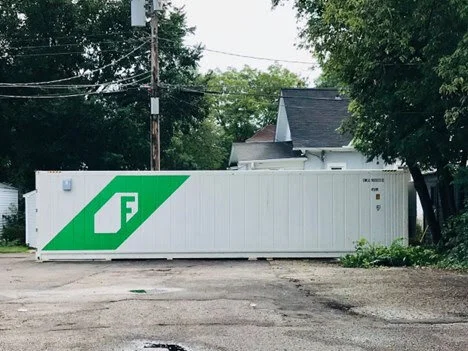
Their bottleneck? The city of St. Paul won’t let Cannon and his colleagues put their nutrient mix to the test until they get the proper permits for whatever it is they’ve got — a shipping container? a storage facility? — which defies simple definition under the city’s legislative code.
“We didn’t think there was going to be all this bureaucratic overhead,” said Cannon, noting similar Freight Farms facilities are already in operation at a Second Harvest Heartland site in Minneapolis and an independent farm in Shoreview.
“Winter is coming, and that is when the machine can really flex its muscles,” he said. “We haven’t even plugged it in.”
SLOW PROCESS FOR HYDROPONICS VENTURE IN SHOREVIEW
Despite his enthusiasm, even some fellow practitioners of urban agriculture think Minnesota Acre Farms might have launched a little prematurely.
Chris Glasoe is the proprietor of the Frisk Fra Boksen — “fresh from the box” — a hydroponics venture in Shoreview. Glasoe said it took his operation three appearances before that city’s Planning Commission and two before the City Council to get city codes changed and a permit issued.
The Shoreview process started in April 2019. They received final approval in late August of last year, and their container arrived in January.
‘HYPER-LOCAL’
Cannon and his colleagues received their vertical hydroponic installation from Boston-based Freight Farms in late August of this year, hoping to prove they could grow vegetables in a peat moss nutrient bath for local distribution. The goal, in part, is to avoid Big Agriculture’s big carbon footprint and sometimes-questionable labor practices.
“The lettuce you buy at the grocery store is nutritionally depleted,” Cannon said. “Our slogan is ‘hyper-local greens for the Twin Cities.’ We can distribute fresh greens within hours of harvest, even in the depths of winter.”
City inspections officials say they’re generally sympathetic to those goals, but Cannon’s set-up looks a lot to them like a large outdoor storage container. And he doesn’t have permits for a large outdoor storage container.
OUTWARD APPEARANCE
Vanessa Cannon at Minnesota Acre Farms, an urban agricultural venture housed in a shipping container behind a retail store on Snelling Avenue in St. Paul. (Scott Takushi / Pioneer Press)
In September, the St. Paul Department of Safety and Inspections issued Minnesota Acre Farms notice of a city building code violation. The team later met with the city’s legislative hearing officer, who upheld the violation.
“There’s nothing in the legislative code about hydroponic farming, but there is language about storage containers,” Cannon said. “We keep asking that the facility be evaluated based on what it does instead of on its outward facing appearance.”
Cannon’s colleague, Mitchell Karstens, appealed the city’s decision to the St. Paul City Council, which had been scheduled to discuss the hydroponics venture on Oct. 21.
Supportive city residents who learned of the appeal through social media posts wrote to council members to highlight the importance of sustainable urban agriculture and locally-sourced food.
RECLASSIFYING
Instead of moving forward, the appeal was taken off the council’s hearing agenda as the Department of Safety and Inspections works through how to reclassify the container.
Titled “Illegal Use,” an Oct. 20 letter from city inspections indicates Minnesota Acre Farms is now in violation of at least three aspects of state building codes, including lacking a copy of the manufacturer’s installation instructions, which must be available on-site.
Just as importantly, you’re supposed to apply for a building permit and then install an outdoor storage container, not the other way around.
“I have reviewed the materials you submitted and have determined that the shipping container currently violates a number of sections of the state building code,” said St. Paul Building Official Steve Ubl, in a letter asking for more information. “Because the shipping container was placed in its current location without proper plans or required permits, the city has been working to fully understand its classification and your plans for proposed use.”
The container, which is roughly 40 feet long, 8½ feet wide and 9 feet tall, takes up unused space bordering the alley behind Wells Pianos, discouraging passersby from pulling a U-turn there.
“(Cannon) noticed my big beautiful parking lot, and approached me, and I said ‘sure, why not?’ He seemed like a nice guy,” said Kieran Wells, proprietor of Wells Pianos.
“They’ve offered to pay me rent, but I don’t really want to take any rent until they get squared away,” Wells said. “It’s been there for months and it’s not a problem. … It cuts down on some of the through-traffic.”
Lead photo: Minnesota Acre Farms is housed in a shipping container behind a retail store on Snelling Avenue in St. Paul as seen here Wednesday, Oct. 28, 2020. Business partners Vanessa and John Cannon, Tyler May and Mitch Karstens estimate they can grow 1,000 heads of lettuce, along with herbs and root vegetables, each month in the space. (Scott Takushi / Pioneer Press)


Important Tips For Designing A Hydroponic Production Facility
Growers should always choose a properly sized and engineered system. The reality is that the budget will drive many of the growers’ decisions
Why Do You Keep Saying Buffer Capacity?
For anyone that has called me to discuss the design of their new vertical farm or greenhouse, they have probably grown quickly tired of me using the term buffer capacity. But, of everything I have learned over the past 25 years, the understanding of “buffer capacity” might possibly be the most important. It makes your production system easier to manage, more predictable and more stable. All traits that can be found in all successful farming and commercial horticulture production facilities. (You might remember my recent article on simplicity, well this goes right back to that.)
Let’s start by agreeing that I am not properly using the term buffer capacity which is normally defined as the moles of an acid or base necessary to change the pH of a solution by 1, divided by the pH change and the volume of buffer in liters; it is a unitless number. A buffer resists changes in pH due to the addition of an acid or base though consumption of the buffer.
Now let us focus on how we can manipulate that definition to fit the needs of designing a greenhouse or an indoor farm. When referring to buffer capacity in our production environment we are referring to our system’s ability to keep key elements (temperature, humidity, wind, nutrients, light, CO2, oxygen, water) from fluctuating unless we as the grower determine that we want it to and have the ability to manipulate these key variables while keeping the others in balance.
The ability to keep key elements from fluctuating unless the grower determines that the variables should be adjusted to produce a crop response. Adjustments should be met with the abilities to keep all other elements in balance.
For this article I am going to use (3) examples of how designing “buffer capacity” into your farm will lead to better production and more consistency.
Greenhouse Structure.
For those starting to investigate different greenhouse types and designs or for those that have already gone through the process, I think we can all agree that the choices are limitless, and for the most part the look of the greenhouse has not changed much of the years with one major exception. They have gotten much taller. Taller greenhouses provide a more uniform, stable and ultimately superior growing environment for the crop. During hot weather (as an example), the additional space creates a buffer that avoids trapping heat and humid air around the plants.
Water holding tanks and nutrient solutions reservoirs
For beginning growers this is the area where the right decisions might provide the biggest advantages. Experienced growers may choose to size their systems differently depending on their budget, crop and space but one thing is for sure, they will make sure that they have ample water availability as well as on demand storage to respond to changing crop needs.
Larger tanks and reservoirs (as compared to the amount of plants in the system) have a considerable buffer before they will run out or need to be dumped. The most obvious benefit is that of ensuring the tanks don’t run dry and cause extensive damage to the pump(s) or loss of crops and production. The most important benefit might be a properly sized system’s ability to keep the nutrient solution from having big erratic swings in EC and pH.
Substrates
Hydroponic substrates provide an (additional) reservoir for water, a place for plants to take up nutrients, an area for the plant to develop a sufficient root system as well as location for gaseous exchanges. A good grower will consider all the other decisions that he or she has made in building the greenhouse and designing the irrigation system then decide how much buffer capacity their substrate needs to provide. If the buffer capacity of the irrigation system is limited, the grower may choose to use more substrate with a higher water holding capacity so the total system is more durable on hot summer days. If the grower has a tremendous amount of confidence in their access to water, the responsiveness of their irrigation system and their ability to fix the system if they have problems then the grower might choose a substrate that they can steer thereby providing them more control in the greenhouse.
Growers should always choose a properly sized and engineered system. The reality is that the budget will drive many of the growers’ decisions. Understanding buffer capacity in the system will allow growers to get the most out of their investment while still focusing on consistent and uniformed crop production.
To continue the conversation, email us and schedule some time with either Chris Higgins or our newest grower consultant Tyler Baras (aka The Farmer Tyler.)
Next article. Can indoor farming be profitable?. Simple answer: of course. Complexed answer it all depends.
Share this:
Tagged GreenhouseHydroponic Production SystemsHydroponicsVertical Farming

Growing Crops Vertically To Feed The Growing Indian Population
Dr. Dickson Despommier, Father of Vertical Farming and professor emeritus Columbia University, says, “If we could engineer the vertical farming approach to food production, then no crops would ever fail due to severe weather events (floods, droughts, hurricanes, etc.).”
Agrihouse India Ltd set up the country’s first aeroponic laboratory at the University of Agricultural Sciences Dharwad in 2016. Dr. Dickson Despommier, Father of Vertical Farming and professor emeritus Columbia University, says, “If we could engineer the vertical farming approach to food production, then no crops would ever fail due to severe weather events (floods, droughts, hurricanes, etc.).”
Currently, there are many vertical farms in the US, Europe, Japan and China, while some of the most robust ones are underway in the Middle East. Despommier says: “If vertical farming in urban centres becomes the norm, one anticipated long-term benefit would be the gradual repair of many of the world’s damaged ecosystems.”
Despommier, in his research article for Agrihouse India International Pvt Ltd, says that there is good reason to believe that a significant amount of energy to run a vertical farm can come from organic waste such as methane. He also states that vertical farms will be engineered to take in contaminated water and restore it to near-drinking water using bioremediation and other technologies yet to be fully developed. The byproducts of burning methane ― CO2, heat and water ― can be added into the closed loop atmosphere of the vertical farm for fostering optimal plant growth. “Any water source that emerges from the vertical farm should be drinkable, thus completely recycling it back into the community that brought it to the farm to begin with.”
Stoner has been the principal scientist for developing a high-performance aeroponic system for NASA for the orbital space shuttle and also earth. NASA endorsed that Stoner’s aeroponic system could reduce the use of water by 98 percent, fertilizer by 60 percent and pesticides by 100 percent. The system can be used for growing anything from leafy greens to strawberries and cucumbers to root crops. Stoner’s technology is widely used in commercial farms in the US, Canada, Vietnam and Europe.
Setting up of vertical farms in India will help mend damaged ecology, create food security and generate employment. Most importantly, it will save India’s farmers from resorting to extreme steps due to unpredictable climatic ravages. Let us all join in praying ‘Annadaata Sukhi Bhava’.
Read the complete article at Hindu Business Line
6 Nov 2020
CANADA: Vertical Farming Is On The Rise In Ontario
According to Elevate’s chief strategy officer, Travis Kanellos, the farm’s goal, for now, is to produce and market leafy greens, such as lettuce, arugula and basil; eventually, it will branch out to more products
November 2, 2020
Experts Say That A Technology Developed
For Space Travel Could Help Good Things Grow Right Here At Home
WELLAND — The technology behind vertical farming was originally developed with space travel in mind. Researchers, attempting to minimize the amount of real estate and materials needed for interplanetary travellers to grow food on long-haul trips, found that the tech could work on Earth. Despite the seemingly futuristic possibilities, vertical farming is becoming a practical reality in southern Ontario: a new vertical farm in Welland’s Industrial Zone had its first harvest last week. The facility, which opened in September, practises a high-tech way of growing food indoors that proponents say saves energy and will help improve food security and safety.
The vertical farm in Welland is about 1,860 square metres. (Courtesy of Amin Jadavji)
Whereas traditional farming involves planting across a wide area, vertical farms build upwards, stacking plants in layers. Run by Elevate Farms, a company that grows and sells produce in vertical farms, the facility in Welland is about 1,860 square metres, 465 of which is growing space. Plants are stacked 13 layers high (about 7.5 metres) and grow with their roots in water, rather than soil. They get their light from LEDs, which can be adjusted to produce changes in the plants’ colours and nutrients.
According to Elevate’s chief strategy officer, Travis Kanellos, the farm’s goal, for now, is to produce and market leafy greens, such as lettuce, arugula and basil; eventually, it will branch out to more products. Kanellos says the farm should be able to produce an estimated 454,000 kilograms of greens per year: “That facility will have a capacity of 1 million pounds annually out of a 5,000 square-foot box. And that’s our quote-unquote standard facility.”
McGill University professor Mark Lefsrud, an expert in food security and urban agriculture, says that, while vertical farming currently accounts for less than 1 per cent of all farming in Canada, within 20 years, “I’d expect it to slowly creep up to around 20 per cent of the total market.”
In a March report, Ontario’s Greenbelt Foundation identifies vertical farming as a priority to expand fruit and vegetable growth in the region and lists six vertical farms operating in Ontario (not including Elevate Farms): one in Kingsville, two in Guelph, and three in Toronto. All grow leafy greens, herbs, and microgreens (such as kale). The report notes that global investment in vertical farms is estimated at US$3.1 billion; about a third of that takes place in North America.
To Youbin Zheng, a professor and expert in controlled environment facilities at the University of Guelph, building more vertical farms in southern Ontario makes sense: “If you look at the Greenbelt and Golden Horseshoe, our land is limited, very limited, but our population has been increasing. If you grow vegetables in the field, there are only a few months in a year you can produce outside. If you grow inside with vertical farming, what you can get is just enormous.” The Greenbelt Foundation report states that, by building up, a vertical farm can produce the equivalent of more than 4,000 square metres of greenhouse space using just 185 square metres of floor space.
Proponents also cite the significant benefits of vertical farming when it comes to food security and safety. The farms can be close to major population centres, reducing the need for transportation. In the case of Elevate Farms, Welland’s easy access to transportation routes means lower transportation costs and fresher, more nutrient-rich food for the consumer. Closer monitoring of produce and the fact that it stays within one country’s border may also reduce the risk of contamination. Before the pandemic, Kanellos says, “we had numerous outbreaks of E. coli and salmonella in different products across the supply chain — and we're going to eliminate that.”
Despite the significant savings when it comes to land and energy, nobody is suggesting that vertical farms will replace traditional farms anytime soon. For Elevate Farms, Kanellos says, “the play is not to try and replace traditional agriculture” but to supplement the existing market with what the farm produces.
At the vertical farm in Welland, plants are stacked 13 layers high and grow with their roots in water. (Courtesy of Josh Siteman)
University of Guelph professor Mike Dixon is a leading expert in vertical farming who also works with space agencies including the Canadian Space Agency and NASA. Dixon leads the school’s Controlled Environment Systems Research Facility and advises Intravision Group, the research and development company behind Elevate Farms. “I've been long quoted as saying the next worst place after the surface of the moon to try to grow plants is a snowbank in northern Canada,” he says. While food-insecure communities such as First Nations in Ontario’s north could benefit from vertical farms, experts point out that building them is costly. Labour is expensive, and energy costs are high: lighting accounting for about 40 per cent of capital costs, as the Greenbelt Foundation notes. “First Nations communities have a hard time covering this without serious subsidies from the government,” Lefsrud says.
Another hurdle for vertical farms is diversifying what they produce. Josh Siteman, the Canadian managing director of Intravision Group, calls leafy greens the “tipping point for vertical farming,” which proved there was a market. Zheng notes that greens are relatively easy to produce and have short growth cycles, meaning that if something goes wrong, it’s not a huge loss to start over. But there are only so many greens a person can eat.
“I'm kind of sick and tired of people growing lettuce,” Dixon says jokingly. “Lettuce is not food until you add the ranch dressing. But everybody and their dog — I would say 95 per cent of the entrepreneurial ventures in horticulture [within] controlled environments — are growing lettuce or some variation on a salad green that has marginal nutritional value, in most cases.” Other popular produce, such as fruits and legumes, take more time to grow and require more nutrition, Dixon says, and harvesting them is more challenging and costly.
Lefsrud notes that there are companies working to produce berries and legumes in vertical farms, and Kanellos says Elevate Farms will eventually move in that direction. He also says the business plans to expand to more Canadian locations but declines to share which ones.
Dixon says that artificial-intelligence systems will be the next big game-changer for vertical farms, allowing growers to work more efficiently and precisely, thereby opening up more possibilities. “The imaging technology that we can bring to bear even now can detect nutrient imbalances, water stress, all kinds of abiotic and biotic stress responses in plants, and affect a management strategy to mitigate those problems long before you and I would ever know that there was a problem. Even a skilled horticulturist would not detect some of the kinds of nutrient imbalances,” he says. “We’ll evolve away from lettuce.”
Ontario Hubs are made possible by the Barry and Laurie Green Family Charitable Trust & Goldie Feldman.
Related tags: Food
Author: Justin Chandler
Justin Chandler is TVO.org's Hamilton-Niagara reporter.

Locally Grown Produce With A Vertical Farm In Copenhagen
After Taoyuan, Taiwan and Shenzhen in China, the YesHealth Group has now opened a new-generation Vertical Farm in Europe - Copenhagen to be exact
06-11-2020
Author: Nordic Harvest
New challenges need new responses. Vertical Farming is a solution that delivers efficient agriculture in terms of resources, uses sustainable energy and is an excellent farm-to-fork strategy. After Taoyuan, Taiwan and Shenzhen in China, the YesHealth Group has now opened a new-generation Vertical Farm in Europe - Copenhagen to be exact..


We’ve seen urban vegetable gardens, guerrilla gardening and for some now more structured solutions when it comes to growing vegetables in cities. We also showcased a Canadian enterprise, the Lufa Farms commercial greenhouses that are hidden on the rooftops of disused architecture, providing locally grown, fresh produce for the community. We can see a real surge in the numbers of people seeking feasible and, where possible, sustainable solutions when it comes to growing vegetables locally for people living in the city.
One of the possible answers to the problem of growing fresh, healthy produce for city dwellers is Vertical Farming, which uses just a fraction of land and water compared to traditional farming methods. The vegetables are grown in dedicated indoor facilities, where the climate is maintained at ideal conditions all year round, and there are no insects, bacteria or other pests to fear.
This, of course, means no pesticides are required. Technological advances are a fundamental feature of this type of farming, which was developed by the Taiwan-based YesHealth Group. This technology has evolved into agriculture 4.0 that underpins the Vertical Farm they are about to launch in Copenhagen.
In the case of the greenhouses developed by the Taiwanese company, their proprietary technologies play a prominent role in limiting environmental impact, not least in terms of energy requirements, which are obviously higher than traditional agriculture in the fields.
This is, in fact, one of the accusations fired at vertical farming. Here though, their technologies include a LED grow light system, micro-nano bubble hydroponics technology, and liquid microbial fertilizer formulae. This is in addition to their knowledge of plant physiology, as well as their use of big data and artificial intelligence to increase efficiency.
The group’s latest Vertical Farm, constructed by YesHealth Group in partnership with Nordic Harvest, is located in Copenhagen, Denmark, in Copenhagen Markets, Northern Europe’s biggest wholesale food market. Here they will be growing greens, herbs and kale on shelves that rises as high as 14 floors, as far as the eye can see. This will be the world’s largest vertical farm, capable of harvesting up to 3000kg of leafy greens per day at maximum capacity.
It will also be one of the most sustainable Vertical Farms, thanks to Denmark’s renewable energy infrastructures. “Vertical farming helps Denmark to reduce CO2 emissions per unit of agricultural crop produced, and thus we at Nordic Harvest help agriculture with the green transition that is highly needed when Denmark has to deliver a 70% reduction in greenhouse gases in 2030”, says Anders Riemann, CEO and founder of Nordic Harvest.
In short, a defining moment for the vertical farming movement and the cleantech sector as a whole. With the transparent policies in place in Denmark, the figures and statistics of the Copenhagen Vertical Farm will be made public to verify these claims so you can enjoy a delicious organic salad without feeling guilty.
Christiane Bürklein
Project: Nordic Harvest
Location: Copenhagen, Denmark
Year: 2020
Images: courtesy of YesHealth Group
Floornature.com is not considered a newspaper as it is not updated at periodic intervals, and is therefore not a publication subject to the provisions of art. 1, paragraph III of Italian Law no. 62 of 7.03.2001.
Floornature.com div. GranitiFiandre Spa
Via Radici Nord, 112
42014 Castellarano (RE)
Italy
P.IVA 01411010356
Cap.Soc. €27.253.397,00 i.v.
R.I. di RE n.03056540374
R.E.A. n.151772 | Mecc. RE 006481
Cod.Fiscale: 03056540374
The 5 Best LED Grow Lights To Use For Indoor Plants And Greenhouse Growing
Grow lights mimic natural sunlight and utilize the correct color spectrum to encourage photosynthesis to help plants grow indoors
The best grow lights allow us to garden indoors and in our greenhouses throughout the year. Grow lights mimic natural sunlight and utilize the correct color spectrum to encourage photosynthesis to help plants grow indoors. LED grow lights are energy-efficient, long-lasting, and have the full light spectrum, and we’ll cover the best LED grow lights in this article for indoor and greenhouse growing. This article will cover the best grow lights to use for indoor and greenhouse growing.
Kind LED Grow Light K5 Series This is one the best LED grow lights for indoor plants because of its grow light spectrum. This provides plants with a wide range of lights to optimize their growth and lets you grow all kinds of crops year-round. You can use these LED lights for hydroponic and indoor growing.
MD Lighting LED Grow Light This LED lighting system is set up like a lamp and allows for LED replacement bulbs for long-lasting use. It uses the right wavelengths to help encourage and promote plant growth. The grow light is easy to adjust and move to ensure all parts of the plant are receiving an equal amount of sunlight. It’s energy-efficient and saves money on electric bills.
Phlizon 1200W LED Grow Light The Philzon 1200W is one of the best LED grow lights for indoor plants and greenhouse growing. This grow light system doesn’t use a reflector in order to reduce heat emissions for plant protection. It’s known for generating less heat, being energy efficient, which is a cost-effective solution for electric bills. There are two light switches: VEG (blue and white LED light) which is used to promote young vegetative growth, and BLOOM (red and white LED) to promote flowering and blooming in the plants. The full spectrum of light can be found in this grow light to ensure your plants get the necessary nutrients.
HAUS Bright LED Grow Light Bulb These bright LED growing light bulbs provide a full spectrum of light that will help you grow your plants indoors all year round. It’s easy to install since it’s a light bulb and you can hang it anywhere! Only 20w of power is used, but it still produces 1200 lumens to keep your plants healthy.
Aceple Small LED Grow Light This LED grow light is perfect for small plants like succulents or potted plants. This Aceple grow light is one of the best LED grow lights for indoor plants and you can set it up at your office or wherever you may have a small assortment of plants. It provides red and blue lighting, which is essential for healthy leaves and blooming.
Want to learn more about the best LED grow lights for indoor plants and greenhouse gardening? Join our microgreens class to learn the basics about everything there is to know about microgreen and indoor growing. If you can’t sign up for our class, subscribe to our weekly blog and Youtube channel for weekly updates!
#bestledgrowlightsforindoorplants #bestgrowlight #indoorgrowlight #growinglight #growlight #bestgrowlights
AUSTRALIA: Food In The Capital
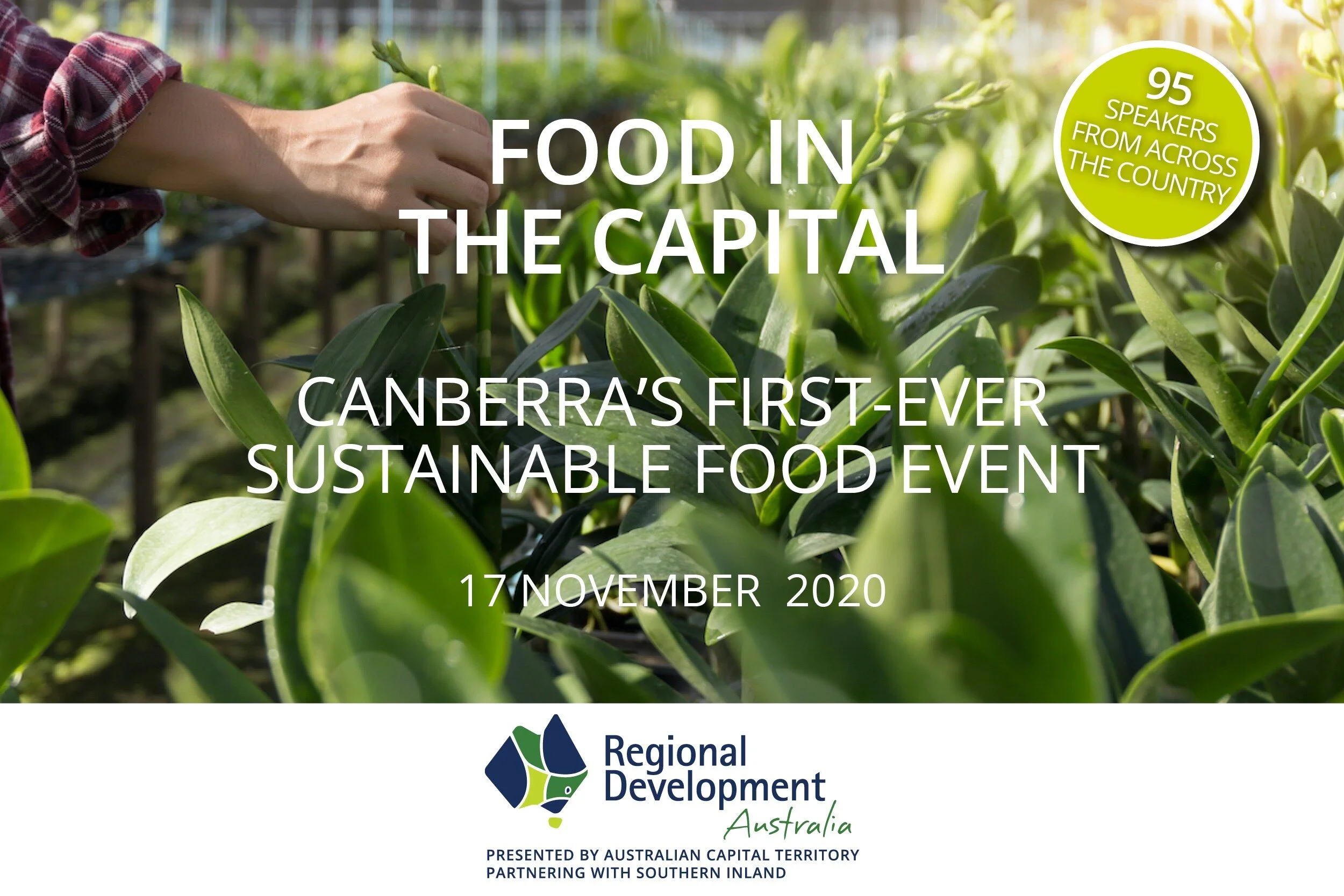
Canberra’s first ever sustainable food event is here. Starting on 17 November 2020, Canberra will play host to Food in the Capital, a first of its kind, sustainable food conference program
Shayna Siakimotu 17 November 2020
Where:
Online and Kambri ANU
When:
17 November 2020, 9:00 am to 5:00 pm
18 May 2021, 9:00 am to 5:00 pm
16 November 2021, 9:00 am to 5:00 pm
Canberra’s First Ever Sustainable Food Event Is Here
Starting on 17 November 2020, Canberra will play host to Food in the Capital, a first-of-its kind, sustainable food conference program.
The 3-event series, scheduled across 12 months, set out to connect people from across the industry including farmers, food businesses and manufacturers, community groups, thought leaders and policy makers.The focus will be on food production, consumption and technology and is the first of its kind in the region.
Tickets starting $297 and are for all 3 events.
17 Nov '20 | 18 May '21 | 16-17 Nov '21
The three events set out to connect people from across the industry including farmers, food businesses and manufacturers, community groups, thought leaders and policy makers.
Improvements to our Food System envisaged at FIC could conservatively:
Generate up to 3,000 jobs for the local economy.
Reduce Canberran’s grocery costs by $200 million.
View the program and speakers online and get your tickets today!
Join Canberra’s first ever sustainable food event, starting 17 November 2020. Photo: Supplied.
The Details
What: Food in the Capital – Sustainable food event
When: 17 November 2020, 18 May 2021, 16 November 2021
Where: Online and Kambri Centre ANU, Acton ACT 2601
Cost: Tickets start from $297 (+ booking fee) and covers entry to all 3 events. Single event tickets are not available
For more information, visit Food in the Capital.

Research And Indoor Farming University Network
The Indoor Farming University Network (IFUN) aims to create a space for strategic communication in the indoor farming industry between research departments and universities across the world
OCTOBER 29, 2020
When the pioneering vertical farms were established around the world, comparatively basic first-generation technology used created relatively inefficient systems compared with today. Although these operations only enabled the most basic functions to occur, they demonstrated how feasible it was to grow plants in vertical structures and thus, for the first time in history, opened doors to the vast number of opportunities associated with space-optimised and controlled-environment food production in urban environments.
Notably, this had the potential to bridge the gap between the food source and consumer-created by the second agricultural revolution of the 17th century, which led to the industrial revolution and mass urbanisation.
As the industry’s capital expenditure tends to remain high, increasing the financial viability of vertical farming businesses by cutting down the operating costs is crucial for securing a successful future and has thus become a key focus of research. The transition from first-generation to second-generation technology is critical. Second-generation technology enables automation and continual optimisation of the growing process, resulting in immensely higher yields and more appealing and feasible investment opportunities.
In the indoor farming industry’s short history, advancements in automation have been made in a range of areas including watering and hydroponics, and monitoring of water parameters. More modern practices integrate robotics and even allow plants to be moved. The automation of light quality and intensity plus the incorporation of LEDs has also been key to creating big energy savings and higher quality produce, and there are emerging examples of systems with LEDs that respond and automatically adjust their intensity according to real time data output from the plants.
Check Out UPLIFT, a Fully Automated Vertical Farm by SANANBIO
An example of interdisciplinary research projects
PB ‘Horticultural Systems of the Future’ (HORTSYS) innovates for the future of indoor (and outdoor) horticulture using the latest sensor technology and model-based decision support systems (DSS). The research group, HORTSYS.2, is developing resource-optimised production systems in controlled growing environments including vertical farms. It is a cooperative effort between Wageningen University, the Leibniz Institute for Vegetable and Ornamental Plant Production (IGZ), Danish Technological Institute, Aarhus University, Humboldt University Berlin, and many more.
Laura Cammarisano at AVF Indoor Learning Lab and Demo Center, Munich, Germany
Laura Cammarisano (a scientist at the IGZ and AVF member), describes her work:
“I collaborate to create solutions that combine plant mathematical models and sensors for the automation of plant cultivation in closed environments.”
HORTSYS.2 uses knowledge of important parameters affecting plant behaviour, such as light quality or nutrient uptake. They combine understanding from addressing key research questions related to mathematical modelling and sensor technology as well as plant physiology.
There is a call for and a growing need for such collaborative efforts because high tech farming systems, such as vertical farming, combine knowledge and data from a range of different research areas.
Laura Cammarisano added: “One very important aspect at the moment, at least to me, is the need for data as it would help a lot in the automation process.”
The Importance of Building Networks and Consortia
Communication and working together is vital to help the industry move forward as this facilitates more rapid advancements in the automation process and produce quality, increasing the economic viability of VF technology. This helps to secure investment, in turn paving the way for the integration of VF technology and its innumerable benefits into our daily lives.
The Indoor Farming University Network (IFUN) aims to create a space for strategic communication in the indoor farming industry between research departments and universities across the world. With the main priority being to emphasise the importance of research and collaboration during the climate crisis, IFUN will initiate and support interdisciplinary partnerships to create a network offering a range of benefits to its members from consortium building for grant applications and identifying knowledge gaps to education for future researchers, decision-makers, and the general public.
You can find out more about IFUN and how to join here.
Author: Laura Nelson

Tech Startup iFarm Raises U.S. $4 Million to Expand Do-It-Yourself Urban Farms
Most urban farming companies do one of two things: grow and sell their own food or manufacture technology to assist experienced farmers, such as LED lights and robots that can monitor and harvest produce
The Finnish technology startup iFarm recently raised US$4 million to build vertical farms for more customers across Europe and the Middle East. Using these funds, iFarm aims to help more entrepreneurs and businesses set up their own urban farms—at any time, in any place.
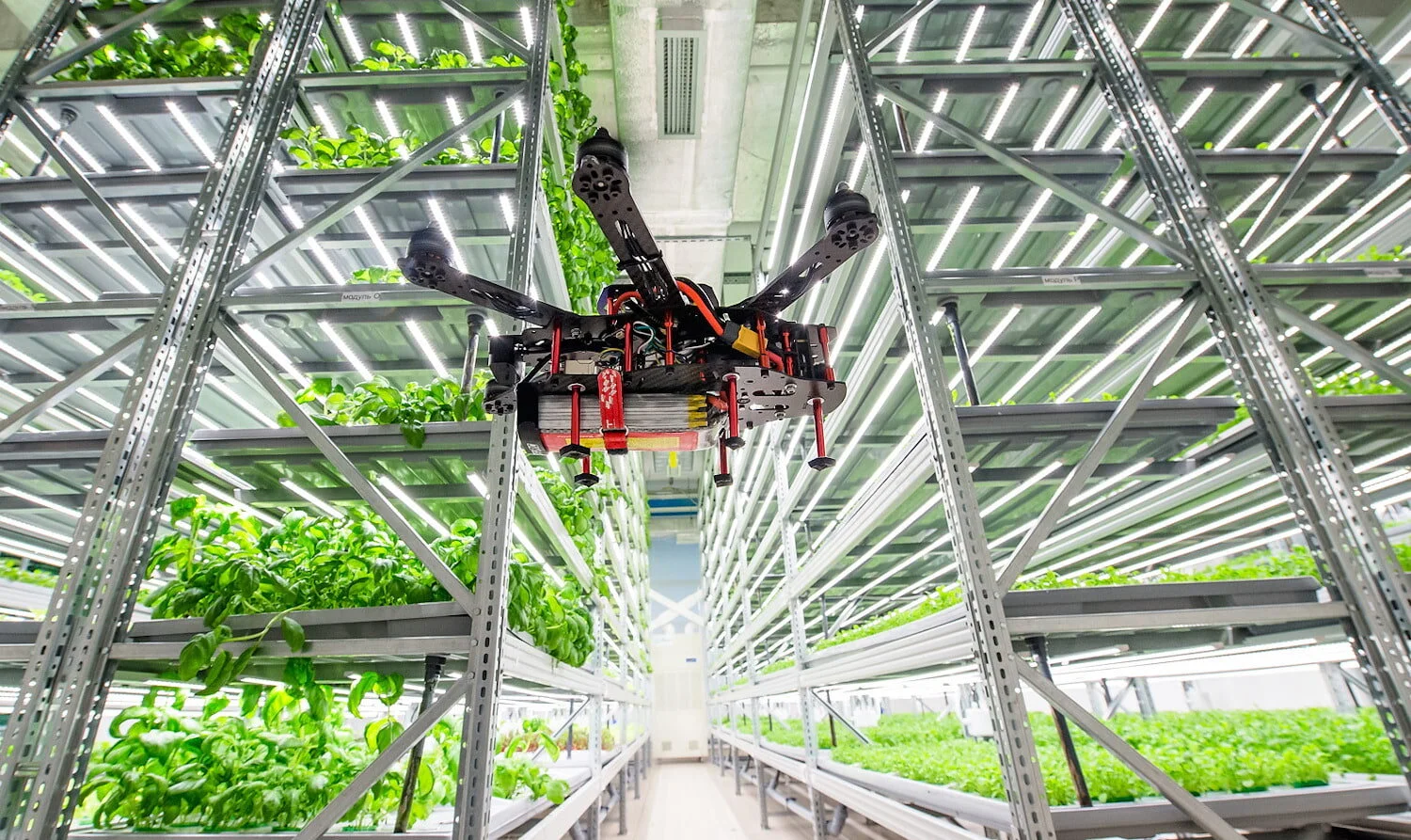
iFarm, founded in 2017, develops autonomous farming systems to grow greens, berries, and edible flowers indoors. It sells smaller, individual growing modules, as well as vertical farms for larger-scale production.
Most urban farming companies do one of two things: grow and sell their own food or manufacture technology to assist experienced farmers, such as LED lights and robots that can monitor and harvest produce.
iFarm falls into a third, less common category. Rather than standalone technology, the company sells entire urban farming systems with built-in robotics. These systems enable customers to start farms with little to no knowledge of agriculture.
iFarm’s growing module, iFarm Cropper, is designed for grocery stores, restaurants, or homes. Their vertical farms are intended for larger spaces, like warehouses. These systems are equipped with drones and artificial intelligence that spot diseases and track plant growth. They can also be controlled by an app, iFarm Growtune, that automatically plants seeds and adjusts lighting and humidity.
Kirill Zelenski, the Managing Director of Europe at iFarm, tells Food Tank that the company’s name is reminiscent of the iPhone. With an iPhone, he says, “you don’t need to know anything… You just need to know what you want to do, and it will do it itself. Same with our farms.” He explains that a customer simply has to push a button to grow arugula, and the system knows what to do.
Urban farming companies boast several ecological, economic, and health benefits. iFarm’s technology, for instance, uses 90 percent less water and 75 percent less fertilizer compared to conventional farms, and no pesticides.
Controlled climates inside urban farms reduce the risk of air and water pollution, while allowing for more reliable yields. iFarm reports that 100 percent of their seeds sprout.
Indoor farms can also exist anywhere. The urban farming company Square Roots, for example, grows greens in the heart of Brooklyn. This flexibility cuts down on land use—which is increasingly sparse—and improves access to fresh food in urban areas.
iFarm’s founder, Alex Lyskovsky, decided to start the company for exactly that reason: his hometown in Siberia lacked access to fresh food. Now, thanks to iFarm, says Zelenski, “Even sitting in Finland, I can grow—for example—tomatoes like they would be grown in Sicily.”
Zelenski imagines a world where proximity to farmland no longer dictates where people reside. “Our idea is that it will change the world and how people are living. Because of the possibility to build farms in every house, you can live wherever,” Zelenski tells Food Tank.
Zelinski believes that autonomous farming companies—particularly those that sell already-programmed systems—have the potential to radically reshape the industry. “Modern farmers,” as he calls them, won’t necessarily need to know how to farm.
However, there are downsides. Zelenski notes that iFarm’s drones reduce the need for labor by 800 hours per month, which boosts efficiency and saves farm owners money—but could also threaten job security for farm workers.
iFarm isn’t the only company selling urban farms. Manhattan-based Farm.One offers everything from single-plant hydroponic units to entire vertical farming setups. InFarm, based in Berlin, installs its modular setups in grocery stores. And companies like Agrilution, Rise Gardens, and Aspara sell in-home hydroponic systems.
As for iFarm, the company plans to put half of its recent funding towards scaling up in Europe and the Middle East, 30 percent into research and development, and the remaining 20 percent into internal management and hiring.
The company plans to leave a big mark on the agriculture industry. “We think our technology will change not just [farmers’] work, it will change the world totally,” Zelenski tells Food Tank. “Our idea totally disrupts the industry.”
October 30, 2020
INDIA: Farm To Fork, The Hi-Tech Way
The lockdown has created a new food chain for both the urban farming community growing produce on home terraces and agriculturists on conventional farms
Hyderabad-based Simply Fresh has commissioned India’s largest high-tech ‘plant factory’, spread across 140 acres.
November 1, 2020
Lead photo: Greens from Simply_Fresh
The lockdown has created a new food chain for both the urban farming community growing produce on home terraces and agriculturists on conventional farms. Artificial Intelligence and new machinery are making it efficient and progressive. For example, an IIT Madras app offers a seed-to-plate supply chain. NeerX Technolabs’s low-cost sensors are even used by ISRO and IARI to replace expensive imported remote sensors.
Cloud cues
From red tape bureaucracy to ignorance, prevents data across categories. Cloud Cues, a project led by IIT Mandi, brings data on a single platform to be distributed according to need. “Small-scale farmers benefit by sharing resources such as weather prediction, irrigation, soil nutrition, seed selection, disease and pest control, surveillance and market access and credit.
Crop protocols being explained to a
farmer by AB InBev
Water saver
Bengaluru-based Gourmet Garden focuses on improving water and nutrient use in sustainable farming sensor-based technology. It automatically assesses nutrition delicacy and auto-fertilises soil thereby reducing water use by over 90 percent. It can be controlled through a mobile phone or computer. “All plants will get uniform nutrition,” says Arjun Balaji and Vishal Narayanswamy, Co-founders, Gourmet Garden, a company that deals with hydroponics.
Artificial intelligence
Hyderabad-based Simply Fresh has commissioned India’s largest high-tech ‘plant factory’, spread across 140 acres. “We use AI-based precision farming, climate e-engineering, and hydroponics. From growing to processing, it’s cheaper than expensive US operations,” says Sachin Darbarwar, CEO. The company has developed proprietary software for farm management.
Supply chain solution
Smart Barley: AB InBev, the world’s leading brewer, works with KisanHub, an agri-food supply chain company, to empower farmers to manage their supply chain, identify and resolve risks, make large-scale supply planning decisions and improve sustainability.
Machine learning
Agrojay platform: The horticulture app implemented in Nashik, Maharashra, is used by more than 22,500 people for online consultation for predictions, crop patterns, and sales to highly rated traders via AI and Machine Learning.
CombaGroup SA Reveals Rebrand With New Name, Logo, and Products
The new name, CleanGreens, is synonymous with powering clean, sustainable solutions in the agrotech space. It also reflects the company's mission to represent more directly what they are bringing to the table: fresh, healthy, premium quality yields of their customers’ favorite crops
Molondin, Switzerland – 5 November 2020: On the 21st October 2020, CombaGroup SA has announced the company's complete rebranding and launch of its new website.
Last year, the company realized it was time to leverage its unique position in the field of mobile aeroponic growing solutions. This year, they've rebranded to solidify their stance, offering, and direction within the industry.
The new name, CleanGreens, is synonymous with powering clean, sustainable solutions in the agrotech space. It also reflects the company's mission to represent more directly what they are bringing to the table: fresh, healthy, premium quality yields of their customers’ favorite crops.
The rebranding is a response to accelerated company growth and a renewal of its corporate vision, subtly captured by its new
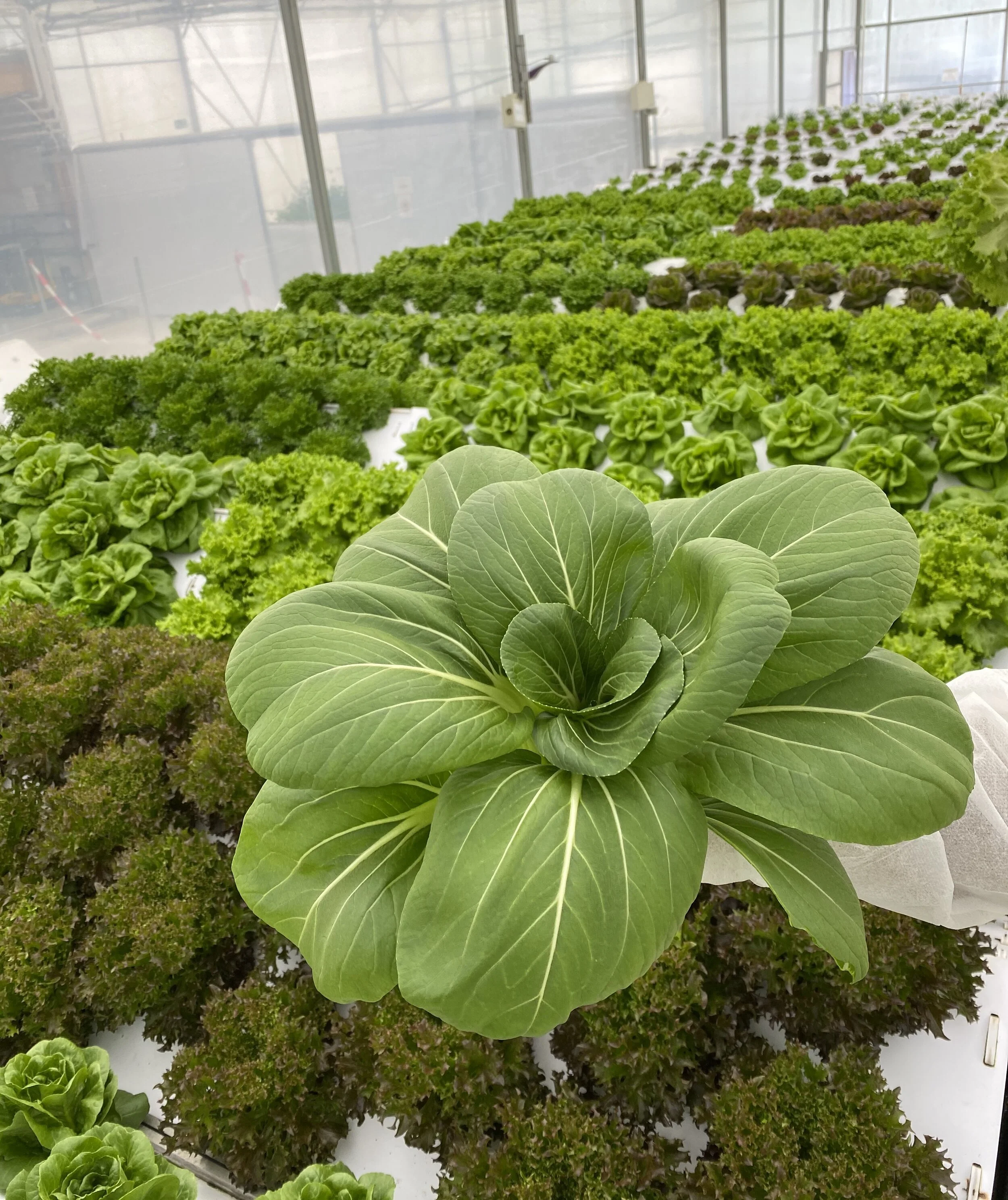
With six years of R&D and technology breakthroughs in mobile irrigation and agronomy expertise, CleanGreens is proud to offer CleanGreens Pro, a system designed to be as simple as A-B-C, with immediate support and maintenance as well as a technical hotline available in addition to the built-in resources.
As a platform, CleanGreens is expanding to welcome new communities of users and has gone even further in solidifying its global position going forward. It has released new product packages and features that allow its clients to build, manage, and deploy custom applications quickly with its own intuitive, integrated, cloud-based operating application, GURU by CleanGreens. The platform gives clients the ability to grow exactly what they want with the support they require whenever they need it.
Based on the experiences and feedback from CleanGreens’ agronomist team and customers, this new app assists in key tasks like sowing, harvesting, and preventive maintenance and also features built-in reminders, alerts, and real-time records. It’s like having your own personal CleanGreens agro-expert assistant at your fingertips.
Currently, there are seven cultivation lines in operation in three locations: Molondin and Geneva in Switzerland, and Châteauneuf-sur-Loire in France. More are in the pipeline for the future. The new improvements have allowed CleanGreens to meet elevated customer demands for more of its innovative products and technologies.
"Our complete solution is different from any system in the market and our re-branding is largely driven by our effort to reflect this for our products, mission, vision, and of course, our customers and consumers,” says Serge Gander, CEO.
He adds: ”We've taken a clean, modern approach to the name, the website's design and the user experience in our new look and rebrand. We purposefully set out to challenge the status quo in all aspects of our business and this redesign reflects that." logo with the notion of interaction and connectedness. These are core to the capabilities of scalable mobile aeroponic technology platforms that are a priority for both CleanGreens and its clients and partners.
Please visit the revamped website www.cleangreens.ch to explore the new website and learn more about the products and services offered.
About CleanGreens
CleanGreens is a Swiss agro-technology company that provides farmers and industrialists with innovative mobile aeroponic farming solutions for growing fresh, environmentally-friendly, nutrient-rich vegetables. A certified B Corp company CleanGreens’ patented technology significantly reduces water consumption and contamination risks while offering maximum productivity per square meter and minimizing environmental impact. Automated irrigation and mechanized spacing system produce clean, quality, pesticide-free salads, aromatic herbs, and medicinal plants all year round, thus providing consumers with healthy, responsible products.
For more information
info@cleangreens.ch +41 21 545 99 25 www.cleangreens.ch
Media information online
Media information and images can be downloaded directly from cleangreens.ch Journalists can subscribe to our media mailings to receive information on CleanGreens’ aeroponic solutions and technology.
For the latest updates on CleanGreens, visit www.cleangreens.ch, or follow on Instagram, Twitter @SmartLettuce, Pinterest, and LinkedIn.

Pure Harvest Smart Farms, How To Grow Local In The Middle East ?
In the UAE where the climate is arid and very hot most of the time of the year, growing local and fresh vegetables can be a challenge or even impossible
03.11.20
Pure Harvest Smart Farms is a tech company that tries to disrupt the agricultural market in the UAE by tackling the problem of food security.
In the UAE where the climate is arid and very hot most of the time of the year, growing local and fresh vegetables can be a challenge or even impossible. There are imports from other countries to secure fresh vegetable supply year-round, but due to the air freight, the products aren’t fresh and are expensive. An issue that Pure Harvest farm tries to address by bringing the best of agriculture technology to develop fresh and locally grown tomatoes in the UAE. Today the company has raised $100 million to expand its production, and start growing in Saudi Arabia and Kuwait. We met Sky Kurtz, its CEO, and Co-Founder.
What is controlled environment agriculture and why is it so important in the UAE today?
Controlled environment agriculture (CEA) is the strategy taken by Pure Harvest to tackle the issue of food security. This means we engage in CEA with hybrid growing solutions that provide precise climate and environmental controls to deliver quality fresh produce. Pure Harvest’s CEA ensures increased productivity and reduced waste (including water, energy, time, and transport). The UAE is the perfect starting point for us to expand our agritech solutions into other import-reliant regions. There is a huge amount of sun energy waiting to be harnessed!
In which aspects is Pure Harvest disrupting the industry compared to other traditional greenhouses?
The UAE’s arid climate is the right laboratory for the conditions needed for this kind of project and as a result, Pure Harvest is now entering the world stage as a tech-agricultural business tackling the problem of food security. Some other vertical farming countries in the world such as the United States, Holland, France are looking at similar solutions but don’t have the right conditions or a laboratory. The gap between traditional greenhouse countries and import countries has been bridged, this is particularly relevant given the risk of long term import reliance exposed by the Covid-19 pandemic.
What kind of technologies do you use to grow fresh vegetables in the hostile climate of the UAE?
Pure Harvest integrates world-leading Dutch greenhouse growing technologies together with our proprietary climate management systems. Pure Harvest seeks to leverage innovative semi-closed growing technology (with overpressure climate control and mechanical cooling) in order to pioneer year-round production of affordable, premium quality fresh produce.
What kind of crops do you grow in your greenhouses today?
We are currently growing 26 varieties of tomatoes and 6 varieties of strawberries. We are creating new markets, not just displacing existing commercial import markets. There are over 400 commercial varieties of tomato, and Pure Harvest is proud to grow six that have never before been seen. We’re aiming to be able to produce anything which already grows under a Mediterranean climate in any variety.
Last April, you secured a multi-stage investment commitment valued at over USD 100 million with Wafra Investment company. Which kind of developments do you expect for the company?
This year, the company entered into a first-of-its-kind retailer-integration partnership with The Sultan Centre (TSC) in Kuwait, creating a ‘farm center’ that will include edutainment, a retail farmers’ market, and an integrated café. We are completely committed to supporting public initiatives focused on improved food security, water conservation, skilled job creation, and economic diversification. Through constant engagement with governments, schools, and research institutions, we believe that together, we can lead the Middle East into the next generation of sustainable agriculture.
SEE ALSO A French-Tunisian startup changes the future of sustainable agriculture with insect proteins
3 November 2020
80 Acres Farms Raises Funding Round Led by Barclays to Accelerate Growth in Automated Vertical Farming Technolog
80 Acres Farms addresses both sustainability and food security through growing food differently with vertical farming technology and reducing water usage by 97% on less than 1% of the land, with 300x the yield
HAMILTON, Ohio - November 2, 2020 Newswire.com
80 Acres Farms, the sustainable solution for fresh, pesticide-free food, announced that it added Barclays as a strategic investor in the business, joining Virgo Investments, Orange Wings Capital, QuietStar Capital, and other family office investors.
80 Acres Farms is a 2019 fellow from the Unreasonable Impact Americas program and award winner recognized for their work addressing the global pandemic's effects. 80 Acres Farms addresses both sustainability and food security through growing food differently with vertical farming technology and reducing water usage by 97% on less than 1% of the land, with 300x the yield.
Mike Zelkind, CEO of 80 Acres Farms, said: "There has been an explosion in demand for fresh, locally grown, nutritious food, and this investment round enables us to continue to meet that demand at the right unit economics. We look forward to developing our relationship with Barclays and their global network through our shared passion for enhancing sustainability in this industry."
Andrew Challis, Co-Head of Principal Investments at Barclays, said: "80 Acres Farms can shorten the vulnerable, carbon-intensive supply chain and secure retailers and consumers with consistent, safe, fresh, sustainably grown food. This is an exciting investment proposition for Barclays as it supports our clients' and consumers' transition to a low-carbon economy and underpins our ambition to take a leading role in tackling climate change."
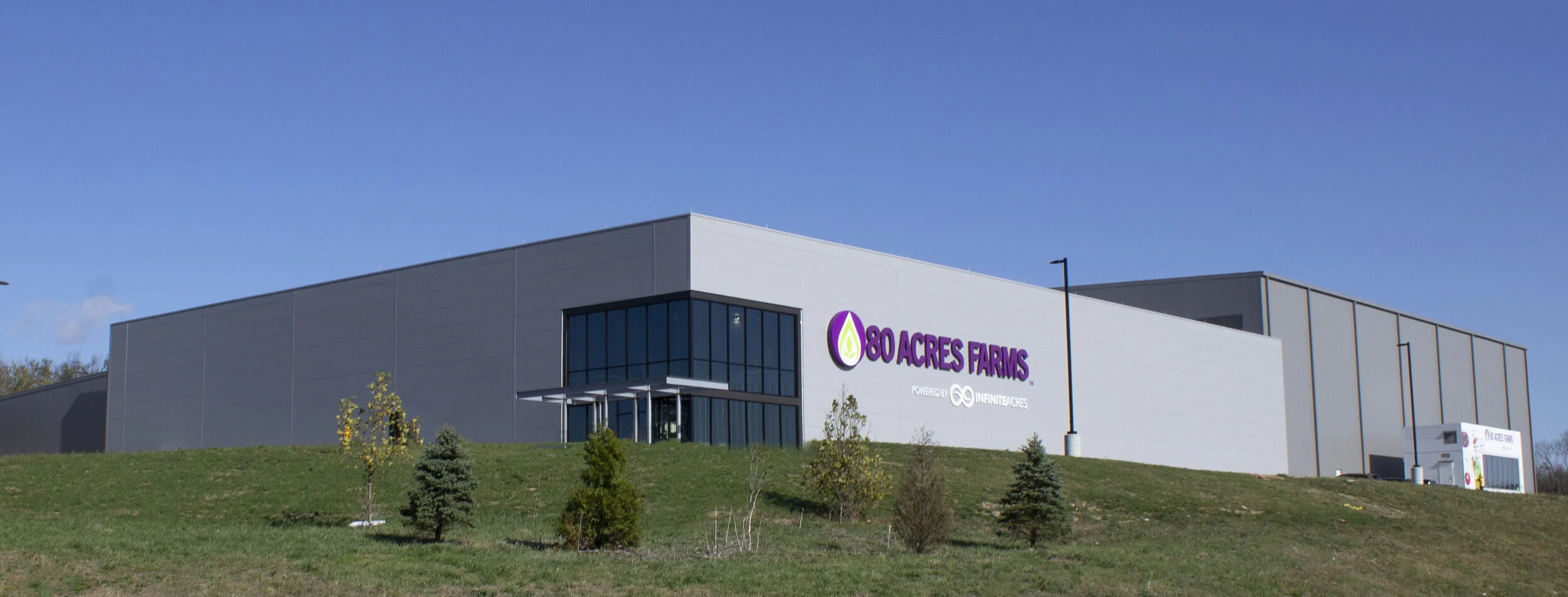
80 Acres Farms operates eight indoor farms in the US, including a new state of the art facility in Hamilton, Ohio - built by an affiliated company, Infinite Acres - that will deliver 10 million servings in its first year. You can find 80 Acres' product of just-picked salads, tomatoes, cucumbers, herbs, and microgreens at Kroger, Whole Foods, The Fresh Market, Dorothy Lane Markets, Jungle Jim's Markets, and key National Foodservice Distributors including Sysco and US Foods.
About 80 Acres Farms
80 Acres Farms is a vertical farming leader providing customers with the freshest and most nutritious fruits and vegetables at affordable prices. Utilizing world-class technology and analytics, the Company offers customers a wide variety of pesticide-free food with a longer shelf life that exceeds the highest food safety standards
Lead photo: 80 Acres Farms'. Fully-Automated vertical farm located in Hamilton, OH.
For further information, please contact us at:
rebecca.haders@eafarms.com / +1 513-910-9089
About Barclays Sustainable Impact Capital initiative
As part of its broader commitments, Barclays will invest £175m of its own capital, led by the Principal Investments team, in fast-growing, innovative, environmentally-focused companies whose values are aligned with those of Barclays and which target the goals and timelines of the Paris Agreement. Investments will be strategic to Barclays, its clients, and the communities it serves, with clear scalable propositions that deliver both environmental benefits and economic returns.
For further information, please contact us at:
Investment Enquiries: PITeamInbox@barclays.com
Media Enquiries: emily.stead2@barclays.com / +44 (0) 7796 706166
Related Images
80-acres-farms-newest-location.jpg
80 Acres Farms Newest Location
80 Acres Farms'. Fully-Automated vertical farm located in Hamilton, OH
Related Links
Ground-Breaking Companies Join the 10th Unreasonable Impact Program
80 Acres adds Walmart, Dole execs to leadership team as it gears up for growth
To view the source version of this press release, please visit https://www.newsfilecorp.com/release/67308
Vertical Hydroponics
Hydroponic systems can be grown in a greenhouse using natural light, or more commonly in a vertical system using LED lights, to save space
October 13, 2020
What happens if you love gardening and growing various kinds of plants, but do not have enough ground surface or horizontal floor area? The concept of vertical farming was developed as a solution to this problem. Imagine the way that tall skyscrapers can be built so sturdily, yet are able to reach up towards the sky while containing so many different rooms across multiple levels, and that will provide you with the basic working principle behind vertical farming. In other words, it is all about cultivating more by stacking multiple layers of planting surfaces.
What Is Vertical Hydroponics?
This basic concept of vertical farming can be easily applied towards what’s known as hydroponics—a way to grow plants without the use of any soil, wherein minerals and other nutrients are provided directly to the roots only via water in a systematic manner and in calculated quantities.
Hydroponic systems can be grown in a greenhouse using natural light, or more commonly in a vertical system using LED lights, to save space. The latter system is what’s known as Vertical Hydroponics—the setting up of a hydroponic farm, except in a vertical manner. Gravity plays a major role, since the nutrient-rich water is fed from the top of the system and flows down to the bottom, where it is collected.
This practice of soil-free vertical gardening traces its roots all the way back to Ancient history. The Babylonians had a similar idea when they built the Hanging Gardens along the Euphrates River in Babylonia around 600 BC—an Ancient Wonder which had flowers, shrubs, and even trees growing in massive tiered gardens. Other records of hydroponics in ancient times include the floating farms created by the Aztecs around Tenochtitlan in Mexico in the 10th-11th century, as well as the explorer Marco Polo’s writings of the late 13th century, describing similar floating gardens during his travels to China.
Scientific experiments were done to test plant growth using various cultures from water, soil and air were recorded from the year 1600 onwards by various chemists. The long search for the macro-nutrients essential for plant growth without soil culminated around 1860, when two German botanists, Julius von Sachs, and Wilhelm Knop, were able to grow plants by totally immersing their roots in a water solution containing minerals of nitrogen, phosphorus, potassium, magnesium, sulfur, and calcium, and delivered the first standard formula for the specific nutrient solutions dissolved in water to allow the growth of plants in it. This was the origin of “nutriculture”, a word that was changed in 1937 to “hydroponics”—combining two Greek words “Hydro” (water) and “Ponos” (labor).
Studies have shown that vertical hydroponics systems can aid in efficient water savings, up to 90 percent. The closed-loop system prevents runoff into waterways while growing indoors can reduce pests, diseases, and issues related to fickle weather. A vertical hydroponics system is efficient in multiple ways, has various advantages, and can be built, operated, and maintained even at your home.
.
How Does a Vertical Hydroponic System Work?
There are two main vertical hydroponic system designs—Vertical Hydroponic Tower and Zig-Zag Vertical Hydroponic System. Due to their unique dynamics, both of these vertical designs use a closed, constant flow system called the Nutrient Film Technique (NFT), which involves having a constant thin stream of water flowing over the root system of the plants.
Vertical Hydroponic Tower
In a typical vertical hydroponic tower, a tube is connected to a small water reservoir at the bottom, wherein a hydroponic pump will assist in pumping the water to the top. From there, the natural assistance of gravity is used to bring water down in a controlled manner back to the reservoir, the process of which delivers the nutrients to the plant.
You can either use a single tube to deliver water to the top level or connect multiple channels to different layers for optimal delivery of water and nutrients. The plants are placed in net cups, typically angled at 45 degrees, to easily allow the water to flow through the roots.
Zig-Zag Vertical Hydroponic System
Some designs use multiple PVC pipes arranged on a trellis frame at diagonal angles (known as the zig-zag vertical system) instead of creating a vertical tower. The pipes are usually in a compact zig-zag pattern going up. The plants are housed in net cups, placed at regular 90-degree angles.
These systems also use NFT techniques to grow the plants. The water containing essential nutrients is pumped to the top pipe, from where it flows down in a constant stream.
Advantages of Vertical Hydroponics
Space Savings
One huge consideration with vertical hydroponics is optimizing the limited space that you might have. Most gardeners nowadays—professionals or enthusiasts—often suffer from lack of floor space, and so vertical hydroponics has become the preferred choice for urban gardening. Vertical systems are excellent for fitting into corners of rooms or any other small indoor or outdoor spaces where they can be less intrusive while not using up valuable square footage. This has allowed maximum usage of small spaces and made it a viable option for growing crops in city homes, whether against an outdoor patio wall or inside a spare room. Vertical hVertical hydroponics is a godsend for people who don’t have access to much soil or ground space to grow things.
In addition, plant roots in hydroponic systems don’t spread out as much in their search for nutrients compared to growing them in soil, since the roots are suspended directly in nutrient-rich solution. As a result, it is possible to grow crops much closer together, saving space.
Lack of Soil
Hydroponics is being considered as an innovative alternative approach to the future of agriculture, since by using no soil, you can grow many varieties of produce in most places with very little arable land, dry/arid climates, or where climate change and destructive farming practices are causing soil erosion. Similarly, distant cities, islands or hotels can also grow their own fresh food hydroponically instead of resorting to costly imports. As for coastal places with a scarcity of fresh water, desalination technology is in progress so that people will be able to extract fresh water from the ocean for supplying hydroponic gardens as well as for agriculture in general.
Due to the controlled and soil-free environment, weeds, pests and plant diseases are minimized. As a result, the use of chemical fertilizers, fungicides and pesticides are drastically reduced—a big bonus for health and food safety—while the harvested crops may not even need to be washed in most cases.
Efficiency & Productivity
Hydroponic nutrients are derived from mineral salts, essentially the same as those found in soil, but more readily available. The difference is that the nature of soil-based minerals is slow release, whereas hydroponic minerals are fast release with fast uptake, and therefore result in optimal results & faster growth.
As mentioned earlier, when planted in soil, a plant’s roots spread out in search of nutrients, leading to a much larger root system than a hydroponic setup—wherein the nutrients are delivered directly to the root system in almost surgical quantities. This method ensures that plants receive exactly the right quantity of nutrition at the right times, allowing the plant to spend its energy-producing useful foliage, stems, leaves, and fruit (instead of large root systems).
Vertical hydroponics, especially indoors, allows for better control of temperature, light, air composition, and pests. This results in maximized crop growth rates, quality and yield, in addition to being able to grow most crops year-round. Indoor vertical hydroponics farms can play an important role in filling the market gap, providing fresh produce in all seasons.
In addition, vertical hydroponics can reduce the overall weight of the upper layers by at least 30% compared to using soil as the growing medium for a vertical system—meaning that you can stack more layers on top of each other than you normally could.
Fresh produce can be made available locally with maximum ease and sold in restaurants and farmers’ markets with minimal transport. This helps reduce greenhouse gas emissions while also reducing nutrient loss and produce damage.
Low Maintenance
In a properly constructed vertical hydroponics system, the water and nutrients inside the tube stay inside it without any spillage or leakage. Moreover, the water keeps getting recycled (in a closed-loop system) until it reaches the point of no use. This ensures optimal usage and minimal wastage. Hydroponic systems are therefore good for the environment since the water is not being evaporated as readily or absorbed into the ground quickly while being recirculated, compared to a soil-based system. In fact, a recirculating hydroponic system can conserve up to 80% water and use up to 10 times less water compared to a standard garden bed. This offers a huge—and sustainable—advantage when water shortage is of great concern, especially since field-based agriculture is one of the greatest consumers of freshwater sources (up to 80% of ground and surface water in the U.S. itself).
Disadvantages of Vertical Hydroponics
Water Flow
The main challenge in a vertical hydroponics system is to deliver adequate water, nutrients, and light to plants on all the levels. Since the plants are placed one above the other, water needs to be delivered in a vertical form, and in order to send the water all the way to the top against the force of gravity, pumps with higher power are required. And if the water is not constantly being sent up, it will pool at the bottom and too much of it will pose a danger of drowning the lower plants.
Lighting
Lighting in a vertical hydroponic system is extremely important. For outdoor systems, the issue of lighting is not as complicated, as it can be tackled by strategically arranging the net cups containing the plants so that they get better access to sunlight as needed. But if the vertical hydroponic garden is indoors, the plants will have reduced or no access to the sun. You’ll therefore need to invest in electric grow lights to allow the system to flourish. For large scale hydroponic farms especially, the lights used to grow plants constitute a big part of the cost. However, with the advent of new LED lighting technology, growing hydroponic plants indoors is becoming much more economically viable.
All the levels with plants will typically require equal amounts of light at an equal distance, and this can only be achieved by placing separate light panels that cater to the plants equally. For example, peppers require plenty of light for up to 18 hours per day, while also requiring close proximity to light—otherwise they won’t thrive. It’s therefore essential to ensure you’re spending money on high-quality and energy-efficient bulbs for your hydroponic light panels.
In some cases, growers actually train plants to grow horizontally because they want optimal light from above to reach all parts of the plant. Since the plants in a vertical tower system are placed at an angle, the best option might be to use multiple vertically mounted lights to cover all the growing surfaces uniformly.
In the case of an indoor zig-zag vertical hydroponic system also, lighting may be a concern. Panels hanging from the ceiling may not be ideal since all the plants are at different heights. Multiple light panels need to be typically arranged on top of each of the pipes to provide light equally and equidistantly.
The BIOS Solution to Lighting
BIOS® Icarus® Li LED Grow Light bars are a cost-effective solution for vertical farming racking systems (such as vertical hydroponic systems), where multiple bars can be daisy-chained and easily arranged according to desired light bar spacing. BIOS Icarus Li LED is the controlled environment agricultural industry’s choice for a durable, light-weight, and vertical grow light bar. It is a cost-effective solution for a variety of grow light applications where multiple bars can be daisy-chained and easily moved according to desired light bar spacing.
The Icarus Li LED Grow Light has an optimized broad spectrum that maximizes photosynthesis and plant growth, while also providing the ideal conditions for a comfortable visual experience, superior PAR efficacy, and accurate crop assessment.
The slim, lightweight design optimizes space and allows repositioning over the plant canopy in a variety of applications.
Clip or end-cap L brackets allow easy installation into any racking system.
Bars can be daisy-chained by quick-release connectors toa single power supply.
LED bars can be installed at various densities to provide PPFD levels up to 1500 μmol/m2-s.
Resource Demand
The production in a vertical hydroponic system is high, but so will be the resources that you utilize for this cultivation. The light panels, the water system, monitoring the water reservoir, etc. will result in increases in invested cost and time. Although setting up a hydroponic system can be done on a budget with minimal costs, the specialist equipment required can be expensive for a commercial scale system.
An understanding of both the technical set-up of the hydroponics system and various plant growth requirements is essential for preventing system failures. Leakages can occur, while different crop types may require vastly different nutrient, temperature and lighting conditions. In addition, the close proximity of water and electric systems poses risk, and therefore careful and regular monitoring of the system is required.
Despite the few challenges and limitations associated with vertical farming with hydroponic systems, it still offers great potential to contribute to a more sustainable future of farming. After the initial setup, the expenses should be limited mainly to electricity and nutrient costs, while the increased plant growth rates and yield often outweigh these added costs.
Light is the single most important variable with respect to plant growth and development and is often the most limiting factor. Therefore, the use of visually comfortable and optimized broad-spectrum LED grow lights such as the BIOS Icarus Li—maximizing photosynthesis and plant growth— is extremely beneficial for plants and growers alike for vertical hydroponic applications
Building Essential Foundations to Lead Farming For the Future: Q4 and Fiscal 2020 Letter to Shareholders from CubicFarms CEO
Since our listing on the TSX Venture Exchange last July, we learned many lessons on how to be a public company, particularly the only Canadian public company in the vertical farming, controlled-environment agriculture space
VANCOUVER, BC, OCTOBER 28, 2020 – CubicFarm® Systems Corp. (TSXV:CUB) (“CubicFarms” or the “Company”) is pleased to provide the following message from Dave Dinesen, Chief Executive Officer.
Dear Valued Shareholders and Friends,
I want to thank you for your support and commitment to CubicFarms, from our earliest founding investors who saw the opportunity and potential in our small private company, to our new shareholders who have joined us after our public listing in July 2019.
Your support has helped us make significant strides since our founders Jack and Leo Benne started developing the first prototype a decade ago of what has become our patented, automated growing system for fresh produce. Today, I want to provide you with a more thorough understanding of our vision for the path ahead, what we have recently accomplished and the foundation we are laying to lead farming for the future.
The Covid-19 pandemic that dominated much of life in 2020 has greatly impacted food systems all over the world. The health crisis upended intricate food supply chains that were already inefficient. The food service industry was decimated while retail demand and food prices shot up. Transportation and distribution lines were disrupted, and border closures prevented foreign farm workers from toiling the land. Covid-19 underscored the critical need for technology to localize food production and shorten supply chains to provide more predictable and reliable food supply for our communities.
Against this backdrop, our systems continue to sell. Our customers acknowledge the value our systems bring to their operations through savings in land, labour, water and energy. Growing indoors and maximizing crop yield per cubic foot enable farmers to grow anywhere on earth, 365 days a year.
Sales highlights
In March 2020, we announced our largest ever sale of 100 CubicFarms machines to be installed in Surrey, British Columbia.
In July 2020, we announced another large sale of 16 CubicFarms machines to be installed in the Okanagan region of BC.
We reported C$5,167,488 in revenue this fiscal year from the following orders:
23 CubicFarms machines being installed in Calgary, Alberta.
Three control rooms each delivered to Terramera and a BC-based field farmer.
A HydroGreen livestock feed system delivered to our new reseller in Tokyo, Japan.
Approximately C$517,000 is attributed to recurring revenues from monthly customer support subscriptions, and sales of consumables such as seeds, nutrients and parts.
Sales orders under contract and deposit, that are pending installation, total approximately USD$18 million, representing 138 machines. Revenue from machines is dependent on the completion of the sales and delivery process – consisting of the signing of the purchase agreement, deposit payments, manufacture of machines, customer’s site preparation, shipping and installation.
Machine installation is progressing well at our customer's site in Calgary. The project is scheduled for completion in November.
Reflecting on a pivotal foundational year that positions CubicFarms for growth
Since our listing on the TSX Venture Exchange last July, we learned many lessons on how to be a public company, particularly the only Canadian public company in the vertical farming, controlled-environment agriculture space. We ramped up outreach to retail and institutional investors to tell our unique story, and it has resonated especially well with ESG-focused investors who are increasingly seeking to invest in companies that positively impact food security, sustainability and the environment.
We have strategically augmented our capitalization table with leading ag-tech investor Ospraie Ag Science and dairy entrepreneur Harry DeWit, who are equally as passionate about our technology and provide enormous value to our company through their industry expertise and network.
A company is only as extraordinary as its people, so we’ve taken steps to invest in our culture and talent. In January 2020, we welcomed Jeff Booth as Chairman of our board. Jeff is a tech visionary and thought leader who has helped drive culture from the day he got involved in the company. He leads our corporate strategic meetings every quarter, in addition to sitting on the board’s audit committee, and helps us set and achieve our goals. Chris Papouras from Ospraie Ag Science joined us last month as our newest board member. We look forward to his well-rounded expertise in manufacturing operations, finance, technology and automation as we scale the business.
We also bolstered our management team and their respective departments with appointments in key roles, including Leo Benne as Chief Product Officer, Jo-Ann Ostermann as Chief Customer Officer, Tim Fernback as Chief Financial Officer, Sandy Gerber as Head of Marketing, and Dan Schmidt as Senior Vice President of Global Sales. We’re proud to have assembled a high-calibre management team at the intersection of experience in engineering, cultivation, manufacturing, sales and marketing, to drive growth at an international level.
In January 2020, we closed our first acquisition via an all-share transaction at an implied value of C$1.50 per CubicFarms common share. The acquisition of HydroGreen, Inc. opened a new business vertical for CubicFarms, enabling us to offer a fully-automated indoor system for growing nutritious livestock feed to a new customer segment – beef, dairy, equine, sheep, goats, poultry and swine producers. Feeding animals highly digestible live, green feed produced by the HydroGreen system not only accrues animal health benefits, but also provides farmers with local, on-demand availability of fresh feed all year round, unaffected by drought, snow or rain. With the world's population nearing 10 billion people by 2050, and with grazing and arable lands under pressure and often beyond capacity, the timing is ideal to bring HydroGreen to market.
Industrial-size HydroGreen system that is being tested at our newly upgraded South Dakota manufacturing facility. This system is a significant upgrade from the largest HydroGreen system currently for sale, and will enable us to serve even larger, industrial customers in the livestock production space.
Innovation remains at the heart of our company. We continue to innovate both our machines and crops to further drive system sales. We are busy researching ways to refine our grow protocols to grow more crop varieties, as well as improve crop health and quality. We are also looking for ways to make our machines more efficient, from both a hardware and software standpoint. At the request of our customers, we developed and launched our Control Room in June 2020, which enables growers to have complete control over the growing environment that is so crucial for high yields and quality – a capability especially well suited for R&D. Inside our Control Room, the temperature, humidity, lighting and air flow can be properly calibrated to suit crop requirements. In collaboration with Terramera – another Ospraie Ag Science portfolio company – we are developing farming artificial intelligence (AI) by integrating multiple data sources, and applying machine learning and data science techniques to optimize crop yields inside our system. Look out for more updates on our R&D progress and breakthroughs soon.
R&D team members working on developing a light-sensor diagnosis tool to analyze data and simulated tests from crop trials to accelerate R&D discoveries.
This year, our Customer Experience team worked to streamline the sales process and remove customer pain points. We launched CubicFarms Garden, a consulting service for potential customers to help guide them on the economics of CubicFarms systems, including:
Financial plan: ROI calculation based on cost of inputs, financing type, exchange rate, etc.
Market assessment: Research outlining our customers’ agriculture market opportunities, size, scope, potential distributors and constraints.
Executive summary: A detailed, strategic pitch deck tailored to help customers secure financing for a CubicFarms system.
As a sales incentive, CubicFarms Garden customers can opt to apply the costs of our consulting services toward a future system purchase.
Our Customer Experience team also formalized our Farm School training program, a detailed curriculum to prepare our customers and their staff with all they need to know to correctly operate their CubicFarms system. They are trained on the machinery to assist with preventative maintenance and troubleshooting activities, machine operations, farm management, setting up quality management systems, and growing practices. Farm School also covers food safety and compliance with the tools of Good Agricultural Practices. We are excited to build out these services to support our customers in each step of their journey to commercial production.
Our Calgary customers Marc Schulz and Joy Peacock attended our Farm School in July, where they learned how to operate a CubicFarms system safely and efficiently once it is fully installed at their site.
A look ahead
We will continue to strategically build and promote our brand by differentiating our unique technology solutions that help our customers to grow sustainably and profitably. We will execute our global sales strategy of developing relationships with our distributors and dealers and tapping into their existing customer network, in addition to building our in-house sales teams.
Our dedicated R&D team is focused on expanding our unique product offerings to capture additional total addressable market share. We plan to grow our recurring revenue base by rolling out an increasing array of value-added services, such as CubicFarms Garden consulting, as discussed above. Additionally, rigorous margin expansion is an ongoing focus, by pursuing supply chain efficiencies through improved sourcing methods, and improving procurement power and reduced manufacturing per unit costs through enhancing scale.
Finally, the successful acquisition and integration of HydroGreen keeps us on the look out for other complementary businesses that have potential as strategic acquisition targets, or synergistic partnerships that could arise with other companies in the industry or Ospraie’s portfolio.
In the coming year, we expect increasingly smoother sales cycles to help provide for the capital needs to pursue our growth objectives. We diligently laid the groundwork in the past year to position our company for success. We want to continue working hard to ensure all our efforts up to this point are worthwhile.
Thank you for being on this journey with us.
Dave Dinesen
CEO
CubicFarms files fourth quarter and year-end financial results
The Q4 and year-end financial statements and management's discussion and analysis are available under the CubicFarm Systems profile on SEDAR at www.sedar.com, or on the CubicFarms website at https://cubicfarms.com/investors/.
Neither the TSX Venture Exchange nor its Regulation Services Provider (as that term is defined in the policies of the TSX Venture Exchange) accepts responsibility for the adequacy or accuracy of this release.
About CubicFarm® Systems Corp.
CubicFarm Systems Corp. (“CubicFarms”) is a technology company developing and deploying technology to feed a changing world. Its proprietary technologies enable growers around the world to produce high quality, predictable crop yields. CubicFarms has two distinct technologies that address two distinct markets. The first technology is its CubicFarms™ system, which contains patented technology for growing leafy greens and other crops indoors, all year round. Using its unique, undulating-path growing system, the Company addresses the main challenges within the indoor farming industry by significantly reducing the need for physical labour and energy, and maximizing yield per cubic foot. CubicFarms leverages its patented technology by operating its own R&D facility in Pitt Meadows, British Columbia, selling the system to growers, licensing its technology and providing vertical farming expertise to its customers.
The second technology is CubicFarms’ HydroGreen system for growing nutritious livestock feed. This system utilizes a unique process to sprout grains, such as barley and wheat, in a controlled environment with minimal use of land, labour and water. The HydroGreen system is fully automated and performs all growing functions including seeding, watering, lighting, harvesting, and re-seeding – all with the push of a button – to deliver nutritious livestock feed without the typical investment in fertilizer, chemicals, fuel, field equipment and transportation. The HydroGreen system not only provides superior nutritious feed to benefit the animal, but also enables significant environmental benefits to the farm.
Cautionary statement on forward-looking information
Certain statements in this release constitute "forward-looking statements" or "forward-looking information" within the meaning of applicable securities laws, including, without limitation, statements with respect to financial position, business strategy, growth strategies, budgets, operations, financial results, plans, objectives and other information that is not historical fact. Such statements involve known and unknown risks, uncertainties, and other factors which may cause the actual results, performance, or achievements of CubicFarm Systems Corp., or industry results, to be materially different from any future results, performance, or achievements expressed or implied by such forward-looking statements or information including the Company obtaining the approval of the Offering from the TSX Venture Exchange. Such statements can be identified by the use of words such as "may", "would", "could", "will", "intend", "expect", "believe", "plan", "anticipate", "estimate", "scheduled", "forecast", "predict", and other similar terminology, or state that certain actions, events, or results "may", "could", "would", "might", or "will" be taken, occur, or be achieved. Forward-looking statements are based on the opinions and estimates of management as of the date such statements are made and they are subject to known and unknown risks, uncertainties and other factors that may cause the actual results, level of activity, performance or achievements of the Company to be materially different from those expressed or implied by such forward-looking statements or forward-looking information. See "Cautionary Note Regarding Forward-Looking Information" and "Risk Factors" in the Company's Annual Information Form which is available on www.sedar.com for a discussion of the uncertainties, risks and assumptions associated with these statements. We caution that the list of risk factors and uncertainties is not exhaustive and other factors could also adversely affect our results. There can be no assurance that such statements will prove to be accurate, as actual results and future events could differ materially from those anticipated in such statements. Accordingly, readers should not place undue reliance on forward-looking statements and forward-looking information. Except as required by securities disclosure laws and regulations applicable to the Company, the Company undertakes no obligation to update these forward-looking statements if the Company's expectations regarding future events, performance, or results change.

Plenty Names Former Hewlett-Packard, Heinz Execs To Board
Vertical farming company Plenty, South San Francisco, has added Ann Livermore and Bill Johnson, former executives at Hewlett-Packard and H.J. Heinz, respectively, to its board of director
October 28, 2020
Vertical farming company Plenty, South San Francisco, has added Ann Livermore and Bill Johnson, former executives at Hewlett-Packard and H.J. Heinz, respectively, to its board of directors.
Livermore brings extensive experience on advising companies during periods of growth and change, according to a news release.
She started at Hewlett-Packard in 1982 and retired as an executive in 2011, and continues as a Hewlett-Packer Enterprise Co. board member. Other companies at which she’s a board member are Qualcomm, United Parcel Services and D2iQ.
Johnson was at Heinz for 31 years in roles that included general manager, and president and CEO. He was named CEO of the Year for the Global Food and Beverage Industry in 2011. He is an operating partner with private equity firm Advent International and is chairman of Sovos Brands, an investment vehicle for food and beverage acquisitions, according to the release.
“The experience and wisdom that Ann and Bill bring to the Plenty board will be critical as we work to grow our platform and increase production to provide fresh, and delicious food to more consumers,” Matt Barnard, Plenty co-founder and executive chairman, said in the release. “They will help ensure that our mission is supported and advanced through best practices in governance and corporate stewardship.”
Lead photo: ( Photos and logo courtesy Plenty; graphic by Amelia Freidline )
Related stories:
Plenty raises $140 million in investments

AppHarvest Breaks Ground On Third High-Tech Greenhouse, Expands From Tomatoes Into Leafy Greens
The indoor facility will grow non-GMO, chemical pesticide-free leafy greens to be distributed to U.S. grocers and restaurants
October 26, 2020
Source: AppHarvest
Creates Eastern US Source of Crop Grown Primarily In California, Arizona
BEREA, Kentucky, Oct. 26, 2020 (GLOBE NEWSWIRE) -- AppHarvest today announced it has started construction on a third high-tech controlled environment agriculture facility in Central Appalachia and is expanding into growing leafy greens. Located in Berea, KY, the farm, when complete, will be 15 acres.
The indoor facility will grow non-GMO, chemical pesticide-free leafy greens to be distributed to U.S. grocers and restaurants. Because of the company’s strategic location in Appalachia, AppHarvest can reach nearly 70% of Americans in just a day’s drive, reducing transportation costs by up to 80% compared to existing growers. American production is concentrated in Arizona and California, which combine to grow 90% of US-grown leafy greens.
These states are in the midst of a decades-long drought and are consuming precious water resources. By contrast, Central Appalachia, where AppHarvest is investing in building controlled environment agriculture facilities, has an abundance of rain. The facility in Berea, like AppHarvest’s other controlled environment agriculture facilities, will be designed to have its water needs met entirely by recycled rainwater using a closed-loop irrigation system where all water not absorbed by the plants is cleaned using sand and UV and then reused.
The facility will continue to expand AppHarvest's growing space in Central Appalachia. AppHarvest opened its flagship farm — a 2.76-million-square-foot facility growing tomatoes — last week in nearby Morehead, KY, and also broke ground for a second facility of similar size in Madison County outside Richmond, KY.
“With this facility, we will expand beyond vine crops to leafy greens, which face many of the same challenges in today’s broken food systems,” said AppHarvest Founder & CEO Jonathan Webb. “Leafy greens are grown almost exclusively in states with little water and then travel thousands of miles to most Americans. We’re working to create a more resilient American food system, and water usage is at the heart of the issue.”
Added Berea Mayor Bruce Fraley, “The city of Berea is thrilled to welcome AppHarvest to our community. Throughout the site selection process, it has become clear to me that Berea is a perfect fit for AppHarvest, and AppHarvest is a perfect fit for our city. We are very glad to be part of a truly revolutionary movement in AgTech.”
How is AppHarvest different from traditional agriculture companies?
The company’s greenhouses are designed to reduce water usage by 90% compared to traditional open-field agriculture due to unique irrigation systems connected with large-scale rainwater retention ponds. The system is designed to eliminate harmful agricultural runoff, which contributes to toxic algae blooms.
AppHarvest farms are located in water-rich Central Appalachia in contrast to much of America’s vegetable production that is concentrated in Arizona and California, states that continue to confront water scarcity and climate disruptions.
Strong relationships with leading AgTech universities and companies in the Netherlands position AppHarvest as a leading applied technology agriculture company. The Netherlands has developed a significant high-tech greenhouse industry, becoming the world’s second-largest agricultural exporter despite having a landmass roughly equal in size to Eastern Kentucky. Earlier this year, AppHarvest led a landmark 17-organization agreement uniting Dutch and Kentucky governments, universities, and private companies, with all committing to building America's AgTech capital from within Appalachia. Among the signatories is Berea College, which is based in Berea, KY.
“AppHarvest is such a forward-looking business organization, and we think it surely belongs in one of the most forward-looking towns in Kentucky,” said Berea College President Lyle Roelofs. “We look forward to many learning and participation opportunities for the Berea College faculty and students who are involved in our great programs in agriculture, sustainability, business, and computer science.”
In just over two years, AppHarvest has attracted more than $150 million in investment into Central Appalachia and announced on September 29 a definitive agreement for a business combination with publicly-traded special purpose acquisition company Novus Capital Corporation (Nasdaq: NOVS). The combination, which is expected to close late in the fourth quarter of 2020 or early in the first quarter of 2021, will provide $475 million of gross proceeds to the company, including $375 million fully committed common stock PIPE at $10.00 per share anchored by existing and new investors – including Fidelity Management & Research Company, LLC, Inclusive Capital, and Novus Capital Corporation. Upon closing of the transaction, the combined company will be named AppHarvest and is expected to remain listed on Nasdaq under the ticker symbol APPH.
AppHarvest’s investors include Revolution’s Rise of the Rest Seed Fund, Inclusive Capital Partners, Equilibrium, Narya Capital, Lupa Systems, Breyer Capital, and Endeavor Catalyst. Endeavor selected AppHarvest Founder & CEO Jonathan Webb as an Endeavor Entrepreneur in 2019.
Board members include food icon Martha Stewart, Narya Capital Co-Founder, and Partner JD Vance, Impossible Foods Chief Financial Officer David Lee, and impact investor Jeff Ubben.
About AppHarvest
AppHarvest is an applied technology company building some of the world’s largest indoor farms in Appalachia. The Company combines conventional agricultural techniques with cutting-edge technology and is addressing key issues including improving access for all to nutritious food, farming more sustainably, building a home-grown food supply, and increasing investment in Appalachia. The Company’s 60-acre Morehead, KY facility is among the largest indoor farms in the U.S.
For more information, visit https://www.appharvest.com/.
Forward-Looking Statements
Certain statements included in this press release that are not historical facts are forward-looking statements for purposes of the safe harbor provisions under the United States Private Securities Litigation Reform Act of 1995. Forward-looking statements generally are accompanied by words such as “believe,” “may,” “will,” “estimate,” “continue,” “anticipate,” “intend,” “expect,” “should,” “would,” “plan,” “predict,” “potential,” “seem,” “seek,” “future,” “outlook,” and similar expressions that predict or indicate future events or trends or that are not statements of historical matters. All statements, other than statements of present or historical fact included in this press release, regarding Novus Capital’s proposed acquisition of AppHarvest, Novus Capital’s ability to consummate the transaction, the benefits of the transaction, and the combined company’s future financial performance, as well as the combined company’s growth plans and strategy, future operations, estimated financial position, estimated revenues and losses, projected costs, prospects, plans and objectives of management are forward-looking statements. These statements are based on various assumptions, whether or not identified in this press release, and on the current expectations of AppHarvest’s management and are not predictions of actual performance. These forward-looking statements are provided for illustrative purposes only and are not intended to serve as, and must not be relied on as, a guarantee, an assurance, a prediction, or a definitive statement of fact or probability. Actual events and circumstances are difficult or impossible to predict and will differ from assumptions. Many actual events and circumstances are beyond the control of AppHarvest. These forward-looking statements are subject to a number of risks and uncertainties, including those discussed in Novus Capital’s registration statement on Form S-4, filed with the SEC on October 9, 2020 (the “Registration Statement”), under the heading “Risk Factors,” and other documents Novus Capital has filed, or will file, with the SEC. If any of these risks materialize or our assumptions prove incorrect, actual results could differ materially from the results implied by these forward-looking statements. In addition, forward-looking statements reflect AppHarvest’s expectations, plans, or forecasts of future events and views as of the date of this press release. AppHarvest anticipates that subsequent events and developments will cause its assessments to change. However, while AppHarvest may elect to update these forward-looking statements at some point in the future, AppHarvest specifically disclaims any obligation to do so. These forward-looking statements should not be relied upon as representing AppHarvest’s assessments of any date subsequent to the date of this press release. Accordingly, undue reliance should not be placed upon the forward-looking statements.
Important Information for Investors and Stockholders
In connection with the proposed transaction, Novus Capital has filed the Registration Statement with the SEC, which includes a preliminary proxy statement to be distributed to holders of Novus Capital’s common stock in connection with Novus Capital’s solicitation of proxies for the vote by Novus Capital’s stockholders with respect to the proposed transaction and other matters as described in the Registration Statement, as well as the prospectus relating to the offer of securities to be issued to AppHarvest’s stockholders in connection with the proposed transaction. After the Registration Statement has been declared effective, Novus Capital will mail a definitive proxy statement, when available, to its stockholders. Investors and security holders and other interested parties are urged to read the proxy statement/prospectus, any amendments thereto and any other documents filed with the SEC carefully and in their entirety when they become available because they will contain important information about Novus Capital, AppHarvest and the proposed transaction. Investors and security holders may obtain free copies of the preliminary proxy statement/prospectus and definitive proxy statement/prospectus (when available) and other documents filed with the SEC by Novus Capital through the website maintained by the SEC at http://www.sec.gov, or by directing a request to: Novus Capital Corporation, 8556 Oakmont Lane, Indianapolis, IN 46260. The information contained on, or that may be accessed through, the websites referenced in this press release is not incorporated by reference into, and is not a part of, this press release.
Participants in the Solicitation
Novus Capital and its directors and officers may be deemed participants in the solicitation of proxies of Novus Capital’s shareholders in connection with the proposed business combination. Security holders may obtain more detailed information regarding the names, affiliations and interests of certain of Novus Capital’s executive officers and directors in the solicitation by reading the Registration Statement and other relevant materials filed with the SEC in connection with the business combination when they become available. Information concerning the interests of Novus Capital’s participants in the solicitation, which may, in some cases, be different than those of their stockholders generally, is set forth in the Registration Statement.
1 https://lgma.ca.gov/about-us#overview
MEDIA CONTACT: press@appharvest.com
IMAGE/VIDEO GALLERY: Available here