

Welcome to iGrow News, Your Source for the World of Indoor Vertical Farming
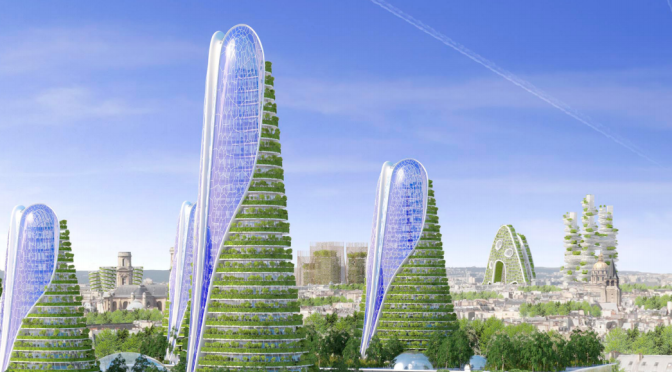
Startup To Grow Fresh 'Super-Local' Food Out Of Recycled Shipping Containers In Paris
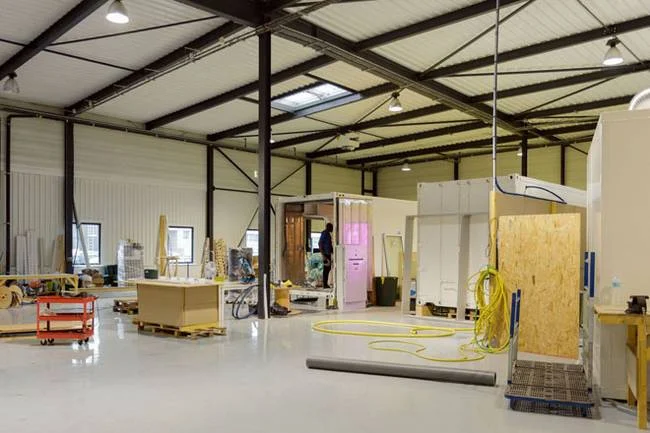
French startup Agricool proposes urban agriculture done hydroponically, out of recycled shipping containers they are calling "cooltainers", to produce food that is "super-local with zero pesticide, zero preservative, zero GMO".
Startup To Grow Fresh 'Super-Local' Food Out Of Recycled Shipping Containers In Paris
Kimberley Mok (@kimberleymok)
Science / Sustainable Agriculture
December 5, 2016
Increasing urbanization, the huge carbon impact of conventionally grown produce, climate change and the resulting rise in food prices has prompted many people to look for other solutions to feed our growing cities. Some are turning to rooftop farms, while at home, families are trying out aquaponics, hydroponics and permaculture as a way to sustain themselves.
Entrepreneurs are getting in on the action too: French startup Agricool proposes urban agriculture done hydroponically, out of recycled shipping containers they are calling "cooltainers", to produce food that is "super-local with zero pesticide, zero preservative, zero GMO". The company was founded in 2015 by Gonzague Gru and Guillaume Fourdinier, sons of farmers who grew up eating farm-fresh fruits and vegetables. When they moved to Paris a few years ago, they were unable to find produce with the same fresh taste, and decided to start a company that would literally bring the farm into the city.
They say:
As existing solutions were not capable of delivering perfect food, we decided to delete all certitudes, and think out of the box. To get good fruits and vegetables in town, we need to farm in town. That’s the only solution. The problem is that we lack space. Our roofs and balconies aren’t sufficient to feed millions of city dwellers with fresh and local produce. After months of research, we found out the way to grow the equivalent of 4000m2 (1 acre) in a 30m2 (0.007 acre) recycled container.
According to the company, cooltainers will be modified so that the growing conditions is optimized. Water, lighting, and air will be regulated in order to create an environment that is estimated to be 120 times more productive than the same square footage of land, and powered by renewable energy sources. No pesticides will be used, and water usage will be reduced by 90 percent.
The company has just finished developing a cooltainer that is designed to scale p, so that it can be placed anywhere in the city. They recently garnered $4.3 million in funding, and are now planning to deploy 75 cooltainers that will produce 91 tons of strawberries -- their first test crop -- in 2017. While this isn't the first shipping container farm we've seen, it is yet another thought-provoking example of how our food security issues might be addressed by a bit of unconventional thinking that will change the conventional image of what farming entails. This may very well be the future of urban farming, or at least one piece of the puzzle. For more information, visit Agricool.
News From The Open Agriculture Initiative
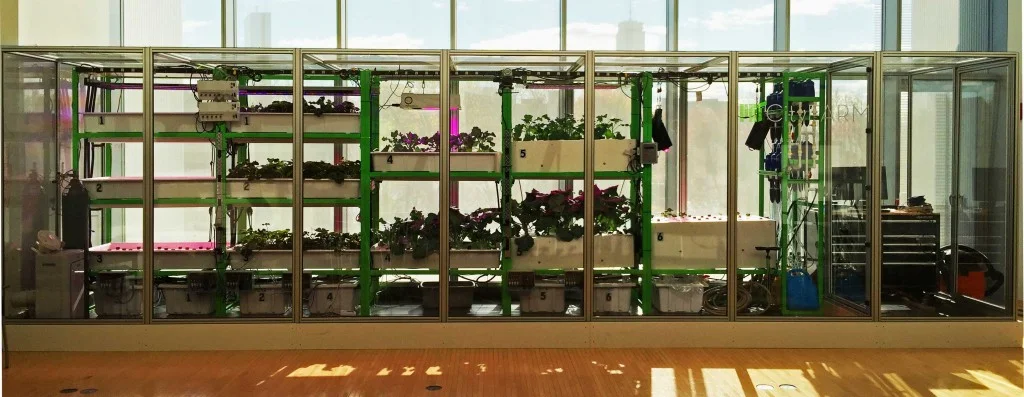
The Food Computer is a controlled-environment agriculture technology platform that uses robotic systems to control and monitor climate, energy, and plant growth inside of a specialized growing chamber
The Food Computer is a controlled-environment agriculture technology platform that uses robotic systems to control and monitor climate, energy, and plant growth inside of a specialized growing chamber. Climate variables such as carbon dioxide, air temperature, humidity, dissolved oxygen, potential hydrogen, electrical conductivity, and root-zone temperature are among the many conditions that can be controlled and monitored within the growing chamber. Operational energy, water, and mineral consumption are monitored (and adjusted) through electrical meters, flow sensors, and controllable chemical dosers throughout the growth period.
Each specific set of conditions can be thought of as a climate recipe, and each recipe produces unique results in the phenotypes of the plants. Plants grown under different conditions may vary in color, size, texture growth rate, yield, flavor, and nutrient density. Food Computers can even program biotic and abiotic stresses, such as an induced drought, to create desired plant-based expressions.
Food Computers can be made in a variety of sizes, for production and experimentation on a wide range of scales.
Personal Food Computer – this tabletop-sized unit will draw makers, hobbyists, and schools that are interested in learning and teaching about food production. These small-scale environments are great for experimentation and for learning about biology, botany, environment, programming, engineering, and more.
Food Server – the size of a standard shipping container, these mid-sized units will appeal to interdisciplinary researchers and small-scale cafeterias, restaurants, and boutique operators. They will allow small scale producers to grown on-site and offer some of the freshest food options possible.
Food Datacenter – while still in the development phase, we hope to expand our technology to control the environments within warehouse sized units capable of industrial production. These units will likely be subdivided in order to grow many different types of crops, all under their ideal growing conditions.
The technology for controlling the environments inside of different sized units may vary, but once the hardware is established, the internal environments, or climate recipes, can be scaled up instantly.
The Global Food Innovation Summit
Eat Better, Eat Less, Food For All: Barilla Center International Forum
Eat Better, Eat Less, Food For All: Barilla Center International Forum
At the 2016 BCFN Forum, the conversation will focus on developing a food model that protects the health of individuals, communities, and the planet.
Greetings from Milan!
The Barilla Center for Food & Nutrition's (BCFN) Seventh International Forum on Food and Nutrition takes place in Milan December 1st. The Forum will focus on the major global themes and challenges included in the Milan Protocol, established in 2013.
Watch live now from Milan on www.foodtank.com and join the conversation on Twitter and Facebook using #BCFNForum.
The Milan Protocol sets three objectives: to promote healthy lifestyles and fight obesity, to promote sustainable agriculture, and to reduce food waste by 50 percent by the year 2050. And BCFN invites experts, opinion makers, and young researchers to come together for this interdisciplinary event to share findings, scientific data, and best practices to meet the United Nations Global Goals for food and agriculture-related issues.
The theme of the Forum is “Eat Better, Eat Less, Food For All,” and will bring together researchers, civil society, and policymakers to discuss the future of the food system. The conversation will focus on developing a food model that protects the health of individuals, communities, and the planet through practical proposals and effective measures to tackle hunger and obesity, the use of natural resources, food waste, the environmental impact of agricultural production, and climate change.
The Forum will also include a ceremony to announce the winners of the BCFN YES! Award. The BCFN Young Earth Solutions! (YES!) program was established in 2012 to encourage young people—specifically, university students under the age of 35—to develop innovative solutions to problems within the global food system. This year’s finalists hail from eleven different countries around the world, including Colombia, Cuba, Brazil, Taiwan, Mexico, Uganda, Jamaica, Italy, the United Kingdom, and Benin, and cover topics ranging from electronic management of beehives to the potential of edible insects to control food production.
Last year, the award went two projects. Nadia Ndum Foy and Oko Archibong Ukeme won for their work empowering minority Mbororo women in Cameroon through developing eco-friendly gardening systems. “With firsthand understanding of the plights of the deprived, we are driven by a belief that nobody, regardless of social status needs to suffer food deprivation.” Francesca Recanati of Milan, Italy also won for her work on strategies for productive conservation to fight deforestation and support local farmers.
Luca Virginio, Director of External Relations at BCFN said of BCFN YES! program, "To me, food heroes are all the young researchers and activists who are working hard to build a better food system—and there are many out there! We need to celebrate and encourage their commitment and energy."
The 2016 Forum is open to the public, and visitors can attend the daylong event and listen in on debates and round tables for free. BCFN will also live stream the event on its website, the BCFN Facebook page, as well as the Food Tank website.
The Forum will also introduce the Food Sustainability Index and report, "Fixing Food." The Index, written in partnership with the Economist Intelligence Unit provides a ranking of 25 countries across the three pillars of the Milan Protocol: sustainable agriculture, nutrition, and food waste. “Fixing Food” analyzes the findings of the Index and features interviews with experts and leaders from across the food system.
Speakers and panelists include Food Tank Advisory Group Members David Katz, Founding Director, Yale University Prevention Research Center and Hans Herren, President and CEO of the Millennium Institute.
The Forum also features the following speakers and panels:
- Stefano Zamagni, Adjunct Professor, Johns Hopkins University, SAIS Europe and Member of the Pontifical Academy of Social Sciences delivers the opening keynote address, “The call for an integral ecology and food systems sustainability: suggestions for action.”
- Livia Pomodoro, Chairman Milan Center for Food Law & Policy will dive into “Food & Rules.”
- Kanayo F. Nwanze, International Fund for Agricultural Development (IFAD) President, will discuss “Sustainable Food Systems: What needs to change.”
- Jeffrey Sachs, Director, Earth Institute, Columbia University and Director, Sustainable Development Solutions Network, will outline a “2017 Outlook in the framework of Sustainable Development Goals.”
- David Eisenberg, Adjunct Associate Professor of Nutrition, Harvard T.H. Chan. School of Public Health – Director Culinary Nutrition, will discuss “Teaching kitchens as catalysts of personal and social change.”
- Elizabeth Rasmusson, Assistant Executive Director of the United Nations World Food Programme
For more information please visit The Barilla Center for Food & Nutrition website.
How Machine Learning And Big Data Are Driving Progress In Indoor Agriculture
How Machine Learning and Big Data Are Driving Progress in Indoor Agriculture
DECEMBER 5, 2016 MALIKA CANTOR AND MICKI SEIBEL
Editor’s Note: Malika Cantor is a partner at Comet Labs, a venture capital firm and research lab focused on artificial intelligence, and Micki Seibel is head of product at Orange Silicon Valley, part of French telecommunications giant Orange. The two organizations recently partnered on the publication of a report entitled: Bringing Digital Intelligence to Indoor Farming — urban agriculture in the age of AI.
Here Cantor and Seibel write about some of the report’s key takeaways and data points.
Since 2013, the number of new indoor agriculture facilities in the United States and Canada has risen sharply as the cost to build and operate them has decreased. These operations are not your father’s greenhouse. This indoor ag is highly automated and data intensive. It is more akin to manufacturing than farming, and it has an important role to play in our food system. Growing more nutritious food closer to the point of consumption is something for which most consumers are willing to pay a premium. With global warming, it’s imperative.
Consumers want it. The environment needs it. So our teams at Orange Silicon Valley and Comet Labs have set out to investigate the technology stack for next generation Indoor Agriculture.
The ability to move crops into controlled indoor environments means that food can be grown independent of arable land. Around 90% of leafy greens in North America are grown in California and Arizona, but 75% of the North American population lives east of the Rocky Mountains. In the United States and Canada, the average leafy green travels more than 2,000 miles (3,200km) before it is consumed.
The advantages that indoor agriculture brings to food production are enormous:
- Uses less water
- Uses fewer pesticides or none at all
- Year-round production
- Ability to move production closer to the point of consumption
- Opportunity to drop genetic traits focused on outdoors — pest resistance, drought tolerance, etc. — in favor of traits for nutrient density and flavor.
- Higher nutrient density and less food spoilage due to shorter distance traveled
- Opportunity to broaden the crop portfolio as economies of scale are reached with current crops -(mostly leafy greens, cannabis, and vine crops like tomatoes).
To make indoor agriculture economically viable, technological innovation is needed. We developed an 8-part technology stack to identify opportunities. It spans the type of structure at the bottom (i.e. greenhouses that uses some ambient light from an outside or fully enclosed structure, such as a building) to the intelligence layer gleaned from massive data sets at the top. We divided the stack into CAPEX (the one-time capital expenditures) and OPEX (the ongoing operating costs).
Advances in intelligent machine infrastructure –- namely the development of cheaper electronics and sensors collecting new data sets, as well as faster computing power and new algorithms –- have laid the foundation for a supplementary source of agriculture. In the indoor controlled context, the farmer works with all sorts of autonomous systems to optimize for nutrition, flavor, and yield given the smaller, more isolated environment. Robots assist with many functions like planting, optimizing fertilizer distribution, identifying and eliminating seedlings that need to be terminated, and the picking, cleaning, packaging, and transportation of crops. These autonomous systems are particularly efficient because they act on data and insights derived from the sensors deployed in the indoor environment that are more effective than in an unpredictable outdoor setting.
How does it work? First, distinct sensors collect different data sets. For instance, a camera collects high-quality pictures of the crop over time that are fed to computer vision analysis software to collect information about the color, shape, and size of the crop. In parallel, a sensor measures relative humidity levels around the crop over time. Finally, a machine learning model is built by fusing the separate datasets (even including external datasets of consumer preferences collected by a retailer) with time as the primary variable. All of these “events” are logged by the model that begins to learn the optimal conditions under which to grow a certain type of crop that the farmer can use. For example, the farmer might learn that when the crop turned a certain color, the humidity levels were particularly low, so a specific amount of water is added to yield a more healthy, dark green, and tasty head of lettuce.
We should emphasize that machine learning does not result in the automation of the farmer’s job. On the contrary, the farmer spends less time guessing things that are best assessed by an intelligent machine and more time identifying new ways to produce cost-effective, nutritious, and sustainable crops.
While all of these advances have enabled us to get this far, there is still a long way to go. At Orange Silicon Valley and Comet Labs we are particularly excited about entrepreneurial developments around cheaper artificial lighting. We are also looking forward to the increased modularity and adaptability of indoor agriculture systems, with the view of empowering more people to grow more nutritious and sustainable food.
On a global scale, the indoor growing industry is developing at a revolutionary pace. Following Japan and The Netherlands that have well developed indoor growing industries, a nascent industry is forming in North America. The CAPEX and OPEX of growing indoors is decreasing, and opportunities exist along the entirety of the technology stack. Although growing indoors may never meet cost parity with outdoor growing and will surely never replace it, we don’t think those are the objectives. Rather, in a world of global warming, moving some crops indoors decreases pressure from ever shrinking arable land, allowing the opportunity to grow more nutritious food and create jobs closer to where consumers live: in urban environments.
To read the full report, click here.

AURAK Students Successfully Implement Vertical Farming
AURAK Students Successfully Implement Vertical Farming
December 05, 2016 02:30 AM Eastern Standard Time
RAS AL KHAIMAH, United Arab Emirates--(BUSINESS WIRE)--Students at the American University of Ras Al Khaimah (AURAK) have successfully implemented vertical farming for the first time within the context of the harsh climate of the United Arab Emirates.
“We bought all of these plastic containers at our local supermarket. Then it is just a case of assembling the pieces and buying soil and seeds.”
The project, which was prepared by two junior biotechnology students, Najath Abdulkareem and Nada Anwar, was one of several submitted by the university as part of the UAE’s second annual Innovation Week, an initiative mandated by the prime minister of the UAE, Sheikh Mohammed bin Rashid Al Maktoum.
Dr. Abdul Gafoor Puthiyaveetil, chair of the university’s biotechnology program, supervised the two students. Discussing the significance of the research, Dr. Abdul Gafoor stated, “With the rapidly increasing population of the planet, we expect the earth’s population to reach 8.5 billion by 2050. Food production is more important than ever. The students have adapted the idea of vertical farming as an innovative method of dealing with this ever-increasing demand.”
Vertical farming allows plants to be grown indoors, using a tiered platform, with a combination of sunlight and LED lights. Dr. Abdul Gafoor was quick to list off the advantages of such a system, explaining, “As all the growth takes place indoors, this strategy of self-sustainability does not require the use of herbicides and pesticides, effectively making this a source of healthier food for individual homes.”
Demonstrating their project during the innovation exhibition at Ras Al Khaimah’s Exhibition Center, Najath and Nada showed how the tiered platform minimizes the space required to grow herbs and vegetables, while maximizing efficient water-use; once the top layer is watered, the water filters down to lower levels. It was also pointed out that the controlled indoor environment led to quicker growth.
The students went on to emphasize the low-cost nature of the project, commenting, “We bought all of these plastic containers at our local supermarket. Then it is just a case of assembling the pieces and buying soil and seeds.”
Najath and Nada have successfully grown the likes of basil, parsley, rosemary and mint within their own homes. It is hoped that further research could lead to this system becoming popular among individual households, as well as being implemented for large-scale food production.
*Source: ME NewsWire
Contacts
American University of Ras Al Khaimah
Eóin Brown, +9717-221-0900 Ext: 1325
Marketing and Public Relations Department
eoin.brown@aurak.ac.ae

Autonomous Home Gardening
We are three friends with a great passion for design, technology and urban farming. We are all current or former students of Linköping University and are now based in Mjärdevi Science Park, Linköping. You will either find us at DoSpace, our co-working space in Mjärdevi Center, or at Makerspace, where we are prototyping the greenhouse
AUTONOMOUS HOME GARDENING
Be self-sufficient in herbs and vegetables with minimal effort
AUTONOMOUS WATERING
Fjorgyn™ has individual watering for each plant, which is automatically taken care of based on the conditions in the soil. You just need to fill up the water tank once in awhile.
AUTONOMOUS LIGHTING
Each plant receives the right amount of light every day, with individually addressed full spectrum LED stripes – enabling the plants to grow with full potential the entire year.
CLOUD-BASED MONITORING
The growing process can be monitored from distance in your smartphone, tablet or laptop, giving you real-time updates about the plants – from the camera as well as the growing data.

AGLANTA '17: Where Growing Opportunity Meets Thriving Community
Where Growing Opportunity Meets Thriving Community:
There is no better time to invest in urban agriculture in Atlanta. The alignment of City leadership, opportunities for entrepreneurs, and industry partners make establishing agtech opportunities in Atlanta sustainable on every level. The inaugural AGLANTA conference will focus on Controlled Environment Agriculture (CEA) workshops that will help you plan your new urban agriculture business or scale your current operations. City leaders and industry advocates will speak, young entrepreneurs will pitch their ideas, and a curated exhibit of technologies will inspire and inform participants.
Lettuce Learn About Vertical Farming
Lettuce Learn About Vertical Farming
Posted: Thursday, December 1, 2016 12:00 AM
The Coeur d’Alene Press is teaming up with Coeur Greens this weekend to raise donations for the Community Action Partnership Food Bank and to bring awareness to the importance of fresh, local food.
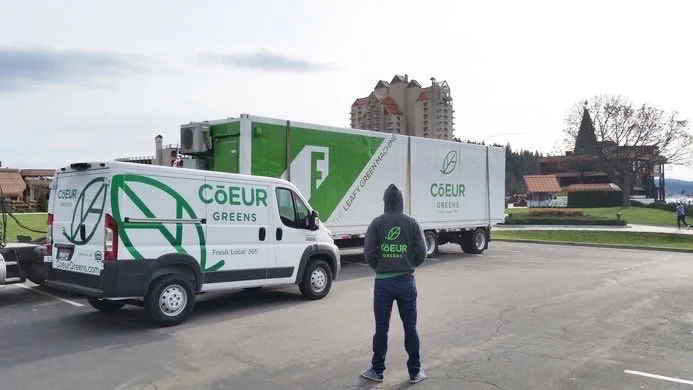
Coeur Greens, an ag-tech startup, will be showcasing “Leafy 1,” the first of many vertical farms the company will use to use to grow fresh greens year round in Coeur d’Alene. Leafy 1, once it’s up and running in January, will be able to produce 1,000 heads of lettuce per week.
Leafy 1 will be set up in the Coeur d'Alene Public Library parking lot Saturday, Dec. 3 and in the parking lot next to Hayden City Hall Sunday, Dec. 4, both days from 11 a.m. to 1 p.m.
Bring your kids down with a non-perishable food item and have them sign Leafy 1 before she goes to work next week. Everyone can have fun learning about vertical farming and Coeur Green’s participation in the Farm to School program — a program that encourages schools to get produce from local sources and brings education and farming together for the betterment of the community as a whole.
For every non-perishable food item donated, Coeur Greens will donate one head of butter lettuce produced by Leafy 1 — up to 800 lettuce heads — to St. Vincent de Paul to be used in free meals for the city’s homeless population.
For more information, contact Tom McNabb with Coeur Greens at tom@coeurgreens.com.
A Sunny Solution To The Problem Of Food Waste
KinoSol harnesses the sun to create dried fruits, vegetables, and other items
A Sunny Solution To the Problem of Food Waste
KinoSol harnesses the sun to create dried fruits, vegetables, and other items.
DEC 1, 2016
Sarah McColl has written for Yahoo Food, Bon Appétit, and other publications. She's based in Brooklyn, New York.
What’s it like to launch a social enterprise start-up during your senior year in college? Ask Mikayla Sullivan, a global resources major at Iowa State University, who is part of a four-person team that has logged thousands of miles and as many hours working on a way to feed the one in nine people around the globe who suffer from chronic undernourishment.
“There are a lot of late nights,” she said, “and sometimes not a lot of sleep.”
This is not your average all-nighter; coffee helps, but so do international accolades. In November, the students won $35,000 in the Global Citizen Waislitz Award for the KinoSol, a food dehydrator that could provide a promising solution for the postharvest losses they saw traveling in places such as India, Ghana, and El Salvador.
“We already make enough food to feed everyone,” Sullivan said. “We wanted to focus on the food that’s already being produced.”
More than 40 percent of food loss in developing countries happens at the postharvest and processing stage—during drying, storage, processing, and in transportation—according to the FAO. In many communities, the team has observed that there’s sufficient food, but without refrigeration or storage, no means to make it last.
“People could not consume it fast enough, especially fruits and vegetables. So much of it was going to waste,” Sullivan said.
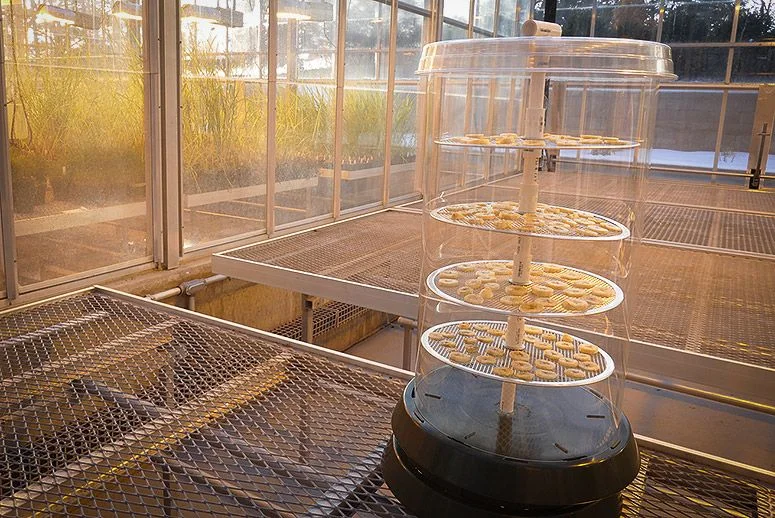
Her team’s solution is both low-cost and low-tech, and when she says it’s solar-powered, she doesn’t mean panels. The lightweight dehydrator looks a bit like a cupcake stand and functions like a mini greenhouse. Using the sun’s rays and air circulation in a process of natural convection, the collapsible design can dry fruits and vegetables in about six to eight hours. It can also dehydrate insects, beans, and grains, and features a storage compartment.
Right now, the KinoSol costs $250, though the team is hoping to bring that down, and it could be shared by a number of families. The team is collecting field data from NGOs, churches, and aid organization partners in Uganda, El Salvador, Haiti, Ghana, Nigeria, Tanzania, Ethiopia, Somalia, Nepal, Bangladesh, Indonesia, Cambodia, the U.S Virgin Islands, Brazil, South Africa, and Japan. They plan to have a fully functioning prototype by the beginning of 2017 based on survey responses and dehydration data sheets filled out with vital information: the communities where the units are being used, the kinds of foods being dehydrated, how efficient the unit was, and what those using the device would change. The goal is to help the KinoSol team identify any local adaptations that need to be made—such as increasing or decreasing air flow, or modifying the size of the storage compartment.
The Driest Way to Reduce Food Waste Also Happens to Be Delicious
“We understand climates and environments are so different around the world, it’s not necessarily a one-size-fits-all solution,” Sullivan said. “We really want it to be region-specific and meet the needs the communities have.” Nor does the team want to thrust the technology on people who have no use for it.
“That’s important to us—that we’re working with organizations that are focused on sustainable development,” she said—improving communities by addressing their needs and following their lead. It had not occurred to the team, for example, that they could dry spices and flowers in the unit, or that dehydrated insects would be so popular, Sullivan said.
While dried foods are common, they’re not always widespread in every region where KinoSol is being tested, Sullivan said. That has meant adding an additional educational component in places such as South America, to emphasize the nutritional benefits for children in particular when they consume more fruits and vegetables.
Development of the units was going so well, friends and family of team KinoSol asked about a dehydrator of their own. Stateside, we have our own food waste problems, though they look slightly different. More than 40 percent of food loss in in industrialized countries occurs at the retail and consumer level. The 222 million tonswe toss annually is nearly equivalent to the total net food production of sub-Saharan Africa, according to the FAO.
Now in its third iteration, the consumer model looks more like a toaster oven and will also work with the sun’s rays. The team imagines it could be hung from a window or porch, or placed on a roof or porch. The Kickstarter campaign to raise funds for research and development for that model ended on Nov. 18 and will allow them to optimize the dehydrator for domestic use.
“Our units that we’ve designed for developing countries function extremely well along the equator, but there you have 12 hours of sunshine pretty much all year round,” Sullivan said. “In the U.S., in Iowa, we still have those cold days and less direct sun, so that’s one of the things we’re trying to figure out.”
Hence the late night and the little sleep—though Sullivan is happy to invest in a project that could provide not only a post-graduation livelihood for her but a change in the way developing nations are able to preserve the food people labor hard to sow, cultivate, and harvest.
“I think what we’ve all kind of realized is that what we’re working on could have a really big impact,” she said. “At least we’re hopeful that it will.”
Eat Better, Eat Less, Food For All: Barilla Center International Forum
Eat Better, Eat Less, Food For All: Barilla Center International Forum
At the 2016 BCFN Forum, the conversation will focus on developing a food model that protects the health of individuals, communities, and the planet.
Greetings from Milan!
The Barilla Center for Food & Nutrition's (BCFN) Seventh International Forum on Food and Nutrition takes place in Milan December 1st. The Forum will focus on the major global themes and challenges included in the Milan Protocol, established in 2013.
Watch live now from Milan on www.foodtank.com and join the conversation on Twitter and Facebook using #BCFNForum.
The Milan Protocol sets three objectives: to promote healthy lifestyles and fight obesity, to promote sustainable agriculture, and to reduce food waste by 50 percent by the year 2050. And BCFN invites experts, opinion makers, and young researchers to come together for this interdisciplinary event to share findings, scientific data, and best practices to meet the United Nations Global Goals for food and agriculture-related issues.
The theme of the Forum is “Eat Better, Eat Less, Food For All,” and will bring together researchers, civil society, and policymakers to discuss the future of the food system. The conversation will focus on developing a food model that protects the health of individuals, communities, and the planet through practical proposals and effective measures to tackle hunger and obesity, the use of natural resources, food waste, the environmental impact of agricultural production, and climate change.
The Forum will also include a ceremony to announce the winners of the BCFN YES! Award. The BCFN Young Earth Solutions! (YES!) program was established in 2012 to encourage young people—specifically, university students under the age of 35—to develop innovative solutions to problems within the global food system. This year’s finalists hail from eleven different countries around the world, including Colombia, Cuba, Brazil, Taiwan, Mexico, Uganda, Jamaica, Italy, the United Kingdom, and Benin, and cover topics ranging from electronic management of beehives to the potential of edible insects to control food production.
Last year, the award went two projects. Nadia Ndum Foy and Oko Archibong Ukeme won for their work empowering minority Mbororo women in Cameroon through developing eco-friendly gardening systems. “With firsthand understanding of the plights of the deprived, we are driven by a belief that nobody, regardless of social status needs to suffer food deprivation.” Francesca Recanati of Milan, Italy also won for her work on strategies for productive conservation to fight deforestation and support local farmers.
Luca Virginio, Director of External Relations at BCFN said of BCFN YES! program, "To me, food heroes are all the young researchers and activists who are working hard to build a better food system—and there are many out there! We need to celebrate and encourage their commitment and energy."
The 2016 Forum is open to the public, and visitors can attend the daylong event and listen in on debates and round tables for free. BCFN will also live stream the event on its website, the BCFN Facebook page, as well as the Food Tank website.
The Forum will also introduce the Food Sustainability Index and report, "Fixing Food." The Index, written in partnership with the Economist Intelligence Unit provides a ranking of 25 countries across the three pillars of the Milan Protocol: sustainable agriculture, nutrition, and food waste. “Fixing Food” analyzes the findings of the Index and features interviews with experts and leaders from across the food system.
Speakers and panelists include Food Tank Advisory Group Members David Katz, Founding Director, Yale University Prevention Research Center and Hans Herren, President and CEO of the Millennium Institute.
The Forum also features the following speakers and panels:
- Stefano Zamagni, Adjunct Professor, Johns Hopkins University, SAIS Europe and Member of the Pontifical Academy of Social Sciences delivers the opening keynote address, “The call for an integral ecology and food systems sustainability: suggestions for action.”
- Livia Pomodoro, Chairman Milan Center for Food Law & Policy will dive into “Food & Rules.”
- Kanayo F. Nwanze, International Fund for Agricultural Development (IFAD) President, will discuss “Sustainable Food Systems: What needs to change.”
- Jeffrey Sachs, Director, Earth Institute, Columbia University and Director, Sustainable Development Solutions Network, will outline a “2017 Outlook in the framework of Sustainable Development Goals.”
- David Eisenberg, Adjunct Associate Professor of Nutrition, Harvard T.H. Chan. School of Public Health – Director Culinary Nutrition, will discuss “Teaching kitchens as catalysts of personal and social change.”
- Elizabeth Rasmusson, Assistant Executive Director of the United Nations World Food Programme
For more information please visit The Barilla Center for Food & Nutrition website.

The BCFN Reveals The Results Of The Food Sustainability Index (FSI)
1 Dec 2016
The BCFN Reveals The Results Of The Food Sustainability Index
France, Japan and Canada: the countries where people eat best around the world.
Italy comes sixth.
India and Saudi Arabia face the greatest food challenges.
• Taste is not the only thing that makes food “good ”
• The Barilla Foundation, in collaboration with The Economist Intelligence Unit, publishes a new Index measuring the sustainability of the food system focused around three pillars: nutrition, agriculture and food waste.
• France leads the index, followed by Japan and Canada.
• Italy is in sixth position: it has the lowest greenhouse emissions from agriculture in Europe. Its principle challenges relate to over-nutrition; childhood obesity, in particular, is a growing problem.
• India, Nigeria and Ethiopia face significant nutritional challenges, while the United Arab Emirates, Saudi Arabia and the USA have the highest levels of obesity and food waste per person.
• City Monitor: an Index for the world’s biggest cities is coming soon.
Milan, 1 December 2016 – France, followed by Japan and Canada are the top three countries in a new index measuring food and nutrition sustainability across 25 countries, representing two thirds of the world’s population and 87% of global GDP. These three nations achieved the best scores for the production, distribution and consumption of food. Their agriculture is the most sustainable, food waste is lowest (including thanks to innovative policies to combat food) and where diets are the most balanced, without excesses or deficiencies, mindful of people’s health and the planet’s wellbeing. France takes first place above in part due to its innovative policies to fight food waste and the balanced diets of its population. Japan and Canada come second and third by virtue of their policies regarding sustainable agriculture and the widespread adoption of healthy balanced diets.
Countries that score lowest are India, Saudi Arabia and Egypt, and India and Egypt face a double challenge of obesity and malnutrition. Their use of resources (especially water) is also considered unsustainable, and they are losing food at the pre-consumer level. India is in last place in part because of its unsustainable management of water resources and the inadequacies in Indian people’s diets: it has the highest percentage of malnutrition among children aged under 5 years. Saudi Arabia and Egypt are 24th and 23rd in the ranking respectively, largely due to their excessive food waste and high levels of obesity.
The Food Sustainability Index (FSI) was, commissioned by the Barilla Center for Food and Nutrition (BCFN) Foundation and carried out by The Economist Intelligence Unit (EIU) – the research arm of The Economist Group. It is the only index of its kind and revolutionises the way we look at food. For the first time, it provides an analysis of the world’s food choices not simply based on “taste”, but also on the overall sustainability of the food system . This in-depth analysis culminated in a ranking of countries around the world which the food system is most sustainable based on 58 criteria across three pillars: sustainable agriculture, nutritional challenges and food waste. The objectives of the FSI are to highlight the performance of various countries, establish comparable measurement criteria, provide examples of best practice and measure progress over time.
“The slogan chosen for this BCFN Forum is ‘Eat Better. Eat Less. Food for All’ because it epitomises our view extremely concisely: if we eat better, not only will our health benefit as a result, but so will the wellbeing of the planet,” explains Guido Barilla, BCFN President. “The Food Sustainability Index will help us to understand where people eat the best around the world, not in terms of how good something tastes, but in terms of the sustainability of the food system, helping researchers and decision makers to understand where to focus research and policy choices.” "In my view, Italian food is the best in the world in terms of taste, but in terms of the food system, even though we are quite high up, we still need to do better,” concludes Barilla.
Italy ranks sixth: the best EU country for greenhouse gas emissions from the agricultural sector, but childhood obesity is a problem
Our country ranks a respectable sixth place, and is among the top 10 countries for sustainable agriculture – with positive scores for diversification in agriculture and management of water resources – and it is the best European country when it comes to greenhouse gas emissions in the agriculture sector. Moreover, Italy is one of the leading countries in the fight against food waste, as shown by the law passed in August (along with France, Italy is one of the few countries to have passed a law to tackle this problem).
Nutritional outcomes are less positive. We eat too much: our country comes third last in the ranking for overnourishment and second last for the proportion of overweight and obese children aged between 2 and 18 years. We score positively, however, on how well-informed Italian citizens are on the importance of having a balanced and healthy diet, such as our Mediterranean diet. And yet, just as the rest of the world acknowledges this diet as the best in the world, data shows that Italians themselves are abandoning it, especially among the younger generations.
Germany, Canada and Japan: the best countries for the development and promotion of sustainable agriculture
It is estimated that the global population will grow to 8.1 billion people by 2025, and that 95% of this growth will take place in developing countries. Meanwhile, our planet’s cultivable land is becoming increasingly scarce. Satisfying the global need for food means reducing waste, developing more sustainable production methods and techniques, improving the efficiency of the food system and making considered and careful choices about the use of land.
The three countries with the most sustainable agriculture sector in the Food Sustainability Index are Germany, Canada and Japan. Germany takes first place for sustainable agriculture, with excellent results in the management of water resources and the relatively low use of pesticides and fertilisers. Canada comes in second thanks to the high scores it achieved in the quality of its subsidies, the diversification of agricultural production and high productivity levels.
At the other end of the scale are India, the United Arab Emirates and Egypt. The United Arab Emirates suffer from scarce water resources, low levels of environmental biodiversity and a significant environmental impact of agriculture on the soil. The biggest challenges for India include improving the management of water and finding a solution to the negative impact of agriculture on water resources.
Nutritional challenges: France, Japan and South Korea lead the index, while India, Nigeria and South Africa score lowest.
Today, 795 million people around the world are undernourished, while 2.1 billion people are obese or overweight, and these figures continue to grow. The world is now faced with two key nutritional challenges: solving the problem of hunger and malnutrition around the world and at the same time tackling the increase in the numbers of overweight and obese people. Both of these factors have long-term consequences such as higher costs for health services, but also mortality, life chances and economic productivity.
France, Japan and South Korea are at the top of the FSI for nutrition quality. France owes its high ranking to the quality of policy response to dietary patterns, such as tax on sugar in drinks. On the other hand, the countries which face the biggest nutritional challenges are India, Nigeria and South Africa. India is in last place mainly because of the inadequate diet of large sections of its population, with extremely high levels of malnutrition, while South Africa has seen a significant increase in the consumption of junk food along with continued challenges of under-nourishment among the poor. But while poorer countries try to combat hunger and malnutrition, rich countries are seeing an increase in the number of overweight and obese people. Indeed, on a global level, the number of overweight people has tripled since 1965. More specifically, there has been an increase from 3.2% to 10.8% among men and from 6.4% to 14.9% among women. This situation could also be duplicated in developing countries which are going through what is defined as “premature obesity”: here the percentage of overweight children and teenagers has risen from 8.1% to 12.9% among boys and 8.4% to 13.4% among girls. Indeed, obesity rates are constantly increasing in developing countries, especially in the smaller nations, even though hunger continues to be a very real problem. There is where the two issues – obesity and malnutrition – collide, with a significant increase in illnesses connected to obesity such as Type 2 diabetes, strokes and cancer.
The United Arab Emirates is currently ranked last for overweight and obesity, followed by Saudi Arabia and the USA. In the United Arab Emirates, 74% of the population is obese or overweight (BMI above 25), followed by Saudi Arabia (69.6%) and the USA (67.3%).
The FSI also highlights the frequent micronutrient deficiencies in medium and high income countries. Turkey, Mexico, Argentina, Russia and Brazil are in the last eight places for micronutrient deficiencies, even ranking behind lower income countries (such as South Africa, China, Indonesia and Colombia). Even Italy, Australia and Germany rank below poorer countries when it comes to iodine deficiencies. The problem of micronutrient deficiencies is currently underestimated, despite being responsible for a series of conditions such as anaemia, stunted growth and night blindness.
France, Australia and South Africa are adopting the most innovative solutions to tackle food waste (but Italy is also one of the best)
France’s top ranking on food waste was achieved thanks to its holistic approach based on food education and new commercial practices. Italy is also in the top ten for providing incentives to companies and producers which donate food to those who need it most. This is a simple but innovative idea which could be copied in other countries looking to tackle the problem of food waste.
According to the World Wildlife Fund, a third of all food produced is wasted (1.3 billion tonnes of food either goes bad in storage, is lost or becomes inedible during distribution, or is thrown away by retail food stores, restaurants and kitchens). This represent around four times the quantity of food needed to feed the 800 million people around the world who do not have enough to eat.
Developed countries produce huge quantities of waste, mainly due to the fact that food is relatively cheap. Every year, the USA throws away around 46 million tonnes of food, with an average of around 40% represented by household waste. Europe ranks slightly better: according to data from the FAO, the food wasted in our continent could feed around 200 million people. However, food waste is also a problem in developing countries: in low and medium income countries, food represents a higher percentage of household expenditure, but in this case, food waste is lower.
The countries where the most food is wasted are Saudi Arabia (427kg per person per year), Indonesia (300kg), USA (277kg) and the United Arab Emirates (169kg).
An index for the world’s biggest cities is on its way
The Economist Intelligence Unit, in collaboration with the BCFN Foundation, has also launched a new pilot project looking at the urban food system, called City Monitor. This new index is intended to identify a series of indicators in order to understand the dynamics of the urban food system by evaluating data and consumption habits. In the initial stage, the 16 cities chosen were selected on the basis of their geographical location, the availability of data and their efforts to implement a sustainable food policy. The cities are: London, Milan, Paris, Toronto, Belo Horizonte, Johannesburg, Shanghai, Kyoto, Mexico City, Berlin, Moscow, Tel Aviv, Dubai, San Francisco, Lagos and Mumbai.
A prize for highlighting food paradoxes: the Food Sustainability Media Award is here
During the 7th International Forum, in order to keep the paradoxes in our food system in the global spotlight, the BCFN Foundation presented the Food Sustainability Media Award – an international journalism competition, created in collaboration with the Thomson Reuters Foundation. The objective is to raise awareness among the media of the key global issues regarding food, including food waste, climate change and the rights of farmers. The competition has three different journalism categories – written reports, video accounts and photography – and the winners will be those who are best able to highlight the food paradoxes as well as offering solutions on how to combat them.
PRESS OFFICE CONTACTS
Luca Di Leo, Head of Media Relations, luca.dileo@barilla.com, +39 0521 2621
Caterina Grossi, Media Relations Manager, caterina.grossi@barillacfn.com, +39 0521 2621
BCFN PRESS OFFICE c/o INC ISTITUTO NAZIONALE PER LA COMUNICAZIONE
Simone Silvi, Senior Account Media Relations, s.silvi@inc-comunicazione.it, +39 335.10.97.279
Francesca Riccardi, Media Relations Consultant, f.riccardi@inc-comunicazione.it, +39 335.72.51.741
About the Barilla Center for Food & Nutrition Foundation
The Barilla Center for Food & Nutrition (BCFN) Foundation is a think-tank, founded in 2009, with the aim of analysing themes linked to food and nutrition globally. Through a multidisciplinary approach, BCFN analyses the cause and effect relationships between food and economic, scientific, social and environmental factors. For more information: For more information: www.barillacfn.com; www.protocollodimilano.it
Why Grocery Retailers Are Embracing Rooftop Gardens
FEATURE
Why Grocery Retailers Are Embracing Rooftop Gardens
Stores redefine hyperlocal by growing produce on the premises
AUTHOR: Keith Loria
PUBLISHED: Dec. 1, 2016
The food industry as a whole is in the midst of a shift from unhealthy processed foods to organic, local and all natural foods. Buying local is one of the biggest trends, as more consumers want to ensure that the produce they are purchasing and feeding to their families is grown nearby.
This consumer behavior has led to an influx of urban greenhouses, rooftop gardens and hydroponic operations. Businesses and retailers are getting the message loud and clear: people prefer to buy foods from their own communities — even if it means spending a little more.
Daniel Levine, director of consumer trends consultancy Avant-Guide Institute, noted the trend is so pervasive that edible gardens are sprouting up at baseball fields like AT&T Park in San Francisco. Beehives are also being placed on roofs of hotels and other buildings in cities around the world, and urban rooftop algae farms in Bangkok are experimenting with growing edible items like spirulina seaweed.
“The trend for all things ‘hyper local’ is heating up. Consumers perceive that food grown locally is fresher, healthier and better for the environment,” Levine told Food Dive in an email. “People view it as healthier because they can actually see where it was grown. Fresher because, well, it can literally be consumed the day it was picked. And better for the environment because it doesn't require excessive transportation or packaging to get from farm to table.”
Store to table?
Ken VandeVrede, chief operating officer of Edible Garden, a family of co-op local growers across the United States whose farmers specialize in fresh, hydroponic produce and offer consumers safe, nutrient-rich herbs and leafy greens directly in the supermarket, noted local is getting closer and closer to home.
“Edible Garden grows fresh and local produce for supermarkets, and we find that a major component to our success is the fact that our produce is grown just a short distance from the stores that we ship to,” VandeVrede told Food Dive. “Local produce has nothing but benefits for consumers. Produce grown locally guarantees that the product is fresh, it wasn’t grown in a different country, and that it hasn’t been sitting on a truck for a week. Would you rather buy produce shipped in from Mexico, or produce that was grown at or near the location you are buying it?”
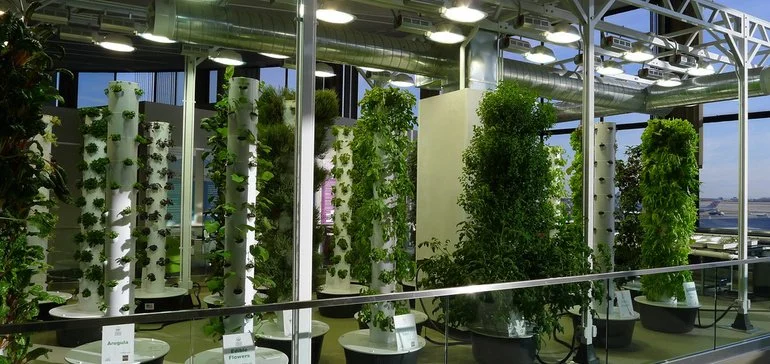
Some innovative grocery retailers are taking things one step further and are growing produce in their own stores— or in the case of Whole Foods Market and its Gowanus Brooklyn store, growing it on the roof.
Designed and operated by Gotham Greens in 2013, the store's rooftop greenhouse features more than 20,000 square feet of space and grows approximately 250,000 pounds of fresh leafy greens, herbs and tomatoes each year.
A spokesperson for Gotham Greens said the partnership with Whole Foods Market was a perfect match for the company based on the retailer's unparalleled leadership and commitment to promoting local, healthy and sustainably produced food.
Levine said rooftop gardens are shining in their moment in the sun, and that retailers need to be on-trend to attract customers and keep a step ahead of their competition.
“Today’s grocers, once again led by Whole Foods, are enthusiastically embracing the hyper-local trend as a point of differentiation,” he said. “At the same time, the best ones are solidifying their position as integral members of their communities by inviting customers to learn about the how’s and why’s of urban farming.”
Considering the long journey that most fresh produce has to get to the store and the high level of spoilage, shrinkage and waste in retail produce departments, growing at least some of the food right on the sales floor might be a better option for both the store and its customers.
Recently, Target announced it was researching the idea of vertical farming for some of its stores as part of its current food innovation efforts. Business Insider reported that Target hopes to grow plants and vegetables indoors in climatized conditions and sell the food from the in-store gardens to customers as early as next spring.
“We need to be able to see more effectively around corners in terms of where is the overall food and agriculture industries going domestically and globally,” Casey Carl, Target’s chief strategy and innovation officer, told Business Insider.
What transportation costs?
By utilizing this sustainable and environmentally friendly technology, things like transportation, storage and refrigeration are no longer challenges in getting fresh produce quickly to consumers.
Whole Foods was not the first grocery store to experiment with growing produce in-store. Rouses Supermarkets' Thibodaux, LA store began a Roots on the Rooftop program in May 2012. It offered fresh-grown herbs to its customers and foodservice production areas — and also grew profits.
Rouses also appears to be the first U.S. grocer to have developed its own aeroponic urban farm on its rooftop. The vertical aeroponic tower garden utilizes water rather than soil, and allows the crops to grow up instead of out. It was developed by a former Disney greenhouse manager, and the same system is used at Disney World, Chicago O’Hare Airport and on the Manhattan rooftop of Bell Book & Candle restaurant.
The store originally employed a local agriculture consultant to get everything set up properly. Now the store’s staff — headed up by an experienced horticulture professional and a team of associates — handle the rooftop garden. According to a company spokesperson, the Rouses team plans the farm management process from germination of the upcoming crop, planting, daily monitoring and logging of the crops progress through to the harvest cycle.
Rouses currently has alliances with a handful of other nearby hydroponic farmers who grow lettuce and herbs, saving on transportation costs.
Earlier this year the Metro Supermarket in Berlin, Germany introduced The Infarm, a miniature greenhouse in its store that grows herbs and greens like wasabi mustard greens and mizuna. A story in Fast Co.Exist reported that the thought behind the idea was to make vertical farming and fresh produce accessible to the public by allowing shoppers to grab vegetables straight from the source. The vegetables live their entire growth cycle within the greenhouse, from seed to harvest
It’s expected that the program will expand and can be adjusted at each store to grow a variety of items, including chilis, eggplants and tomatoes.
Mary Holmes, who teaches a course called “The Future of Food” at Case Western Reserve University, located in Cleveland, Ohio, said one challenge is that many of the greenhouses and rooftop gardens won’t have enough supply to keep the large grocery stores stocked with food. However, she does feel more retailers will begin offering these products in the years ahead.
AeroFarms Finalist For Multiple Honors In Environmental, Business Leadership
AeroFarms Finalist For Multiple Honors In Environmental, Business Leadership
Newark, New Jersey
December 1, 2016
After a year of unprecedented growth, AeroFarms, the world leader in indoor vertical farming, is a finalist for both the New Jersey Governor’s Environmental Excellence Awards and NJBiz.com’s Business of the Year Award.
The Governor’s Environmental Excellence Awards recognizes documented environmental benefit made by New Jersey businesses as well as leadership, innovation, education and outreach.
AeroFarms unique, patented growing system uses 95 percent less water than traditional field farming and a fraction of the fertilizers. AeroFarms fully-controlled growing environment requires no pesticides, eliminating the harmful runoff from traditional agriculture, with no harm to our already depleted soil. Plus, these innovative vertical farms bring healthy food to New Jersey neighborhoods that need it most while transforming underutilized warehouse space into productive farms.
“Because our stakeholders share our mission of transformative environmental impact, the sustained health of our environment is at the heart of everything we do,” said AeroFarms CEO David Rosenberg. David is an active member of the World Economic Forum (WEF) and its annual meeting in Davos. David is also a member of the B20 SME Taskforce, which advises the G20. AeroFarms is an Ellen MacArthur Foundation Circular Economy 100 company.
AeroFarms is also a finalist for NJBiz’s business of the year for the category of (51-100) employees. And AeroFarms is continuing to grow with additional roles at both the corporate level and in operations.
The Business of the Year awards recognizes New Jersey’s most dynamic businesses and business leaders who share a commitment to professional excellence, business growth and the community.
After a year of fast-paced growth, AeroFarms is honored to be recognized for its leadership in New Jersey and most importantly to have the support of the local community in Newark.
About AeroFarms
Founded in 2004, AeroFarms® is on a mission to fundamentally change the way the world thinks about agriculture by building, owning, and operating indoor, vertical farms that grow flavorful, safe, healthy food in a sustainable and socially responsible way. AeroFarms patented growing systems make year-round harvests with peak flavor possible while disrupting the traditional distribution channels that lead to massive carbon emissions and food waste. AeroFarms is able to bring the farm to the consumer while mitigating the food safety and environmental risk of commercial field farming.
Tags: Governor, new jersey, NJBiz, Press Release, Sustainability, vertical farm
Tundra to Table: Vertical Farming In The Arctic
Tundra to Table: Vertical Farming In The Arctic
The vast Arctic territory is rich in resources including minerals, hydrocarbons, and wildlife. However, high latitudinal regions receive little sunlight for several months each year, which severely limits the region’s ability to grow fresh produce. Many Arctic urban centers rely on long, complex supply chains to receive shipments of fresh fruits and vegetables from their southerly neighbors.
Alaska imports about 95% of its fresh produce, moving about $2 billion per year of grocery spending out-of-state. Produce destined for the Arctic has to be picked early and ripened in-transit to minimize rot during the long journey from farm to table. Such practices affect the quality of produce polar consumers can buy and drive up prices. Arctic residents often pay exorbitant prices for items as simple as a head of lettuce.
These problems have spurred interest in alternative farming methods in the Arctic, such as indoor farming using hydroponics and artificial lighting systems, sometimes called vertical farming
In recent years, the use of vertical farming has grown in many urban areas, where land is scarce and people have become more aware of the environmental impact of long-supply chains. Urban indoor farms, or ‘plant factories with artificial light’ (PFAL) are expected to play a large role in agriculture during the coming decades, garnering interest from countries around the world. Recently a team of Japanese and American researchers published a comprehensive 400-page volume on the benefits and limitations of indoor farms in different climatic and economic environments.
The ability of PFALs to produce quality produce has been proven in a low cost and resource effective manner. For example, low-heat light emitting diode (LED) fixtures have been around since the 1980s, but recent studies have shown that advances in this technology have enhanced their brightness and energy-efficiency to the point where they are viable in commercial crop agriculture. As these global investments in urban farming continue, the resulting technological innovations could have a revolutionary effect on how Arctic communities source their fresh produce.
The unique environmental and economic conditions of the Arctic make it an attractive region to develop PFALs. Prices for imported fresh produce are high, while environmental conditions for local farming are poor. Moreover, communities in the Arctic are usually isolated, and their inhabitants tend to welcome innovations that increase self-subsistence and decrease reliance on imports.
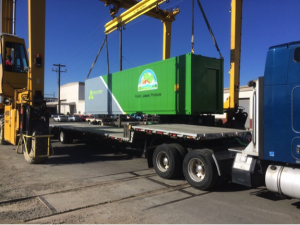
Several start-ups have begun to fill this niche in the North American Arctic, among them Vertical Harvest Hydroponics. This company, founded in 2011 and based in Anchorage, Alaska, has designed and developed a “Containerized Growing System” in repurposed shipping containers using cutting edge technology. These containerized systems cost about $110,000 each to build and deploy. They are designed to withstand the harsh Arctic conditions, and are mobile—giving Arctic communities the ability to grow produce anywhere with potable water and power. Each unit can produce about 23,000 to 39,000 heads of lettuce per year.
Another Alaskan company, Alaska Natural Organics,has retrofitted an old dairy in Anchorage to house an indoor farm, which can produce up to 20,000 plants per month. The potential for expansion seems strong, as these companies are still young and operate on a relatively small scale compared to the mega-PFALs running in Japan, which can produce up to 10,000 plants a day
Vertical farming in the Arctic has gained recent media attention due to its success. In 2016 several mainstream media outlets, including the New York Times, local CBS news stations, and farming magazines featured articles on indoor farming in the Arctic. Unfortunately, there is a lack of academic literature analyzing the practicality of PFAL systems and vertical farming in an Arctic-specific context, a subject which should be explored given the massive potential applicability of this technology in the region.
Interest in biological preservation and the development of agriculture in the Arctic is nothing new. In Svalbard, the Global Seed Vault is safeguarding a repository of all global plant seeds in an attempt to secure the genetic diversity of flora on this planet in case of a devastating disaster. The Norwegian government, which runs and administers the storehouse, has also taken steps toward increasing the study of sustainable agriculture in the region through the year 2021 with the BIONAER program. In Kirovsk, Russia, the Polar-Alpine Botanical Garden has been active since 1931, as a nursery, biological research institute, and tourist attraction. Interest in these new techniques is growing, with representatives of the city of Murmansk, Russia citing a planned project to convert abandoned industrial buildings into hydroponic farms during an interview. The Russian Arctic has many relatively isolated industrial and post-industrial urban centers, where the development of efficient PFAL systems could usher in a new era of sustainable agriculture. In all of these Arctic regions, the interest in using PFALs to increase the local quality of life is high, however there has been a lack of project feasibility studies and academic literature which could validate increased policy support for PFAL and urban indoor farming methods.
Given the interest in indoor-farming across the circumpolar region, PFAL systems could play an important role in the future life of Arctic communities. The success of the Alaskan start-ups shows the potential for the organic growth of the industry. These systems have the potential to benefit Arctic communities by cutting out expensive and unreliable supply-chains and increasing self-reliance. Indoor farming greatly improves the quality of life for Arctic residents by giving them a realistic path towards regular access to fresh high quality produce. Additionally, localized food production and research in PFAL technology has the added benefit of creating jobs and opportunities for innovation in the region. Nevertheless, the PFAL industry faces significant challenges, including high initial investment costs, which could hamper growth in the coming decades. Hopefully, this hurdle will not be insurmountable.
These Aeroponic Gardens Are Transforming Schools and Homeless Shelters In Los Angeles
These Aeroponic Gardens Are Transforming Schools and Homeless Shelters In Los Angeles
November 30, 201
“Growing your food is a lot better than buying it from a market because they spray it with pesticides or something that could harm us or harm the plant and not make it grow as well,” Sierra Madre Middle School student Elizabeth Nazaros says.
The rest of the class, filled with kids who are barely teenagers, nod in agreement.
“I think it’s more sustainable this way,” student Sarah Vance chimes in.
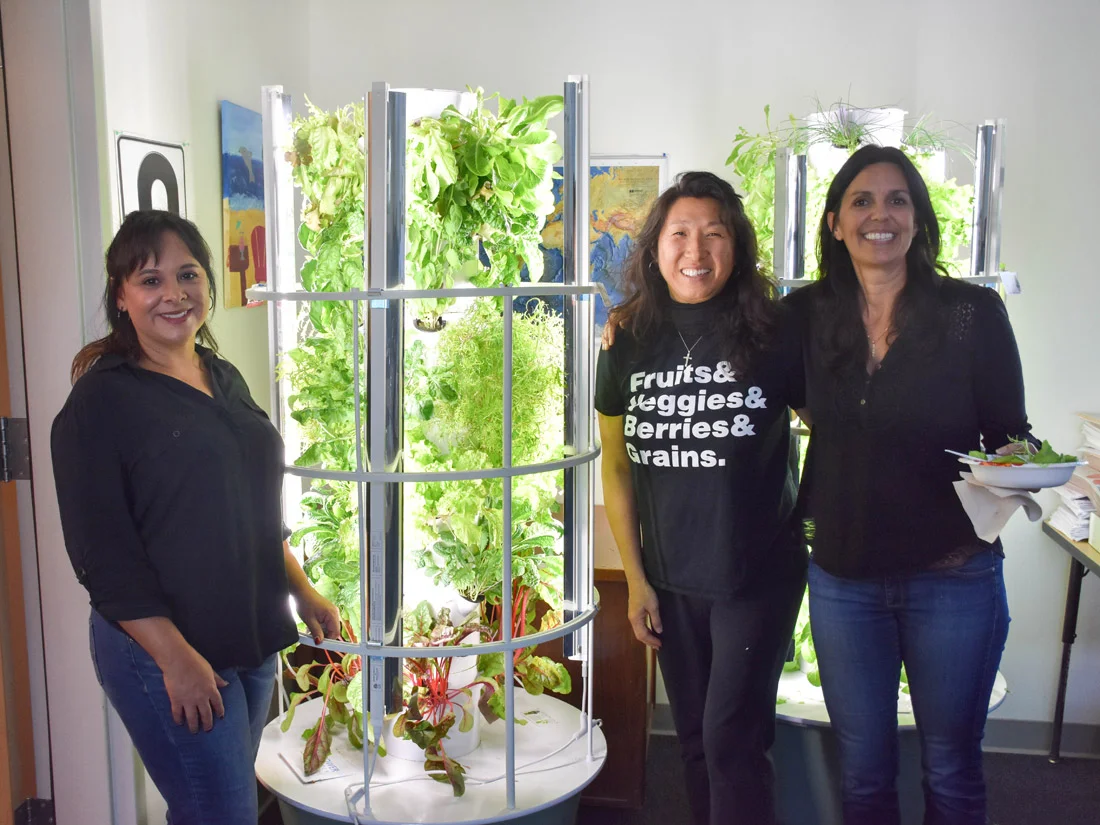
These kids are part of the gardening club at Sierra Madre Middle School, an elective that manages an outdoor soil garden and two aeroponics systems. Today is the day right before school lets off for Thanksgiving break, and while the rest of the school is out in the courtyard screaming for pie, these kids are waiting patiently so they can harvest their greens and eat their hard-earned salads.
It’s amazing to see how excited they get when they see the plants grow,” Gina Davis, the teacher, says. “Especially over a weekend or long weekend and they see the difference. They get so excited to see something that they’ve produced grow.”
The salad is grown in an indoor aeroponics growing system called a Tower Garden. It’s a four foot structure that automatically waters the plants every 15 minutes. A water reservoir is at the base of the garden, which only needs to be refilled every two months. According to Sue Clark, owner of a Tower Garden franchise in Los Angeles, this system uses 90% less water than conventional gardening methods and produces 30% more food. A single harvest can be ready in three weeks. A basic system costs $500.
Note that aeroponic farming is different than hydroponic farming. In hydroponics, the plants still need to be grown in a material, usually a soil substitute. Aeroponics requires no growing medium and the plants are fed through the air with a steady supply of carbon dioxide, water, and nutrients. It’s a more efficient system and as these students have proven, completely kid-friendly.
Clark helped the local school district apply for $6,000 worth of grants for the gardens and today, there are seven of them scattered across the school district.
“[Pasadena Unifed] school district is committed to using ten percent of what’s growing in the garden and putting it into the cafeteria,” Clark says. The Tower Garden makes it especially easy; kids can eat straight off the system without having to wash the leaves.
It’s an astonishingly simple structure that’s making its rounds in Los Angeles. In 2013, Step up on Vine, a 34-room permanent housing facility for the homeless in Hollywood, installed a rooftop worth of gardens so that residents could have year-round access to produce. Franchises like Tender Greens have Tower Gardens scattered throughout their restaurants. While these systems are no doubt a growing trend, the impact they have in schools is immeasurable.
“You can grow any organic, non-GMO seed and the kids grow the plants straight from seed,” Clark says.
At Sierra Madre Middle School, the children are learning about the food system as a whole and what it means to plant seasonally. In their soil garden, natural pesticides and crop rotation is a regular part of their curriculum. The best part of the Tower Gardens, they say, is that they can harvest all year round. They each go around listing their favorite vegetable. Arugula, it seems, is the class favorite.
When I am done interviewing them, the excitement is palatable. They gather around the structures and pick off their favorite vegetables for salad. It’s like watching kids in a candy store – except everything is green.
“Knowing exactly what goes into our food is a good thing,” student Isabel Eisenberg says. “It’s more work, but it’s worth it.”
Indoor Harvest Corp Appoints New CEO As Company Growth Accelerates
Indoor Harvest Corp (OTCQB:INQD), through its brand name Indoor Harvest®, is a solutions provider to the vertical farming and indoor agriculture industry. The Company is pleased to announce that its Board of Directors has appointed John Choo
Indoor Harvest Corp Appoints New CEO As Company Growth Accelerates
By GlobeNewswire, November 30, 2016, 02:50:00 PM EDT
HOUSTON, Nov. 30, 2016 (GLOBE NEWSWIRE) -- Indoor Harvest Corp (OTCQB:INQD), through its brand name Indoor Harvest®, is a solutions provider to the vertical farming and indoor agriculture industry. The Company is pleased to announce that its Board of Directors has appointed John Choo as Chief Executive Officer/President effective January 1, 2017. Chad Sykes Founder and current CEO will assume the role of Chief Innovation Officer and will continue to serve as Chairman of Indoor Harvest's Board of Directors.
"There is no better time for John, our co-founder, to become Indoor Harvest's next Chief Executive Officer. Since joining the team he has been instrumental in developing our partnerships and building our sales pipeline. He quickly learned and identified many of the operational challenges our industry faces and drove our rebranding efforts to address those challenges. John taking on the role of CEO will free me to focus on the technology side of our industry, where my true strengths lie. In my new role as CINO, I will be charged with driving research and development through change management, innovating new platforms in-house while simultaneously working with current and new partners at deploying effective, transparent, and efficient innovation process," stated Chad Sykes
founder and CEO of Indoor Harvest Corp.
"Indoor agriculture has moved at an exponential pace of change over the last five years, it reminds me of the early days of the mobile software industry," stated John Choo
, President and co-founder of Indoor Harvest Corp. "Over the last twelve months we have accelerated what was working well and disrupted portions of our business that needed to improve. The results have kept us deeply vested across North America and Europe in supporting strategies for commercial scale cultivators including our pharmaceutical and academic relationships," stated John Choo, Co-founder and President of Indoor Harvest Corp.
"As the company moves into execution on some of our planning, we have begun working with a multinational accounting firm on tax strategies to ensure our activities in Canada, The United States and Europe are standing on a strong foundation. We are expanding our executive and operations team as well, the excitement around the industry growth across the globe is infectious, we're seeing pools of investment and executive talents moving in quickly," further stated Mr. Choo.
Indoor Harvest has evolved as a commercial cultivation hardware designer to a single trusted source providing engineering, facilities construction centrally designed to support indoor agriculture including development financing for clients. The company has an extensive R&D and partnership network with some of the world's most recognized names in Academia and technology leaders in the space.
Management will host a conference call tomorrow, Thursday, December 1, 2016, at 2:00 PM EST, to discuss third quarter results, provide guidance and conduct a Q&A session for investors and analysts. Individuals interested in participating may dial in using the information below:
Dial In: (855) 551-1031
Conference ID: 23475012
A recording will be made available to investors who cannot attend shortly after the call and will be posted to the Company Facebook and Twitter pages.
Consistent with the SEC's April 2013 guidance on using social media outlets like Facebook and Twitter to make corporate disclosures and announce key information in compliance with Regulation FD, Indoor Harvest is alerting investors and other members of the general public that Indoor Harvest will provide weekly updates on operations and progress through its social media on Facebook and Twitter. Investors, potential investors and individuals interested in our company are encouraged to keep informed by following us on Twitter or Facebook.
Facebook: http://www.facebook.com/indoorharvest
Twitter: http://www.twitter.com/indoorharvest
ABOUT INDOOR HARVEST CORP
Indoor Harvest Corp, through its brand name Indoor Harvest®, is a full service, state of the art design-build engineering firm for the indoor farming industry. Providing production platforms and complete custom designed build outs for both greenhouse and building integrated agriculture (BIA) grows, tailored to the specific needs of virtually any cultivar. Our patent pending aeroponic fixtures are based upon a modular concept in which primary components are interchangeable. Visit our website at http://www.indoorharvest.com for more information about our Company.
FORWARD LOOKING STATEMENTS
This release contains certain "forward-looking statements" relating to the business of Indoor Harvest and its subsidiary companies, which can be identified by the use of forward-looking terminology such as "estimates," "believes," "anticipates," "intends," "expects" and similar expressions. Such forward-looking statements involve known and unknown risks and uncertainties that may cause actual results to be materially different from those described herein as anticipated, believed, estimated or expected. Certain of these risks and uncertainties are or will be described in greater detail in our filings with the Securities and Exchange Commission. These forward-looking statements are based on Indoor Harvest's current expectations and beliefs concerning future developments and their potential effects on Indoor Harvest. There can be no assurance that future developments affecting Indoor Harvest will be those anticipated by Indoor Harvest. These forward-looking statements involve a number of risks, uncertainties (some of which are beyond the control of the Company) or other assumptions that may cause actual results or performance to be materially different from those expressed or implied by such forward-looking statements. Indoor Harvest undertakes no obligation to publicly update or revise any forward-looking statements, whether as a result of new information, future events or otherwise, except as may be required under applicable securities laws.
Contacts:
Indoor Harvest Corp
CEO, Mr. Chad Sykes

713-410-7903
ccsykes@indoorharvest.com
Elected Officials Tour Indoor Farming in Poughkeepsie
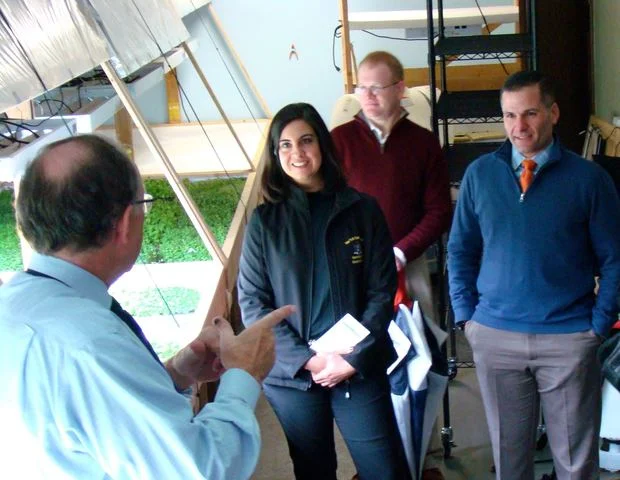
A non-descript building on Main Street that used to house an insurance agency now houses the Organic Gardens of Poughkeepsie
Elected Officials Tour Indoor Farming in Poughkeepsie
POUGHKEEPSIE – State Assemblywoman Nicole Malliotakis (R, East Shore) was in Dutchess County on Tuesday getting a firsthand look at agriculture in the county.
She spent time on a fact-finding mission at Fishkill Farms in Hopewell Junction and Indoor Organic Gardens in Poughkeepsie.
“I don’t have any farms in my district; I represent Staten Island and Brooklyn, but yet I am still voting on legislation that affects the agricultural industry – farmers – and I think it is important for those legislators that are not from areas that have farms to go and learn about what they are doing and we can do as a state to encourage them because we vote on legislation that affects everybody,” Malliotakis said.
Area Assemblyman Frank Skartados joined with County Executive Marcus Molinaro in Poughkeepsie to tour the organic gardening facility.
A non-descript building on Main Street that used to house an insurance agency now houses the Organic Gardens of Poughkeepsie. This startup business, owned by Brud Hodgkins, has attracted the interest of Malliotakis as she attempts to learn more about farming and organic growing taking place throughout the state.
Using organic sterilized compost and very little water, Hodgkins is currently growing approximately 120 pounds of microgreens per week. The distribution of his product is blossoming and is now serving customers as far away as Miami and Key West, Florida through the assistance of an overnight carrier.
Malliotakis, who serves on the Assembly's Ways and Means Committee, has been researching incentives that could possibly aid businesses such as indoor organic gardens and has visited several farms and grow facilities, including a medical marijuana facility in New Jersey. The assemblywoman credits Molinaro with bringing her to Dutchess to show off a variety of organic farms and facilities.
Indoor Farms of America Announces Financing Options
Indoor Farms of America Announces Financing Options
Wisconsin State Farmer
9:50 a.m. CST November 29, 2016
Las Vegas
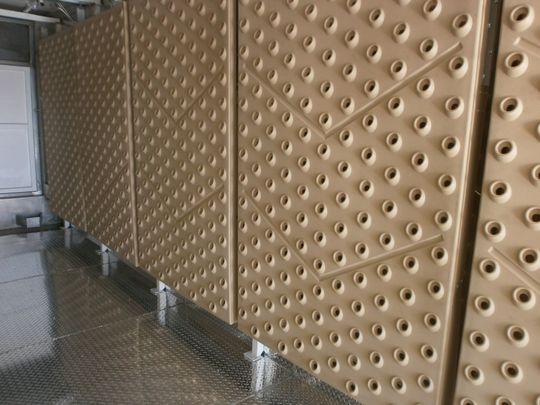
— Indoor Farms of America is pleased to announce the immediate availability of multiple sources of financing for the robust product line of Container Farms and fully scalable vertical aeroponic growing equipment.
"These financing options for our products opens doors to many folks who want the best equipment available for indoor farming on the market, but may lack sufficient cash or capital structure to pursue the purchase of one of our farms," according to David Martin, CEO of Indoor Farms of America.
"We are very pleased to have funded our equipment already with our new lending source, Direct Capital. This institution understands the needs of small business people, as well as tailoring the right financing for each customer," states Martin. "They took a very close look at the potential our equipment has for creating a financial success story for the owner of the farm, and we have established a lending relationship with them to continue to grow sales at a rapid pace of our equipment."
"When compared to other indoor crop growing equipment, the vertical aeroponic equipment produced by Indoor Farms of America is clearly the market leader in terms of what that equipment can produce in plant growing capacity and yields in any given space, and I have been involved with indoor growing, in aquaponics and hydroponics, and made use of every other style of equipment for over 15 years," says Ron Evans, company President.
According to Martin, "A recent visitor from Japan, considering a distributorship for that region, simply could not stop talking about how amazed he was at the amount of produce we are growing in such a small space. He went on to tell us he believes our container farm, with the substantially higher yield per square foot than anything else, can transform the market in Japan, and that is pretty nice to hear."
Back from a recent visit to Northern California where one of the company's sold Container Farms, a Model 6825, has recently been installed, Evans recalled, "I was fortunate enough to ride along with our farmer to a presentation of his first crop harvest to a local high end Italian restaurant in the Sierra foothills. The owner of the restaurant told us it was the best tasting Basil he had ever tasted, and the leaves were the most beautiful he had ever seen. That says a bit about how well our equipment works, and keeps me humble."
Indoor Farms of America spent nearly 2 years in R&D developing what now has multiple U.S. patents awarded - truly affordable, economically viable high yield vertical aeroponic crop growing equipment.
Martin adds: "We really nailed about 30 different leafy green products early on in test growing, so we know you can operate a container farm that can service a special niche market, or the local grocery, and have financial success with it. But indoor growing needs to be about much more, so what we have focused on for the past number of months is proving out viable growing of other crops such as cherry tomatoes, strawberries, many smaller pepper varieties, and beans. Our farm equipment grows all of these amazingly well."
The company has also tested growing larger plants, such as heirloom tomatoes, squash, and cucumbers. This line of aeroponic equipment is nearing readiness for release as well.
"Ron and I are greatly appreciative of the response to our equipment," states Martin, "and we are focused on enhancements to our system to bring it to an even broader range of growers, including large scale greenhouse operators, which stand to benefit dramatically by the increase in growing capacity in the same space, over older methods. We are finalizing automation of the equipment to track the sun movement for use in such applications, and will announce that when it is ready."
Local Roots Discloses Its Global Sustainable Indoor Farming Initiative
Local Roots Farms, the LA–based indoor farming company, will now build indoor farming projects across the country to serve its commercial customers.
Not only did we spend years trialing our technology and perfecting our growing practices but we built an actual produce business. This cross section of experience makes developing farming projects a natural advancement.”
LOS ANGELES, CA (PRWEB) NOVEMBER 29, 2016
Local Roots Farms, the LA–based indoor farming company respected for its high-quality leafy greens and innovative approach to farming, announced completion of a TerraFarm network, ready for commercial deployment in Q1 2017. After a dramatic increase in demand for their scalable indoor farming solutions, Local Roots will now build indoor farming projects across the country to serve its commercial customers.
Despite an increased desire nationwide for locally-sourced produce programs, no indoor farm has yet been able to offer the consistency, quality, and affordable price points demanded by the nation’s largest buyers. Local Roots is primed to solve these exact challenges.
“We realized that we were in a unique position,” says CEO Eric Ellestad, “Not only did we spend years trialing our technology and perfecting our growing practices but we built an actual produce business. This cross section of experience makes developing farming projects a natural advancement.”
Local Roots designs, builds, deploys, and operates controlled environment farms that yield the highest quality, locally-grown produce using breakthrough technologies. Those farms, called TerraFarms, grow with up to 99% less water, 365 days a year, pesticide and herbicide free, and with absolute consistency in production. Their plug and play form provides a novel solution to the retail and foodservice sectors by greatly reducing supply-chain risks such as price volatility and food safety exposure.
Featuring a uniquely elegant design engineered to increase environmental control and process efficiencies, each TerraFarm is capable of growing 5-10x more produce than other leading shipping container farms available on the market.
“Rather than depend on anecdotal stories of success and failure from fellow farmers,” says Ellestad, “Our growing practices and standardized operating procedures are rooted in sophisticated data analytics.”
The Local Roots Research and Development team, comprised of plant science, botany, agronomy, design and engineering specialists, capitalizes on this growing body of data to grow more nutrient rich, better tasting produce with guaranteed harvests and yields. Moreover, TerraFarms are PrimusGFS certified and operated according to strict food safety procedures. Taken together these approaches makes Local Roots produce the first of its kind.
Follow Local Roots Farms and its commitment to feeding the global population in the most sustainable way possible. For more information, please visit http://www.localrootsfarms.com or contact Allison Towle at a.towle(at)localrootsfarms(dot)com.
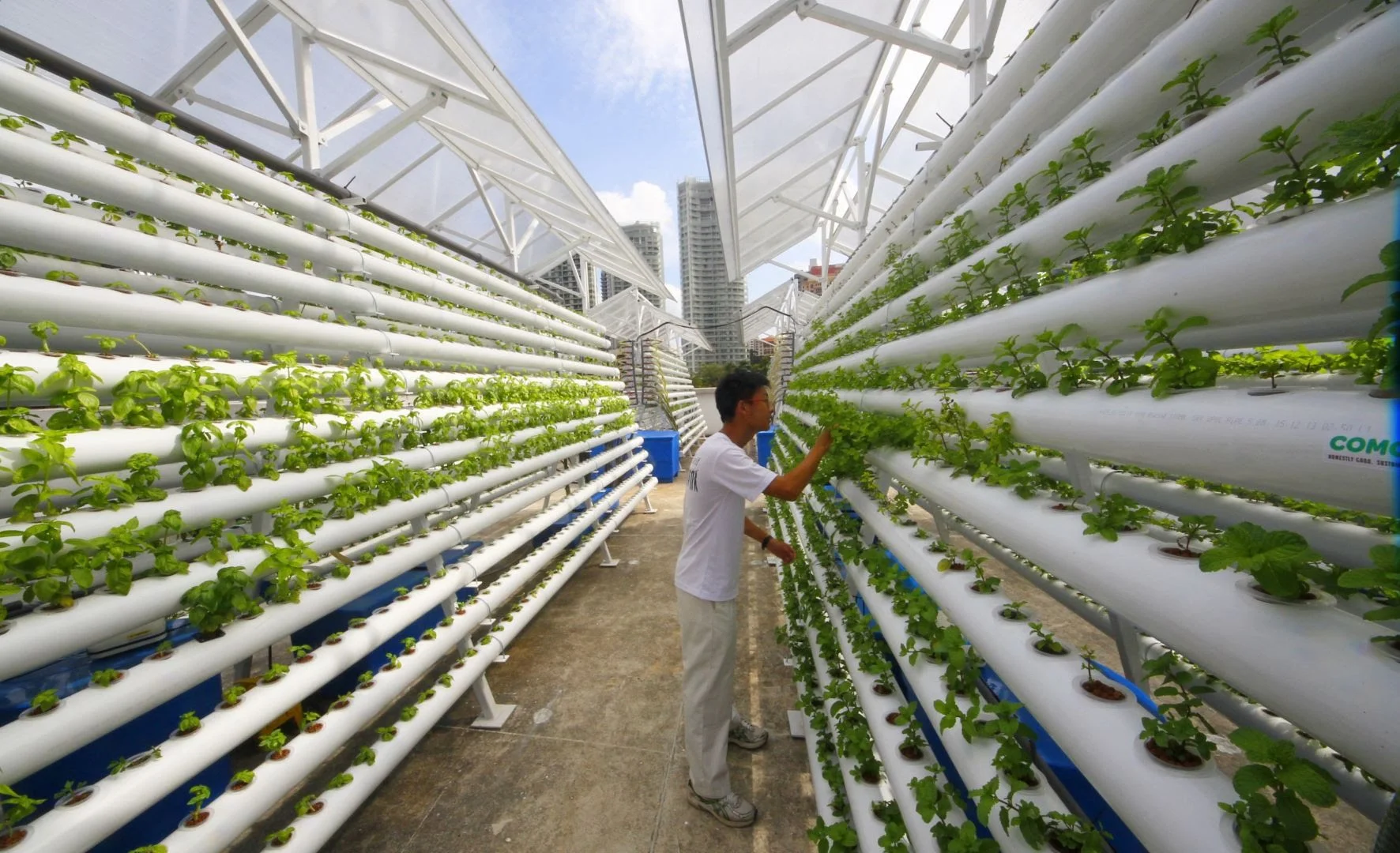
Vertical Farming – The Latest Trend For Producing Food !
Vertical Farming – The Latest Trend For Producing Food !
NOVEMBER 29, 2016
Nowadays, agriculture and food production are under great risk. The major factors for this are as follows
- The land under food cultivation is dwindling so as to give way for real estate activities owing to increase in urban population and their standards of living.
- Climate change is making our food systems vulnerable. Weather has become unpredictable and as a result farmers, especially small and marginal ones suffer from huge crop losses. At some places there are droughts due to delayed or scanty monsoon. At others there are more cyclones and untimely rains flooding the farms.
- The traditional agricultural techniques and practices are getting lost. Aspiring for more profits, farmers are doing mono-cropping and using chemicals in the form of fertilizers and pesticides extensively. This has taken a toll on our soils and has rendered it infertile. Moreover the crop thus raised is harmful for consumption.
Health conscious urban dwellers are switching to organic crops. Few others have gone to the next level of growing their own veggies in their rooftop or kitchen gardens. Demand for healthy and organic food is growing. To cope up with the limitation of land resources and the unpredictability of the weather conditions, scientists and entrepreneurs are developing modern agricultural techniques and technologies. One such innovation is Vertical Farming which is a type of precision farming. The goal of precision farming is to optimize returns on inputs while preserving resources. Vertical farms can produce more crops in less space with minimal environmental damage.
Related Read: The Tense In AgriTech: Past, Present And Future In India !
The characteristics of vertical farming are
- It involves producing crops in vertical stacks of plant beds one above another. This reduces the need for more land and eliminates the need for tilling.
- It is done indoors and environmental conditions are controlled, thus effectively isolating it from the outdoor weather conditions.
- This soil less farming is achieved either by hydroponics or aeroponics. Hydroponics uses water as medium for conveying nutrients to the roots. Mineral nutrients are dissolved in water, pumped and fed directly to a plant’s root system without any involvement of soil. In aeroponics, the roots are exposed to nutrient rich mist. The benefits associated with these technologies are quicker growth, faster harvest, higher yield and low nutrient and water wastage.
- Here, sunlight is replaced by light from LEDs. When plants photosynthesize they convert light of certain wavelength into chemical energy which is not necessary to come from sun. LEDs which are having high acceptance in replacing traditional lights, have been evolved to provide optimum electromagnetic spectrum for photosynthesis, consume less energy and have minimal heat signatures which keeps the energy requirement for temperature maintenance at a minimum.
Crops generally grown in this method are green leafy vegetables. The vertical farming market is estimated to reach USD 3.88 billion by 2020, at a CAGR of 30.7% between 2015 and 2020.
In some developed countries, vertical farms are on the verge of starting the next green revolution. The first ever commercial vertical farm was setup in Singapore in 2012. The world’s largest vertical farm is coming up in Newark, New Jersey by a company called Aerofarms which aims to produce about two million pounds of leafy greens a year using aeroponics techniques.
In Japan vertical farm technology gained traction after the Fukushima nuclear meltdown exposed the susceptibility of arable land getting contaminated. Closer home, start-ups such as Futurefarms based in Chennai has setup such farms and has begun promoting it.
Vertical farms can be setup in abandoned factories or warehouses. It promises to create more jobs and attracts public-private investment. The vegetables can be locally grown and thus the cost and emissions due to their transportation can be significantly cut down. These farms also give us the option of year-round harvest. And of course, huge swathes of land can be returned to their natural state by reforestation.
Nevertheless, some scientists are sceptical about this technology. They consider it to be a factory rather than a farm almost like a broiler producing plant. Further, the whole system is vulnerable due to human error and technological malfunction. Considering that these systems use huge number of LED lights, motors and sensors the demand for power increases substantially which can make it unsustainable. Detailed research work has to be done before it gets commercialised in India.